A Pair of Circa Mid 20th Century Germany Beer Steins: appraisal and value basics
A Pair of Circa Mid 20th Century Germany Beer Steins research should start with identification, condition, provenance, and recent comparable sales. Use this guide to compare the signals that matter before paying for a formal appraisal or deciding whether to sell.
Quick facts to record before you value them
Before you search comps, capture the details that most strongly determine whether your pair is a common souvenir set or a more collectible maker/model.
- Country text: “Germany” vs “West Germany” helps narrow the post-war date range.
- Material: glazed ceramic vs. salt-glazed stoneware (gray/tan with a slightly “orange peel” texture).
- Capacity mark: look for “0,5 L”, “0.5L”, “1/2L”, or older-style German capacity stamps.
- Lid present: intact pewter lid + hinge + thumb lift usually adds meaningful value.
- Base mark: maker name/logo (e.g., Gerz/Gerzit) and any mold numbers.
- Condition: rim chips, lid dents, cracks/crazing, and handle hairlines are the big value movers.
What “mid-20th-century German beer stein” usually means
In U.S. estates, “mid-century German beer stein” most often refers to a 1950s–1970s (sometimes 1980s) tourist or gift-market stein. These were made in volume, but the better examples have durable stoneware bodies, crisp relief decoration, and properly fitted pewter lids.
The important distinction is that age alone doesn’t make a stein valuable—maker + model + condition + completeness does. A West German souvenir stein with an intact lid can still sell consistently, while a similar stein with a missing lid often drops into “decor” pricing.

Authentication checklist (10 minutes, no tools)
- Flip it over and photograph the base. A clear maker mark is the single best shortcut to comps.
- Read the lid stamp. Many pewter lids are stamped with a pewter fineness (e.g., “ZINN”, “94%”, “95%”).
- Check the hinge tightness. A loose hinge or misaligned lid often indicates missing pins or repairs.
- Inspect the rim. Tiny rim chips are common; larger chips/cracks materially reduce value.
- Look for hairlines. Hold the stein under bright light and rotate—fine cracks can hide in the glaze.
- Confirm capacity. A 0.5L/1L stein with a capacity mark is easier to match to identical examples online.
Left stein: lidded ceramic/stoneware stein (Gerz/Gerzit-style)
Your left stein is described as a classic mid-20th-century German lidded stein. In this era, a number of companies produced similar forms, and collectors frequently encounter Gerz and Gerzit/Gerzit Gerz (both tied to the Gerz pottery tradition). The fastest way to confirm attribution is the base mark and any mold/model number.
Value drivers for the lidded stein:
- Maker + mark clarity: crisp stamp/label beats “unmarked Germany.”
- Lid originality: original hinge pin and snug fit matter; mismatched lids reduce collector interest.
- Decoration quality: sharp relief, clean glazing, and minimal over-paint wear are positives.
- Fineness stamp: pewter fineness stamps are a plus (and reassuring to buyers).
Right stein: salt-glazed stoneware stein missing its lid
Salt-glazed stoneware steins (often gray to tan with a slightly textured surface) were widely produced in Germany. Without the pewter lid, these are usually valued as decorative or utilitarian objects unless the maker/model is notably collectible.
What the missing lid does to value:
- Reduced collectibility: many buyers want “classic lidded stein” presentation.
- Higher replacement friction: lids are not one-size-fits-all—diameter, hinge position, and thumb lift vary.
- But not worthless: if the body is clean and the base is marked, it can still sell well as a display stein.
Value guide (USD): realistic ranges for a mid-century pair
A legacy appraisal note for this pair suggested $100–$120 for the lidded stein and $60–$70 for the stein missing its lid. Those figures still read as a reasonable mid-market starting point for typical, non-rare West German souvenir steins in clean condition.
Use the table below to adjust for condition and market context:
| Market context | Typical range (pair) | What moves it up |
|---|---|---|
| Local auction (hammer) | $40–$120 | Clear maker mark, attractive decoration, intact lid hardware, no chips/cracks. |
| Online private sale (eBay/Etsy-style) | $120–$220 | Matching pair presentation, strong photos of base + lid stamps, clean interiors, desirable motif. |
| Insurance replacement (retail) | $220–$350 | Comparable retail listings, documented maker/model, and a condition report with photos. |
As a practical working number, many mid-century pairs like this land around $140–$200 total in private sale when the lidded stein is clean and the lidless stein has no structural damage.
What similar items actually sold for
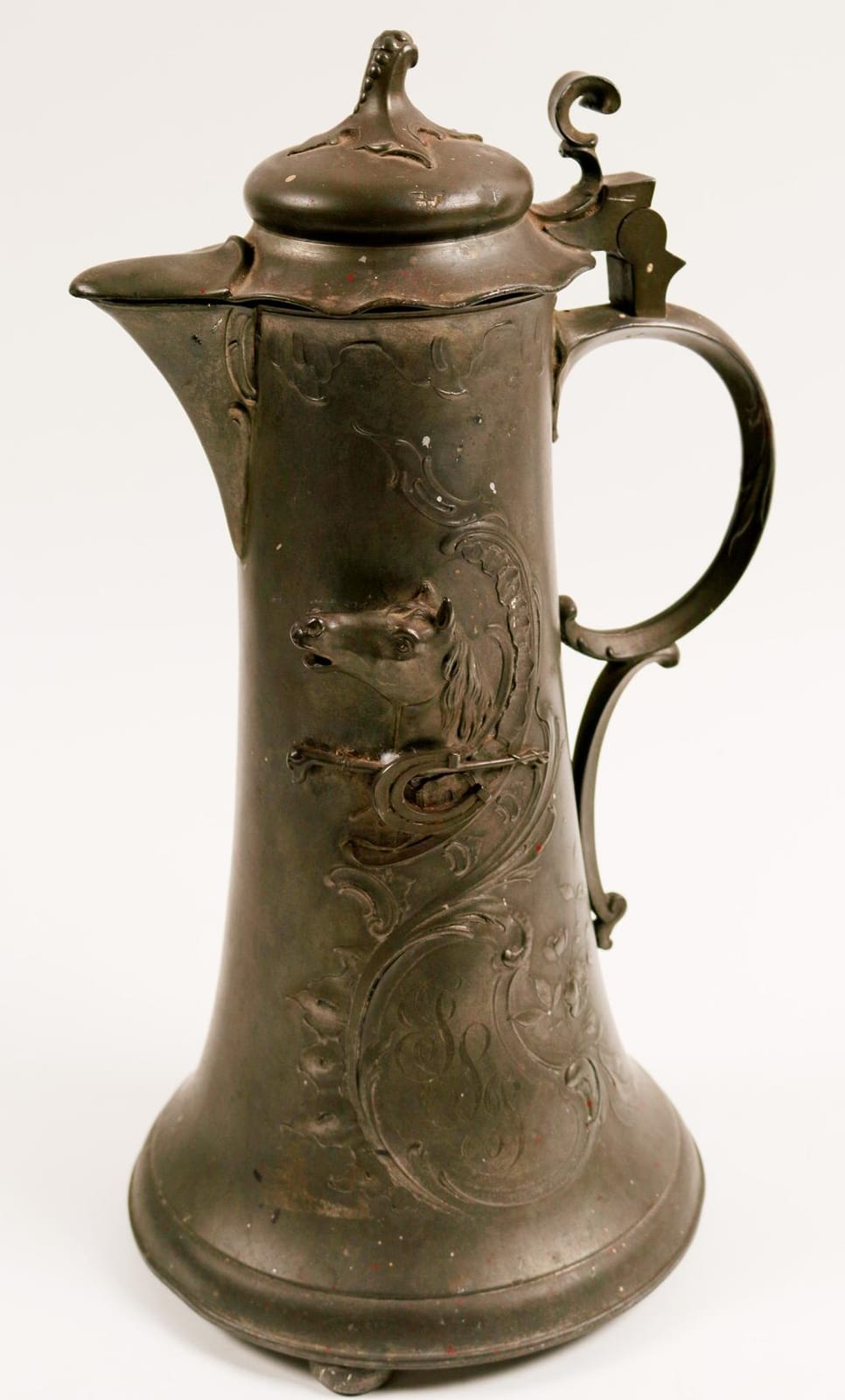
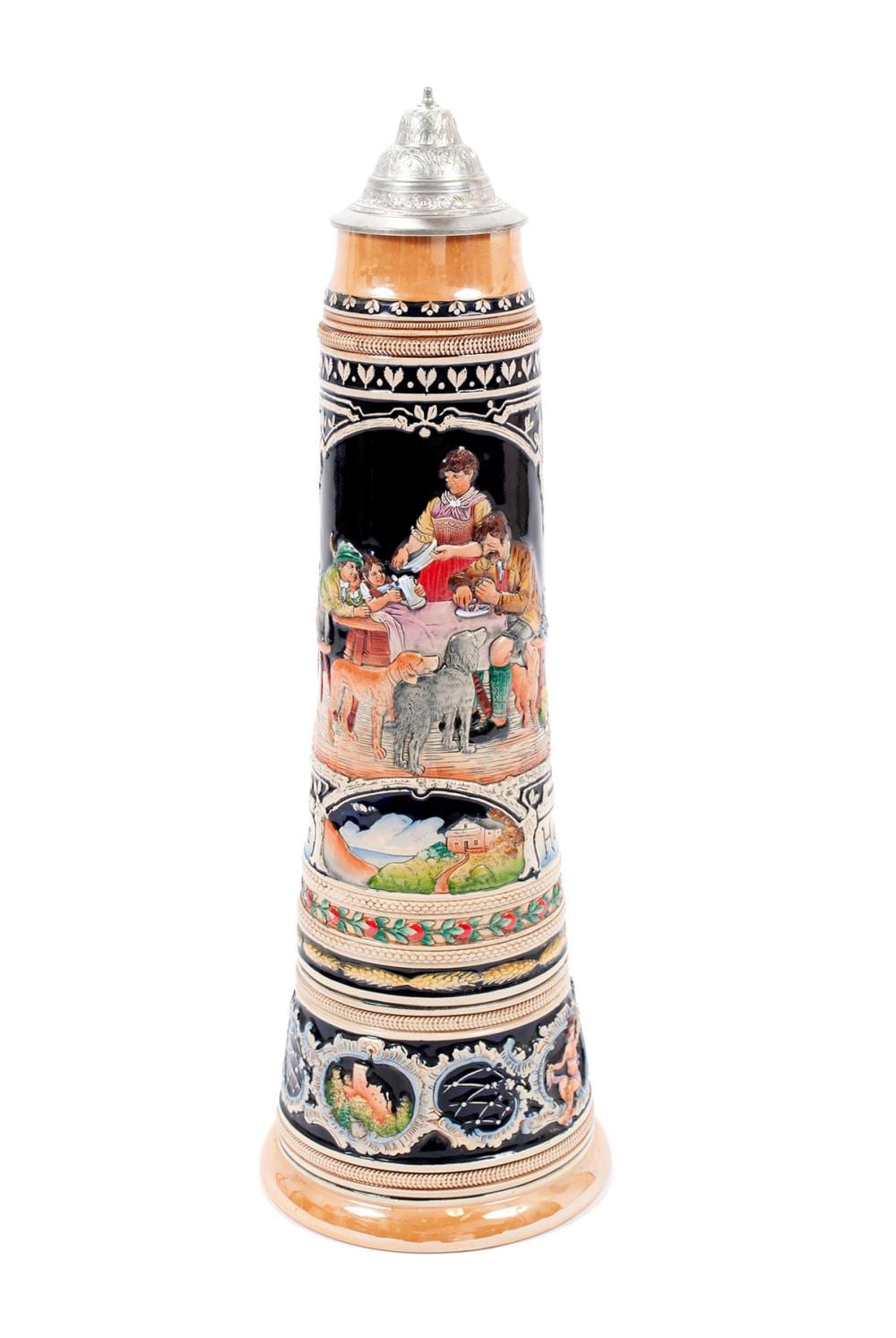
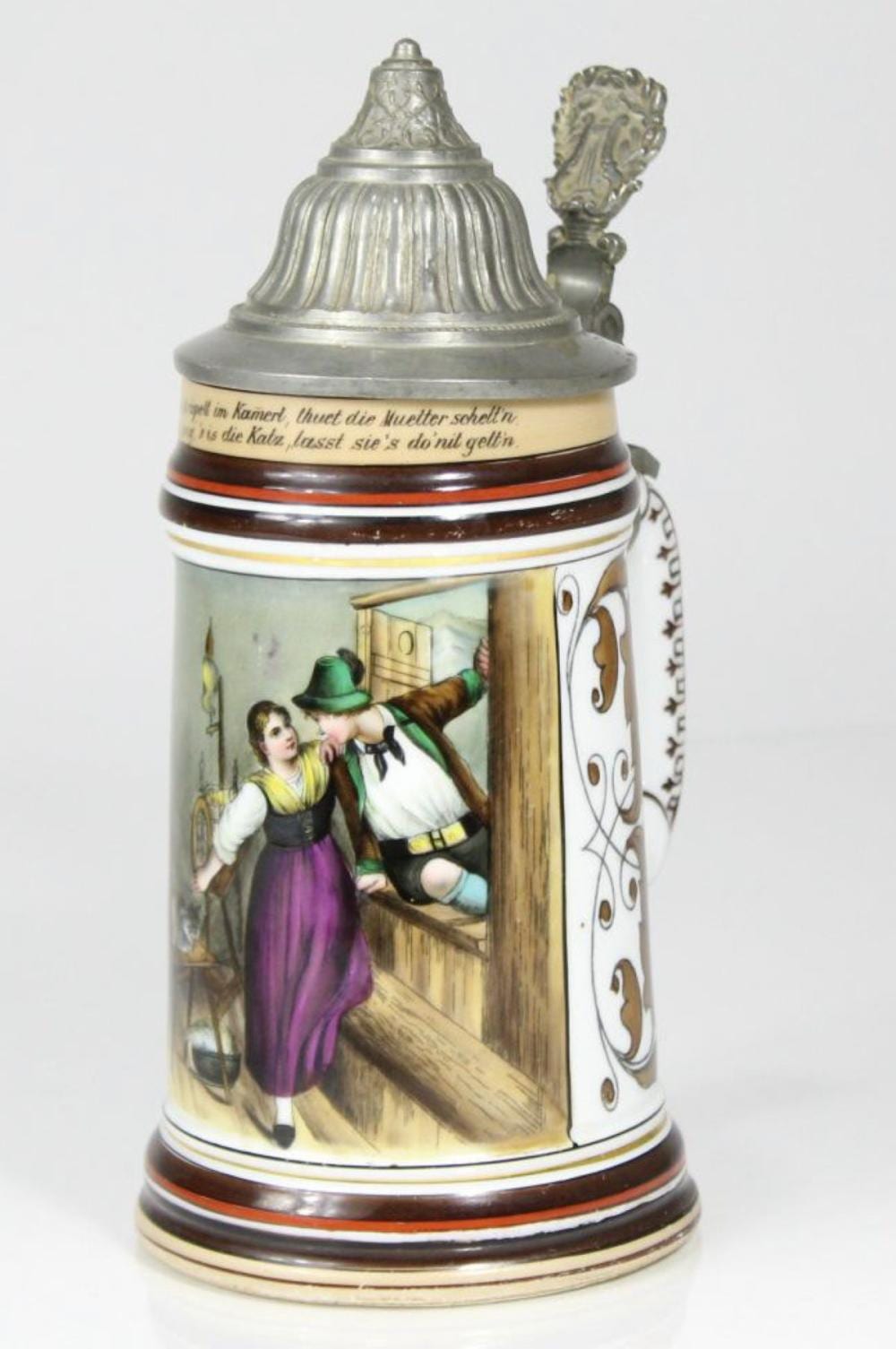
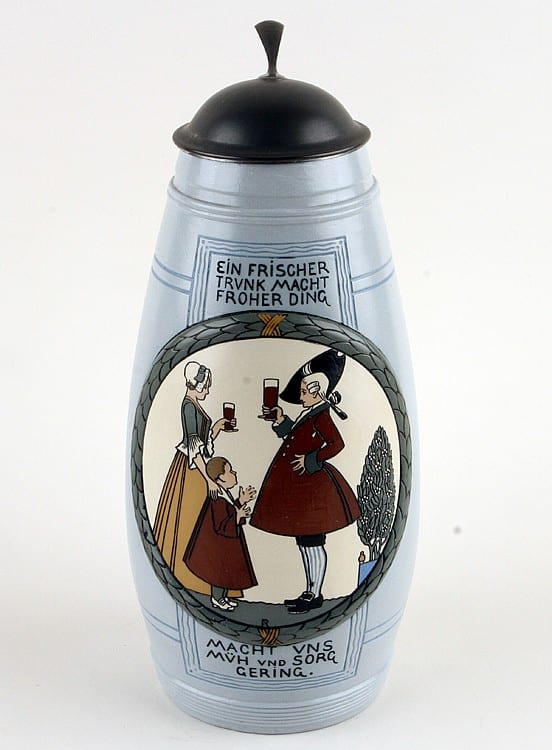
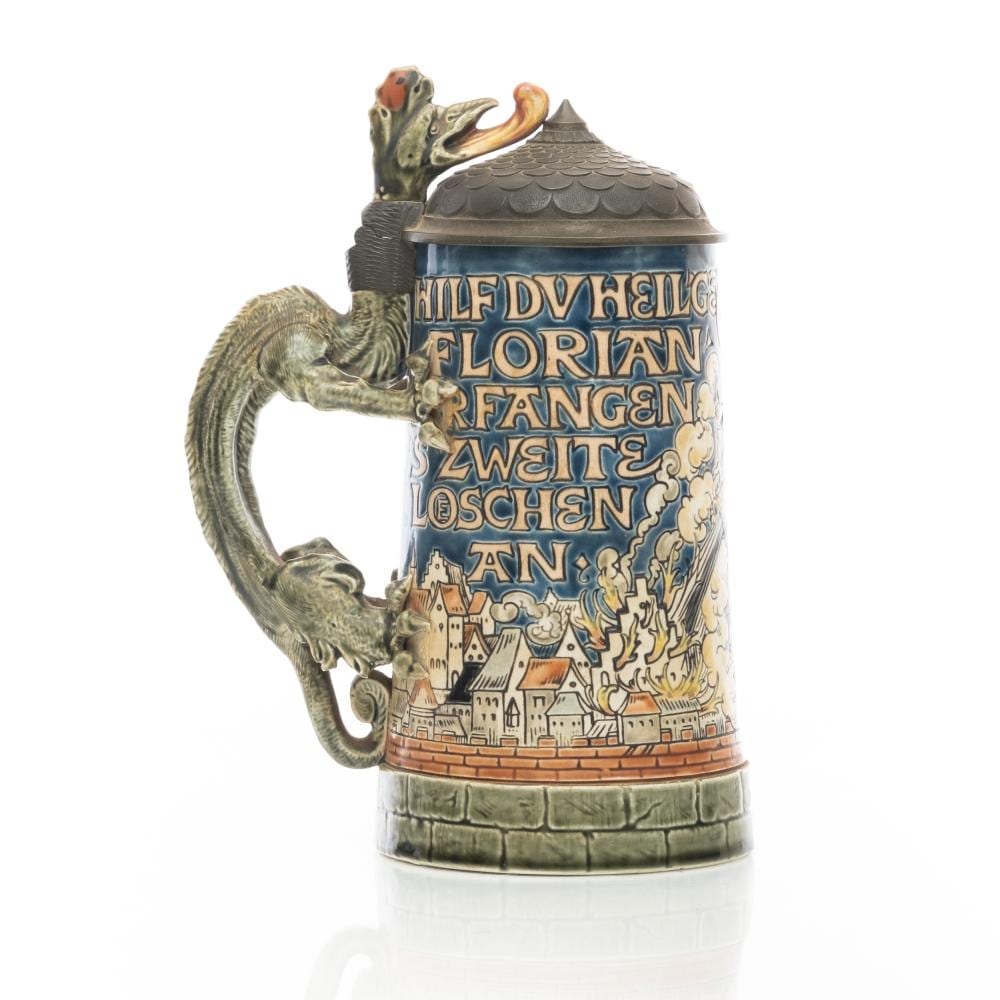
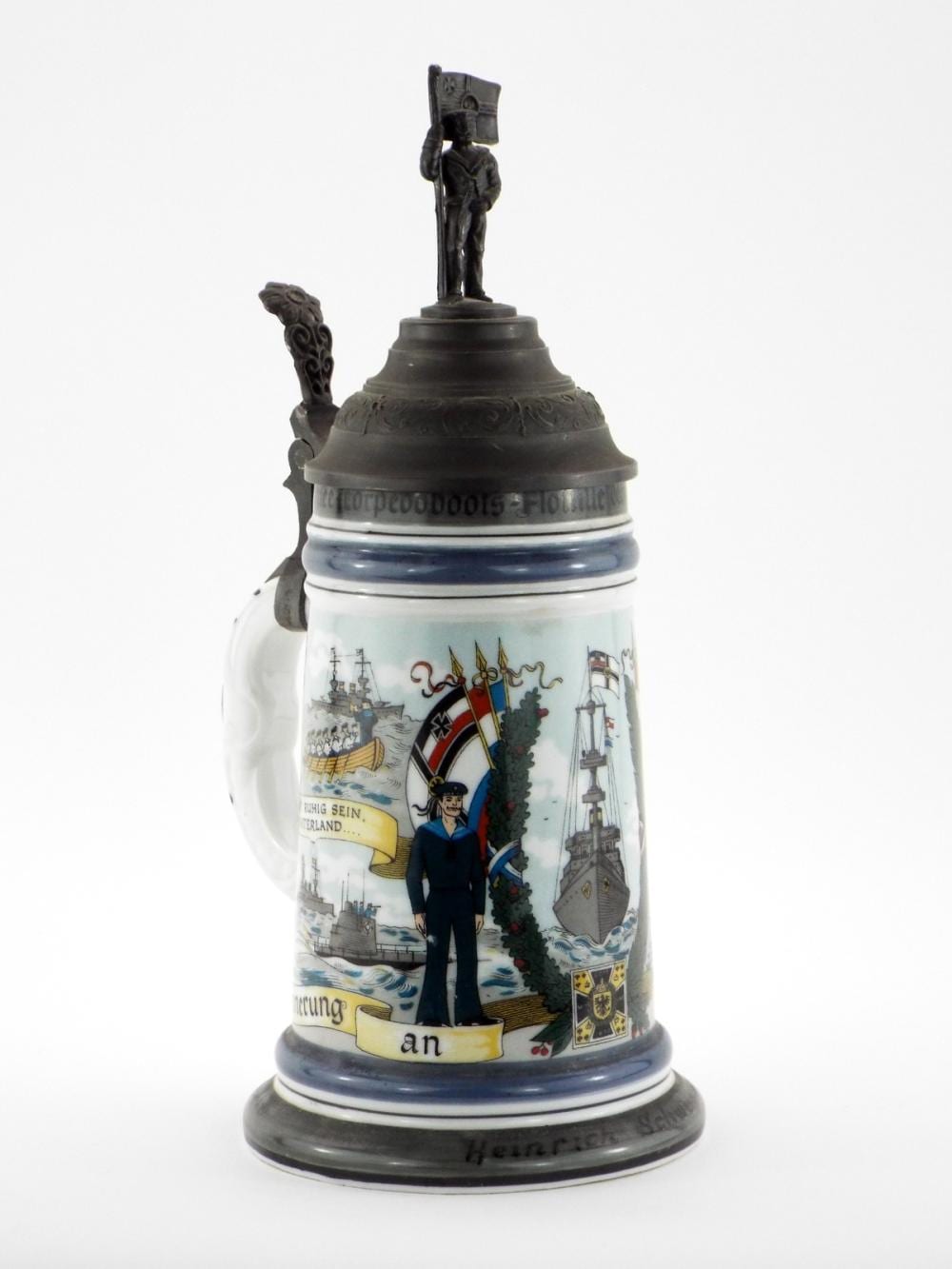
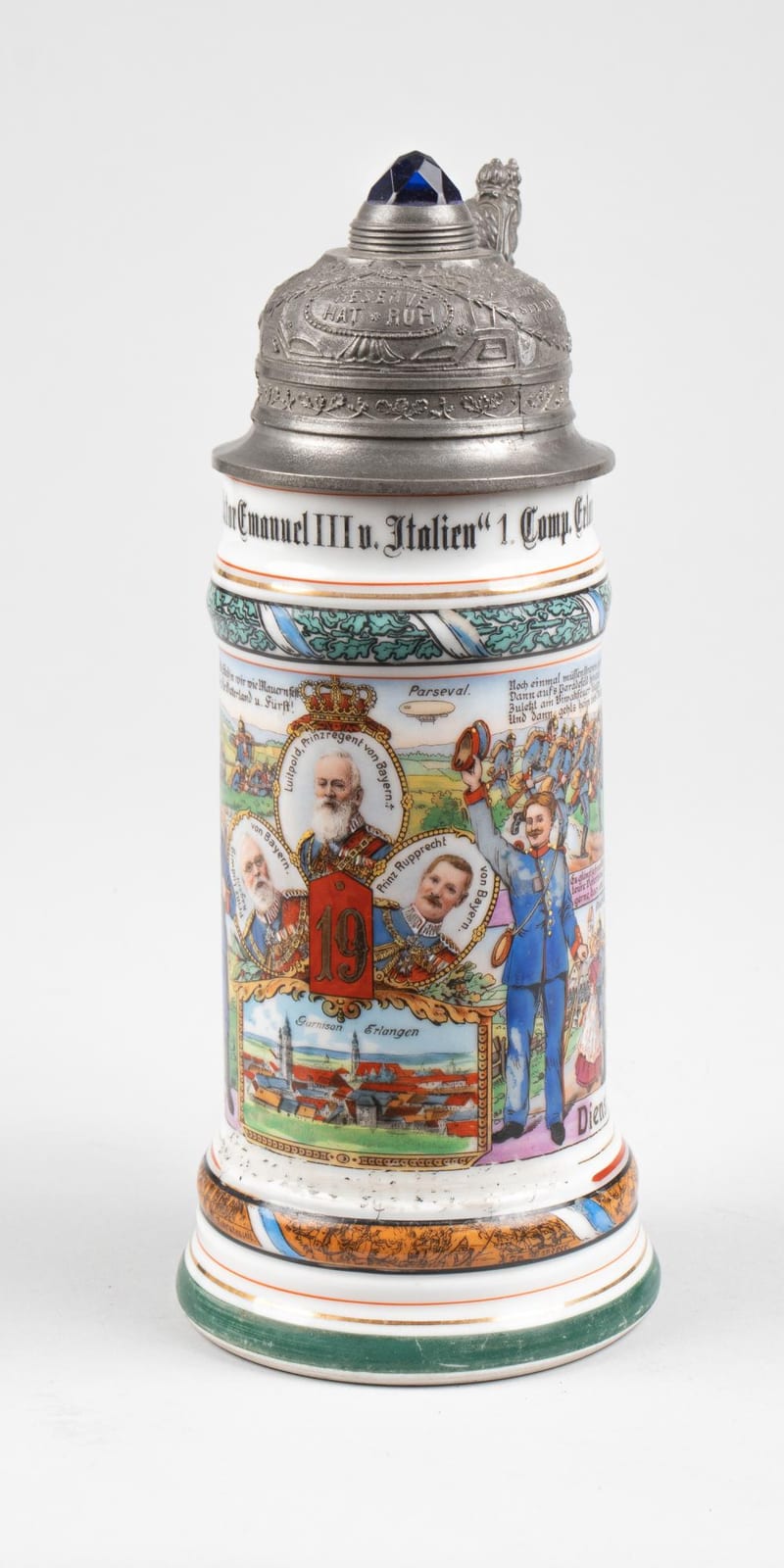
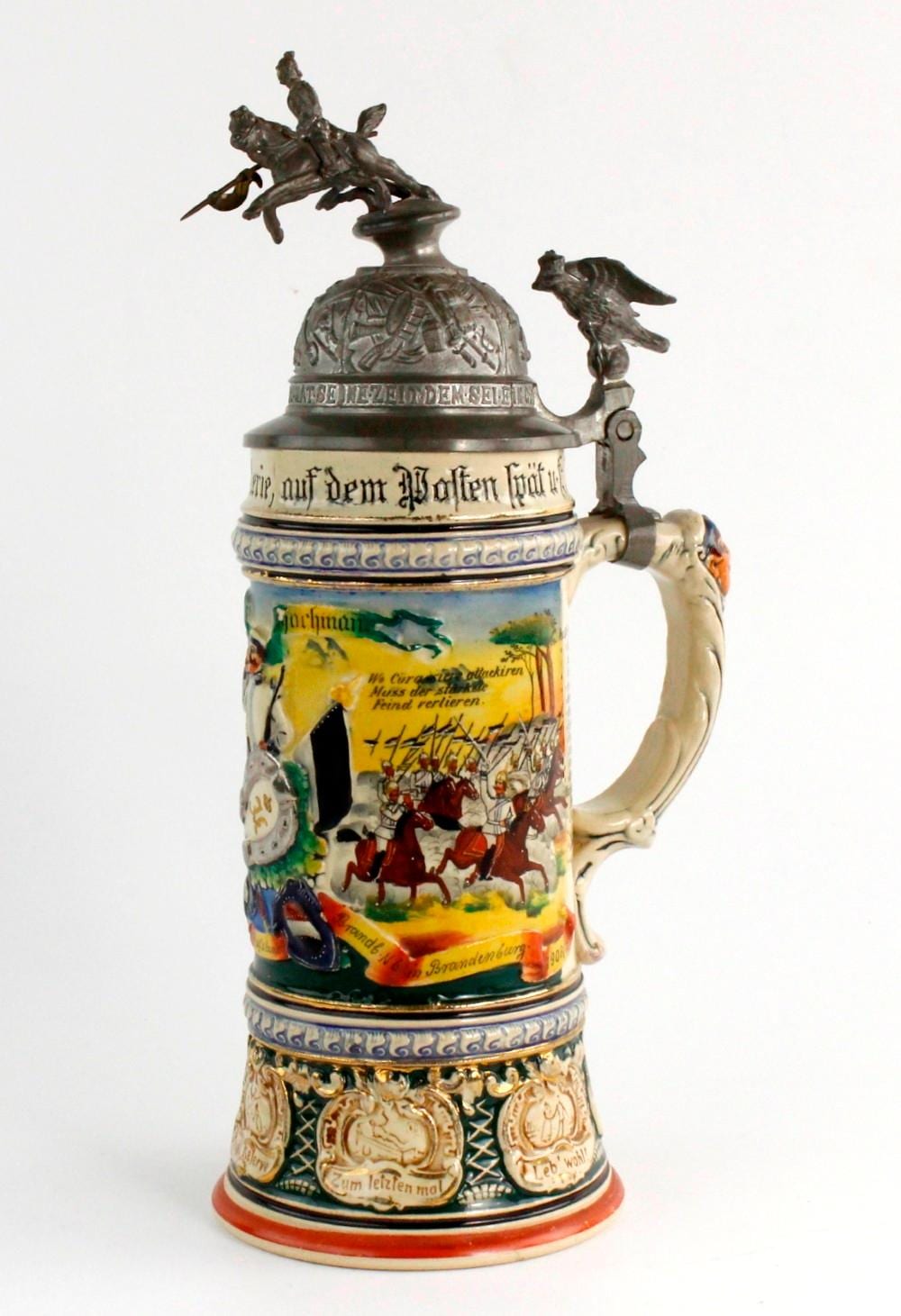
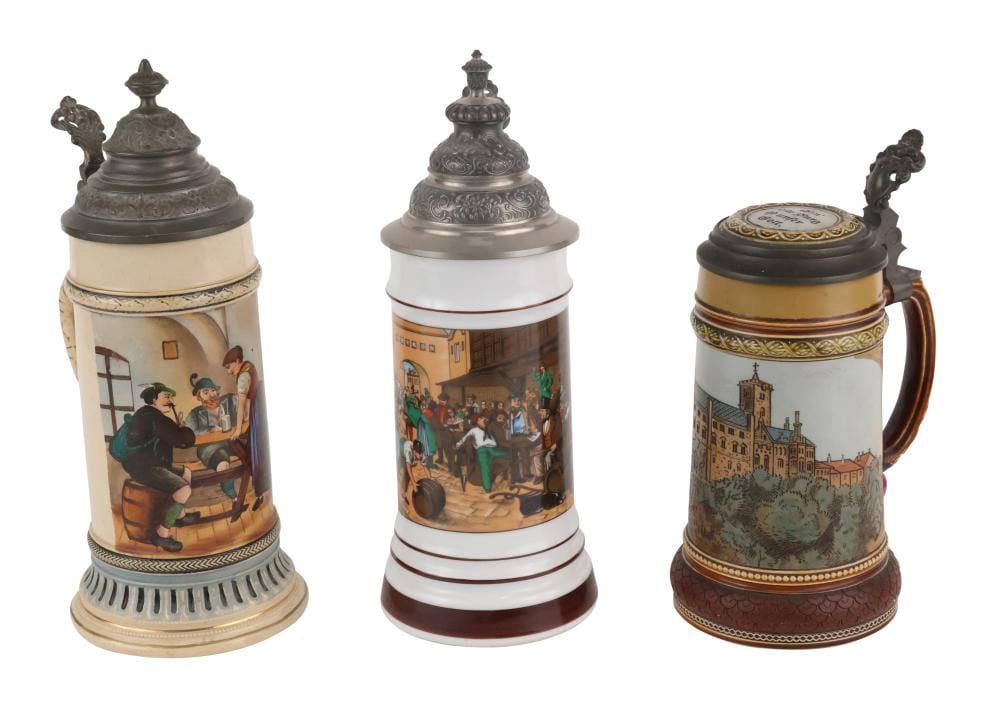
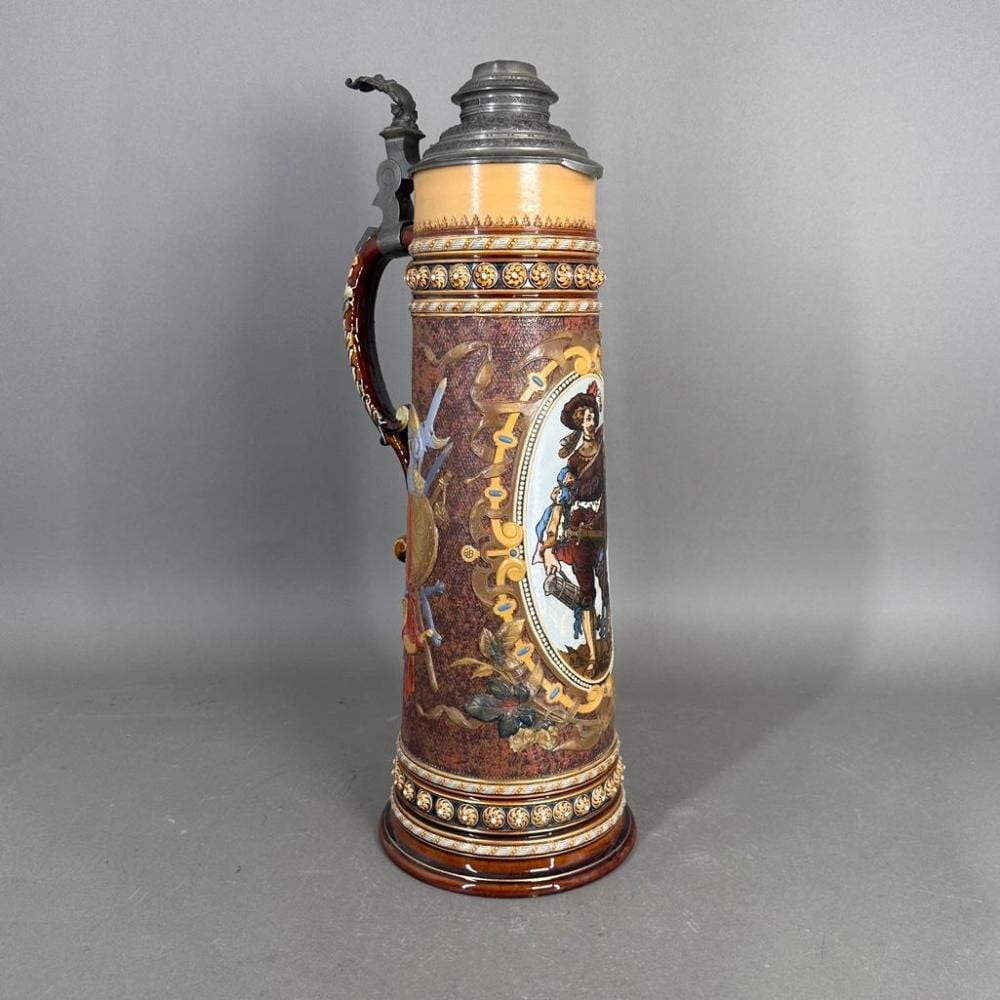
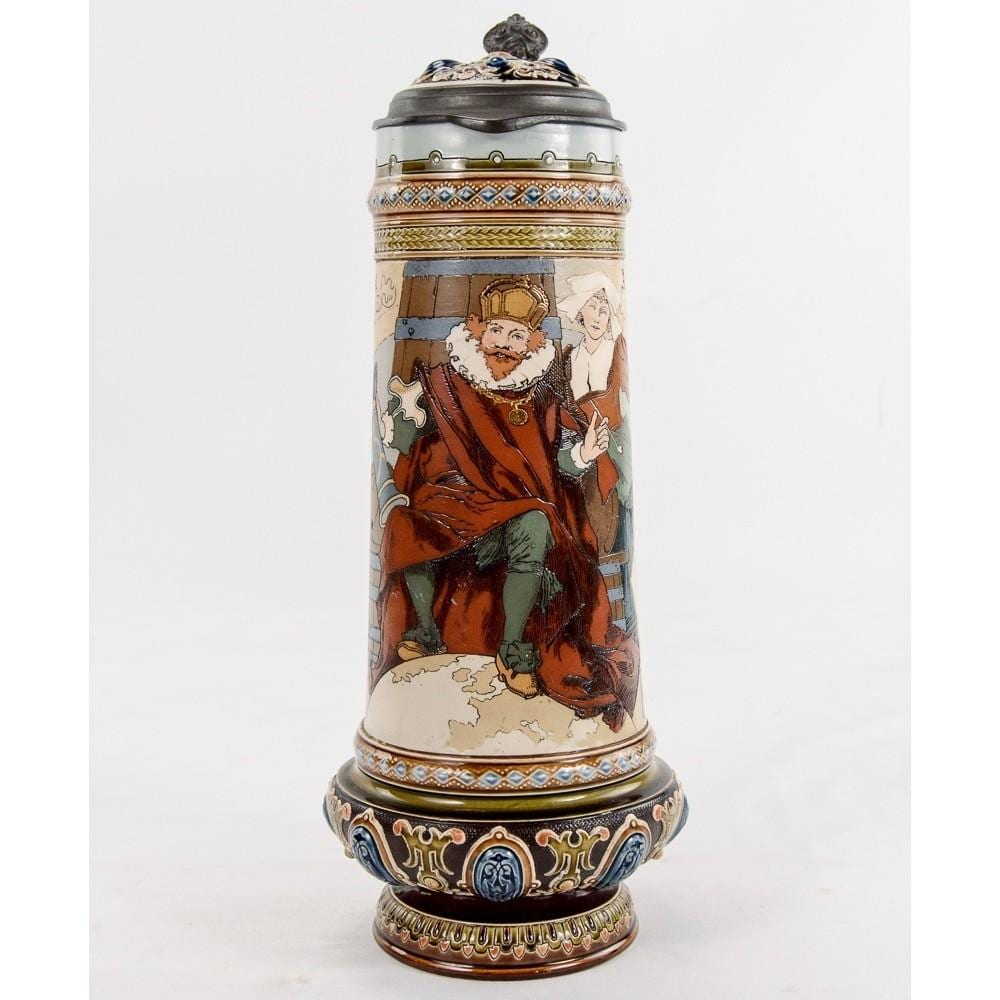
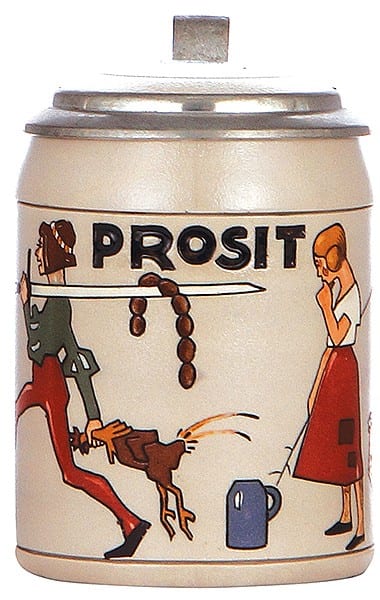
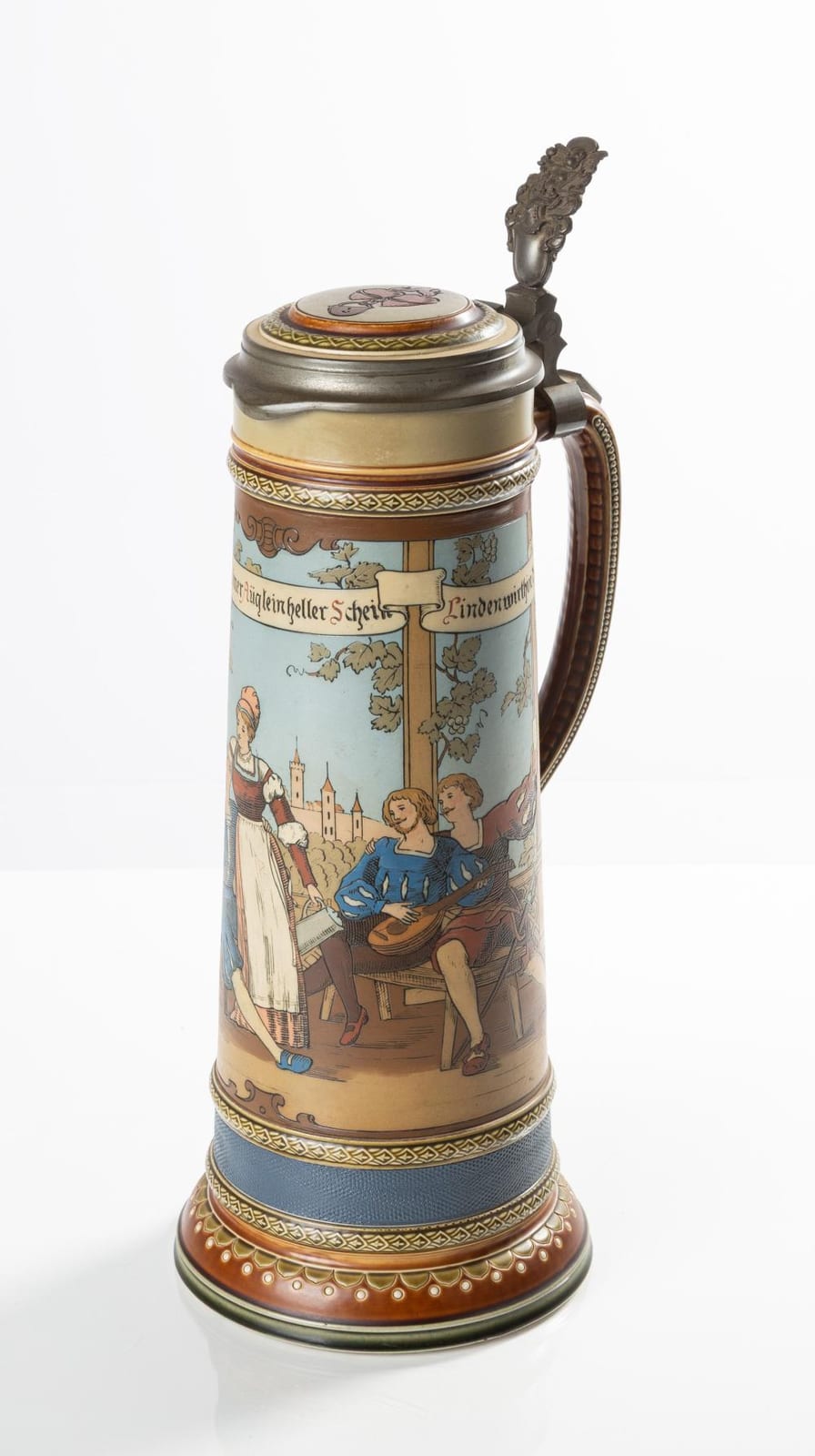
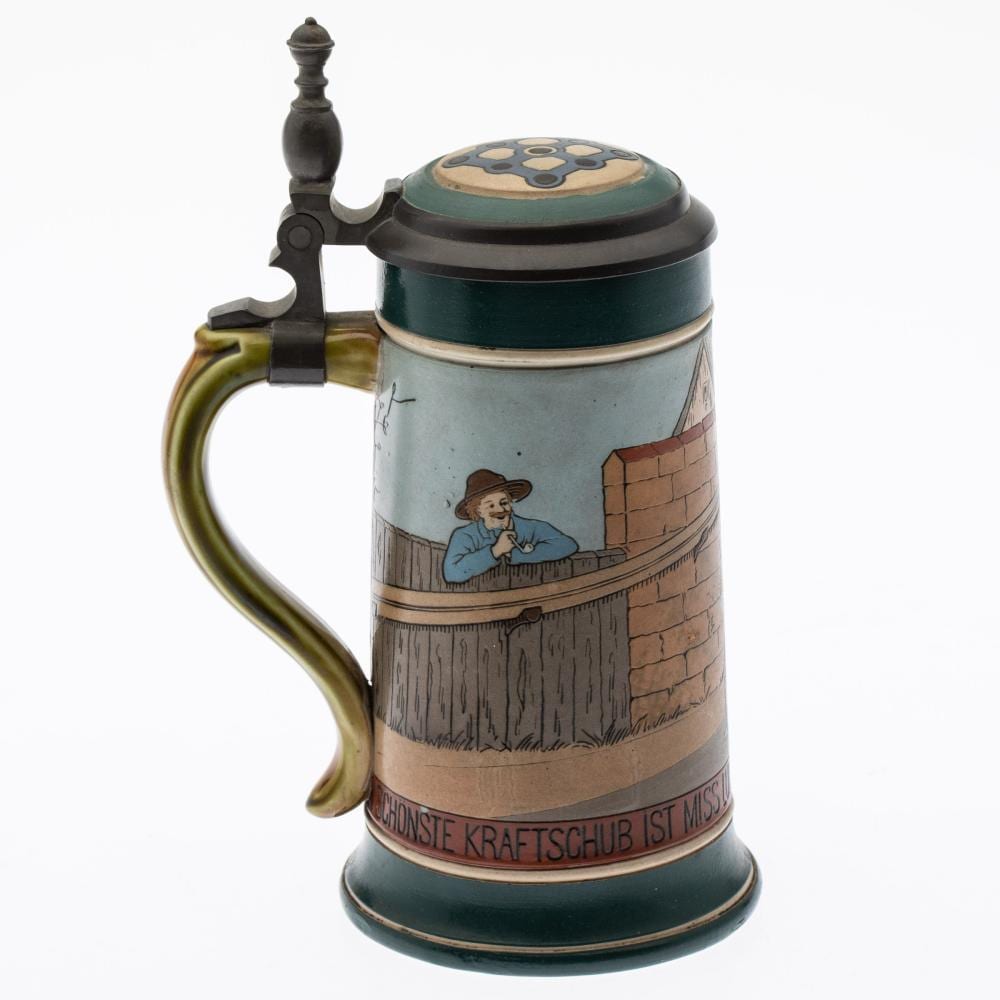
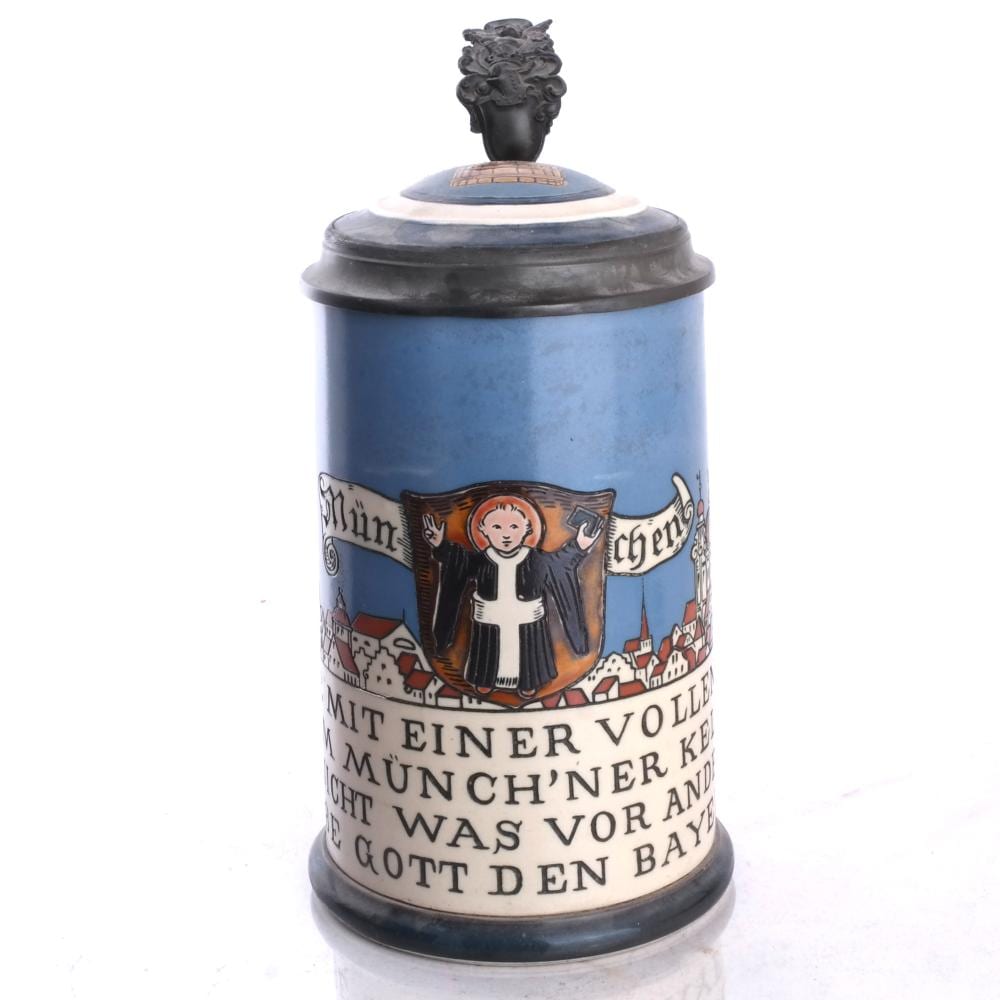
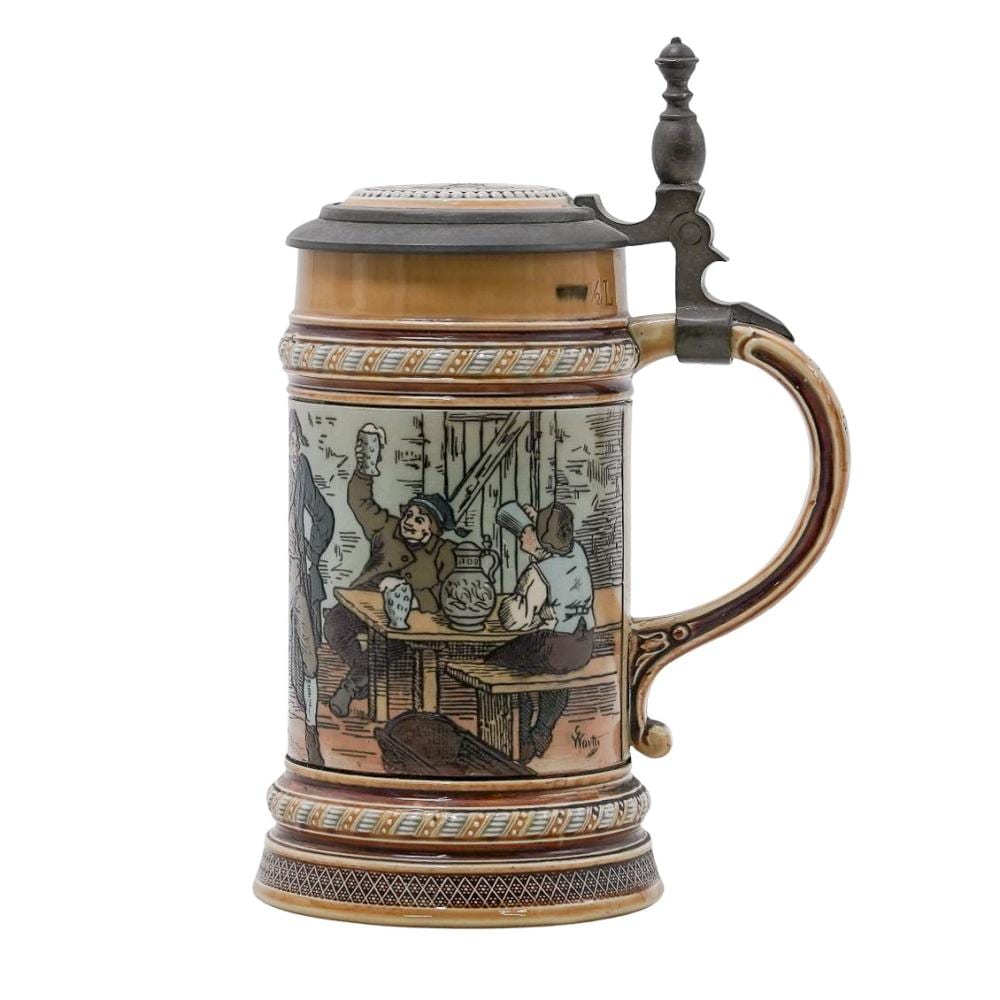
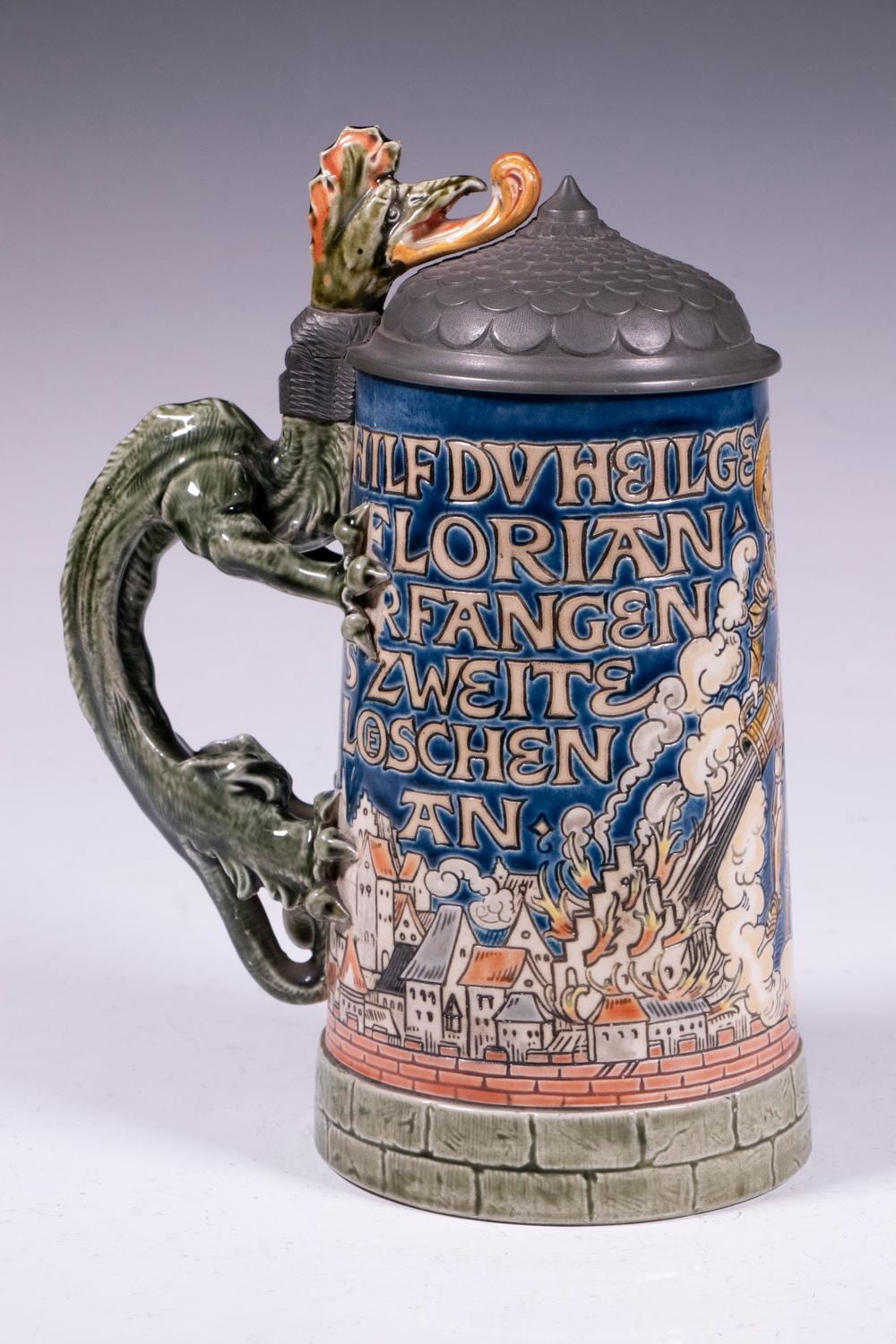
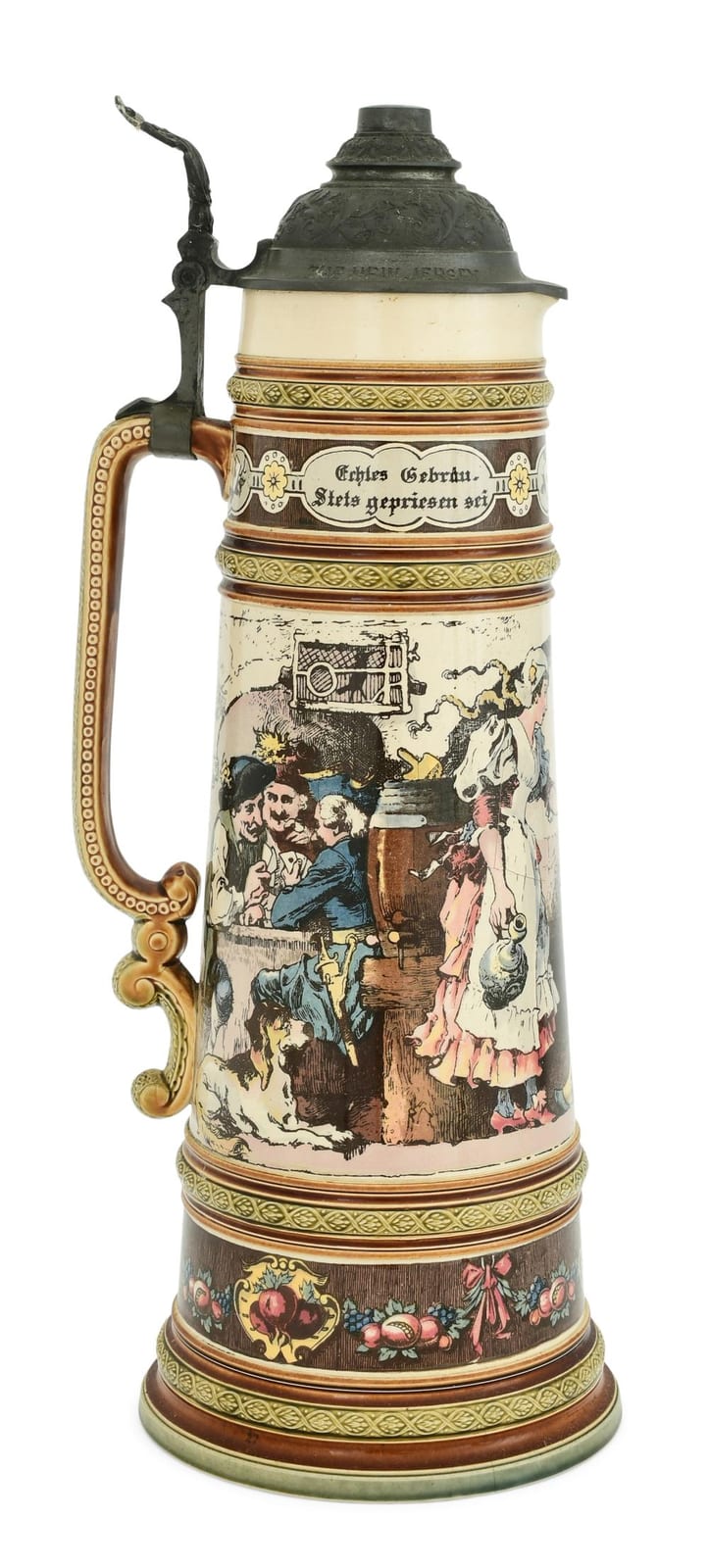
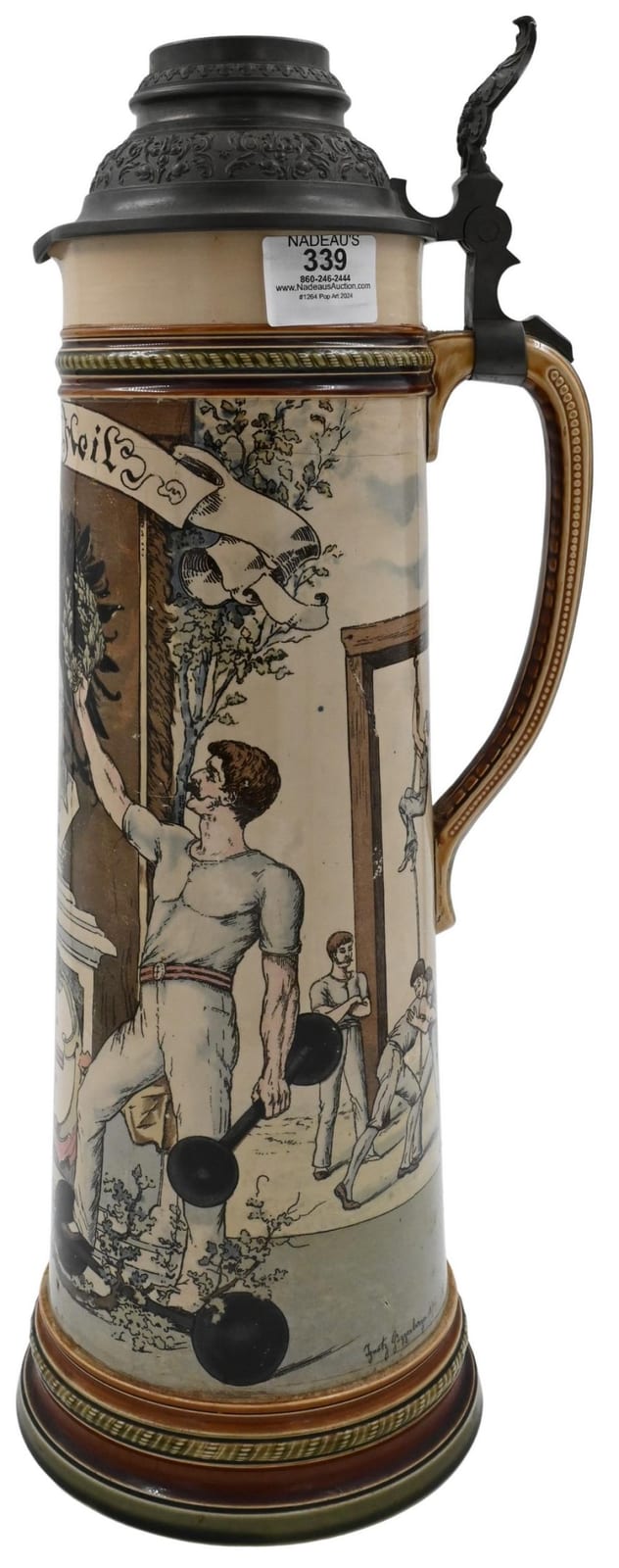
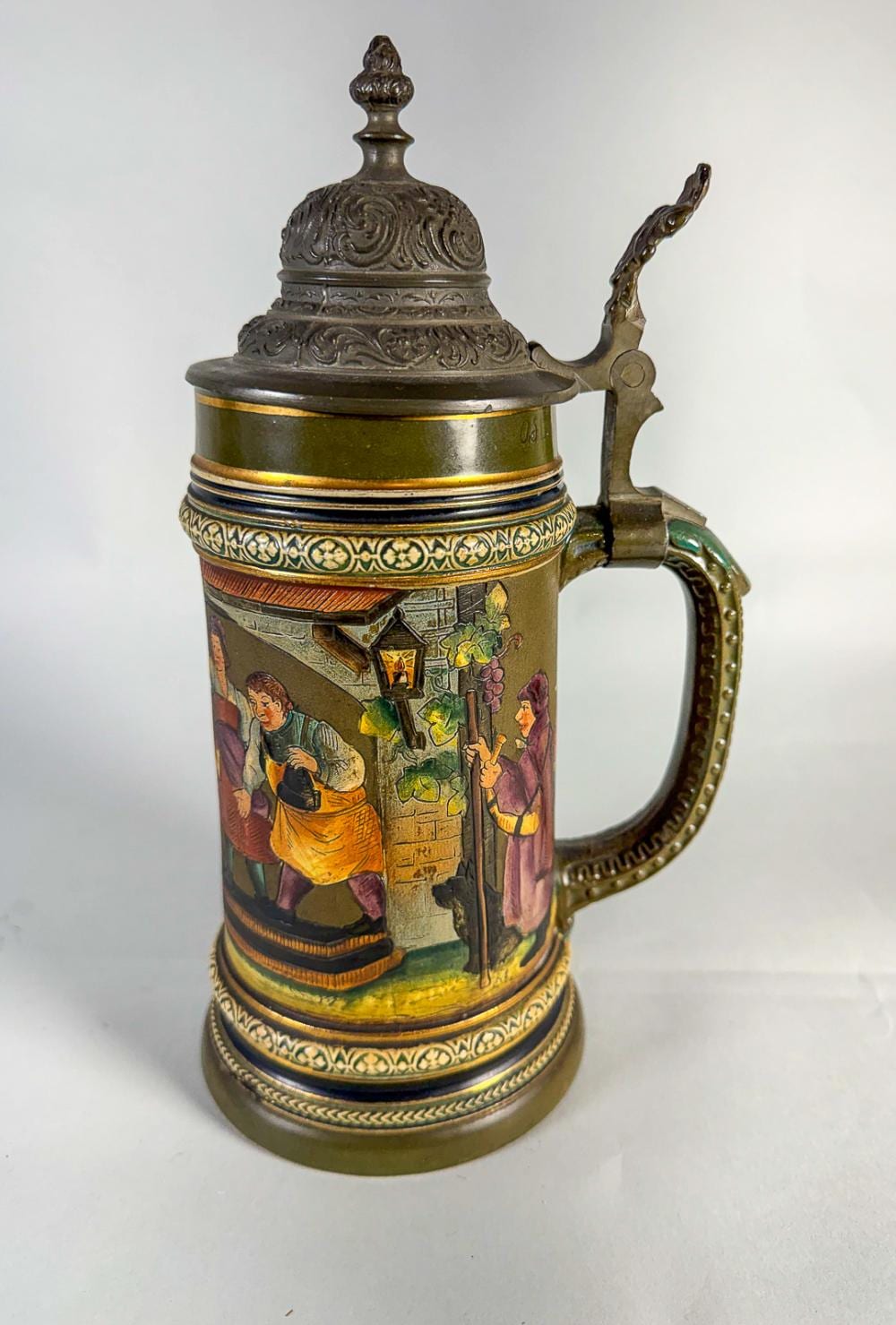
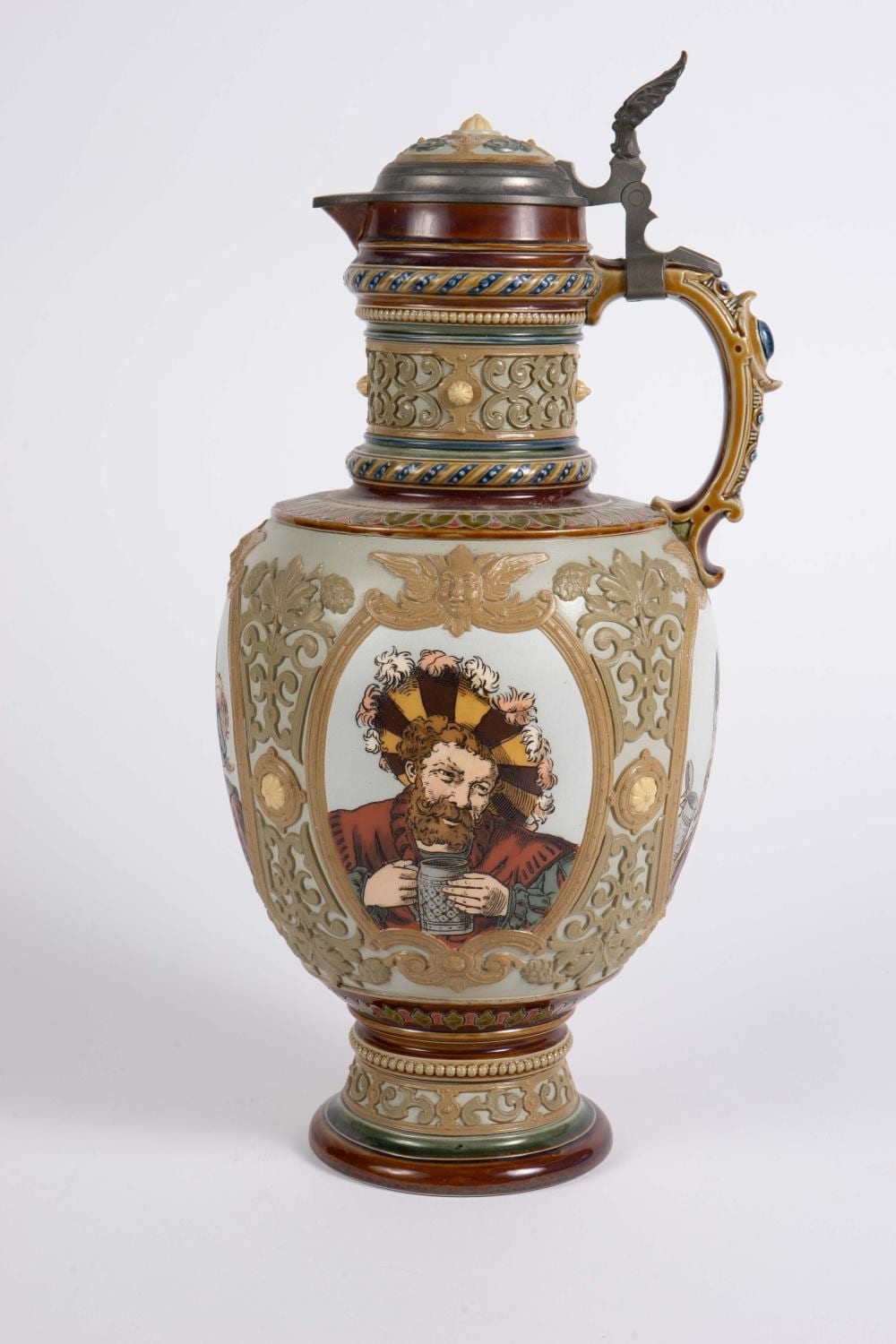
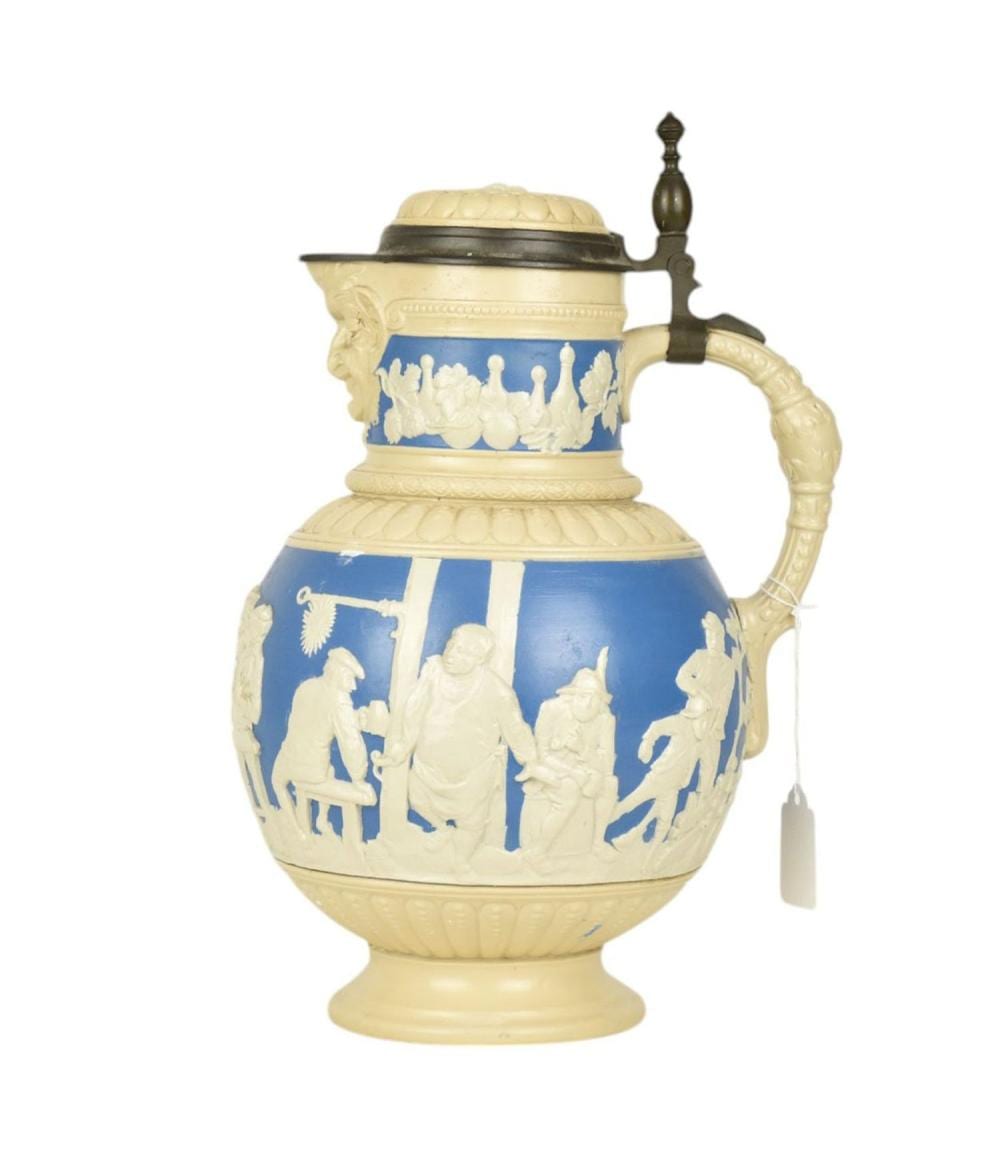
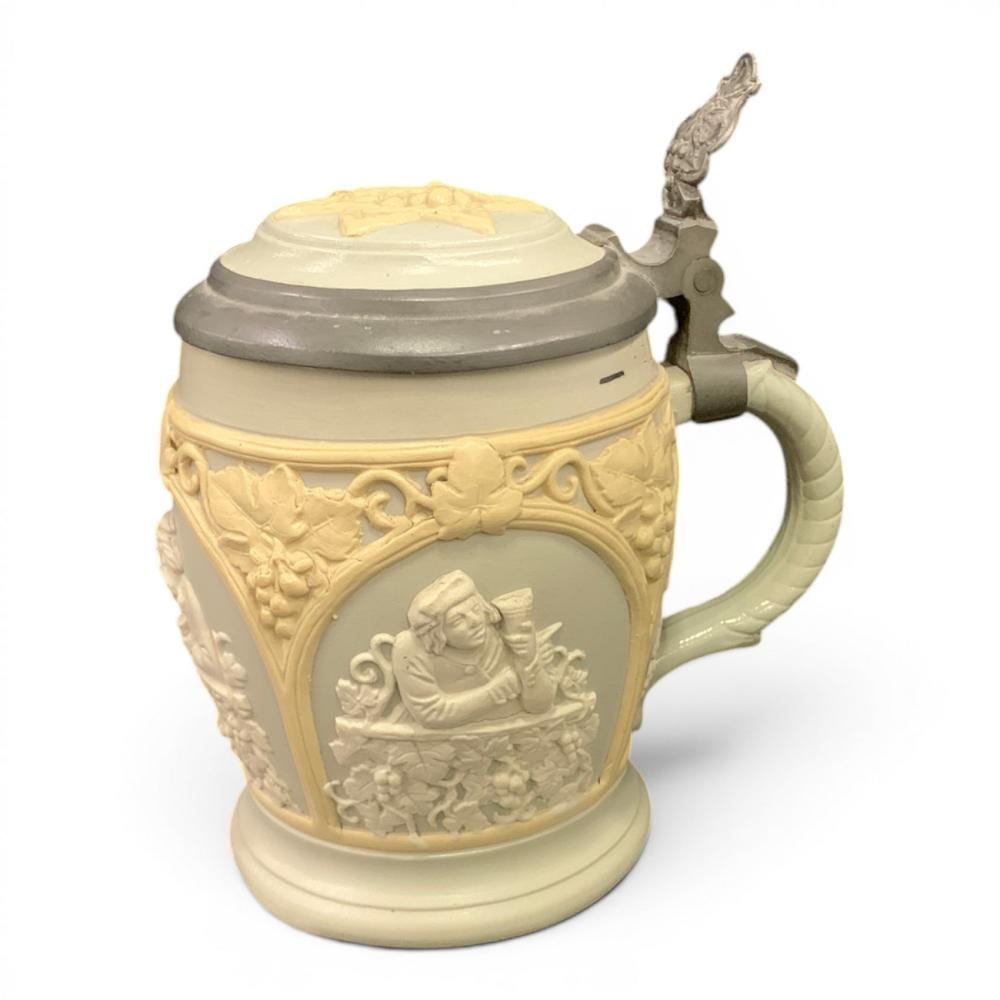
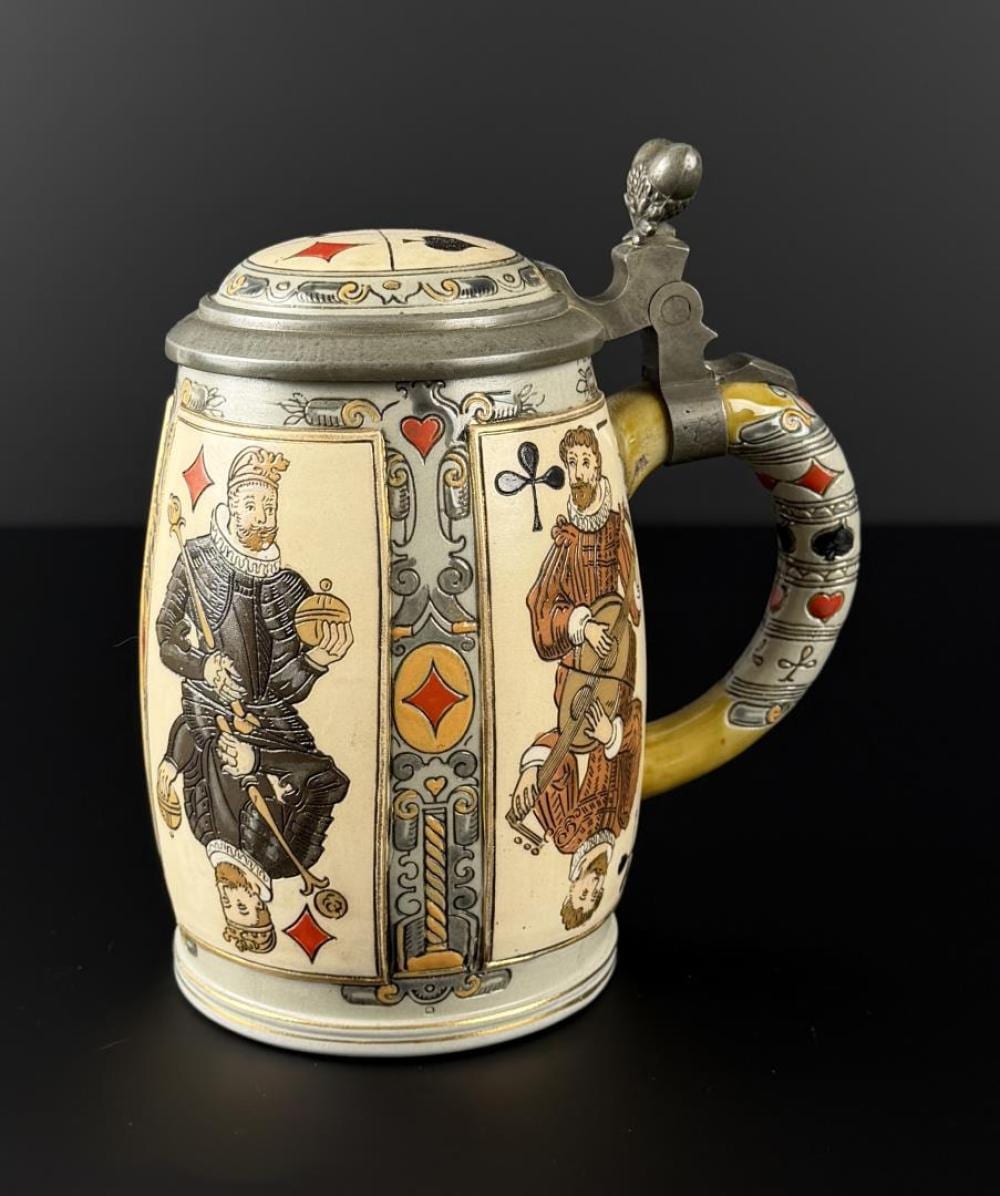
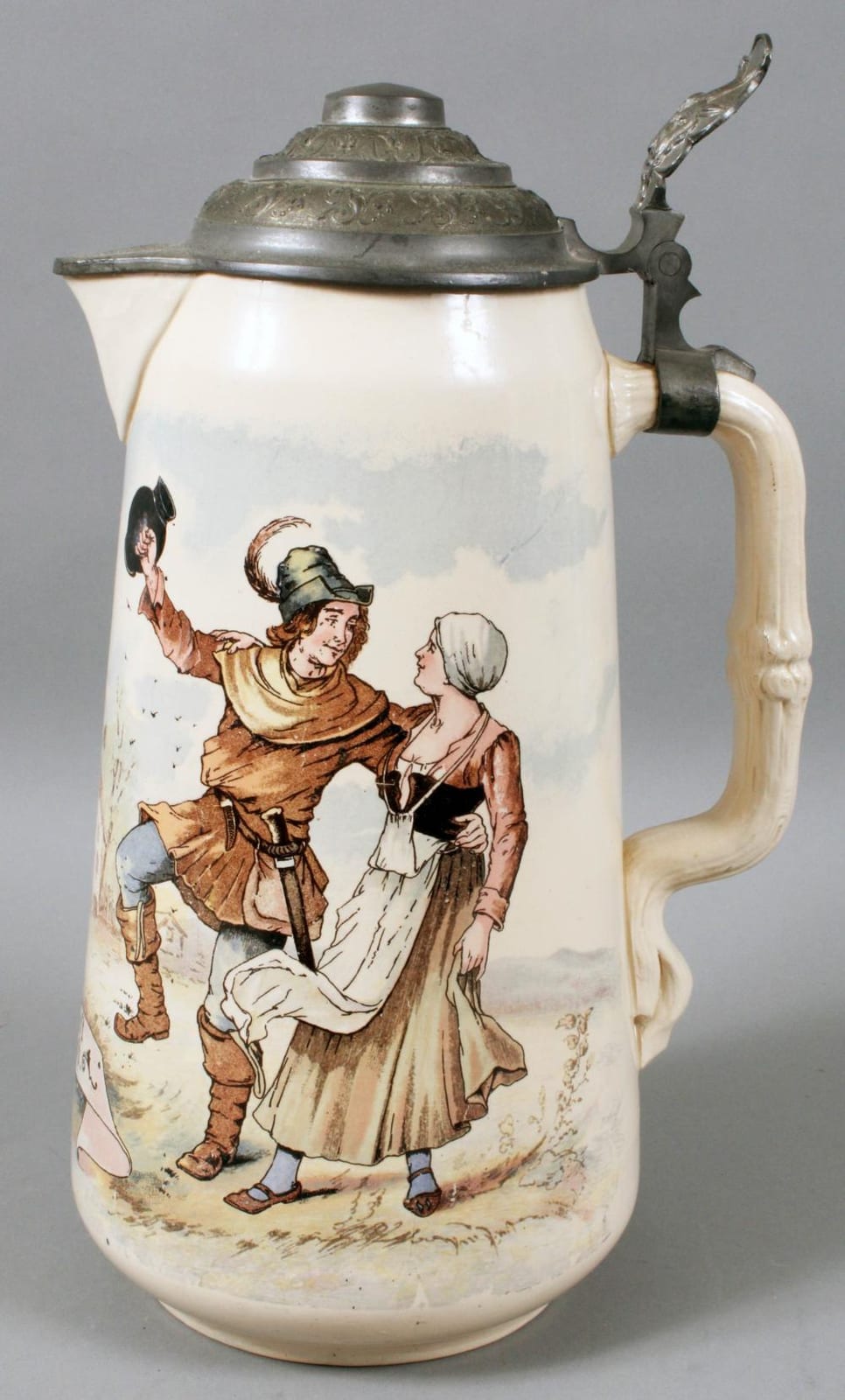
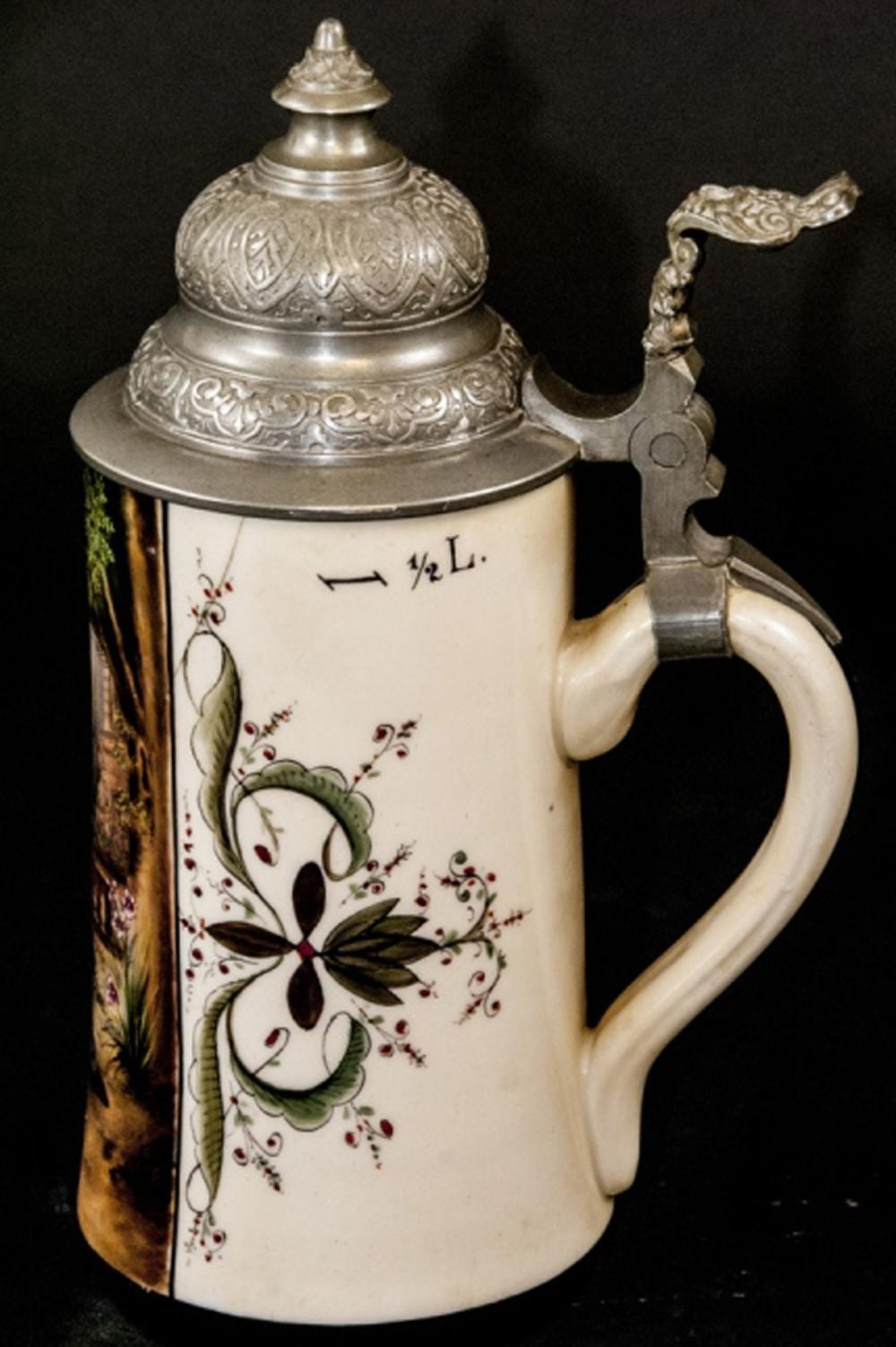
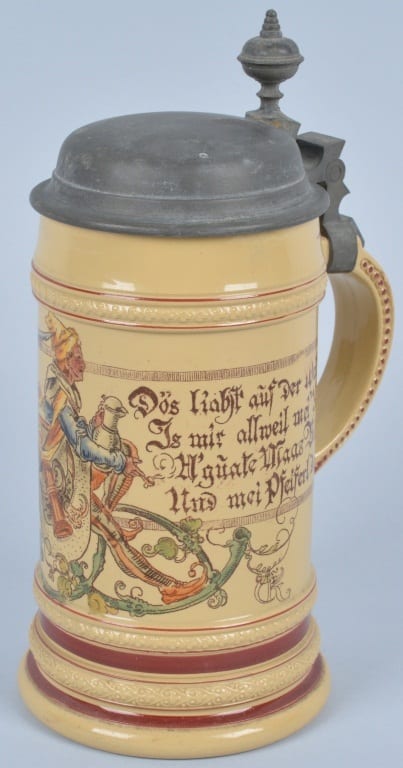
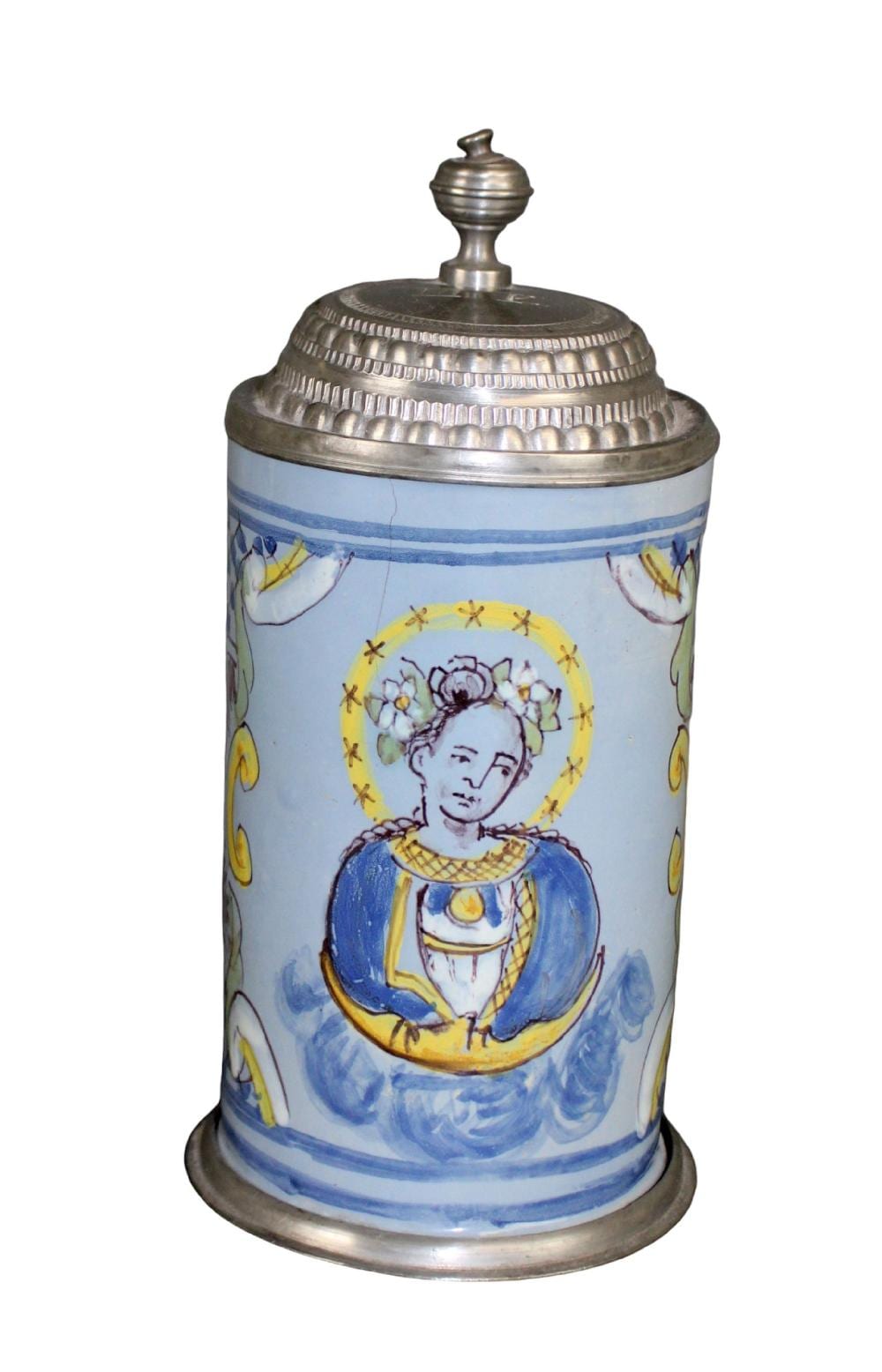
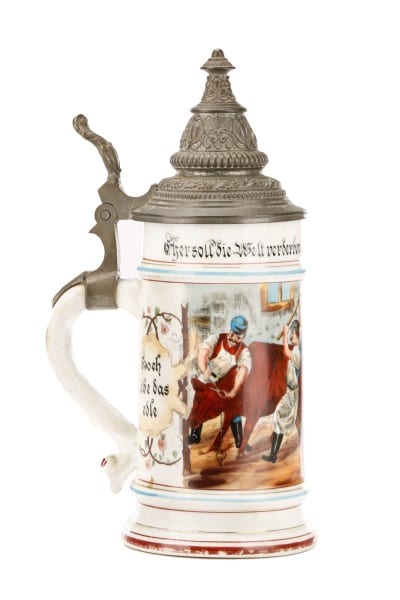
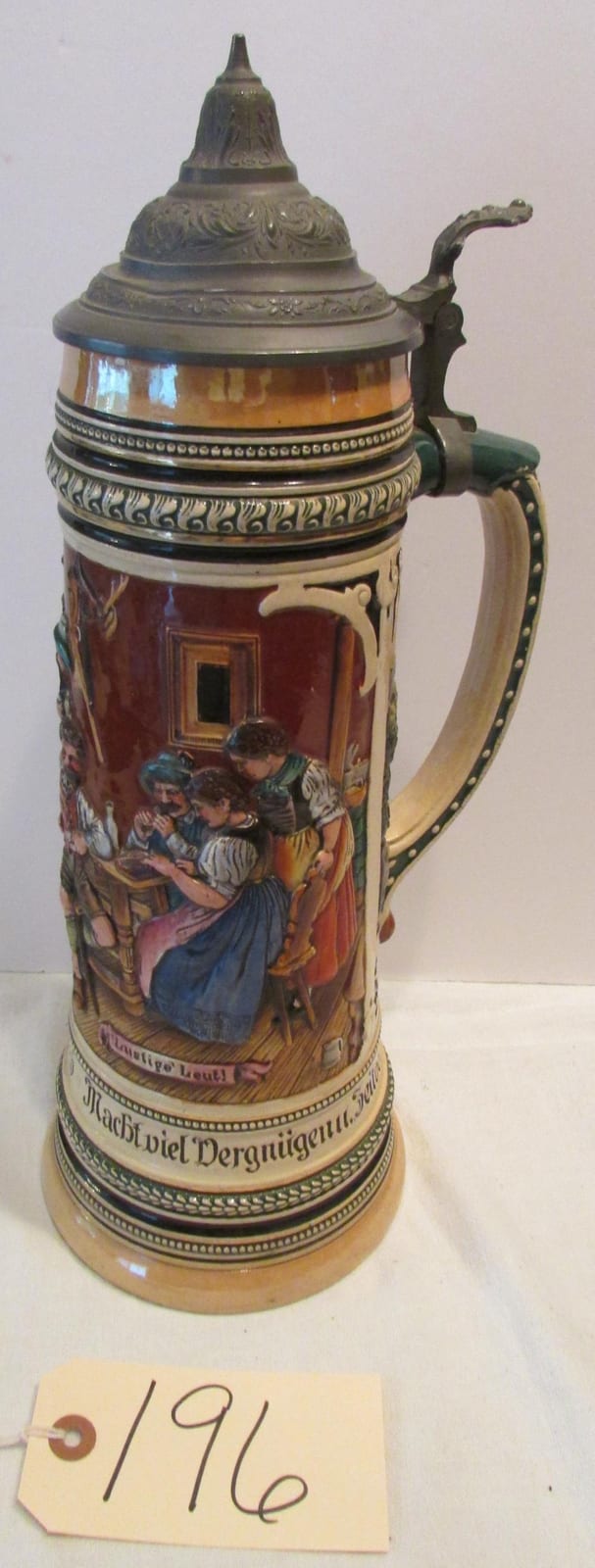
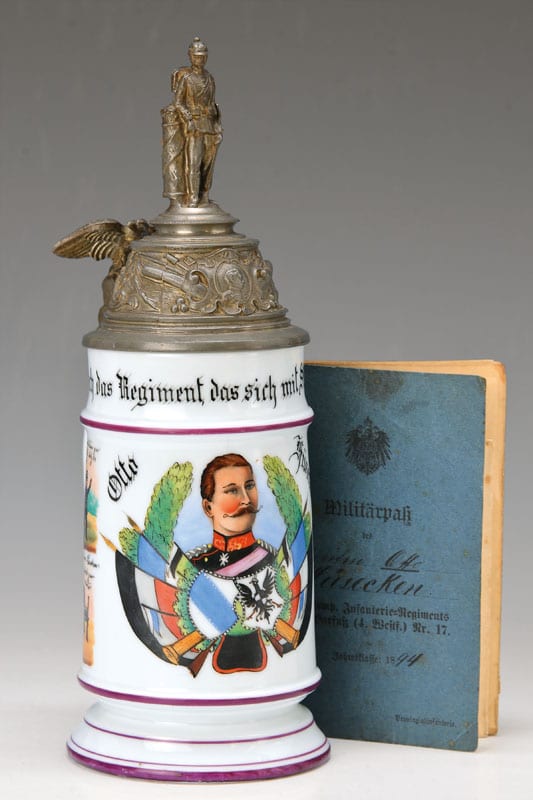
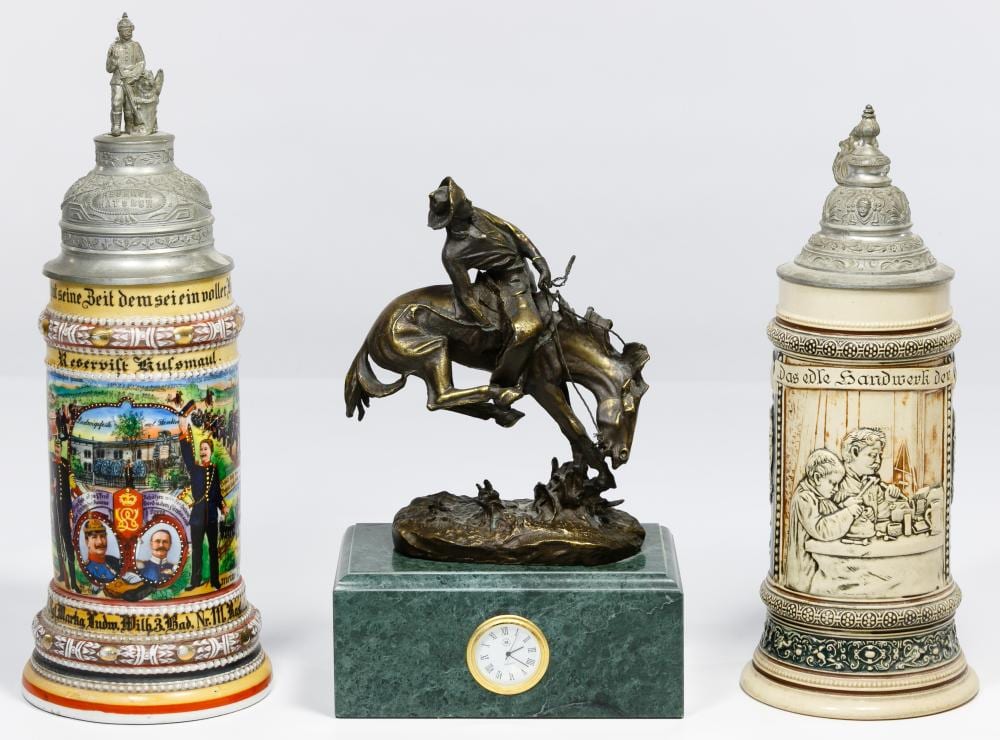
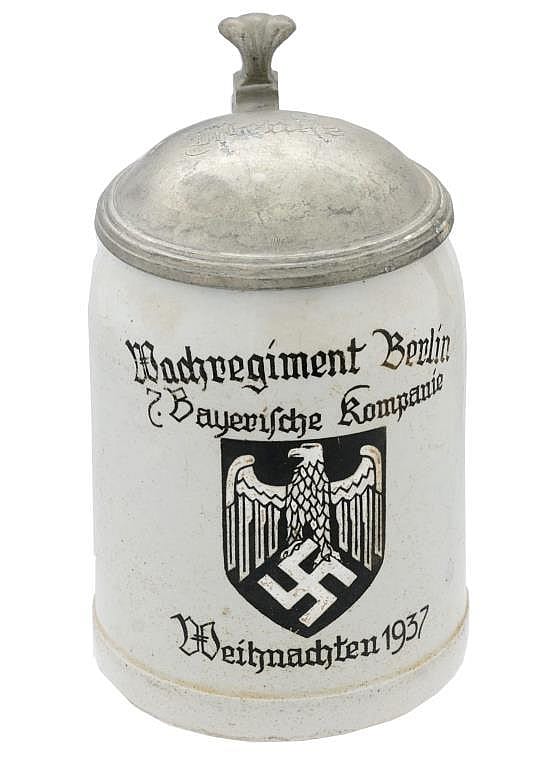
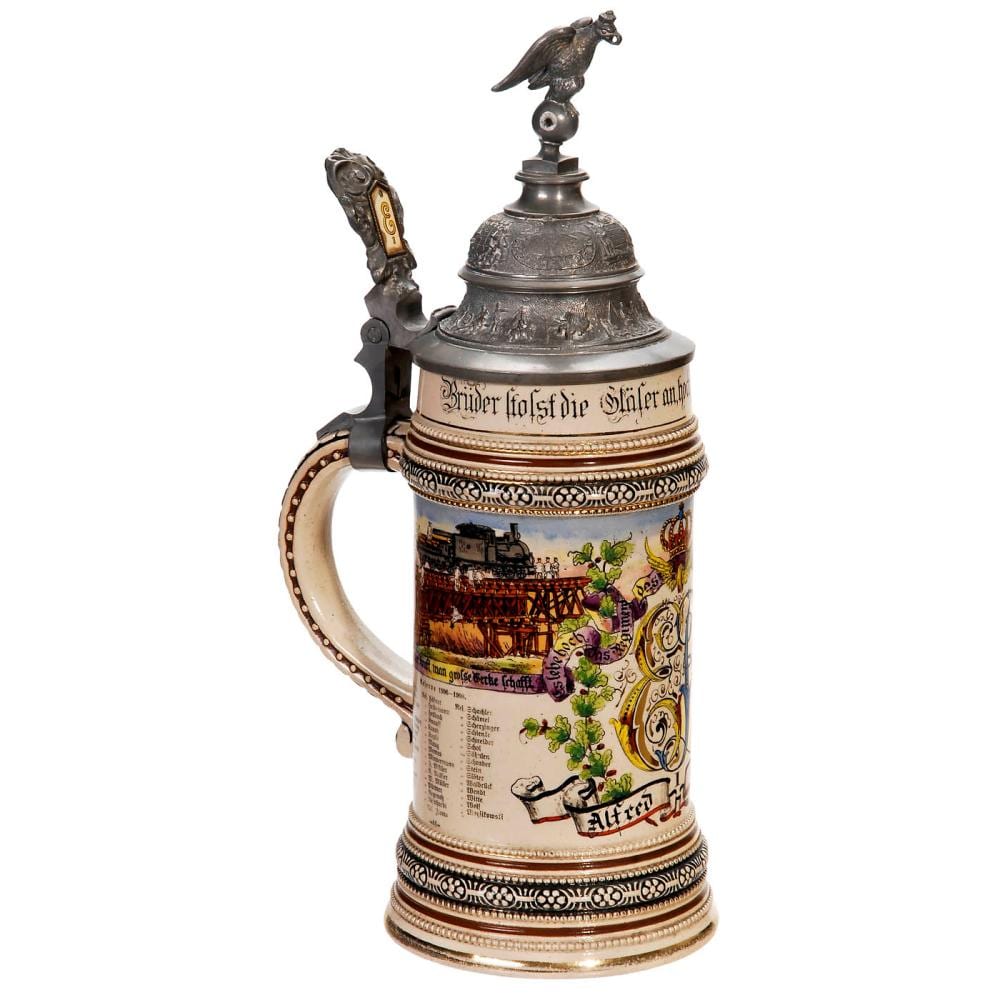
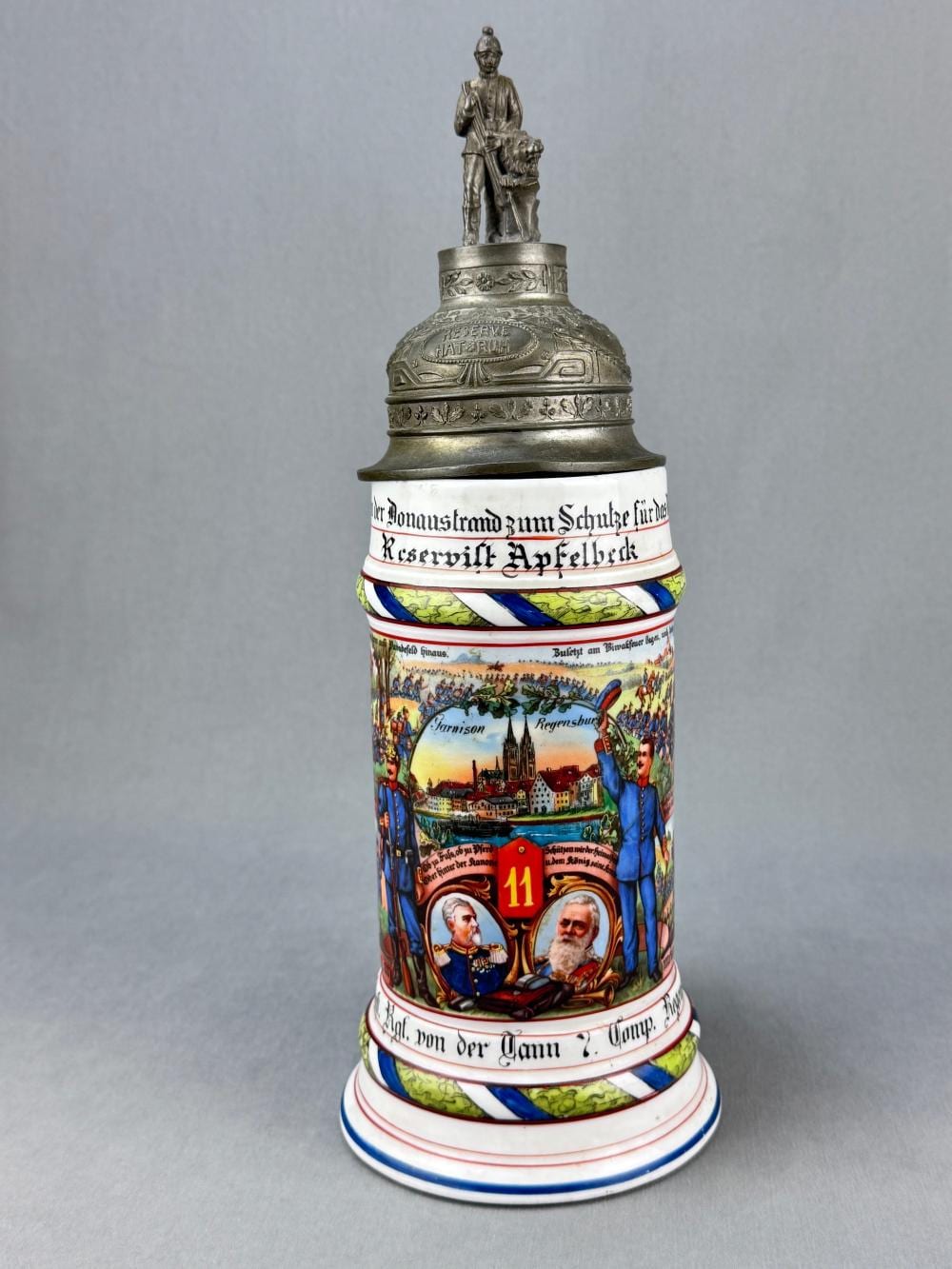
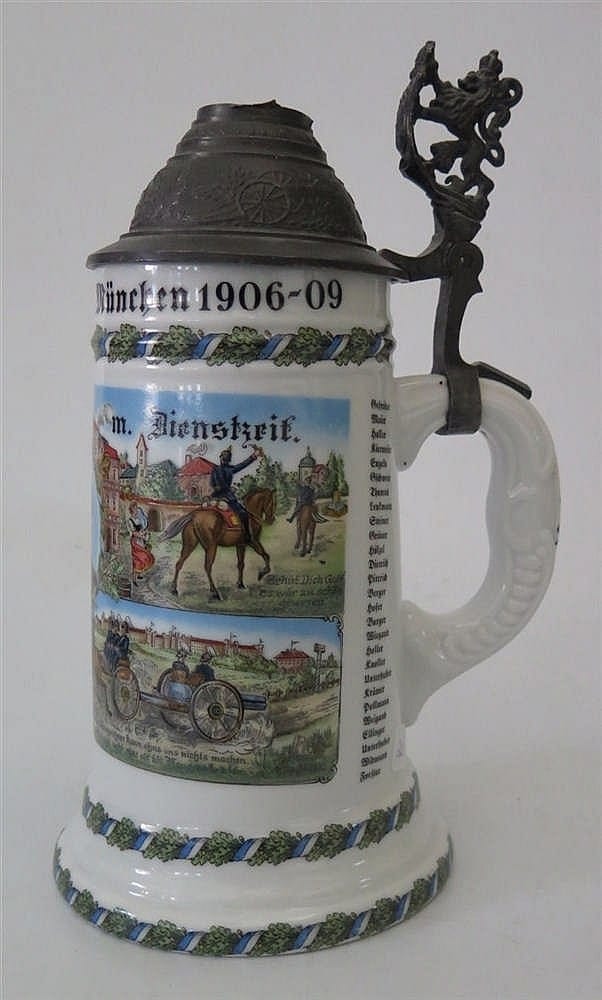
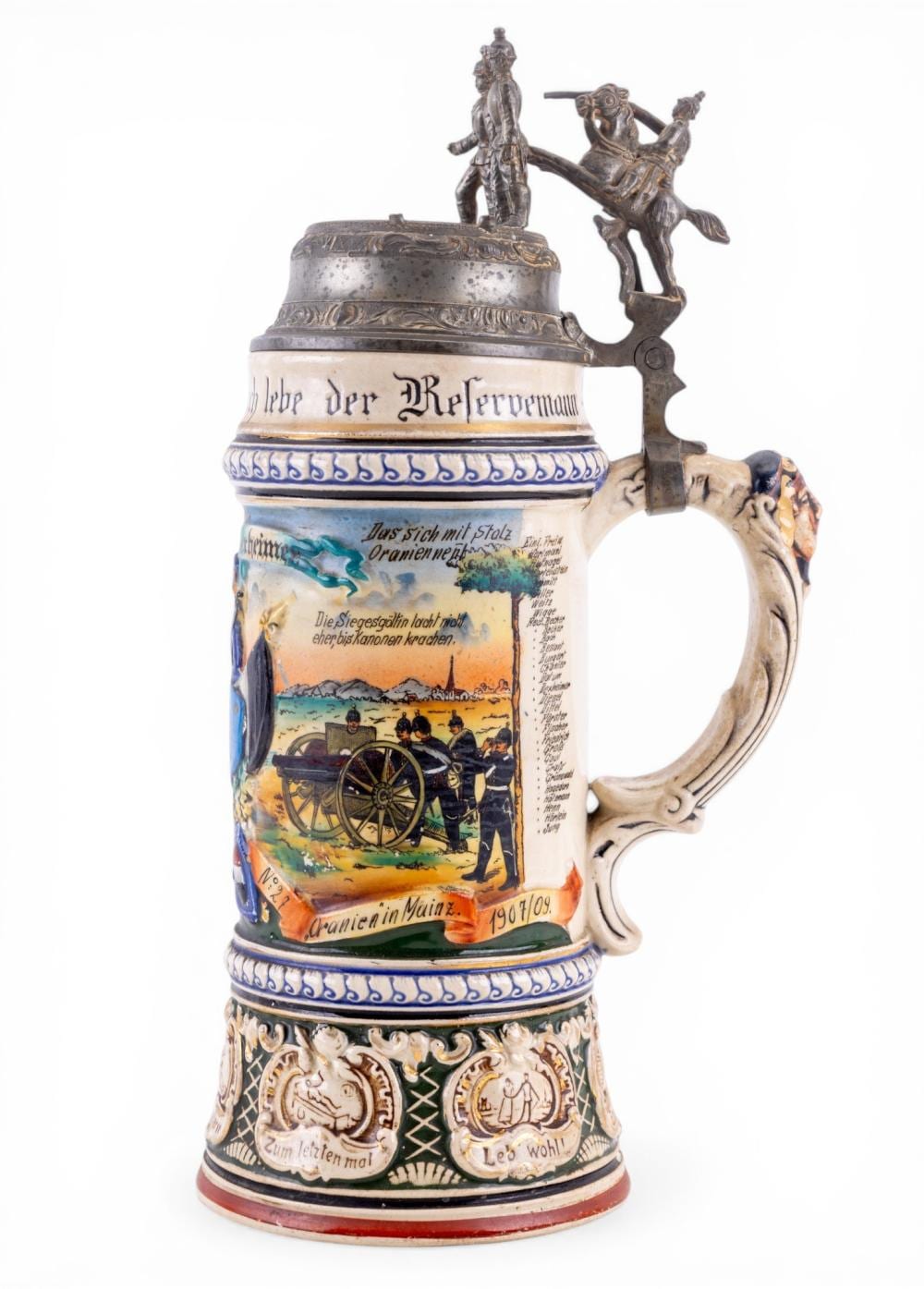
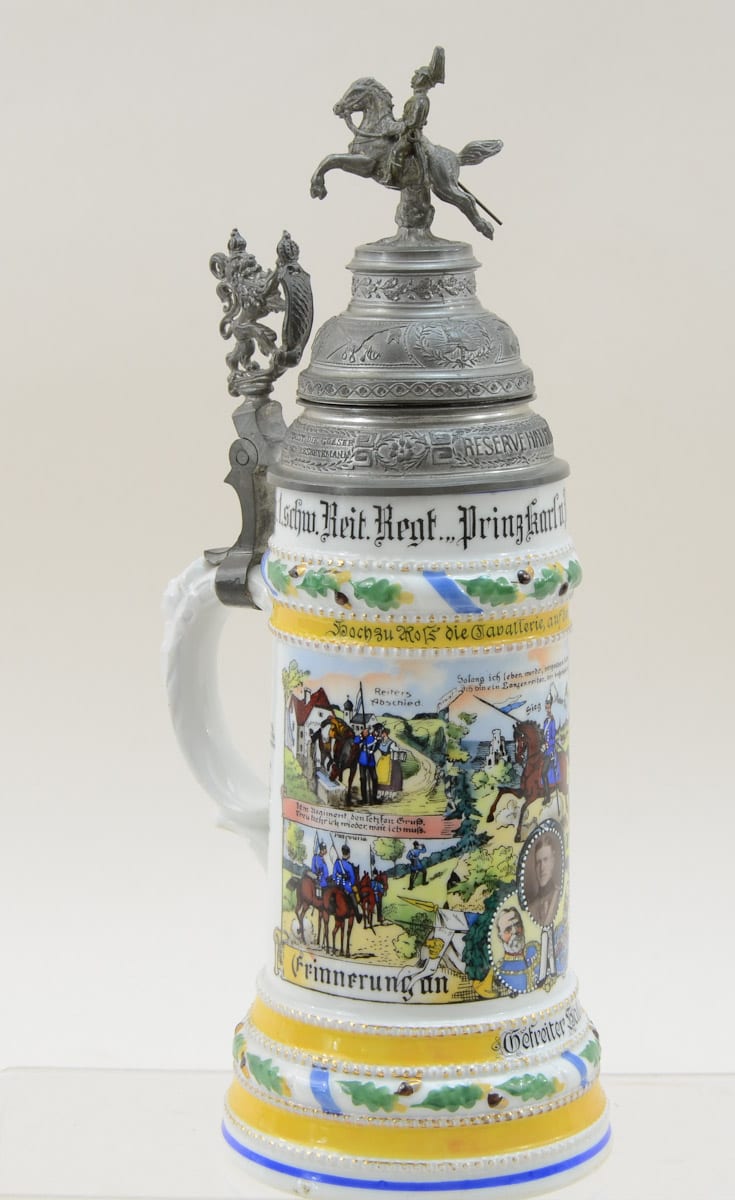
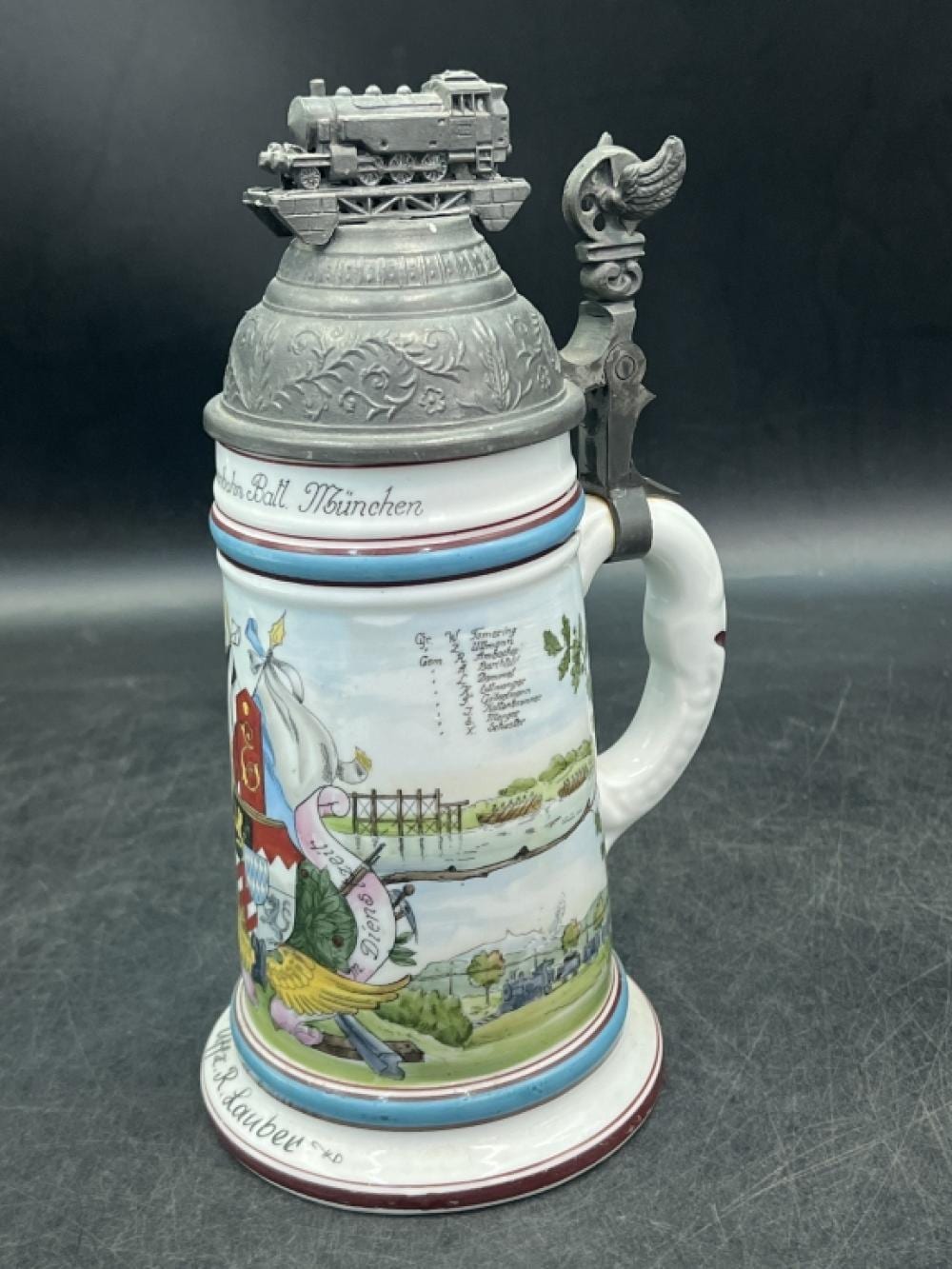
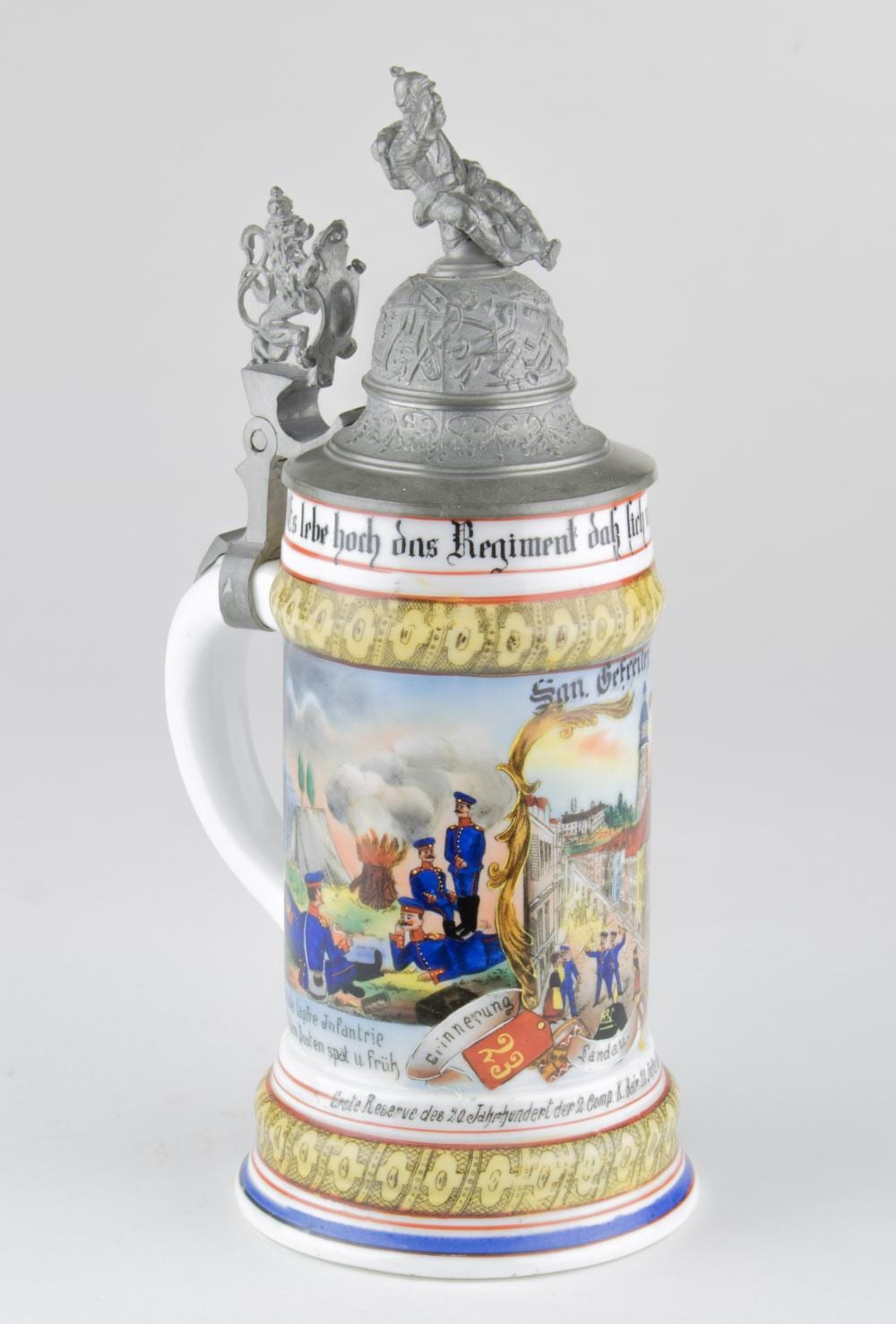
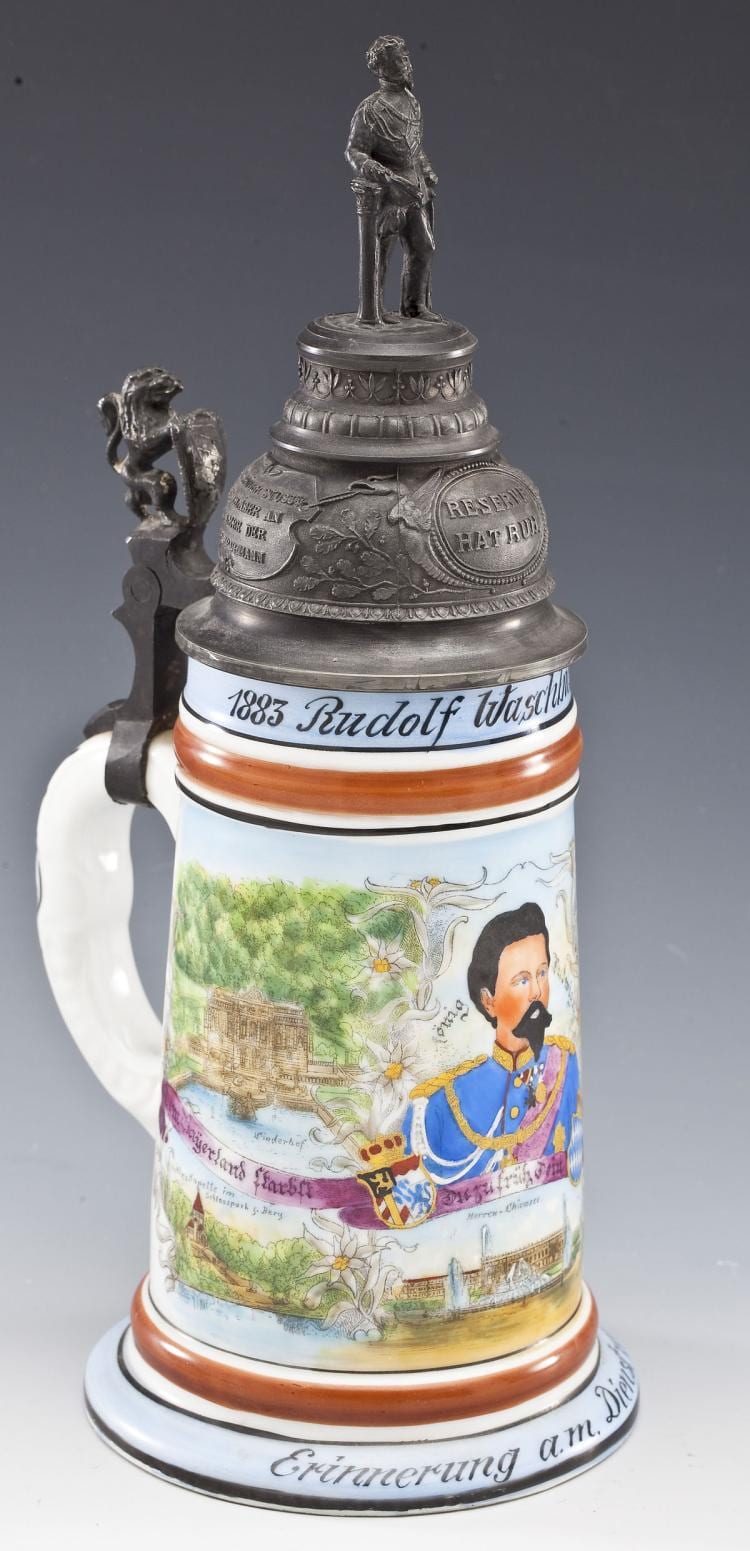
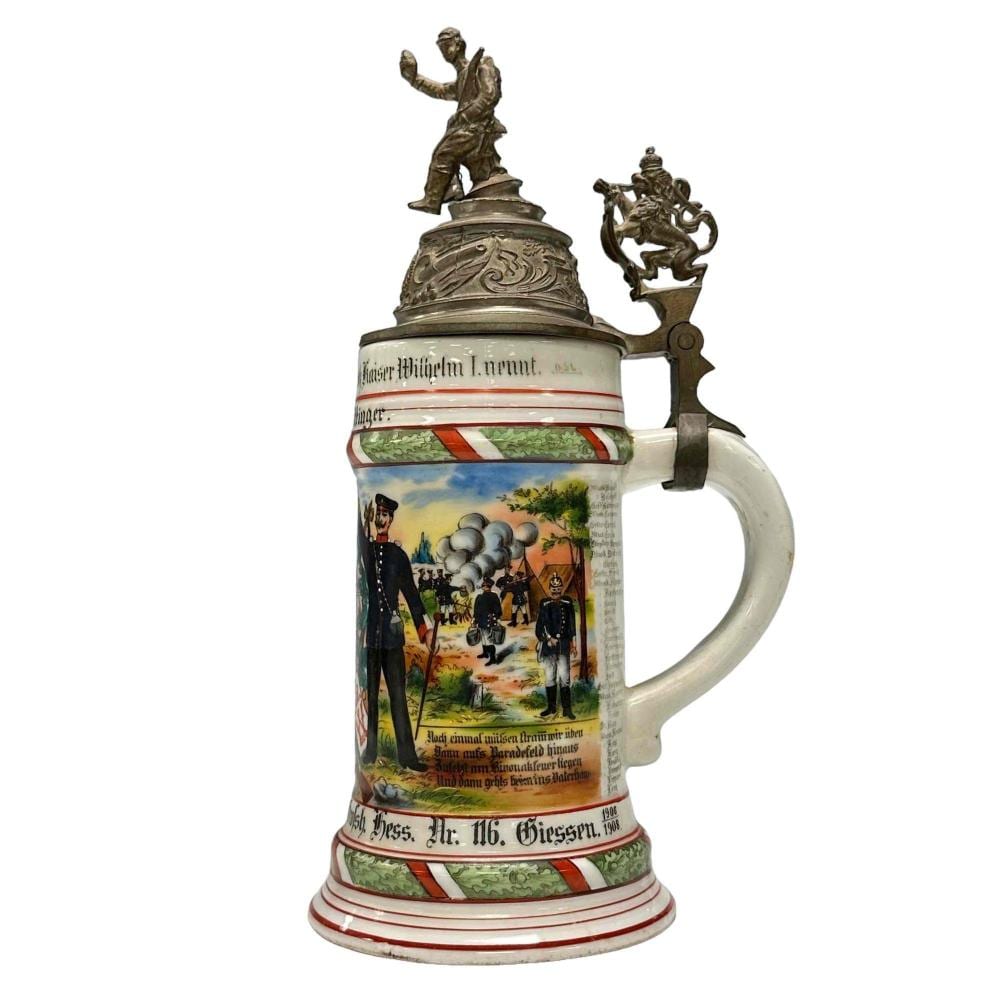
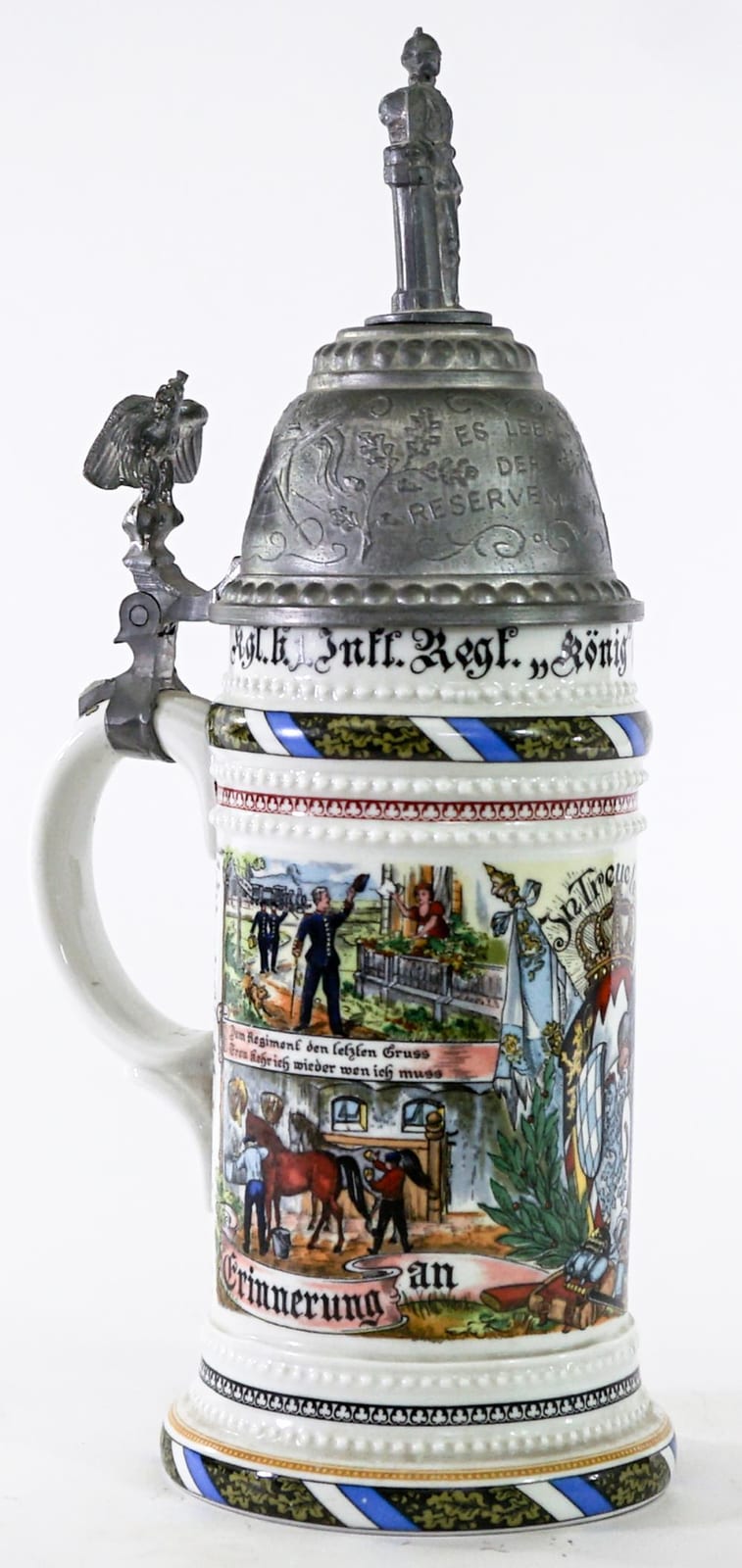
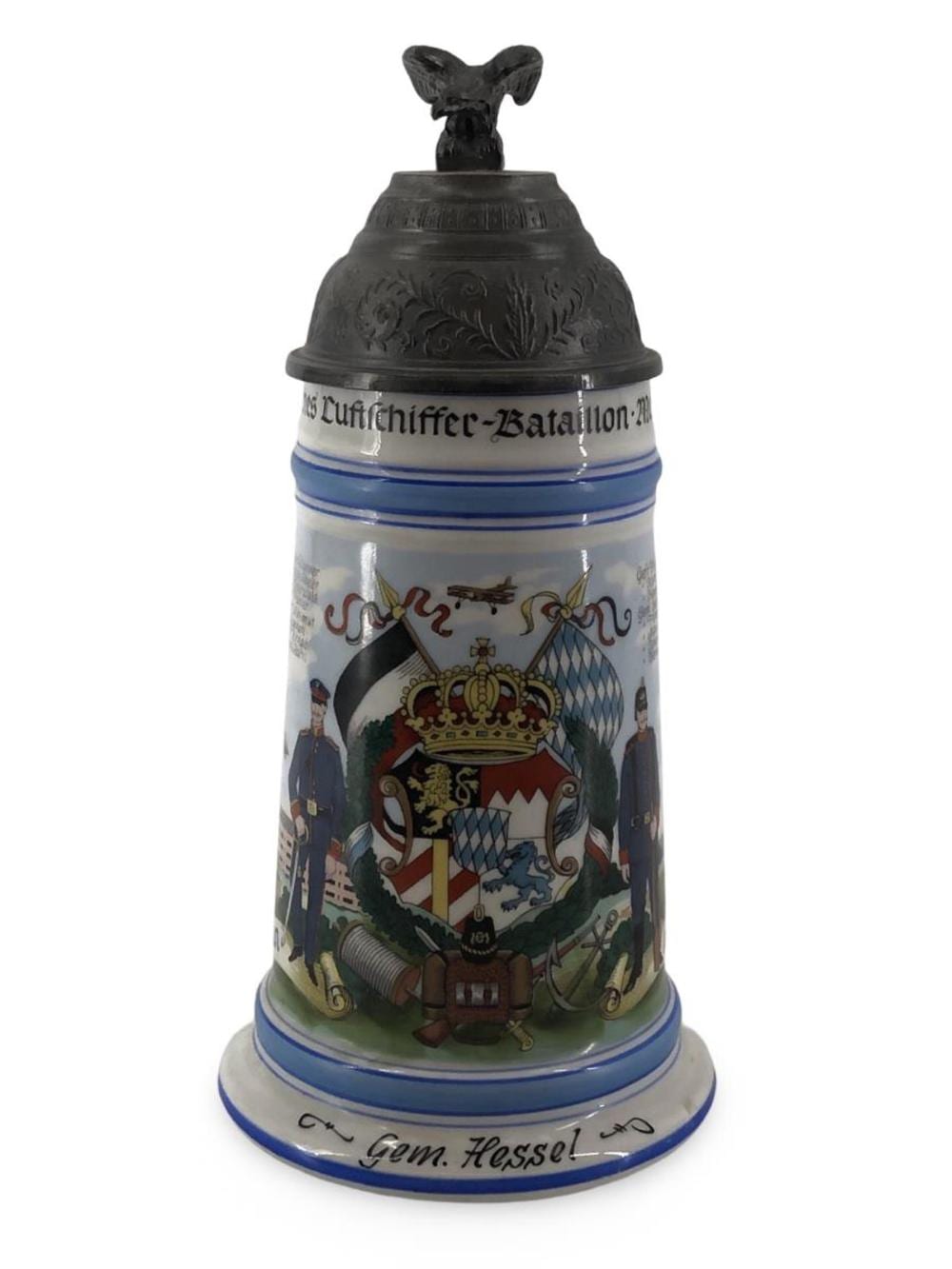
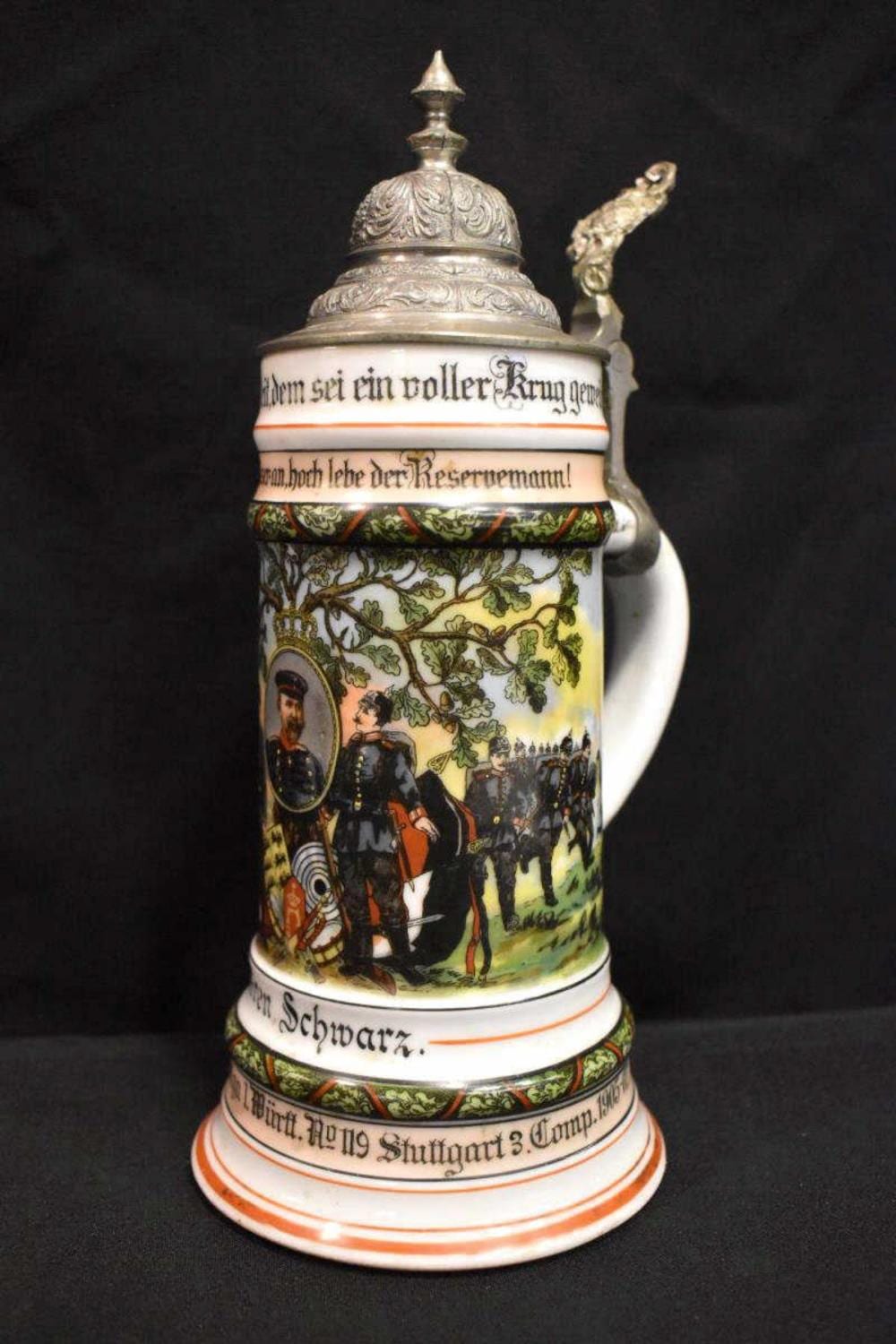
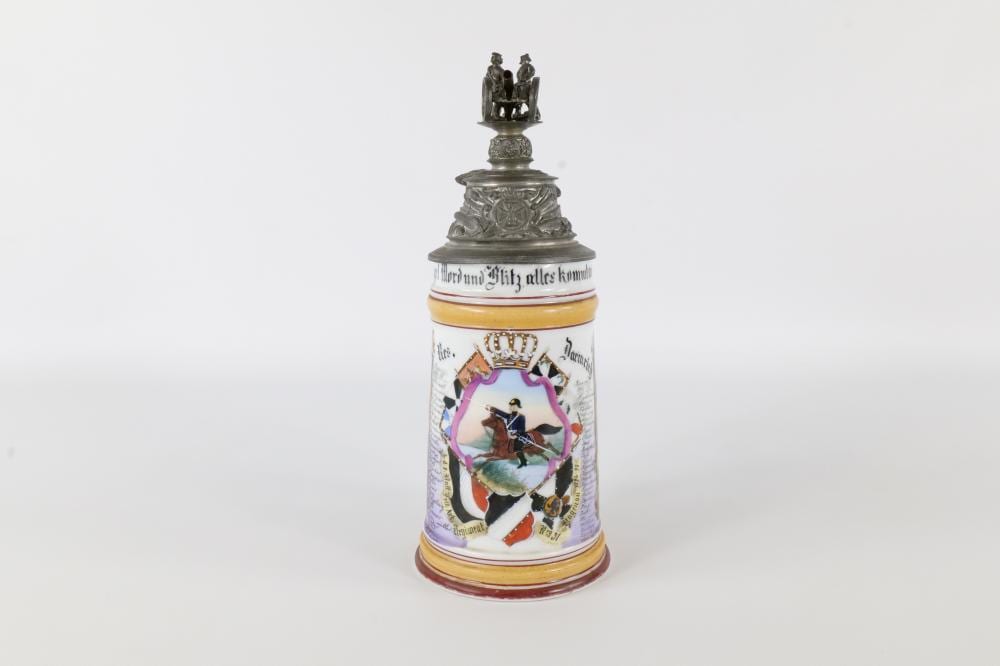
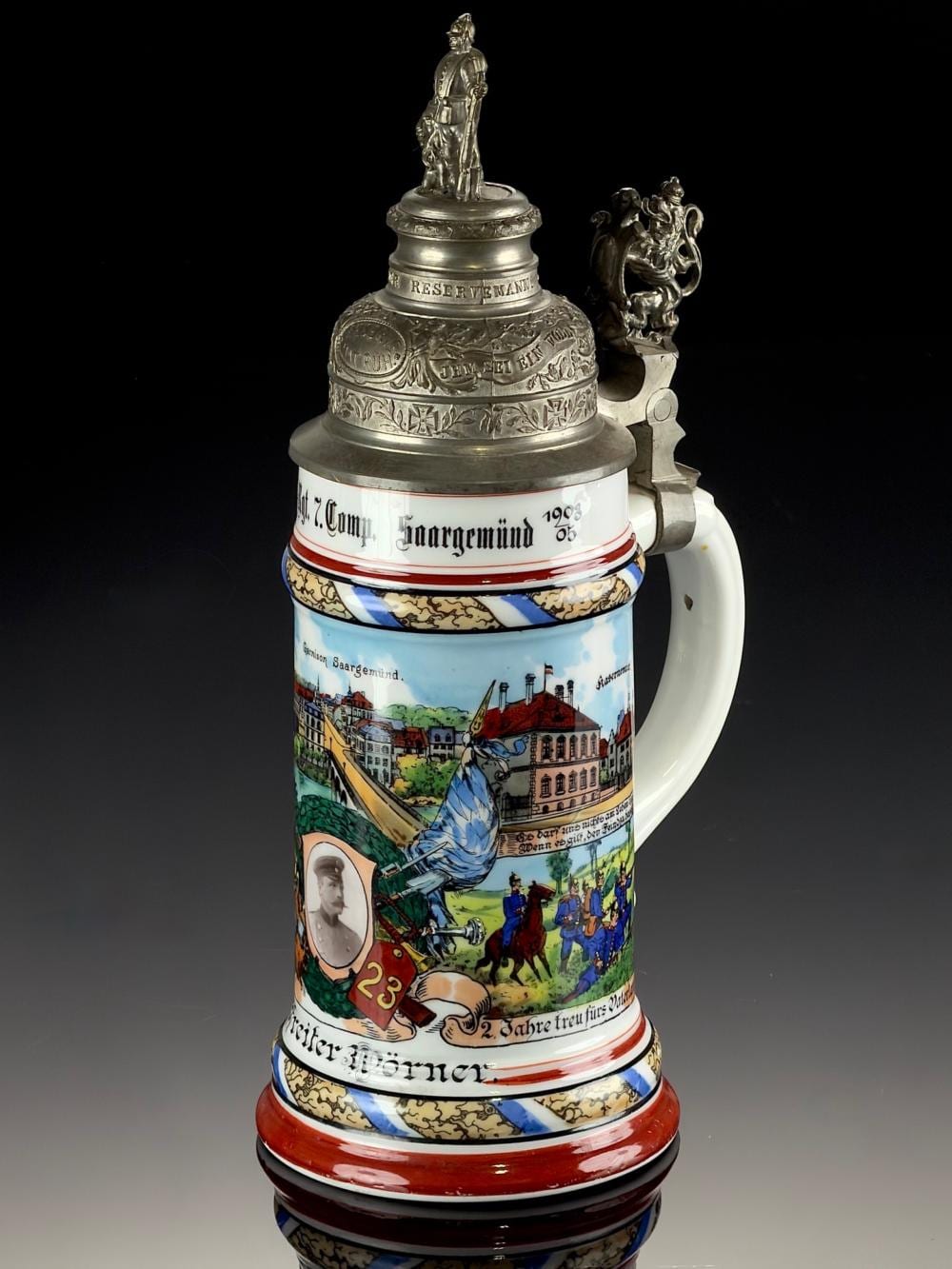
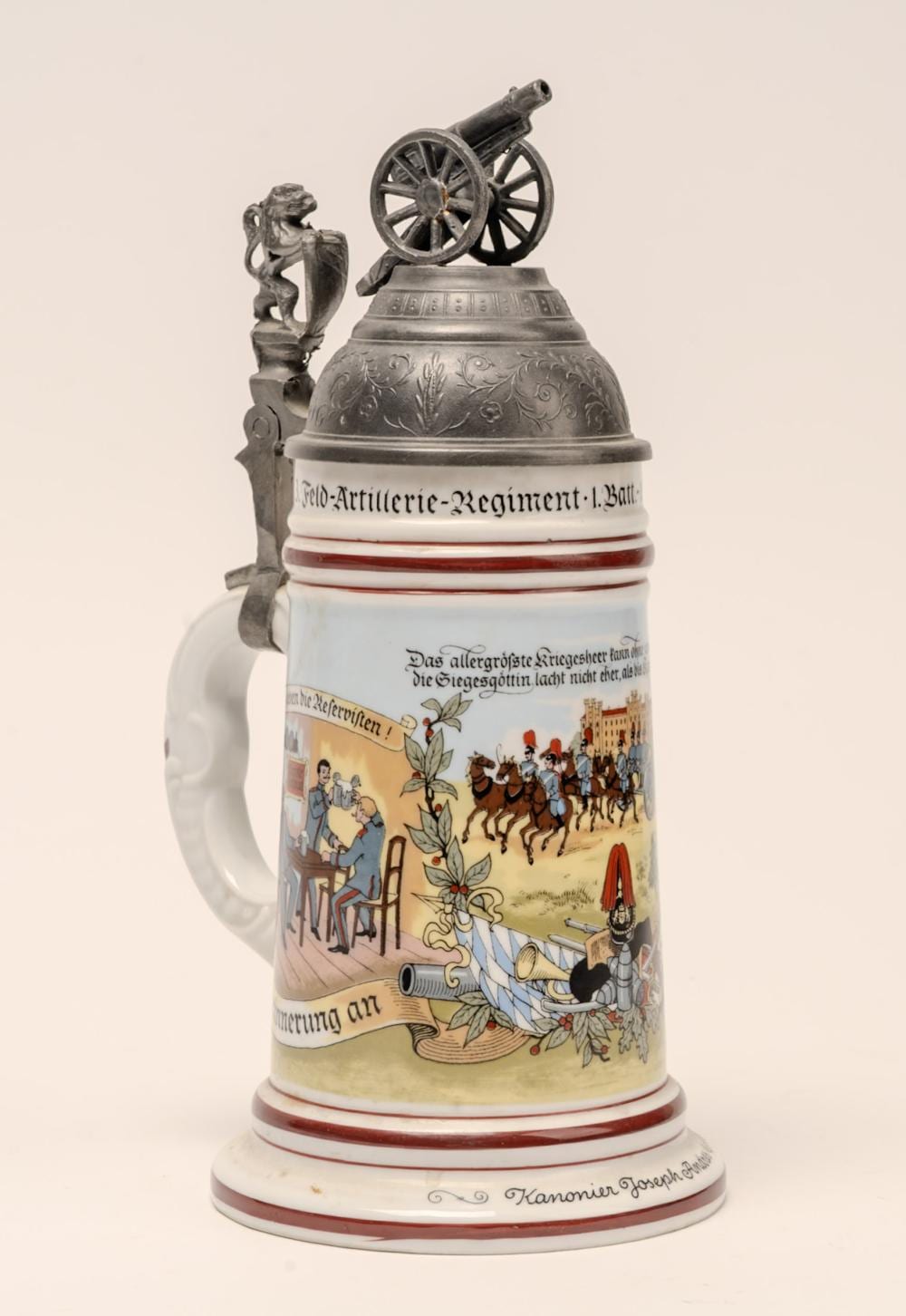
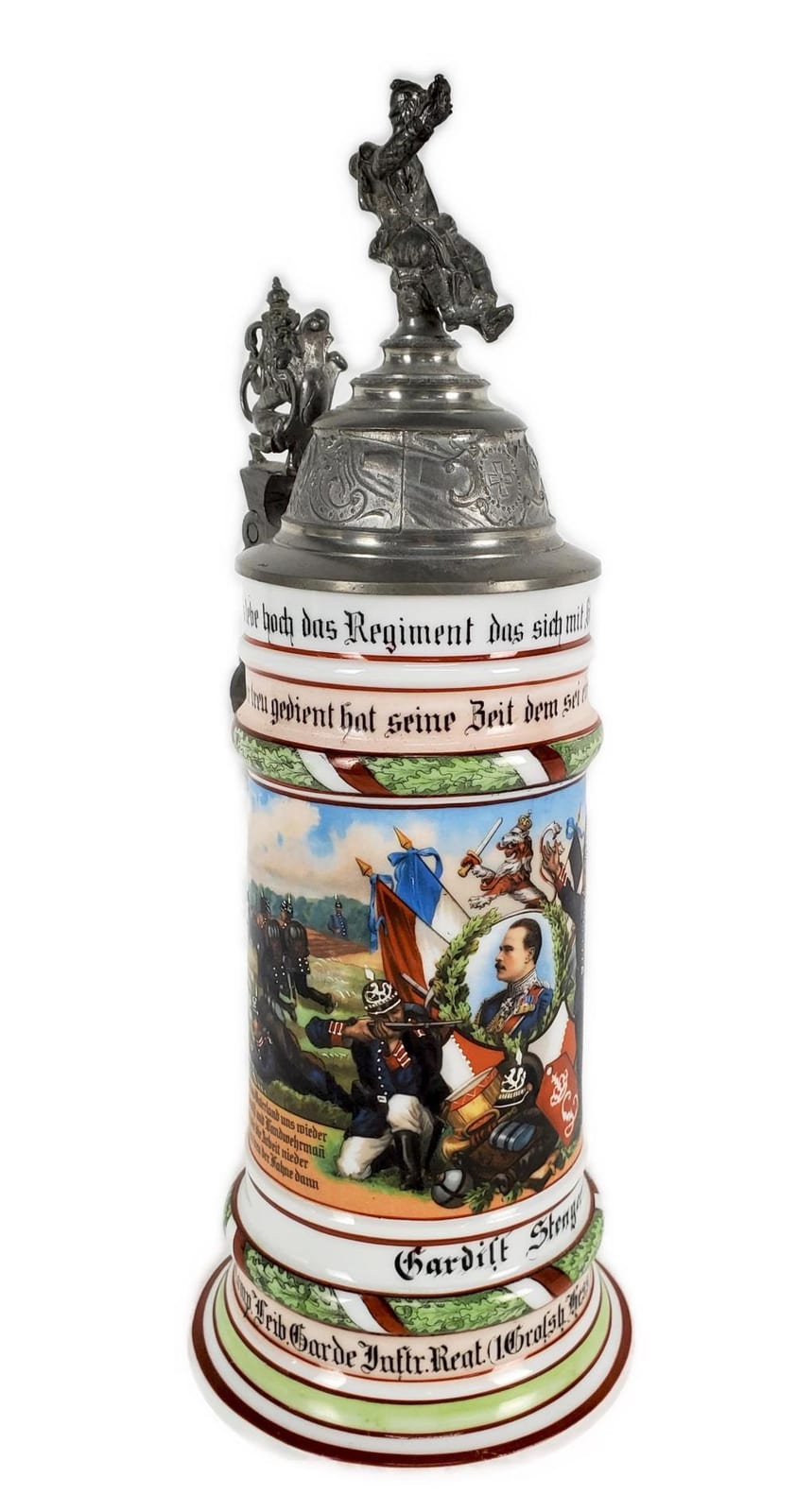
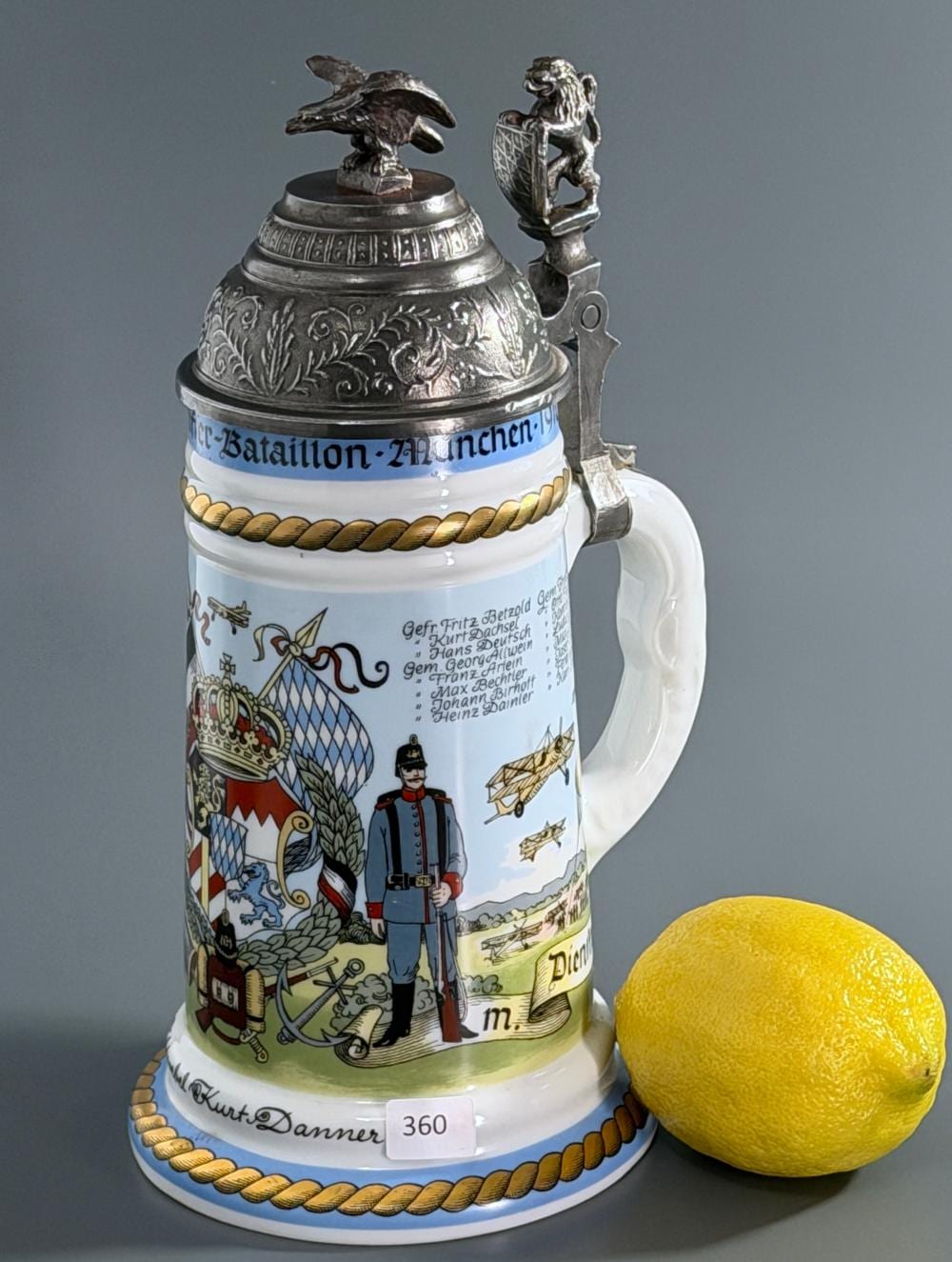
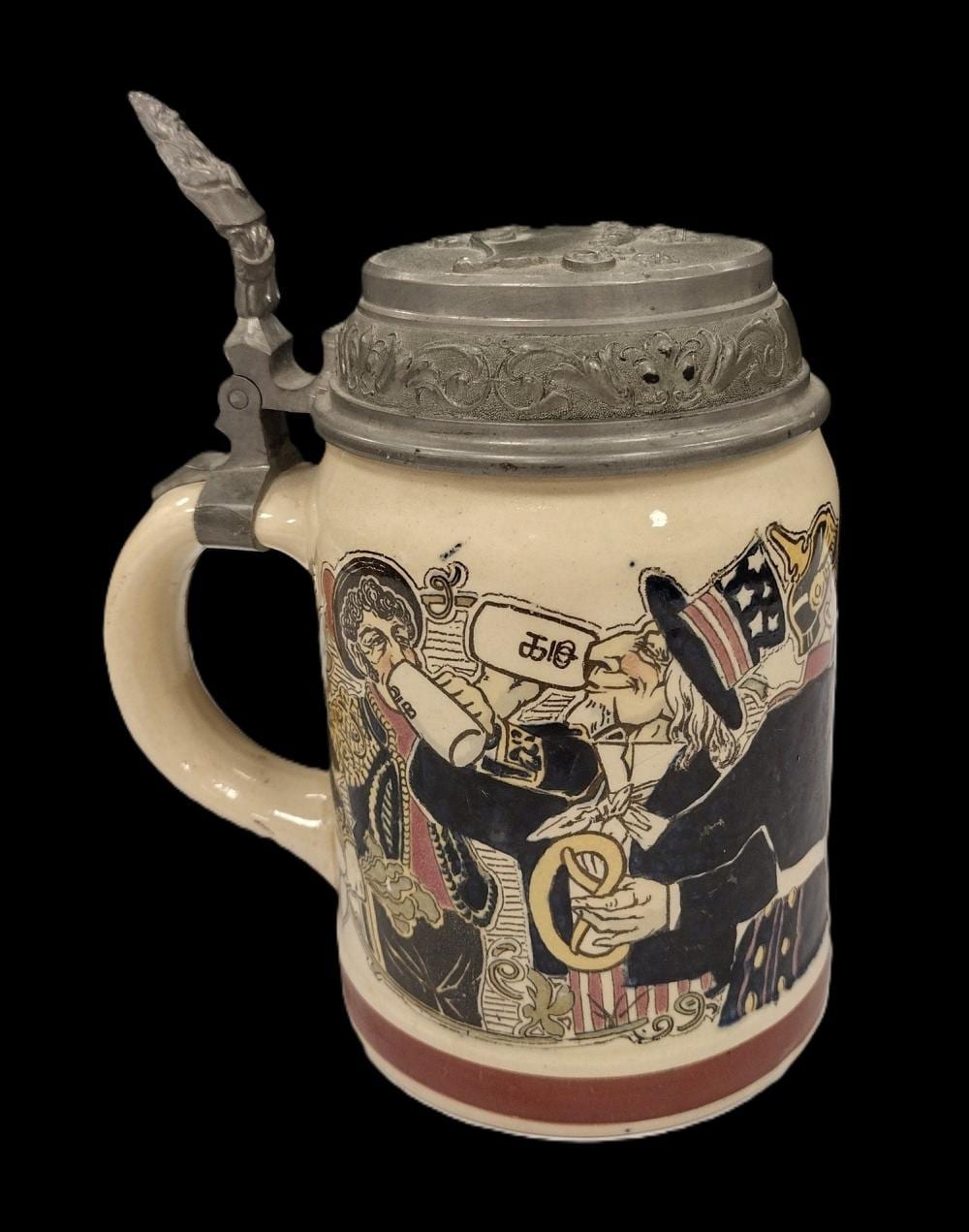
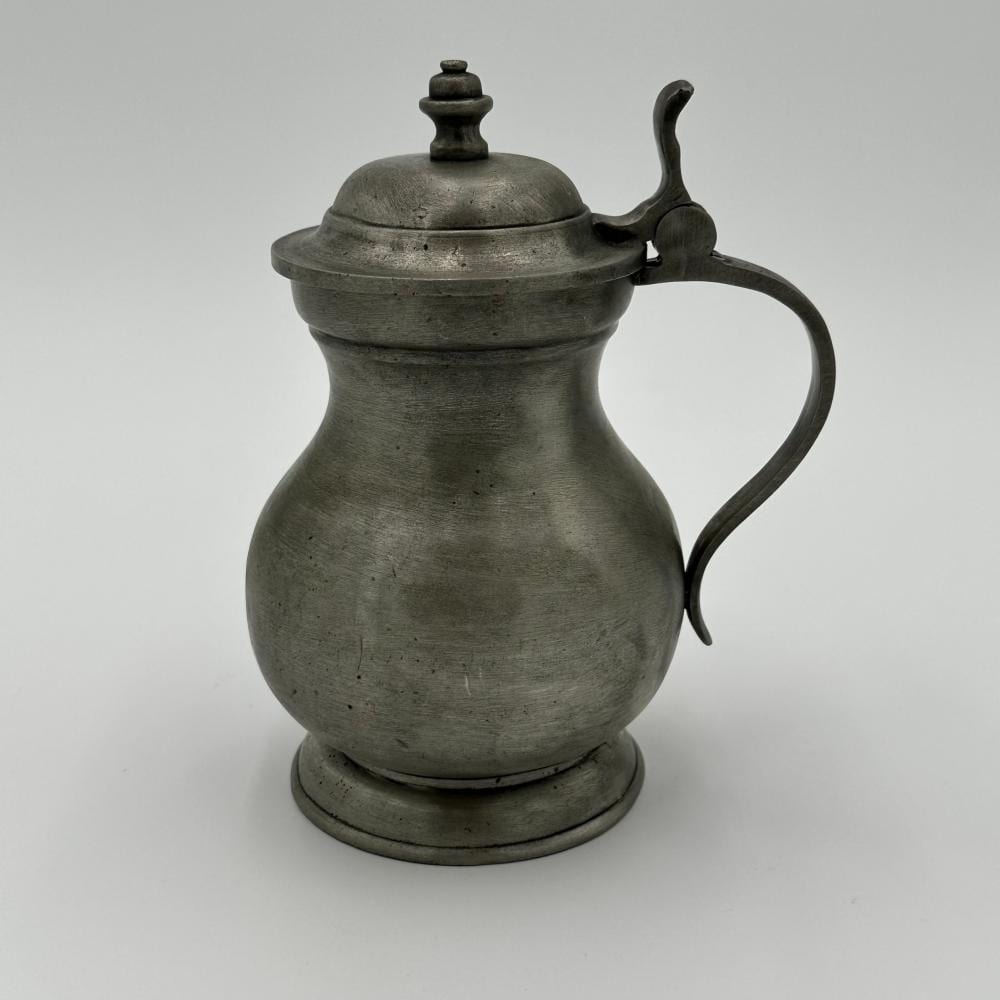
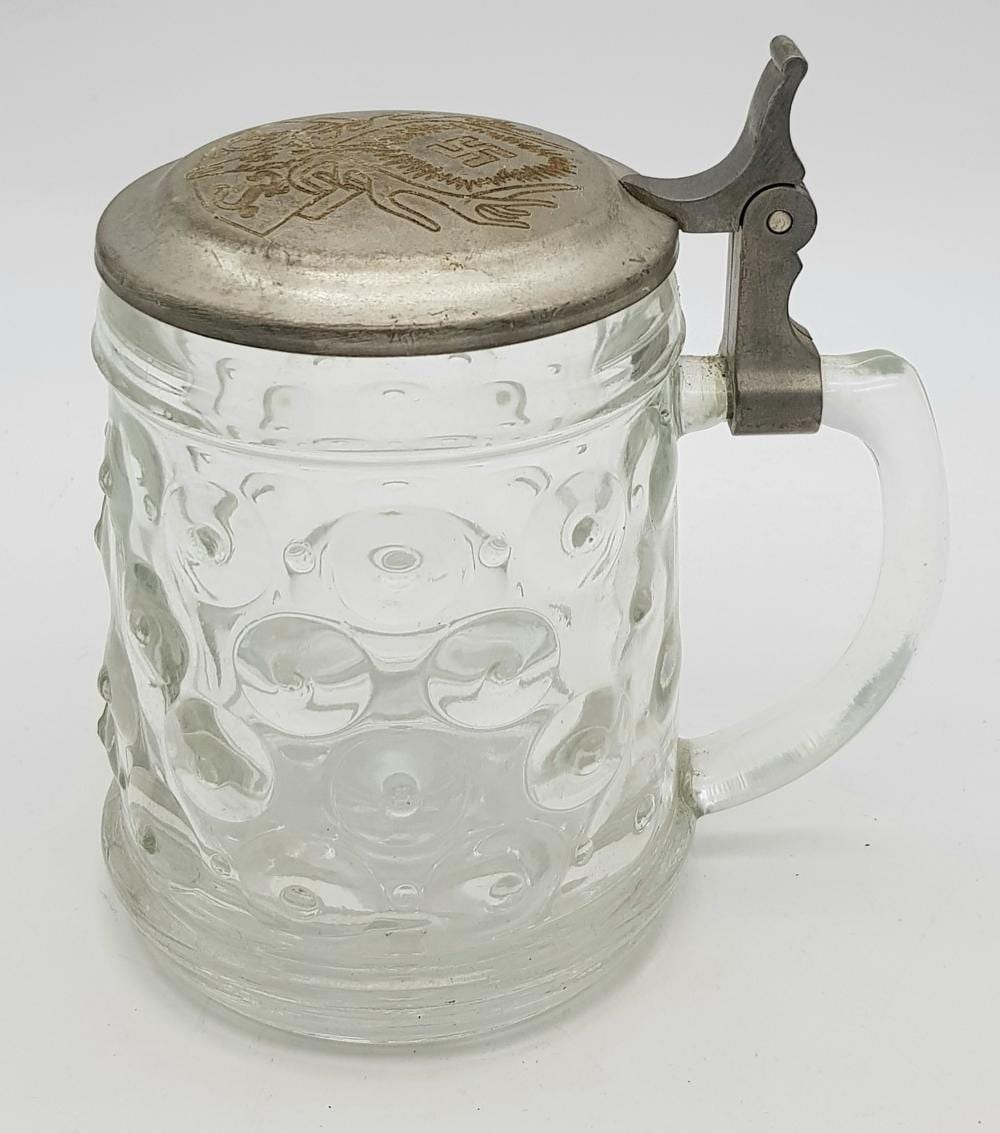
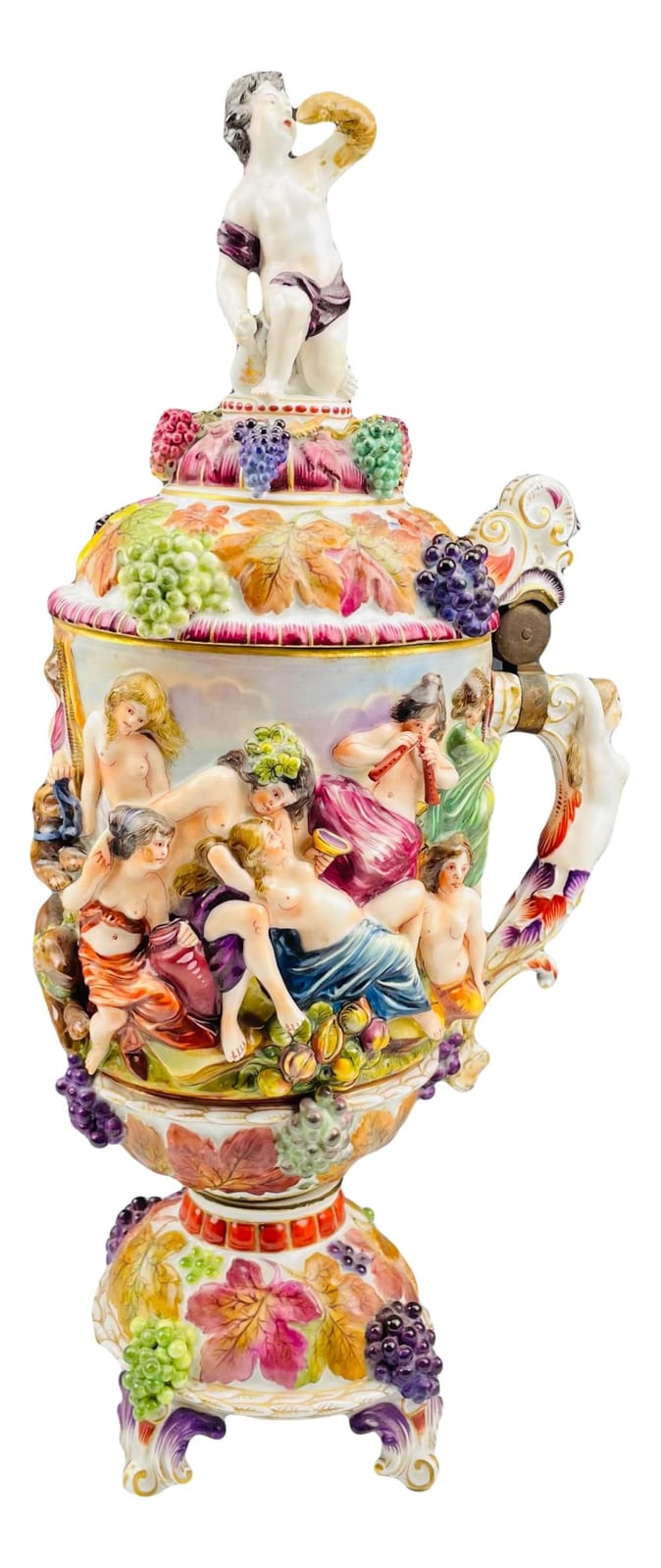
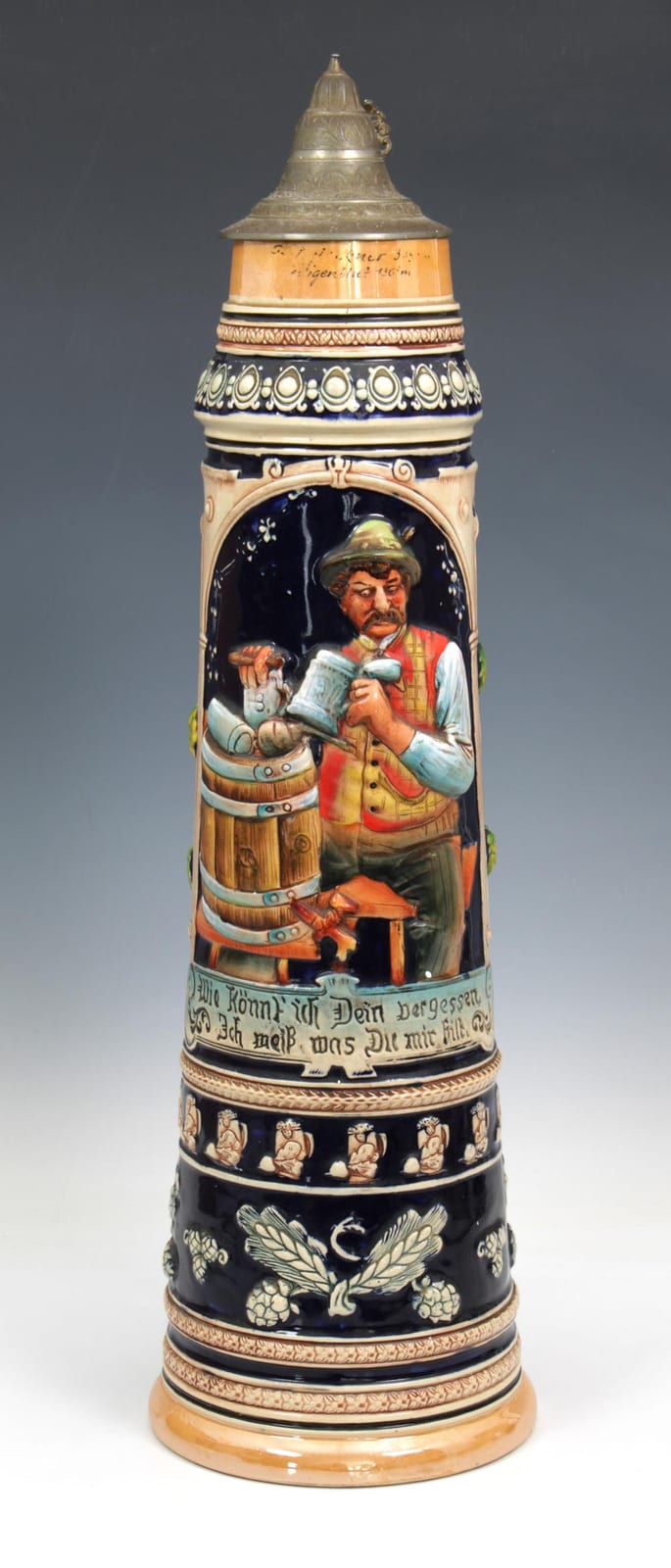
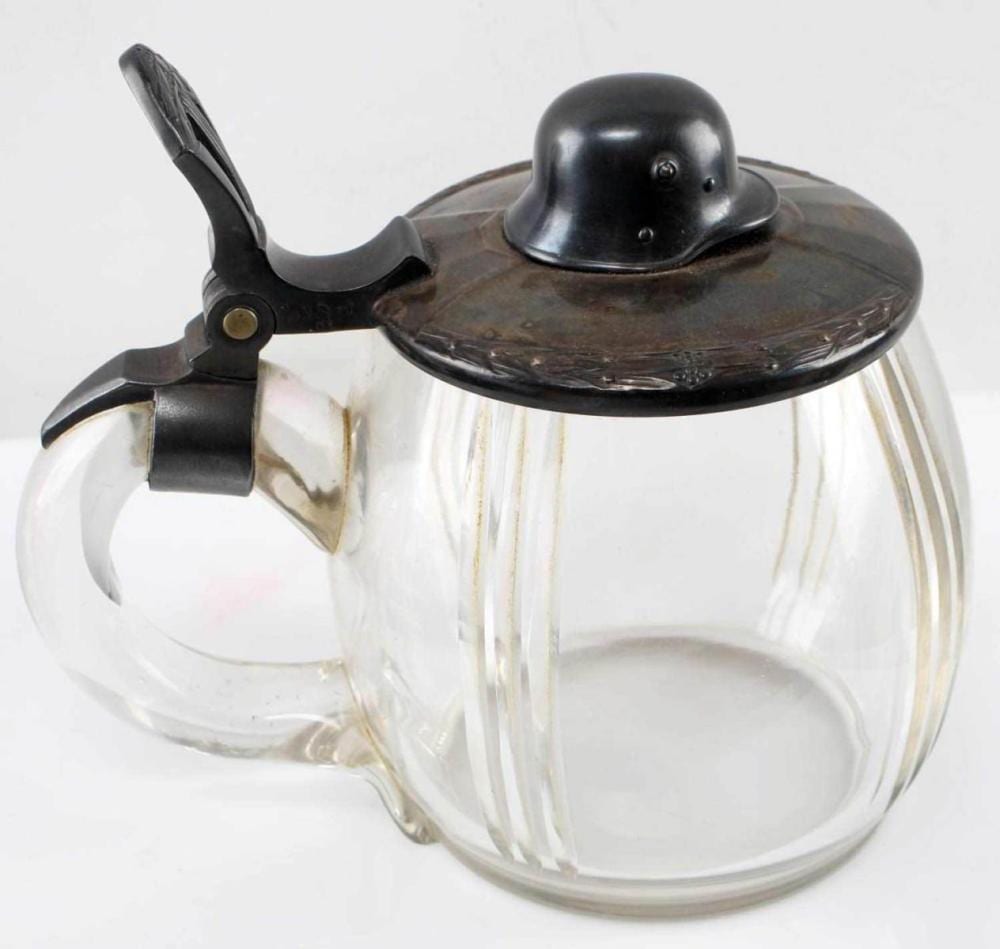
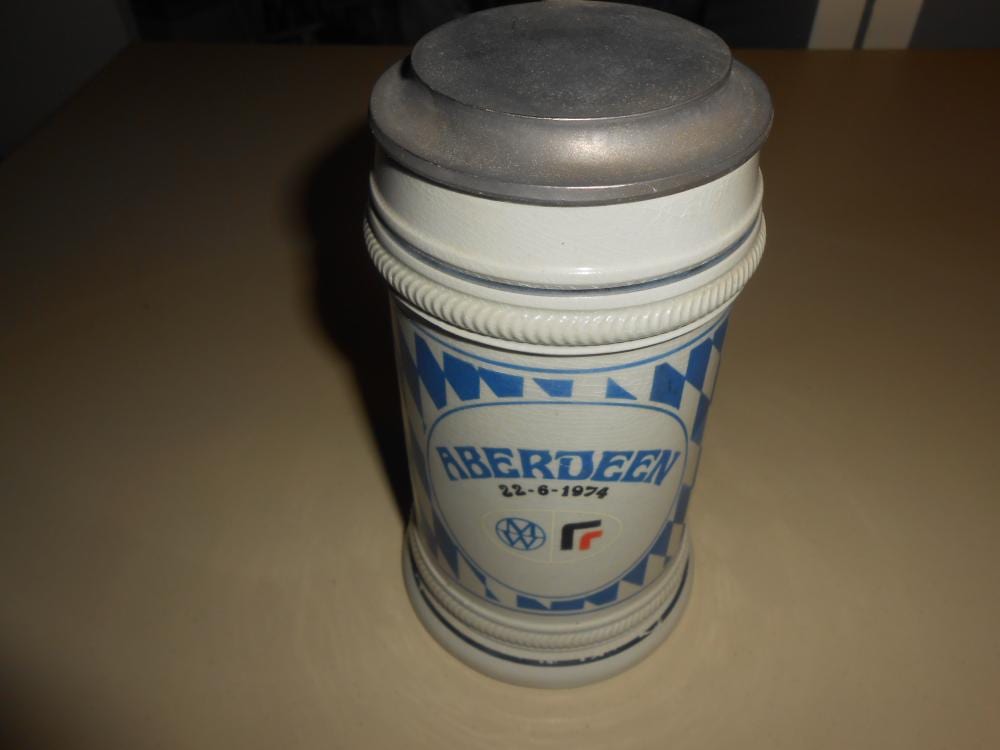
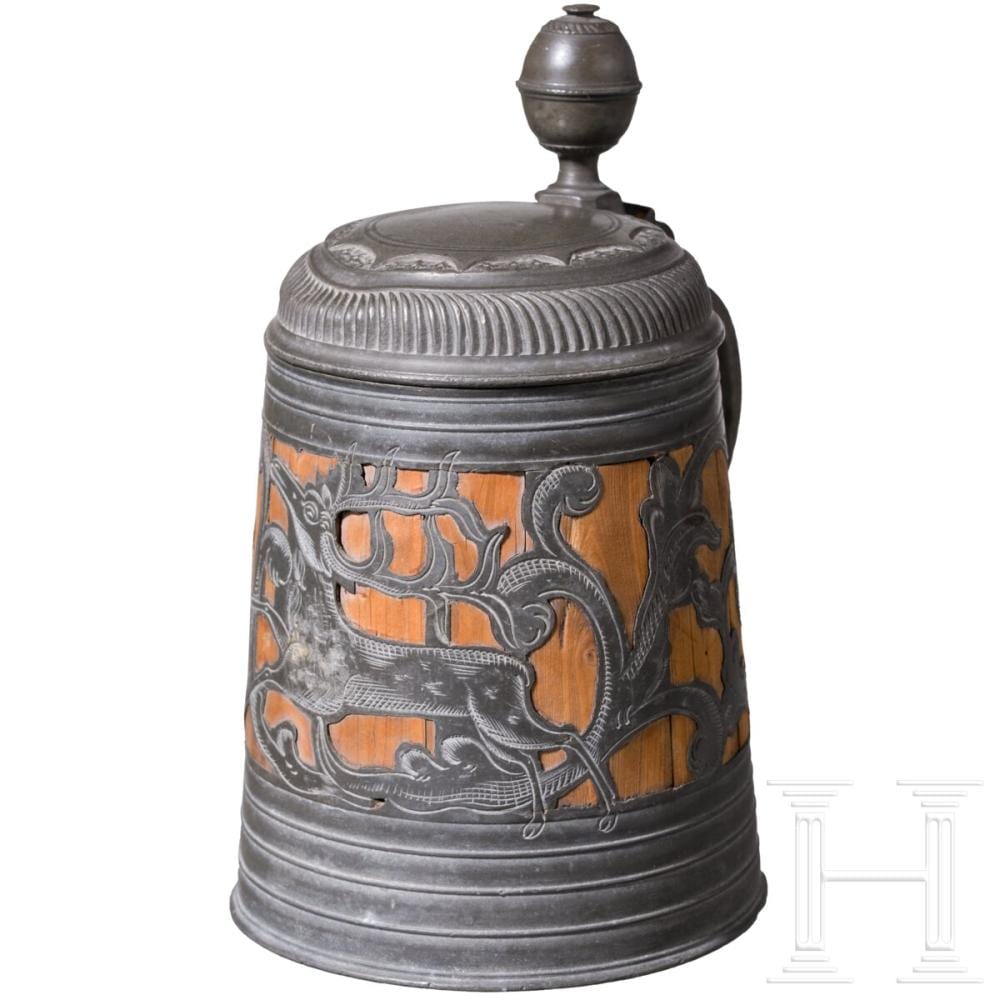
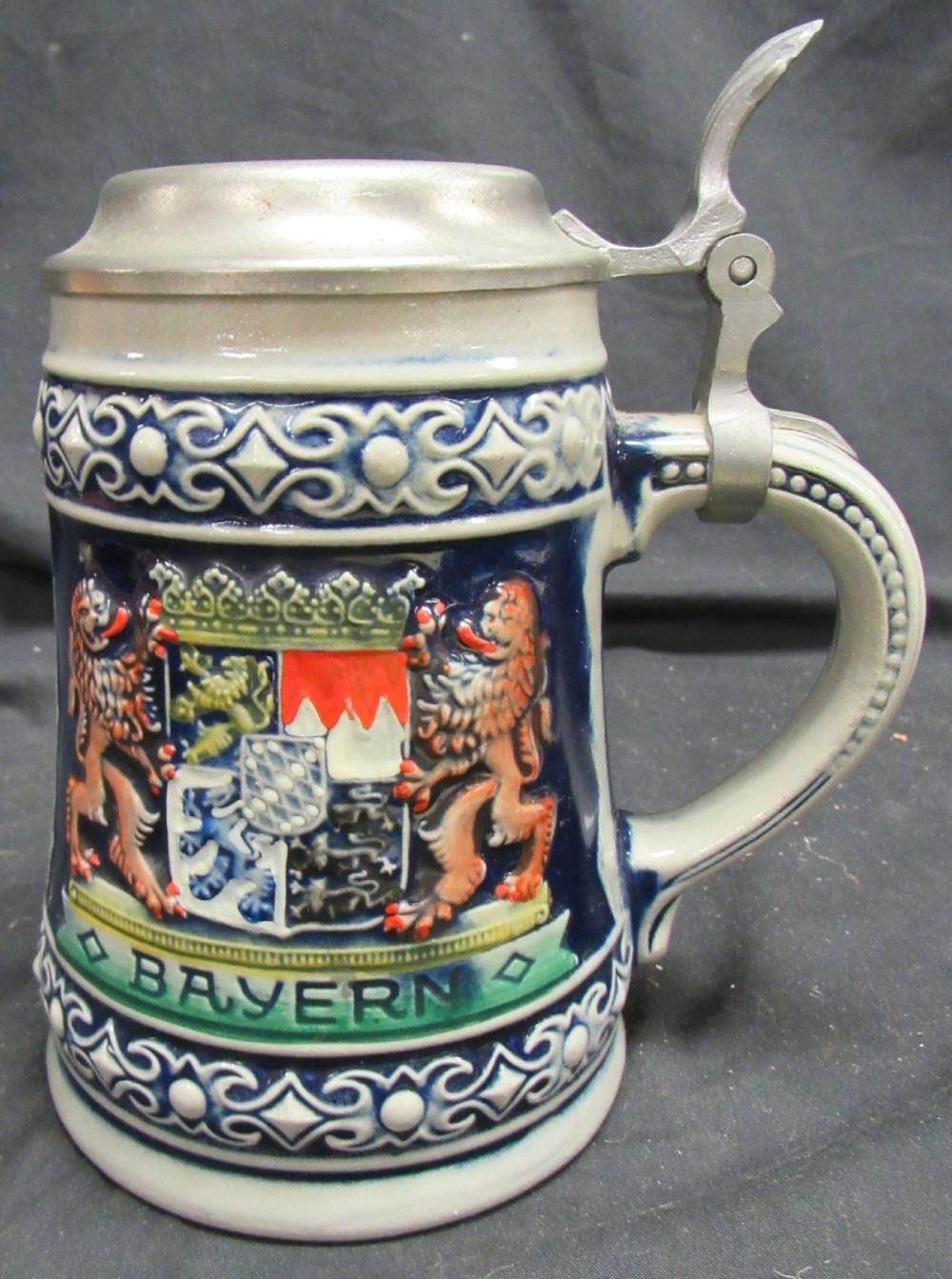
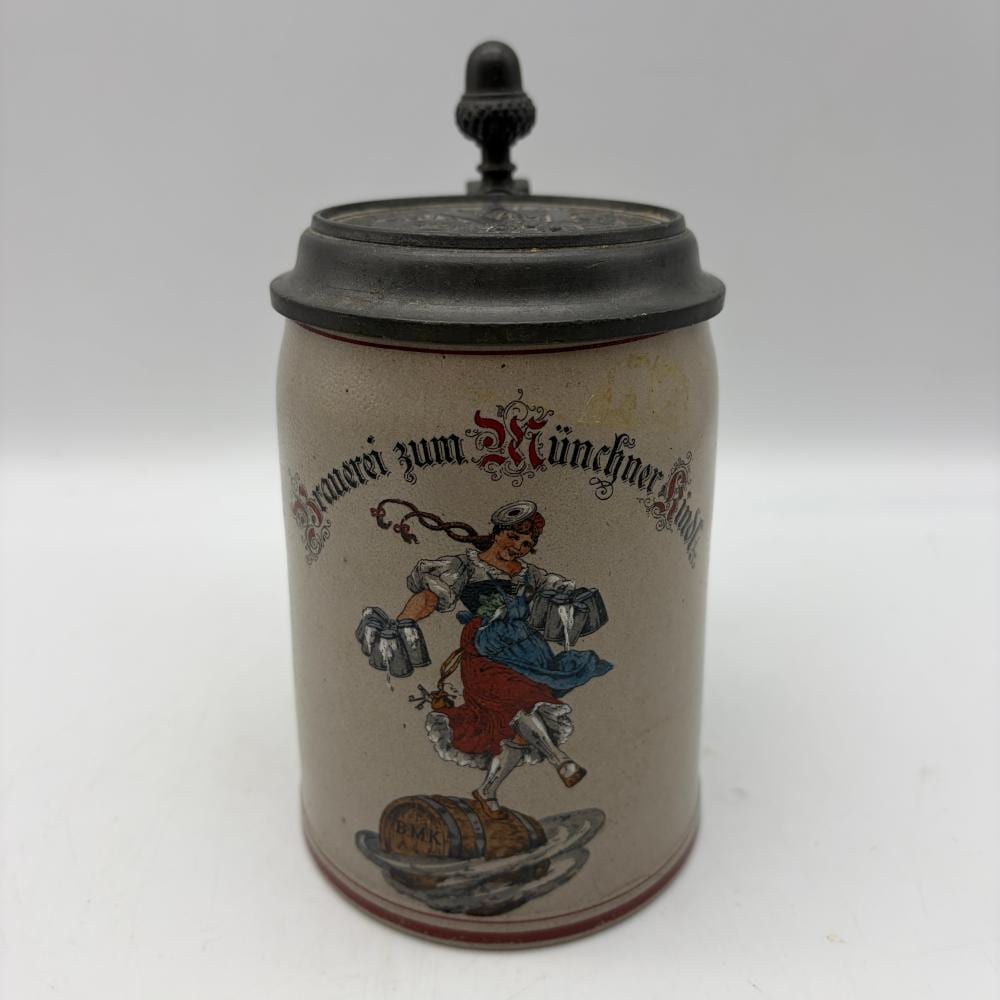
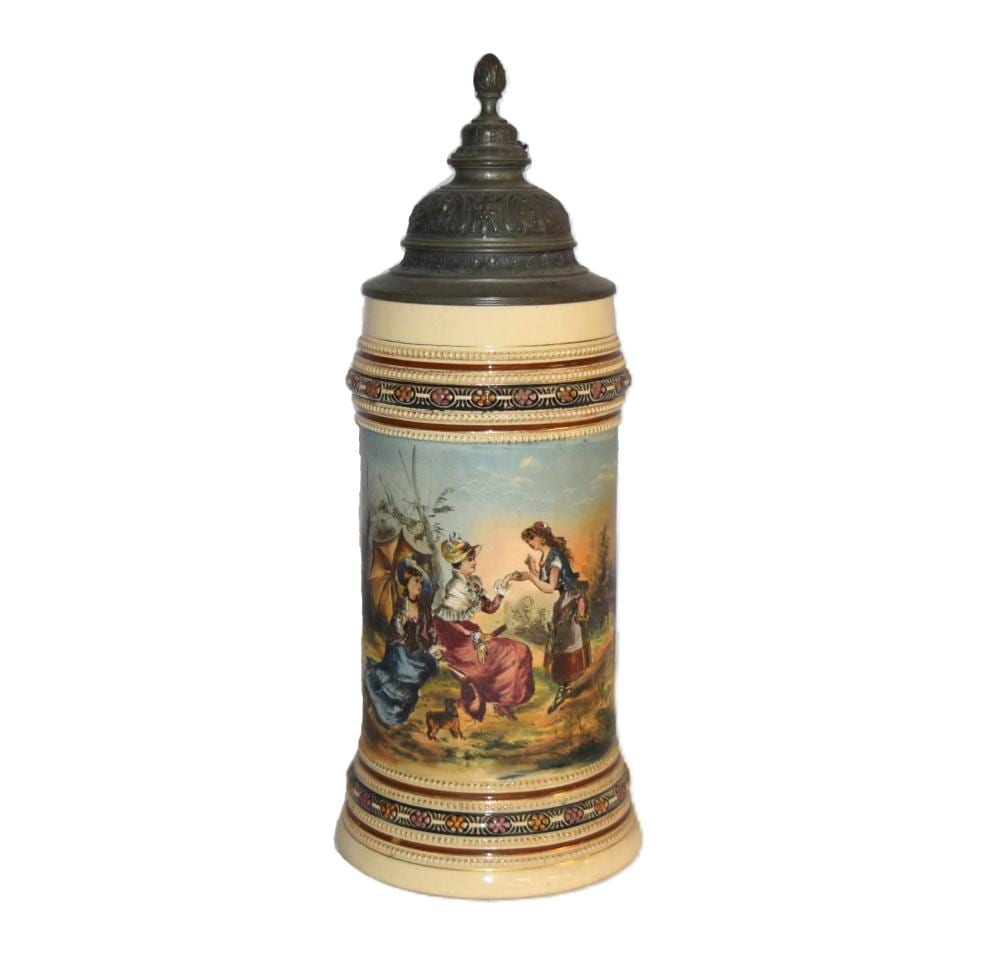
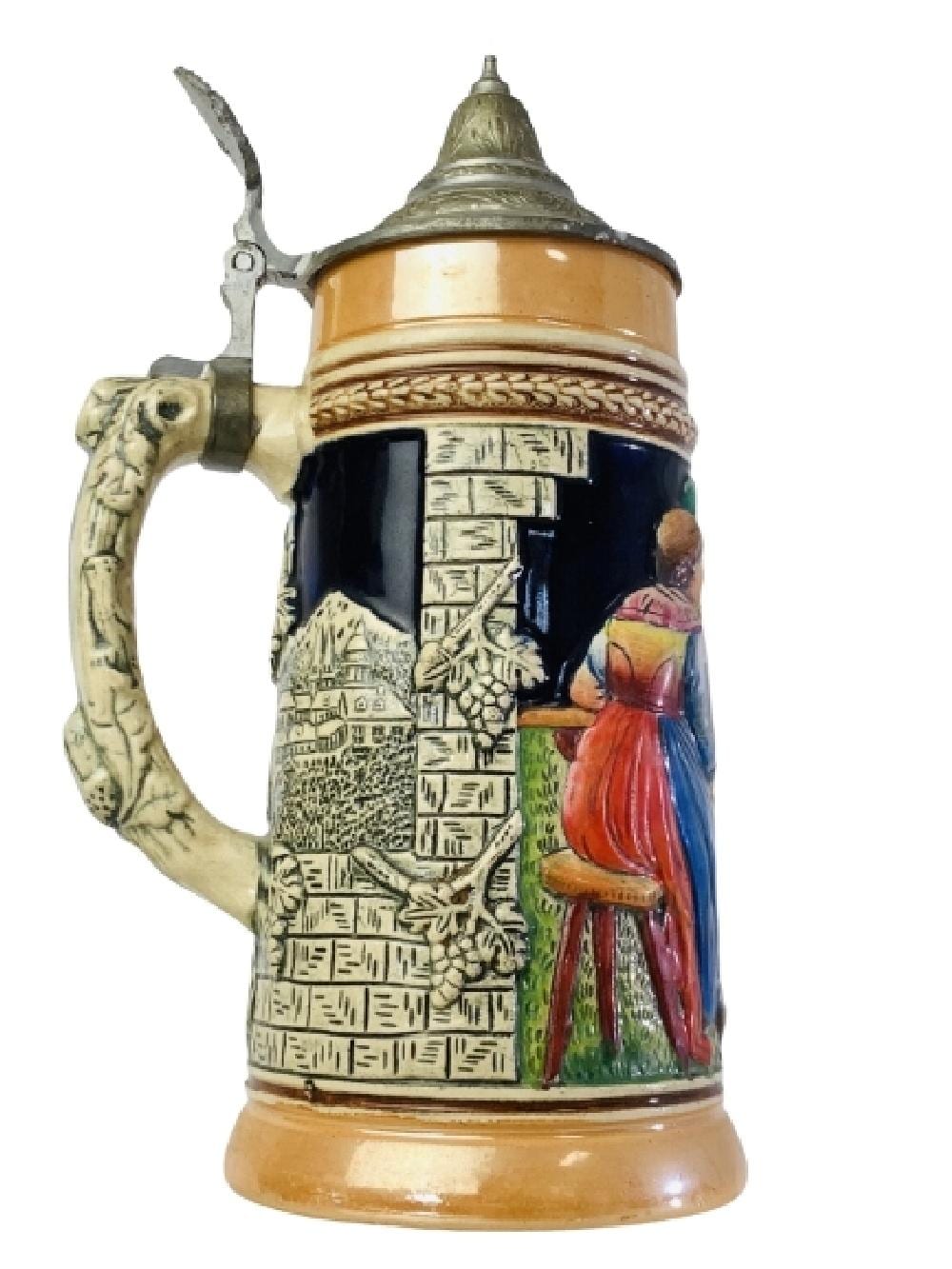
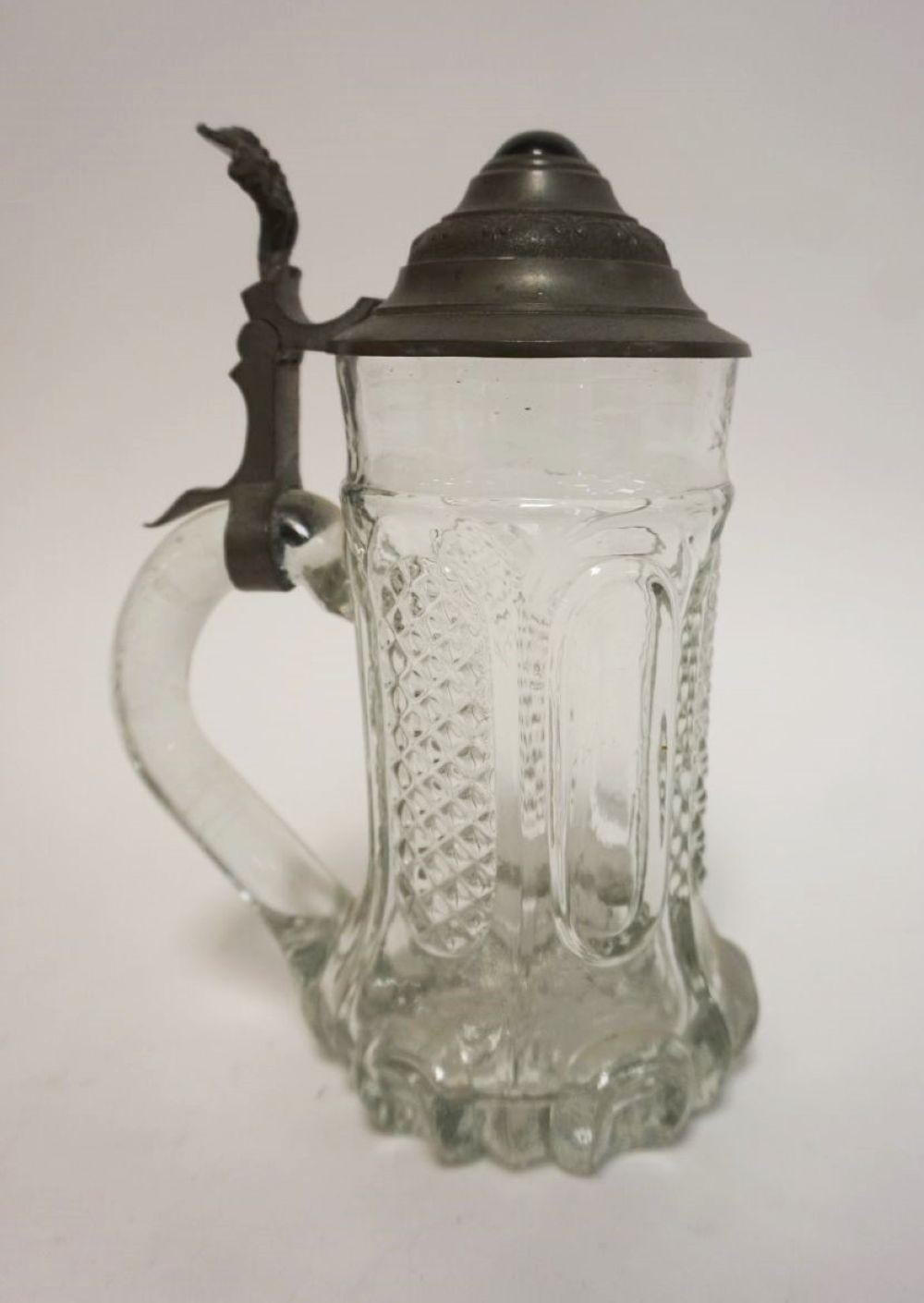
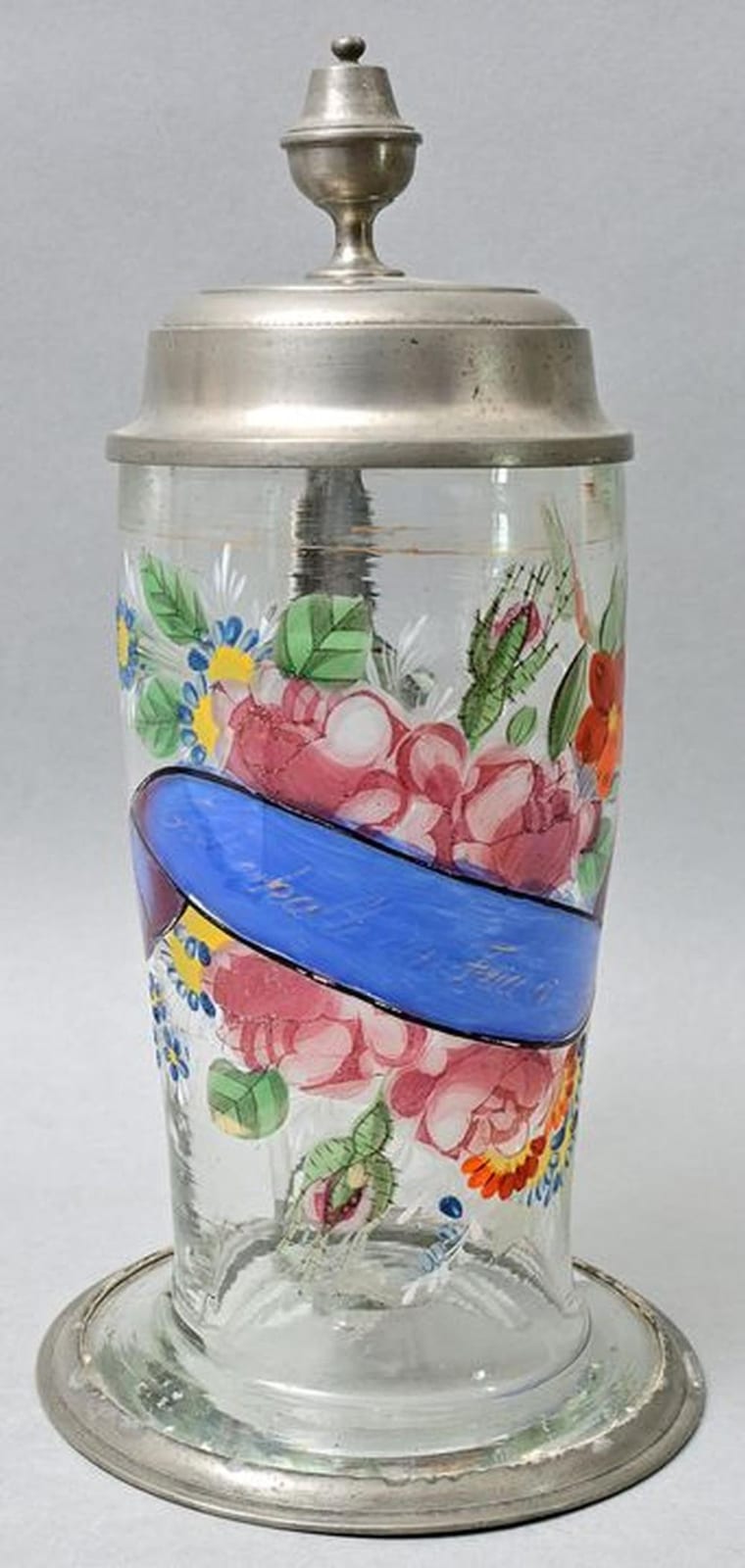
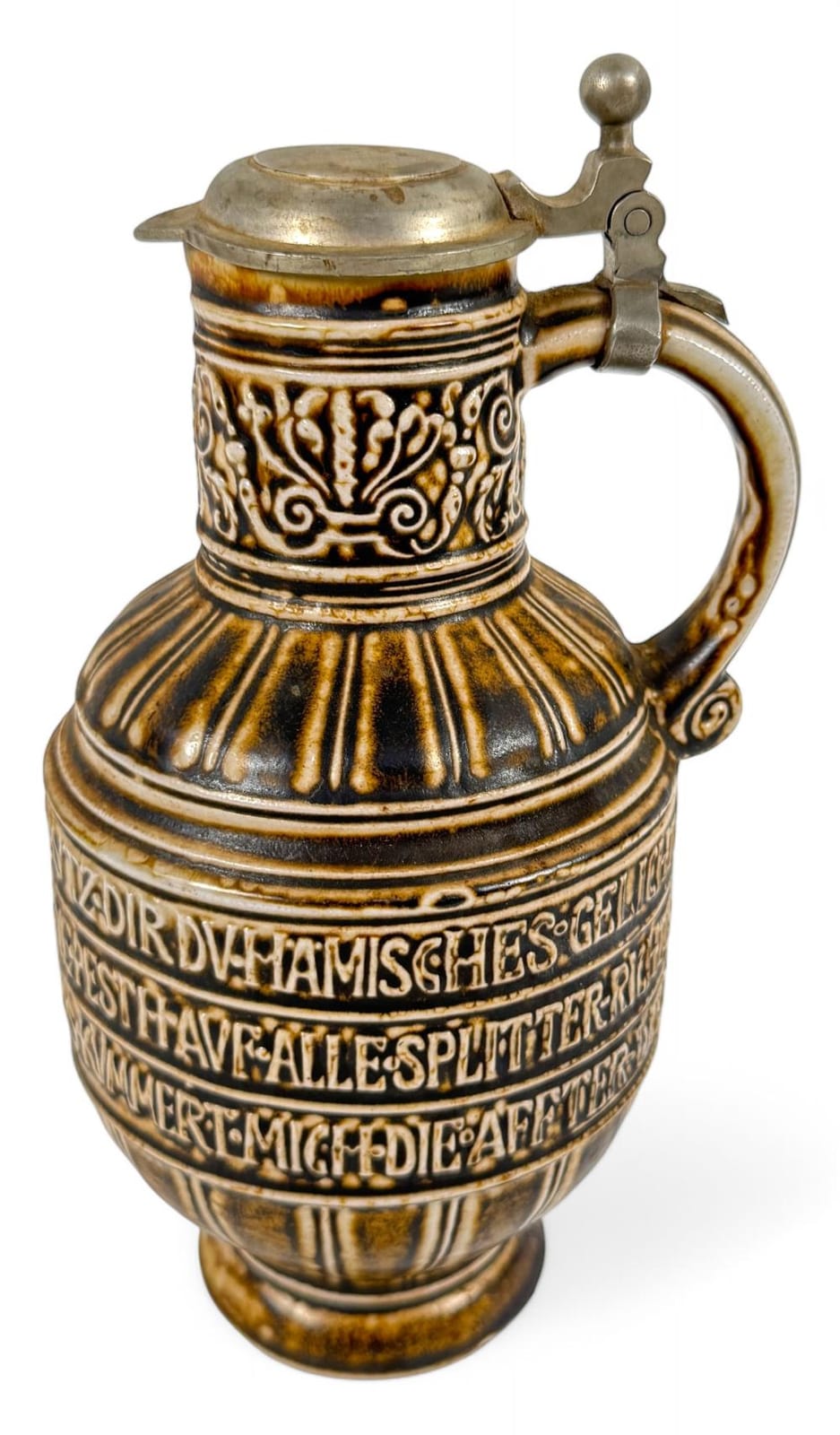
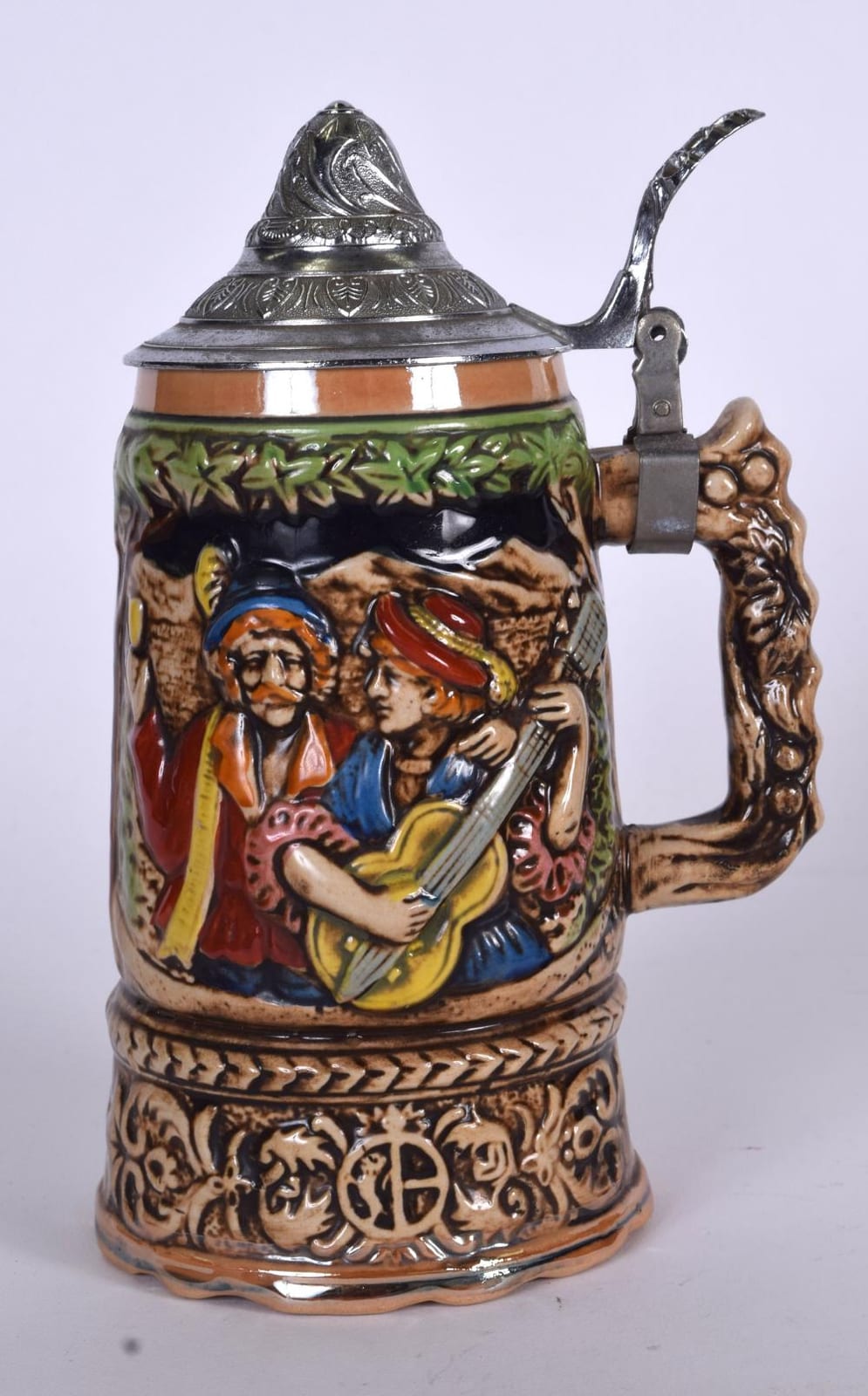
Real auction sales of items like your German beer stein. Open a sale to see the original listing.
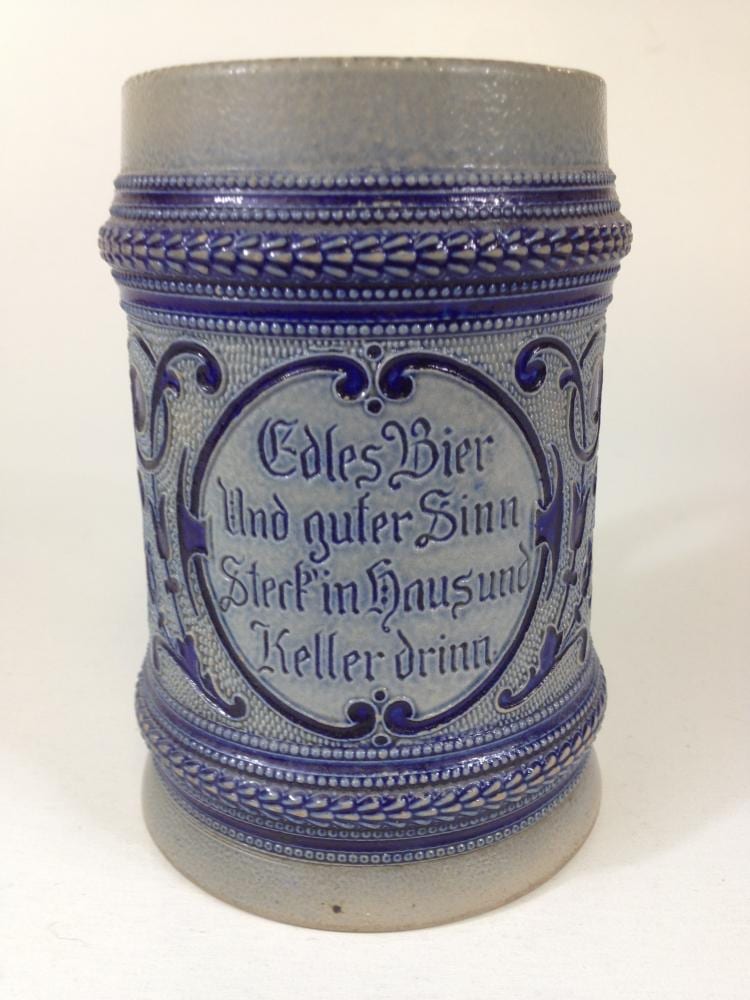
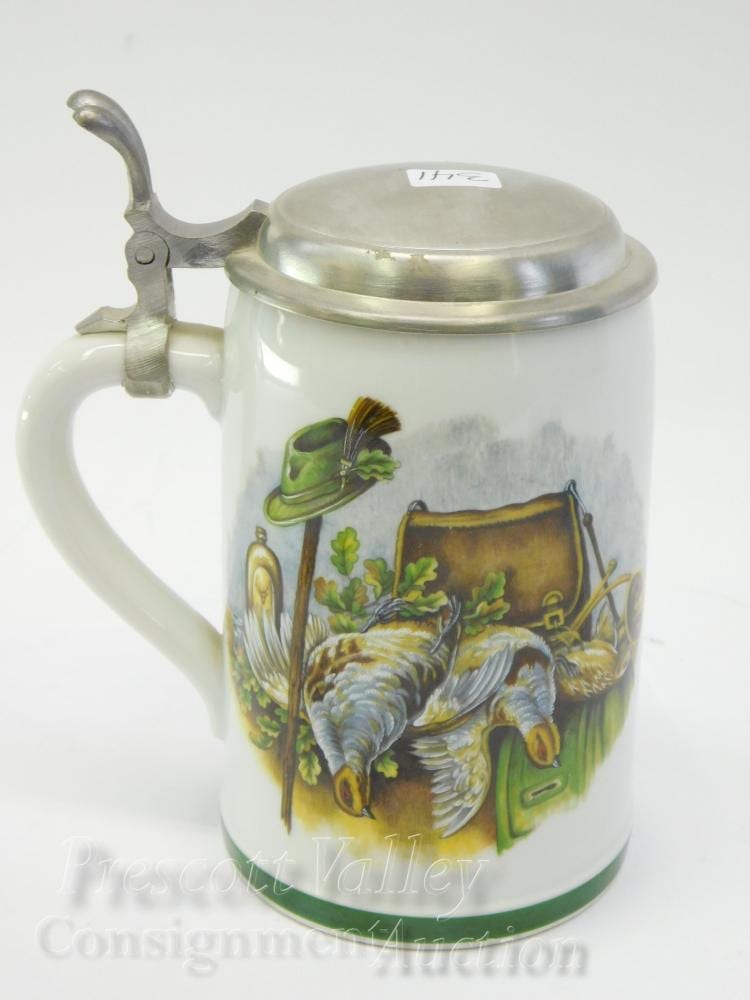
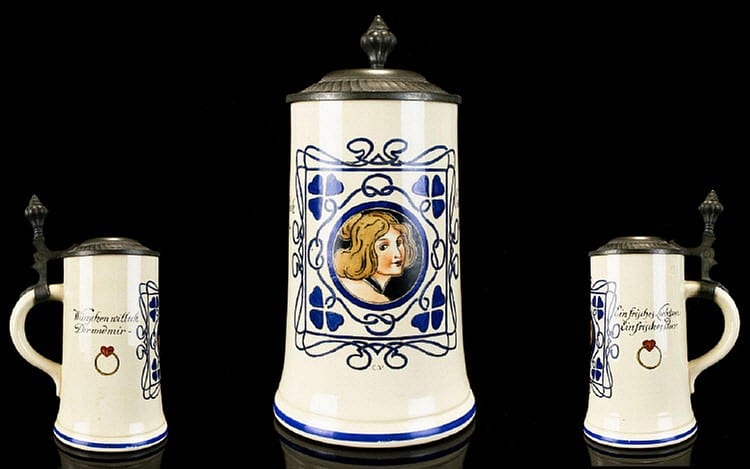
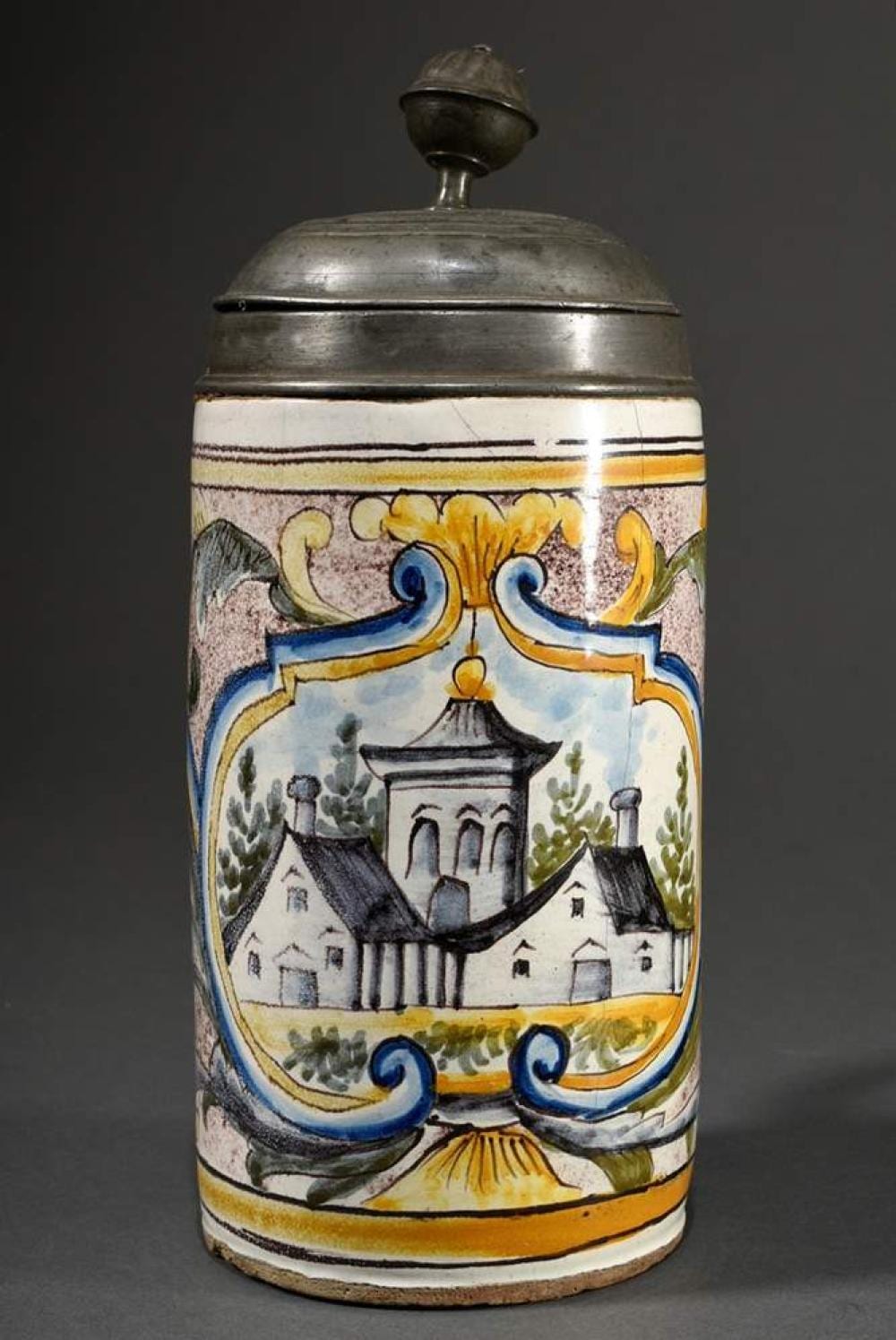
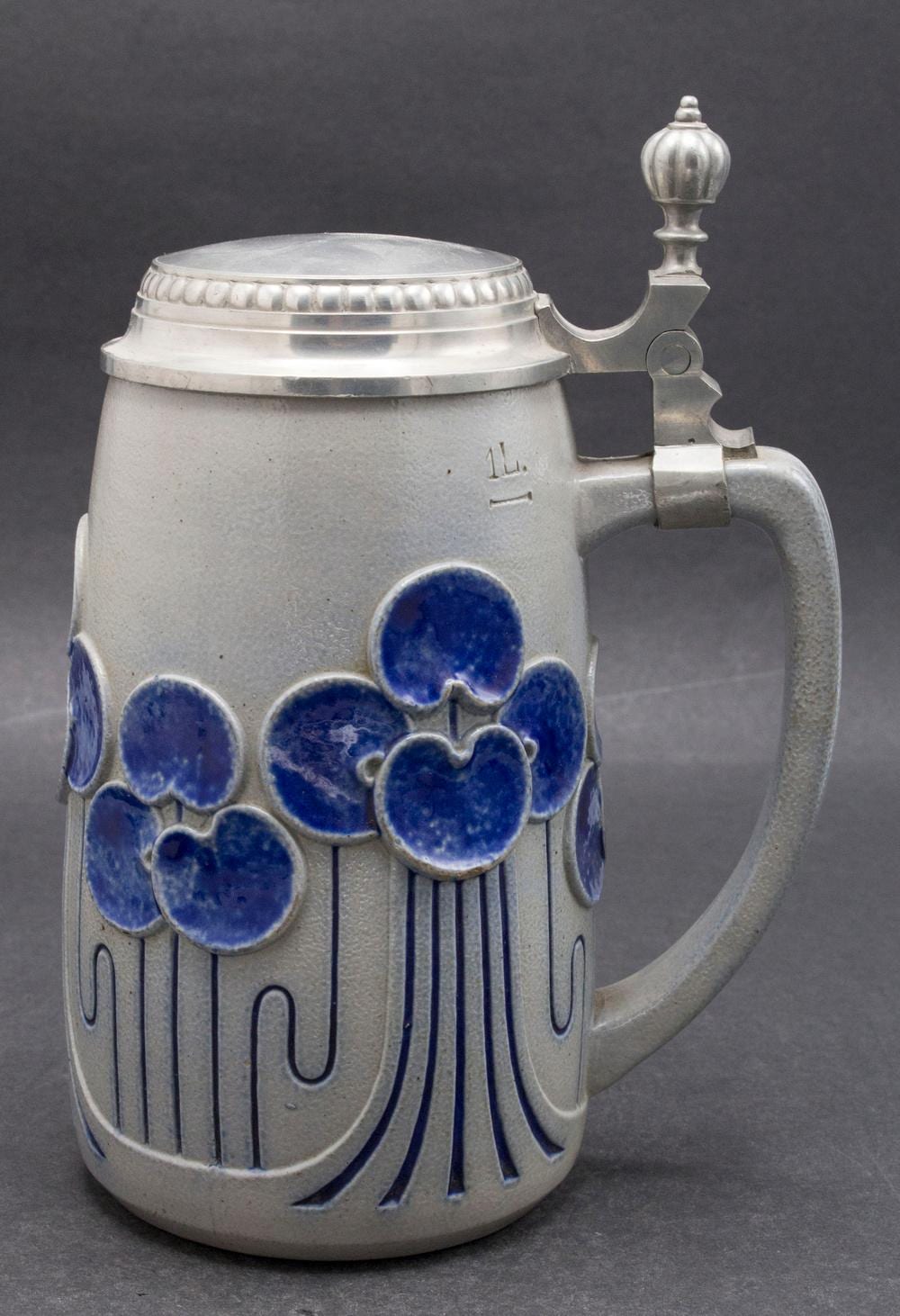
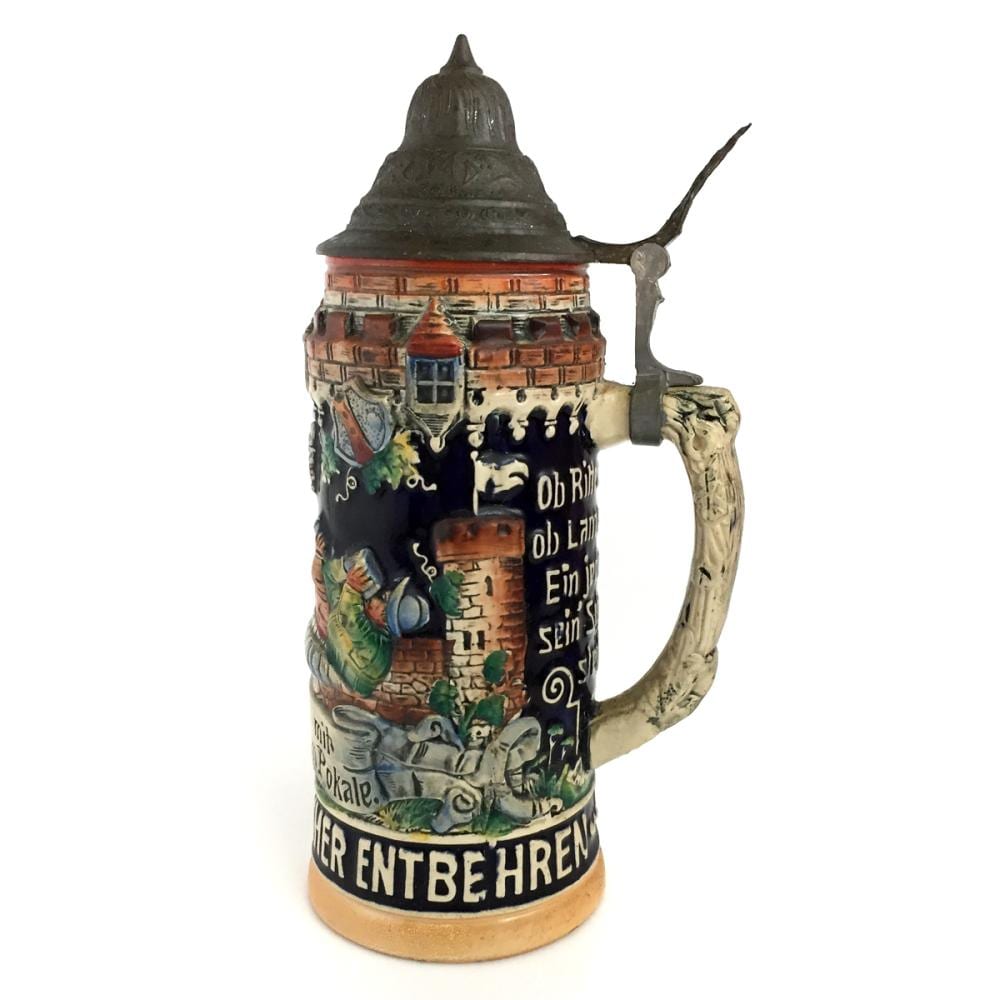
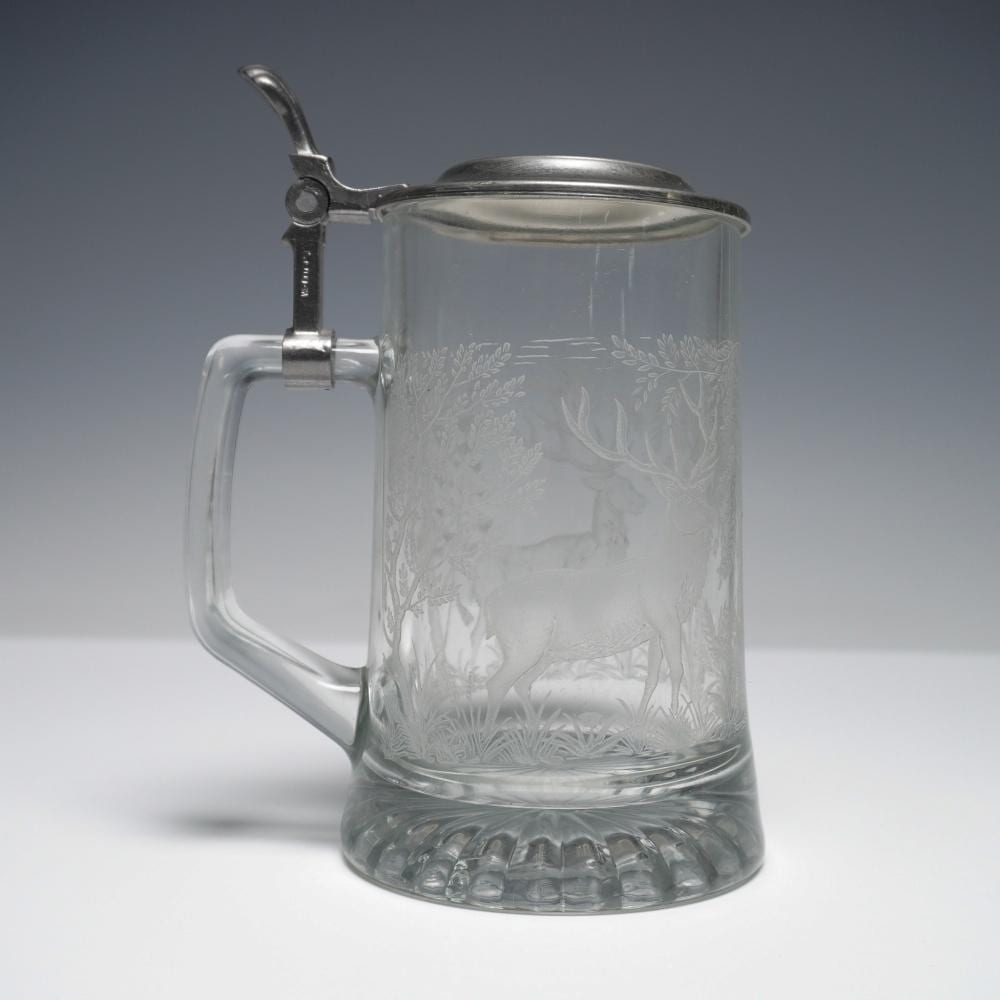
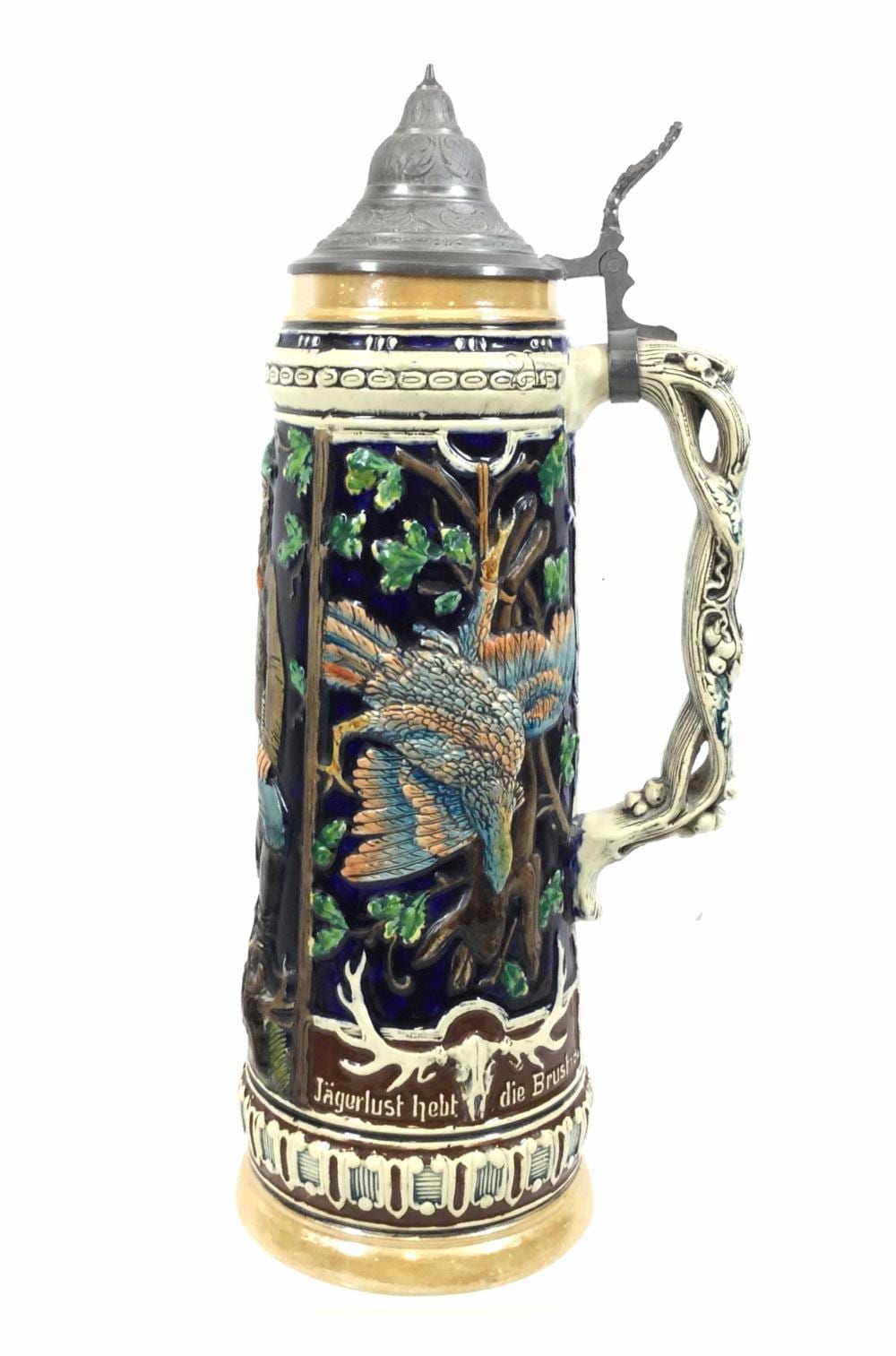
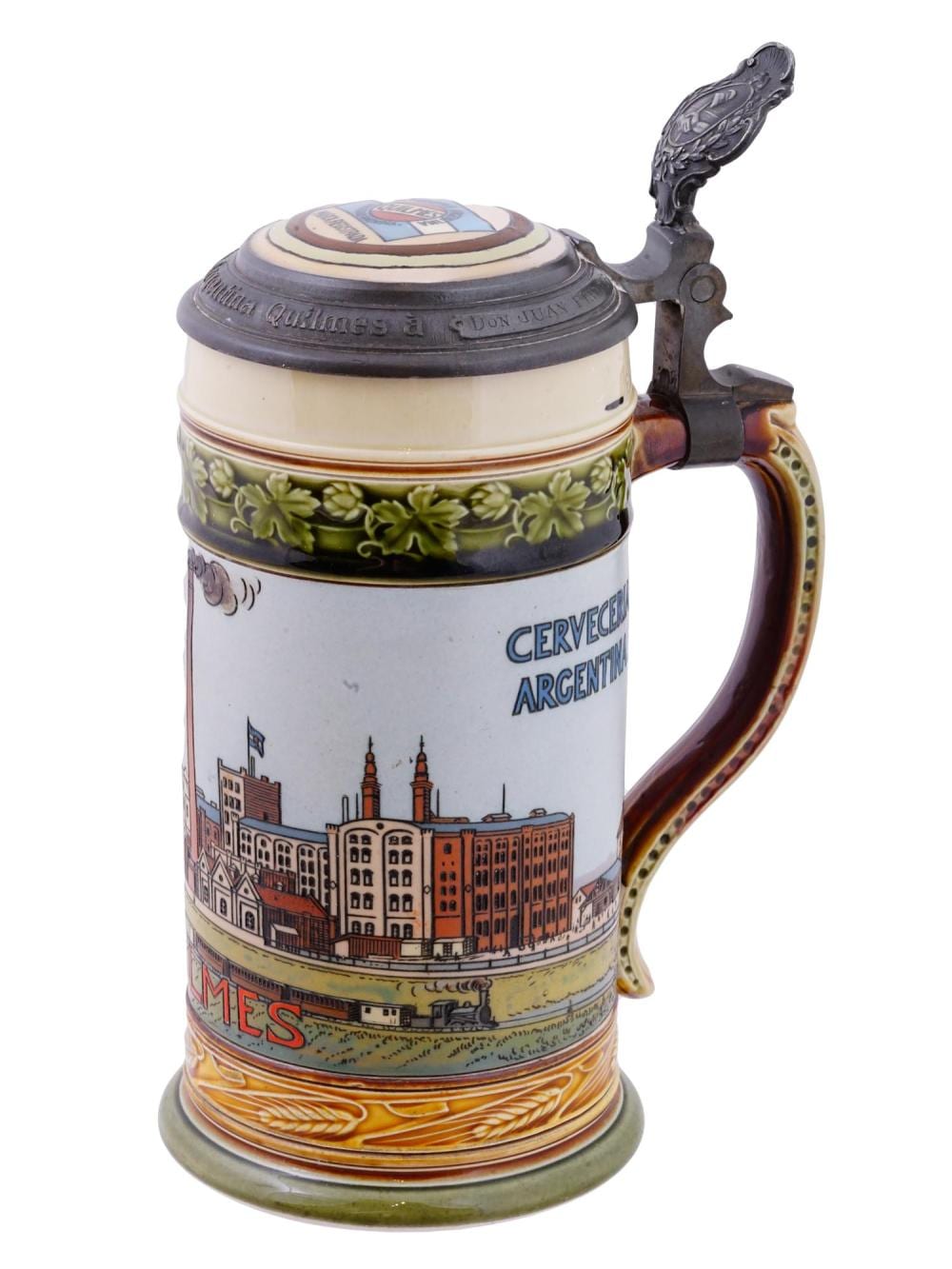
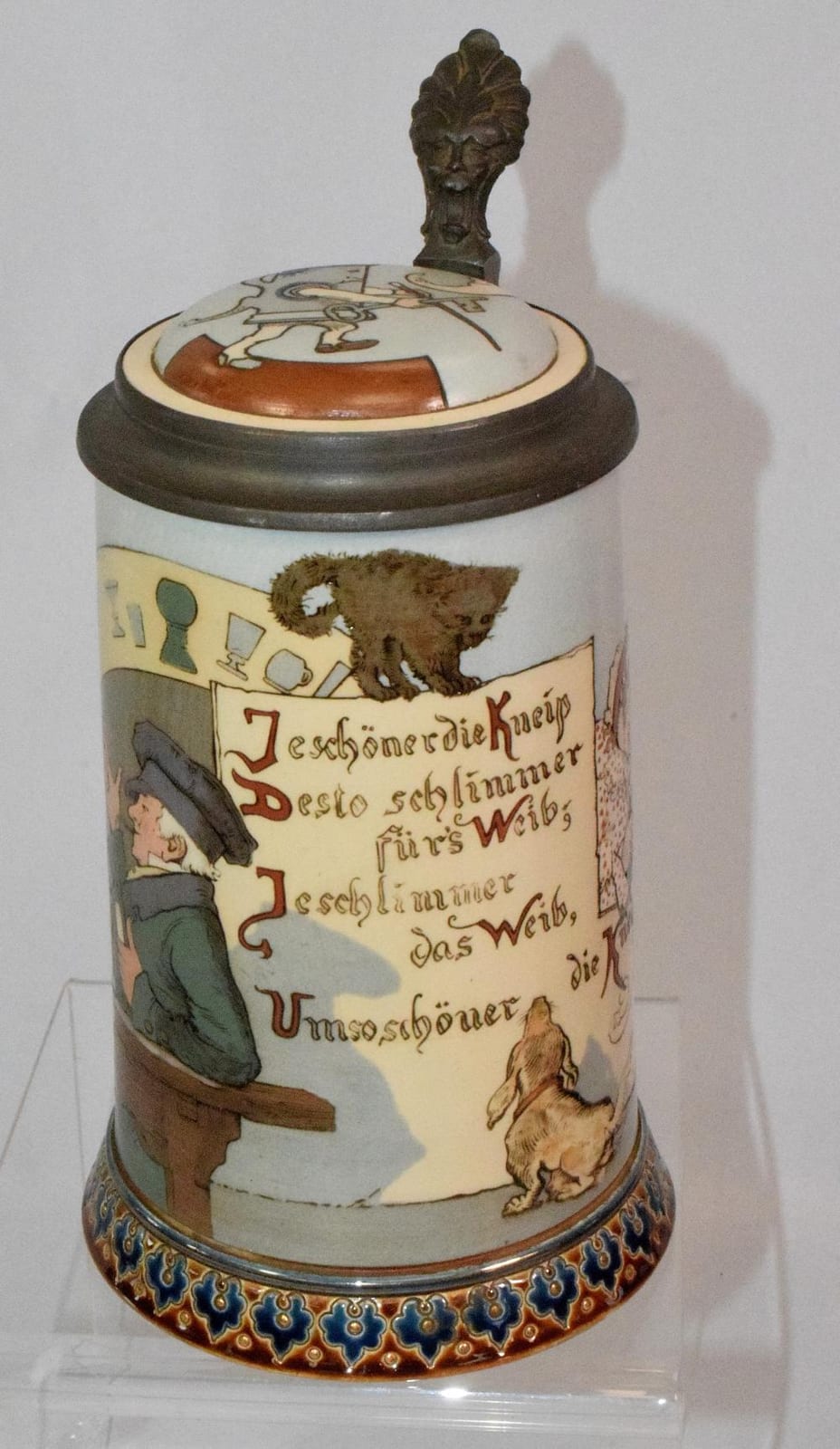
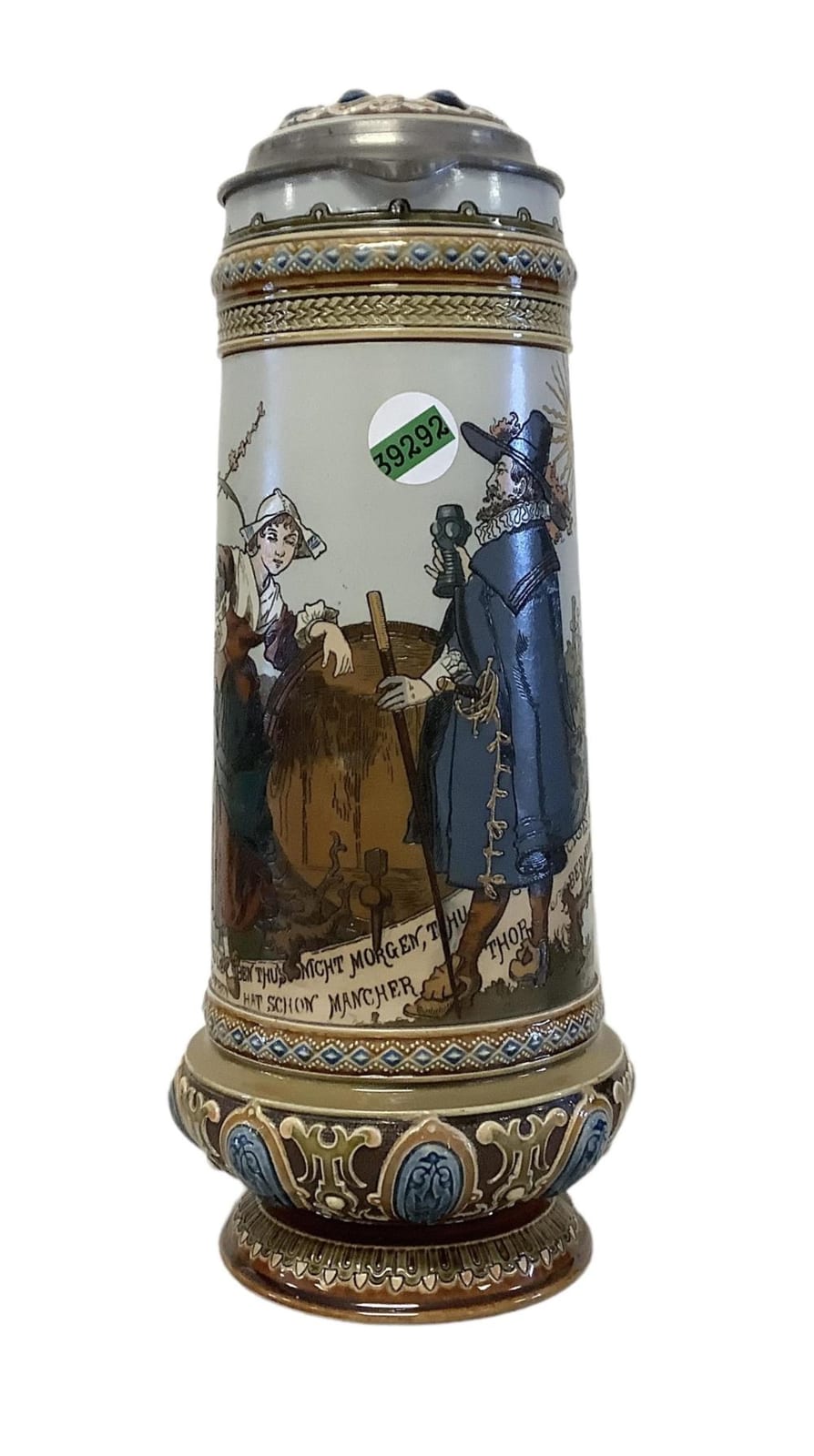
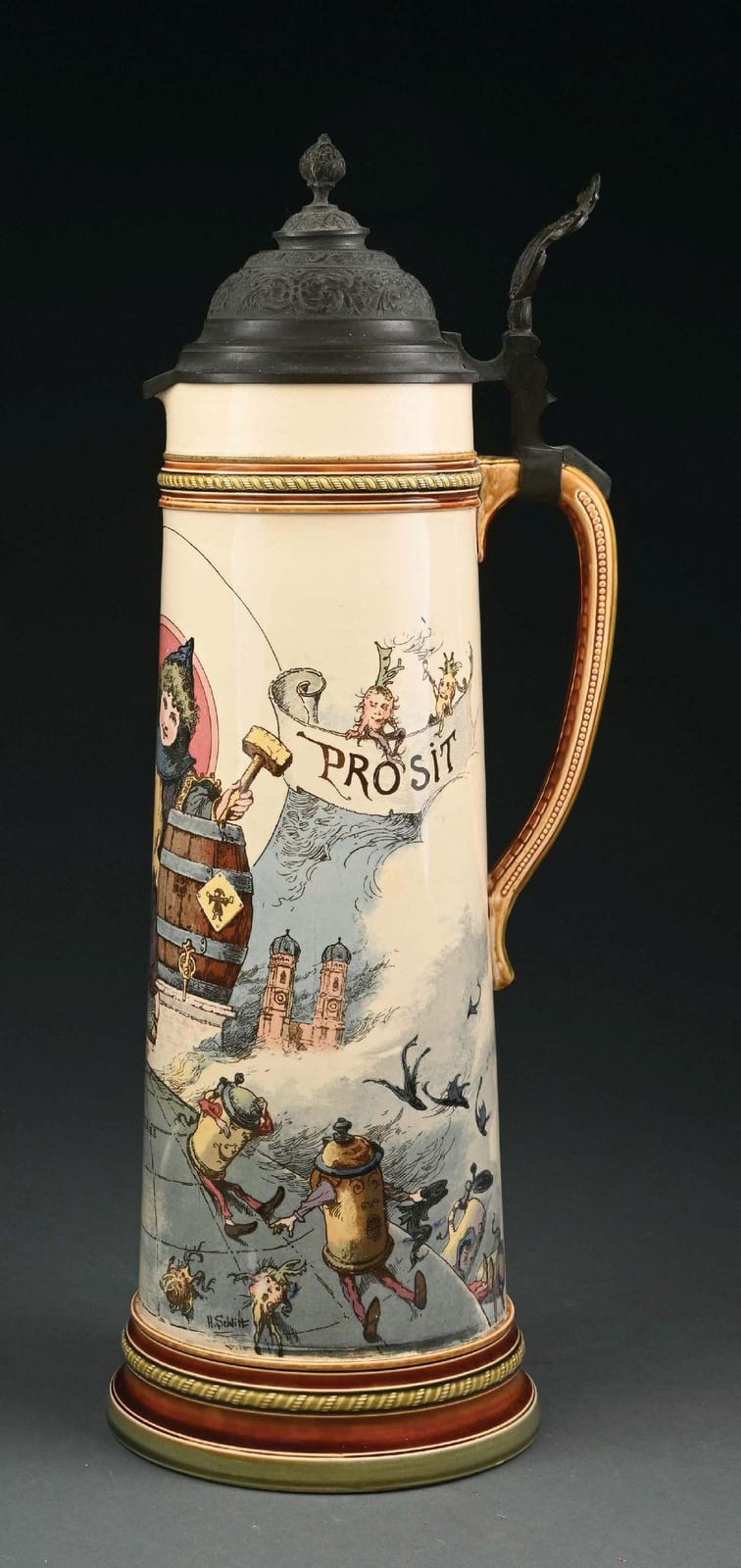
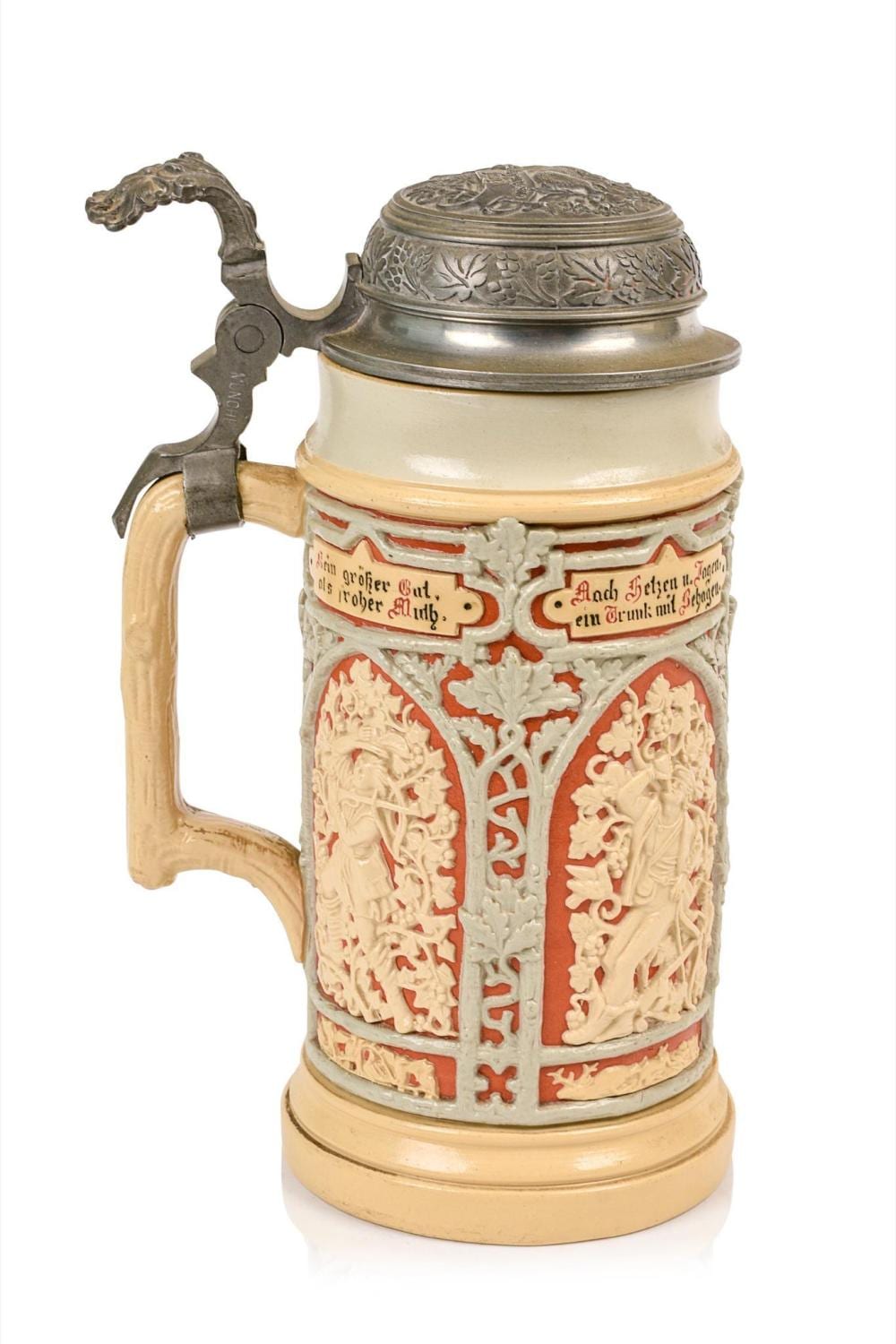
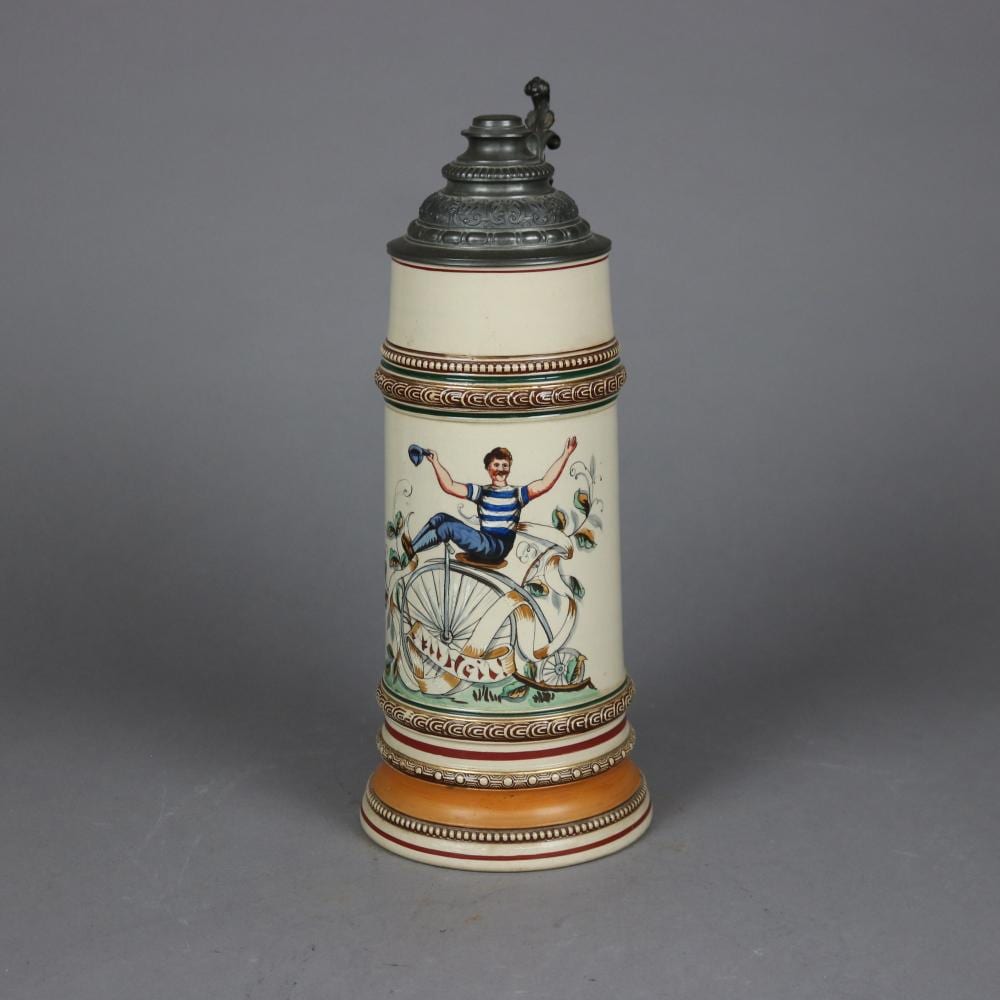
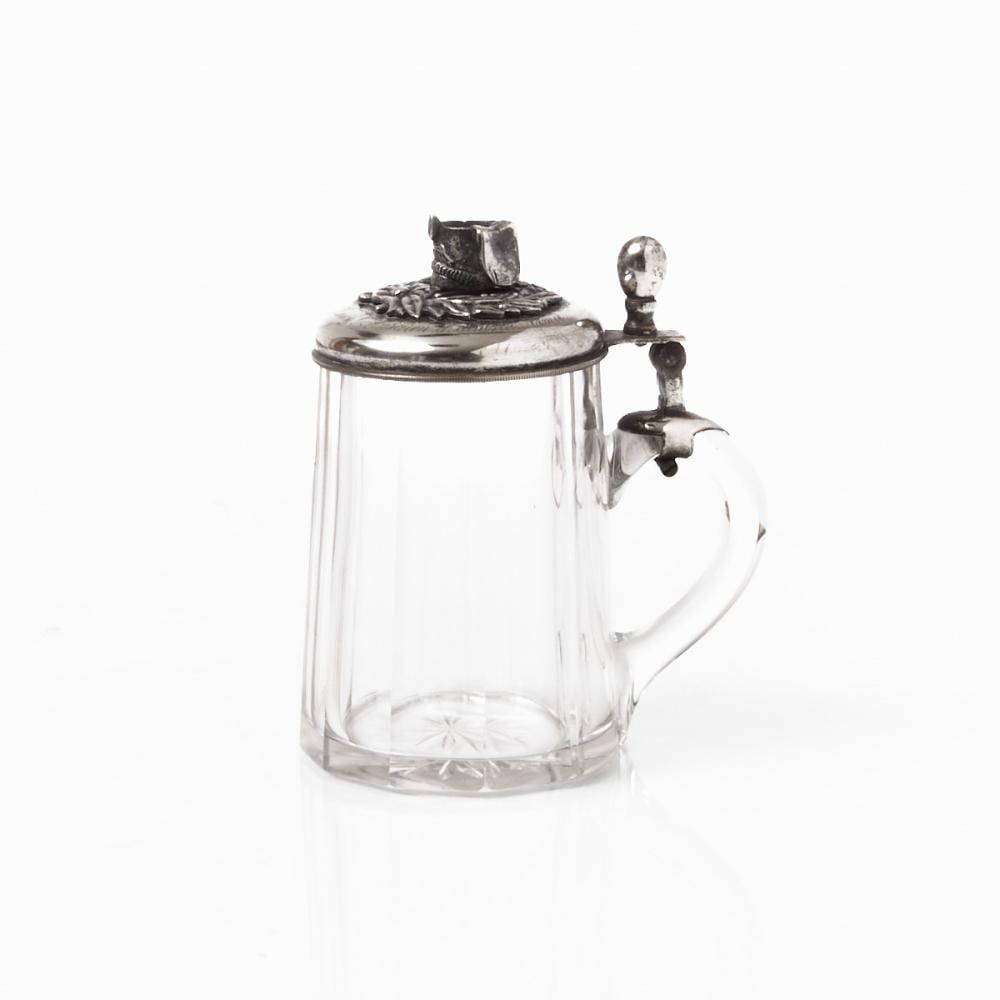
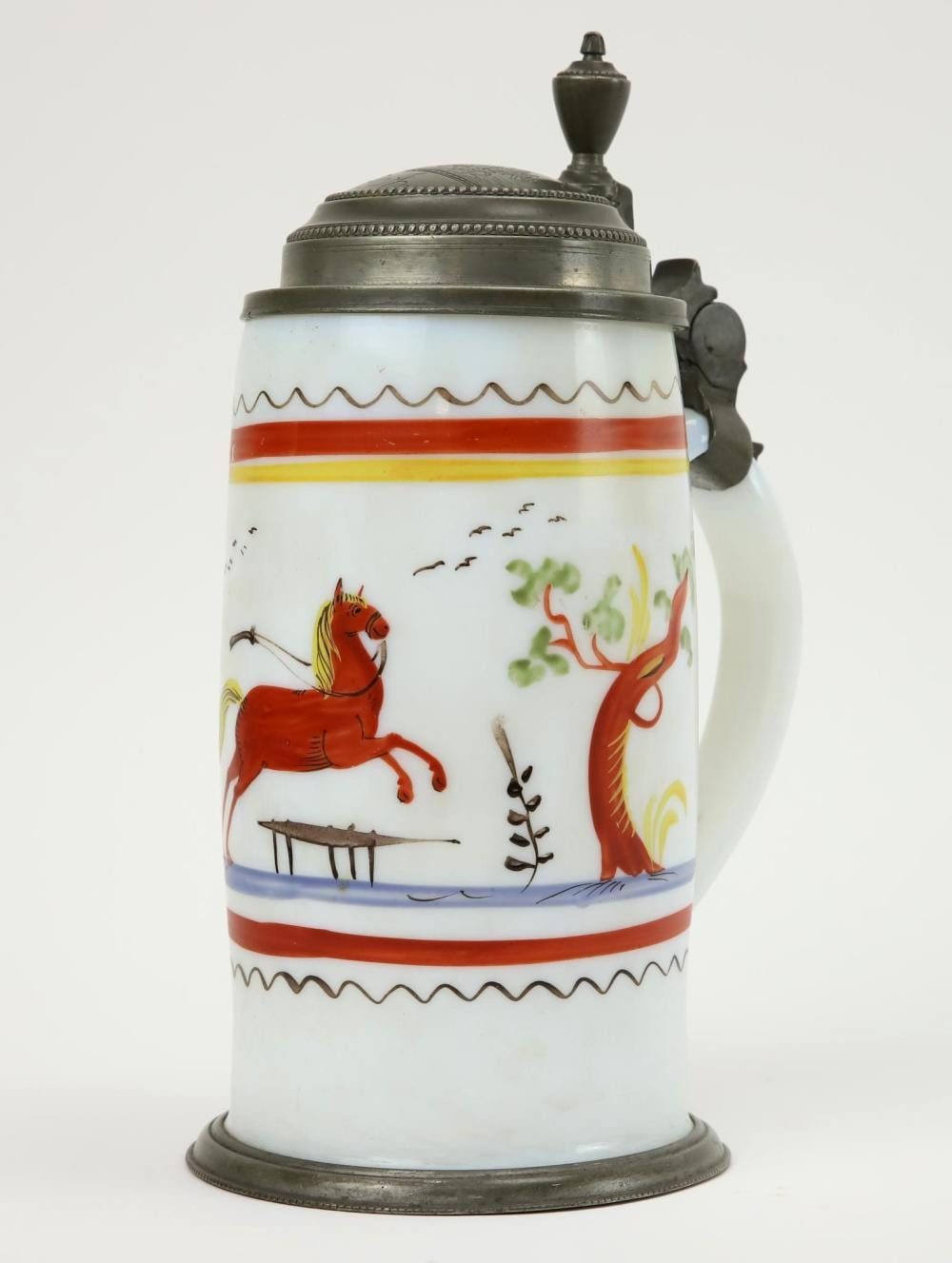
Shown USD range: USD 2-USD 1,800. Median of these 85 USD examples: USD 125.
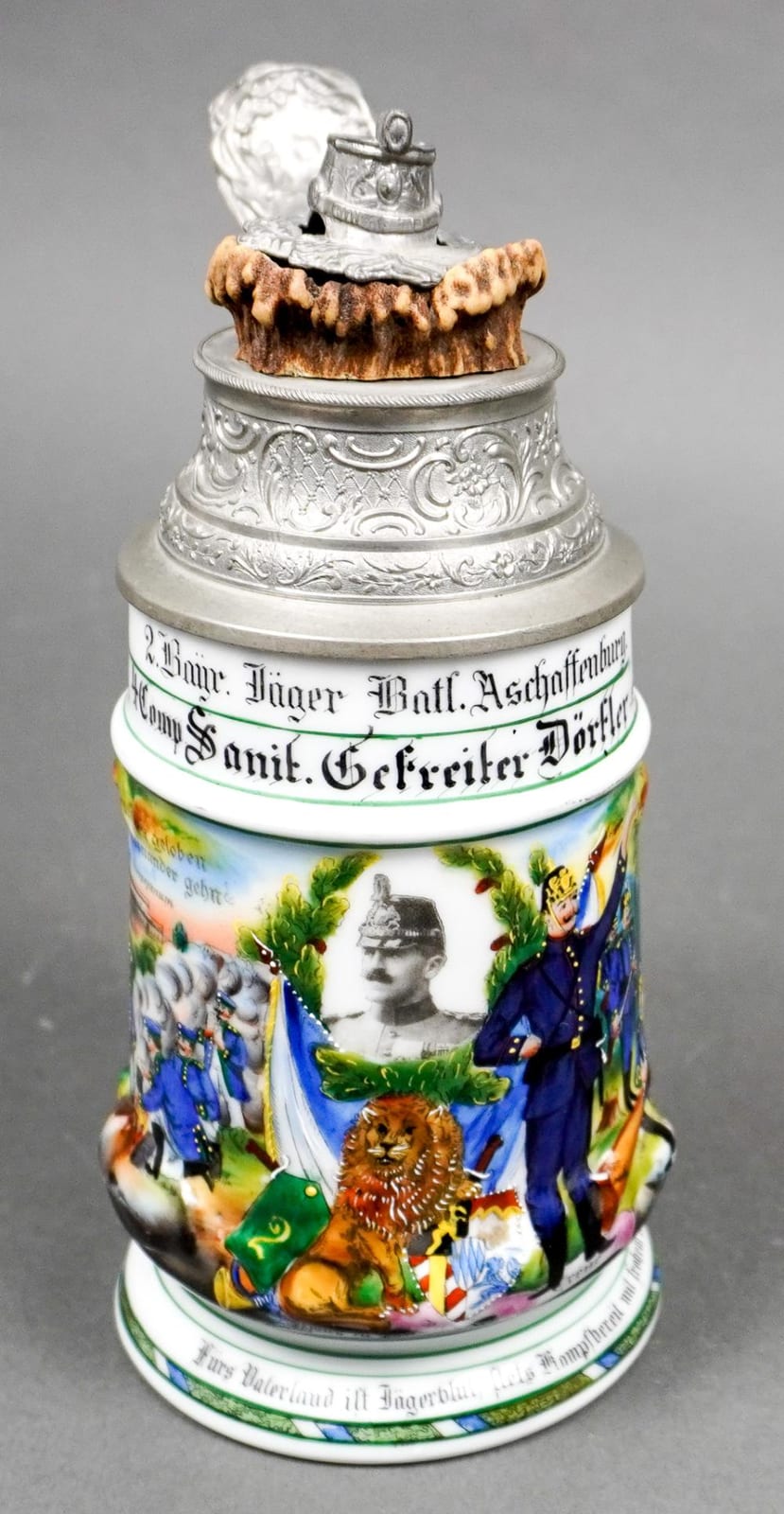
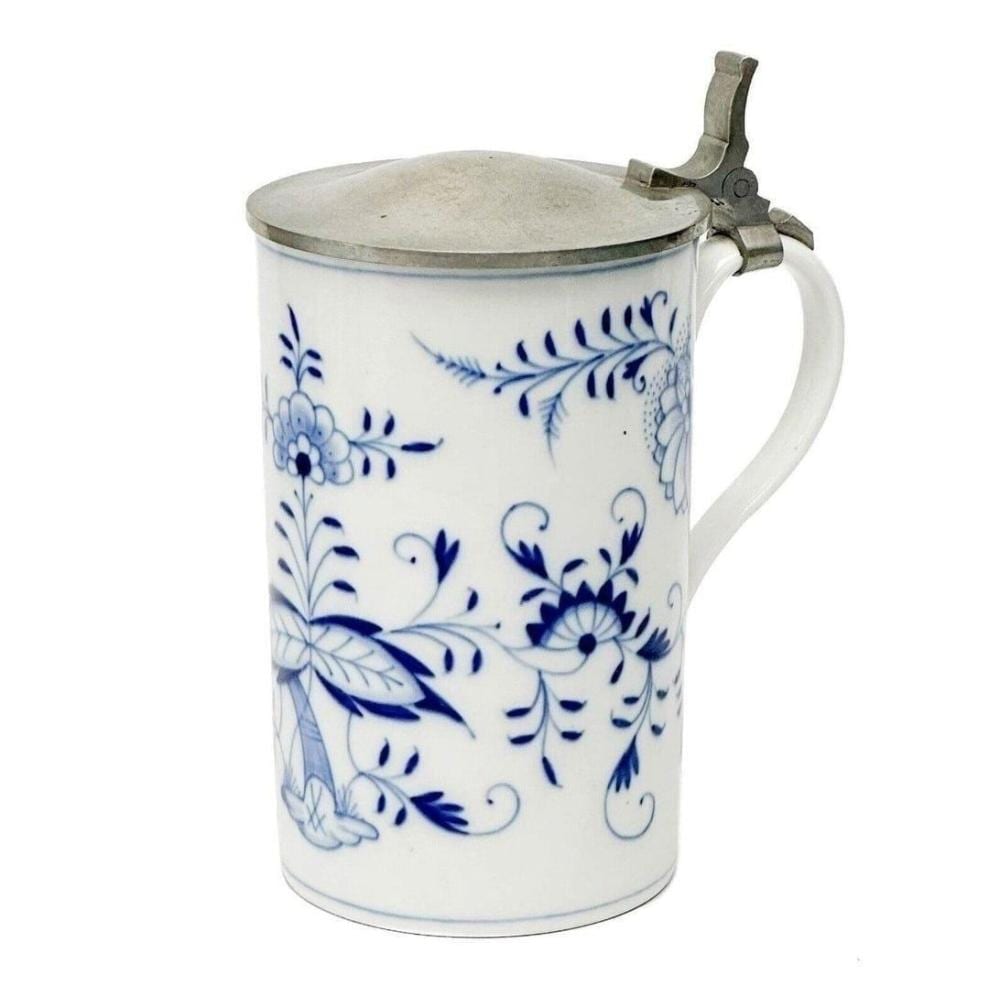
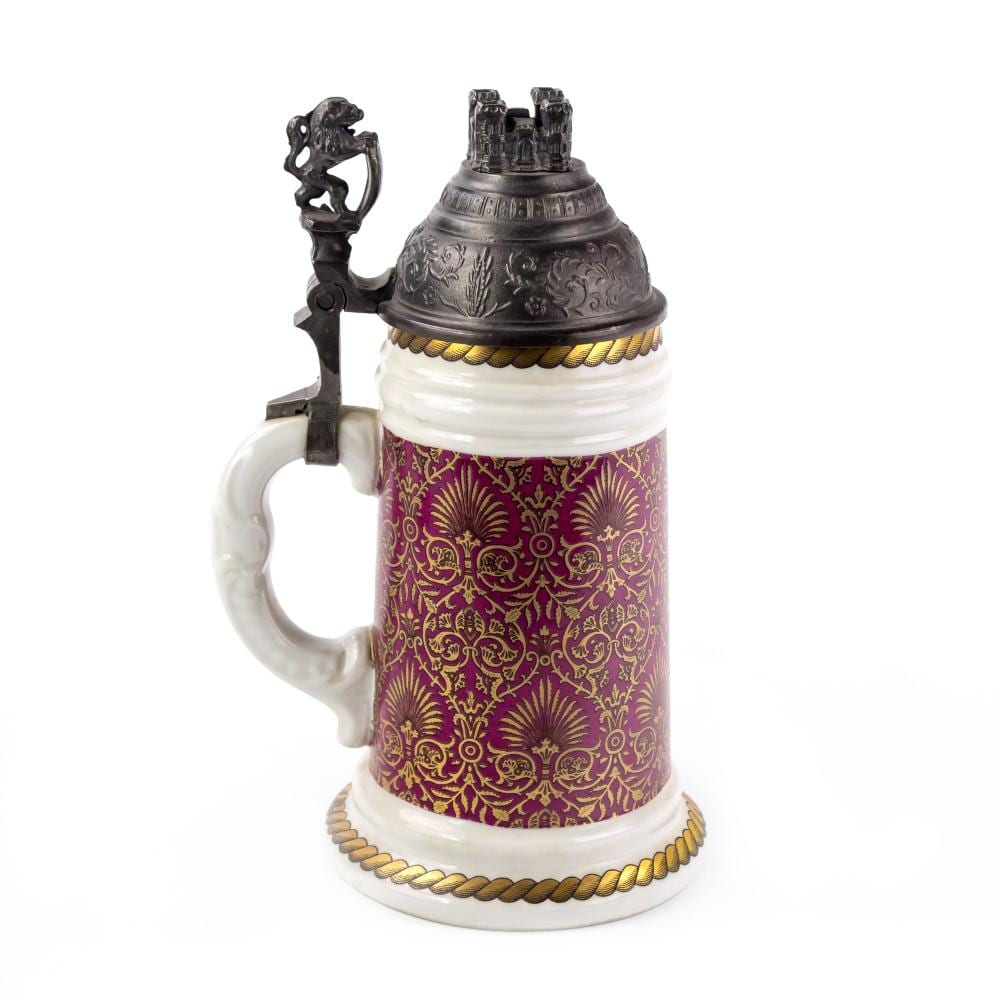
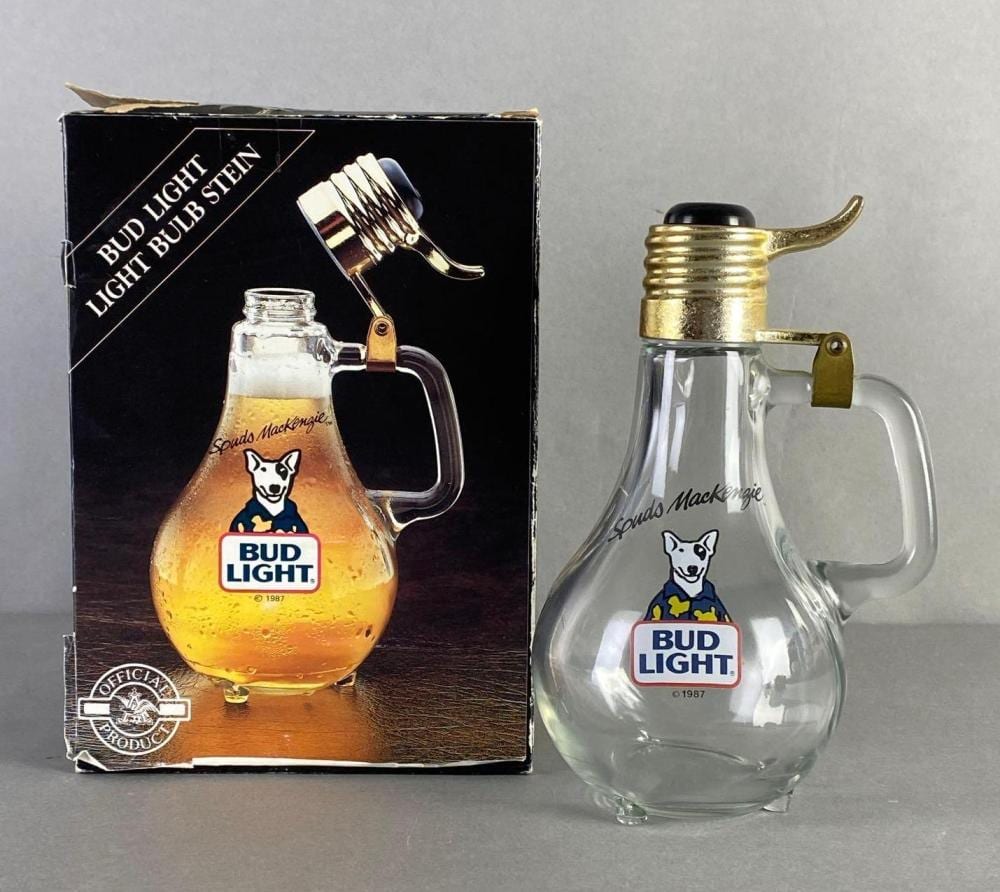
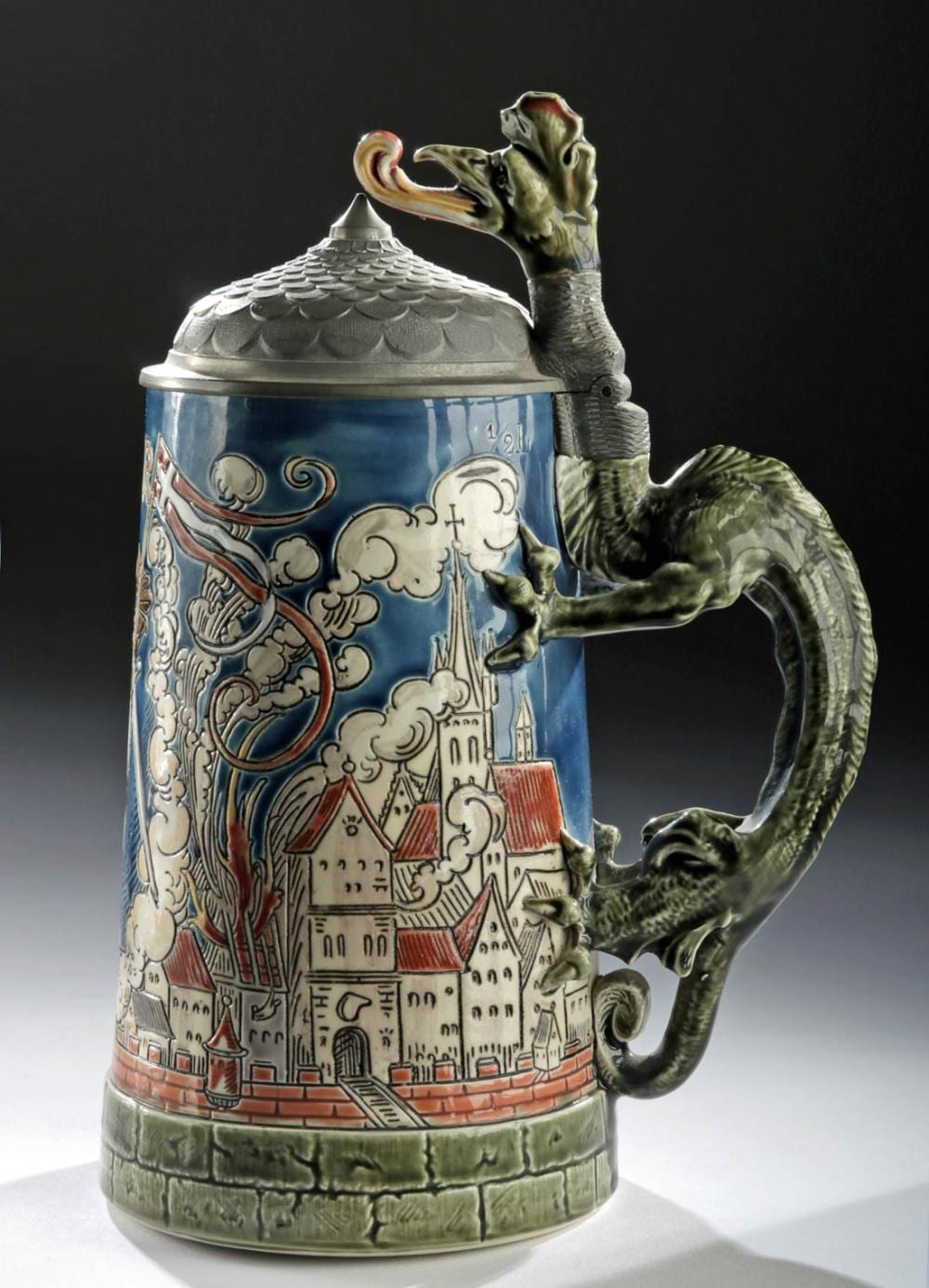
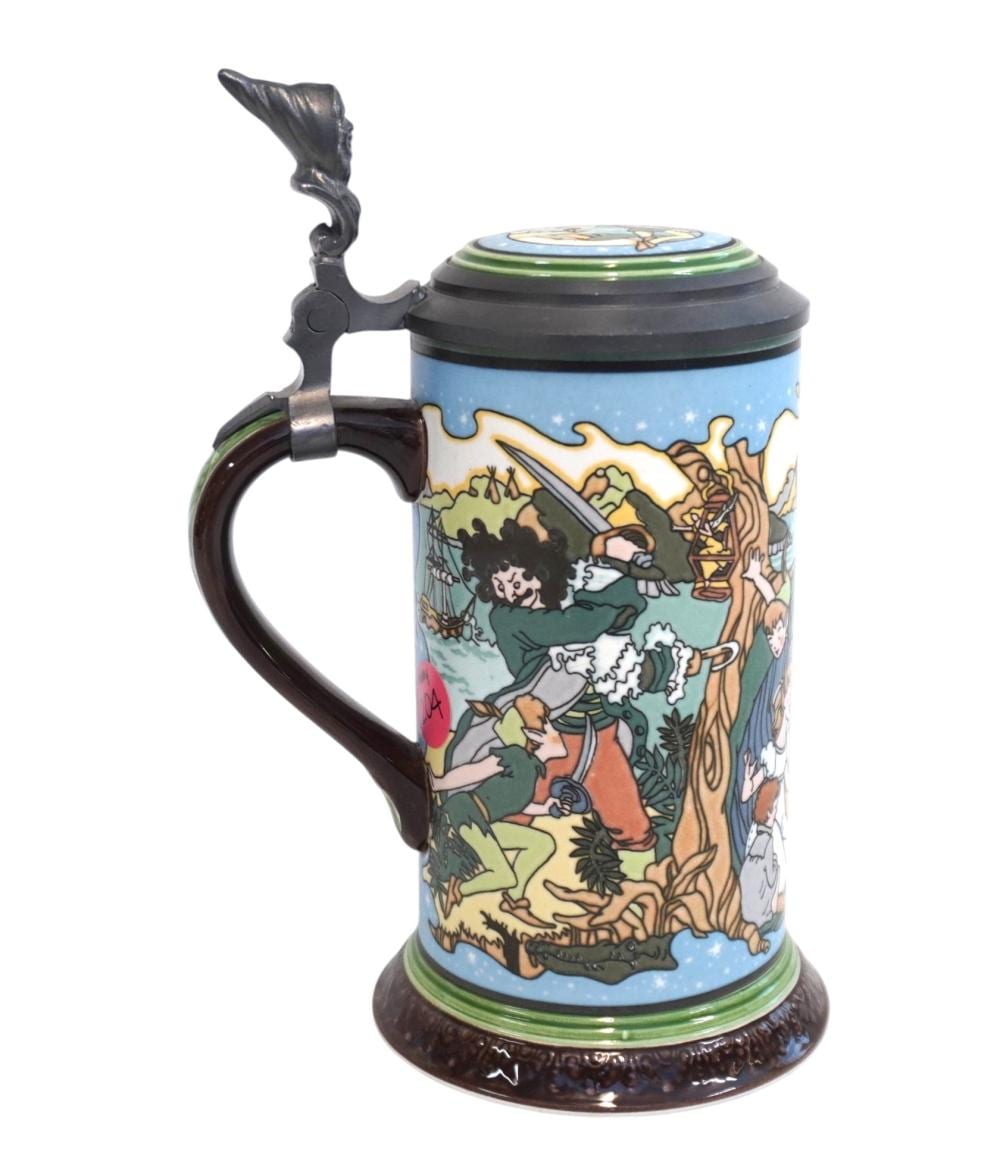
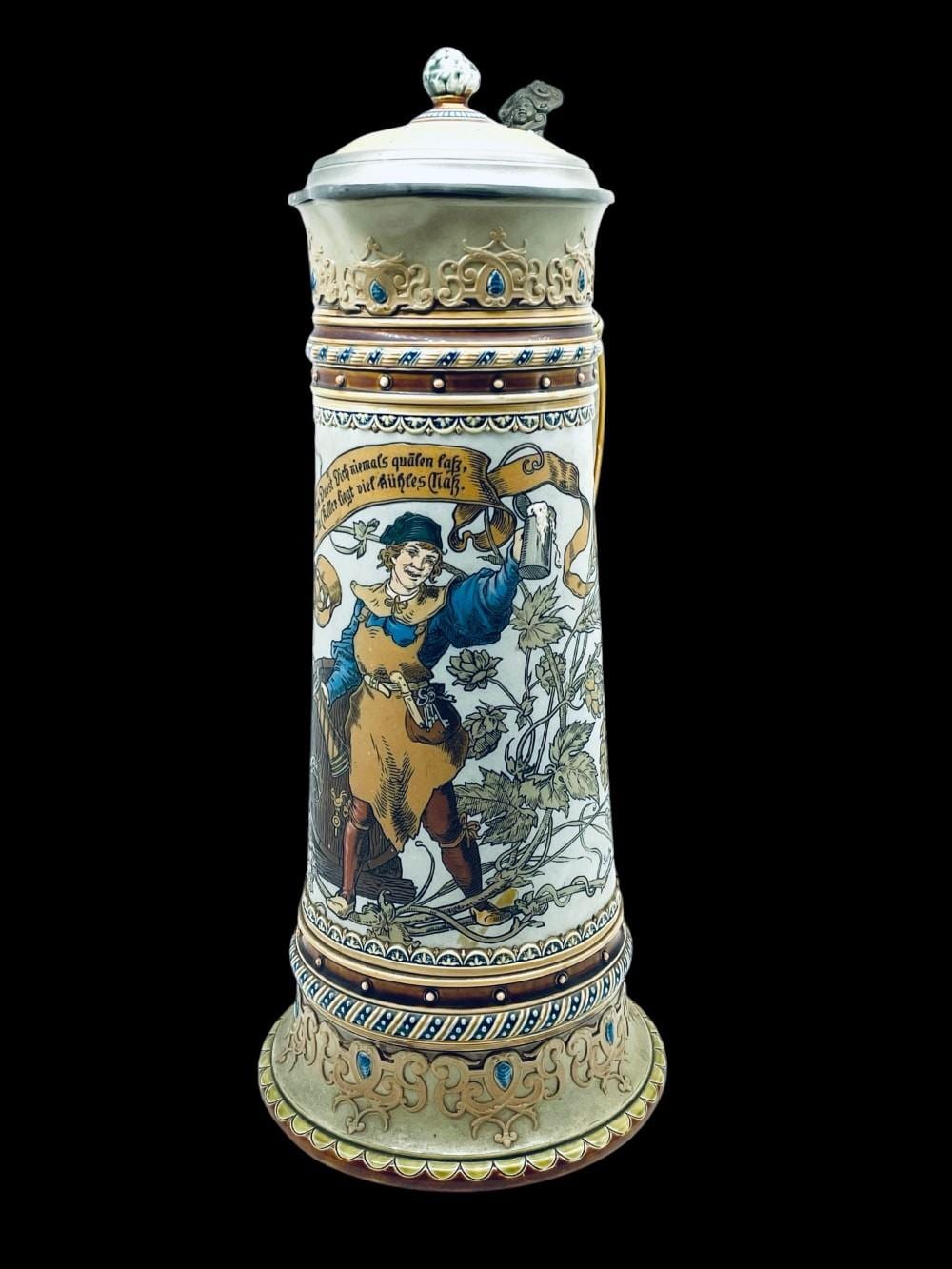
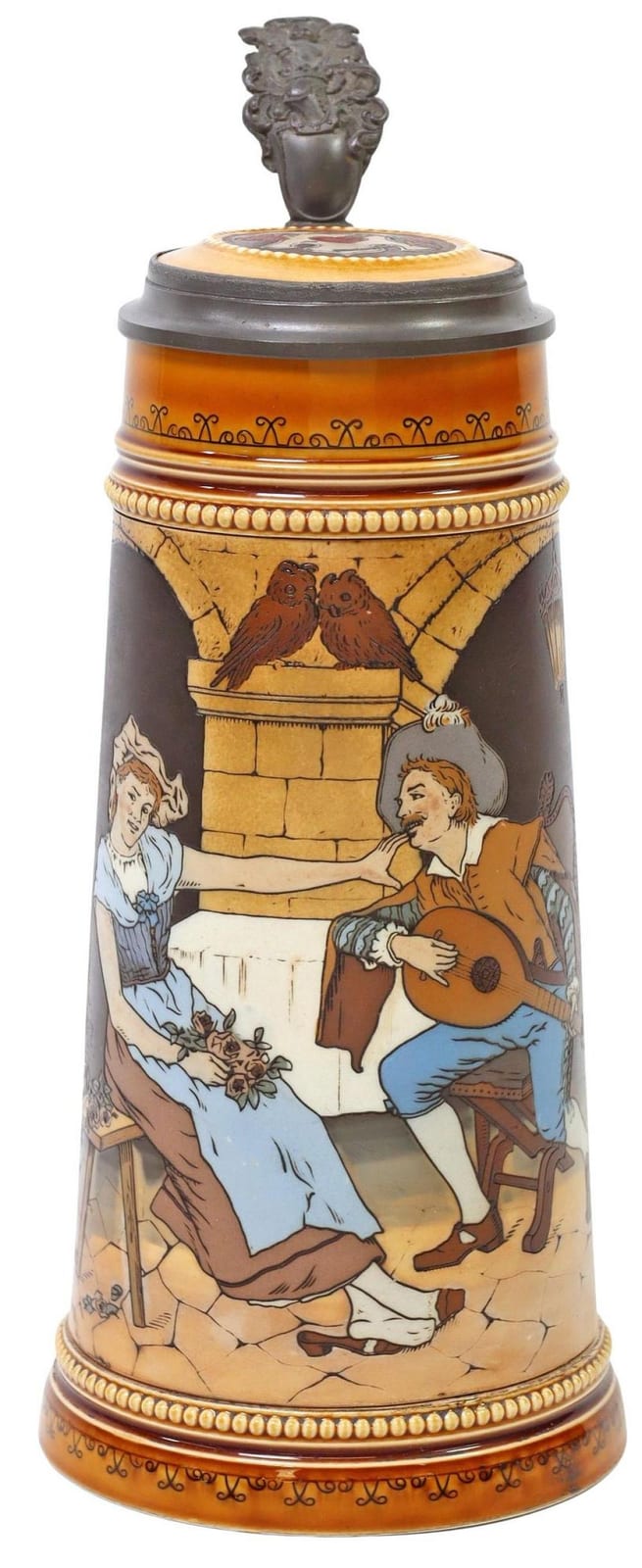
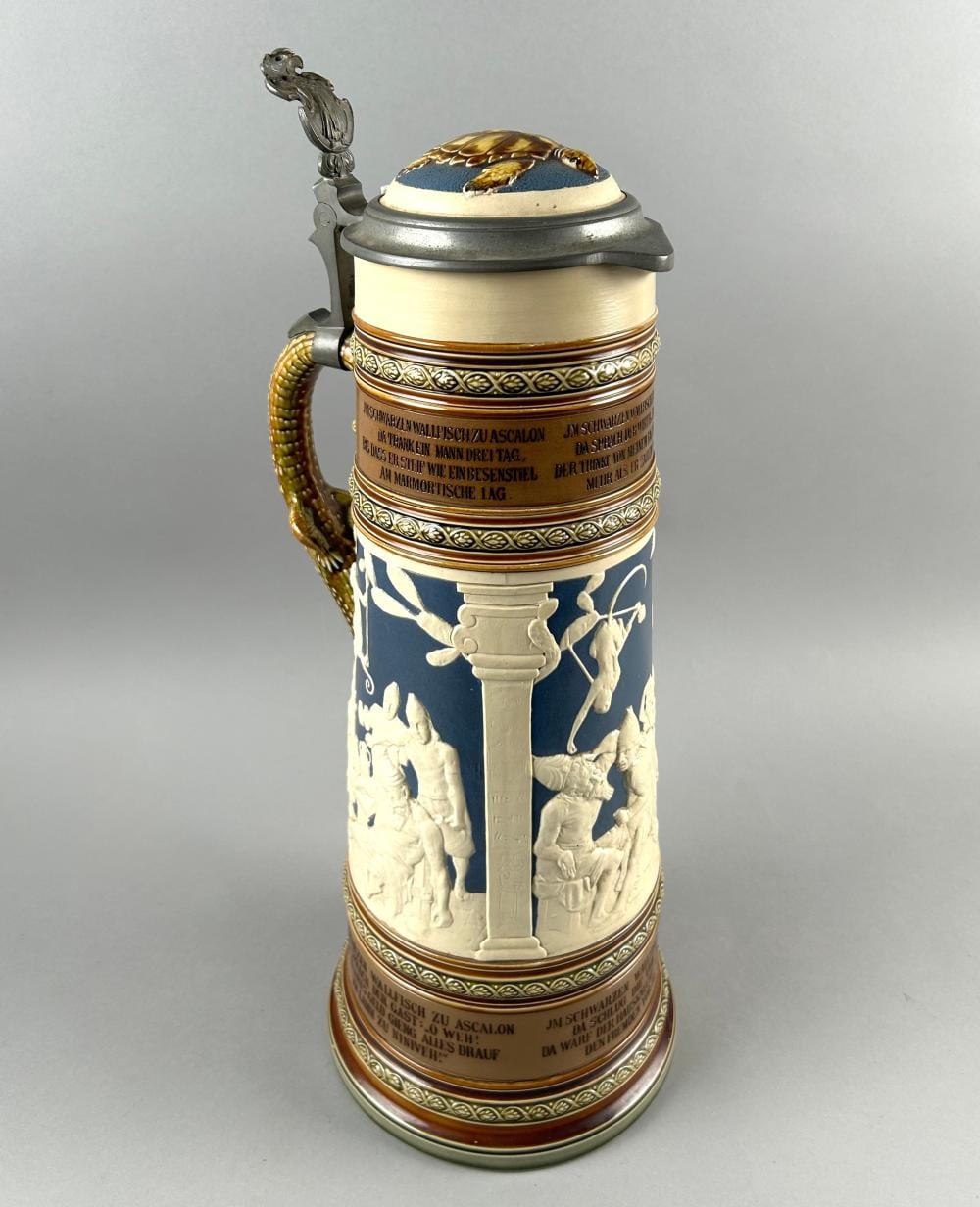
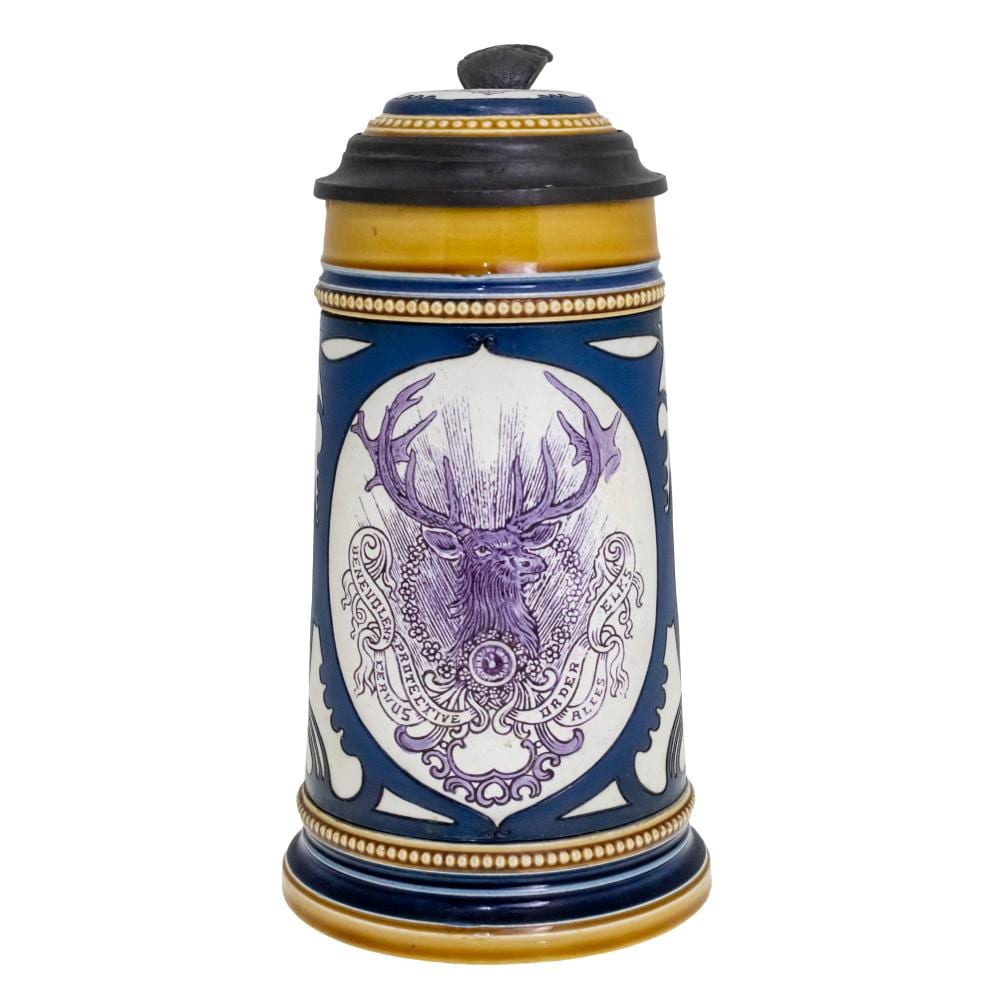
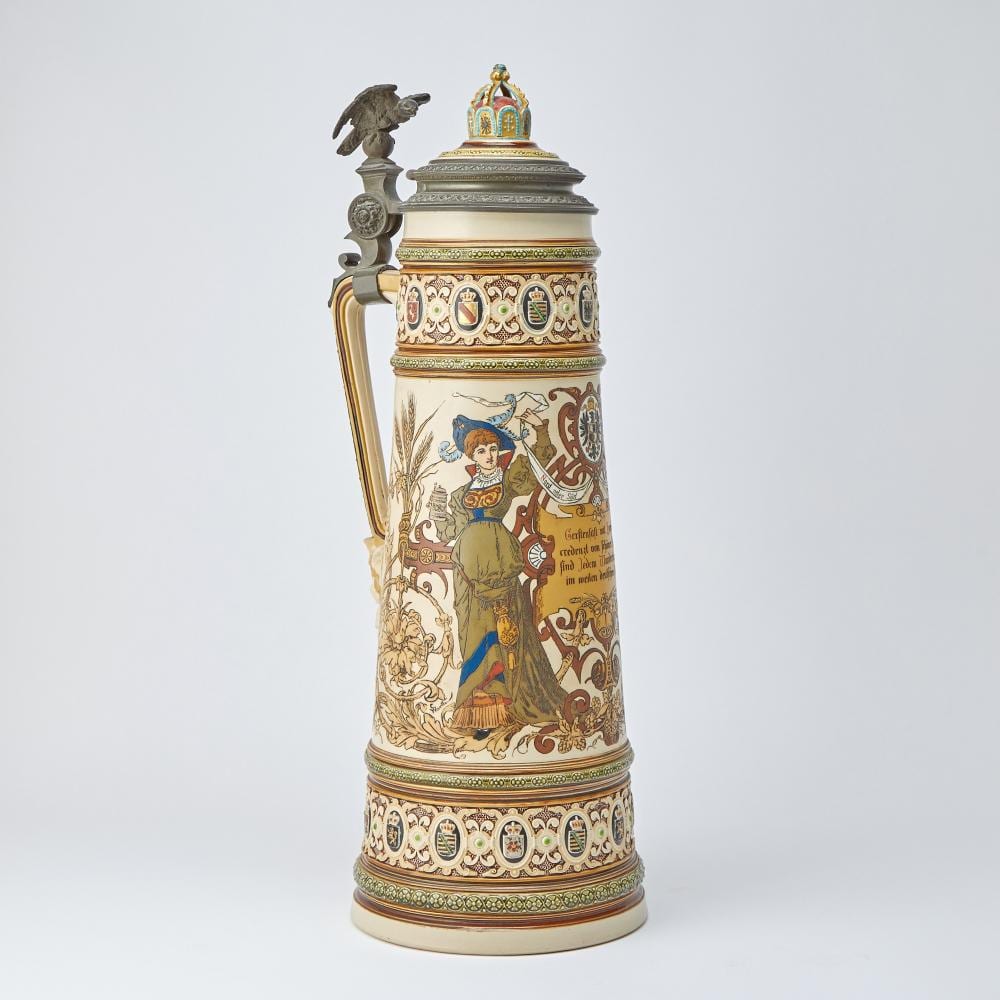
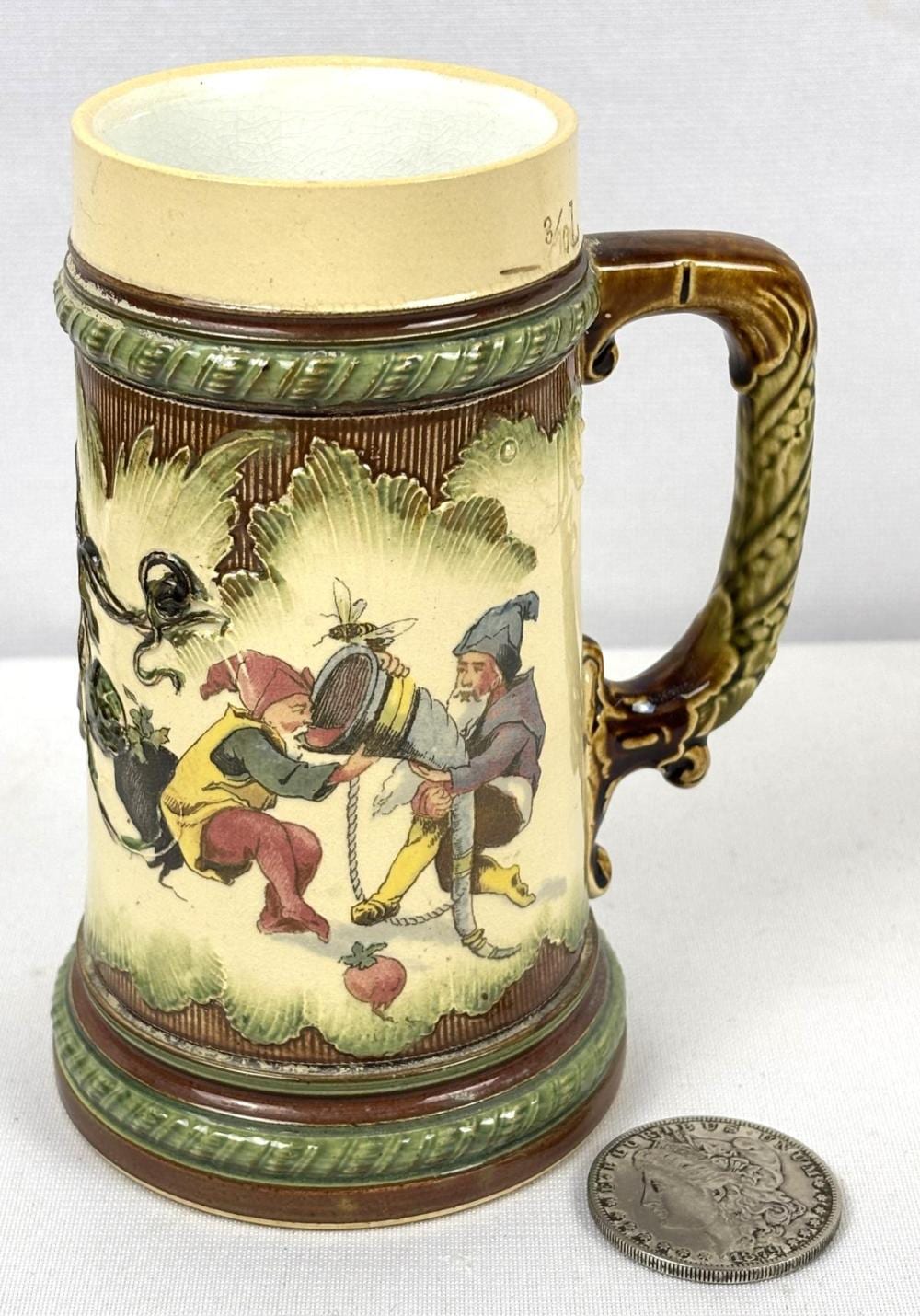
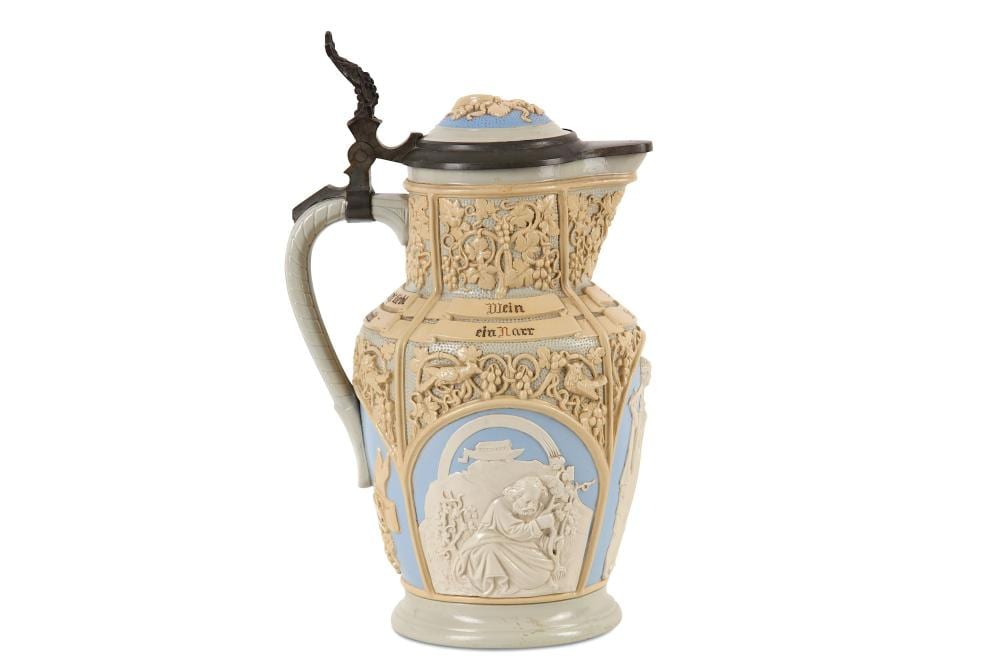
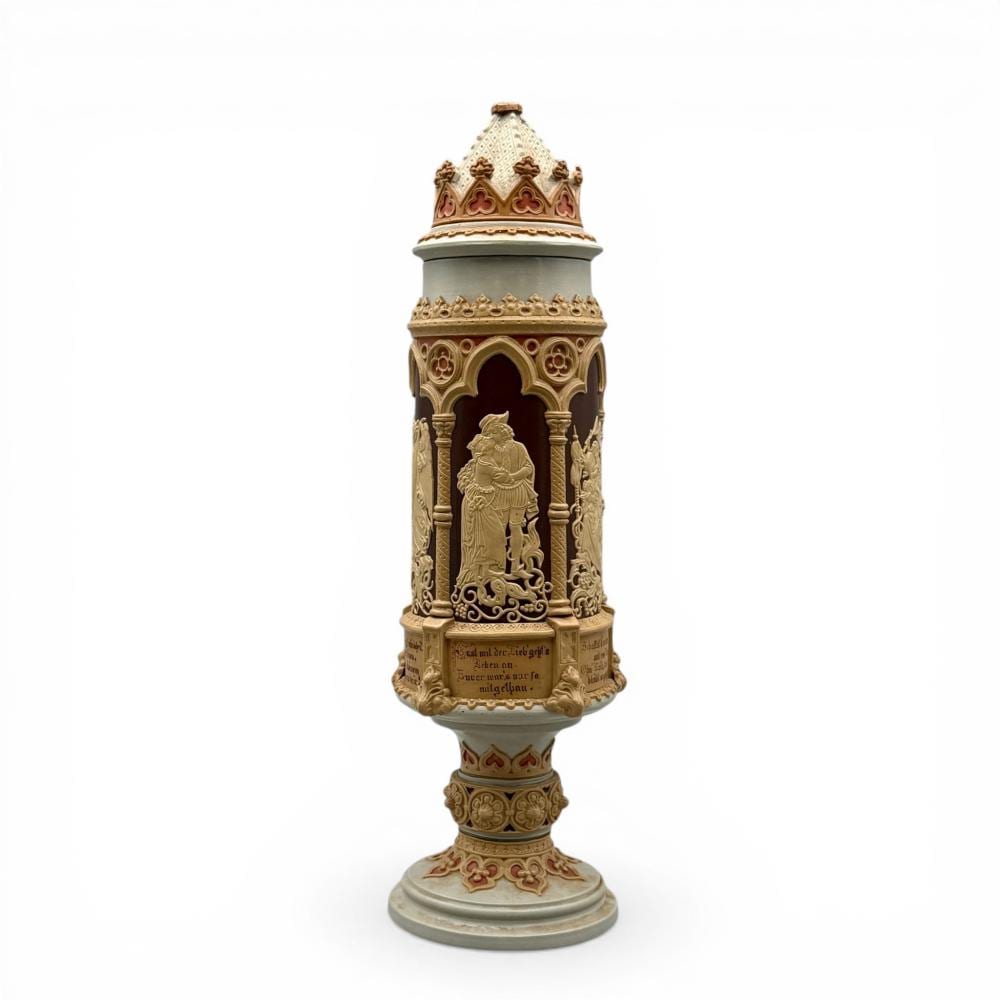
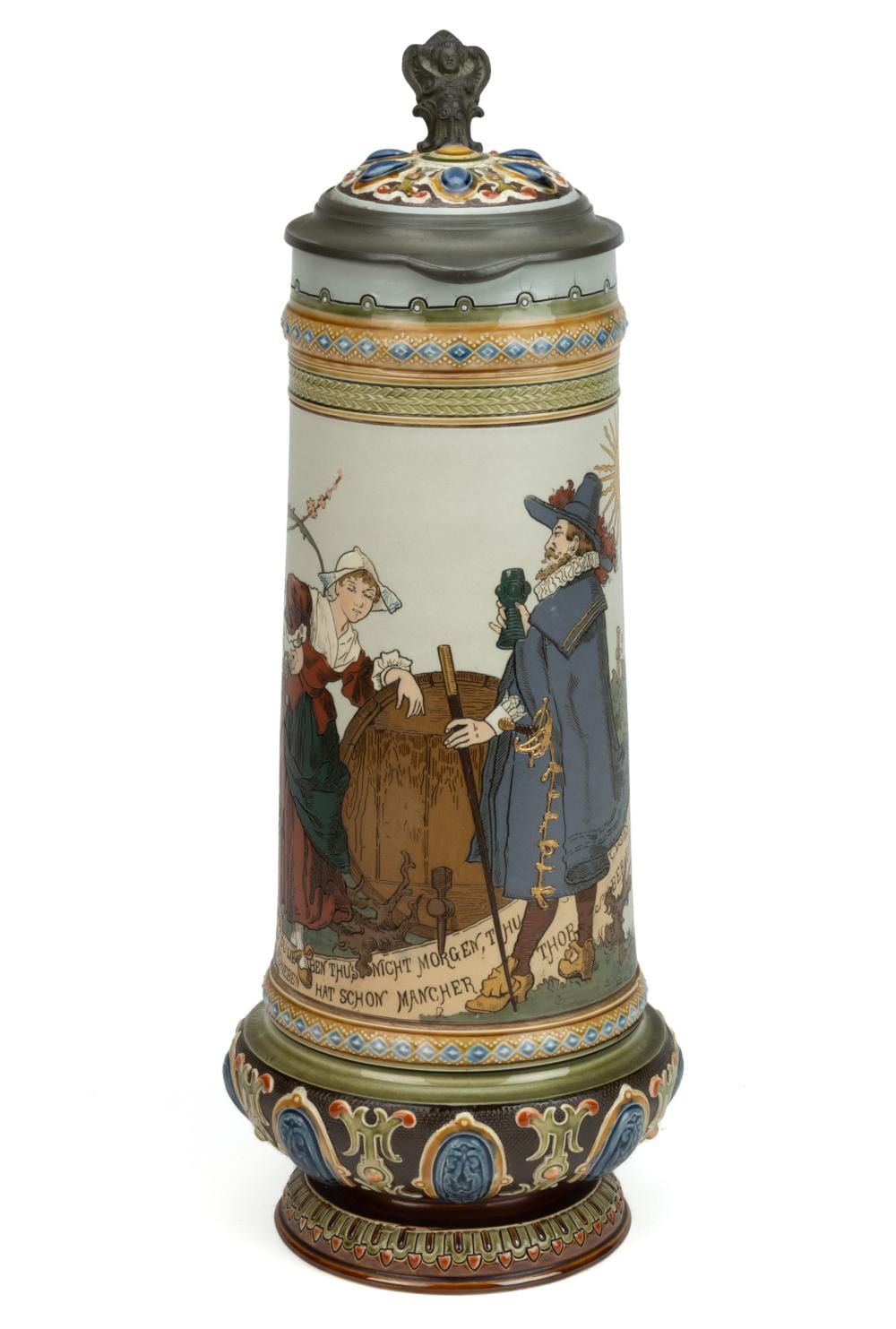
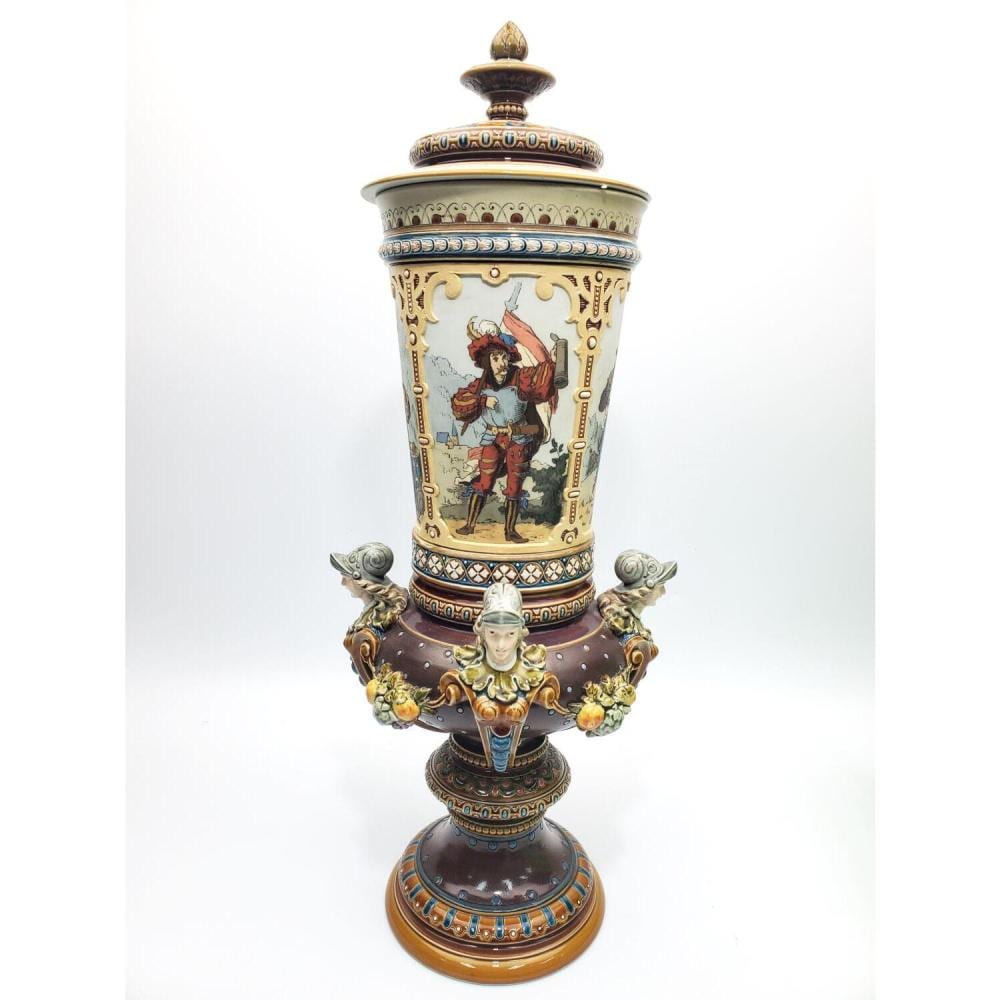
How these auction records were verified
These sales are market context, not an object estimate.
Each row retains its exact source URL, lot identity, retrieval time, access result, and immutable record hash. Live source access was blocked; the exact record matched Appraisily's immutable pipeline provenance. Inspect the public comparable provenance record.
How to sell the pair without leaving money behind
- Photograph the base marks. One clear base photo per stein (straight-on) increases buyer confidence.
- Show the lid hinge. Take a closeup of the hinge pin and an open/closed shot to prove fit.
- Disclose chips and hairlines. List them plainly and include closeups—returns hurt more than honesty.
- List size/capacity. Height and “0.5L/1L” marks help buyers compare like-for-like.
- Choose the right channel. Local auctions skew low; online private sale often captures better retail demand for steins.
Search variations collectors ask
Readers often Google:
- how to date West Germany beer steins by base mark
- Gerz beer stein value with pewter lid
- Gerzit beer stein Mallard value
- what does 94% ZINN mean on a stein lid
- German salt glazed stoneware stein value missing lid
- can you replace a missing beer stein lid
- how to tell if a German beer stein is souvenir or antique
- best place to sell German beer steins online
Each question is answered in the valuation guide above.
Key takeaways
- For mid-20th-century German steins, maker marks and lid completeness drive value more than the painted scene.
- A missing pewter lid usually drops a stein into lower “decor” pricing unless the model is strongly collectible.
- Document base marks, capacity, and lid stamps to match the best auction comps.
- Expect lower results at local auctions; online private sale often captures stronger retail demand.
References
- Auction comp dataset: Appraisily scraper dataset “beer-steins” (lots cited in-text: Selkirk Auctioneers & Appraisers lot 75; Because Auctions lot 1179; Lion and Unicorn lot 148).
- General pewter marking conventions (e.g., “Zinn” as German for pewter) used as descriptive guidance for lid stamps.