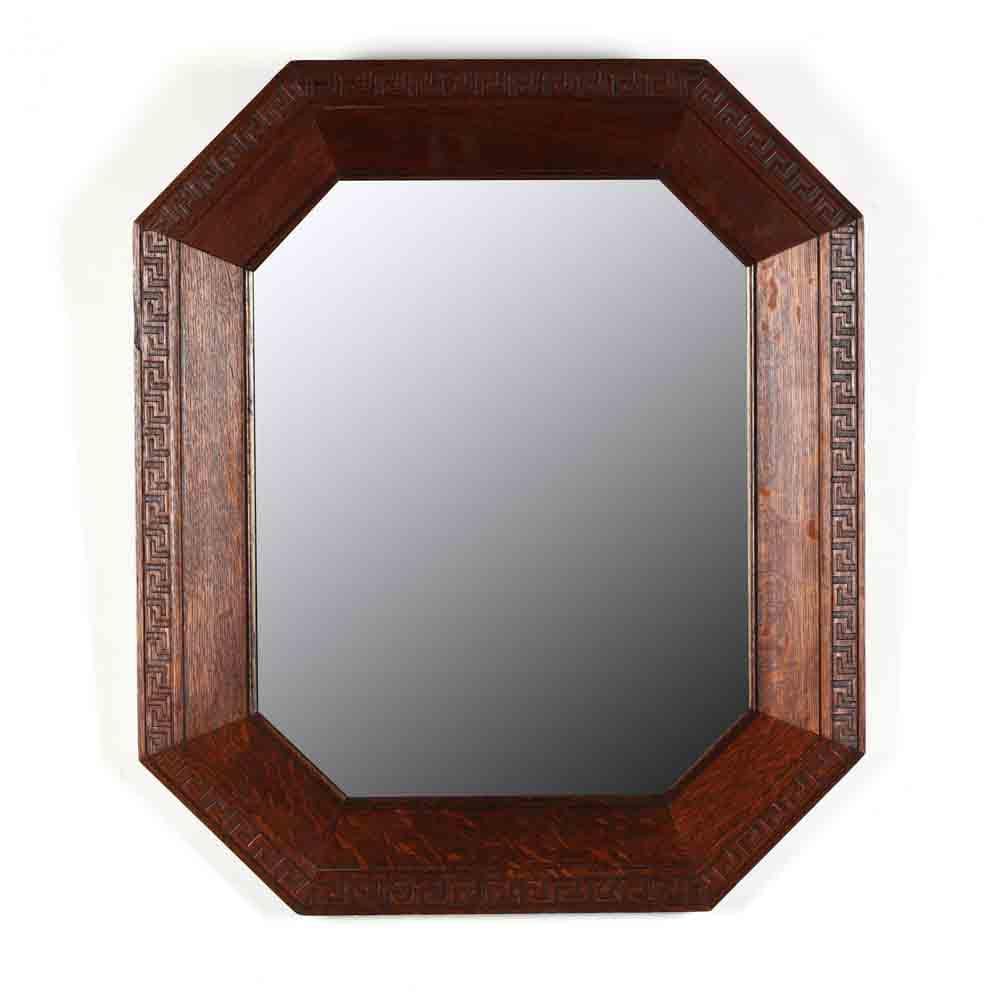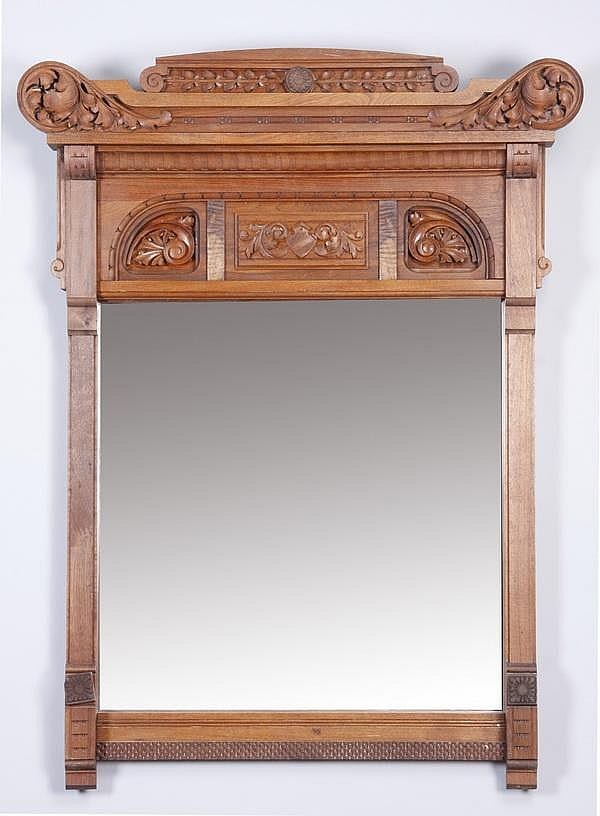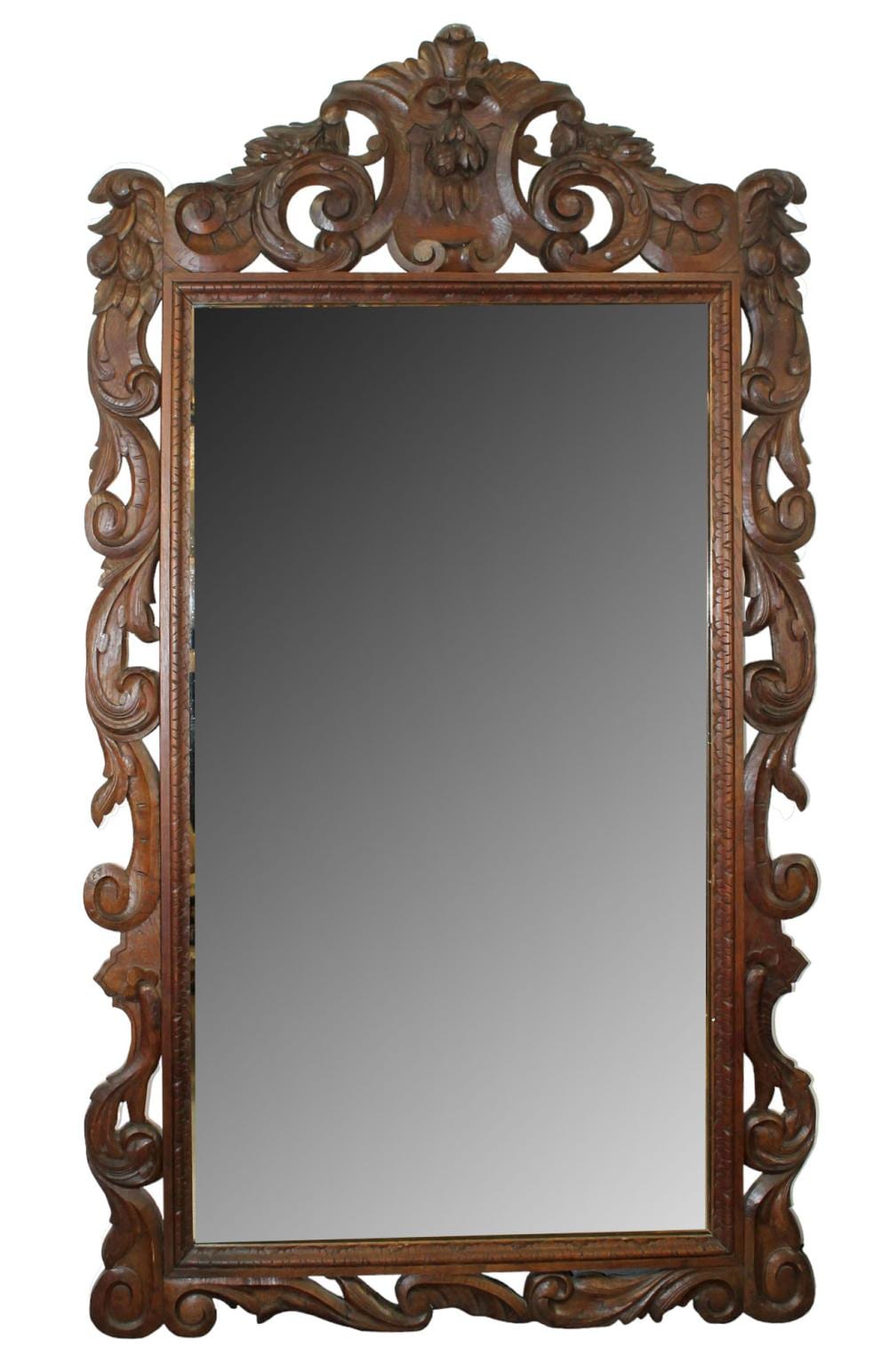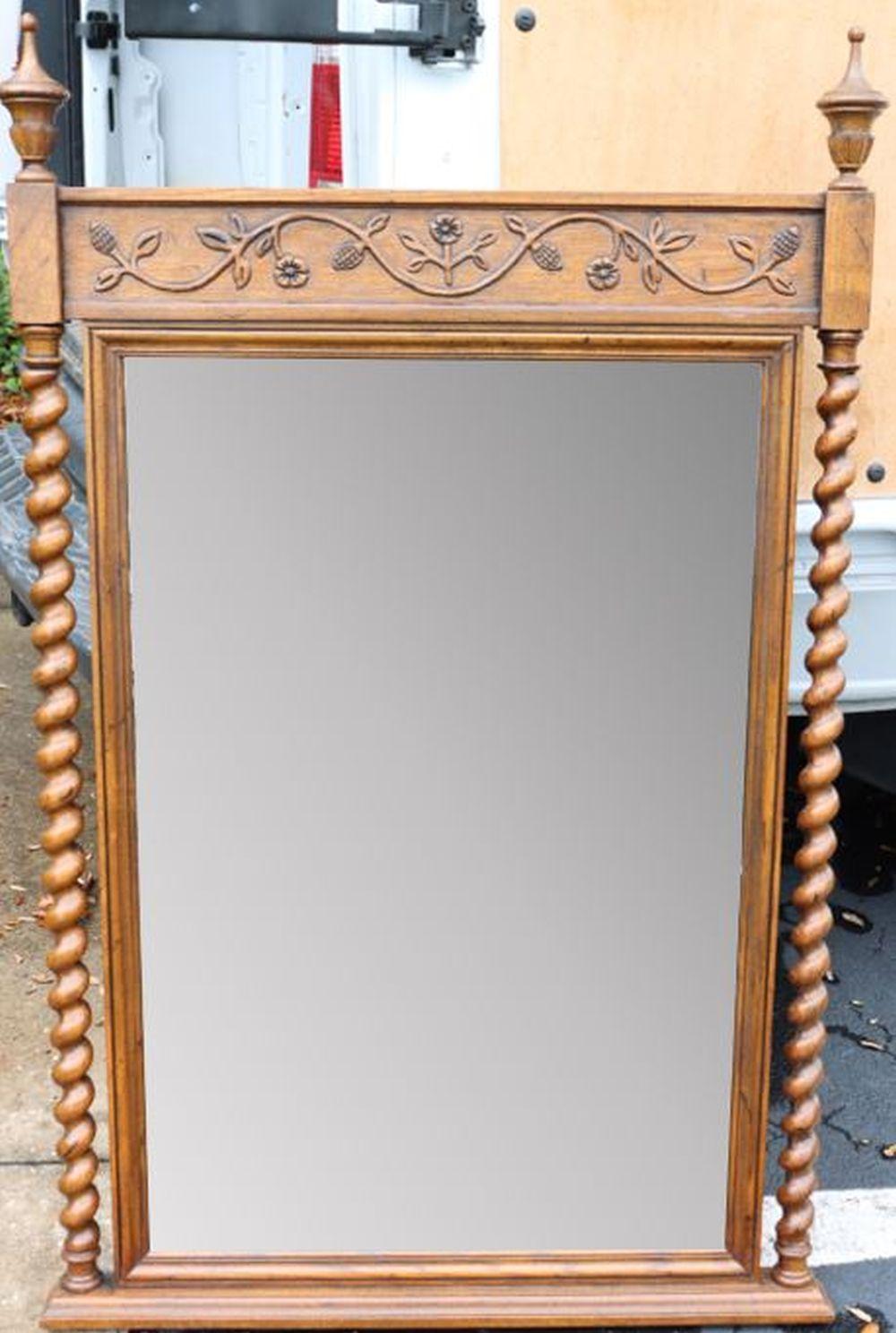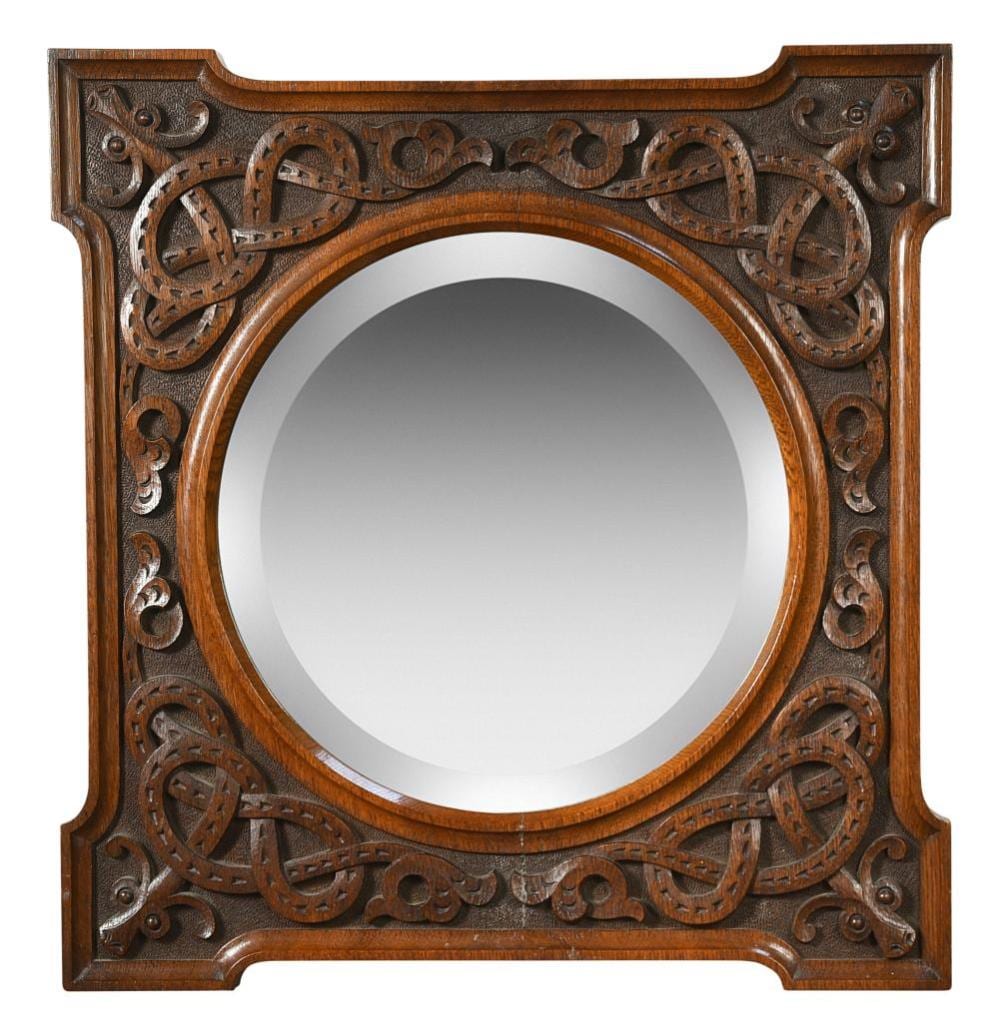
Victorian Era Solid Wood Oak European Hand Carved Mirror: appraisal and value basics
Victorian Era Solid Wood Oak European Hand Carved Mirror research should start with identification, condition, provenance, and item-specific market evidence. Use this guide to compare the signals that matter before paying for a formal appraisal or deciding whether to sell.
Victorian oak carved mirror value checklist
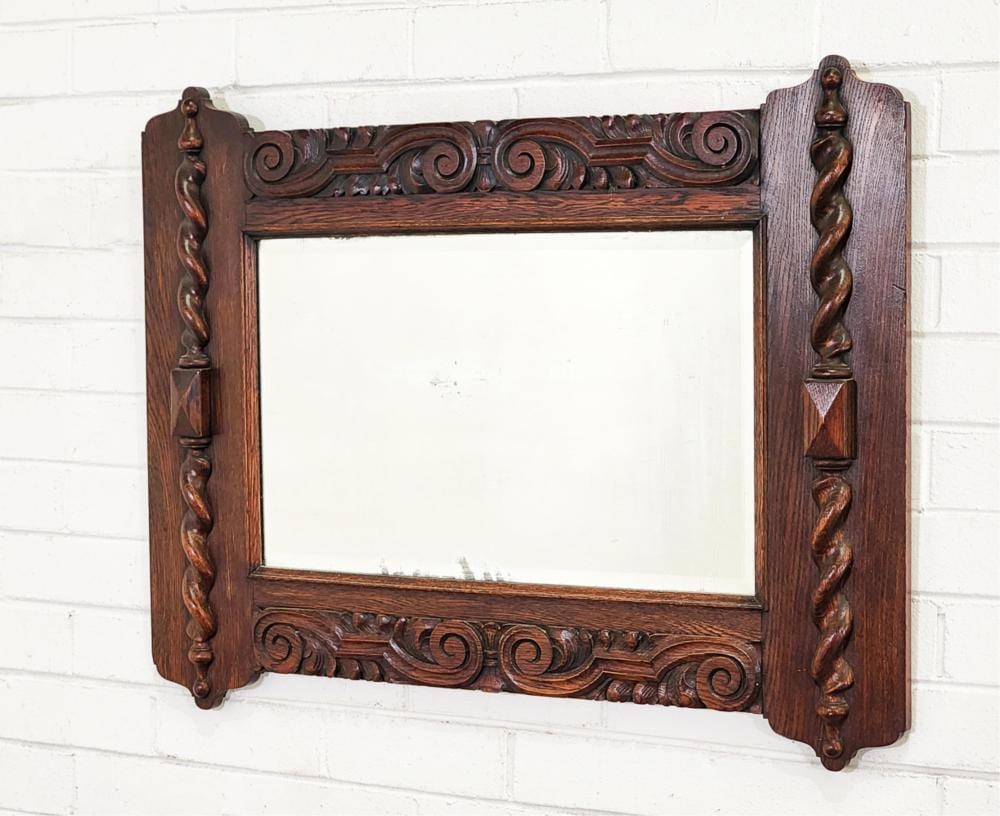
Victorian-era oak mirrors—wall, pier, console, or cheval—hold enduring appeal for their weighty presence, tactile carving, and deep finishes. But the term “Victorian” spans six decades and many European regions and styles, making accurate identification and valuation a matter of reading the wood, the carving, the glass, the back, and the hardware as a system. This guide provides practical diagnostics for enthusiasts and appraisers evaluating a European, solid-wood, hand-carved oak mirror made between 1837 and 1901.
Defining the Victorian European Mirror
“Victorian” corresponds to the reign of Queen Victoria (1837–1901), yet the term is used broadly across Europe to describe mid- to late-19th-century objects that draw on historical revival styles. Your oak mirror might originate in:
- Britain and Ireland: Gothic Revival, Renaissance Revival, and later Arts & Crafts influence.
- France: Provincial oak examples, Breton and Norman carving traditions, and Napoleon III period influences.
- German-speaking regions: Black Forest carving, Neo-Gothic, and Neo-Renaissance motifs.
- Low Countries: Flemish Renaissance Revival with strong architectural and strapwork elements.
- Northern Italy/Alpine regions: Renaissance and Baroque revival motifs; oak is less common than walnut but still present.
Form matters:
- Pier mirrors (tall, often above console tables) peaked mid-century.
- Wall mirrors with crests and side carvings proliferate throughout the period.
- Cheval (standing) mirrors in oak are common in Britain and continental wardrobes/bedrooms.
- Provincial variants can be smaller, heavily carved, and practical rather than purely decorative.
Expect oak examples to emphasize the wood’s bold grain and mass. Unlike gilt gesso frames (often softwood beneath), oak frames are typically stained, waxed, or French-polished rather than gilded.
Wood and Workmanship: Proving It’s Solid Oak and Hand-Carved
Confirming solid oak:
- Grain and medullary rays: European oak displays distinct medullary ray flecking, especially on quarter-sawn surfaces—look for shimmering, flake-like rays on flat areas and moldings.
- Weight and hardness: Oak is heavy and resists denting. Edges feel crisp even when worn.
- Tannin reactions: Black staining around old iron screws/nails occurs from oak’s tannins; a clue to both wood and age.
- Backboards: Original backboards in oak planks, often tongue-and-groove or simple butted boards, support a solid oak designation for the frame.
Hand-carving diagnostics:
- Tool marks: Look for subtle V-tool channels in the background, stop cuts at leaf tips, and undercutting beneath acanthus or scrolls. Machine-carved work tends to be too regular, with repeated patterns and uniform depth.
- Asymmetry: Hand-carved motifs rarely mirror perfectly; leaves and scrolls will exhibit minor variation and slight tool chatter.
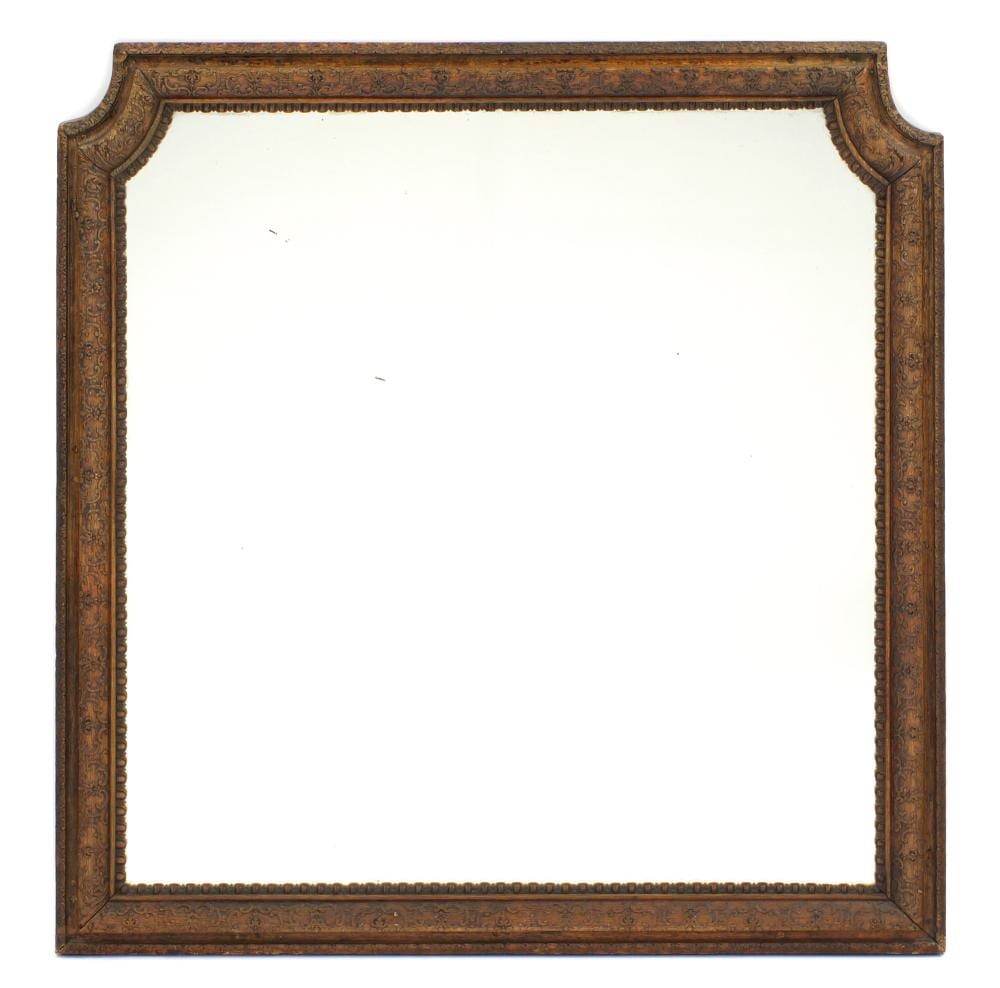
- Depth and modeling: High-relief carving with genuine undercutting and crisp pierced work is emblematic of better handwork; shallow, flat carving often indicates lower-grade or later machine assistance.
- Back of carved crests: The reverse of crests and appliqués may show gouge cleanup, plane marks, or chalk layout lines.
Joinery and construction:
- Corners: Expect mitered corners reinforced with wooden corner blocks, dowels, or splines; high-quality mirrors may show keyed joints or hidden tenons.
- Pegs and dowels: Wood pegs/dowels (often oak or beech) are common in earlier and higher-grade work.
- Backboards and brads: Hand- or early machine-cut brads/nails hold backboards; replaced backings often use modern plywood and staples.
Finish and surface:
- Original finishes: Shellac (French polish) dominates in the 19th century; a cotton swab lightly touched with alcohol in an inconspicuous area will tack/soften if shellac is present. Wax layers over shellac are normal.
- Ebonizing: Especially in Aesthetic Movement pieces (1870s–1880s), oak may be ebonized; expect black surface with brown wood at wear points.
- Patina: Oxidation in crevices, softened high points from generations of dusting, and color gradation (not uniform spray) indicate age.
Style Diagnostics and Regional Traits
Understanding the revival language helps narrow place and date:
- Gothic Revival (c. 1840–1870): Crockets, trefoils/quatrefoils, tracery, pointed arches. Oak suits Gothic’s ecclesiastical vibe. Britain and German-speaking regions favored it; expect strong verticals on pier mirrors.
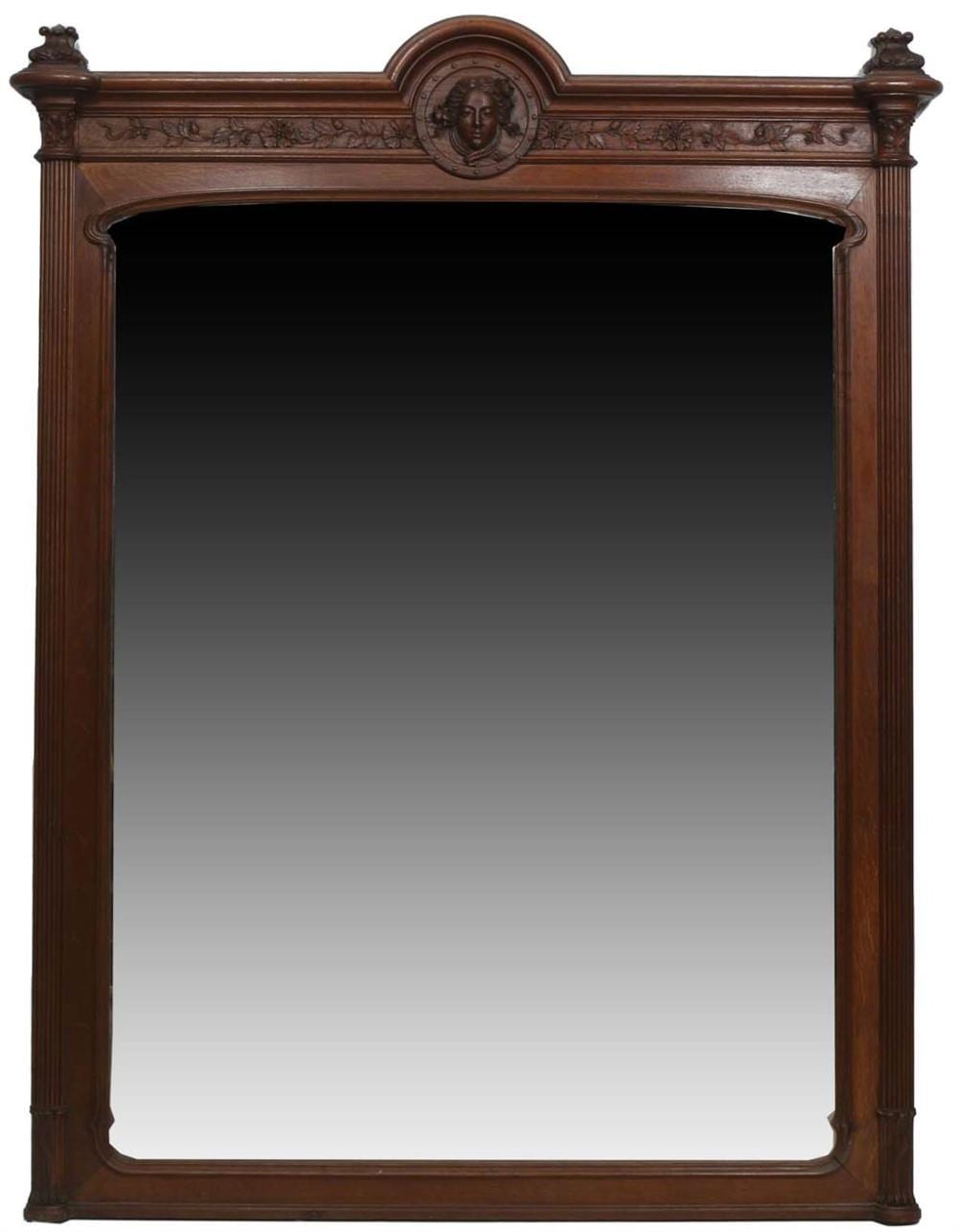
- Renaissance Revival (c. 1850–1880): Strapwork, mascarons, classical columns, cartouches. In the Low Countries and Germany, Flemish strapwork with lion masks is common. Italian-influenced models feature acanthus, scrolls, and grotesques.
- Rococo Revival (c. 1850–1875): C- and S-scrolls, rocaille shells, exuberant leafage. In oak, the look is more muscular than the airy gilt Parisian models; the carving reads “bolder” and less fluid than true Louis XV frames.
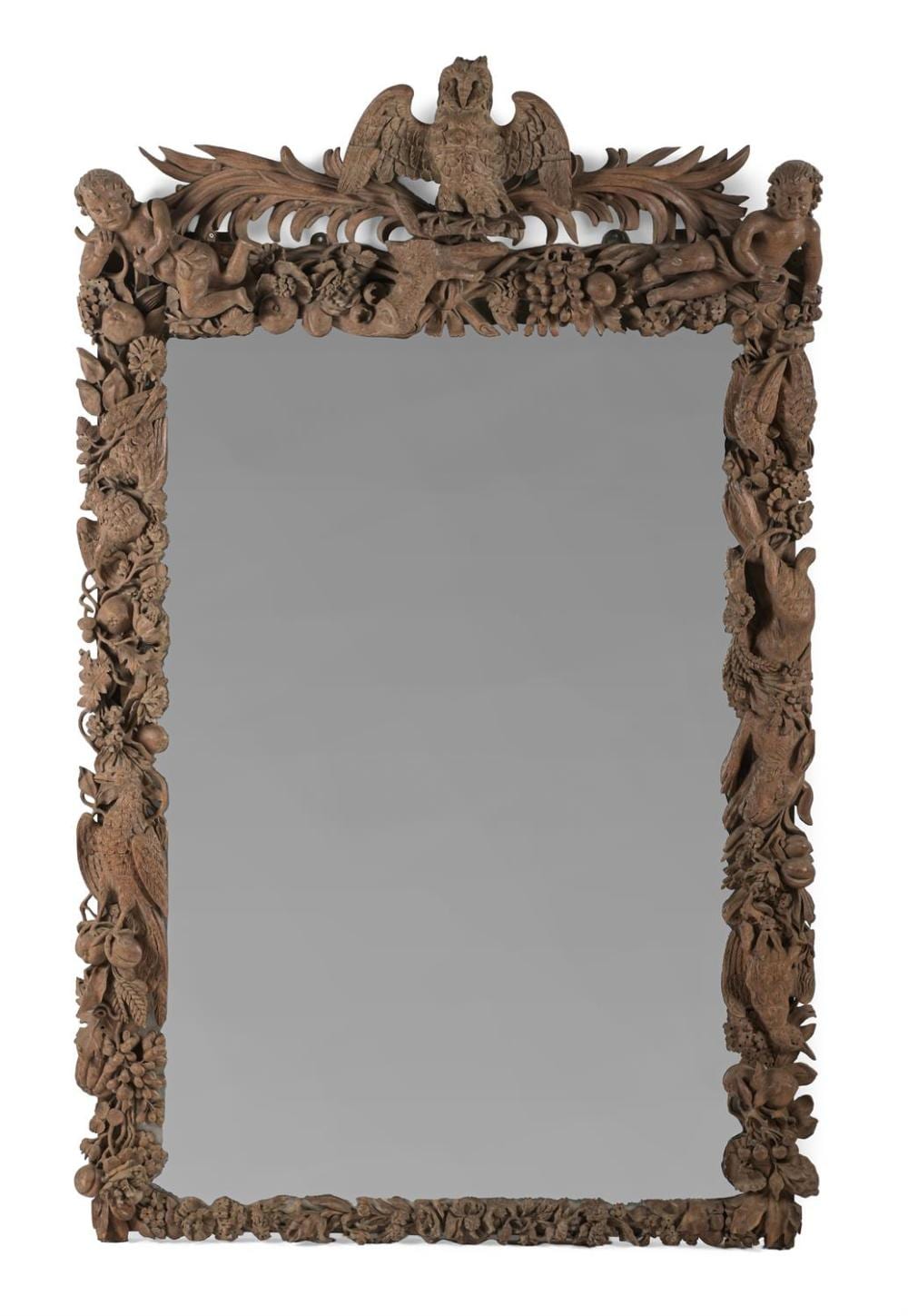
- Black Forest and Alpine Carving (c. 1860–1900): Naturalistic oak leaves, acorns, grapevines, hunting trophies (stags, birds), and bark textures. Often Swiss/German/Austrian. Oak is a natural fit; expect deep undercutting and lifelike modeling.
- Aesthetic Movement (c. 1870–1890): Ebonized oak, incised gilt lines, asymmetry, Anglo-Japanese motifs, sunflowers, stylized birds. British influence widespread; look for flatter, graphic carving rather than heavy relief.
- Provincial French (Brittany/Normandy, c. 1860–1900): Dense chip-carving, rosettes, pinwheels, symbolic figures (in Brittany), and architectural pediments. Oak dominates, often with warm brown finish.
Tip: Identify a primary motif family (Gothic, Rococo, Renaissance, Naturalistic) then consider regional carving idioms and construction to triangulate origin.
Dating the Glass, Back, and Hardware
Mirror plate:
- Amalgam (mercury-tin) vs. silver: Tin-mercury amalgam dominated earlier in the century; chemical silvering (deposited silver) became mainstream from the 1840s–1860s onward. Continental adoption varied by region and workshop.
- Visual cues:
- Amalgam plates can exhibit a distinctive sparkling, slightly granular brilliance; minor “pooling” or vertical streaks to the backing; and age-related clouding that looks different from the black edge-creep of silvered mirrors.
- Early glass often shows waviness and occasional bubbles (“seeds”). Later 19th-century plate glass is flatter and more uniform.
- Hand-beveled edges: Wider, slightly irregular bevels suggest earlier handwork; machine-ground bevels (late-century) tend to be uniform and precise.
- Caution: Many Victorian mirrors have replaced plates due to breakage or foxing. A perfect, modern mirror in an old frame isn’t unusual.
Backboards and dust covers:
- Plank backboards with saw and plane marks are typical. Look for darkened oxidation lines along plank seams and around nail heads.
- Cardboard or plywood dust covers signal later service or replacement.
- Pencil or chalk notes (dimensions, workshop marks) on the reverse can be period clues.
Hardware and fasteners:
- Screws: Hand-cut screws pre-1850s have irregular threads and off-center slots; machine-made screws after mid-century show more uniformity. Domed, slotted heads are period; Phillips heads (1930s onward) indicate later interventions.
- Hangers: Forged eyelets or heavy iron loops are earlier; light-gauge modern sawtooth hangers are replacements.
- Nails/brads: Square nails predate mid-century; later cut and wire nails appear as the century progresses. Expect mixed fasteners in objects serviced over time.
Labels and maker’s marks:
- Cabinetmaker labels, paper retailer tags, and workshop stamps help enormously. Retain and photograph any remnants; even partial addresses can point to city and decade.
Condition, Restoration, and Value
Common condition issues:
- Carving losses: Crest tips, leaf points, and pierced areas are vulnerable. Old repairs may be pegged or doweled; modern fills often use resin or epoxy and can look too smooth.
- Structural splits: Oak seasons well but large frames can develop splits along the grain. Old splits show rounded oxidized edges; fresh breaks are sharp and pale.
- Woodworm evidence: Irregular exit holes of varied size, softened edges, and old frass residues indicate historical infestation; too-regular, clean holes can be artificial aging. Active infestation requires immediate treatment.
- Finish disturbances: Over-stripped and re-stained oak loses depth and patina. Silicone waxes leave a “plastic” shine and can complicate conservation.
Originality matters:
- Original mirror plate and crest add value. Replaced plates reduce value but are common; replaced crests can halve desirability unless expertly replicated.
- Backboards and corner blocking: Original components speak to integrity; modern plywood backs are a negative but acceptable for safety if reversible.
- Over-restoration: Deep re-carving of worn details or heavy tinted varnish that obliterates grain lowers collectability.
Valuation factors:
- Quality of carving: Depth, modeling, and clean undercutting drive value. Fine Black Forest or master-level Renaissance Revival carvings command premiums.
- Scale and proportion: Monumental pier mirrors and elegant, well-proportioned wall mirrors are more desirable than awkward or overly heavy forms.
- Style and market taste: Naturalistic Black Forest and refined Renaissance Revival perform well; very dark, ponderous Victorian styles can lag in minimalist markets.
- Provenance: Documented history, association with a known maker or region, and period photography elevate price.
- Condition and originality: Honest age and sympathetic conservation beat heavy refinishing every time.
Broad market guidance:
- Modest provincial oak wall mirrors with decent carving often trade in the low hundreds to low four figures.
- Strong Black Forest, architecturally important Renaissance Revival, or unusually large and original pier mirrors can realize mid four figures and above.
- Exceptional, documented, or exhibition-quality carvings can exceed those ranges. Market is regionally sensitive; top results cluster where category specialists and informed buyers compete.
Quick Appraisal Checklist and FAQ
Practical checklist (use at inspection):
- Confirm oak: Look for medullary rays, weight, and tannin blackening near old iron.
- Test finish quietly: Alcohol-on-swab tack indicates shellac; avoid visible areas.
- Read the carving: Seek V-tool marks, undercutting, and minor asymmetries; beware repetitive, shallow machine patterns.
- Check corners/back: Mitered corners with corner blocks, plank backboard with oxidized old brads. Avoid modern staples/plywood if originality matters.
- Evaluate the plate: Look for waviness, age-consistent backing (amalgam sparkle vs. silvering creep), and bevel quality. A perfect modern plate suggests replacement.
- Scan for losses and repairs: Crest tips, leaf ends, pinned repairs, resin fills. Note replaced elements and color mismatches.
- Hardware sanity: Old slotted screws and robust hangers; no Phillips or lightweight add-ons for heavy frames.
- Smell and surface: Old oak has a distinct, slightly sweet, tannic odor; patina is layered, not uniform.
- Document everything: Photograph front, back, edges, hardware, tool marks, and any labels.
FAQ:
Q: How can I quickly tell if the carving is hand-done rather than machine-made? A: Examine repeating motifs. Machine carving creates identical repetitions with uniform depth and smooth background fields. Hand carving shows slight variations, crisp stop cuts, and occasional tool chatter, especially in tight recesses and on the reverse of crests.
Q: Does a replaced mirror plate ruin the value? A: Not necessarily. Plates break and were commonly replaced. A period frame with a later plate remains collectible. Value is higher with an original plate in good condition, but a high-quality replacement that fits the frame well is acceptable, especially for large pier mirrors.
Q: Is ebonized oak always late Victorian? A: Usually it points to the Aesthetic Movement period (c. 1870–1890), but some earlier and later pieces were ebonized. Look for associated Aesthetic motifs (sunflowers, birds, Anglo-Japanese geometry) and machine-regular bevels to support a later date.
Q: What’s the safest way to clean and maintain an oak mirror? A: Dust with a soft brush. Clean wood with barely damp microfiber followed by a light application of high-quality microcrystalline wax; avoid silicone products. Clean the glass with a lint-free cloth and glass cleaner applied to the cloth (not sprayed), shielding the wood from moisture.
Q: How should I hang a heavy Victorian oak mirror? A: Use anchored D-rings and a cleat or two-point hanging into studs or masonry anchors rated for the mirror’s weight. Avoid single-wire hanging on heavy mirrors. Consider a conservator’s backing board to stabilize and protect the plate and frame.
Market Values, Buying Tips, and Care
Buying and negotiating:
- Bring a small flashlight and a jeweler’s loupe. Raking light reveals carving depth and repairs; a loupe helps distinguish old patina from fresh color.
- Buy quality carving over sheer size. A medium-sized mirror with superb modeling and original elements outperforms a larger but mediocre example.
- Don’t fear honest old repairs. Period-appropriate, stable repairs are part of the object’s life; factor them into price rather than treating them as deal-breakers.
Conservation and safety:
- Environmental conditions: Aim for moderate, steady relative humidity and stable temperatures. Rapid swings can open joints and split panels.
- Backing and glass security: If the backing is compromised, have a conservator add a reversible, inert barrier board (acid-free) and stabilize the plate. Ensure corner blocks are sound.
- Woodworm: If you suspect activity (fresh frass, new clean holes), isolate and treat promptly. Inactive historical worming is common and often stable.
- Finish respect: Avoid stripping. When necessary, conservators can clean and revive shellac, then wax. Over-restored surfaces flatten value and character.
- Sunlight and heat: Keep out of direct sun and away from radiators or fireplaces. UV can degrade finish and backing.
Attribution and documentation:
- Keep purchase receipts, correspondence, and any provenance. Photograph labels and inscriptions. When possible, reference the mirror in room photography after installation—you’re building its future provenance.
In essence, the Victorian solid oak European hand-carved mirror rewards close looking: the wood’s ray fleck and tannin stains, the carver’s tool language, the era’s glass technologies, and the frame’s construction all narrate its identity. Accurate appraisal sits at the intersection of these clues. With careful inspection, sympathetic care, and an eye for quality over ornament alone, you can identify, date, and value these mirrors with confidence.