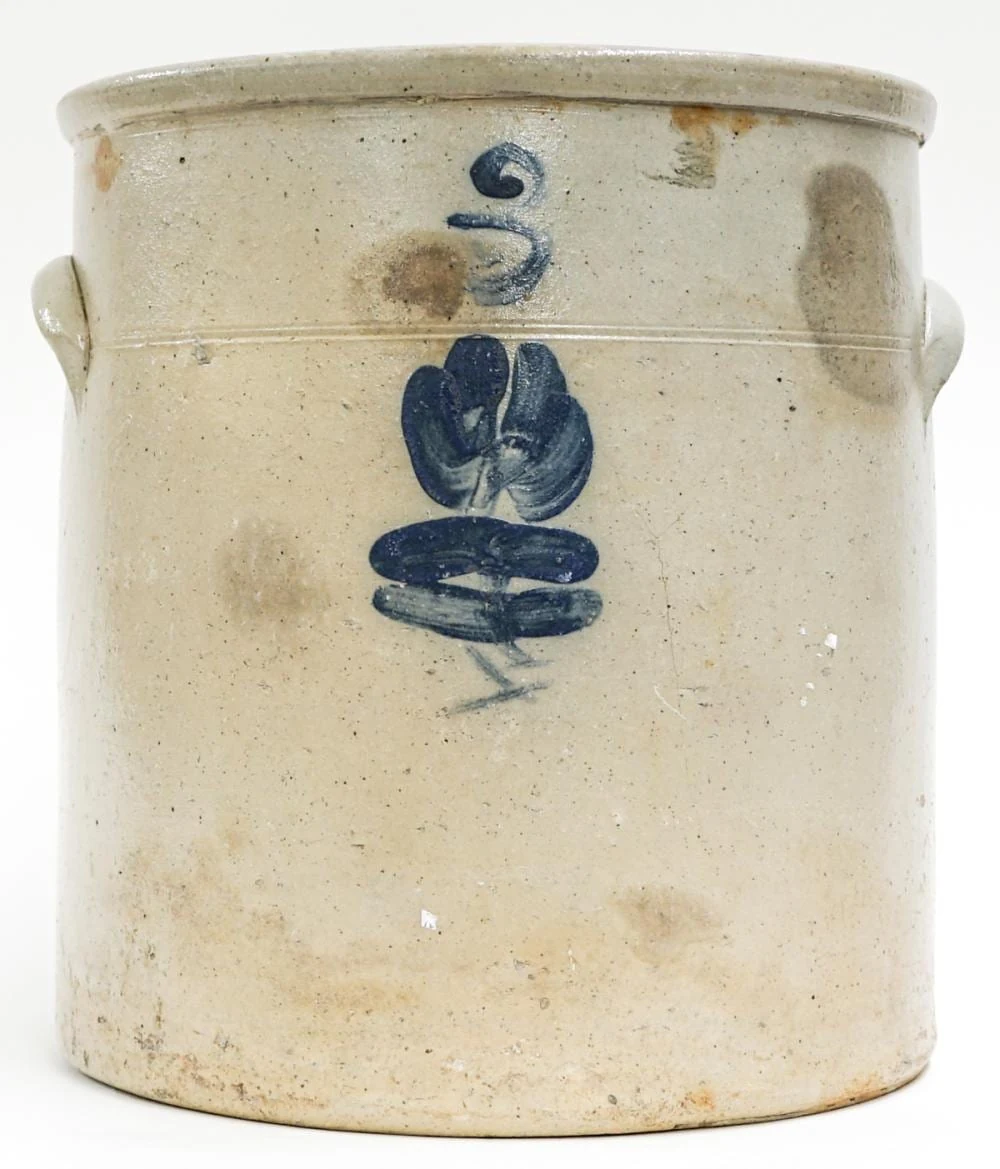
Introduction to Antique Stoneware Crocks
Antique stoneware crocks represent a fascinating piece of American history and have become highly sought-after collectibles. These utilitarian vessels once served as essential storage containers in homes across America, used for preserving foods, fermenting pickles, storing butter, and holding various household goods. Today, they command impressive prices in the antiques market, with values ranging from a few hundred dollars to hundreds of thousands for the rarest specimens.
What Makes Old Crocks Valuable?
The value of antique crocks depends primarily on their age, manufacturer, decorative elements, condition, size, and rarity. Let’s examine these factors in greater detail to understand why some crocks command premium prices while others are more affordable.
- Age and Provenance: Crocks from the 18th and early 19th centuries generally command higher prices.
- Decoration: Cobalt blue hand-painted designs significantly increase value.
- Maker’s Marks: Identified pieces from renowned potteries bring premium prices.
- Condition: Chips, cracks, and repairs dramatically reduce value.
- Size and Form: Unusual sizes or distinctive shapes can increase desirability.
- Regional Significance: Crocks from certain geographic regions have dedicated collectors.
Antique Crock Price Guide
Antique Crock Value Ranges
Current market values for antique stoneware crocks (2023)
Compare named-maker pieces with exact, documented sales rather than a broad category range. The auction examples below are market context, not an estimate of an unexamined crock.
| Category | Price | Notes |
|---|---|---|
| Plain, unmarked crocks (1880-1920) | $40-$200 | Size and condition dependent |
| Standard blue decorated crocks | $200-$800 | Common motifs like flowers or birds |
| Rare decorated crocks (unusual motifs) | $1,000-$5,000 | Uncommon subjects or elaborate scenes |
| Early (pre-1860) crocks with cobalt decoration | $5,000-$15,000 | Excellent condition required |
| Museum-quality rare examples | $20,000-$400,000 | Historic significance, exceptional decoration |
</tbody> </table>
Identifying Antique Stoneware Crocks
Age Determination
The age of a stoneware crock significantly affects its value. Here are methods to help determine when a crock was manufactured:
Evolution of Stoneware Crock Production
- 1700s-1810s
Early American Stoneware
Hand-thrown vessels with minimal decoration. Often salt-glazed with distinctive “orange peel” texture. Typically unmarked or simply marked. Very high collector value. - 1820s-1860s
Cobalt Decoration Era
The rise of cobalt blue decoration with birds, flowers, and folk motifs. Increasing use of maker’s marks. Highly sought by collectors, especially when signed. - 1870s-1890s
Industrial Production
More standardized shapes and sizes. Less detailed decoration. Commonly marked with capacity numbers and maker stamps. More widely available to collectors. - 1900s-1920s
Decline of Stoneware
Competition from glass containers and refrigeration reduced demand. Plainer styles with simpler or no decoration. Lower value unless from significant makers.
Understanding Maker’s Marks
One of the most valuable identification tools is the maker’s mark. These markings, typically stamped or impressed into the clay, can significantly impact value:
- Stamped Marks: Often include the pottery name, location, and sometimes a logo
- Impressed Marks: Pressed into the clay before firing
- Capacity Numbers: Numbers indicating the crock’s capacity in gallons
- Hand-Inscribed Marks: Signed by individual potters
Some of the most valuable maker’s marks include:
- Norton & Fenton (Bennington, VT)
- Thomas Commeraw (New York, NY)
- Paul Cushman (Albany, NY)
- David Parr (Baltimore, MD)
- Anna Pottery (Anna, IL)
- Remmey Family Potters (Philadelphia, PA)
Understanding Crock Numbers and Sizes
The numbers commonly found on antique crocks generally indicate their capacity in gallons. This numbering system was practical for both manufacturers and users, allowing for easy identification of a crock’s storage capacity. Common sizes include:
- 1/2 Gallon: Small crocks often used for butter or small preserves
- 1-2 Gallons: Medium-sized crocks for pickles or sauerkraut
- 3-5 Gallons: Standard-sized crocks for larger preservation needs
- 10-30 Gallons: Large crocks used for commercial purposes or by large families
While larger crocks may seem more impressive, they’re not necessarily more valuable. Rarity, condition, and decoration impact value more than size alone. However, very large crocks (20+ gallons) in good condition can command premium prices due to their impressive presence and the difficulty in preserving such large pieces intact.
Evaluating Condition of Stoneware Crocks
Antique Crock Condition Assessment
Use this checklist to evaluate the condition of your antique stoneware crocks
- No chips, cracks, or hairline fractures
- Original glaze intact with minimal wear
- Decoration clear and unfaded
- No repairs or restoration work
- Original handles intact (if applicable)
- Clean interior without staining
- Maker's mark clearly visible
- Consistent coloration without discoloration
Common Condition Issues and Their Impact on Value
Chips and Cracks: Even small chips can reduce value by 30-50%, while cracks might reduce value by 60-80%.
Hairline Fractures: Fine cracks that may be difficult to spot can still reduce value by 25-40%.
Glaze Crazing: A crackled appearance in the glaze (crazing) is generally considered normal aging and doesn’t significantly impact value unless severe.
Repairs: Professional restoration can salvage severely damaged pieces, but reduces value compared to unrepaired examples.
Staining: Interior staining from use can sometimes be cleaned but may reduce value by 10-20%.
Unlike some antiques where patina is valued, stoneware crocks generally command higher prices when they appear clean and well-preserved. However, natural age-related darkening of the clay body or glaze is expected and accepted.
Regional Stoneware Traditions
Notable American Stoneware Regions
New England (Massachusetts, Vermont, New Hampshire)
- Characteristics: Often feature brown or Albany slip glazing, sometimes with simple cobalt decoration
- Notable makers: Norton Pottery, F.B. Norton, Bennington Pottery
- Value trend: Highly collectible, especially early examples
New York State
- Characteristics: Strong tradition of elaborate cobalt blue decoration
- Notable makers: Thomas Commeraw, Paul Cushman, Cortland Pottery
- Value trend: New York stoneware consistently commands premium prices
Pennsylvania
- Characteristics: Distinctive folk art decoration, often with birds and flowers
- Notable makers: Remmey Pottery, Cowden & Wilcox, Shenfelder
- Value trend: Pennsylvania decorated pieces are highly valued
Ohio Valley and Midwest
- Characteristics: More standardized production by late 19th century
- Notable makers: Red Wing, Monmouth, Uhl Pottery
- Value trend: Highly variable; early pieces and unusual decorations fetch premiums
Southern States
- Characteristics: Distinctive alkaline glazes in South Carolina and Georgia
- Notable makers: Dave the Potter (Dave Drake), Edgefield District potteries
- Value trend: Increasingly valuable as regional identity is recognized
Buying and Selling Antique Crocks
Where to Buy Antique Crocks
- Antique Shops and Shows: Offers opportunity for hands-on inspection but often at retail prices
- Auction Houses: Both online and traditional auctions offer opportunities for both bargains and premium pieces
- Online Marketplaces: Sites like eBay, Etsy, and Chairish offer wide selection but careful verification is needed
- Specialist Dealers: Dealers focusing on stoneware often have high-quality, authenticated pieces
- Estate Sales: Potential for undervalued pieces but requires knowledge and quick decisions
Where to Sell Antique Crocks
- Specialist Auctions: Auction houses like Crocker Farm specialize in stoneware and attract serious collectors
- General Auction Houses: Companies like Christie’s and Sotheby’s for museum-quality pieces
- Online Platforms: eBay and 1stDibs reach wide audiences but involve fees and shipping challenges
- Direct to Dealers: Quick sales but typically at wholesale prices
- Consignment Shops: Balances convenience with better returns than selling to dealers
Tips for Buyers and Sellers
For Buyers:
- Research extensively before making significant purchases
- Physically examine pieces when possible for undisclosed damage
- Request detailed condition reports for online purchases
- Verify authenticity through maker’s marks and stylistic elements
- Build relationships with reputable dealers who specialize in stoneware
For Sellers:
- Have valuable pieces professionally appraised before selling
- Consider specialist auctions for rare or exceptional pieces
- Provide detailed photographs highlighting maker’s marks and condition
- Be transparent about any damage or repairs
- Research recent comparable sales to set realistic expectations
Caring for Your Antique Crock Collection
Cleaning and Maintenance
- Gentle Cleaning: Use warm water and mild soap with a soft cloth for routine cleaning
- Avoid Harsh Chemicals: Never use bleach, abrasive cleaners, or dishwashers
- Stain Removal: For interior stains, try a paste of baking soda and water
- Handling: Always lift crocks from the bottom, never by handles or rims
- Storage: Store away from direct sunlight and extreme temperature fluctuations
Display Considerations
- Avoid Direct Sunlight: UV rays can fade cobalt decorations over time
- Stable Surfaces: Display on level, stable shelves or cabinets
- Support: Use display stands designed for crocks when appropriate
- Temperature Control: Maintain consistent temperature and humidity levels
- Documentation: Keep records of provenance, purchase information, and historical details
Common Questions About Antique Crock Values
Are old crocks worth any money?
Is vintage stoneware valuable?
What do numbers on crocks mean?
How can I tell how old my crock is?
Determining the age of an antique crock involves examining several characteristics:
- Maker’s marks or stamps (which changed over time)
- Glaze type (salt-glaze is typically older than bristol glaze)
- Manufacturing techniques (hand-thrown vs. mold-made)
- Decoration style and execution (earlier pieces often have more detailed hand-decoration)
- Clay body color and composition
Generally, crocks made before 1860 tend to have rougher salt-glazed finishes, while those made after 1880 often have smoother bristol glazes. Early crocks (pre-1830s) were typically handmade without molds, resulting in slightly irregular shapes. Consulting reference books with dated examples or having an expert examination can provide more precise dating.
What is the most valuable type of antique crock?
The most valuable antique crocks typically feature exceptional and rare decoration, historical significance, and attributable makers. Examples include:
- Early African American potter pieces, such as those by Thomas Commeraw or Dave Drake (Dave the Potter)
- Pre-1830 crocks with elaborate cobalt blue decoration, especially figural scenes
- Pieces with unusual forms or functions beyond standard utilitarian designs
- Crocks with political or historical imagery (eagles, patriotic symbols, or historical events)
- Pieces with clear maker’s marks from renowned early American potteries
Do chips and cracks significantly reduce crock values?
Where is the best place to sell valuable antique crocks?
Are antique crock values increasing?
External Resources for Antique Crock Collectors
LoveToKnow: Guide to Antique Crocks
Comprehensive guide to antique stoneware crock values and identification with detailed information on what impacts their worth.
The Spruce Crafts: Stoneware Identification Guide
Detailed guide to identifying and valuing antique stoneware jugs and crocks with expert insights on pricing factors.
Chairish: Antique & Vintage Crocks Marketplace
Online marketplace featuring a wide selection of antique and vintage crocks available for purchase, useful for price comparisons.
eBay: Vintage Antique Crocks Collection
Large online marketplace with current listings of antique and vintage crocks, providing real-time market value information.
True Legacy Homes: Antique Crock Price Guide
Detailed price guide for antique stoneware crocks with information on factors affecting values and current market trends.
Doc's Crocks: Antique Stoneware Resource
Specialized dealer in antique stoneware crocks offering historical information and a selection of authenticated pieces.
1stDibs: Premium Antique Crocks Collection
Curated marketplace featuring high-end antique crocks with detailed descriptions and authentication from reputable dealers.
Conclusion: The Enduring Value of Antique Stoneware Crocks
Antique stoneware crocks represent an important piece of American material culture and craftsmanship. From humble utilitarian beginnings, these vessels have transformed into highly collectible artifacts that connect us to our past. Their lasting appeal stems from their historical significance, artistic merit, and the tangible connection they provide to early American life.
For collectors, antique crocks offer an accessible entry point into antique collecting, with pieces available across a wide range of price points. While museum-quality examples command extraordinary prices, many attractive and historically interesting crocks remain available for a few hundred dollars, allowing collectors at every budget level to participate.
As with many antique categories, education is the key to successful collecting. By understanding the factors that influence value—age, decoration, maker, condition, and regional characteristics—collectors can make informed decisions that enhance both the enjoyment and potential investment value of their collections.
Whether displayed prominently in a country kitchen, showcased in a formal collection, or put to gentle decorative use, these durable survivors of America’s past continue to find new appreciative audiences with each generation, ensuring their enduring value for years to come.
What similar items actually sold for
Real auction sales of items like your stoneware crock. Open a sale to see the original listing.
Shown USD range: USD 15-USD 1,140. Median of these 12 USD examples: USD 40.
| Comparable | What sold | Auction house | Date | Lot | Source-reported amount |
|---|---|---|---|---|---|
 |
Salt Glaze Stoneware Crock #3 Cobalt Flower | Grant Zahajko Auctions, LLC | 2026-06-10 | 304 | USD 30 |
 |
SALT GLAZE STONEWARE 5 GAL BEEHIVE CROCK JUG COBALT BIRD | Millers Auction Co. | 2024-11-09 | 471 | USD 450 |
 |
Antique 1 Gallon Salt Glazed Stoneware Crock | Matthew Bullock Auctioneers | 2024-11-30 | 609 | USD 20 |
 |
Antique Stoneware Salt Glazed Crock | Embassy Auctions International | 2025-07-17 | 145 | USD 15 |
 |
3 Gallon Salt Glazed Stoneware Crock Jug w/ Turkey Droppings | Atlee Raber Auctioneer | 2026-05-04 | 211 | USD 60 |
 |
ANTIQUE SALT GLAZED STONEWARE CROCK | Charleston Estate Services Auctions & Appraisals | 2025-08-03 | 196 | USD 25 |
 |
Westerwald Salt Glazed Stoneware Crock with Cobalt Blue Decoration | Lion and Unicorn | 2026-01-29 | 110 | USD 30 |
 |
OHIO STONEWARE CROCK. | Garth's Auctioneers & Appraisers | 2017-05-13 | 610 | USD 1,140 |
 |
19th c. Stoneware Crock | Copake Auction Inc. | 2019-07-27 | 350 | USD 125 |
 |
Antique 4 Gallon Salt Glazed Stoneware Crock with Cobalt | Matthew Bullock Auctioneers | 2024-11-30 | 633 | USD 50 |
 |
4 GAL RED WING SALT GLAZE STONEWARE CROCK COBALT BLUE SINGLE "P" DECORATION | Millers Auction Co. | 2025-11-08 | 65 | USD 300 |
 |
Antique Salt Glazed Stoneware Crock | Embassy Auctions International | 2025-07-17 | 118 | USD 25 |
How these auction records were verified
These sales are market context, not an object estimate.
Each row retains its exact source URL, lot identity, retrieval time, access result, and immutable record hash. Live source access was blocked; the exact record matched Appraisily's immutable pipeline provenance. Inspect the public comparable provenance record.
Free first look
Not sure whether this antique needs an appraisal?
Upload clear photos for a preliminary category and evidence check. It is not a signed value conclusion or formal appraisal.
Upload photos for a free first lookFree. No card needed. Results usually appear within a few minutes; complex items can take longer.
Get a Professional Appraisal
Unsure about your item’s value? Appraisily provides a signed report with documented market evidence and stated limits.
- Signed report with photos and market evidence
- Timing confirmed after intake
- Fixed, upfront pricing
No obligation. Secure upload.
| Item | Price | Date | Auction House |
|---|---|---|---|
| 4-Gallon Thomas Commeraw Decorated Crock | $252,000 | March 2022 | Crocker Farm Auctions |
| Anna Pottery Stoneware Snake Jug | $141,000 | November 2021 | Morphy Auctions |
| David Parr 5-Gallon Lion Face Crock | $86,250 | July 2020 | Crocker Farm Auctions |
| Harrisburg Figural Crock with Patriotic Eagle | $75,000 | October 2022 | Pook & Pook Auctions |