The world of antique tools represents a fascinating intersection of history, craftsmanship, and market context. These artifacts of bygone eras aren’t just practical implements that built our world—they’re tangible connections to the skilled artisans who created everything from furniture to buildings, machines to household items. For collectors, dealers, and those who’ve inherited old tools, understanding their value has become increasingly important.
Some antique tools command astonishing prices—with certain rare examples selling for tens of thousands of dollars at specialized auctions. However, determining which old tools are truly valuable requires knowledge of maker’s marks, manufacturing periods, rarity, and condition factors that separate ordinary vintage tools from exceptional collectibles.
In this comprehensive guide, we’ll explore what makes antique tools valuable, how to identify the most sought-after examples, current market values for different categories, and where to sell your vintage tools for the best possible prices.
What Makes Antique Tools Valuable?
The antique tool market has grown substantially in recent decades, driven by appreciation for craftsmanship, historical significance, and the market context of rare examples. According to auction records, the most valuable antique tools have seen consistent price increases, with some categories appreciating considerably over the past two decades.
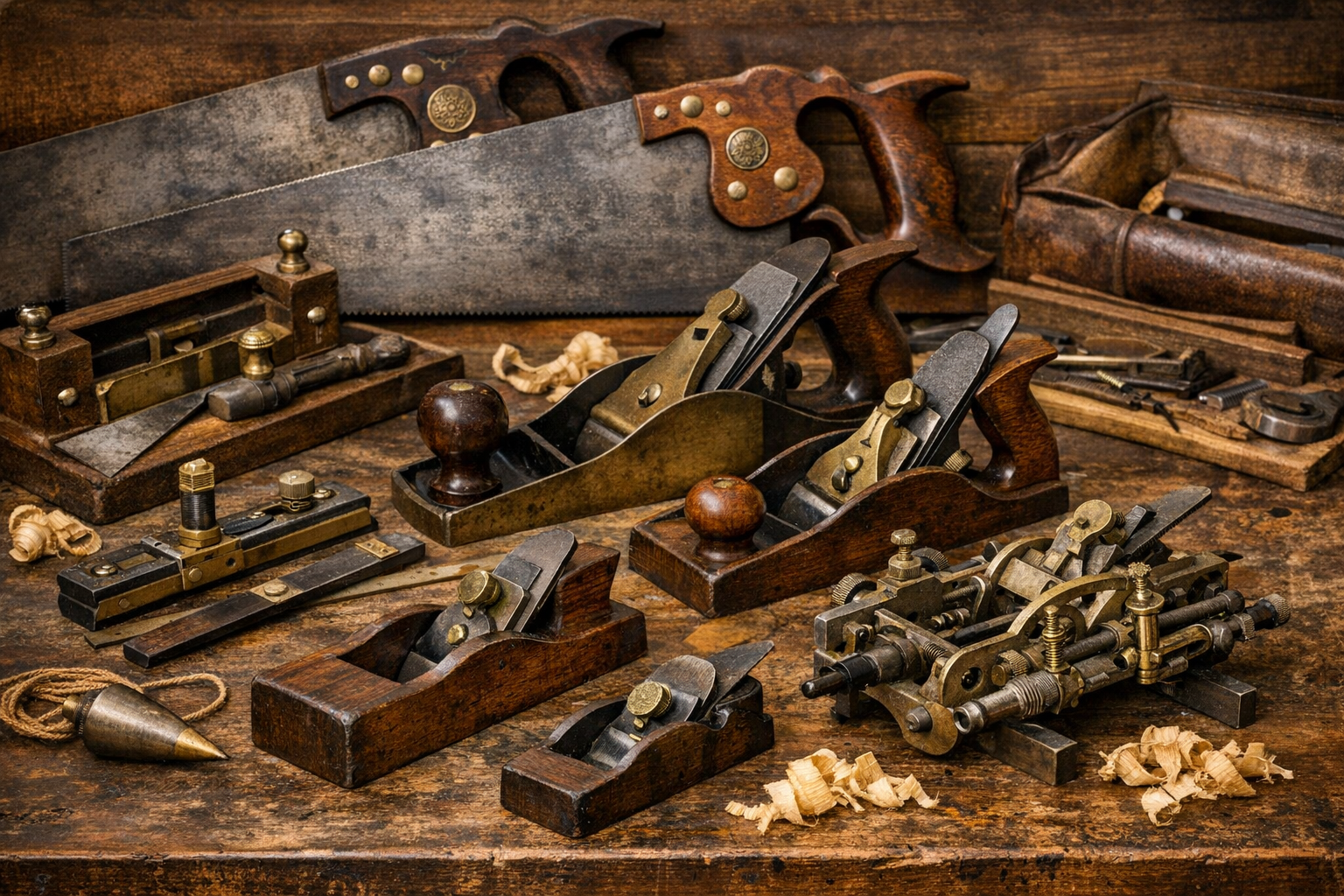
When evaluating an antique tool’s value, experts consider these primary factors:
Rarity: Tools produced in limited quantities or from specific time periods when manufacturing methods were changing tend to command higher prices. For example, early Stanley planes with unique features that were later discontinued.
Maker/Manufacturer: Tools from prestigious makers like Norris, Stanley, Ultimatum, and Disston typically bring premium prices. The manufacturer’s reputation for quality, innovation, and historical importance drives collector interest.
Condition: Tools in original, unmodified condition with minimal wear are most desirable. Working condition is particularly important for mechanical tools.
Provenance: Tools with documented history, especially those owned by notable craftsmen or from important workshops, can command significant premiums.
Completeness: Original parts, accessories, and packaging significantly enhance value. For example, a tool in its original box with instructions might be worth double compared to the tool alone.
Most Valuable Antique Tool Categories
1. Wooden Planes
Wooden planes from the 18th and 19th centuries represent some of the most valuable collectible tools, especially those from renowned makers.
According to Jim Bode Tools, one of the most respected antique tool dealers, exceptional wooden planes can sell for high prices depending on rarity and maker. The record-setting Rodier plane sold in 2004 demonstrates the upper limit for the most exceptional examples.
Notable valuable wooden planes include:
- Early 18th century crown molding planes
- Rare Norris adjustable planes
- Ornate presentation planes with ivory details
- Early American planes by prestigious makers like Francis Nicholson
2. Measuring and Layout Tools
Precision tools used for measuring and layout work often rank among the most valuable antique tools, especially those featuring decorative elements or innovative mechanisms.
Highly collectible measuring tools include:
- Pre-1850 wooden and brass measuring tools
- Ornate dividers and calipers with detailed etchings
- Ivory-ruled measuring devices
- Combination tools with multiple functions
3. Metalworking Tools
Specialized blacksmith, jeweler, and metalworking tools from the 18th and 19th centuries often command strong prices, particularly anvils, stake tools, and miniature examples.
4. Stanley Tools
Stanley Rule & Level Company (later Stanley Works) produced some of the most collectible tools ever made. Certain Stanley planes, especially early numbered models with original features, remain highly sought after.
Valuable Stanley Tool Price Ranges
Current market values for collectible Stanley tools
According to tool collectors on Reddit, Stanley tools remain among the most consistently valuable and tradable antique tools, with specialized collectors seeking specific model numbers and production types.
Identifying Valuable Antique Tools
When examining an antique tool, follow this systematic approach to help determine its potential value:
Antique Tool Identification Checklist
Use this checklist to help identify potentially valuable tools
- Look for maker's marks, stamps, or patent dates
- Check for original parts and unmodified condition
- Identify the approximate manufacturing period
- Research the maker's reputation and rarity
- Examine build quality and materials used
- Look for unusual features or decorative elements
- Assess overall condition and patina
Manufacturer’s Marks and Dating
The maker’s mark is often the most important clue to a tool’s value. According to MetMo UK, documented, unaltered tools from prestigious makers will generally be more valuable than unmarked or lesser-known examples.
Common valuable maker’s marks include:
- Stanley Rule & Level Co. (pre-1920)
- Norris (London)
- Ohio Tool Co.
- Ultimatum (saw maker)
- Disston (saws)
- Union Manufacturing
- Preston (English planes)
- Millers Falls
Tool Types and Historical Context
Understanding when specific tool forms were manufactured helps with dating and valuation:
Evolution of Antique Tool Manufacturing
- Pre-1800
Handcrafted Era
Primarily wooden tools made by individual craftsmen, often featuring decorative elements and individually stamped marks. Tools from this period are highly collectible. - 1800-1860
Early Industrial Revolution
Transition period with mix of handcrafting and early mass production techniques. Combination wooden/metal tools became common. Many innovative designs emerged. - 1860-1900
Major Industrial Expansion
Large-scale production of metal tools by major manufacturers like Stanley, Disston and Sargent. Type studies of major makers focus on evolutionary changes during this prolific period. - 1900-1950
Modern Manufacturing
Fully industrialized production with standardized designs. Later tools generally less valuable unless specialized or limited production models.
Condition Assessment
The condition of an antique tool dramatically affects its value. For most collectors, original condition is paramount, even if it includes honest wear that tells the tool’s history.
According to Tool Bazaar, these condition factors are most important for valuation:
- Original Parts: All components should be original to the tool, not replacements or mismatched parts.
- Surface Condition: Appropriate patina without excessive rust, pitting, or damage.
- Functionality: Working condition, particularly for mechanical tools.
- Completeness: All accessories, adjustment mechanisms, and detachable parts present.
- Originality: No reconstructed or repaired major components.
Most Valuable Antique Tools of All Time
According to Family Handyman, these record-setting sales demonstrate the extraordinary value potential of the finest antique tools:
| Item | Date | Auction House |
|---|---|---|
| Rodier Plane | 2004 | Specialized Tool Auction |
| 18th Century Plow Plane by I. Nicholson | 1998 | Brown Auction Services |
| Studley Tool Chest Contents (87 tools) | Now in Museum | Private Collection |
| Ivory-Tipped Brass Plow Plane | 2010 | Martin J. Donnelly Auctions |
| Rare D.R. Barton Framing Chisel Set | 2015 | Brown Auction Services |
These extraordinary sales represent the pinnacle of the market and typically involve tools with exceptional provenance, craftsmanship, and condition. Most antique tools, even desirable ones, sell for much more modest sums.
Current Market Values for Common Antique Tools
Recent market data from eBay sales and collector forums like The Patriot Woodworker show which common Stanley planes collectors look for, and what moves their value in good condition:
| Plane | Notes |
|---|---|
| Stanley No. 1 Plane | Size, condition and type number affect value |
| Stanley No. 2 Plane | Early types command premium prices |
| Stanley 55 Combination Plane | Complete with cutters and original box |
| Stanley Odd-Numbered Planes (#3-#8) | Depends on type and condition |
| Stanley 45 Combination Plane | Higher with complete cutter set |
According to a Reddit discussion, prices for common workshop machinery like bandsaws, scroll saws, and table saws remain relatively modest unless they are exceptional examples or rare models.
Where to Sell Antique Tools for Maximum Value
Based on collector recommendations and market analysis, these are the best venues for selling antique tools:
Specialized Antique Tool Auctions
Dedicated tool auctions like Brown Auction Services and Martin J. Donnelly Auctions attract serious collectors willing to pay premium prices for quality tools. According to Reddit discussions, these specialized auctions are ideal for rare or high-value items.
Online Marketplaces
For mid-range and common tools, these online venues offer good exposure:
- eBay: Largest audience, but requires careful photography and descriptions
- Etsy: Good for earlier handcrafted tools with aesthetic appeal
- Facebook Marketplace: Effective for local sales with no shipping
- Specialized Forums: Sites like Old Tools Shop cater to knowledgeable collectors
Antique Dealers and Tool Dealers
Established dealers like Jim Bode Tools may purchase entire collections or valuable individual pieces, though typically at wholesale prices to allow for dealer markup.
Tool Collector Clubs and Meets
Regional meetings of groups like the Mid-West Tool Collectors Association or the Pacific Northwest Tool Collectors provide direct access to knowledgeable buyers.
Expert Resources for Antique Tool Valuation
Jim Bode's Value Guide to Antique Tools
Comprehensive reference tool maintained by one of the most respected antique tool dealers, featuring actual sold prices and detailed descriptions.
Family Handyman: 20 Antique Woodworking Tools That Are Worth Big Bucks
Illustrated guide to some of the most valuable categories of antique woodworking tools with historical context and price information.
Tool Bazaar: 13 Most Valuable Vintage Tools
Detailed examination of specific valuable tool categories with identification tips and current market value ranges.
Brown Tool Auctions
Leading auction house specializing in antique tools with price archives and upcoming auction information.
MetMo UK: Understanding Antique Tool Value
Expert insights into originality assessment and value factors for antique tools with case studies.
Reddit Handtools Community
Active community of tool enthusiasts who offer identification help and value guidance for antique tools.
Tips for Getting the Best Price When Selling Antique Tools
Based on advice from successful sellers and dealers, follow these guidelines to achieve the best possible prices:
Research Thoroughly: Identify the manufacturer, approximate age, and model before listing. Reference price guides and recent auction results.
Clean Appropriately: Gently remove dirt and loose rust, but preserve patina. Never use aggressive methods that could damage original finishes.
Document Provenance: If the tool has a known history or previous owner of significance, document this information to add value.
Photograph Professionally: Take clear, well-lit photos from multiple angles. Include close-ups of maker’s marks, unusual features, and any damage or wear.
Describe Accurately: Be honest about condition issues while highlighting special features. Use proper terminology that collectors recognize.
Sell to the Right Audience: Match the tool to the appropriate selling venue based on its value and collector interest.
Consider Timing: Tool auctions often follow seasonal patterns, with winter months typically bringing stronger prices.
Sell Collections Strategically: Determine whether selling individually or as a collection will yield better returns. Sometimes breaking up collections maximizes value.
Common Questions About Antique Tool Values
How do you find out the value of antique tools?
To determine the value of antique tools, you can:
- Consult specialized price guides like Jim Bode’s Value Guide or Antique Trader Tools Price Guide
- Research recent auction results from specialized tool auctions (Brown Tool Auction, Martin J. Donnelly)
- Check completed sales on eBay for similar items
- Have tools appraised by an antique tool specialist or dealer
- Post clear photos on collector forums like Reddit’s r/handtools for community feedback
- Attend antique tool meets where collectors can provide informal appraisals
For valuable collections, consider hiring a professional appraiser who specializes in antique tools for the most accurate valuation.
What is the best way to sell antique tools?
The best selling method depends on the value and rarity of your tools:
- For rare, valuable tools: Specialized tool auctions like Brown Auction Services or consignment with established dealers like Jim Bode Tools
- For mid-range tools: eBay with detailed descriptions and quality photos
- For common tools: Local sales via Facebook Marketplace or flea markets to avoid shipping costs
- For complete collections: Consider having a dealer or auctioneer evaluate the entire collection
Selling individually typically maximizes return but requires more time and effort. For inherited collections, Reddit users often recommend finding a knowledgeable collector in your area who can help evaluate and possibly purchase the entire lot.
How do I identify antique tools?
To identify antique tools:
- Look for maker’s marks, patent dates, and manufacturer stamps (often on metal parts)
- Examine construction methods (hand-forged vs. machine-made parts)
- Check for patent dates, which provide a minimum age
- Research distinctive features in reference books or online type studies
- Compare against known examples in collector guides
- Consider materials (certain woods, brass types, etc. were used in specific periods)
Resources for identification include:
- Type studies for major manufacturers (particularly detailed for Stanley planes)
- “Antique & Collectible Stanley Tools” by John Walter
- Online databases like the Stanley Type Study or Backsaw.net
- Collector forums where experts can help with identification from photos
Which antique tools are most valuable?
The most consistently valuable antique tools include:
- Early wooden planes (18th-early 19th century), especially those by known makers like Nicholson or with decorative elements
- Rare Stanley planes, particularly #1 size or special limited production models
- Pattern maker’s tools with ivory fittings or exceptional craftsmanship
- Early American wooden molding planes with clear maker’s marks
- High-end measuring tools, especially those with brass and ivory components
- Ornate presentation tools given as gifts or recognition pieces
- Pristine tool chests with complete original tool sets
- Pre-1860 combination tools featuring innovative mechanisms
The record price for an antique tool was set by a Rodier plane sold in 2004, though most valuable antique tools sell for far less, and only exceptional pieces reach very high prices.
How do I clean antique tools without reducing their value?
Cleaning antique tools requires a delicate approach to preserve value:
DO:
- Gently remove loose dirt with soft brushes
- Use mild solutions like mineral oil for light cleaning
- Protect metal parts with appropriate wax or oil after cleaning
- Leave original patina intact
- Document the tool’s condition before any cleaning
DON’T:
- Use power tools or wire brushes that can damage surfaces
- Apply modern finishes or paint over original surfaces
- Remove all patina (natural aging is valued by collectors)
- Replace original parts unless absolutely necessary
- Use harsh chemicals that might damage wood or original finishes
When in doubt, less is more. Collectors generally prefer tools with honest wear and original patina rather than those that have been aggressively cleaned or restored.
Conclusion: The Enduring Value of Antique Tools
Antique tools continue to captivate collectors and craftspeople alike, connecting us to the rich heritage of human ingenuity and skilled craftsmanship. Whether you’re inheriting a collection, starting your own, or simply curious about those old tools in your workshop, understanding their value helps preserve these artifacts for future generations.
The market for antique tools remains strong, with certain categories consistently appreciating in value. While record-setting sales make headlines, there’s a vibrant market for tools at every price point, from affordable user tools to museum-quality rarities.
For those looking to sell, taking time to research, properly identify, and present your tools to the right audience will maximize returns. For collectors, developing knowledge of makers, manufacturing periods, and condition factors will help you make informed purchasing decisions and potentially identify undervalued treasures.
As with any collectible field, education is the key to success. By utilizing the resources mentioned in this guide and connecting with the active community of tool collectors, you’ll be well-equipped to navigate the fascinating world of antique tool values.
What similar items actually sold for
To help ground this guide in real market activity, here are recent example auction comps from Appraisily’s internal database. These matched sales are market context only, not an object estimate or identification, and they do not guarantee a price for your specific tools.
Shown USD range: USD 10-USD 300. Median of these 5 USD examples: USD 20.
| Comparable | What sold | Auction house | Date | Lot | Source-reported amount |
|---|---|---|---|---|---|
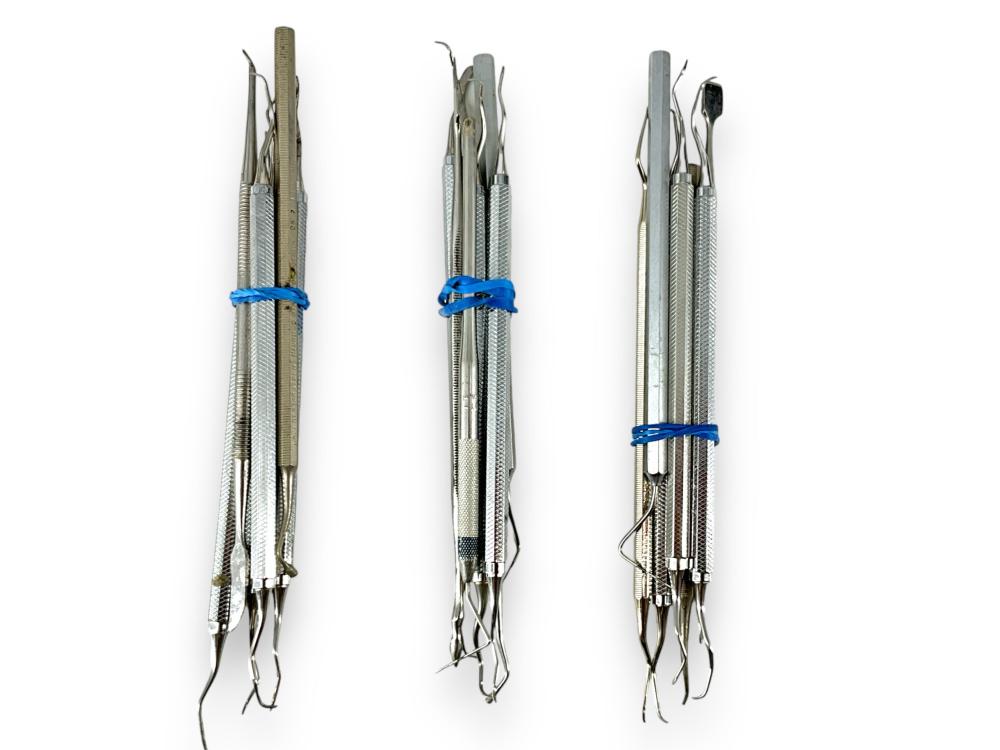 |
Wax Carving Tools | Apple Tree Auction Center | 2024-11-21 | 4513 | USD 15 |
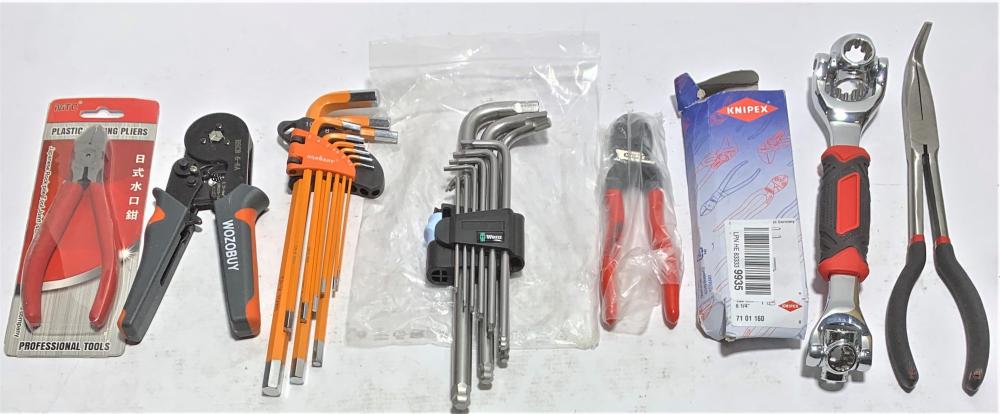 |
A Group of Tools | Theodore Bruce Auctioneers & Valuers | 2024-10-05 | 3083 | AUD 45 |
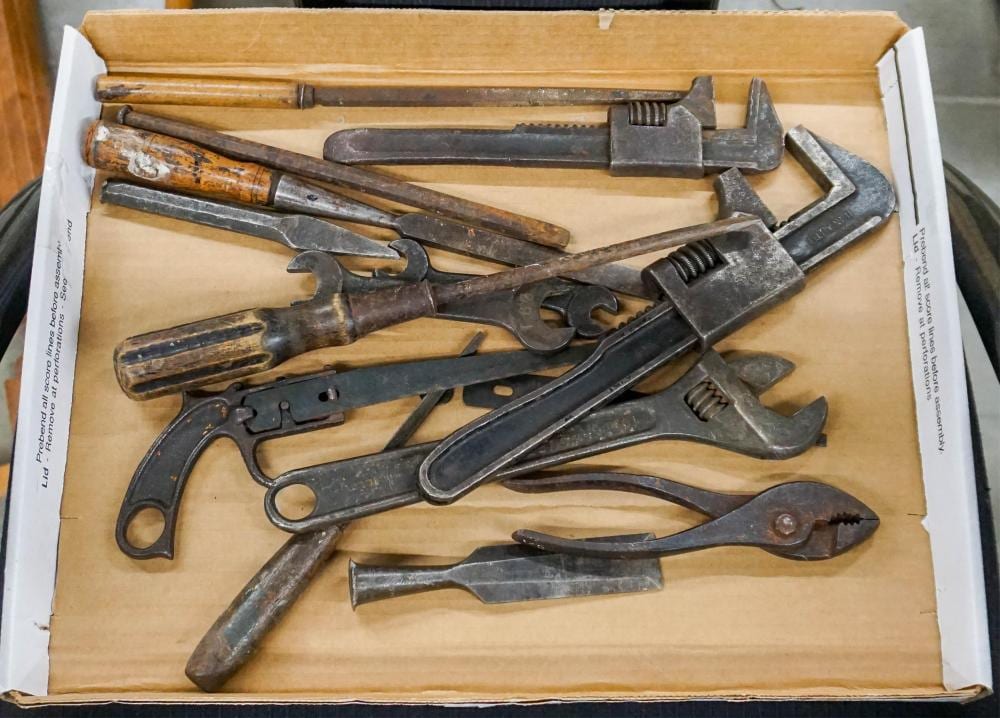 |
Collection of Iron Tools | Weschler's | 2026-06-16 | 339 | USD 10 |
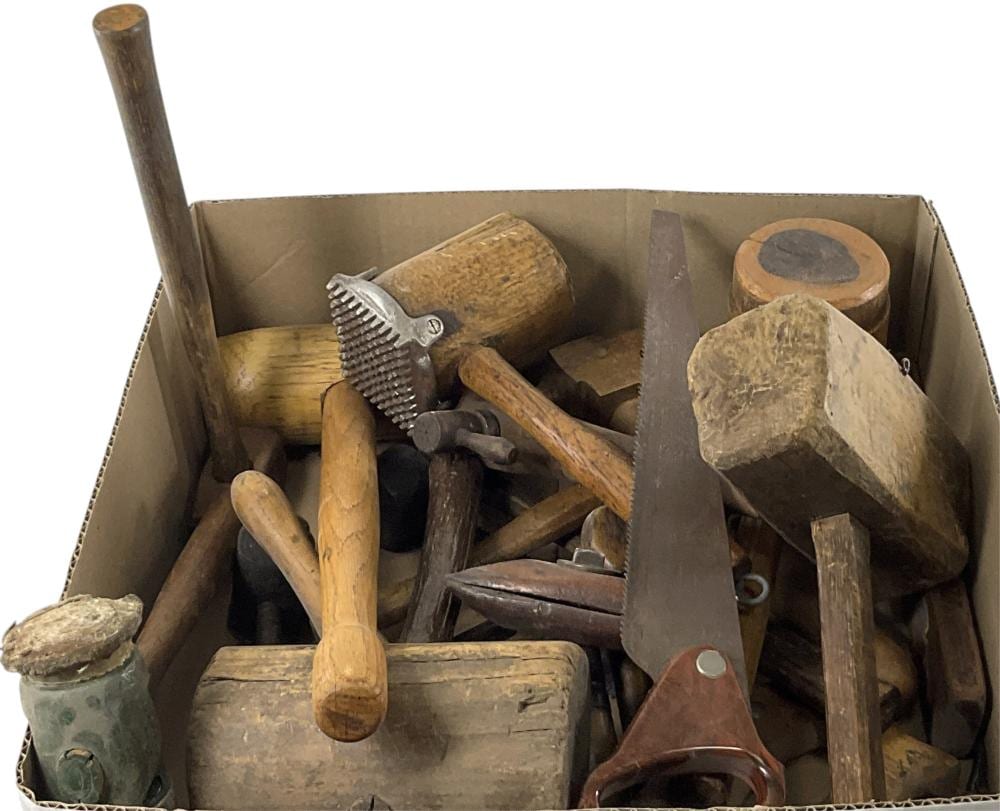 |
Assorted Antique Tools, Mallets, Saw | EJ'S Auction & Appraisal | 2026-04-18 | 3292 | USD 85 |
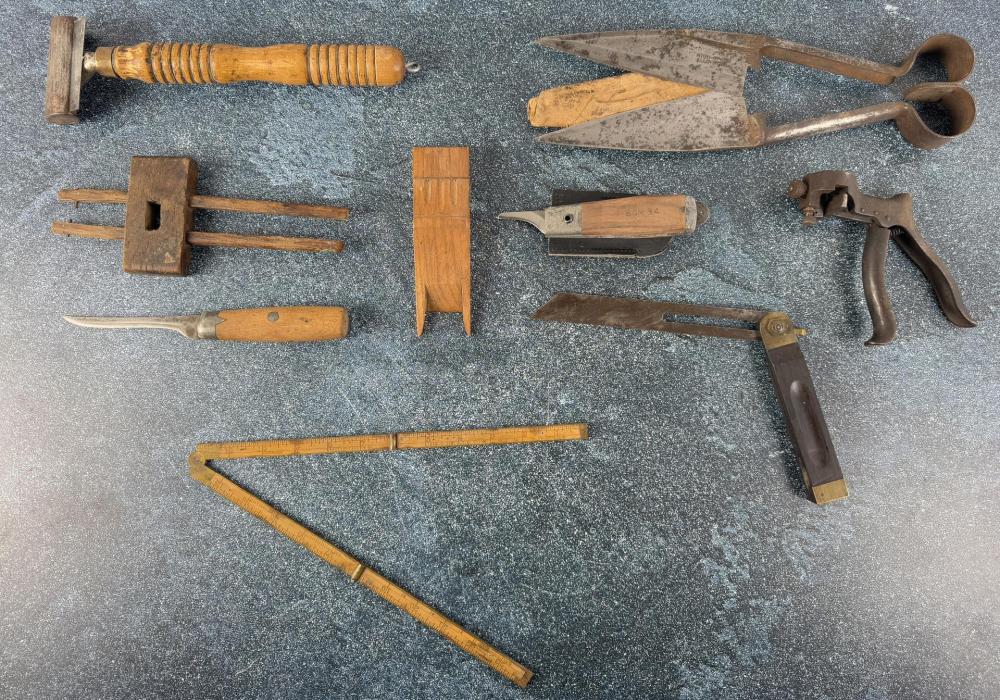 |
Collection of Antique Tools | Davis Brothers Auction | 2025-02-07 | 928 | USD 20 |
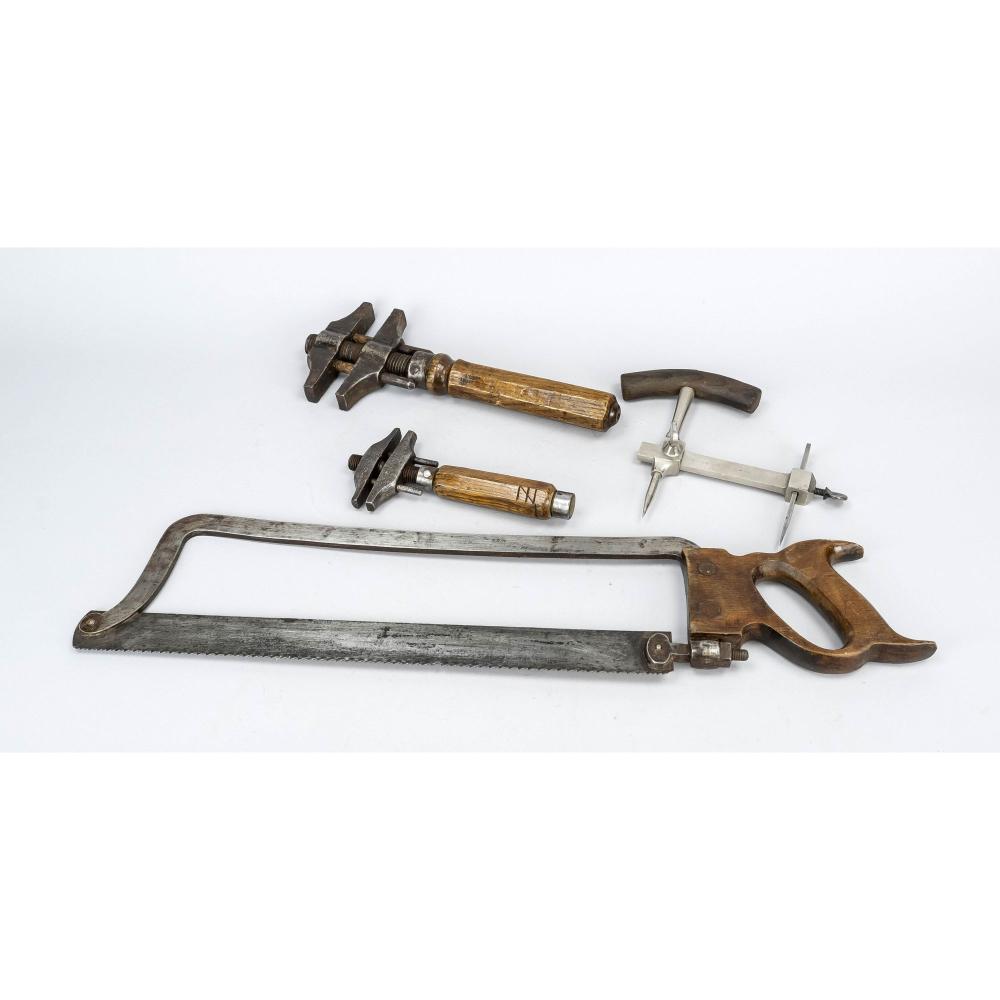 |
COLLECTION OF ANTIQUE TOOLS, 19TH | Historia Auctionata | 2024-11-14 | 4851 | EUR 120 |
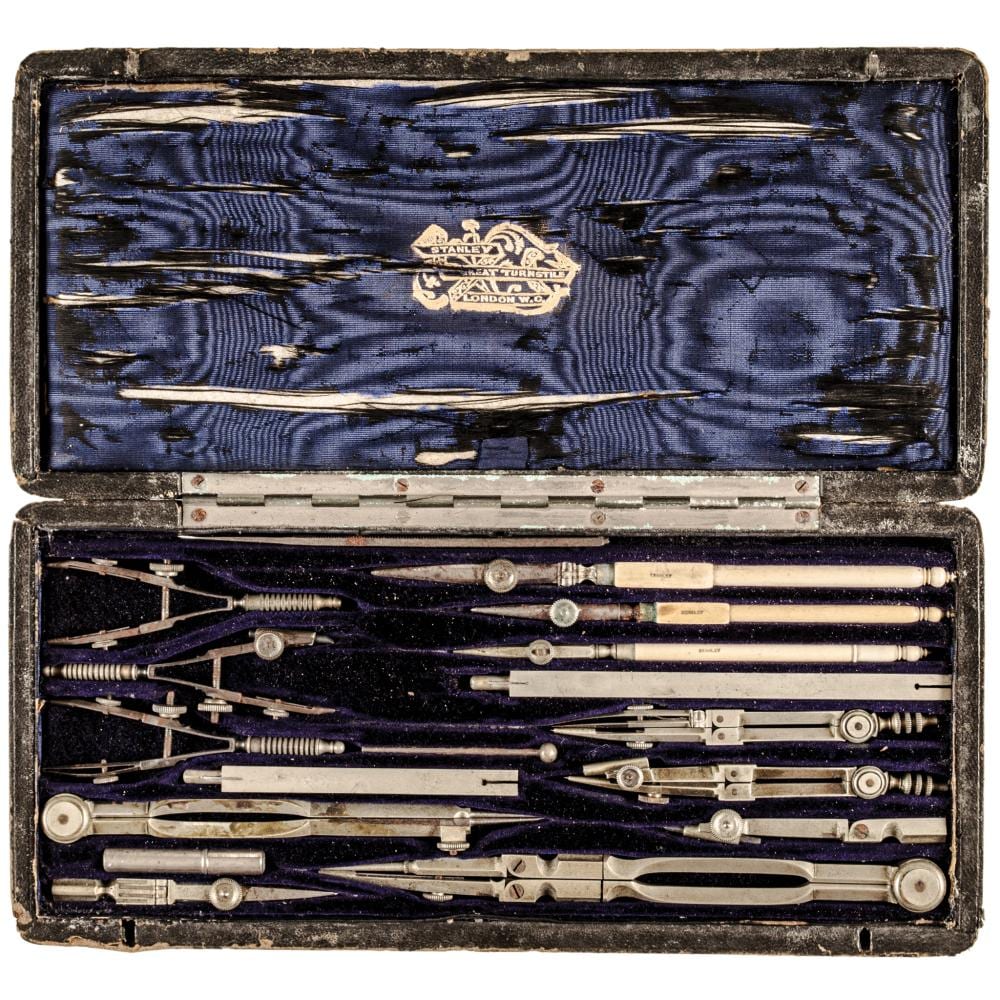 |
Choice Early Divider Compass Set w/Case Stanley, London Complete with 17 Tools | Early American History Auctions | 2022-04-16 | 116 | USD 300 |
How these auction records were verified
Each row is tied to its lot identity, retrieval time, access result, and immutable record hash. Inspect the public comparable provenance record.
Free photo check
Not sure if your item is worth appraising? Let us take a look.
Upload a photo, tell us what you know, and get a free photo check. If a full appraisal makes sense, we will say so.
Free. No card needed. Takes about two minutes.
Get antique tools appraised
Upload photos of the tools, maker marks, handles, cutting edges, mechanisms, materials, measurements, wear, repairs, and condition notes.
- Signed report with photos and market context
- Delivered within 24 hours of receiving your photos
- Fixed, upfront pricing
No obligation. Secure upload.
Find a local antique or art appraiser
Ready for pricing guidance?
Start a secure online appraisal
Upload images and details. Delivered within 24 hours of receiving your photos.
Check my item from a photo — free View signed report sample