
Value of Old Tools: Maker Marks, Use, Completeness, Patina and Condition
Evaluate old tool value by documenting maker marks, trade use, completeness, patina, repairs, rarity, photos, and condition.
Free first step
Found old tools and want to know if they matter?
Upload photos. We identify the object, check real sales, and show the right appraisal path.
Quick old tool value checklist
- Tool type: plane, saw, level, rule, chisel, axe, blacksmith tool, farm tool, machinist tool, or specialized trade tool.
- Maker and marks: Stanley, Disston, Norris, Mathieson, Spiers, Miller's Patent, regional makers, patent stamps, blade etches, or labels.
- Completeness: original blade, handle, fence, box, accessories, instruction sheet, tool chest, or matching set.
- Condition: rust, pitting, cracks, broken totes, replaced parts, over-cleaning, repainting, sharpening loss, and active corrosion.
- Demand: rare models, unusual trades, early patents, known collectors' categories, and examples that still display well.
What old tools usually prove
An old tool can prove trade history, maker quality, or collector interest, but age alone does not prove high value. A common plane in rough condition may sell modestly. A scarce maker, early patent, complete tool chest, or unusual trade tool can attract stronger bidding.
Before you clean anything, photograph the tool as found. Original paint, patina, labels, and stamped marks can be part of the evidence.
When a free screener is enough
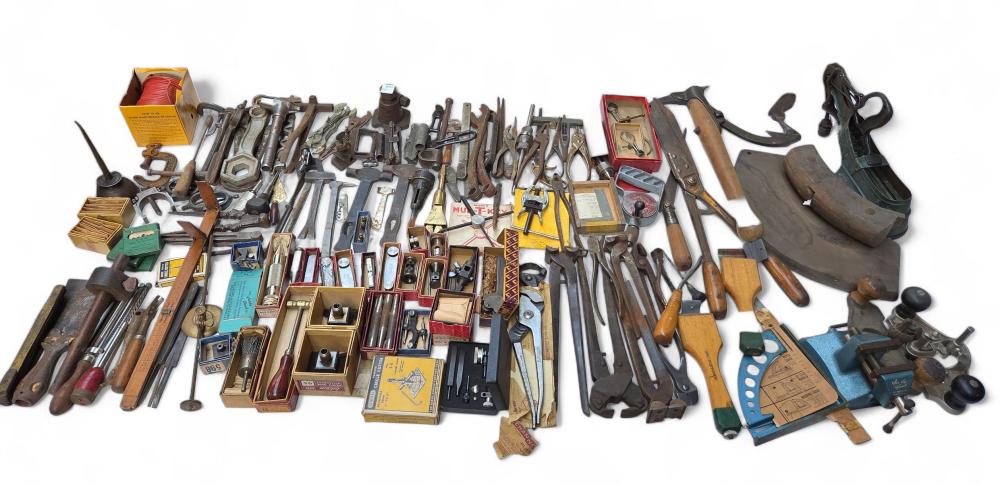
Use the free screener when you need identification, maker clues, condition notes, and a first check against real sales. It is useful for inherited workshop boxes, tool chests, barn finds, and single tools with unclear markings.
When to get a professional appraisal
Use a professional appraisal for insurance, estate division, donation, resale of a significant collection, or a tool that may be rare. A signed report can document identification, condition, market evidence, and limitations.
For format expectations, see the professional sample report.
Photo checklist before you upload
- Full tool from both sides, plus top, bottom, and ends.
- Close-ups of stamps, labels, patent dates, blade etches, cast marks, and model numbers.
- Handle, blade, sole, moving parts, screws, original paint, box, and accessories.
- Condition issues: rust, pitting, cracks, replaced parts, missing pieces, or repairs.
- Group shot plus individual photos if you have a chest or workshop lot.
Note: We couldn’t find enough auction records that directly match Value of Old Tools: Maker Marks, Use, Completeness, Patina and Condition to publish a defensible price table. If you are valuing a specific item, include its maker, model, material, photos, and condition so the search can be narrowed.
What similar items actually sold for
The current auction search does not contain at least three clean, directly matched sales for Value of Old Tools: Maker Marks, Use, Completeness, Patina and Condition yet. If you’re valuing a specific item, use the free estimate flow so the search can be narrowed by maker, material, photos, and condition.
| Image | Description | Auction house | Date | Lot | Reported price realized |
|---|---|---|---|---|---|
| No relevant auction comps found for this topic right now. | |||||
Disclosure: prices are shown as reported by auction houses and are provided for appraisal context. Learn more in our editorial policy.
Free instant estimate
Not sure if your item is worth appraising? Let us take a look.
Upload a photo, tell us what you know, and get a free first read. If a full appraisal makes sense, we will say so.
Free. No card needed. Takes about two minutes.
Choose your next step
Use the path that matches the decision you need to make about the item.
Not sure it is worth appraising?
Start with a lower-friction screen to understand the likely category, evidence, and next step.
Upload photos for a free first lookWant proof before paying?
See how a signed report documents photos, comparable evidence, condition notes, and value conclusions.
View signed report sampleNeed a signed report?
Use this for insurance, estate, donation, resale, or documented value decisions.
Need documentation now? Start signed appraisalNeed local or specialist help?
Compare directory options when the work needs in-person review or a specialist near you.
Find local specialistsSee what the report looks like
Sample reports show how photos, comparable evidence, condition notes, and a value conclusion are documented.
We identify the tool, check real sales where available, and tell you whether a free screen or signed appraisal makes sense.
Try the free screener