Unlocking the Worth of Yesteryear a Guide to Determining Your Antique Spittoons Value: appraisal and value basics
Unlocking the Worth of Yesteryear a Guide to Determining Your Antique Spittoons Value research should start with identification, condition, provenance, and item-specific market evidence. Use this guide to compare the signals that matter before paying for a formal appraisal or deciding whether to sell.
Antique spittoon appraisal checklist
Antique spittoons (also called cuspidors) bridge social history, design, and tobacciana collecting. Whether you found one in a family attic or are eyeing a shop-floor brass beauty, determining antique spittoon value comes down to identifying what you have, when it was made, how it survived, and who wants it now. This guide gives you the tools to assess materials, makers, condition, rarity, and today’s market—plus a practical checklist and quick FAQ.
What Counts As An Antique Spittoon—and Why People Collect Them
Spittoons were ubiquitous in the mid-19th to early 20th centuries, turning up in saloons, hotels, railroad depots, offices, barbershops, and medical/dental settings. Reform-era sanitation campaigns and changing tobacco habits pushed them out of public spaces by the 1920s–30s, making many survivors period artifacts.
Common categories:
- Floor spittoons: Broad, weighted bases to prevent tipping, often brass, copper, or iron.
- Table/desk spittoons: Smaller, sometimes lidded; appear in ceramics (stoneware, ironstone, porcelain) and metal.
- Medical/dental cuspidors: Ceramic basins on pedestals or integrated into stands; utilitarian glazes, sometimes with manufacturer or hospital marks.
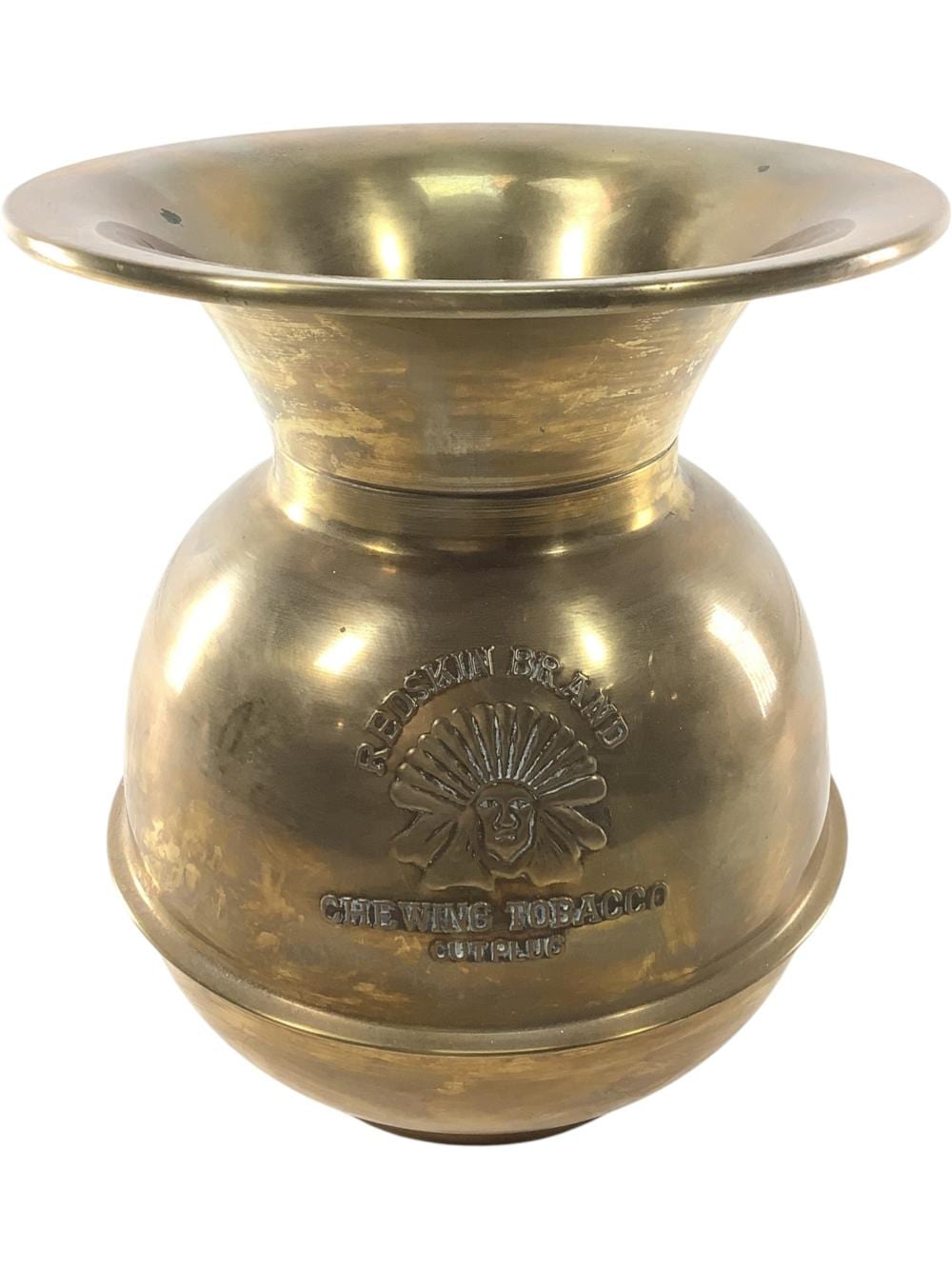
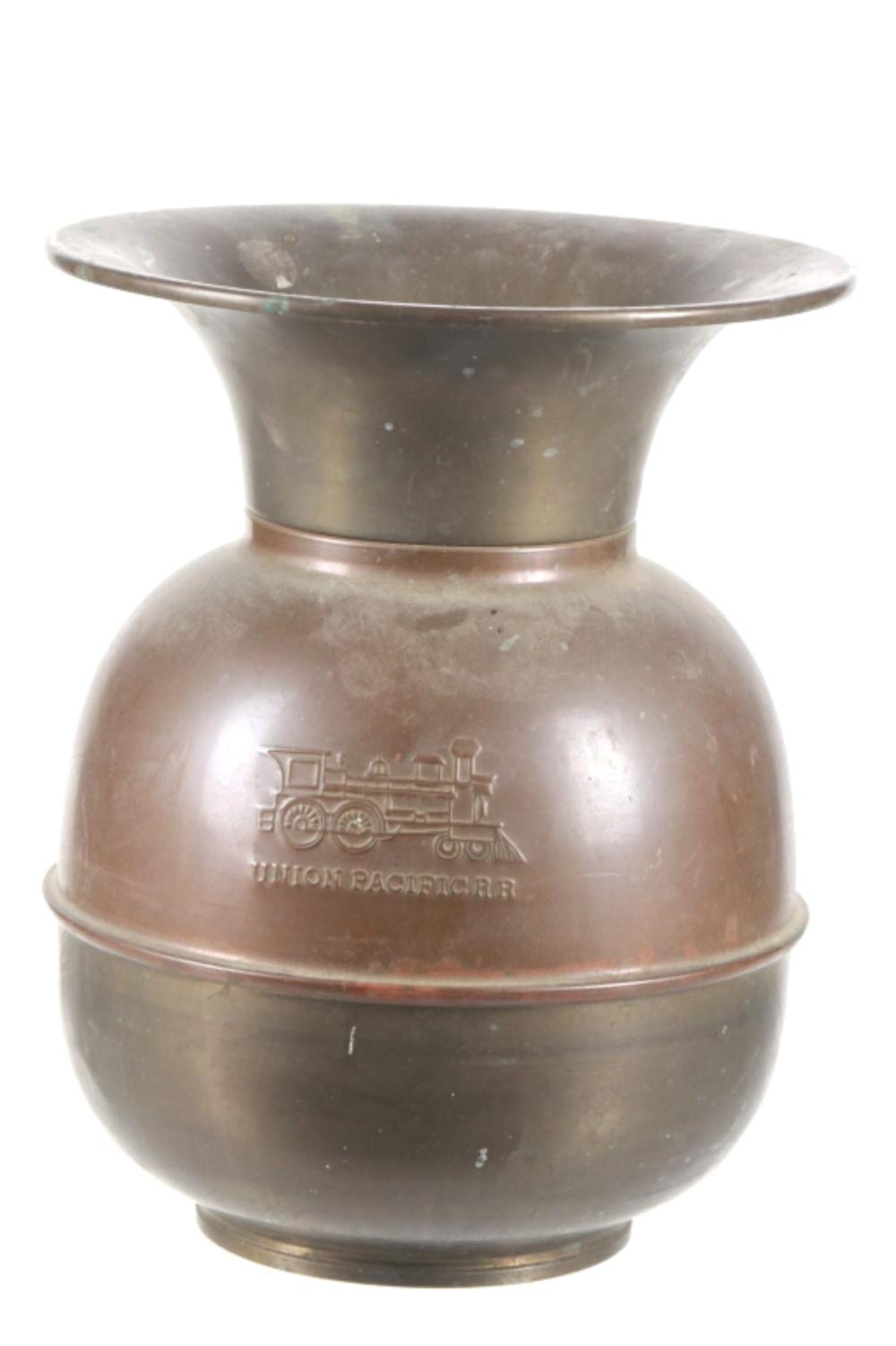
- Institutional spittoons: Stamped or stenciled with railroads, military, hotels, fraternal lodges, or breweries—prized for provenance and crossover appeal to related collectors.
- Novelty and later “spittoon-shaped” forms: Miniature souvenirs and pressed/carnival glass with a spittoon profile; not all were intended for spitting.
Why collectors care:
- Social history and Americana appeal
- Cross-category interest (railroadiana, militaria, tobacciana)
- Rich variety of materials, glazes, makers, and regional types
- Decorative potential (majolica, Rockingham glazes, aesthetic motifs)
Materials And Construction: Clues To Quality And Age
Material, construction, and finish are core to identification and value.
Metals
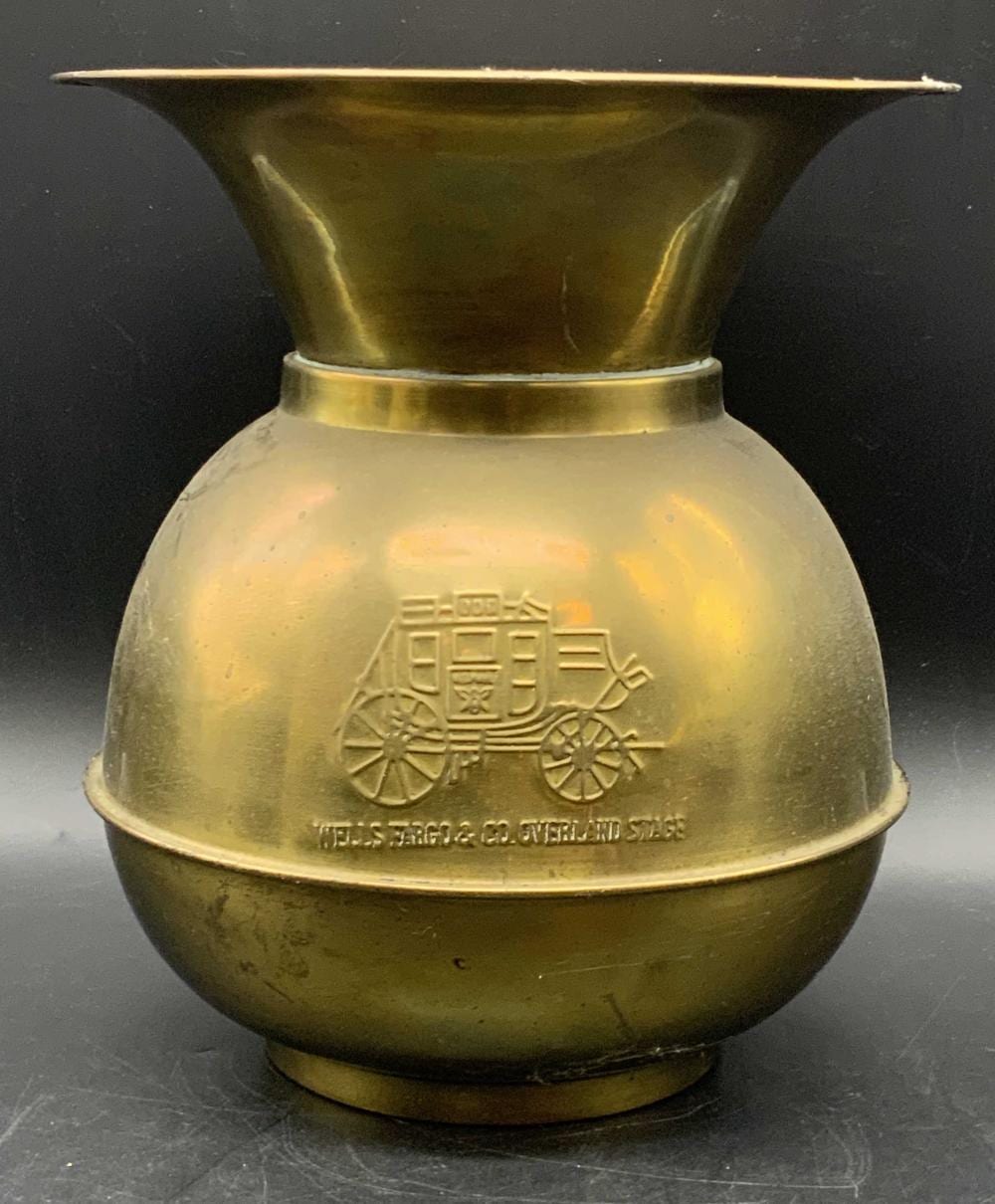
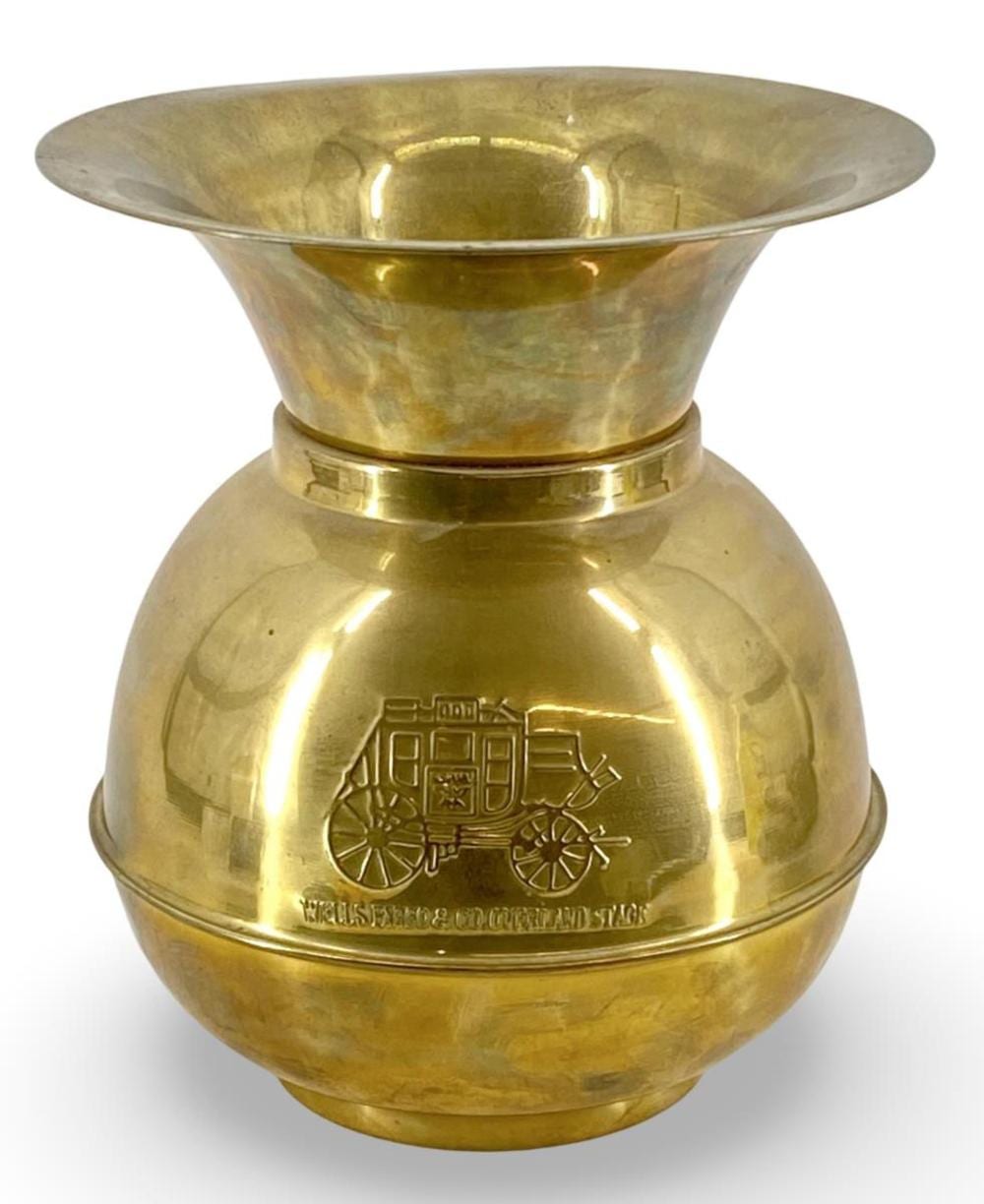
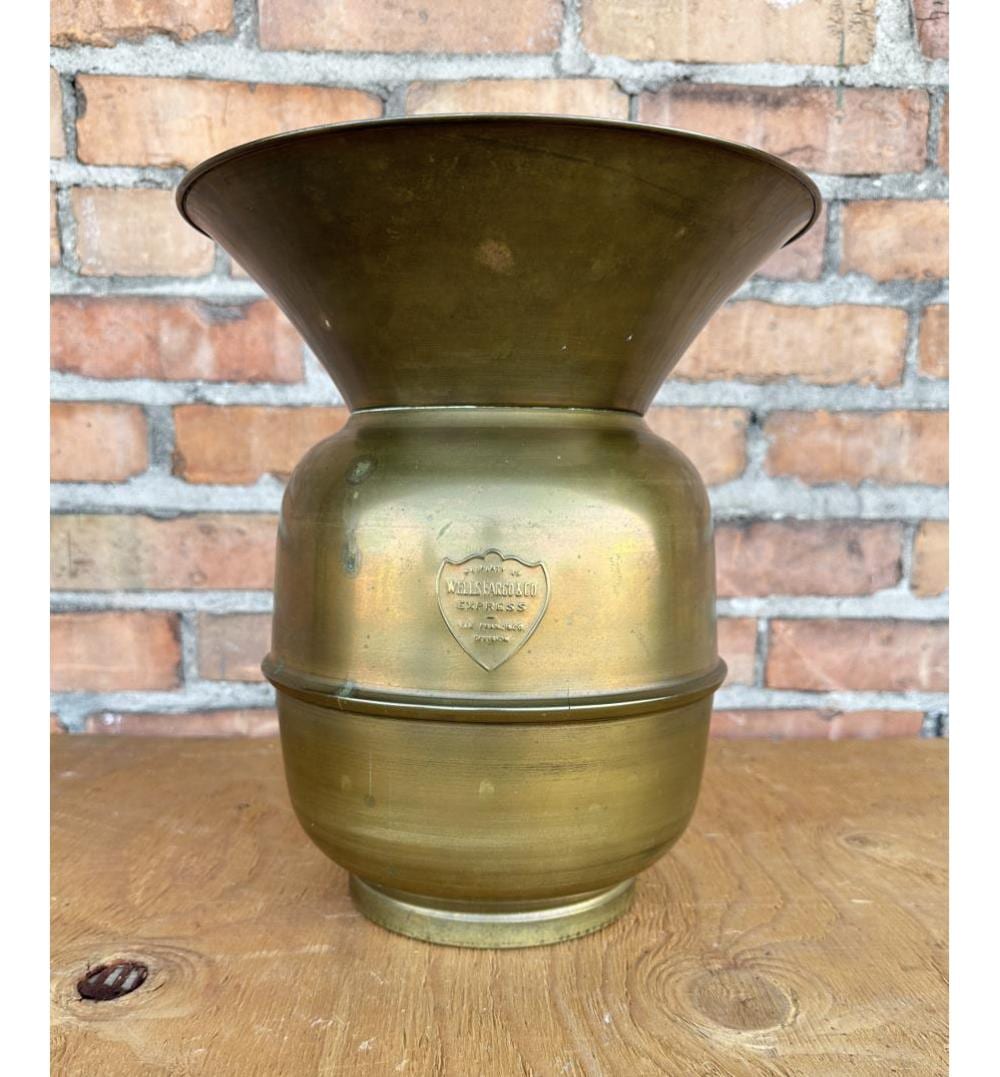
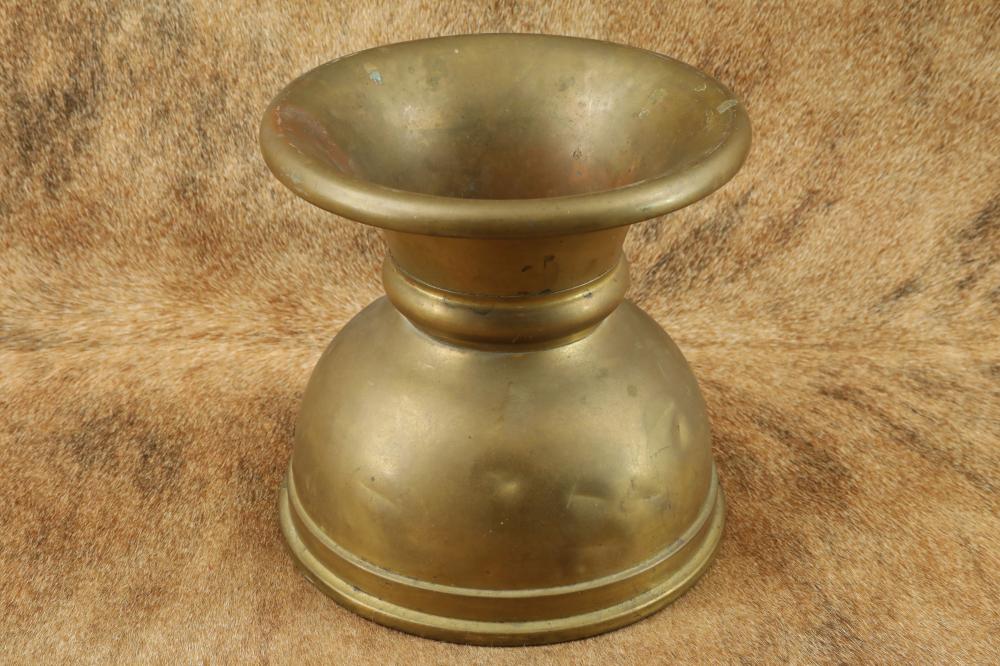
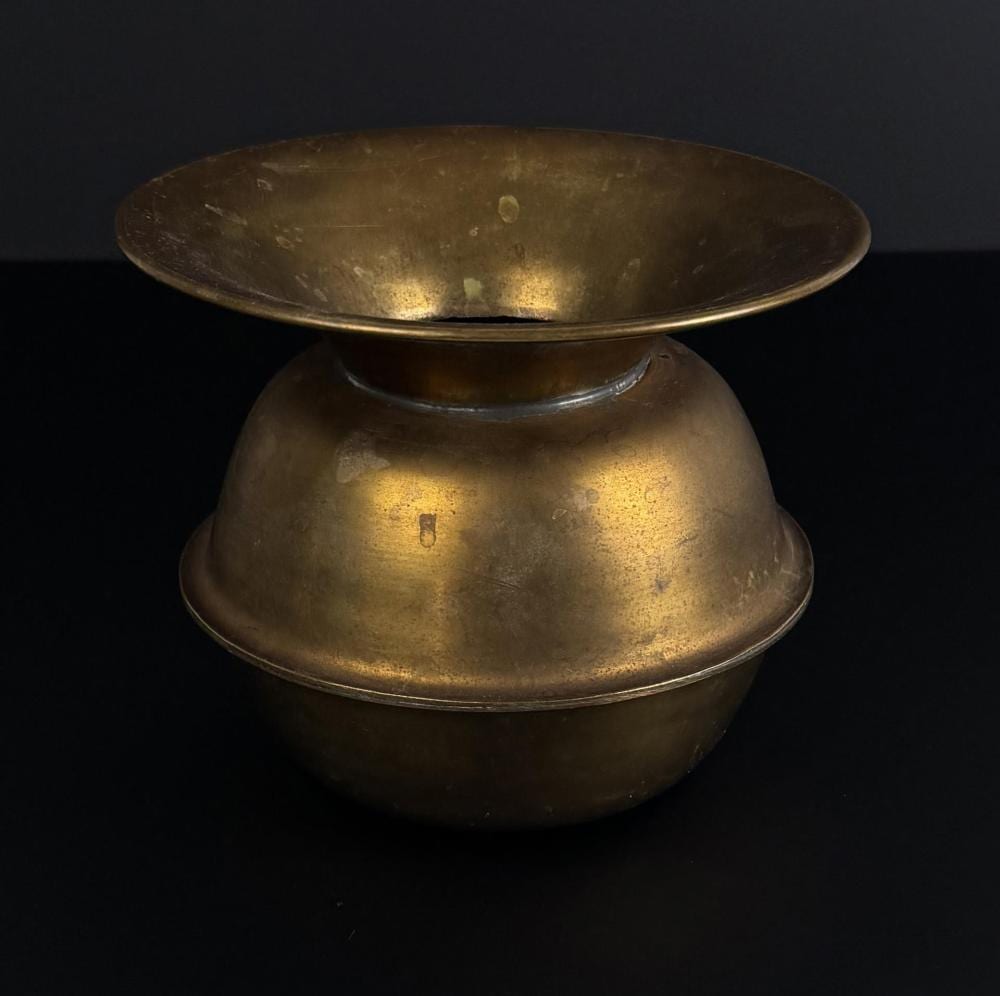
- Brass and copper: The most common metals for floor spittoons. Older examples are often spun or hand-hammered; look for subtle, irregular hammer marks versus crisp uniform machine marks. Weighted bases might be filled with pitch or iron. Too-bright, uniform yellow tones with casting seams can signal modern reproductions, especially from the mid-to-late 20th century.
- Bronze: Less common; typically heavier with a richer, darker patina. Crisp cast details if decorative.
- Iron and steel: Cast iron forms can be ornate; steel bodies may have nickel plating. Magnet test helps distinguish brass (non-magnetic) from steel (magnetic).
- Silver plate and pewter: Lidded desk spittoons or higher-status forms; plate wear on high points is typical and acceptable.
Ceramics
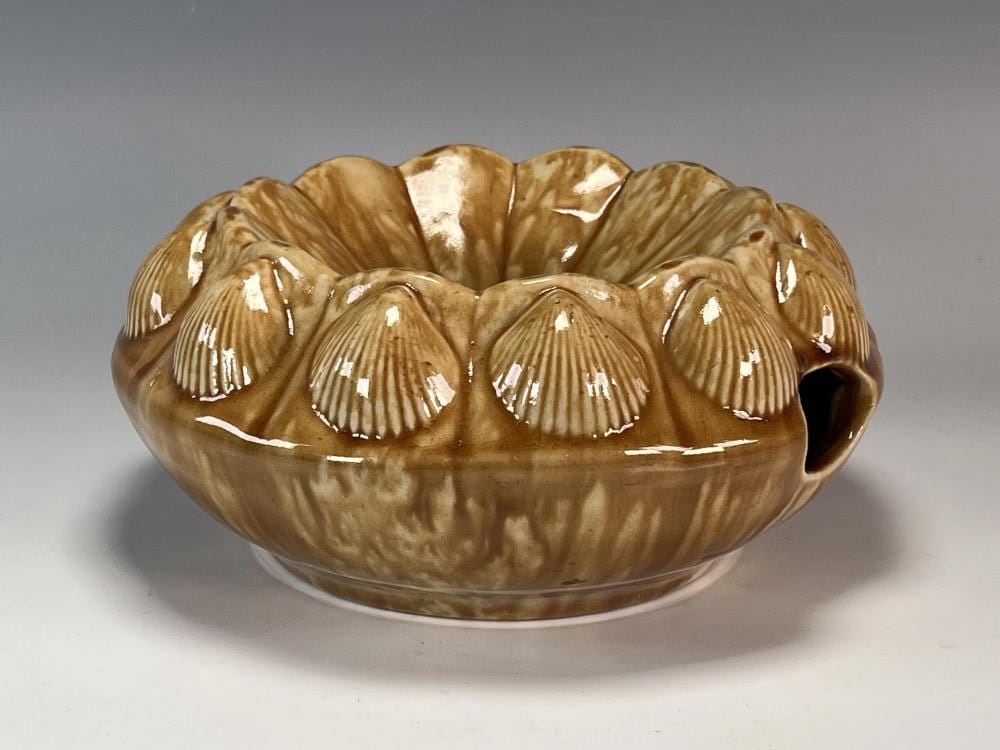
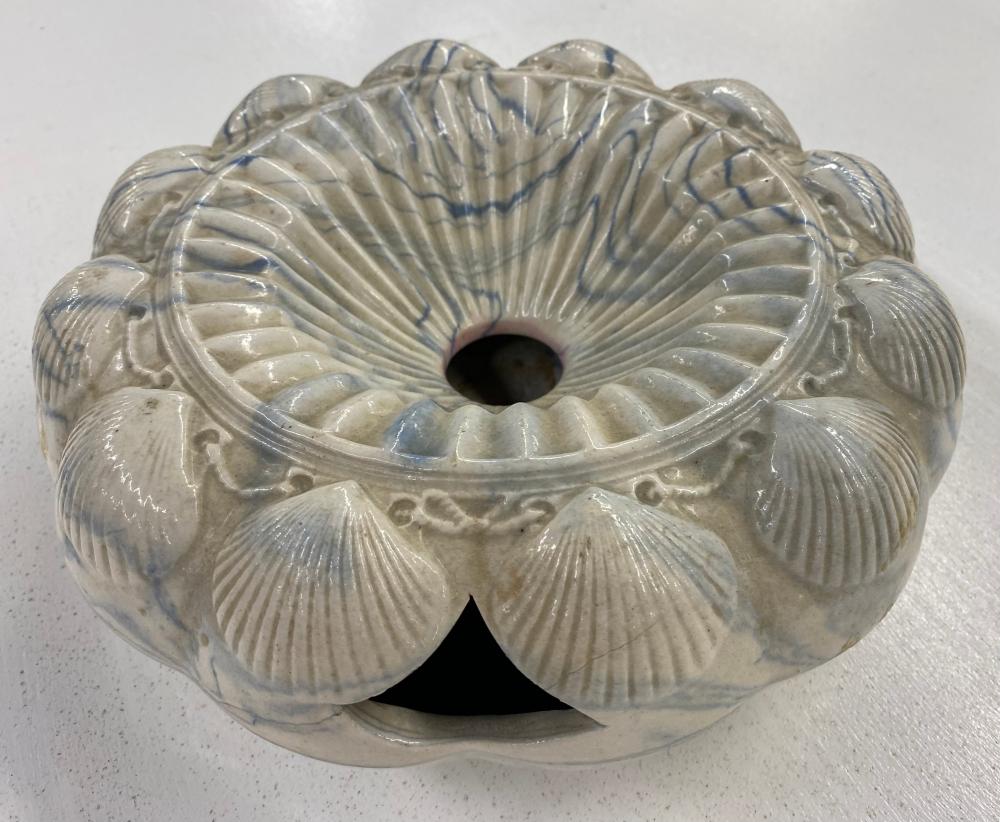
- Stoneware and Bennington/Rockingham: Drippy brown Rockingham glaze (mid-19th century) can be prized, especially on well-modeled examples. Look for potter’s marks and period kiln flaws that read as documented rather than recent.
- Ironstone/porcelain: White ironstone or porcelain desk cuspidors can be clean and elegant; some feature transfer prints or hand-painted decoration. Medical cuspidors in ironstone are common; condition is key.
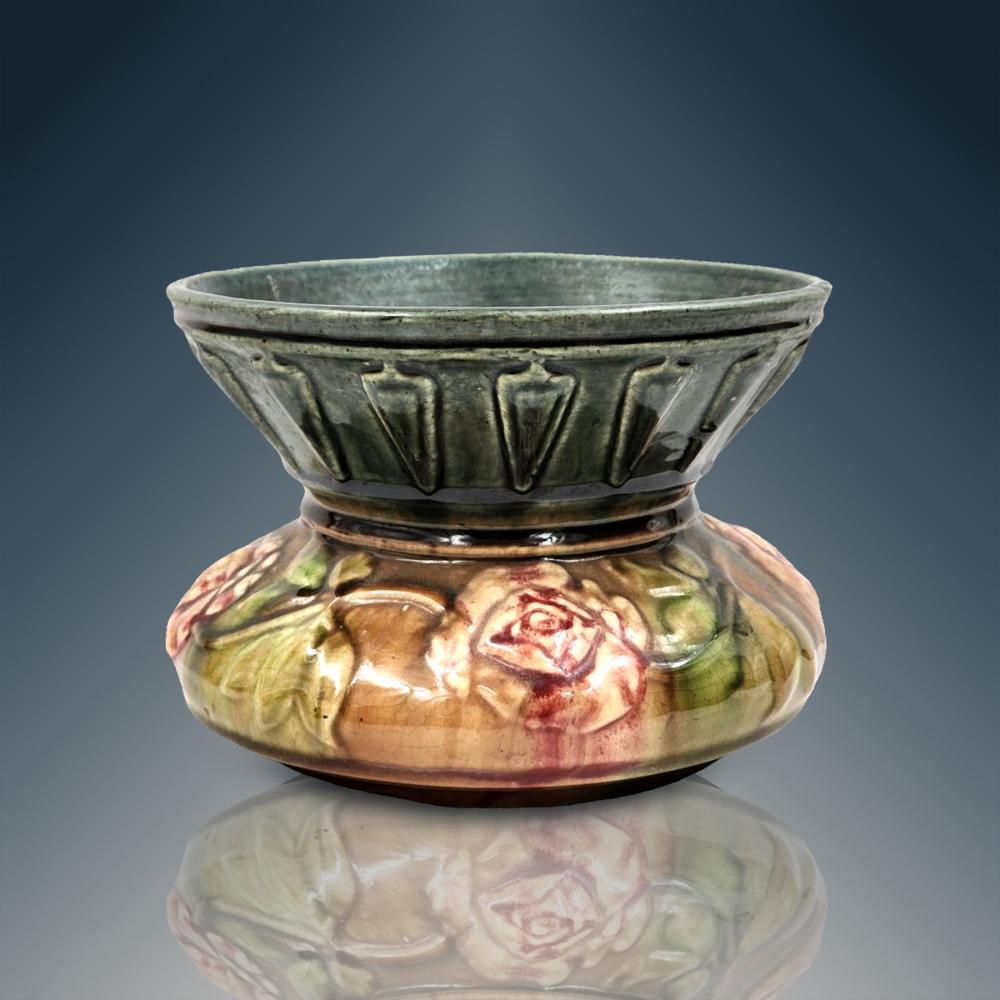
- Majolica: Colorful relief decoration draws collectors; damage to high-relief areas is common and value-impacting.
- Asian ceramics: Late 19th–early 20th century Chinese or Japanese porcelain examples exist; look for period glazes and foot-ring wear consistent with age.
Glass
- Pressed or carnival glass “spittoon shape”: Many were decorative vases or novelty containers. Despite the shape, these are usually valued by glass collectors with different price dynamics than utilitarian cuspidors.
Construction cues
- Seams and solder: Visible solder on brass can be period-correct; modern cold-solder or epoxy repairs fluoresce under blacklight and often leave uneven edges.
- Lids and liners: Lidded desk spittoons might have removable liners; matched sets bring premiums.
- Bases: Weighted, broad bases speak to floor use. Felt applied later isn’t a red flag but may conceal damage.
Surface and finish
- Patina: Mature, even patina on brass/bronze is desirable; aggressive polishing can reduce value. On silver plate, mild, even tarnish is fine; flaking plate is not.
- Crazing and glaze: In ceramics, fine age-appropriate crazing is tolerated; stained crazing or hairlines reduce value.
- Advertising and stenciling: Crisp, original stencils or enameling (railroad, hotel, brewery) can dramatically increase value. Overpainting, touch-ups, or modern “aged” stenciling lower it.
Dating And Identifying: Marks, Models, And Motifs
A credible valuation starts with attribution.
Where to look for marks
- Undersides and interiors: Stamped hotel/railroad property marks, casting foundry marks, or potter’s marks often hide here.
- Rims and body: Transfer-printed maker’s names on ceramics; incised or impressed marks; military property stamps.
- Lids and liners: Secondary components may be marked independently; mismatched parts reduce value.
Makers and attributions you may encounter
- American potteries: Bennington (Rockingham glaze), late-19th century stoneware shops; ironstone makers producing medical cuspidors. Some art potteries (e.g., Weller, Roseville) occasionally made forms with spittoon profiles, though purpose needs confirmation.
- European ceramics: English ironstone and majolica producers; Continental majolica houses with richly molded decoration.
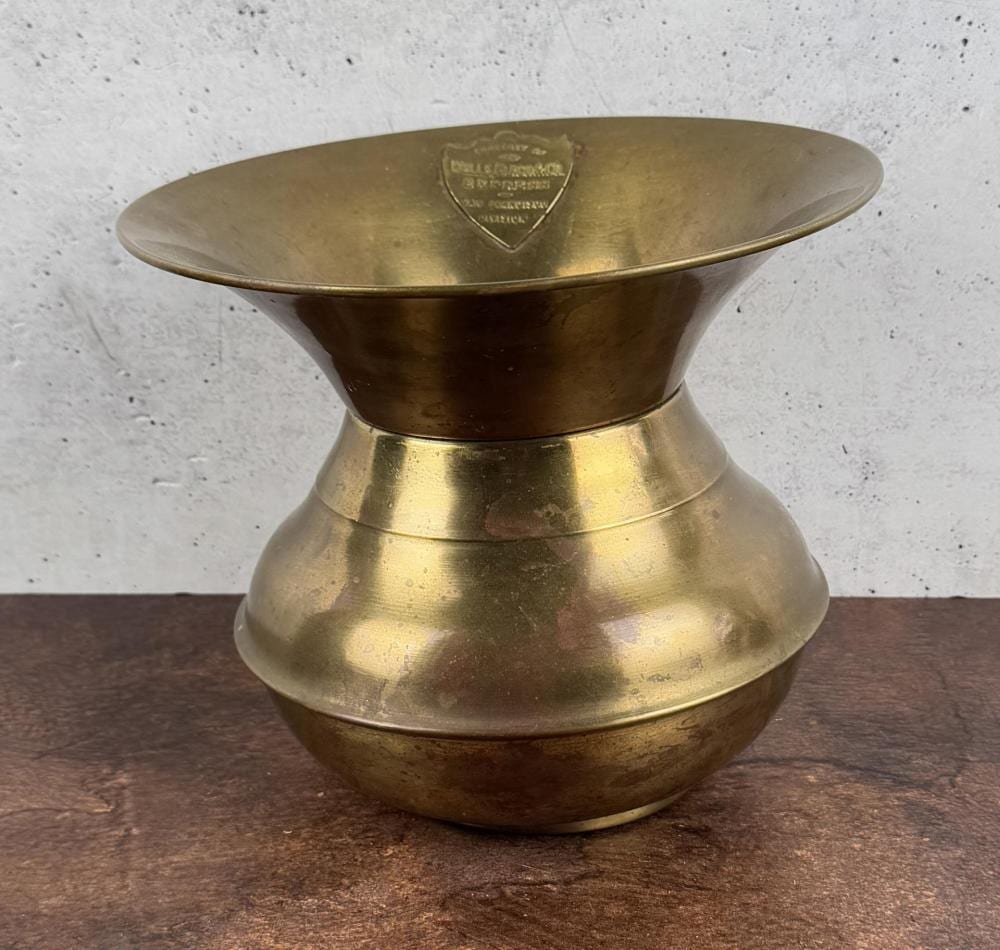
- Metalworkers: Many brass and copper spittoons are unmarked. Institutional stampings (e.g., “U.S. Navy,” “Pullman,” named hotel chains) serve as provenance substitutes and are often more important than a maker’s name.
- Advertising: Breweries, cigar makers, and saloons sometimes ordered branded spittoons—scarcer and more valuable when original.
Motifs and form clues
- Victorian floral and aesthetic movement designs (1870s–1890s) on ceramics suggest late-19th-century production.
- Plain utilitarian metal with broad spillage rims often indicates public/commercial use c. 1880–1915.
- Medical/dental forms: White ironstone, sometimes with molded ribs or footed pedestals, typically late-19th to early-20th century.
Red flags for reproductions
- Uniform, mirror-bright brass with shallow, poorly finished seams; artificially darkened recesses.
- Decorative motifs that mimic Victorian styles but lack crisp modeling or show grinder marks.
- Fresh screw threads or modern hardware on “antique” lidded pieces.
- Suspicious slogans or fonts that don’t align with period typography.
Condition And Completeness: The Value Equation
Condition can double—or halve—an antique spittoon’s worth.
Metal issues
- Dents and creases, especially on rims and bases.
- Over-polishing that removes patina or obliterates institutional marks.
- Solder repairs at stress points; acceptability depends on visibility and quality.
- Pinholes or corrosion in bases; active verdigris needs careful neutralization.
Ceramic issues
- Chips, rim nicks, base flakes: small, old chips are tolerated more on stoneware than on porcelain.
- Hairlines and cracks: structural cracks drastically impact value; sound rings when tapped are better signs.
- Crazing and staining: light, even crazing is fine; dark moisture staining suggests deeper issues.
- Restoration: Professional, documented restoration can preserve value; amateur repaint and overglaze touch-ups reduce it.
Completeness
- Original lids, liners, and matching bases increase value.
- Clear, original markings without overpaint or polishing-out are crucial for institutional/advertising examples.
- Size and proportion: Oversized floor models impress but shipping risk and storage can dampen demand.
Photography for condition
- Shoot under raking light to reveal dents and glaze issues.
- Close-ups of marks, seams, and any repairs.
- Scale shots with a ruler or calipers, and weight on a scale if possible.
What Drives Price Today: Demand, Rarity, And Realistic Ranges
Tastes and prices fluctuate, but as of today’s market:
Core drivers
- Provenance: Railroad, military, or named hotel/brewery examples sell faster and higher.
- Material and aesthetics: Attractive majolica or clean ironstone can outpace common brass.
- Age and originality: Pre-1900, documented pieces outperform later or reproduction items.
- Condition and completeness: No major cracks/dents, original lids/liners, and legible marks add up.
How the main types compare (assuming honest, average retail or auction results in the current market)
- Common brass floor spittoons (unmarked): the least expensive group, depending on size, patina, and denting.
- Brass or copper with crisp institutional marks (railroad, hotel, military): a clear step up; exceptional names/logos sell for considerably more.
- Cast iron, decorative forms: generally modest; ornate or maker-marked examples higher.
- Silver-plated desk cuspidors: priced on design and plating; exceptional designs or matched lids/liners sell higher.
- Stoneware/Bennington Rockingham: a steady collector market; standout modeling, rare potters, or excellent glaze can push higher.
- Majolica cuspidors: among the more valuable types; top-tier makers or rare patterns sell highest in strong condition.
- Medical/dental ironstone or porcelain: priced on form, maker, and condition.
- Spittoon-shaped pressed/carnival glass (decorative): valued by pattern and color more than “spittoon-ness.”
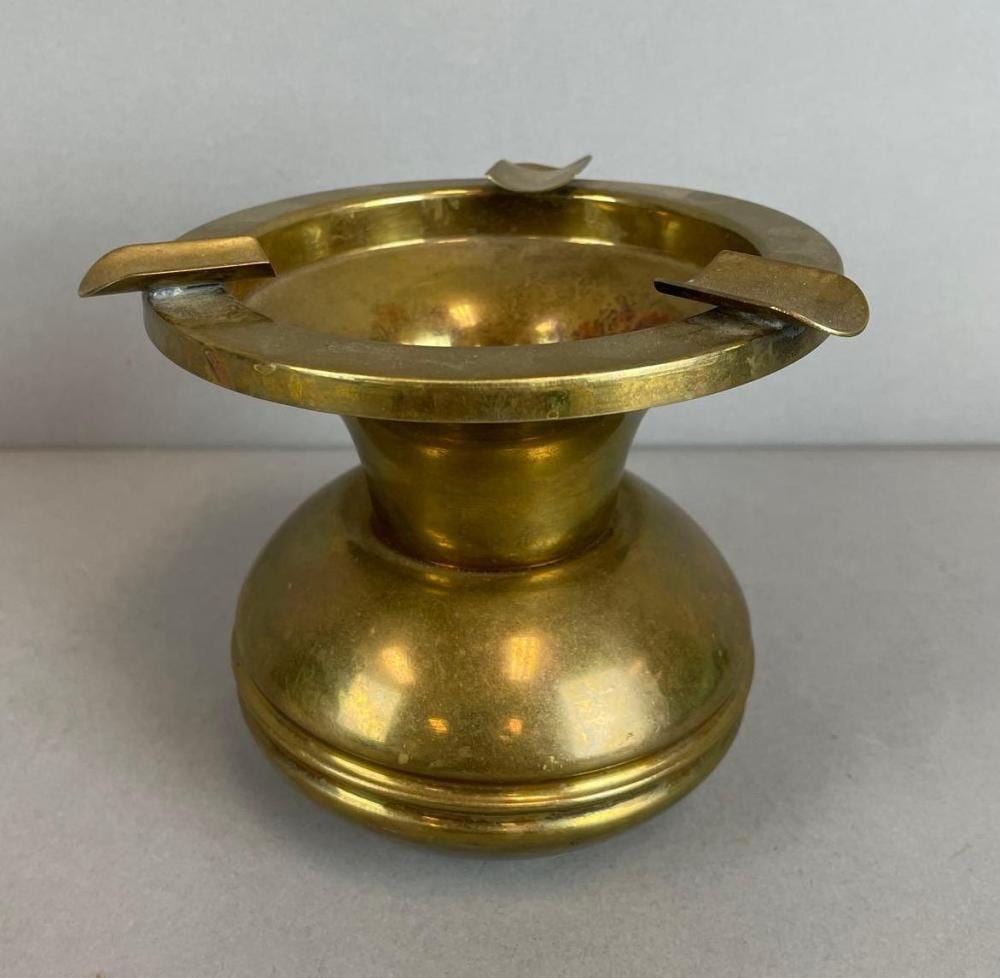
- Miniature souvenir spittoons and novelty ashtrays: usually inexpensive.
- Modern brass reproductions: priced as new décor; minimal collectible premium.
How to fine-tune value
- Compare against recent sales of the same form, material, size, and markings, not just asking prices.
- Adjust for condition line-by-line: dents, cracks, replaced lids, erased marks, over-cleaning.
- Factor regional interest: Railroad pieces sell best where the line operated; brewery advertising tracks to brand collectors.
- Consider venue: Specialty auctions and tobacciana shows often outperform general antiques malls for top pieces.
Quick Valuation Checklist You Can Use Today
- Identify the type: floor, desk/lidded, medical/dental, institutional/advertising, or decorative “spittoon-shaped.”
- Measure and weigh: height, rim diameter, base diameter, and weight; note proportions.
- Material test: magnet on metal; ring test on ceramics; note patina or glaze character.
- Hunt for marks: underside, interior, rim, lid/liner; photograph any stamps or logos.
- Inspect condition: dents, cracks, hairlines, chips, plate wear, repairs (use blacklight to spot overpaint/epoxy).
- Confirm completeness: original lid/liner present? mismatched parts?
- Evaluate originality: look for reproduction tells—uniform shine, soft details, modern hardware or fonts.
- Research market evidence: focus on sold prices for similar material, form, and provenance.
- Decide on cleaning: avoid heavy polishing; dust and gentle clean only if safe.
- Document: clear photos, measurements, and notes to support appraisal or sale.
Care, Cleaning, And Ethical Preservation
Your goal is to stabilize and present, not to make it “look new.”
- Brass/copper/bronze: Dust and lightly clean with a damp microfiber cloth. If you must polish, do so minimally, avoiding stamped marks and crevices; never use power buffers. Wax (microcrystalline) can protect a settled patina.
- Silver plate: Gentle silver polish used sparingly; leave some tarnish for character and to avoid thinning plate.
- Iron: Keep dry; neutralize active rust with careful mechanical cleaning; avoid harsh chemicals that pit surfaces.
- Ceramics: Wipe with distilled water and soft cloth; avoid soaking crazed pieces. Do not dishwash. Seek professional conservation for structural cracks.
- Storage: Stable humidity and temperature; felt pads under bases to protect surfaces; avoid direct sunlight on colored glazes.
- Labels and adhesives: Never stick tape directly onto patina or glaze; use hang tags or archival labels on bases only where safe.
When to seek a specialist
- High-value indicators: strong institutional marks, exceptional majolica, pristine Rockingham, or rare maker marks.
- Complex restoration: hairline stabilization, glaze fill, or metal solder work should be done by professionals.
- Auction representation: If comparables suggest four-figure potential, a specialty auctioneer can target the right buyers.
FAQ
Q: Are all brass spittoons valuable? A: No. Many unmarked brass floor spittoons are common and trade for modest sums. Value rises with size, attractive patina, condition, and especially with clear institutional or advertising marks.
Q: How can I tell if my spittoon is a reproduction? A: Watch for overly shiny, uniform brass with soft details; modern screws; artificial patina; misspelled or anachronistic logos; and lack of genuine wear on base rims. Reproductions often feel light for their size and show casting seams not typical of period spinning.
Q: Does polishing increase value? A: Usually not. Collectors prefer honest patina. Over-polishing can blur marks and remove character, lowering value. If you plan to sell, leave cleaning to the buyer or a conservator.
Q: Are spittoon-shaped carnival glass pieces considered “real” spittoons? A: They’re collectible but were generally decorative vases or novelties. They’re valued within glass-collecting circles and typically bring less than utilitarian brass or ceramic cuspidors with provenance.
Q: What measurements matter most to buyers? A: Height, rim diameter, base diameter (stability), and weight. Provide clear photos of marks and any damage, and note whether lids or liners are original.
With the right identification, condition assessment, and market comparisons, you can unlock the worth of yesteryear in your spittoon—confidently, accurately, and with respect for the history it carries.