Unlocking the Worth of Timeless Keys the Definitive Guide to Antique Typewriters Value: appraisal and value basics
Unlocking the Worth of Timeless Keys the Definitive Guide to Antique Typewriters Value research should start with identification, condition, provenance, and item-specific market evidence. Use this guide to compare the signals that matter before paying for a formal appraisal or deciding whether to sell.
Antique typewriter appraisal checklist
Antique and vintage typewriters sit at the intersection of industrial design, literary history, and mechanical art. They can be blue-chip collectibles or affordable conversation pieces, depending on maker, model, condition, originality, and market demand. This guide distills how specialists assess value, which machines bring premiums, and how to appraise, preserve, buy, and sell with confidence.
How Value Is Determined: The Core Factors
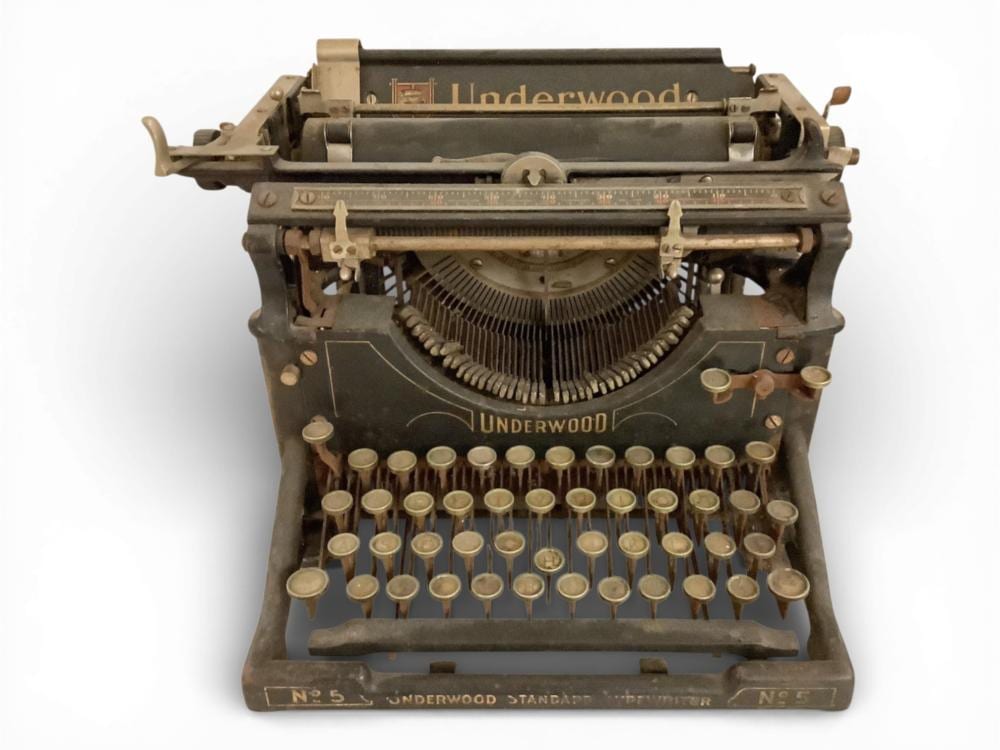
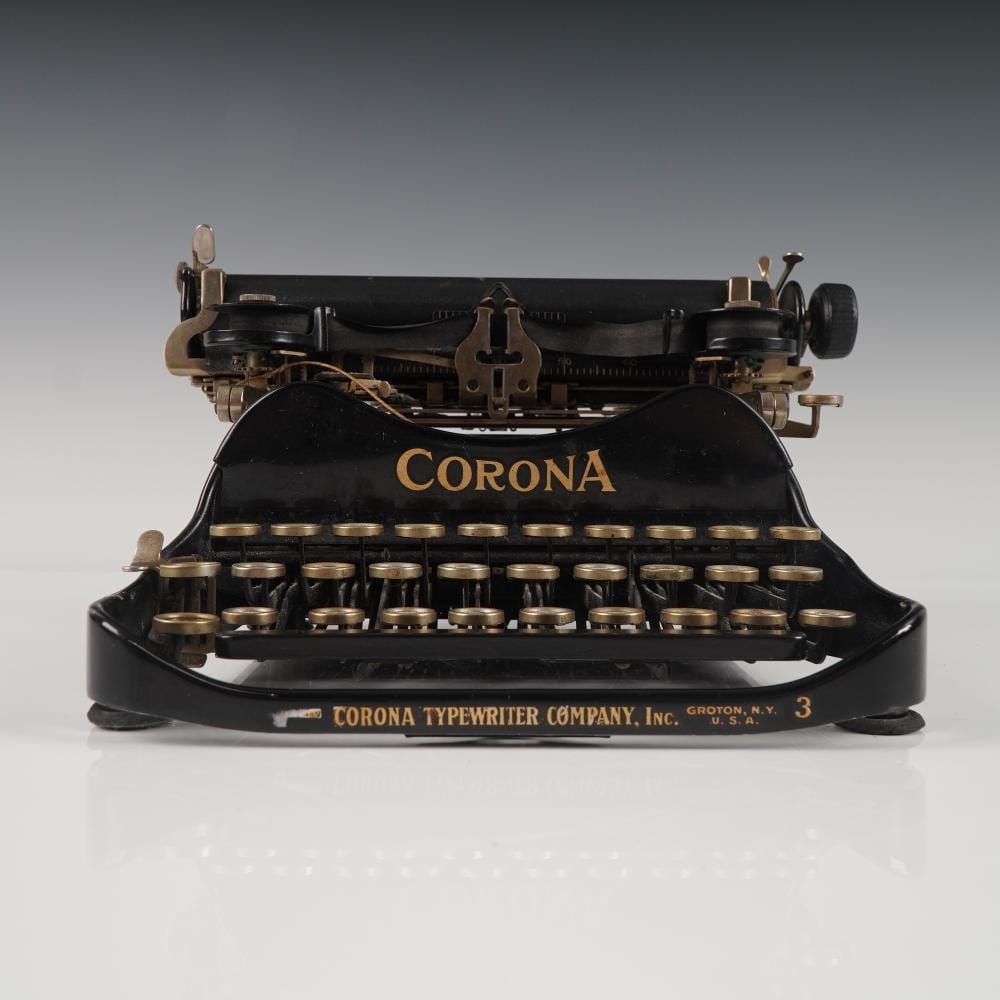
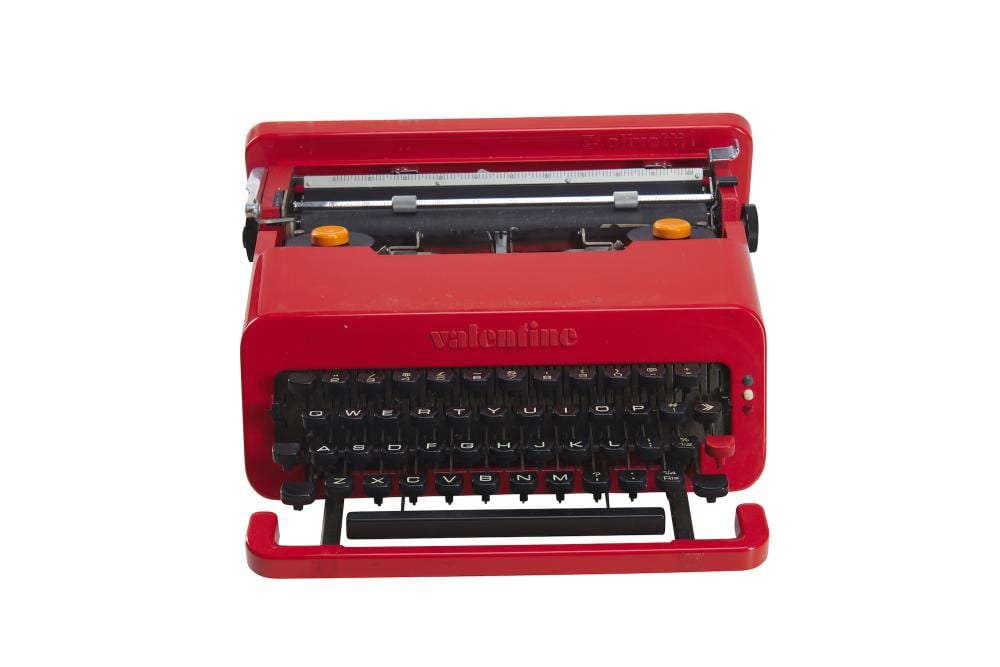
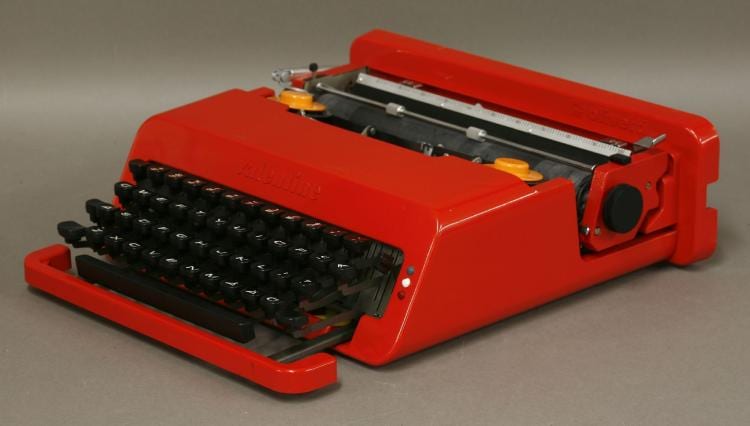
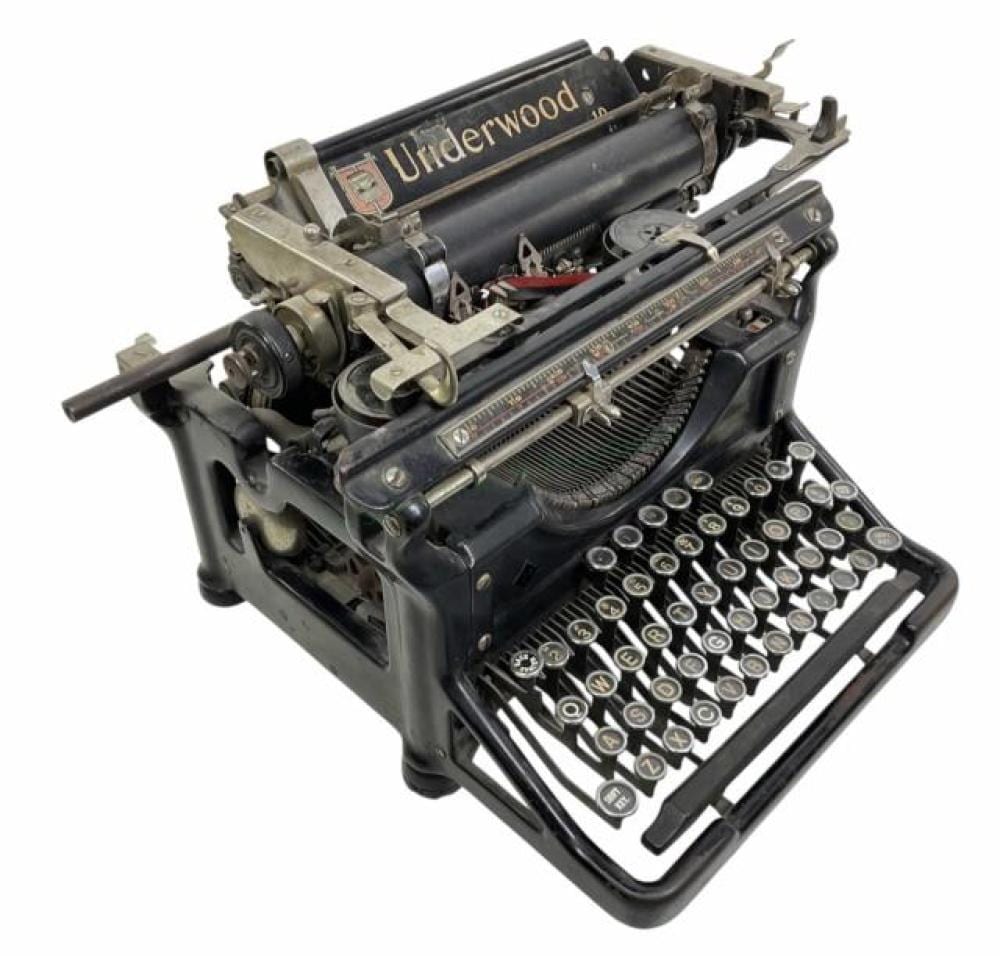
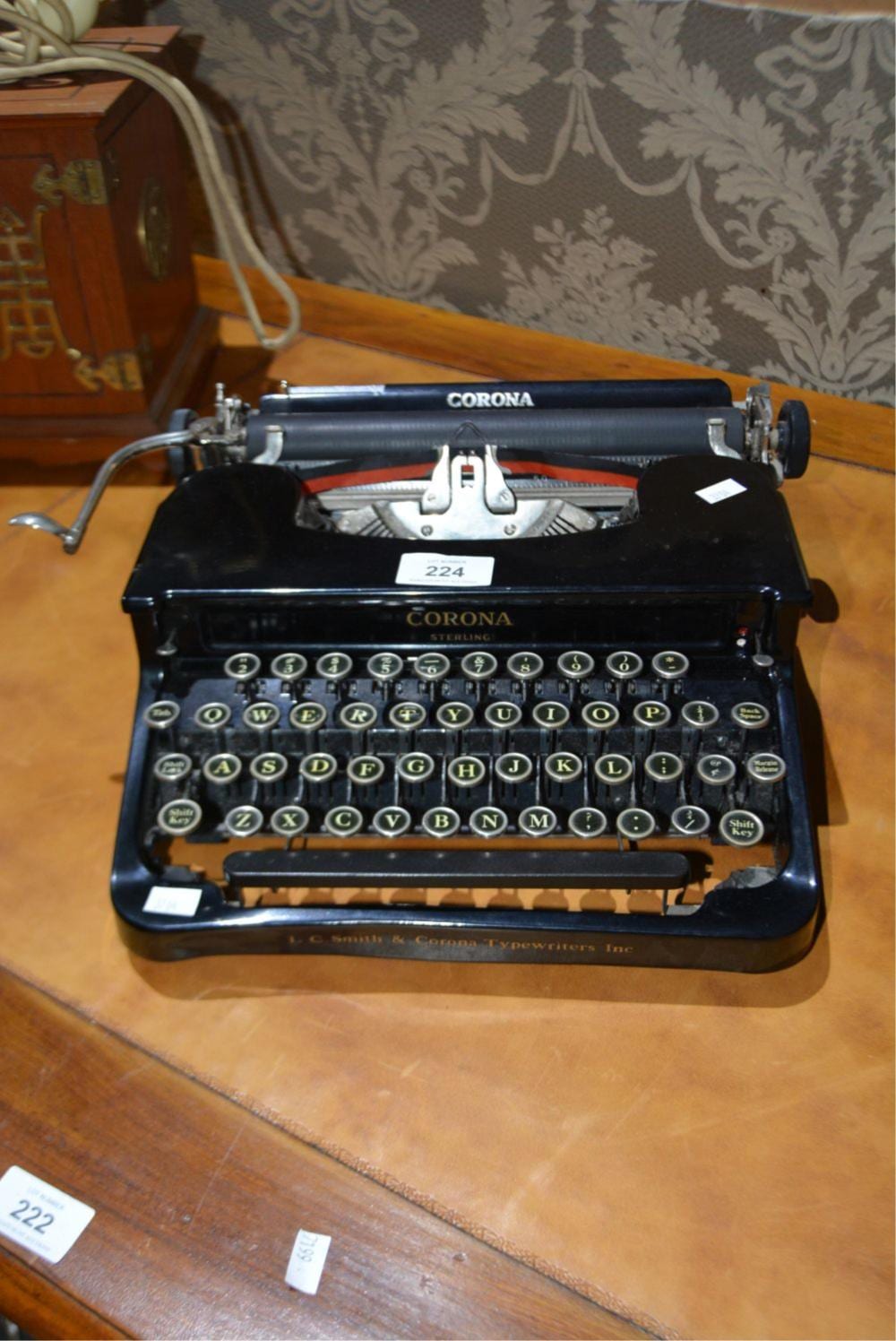
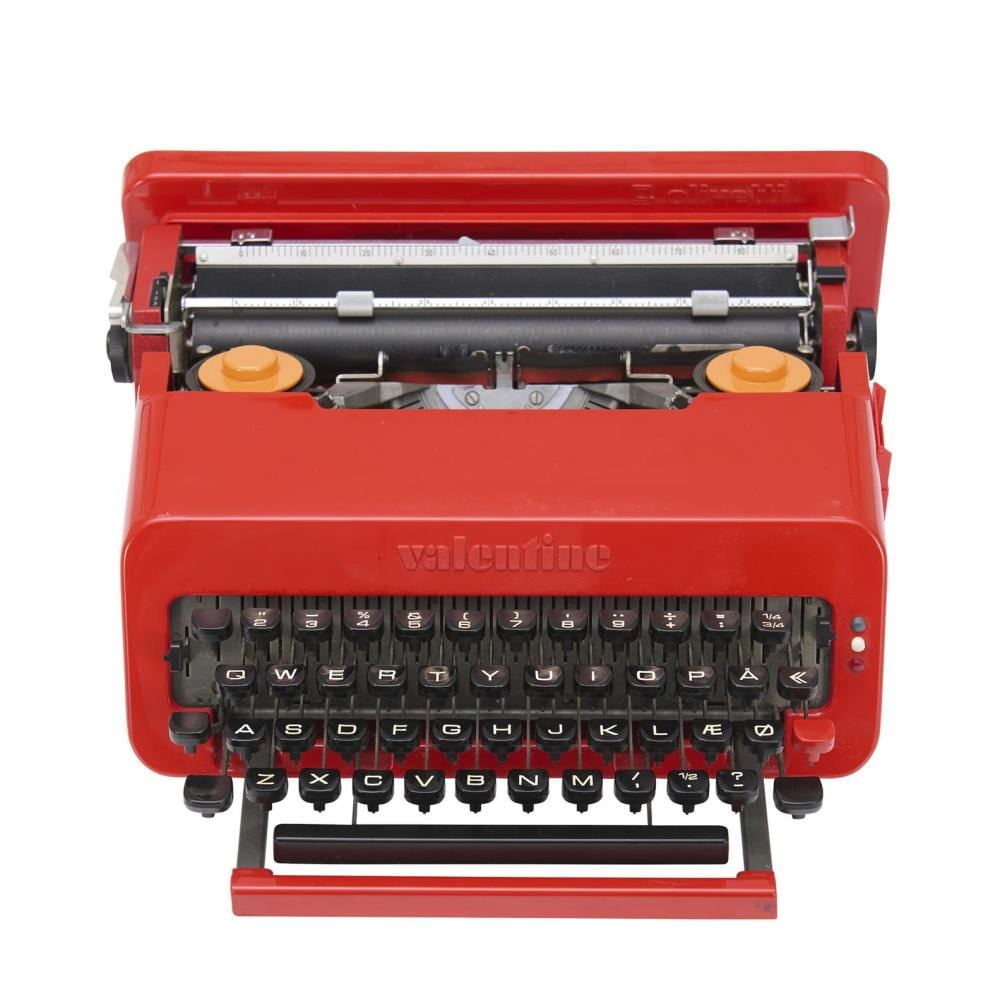
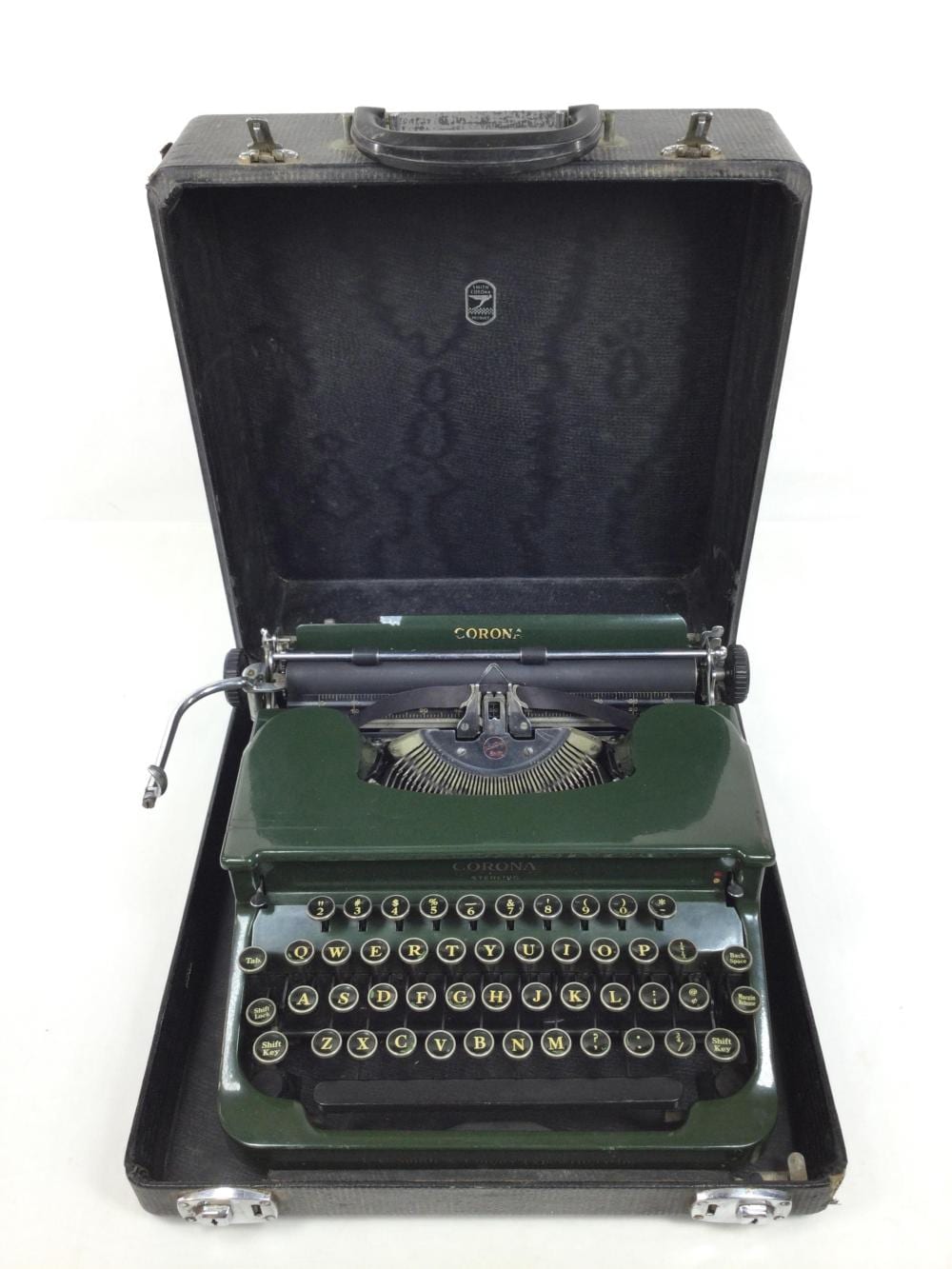
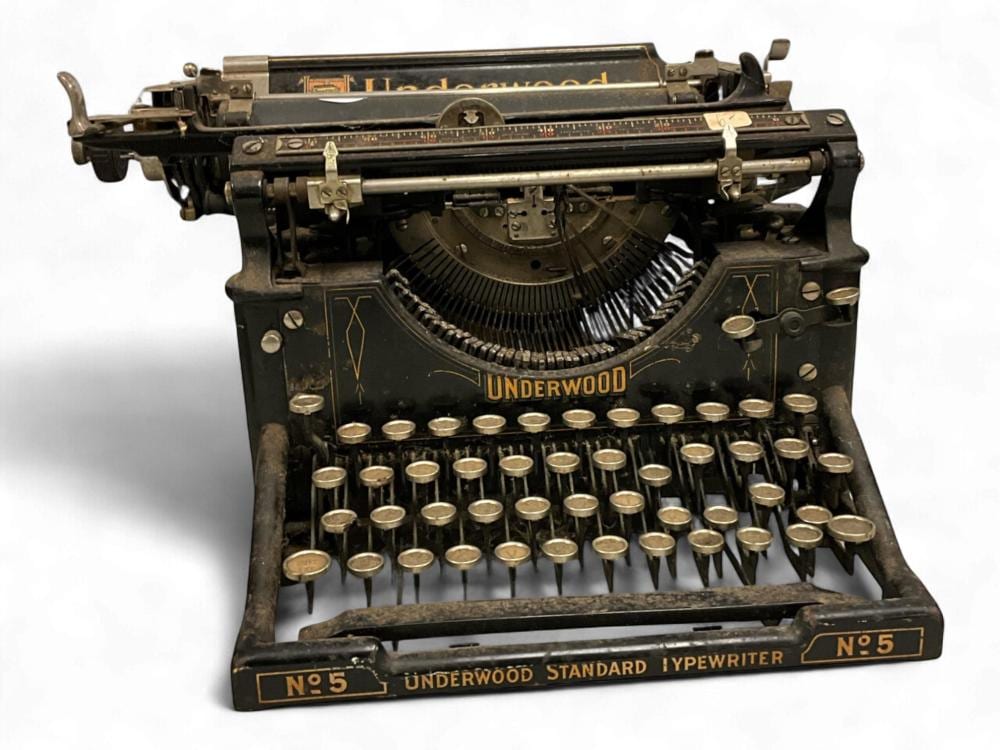
- Maker and model: Some brands have enduring collector demand, with specific models acting as market bellwethers (Underwood No. 5, Hermes 3000, Corona 3, Olivetti Valentine).
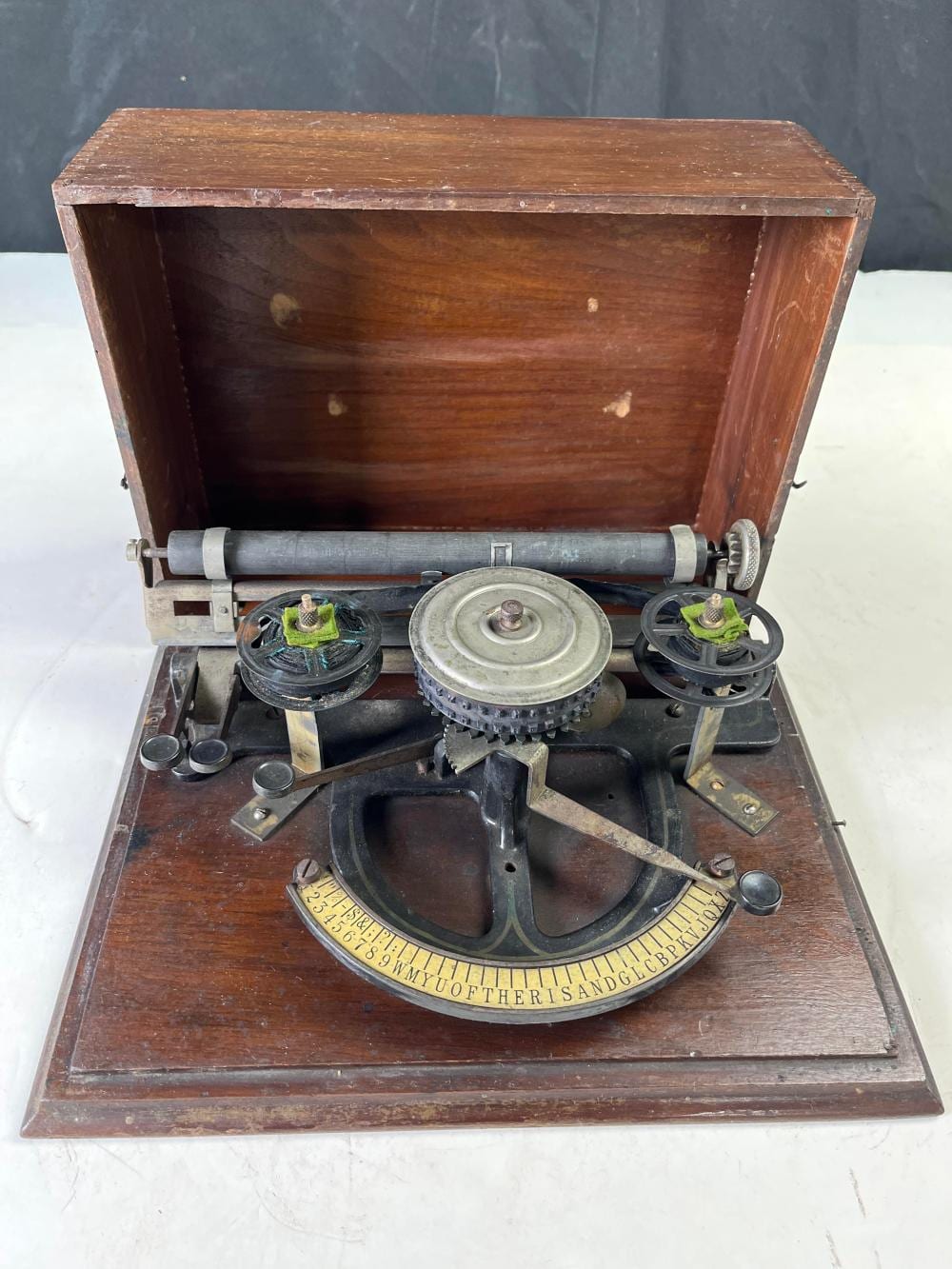
- Age and rarity: Pre-1900 machines and early “index” typewriters (no keyboard) are scarce and often valuable. Limited-production colors or export variants can outpace standard runs.
- Condition: Cosmetics and mechanical integrity both matter. Decals, paint, nickel/chrome plating, keytops, platen, and feet are scrutinized. Working machines with crisp print and aligned type command more.
- Originality and completeness: Untouched paint, intact decals, correct ribbon spools/covers, original case with matching key, and period ephemera (manuals, receipts) increase value.
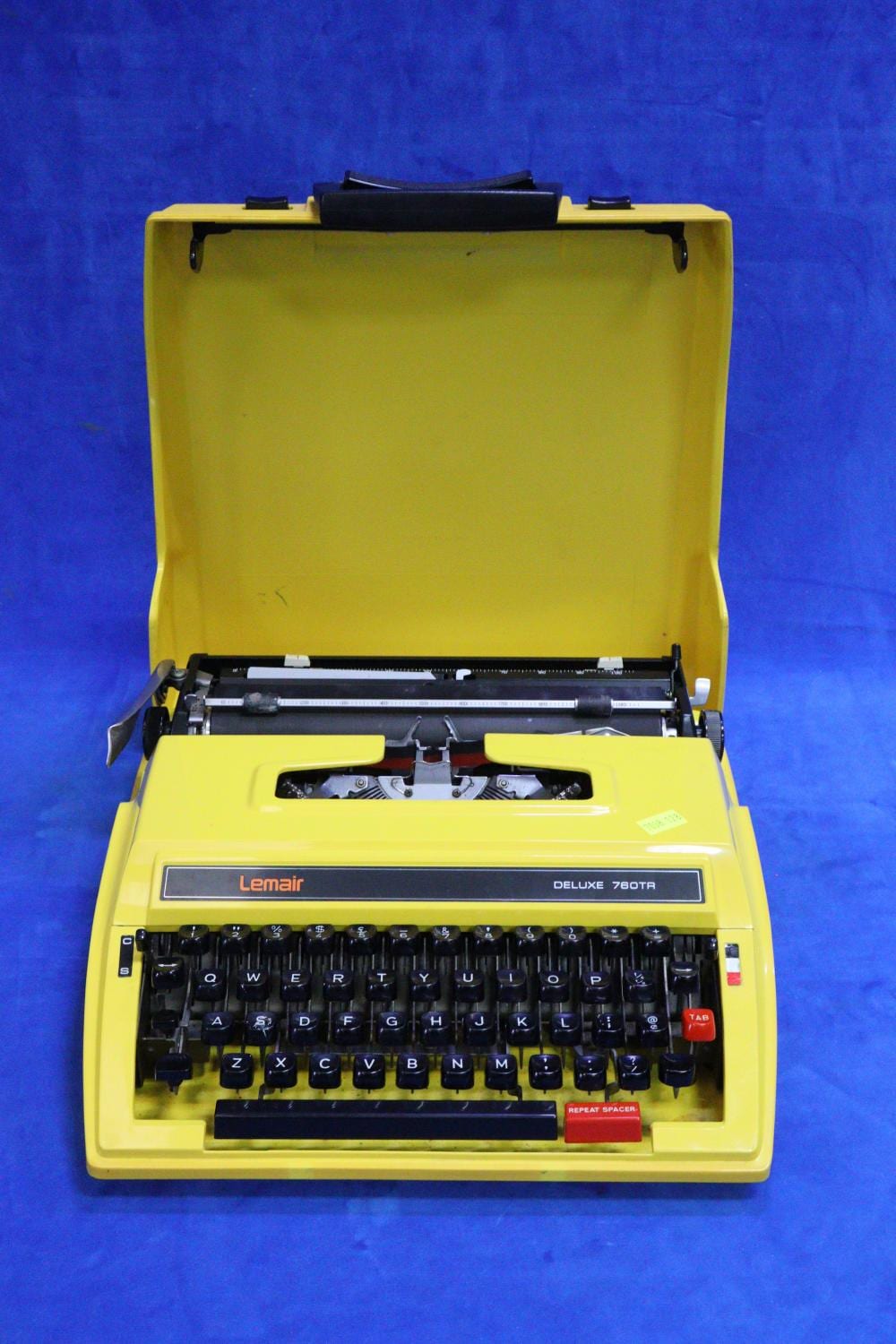
- Aesthetics: Eye-catching colors (seafoam, mint, pink, marbled, duotone) and Art Deco lines attract design buyers. Custom repaints usually lower value for serious collectors.
- Keyboard/layout and language: QWERTY generally sells fastest in English-speaking markets. AZERTY, QWERTZ, Cyrillic, Hebrew, or exotic layouts can be a premium or a limiter depending on buyer pool.
- Typeface: Pica (10 cpi) and Elite (12 cpi) are standard; unusual faces (italic, script, techno) may add value if documented and in demand.
- Provenance: Documented ownership by an author, journalist, or institution, or evidence of historic use, can escalate prices materially.
- Market and region: Prices vary between the US, UK/EU, and Japan, and between urban design markets and local estate sales. Shipping cost/weight dampens distant demand for heavy desktops.
- Timing: Q4 gifting and decor seasons boost demand; large estate releases can temporarily soften prices.
Makers And Models That Move The Market
Price ranges below are typical retail or auction outcomes for complete, clean examples as of recent years; exceptional provenance, rare colors, or museum-grade condition can exceed these. Project-grade or parts machines often sell far lower.
Pre-1900 pioneers and index machines:
- Sholes & Glidden (Remington No. 1): Historically important, museum-grade; five figures common for strong examples.
- Remington Standard No. 2 (upstrike): Far more common than the Sholes & Glidden; price depends on completeness and cosmetics.
- Caligraph, Yost, Densmore: Scarcer; value varies widely with condition and completeness.
- Odell, Victor, Columbia (index types): Sought after, especially with good plates and mechanisms.
- Hammond (including Multiplex): Steady collector demand; premiums for decorative inlays and full kits.
- Blickensderfer No. 5/7: Popular with collectors; rarer variants sell higher.
Early 20th-century standards (“desktops”):
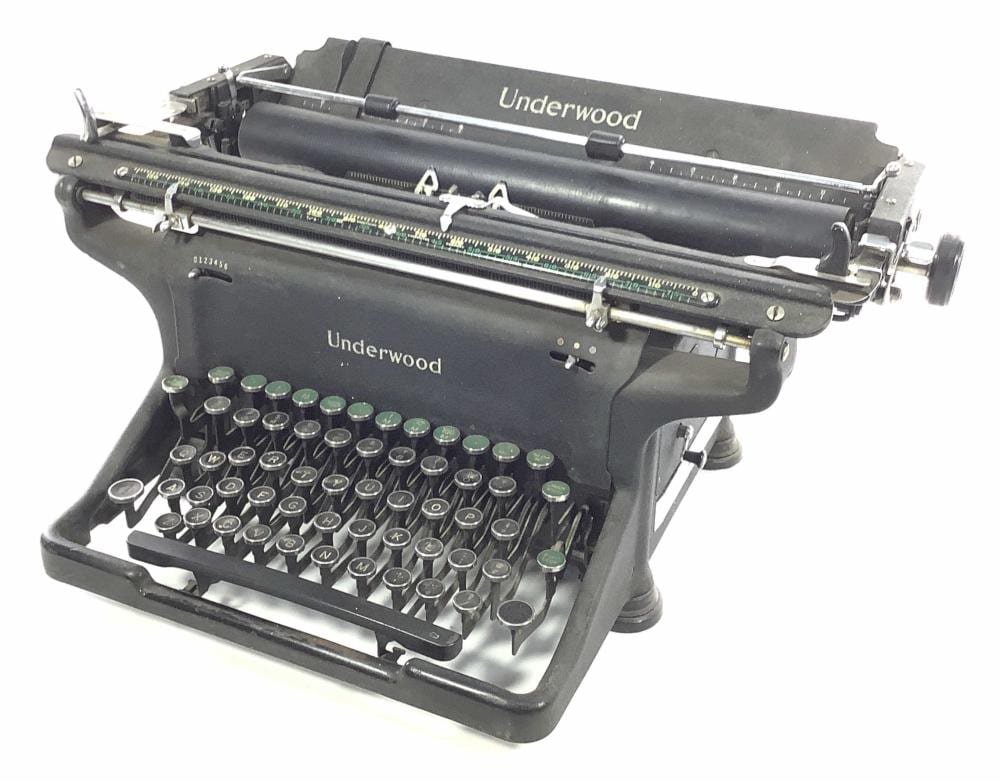
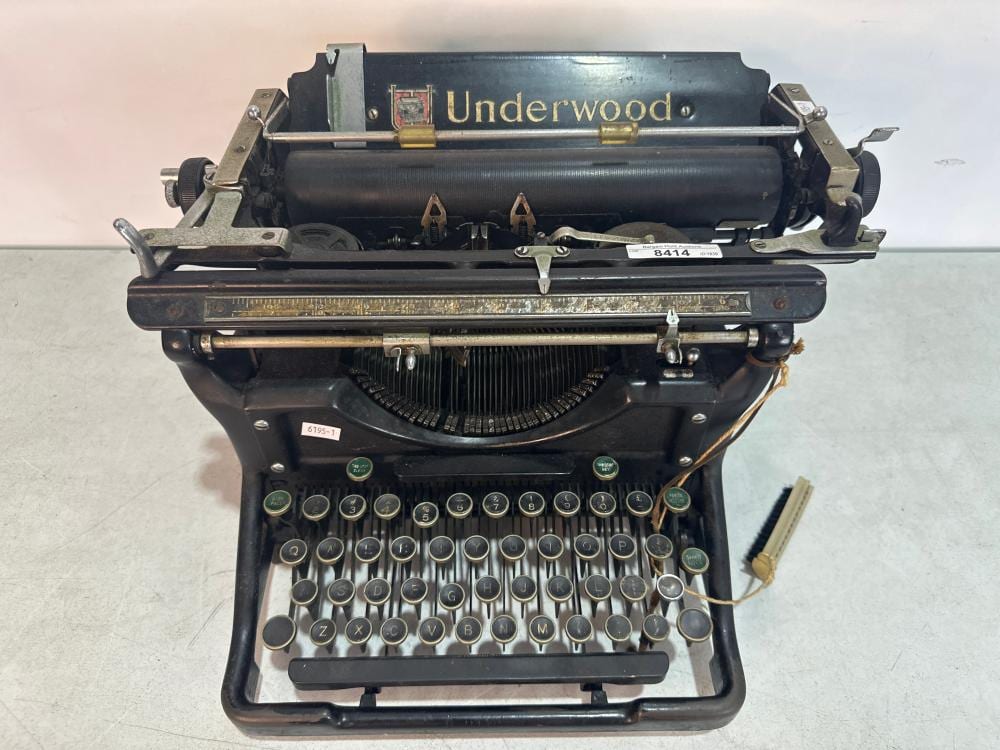
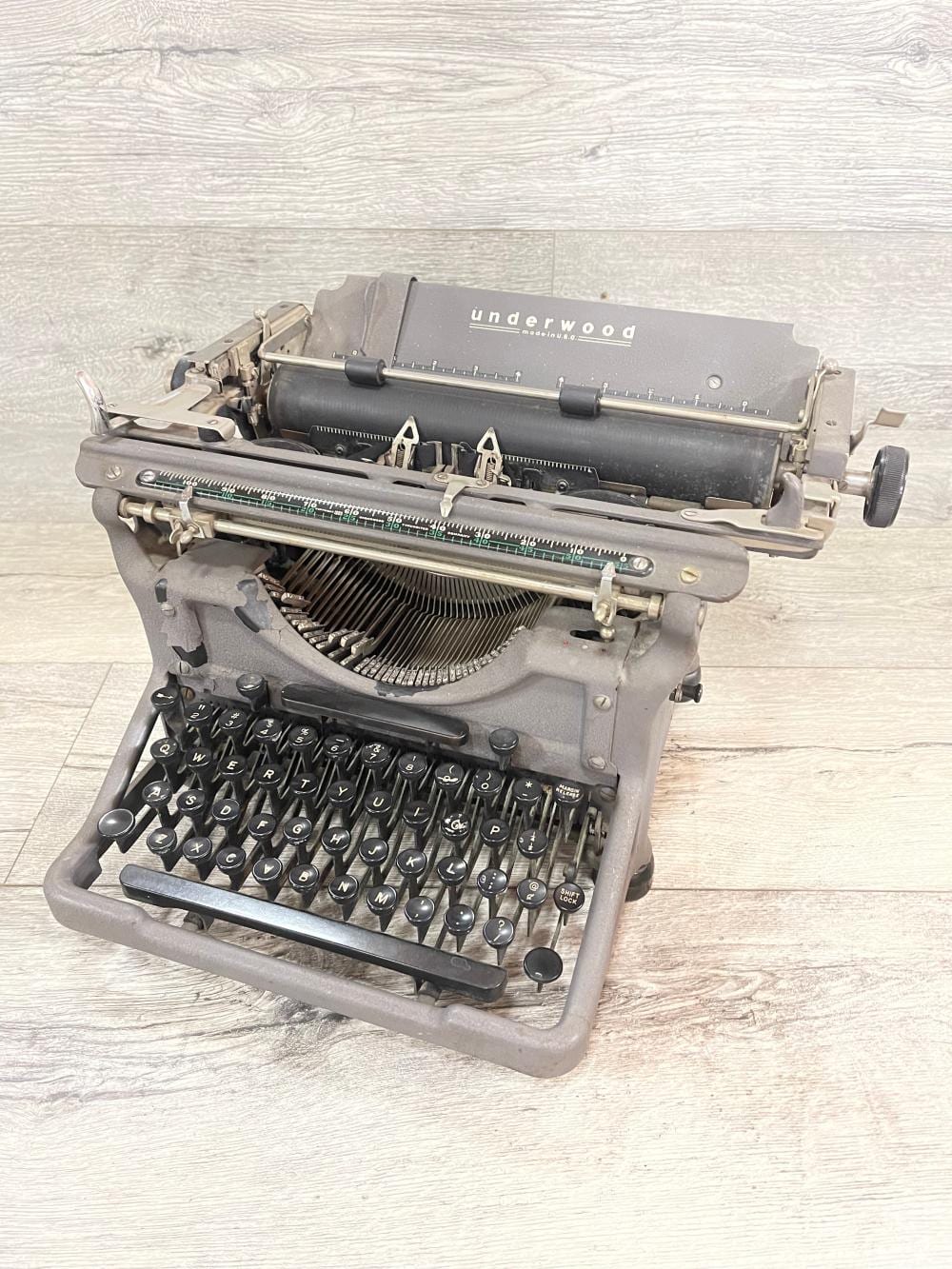
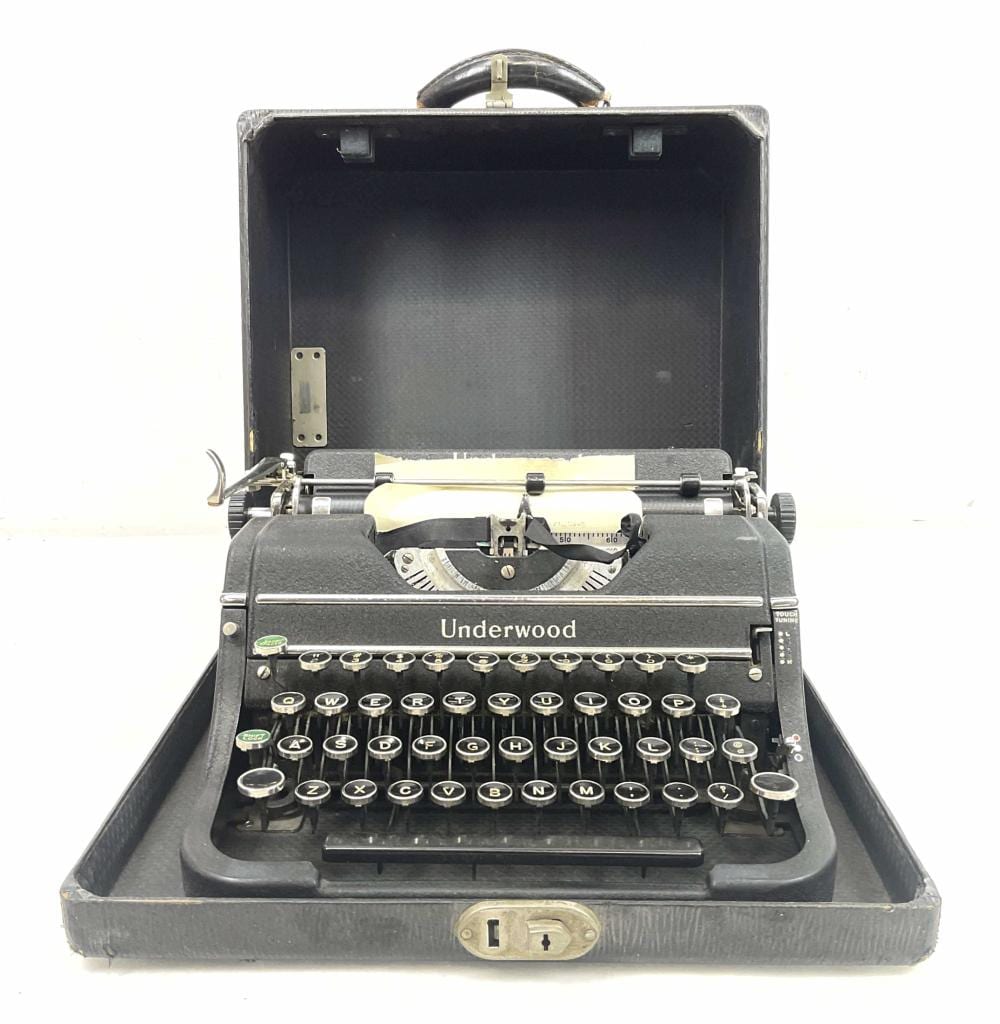
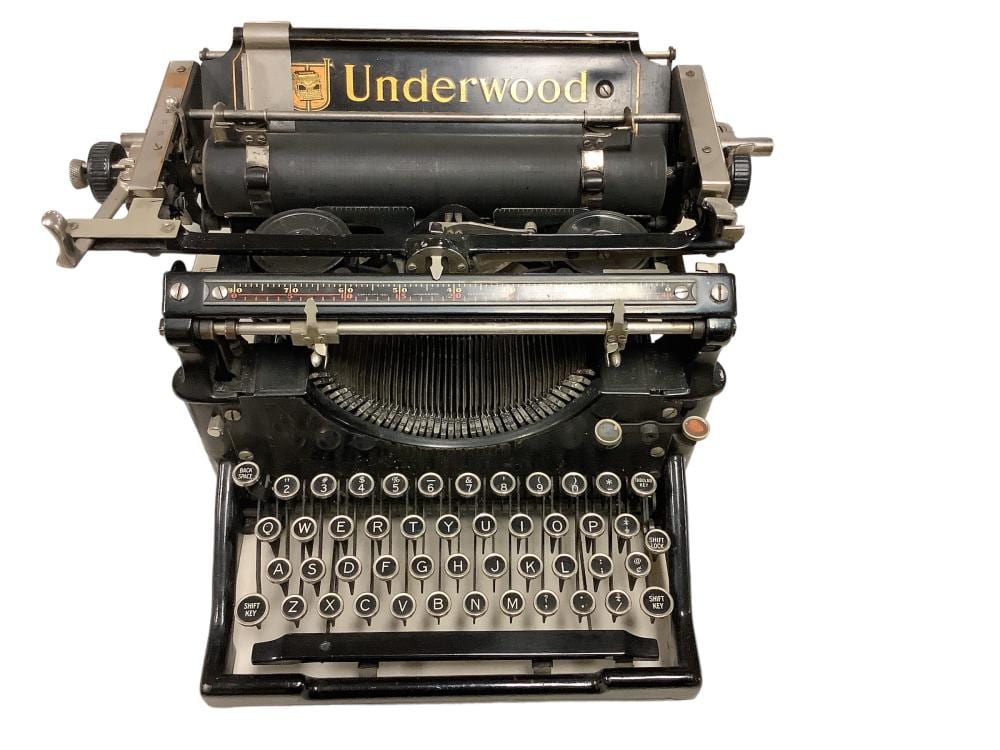
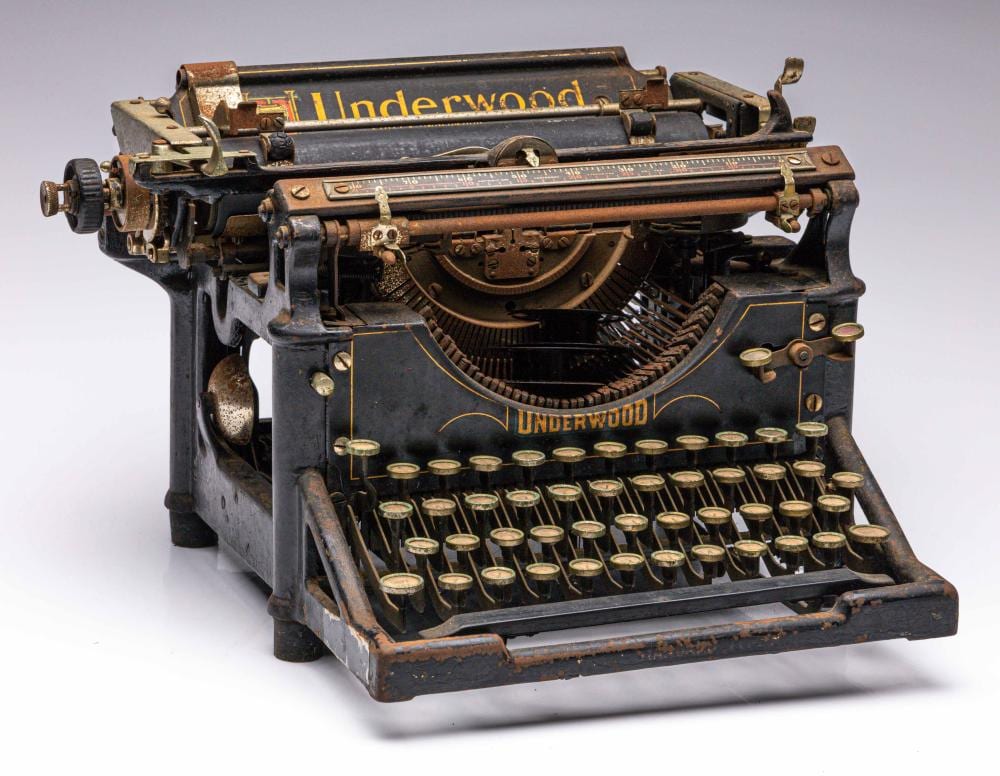
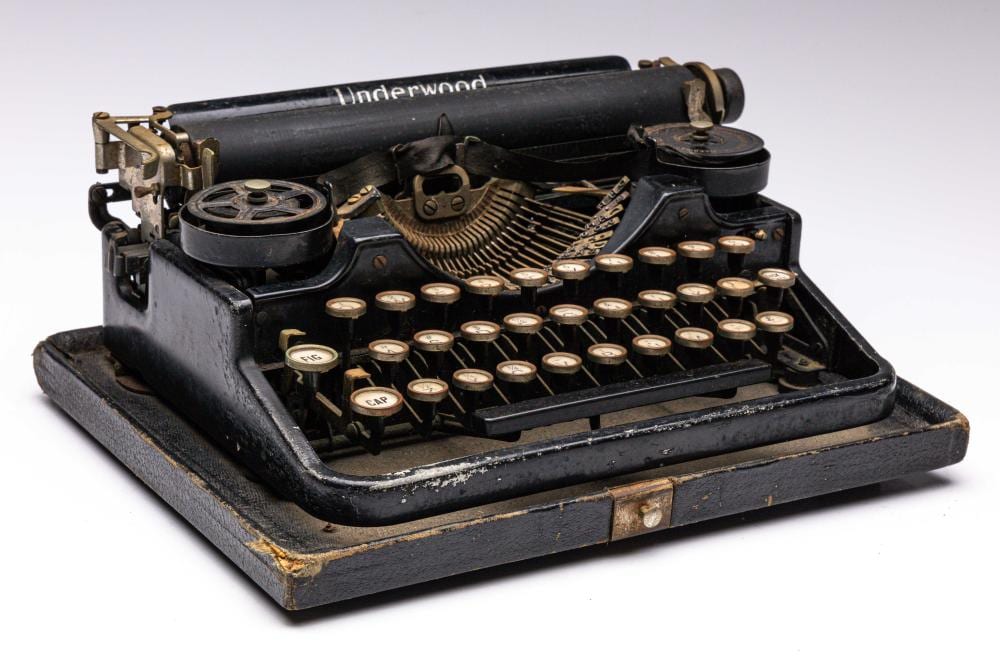
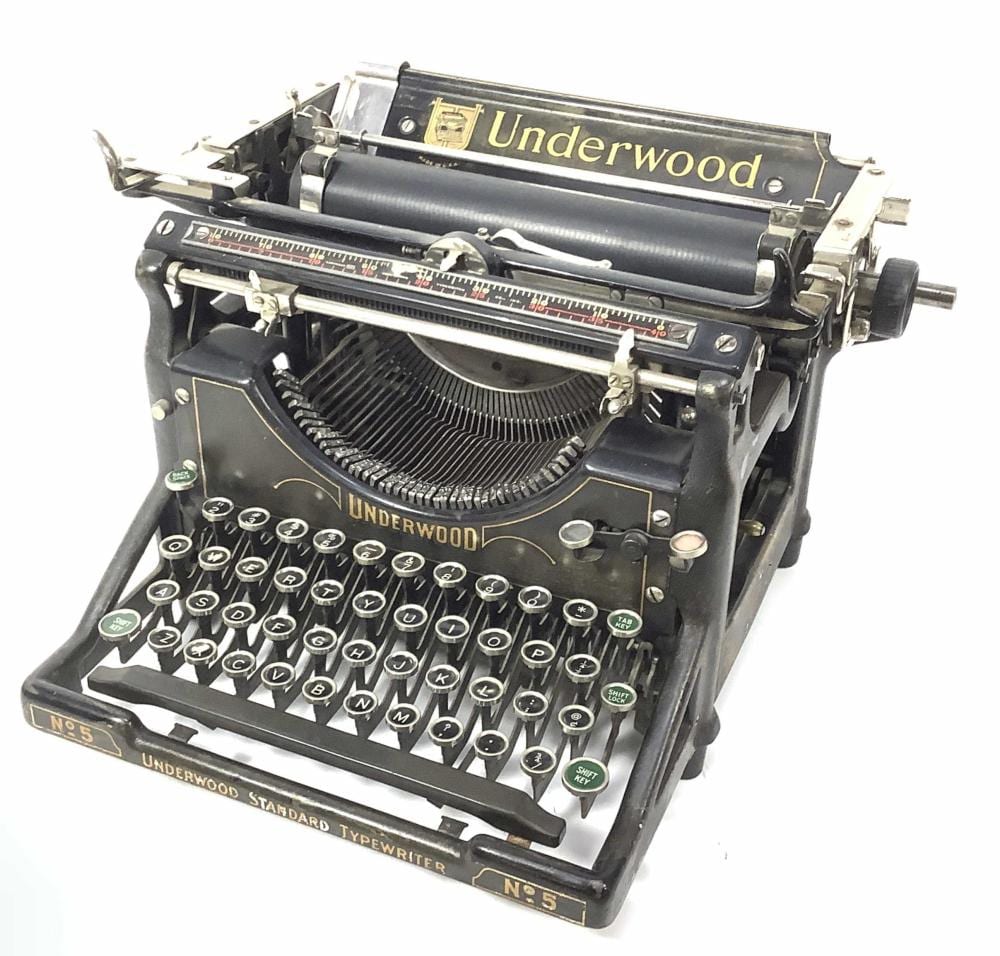
- Underwood No. 5: One of the most common; clean working examples sell modestly; exceptional or early serials can do better.
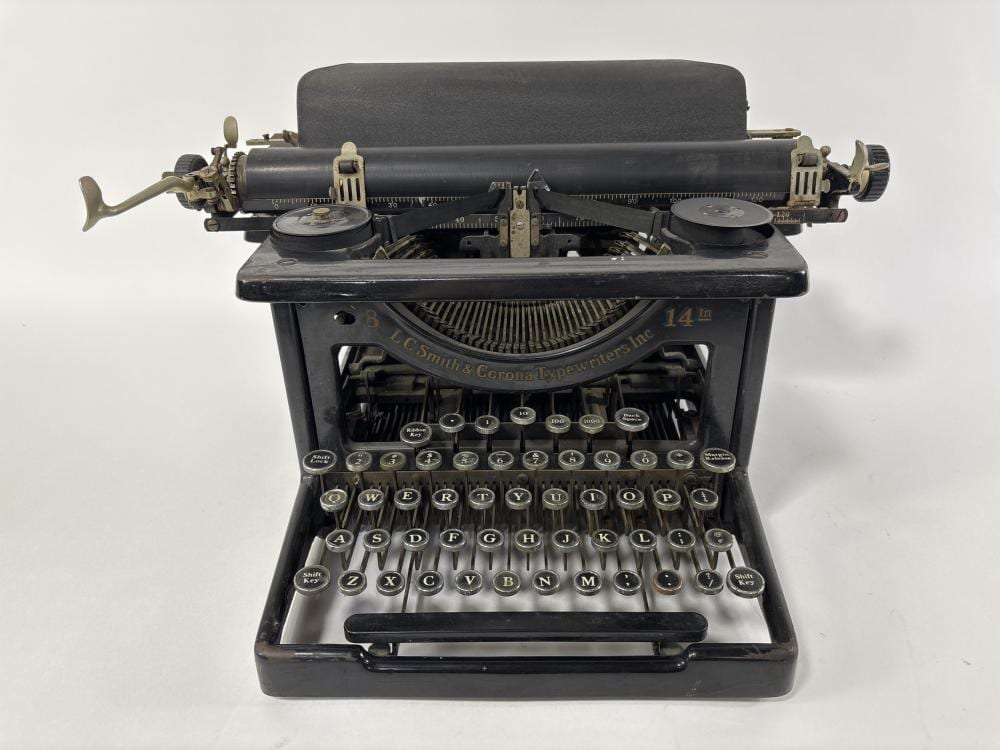
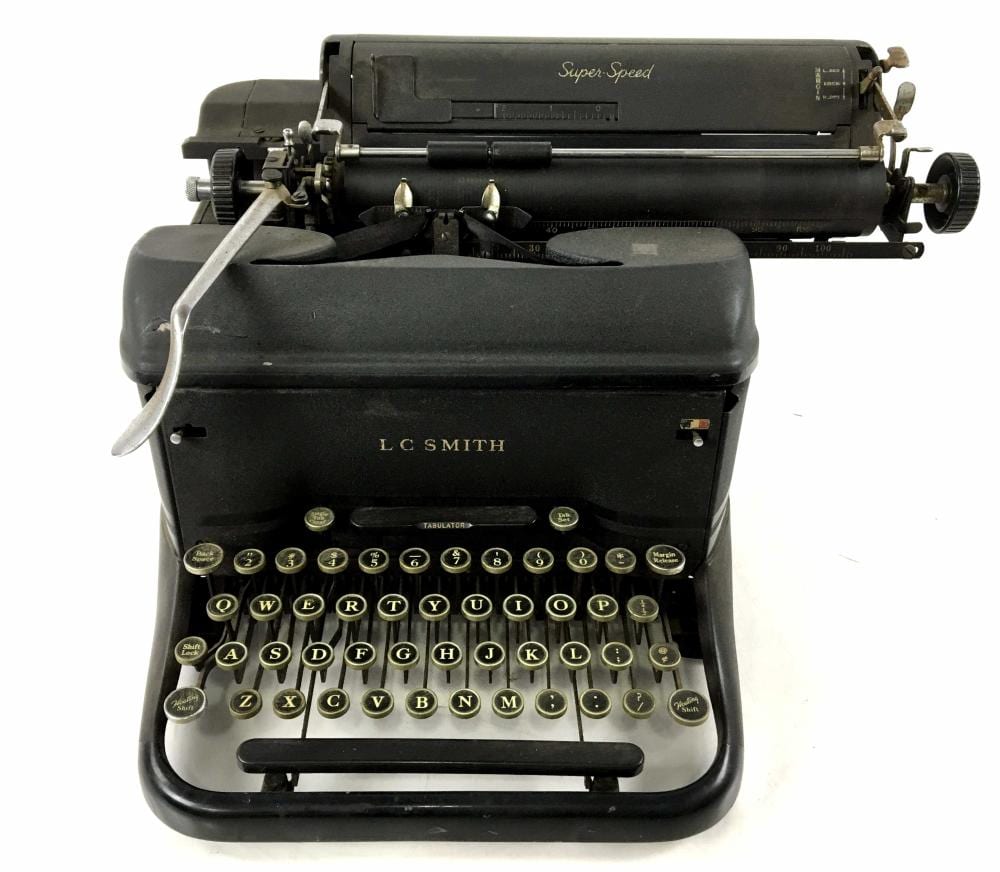
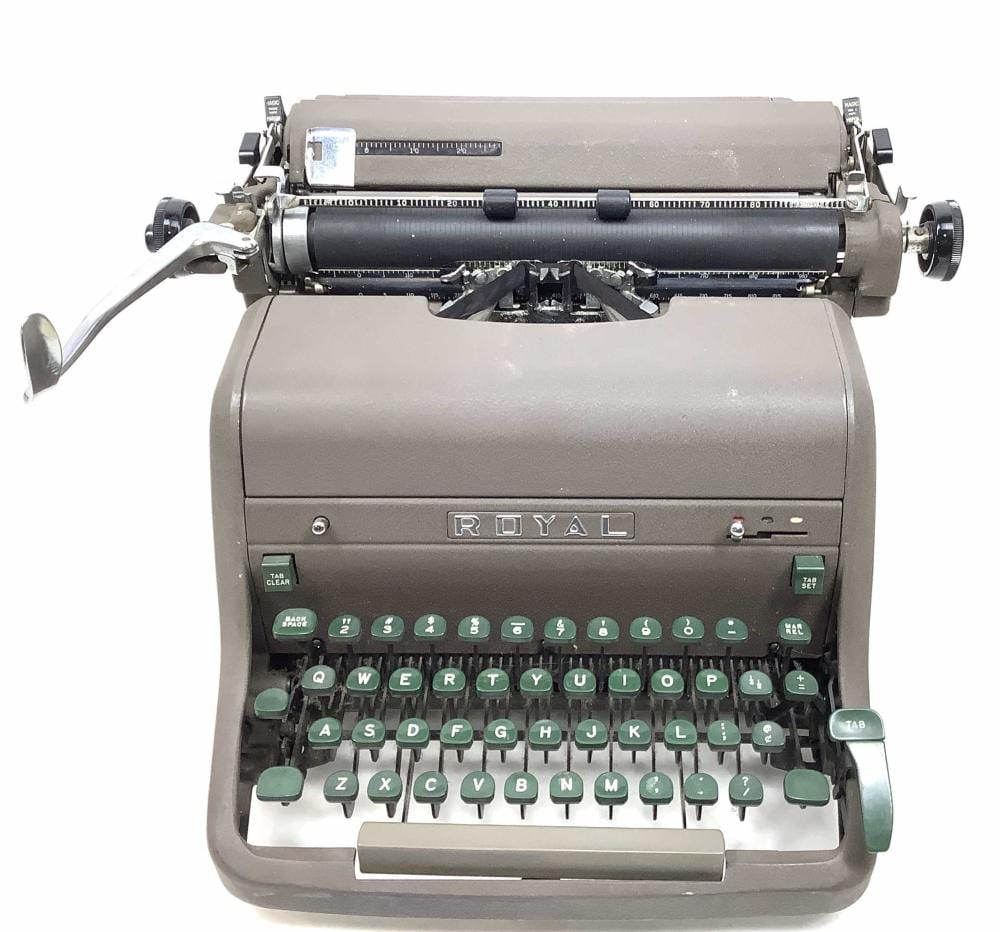
- Remington Standard, Royal 10 (with beveled glass sides), Smith Premier: Value depends mostly on condition.
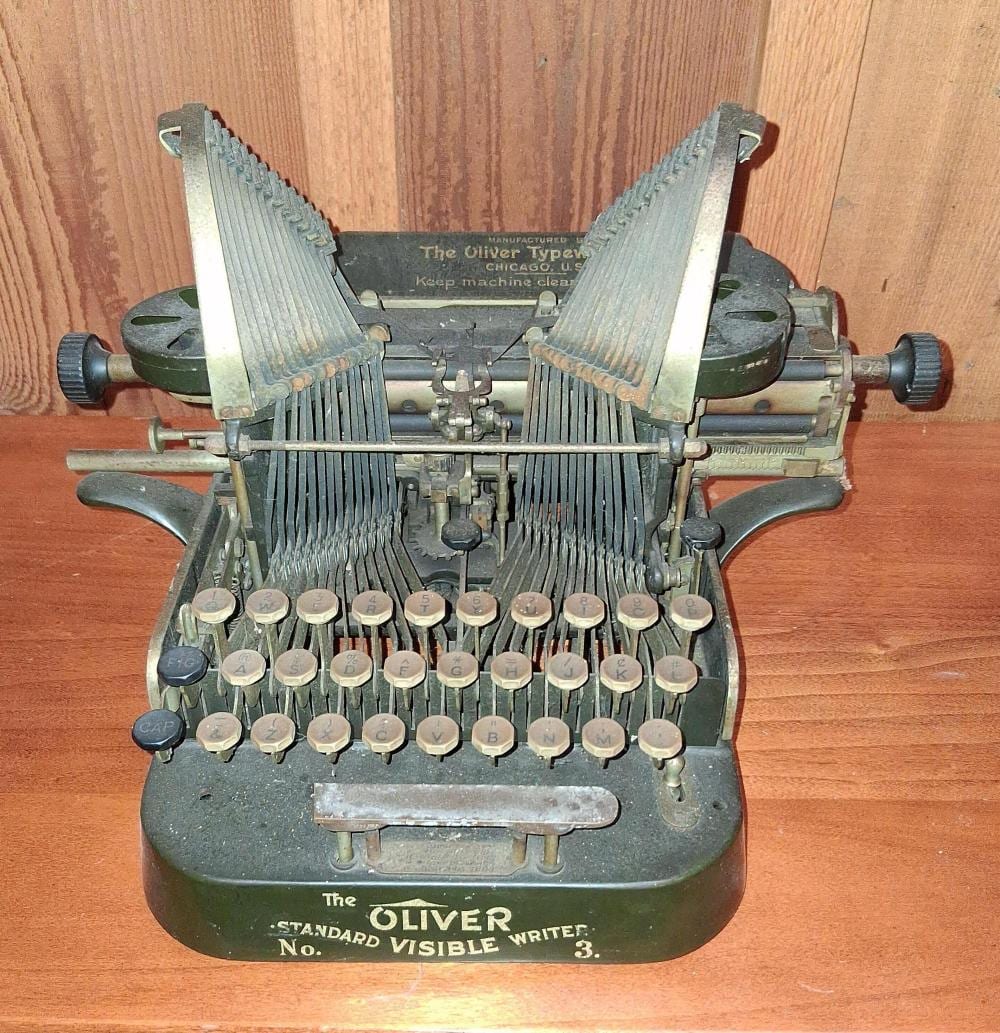
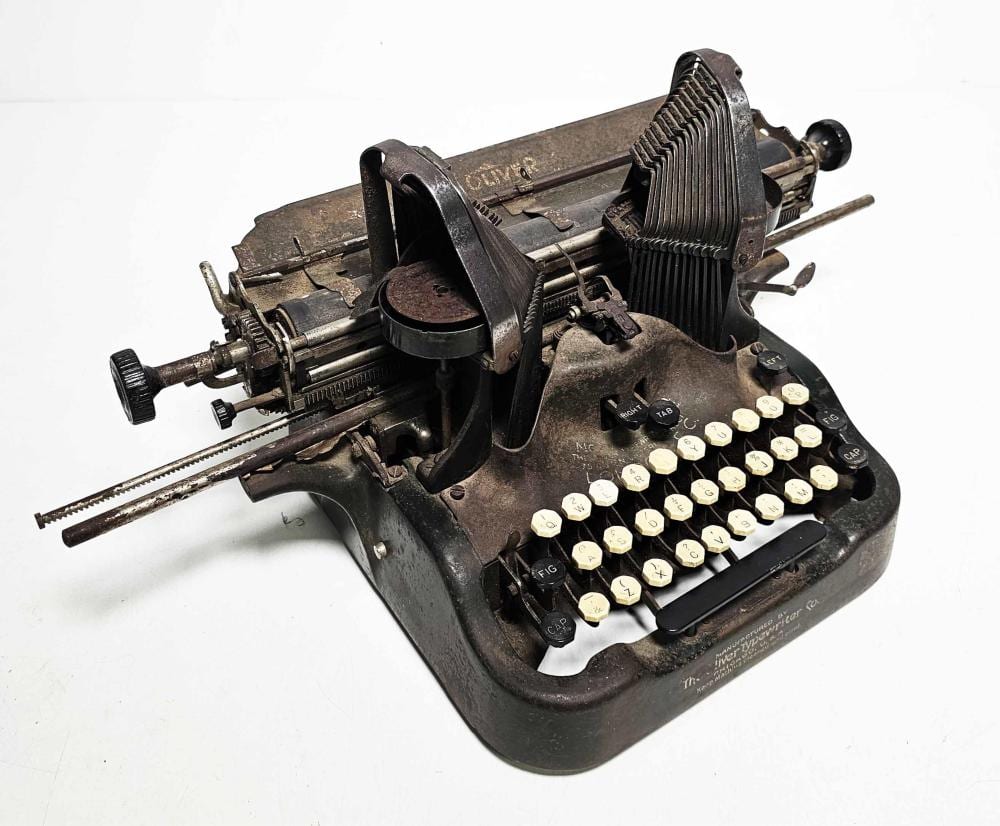
- Oliver “batwing” No. 9/5: Distinctive and popular; unusual finishes or excellent decals bring premiums.
Portables and folding icons:
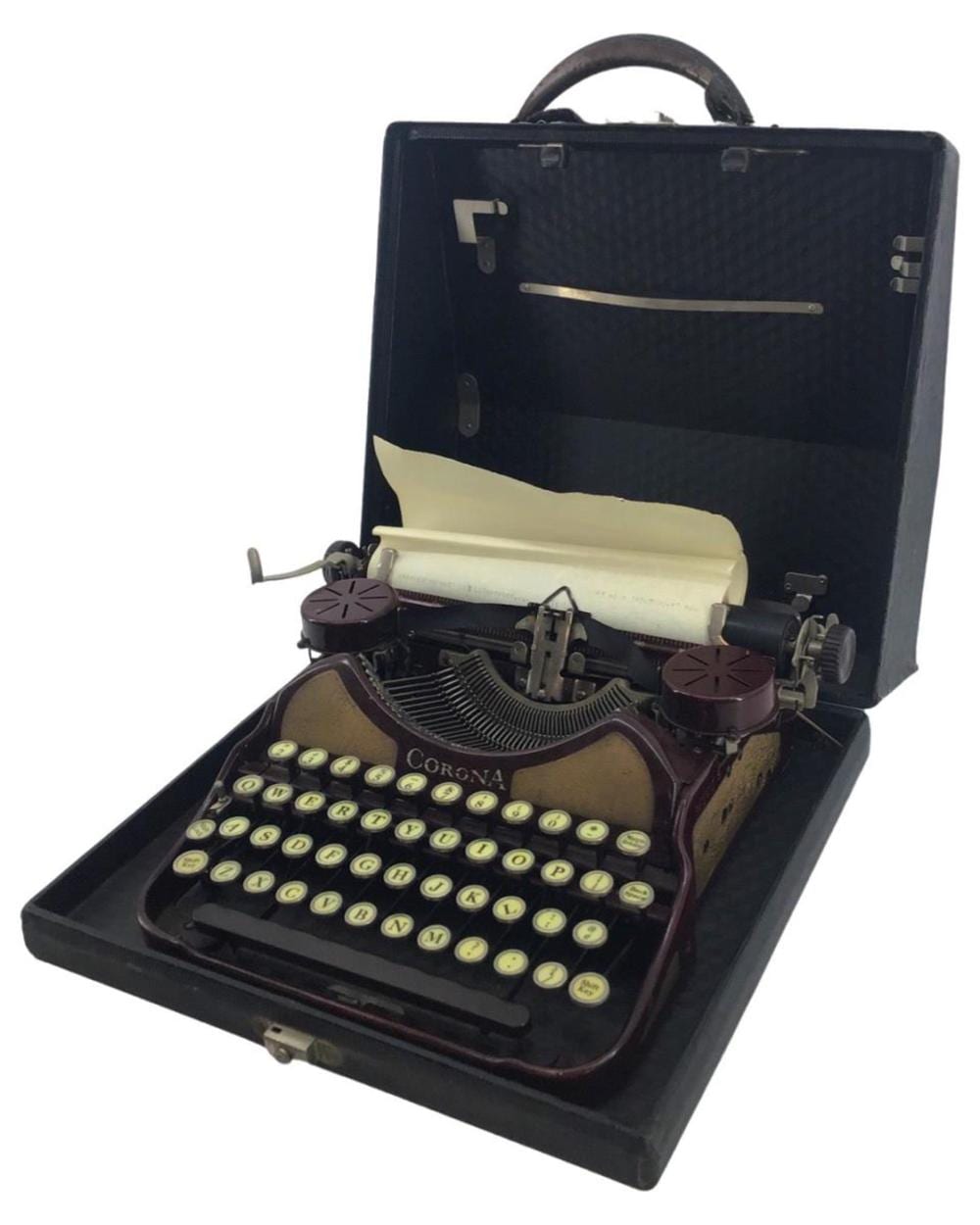
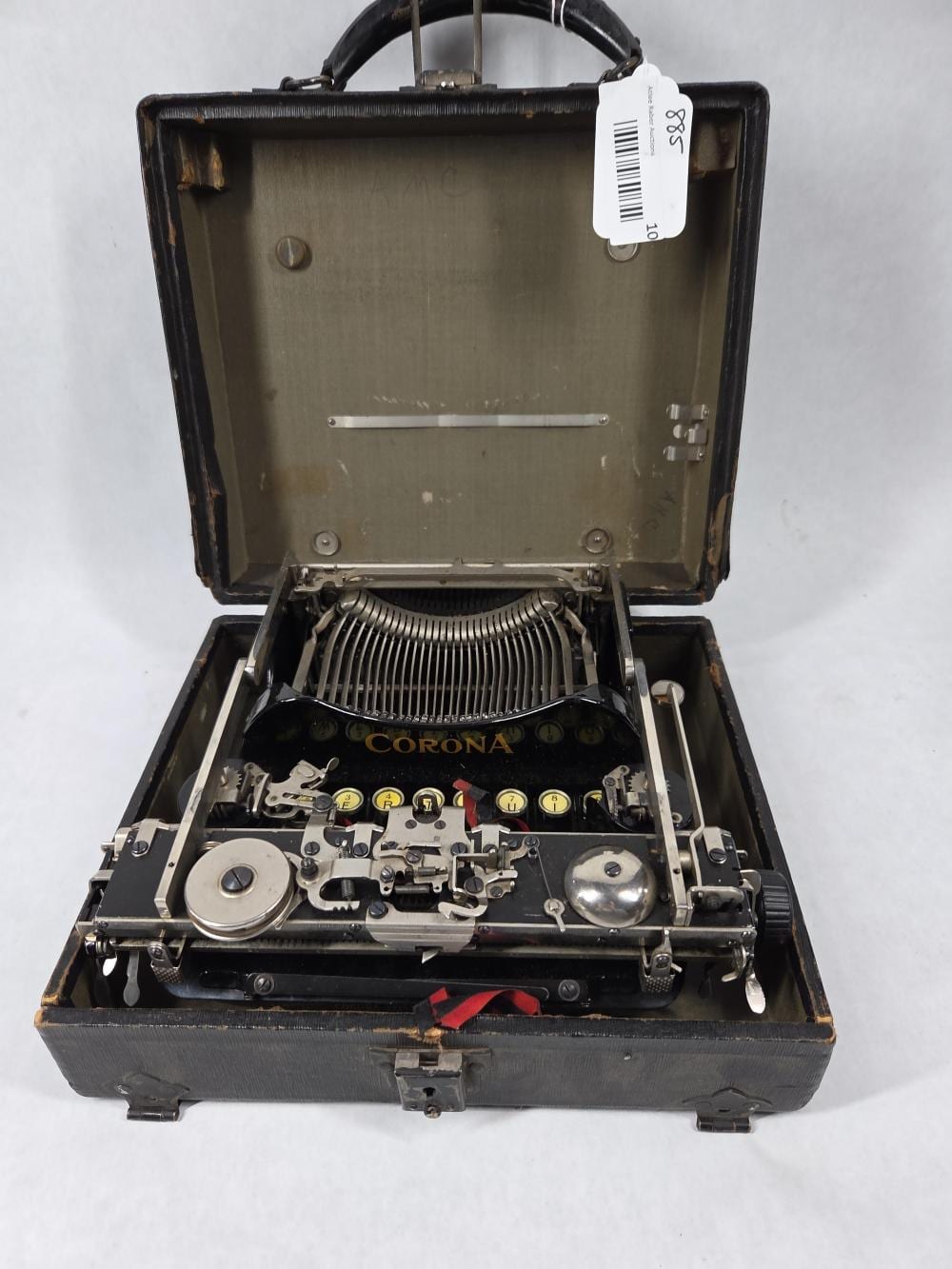
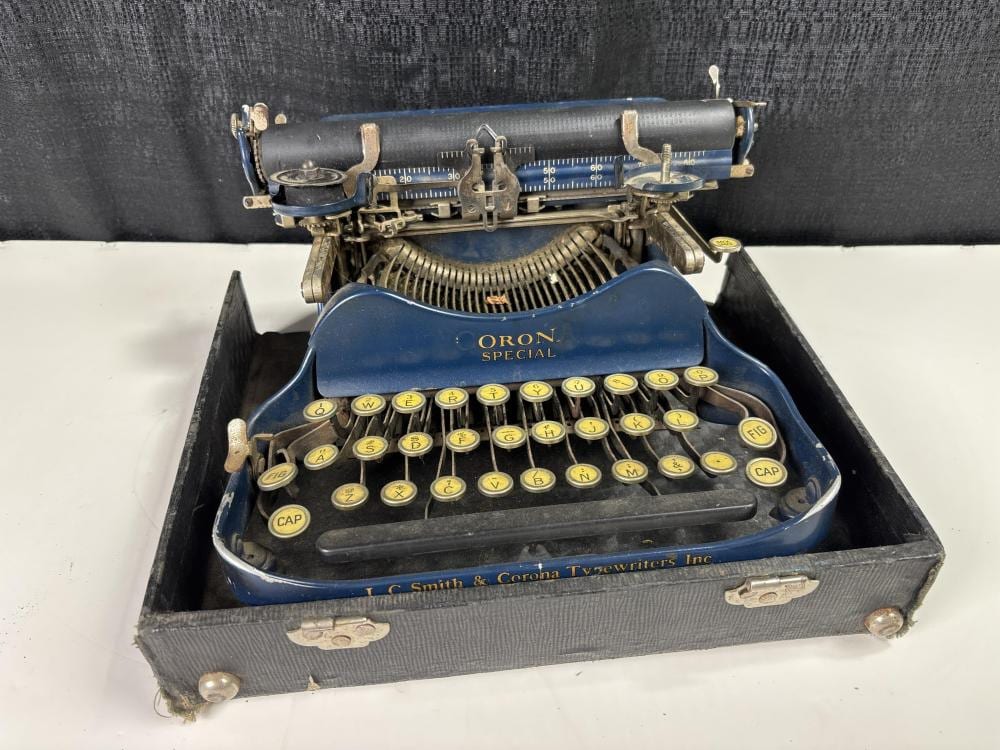
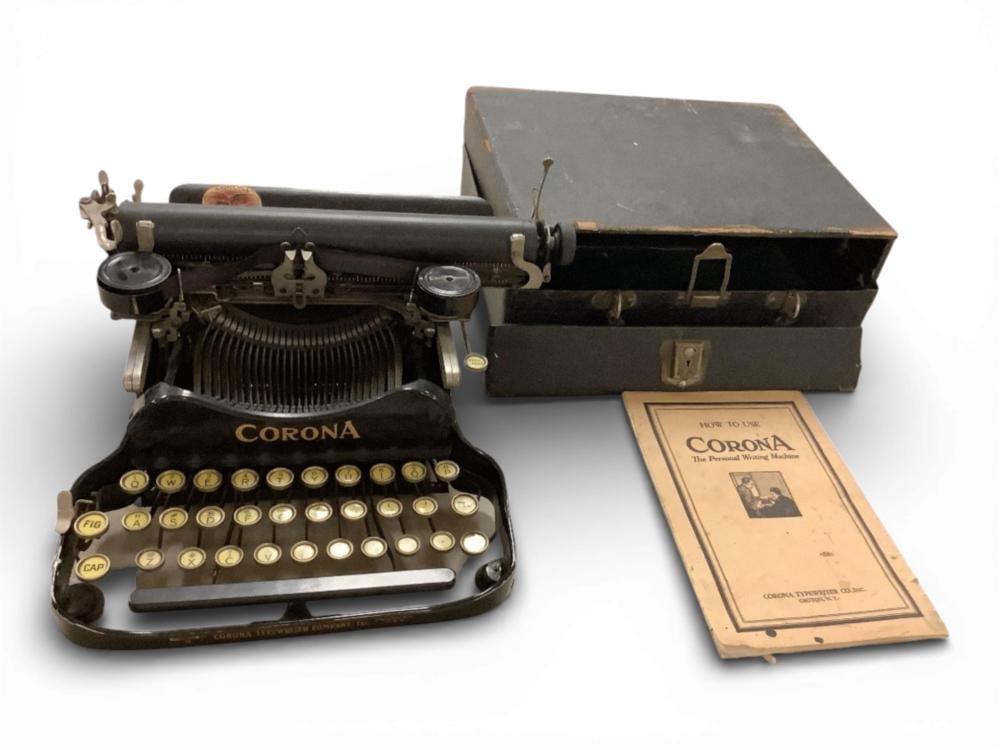
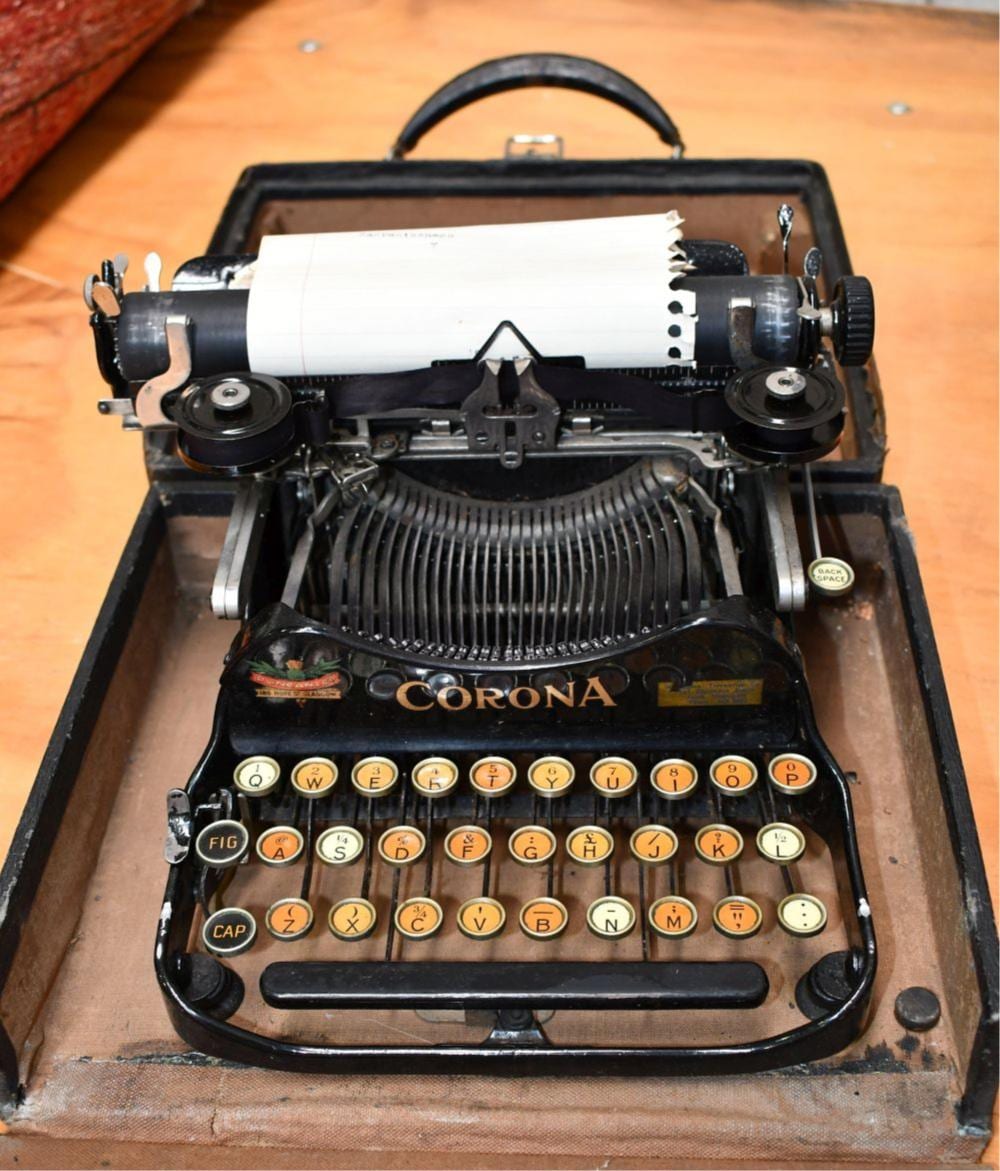
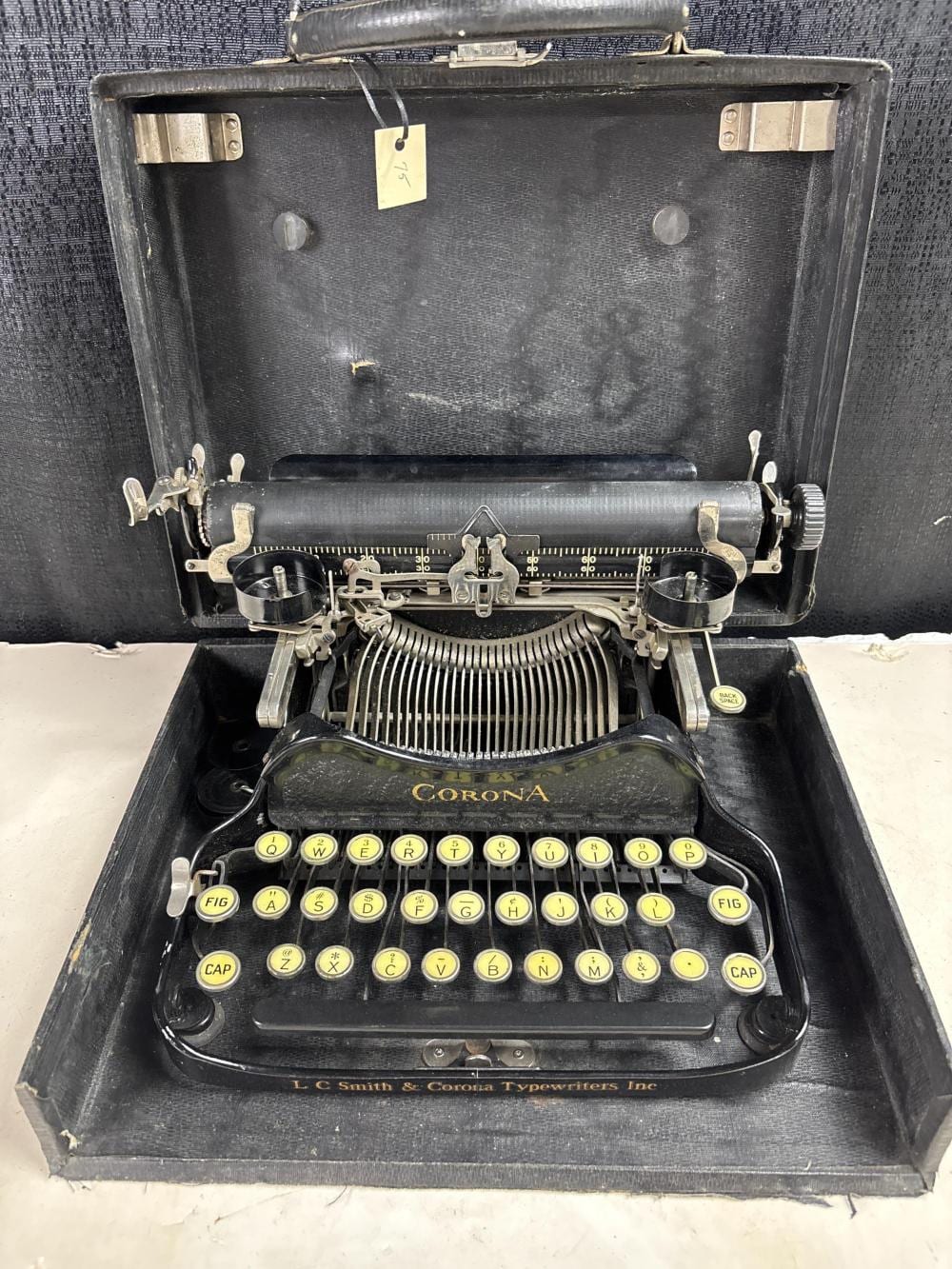
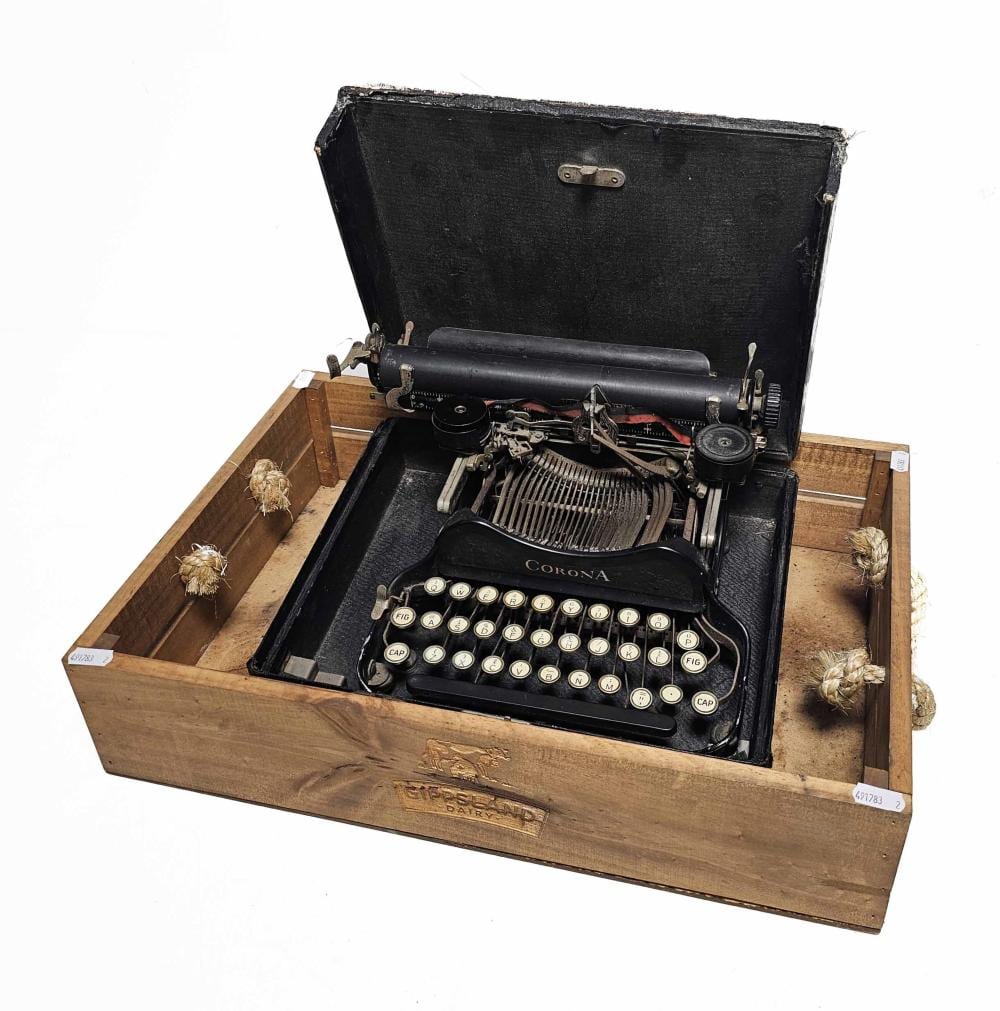
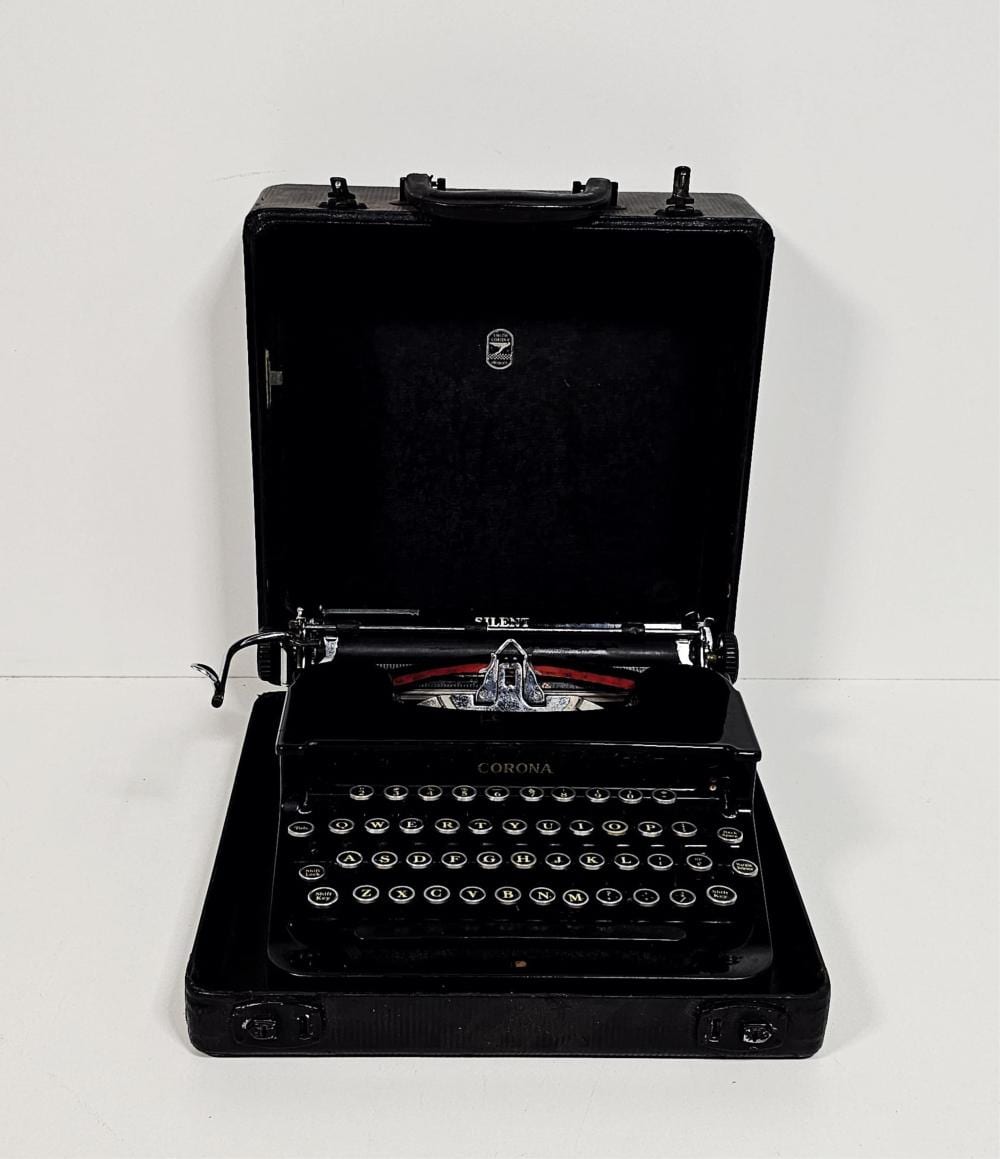
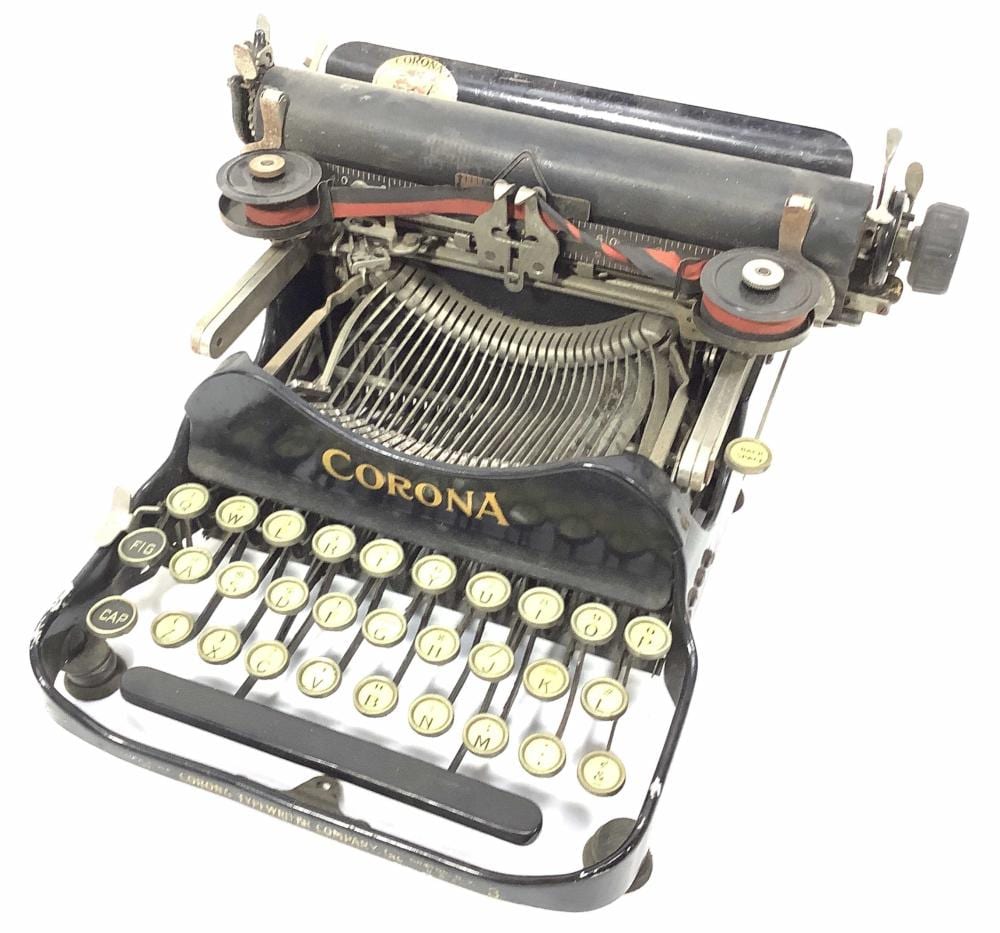
- Corona 3 folding: A popular folding portable; with wartime or polar expedition provenance, higher.
- Royal Portable/Quiet De Luxe (especially 1950s colors): Strong design demand; rare pinks/blues and special editions trend high.
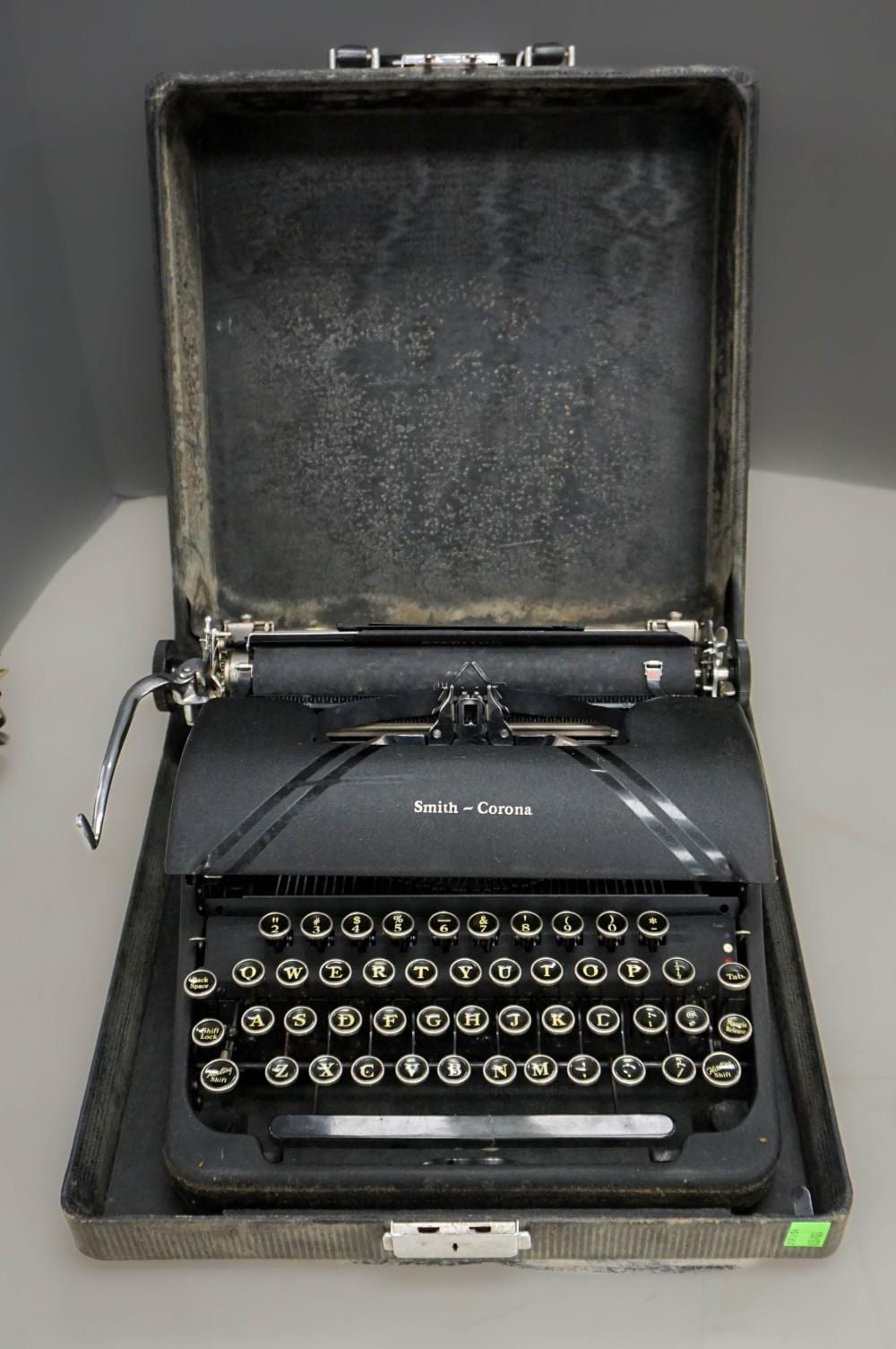
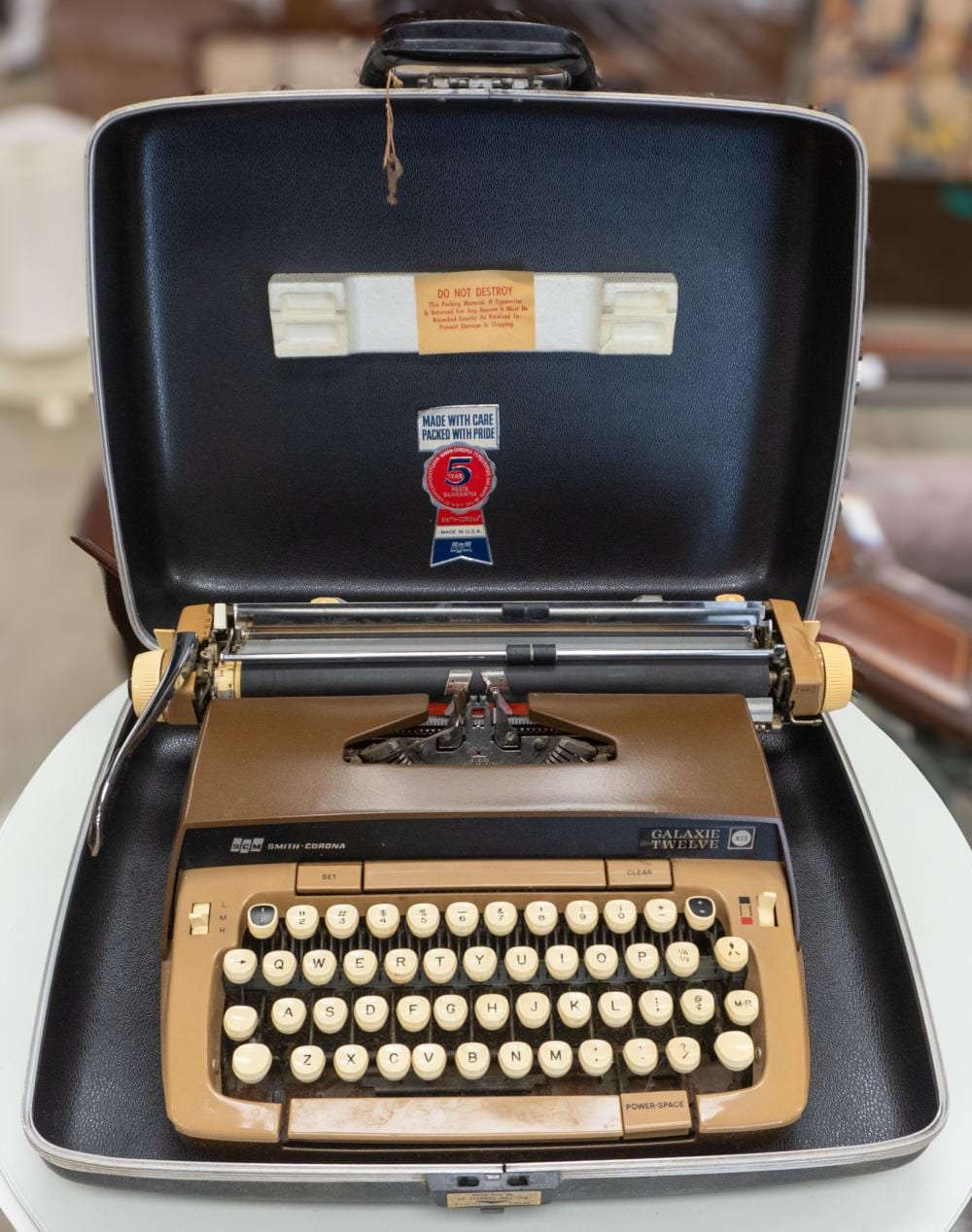
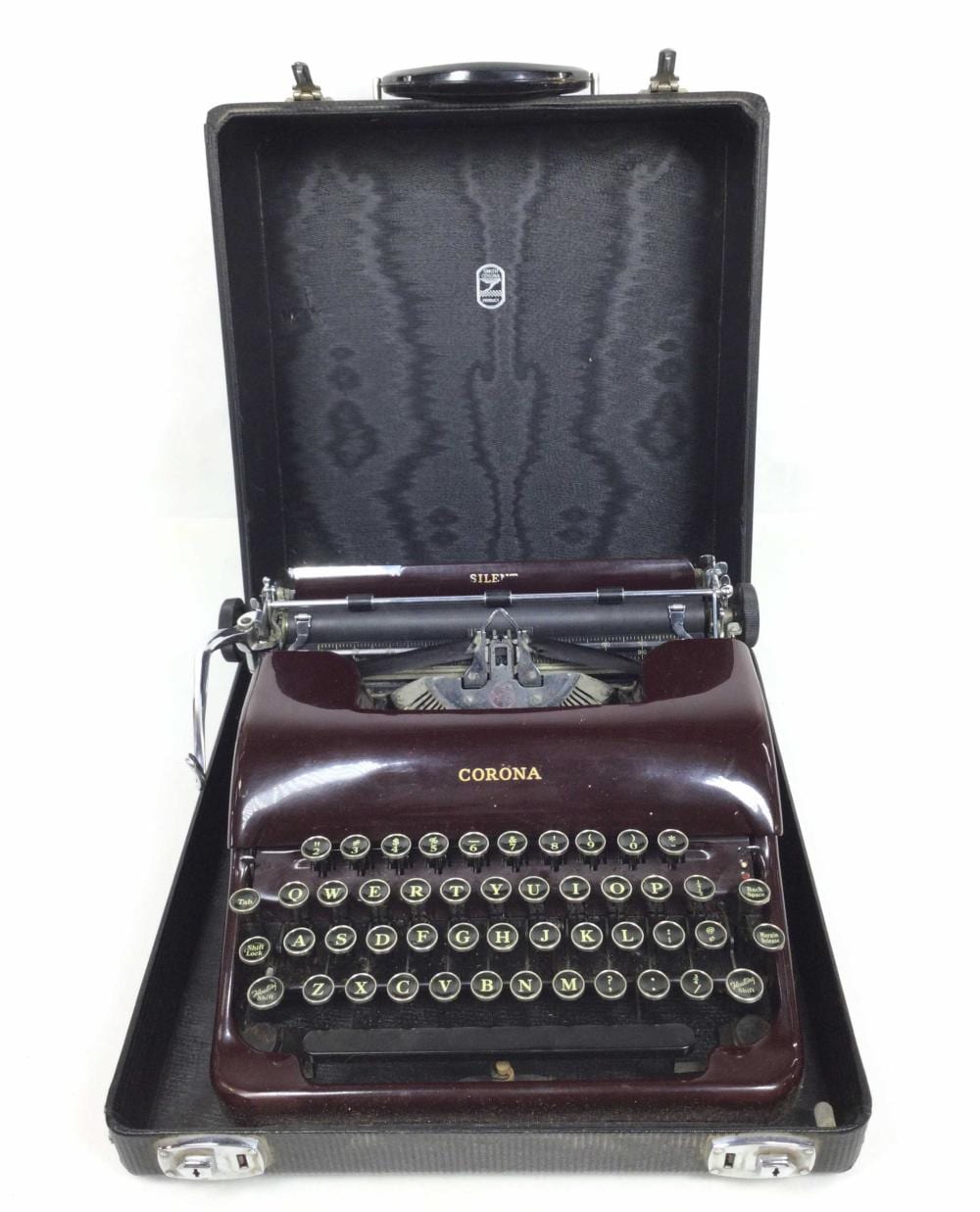
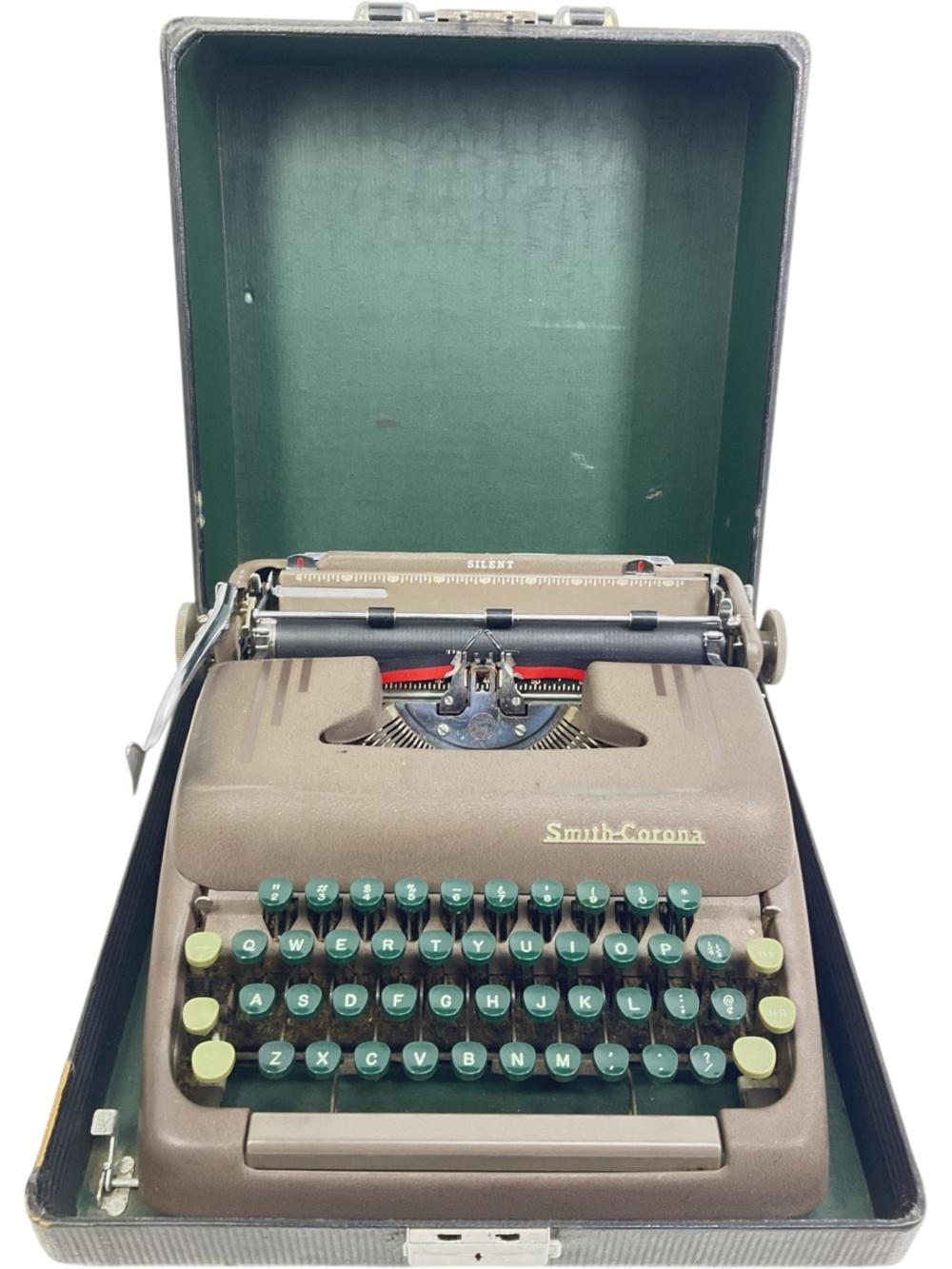
- Smith-Corona Silent-Super, Clipper, Skyriter: Decals, color, and action quality matter.
- Hermes 3000 (rounded body, 1958+): Condition and keyboard layout sway results. Early “curvy” versions trend higher than later squared bodies.
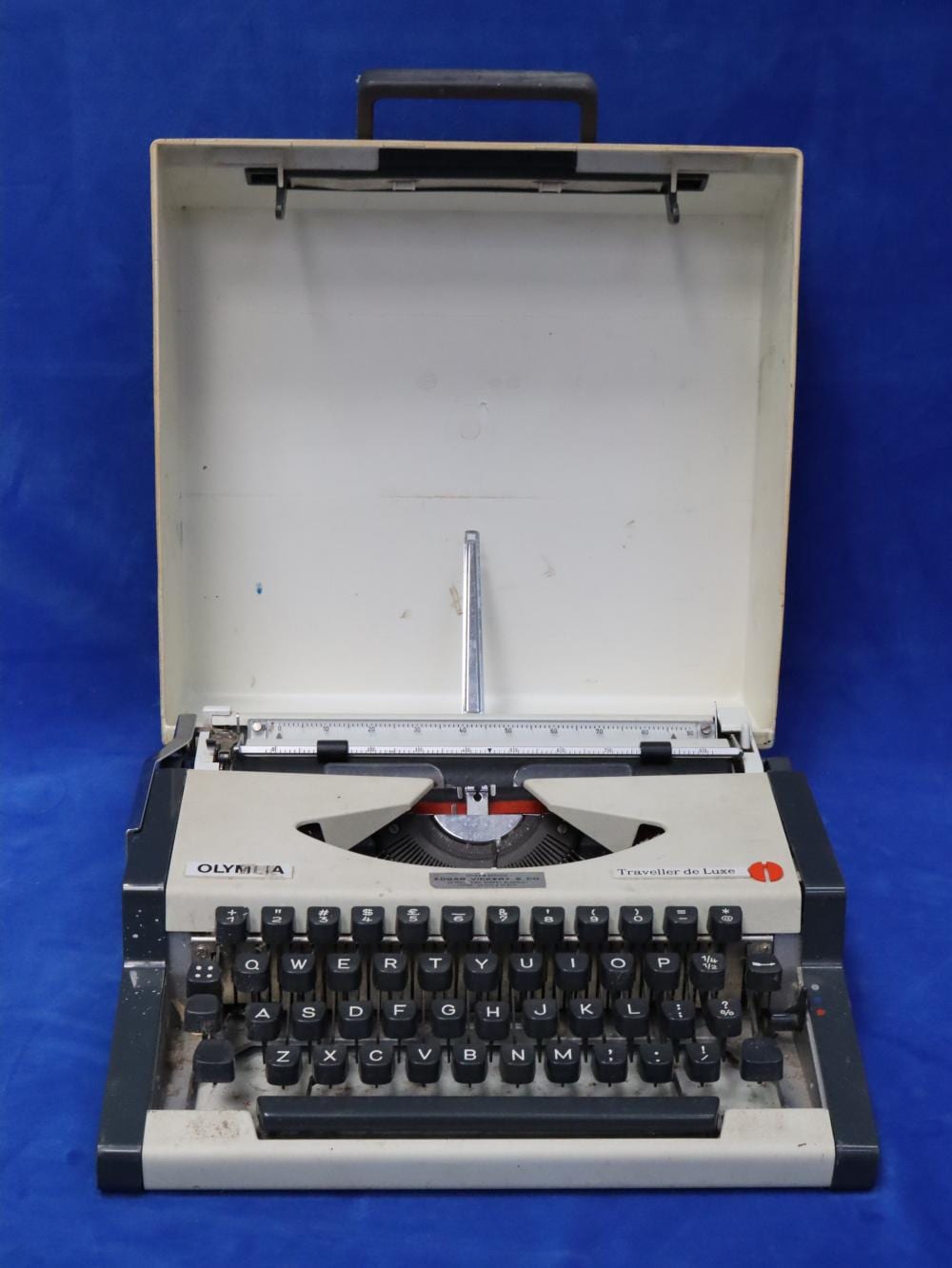
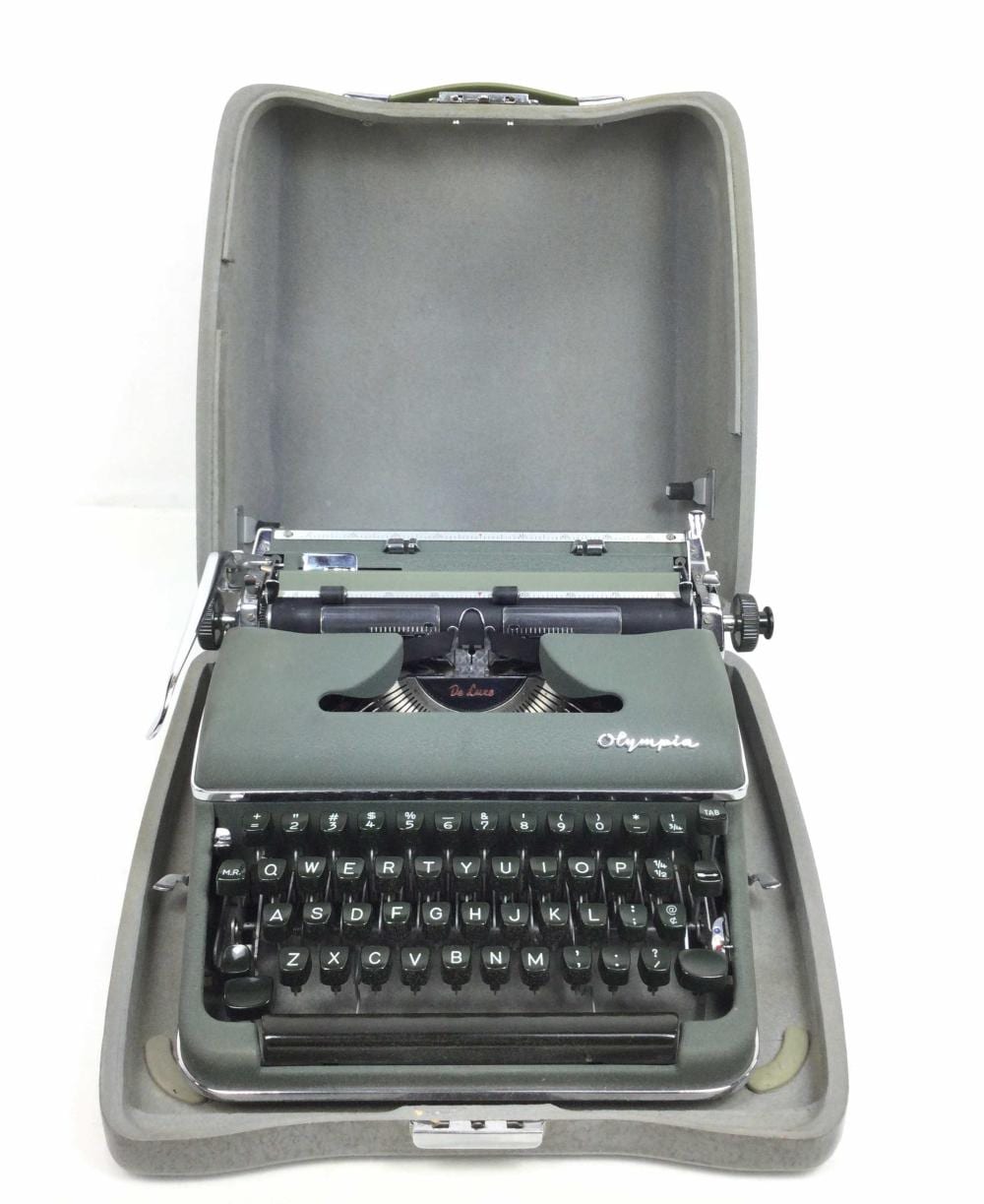
- Olympia SM3/SM4/SM9: Crisp German engineering with steady demand.
- Torpedo 18/30, Adler J5, Erika portables: Top examples reflect strong European interest.
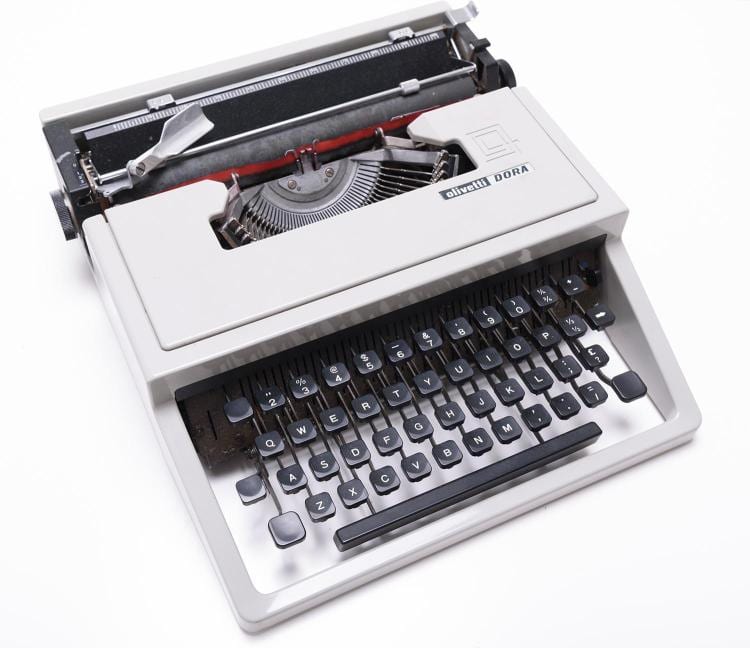
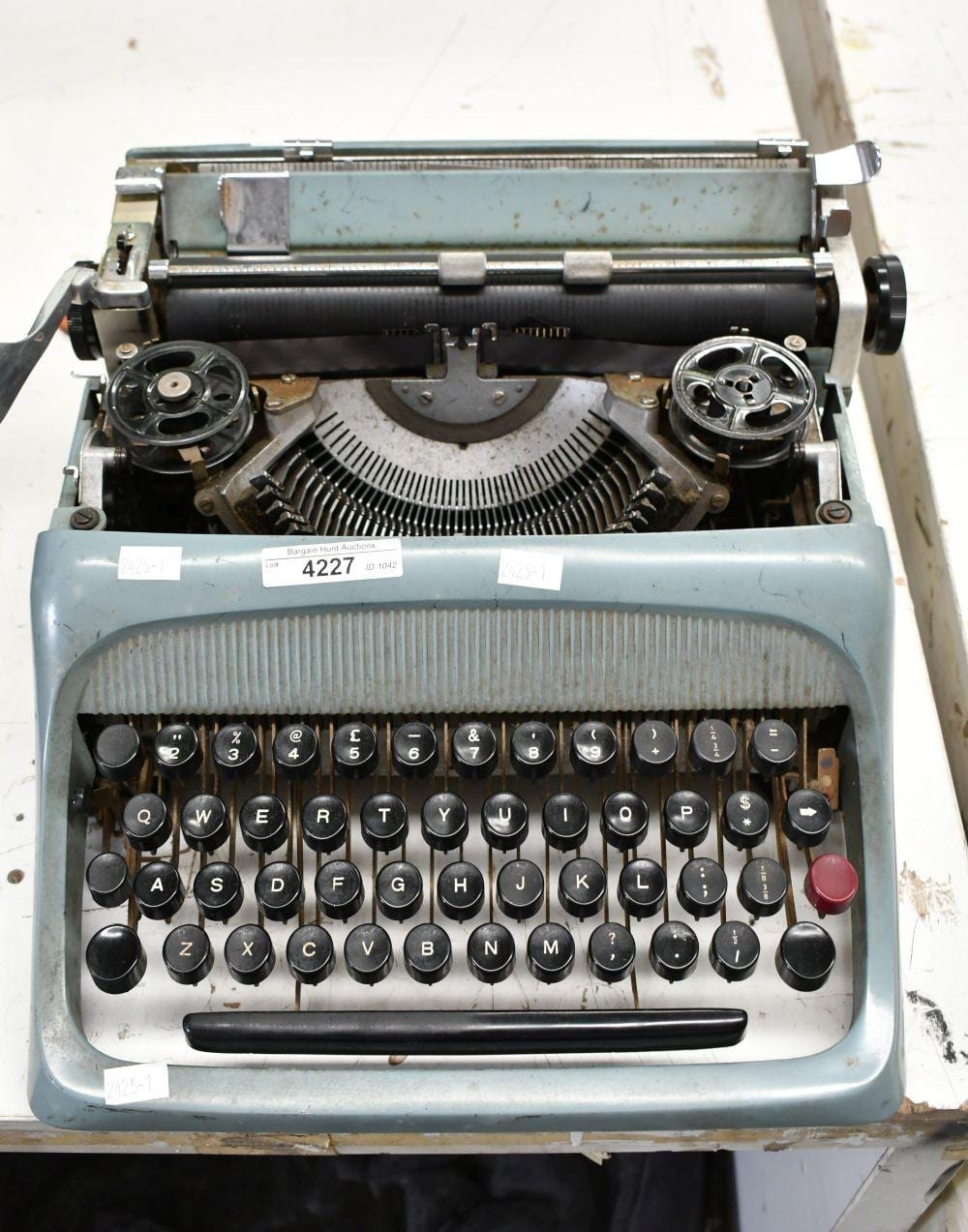
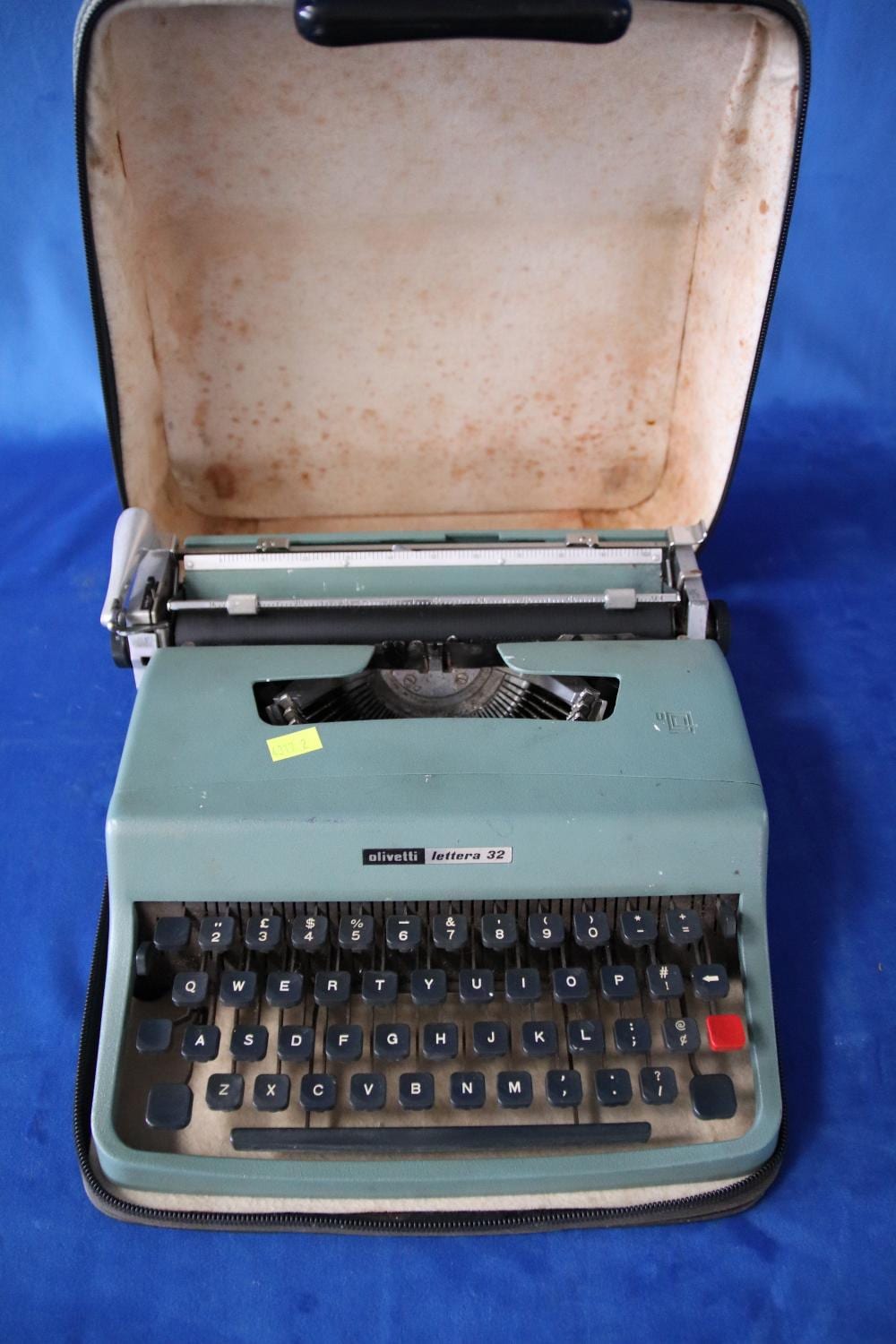
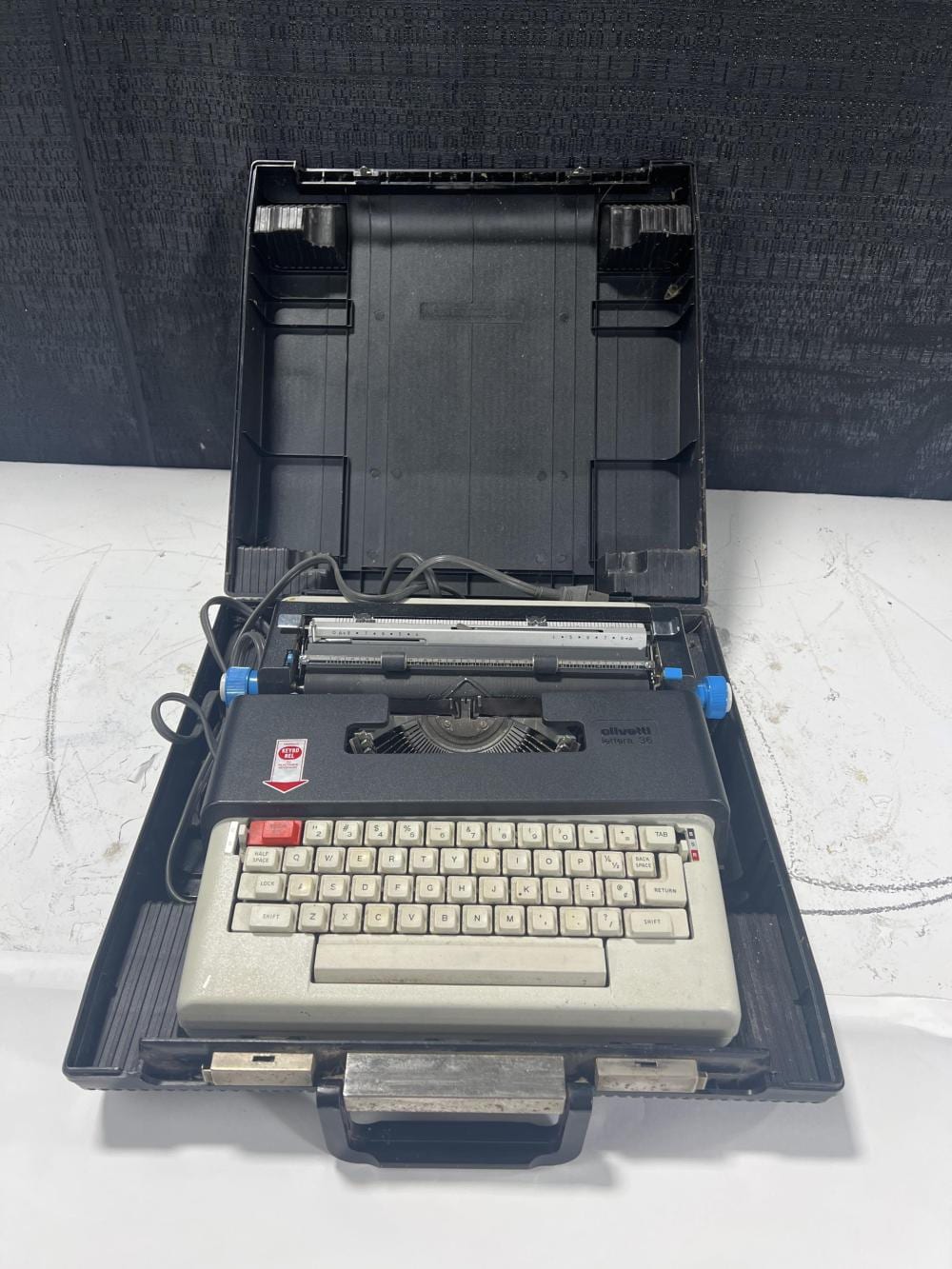
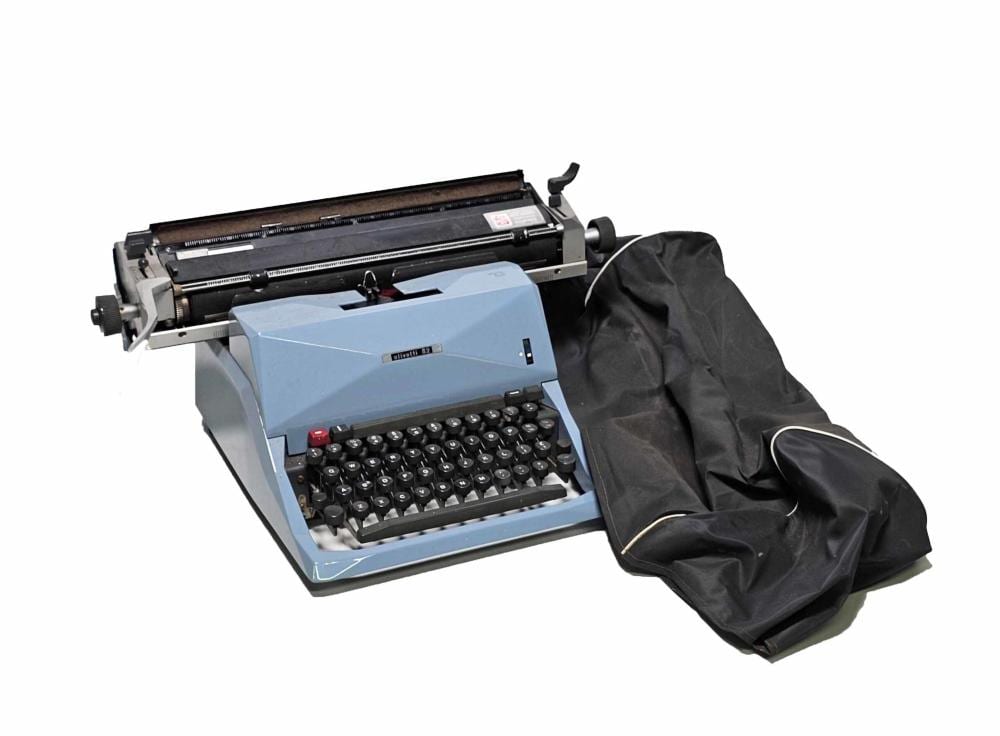
- Olivetti Lettera 22/32: Desirable for design pedigree.
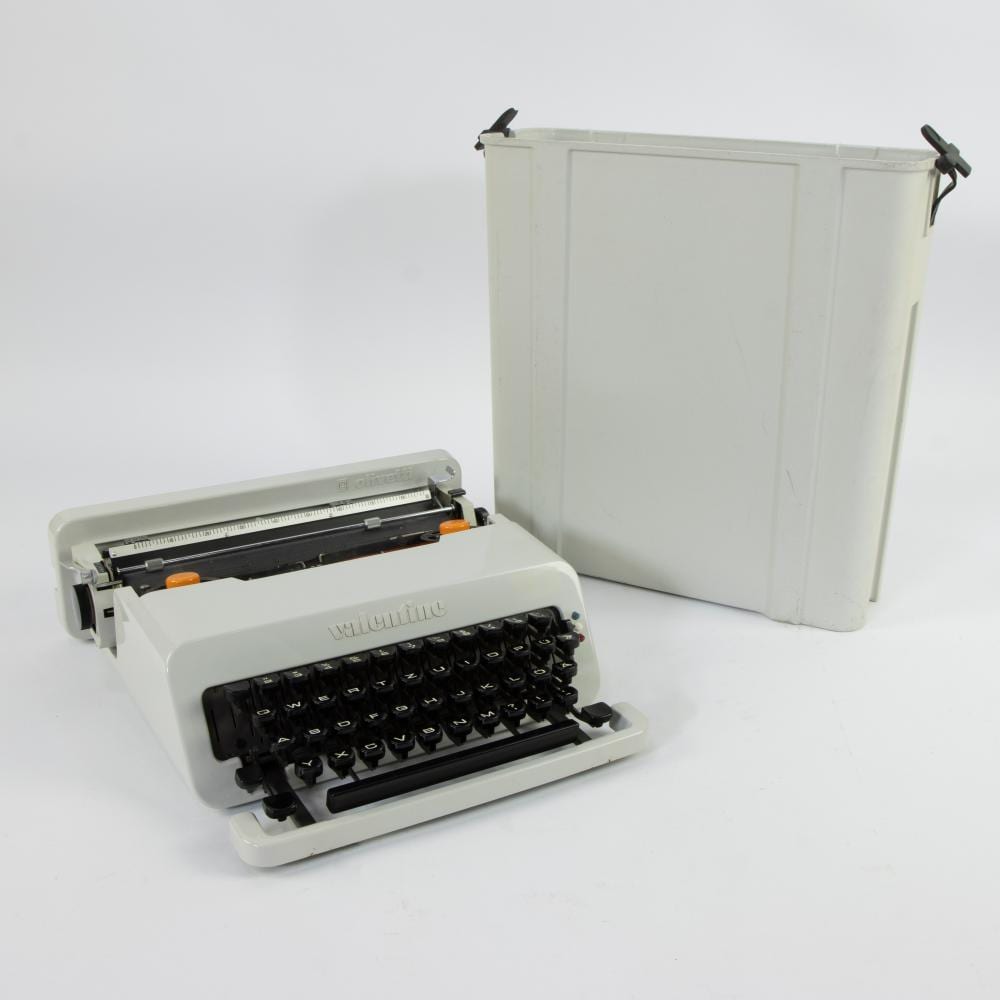
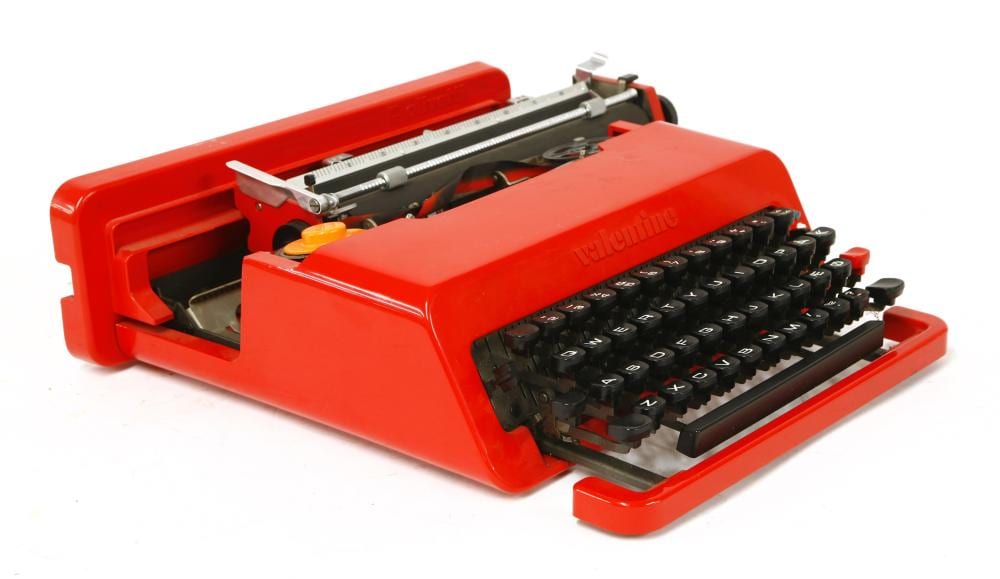
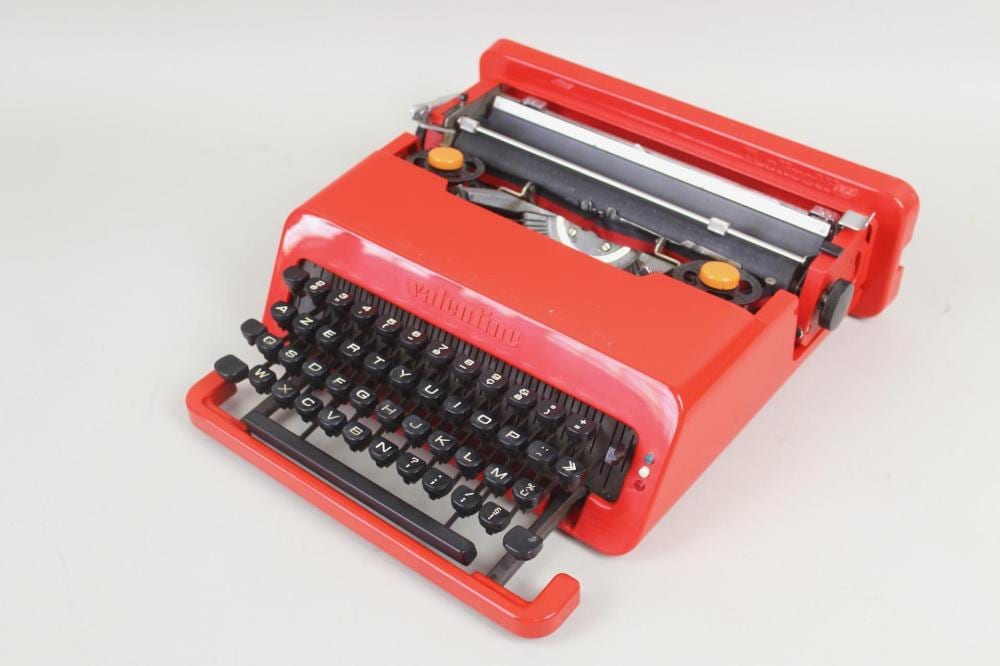
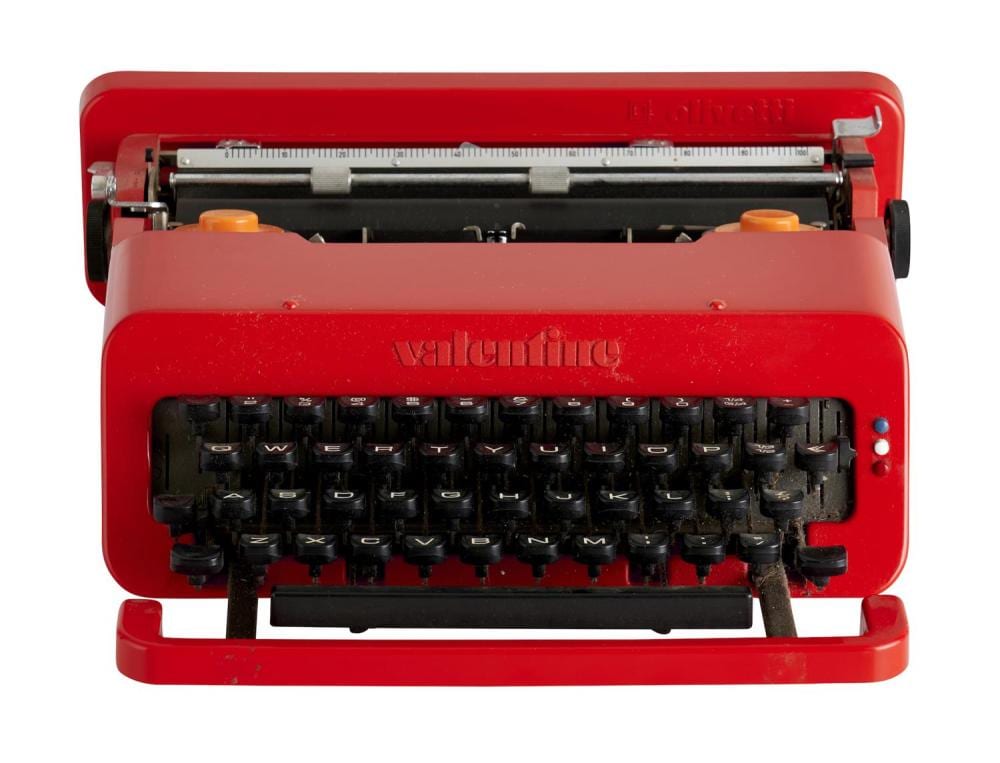
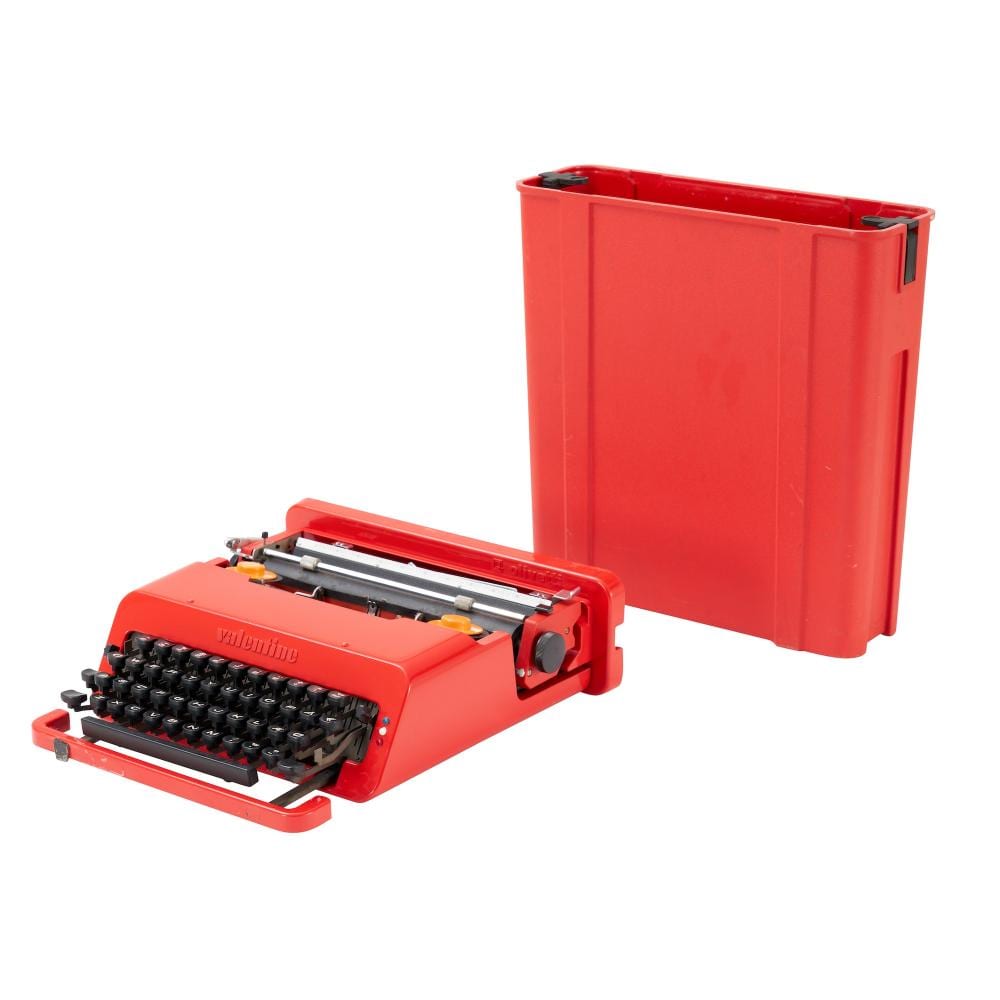
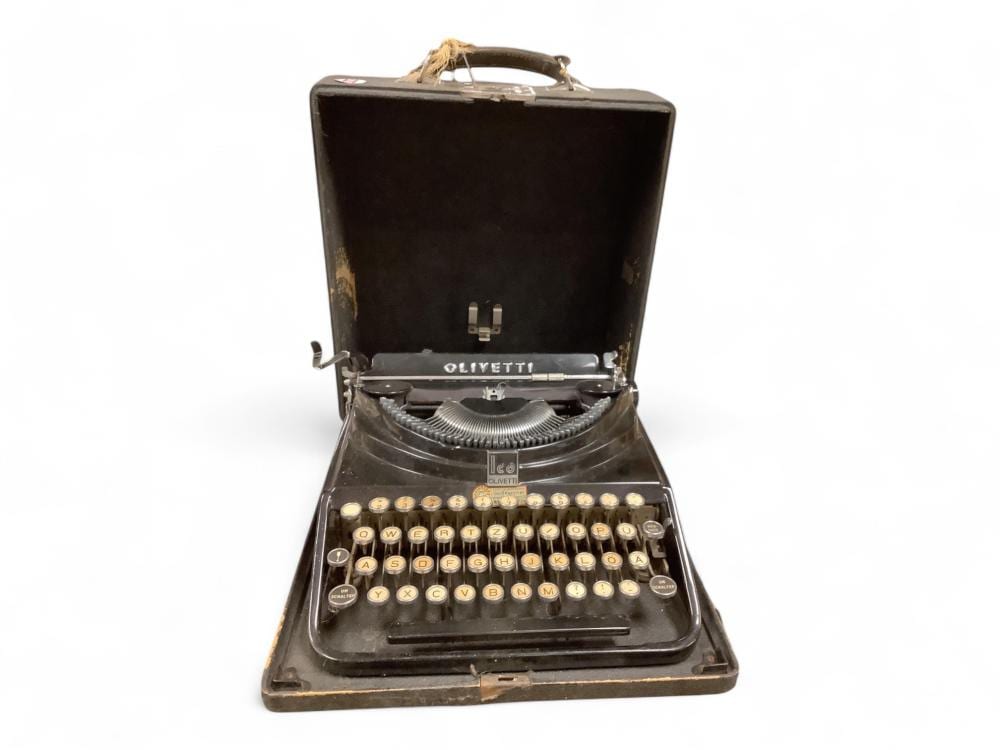
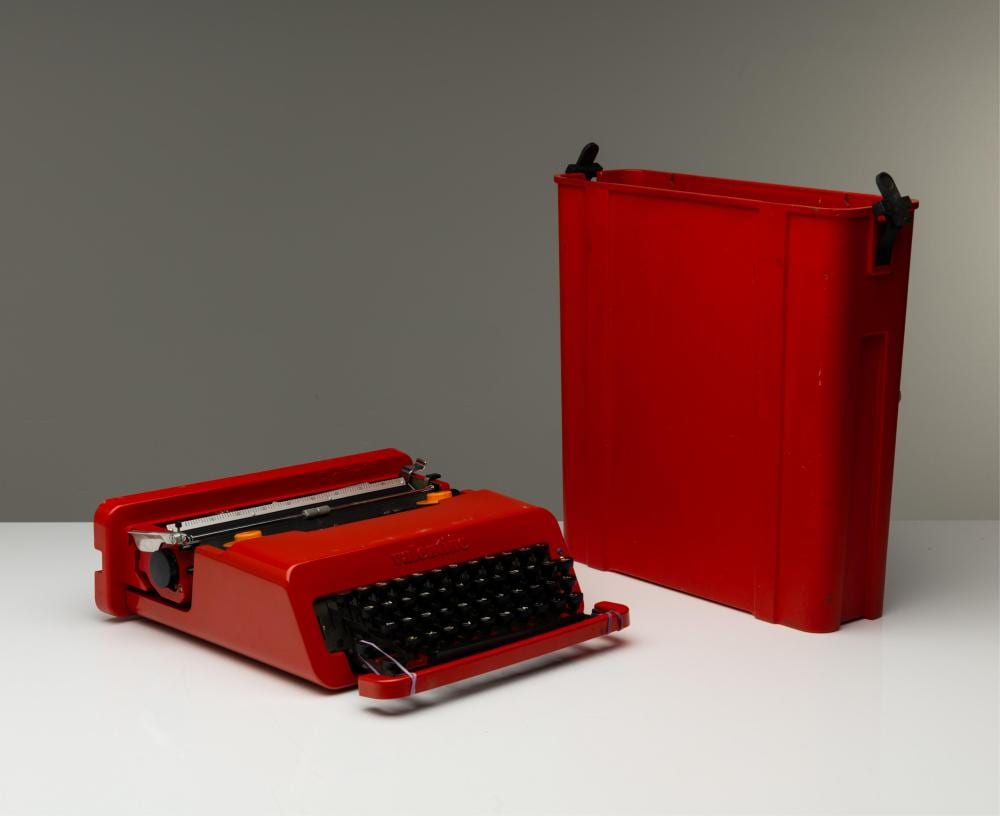
- Olivetti Valentine: A design classic—completeness (case shell, strap) is key.
Mid-century and electric:
- Continental standards (pre-war): Best in clean, original condition.
- IBM Selectric I/II: Not antique but collectible. Special fonts/elements can add value.
Special attributes that can add premiums:
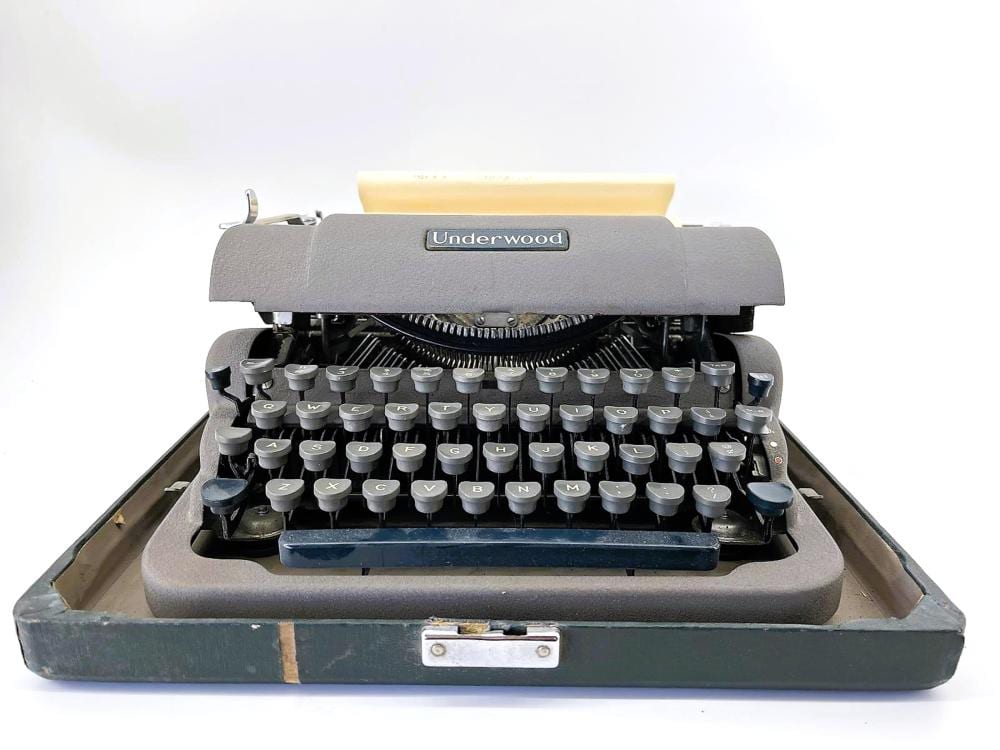
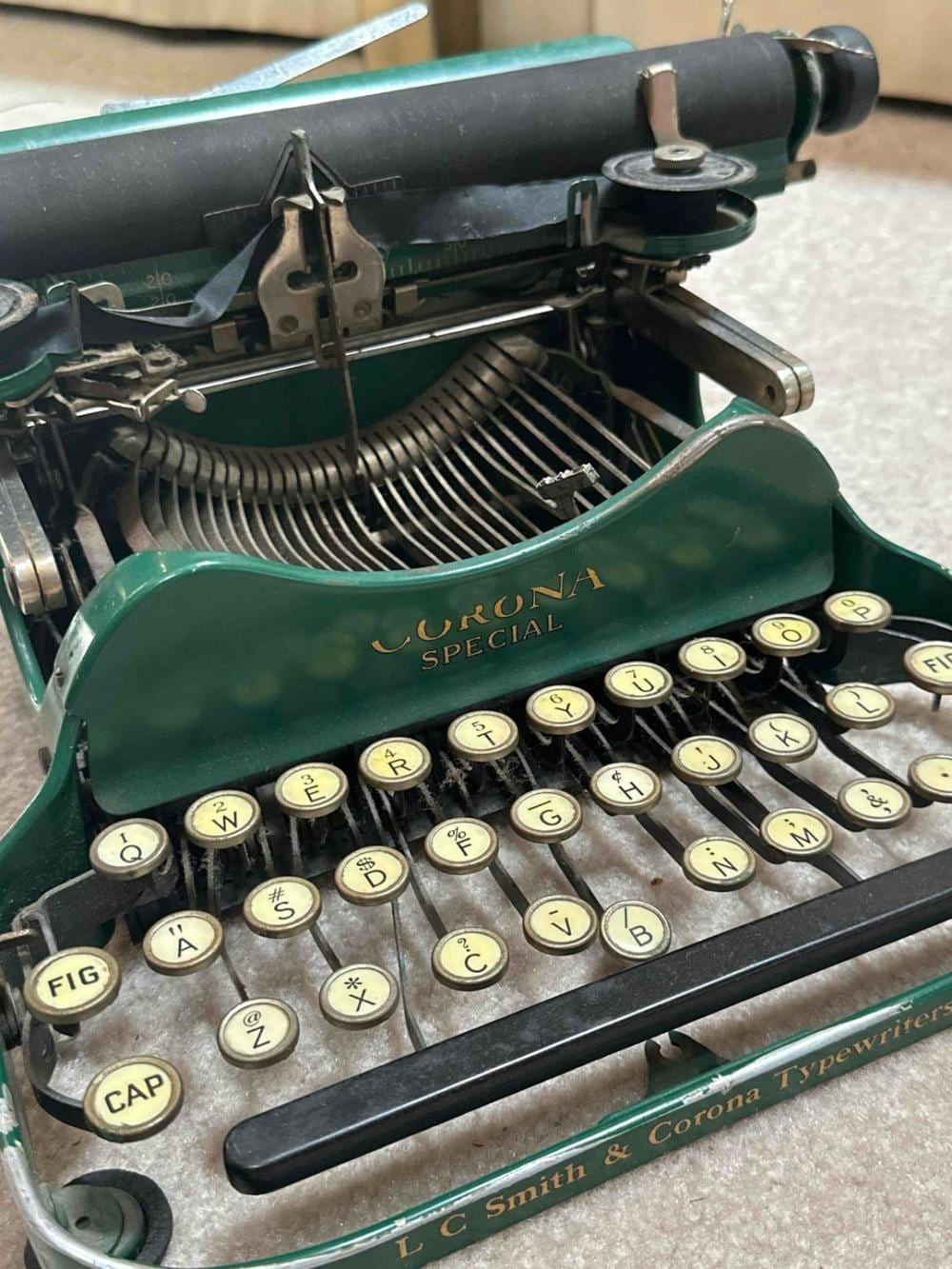
- Factory colors beyond black (greens, grays, duotones, wrinkle/crinkle finishes, limited hues).
- Military contract models with intact tags, and embassy/consulate badges.
- Unusual typeface elements, bilingual keyboards, or dealer plaques from notable stores.
- Original shipping crate, sales literature, and tools.
Remember that wide ranges reflect condition, originality, and local demand. A dusty attic find with flaking paint and flat platen may be a low-priced project; the same model after careful conservation and with provenance could be worth several times as much.
Dating And Identifying Your Typewriter
- Serial numbers: Usually stamped on the frame under the carriage, on the right or left rear, under the ribbon cover, or beneath the carriage rails. The serial prefix and number sequence date the machine and often identify sub-models. Cross-reference with serial charts for the brand.
- Decals and logos: Changes in font, placement, and wording (e.g., patent dates, “Made in USA” vs. country of origin) help bracket the manufacturing period.
- Construction cues:
- Open-frame vs. enclosed body panels (enclosed generally later).
- Carriage shift vs. basket/segment shift (later portables favor basket shift).
- Ribbon spools (open metal vs. covered), spool nut design, and ribbon selector presence.
- Keytops: Early glass/nickel rings vs. later plastic; celluloid legends can yellow with age.
- Paint and finish: Japan black lacquer (early), gloss enamel, wrinkle/crinkle, hammertone, or colored enamels (mid-century).
- Keyboard layout: QWERTY, QWERTZ (Germanic), AZERTY (French), and national variants like Spanish (Ñ) or Scandinavian letters provide market and audience clues.
- Type sample: A one-paragraph page reveals alignment, escapement regularity, type slug wear, and whether all characters print.
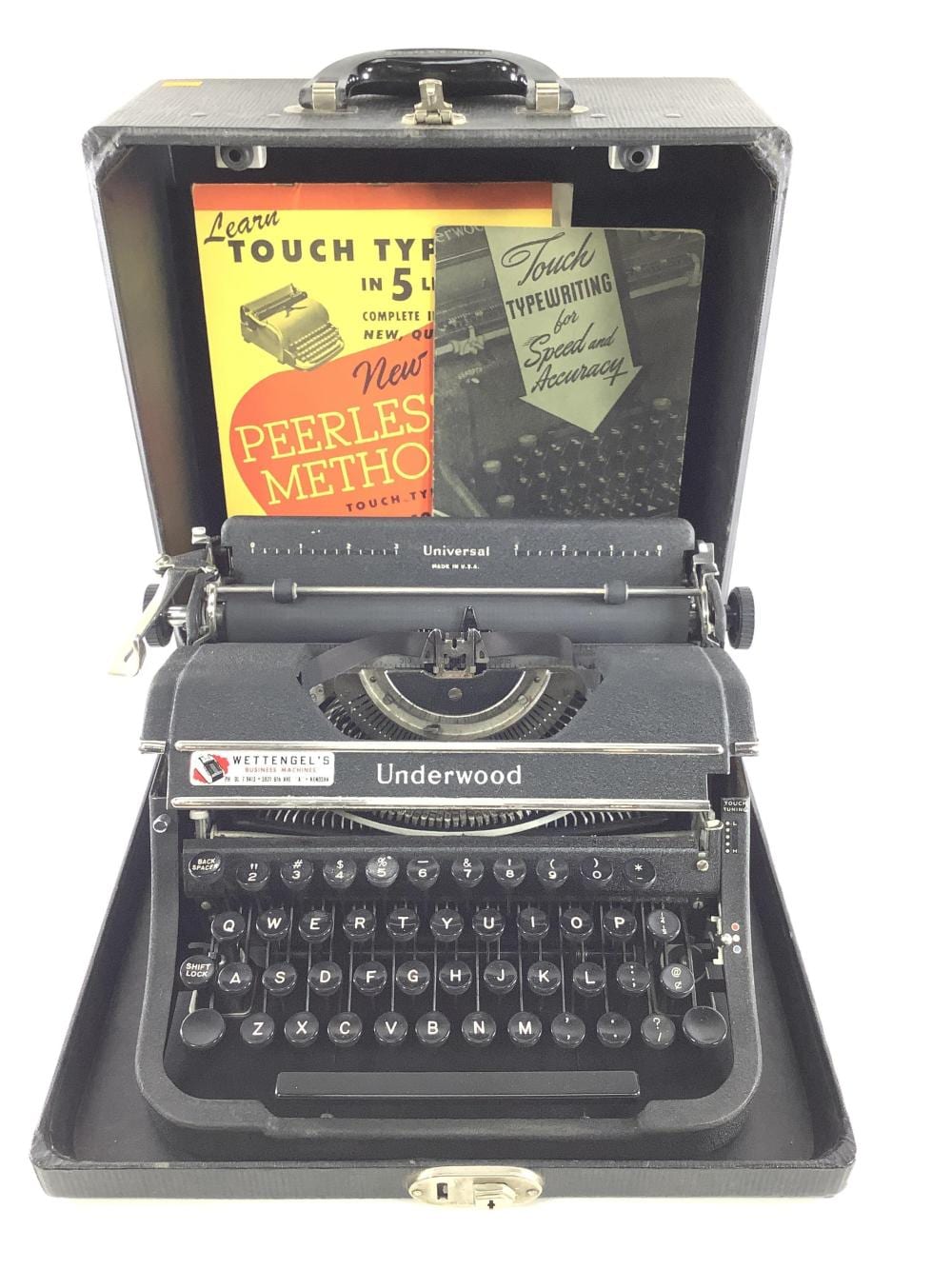
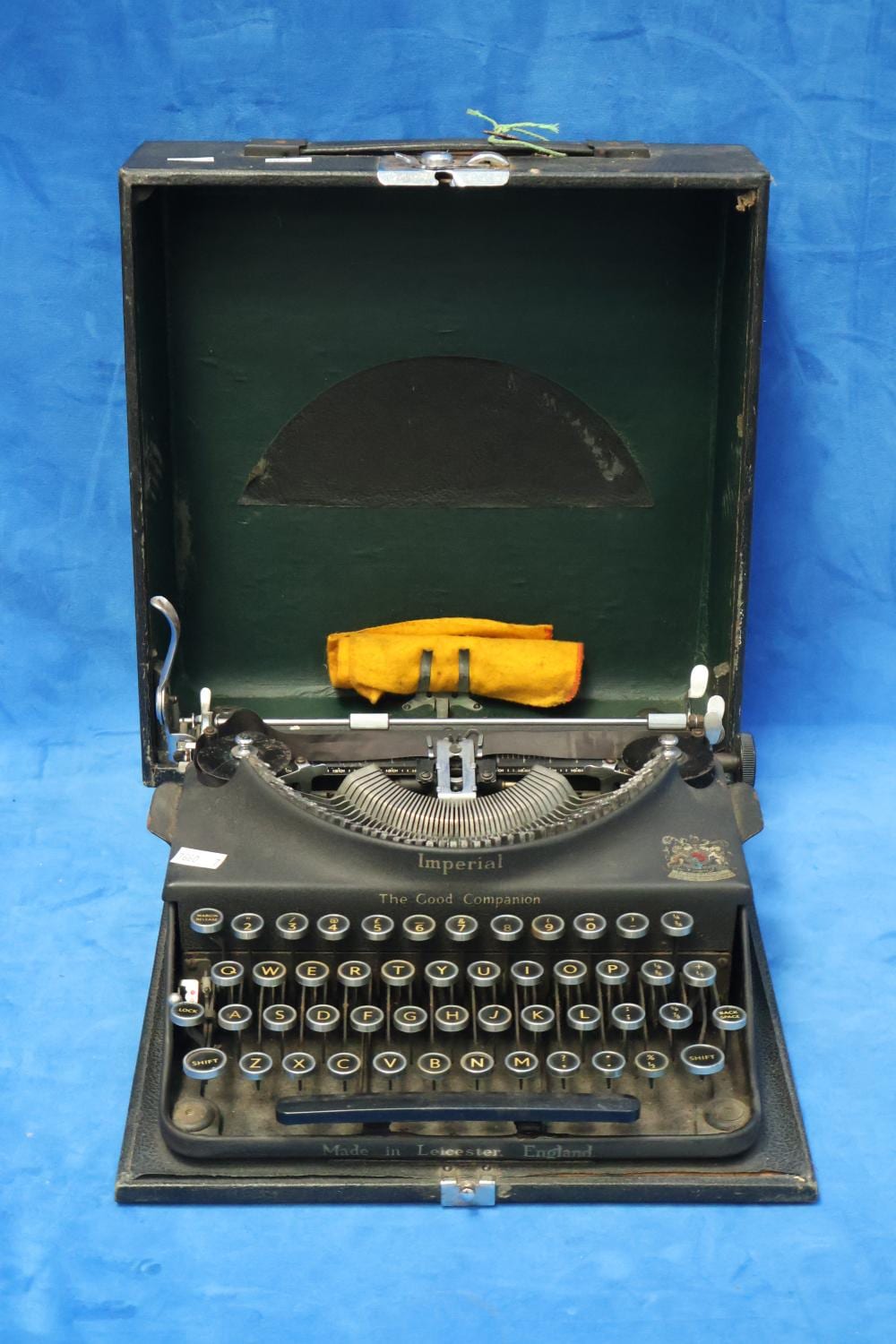
- Case and accessories: Matching serial tags, original case with felt lining or leather handle, brushes, oilers, and tool kits contribute to originality and value.
Condition, Originality, And Functionality
Think like a conservator first, restorer second. Over-restoration can erase value.
Grading shorthand (describe honestly in listings):
- Mint/Near mint: Museum-quality, essentially unused with full gloss, bright plating, and perfect function.
- Excellent: Light wear, strong decals, fully working with minor cosmetic marks.
- Very good: Presentable with some wear, light decal loss; functionally sound or needing minor adjustments.
- Good: Noticeable wear, chips, partial decal loss; functional issues likely; suitable for restoration or display.
- Fair/Poor/Parts: Significant paint loss, corrosion, missing components, or frozen mechanisms.
Original vs. refinished:
- Original paint and decals are preferred. Custom colors and powder coats often reduce collector value, even if attractive for decor.
- Touch-ups should be documented; avoid over-polishing nickel/chrome to the point of rounding edges or removing plating.
Key mechanical checks:
- Carriage: Smooth travel, responsive escapement, consistent line spacing, audible bell, functional carriage lock.
- Typing action: Even pressure across keyboard, clean print, sharp alignment (upper/lower case), functioning backspace and margin release.
- Paper feed: Platen and feed rollers should pull paper evenly; flat or petrified rubber causes slippage.
- Ribbon system: Advances and reverses; selector switches work.
- Tabulator: If present, sets and clears reliably.
Conservation and light restoration:
- Cleaning: Use a soft brush, vacuum with micro-attachments, and gentle cleaners. For type slugs, denatured alcohol or mineral spirits on a swab; avoid soaking decals or painted areas.
- Lubrication: Minimal high-quality sewing machine oil at pivot points; avoid heavy oils and general-purpose sprays that attract dust. Do not oil the segment slots excessively.
- Rubber: Platen and rollers harden; professional recovering is a worthwhile cost and markedly improves usability.
- Ribbons: Universal ribbons are inexpensive; keep used spools if they are brand-specific or rare.
- Feet: Replace dry-rotted feet to preserve stance and reduce vibration; save originals if possible.
Red flags:
- Harvested “glass keys” (rings removed for jewelry), replaced key legends, or mixed sets across rows.
- Sandblasted or missing logos/decals under fresh paint.
- Non-original hardware, broken case latches, or cracked platen knobs.
Market Trends, Market evidence, And Pricing Benchmarks
Demand currents:
- Design-driven buyers favor mid-century colors and iconic forms (Hermes 3000, Valentine, Royal Quiet De Luxe).
- Writers and typists value precise action (Olympia SM series, Torpedo, Adler) and serviceability.
- Decor peaks around holidays and school-year starts; professional typists often shop year-round.
Benchmarks: price a clean, working machine against recent sold listings for the same model and condition.
Adjustments to consider:
- Add a premium for rare factory colors, documented provenance, unusual typeface, or exceptional condition.
- Subtract for repaint, decal loss, non-function, missing covers/cases, non-QWERTY layout in an English-dominant market, or high shipping risk.
Finding market evidence and reading them:
- Compare identical models by variation (early/late body, color, keyboard), condition grade, and working status.
- Look at sold prices, not just asking prices. Note whether sales included cases, accessories, or service receipts.
- Account for region; European brands can be stronger in EU markets, American standards in the US.
Buying, Selling, And Shipping Best Practices
For buyers:
- Ask for a serial number and clear photos from multiple angles, close-ups of decals, type slugs, and platen.
- Request a one-page type sample showing all characters, alignment in upper/lower case, and a paragraph to reveal escapement rhythm.
- Clarify what’s original, what’s serviced, and any missing pieces (ribbon covers, feet, case keys).
For sellers:
- Describe honestly: disclose stiffness, misalignment, flat platen, missing parts, or custom paint. Include serial number and an accurate condition grade.
- Photograph strategically: front, rear, sides, keyboard, carriage, decals, serial, inside ribbon area, underside, case, and accessories.
- Include a fresh ribbon and a type sample if claiming “working.”
Packing and shipping:
- Engage the carriage lock; if none, immobilize the carriage with foam blocks under the rails.
- Secure the carriage return lever and paper support so they can’t flex. Remove and wrap loose accessories.
- For portables with cases: strap the machine inside the case (do not rely on old latches), then wrap the cased unit and double-box with generous padding.
- For desktops: double-box with at least 5–7 cm of dense padding all around; protect platen knobs with cushioning. Keep weight centered and note “This Side Up.”
- Insure for replacement value and photograph packing steps.
Ethics and stewardship:
- Preserve originality on uncommon or historically significant machines.
- Parting out common, beyond-repair examples is acceptable; document and save serial data for research.
Practical Appraisal Checklist
Use this concise list when examining any machine:
- Identify maker, model, and serial number; note keyboard layout and typeface (pica/elite/other).
- Record cosmetic state: paint gloss, chips, rust, decal completeness, plating brightness.
- Check completeness: ribbon covers, spool nuts, knobs, feet, case, keys, tools, paperwork.
- Test mechanics: carriage lock, travel, escapement, line spacing, margins, tabulator, bell.
- Type test: full character set, upper/lower case alignment, imprint crispness.
- Inspect rubber: platen hardness, feed rollers, feet deterioration.
- Evaluate originality: signs of repaint or polished plating; mixed keytops; replaced parts.
- Note provenance: dealer plate, owner label, receipts, letters, documented history.
- Photograph: full exterior, details, serial, type slugs, and a typed sample.
- Benchmark value: compare to recent sold market evidence for the exact variant and condition; adjust for region and shipping.
FAQ
Q: What qualifies as an “antique” typewriter versus “vintage”? A: In the trade, “antique” often refers to pre-1920 machines (some use 100 years as the threshold). 1920s–1970s are typically “vintage.” Collectibility, however, extends across both.
Q: Does repainting increase value? A: Rarely. Factory-original paint and decals are preferred by collectors. Tasteful custom finishes may help decor-oriented sales but usually reduce value for serious buyers.
Q: Should I oil a stiff typewriter before selling? A: Light, targeted lubrication with sewing machine oil is fine after careful cleaning. Avoid flooding mechanisms or using heavy sprays. If unsure, disclose the stiffness and let the next owner decide.
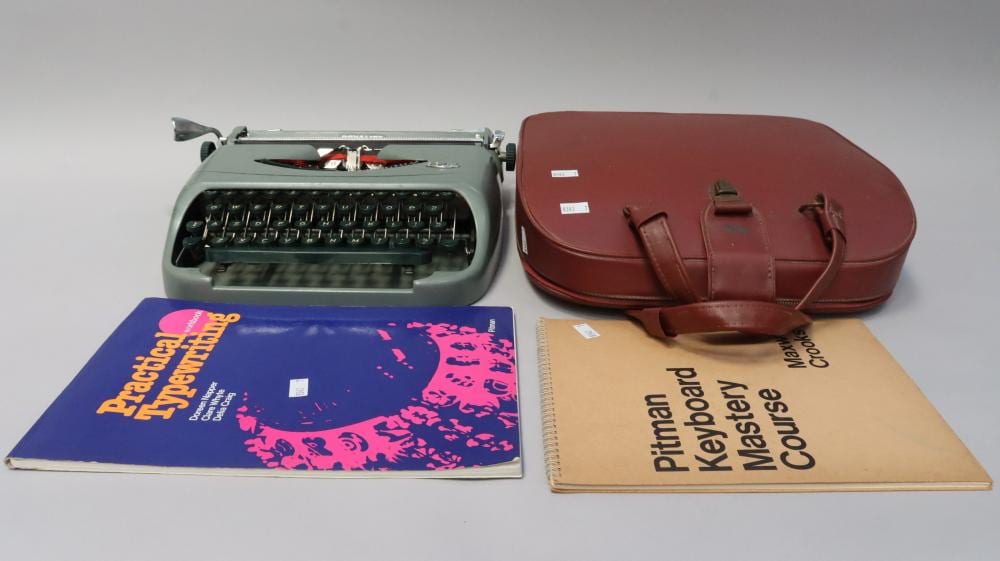
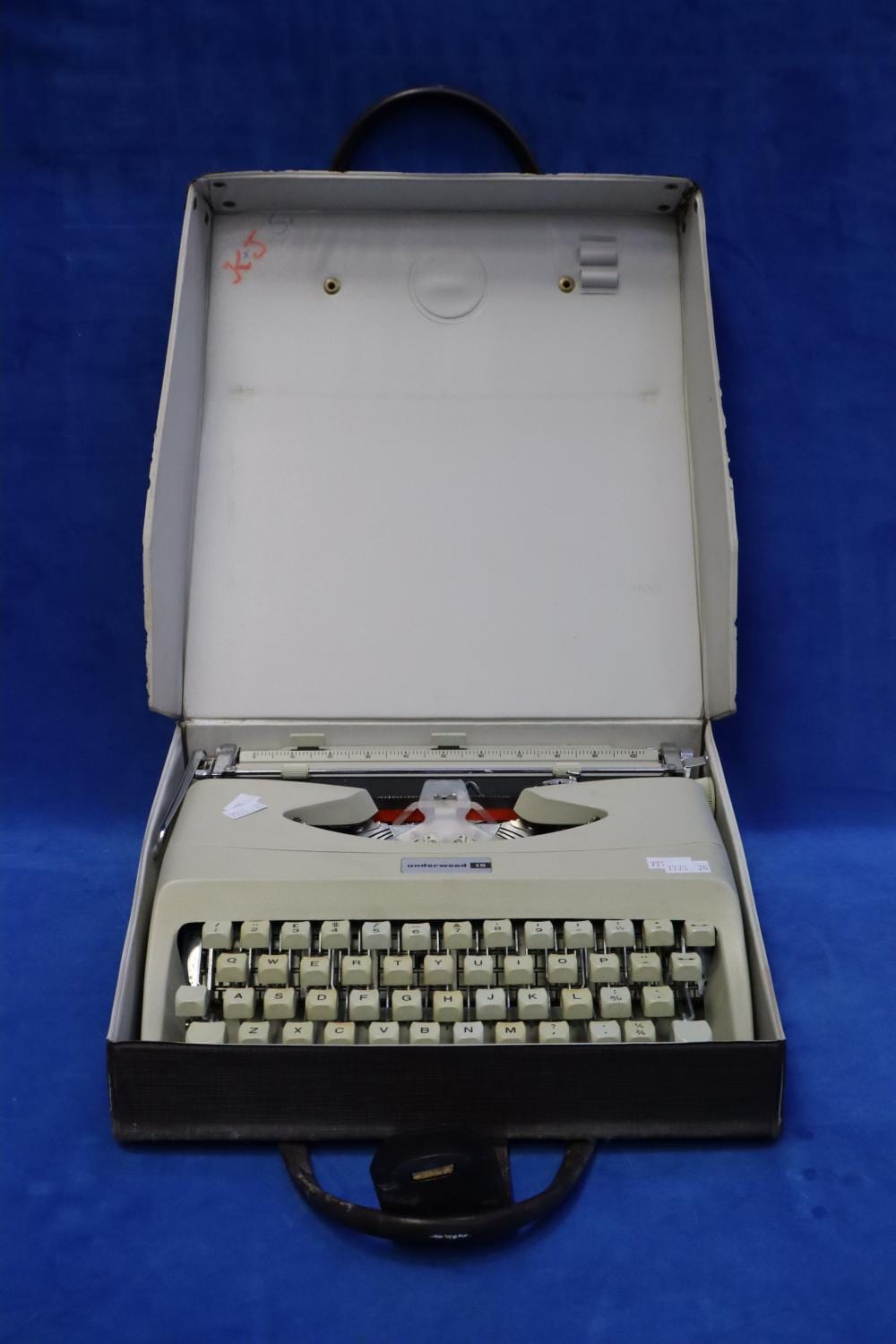
Q: How important is the case? A: Very. Original, functional cases (with correct fittings and keys) improve both value and shippability. A missing or broken case can lower prices, especially for portables.
Q: My platen is rock-hard—does that kill the value? A: A hardened platen diminishes usability but is common and fixable. Professional recovering is an added cost but can make a significant difference, particularly for machines aimed at writers.
By focusing on maker, model, originality, function, and market context—and by documenting what you see with clarity—you’ll be able to appraise, buy, and sell antique typewriters with the confidence and care these mechanical marvels deserve.