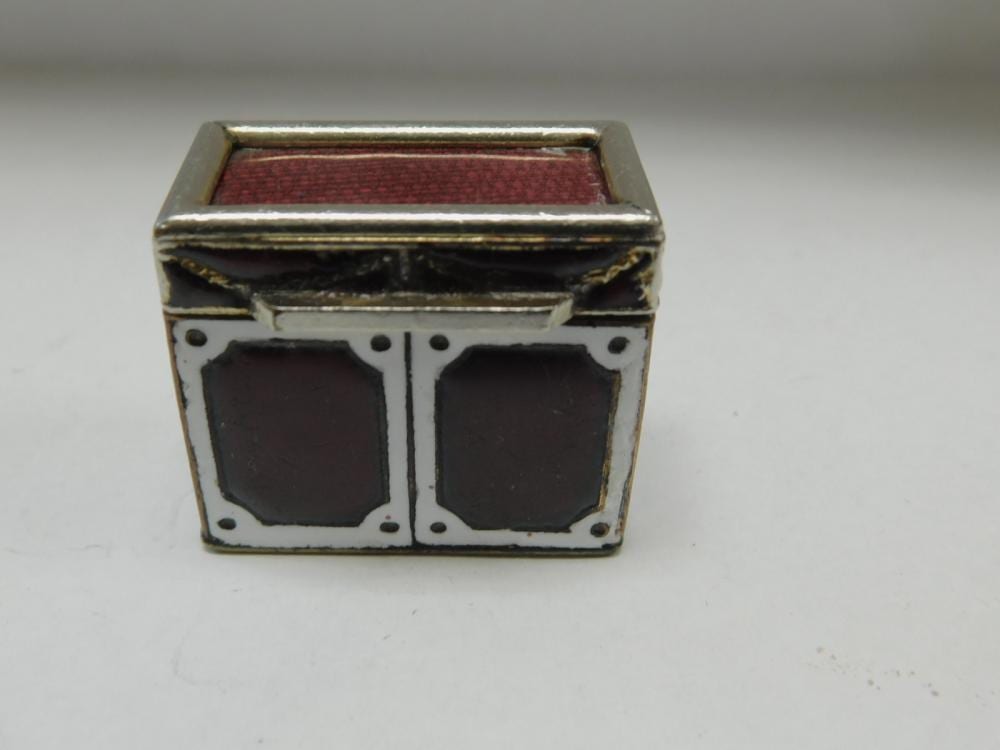
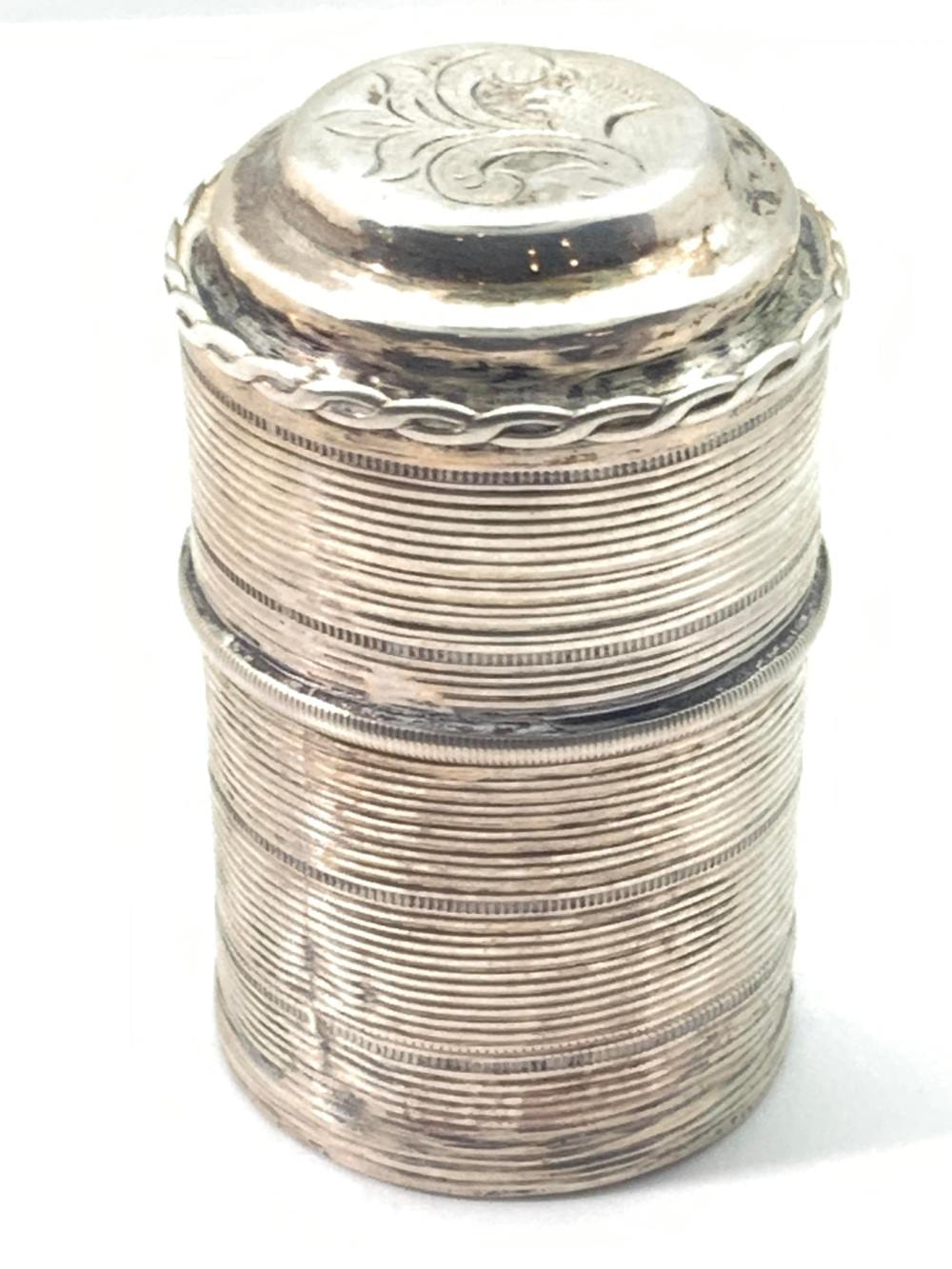
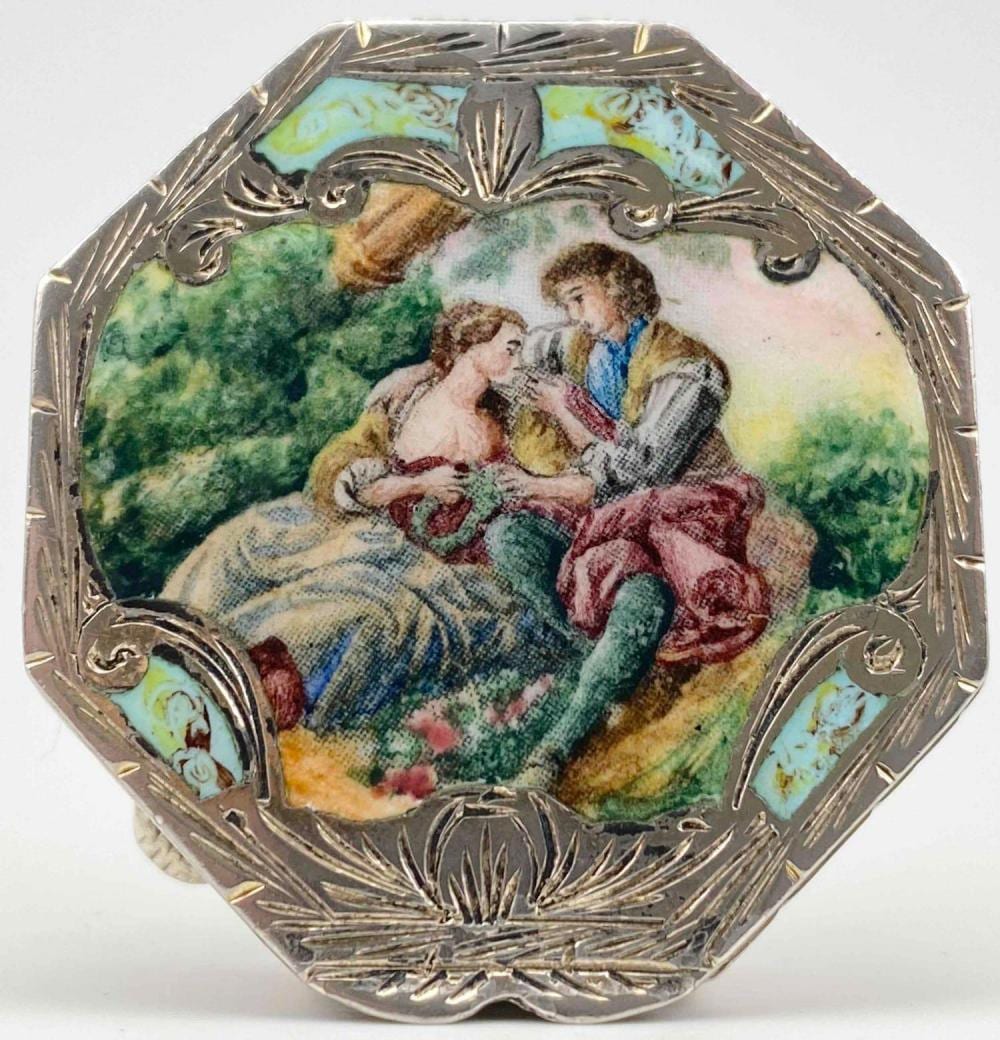
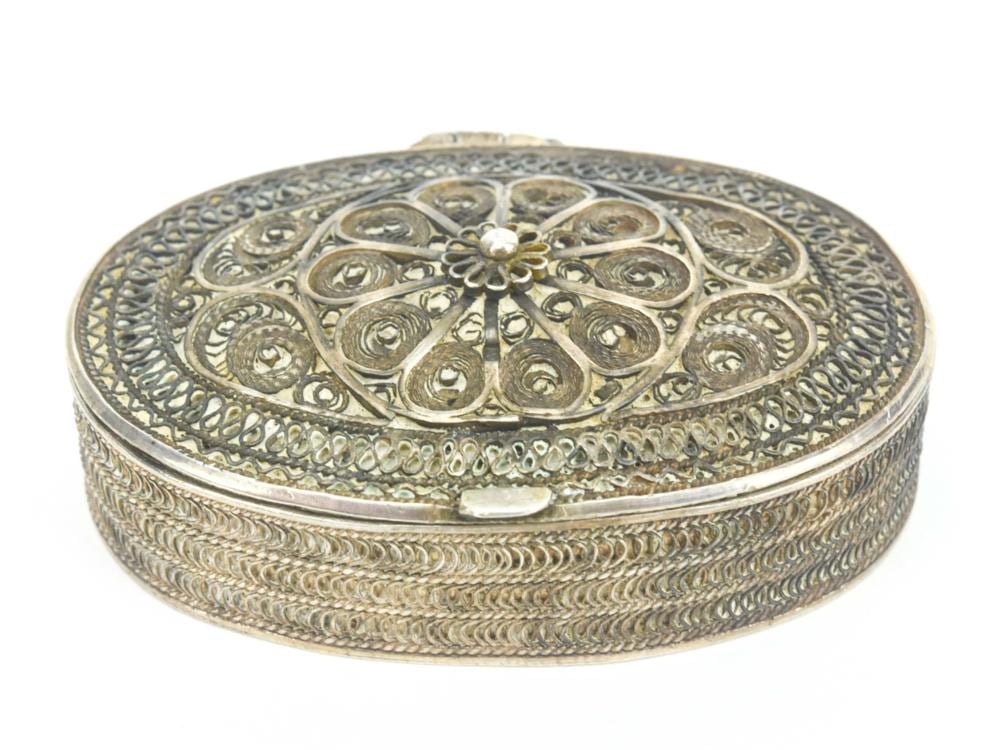
Unlocking the Worth of Time the Ultimate Guide to Antique Pill Box Value: appraisal and value basics
Unlocking the Worth of Time the Ultimate Guide to Antique Pill Box Value research should start with identification, condition, provenance, and item-specific market evidence. Use this guide to compare the signals that matter before paying for a formal appraisal or deciding whether to sell.
Antique pill box appraisal checklist
Antique pill boxes are small, personal objects with outsized appeal. They sit at the intersection of medicine, fashion, and jewelry, and they compress centuries of craftsmanship into the palm of your hand. For collectors and appraisers, that scale presents both opportunity and challenge: subtle details determine whether a box is an inexpensive curio, a solid collector’s prize, or a true masterpiece.
This guide explains how to identify, date, and appraise antique pill boxes with confidence—covering materials, hallmarks, makers, condition factors, legal considerations, and market benchmarks.
What Counts as an “Antique Pill Box”?
- Definition: In the appraisal trade, “antique” generally means 100+ years old. Boxes from the 1920s and earlier qualify; later items are “vintage.”
- Form and function: True pill boxes were made to carry tablets or lozenges. However, many collectors (and some sellers) use “pill box” loosely to include other small boxes:
- Patch boxes (for beauty patches), typically mid-18th century enamel.
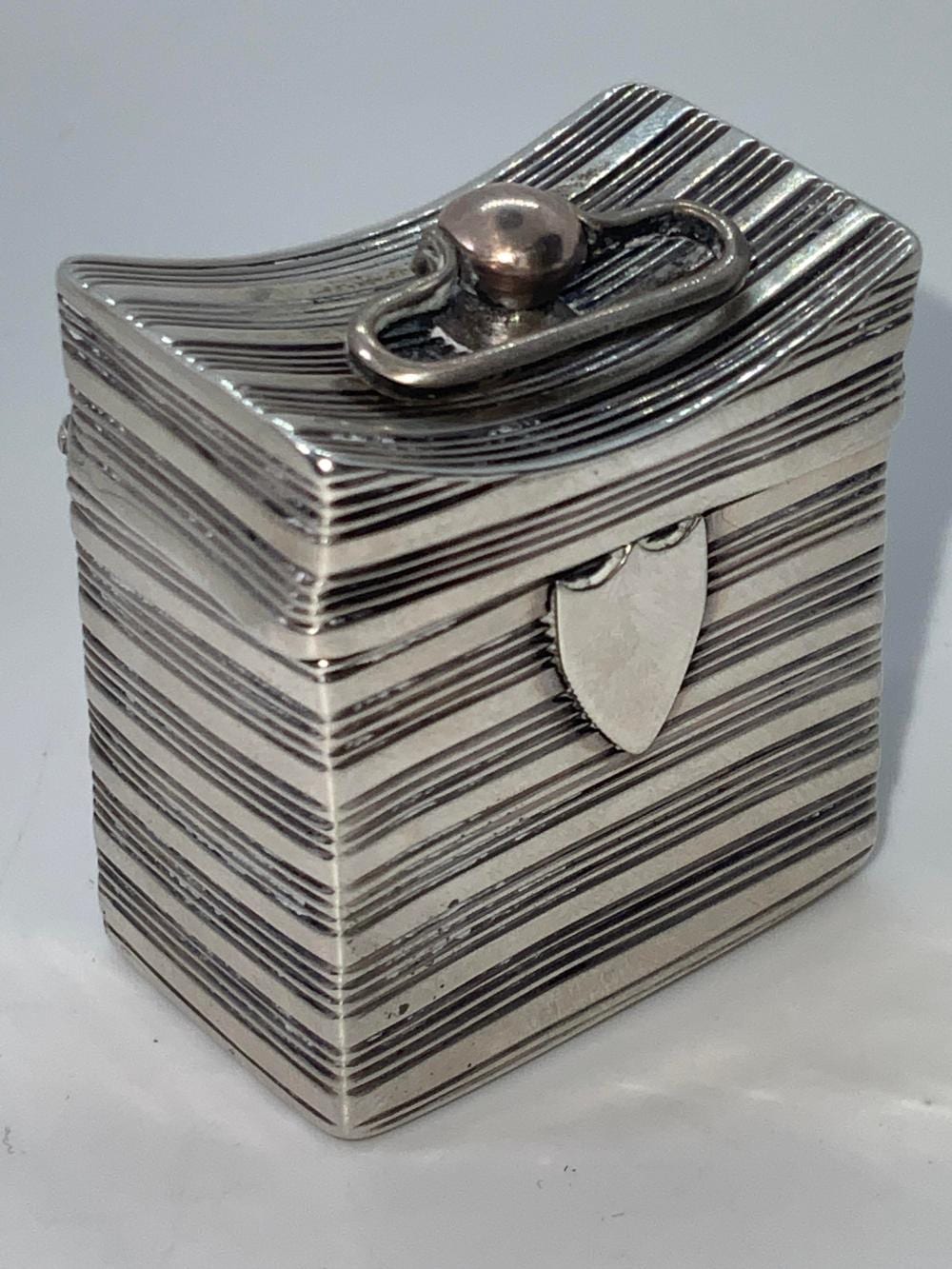
- Vinaigrettes (with a pierced grill for a scented sponge), mostly Georgian to early Victorian.
- Snuff boxes (for powdered tobacco), often larger and more ornate, especially in the 18th century.
- Practical tip: Don’t fixate on the label. Construction, materials, and decoration often carry over across types. Value follows quality, maker, and condition more than the intended contents.
The Value Formula: Factors That Move Prices
Collectors pay for beauty, rarity, and documented originality. Here’s the framework appraisers use.
- Material
- Precious metal content (silver, gold, vermeil) sets a floor value; artistry sets the ceiling.
- Tortoiseshell with piqué, hardstones (agate, chalcedony, lapis), micromosaics, and fine enamels elevate value.
- Craftsmanship
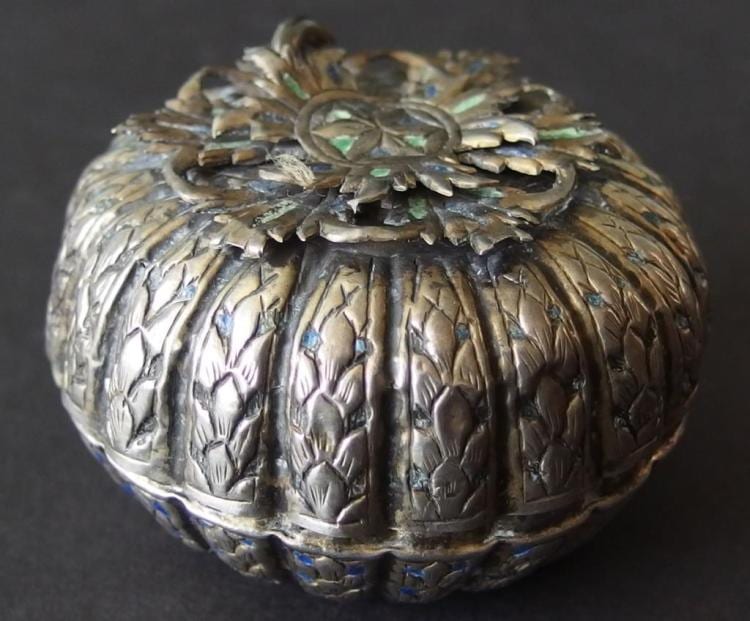
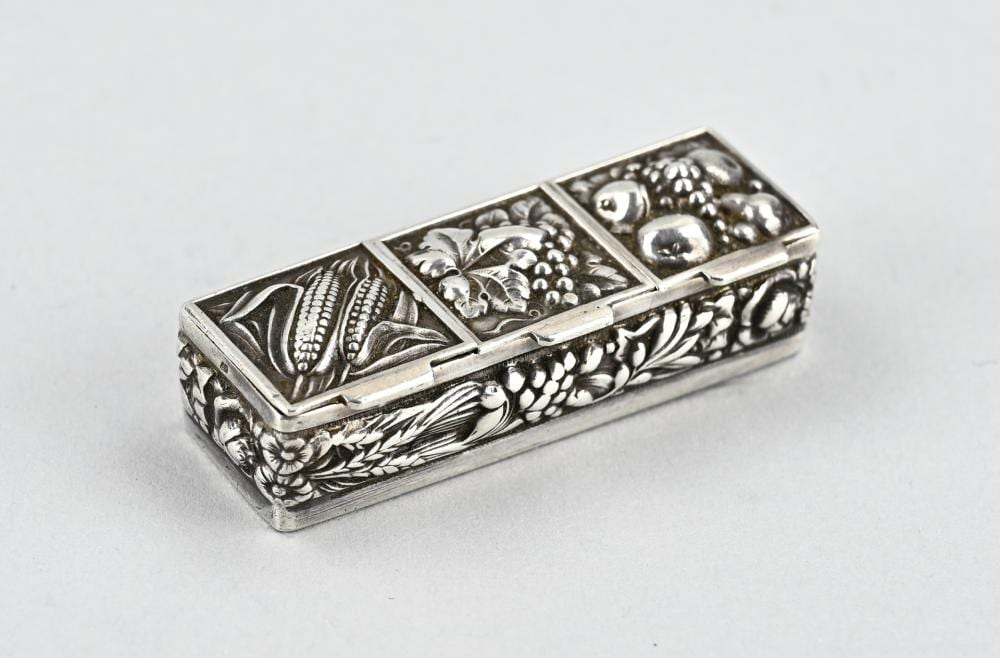
- Engine turning (guilloché), chased and repoussé work, crisp engraving, and seamless hinges reflect superior workmanship.
- Complex hinges and sprung lids signal quality; clumsy solder joints or misaligned lids depress value.
- Age and Style
- Georgian (1714–1830): refined gold and silver boxes, piqué tortoiseshell, early enamels.
- Victorian (1837–1901): sentimental motifs, micromosaics, revival styles, vinaigrettes.
- Art Nouveau (c. 1890–1910): flowing organic forms, plique-à-jour enamel.
- Art Deco (c. 1920s–1930s): streamlined geometry, lacquer, contrasting hardstones.
- Maker and Origin
- Notable makers command premiums: Fabergé and workmasters (e.g., Perchin, Wigström); Cartier; Tiffany & Co.; leading Birmingham silversmiths (e.g., Nathaniel Mills for small boxes and vinaigrettes); Swiss and Russian enamelers; Roman micromosaic workshops.
- French 18th and 19th century boxes from Parisian goldsmiths can bring five- and six-figure sums when workmanship is exceptional.
- Condition
- Enamel chips, hairlines, overpolishing of details, loose hinges, and resoldered sections all reduce price.
- Original gilding (interior vermeil) adds appeal; later re-gilding is common but should be disclosed.
- Rarity and Design
- Unusual forms, witty inscriptions (on patch boxes), meaningful provenance, and complex enamel or mosaic scenes drive demand.
- Size and Weight
- For gold and silver, weight informs intrinsic value, but the artistic premium dominates better pieces.
- Provenance and Documentation
- Previous sales records, old retailer boxes, inventory labels, and scholarly references validate originality and support higher estimates.
Materials, Eras, and Tells: A Field Guide
Recognizing what you’re holding is half the appraisal.
- Silver (sterling and continental)
- UK sterling standard (92.5% silver): look for the lion passant and an assay town mark (anchor for Birmingham, leopard’s head for London, etc.).
- Continental silvers are often marked .800, .830, .900, .935, .950, plus a national mark (e.g., German crescent moon and crown).
- Interiors may be gilded (vermeil) to resist corrosion from medicinals.
- Value: 20th-century sterling pill boxes are the most common and affordable; 19th-century English vinaigrettes and attractive chased work sell for clearly more, depending on quality.
- Gold
- Hallmarks or karat stamps (14K, 18K); continental numeric standards (e.g., 585, 750).
- Russian gold marks typically use zolotniks (56 ~ 14k, 72 ~ 18k) and assay symbols on earlier pieces.
- French small gold items may bear the eagle’s head for 18k; quality gold-and-enamel work can command high premiums.
- Value: simple 18k pill boxes are generally priced at metal value plus a modest premium; superior chased or enameled work brings far more.
- Enamel (painted, guilloché, plique-à-jour)
- Guilloché enamel is glass fused over engine-turned metal, common in Swiss and Russian luxury.
- Painted enamel scenes appear on 18th-century Bilston/Battersea patch boxes and 19th-century continental work.
- Chips, repairs, and repainting significantly affect value; original translucency and even gloss matter.
- Value: English Battersea patch boxes have a steady market; rare motifs and pristine examples sell well above ordinary ones; fine guilloché (especially Russian) is among the most expensive enamel work.
- Tortoiseshell with piqué
- Dark, mottled shell inlaid with gold or silver pins and wire (piqué). Common in Georgian and Regency smalls.
- Age patina and gentle translucency under strong light are good signs. Cracking and dryness are common issues.
- Value: elaborate patterns and excellent condition sell highest. Legal restrictions apply (see below).
- Hardstones and Micromosaic
- Lapis, agate, malachite, bloodstone, and chalcedony cased in silver or gold; 19th-century Rome produced exceptional micromosaic panels set into boxes.
- Value: hardstone boxes are priced on stone and mount; micromosaic with fine tesserae sells for considerably more, with top-tier examples higher.
- Porcelain
- Vieux Paris, Sèvres-style, or German Meissen miniatures mounted in ormolu or silver-gilt; earlier patch boxes often enamel-on-copper rather than porcelain.
- Look for hand-painted detail, quality gilding, and original mounts.
- Novelty and Advertising
- Early 20th-century tin, aluminum, or celluloid pill boxes bearing pharmacy or patent medicine brands.
- Usually inexpensive; rare brands sell for more, and condition matters.
Reading Hallmarks and Signatures
Hallmarks are the appraisal “cheat sheet”—if you know the code.
- United Kingdom
- Typical sequence: maker’s mark (initials), standard mark (lion passant for sterling), assay office (anchor Birmingham, leopard head London, thistle Edinburgh, rose Sheffield), date letter in a cartouche style that changes with each cycle.
- For gold, karat/carat standards and older crown marks may appear. Post-1975 numeric fineness is common.
- France
- Silver: Minerva head punch indicates French silver; numeral “1” for .950, “2” for .800.
- Gold: Eagle’s head denotes 18k on small items.
- Expect additional maker’s lozenges.
- Russia (Imperial period)
- Silver: “84” zolotnik (.875) with kokoshnik head and an assaymaster’s initials.
- Gold: “56” or “72” zolotnik standards; reputable workshop marks accompany.
- Fabergé: “FABERGÉ” or Cyrillic, plus the individual workmaster’s initials (e.g., M.P. for Michael Perchin).
- Germany
- Crescent moon and crown national mark with a fineness stamp.
- United States
- Often simply “STERLING” or karat marks; retailer stamps (e.g., Tiffany & Co.) are significant.
- Red flags
- Laser-etched “hallmarks” lacking depth, uniformly bright new punches on “old” metal, and mismatched marks (e.g., UK date letter that doesn’t correspond to the town mark style).
- Vague “800 SILVER” with no national marks can be fine—but corroborate by testing and build quality.
When hallmarks are absent, rely on construction (hinge style, screws vs. pins), thread pitch on closures, materials, design language, and comparative weight to the eye. Document your basis for any attribution.
Market Benchmarks
Treat these comparisons as guidance, not promises. Condition and provenance swing results, so check recent sold results for the same type and maker before pricing.
- Common sterling pill boxes (c. 1900–1950): the entry point. Artful repoussé or novelty forms sell for more.
- Fine English vinaigrettes (Birmingham makers, 1820–1860): well above common sterling; top examples considerably higher.
- Georgian gold boxes (small, pill-sized): priced well above silver; larger snuff-sized gold and enamel boxes by noted Parisian makers can sell for far more.
- Guilloché enamel on silver (Swiss/Russian style): strong demand; on gold or by important houses, much higher.
- Battersea/Bilston patch boxes: a steady market; rare mottoes, superb condition, or portrait miniatures bring a clear premium.
- Tortoiseshell piqué: priced on pattern and condition; exceptional patterns and preservation sell highest.
- Micromosaic Roman boxes: high-end, depending on scene complexity and tesserae fineness.
- Advertising/pharmacy tins: the least expensive group; scarce brands or unused condition sell for more.
- Fabergé pill boxes: the top of the market, depending on materials, workmaster, and provenance.
Auction vs. retail: Auction hammer prices may run well below full retail, but buyer’s premiums and seller’s commissions affect net. Dealer pricing includes curation, originality guarantees, and restoration costs.
Preservation, Restoration, and Ethical Issues
Value is preserved by restraint. The wrong “improvement” can cut worth in half.
- Cleaning
- Silver: Use gentle, non-abrasive polish sparingly. Avoid machine buffing; it rounds crisp detail.
- Gold: Clean with mild soap and water; avoid ammonia near enamel.
- Enamel: Do not polish. Dust lightly; consult a conservator for grime.
- Stabilization
- Microcrystalline wax can seal silver surfaces lightly.
- Store individually in acid-free tissue or soft pouches; avoid direct sunlight and high humidity.
- For tortoiseshell, maintain stable humidity; never apply oils.
- Repairs
- Professional hinge re-pinning and discrete soldering are acceptable if disclosed. Amateur epoxy, misaligned lids, or enamel overpainting are severe value hits.
- Replating or re-gilding interior is common; note it in descriptions.
- Legal/ethical materials
- Tortoiseshell (hawksbill) and ivory trade is tightly regulated. Sales and export may require documentation or may be prohibited. Know your local laws and CITES rules.
- Coral and certain hardwoods may also be restricted. When in doubt, seek a written opinion before selling or shipping.
Quick Appraisal Checklist
- Identify material: silver, gold, tortoiseshell, enamel, hardstone, porcelain.
- Weigh the piece (accurate scale) and measure dimensions.
- Examine hallmarks with a 10x loupe; record all marks and their locations.
- Assess craftsmanship: hinge fit, engine turning, chasing, inlay regularity.
- Check condition: chips, hairlines, dents, solder, re-gilding, replaced parts.
- Determine likely origin and era based on marks and style.
- Research maker significance and market evidence of similar materials and motifs.
- Calculate metal floor value (weight × fineness × spot price) as a baseline.
- Adjust for artistic premium, maker, rarity, and condition (plus/minus share).
- Document your findings with clear photos and a concise written note.
Common Pitfalls and How to Avoid Them
- Confusing categories: Snuff, vinaigrette, patch, and pill boxes overlap. Appraise the object, not the label.
- Overpolishing: Shiny sells, but rounded edges and thinned engraving are permanent losses.
- Misreading hallmarks: Use reliable hallmark guides and cross-check date letters against the specific assay office.
- Assuming enamel is intact: Rake light across surfaces to reveal hairlines and retouching.
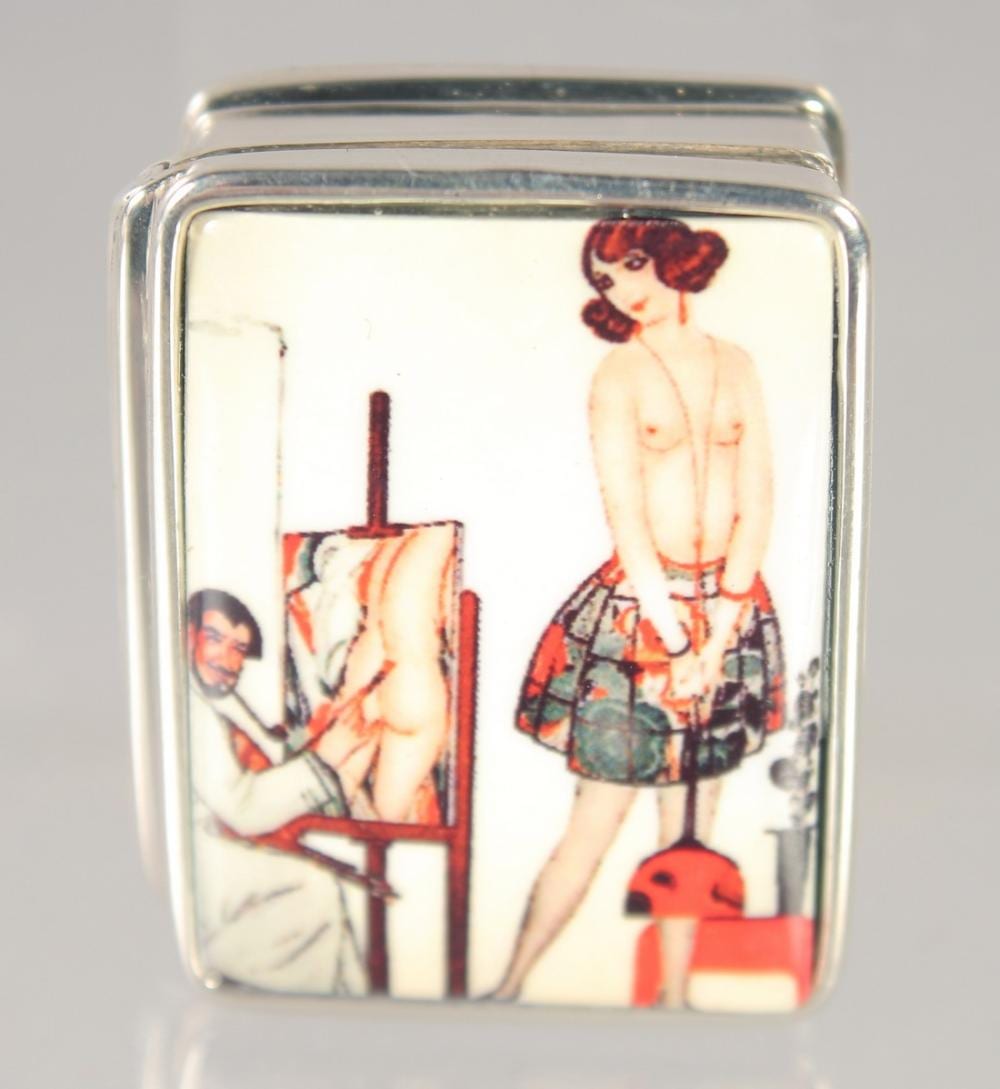
- Underestimating reproductions: Modern “Battersea” style boxes and plated “gold” boxes abound; weight, patina, and mark quality help separate them from period originals.
FAQ
Q: How can I tell if my small snuff box is actually a pill box? A: Pill boxes are typically smaller, with simple interiors. Snuff boxes skew larger and often have more elaborate decoration. Vinaigrettes include a pierced inner grill. That said, the market often values the craft rather than the original use—focus on materials, maker, and condition.
Q: Do monograms hurt value? A: It depends. On silver, a tasteful period monogram can be neutral or slightly negative. On luxury makers (Fabergé, Cartier), discreet period monograms typically do not harm value and may even help if traceable to a notable owner. Removed monograms (“monogram erasures”) can be worse than leaving them intact.
Q: Should I re-gild the interior of a silver box? A: Only if the gilding is severely worn and the work will be professionally executed. Re-gilding is acceptable when disclosed, but original gilding in good condition is preferable and often more valuable.
Q: What if there are no hallmarks? A: Absence of marks is common on small continental or custom pieces. Rely on material testing, construction details, stylistic analysis, and comparison with documented examples. Weigh more heavily the craftsmanship and condition in your valuation.
Q: Are reproductions common? A: Yes. Modern enamel “patch” boxes and gold-plated pill boxes are frequent. Signs include soft detail, perfect yet shallow “marks,” lightweight construction, and incongruent wear. When in doubt, seek a specialist opinion before paying a premium.
By training your eye on materials, marks, workmanship, and condition—and by anchoring estimates to realistic comparables—you’ll unlock the true worth of these small but significant timekeepers of taste.