
Identify Sterling Silver Marks: 925 and Hallmarks
Identify sterling silver marks by 925, sterling, hallmarks, maker stamps, assay marks, plate wording, wear spots, condition, and appraisal clues.

Found silver marks and want to know if they matter?
Upload photos. We identify the object, check real sales, and show the right appraisal path.
Start a sterling silver appraisalThe quick answer
To identify sterling silver marks, look first for metal-standard marks such as STERLING, 925, 925/1000, or recognized national hallmarks. Then confirm the maker, object type, weight, and construction. Do not treat every name, number, or patent stamp as proof of sterling.
Silverplate often has marks too: EPNS, electroplate, A1, quadruple plate, maker names, pattern numbers, and retailer stamps. These can be useful for identification but usually do not carry sterling metal value.
Sterling mark checklist
- Find every mark: check underside, handle backs, rims, lids, clasps, bails, and feet.
- Separate metal standard from maker: 925 or STERLING is different from a company name or pattern number.
- Read country clues: British marks often include standard, city, date letter, and maker. American pieces may read STERLING plus maker. Mexican pieces often include 925, MEXICO, Taxco, or maker/shop codes.
- Check for plate language: EPNS, EP, A1, silver soldered, plated, quadruple, and hotel plate usually indicate silverplate.
- Weigh the object: sterling value is affected by weight, but weighted candlesticks, knives, and filled pieces are not solid sterling.
- Inspect condition: dents, worn plating, splits, solder repairs, missing pieces, and heavy polishing matter.
Need help reading sterling marks?
Send the full object, every mark, weight, dimensions, and condition photos for a free first read.
What common marks mean
925 means 92.5 percent silver when genuine. STERLING is the common American sterling standard. British sterling usually uses a lion passant plus assay-office and date marks. Coin silver can be valuable, but it is a different standard and often requires maker research. Silver soldered usually refers to plated hotel or service ware, not solid sterling.
Numbers can mislead. A pattern number, model number, date code, or registry number is not the same as a silver standard. When the mark is unclear, compare the whole object: seams, wear at high points, base metal showing through, construction, and whether a knife or candlestick is weighted or filled.
Value drivers after the mark
- Metal content: solid sterling differs from weighted, filled, plated, or mixed-material pieces.
- Maker: Tiffany, Gorham, Georg Jensen, important British makers, regional coin-silver makers, and notable Native American or Taxco makers need closer review.
- Object type: flatware services, trays, tea sets, hollowware, jewelry, and souvenir spoons have different markets.
- Completeness: full services and matched sets can behave differently from single odd pieces.
- Condition: monograms, dents, splits, worn details, missing lids, and repairs can affect value.
- Market demand: melt value is only one floor; design, maker, and collector demand can matter more for the right object.
What similar items actually sold for
To help ground this guide in real market activity, here are recent example auction comps from Appraisily’s internal database. These are educational comparables (not a guarantee of price for your specific item).
Shown USD range: USD 1,300-USD 4,500. Median of these 5 USD examples: USD 3,800.
| Image | Description | Auction house | Date | Lot | Reported price realized |
|---|---|---|---|---|---|
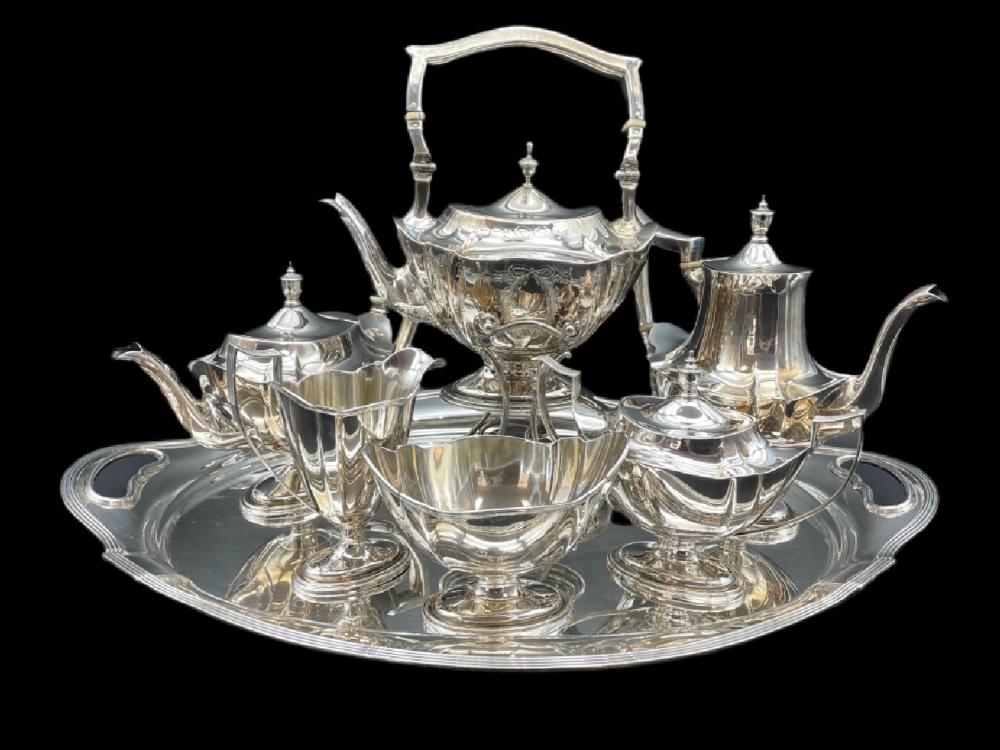 |
GORHAM STERLING SILVER PLYMOUTH TEA SET & TRAY | DejaVu Estate Sales & Auctions | 2022-06-27 | 198 | USD 3,800 |
|
GORHAM STERLING SILVER PLYMOUTH TEA SET & TRAY | DejaVu Estate Sales & Auctions | 2022-04-11 | 198 | USD 4,500 |
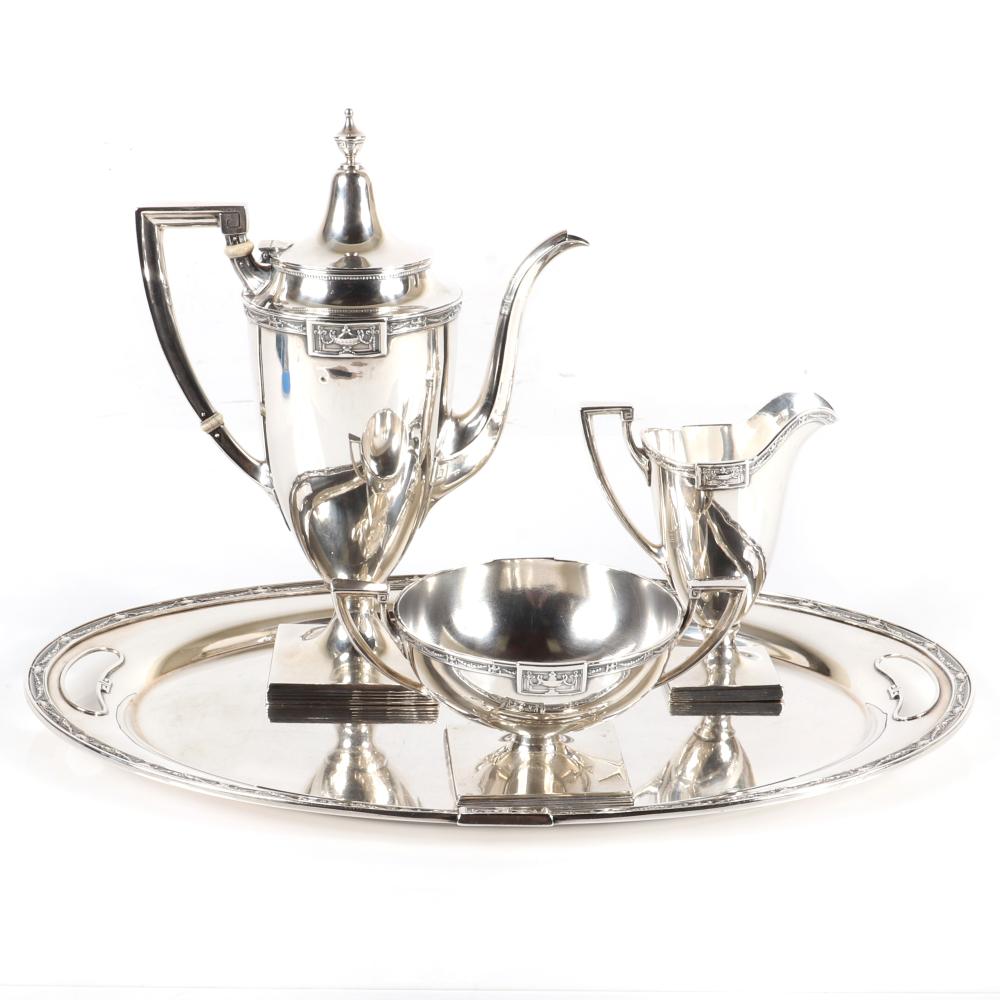 |
Gorham Lansdowne sterling silver tea set with sterling silver tray. Three piece service consisting of teapot, cream pitcher and double handle sugar on round tray. 10"H (pitcher), 62.69 troy oz | Ripley Auctions | 2021-04-10 | 127 | USD 1,500 |
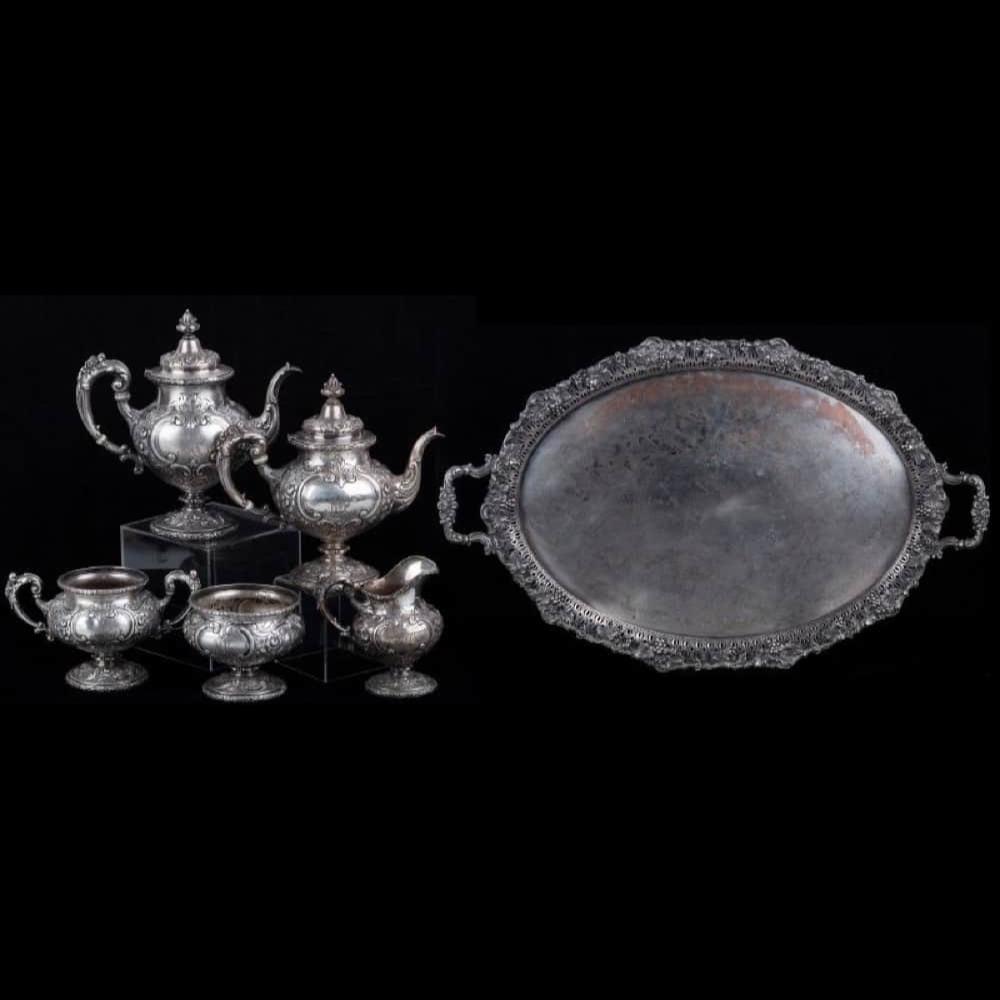 |
Reed and Barton Five Piece Sterling Silver Coffee and Tea Set with Near Matching Silver Plate Serving Tray. | Goldberg Coins & Collectibles | 2020-03-22 | 734 | USD 1,300 |
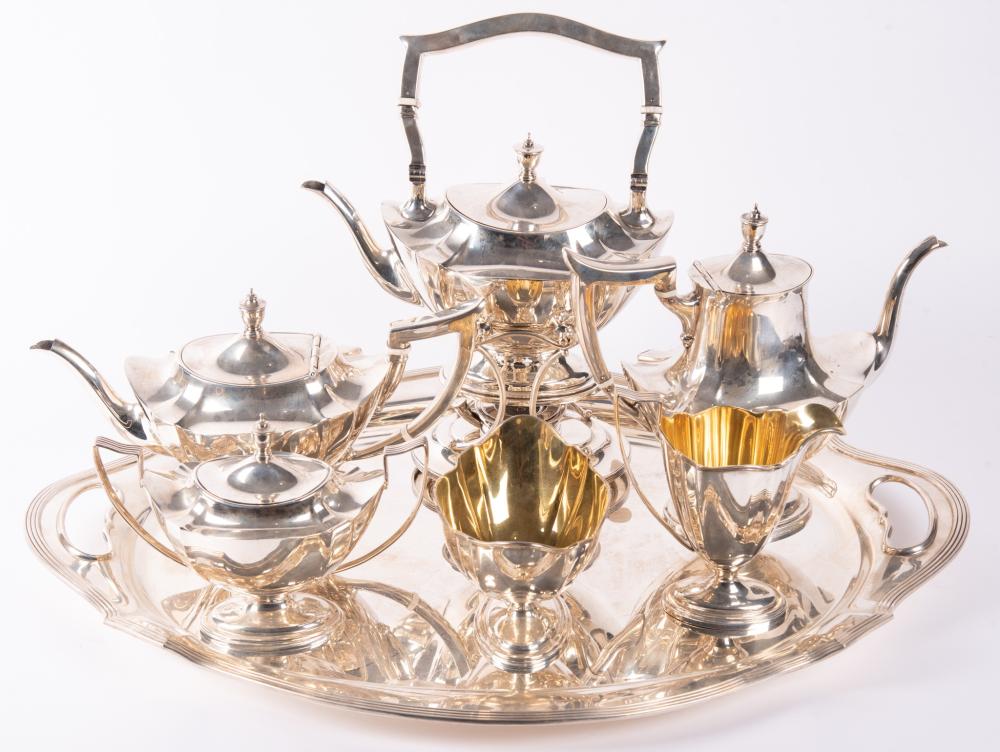 |
A 7 Piece Gorham Sterling Silver Tea Set with Tray, Plymouth Pattern | Link Auction Galleries | 2021-12-04 | 129 | USD 4,000 |
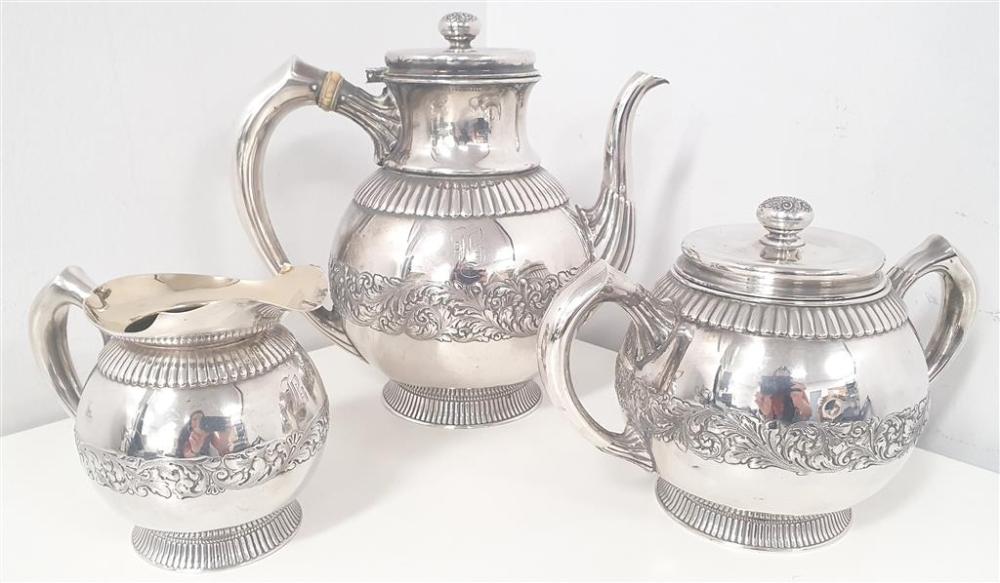 |
A THREE PIECE AMERICAN STERLING SILVER TEA SET, stamp Sterling to base, with pseudo British Hallmarks. | Raffan Kelaher & Thomas | 2022-09-26 | 471 | AUD 750 |
Comparable images are shown at thumbnail scale with source links. Request image review or removal.
Disclosure: prices are shown as reported by auction houses and are provided for appraisal context. Learn more in our editorial policy.
Free instant estimate
Not sure if your item is worth appraising? Let us take a look.
Upload a photo, tell us what you know, and get a free first read. If a full appraisal makes sense, we will say so.
Free. No card needed. Takes about two minutes.
Have sterling marks or mixed silver pieces?
Use the free screener to check the mark, metal standard, maker, object type, condition, and whether a written report is useful.
Upload photos for a free first lookWhat auction evidence does not prove
A similar mark does not mean a similar value. Auction records are evidence to interpret. Condition, authenticity, maker, form, weight, completeness, repairs, provenance, and current demand can materially change value.
When to use the free screener
Use the free screener when you have clear mark photos and need quick triage: sterling or plate, likely object category, whether the item deserves deeper research, and which appraisal path fits.
When to get a professional appraisal
Use a professional appraisal for full services, important makers, estate groups, Native American or Taxco jewelry, old coin silver, insurance needs, donation questions, or anything with uncertain authenticity. For formal use, review qualified appraisal options.
Photo checklist
- Whole object from front, back, side, top, and underside.
- Sharp close-ups of every mark, not just the word STERLING or 925.
- Scale photo with ruler and written measurements.
- Weight, with a note if the piece is weighted, filled, attached to porcelain, or mixed with another material.
- Close-ups of dents, splits, solder, worn plating, monograms, missing parts, or repairs.
- Photos of storage chest, receipts, family notes, or old appraisal paperwork.
Silver standards to know
The FTC's jewelry guides in 16 CFR 23.0 include flatware, hollowware, and other silver products within the covered scope, and 16 CFR 23.5 addresses silver-content representations. That is why mark reading should separate sterling, coin silver, plated terms, and mixed-material construction.
Editorial note
This guide is educational. Appraisily uses object details, supplied photos, auction evidence, and specialist review signals to help owners decide whether a free first read or a signed appraisal is appropriate.
Common searches this guide answers
- how to identify sterling silver marks
- 925 sterling silver hallmark identification
- sterling versus EPNS plate marks
- silver maker stamps and assay marks
- coin silver and sterling silver mark differences
- weighted sterling handle and filled silver clues
- sterling silver mark appraisal by photos
FAQ
Is 925 always sterling silver?
925 is a sterling-standard mark when genuine, but marks can be copied or applied to low-quality pieces. Check construction, wear, maker, and test results when value matters.
What does EPNS mean?
EPNS usually means electroplated nickel silver. It is silverplate, not solid sterling.
Are monograms bad for value?
Not always, but monograms can reduce demand for some flatware and hollowware. Important makers or strong forms can still have market value.
Should I polish silver before appraisal?
Light dusting is fine. Avoid heavy polishing because it can soften marks, remove detail, and hide condition clues.
Choose your next step
Use the path that matches the decision you need to make about the item.
Not sure it is worth appraising?
Start with a lower-friction screen to understand the likely category, evidence, and next step.
Upload photos for a free first lookWant proof before paying?
See how a signed report documents photos, comparable evidence, condition notes, and value conclusions.
View signed report sampleNeed a signed report?
Use this for insurance, estate, donation, resale, or documented value decisions.
Need documentation now? Start signed appraisalNeed local or specialist help?
Compare directory options when the work needs in-person review or a specialist near you.
Find local specialistsSee what the report looks like
Sample reports show how photos, comparable evidence, condition notes, and a value conclusion are documented.
Need sterling silver marks identified before selling?
Upload close-ups of every mark, the full object, worn edges, seams, weight, dimensions, monograms, and any maker or pattern notes.
Upload photos for a free first lookSee antique appraisal optionsFree first read for sterling marks, 925 stamps, plate clues, and value.
Upload photos for a free first look