Unlocking the Worth of Time the Essential Guide to Determining the Value of Old Whiskey Bottles: appraisal and value basics
Unlocking the Worth of Time the Essential Guide to Determining the Value of Old Whiskey Bottles research should start with identification, condition, provenance, and item-specific market evidence. Use this guide to compare the signals that matter before paying for a formal appraisal or deciding whether to sell.
Old whiskey bottle appraisal checklist
For collectors and appraisers, old whiskey bottles occupy a rare intersection of design, history, and desirability. Some are important for their contents; others, for their glass, embossing, and advertising value. Determining what a bottle is truly worth requires more than a hunch. This guide walks you through the key signals—dating, condition, scarcity, originality, and market dynamics—so you can evaluate both full and empty bottles with confidence.
What Makes Old Whiskey Bottles Valuable?
Value isn’t driven by just one factor; it’s a constellation. Focus on these primary drivers:
- Brand reputation and demand
- High-demand bourbon (e.g., historic pre-Prohibition brands, cult modern classics), rare single malts (closed Scotch distilleries), limited-release Japanese, and notable Irish whiskeys typically command premiums.
- Age and era
- Pre-Prohibition (pre-1920 US), Prohibition medicinal whiskey (1920–1933), post-repeal pre-war (1930s), and “dusty” 1940s–1970s bottlings often see strong interest. More recent but cult releases (1990s–2010s) can also be valuable.
- Rarity and production context
- Single-cask releases, distillery closures, discontinued lines, export-only variants, private bottlings, and early iterations of later-famous brands elevate rarity.
- Provenance and documentation
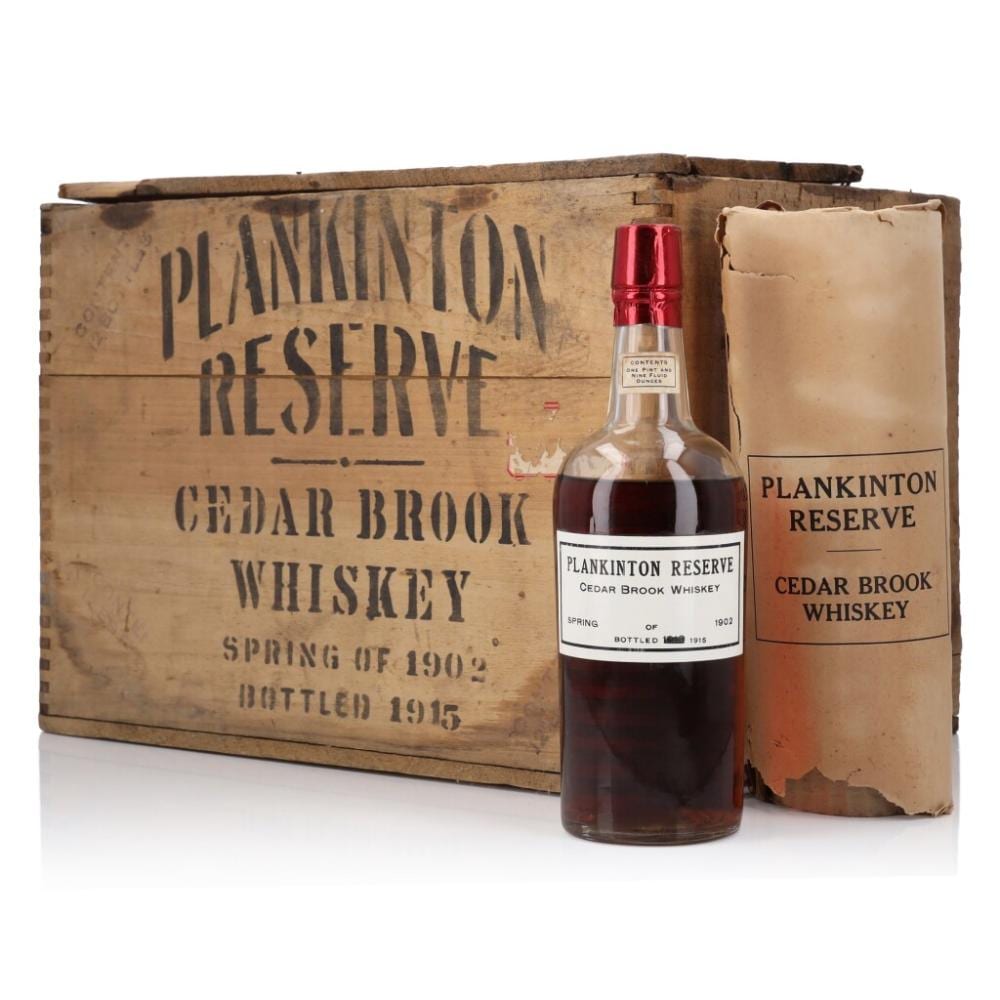
- Receipts, original shipping invoices, photos in situ, original packaging (box/tube/strap), or a direct distillery tie-in add credibility and value.
- Condition and completeness
- For full bottles: high fill level, clean labels, intact capsule/cork, and sound liquid clarity matter. For empty bottles: undamaged glass, crisp embossing or labels, and scarce molds or advertising.
- Aesthetics and form
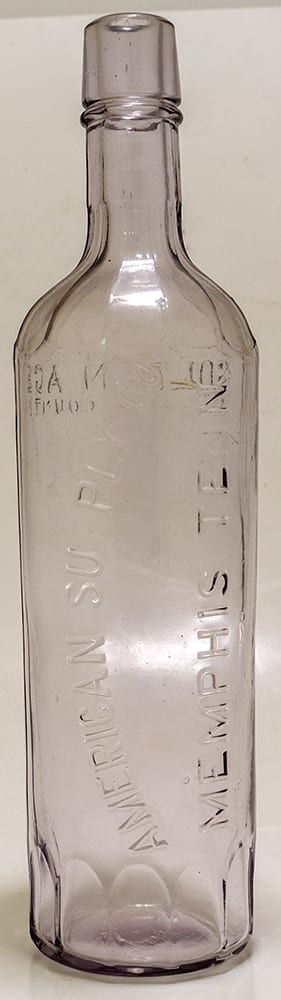
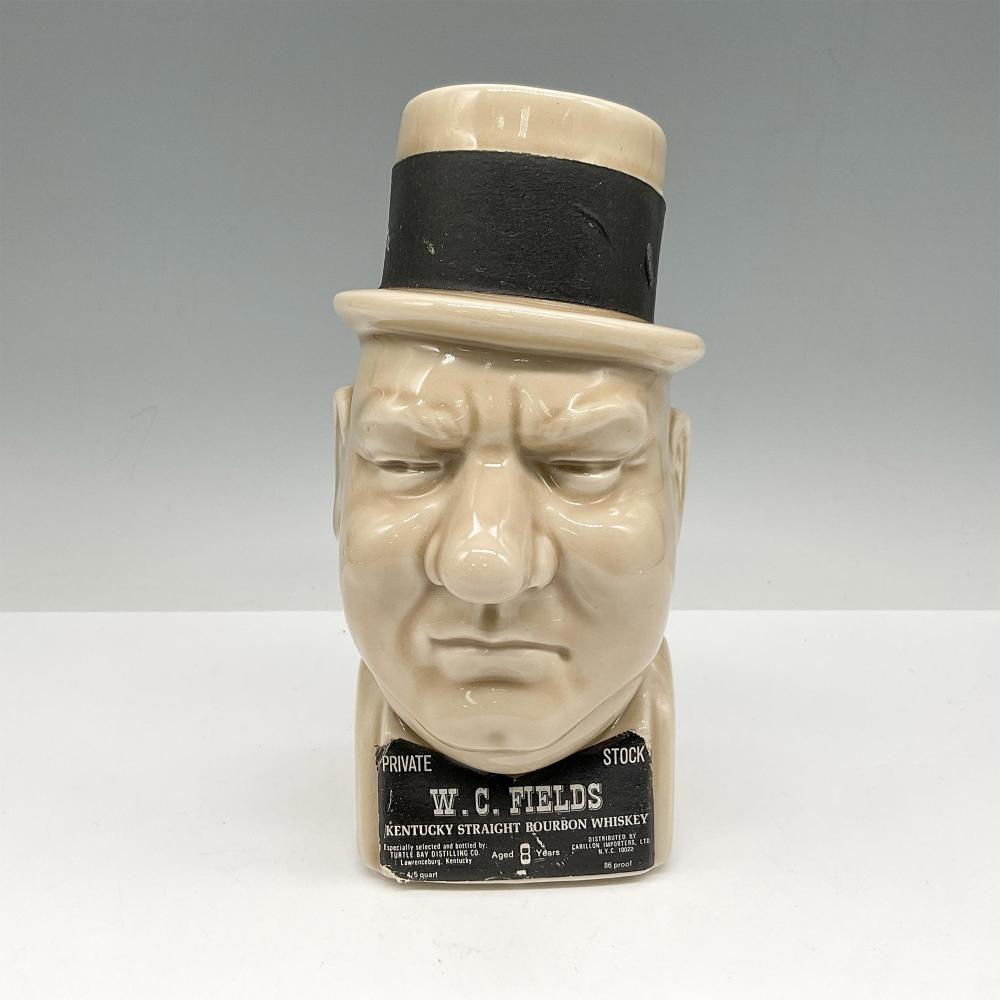
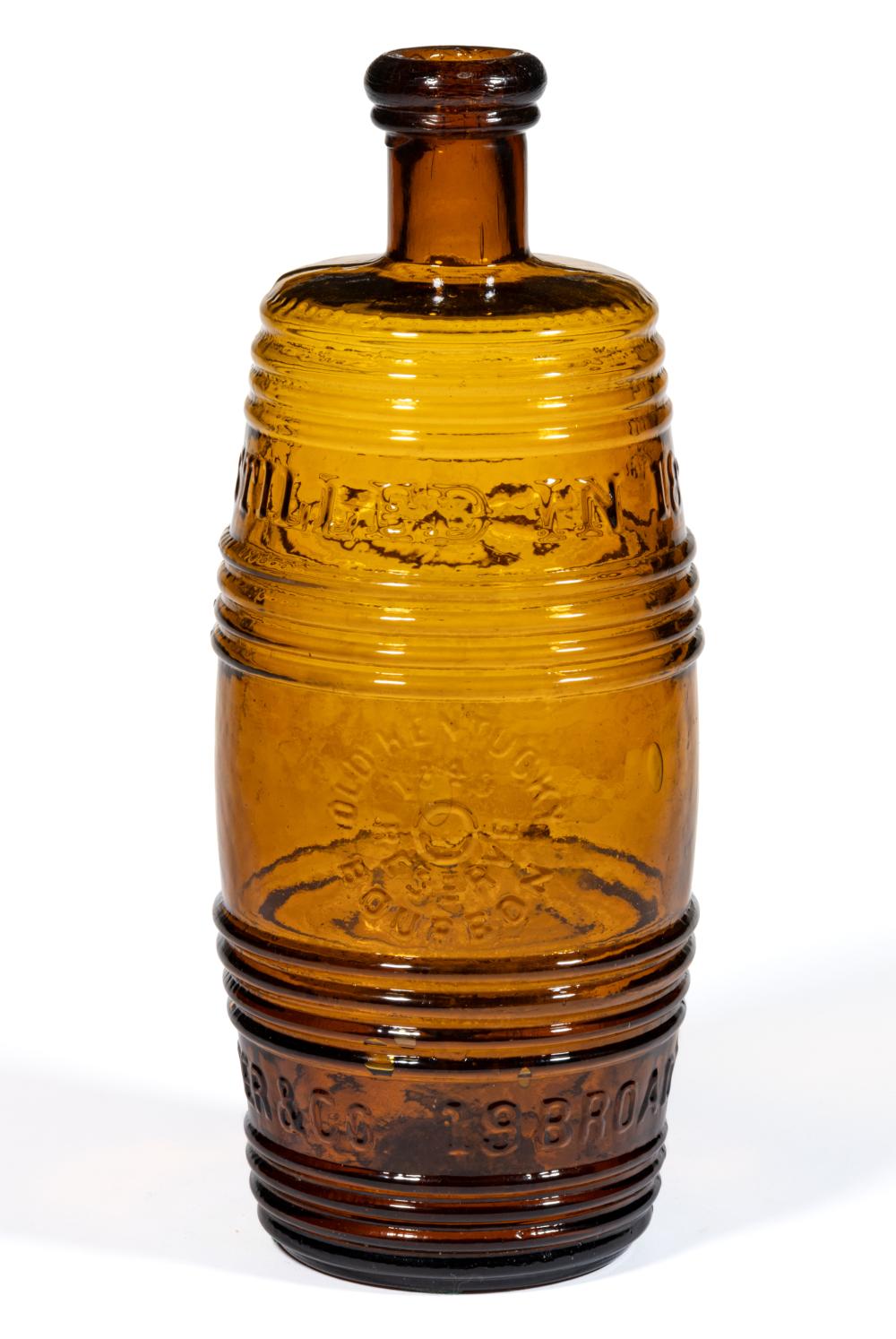
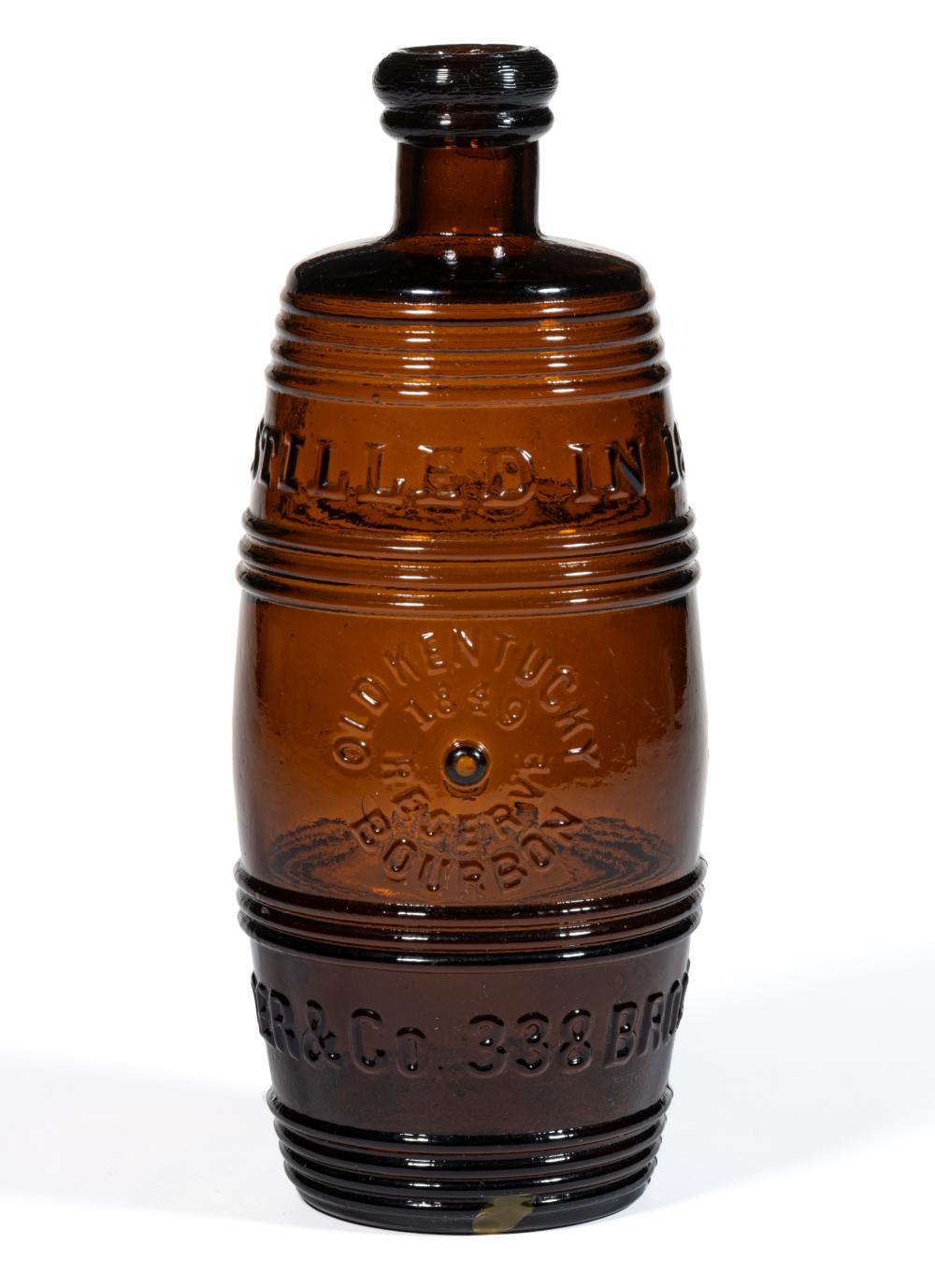
- Figural, backbar display, etched/enameled advertising, or unusual molds attract collectors even when contents are long gone.
Keep in mind: two seemingly identical bottles can differ drastically in value based on fill level, label quality, or a small variant in proof or importer.
Dating Your Bottle: Reliable Clues and Timelines
Establishing when a bottle was made—or when the whiskey was bottled—is foundational. Use multiple clues; avoid relying on a single data point.
- US metrication
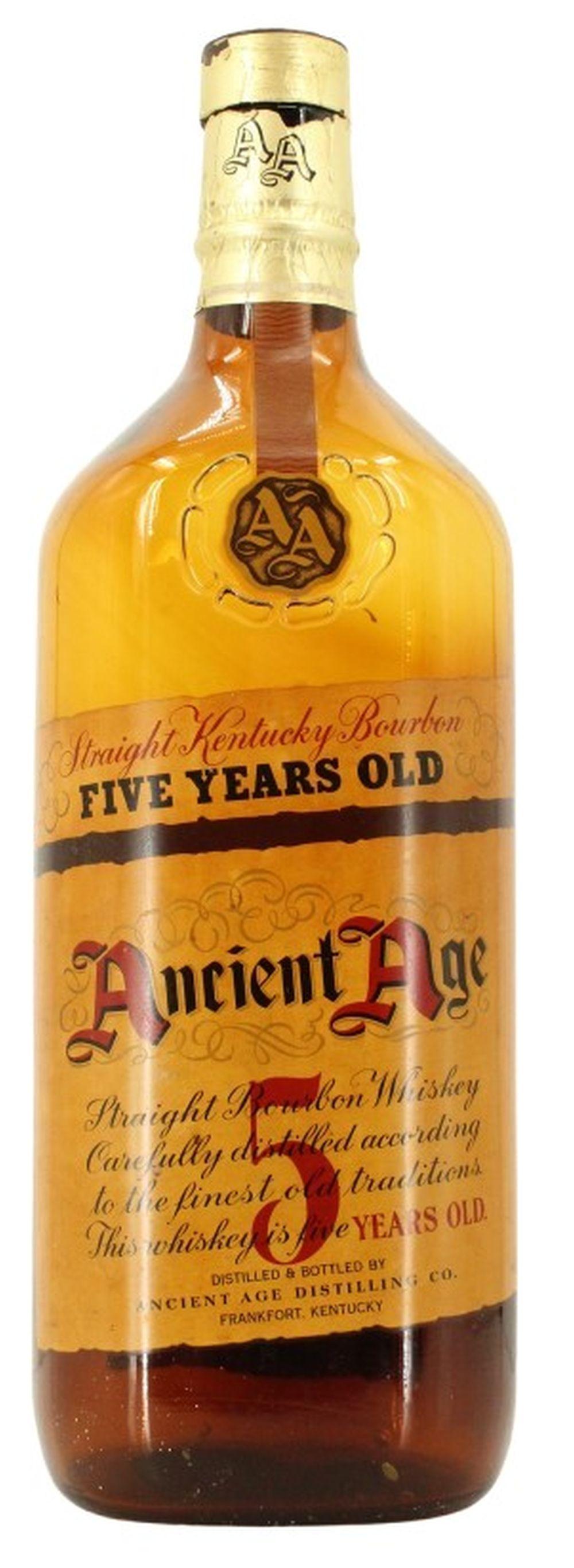
- 4/5 quart or pint/half-pint sizes indicate pre-1980 US bottling. 750 mL, 1 L, 700 mL suggest post-metrication (US moved to metric for spirits in 1980).
- Tax strip stamps (US)
- US revenue strip stamps on the closure typically appear between 1934 and 1985. Sealed bottles with intact strips can often be situated within that range. Colors and wording varied by period.
- “Federal law forbids sale or reuse of this bottle” (US embossing)
- Embossed on many liquor bottles from roughly 1935 to 1964. Its presence suggests mid-20th century manufacture.
- Government health warning (US)
- Surgeon General warning began appearing on US liquor labels in 1989. Its presence generally indicates 1990s forward.
- Bottled in Bond Act reference (US)
- “Bottled in Bond” indicates compliance with the 1897 Act and is a stylistic clue more than a date stamp; combine with other data to narrow a timeframe.
- Prohibition medicinal labels (US)
- Bottles marked for “medicinal purposes” with permit language indicate 1920–1933 legality during Prohibition. Labels and tax seals differ from standard post-repeal bottlings.
- Import labels and duty stamps
- For Scotch, Irish, and other imports, older UK/EU duty stamps or country-specific importers help date windows. Look for importer addresses that changed over time.
- Glassmaking and closures
- Hand-finished mouth-blown bottles and tooled lips usually pre-date widespread machine manufacture (early 20th century). Owens machine scars and uniform mold seams suggest later production. Cork closures predate widespread threaded metal or plastic caps.
- Proof statements and ABV
- US proof-only vs. ABV statements can help periodize. Many older bottles display proof prominently; ABV labeling standards became more consistent in late 20th century.
- Distilled Spirits Plant (DSP) numbers (US)
- DSP numbers identify production/bottling facilities; changes in location or numbering can help date, especially across pre-/post-Prohibition reorganizations.
Document all clues with clear photos. A single additional detail—a different importer, an earlier address—can move a bottle into a narrower and often more valuable date range.
Full vs. Empty: How Contents Affect Price
Not all whiskey bottle markets are the same. Some collectors chase the liquid; others value the container as advertising or glass art.
- Full, sealed bottles
- Fill level (ullage) is critical. Levels into the neck/shoulder are expected; mid-shoulder or below suggests evaporation and can depress value.
- Label, capsule, and closure integrity matter. Any evidence of tampering, leakage, or replacement affects desirability.
- Clear, sediment-free liquid is preferred. Clouding or heavy particulate may indicate cork deterioration or poor storage.
- Original packaging, tax strips, and tags add value.
- Empty bottles
- Antique backbar bottles, embossed distillery glass, and scarce advertising decanters can be valuable as display pieces. Condition of glass and paint/enameled graphics is key.
- Many mass-produced 1950s–1970s decanters (e.g., common releases) are modest in value; rare club editions, prototypes, or pristine examples with boxes may outperform.
- Miniatures and samples
- Minis can be surprisingly collectible, especially for closed distilleries or limited runs. Condition and provenance are essential.
Legal and safety notes:
- Selling sealed alcohol is regulated and may be restricted. Some regions allow sale of “vintage spirits” under specific rules; others do not. Always confirm local law before listing or shipping.
- For appraisal purposes, never open a sealed bottle; doing so drastically reduces collectible value and can violate regulations.
Brand, Rarity, and Market Segments
Understanding where your bottle “lives” in the market helps set realistic expectations.
- Vintage bourbon and rye
- Pre-Prohibition and immediately post-repeal brands (Old Crow, Old Overholt, Cream of Kentucky, Old Taylor, Old Forester, and others) can be strong, especially in high proof, Bottled-in-Bond, or limited formats.
- Late 20th-century “dusty” bourbons—certain age-stated releases and discontinued labels—have become highly sought after. Some command four to five figures when rarity and condition align.
- Scotch single malts and blends
- Closed distilleries (Port Ellen, Brora, Rosebank), early releases from modern icons (Macallan, Springbank, Ardbeg), and independent bottlings from the 1960s–1980s can be top-tier.
- Blends vary widely; early age-stated blends from prestigious houses with good fill and provenance can still be meaningful.
- Japanese and Irish
- Discontinued Japanese single malts (Karuizawa, Hanyu, early Yamazaki) and Irish limiteds or early Midleton releases are notable. Originality scrutiny is high for these categories.
- Decanters and backbar displays
- Jim Beam and similar 1950s–1970s decanters were produced in huge numbers; most common examples trade in the low tens of dollars. Exceptions include rare club or commemorative issues, low-production colors, and pristine boxed sets.
- Hand-painted, etched, or uniquely molded backbar bottles from the late 19th to early 20th century can be highly collectible as decorative glass.
- Packaging and completeness
- Original cartons, tubes, medallions, tags, and paperwork can add noticeably to value, depending on rarity.
When in doubt, analyze market evidence for your exact variant—size, proof/ABV, importer, closure, and packaging differences can be decisive.
Attribution review and Red Flags
High prices attract counterfeits and altered bottles. Appraisers should adopt a skeptical, evidence-based approach.
- Label and adhesive
- Look for consistent aging: natural foxing, edge toning, and fiber wear. Sharp, bleached-white paper on a supposedly 1960s label is suspect.
- Check for lift lines or misaligned edges; modern adhesives may fluoresce differently under UV.
- Capsule and cork
- Heat-shrink capsules can be reapplied. Uneven wrinkling, melted edges, or capsule length mismatches are warning signs.
- Corks that look new on an “old” bottle may indicate refilling. However, some producers used plastic or composite closures in later decades—know your category norms.
- Fill-level anomalies
- High fill on a bottle with a heavily degraded label can be suspicious, as can perfectly clear liquid in a very old bottle with a compromised capsule.
- Mismatched components
- An early label with a later bottle, or an importer strip inconsistent with the primary label era, suggests assembly from parts.
- Printing and typography
- Fonts, logos, and legal statements change over time. Compare with period-correct examples when possible.
- Glass clues
- Mold seams, base marks, and embossing should be consistent with the claimed period. Machine-made precision on a bottle presented as 19th century is a red flag.
When originality is uncertain, weigh risk in valuation. For high-value items, seek peer review or a specialist opinion.
How to Appraise: A Comparable-Based Method
Build a defensible valuation by triangulating data points rather than guessing.
- Identify the exact variant
- Record distillery/brand, expression/age, proof/ABV, bottle size, bottling era, importer, DSP numbers (if present), and packaging details.
- Photograph front/back labels, capsule/cork, tax strips/duty stamps, fill level, base/embossing, neck/shoulder glass, and any numbers.
- Establish condition grade
- Full bottles: assign qualitative grades to label (A–D), capsule (intact/partially torn), cork (unknown but evaluate capsule integrity), fill level (high shoulder/low neck/shoulder/mid-shoulder), and liquid clarity.
- Empty bottles: assess chips, cracks, staining, paint loss, and completeness of labels/embossing.
- Survey market evidence
- Focus on the closest matches: same variant, similar condition, with/without box as applicable.
- Note sale venue (specialist auction vs. general marketplace), date, and currency to understand context.
- Adjust for time (market trend), condition differences, packaging, and provenance. Apply share adjustments thoughtfully and consistently.
- Consider valuation purpose
- Fair market value (FMV): most-likely price between willing buyer and seller in an open market.
- Auction estimate: a range considering fees and venue audience; typically a bit conservative to encourage bidding.
- Replacement value for insurance: higher, reflecting the cost and time to source a comparable example from a retail or specialist channel.
- Document assumptions
- Explicitly state if originality could not be fully verified, or if legality of sale may constrain the market, and reflect this as a discount or a valuation range.
Care, Storage, and Safe Selling
Your stewardship affects future value.
- Storage for full bottles
- Keep upright to protect the cork from prolonged alcohol contact.
- Stable, cool temperature (ideally 12–18°C / 55–65°F), moderate humidity, and low light. Avoid direct sunlight and rapid swings.
- Do not wax over capsules or apply adhesives; these can trap moisture or appear as tampering.
- Storage for empty bottles
- Dust gently, avoid abrasives, keep out of strong UV. For enameled/painted graphics, handle minimally and avoid solvents.
- Shipping considerations
- Secure with double-boxing and bottle-specific padding; protect the closure and glass-to-glass contact. Comply with carrier and jurisdiction rules for alcohol if shipping sealed bottles.
- Legal landscape
- Laws on selling sealed vintage spirits vary by location. Some places require licensed channels; others permit limited retail resale. Verify regulations before listing, and never misrepresent the item’s status.
Quick Appraisal Checklist
- Identify the exact variant: brand, expression, age, proof/ABV, size, importer, DSP/lot codes.
- Date markers: metric vs. imperial volume, tax/duty strips, “federal law forbids…” embossing, health warnings, closure type.
- Condition: label legibility, capsule integrity, fill level, liquid clarity, glass defects, packaging completeness.
- Rarity signals: limited release, single cask, closed distillery, uncommon importer, pre-/post-Prohibition context.
- Provenance: receipts, photos, original retailer info, estate history.
- Red flags: mismatched era components, fresh adhesives, inconsistent aging, refill indications.
- Market evidence: note at least 3–5 item-specific market evidence and adjust for condition and packaging.
- Legal check: confirm whether sale is permitted in your jurisdiction and through which channels.
- Documentation: take clear photos and write a brief condition report with measurements.
FAQ
Q: Are sealed bottles always worth more than empty ones? A: Generally yes, especially for sought-after brands and eras. However, certain antique advertising or figural bottles can be valuable even when empty, while some sealed but common decanters remain modest in value.
Q: How much does fill level affect value? A: Significantly. A drop from high shoulder to mid-shoulder can cut value substantially for older bottlings, depending on brand and demand. Extreme ullage often indicates compromised condition and can deter collectors.
Q: Can I legally sell an old, sealed whiskey bottle online? A: It depends on your location. Many jurisdictions restrict private alcohol sales or shipment. Some allow licensed channels or specific “vintage spirits” provisions. Verify local regulations before listing or shipping.
Q: What makes a decanter valuable? A: Low production numbers, unusual forms or colors, specific club or commemorative issues, pristine condition, and original packaging drive value. Most mass-produced decanters are common and trade for modest sums.
Q: Should I clean or restore an old bottle before selling? A: Light, non-invasive cleaning (dusting, gentle exterior wipe) is fine. Avoid label repairs, re-gluing, or capsule tampering. Over-cleaning or amateur restoration can reduce value and raise originality concerns.
By combining accurate dating, careful condition grading, market-appropriate market evidence, and a conservative approach to originality, you can appraise old whiskey bottles with clarity—and unlock the worth of time preserved in glass.