What old whiskey jugs actually sell for
A plain stoneware whiskey jug is a different sale from a stamped advertising piece or a regional pair.
Free. No card needed. Photo upload takes about two minutes.
Plain cream-glaze jug. A vintage cream-glaze stoneware whiskey jug sold for $15.
Acorn stoneware. An Acorn stoneware whiskey jug sold for $15.
Named potter. A W.J. McGranaghan stoneware whiskey jug sold for $30.
Stamped advertising jug. An antique stamped whiskey jug sold for $40.
High-value outlier. A two-jug Memphis, Tennessee stoneware whiskey lot sold for $260.
Read the stamp, glaze, and whether you have one jug or a regional pair before treating any one sale as yours.
Introduction to Antique Whiskey Jugs
Whether you’ve inherited an old whiskey jug, discovered one in an attic, or are actively building a collection, understanding their history, identification markers, and current market value can help you make informed decisions about your piece. From plain utilitarian jugs to elaborately decorated advertising pieces, whiskey jugs vary widely in both style and value.
In this comprehensive guide, we’ll explore what makes certain whiskey jugs more valuable than others, how to identify authentic pieces, and provide current market valuations to help you assess your own stoneware treasures.
History of Whiskey Jugs in America
Evolution of American Whiskey Jugs
- 1700s
Early American Stoneware
Early American potters began producing salt-glazed stoneware jugs for storing liquids, including whiskey. These early examples were typically handmade with minimal decoration.
- 1800-1850
Rise of Regional Pottery Centers
Stoneware production expanded throughout the Northeast and Mid-Atlantic regions. Distinctive regional styles emerged, with potters often marking their wares with maker's stamps or distinctive decorations.
- 1850-1880
Advertising Jugs Emerge
As competition among distilleries increased, whiskey producers began commissioning custom jugs with their company names, logos, and advertising slogans. These advertising jugs are among the most valuable today.
- 1880-1915
Peak Production Era
This period saw the highest production of whiskey jugs, with both handmade and mass-produced examples. Many distilleries had their own distinctive jug designs.
- 1919-1933
Prohibition Impact
Prohibition dramatically reduced the production of legitimate whiskey jugs, though some were still made for moonshine. This scarcity affects values of jugs from this period.
- 1940s-Present
Collectors' Market Develops
As glass containers replaced stoneware for commercial liquor, old whiskey jugs became collectibles rather than utilitarian items, gradually increasing in value.
The historical context in which a whiskey jug was created significantly influences its collector appeal. Advertising jugs from defunct distilleries, pre-Civil War examples, and jugs with known provenance typically command the highest prices at auction and in the private market.
Identifying Valuable Whiskey Jugs
Value Assessment Checklist
Check applicable features that may increase your whiskey jug's value
- Hand-painted decoration
- Maker's mark or pottery stamp
- Whiskey company advertising
- Pre-1900 production date
- Unusual size (very small or very large)
- Rare glaze color or technique
- Figural form or unique shape
- Excellent condition with no repairs
- Known historical provenance
- Regional significance (Kentucky, Tennessee)
Key Factors That Determine Whiskey Jug Value
Age and Period
Generally, older jugs command higher prices. Pre-Civil War examples (pre-1860s) are typically more valuable than later mass-produced pieces. Jugs from the 1700s and early 1800s are especially prized for their rarity and historical significance.
Maker and Origin
Jugs from renowned pottery works like Fulper, Bennington, Remmey, or Norton Brothers typically fetch premium prices. Regional examples from areas with strong whiskey heritage (Kentucky, Tennessee) can also command higher values.
Decoration and Markings
Hand-painted decoration dramatically increases value, especially cobalt blue designs, intricate scenes, or folk art motifs. Advertising jugs featuring distillery names, logos, or slogans are among the most valuable, particularly those from famous or defunct whiskey brands.
Condition
As with most antiques, condition significantly impacts value. Intact jugs without cracks, chips, repairs, or excessive wear bring the highest prices. Original stoppers or closure systems can also increase value.
Rarity and Uniqueness
Unusual shapes, colors, or sizes can make a jug more desirable to collectors. Figural jugs shaped like barrels, faces, or animals are often worth more than standard forms.
Current Market Values for Whiskey Jugs
Whiskey Jug Value Guide (2024)
Current market price ranges based on type and condition
Recent auction results from eBay and 1stDibs show that everyday collectors are actively purchasing these items, with particularly strong interest in advertising examples and pieces with distinctive decoration.
Authentication and Potential Red Flags
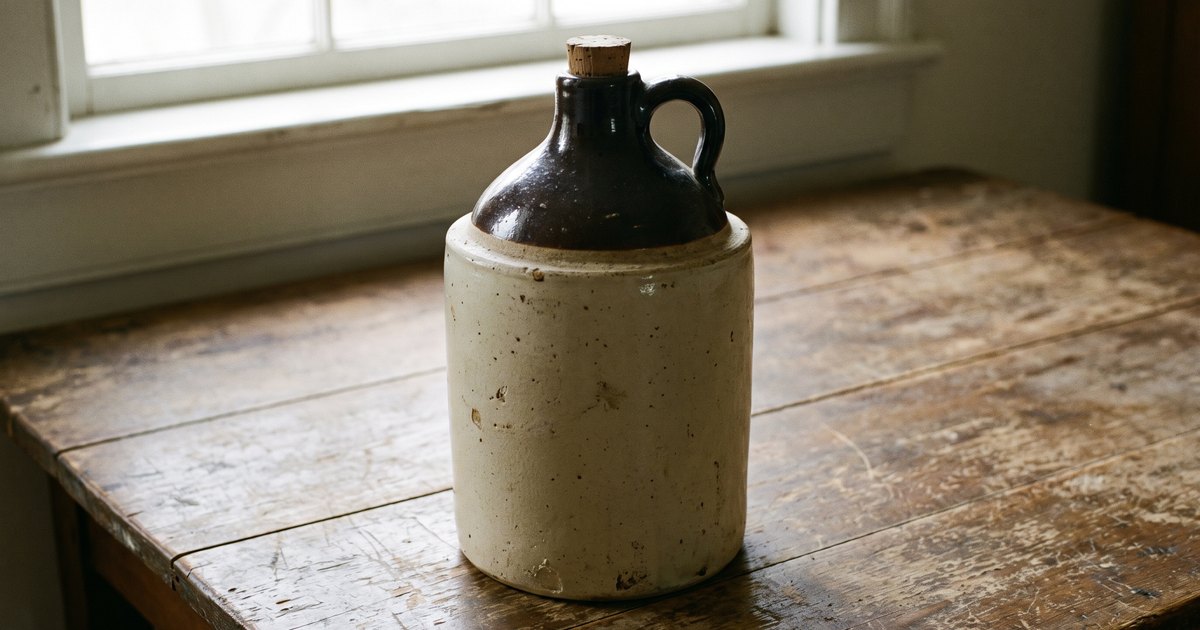
Signs of Authentic Antique Whiskey Jugs
Manufacturing Techniques: Authentic old stoneware jugs often show evidence of hand-throwing or hand-finishing, even if wheel-thrown. Look for slight asymmetry, tool marks, or finger impressions inside the neck.
Glaze Characteristics: Antique salt-glazed stoneware has a distinctive “orange peel” texture when examined closely. Albany slip (brown interior) and salt-glazed exteriors were common on 19th-century jugs.
Base Examination: The bases of authentic old jugs typically show appropriate wear, unglazed areas where the clay body is exposed, or kiln marks and imperfections.
Handle Attachment: On authentic pieces, handles were typically pulled and attached by hand, leaving distinctive joining marks where the handle meets the body.
Age-Appropriate Wear: Authentic antique jugs will show consistent, natural wear patterns and aging. The interior may show appropriate staining from contents.
Common Red Flags for Reproductions
Perfectly Applied Transfers: Modern reproductions often use perfect transfer-printed decorations rather than hand-painted designs. Hand-painted decorations on authentic pieces show slight irregularities.
Artificially Aged Surfaces: Reproductions may show artificial aging with stains or discoloration that appears too uniform or fresh when closely examined.
Modern Manufacturing Marks: Look for seams, perfectly smooth surfaces, or other indicators of modern mass production methods.
Inconsistent Materials: Modern stoneware typically has a different clay body color and texture than authentic antique examples.
Inappropriate Maker’s Marks: Research any maker’s marks thoroughly, as reproductions often use famous pottery names inappropriately or inaccurately.
For reliable authentication, consider consulting with a specialist at a reputable auction house like Sotheby’s or a certified appraiser with expertise in American stoneware.
Where to Buy and Sell Whiskey Jugs
Buying Whiskey Jugs
Online Marketplaces
Specialized Antique Shops
- Regional antique shops in areas with strong distilling heritage (Kentucky, Tennessee) often have good selections
- Pottery and American primitives specialists typically carry authentic examples
Auctions
- Regional auction houses in areas with strong stoneware traditions
- Major auction houses for exceptional examples
- Online specialty auctions through platforms like LiveAuctioneers
Antique Shows and Fairs
- Major antique shows often include dealers specializing in American stoneware
Selling Whiskey Jugs
Direct Sales
- Online marketplaces like eBay or Etsy
- Specialty collector groups like the Whisky Jugs Facebook Group
Consignment
- Antique shops (typically take 40-50% commission)
- Auction houses (typically take 15-25% commission)
- For valuable pieces, specialist auctions may bring the highest returns
Dealer Networks
- Selling directly to dealers (typically at wholesale prices, 40-60% of retail)
- Dealer shows and buying events
For valuable or rare examples, consider getting a professional appraisal before selling to ensure you understand the true market value of your item.
Caring for Your Whiskey Jug Collection
Display Considerations
Stable Shelving: Ensure shelves can support the weight of stoneware jugs, which can be substantial.
UV Protection: While stoneware is less susceptible to light damage than some antiques, colored glazes and painted decoration can fade with prolonged exposure to direct sunlight.
Vibration Protection: Avoid locations near doors that slam, washing machines, or other sources of regular vibration that could cause jugs to shift and potentially fall.
Temperature and Humidity: Maintain relatively stable conditions. Extreme temperature fluctuations can potentially stress old repairs or cause hairline cracks to expand.
Handling and Cleaning
Proper Support: Always support the bottom of jugs when moving them, never carry by the handle alone, which may be weakened from age.
Gentle Cleaning: For dusty jugs, use a soft brush or cloth. Avoid wet cleaning when possible.
When Necessary: If cleaning is required, use only lukewarm water with minimal or no soap. Avoid soaking, which can affect old repairs or lead to absorption issues in porous areas.
Documentation: Keep records of your collection, including photographs, measurements, and any known history or provenance information.
Repair Considerations
Professional Restoration: For valuable pieces, only use conservators experienced with antique ceramics and stoneware. Improper repairs can significantly reduce value.
Stabilization vs. Cosmetic Repair: Sometimes stabilizing damage without cosmetic improvement preserves more value for collectors than comprehensive restoration.
Documentation: If repairs are made, keep documentation of the work done and the condition before repair.
According to conservation experts at the American Ceramic Circle, minimal intervention is often preferable for maintaining both historical integrity and market value of antique stoneware.
Building a Whiskey Jug Collection
Collection Themes
Regional Focus: Concentrate on jugs from a specific pottery center or geographic region, such as Kentucky, Ohio, or Pennsylvania stoneware traditions.
Chronological Development: Build a collection showing the evolution of whiskey jugs from early 19th century through post-Prohibition examples.
Advertising Specialty: Focus specifically on jugs featuring distillery advertising, potentially organizing by distillery, region, or time period.
Decoration Styles: Collect examples showcasing different decoration techniques, from simple maker’s marks to elaborate hand-painted designs.
Related Ephemera: Enhance your collection with related items such as period advertisements, distillery documentation, or historical photographs showing the jugs in use.
Research Resources
Building knowledge is essential for successful collecting. Consider these resources:
Reference Books:
- “American Stoneware” by William C. Ketchum Jr.
- “Whiskey Bottles of the Old West” by John L. Thomas
- Regional pottery guides specific to your area of interest
Museums with Notable Collections:
- The Museum of the American Pottery
- Regional history museums in traditional distilling areas
- Kentucky Historical Society for bourbon-related materials
Collector Groups and Forums:
- Whisky Jugs Facebook Group
- American Ceramic Circle
- Regional collector associations
Budgeting Strategy
Focus on Quality: It’s often better to buy fewer, higher-quality examples than many lesser pieces.
Condition Priority: For similar pieces, always prioritize condition—a perfect example of a common form may be more valuable long-term than a damaged rare piece.
Documentation Value: Pieces with documented history or provenance typically hold and increase value better than similar undocumented examples.
By developing specific collecting goals and building knowledge, collectors can make more informed purchases and build more cohesive, valuable collections over time.
Common Questions About Old Whiskey Jugs
Are old whiskey jugs valuable?
How can I tell how old my whiskey jug is?
Dating a whiskey jug involves examining several characteristics:
- Manufacturing technique: Hand-thrown jugs (pre-1880s) often show more irregularities than later wheel-thrown examples
- Glaze type: Salt-glaze with Albany slip (brown interior) typically indicates 19th century production
- Maker’s marks: Research any stamps, signatures, or pottery marks which can often be dated
- Handle attachment: Earlier jugs (pre-1870s) typically have pulled handles attached by hand
- Shape and form: Jug shapes evolved over time, with certain profiles characteristic of specific periods
For precise dating, consider consulting with an expert at a regional auction house or museum with a stoneware collection.
What were antique whiskey jugs made of?
Antique whiskey jugs were primarily made of stoneware, a durable, non-porous ceramic material fired at high temperatures (2,200°F+). This made them ideal for storing liquids like whiskey. The clay body is typically gray, buff, or tan in color.
Most authentic antique whiskey jugs feature one of these common glazing techniques:
- Salt-glazing: Creating a slightly textured, often mottled surface when salt was thrown into the kiln during firing
- Albany slip: A dark brown glaze often used on interiors
- Bristol glaze: A smooth white or cream-colored glaze becoming common in later (post-1880s) jugs
The durability of stoneware is a key reason why so many examples have survived to become collectibles today.
How can I tell if my whiskey jug is authentic or a reproduction?
To authenticate a whiskey jug:
- Examine production characteristics: Authentic antique jugs show appropriate manufacturing techniques for their period, including throwing marks, hand-finishing, and proper glaze application
- Look for appropriate wear: Authentic pieces show consistent, logical wear patterns, especially on the base and handle
- Check the weight and density: Antique stoneware typically has a different heft and density than modern reproductions
- Research maker’s marks: Verify any marks against documented pottery references
- Beware of artificially aged surfaces: Reproductions often show artificial staining or aging
- Examine under UV light: Some modern materials fluoresce differently than antique glazes
When in doubt, consult with an appraiser specializing in American stoneware or visit a museum with a ceramics collection to compare with authenticated examples.
Where is the best place to sell valuable whiskey jugs?
The best venue for selling depends on the value and rarity of your whiskey jug:
For the best return, always research comparable sales before setting a price or accepting an offer. Having a professional appraisal for valuable pieces can help ensure you receive fair market value.
Can I use an antique whiskey jug for serving beverages today?
While technically possible, using antique whiskey jugs for beverages today comes with several considerations:
- Safety concerns: Antique glazes may contain lead or other substances not considered food-safe by modern standards
- Value preservation: Using collectible jugs can risk damage to valuable antiques
- Absorption issues: Old stoneware may have absorbed previous contents or developed invisible cracks that can harbor bacteria
- Alternative options: Modern reproductions from manufacturers like Bucket Outlet offer the aesthetic appeal without the concerns
If you desire the look for serving, modern stoneware reproductions specifically made to be food-safe are a better choice. Reserve authentic antique pieces for display only to preserve both their value and your health.
Conclusion: The Enduring Appeal of Whiskey Jugs
Whether you’re an established collector, someone who inherited a family heirloom, or simply curious about this fascinating collectible category, understanding the factors that determine whiskey jug values can help you make informed decisions about buying, selling, or preserving these pieces of Americana.
The market for antique whiskey jugs remains strong, with particularly high demand for advertising examples, hand-decorated pieces, and jugs with clear provenance. As with many antiques, condition and authenticity are paramount in determining value.
If you have a whiskey jug whose value you’re uncertain about, consider consulting with a professional appraiser who specializes in American ceramics or stoneware. The investment in proper identification could potentially reveal a treasure hiding in plain sight.
External Resources for Whiskey Jug Collectors
Whiskey Jug Selections on eBay
Browse current listings of whiskey jugs and stoneware collectibles with various price points and conditions.
Antique Whiskey Jugs on Etsy
Explore handmade and vintage whiskey jugs from independent sellers, often including unique regional examples.
Premium Whiskey Jugs on 1stDibs
View high-end whiskey jugs from vetted professional dealers and galleries specializing in antiques.
Antique Stoneware Value Guide
Learn about general valuation principles for antique stoneware, including jugs and other forms.
Whisky Jugs Facebook Group
Join this collector community focused on buying, selling, and trading whiskey jugs and related advertising items.
Moonshine and Whiskey Jug Reproductions
Explore modern reproductions of traditional whiskey jugs for decorative or functional use.
Case Antiques Auction Results
View past auction results for Kentucky stoneware whiskey advertising jugs to understand market values.
Stoneware Jug Information on Chairish
Browse a curated selection of stoneware jugs with detailed descriptions and pricing information.
What similar items actually sold for
To help ground this guide in real market activity, here are recent example auction comps from Appraisily’s internal database. These matched sales are market context only, not an object estimate or identification, and they do not guarantee a price for your specific old whiskey jugs.
Shown USD range: USD 20-USD 840. Median of these 13 USD examples: USD 150.
| Comparable | What sold | Auction house | Date | Lot | Source-reported amount |
|---|---|---|---|---|---|
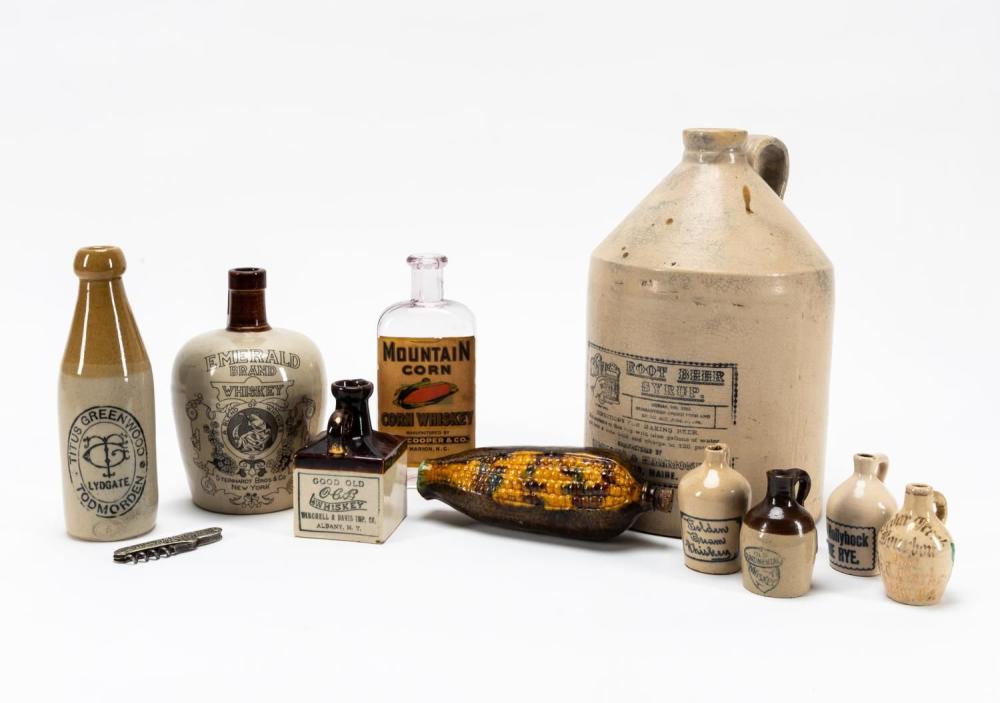 |
11 ASST. MAINLY WHISKEY ADVERTISING JUGS & BARWARESource blocked; provenance matched | Ahlers & Ogletree Inc. | 2021-10-24 | 1319 | USD 350 (buyer’s-premium treatment unknown) |
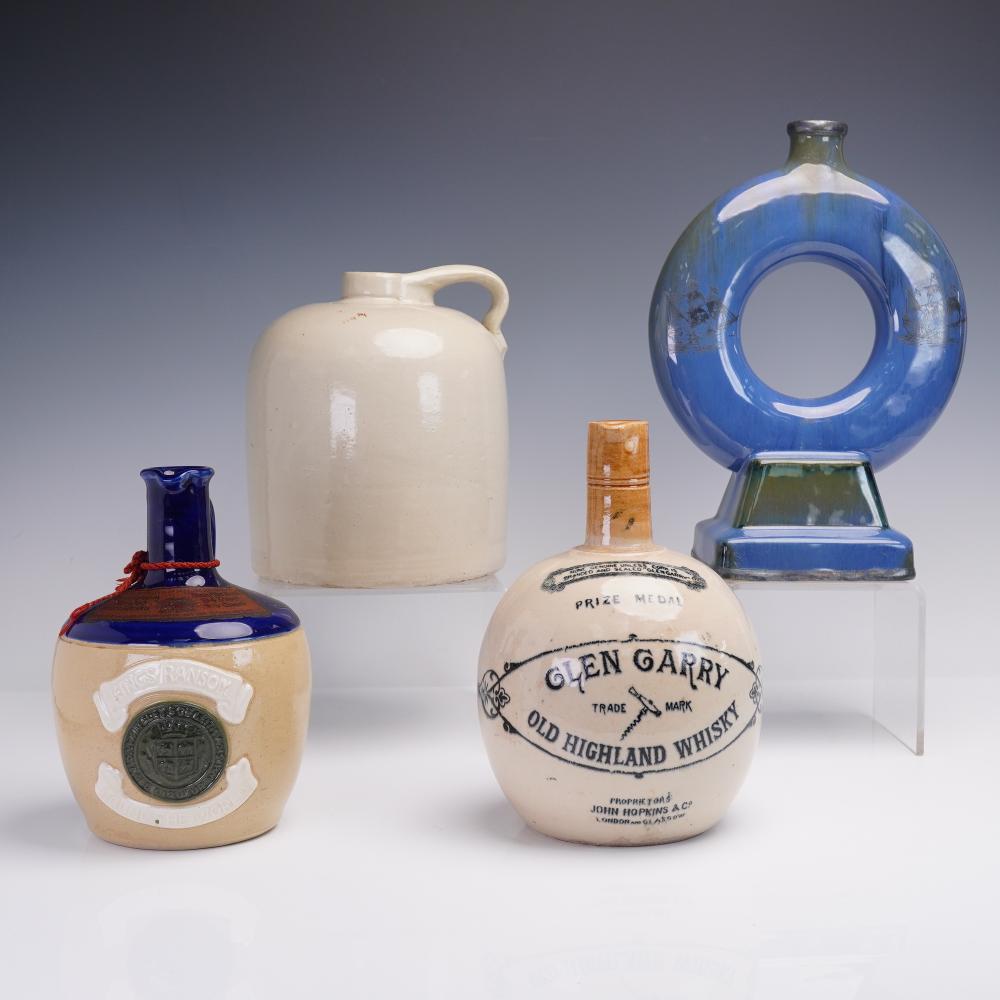 |
4pc Antique Whiskey JugsSource blocked; provenance matched | Lion and Unicorn | 2025-10-01 | 151 | USD 20 (buyer’s-premium treatment unknown) |
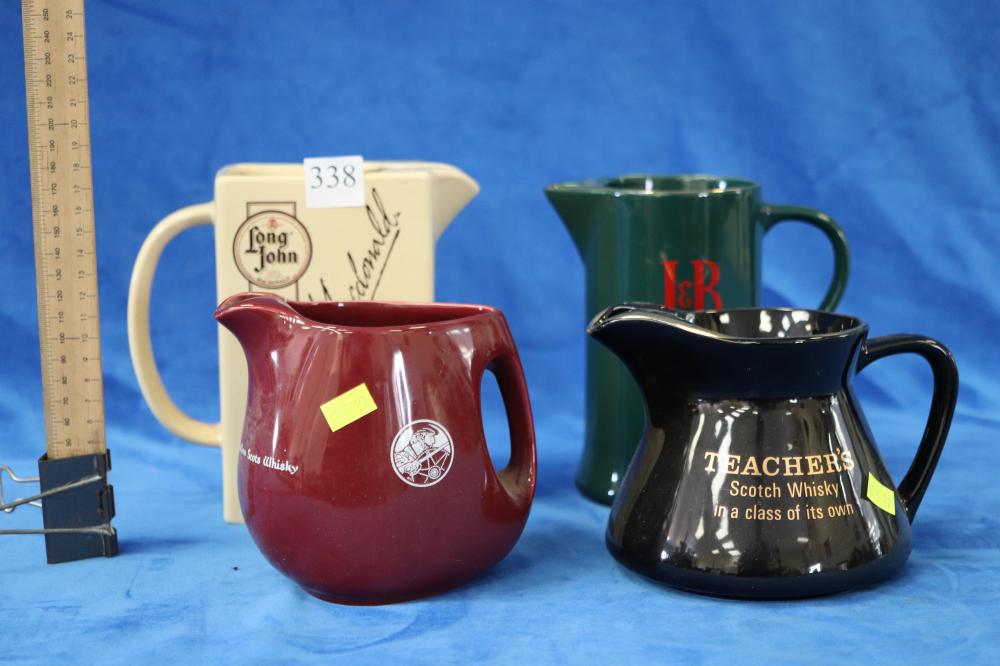 |
4 BARWARE WHISKEY JUGSSource blocked; provenance matched | Albion Antique Auction Centre | 2022-02-17 | 338 | AUD 40 (buyer’s-premium treatment unknown) |
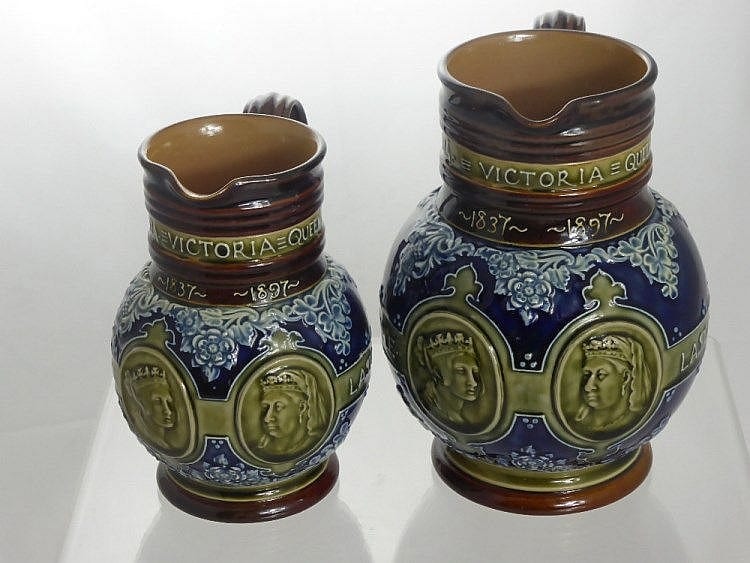 |
Two Doulton Lambeth Stoneware Jugs, commemoratingSource blocked; provenance matched | British Bespoke Auctions | 2015-05-28 | 182 | GBP 85 (buyer’s-premium treatment unknown) |
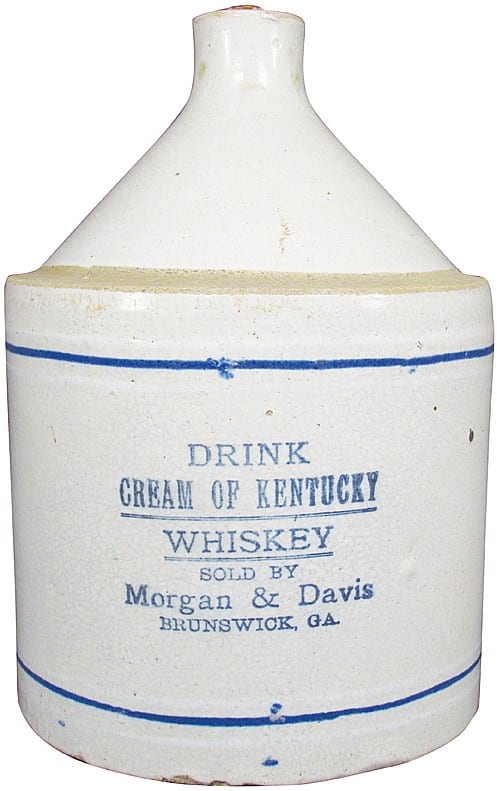 |
Antique Stoneware Advertising Whiskey JugSource blocked; provenance matched | Showtime Auction Services | 2015-04-12 | 1899 | USD 225 (buyer’s-premium treatment unknown) |
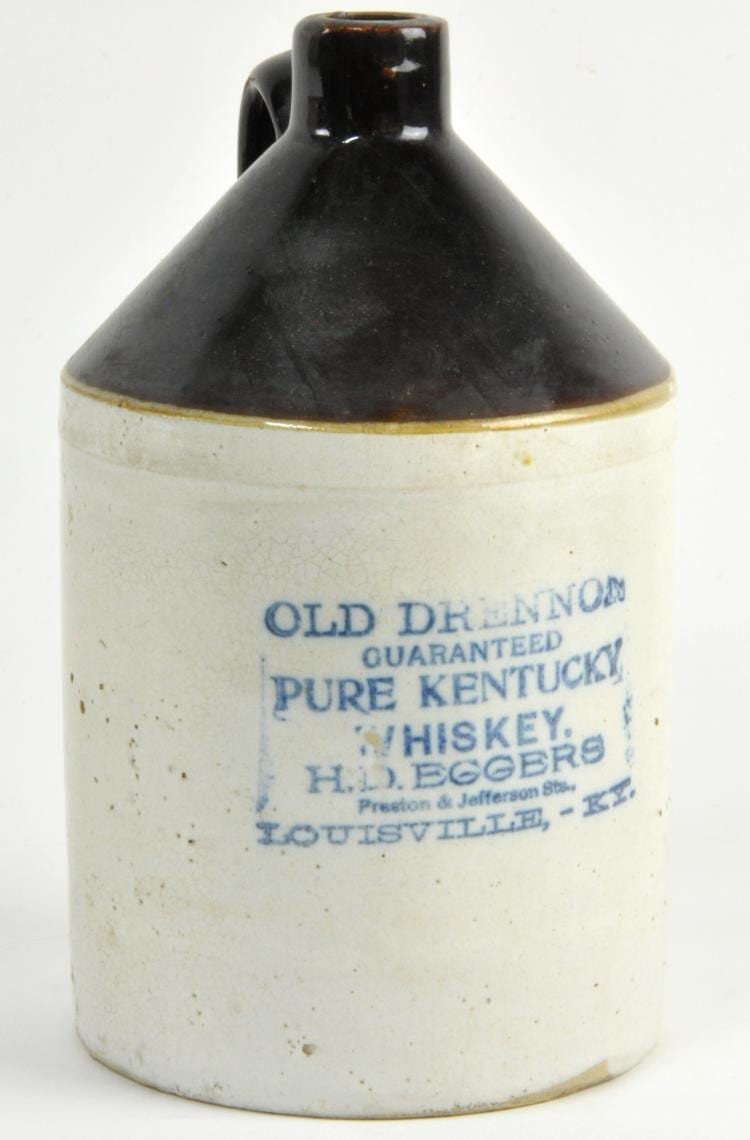 |
Old Drennon Whiskey Stoneware JugSource blocked; provenance matched | Mebane Antique Auction | 2015-07-30 | 11 | USD 150 (buyer’s-premium treatment unknown) |
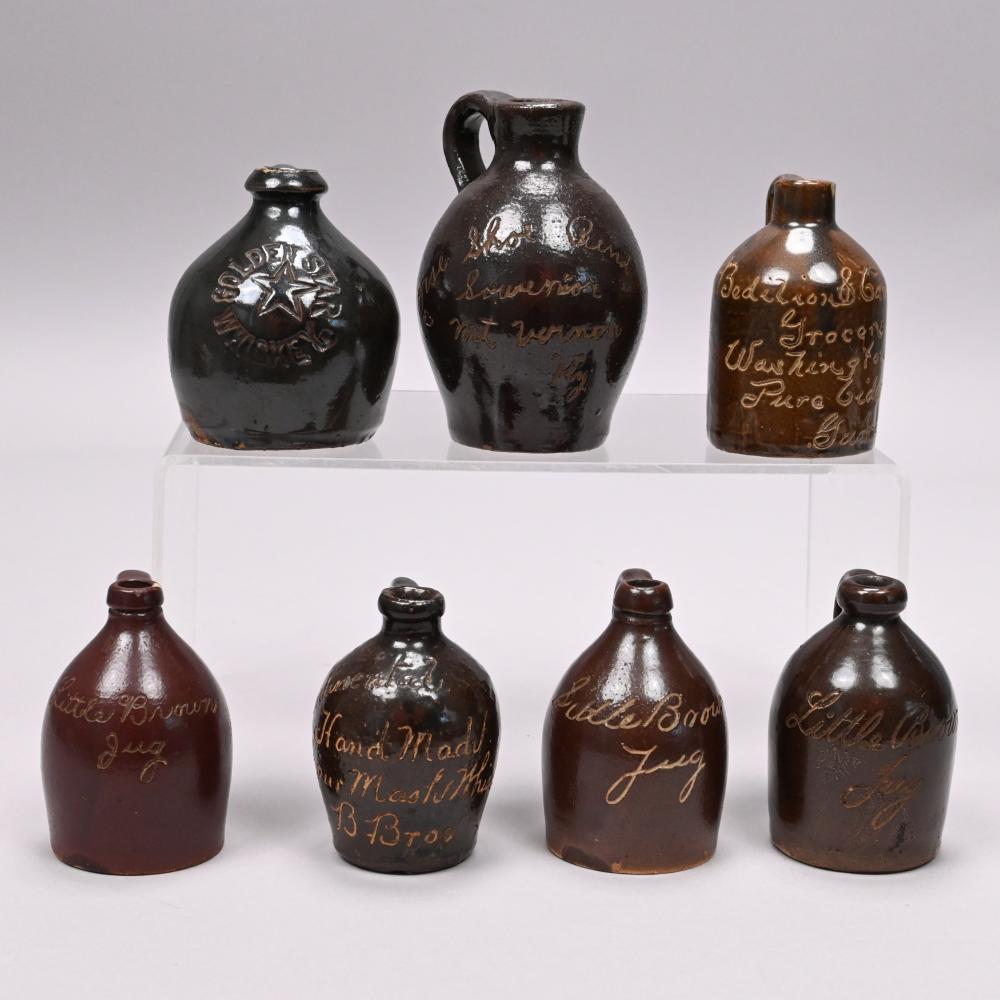 |
Seven Stoneware Souvenir and Advertising JugsSource blocked; provenance matched | Devin Moisan Auctioneers, Inc. | 2026-03-14 | 842 | USD 100 (buyer’s-premium treatment unknown) |
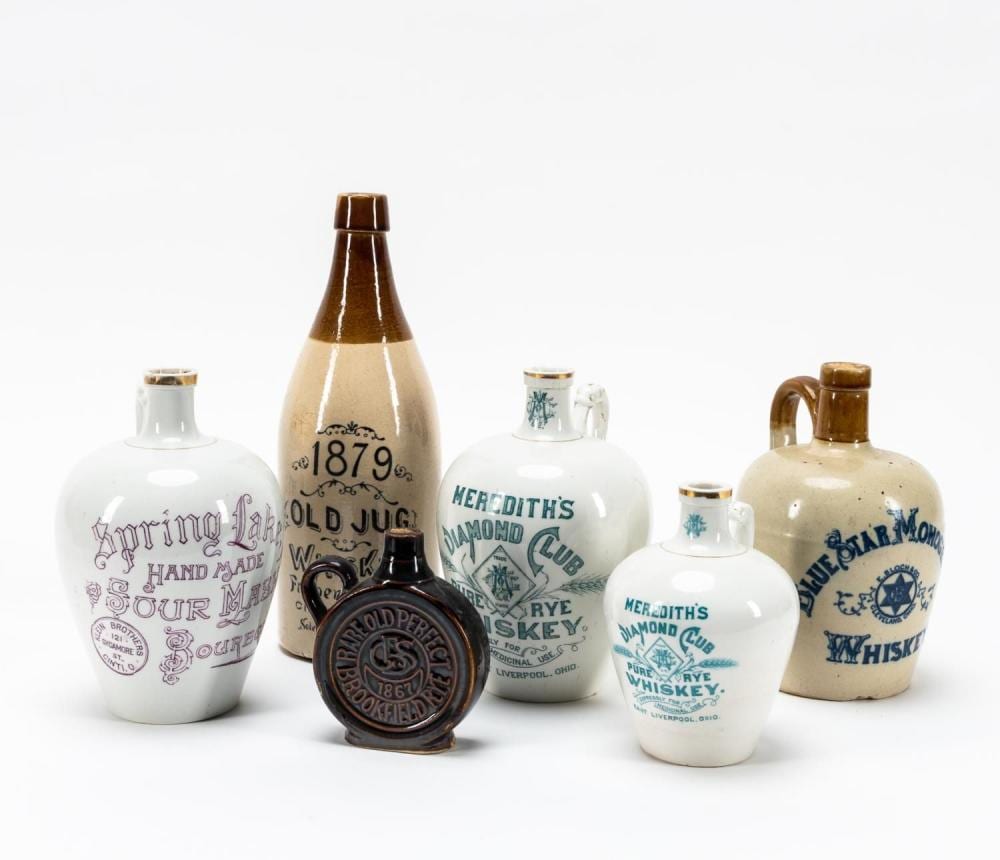 |
GROUP OF 6 OHIO WHISKEY ADVERTISING JUGS & BOTTLESource blocked; provenance matched | Ahlers & Ogletree Inc. | 2021-10-24 | 1316 | USD 700 (buyer’s-premium treatment unknown) |
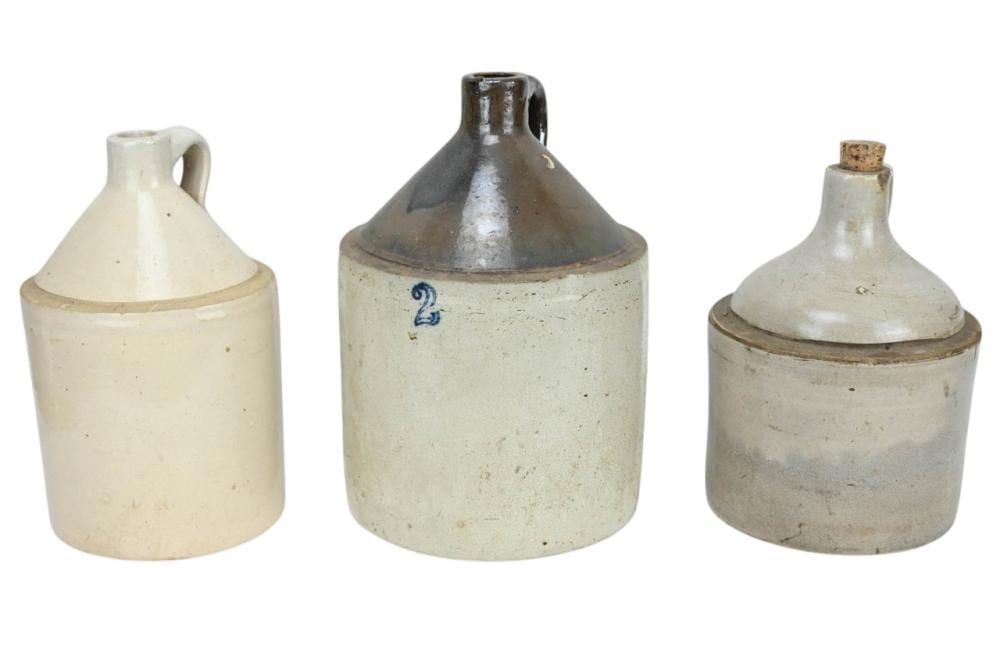 |
3 Antique Salt Pottery Whiskey JugsSource blocked; provenance matched | Greenwich Auction | 2025-03-20 | 185 | USD 50 (buyer’s-premium treatment unknown) |
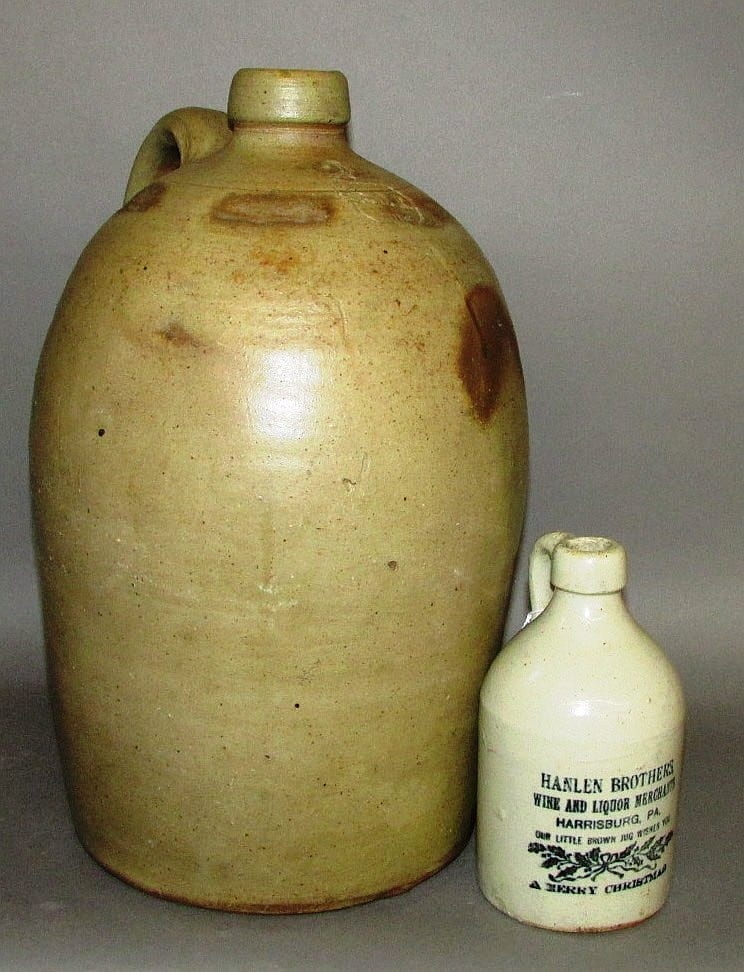 |
2 stoneware jugsSource blocked; provenance matched | Horst Auctioneers | 2015-10-10 | 440 | USD 150 (buyer’s-premium treatment unknown) |
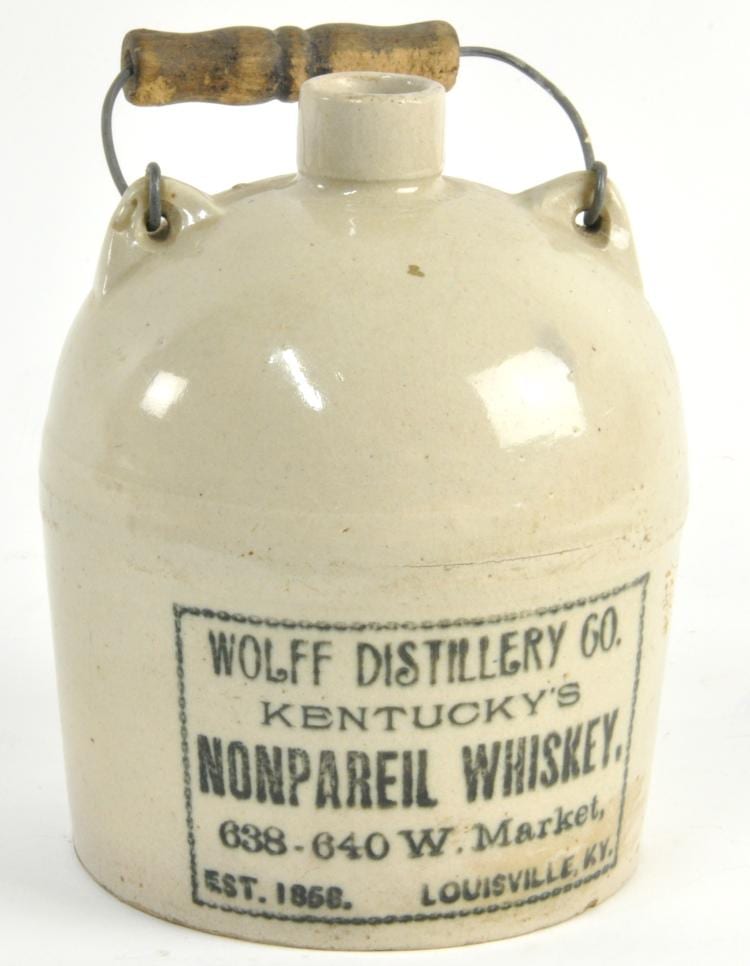 |
Wolff Nonpareil Whiskey Stoneware JugSource blocked; provenance matched | Mebane Antique Auction | 2015-07-30 | 18 | USD 130 (buyer’s-premium treatment unknown) |
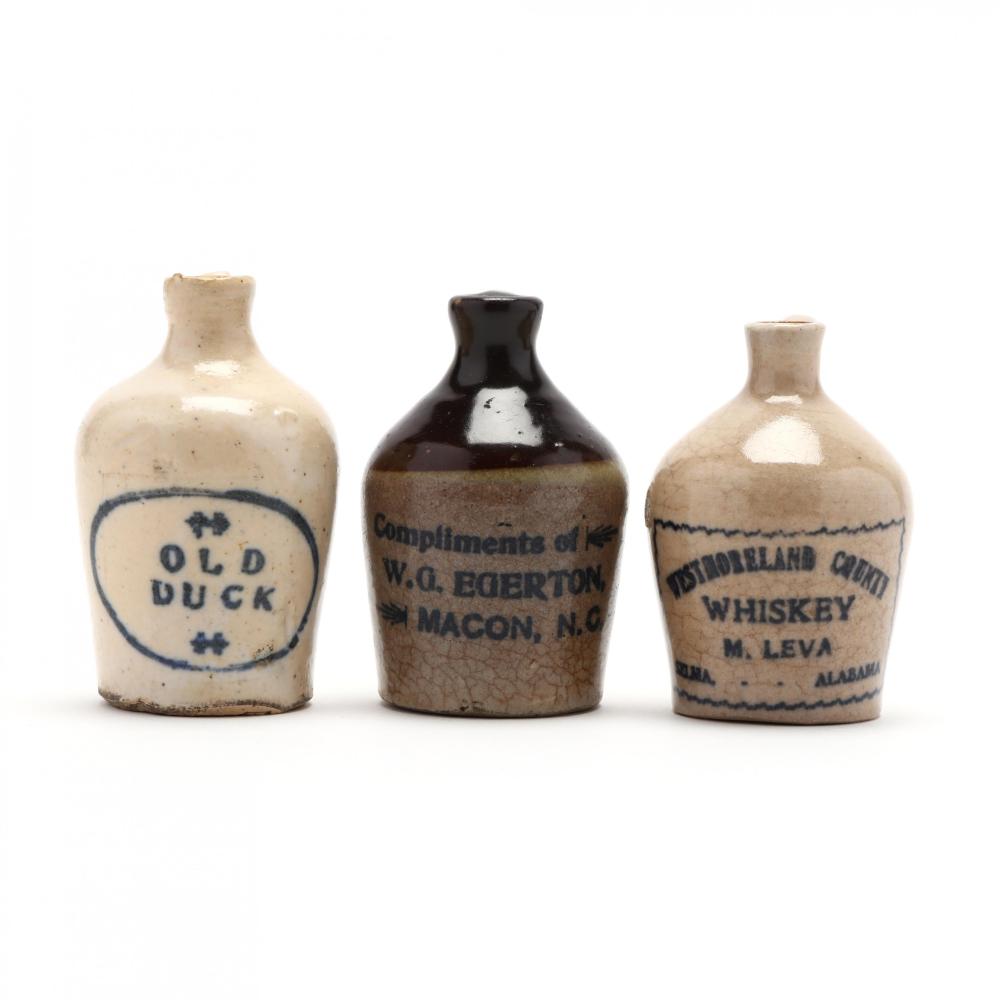 |
Three Miniature Advertising Whiskey JugsSource blocked; provenance matched | Leland Little Auctions | 2019-11-23 | 230 | USD 600 (buyer’s-premium treatment unknown) |
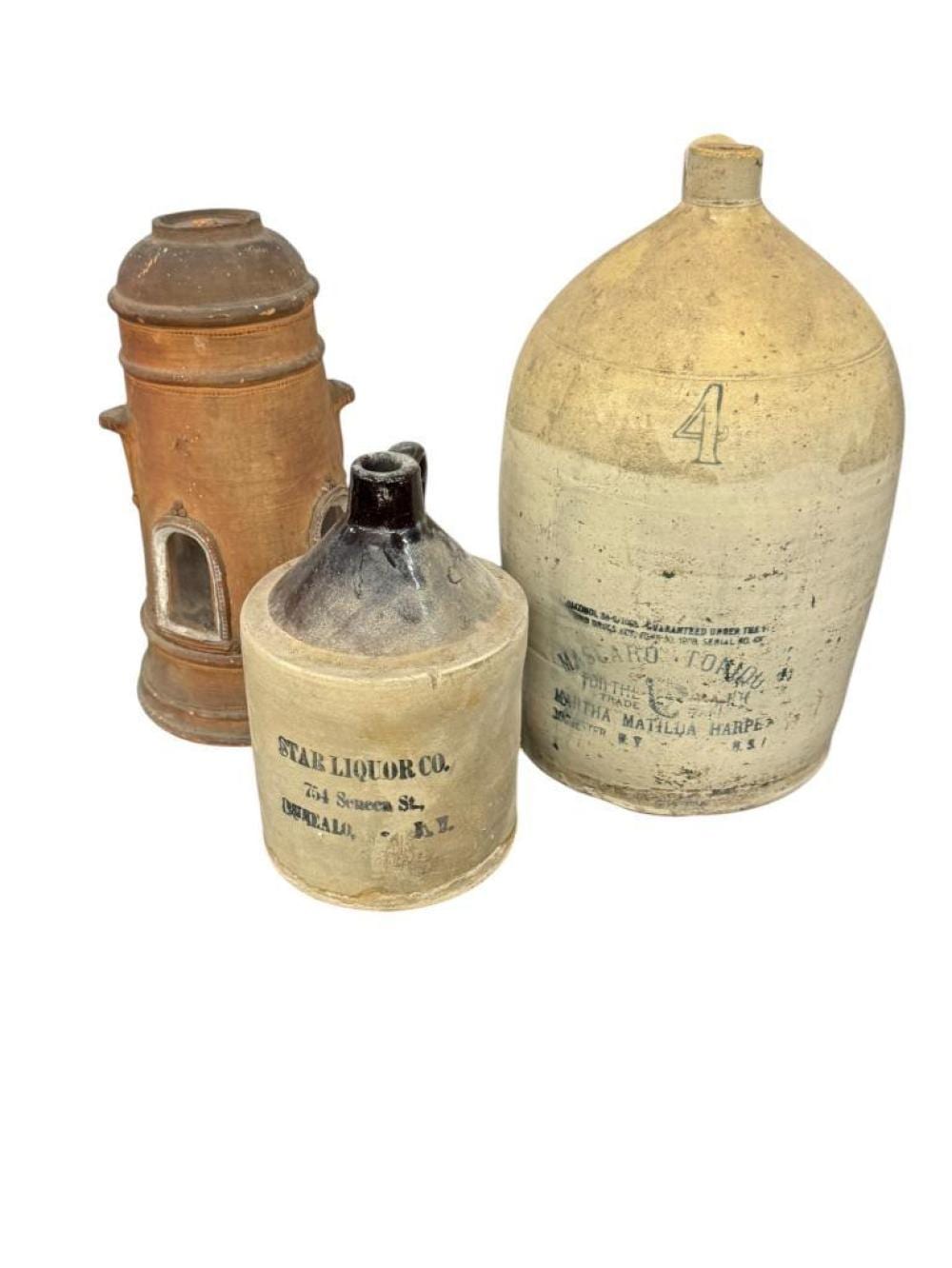 |
Whiskey Jugs and Terracotta LighthouseSource blocked; provenance matched | Schultz Auctioneers | 2025-08-08 | 959 | USD 125 (buyer’s-premium treatment unknown) |
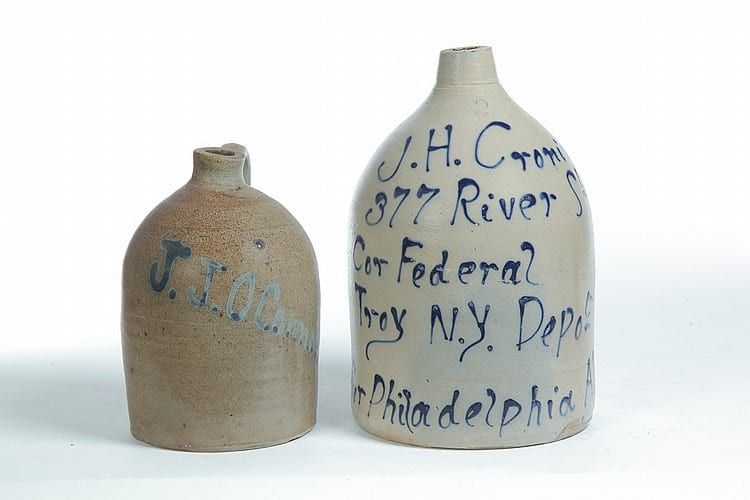 |
TWO AMERICAN STONEWARE JUGS.Source blocked; provenance matched | Garth's Auctioneers & Appraisers | 2015-05-15 | 481 | USD 840 (buyer’s-premium treatment unknown) |
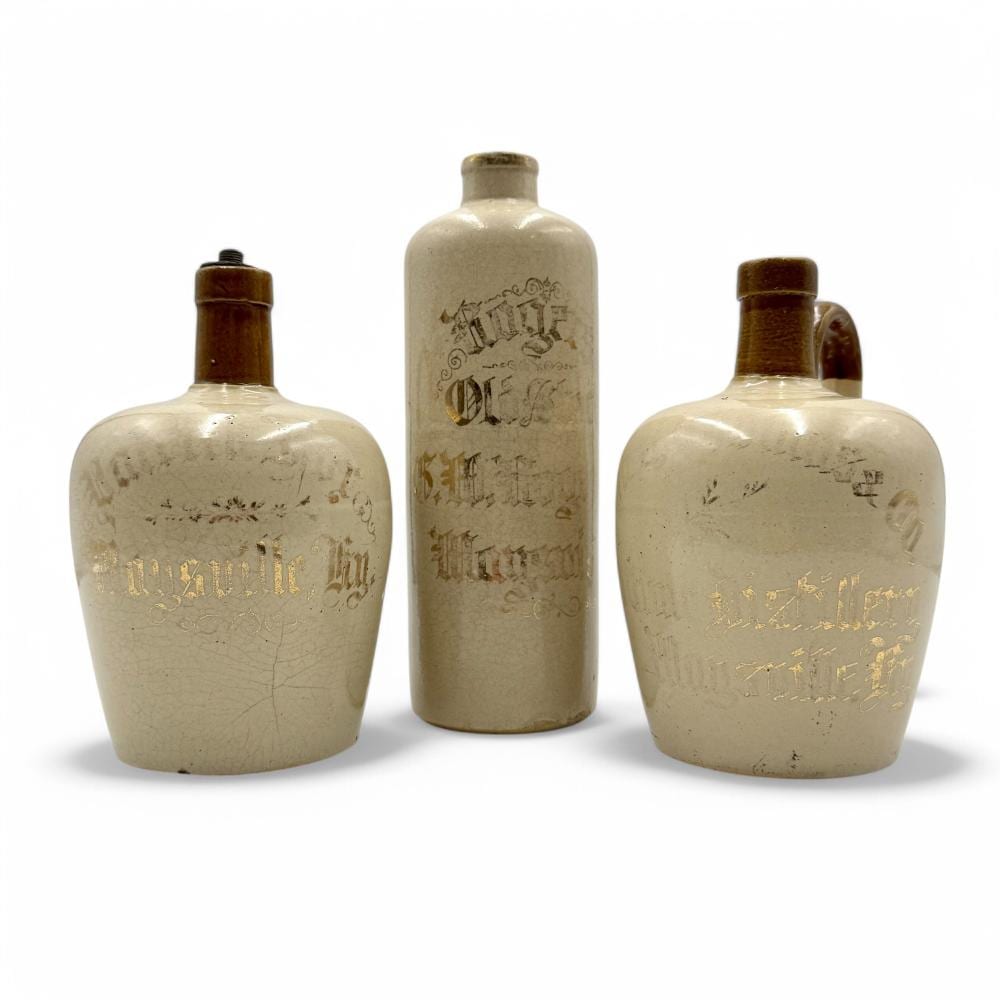 |
Three Maysville, KY Stoneware Whiskey JugsSource blocked; provenance matched | Caza Sikes | 2025-02-19 | 3 | USD 406 (buyer’s-premium treatment unknown) |
How these auction records were verified
Each row retains its exact source URL, lot identity, retrieval time, access result, and immutable record hash. Live source access was blocked; the exact record matched Appraisily's immutable pipeline provenance. Inspect the public comparable provenance record.
Disclosure: prices are shown as reported by auction houses and are provided for appraisal context. Learn more in our editorial policy.
Free first look
Not sure whether this Old Whiskey Jugs needs an appraisal?
Photograph the whole item, maker or identifying marks, dimensions, materials, condition, repairs, and any provenance or documentation. The photo-based Screener can help identify the likely category and visible evidence gaps before you pay for documentation.
Upload photos for a free first lookFree. No card needed. The photo upload usually takes about two minutes.
The free first read is a separate photo-based Screener, not this educational article. Results usually appear within a few minutes; complex items can take longer. From photographs of your Old Whiskey Jugs, it returns a preliminary category or identity read, visible evidence gaps, rough comparable market signals, and whether a human appraisal looks worthwhile; it is not a signed value conclusion. Material or construction can remain uncertain without direct examination, dimensions, provenance, or complete condition details. A written appraisal is useful when your Old Whiskey Jugs needs documented specialist support for insurance, tax, an estate, authentication, litigation, or a consequential sale, but you may not need one.
Choose your next step
Use the path that matches the decision you need to make about the item.
Not sure it is worth appraising?
Start with a lower-friction screen to understand the likely category, evidence, and next step.
Upload photos for a free first lookWant proof before paying?
See how a signed report documents photos, comparable evidence, condition notes, and value conclusions.
View signed report sampleNeed a signed report?
Use this for insurance, estate, donation, resale, or documented value decisions.
Need documentation now? Start signed appraisalNeed local or specialist help?
Compare directory options when the work needs in-person review or a specialist near you.
Find local specialistsSee what the report looks like
Sample reports show how photos, comparable evidence, condition notes, and a value conclusion are documented.
Get this whiskey jug appraised
Upload photos of the full jug, base, maker mark, advertising text, capacity, glaze, handle, chips, cracks, stains, repairs, and any local distillery context.
- Expert report with photos and comps
- Fast turnaround
- Fixed, upfront pricing
No obligation. Secure upload.
Continue your valuation journey
Find the right local specialist
Compare antique and art appraisers by location and specialty in one directory.
Antique & art specialists
Browse the Antique & Art Appraisers Directory
Choose a local specialist when the assignment needs in-person inspection or a specific credential.
Machine-readable summaries
Use these machine-friendly references for AI and crawler discovery of Appraisily content.
Ready for pricing guidance?
Start a secure online appraisal
Upload images and details. Certified specialists respond within 24 hours.
Upload photos for a free first look View signed report sample