Unlocking the Worth of the Past a Collectors Guide to Antique Carpentry Tools Value: appraisal and value basics
Unlocking the Worth of the Past a Collectors Guide to Antique Carpentry Tools Value research should start with identification, condition, provenance, and item-specific market evidence. Use this guide to compare the signals that matter before paying for a formal appraisal or deciding whether to sell.
Antique carpentry tool appraisal checklist
Antique carpentry tools carry more than steel and wood—they hold design ingenuity, craft lineage, and market intrigue. Whether you appraise professionally or curate a personal collection, understanding what drives value will help you make confident decisions. This guide distills key appraisal criteria, advanced identification cues, realistic pricing ranges, and care strategies focused on user-grade and collector-grade markets.
The Market For Antique Carpentry Tools: What Drives Value
Value is rarely about age alone. It’s the intersection of:
- Maker reputation: Names like Stanley (especially Bed Rock series), Norris, Spiers, Preston, Mathieson, Record, Sargent, Millers Falls, Disston, Atkins, Simonds, Starrett, and Ulmia drive demand.
- Model desirability: Rare patterns (e.g., Stanley No. 1, Miller’s Patent plow planes), high-performance infills (Norris A5), and complete combination planes (Stanley No. 45/55) command premiums.
- Condition and completeness: Original finishes and parts, intact etches and stamps, full-length blades, uncracked totes, working vials, and full cutter sets amplify value.
- Materials and construction: Ebony or rosewood infills, boxwood rules, brass-bound levels, gunmetal or dovetailed steel sides, and decorative ivory tips (historically used on some plow planes) are sought after.
- Provenance and narrative: Tools from a documented cabinetmaker’s chest, factory-labeled boxes, hardware store tags, or museum deaccessions can outperform market evidence.
- Rarity and survival rate: Some tools were produced in small numbers; others were common but rarely survive in fine condition due to hard use.
- Cross-over appeal: Items that are both functional and visually compelling (e.g., filigree plow planes, brass-bound levels) attract broader collecting interest and interior décor buyers.
Market segments to watch:
- Collector-grade scarcity: Exceptional infills, early patents, and oddities trend strong.
- User-grade revival: Renewed interest in hand tool woodworking supports steady demand for quality bench planes, chisels, and saws.
- Commodity softness: Common mid-20th-century tools in worn condition may lag unless priced for users.
Identifying What You Have: Makers, Models, and Materials
A precise identification multiplies appraisal accuracy. Start with the tool family, then narrow by maker, model, type, and features.
Key families and quick ID cues:
- Bench planes: Stanley (No. 1–8), Bed Rock (604–608), Sargent, Record, Millers Falls. Look for patent dates behind the frog, casting marks inside the bed, and knob/tote profiles. Stanley “type studies” help pinpoint era.
- Special-purpose planes: Combination (Stanley No. 45/55), plow and filletster (wooden with brass fittings, occasionally ivory tips), circular (Stanley No. 113), miter (Stanley No. 9), bullnose (Preston). Count cutters and fences; check boxes and labels.
- Infill planes: Norris (A5, 51), Spiers of Ayr, Mathieson. Identify dovetailed steel or gunmetal sides, rosewood/ebony infill, adjuster type, and serials/maker stamps on the iron or lever cap.
- Saws: Disston & Sons (No. 12, No. 16), Atkins, Simonds. Look for medallions, etches on plates, handle shape and lamb’s tongue detailing, screw patterns; plate straightness and toothline life are critical.
- Braces and bits: Goodell-Pratt, Millers Falls, Stanley. Note chuck type (Spofford, Barber), knurling sharpness, ratchet action, and original bits in rolls.
- Measuring and marking: Starrett rules and squares, Stanley rules (No. 62, 66), brass-bound levels. Check legible scales, intact vials, crisp edges, boxwood coloration and shrinkage.
- Chisels and edge tools: Sorby, Marples, Ward. Inspect socket vs tang, blade life, and matching sets.
Material tells:
- Woods: Boxwood (fine-grained, pale), rosewood/ebony (dense, dark), beech (common in wooden planes).
- Metals: Cast iron with japanning, gunmetal (bronze), steel dovetails on infills, brass fittings and plates.
Markings and originality cues:
- Stamps and etches: Factory stamps on cheeks or toes, blade marks, saw plate etches—sharp and consistent with known examples.
- Patent dates: Align with known production years and type features (e.g., frog style, lateral lever shape for Stanley).
- Hardware: Screw head profiles, thread styles, and lever cap logos often betray reproductions or mismatched parts.
- Construction details: Dovetail lines on infills, wedge shapes on wooden planes, and mouth geometry should conform to maker norms.
Condition and Completeness: A Collector’s Grading Guide
Grading clarity separates strong results from mediocre ones. Use this calibrated approach:
- Mint/Near Mint: Essentially unused; crisp edges; nearly all original japanning; full etches and stamps; untouched finish; complete with box/paperwork. Rare for working tools.
- Fine: Light, careful use; minimal wear; no cracks or repairs; high share of original finish; correct parts; tight tolerances.
- Very Good: Honest use; scattered small dings; minor pitting away from functional areas; partial japanning; mechanically perfect.
- Good: Regular use; some pitting, sole or plate wear; minor handle repairs; replaced but period-correct parts possible; fully functional.
- Fair/Poor: Heavy wear; significant pitting; cracks, welds, or brazes; missing parts; replacements; “project” or decorator-grade.
Completeness by category:
- Combination planes: Assess cutter count (often 20–55), fences, rods, depth stops, beading stops, screwdriver, pamphlets, and box partitions. Missing cutters depress value sharply.
- Saws: Retained plate length, original medallions/screws, clear etches, and unmodified handles matter; shortened plates and rehandled saws lose collector value.
- Levels: Intact, bubble-sensitive vials; original end caps; brass binding tight and undistorted.
- Infill planes: Original infill, throat unaltered, mouth intact, lever cap and adjuster correct to model.
Red flags that suppress value:
- Over-polishing that erases patina and stamps.
- Heavy sanding of wooden stock changing profiles.
- Recast or reproduction parts, especially lever caps and totes.
- Aggressive cleaning that rounds edges or blurs casting lines.
- Non-reversible finishes (thick polyurethane) on wood components.
Rarity and Provenance: The Multipliers
Rarity layers on top of condition, especially for:
- Early patents and oddities: Stanley Miller’s Patent plow planes (filigree sides), Stanley No. 444 dovetail plane, Stanley No. 1, No. 9 miter, No. 212 scraper.
- Complete high-complexity sets: Stanley No. 55 with all cutters and paperwork; pristine No. 45 in original chest.
- Infill planes: Norris A5 and Model 51 in fine order; Spiers and Preston special patterns.
- Decorative wooden planes: Brass-strapped, ivory-tipped plow planes; named Glasgow and London makers (Mathieson, Moseley).
Provenance that enhances value:
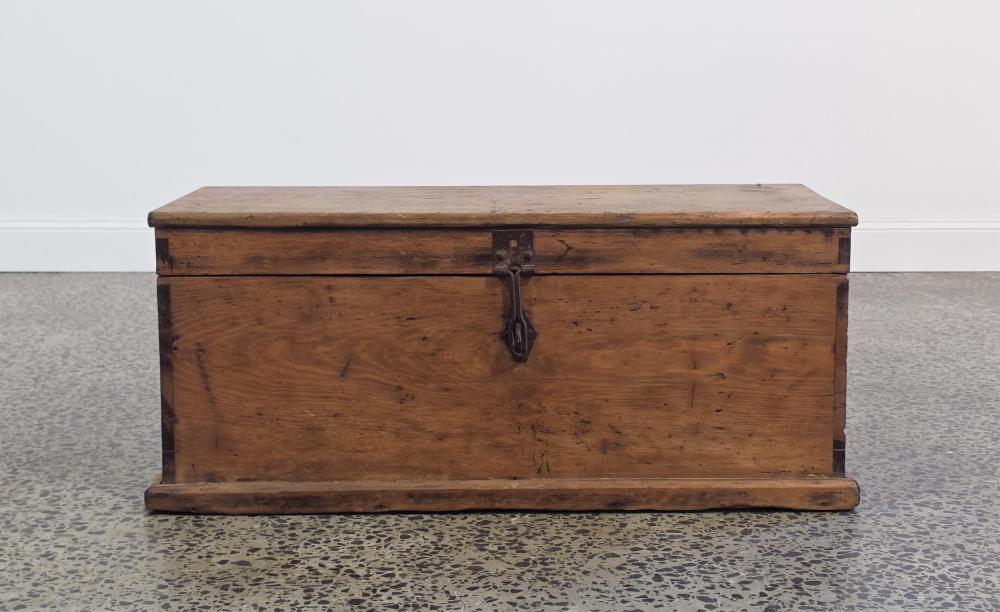
- Craftsman’s chests with labeled compartments or dated notes.
- Retailer decals, price tags, and shipping labels.
- Institutional markings: army or government property stamps, deaccession labels (with paperwork).
Caveats:
- Items with ivory fittings may be subject to trade restrictions; even antique components can complicate sale or shipment.
- A narrative boosts value when verifiable. Keep copies of documents with the tool or its case.
Pricing Benchmarks and Realistic Ranges
Actual prices vary by locale, season, and venue, so compare recent sold listings for the same model and condition. For tools in very good to fine condition unless noted, this is how the main groups compare:
- Stanley bench planes:
- No. 4: common and modestly priced (higher for early types/Bed Rock).
- Bed Rock 604–608: sell above standard Bailey planes, higher for rare types and crisp examples.
- No. 1: one of the most sought-after Stanley bench planes; price depends on originality and type.
- No. 9 miter: a specialty plane that sells well above common bench planes.
- No. 113 circular: steady demand from users; complete, unbroken examples sell best.
- No. 212 scraper: small and scarce, and collectors pay a premium for it.
- Combination and specialty:
- Stanley No. 45 complete in box: the box and full cutter set make the difference; incomplete examples sell for much less.
- Stanley No. 55 complete: sells above the No. 45 when every cutter is present.
- Stanley No. 444 dovetail: scarce, and complete examples bring strong prices.
- Miller’s Patent plow (ornate): among the most valuable Stanley planes in exceptional form.
- Infill planes:
- Norris A5: well above most bench planes, depending on condition and originality.
- Spiers/Preston infills: priced by size and condition, with premiums for unusual sizes or steel dovetails.
- Saws:
- Disston No. 12: sells best with clear etch, full plate, fine handle.
- Quality user-grade Disston/Atkins: modest, bought mainly by working woodworkers.
- Measuring/marking:
- Boxwood rules (Stanley/Lufkin/Chaplin): common patterns are modest; more for uncommon folding patterns or caliper rules.
- Brass-bound levels: priced by size and condition; higher for large sizes, pristine vials, and notable makers.
- Wooden plow and molding planes:
- Decorated/brass-bound, ivory-tipped: the top of the wooden-plane market, depending on maker and condition.
- Quality molding planes by known makers: usually modest individually; matched sets and complex profiles bring more.
User-grade prices are typically lower; mint boxed examples or rare types can eclipse these ranges. When comping, weigh completeness and originality before maker prestige.
Smart Care, Conservation, and Selling Strategy
Conservation, not refurbishment, is the default for collector-grade tools.
- Cleaning: Remove loose dirt and surface grime with mild detergent and a soft brush. Preserve patina. Use light oil to arrest red rust; avoid aggressive abrasives that flatten casting texture or soften edges.
- Metals: Remove active rust with gentle methods (e.g., oil and 0000 steel wool used sparingly). Avoid buffing wheels and mirror polishes.
- Wood: Feed dry totes/wedges with a conservative wax or light oil. Do not sand profiles. Avoid glossy modern varnishes.
- Blades: De-rust and lightly hone for users; for collector-grade, leave as-found if sharpening would remove original grind evidence or stamps.
- Storage: Keep humidity moderate and steady. Use breathable wraps (acid-free paper), blade guards, and shelf liners. Keep original boxes separate from humid areas; store cutters in labeled rolls.
- Documentation: Photograph as-found condition and all markings. Keep any notes, receipts, and labels with the tool.
- Legal considerations: Confirm regulations on materials like ivory or exotic woods before selling or shipping.
Selling tips:
- Match venue to value: Rare, high-value items perform well with specialty dealers or curated auctions; user-grade tools move efficiently via reputable marketplaces or regional tool meets.
- Presentation: Clear, well-lit photos of all sides, close-ups of marks, and a condition report build trust and higher bids.
- Timing: Seasonal interest peaks before holidays and during woodworking show seasons; avoid crowded auction calendars where category saturation suppresses prices.
Practical Checklist: Appraising an Antique Carpentry Tool
- Identify the family: plane, saw, brace, level, rule, chisel, etc.
- Confirm maker and model: read stamps, etches, patent dates; note type features.
- Record measurements: sizes, lengths, blade life, mouth width, plate height.
- Assess condition: rust, pitting, cracks, repairs, finish share, straightness.
- Verify completeness: cutters, fences, stops, screws, vials, boxes, paperwork.
- Check originality: parts era-correct? any replacements or reproduction components?
- Note materials: infill woods, brass/steel details, decorative features.
- Research market evidence: prioritize same maker/model, similar condition, same venue tier.
- Decide on conservation only; avoid irreversible cleaning or polishing.
- Document: photos, notes, provenance, and any legal restrictions.
- Estimate value range and choose your sales venue or insurance coverage.
FAQ
Q: Should I clean or restore an antique tool before selling? A: Clean conservatively to remove loose grime and arrest active rust, but avoid polishing, sanding, or refinishing. Over-restoration erases patina and stamps, lowering value. For user-grade tools, a careful tune-up can help, but keep it reversible.
Q: How do I spot reproduction or altered parts? A: Look for mismatched screw profiles, modern threads, soft casting edges, fuzzy or incorrect logo fonts, and lever caps or totes that don’t match known type features. Cross-check patent dates and hardware against reliable type studies for the maker and model.
Q: What’s the difference between user-grade and collector-grade? A: User-grade focuses on function and affordability; tasteful restoration and sharpening are acceptable. Collector-grade emphasizes originality, patina, and completeness. Replacement parts and heavy cleaning diminish collector value even if the tool works well.
Q: Are rare tools always more valuable than common ones in great condition? A: Not always. A common tool in near-mint, boxed condition can outperform a rarer model that’s heavily worn or incomplete. Rarity matters most when paired with excellent condition and originality.
Q: Do provenance and original boxes really matter? A: Yes. Factory boxes, labeled cutter sets, retailer decals, and documented ownership can raise value noticeably over otherwise comparable pieces.
By applying a disciplined identification process, grading consistently, and choosing conservation over restoration, you’ll unlock the true worth of antique carpentry tools—respecting their history while maximizing their market potential.