
How to identify antique hand tools
Antique hand tools need more than age. Marks, use, handle, material, surface, and completeness all matter.
Found an old item and want to know if it matters?
Upload photos. We identify the object, check real sales, and show the right appraisal path.
Upload photos for a free first lookAntique appraisalsStart an appraisalOne clear answer
Start with tool type, maker mark, patent date, handle material, working edge, fasteners, and whether parts are original.
Auction records are market evidence, not a final appraisal. Condition, authenticity, provenance, completeness, size, rarity, and demand can materially change value.
Identification checklist
- Photograph the whole item, maker mark, patent date, serial number, model, labels, all sides, and damage.
- Measure key dimensions and show scale, accessories, cases, boxes, attachments, or missing parts.
- Do not clean, repaint, sharpen, oil, or force mechanisms before documenting current condition.
What changes the answer
- Maker, model, material, size, completeness, and condition change the answer.
- Original surface, marks, serial numbers, labels, cases, and accessories can be important.
- Rust, missing parts, unsafe mechanisms, repainting, and over-cleaning can reduce value or trust.
What similar items actually sold for
To help ground this guide in real market activity, here are recent example auction comps from Appraisily’s internal database. These are educational comparables (not a guarantee of price for your specific item).
Shown USD range: USD 275-USD 700. Median of these 3 USD examples: USD 300.
| Image | Description | Auction house | Date | Lot | Reported price realized |
|---|---|---|---|---|---|
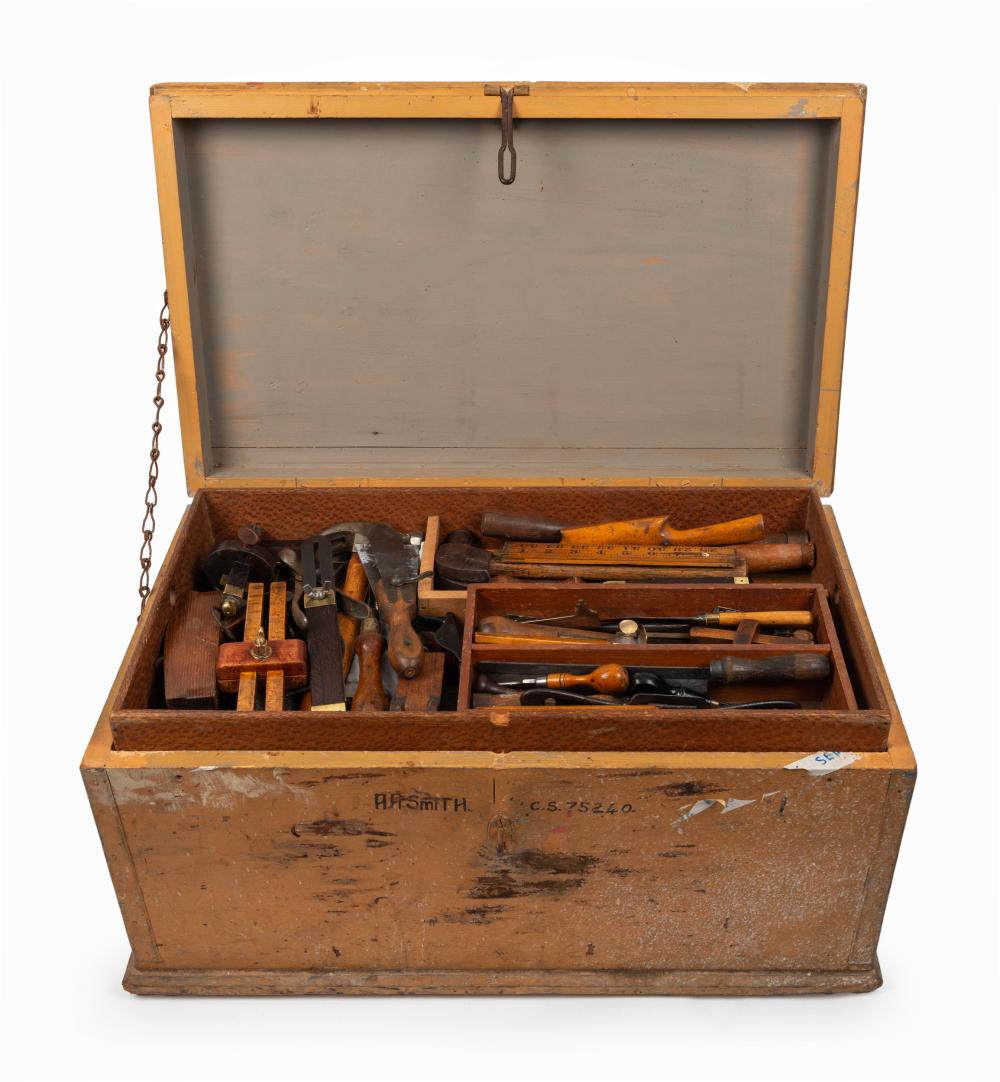 |
An impressive antique tool trunk with a handsome selection of antique cabinet maker's hand tools, 19th/20th century, | Leski Auctions Pty Ltd | 2024-12-07 | 186 | AUD 1,000 |
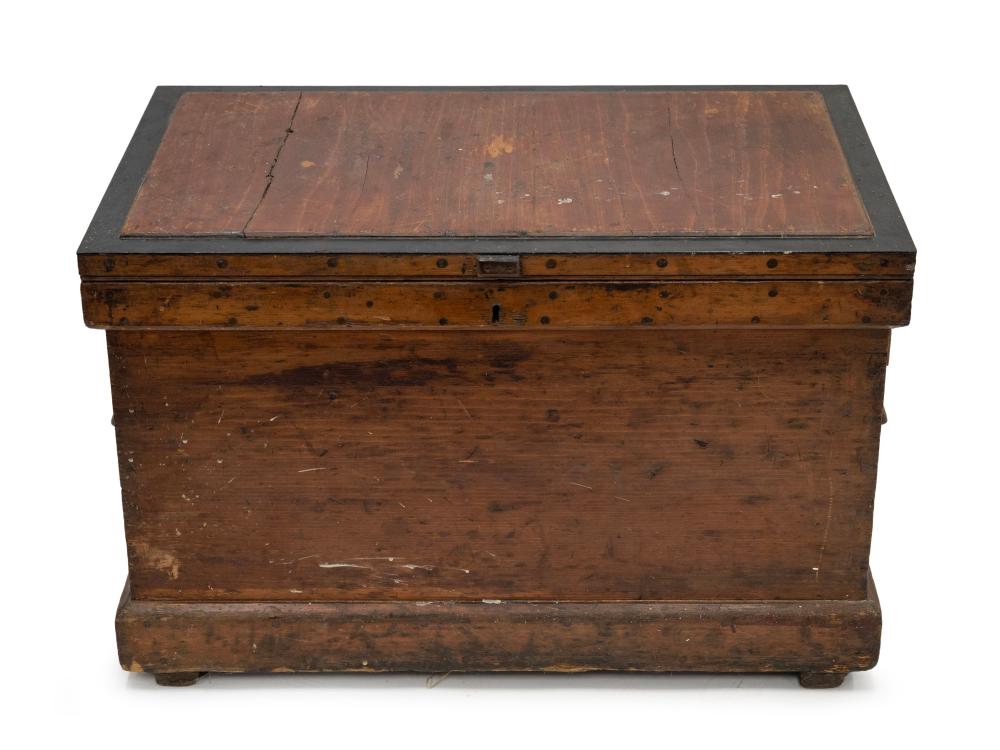 |
A carpenter's antique tool trunk, pine, cedar and teak, housing a selection of hand tools, 19th/20th century, 58cm high, 91cm wide, 57cm deep. | Leski Auctions Pty Ltd | 2026-05-30 | 738 | AUD 650 |
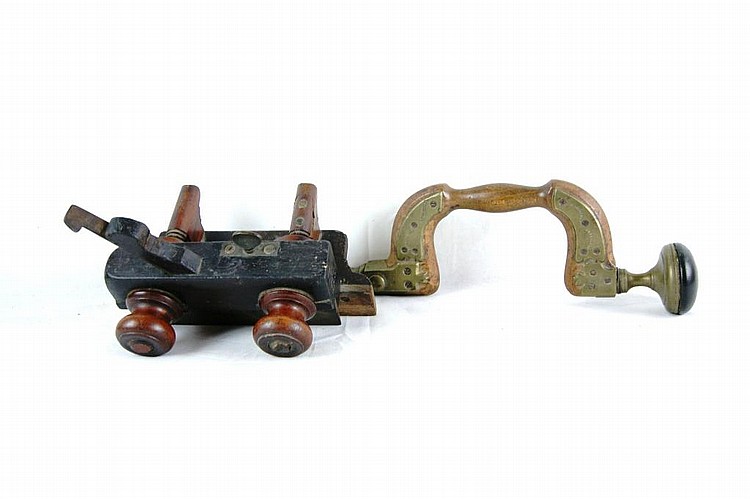 |
Two Antique Nautical Ship woodworking tools | California Auctioneers | 2013-03-17 | 54 | USD 300 |
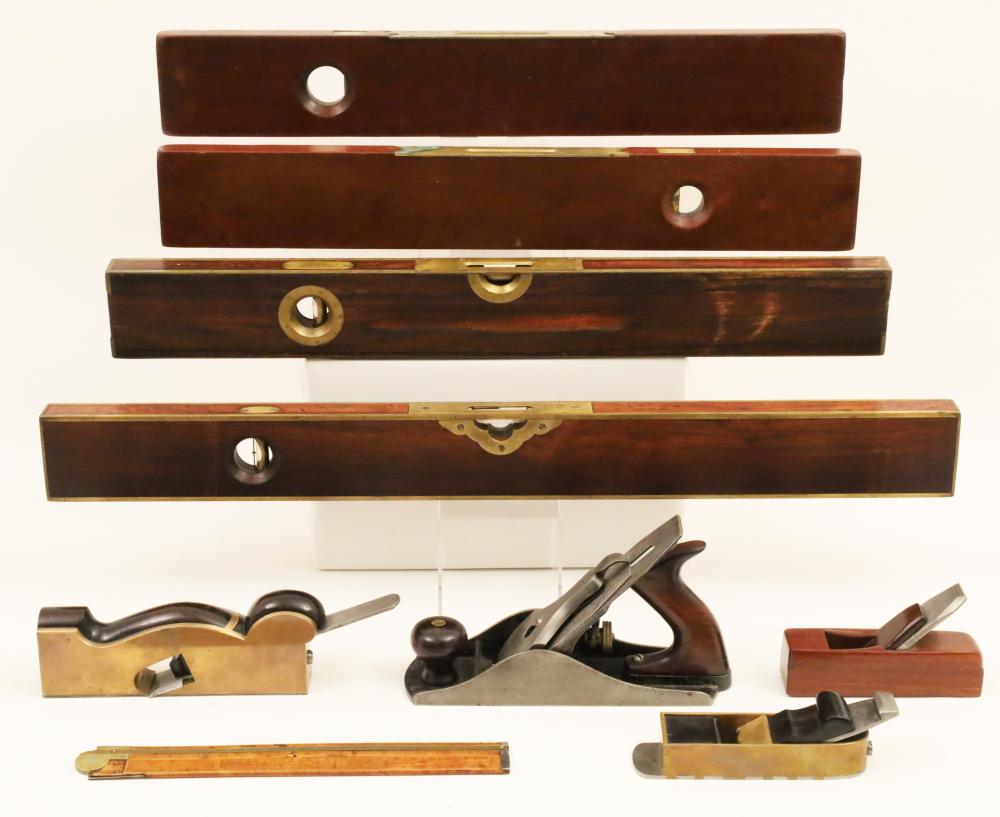 |
9 PCS OF ANTIQUE WOODWORKING TOOLS | Clements | 2023-08-20 | 263 | USD 700 |
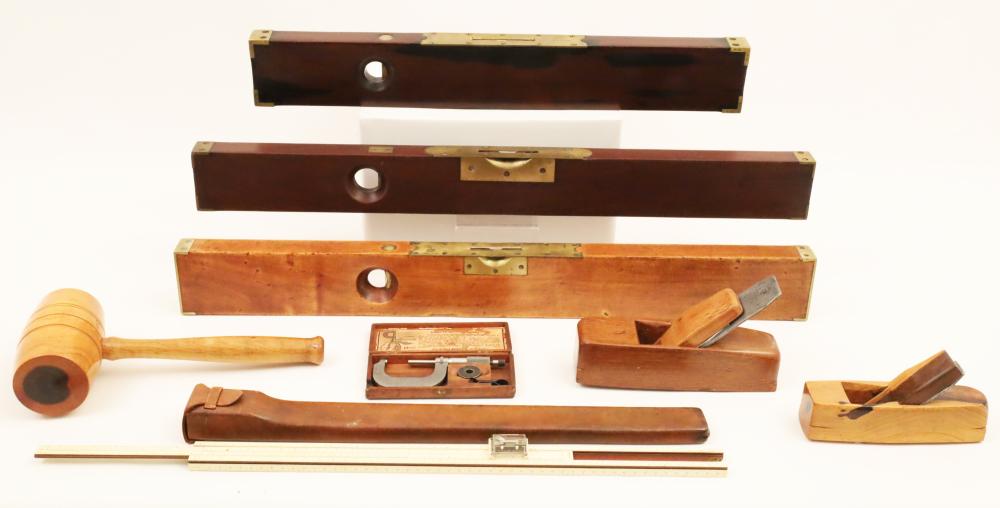 |
8 PC LOT OF ANTIQUE WOODWORKING TOOLS | Clements | 2023-08-20 | 165 | USD 275 |
Comparable images are shown at thumbnail scale with source links. Request image review or removal.
Disclosure: prices are shown as reported by auction houses and are provided for appraisal context. Learn more in our editorial policy.
Free instant estimate
Not sure if your item is worth appraising? Let us take a look.
Upload a photo, tell us what you know, and get a free first read. If a full appraisal makes sense, we will say so.
Free. No card needed. Takes about two minutes.
Choose your next step
Use the path that matches the decision you need to make about the item.
Not sure it is worth appraising?
Start with a lower-friction screen to understand the likely category, evidence, and next step.
Upload photos for a free first lookWant proof before paying?
See how a signed report documents photos, comparable evidence, condition notes, and value conclusions.
View signed report sampleNeed a signed report?
Use this for insurance, estate, donation, resale, or documented value decisions.
Need documentation now? Start signed appraisalNeed local or specialist help?
Compare directory options when the work needs in-person review or a specialist near you.
Find local specialistsSee what the report looks like
Sample reports show how photos, comparable evidence, condition notes, and a value conclusion are documented.
Need a clearer identification answer?
Upload photos. Appraisily identifies the item, checks real sales where available, and shows whether a free screen or professional report makes sense.
Upload photos for a free first lookStart a professional appraisalSee a sample report