Unlocking the Worth How to Determine Your Old Cash Registers Value: appraisal and value basics
Unlocking the Worth How to Determine Your Old Cash Registers Value research should start with identification, condition, provenance, and item-specific market evidence. Use this guide to compare the signals that matter before paying for a formal appraisal or deciding whether to sell.
Old cash register appraisal checklist
Antique and vintage cash registers sit at the crossroads of industrial design, early retail history, and mechanical ingenuity. Whether you found one in a family store, inherited a gleaming brass showpiece, or stumbled on a heavy steel workhorse, this guide gives you a clear, step‑by‑step way to identify, document, and estimate value with confidence.
What you actually own: types and eras
Before you chase numbers, place the register in its correct era and category. This context is the backbone of both identification and valuation.
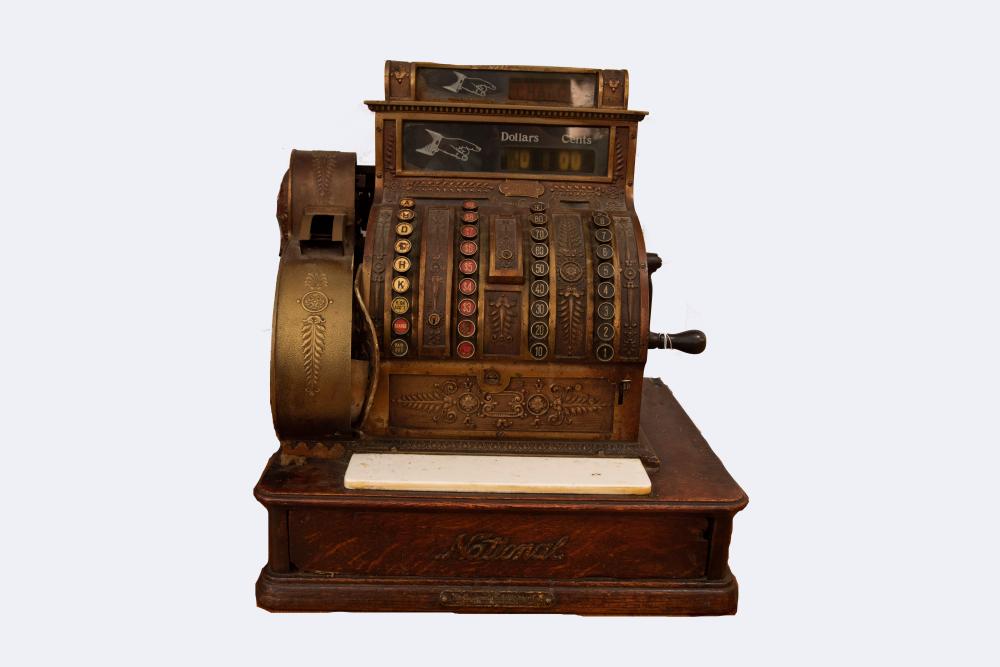
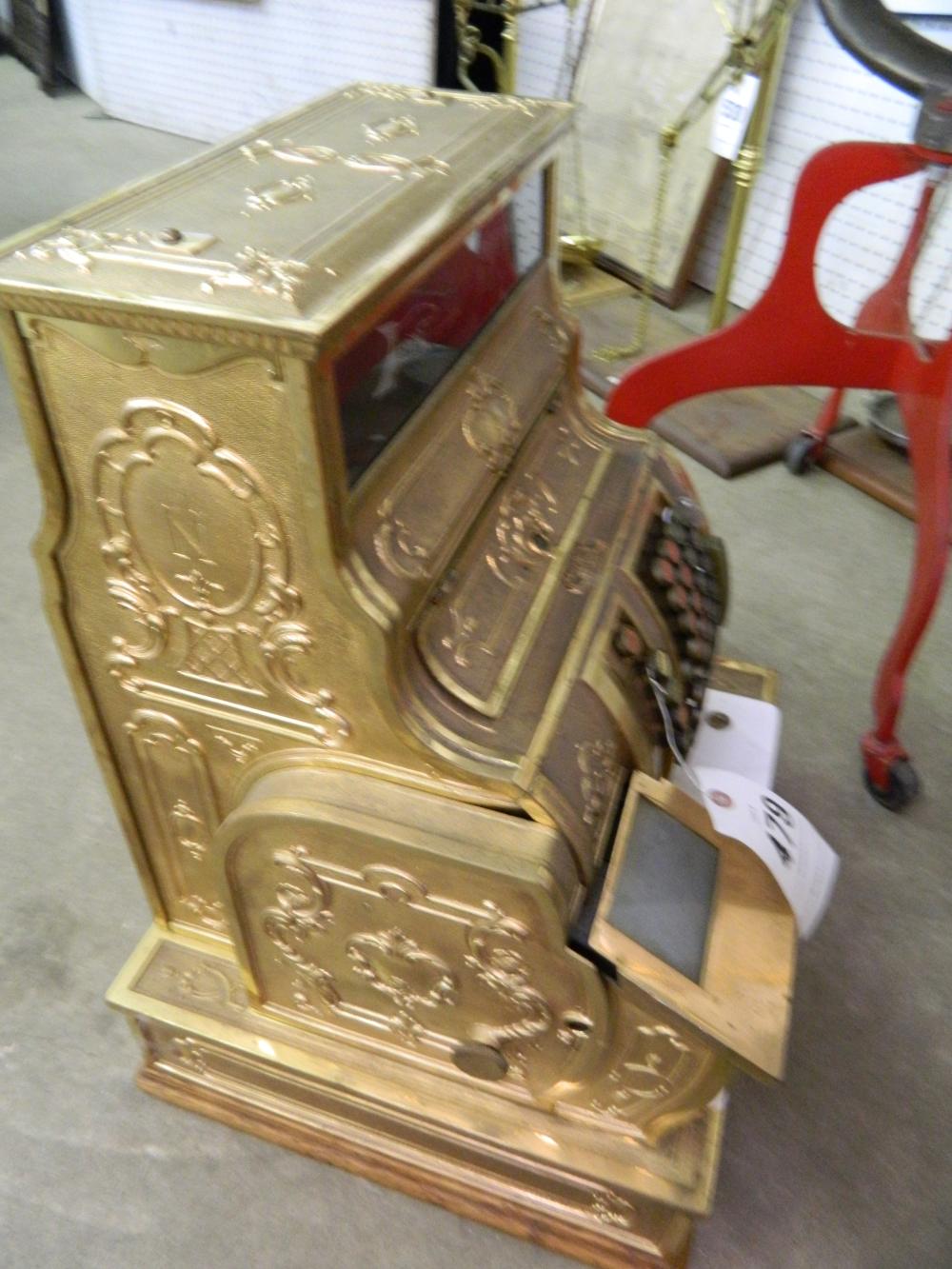
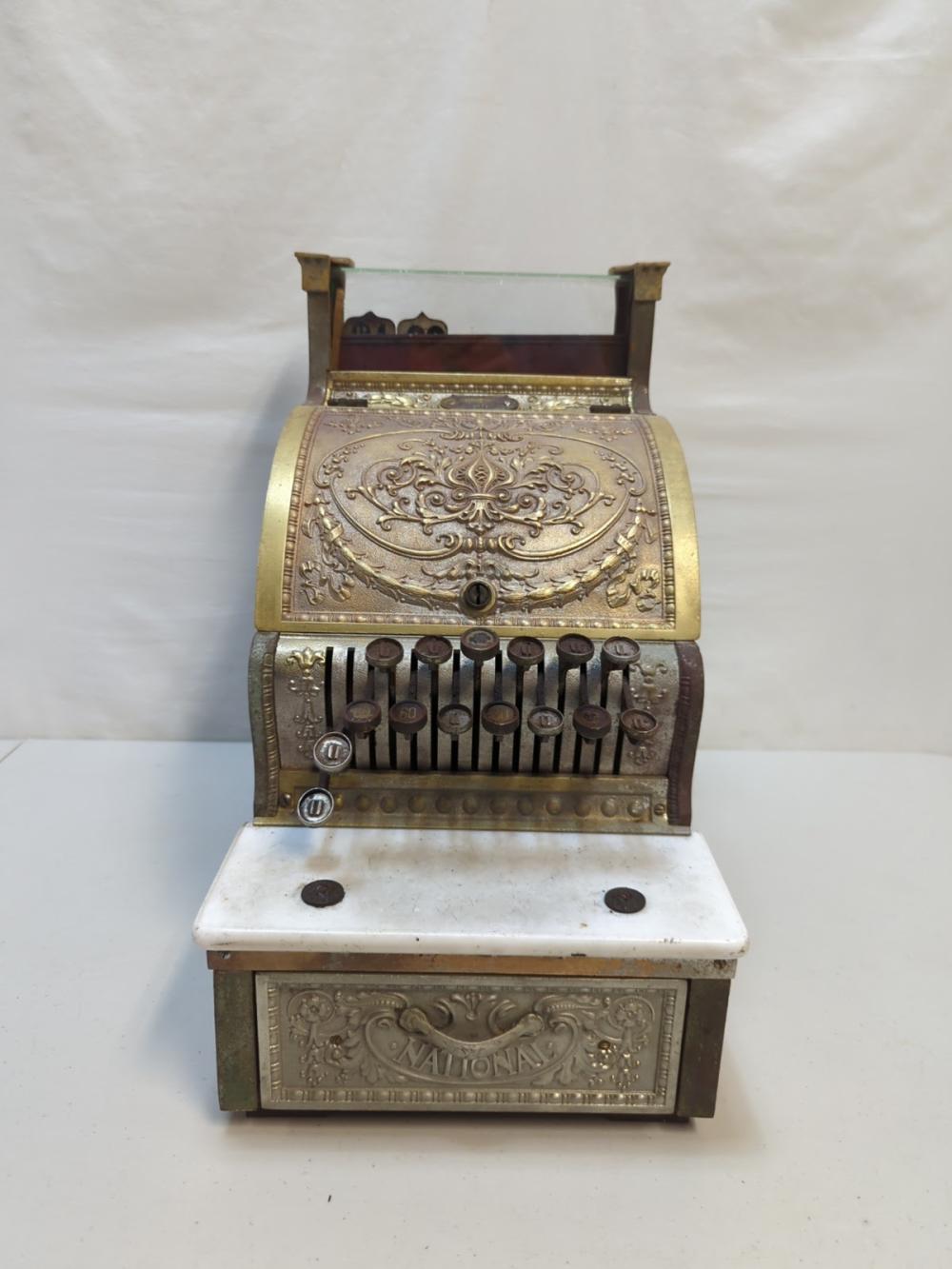
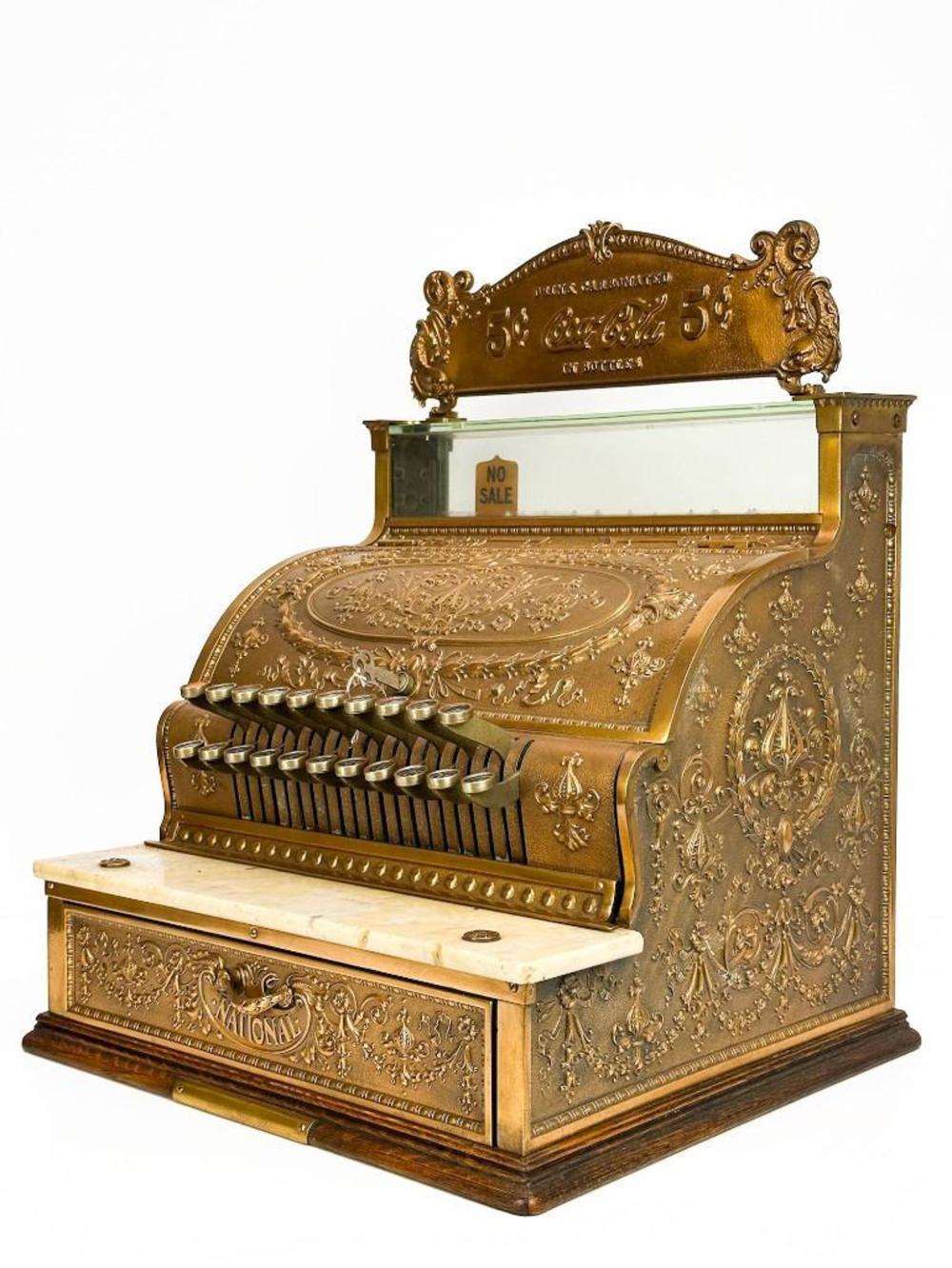
Late 1800s to early 1910s: ornate cast-metal registers
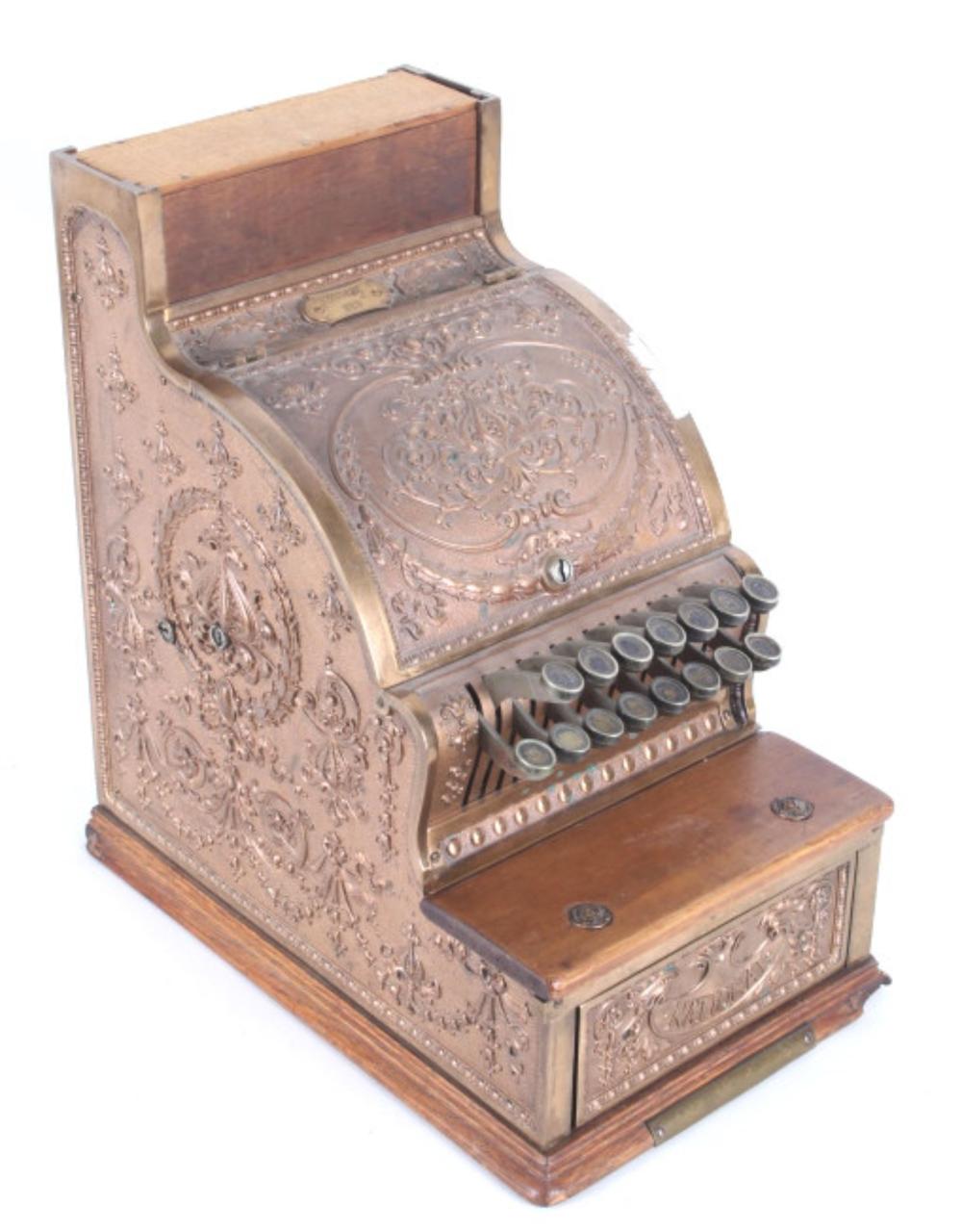
- Typical materials: cast brass or bronze, often nickel-plated originally (many are now polished to bare brass).
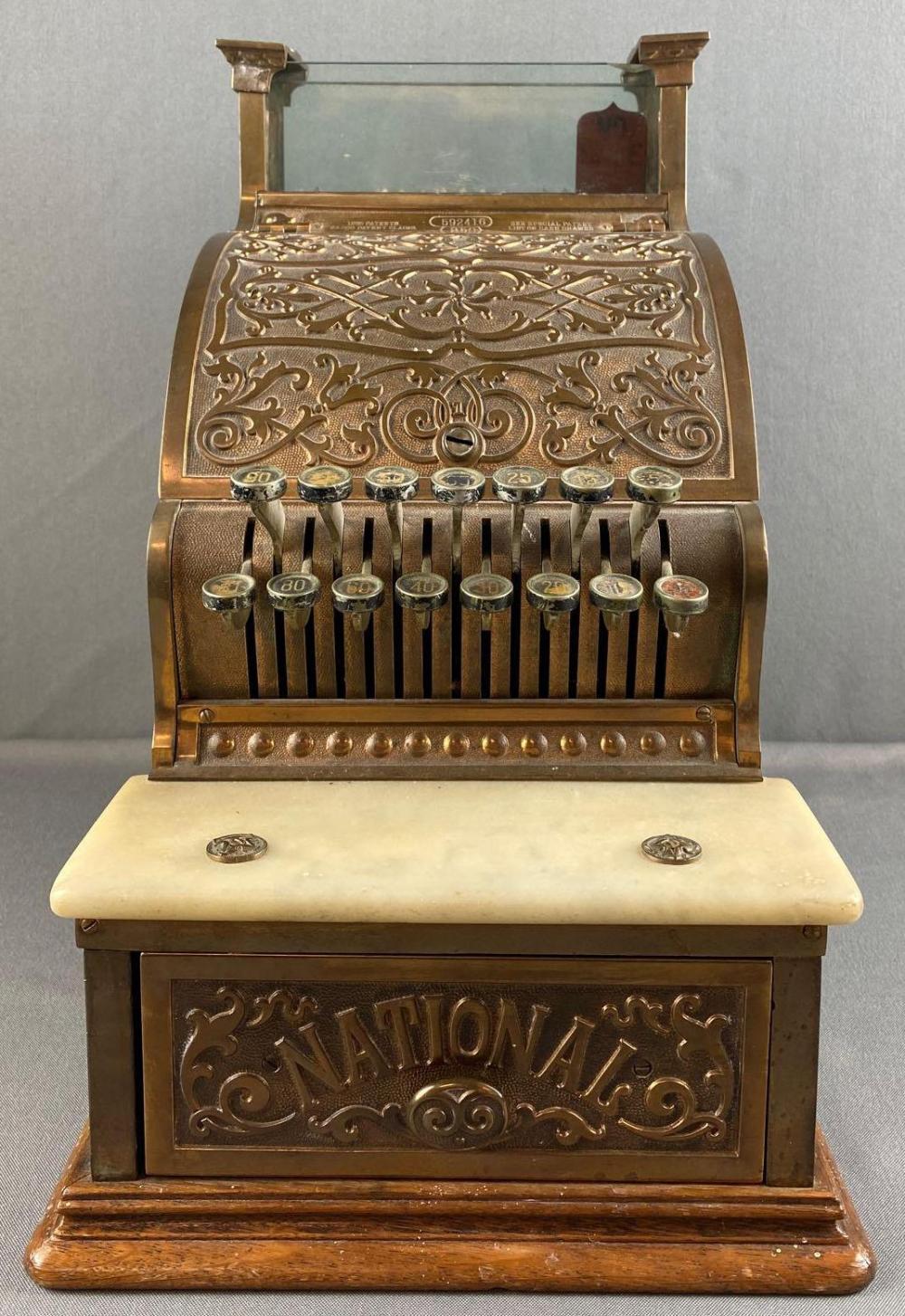
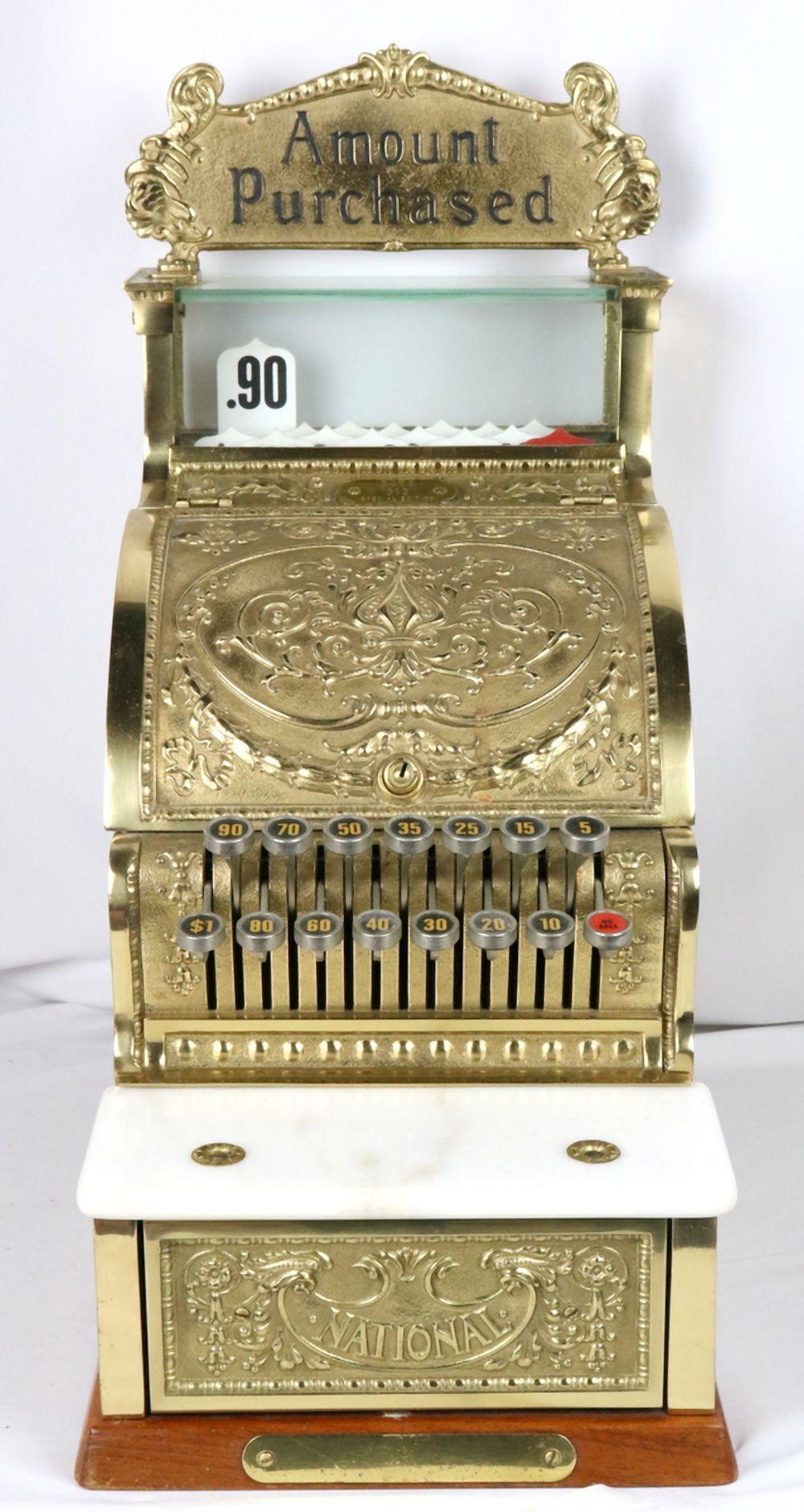
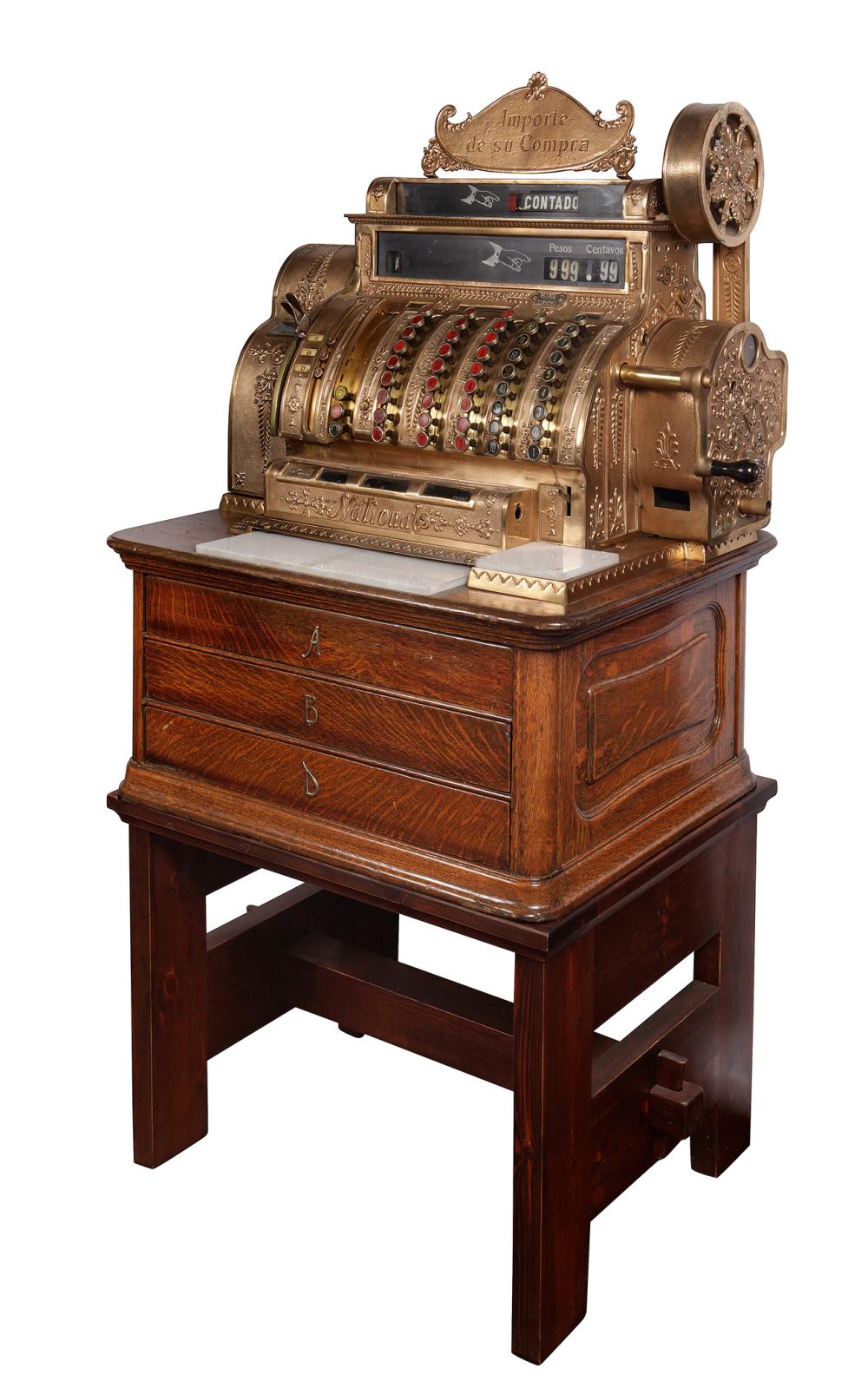
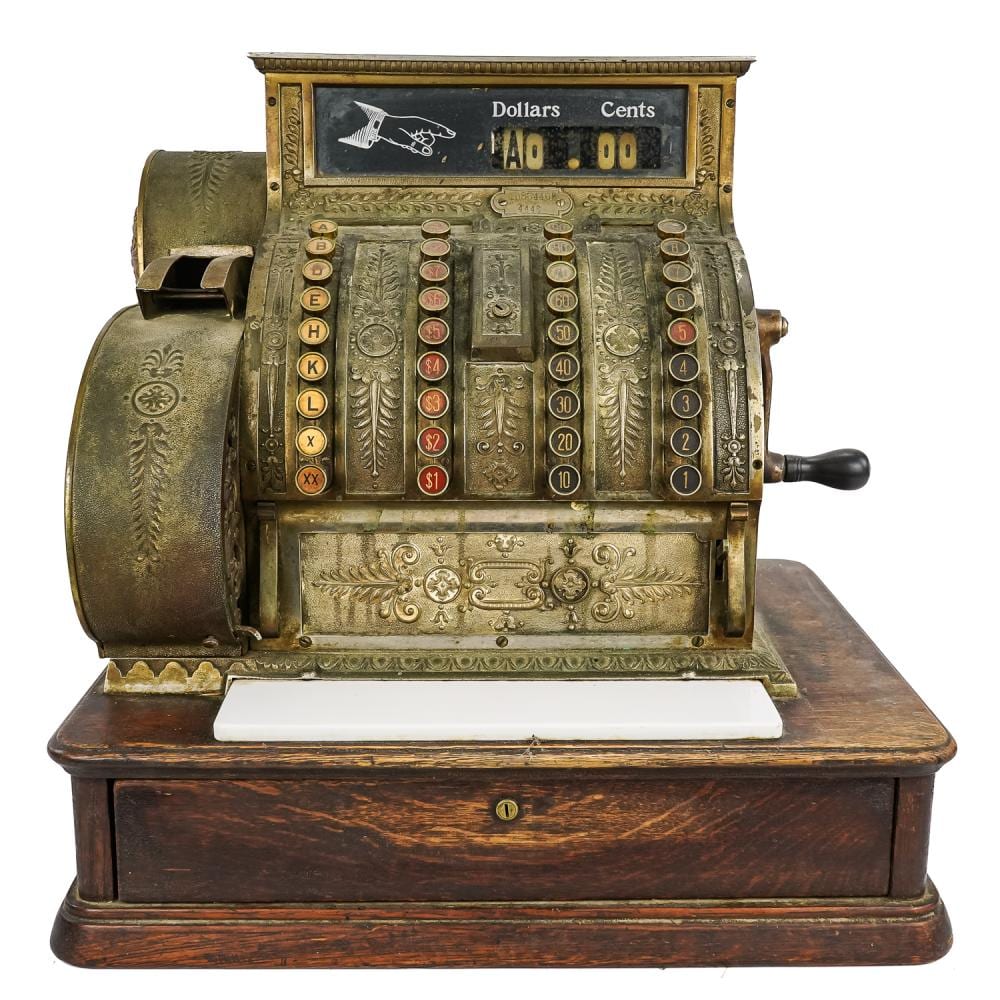
- Visual hallmarks: floral or scrollwork patterns, glass windows, “Amount Purchased” top signs, white or black marble/porcelain shelves.
- Use case: small shops, bars, tobacconists, pharmacies. Smaller footprint models are especially display-friendly and sought after.
1910s to 1930s: transitional and streamlined mechanicals
- Materials shift toward cast iron and steel cases with simpler ornament.
- More utilitarian shapes, sometimes wood-trimmed bases or panels.
- Still mechanically complex but less decorative; usually mid-market prices.
1930s to 1960s: mid-century mechanical cash registers
- Brands expand: NCR remains dominant, with others like Sweda and Royal in view.
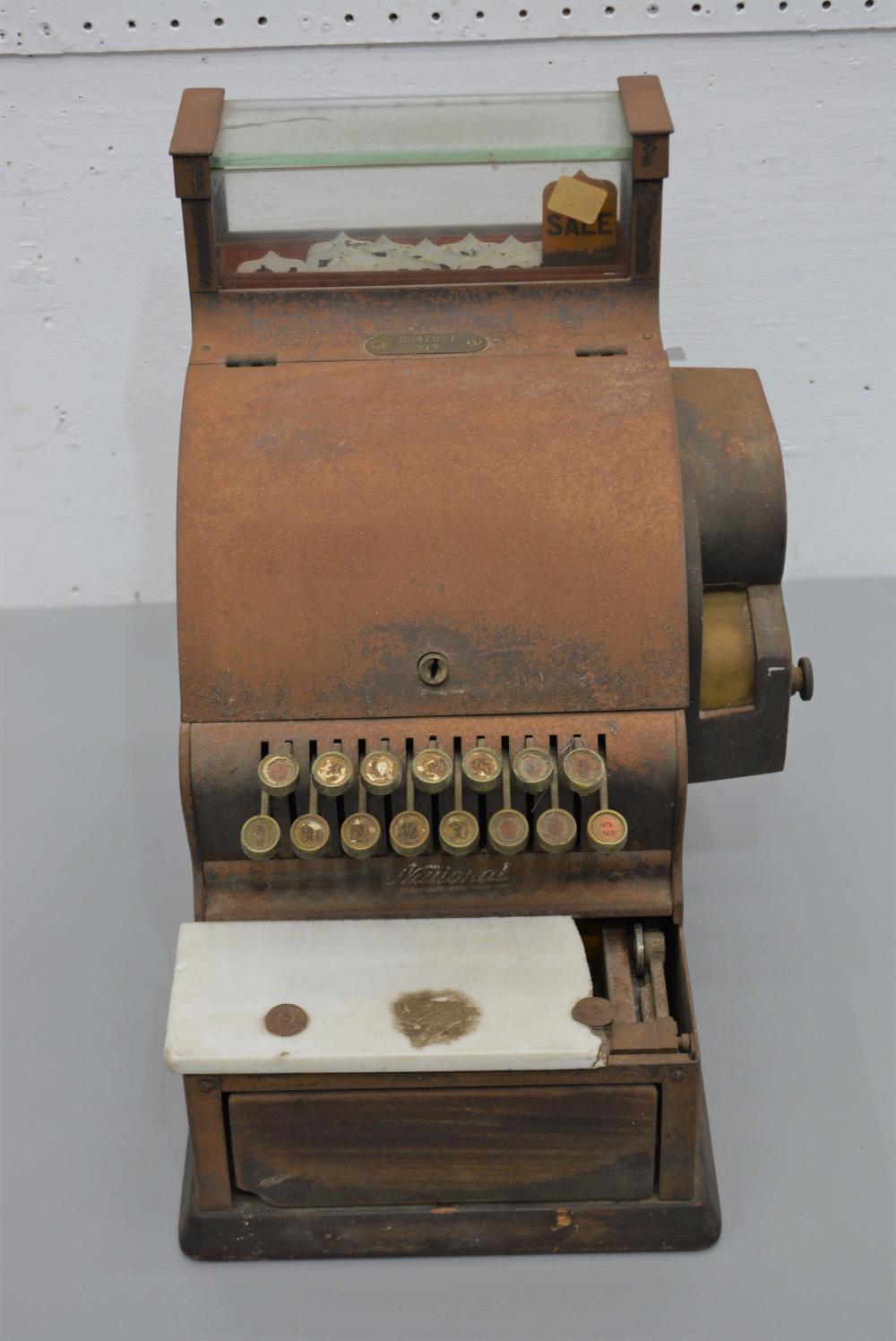
- Painted or enameled steel, chrome accents, large glass display windows.
- Collectors value excellent originality and mid-century design; fewer high-dollar outliers than the ornate brass era.
1970s to early electronics: functional vintage, lower antique appeal
- Early electronic registers and late mechanical hybrids are generally less collectible unless new old stock, unusual, or iconic design.
Rarity, survival rate, and décor appeal are highest in the ornate brass era, but pristine mid-century mechanicals with complete parts also perform well.
Identify maker, model, and originality
Precise identification separates an attractive conversation piece from a historically correct collectible.
Makers to know
- National Cash Register (NCR): by far the most common and widely collected. The vast majority of ornate brass examples you see are NCR.
- Other names encountered: Hallwood, St. Louis, Ideal, Sweda (mid-century), Royal (mid-century). Early experimental or regional companies exist but are scarcer.
Where to find model and serial information
- Look for a brass or nickel-plated data plate or stamped markings on the front frame, rear panel, under the top cover, or inside near the mechanism.
- Many NCRs have both a model number (which describes drawer count/key arrangement) and a serial number (which can date production within a range).
- Matching numbers: seasoned collectors like to see internal components and the case consistent for the period. Mismatched or “married” parts don’t necessarily kill value, but they do temper it.
Features that affect identification (and value)
- Top signs: “Amount Purchased,” “No Sale,” or store-branded signs. Originals show crisp casting and finish congruent with the rest of the machine; reproductions look too sharp or too soft relative to wear elsewhere.
- Price flags and glass: numeral flags behind glass that pop up when a key is pressed. Cracked or replaced glass is common; original etched or wavy glass can be a plus.
- Keyboard layout and currency: special-language or non‑U.S. currency keyboards can be rarer and more desirable in the right market.
- Shelves and trims: marble or porcelain writing shelves, drawer trims, receipt spikes, and bells are all parts that often go missing—yet they add tangible value when present.
Document the exact markings, layout, and features with photos and notes; you will rely on these details when comparing to verified examples and sales.
What actually drives value
Five pillars account for most price differences between superficially similar registers:
- Materials and finish
- Original nickel-plated surfaces on ornate brass registers are prized by advanced collectors. They reflect how many of these machines actually left the factory.
- Polished bare brass has strong décor appeal, but polishing often removes original plating and softens crisp details. Serious collectors usually value originality over shine.
- Painted/enameled mid‑century steel is best when the paint is original, evenly glossy, and unfaded.
- Completeness and function
- Completeness: top sign, glass, flags, crank, drawer tills, paper spindles, receipt printer, bell, and keyset. Missing items stack up quickly against value.
- Function: a smoothly operating mechanism, clean register action, and a bell that rings raise confidence. Non‑working examples remain salable but skew to lower ranges unless exceptionally rare.
- Condition and integrity
- Cracks in castings, repaired breaks, or warped frames are major detractors.
- Over-restoration—aggressive polishing, over-buffing that flattens patterns, over-spray paint, or re-nickeling—can reduce interest from purists.
- Good patina and consistent wear read as honest and are generally favored.
- Desirability and rarity of configuration
- Small footprint, high-display models are easier to place and often command premiums.
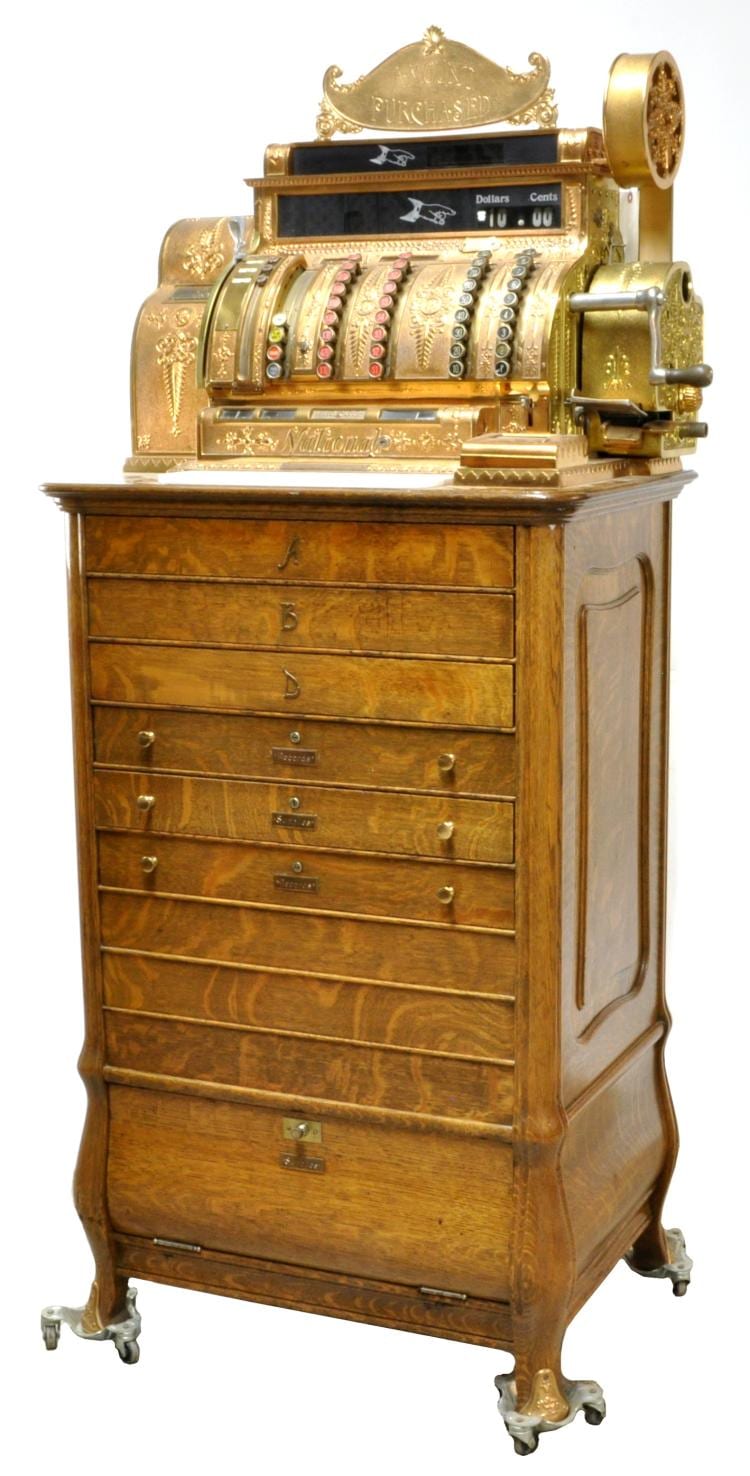
- Specialty layouts (multi-drawer department stores, bar registers with extra indicators, unique currency keyboards) can be significantly rarer.
- Early or limited-production patterns and unusual decorative motifs add collector interest.
- Provenance and presentation
- A register documented to a known historic business, with invoices or period photos, adds story value.
- Professional, reversible conservation (cleaning, lubrication, stabilization) is a positive. Amateur fixes with mismatched screws, modern decals, or cut wiring are not.
How condition tiers compare
Markets move with décor trends and shipping costs, but these tiers, from least to most valuable, show how U.S. buyers sort machines. Within each tier, ornate brass sells above mid-century steel. Compare recent sold listings for the same maker and model, and adjust for your region and for fees.
Parts or project machines
- Mid-century steel, incomplete or seized
- Ornate brass with major issues (broken castings, heavy losses)
Complete, presentable, not fully working
- Mid-century steel with good paint
- Ornate brass with honest patina, missing minor parts
Complete, working, and attractive
- Mid-century steel in excellent original condition
- Ornate brass with original finish (nickel or untouched brass), complete, operating
Scarcer or premium examples
- Small, ornate countertop models with original signs and marble, excellent condition
- Rare configurations (multi-drawer department types, special currency, unusual patterns, documented provenance), with outliers well above the rest
Where you sell matters. Local sales avoid shipping but narrow the buyer pool. National exposure can raise the top end, but freight on a 100–300 lb machine (crating and LTL shipping) is costly, which dampens distant bids.
To refine your estimate, study recent sold prices (not asking prices) for registers with the same maker, model, finish, and completeness. Adjust for your example’s differences line by line: finish originality, missing parts, function, and location.
Originality, cleaning, and restoration: do’s and don’ts
The most common value mistake is “improving” a register in a way collectors can’t reverse.
Cleaning
- Dust and dirt: remove with a soft brush and vacuum. Use pH‑neutral cleaner lightly on metal and glass; avoid soaking mechanisms.
- Brass and nickel: prefer gentle conservation. If original nickel plating is present, do not polish to bare brass. On bare brass, avoid machine buffing that rounds crisp details; a hand-applied microcrystalline wax can stabilize and add soft sheen without removing metal.
- Marble/porcelain: clean with non-abrasive cleaners; avoid acids that etch or dull the surface.
Lubrication and function
- Old gummy oils can be softened with careful application of a light solvent, then re-lubricated with minimal, appropriate oil. Keep liquids away from paper parts.
- If you’re not experienced with clockwork or register mechanisms, avoid deep disassembly; mis-timed linkages and springs are easy to damage.
Restoration and parts
- Re-nickeling is expensive and will not always be recouped on resale. Unless your piece is a top-tier rarity, keep original finishes and patina.
- Reproduction top signs, keys, and flags exist. They’re useful to complete a display but should be disclosed when selling. Mismatched shine or too-perfect casting often reveals repros.
- Structural repairs to cracked castings require specialized metalwork; amateur brazing or filled cracks are highly visible and suppress value.
Documentation
- Photograph the register before and after any work. Keep notes on materials and methods. Buyers and appraisers reward honesty and traceable stewardship.
Selling strategy, logistics, and timing
Finding the right buyer is half the valuation battle.
Where to sell
- Specialty auction houses or regional estate auctions can assemble collector audiences for ornate examples.
- Private sales to known collectors or dealers offer speed and less hassle at slightly lower prices.
- Local marketplace platforms minimize shipping risk and cost; great for mid‑range pieces and heavy steel registers.
Shipping and handling
- Expect 100–300 lb weights. Remove loose parts (top sign, glass panels) and pack separately when possible.
- Build a rigid crate or at least a bolted-to-pallet solution with foam and strapping. Photograph the packing—buyers like to see that the risk is managed.
- Factor freight into your net proceeds; it often sets a practical ceiling on what distant buyers will pay.
Timing
- Décor cycles matter. Brass-heavy interiors trend in and out. Prices were strongest in the 2005–2015 décor wave; they softened afterward but remain stable for top-tier, original examples.
- The best results come when you can be patient, present complete information, and let the right buyer find you.
Quick appraisal checklist
Use this distilled list to move from “mystery” to “market-ready” in under an hour.
- Identify maker: note any badges, cast logos, or stamped marks.
- Record numbers: photograph model and serial plates; check inside panels and under the top cover.
- Inventory parts: top sign, glass panels, flags, crank/handle, keys, bell, receipt printer, drawer tills, marble/porcelain shelf.
- Assess finish: original nickel, painted, or polished bare brass? Look for even, period-consistent wear.
- Test function: keys depress and return, flags display correctly, drawer opens and bell rings.
- Check condition: cracked castings, repairs, missing screws, broken glass, chips in marble.
- Evaluate originality: do parts match in patina and style? Any obvious reproductions?
- Photograph thoroughly: full views, close-ups of plates and features, and any damage.
- Research market evidence: find recent sold examples that match maker, model, finish, and completeness; adjust for differences.
- Decide venue: local sale, dealer, or auction based on your piece, timeline, and shipping tolerance.
FAQ
Q: How can I date my NCR cash register? A: Start with the serial number and model on the data plate, then correlate with published NCR production ranges in collector references. Features like keyboard layout, top sign style, and finish can corroborate the approximate date. Exact day/month dating is uncommon, but you can usually narrow it to a several-year span.
Q: Is polished brass more valuable than original nickel? A: For décor buyers, polished brass looks striking. For serious collectors, original nickel (or unmolested original surfaces) is typically more desirable and can be more valuable. Removing nickel to expose brass is not reversible and may lower the ceiling value of an otherwise strong example.
Q: My register doesn’t work—should I repair it before selling? A: Minor, reversible service (cleaning, gentle lubrication) can help. Extensive repairs or full restorations rarely pay for themselves unless the machine is a rare model. Many buyers prefer to handle mechanical work themselves to preserve originality.
Q: Are reproduction top signs and keys a deal-breaker? A: Not necessarily. Quality reproductions can complete a display and improve salability, but they should be disclosed. Originals with matching patina, crisp period casting, and correct fonts are more valuable.
Q: What’s the safest way to move one? A: Treat it like a small safe. Remove the top sign and any loose glass, wrap parts separately, and secure the body to a dolly or pallet with straps. Lift from the base, not the decorative castings, and avoid tilting onto handles or cranks. Crate for long-distance shipping and consider freight insurance.
With a clear ID, honest condition report, and realistic market evidence, you’ll know where your register stands—and you’ll be ready to protect, enjoy, or sell it with confidence.