Unlocking the Worth a Comprehensive Guide to National Antique Cash Register Values: appraisal and value basics
Unlocking the Worth a Comprehensive Guide to National Antique Cash Register Values research should start with identification, condition, provenance, and item-specific market evidence. Use this guide to compare the signals that matter before paying for a formal appraisal or deciding whether to sell.
National antique cash register appraisal checklist
Antique National Cash Registers—often simply called “Nationals” or “NCRs”—sit at the intersection of sculpture, mechanical ingenuity, and retail history. Their architectural brass cabinets, hand-engraved plates, and click-clack mechanisms draw collectors from both the decorative arts and machine heritage worlds. Whether you’ve inherited a family register or you’re building a specialized collection, understanding what drives value is the key to responsible appraisal and smart buying or selling.
This guide focuses on identifying National Cash Registers, separating original parts from reproductions, and estimating value ranges using market-tested factors.
A concise history and why it matters to value
The National Cash Register Company (NCR) was founded in 1884 in Dayton, Ohio, and became synonymous with the cash register itself. The historical arc matters because materials, styling, and mechanisms changed markedly across decades:
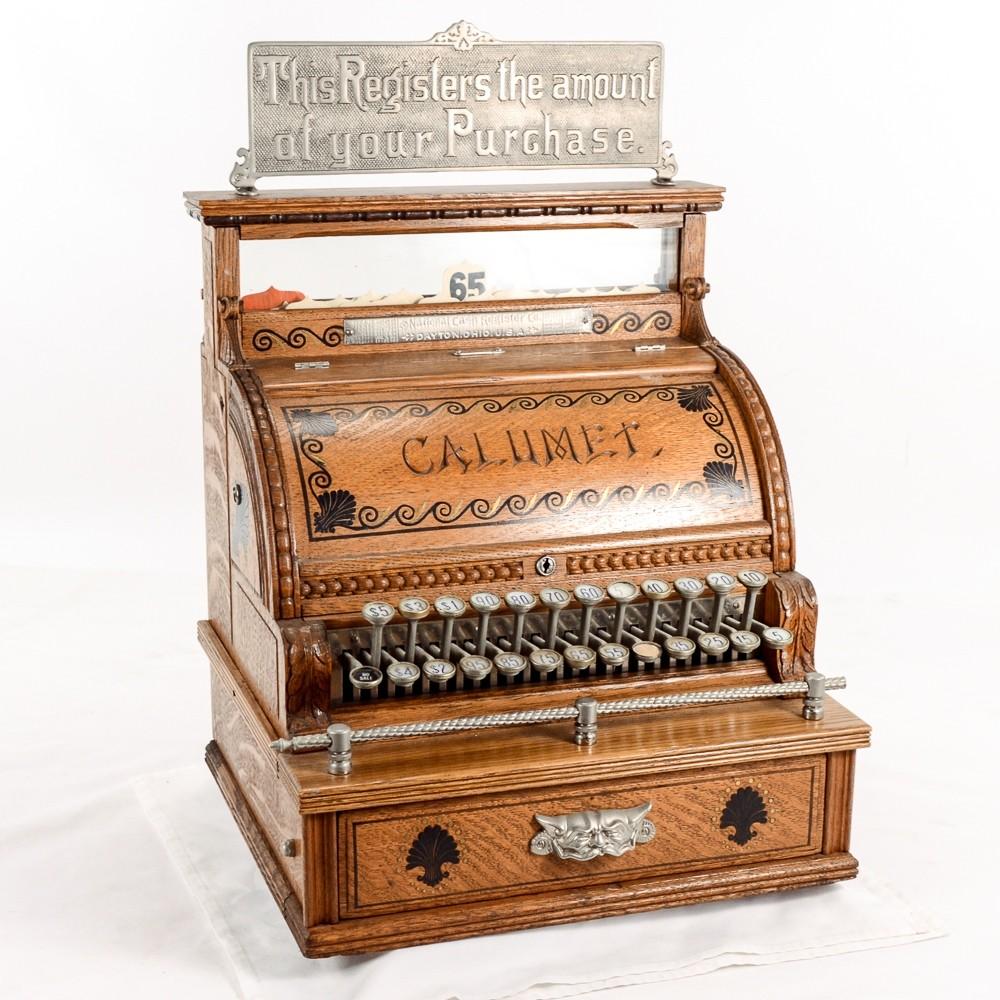
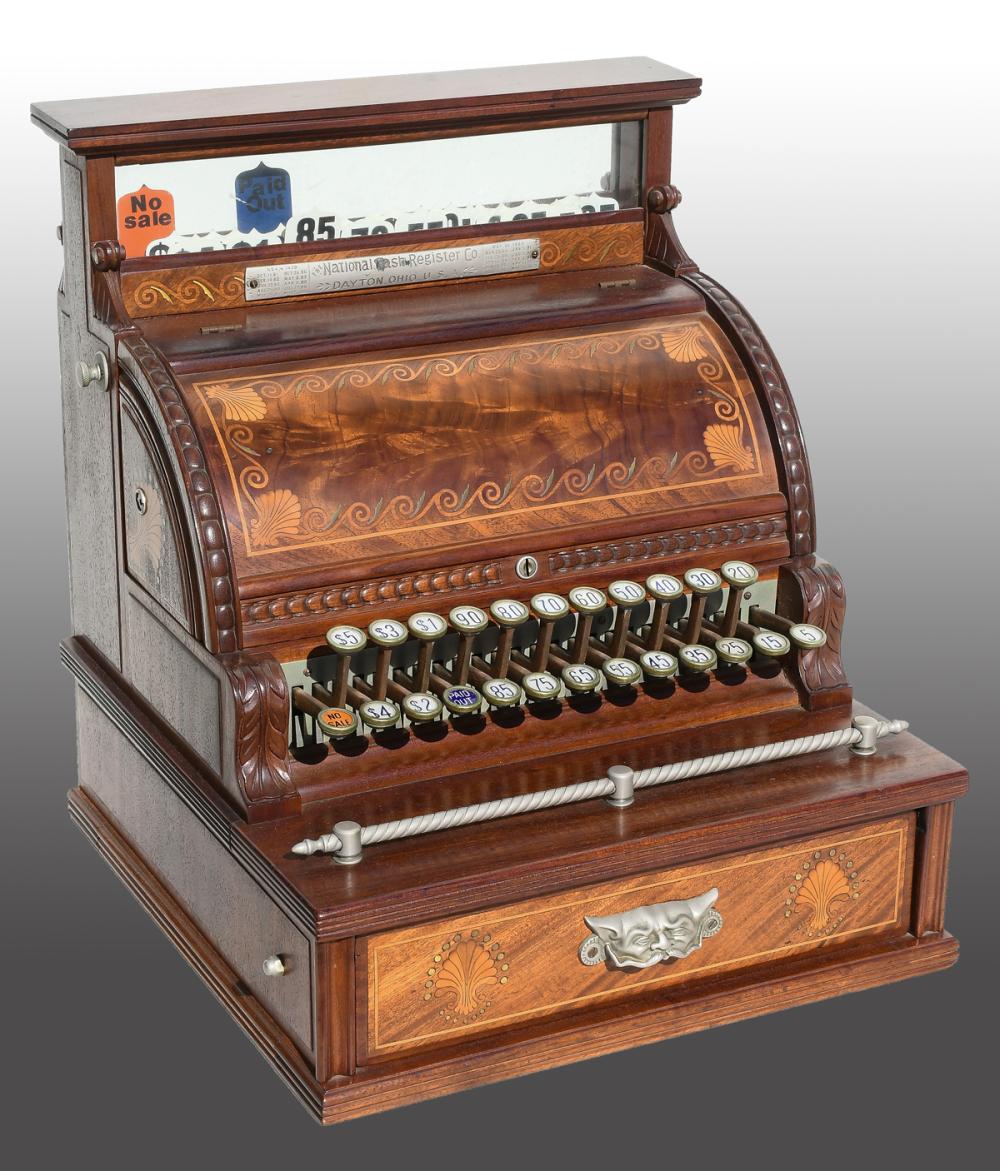
- 1880s–1890s: Early wood-cased registers (often oak or mahogany). Cleaner, “cabinet” look; less ornate. Values typically lower than brass, except rare or early technical variants.
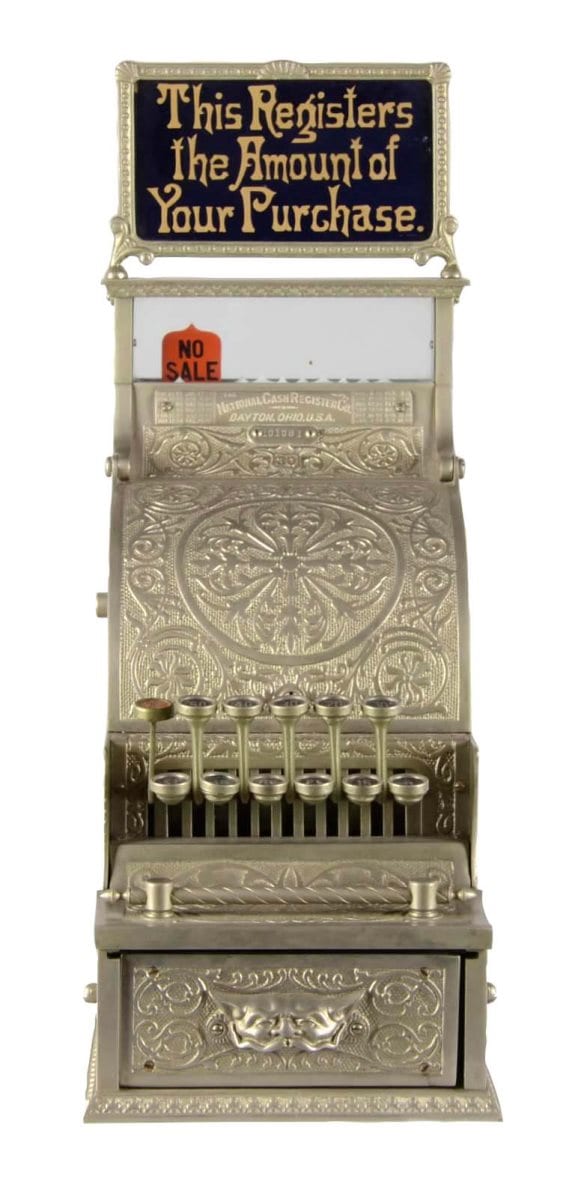
- Circa 1895–1915: The golden age of ornate cast-brass cases, including nickel-plated and copper-flashed finishes. This is the decorative sweet spot most collectors chase.
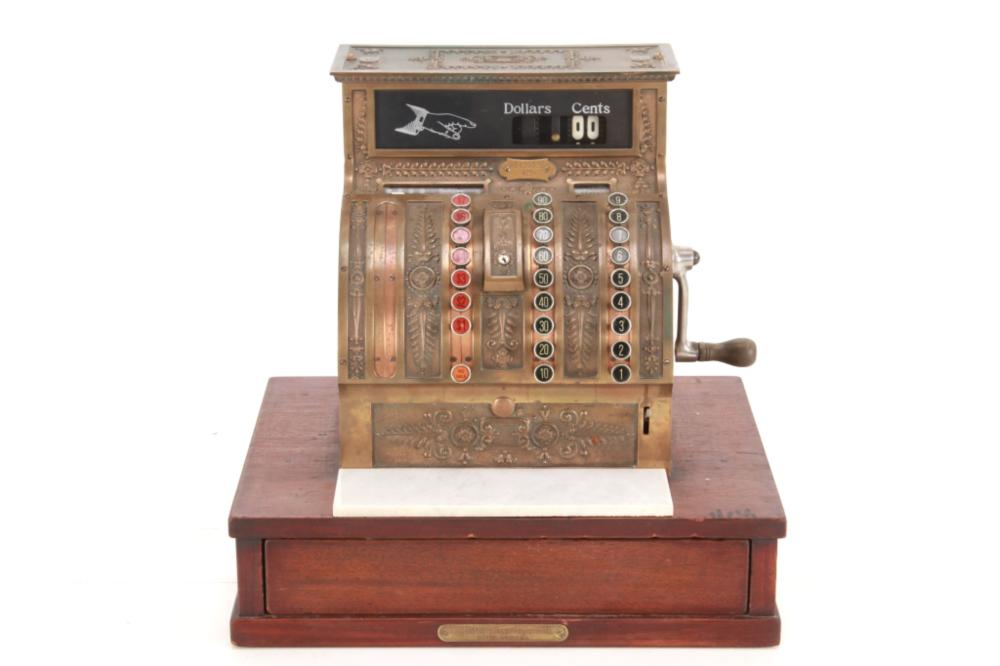
- 1915–1930s: Transition to plainer, steel-cased, and increasingly electric models. Useful for industrial design collectors; generally more modest prices unless rare features are present.
Understanding period means you can place your example’s aesthetics and mechanism in context—one of the first steps toward an accurate valuation.
Identify your register: model, pattern, and period
NCR assigned model numbers, and most machines carry both a model and a serial number. Correctly reading these—and matching them to the case style and mechanism—is essential.
Where to find identifiers:
- Model and serial plates: Commonly on a brass or nickel plate above the cash drawer, on the front apron, or inside the cash drawer cavity. Some are on the mechanism frame accessible by lifting the top cover.
- Under-marble or base frame: On many brass models, the marble slab can be removed to reveal stampings. Take care—marble and glass components are fragile.
- Interior stamps: Technicians sometimes stamped part numbers and service dates inside the case. These are helpful but secondary.
Key traits to record:
- Case material and finish: Oak or mahogany (wood case), solid brass with lacquer, nickel-plated brass, or copper flash. Original lacquer over brass (often now ambered) is prized by purists.
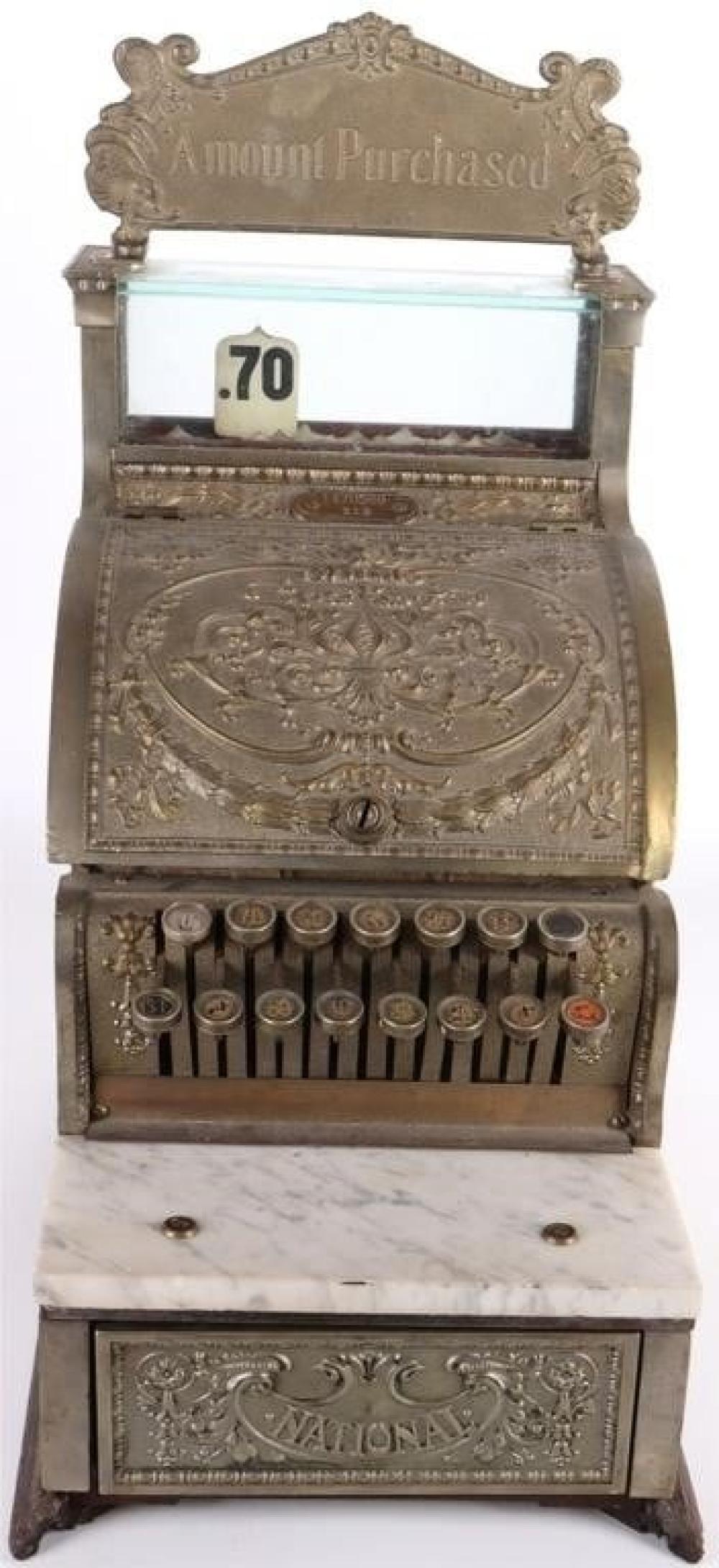
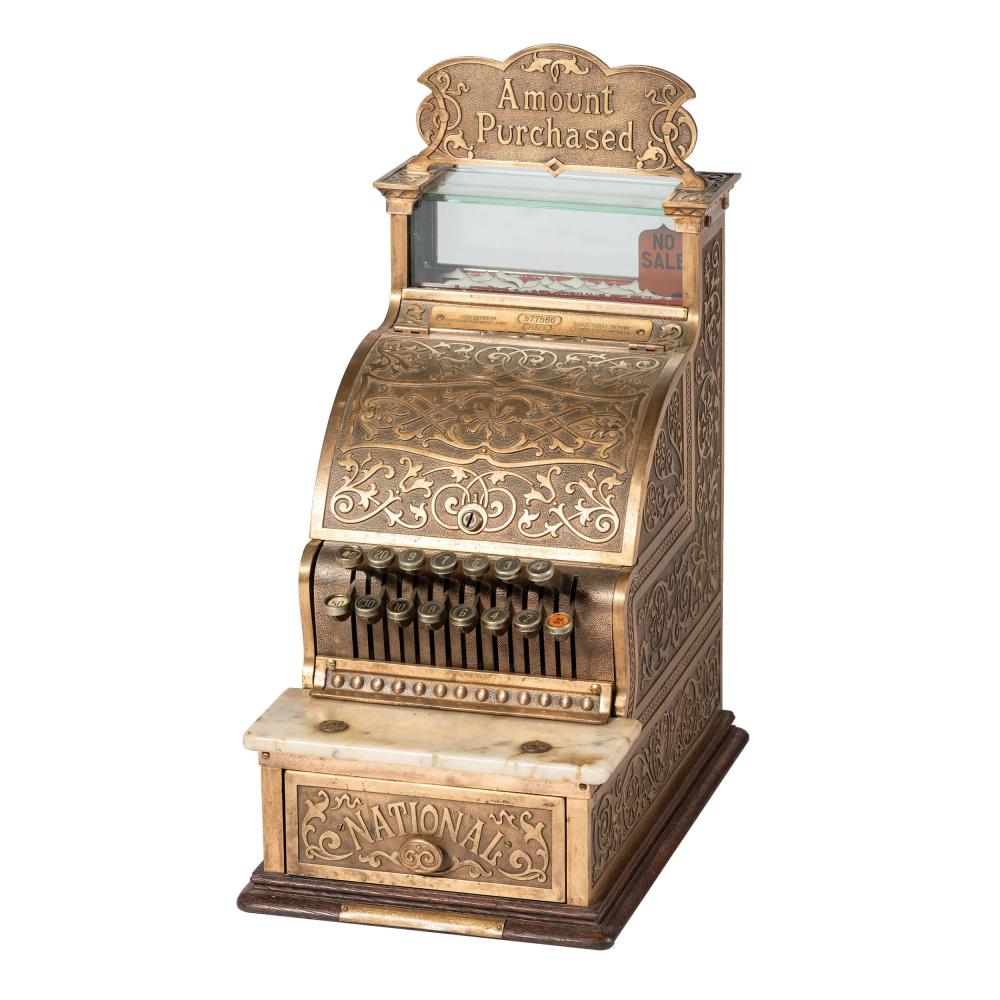
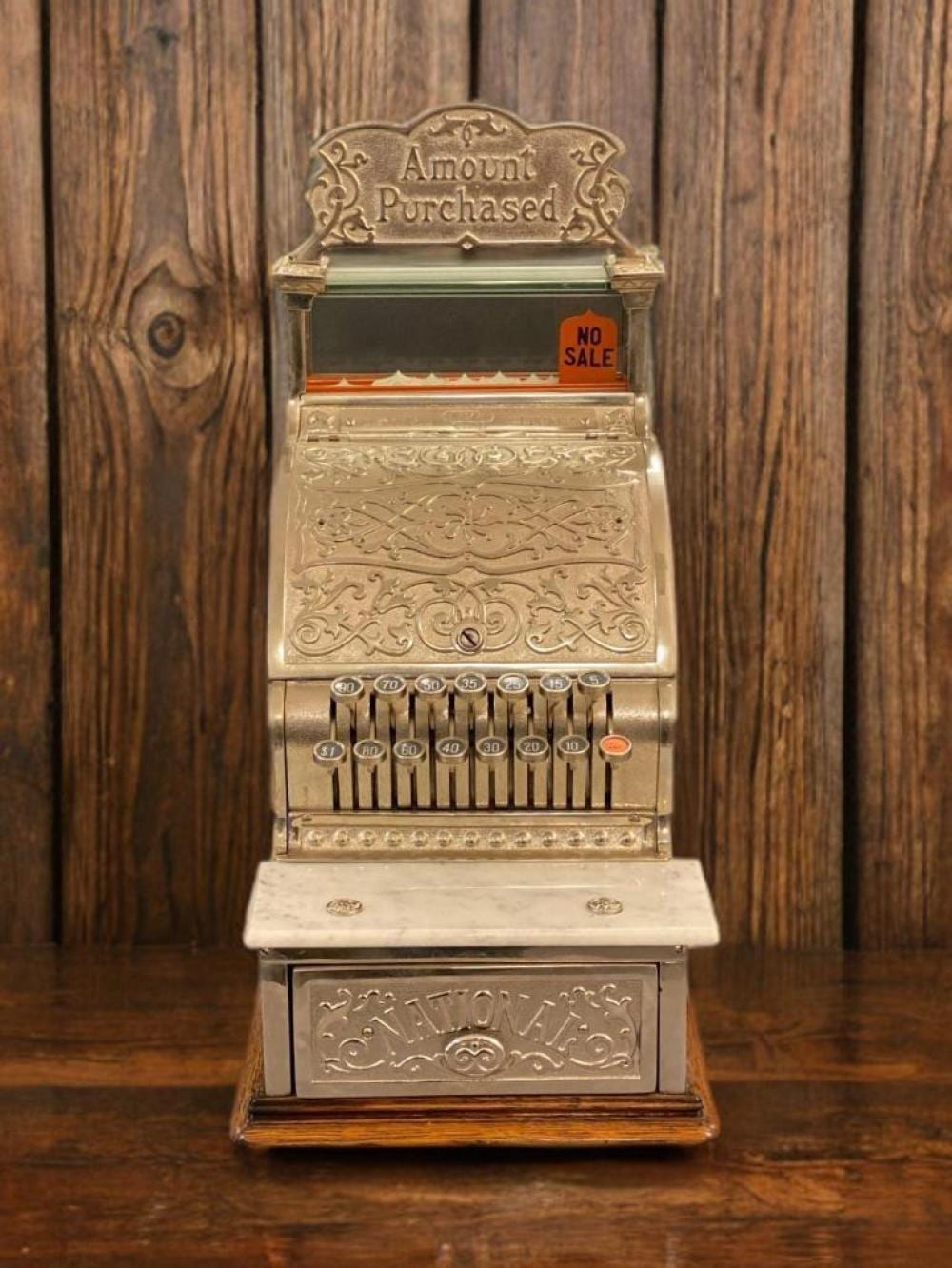
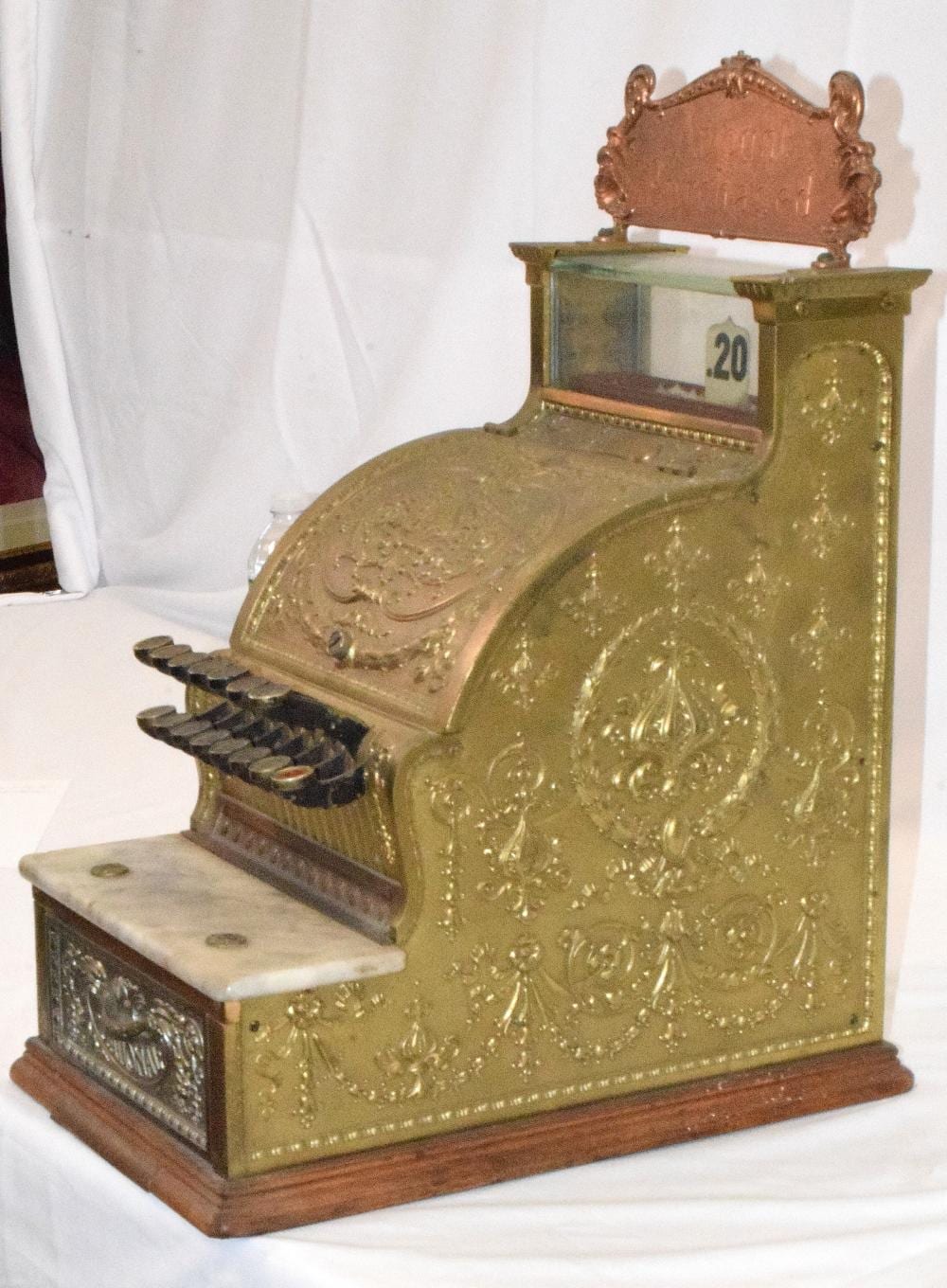
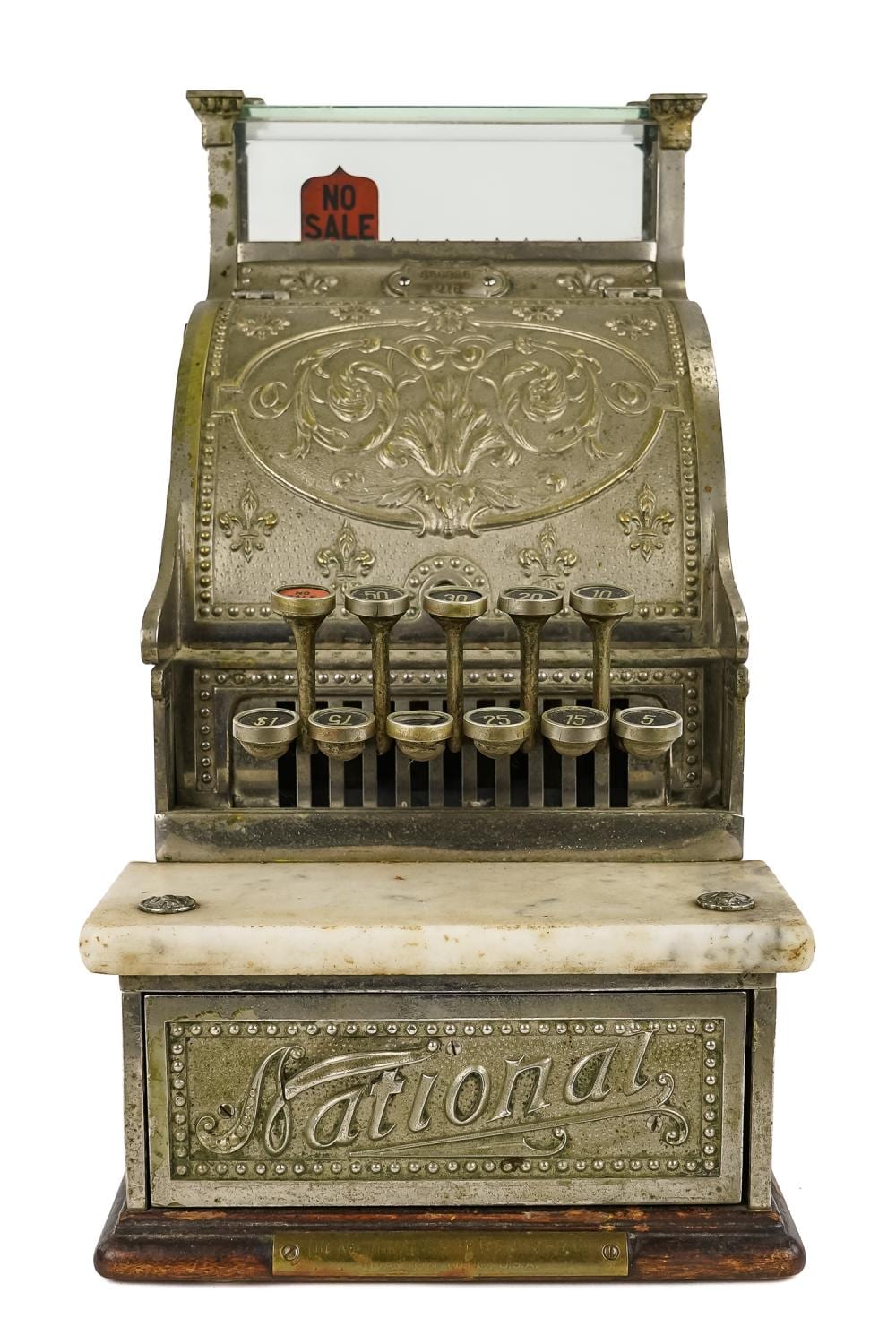
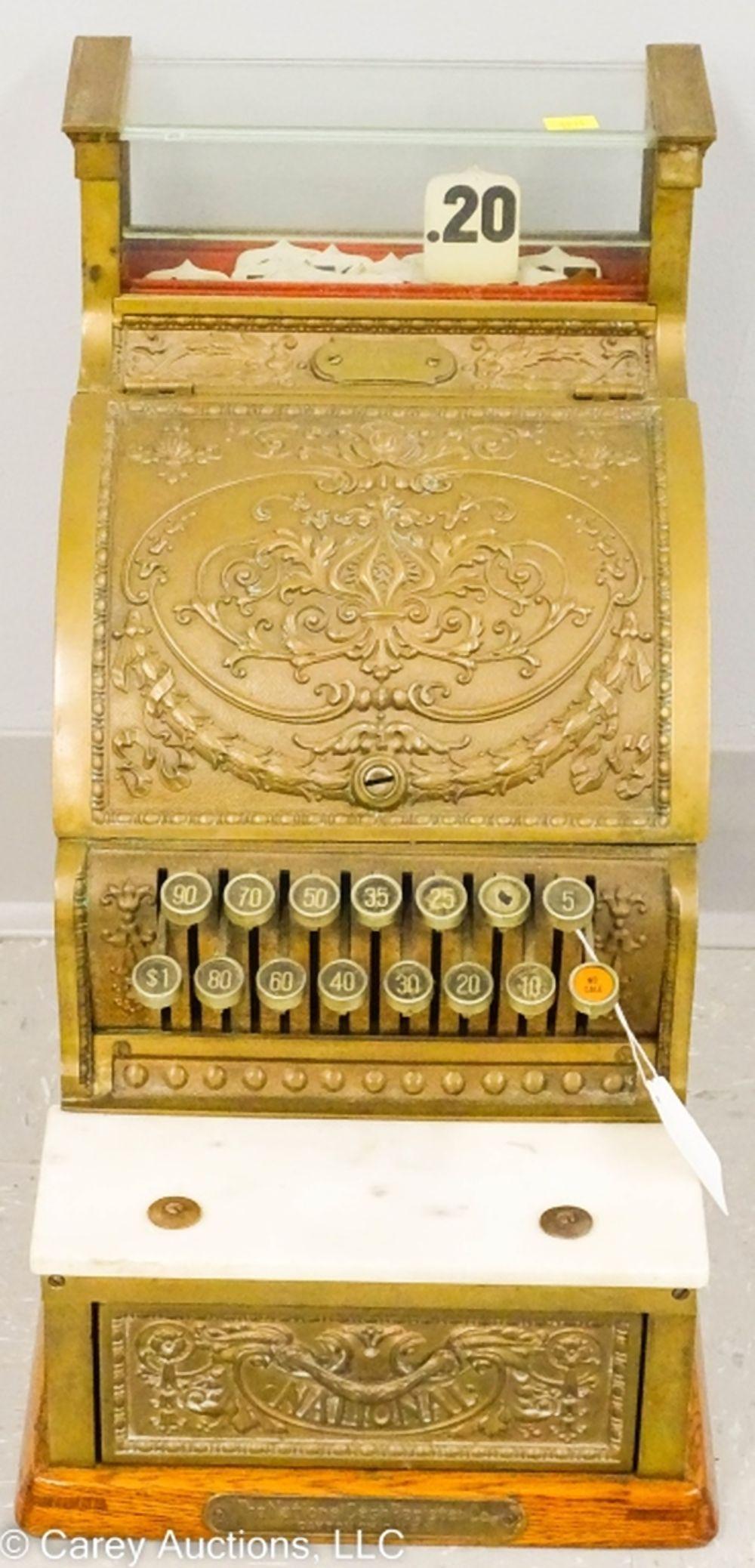
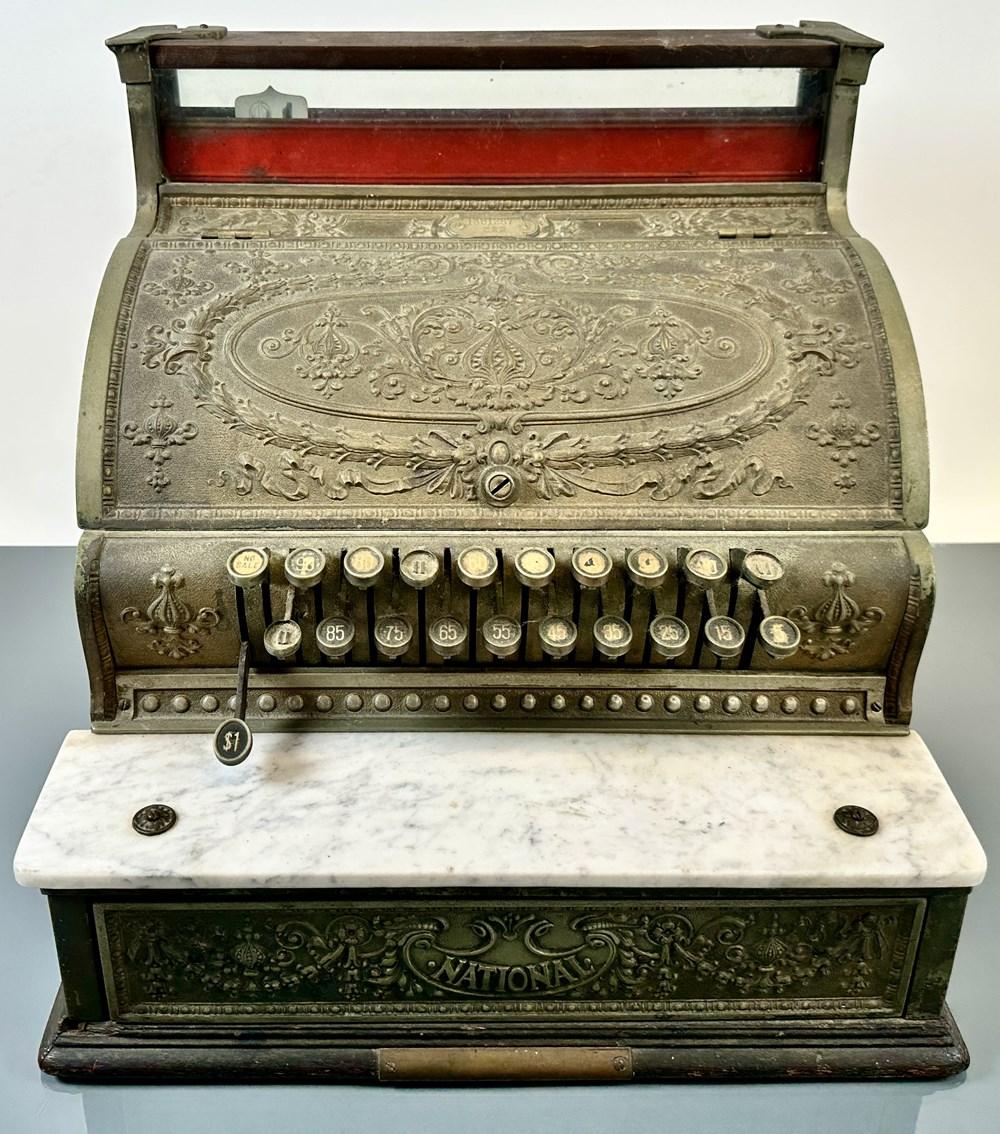
- Case style and ornament: Smooth wood versus ornate scrollwork brass. Among brass cases, decorative density and motif matter. Common “floral scroll” styles are beloved; scarcer figural patterns (such as the well-known “Dolphin”) tend to carry premiums.
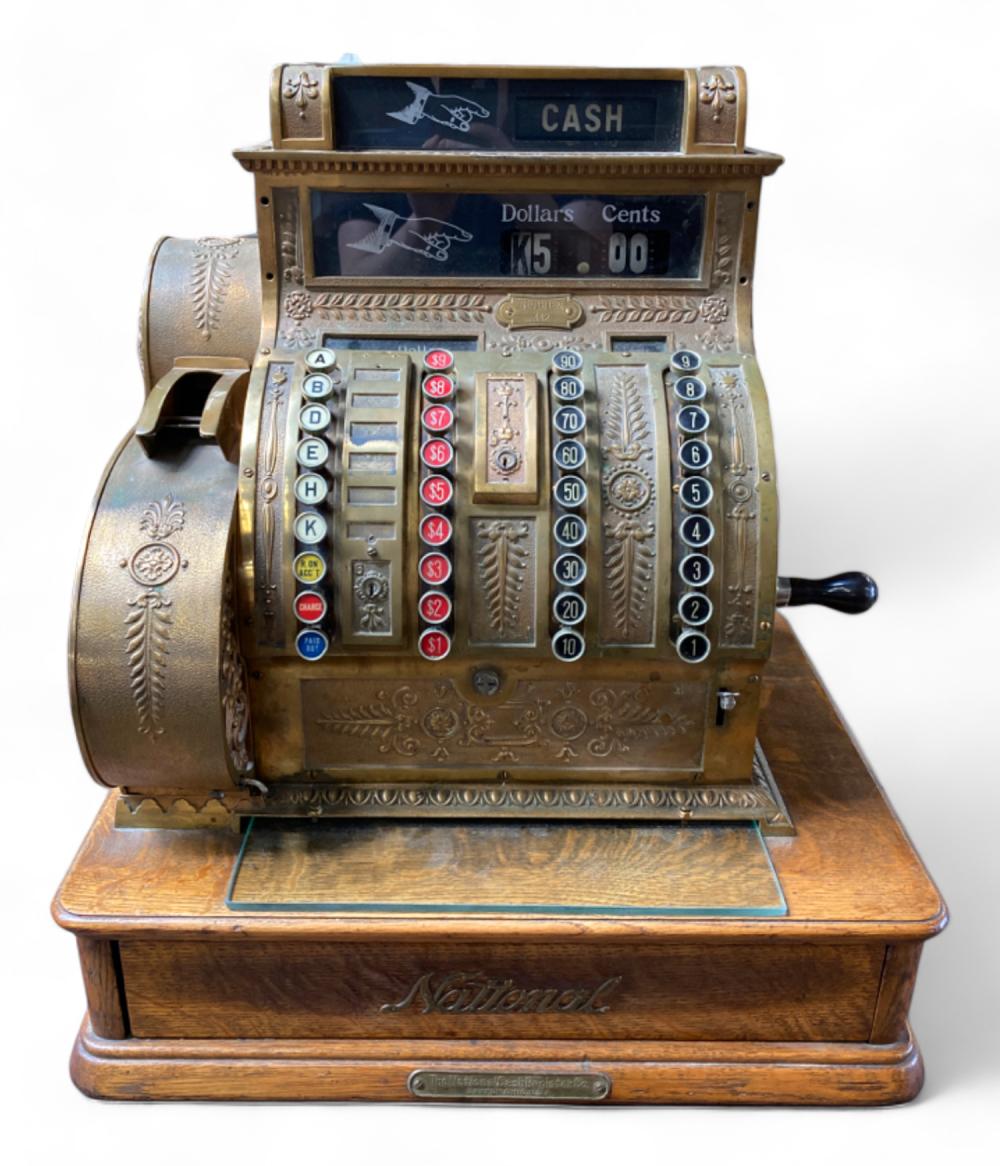
- Size and key count: Small “candy store” or “barber” registers with 5–10 keys versus larger 12–30 key detail adders. Generally, more complex machines in larger cases bring higher prices, all else equal.
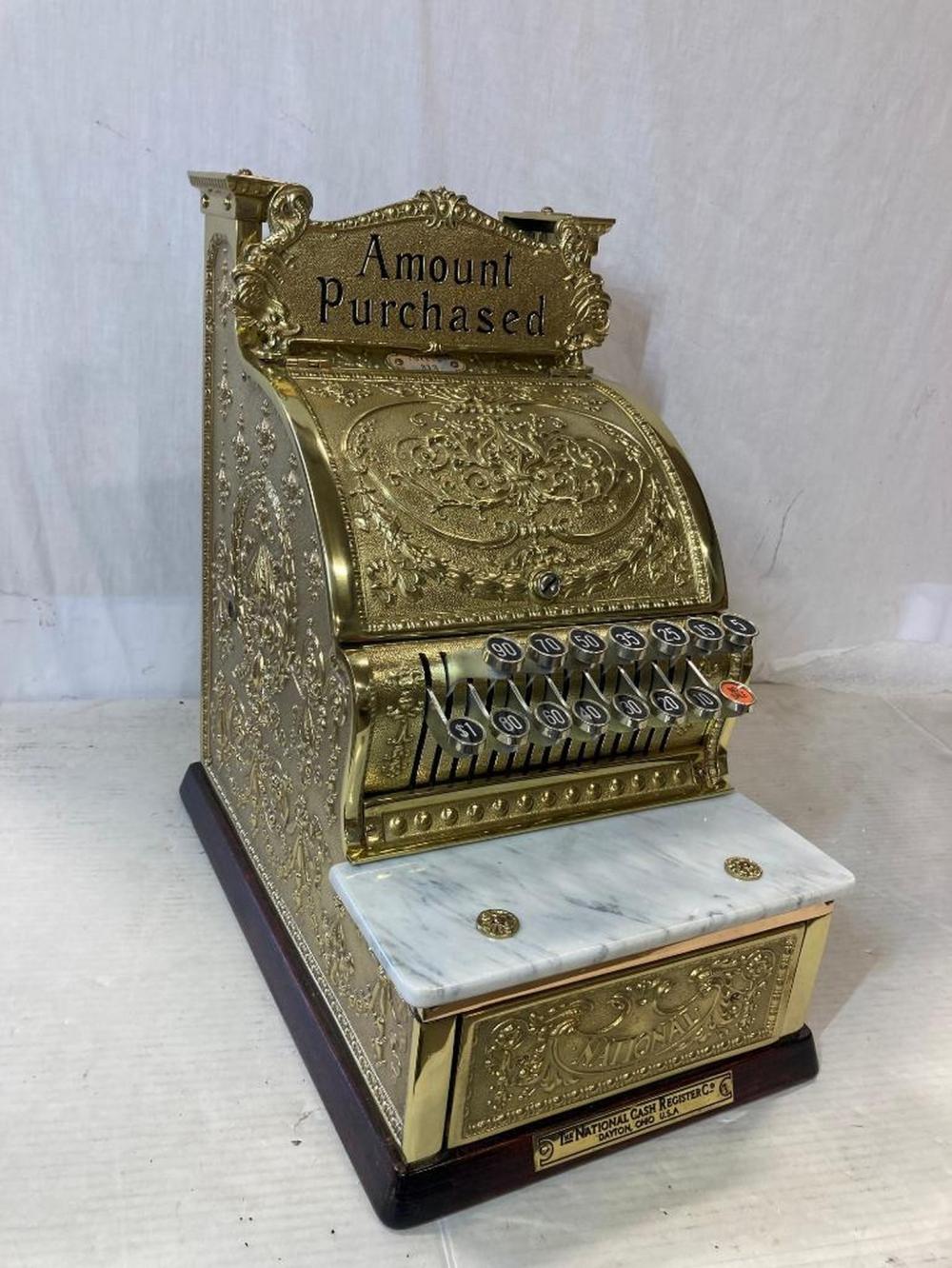
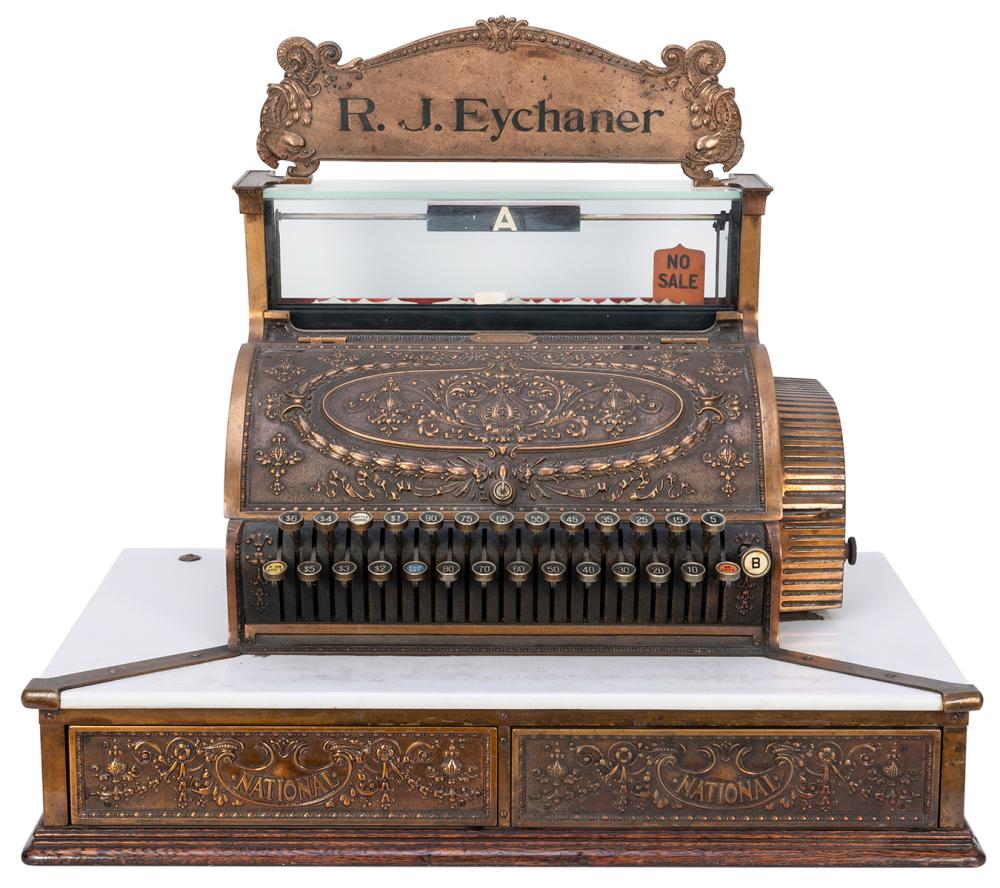
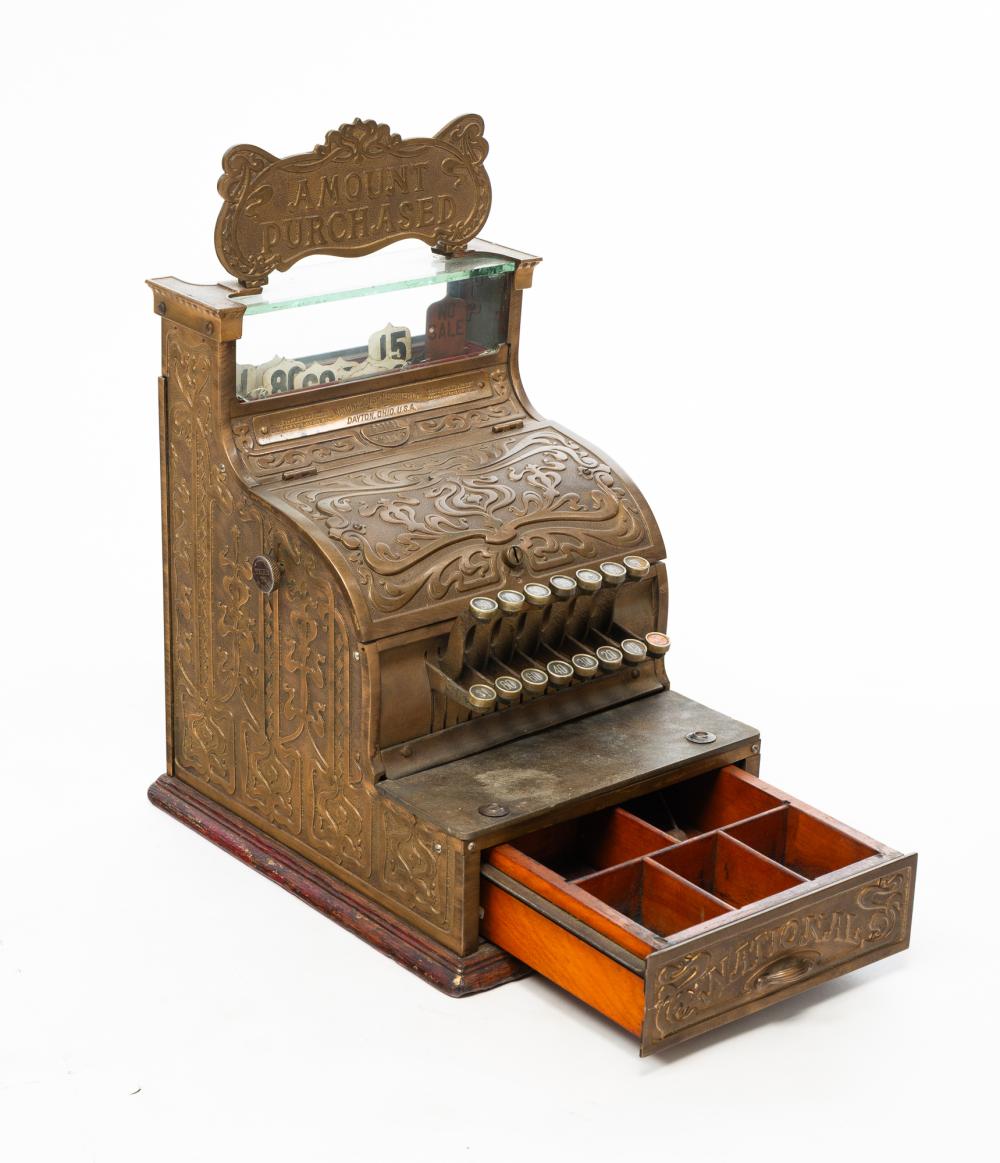
- Indicators and signage: Pop-up glass or celluloid “amount” flags in the window; top glass sign frames reading “Amount Purchased,” “Cash Sales,” or store-branded signage. Original top signs and beveled glass increase value materially.
- Currency and market: Machines built for British pounds, francs, or other currencies can be scarcer regionally and may sell better in their native markets.
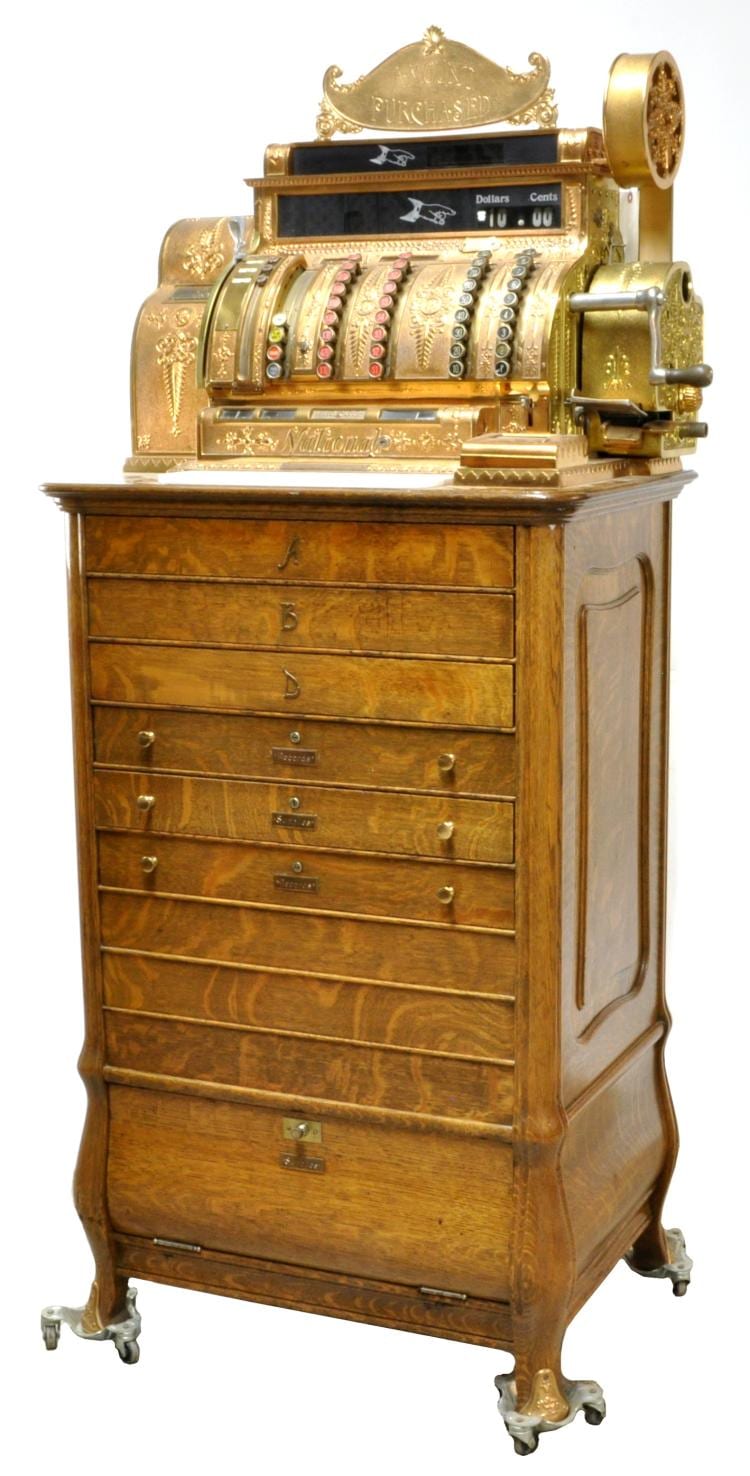
- Mechanism features: Add-subtract capability, total adder mechanisms, receipt printers, check writers, or token/coin changers. Specialty functions often attract advanced collectors.
Tip: Photographs of every side, the open mechanism, the inside drawer, and the top sign, plus crisp close-ups of plates and serials, form a baseline record for appraisal and sale.
What drives value: the seven big variables
Vintage cash register values hinge on a familiar but nuanced set of factors. Use these to calibrate expectations.
- Originality of finish and parts
- Original lacquered brass with honest age (not stripped and machine-polished) often commands a premium among collectors of period finishes.
- Replated nickel or mirror-polished brass can look spectacular and may sell faster to décor buyers, but sometimes at a discount to purists. Conversely, well-executed, documented conservation—not aggressive refinishing—tends to be value-neutral or positive.
- Completeness
- Missing top signs, broken indicator glass, absent marble slabs, or non-original drawer inserts can cut value substantially, depending on scarcity. Original keys, crank handles, and lock covers help.
- Case pattern and cabinet rarity
- High-relief, figural, or otherwise scarce patterns bring more. Common floral scroll cases are still desirable, but unusual patterns (e.g., dolphin motifs) lift prices.
- Size, function, and complexity
- Larger models with more keys, adders, or printer attachments carry premiums. Small single-amount models are appealing for size and décor but typically bring less unless extraordinarily ornate.
- Mechanical condition
- Working action with consistent key return and correct indicator display is positive, but a complete non-working machine still carries strong value. Missing or broken internal linkages are harder to remedy and dampen price.
- Provenance and store signage
- Documented use in a notable store, or a surviving etched glass sign with a known business name, can add distinctiveness and value.
- Market and logistics
- Regional demand and shipping realities influence outcomes. Heavy brass registers cost to move; local pickup markets sometimes yield lower seller net, while carefully crated long-distance sales can reach stronger audiences.
Real-world price ranges you can expect
Every machine is unique, but this is how documented NCR machines in complete condition compare in today’s retail and collector-to-collector market. Expect substantial variance for condition, rarity, and provenance.
- Early wood-cased Nationals (1880s–1890s):
- Basic countertop models: priced on condition; exceptionally original machines or those with rare features sell for considerably more.
- Common small brass countertop models (ca. 1895–1915):
- 5–10 key “candy” or “barber” types in floral scroll: the most common and most affordable brass Nationals. Nickel-plated examples can bring more if plating is original and intact.
- Mid-size ornate brass registers (12–20 keys, detail adders):
- Usually above the small models; price depends on pattern, finish originality, and completeness. Strong examples with original top signs and clean mechanics sell at the top of this group.
- Specialty or high-relief patterns, rare functions, or exceptional signage:
- Usually sell well above standard ornate registers. Particularly striking cabinets, early printer attachments, or scarce currency variants can climb further.
- Top-tier, scarce patterns or floor and monumental models:
- The top of the market, with outliers selling higher still when condition, rarity, and provenance align.
Caveats:
- Missing top sign or broken indicator window can shave hundreds off mid-market examples.
- Over-polished brass with sanding marks and loss of crisp engraving typically sells below a comparable original-lacquer piece.
- “Marriage” machines (mismatched base, case, and mechanism) trade at a discount even if they present well.
Attribution review and common pitfalls
The popularity of ornate brass registers has led to “improved” examples and outright reproductions of certain parts. A cautious inspection routine pays off.
- Check number congruence: Model and serial plates should align with the period and case style. A late serial on an early case—or vice versa—can indicate swapped mechanisms or parts.
- Examine casting quality: Original cast brass carries crisp detail and sharp inside corners. Reproduction castings may show soft detail, extra porosity, or dimensional inconsistencies.
- Top signs and glass: Many top signs are modern reproductions. Look for period glass thickness, beveled edges with slight waviness, and appropriate patina on frames and screws.
- Plating clues: True period nickel has a distinct tone and wear pattern; modern replating can look too uniform or bright. Look for plating inside crevices—it’s difficult to keep era-correct in tight interiors.
- Fasteners and hardware: Slot-head screws with correct thread pitch and age-consistent oxidation are a good sign. Modern Phillips screws or shiny replacement bolts in select locations may indicate recent work.
- Watch for part marriages: A base with one pattern and a back panel with another is suspect unless documentation supports a period repair. Matching ornament and finish tone across panels signals originality.
- Documentation: Service tags, store plaques, or technician notes from decades past help corroborate a register’s life story.
If something looks “too new,” pause. A sympathetic conservation is normal; a total cosmetic rebuild without mechanical coherence is a red flag.
Selling, shipping, and care
Selling channels
- Local sale or pickup: Simplifies logistics and reduces damage risk. Prices can be more modest due to smaller audiences.
- Specialty auction or dealer: Access to targeted buyers can lift hammer prices, but expect selling fees and shipping prep.
- Private collector networks: Strong for rare patterns and complete machines; patience required, but prices can reflect true scarcity.
Shipping realities
- Weight and fragility: Brass countertop NCRs often weigh 60–120 pounds, with glass indicators and a marble slab that can crack if stressed.
- Packing basics:
- Remove or immobilize the top glass sign and indicator glass if possible.
- Pad and isolate the marble slab with dense foam; do not rely on loose fill.
- Lock or restrain moving parts; place keys separately in a labeled bag.
- Use double-walled cartons or, ideally, a custom plywood crate with internal blocking. Avoid pressure on decorative high points.
- Insurance: Declare full value and photograph the packing process. Shipping damage is the most common “value event” these machines face.
Care and light restoration
- Cleaning: Dust with soft brushes. For brass, use pH-neutral cleaners sparingly. Avoid ammonia and harsh acids that strip lacquer or etch brass.
- Lacquer and patina: If original lacquer survives, leave it. Wax with a microcrystalline conservation wax to stabilize and add gentle luster.
- Polishing: If a previous owner stripped lacquer, use the mildest polish possible and fully remove residues before re-waxing. Over-polishing rounds crisp details and lowers collector appeal.
- Mechanics: Light, targeted lubrication using clock- or sewing-machine-grade oils on pivots only—never soak mechanisms in penetrating oils. If sticky, consult a specialist; these are intricate machines.
Quick Appraisal Checklist
- Photograph all sides, interior, serial/model plates, top sign, and indicators.
- Record: model number, serial number, case material/finish, pattern style, key count.
- Verify completeness: top sign, glass indicators, marble slab, drawer inserts, keys/handles.
- Test mechanism: keys return, flags display correct amounts, drawer opens/closes smoothly.
- Note originality: finish, plating, screws, glass, and any mismatched parts.
- Assess condition: dents, cracks, broken glass, missing labels/plates.
- Identify special features: receipt printer, adder, currency type, unusual signage.
- Document provenance: store name, location, service tags, family history.
- Estimate value using type and condition ranges; adjust for rarity and market.
- Plan logistics: if selling, decide on local pickup versus crated shipment and factor costs.
Bold collecting strategies
- Buy the best you can afford: originality and completeness pay back.
- Prefer honest lacquer over high-shine replate if you are building for long-term collector value.
- Keep paperwork and parts together; even a loose original top sign can move a machine up a tier.
FAQ Q: Where do I find the model and serial numbers on an NCR register? A: Look for a brass or nickel plate above the drawer or on the front apron. Some machines have stampings under the marble or on the interior frame accessible by lifting the lid.
Q: Does a working mechanism dramatically increase value? A: Function helps, but completeness matters more. A complete, original, non-working register can outvalue a working machine that is missing its top sign, glass, or has mismatched parts.
Q: Is polishing brass registers a good idea? A: Not if original lacquer survives. Collectors value original finishes. If the lacquer is already stripped, a careful, minimally abrasive polish followed by wax is acceptable, but avoid rounding details.
Q: How much does a missing top sign reduce value? A: Often substantially, and more if the register is otherwise excellent. Original, store-branded signs can add a premium; reproductions help presentation but don’t add the same value.
Q: Are European-market National registers worth more? A: It depends on where you sell. A pounds/shillings register may do best in its native market; in other regions it may be considered niche. Scarcity and completeness still rule.
With careful identification, an eye for originality, and respect for these machines’ mechanical and decorative integrity, you can confidently appraise—and enjoy—the fascinating world of National Cash Registers.