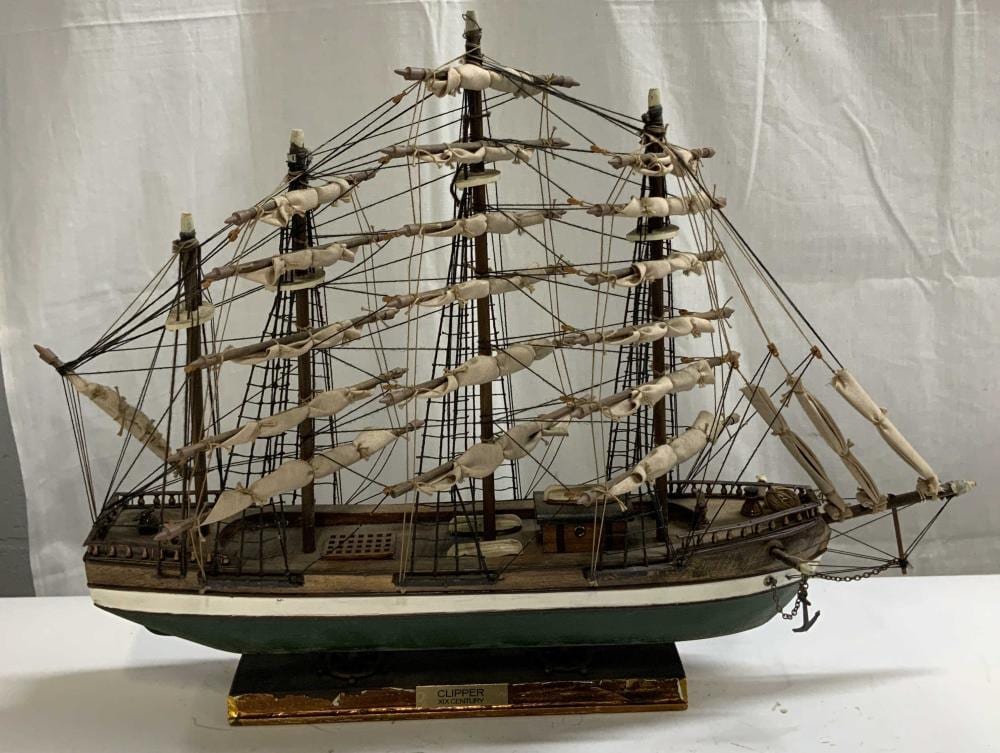
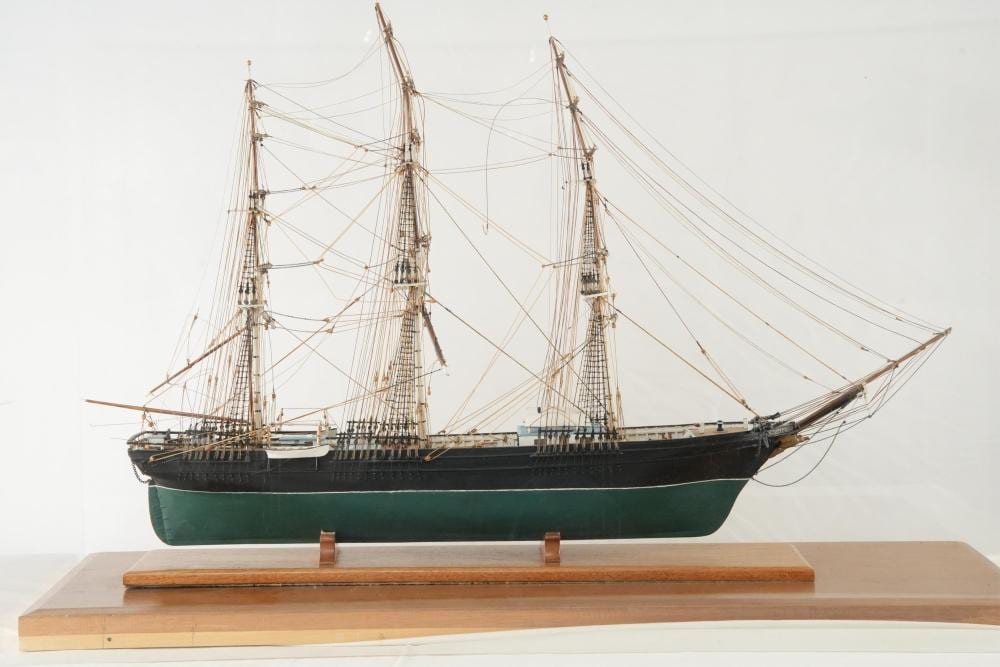
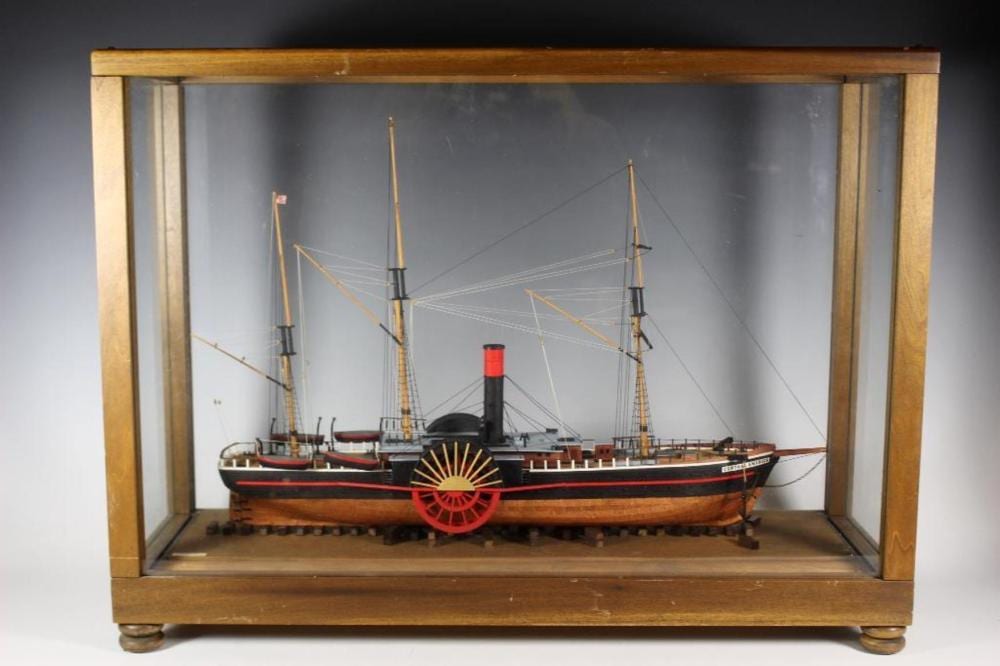
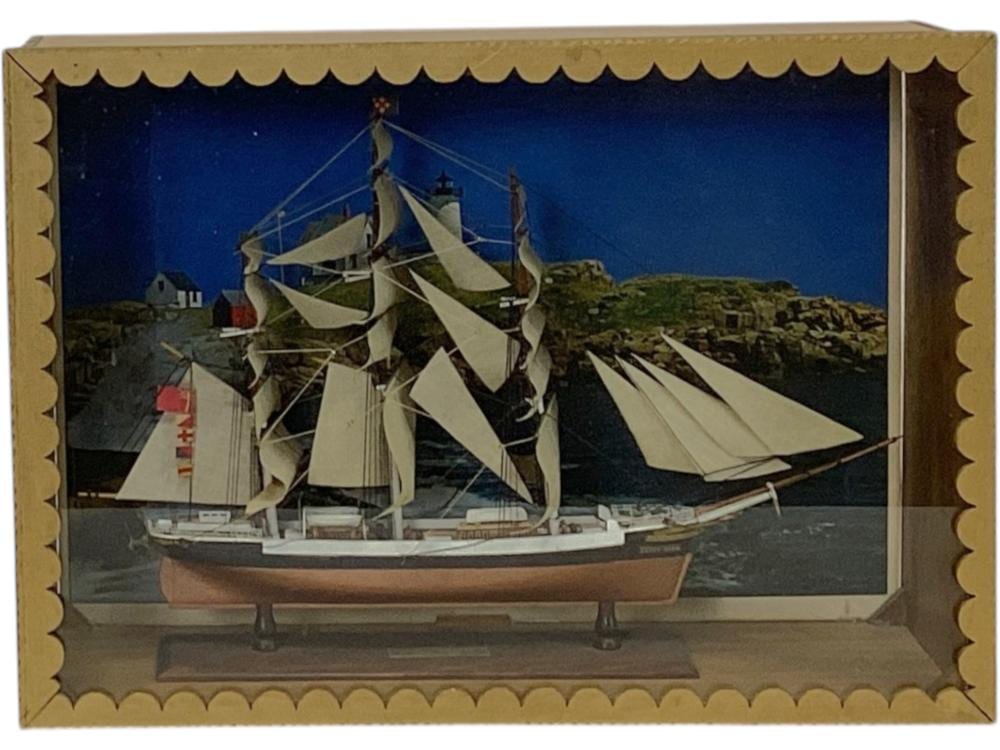
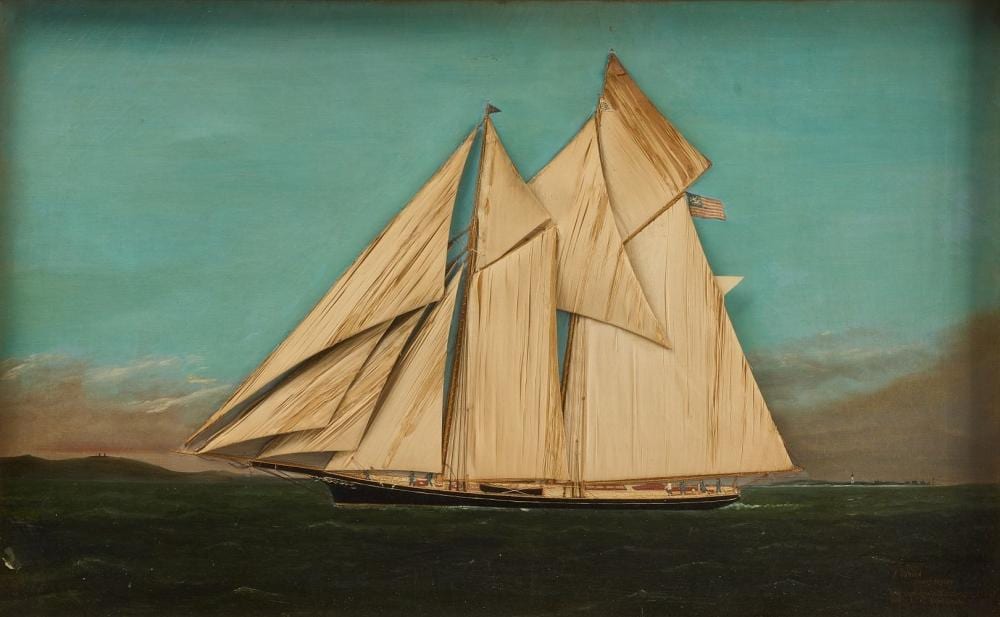
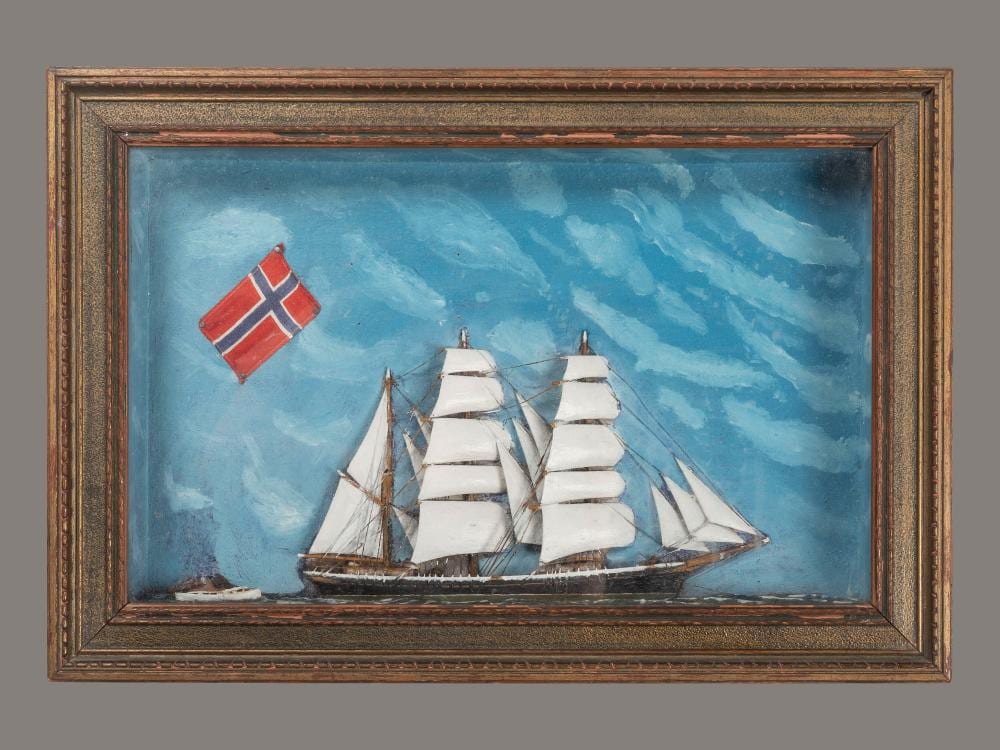
Unlocking the Treasure Trove How to Determine Your Antique Model Ships True Value: appraisal and value basics
Unlocking the Treasure Trove How to Determine Your Antique Model Ships True Value research should start with identification, condition, provenance, and item-specific market evidence. Use this guide to compare the signals that matter before paying for a formal appraisal or deciding whether to sell.
Antique model ships value checklist
Antique model ships straddle art, craft, and maritime history. Their value can pivot on a tiny detail: a maker’s plaque tucked inside a case, the precise bevel of a baseboard, or the telltale sheen of original shellac. Whether you’re preparing an insurance appraisal, weighing a sale, or refining a collection, understanding what drives value will reward you with better decisions and fewer surprises.
Below is a clear method to identify, document, and evaluate your model, plus practical tips to protect value along the way.
What Counts as an Antique Model Ship? Types and Telltales
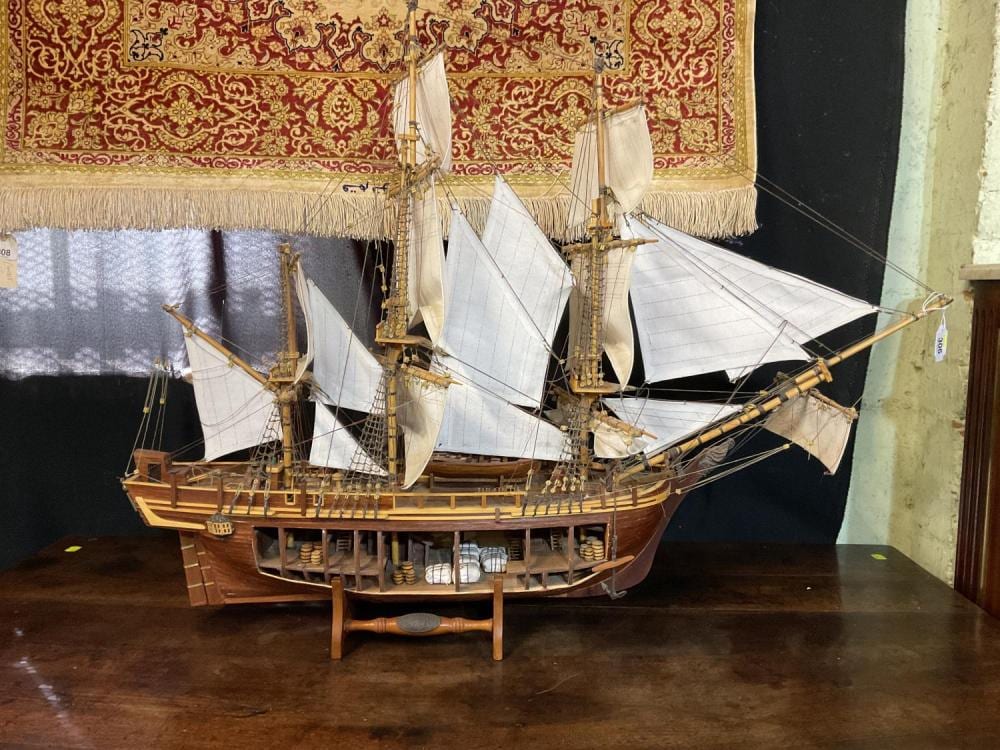
Not all old-looking ship models are antiques, and not all antiques command top dollar. Start by placing your piece within a type; each class exhibits typical construction methods, materials, and market behavior.
Admiralty and Board Models (17th–18th century)
- Built to demonstrate hull form and rigging for naval decision-makers.
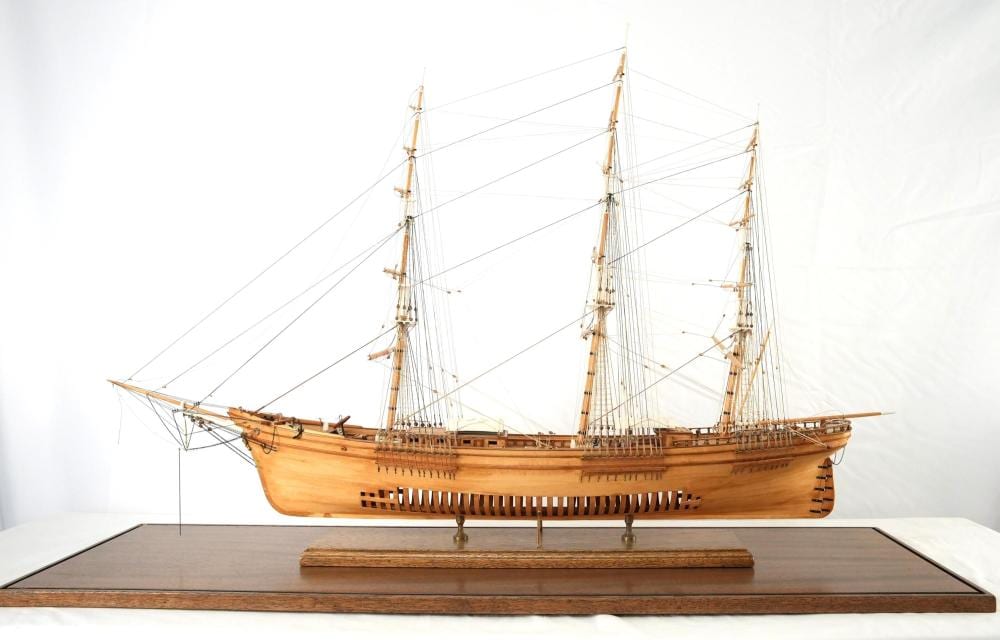
- Often plank-on-frame with exposed frames, meticulous joinery, and sometimes without full sails.
- High value when well documented, with museum-level craftsmanship and early date.
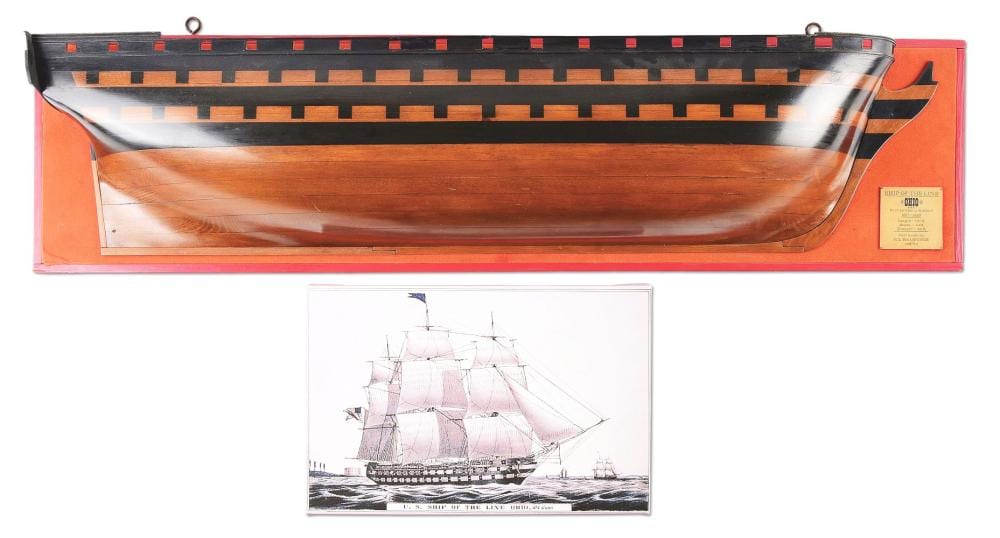
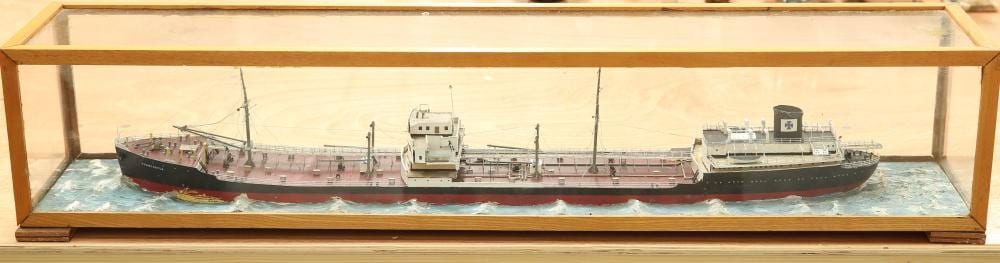
Shipbuilder’s/Builder’s Models (19th–mid-20th century)
- Presentation or yard models used for design approval or display by shipbuilders and lines.
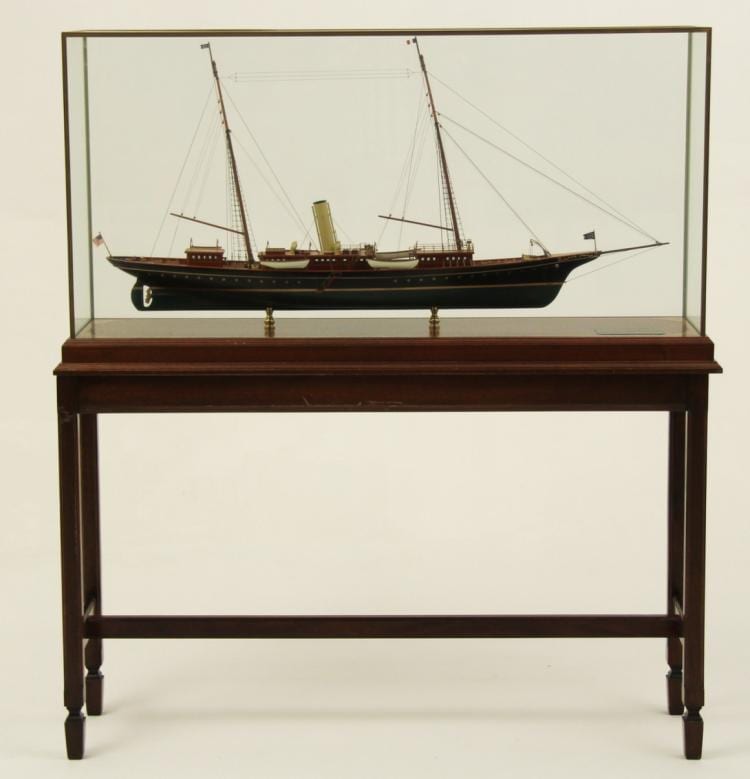
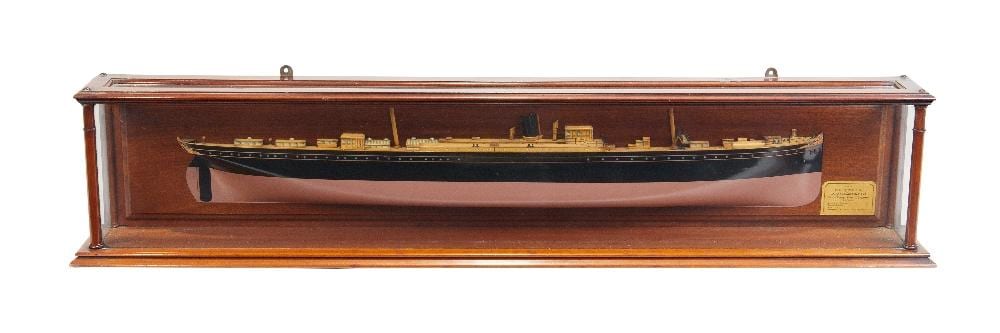
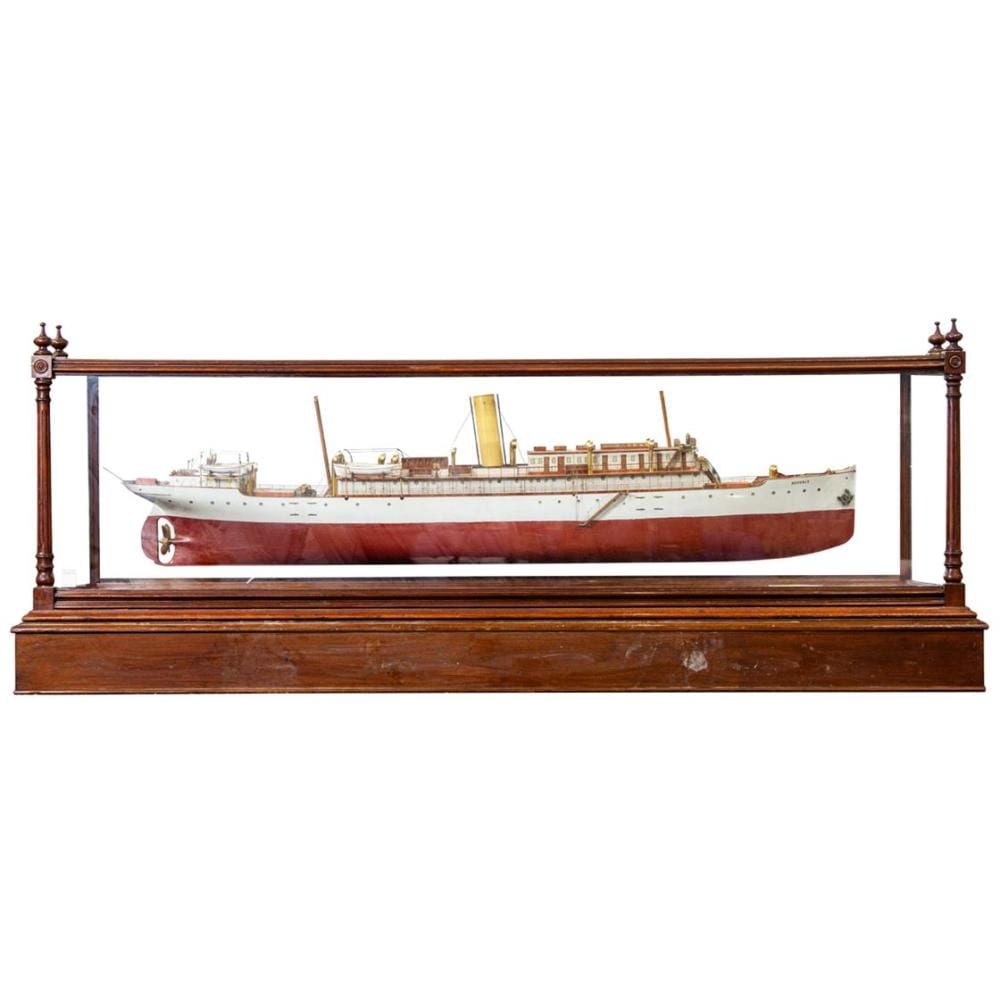
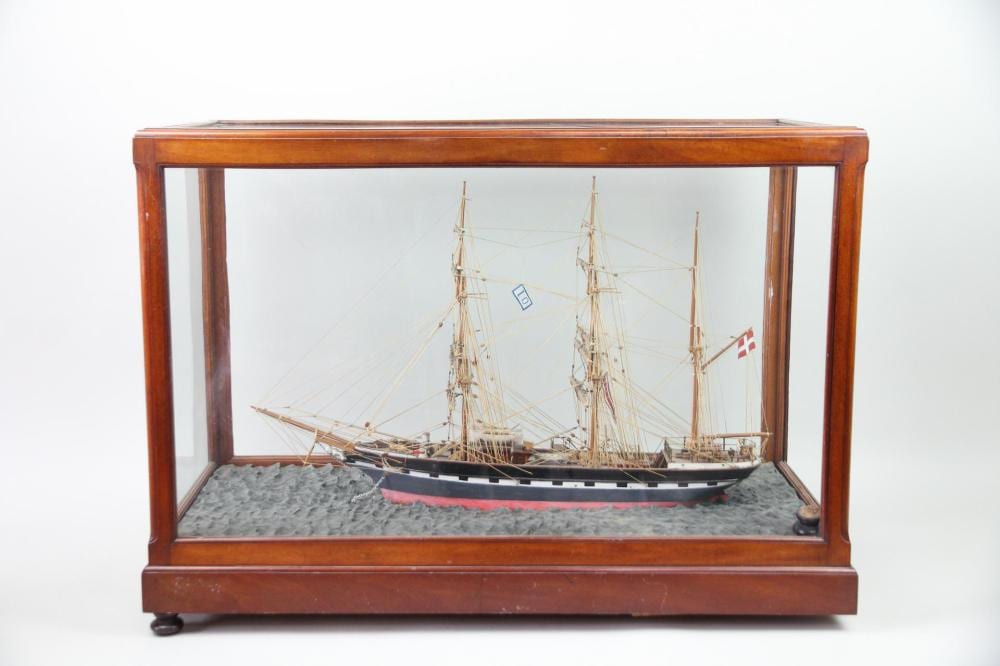
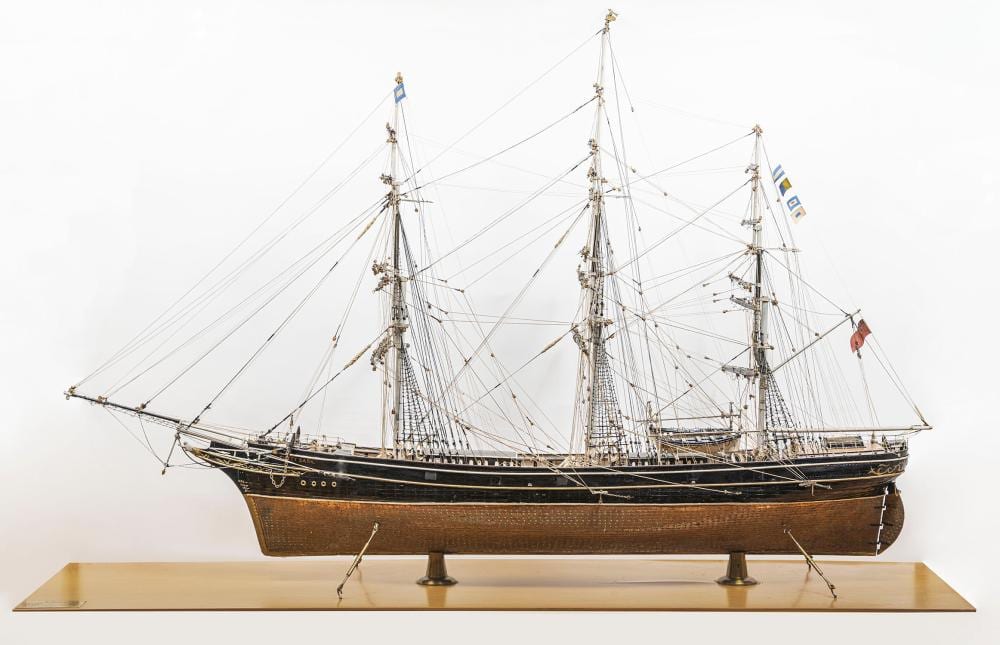
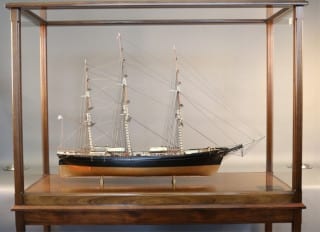
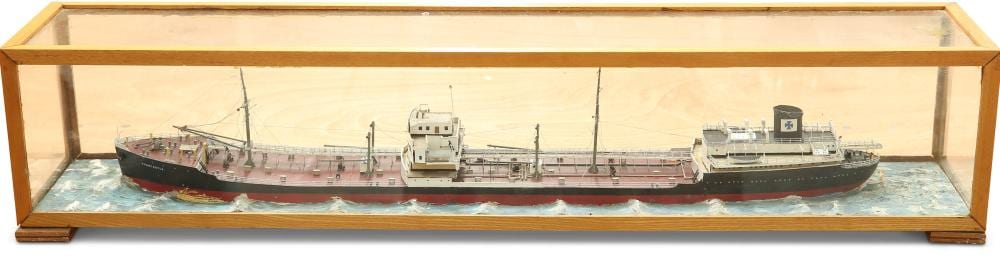
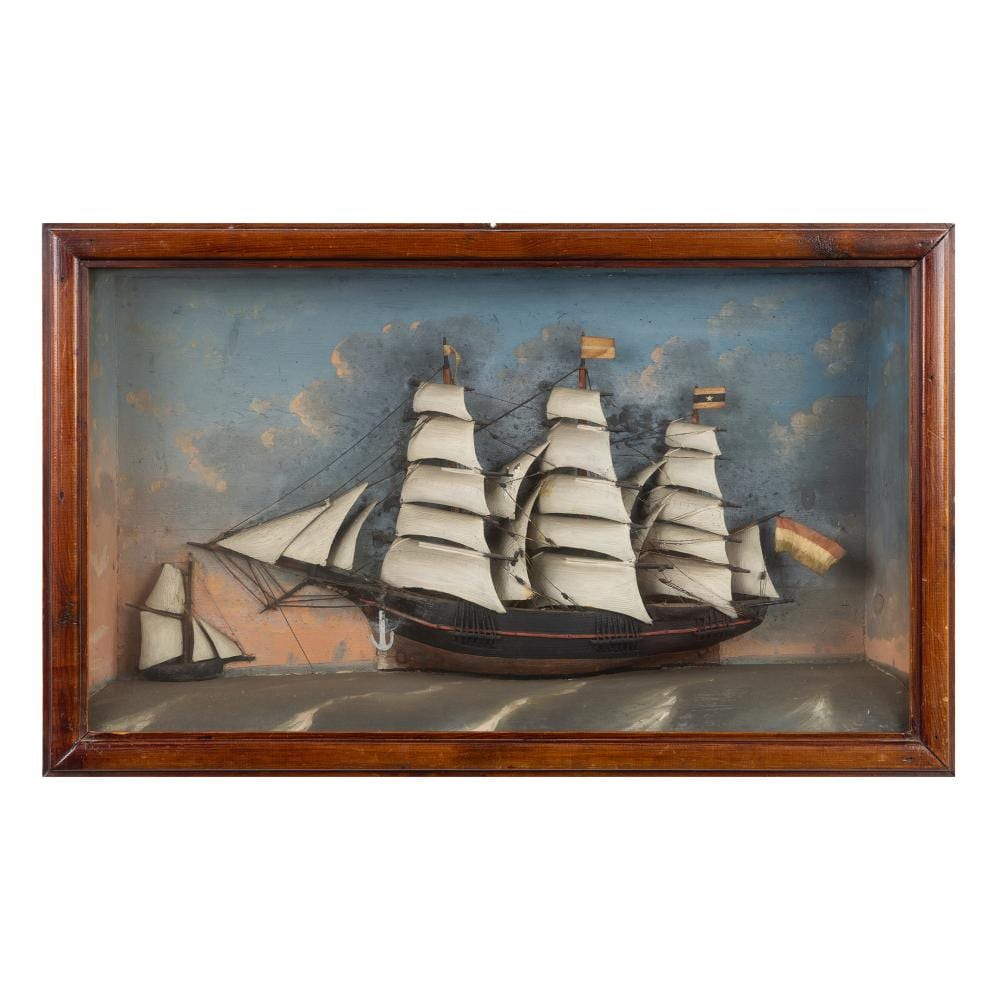
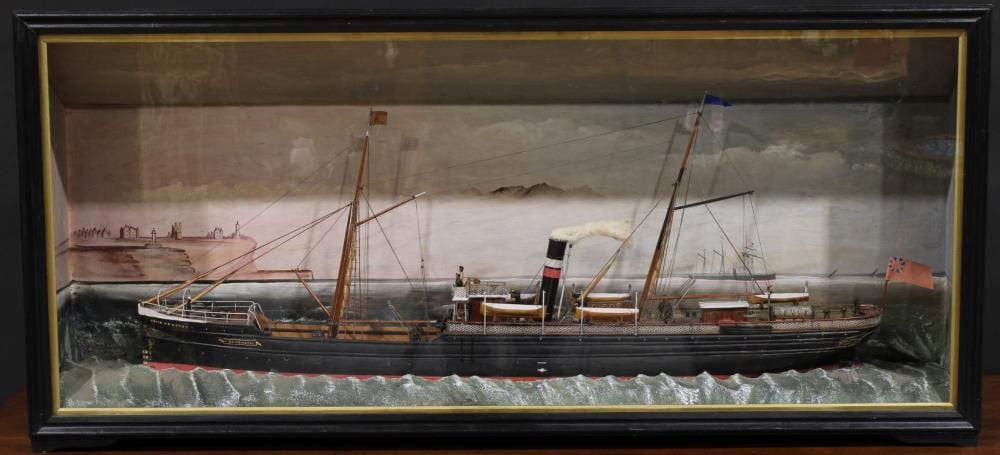
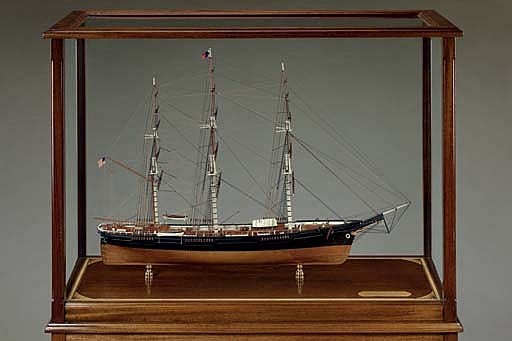
- Characterized by extreme accuracy, fine finishes, uniform planking, glass or mahogany cases, and name plaques.
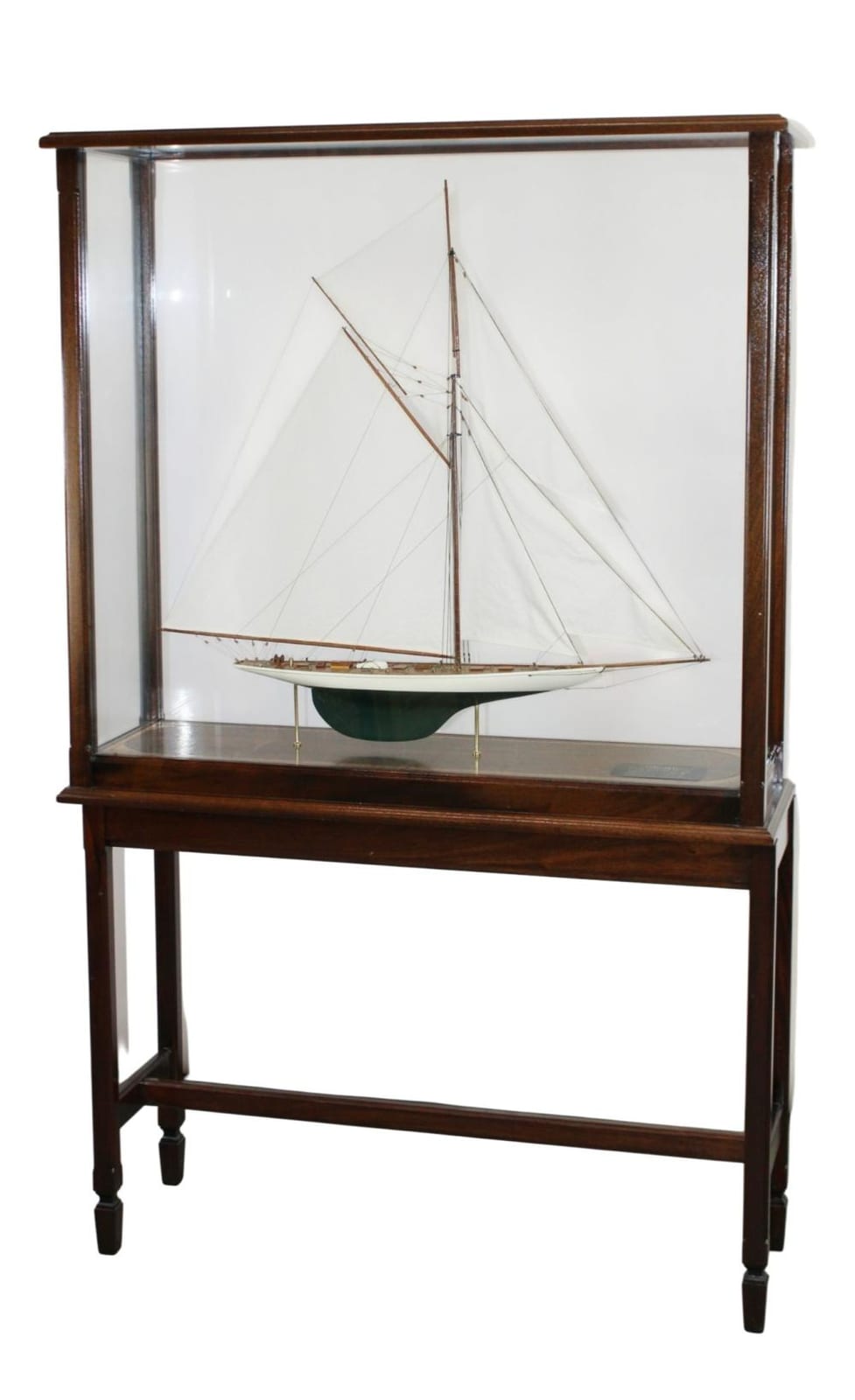
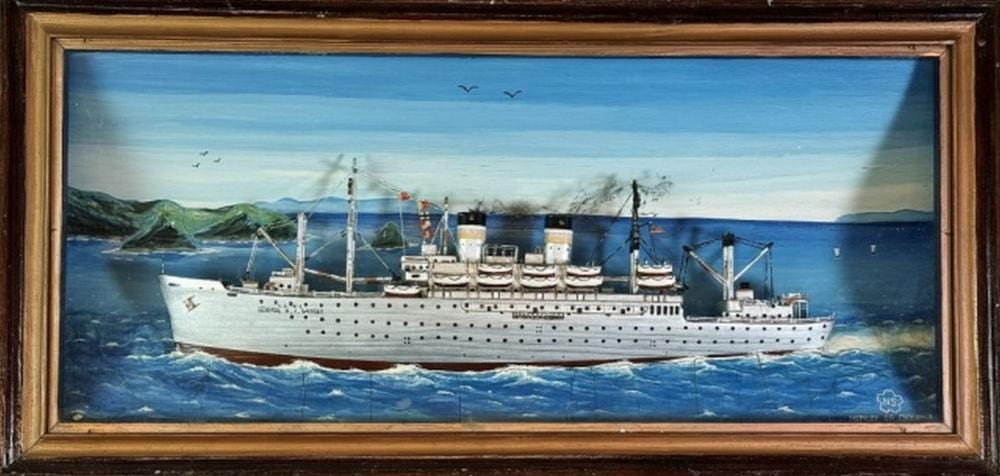
- Subjects include warships, ocean liners, merchant vessels, yachts.
- Typically among the most valuable categories when original and complete.
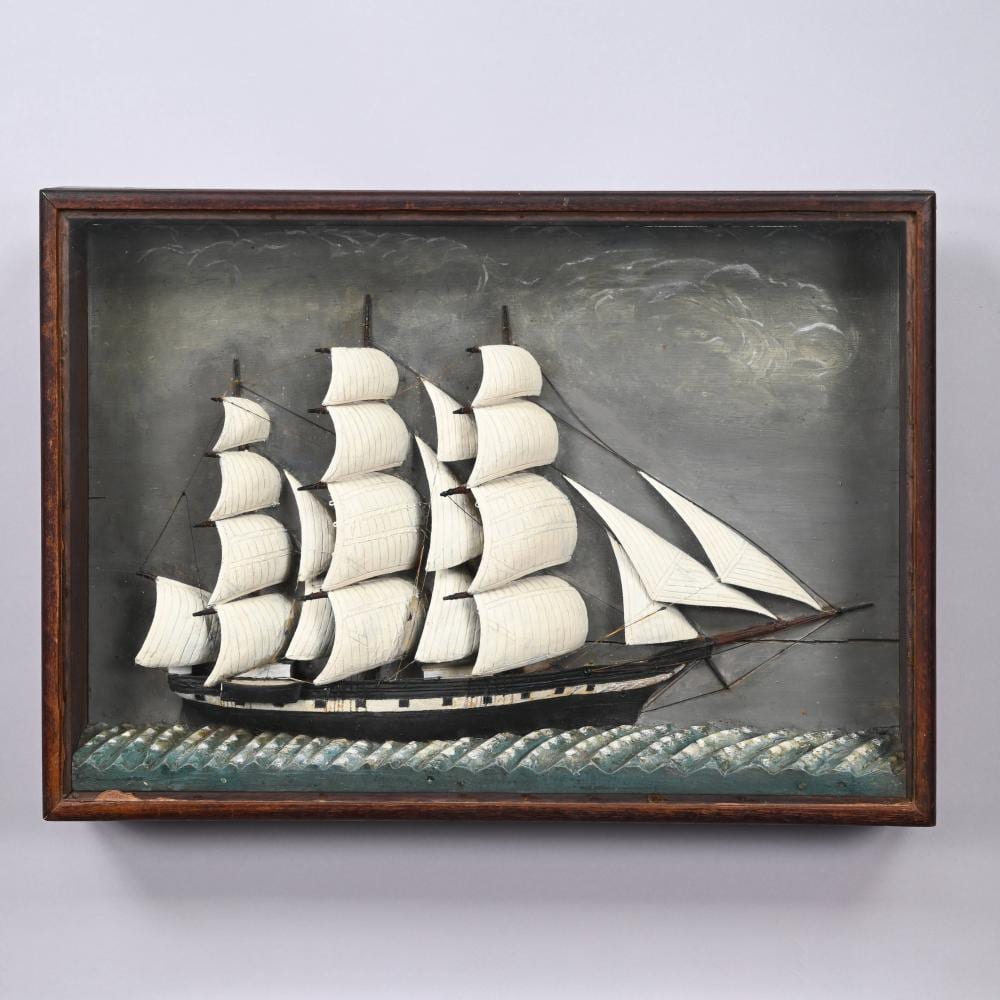
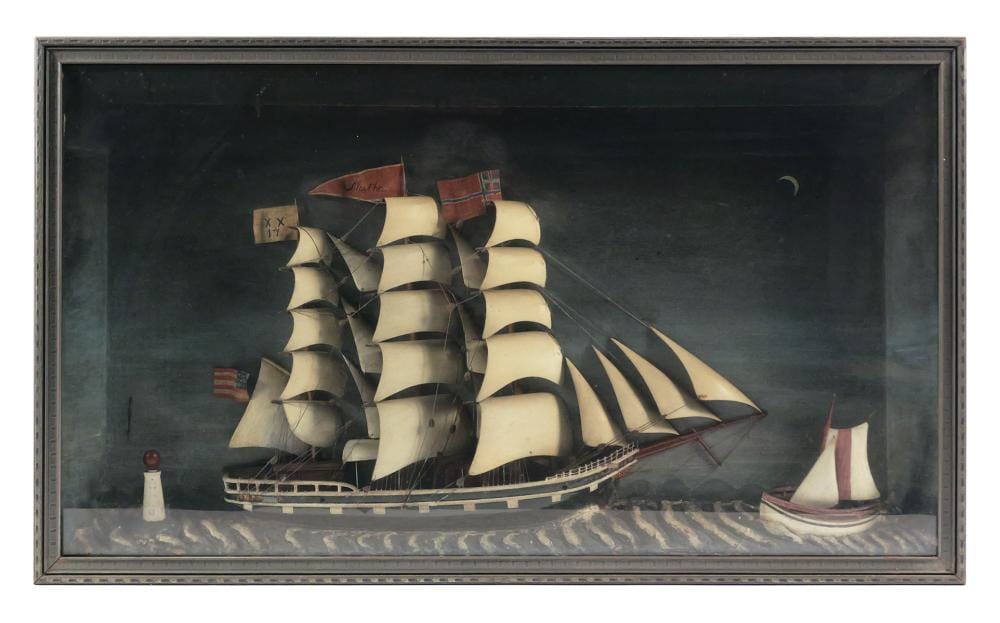
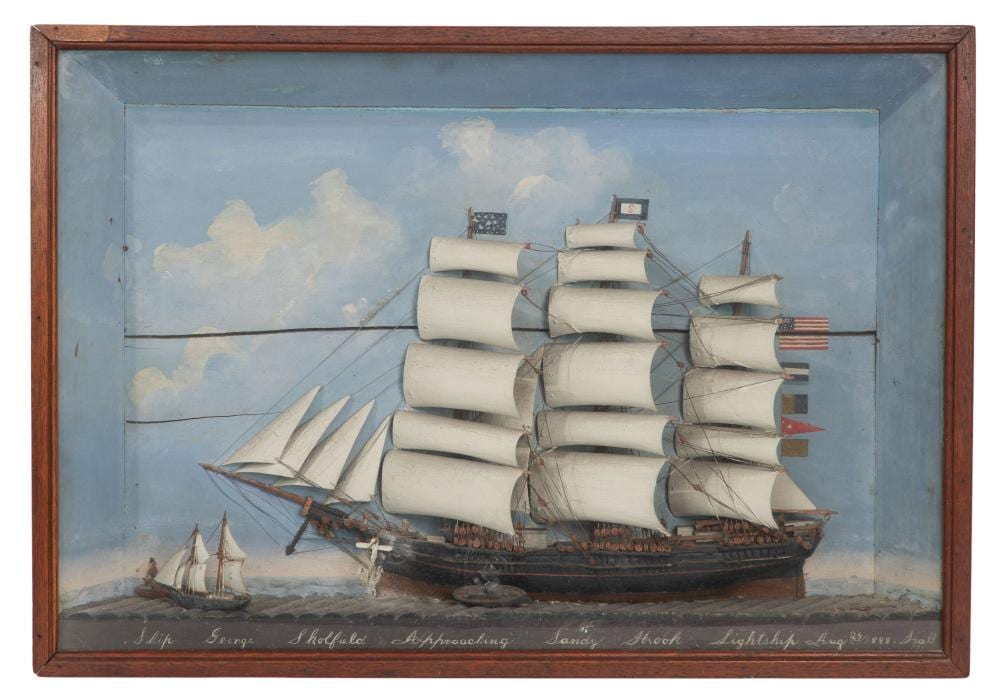
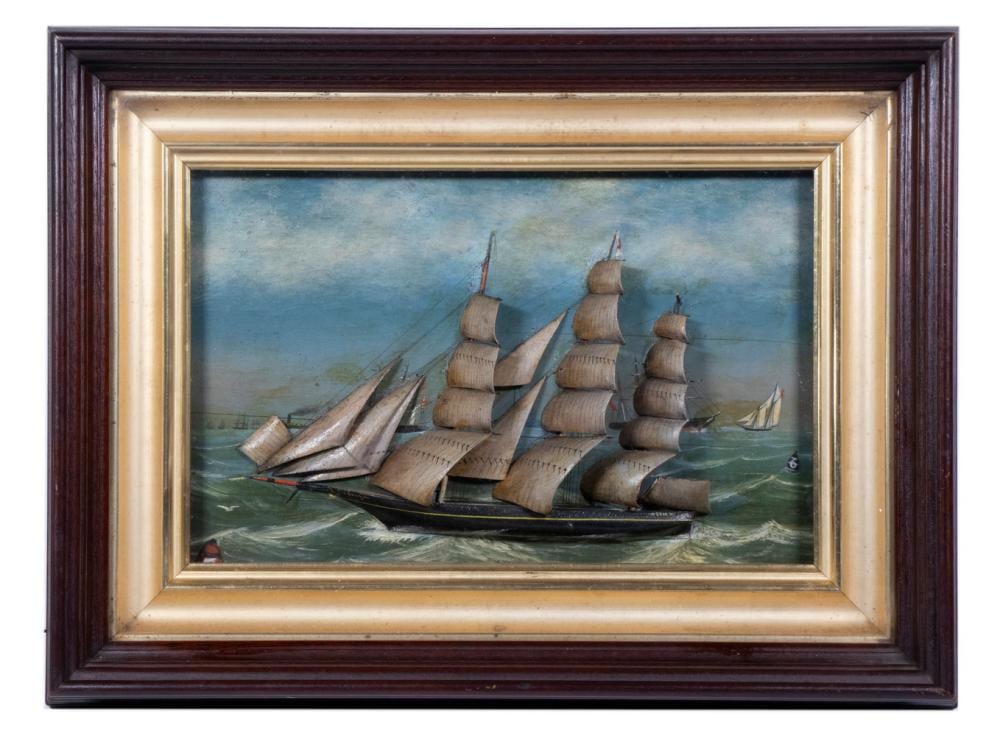
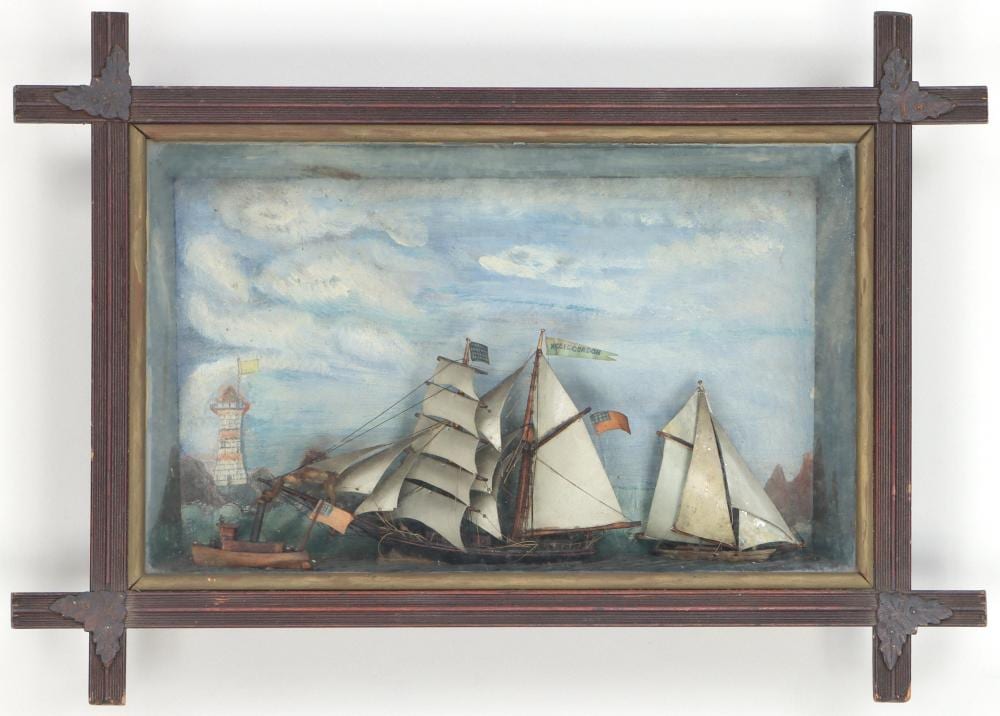
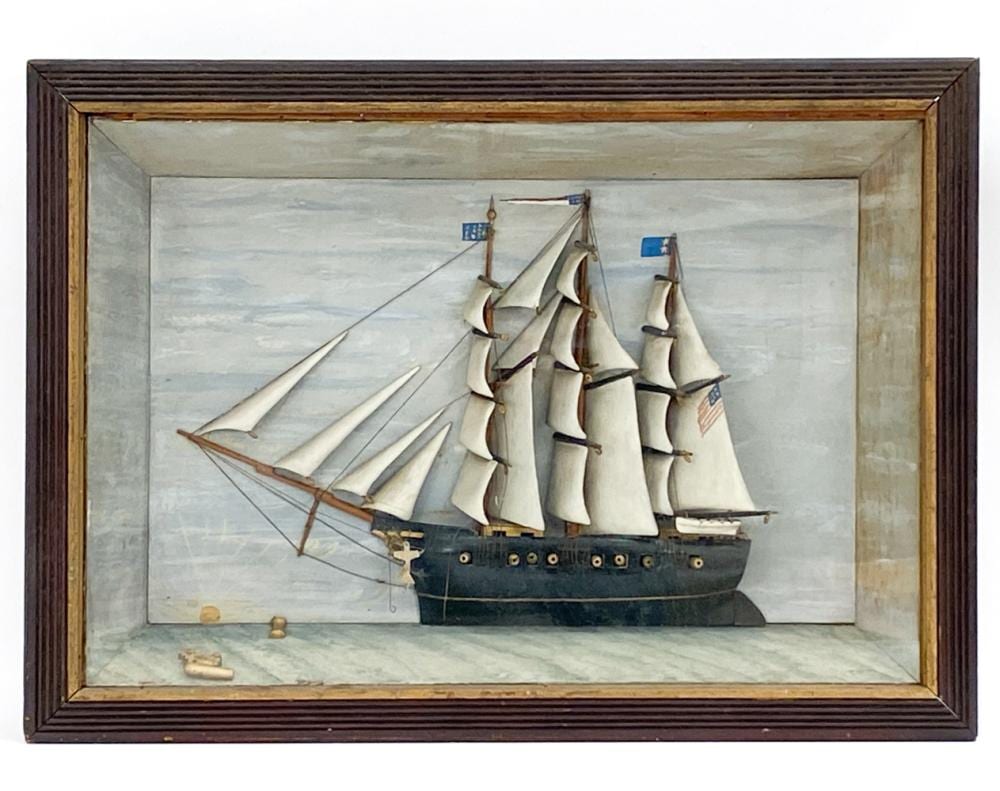
Sailor-Made and Folk Art Models (18th–early 20th century)
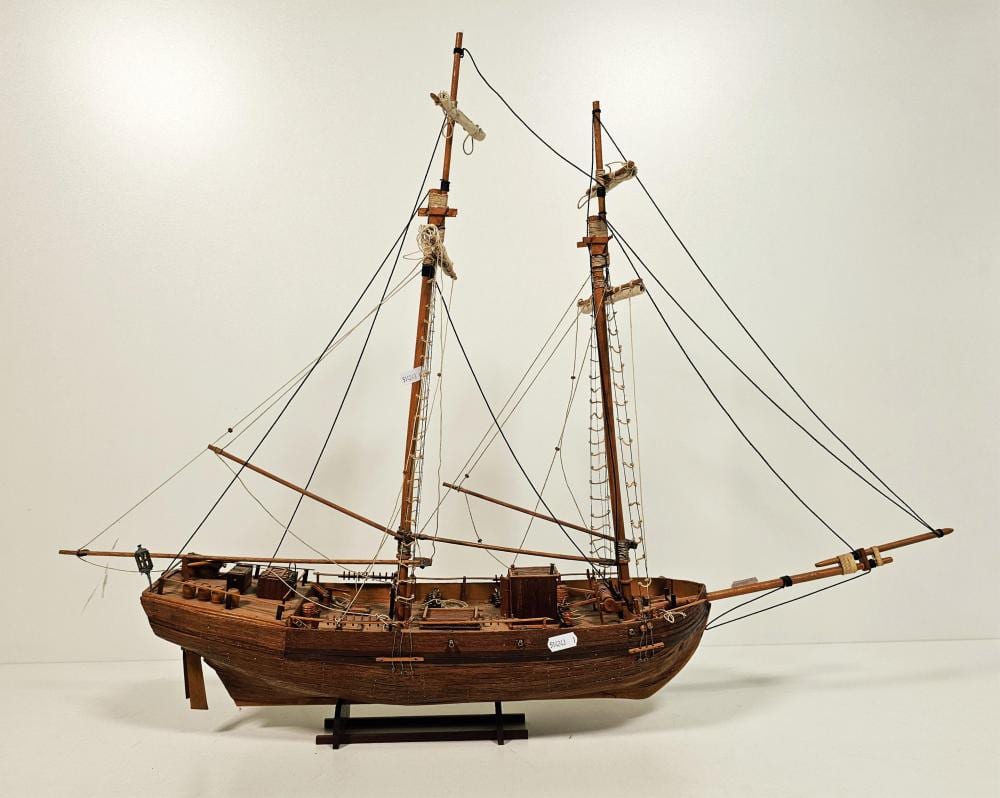
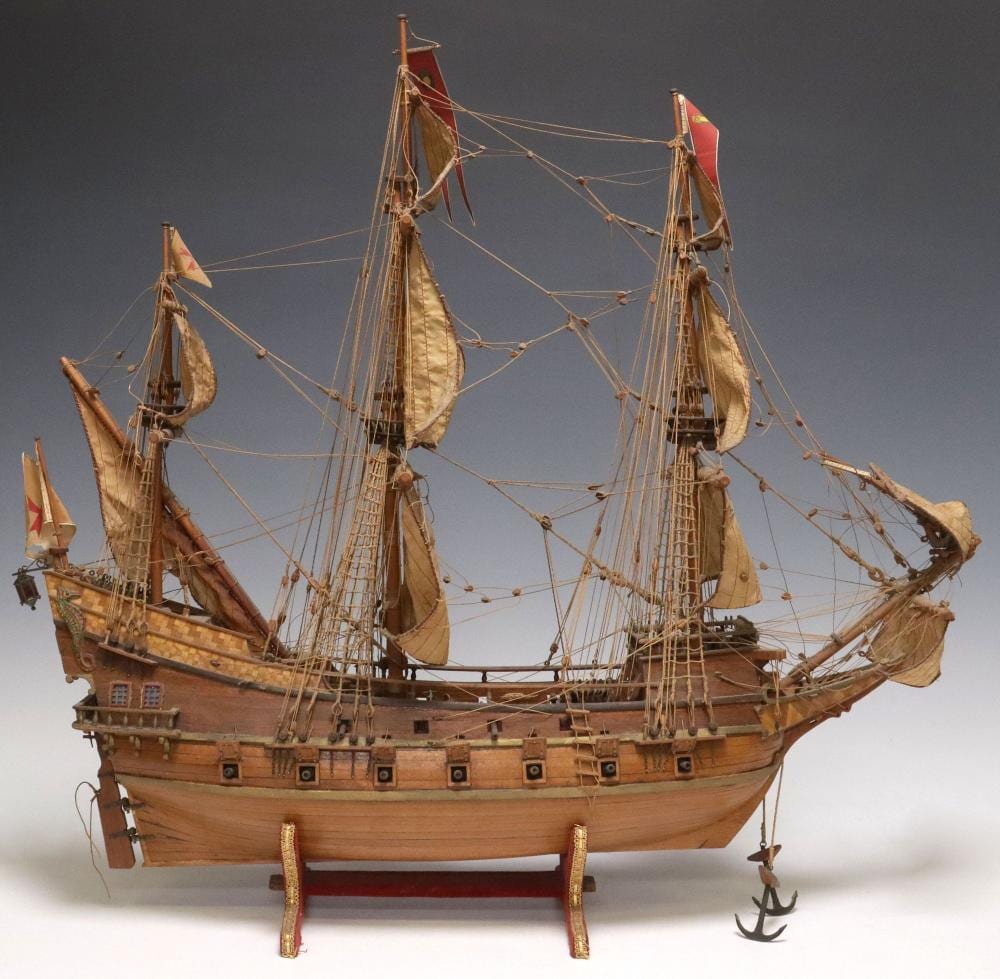
- Made aboard ship or in port; materials vary: wood, bone, horn, hair (for rigging).
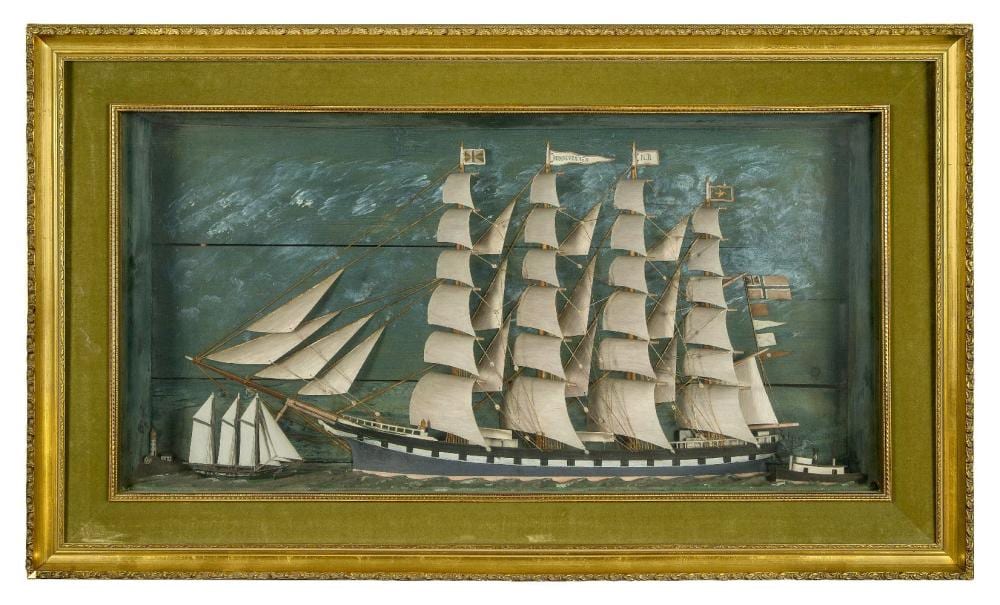
- Includes Napoleonic prisoner-of-war (POW) bone models with intricate rigging and carved decorations.
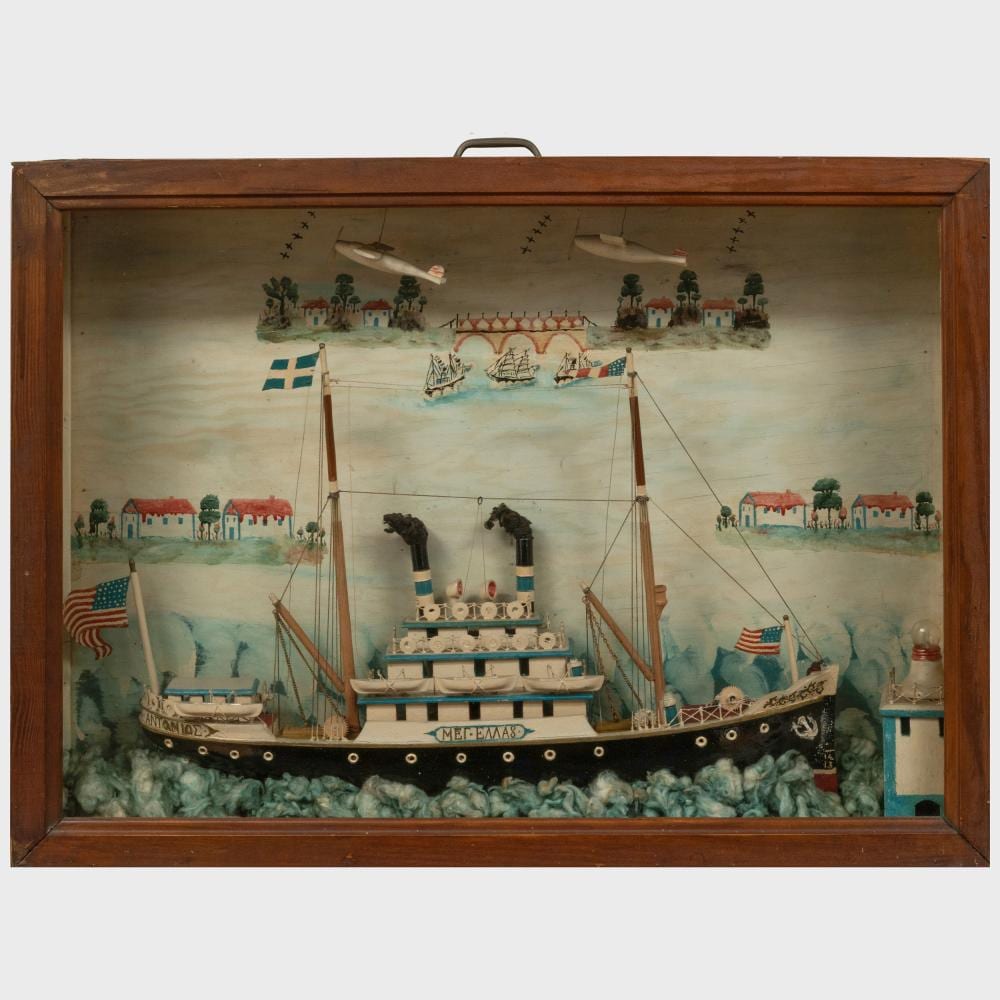
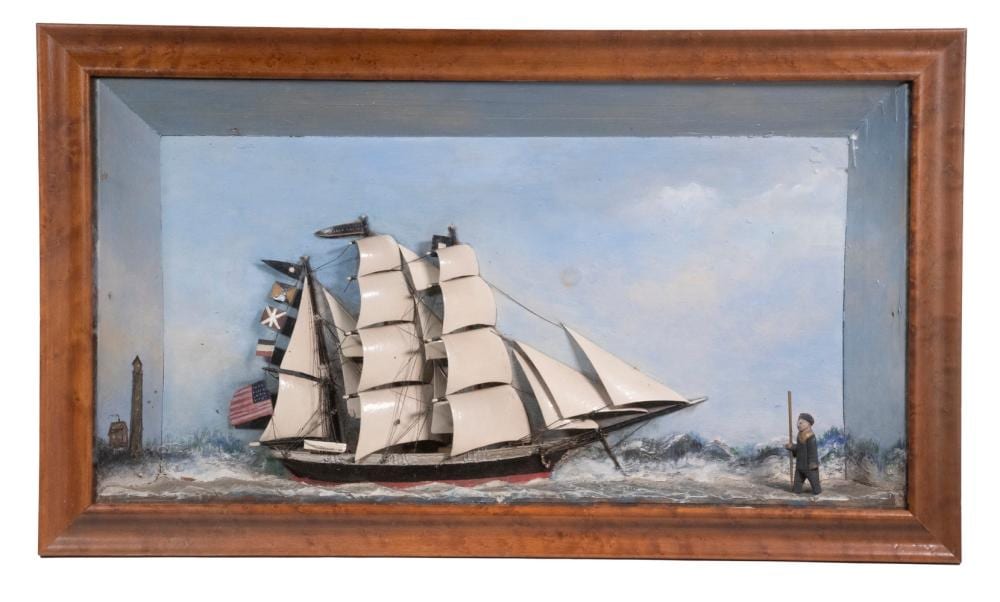
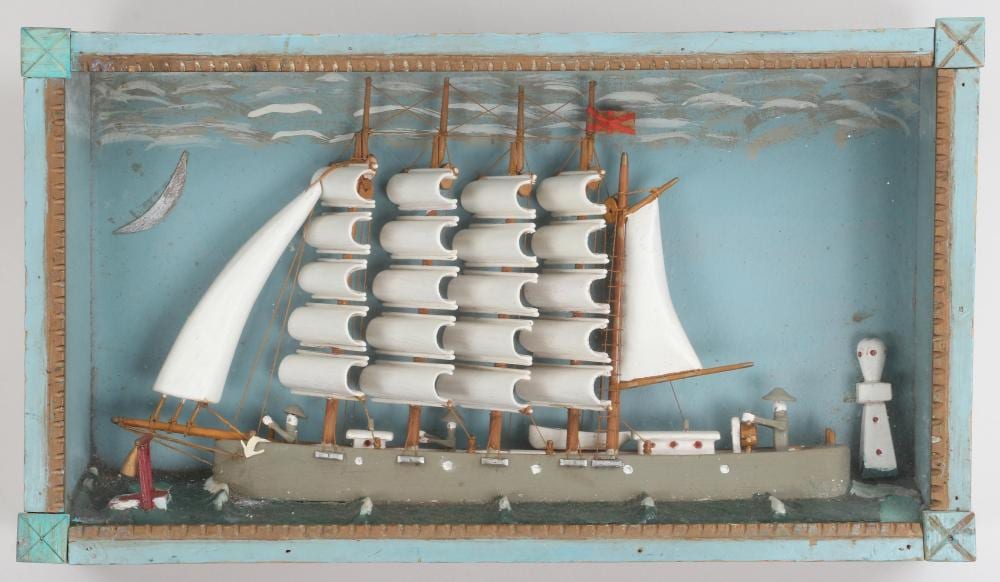
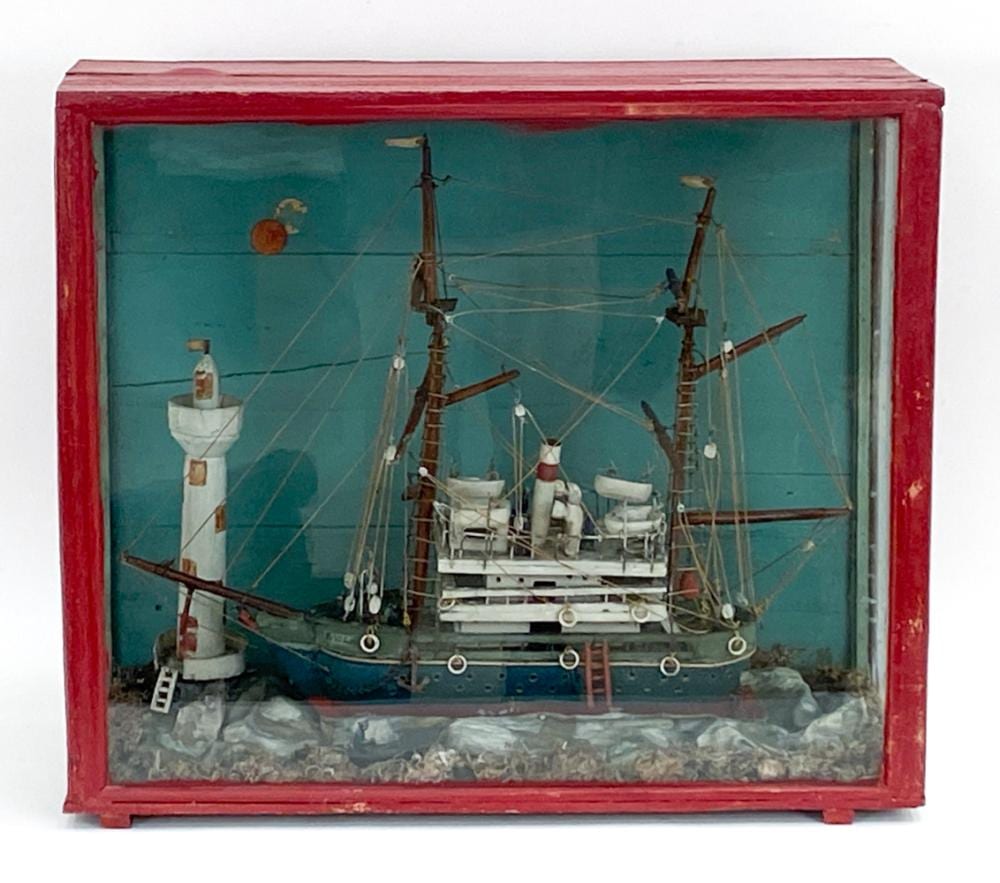
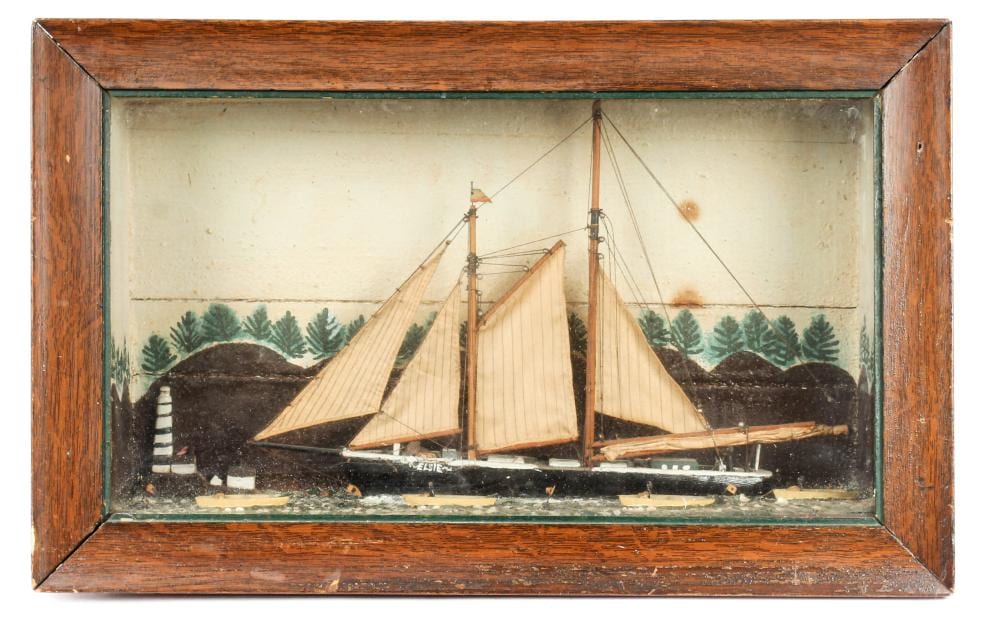
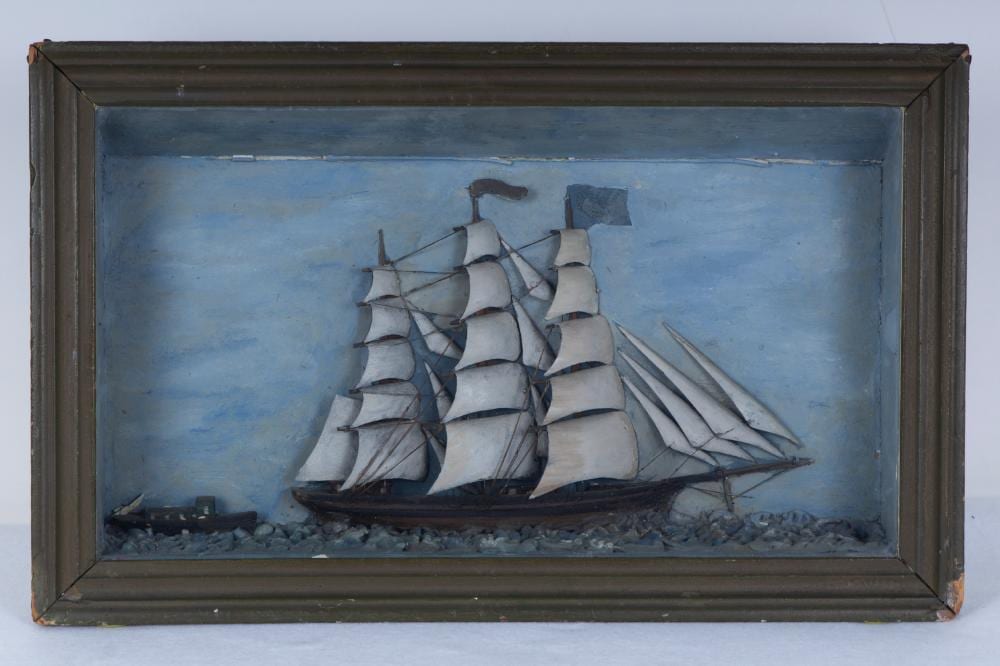
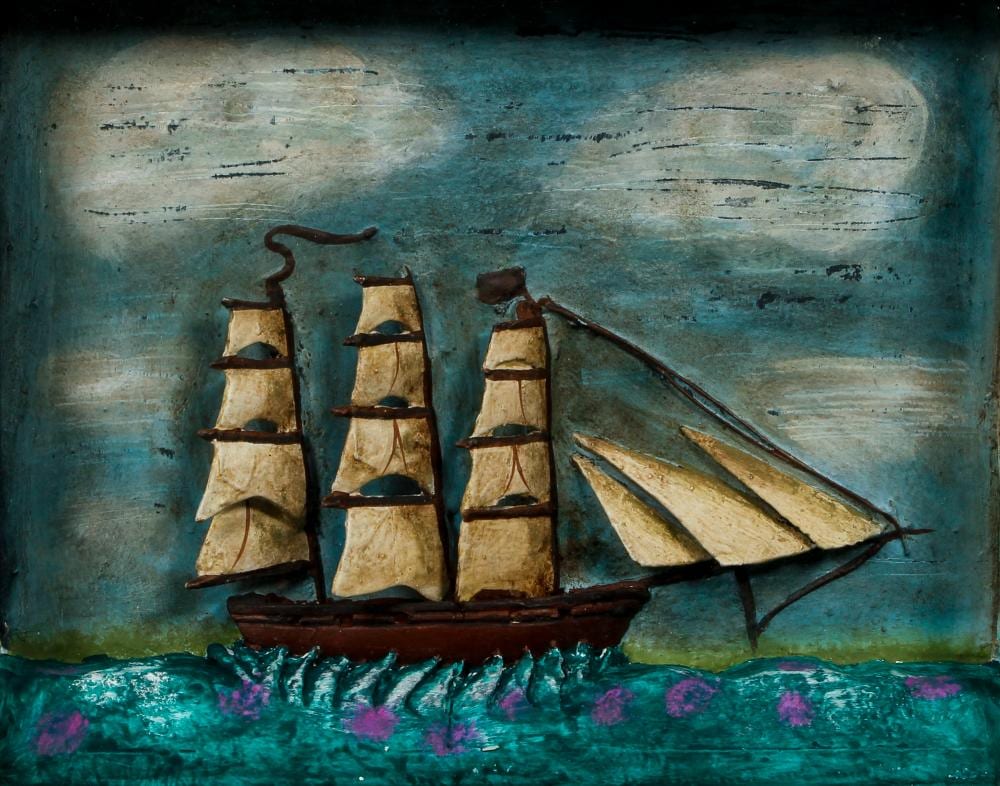
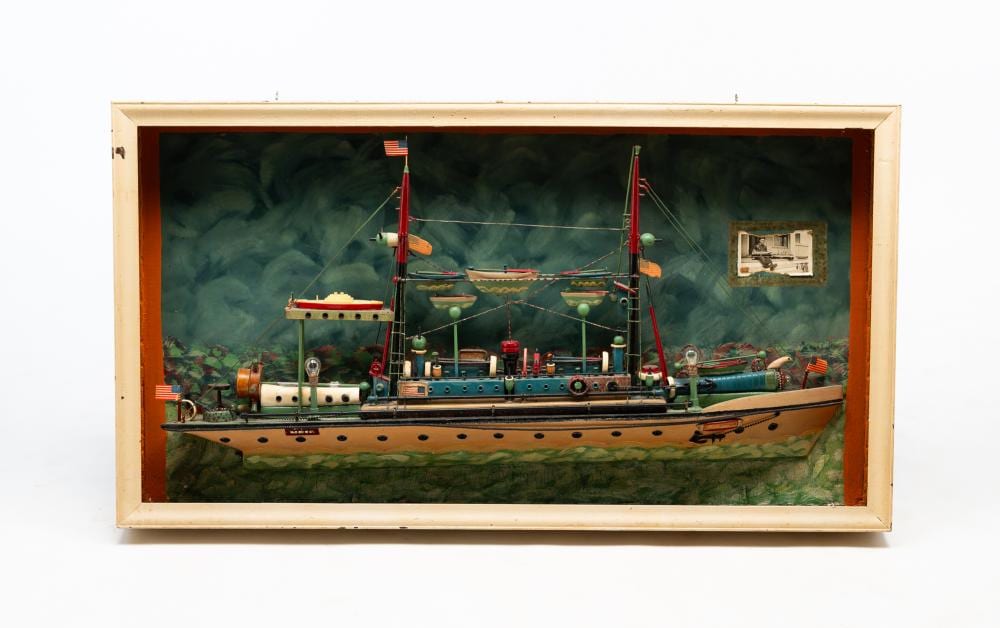
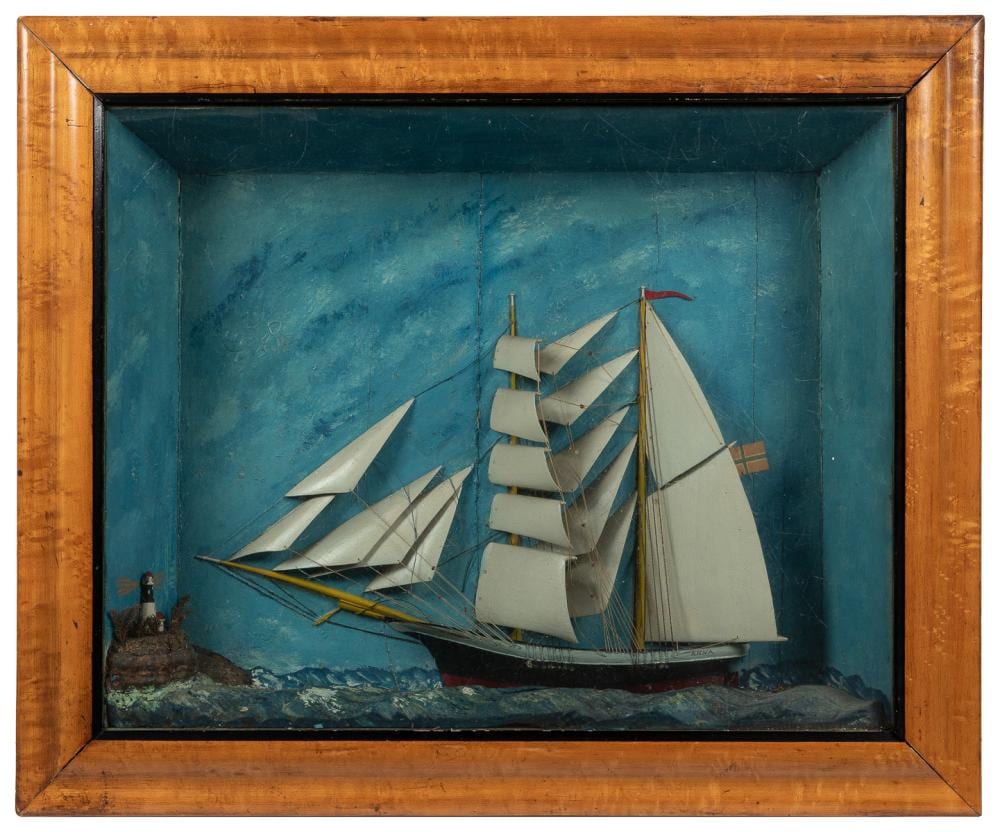
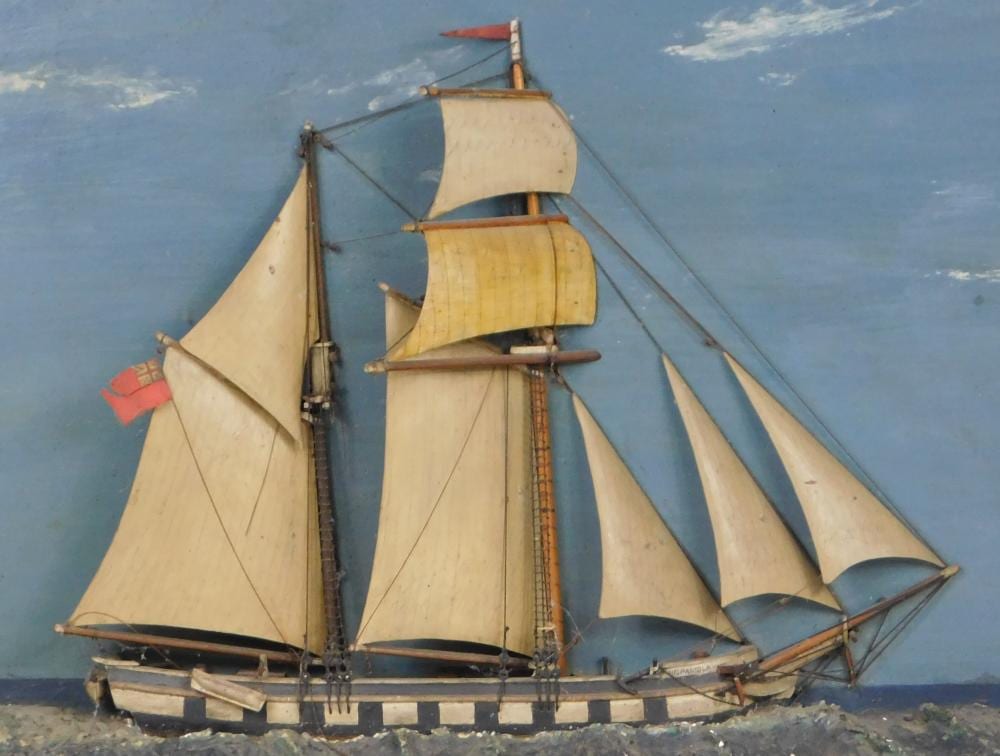
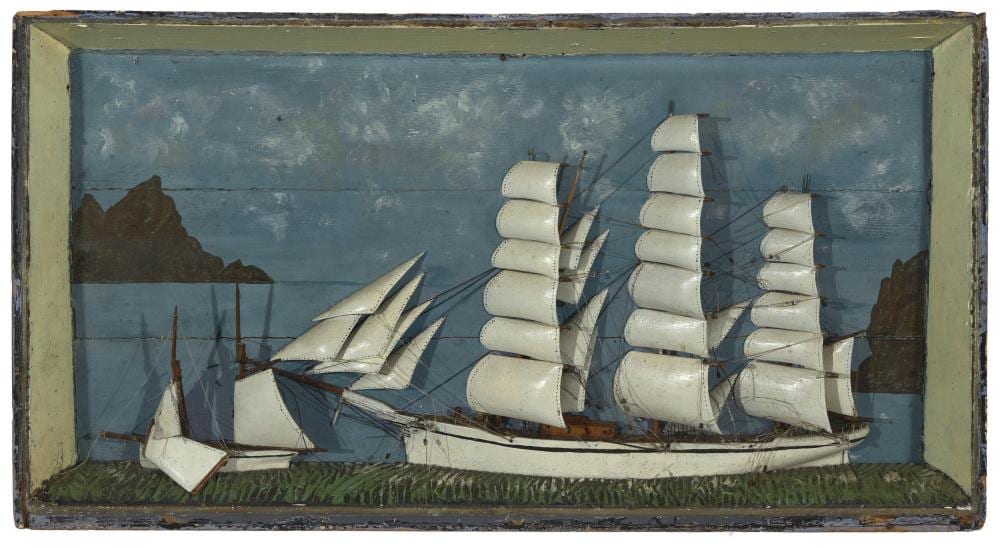
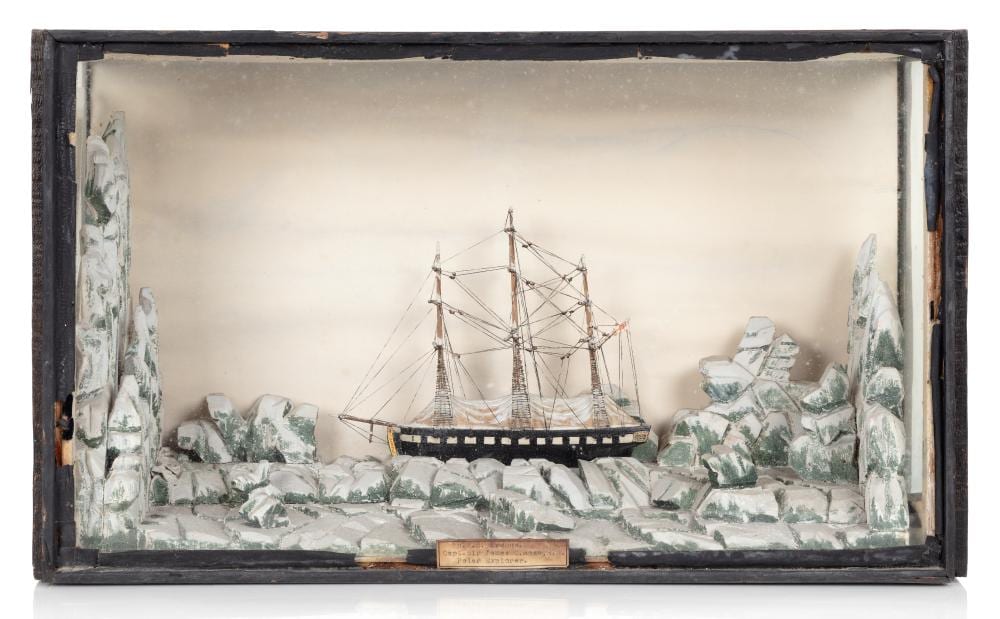
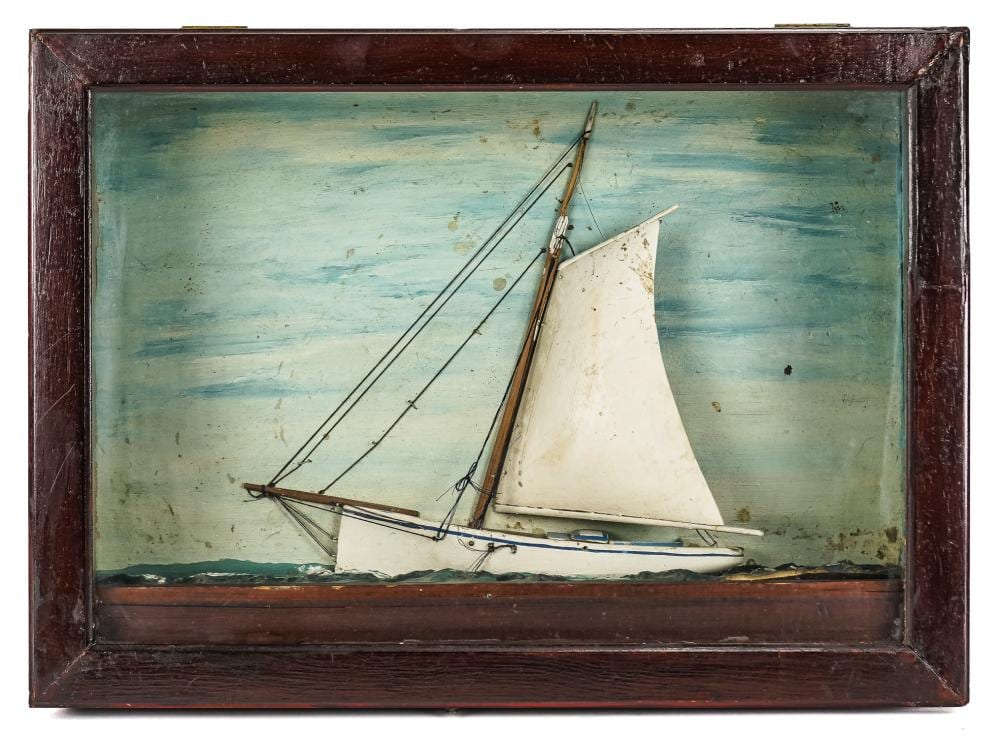
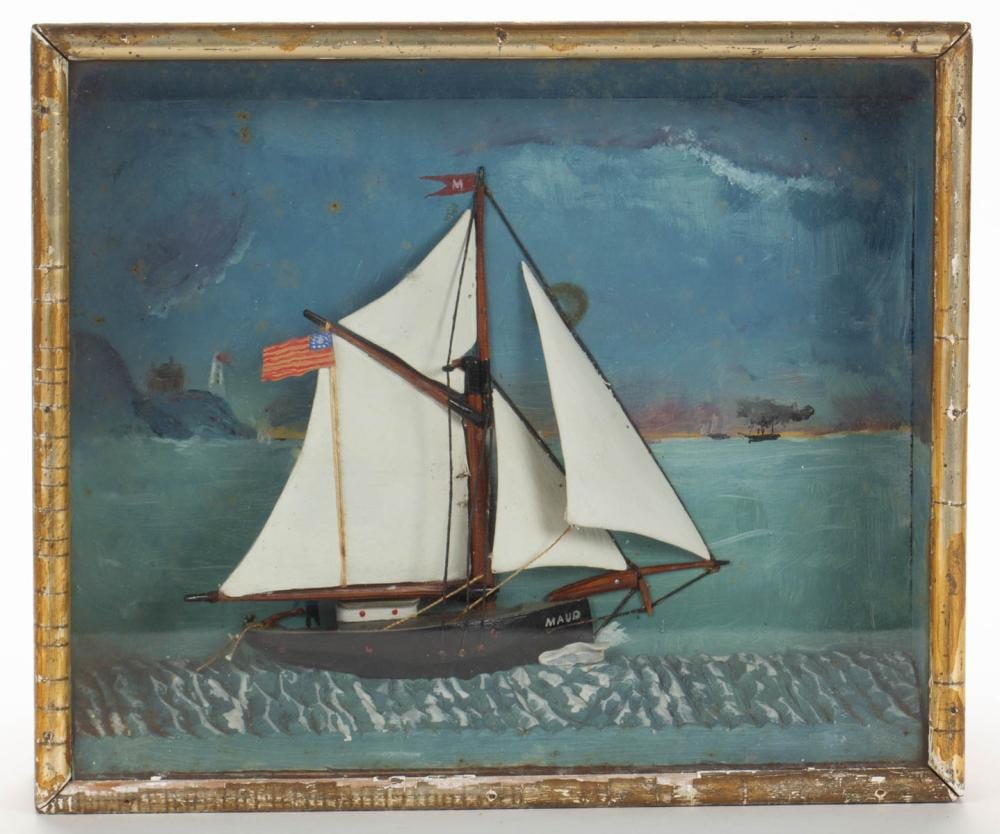
- Folk art examples may show charming asymmetries, naive paint, and improvisation.
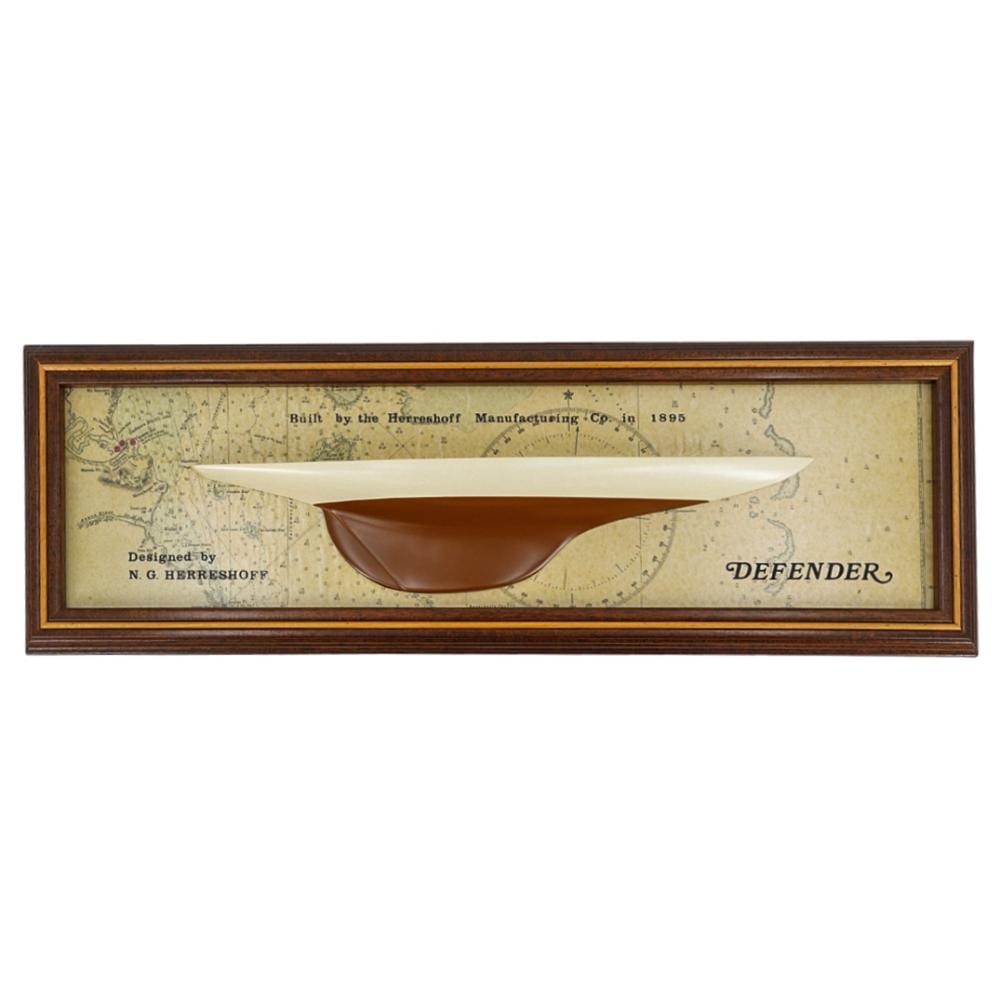
Pond Yachts and Half-Hull Models
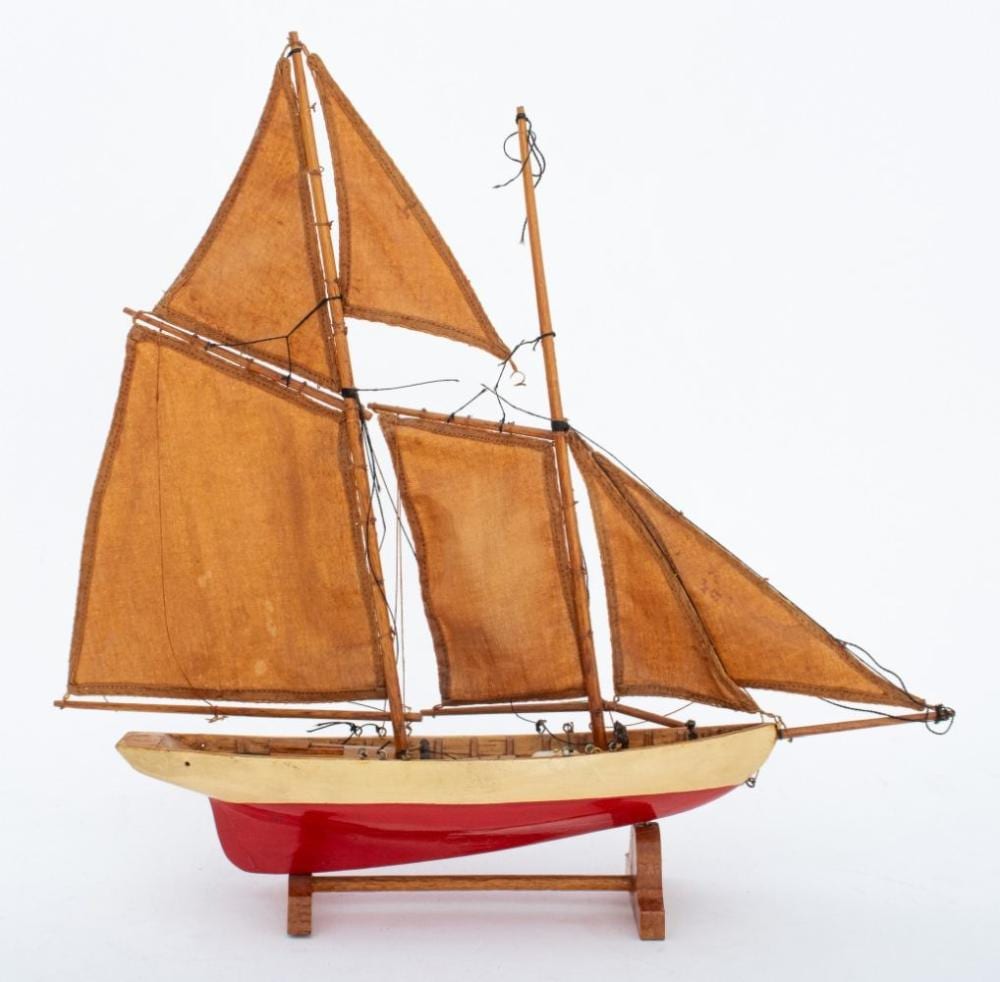
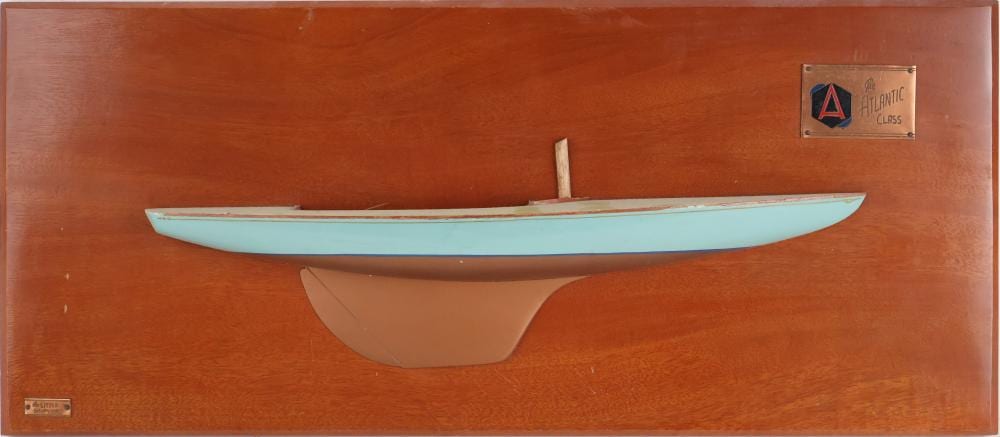
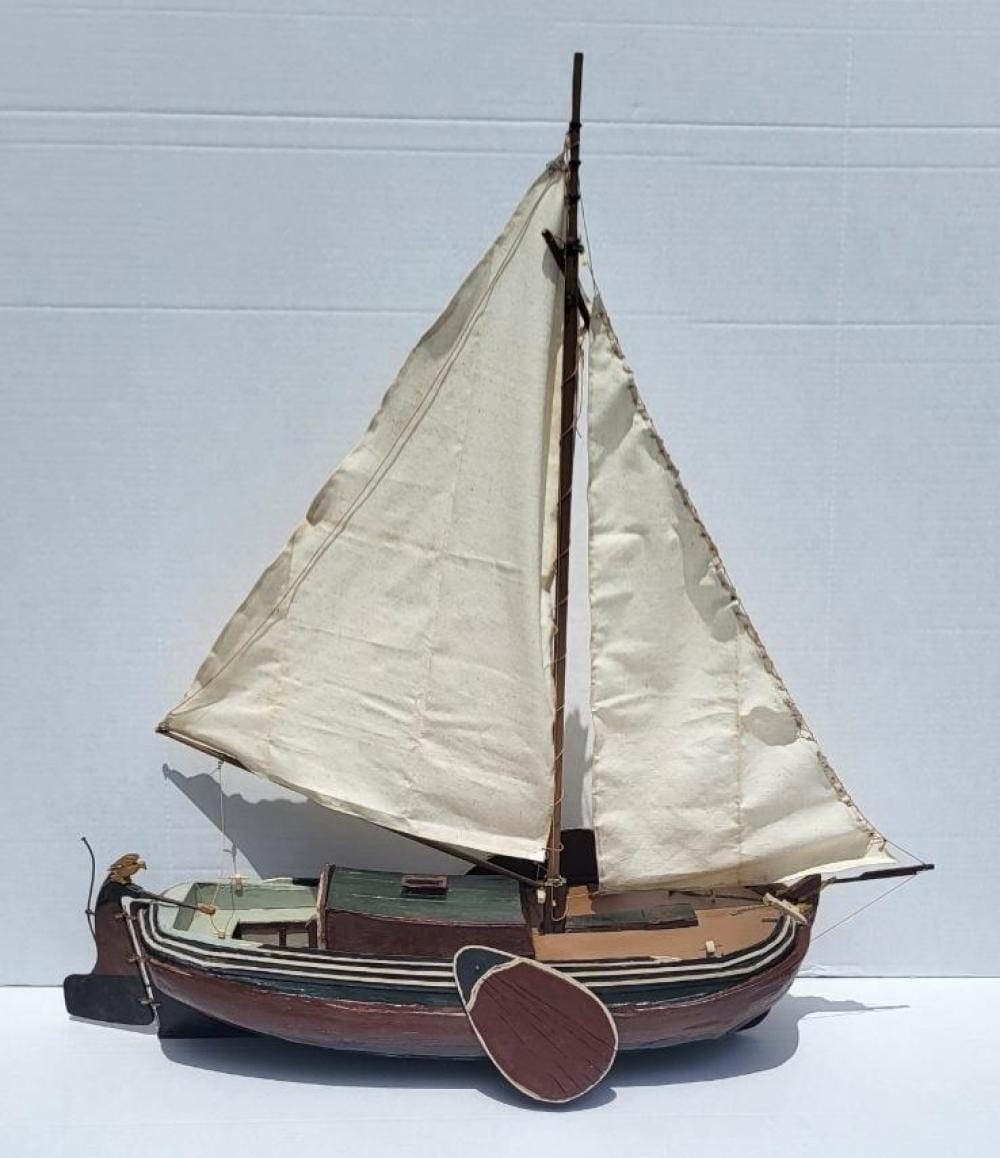
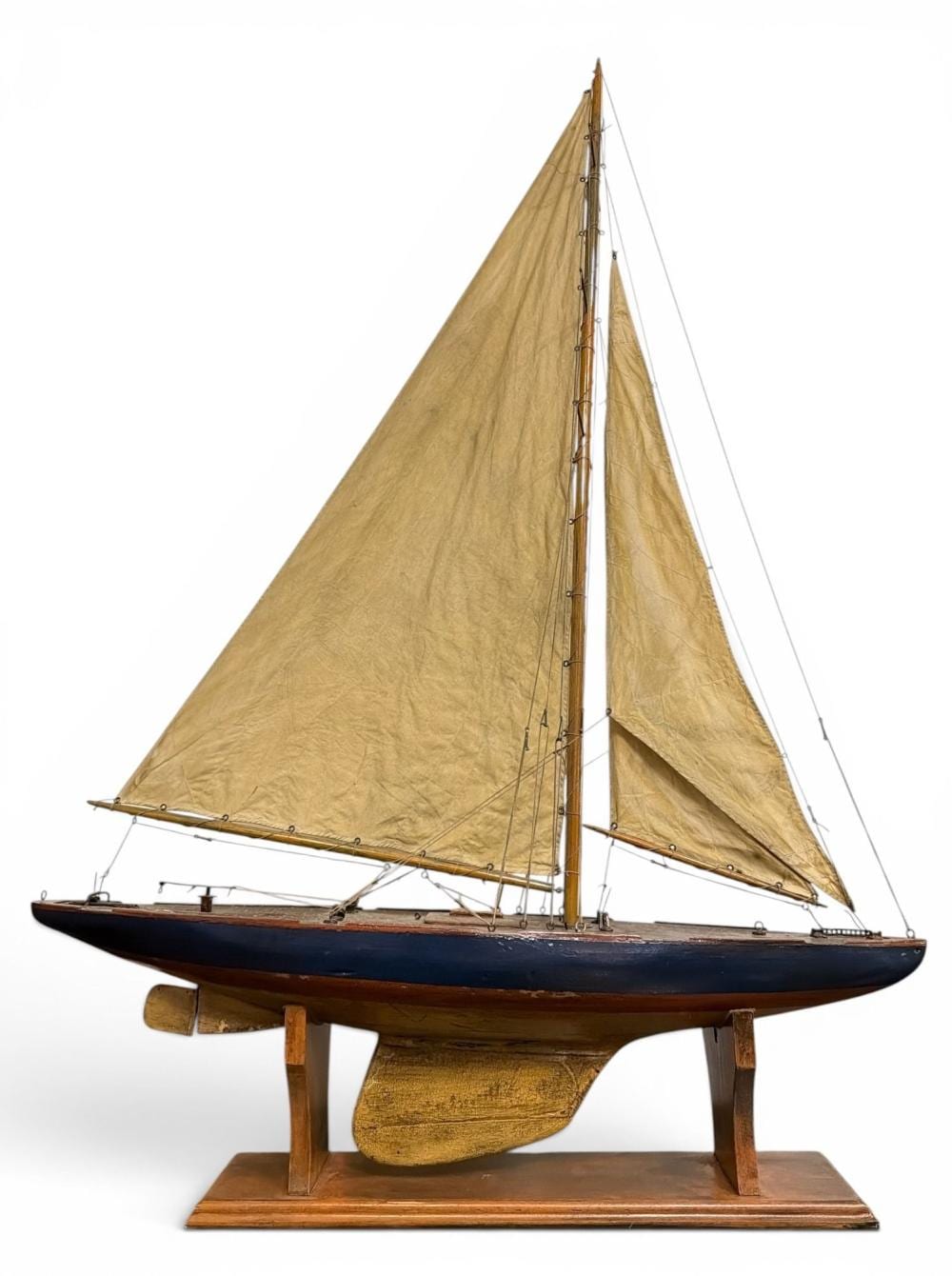
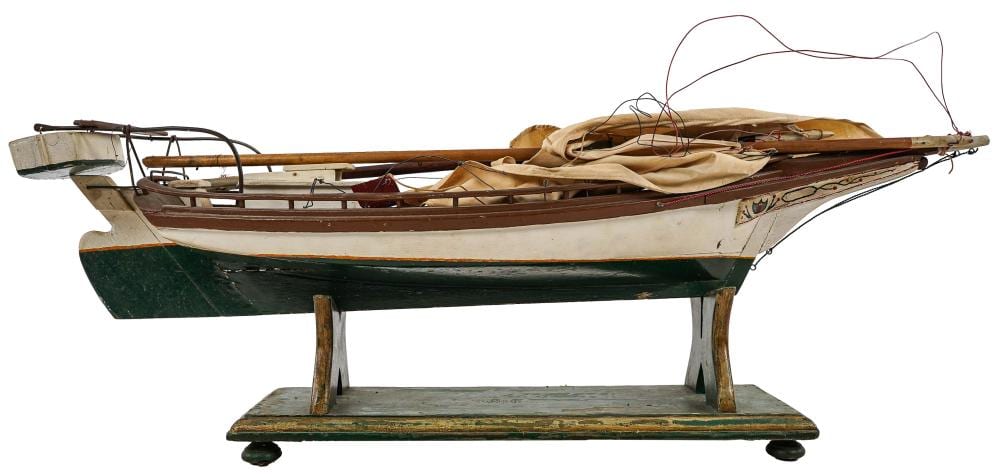
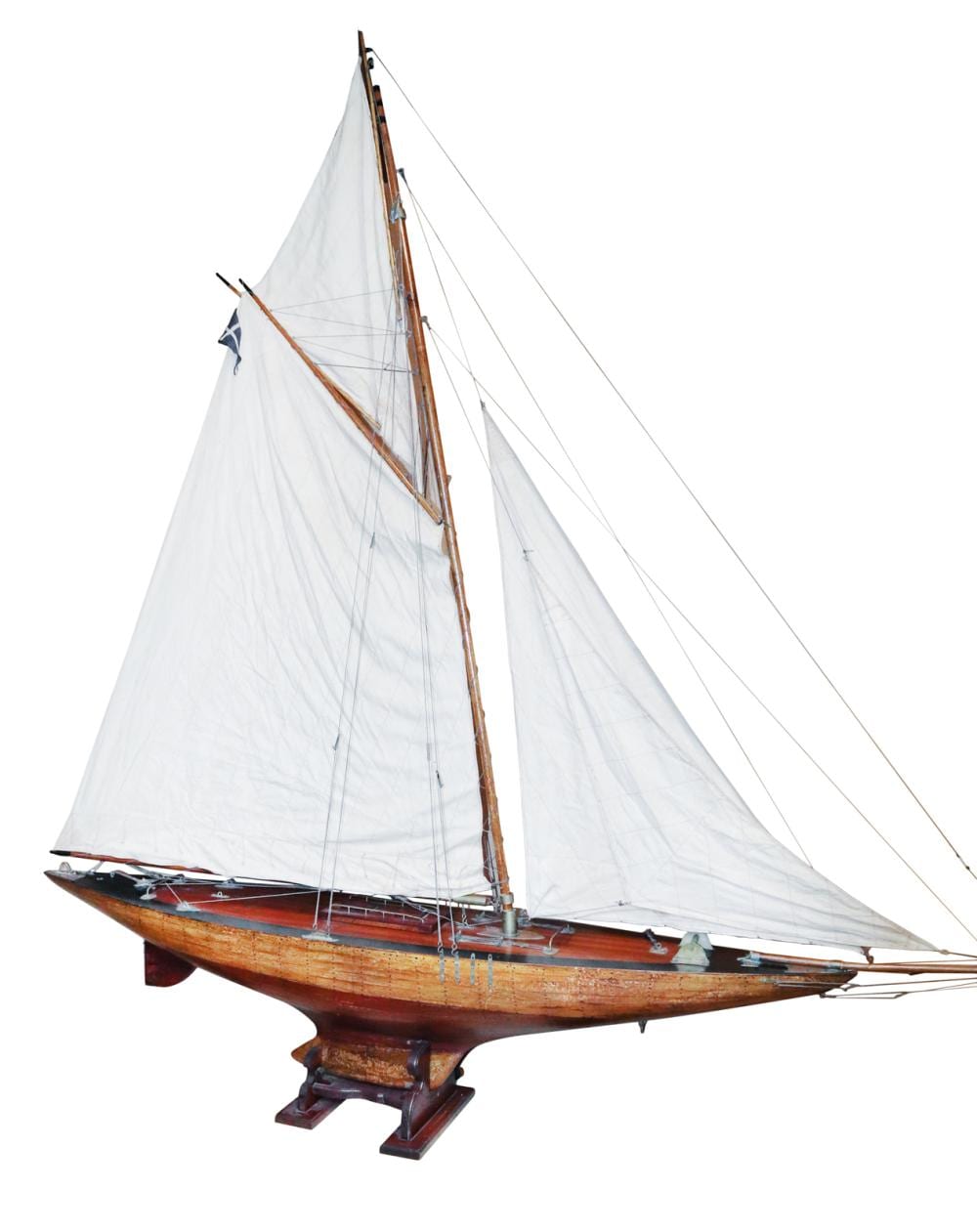
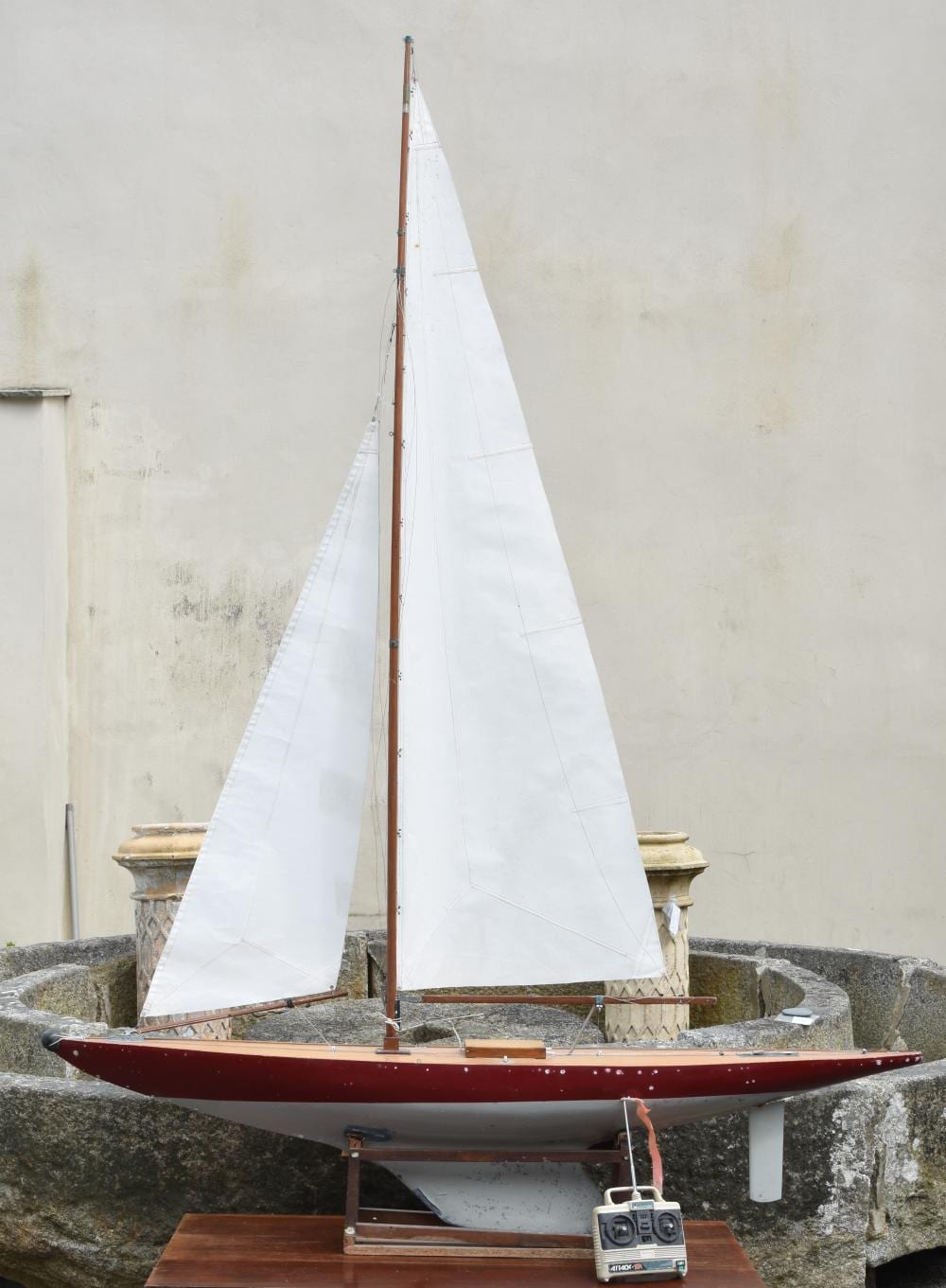
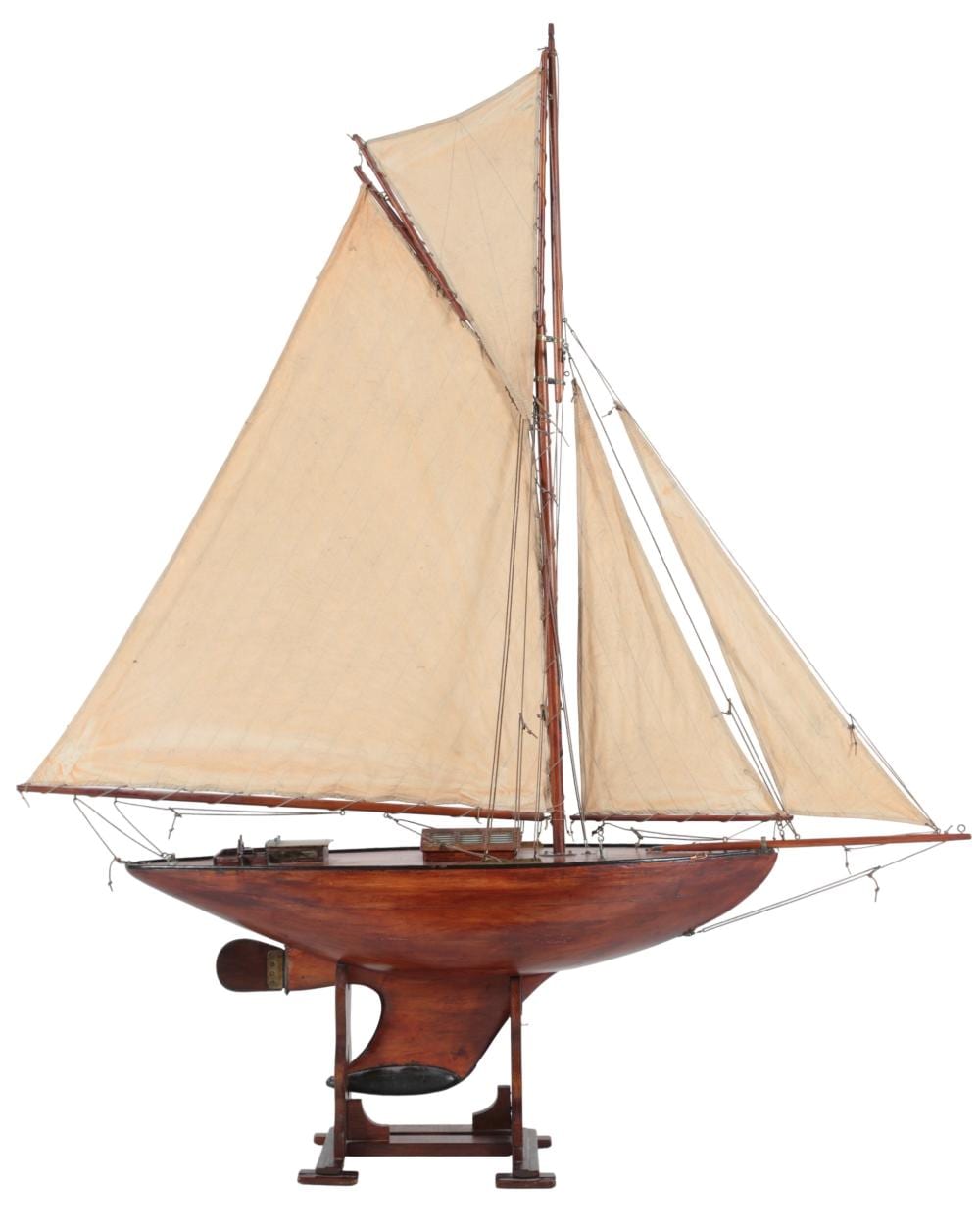
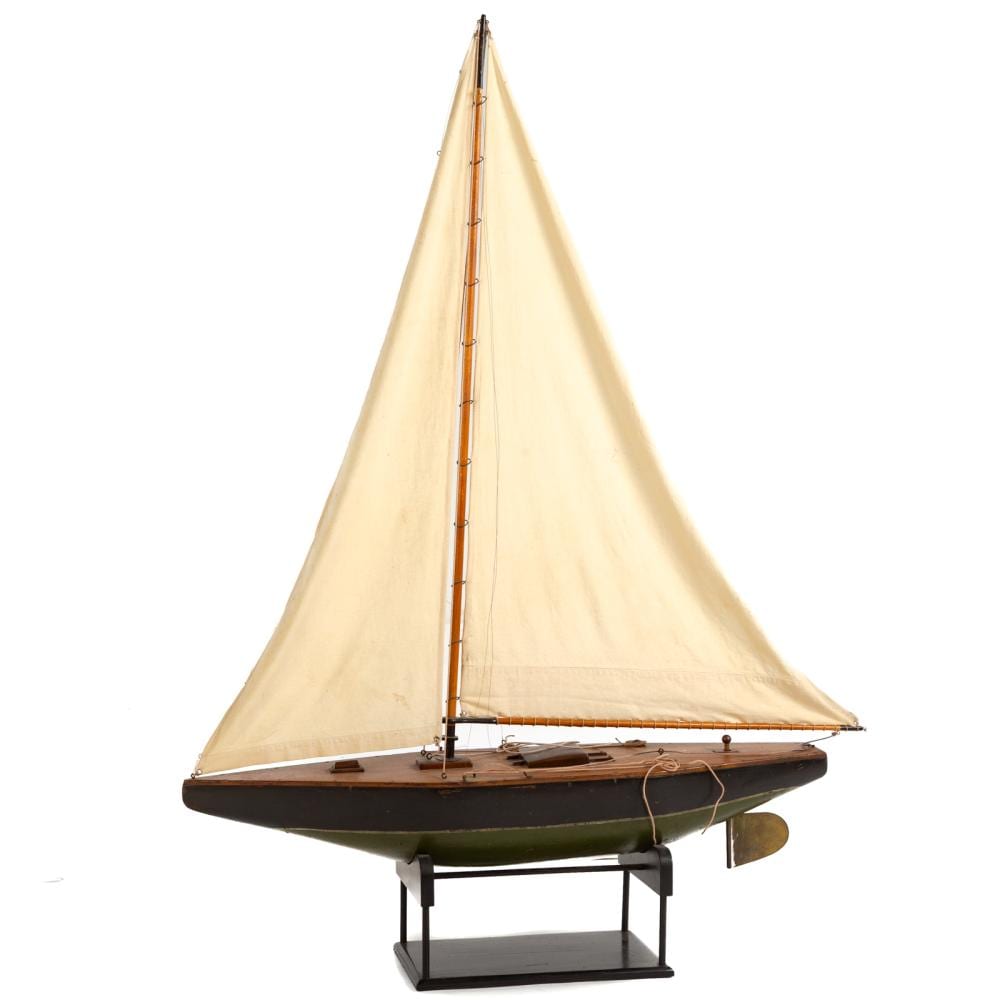
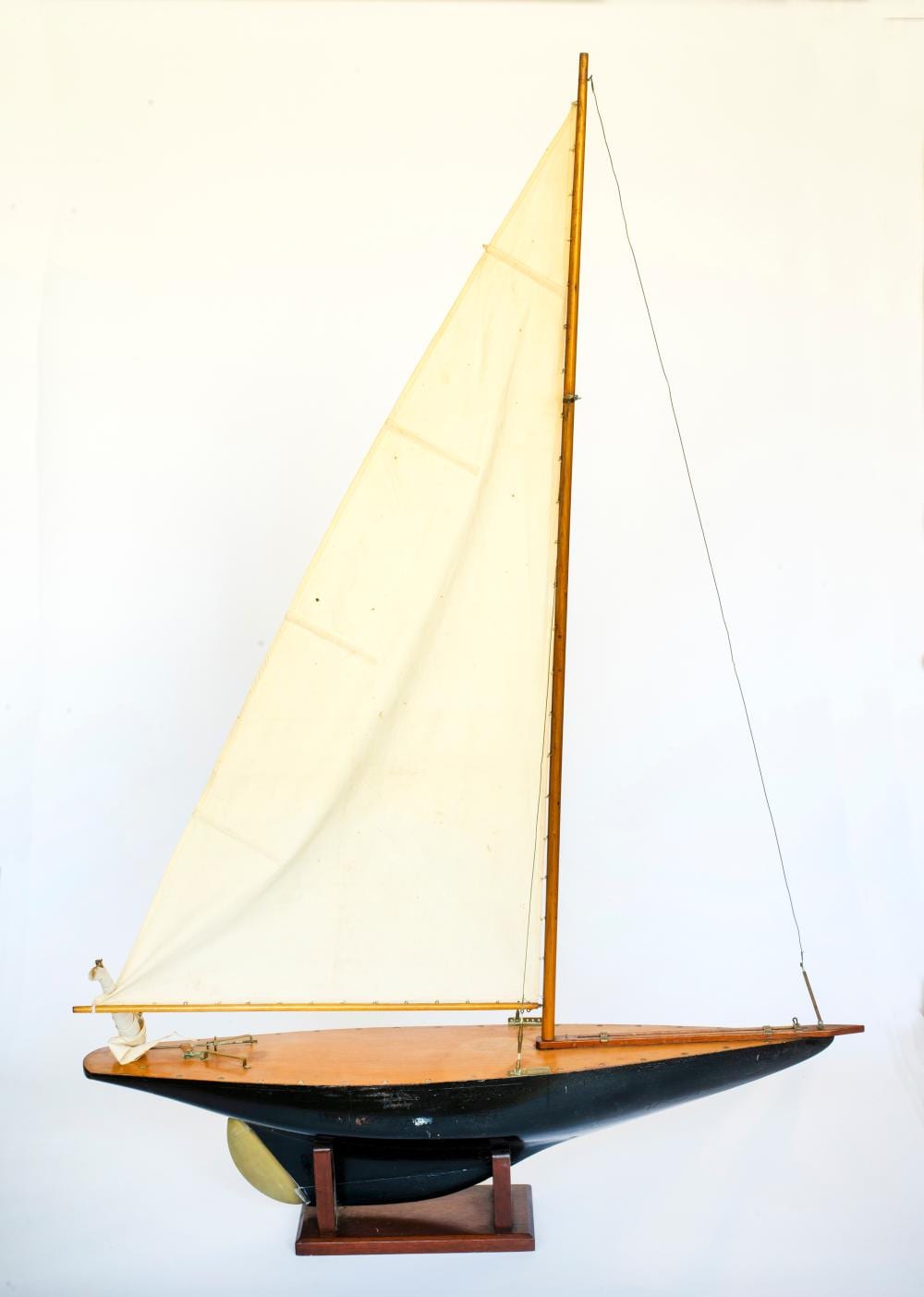
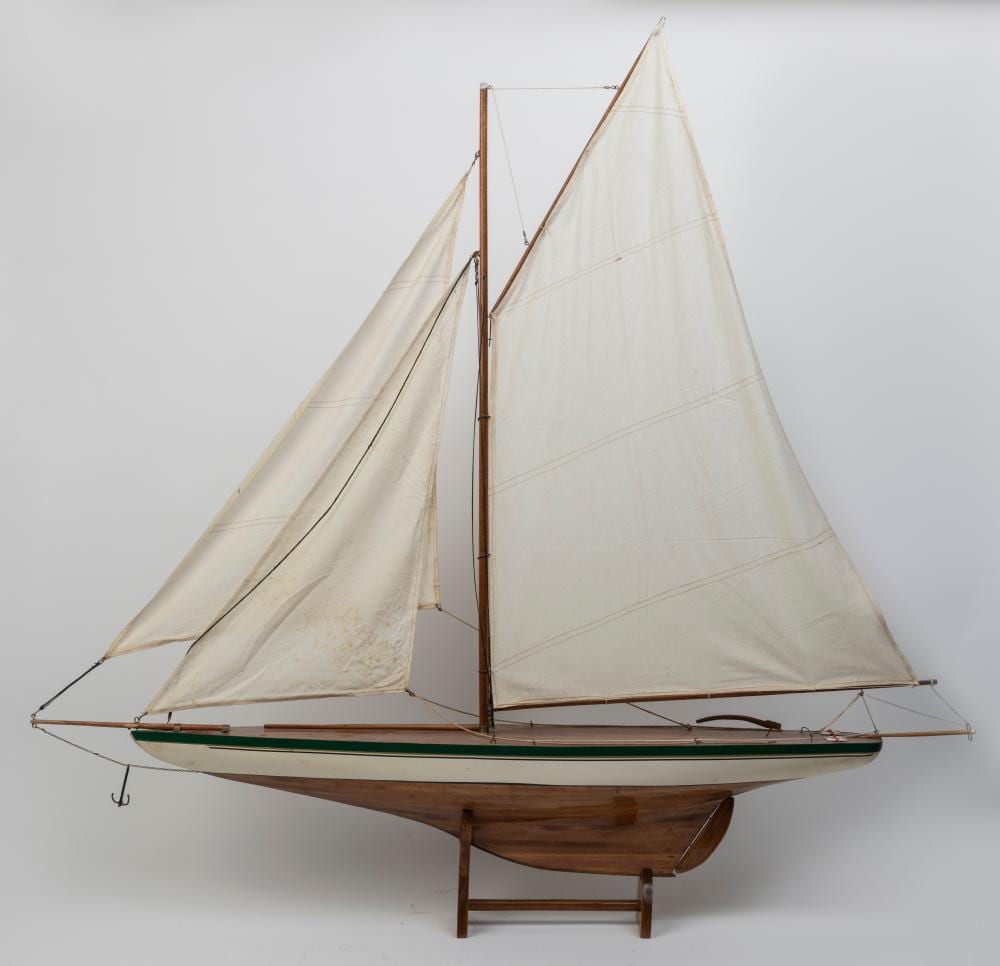
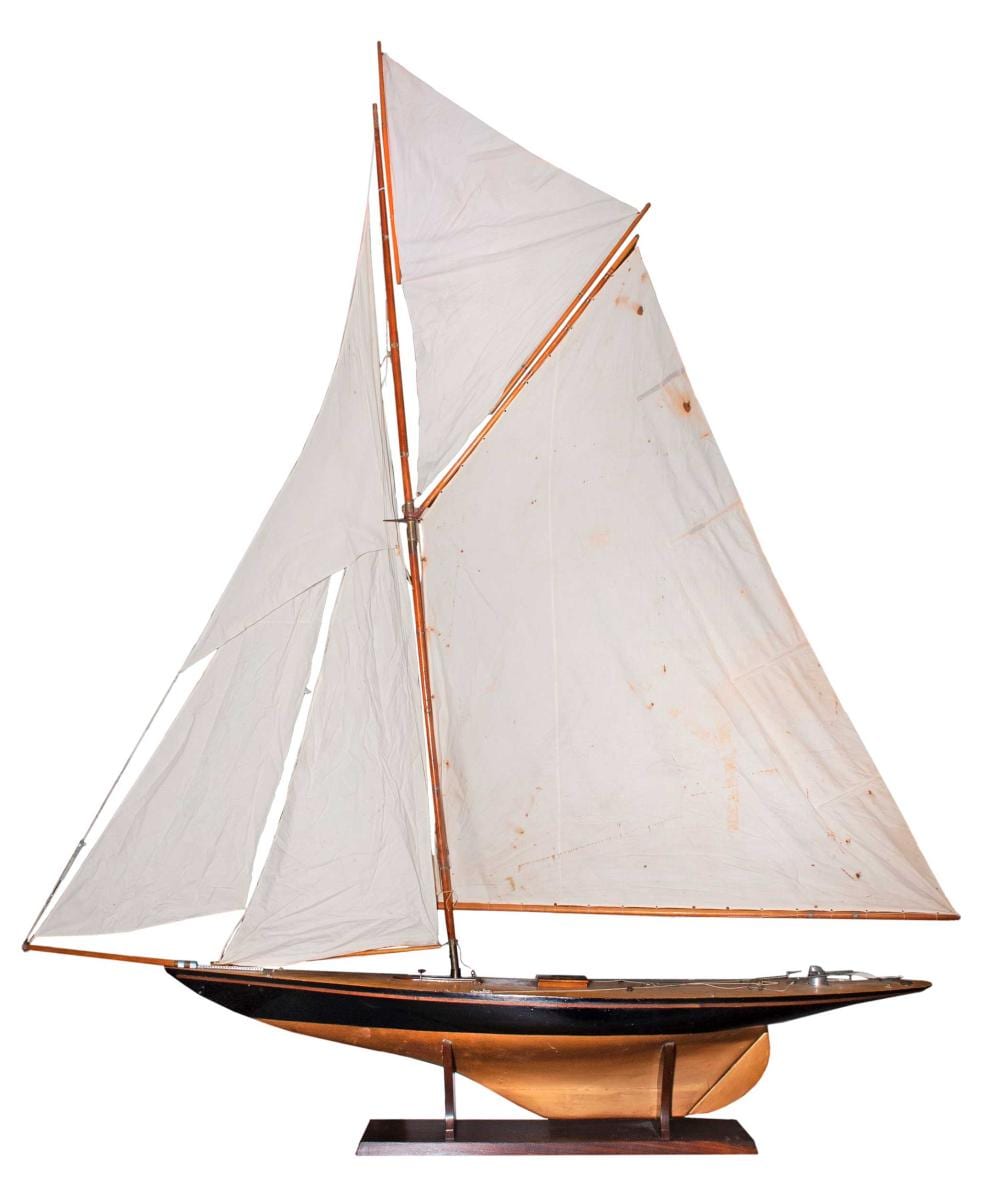
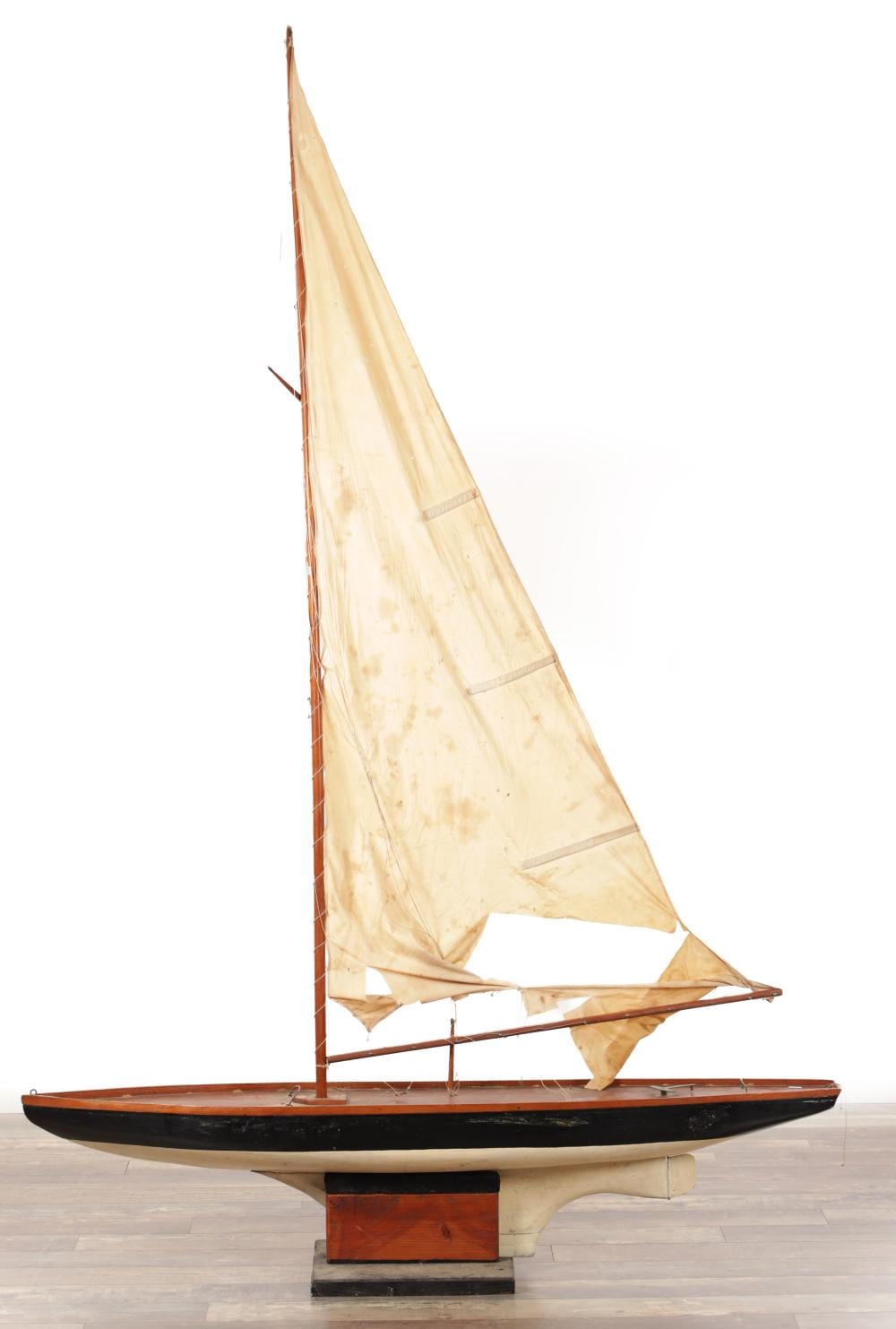
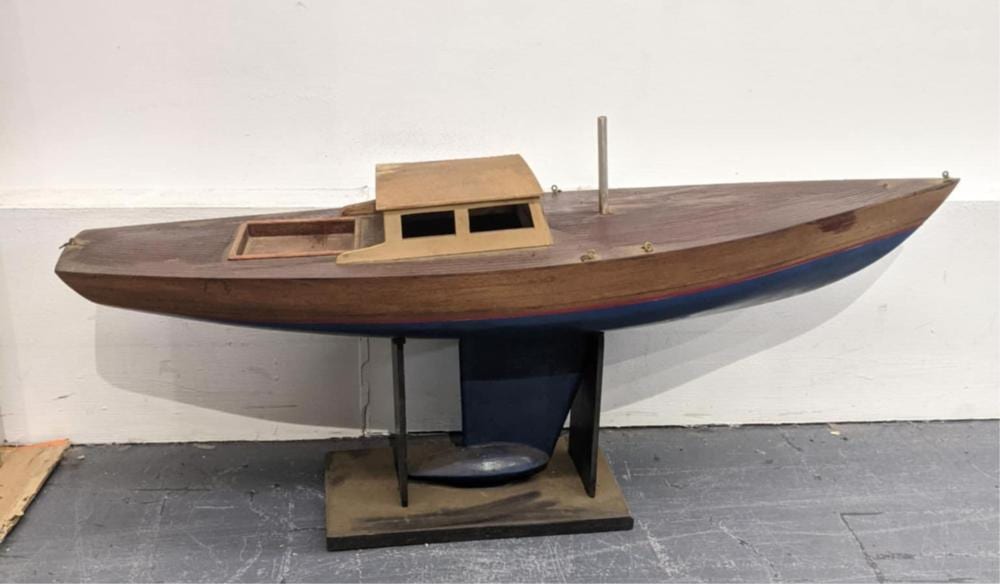
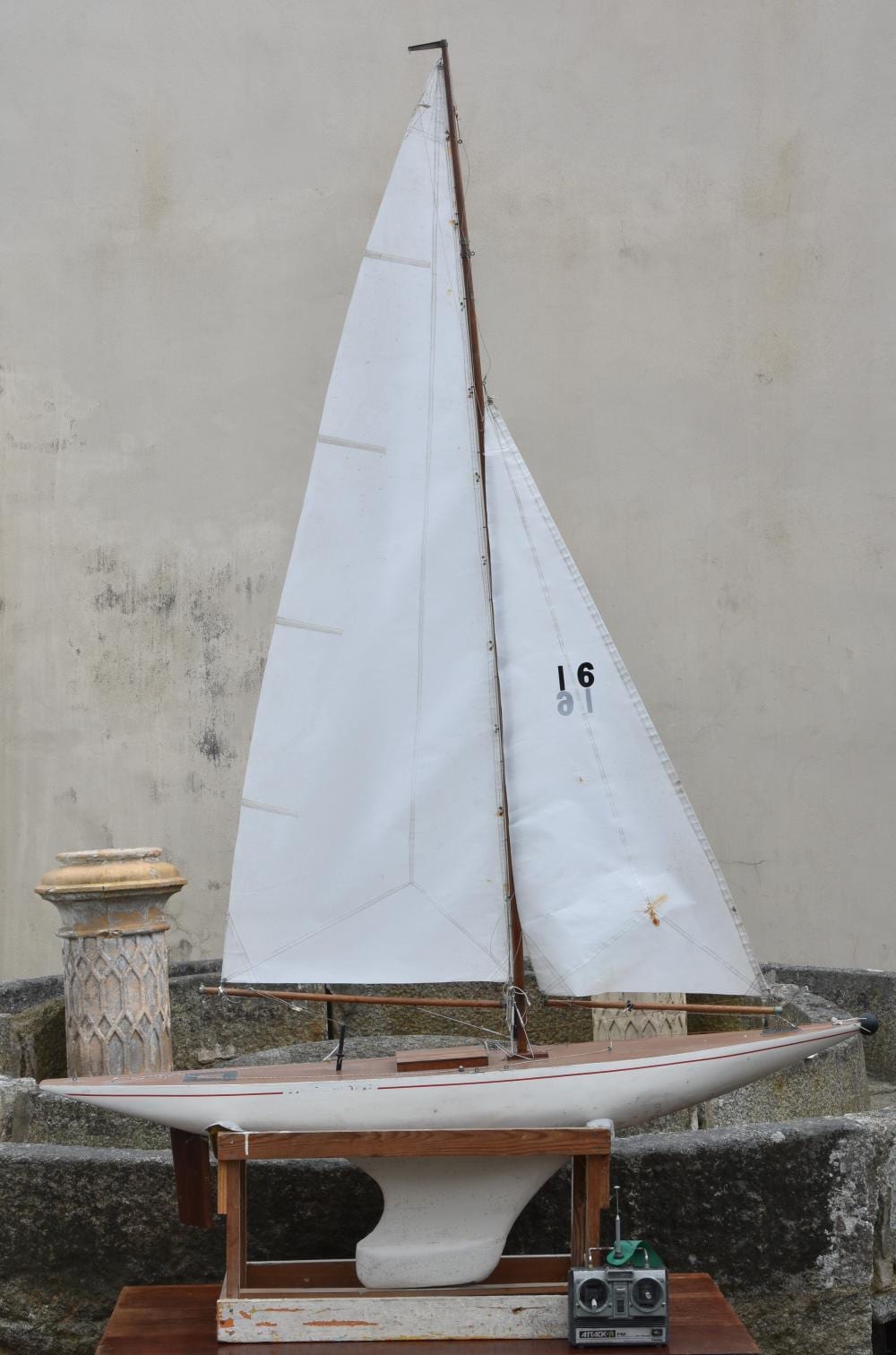
- Pond yachts (late 19th–mid-20th century) intended for sailing; values hinge on maker, scale, and originality.
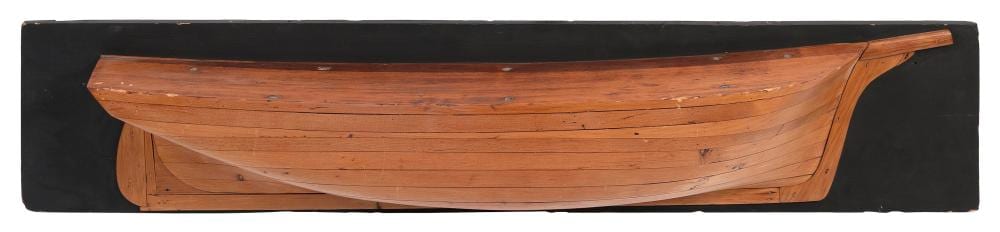
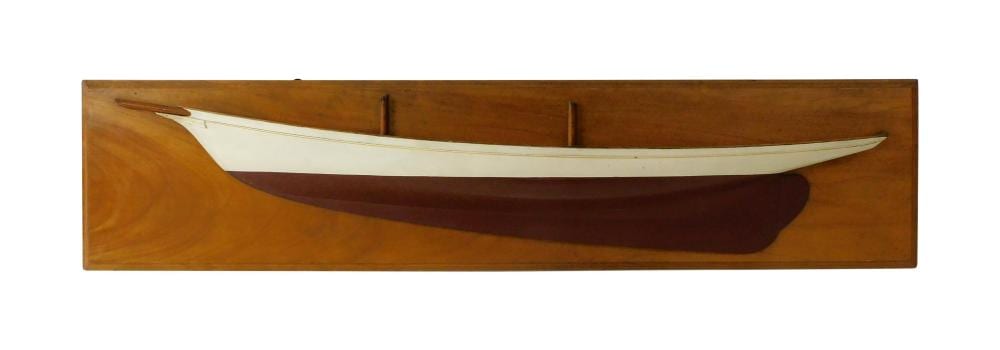
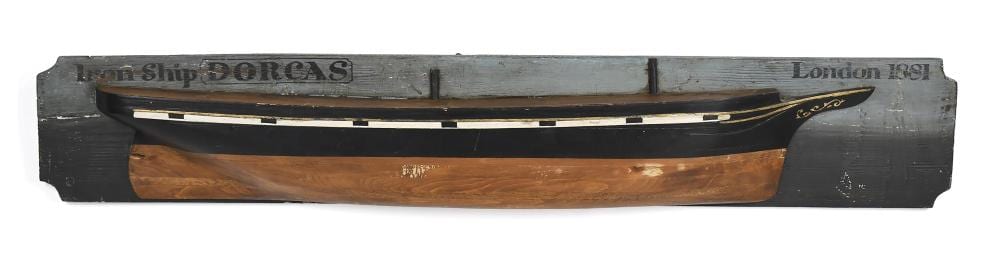
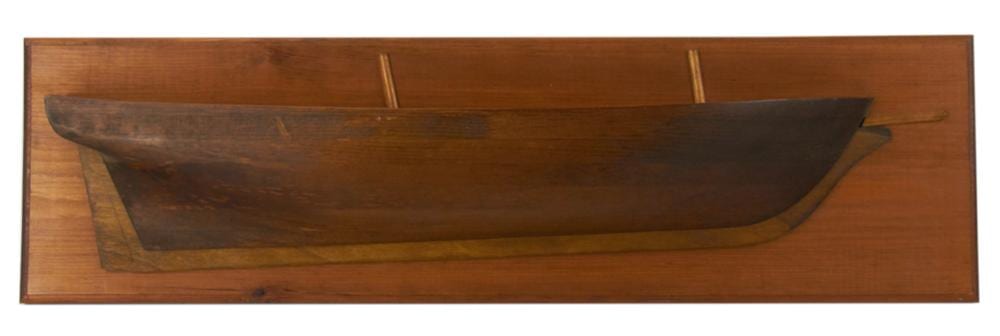
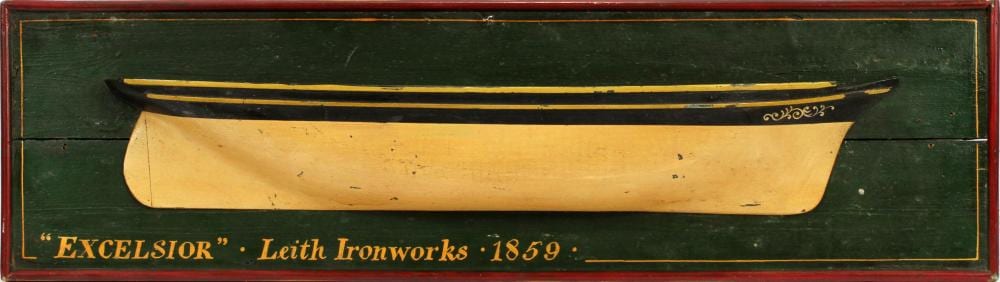
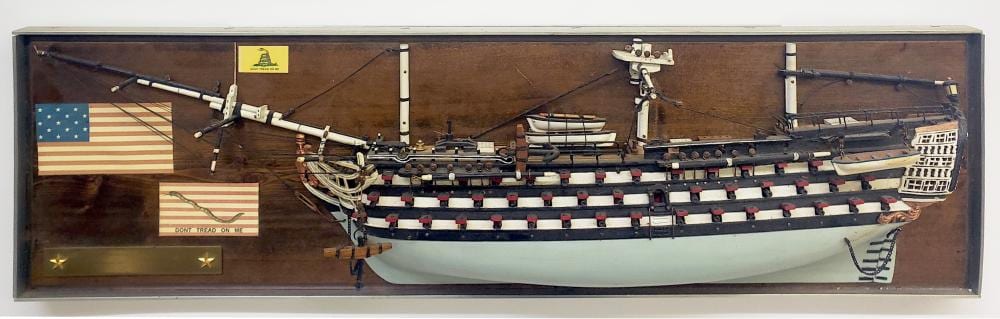
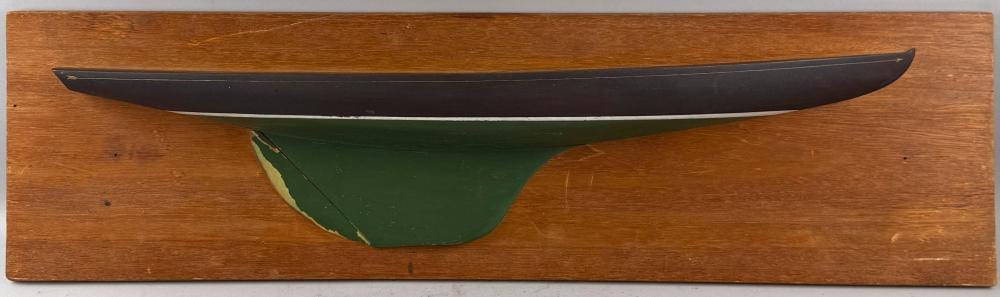
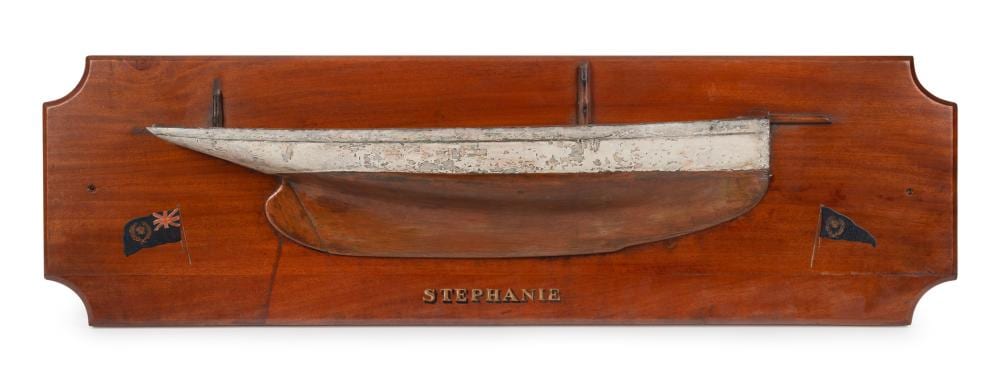
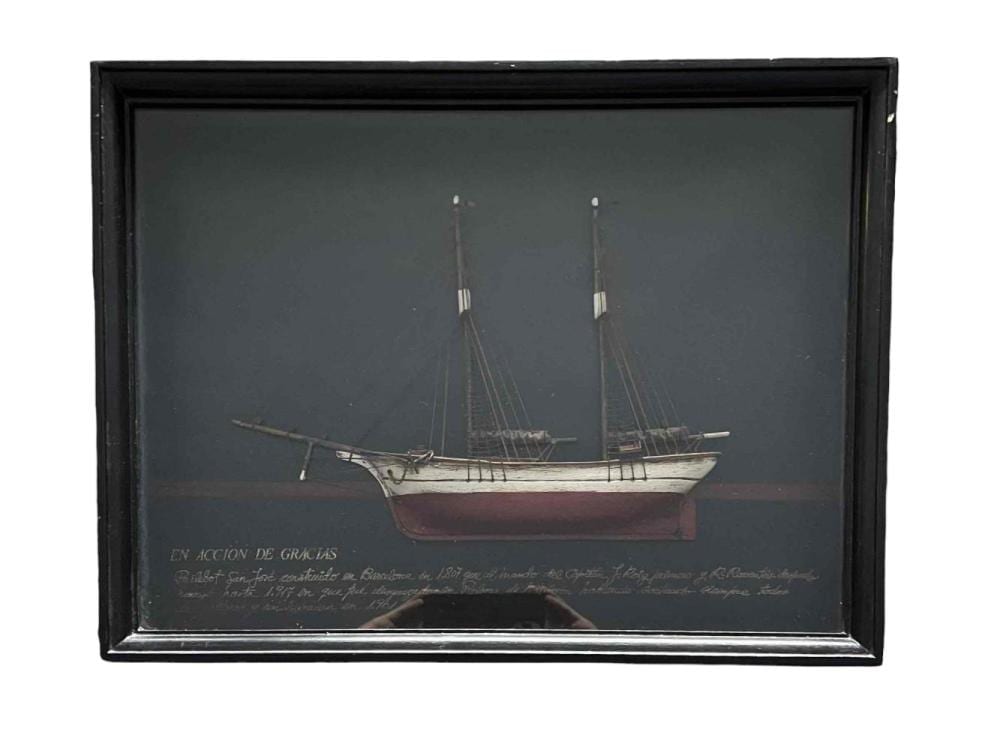
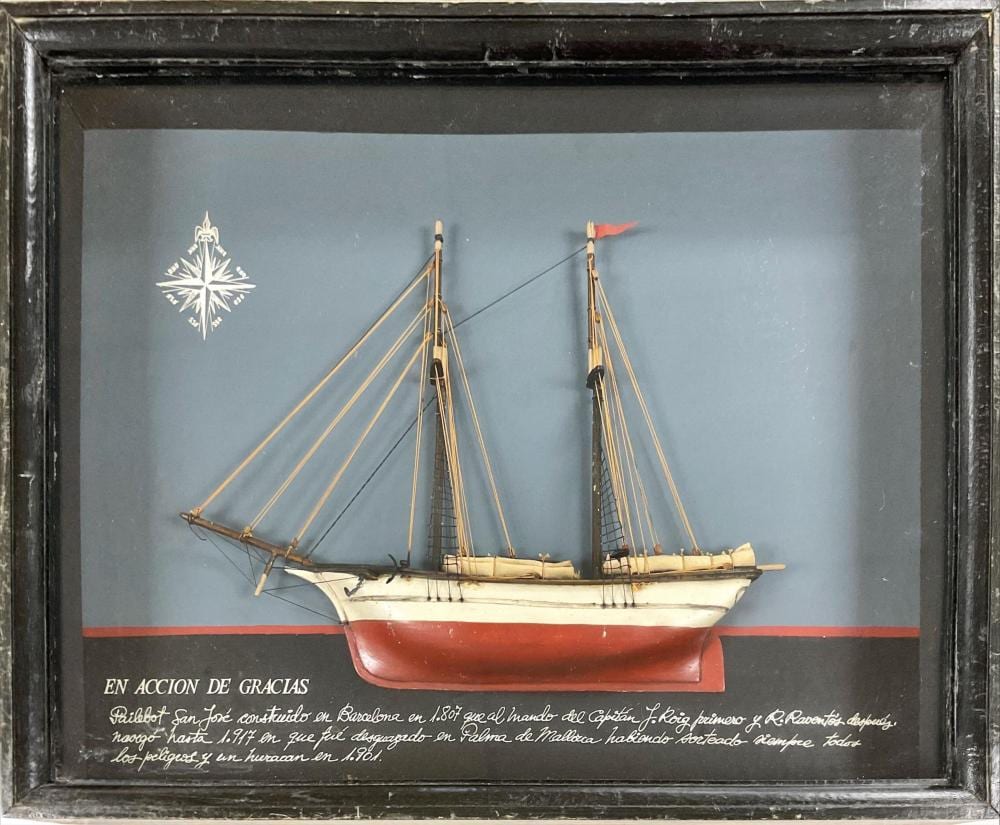
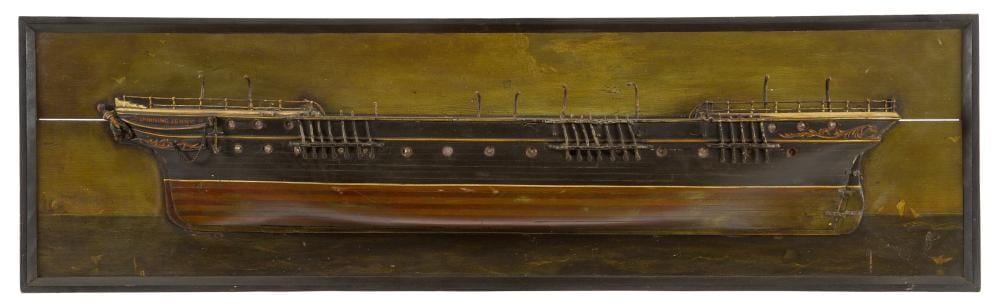
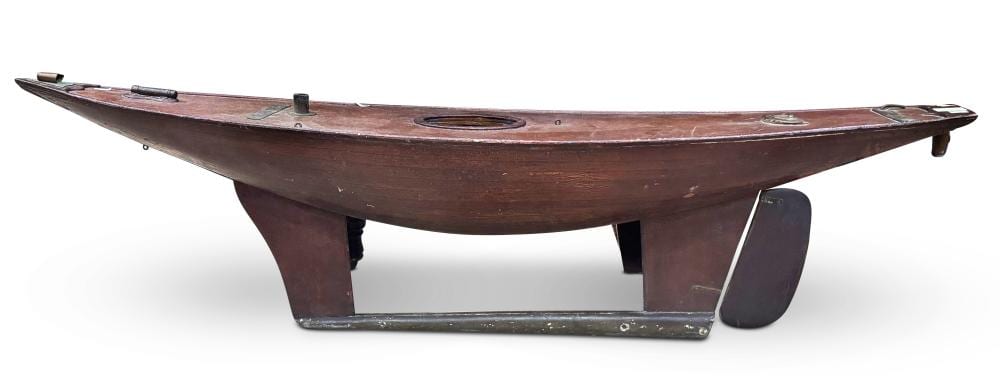
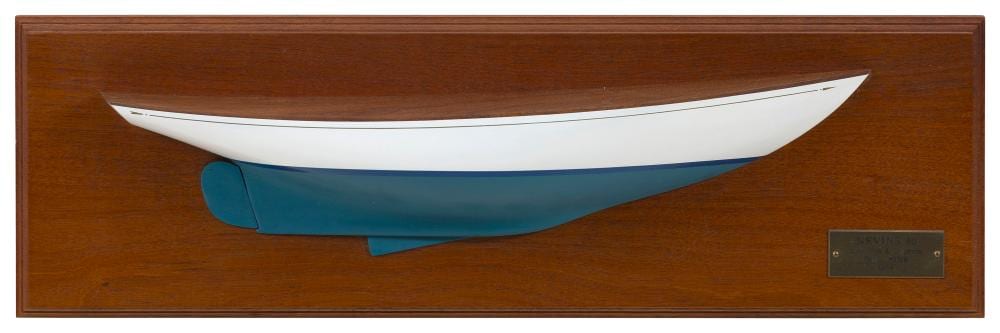
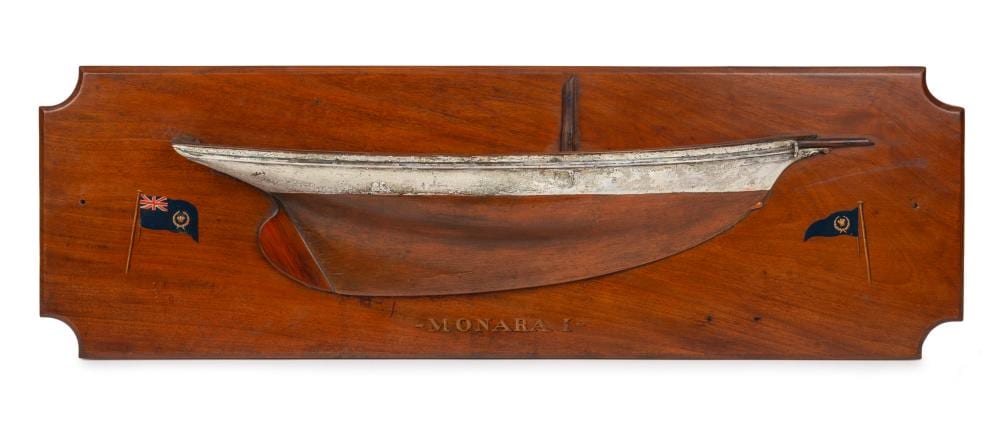
- Half-hulls (builder’s tools and presentation pieces) show lines of hull; early hand-carved examples and those with provenance to shipyards can be valuable.
Kit-Built and Hobbyist Models (20th century–present)
- From companies like Billing Boats, Artesanía Latina, Model Shipways, Bassett-Lowke (also sold factory-built display models).
- Look for laser-cut uniformity, modern glues (PVA), Phillips screws, standardized fittings, and instruction carryover.
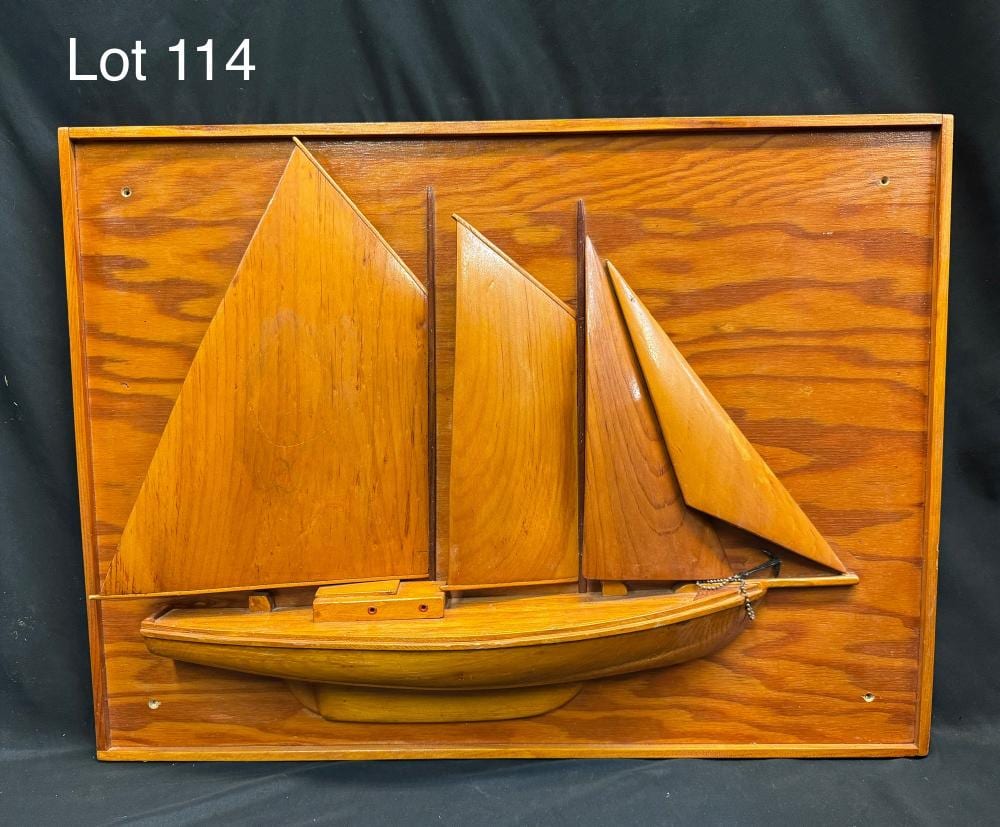
- Quality varies widely; exceptional master-built kit models can be desirable, but most trade below museum or shipyard models.
Tip: Use a strong light and magnification. Construction clues (tool marks, treenails vs. pins, type of glue, aging patterns) tell you far more than surface polish.
The Four Pillars of Value: Age, Originality, Condition, Provenance
Nearly every valuation decision relates to these four factors. Approach them systematically.
Age
- Early models (17th–18th century) and documented 19th-century builder’s models usually command premiums.
- Age can be inferred from materials (hand-drawn glass in cases, cut nails, shellac), oxidation patterns, and design details specific to historical periods.
- Be wary: artificial patination, later cases, and swapped bases can obscure true age.
Originality
- Confirm that the model is not a later replica of an earlier ship.
- Indicators of originality include period-correct joinery, hand-turned fittings, accurate line leads, subtle asymmetry consistent with handwork, and original finishes.
- Maker marks: plaques, paper labels from shipbuilders or retailers, engraved cartouches. Shipyard and company names (e.g., Clyde Model Dockyard; naval model shops) matter.
- For POW bone models, expect hand-scraped surfaces, horsehair/silk rigging, realistic deck gear, and bone/ivory elements appropriate to the period.
Condition
- Originality is prized. Intact cases, uncut rigging, original masts and spars, original paint or varnish, and untouched patina create stronger results.
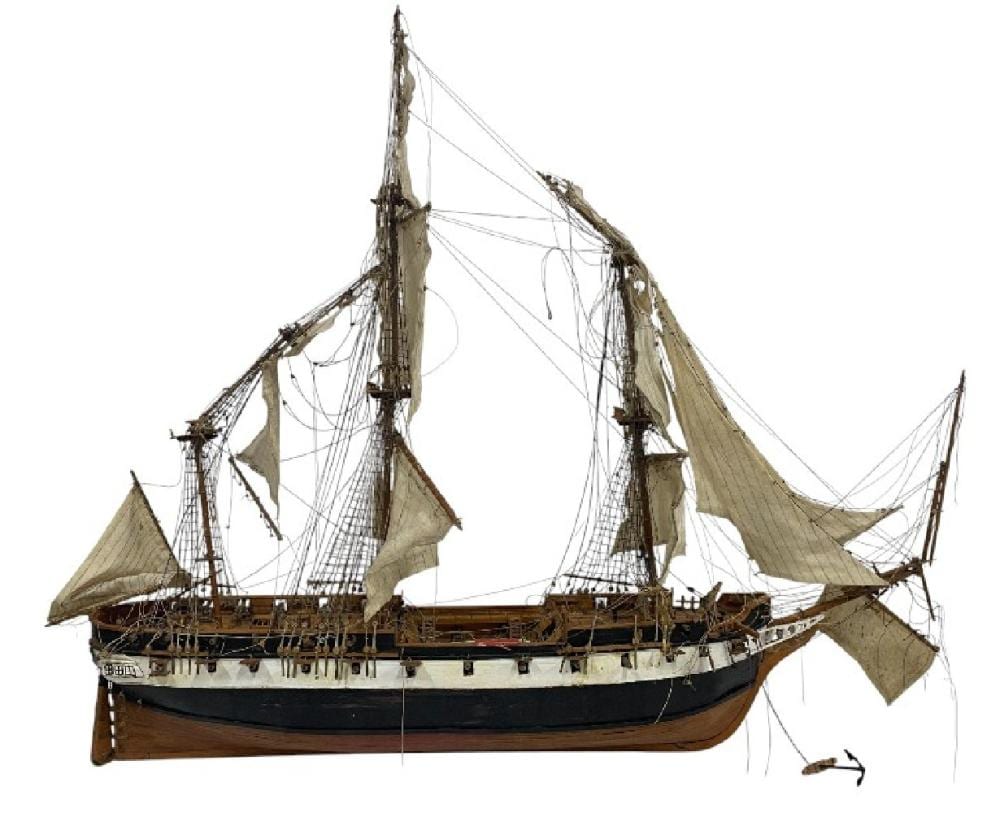
- Losses (broken ratlines, missing deadeyes, replaced sails) decrease value; sympathetic, documented conservation can stabilize without erasing age.
- Over-restoration—new varnish, stripped and re-painted hulls, modern glossy cases—can halve the price of high-level models.
Provenance
- Documentation of ownership, exhibition history, or deaccession from institutions supports value.
- Links to notable shipyards, naval departments, or shipping lines (e.g., a builder’s model displayed in a line’s offices) often add premiums.
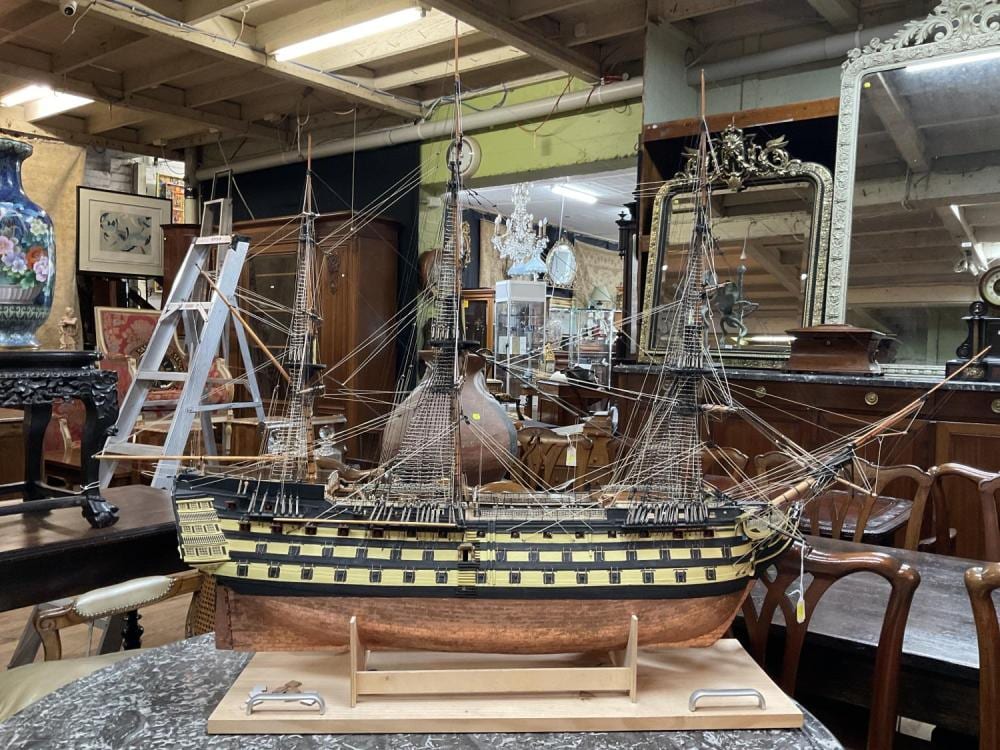
- Ship-specific connections to famous vessels (America’s Cup J-class yachts, HMS Victory, notable clippers, or naval capital ships) bring competitive bidding.
A note on materials and regulations: Some antique models include elephant ivory, marine ivory (walrus), or tortoiseshell. Legal sale, transport, and export can require permits or may be restricted entirely depending on jurisdiction. Establish species/material, date, and documentation before moving or marketing such pieces.
Maker, Subject, and Scale: Premium Drivers You Can Spot
Once the fundamentals check out, evaluate the traits that can propel a model from “good” to “best-in-class.”
Maker and Workshop
- Named workshops or documented shipyard model shops usually outperform anonymous examples.
- British, American, and French naval/shipyard models of the 19th–early 20th centuries are particularly sought after, especially when accompanied by original cases and plaques.
- Commercial firms like Bassett-Lowke produced both kits and finished display models; factory-built display pieces with original plaques and cases can be strong.
Subject and Era
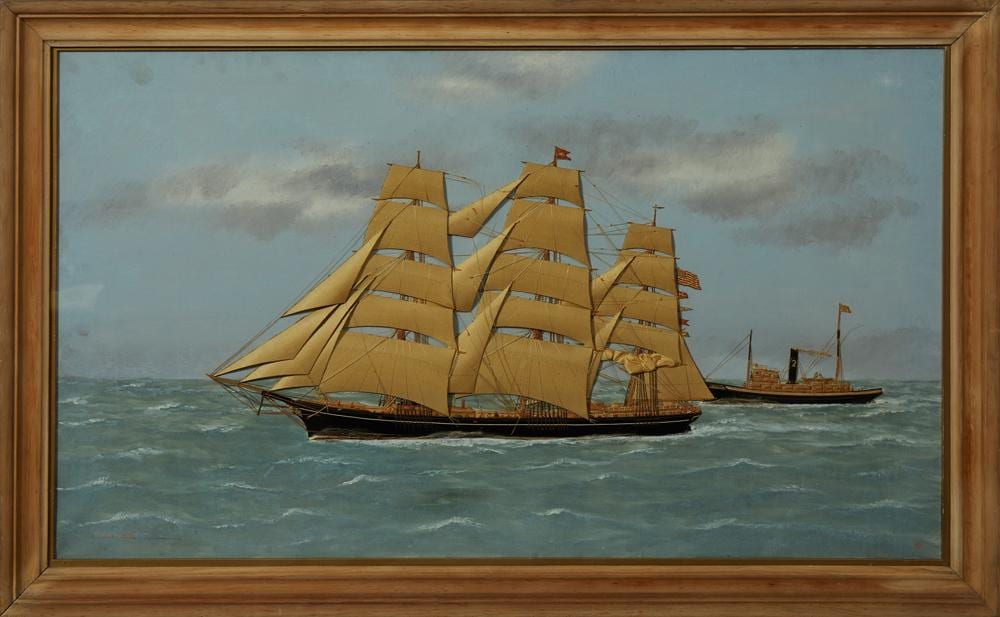
- Premium subjects include iconic warships, celebrated clippers (tea and extreme clippers), transatlantic liners, America’s Cup yachts, and technologically important prototypes.
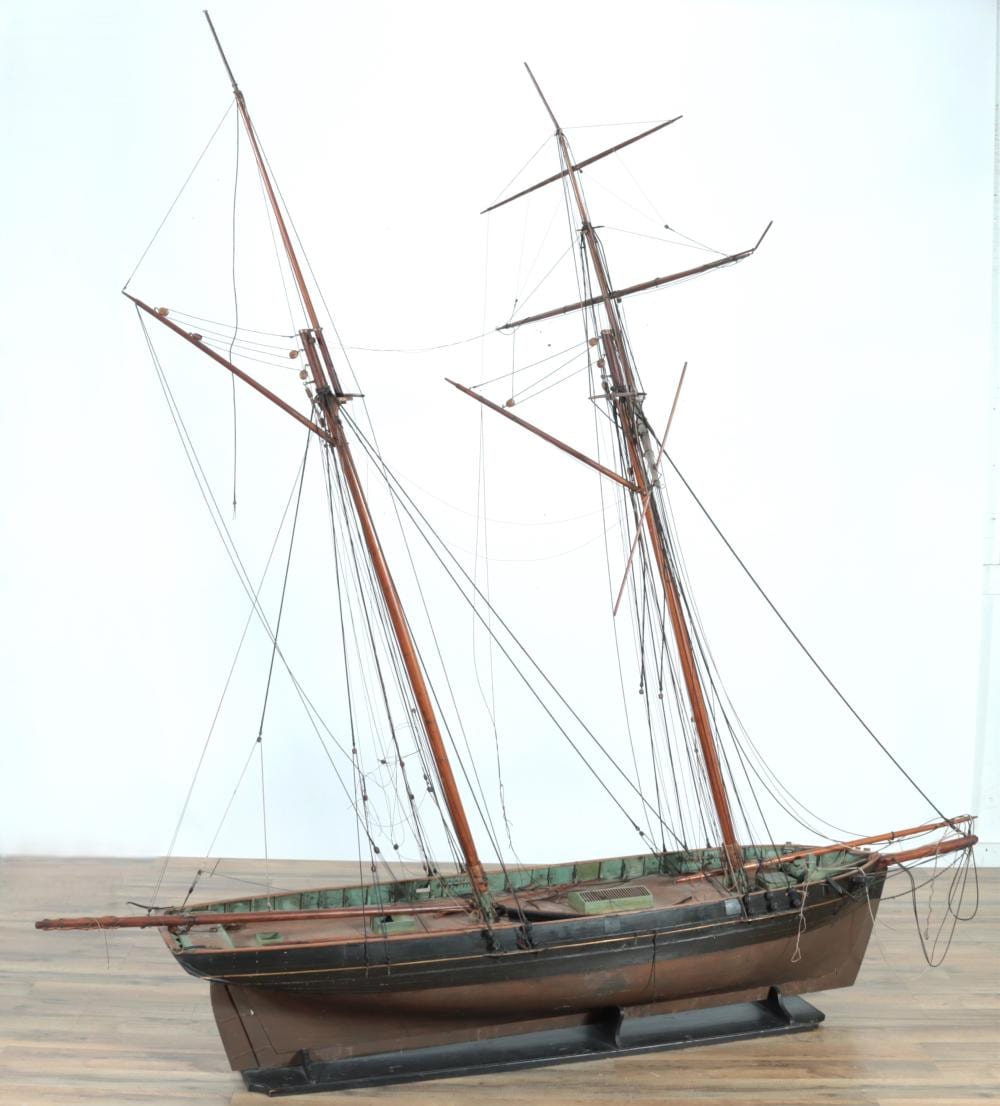
- Working craft (whalers, pilot boats, tugs) have collecting bases; high craftsmanship and accurate equipment details matter.
Scale and Presence
- Larger models often show higher detail and can be more valuable, but logistical issues (display, shipping) sometimes temper demand in general markets.
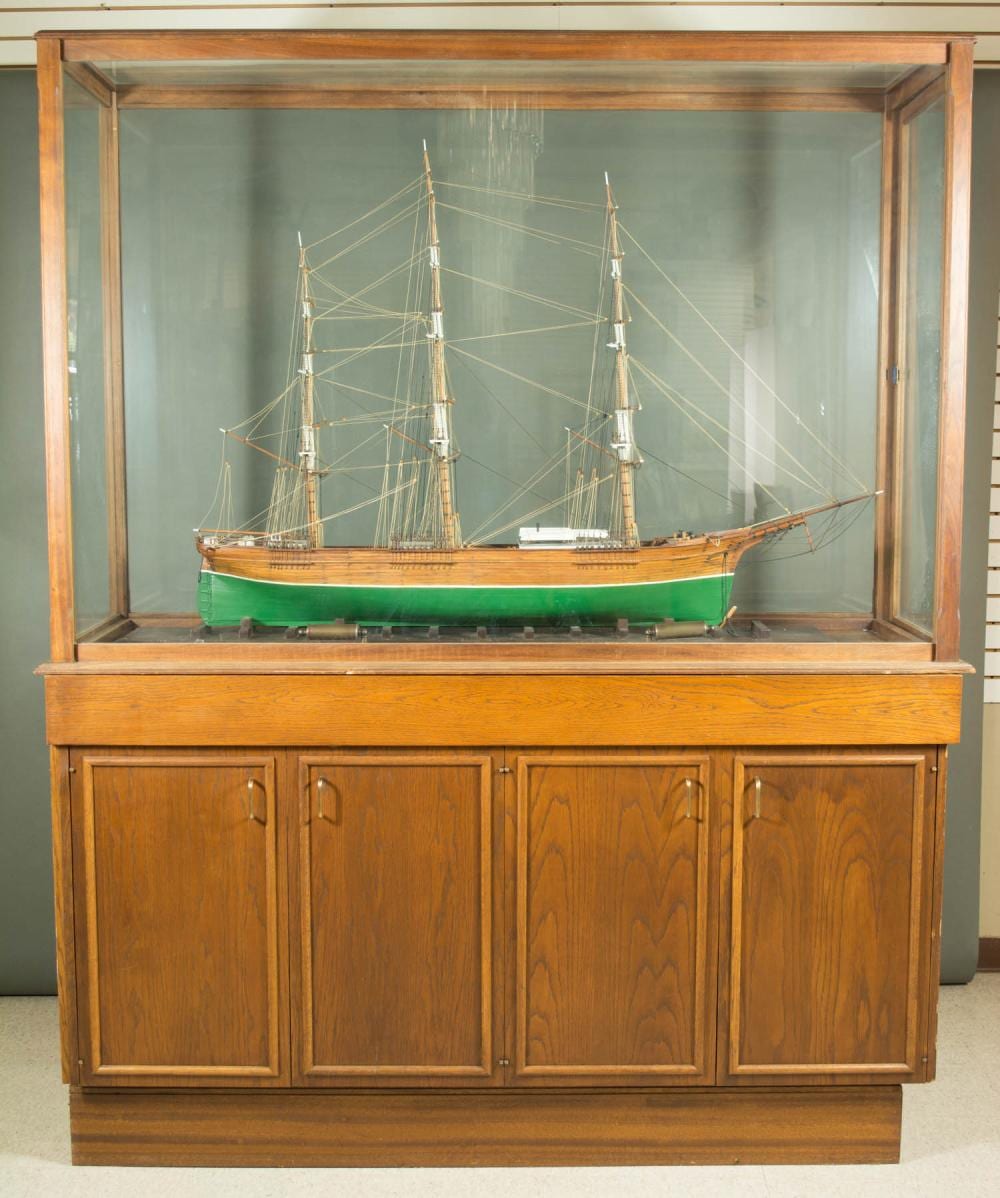
- Museum-scale builder’s models with long cases and detailed deck equipment command strong prices when complete.
Accuracy and Fidelity
- Check hull lines against historical plans where available. Look for correct sheer, camber, and deck fittings; believable coppering or planking patterns; and consistent rigging logic.
- Sails: original or period replacements? Machine-stitched modern sails on an otherwise old model usually depress value.
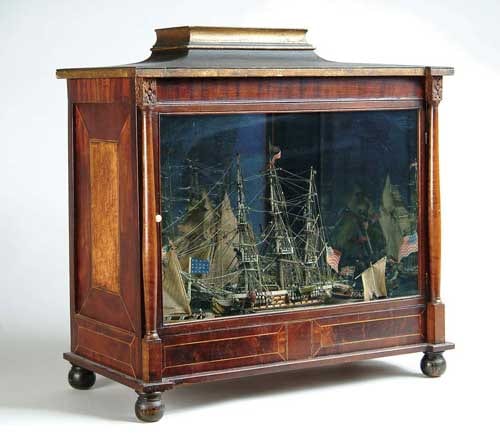
Cases and Mounts
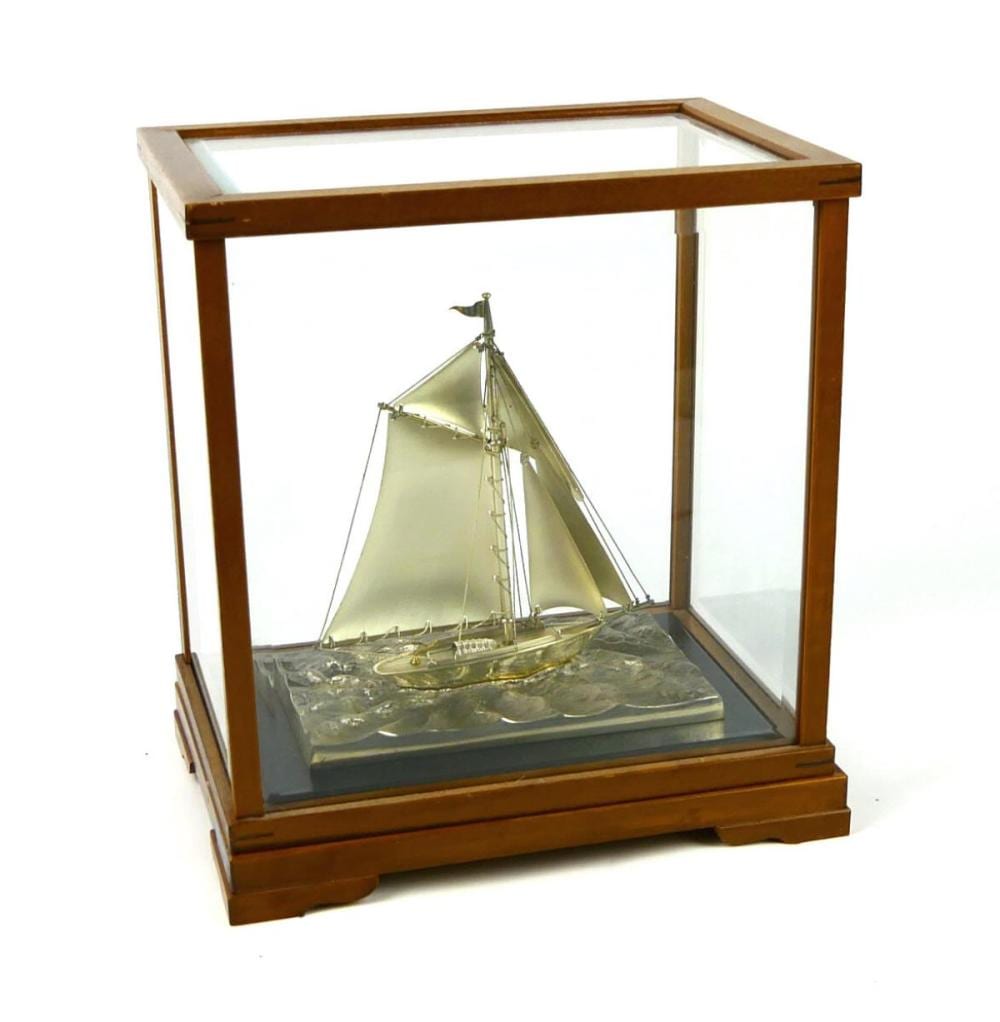
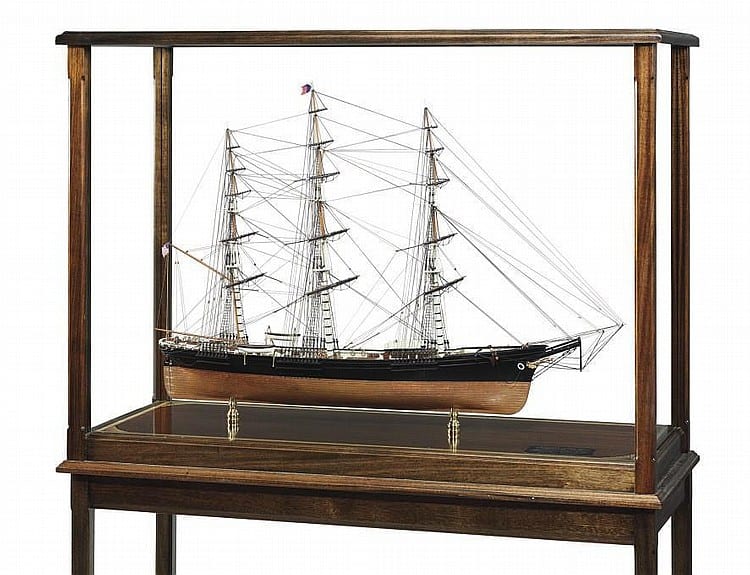
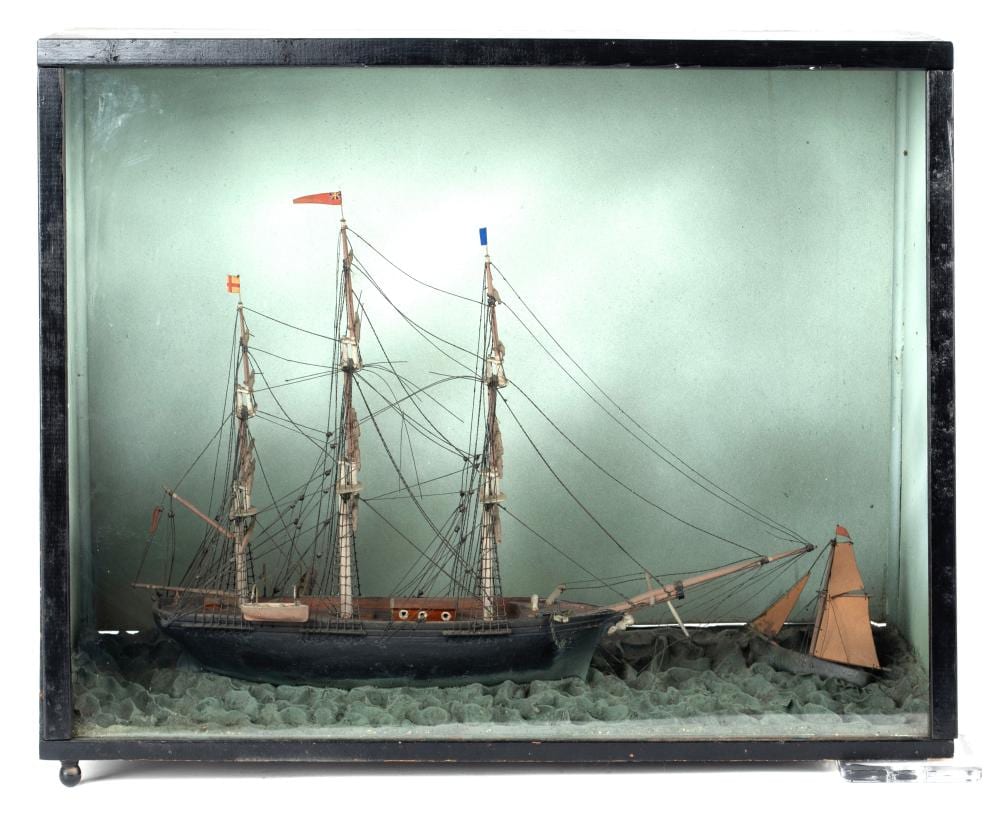
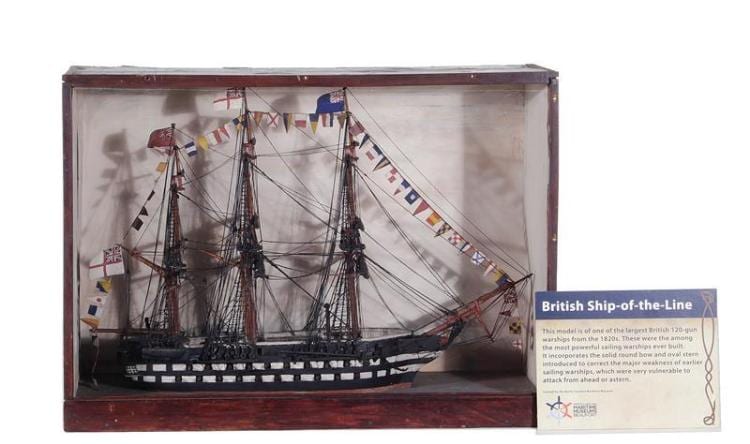
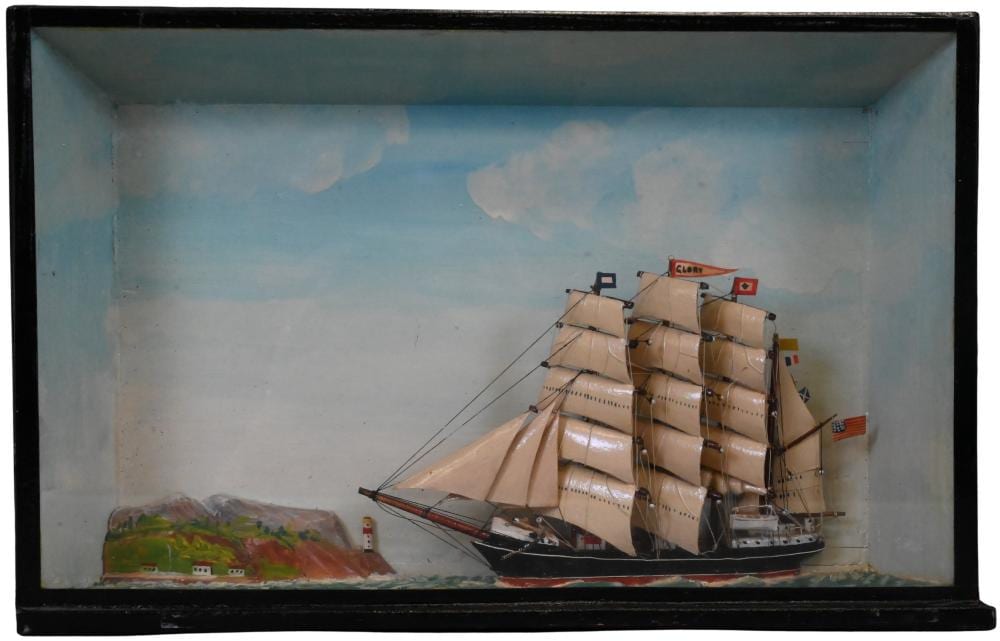
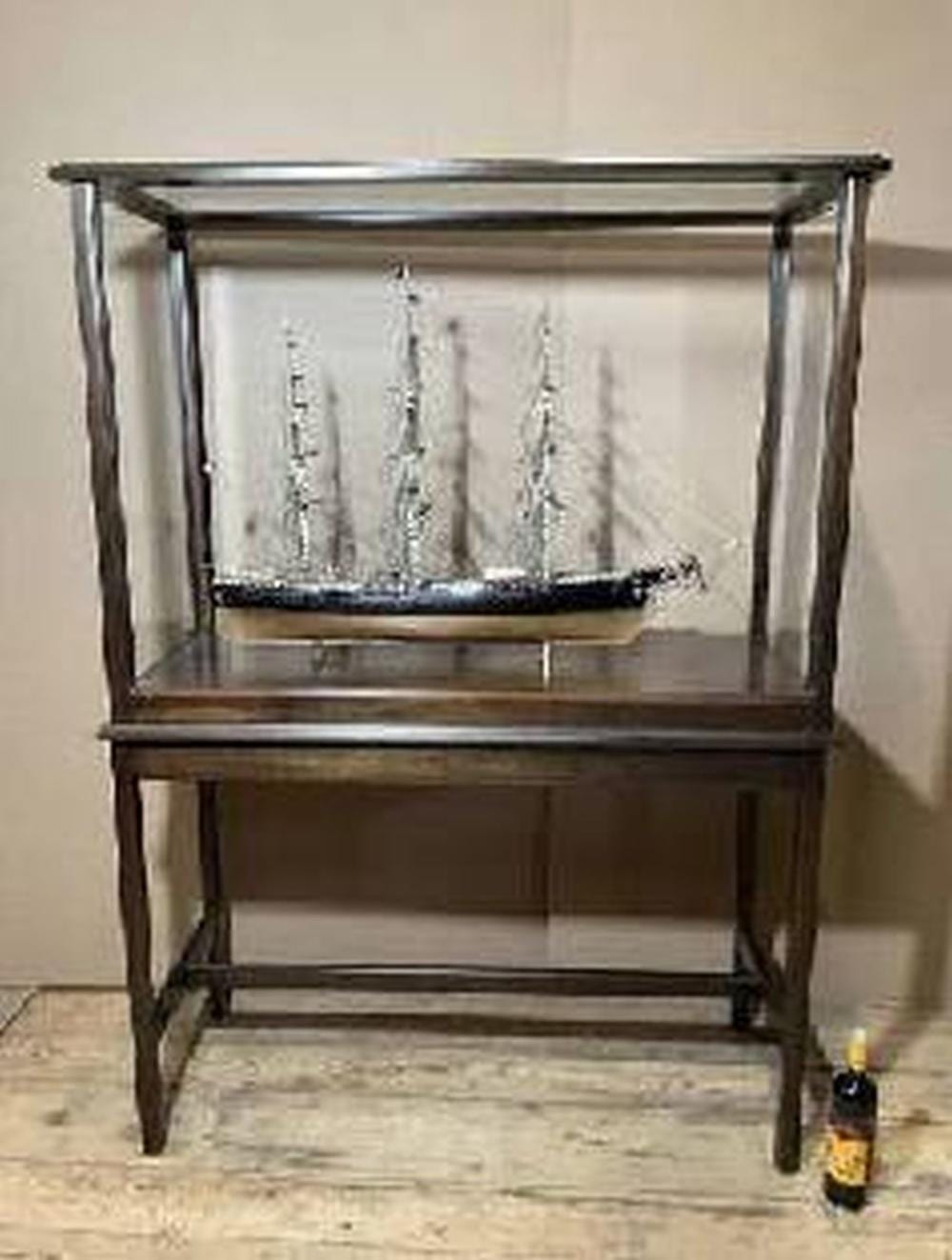
- Original glass and mahogany cases, wave-molded glazing, stepped pedestals, and period mounts materially increase value by protecting and supporting originality.
- Later acrylic covers or mismatched bases reduce coherence but can be acceptable for protection if documented as later additions.
Diagnosing Condition and Restoration—What Helps, What Hurts
A careful condition analysis starts with non-invasive observation.
Structure
- Check for warping of the keel, hogging/sagging, split planks, and loose deck sections.
- Examine the interface between model and base: altered or new screws, fresh drill holes, or witness marks may indicate re-mounting.
Rigging
- Identify broken lines, perished fibers, and later replacements. Uniform, bright white thread among ambered, oxidized lines suggests piecemeal intervention.
- Blocks, deadeyes, chainplates, and belaying pins should match in age and style.
Surface and Finish
- Original shellac or varnish should show gentle crazing or mellowing rather than modern gloss.
- Do not clean aggressively. Over-cleaning brass to a mirror shine or scrubbing sails can destroy value.
Case and Glazing
- Scratched or cracked glass, missing moldings, and non-original hardware should be noted. Cases are integral; original, intact cases often contribute substantially to value.
Conservation vs. Restoration
- Conservation: stabilizing rigging, consolidating flaking finishes, replacing missing panes with period glass, and reversible adhesives—typically value-neutral to positive when documented.
- Restoration: wholesale re-rigging, repainting hulls, or replacing spars—usually value-negative unless the model was otherwise near-loss. Documentation of any intervention is essential.
Document everything. A conservator’s report with before/after photos becomes part of provenance and helps future appraisers understand what’s original.
Establishing Price: Market Evidence, Channels, and Valuation Purposes
Value is contextual. Identify the valuation type and the market you’re addressing.
Valuation Types
- Fair Market Value (FMV): the price a willing buyer and seller would agree upon in an open market; typically aligns with auction results.
- Retail Replacement Value (RRV): higher than FMV; used for insurance to reflect dealer retail pricing and replacement costs.
- Liquidation Value: lower, reflecting a constrained sale timeframe or distressed conditions.
Use Market Evidence
- Focus on close analogs: same type (e.g., shipbuilder’s model), era, subject, scale, case condition, and documented originality.
- Adjust sold examples for differences (missing case, replaced rigging, smaller scale, less-known subject).
- Weight fresh sales more heavily in shifting markets, but don’t ignore exceptional older benchmarks when model quality is similarly exceptional.
Market Channels
- Specialist nautical auctions: best for high-end builder’s models, POW bone models, and museum-level works.
- General fine art auctions: solid for well-known subjects or named makers.
- Dealers and galleries: provide curation, context, and restoration pathways; retail pricing reflects overhead and expertise.
- Private sales and online platforms: broader audience, variable buyer confidence; detailed condition reporting is critical.
Photographic Evidence and Reporting
- Provide scale references, case views, close-ups of rigging and fittings, maker’s marks, and any inscriptions.
- Include measurements (overall case, model length, beam, height) and materials identified to the best of your ability.
Regional and Legal Considerations
- Models containing restricted materials or tied to national heritage controls may have export limitations; these constraints affect marketability and value.
Finally, reconcile your findings into a reasoned value range rather than a single number. A narrative appraisal that cites type, maker attribution, condition, provenance, and market evidence will stand up to scrutiny.
Practical Checklist: Appraising an Antique Model Ship
- Identify the type:
- Admiralty/Board, shipbuilder’s, sailor-made/POW bone, folk art, pond yacht, half-hull, or kit/hobbyist.
- Record measurements:
- Model length, beam, height; case dimensions; scale if known.
- Inspect materials and construction:
- Plank-on-frame vs. solid hull, treenails/pins, metal fittings, original finish, case wood and glass.
- Capture all marks:
- Maker’s plaques, labels, inscriptions, retailer tags, shipyard identifiers.
- Document condition:
- Structural integrity, rigging completeness, sail condition, case integrity; note any losses or replacements.
- Assess age and originality:
- Period-correct details, oxidation patterns, tool marks, glue types, fasteners.
- Evaluate provenance:
- Ownership history, exhibition or publication, deaccession papers, shipyard documentation.
- Research market evidence:
- Align type, subject, scale, maker, and condition; adjust for differences.
- Determine valuation purpose:
- FMV, RRV, or liquidation; select appropriate market channel context.
- Decide on conservation:
- Prioritize reversible stabilization; avoid cosmetic overhauls without expert guidance.
FAQ
Q: How can I tell if my model is a shipbuilder’s presentation model rather than a hobby build? A: Look for exceptional consistency and precision, fine varnished finishes, accurate deck machinery, and an original glass/mahogany case. Shipbuilder’s models often carry plaques naming the yard, vessel, and date. Hobby builds—even excellent ones—typically reveal minor inconsistencies, modern materials, or lack the formal case and plaque.
Q: Do replaced rigging or later sails ruin the value? A: Not necessarily, but they usually reduce it. Sympathetic, well-documented replacements may be acceptable, especially on otherwise outstanding models. Broad re-rigging with modern thread or newly sewn sails on an antique hull often signals over-restoration and can significantly depress price.
Q: Are pond yachts collectible, or do only museum-grade models have value? A: Quality pond yachts by known makers, in larger scales with original fittings and stands, are collectible and can achieve strong results. Crisp lines, original paint and hardware, and maker marks (and boxes, if any) drive premiums.
Q: What should I clean, if anything? A: As little as possible without professional advice. Dust gently with a soft, non-shedding brush; avoid liquids on rigging or sails. Do not polish metals or re-varnish. If stability is a concern, consult a conservator for reversible, minimal intervention.
Q: Can models with ivory or tortoiseshell be sold? A: Laws vary by jurisdiction and material. Document age and species; you may need permits, and some transfers are prohibited. These compliance requirements affect both marketability and value, so verify before offering for sale or shipping.
By understanding type, attribution evidence, condition, and provenance—and by aligning your piece with the right comparables and market—you’ll move from guessing to grounded appraisal. Handle cautiously, document thoroughly, and when in doubt, consult a specialist conservator or appraiser: the finest models reward patience and rigor with enduring value.