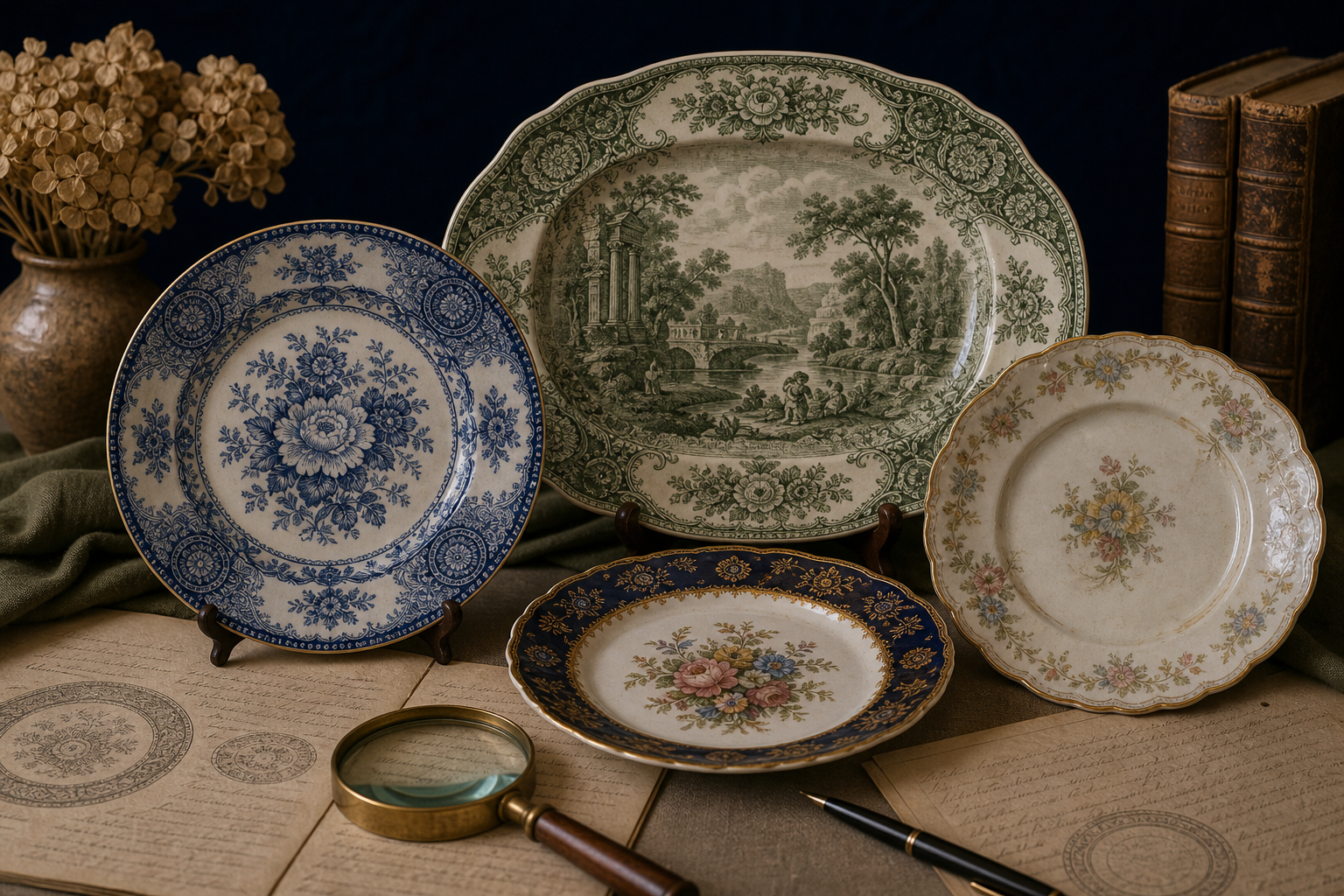
Unlocking the Secrets to Determining Your Antique Plates Value a Collectors Guide: appraisal and value basics
Unlocking the Secrets to Determining Your Antique Plates Value a Collectors Guide research should start with identification, condition, provenance, and item-specific market evidence. Use this guide to compare the signals that matter before paying for a formal appraisal or deciding whether to sell.
Antique plates value checklist
Whether you inherited a stack of heirloom dishes or found a single showstopper at a flea market, determining antique plates value comes down to four pillars: correct identification, objective condition assessment, realistic market comparables, and a clear selling or appraisal strategy. This guide walks you through each step with specific, practical techniques used by appraisers and seasoned collectors.
What Makes an Antique Plate Valuable?
Value is a function of desirability multiplied by condition and substantiated by market evidence. The main drivers include:
- Maker and workshop: Early Meissen, Sevres, KPM Berlin, Vienna (beehive), Royal Worcester, Coalport, Spode, Wedgwood, Royal Doulton, Limoges decorators, and Chinese imperial/kiln pieces generally carry premiums. So can American historical Staffordshire and fine Delft.
- Date and period: 18th-century European porcelain, Qing-dynasty Chinese export, early 19th-century English transferware, and high-style Aesthetic/Art Nouveau/Art Deco eras tend to outpace later mass production.
- Body and method: True porcelain (translucent), bone china (creamy translucence), hard-paste vs soft-paste porcelain, tin-glazed earthenware (Delft), ironstone, and stoneware indicate different quality tiers and markets. Hand-painted work (especially by named artists) is usually more valuable than transfer-printed or decal-decorated wares.
- Pattern and design: Encrusted or raised paste gilt, reticulated (pierced) rims, pâte-sur-pâte, molded borders, scenic or portrait cabinet plates, armorial crests, early Imari, famille rose, and unusual forms raise desirability.
- Size and function: Chargers (11–13 inches) and large cabinet plates often command more than standard dinner (9.5–10.5 inches), luncheon (8.5–9 inches), or dessert (7–8 inches) plates. Note that earlier dinner plates may be smaller than modern standards.
- Rarity and completeness: Scarce patterns, small production runs, and complete sets in consistent, excellent condition draw stronger bids. Exceptionally rare singles can outperform sets.
- Provenance and labels: Retailer marks (Tiffany, Liberty), collection or museum labels, and documented provenance provide confidence and can add value.
- Current trends: Markets move. Flow Blue and limited-edition collector plates have softened, while top-tier cabinet pieces, fine Chinese export, and early European porcelain remain strong.
Identify What You Have: Body, Decoration, and Marks
Correct identification underpins any valuation. Work methodically:
- Body type and translucency: Hold the plate to a strong light. True porcelain is translucent. Bone china shows a warm, creamy translucence. Ironstone and earthenware are opaque and heavier. Tin-glazed Delft has a soft, slightly porous feel with a matte-ish glaze and sometimes pitting.
- Decoration technique:
- Hand-painted: Brushstrokes, slight variations, raised enamels. Look for signatures on cabinet plates.
- Transferware: Repeating patterns with dot rosettes or a “stippled” appearance under magnification; seams or slight misregistrations at borders.
- Overglaze enamels and gilding: Sit on top of the glaze; subject to wear on high points.
- Underglaze blue (e.g., blue-and-white): In the glaze, typically sharper and resistant to surface wear.
- Shape and construction: Rim profiles (lobed, scalloped, reticulated), footring height, and back structure can indicate period and maker. Stilt marks (three small evenly spaced points from kiln supports) are normal on many wares.
- Maker’s marks and date clues:
- Country-of-origin: After the McKinley Tariff (effective 1891), imports typically show the country name (e.g., “England”). Around 1921, “Made in England” or “Made in Japan” becomes common. “Nippon” generally indicates 1891–1921; “Occupied Japan” marks date to circa 1947–1952.
- European systems: Sevres has interlaced L’s with date letters; Meissen’s crossed swords vary by period (watch for cancellation marks indicating seconds); Royal Worcester used dots and codes by year; Royal Copenhagen’s three waves and painter’s numbers can date pieces; KPM uses a scepter and sometimes an orb; Vienna beehive marks are heavily copied.
- Limoges: Multiple factory and decorator marks (e.g., Haviland) matter; decorator marks can significantly impact value.
- Chinese and Japanese: Reign marks can be apocryphal; export porcelain often has English-language retailer marks. Use stylistic and material analysis alongside marks.
- Measurements: Record diameter precisely to match comps. Earlier dinner plates often under 10 inches; chargers typically 11–13 inches.
Tip: Photograph the front, back, footrim, marks, and any anomalies. Good images make research and appraisals more reliable.
Condition and Restoration: How Much Does It Matter?
Condition can multiply or slash value. Grade honestly:
- Common terms: Mint/Excellent (no chips, cracks, hairlines; minimal wear), Very Good (light utensil marks or slight gilt wear), Good (small chip or hairline, noticeable wear), Fair/Poor (major damage, staining, repairs).
- Typical issues:
- Crazing vs crackle: Fine network of glaze lines (crazing) is common in earthenware and some porcelain; can trap stains. Intentional “crackle” in some wares is decorative—identify context.
- Hairlines: Fine cracks visible under light; they reduce structural integrity and value.
- Chips: Rim nicks (“flea bites”) vs larger losses; location matters—front rim and medallion chips are more impactful than tiny footrim nibbles.
- Utensil and stacking marks: Gray cutlery lines, abrasion on high points, and shelf wear on the footrim are expected with age but still affect price.
- Gilt and enamel wear: Loss on raised paste gilding or enamel jewels is significant on cabinet plates.
- Staining: Tea-stain halos and brown lines in crazing can be hard to remove safely.
- Repairs and restoration:
- Detection: Use a 10x loupe, raking light, and a simple UV torch. Restorations often fluoresce differently, feel warmer to the touch, or show overpaint on edges. Check drilled holes (for wall hanging) and filled chips.
- Impact: Professional, invisible restorations can preserve display value, but untouched examples usually remain more desirable. Overpaint and heavy regilding are major deductions.
- Factory flaws: Kiln grit, stilt marks, and minor glaze skips are manufacturing artifacts and less penalizing than post-production damage—note them accurately.
Document condition thoroughly. Serious buyers pay for honesty and detail.
Market Benchmarks by Category
Use these category snapshots as context; actual prices depend on specifics and condition.
- Early European porcelain (Meissen, Sevres, KPM, Vienna):
- Cabinet plates with hand-painted portraits/scenes, raised gilt, and artist signatures can run high three to four figures, exceptional examples five figures.
- Everyday floral dinner plates vary widely: mid-hundreds for fine 19th-century sets; higher for rarities.
- British porcelain and earthenware:
- Royal Worcester, Coalport, Minton, Spode: Quality cabinet plates often mid-to-high hundreds; exceptional artists higher. Aesthetic Movement and Japonisme designs attract interest.
- Transferware (blue-and-white, historical scenes, Flow Blue): Common patterns are modest per plate; rarer American historical Staffordshire sells for much more; Flow Blue peaked in popularity and has cooled, but prime examples still sell.
- Tin-glazed Delft and faience:
- 18th-century Dutch Delft chargers with good painting: low to mid-thousands; later or provincial pieces: mid-hundreds.
- Chinese export porcelain:
- 18th-century famille rose or armorial plates: mid-hundreds to several thousands depending on arms, quality, and condition. Exceptional rarities reach five figures and beyond.
- Japanese Imari (Edo–Meiji): Decorative chargers with strong palettes: low hundreds to low thousands; mass 20th-century examples lower.
- French and Limoges:
- Factory-decorated vs studio-decorated matters; signed scenic cabinet plates can be mid-to-high hundreds. Generic floral plates are modest.
- 20th-century iconic tablewares:
- Fiesta, Russel Wright, Scandinavian mid-century: not “antique” but collectible; exceptional colors/forms can be strong, while common pieces are affordable.
- Limited-edition collector plates (1970s–1990s):
- Production was high; secondary market is weak. Most examples sell below original issue prices.
As a rough orientation only (not guarantees), from least to most valuable: common 20th-century dinner plates; good 19th-century English transferware; quality cabinet plates; early Meissen/Sevres/KPM or rare Chinese export. Check recent sold listings for the same maker and pattern before pricing.
Finding and Interpreting Comparable Sales
“Comps” are your anchor. Prioritize sold prices over asking prices.
- Where to look: Major and regional auction results, dealer price lists, antiques fairs and show reports, and verified online marketplaces with sold-item histories. Use multiple sources to avoid outliers.
- Matching criteria:
- Maker and mark: Same factory, period mark variant, and decorator where applicable.
- Pattern and motif: Exact pattern names or numbers; border style and rim shape; degree of gilding.
- Size and function: Compare 10.25-inch dinner plates to dinner plates, not chargers.
- Condition: Adjust for hairlines, chips, restoration, and gilt/enamel wear. Note that “as is” sale language typically reflects issues.
- Provenance: Museum deaccessions or prestigious collections can inflate prices.
- Normalize prices:
- Fees and taxes: Auction hammer plus buyer premium, taxes, and shipping should be considered when comparing auction results to retail.
- Currency and location: Convert currencies and note regional preferences (e.g., strong local market for certain British or Scandinavian wares).
- Timing: Markets shift. A record price from a decade ago may be aspirational today; look for recent sales.
- Read cataloging language carefully:
- Terms like “possibly,” “in the manner of,” or “after” indicate uncertainty and reduce confidence.
- “Cabinet plate” implies display piece; “service plate/charger” indicates large size and wide decorative borders.
Track your findings in a simple spreadsheet with fields for maker, size, pattern, condition, sale date, venue, and price. A dozen well-matched comps is better than a hundred loose references.
Authentication, Red Flags, and When to Call an Appraiser
Reproductions and fantasy pieces abound. Guard against:
- Suspicious marks:
- Spurious Sevres interlaced L’s without proper date letters or painter’s marks; crude Meissen crossed swords; generic “beehive” Vienna stamps; ubiquitous crowned “N” Capodimonte marks slapped on modern wares.
- Chinese apocryphal reign marks paired with later bodies/decoration. Judge the whole object, not just the mark.
- Artificial aging:
- Uniform “tea staining,” chemically induced crazing, or painted-on wear. Compare front vs back wear; authentic footrims show randomized abrasion and kiln grit.
- Incongruent details:
- High-quality raised gilding with a rough, heavy body, or mismatched pattern elements. Reticulated rims require crisp, clean piercing on better pieces.
- Later reissues:
- Many factories reissued classic patterns. Backstamp variations, date codes, and body differences help date reissues; later examples usually bring less.
When to get a professional appraisal:
- Insurance or estate needs: You need formal documents using recognized definitions (fair market value vs replacement cost).
- High-value suspects: Early European porcelain, Chinese imperial/export rarities, signed cabinet plates by noted artists.
- Disputes or authentication debates: An appraiser with a ceramics specialty can save costly mistakes.
Preparing for an appraisal or sale:
- Assemble clear photos, precise measurements, and a condition report.
- Note any restoration history or provenance.
- Decide whether to sell as a set or individually: Complete, matching services can do well, but rare cabinet plates and chargers often outperform as singles.
- Factor shipping risk: Plates are fragile; double-boxing and proper padding are essential and affect net proceeds if selling online.
Practical field checklist
- Measure diameter and note form (dinner, charger, dessert).
- Test translucency and note body (porcelain, bone china, earthenware, ironstone).
- Record marks: factory, decorator, country-of-origin, date codes.
- Identify decoration: hand-painted vs transfer, gilt type, special techniques.
- Grade condition: chips, hairlines, crazing, stains, gilt/enamel wear; check under UV.
- Photograph front, back, footrim, marks, and any flaws.
- Research 5–10 closely matched sold comps; normalize for fees and date.
- Decide appraisal type (insurance vs fair market) and selling route (auction, dealer, private).
FAQ
Q: Are cracked or crazed plates worthless? A: Not necessarily. Hairlines and cracks reduce value substantially, especially on high-end pieces, but rare patterns or early examples may remain collectible. Crazing is common on earthenware and some porcelains; light, clean crazing is more acceptable than stained, structural cracks.
Q: How do I clean an antique plate safely? A: Use lukewarm water, a mild, non-abrasive detergent, and a soft cloth. Avoid soaking gilded or hand-painted areas, bleach, harsh chemicals, and dishwashers. Dry gently. If stains are severe, consult a conservator rather than attempting aggressive methods.
Q: Does a full dinner service bring more than single plates? A: Often, yes—if the set is consistent in pattern, size, and condition. However, standout cabinet pieces, chargers, or scarce patterns can sell better individually. Evaluate both strategies based on comps.
Q: Are 1970s–1990s limited-edition collector plates valuable? A: The secondary market is generally weak due to high production volumes. Most trade below original issue prices. Exceptions exist for certain artists or themes, but they are uncommon.
Q: What measurements matter to buyers? A: Diameter to the nearest 1/8 inch, weight if notable, and exact function (charger, dinner, salad, dessert). Include rim type (scalloped, reticulated), and note any wall-hanging holes or stands, which can impact value.
With careful identification, honest condition grading, disciplined comp research, and a smart strategy, you can turn uncertainty into confidence and determine your antique plates value with precision.


