Unlocking the Past Discovering the Hidden Value of Vintage Typewriters: appraisal and value basics
Unlocking the Past Discovering the Hidden Value of Vintage Typewriters research should start with identification, condition, provenance, and item-specific market evidence. Use this guide to compare the signals that matter before paying for a formal appraisal or deciding whether to sell.
Vintage typewriter value checklist
Vintage typewriters are more than nostalgic decor. For appraisers, dealers, and serious collectors, these machines are a nexus of industrial design, social history, and mechanical artistry. The hidden value in a typewriter often rests in details most people overlook: a rare typeface on the slugs, the particular shade of hammertone paint, an intact set of decals, or a typed letter tucked inside the case that ties it to an author or an era. This guide explains how to identify, appraise, and preserve those details so you can separate the merely old from the truly valuable.
Why Vintage Typewriters Still Matter
- Cultural resonance: Typewriters mark the democratization of writing and office work, anchoring a century of publishing and personal correspondence. They connect to film, architecture, mid-century design, and the craft revival.
- Mechanical appeal: Fully analog, serviceable machines with precision linkages and a satisfying tactile experience draw enthusiasts who value repairable tools.
- Market crossovers: Collectors span several niches—industrial design, mid-century modern, advertising ephemera, and literary memorabilia—creating multiple paths to value.
- Usability premium: A clean, serviced machine with a crisp platen and aligned type feels “alive” and often commands a premium, especially if original cosmetics remain intact.
Anatomy And Features That Drive Value
Appraising typewriters begins with a close reading of features that impact desirability, rarity, and long-term durability.
Format and era
- Standards (large office machines, early 1900s–1950s): Sturdy, often black japan finish with nickel trim. Common models are affordable; unusual early mechanisms can be significant.
- Portables (1920s–1970s): Lighter, often with fitted cases; top-tier demand today. Ultra-portables (e.g., flat “travel” machines) can be collectible if well-made or in rare colors.
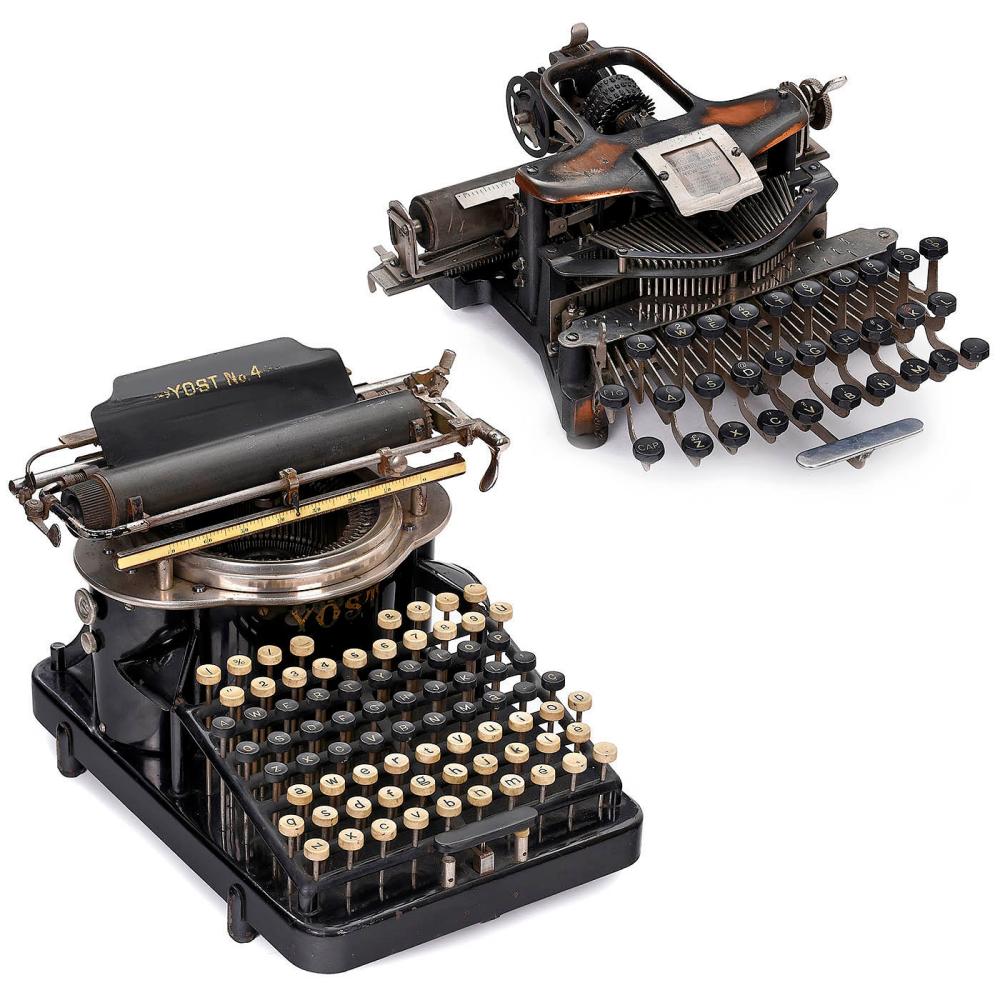
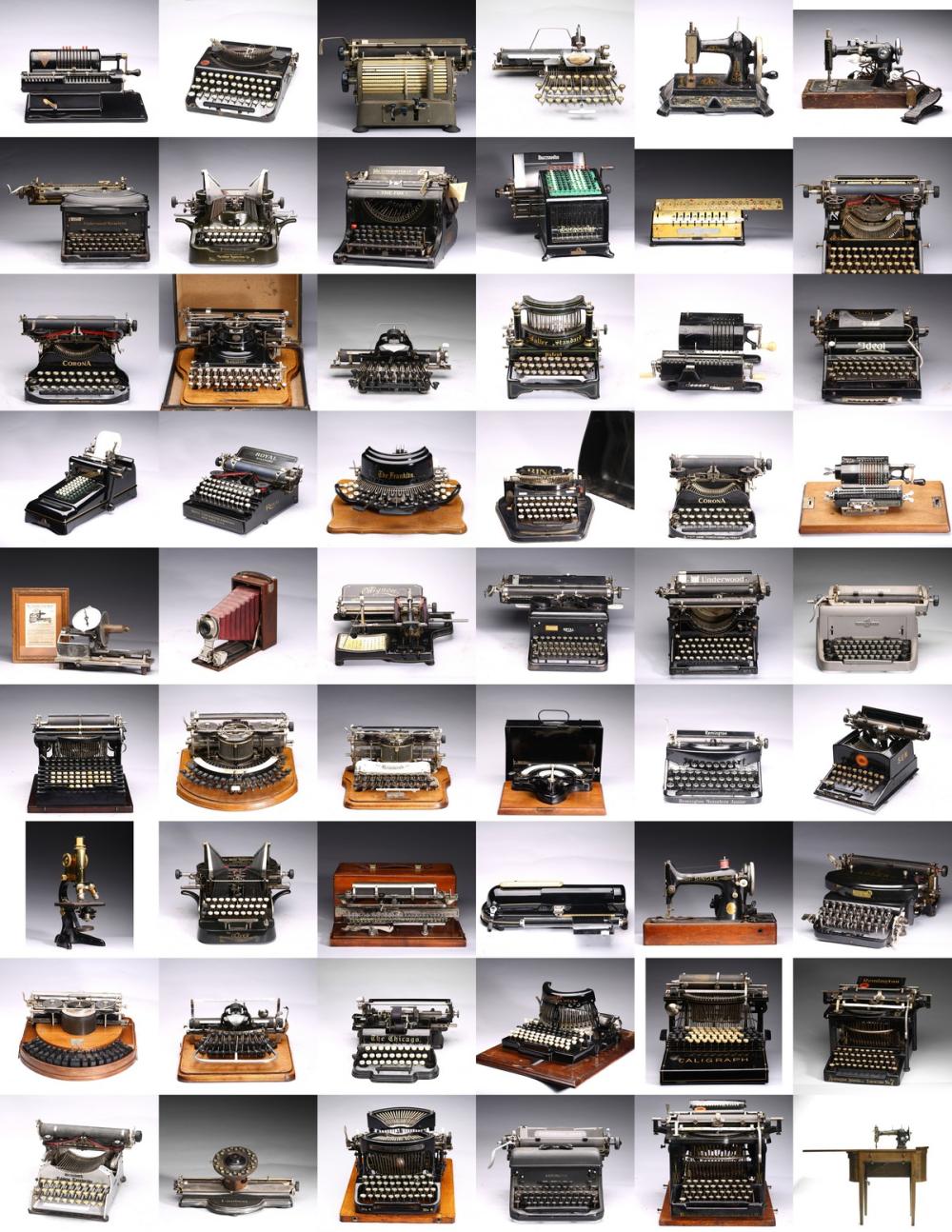
- Early experimental mechanisms (1880s–1910s): Downstrike and index machines (e.g., Oliver, Hammond, Blickensderfer) can be scarce and valuable, especially complete and original.
Type action and mechanism
- Visible writing vs. early “understrike”: Visible machines (e.g., Underwood No. 5) triumphed, but earlier oddities earn value for rarity and design history.
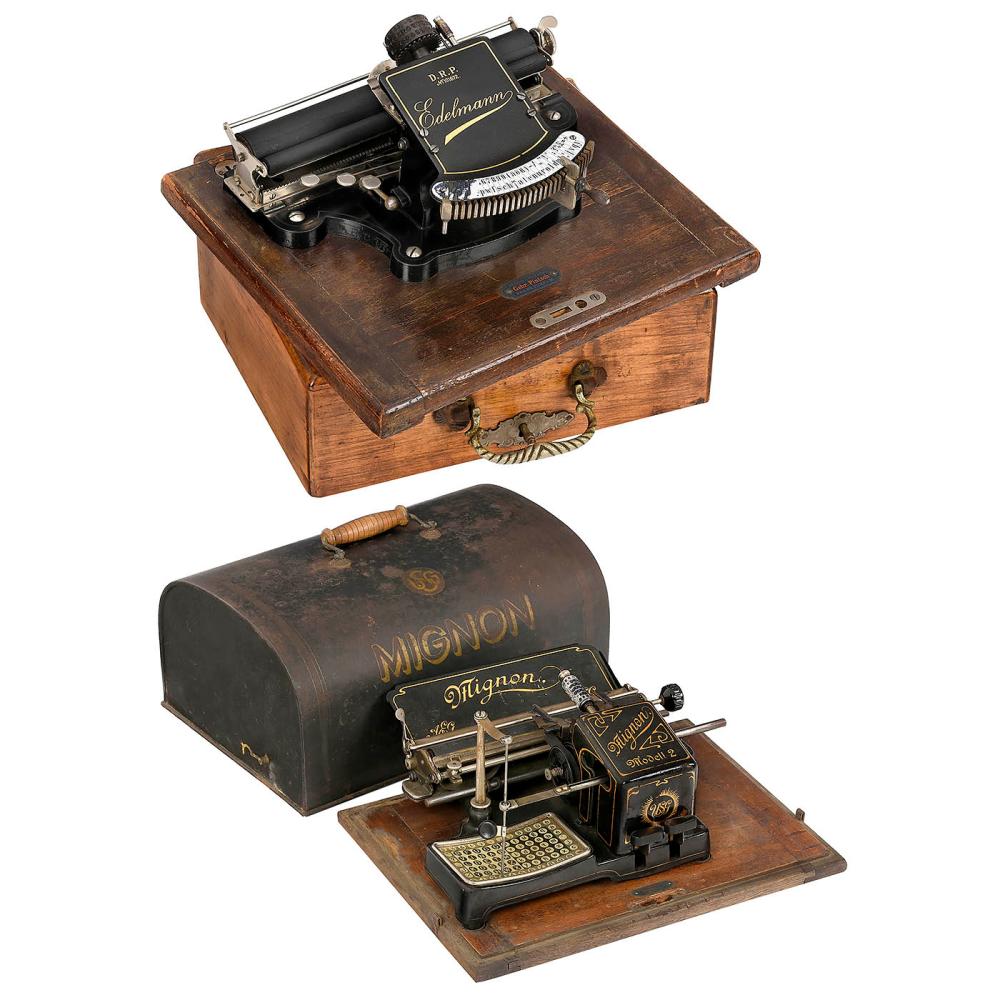
- Unique systems add value: Oliver’s “batwing” downstrike; Blickensderfer’s typewheel; Hammond’s interchangeable type shuttles; folding designs like the Corona 3.
Typeface and keyboard
- Pitch: Pica (10 cpi) and Elite (12 cpi) are common; rare factory typefaces—italic, script, bold, techno/“scientific,” fractions—add value. Non-Latin layouts (Cyrillic, Hebrew, Greek) and national variants can be rarities; value depends on buyer base.
- Keytops: Prewar glass-over-paper keytops are prized when clean and uncracked. Later plastic keytops are common; condition still matters.
- Legends and symbols: Early machines lacked certain symbols (e.g., exclamation), requiring combinations; an unusual character set can intrigue collectors.
Cosmetics and finishes
- Original paint and decals: Crisp decals, glossy original lacquer or japan, and unpolished nickel trim are value drivers. Overpolishing or “touched up” decals reduce desirability.
- Colorways: Beyond black, sought-after factory colors include greens and turquoise (e.g., Hermes), two-tone schemes, hammertone finishes, and occasional reds or maroons on portables. Authenticity is key; repaints usually lower value unless documented and done to a high standard for a custom market.
- Cases and accessories: Original cases with working locks, brushes, ribbon tins, manuals, dealer decals, and sales paperwork can add surprisingly strong premiums.
Mechanical health
- Platen and rollers: Hardened rubber is expected; crisp, re-covered rubber improves performance and value. Flat spots and cracked rubber detract.
- Segment and typebars: Gummy segments lead to sluggish or stuck typebars; aligned, free-moving bars indicate good care or serviceability.
- Carriage and escapement: A smooth, even advance with a clear bell, consistent line spacing, and reliable margin/tabs reflects proper function.
- Original parts: Original ribbon spools (with logos), knobs, feet, and paper bails matter. Replaced parts should be period-correct.
Makers And Models To Know
Not all names carry equal weight. The following short list highlights common collector benchmarks and where hidden value tends to appear, for very good to excellent examples; exceptional provenance or condition sells higher.
Underwood
- Underwood No. 5 (c. 1900s–1920s): The canonical office standard; plentiful, but fine, original examples with crisp decals sell well above average ones. Early variants and uncommon carriage widths may fetch more.
Remington
- Remington Portable (1920s–1930s): Especially color variants and early folding designs, which bring the strongest prices. Remington No. 1/Sholes & Glidden (1870s) are museum-level rarities worth five figures, but seldom encountered.
Corona/Smith-Corona
- Corona 3 folding portable (1910s–1920s): Compact with folding carriage; a steady collector favorite. Later Smith-Corona portables (e.g., Silent-Super) in rare colors can sell for strong prices.
Royal
- Royal Quiet De Luxe and siblings (1930s–1950s): Strong market due to design and usability. Early chrome-trim variants and mint cases push higher.
Hermes (Paillard)
- Hermes 3000 (1950s–1960s): Highly sought for its touch and design; pristine, serviced, early “curvy” models sell above later square-body ones, depending on condition.
- Hermes Baby/Rocket: Ultralight; most desirable in uncommon colors.
Olivetti
- Lettera 22/32 (1950s–1960s): Design icons; clean, serviced examples sell best. Rare colors and crisp cases add.
Olympia
- SM3/SM4 (1950s): Superb German engineering; strong demand when serviced.
Oliver, Blickensderfer, Hammond (early mechanisms)
- Oliver No. 3/5/9: priced on originality and completeness.
- Blickensderfer (various): priced on model and completeness; rare keyboards and typewheels sell higher.
- Hammond: complete, original sets with shuttles sell best.
Others to watch: Torpedo 18/20, Adler Special, Continental, Erika, and IBM Selectric (special fonts, mint condition, or corporate provenance) can be sleepers; electrics are heavy and require specific maintenance but nice examples have rising niche demand.
Hidden-value tip: The typeface on the slugs can eclipse the model premium. A common portable with a factory italic or script can outsell a more prestigious model with standard type.
Dating, Rarity, And Provenance
- Serial numbers: Most major manufacturers used serial blocks by year. Locate serials on the frame (often right side under the carriage on portables; behind the platen on standards) and consult recognized serial charts to date production. Avoid arbitrary conclusions—transitional features sometimes overlapped.
- Production volume: Models made for a short run or in specific markets (e.g., export-only keyboard layouts) can be less common and more collectible.
- Provenance and ephemera: Dealer decals, property tags from institutions, original receipts, instruction booklets, and typed letters prove a machine’s story. Literary or film connections, if documented, can multiply value. Keep paper inside the case; never clean off decals or labels until identified.
- Completeness: Original case, key for the lock, brushes, dust covers, spare ribbon tins—all add. Missing feet and mismatched knobs detract.
Condition, Originality, And Restoration
Collectors pay for originality first, then function, then cosmetic perfection. Restoration should be “sympathetic,” not erasing history.
What “excellent” looks like
- Crisp, unfaded decals and paint with minimal scratches.
- Smooth, even typing action; accurate alignment; reliable carriage return and bell.
- Fresh rubber (platen and feed rollers) or documented professional recovering.
- Clean type slugs and segment; no rust bloom or pitting.
Common issues (and what they mean)
- Hardened platen: Usable but loud and prone to cutting paper; factor in cost for recovering.
- Sluggish segment: Old oil turned to varnish; typically serviceable with solvent cleaning.
- Skipping escapement: Wear, contamination, or maladjustment; fixable but time-consuming.
- Misaligned type: Bent typebars or loose segment; requires careful correction.
- Heavy nicotine film, mildew in cases: Cleanable but a red flag for long storage in poor environments.
Sensible servicing
- Cleaning: Use mineral spirits or naphtha sparingly to free linkages; avoid soaking decals or rubber. Compressed air with caution; brush debris out of the segment.
- Lubrication: One drop of light machine oil on pivots; never flood the segment. Avoid silicone sprays and general-purpose penetrants that attract dirt.
- Rubber: Replace feet; consider professional platen/roller recovering for frequent use.
- Ribbons: New 1/2-inch ribbon is widely available on universal spools; some machines need original spools refilled to engage auto-reverse.
- Cosmetics: Preserve patina. Resist repainting unless the machine is cosmetically unsalvageable and you are targeting a custom market—document any refinishing.
What hurts value
- Over-polished nickel, scrubbed-off decals, non-original color repaint, missing case hardware, and swapped keytops.
- Improper “fixes” like glue in segments, over-oiling, or drilled holes for modern accessories.
Buying, Selling, And Shipping Without Surprises
Where to buy
- Estate sales and flea markets: Best for fresh finds; bring a flashlight and a small notepad.
- Specialized dealers and repair shops: Higher prices but vetted condition and function.
- General online marketplaces and auctions: Largest selection; factor in shipping risk and ask for high-resolution photos of serial, slugs, platen, and decals.
What to ask sellers
- Serial number and clear photos of the serial location.
- Typeface sample on paper (10–12 lines in the center of the page).
- Photos of the type slugs (to confirm characters), platen surface, case interior, and any cracks/chips.
- Function notes: Does the bell ring? Do margins, tab, and backspace work? Does the carriage advance evenly?
Shipping basics (to protect value)
- Lock the carriage and center it; secure the return lever so it cannot flex.
- Lower and secure the typebars with a soft band; place foam between typebars and platen.
- Remove loose ribbon spools or secure them; protect knobs with padding.
- Place machine in its case (if sturdy) only as an inner shell; do not ship “case-only.”
- Double-box with 5–8 cm of dense padding on all sides; avoid packing peanuts alone.
Legal and materials considerations
- Some early machines include organic materials (e.g., shell, early plastics); check any restrictions for cross-border shipments.
- Electrified models (e.g., Selectrics) may need voltage and cord checks; shipping weight influences cost and risk.
Market Signals And Price Ranges In 2025
The typewriter market has matured from a purely nostalgic surge into a steadier collector-driven environment.
- Stable demand, selective premiums: Usable, serviced mid-century portables and prewar standards hold steady. Truly original, mint examples and rare typefaces keep climbing.
- Design icons lead: Hermes 3000, Olivetti Lettera 22/32, Olympia SM-series, and Royal Quiet De Luxe in exceptional condition are market staples.
- Early mechanisms are scholar’s favorites: Oliver, Hammond, and Blickensderfer reward careful authentication and completeness.
- Color and typeface scarcity: Authentic non-black finishes and factory specialty typefaces generate multiple bids; verify originality with serial era and period brochures where possible.
- Relative standing (very good to excellent): curvy-body Hermes 3000s sell above later square-body ones, and the design icons above lead the mid-century portables. Early mechanisms such as Oliver, Blickensderfer and Hammond are priced on completeness and originality. Check recent sold listings for the exact model before pricing.
Note: Outliers occur with documented provenance, rare typefaces, and near-new condition with complete accessories.
Concise Field Checklist: Appraising A Vintage Typewriter
- Identify: Maker, model variant, serial number, and keyboard layout.
- Verify format: Standard vs portable; check case and hardware.
- Inspect cosmetics: Original paint, decals, nickel; note chips and overpolish.
- Check typeface: Photograph slugs; request a typed sample; note pitch and rarity.
- Test mechanics: Carriage advance/bell, margins/tab, alignment, ribbon reverse.
- Evaluate rubber: Platen and feed rollers—hard, cracked, or re-covered?
- Confirm originality: Spools, knobs, feet, paper bail, brushes, manuals.
- Assess provenance: Dealer decals, receipts, labels, typed letters in case.
- Price context: Compare against serviced examples, not only raw auctions.
- Shipping plan: Carriage lock, foam block, double boxing, knob protection.
FAQ
Q: Can I still buy ribbons for vintage typewriters? A: Yes. Most use 1/2-inch fabric ribbons on universal spools in black or black/red. Some models need original-style spools for auto-reverse; you can rewind new ribbon onto originals.
Q: Does a repaint increase value? A: Generally no. Collectors prefer original finishes and decals. A high-quality, documented refinish can appeal to a custom decor market, but it usually narrows the buyer pool.
Q: How do I date my typewriter? A: Use the serial number in conjunction with recognized production-year charts for that brand. Cross-check features and decals because transitional changes sometimes overlap.
Q: What’s the best way to store a typewriter? A: Clean, dry environment; case closed; away from direct sun and extreme temperatures. Release carriage tension and avoid resting the platen against raised typebars.
Q: Are electrics collectible? A: Selectively. IBM Selectrics and certain late electrics draw interest when clean, working, and complete with extra elements or unusual fonts, but they’re heavy and more complex to ship and service.
Vintage typewriters reward careful observation. When you learn to read the details—typeface, finish, serial, and provenance—you’ll spot the hidden value others miss, and you’ll preserve a working piece of design history for the next generation.