Unlocking the Past Discovering the Hidden Value of Vintage Soda Bottles: appraisal and value basics
Unlocking the Past Discovering the Hidden Value of Vintage Soda Bottles research should start with identification, condition, provenance, and item-specific market evidence. Use this guide to compare the signals that matter before paying for a formal appraisal or deciding whether to sell.
Vintage soda bottle value checklist
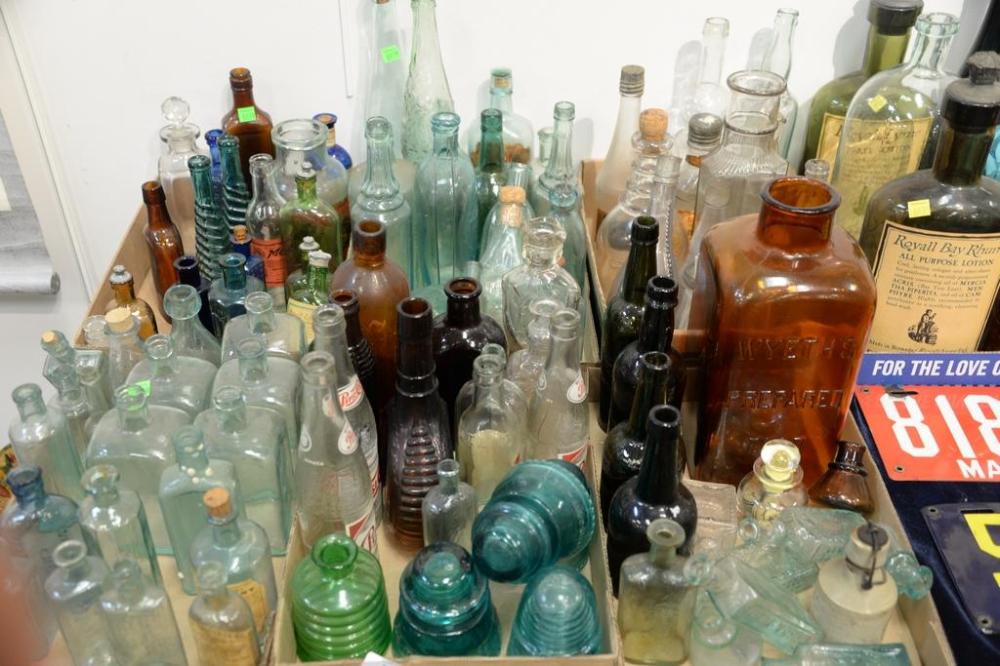
Vintage soda bottles are time capsules of regional industry, design, and everyday life. For collectors and appraisers, a bottle’s glass color, closure type, embossing, and maker’s mark can reveal not only when and where it was made but also how much it may be worth. This guide distills the factors that drive value, how to date and identify key forms, what the market currently pays, and how to preserve both embossed and ACL (Applied Color Label) examples with care.
A Short History in Glass: From Blob-Top to ACL
Blob-top and early soda (c. 1850s–1880s): Thick, often aqua glass with a rounded “blob” finish, commonly hand-blown. Early examples may show an iron pontil scar on the base—a rough, circular mark from the pontil rod—an immediate indicator of age and typically a value booster.
Hutchinson bottles (c. 1879–1912): Patented by Charles G. Hutchinson, these feature a spring-loaded internal stopper and are nearly always embossed with a local bottler’s name and town. Hutchinsons represent the golden age of local soda bottling, and many small-town variants are scarce.
Codd-neck bottles (c. 1870s–early 1900s): Recognizable by the marble trapped in the neck to maintain carbonation. Widely used in the UK and Commonwealth countries; US examples are less common and can be prized. Intact marbles and embossed pictorials add appeal.
Crown-top bottles (1892 onward): The crown cap revolutionized bottling. Early crown-tops can be hand-finished; by the 1910s–1920s, machine-made examples dominate. Embossed straight-sided bottles for soft drinks (including early regional colas) preceded the famous “hobble-skirt” contour designs.
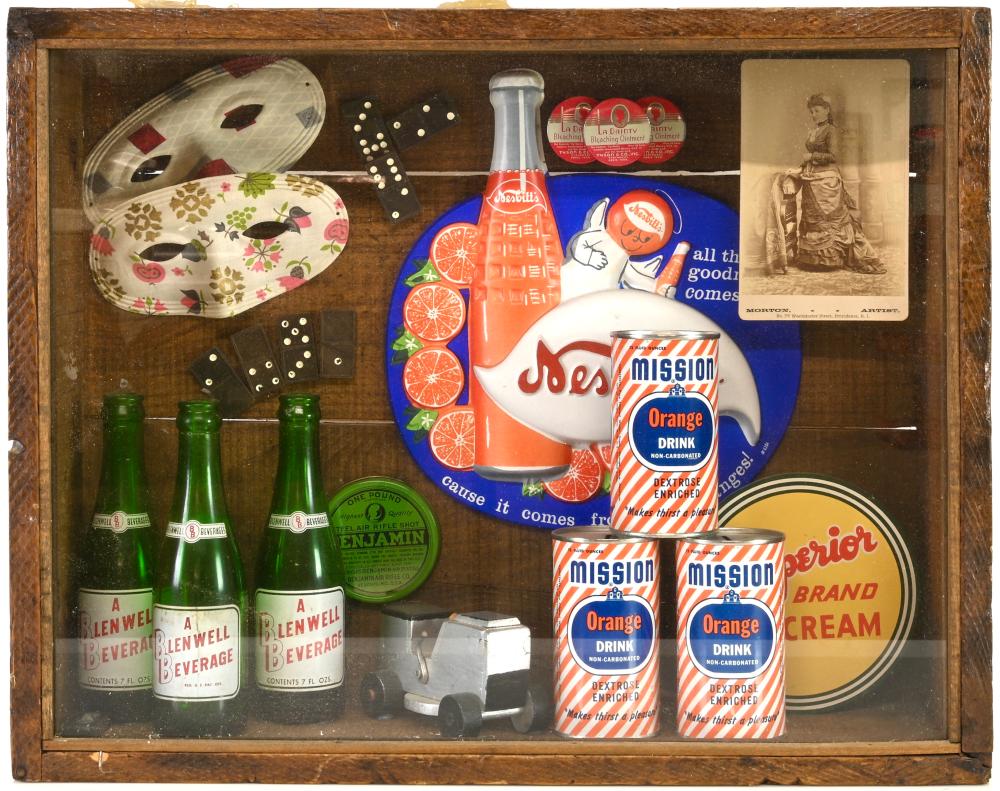
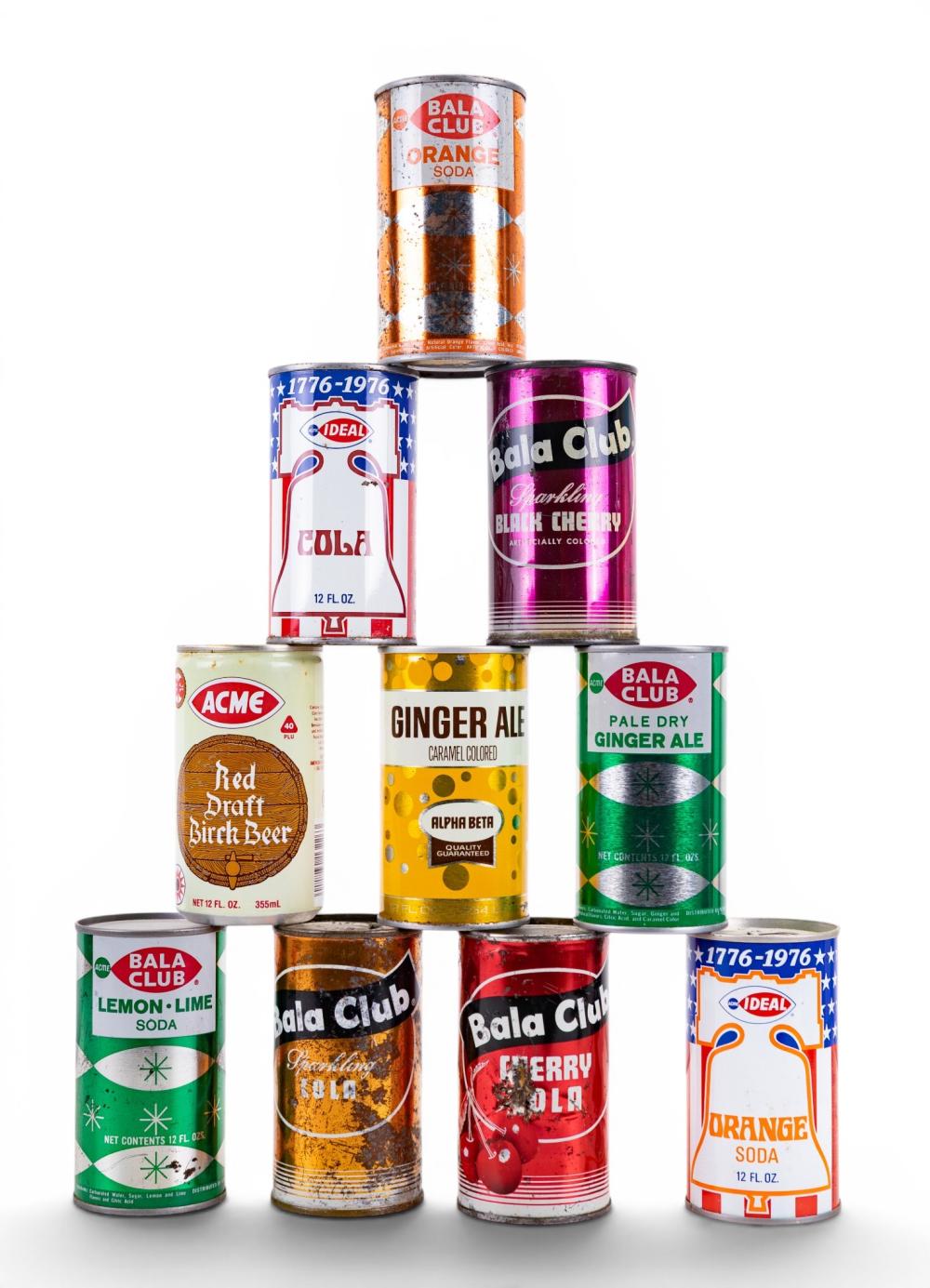
Applied Color Label (ACL) era (c. mid-1930s–1960s): Pyroglaze painted graphics enabled richer branding—think bold colors and mascots. Condition of the paint is everything; a strong, near-100% label can outrun a rarer bottle with heavy paint loss.
What Drives Value: The Appraiser’s Framework
Rarity and locality: Small-town or short-lived bottlers, variant molds, and pictorial logos routinely elevate prices. Bottles tied to early bottlers, scarce towns, or unusual shapes are prime targets.
Age and technology: Hand-blown with pontil scars, early Hutchinsons, and unusual closures (Codd, gravitating stoppers) often fetch premiums. Machine-made isn’t automatically low value—but rarity and graphics must compensate.
Embossing depth and visual impact: Crisp, high-relief embossing reads well on the shelf. Weak, worn, or “tumbled down” embossing detracts.
Color: Clear and aqua are common; amber, emerald, cobalt, and deep teal are scarcer in soda. Naturally solarized amethyst (light purple from manganese in the glass reacting to sunlight) can add mild interest; overly intense purple or smoky hues can signal irradiation, which hurts value.
Condition, by bottle type:
- Embossed: Check for lip chips, fish-eyes (tiny impact bruises), scratches, base wear, and interior “sickness” or haze. Professional tumbling that preserves embossing is sometimes acceptable, but aggressive polishing that rounds edges reduces desirability.
- ACL: Grade the paint. Collectors often cite percent of original paint remaining per side. A rare brand at 90–95% paint usually tops a common brand in mint paint, but paint loss can halve values fast.
Provenance and documentation: A known find location, bottler history, period ads, or family ownership add context. Good photos and measurements aid appraisals and sales.
How to Date and Identify: Tells, Marks, and Diagnostics
Mold seams and finishes:
- Hand-blown: Mold seams typically stop below the finish; the lip/finish was applied or tooled by hand. Look for subtle ripples and asymmetry.
- Machine-made: Seams run through the finish and often over the lip. Owens Automatic Bottle Machine products may show a suction scar on the base.
- Applied vs. tooled finishes: Applied finishes may show a glass “ring” added to the neck; tooled finishes show smoothed, shaped glass without a distinct added ring.
Bases and pontils:
- Open or iron pontil scars indicate mid-19th century manufacturing. A rough, sometimes reddish or gray circular scar is prized.
- Smooth bases on earlier bottles may still be hand-blown; use in combination with lip diagnostics and embossing style.
Makers’ marks and codes:
- Owens-Illinois Glass Co.: An “I” inside an “O” (often with a diamond between 1929–1954) plus plant and date codes flanking the logo. Post-1954 variants often lack the diamond. Date codes commonly reflect the last digit of the year (context helps: “7” could be 1937 or 1947).
- Illinois Glass Co.: “I G Co” or a diamond-with-I mark (pre-merger, 1910s–1929).
- Root Glass Co.: “ROOT” often found on early contour soda bottles; associated with important soft drink bottles in the 1910s–1920s.
- Many regional makers used lettered monograms; cross-check with shape, label style, and town embossing to triangulate.
Label and typography styles:
- Embossed script and slug plates (removable plate sections used to change town names) are typical of late 19th to early 20th centuries.
- ACL graphics progressed from simple one- or two-color designs in the 1930s to more complex mid-century palettes. Fonts, mascot styles, and slogan language help date within decades.
Closures and forms:
- Hutchinson stoppers: 1879–1912 predominance; rubber disks and wire assemblies inside.
- Codd marbles: Late 19th to early 20th century; more common outside the US.
- Crown tops: Post-1892; by the 1910s they dominated soft drink packaging, with ABM production lines spreading rapidly.
Regional clues:
- Town names, bottler initials, and street addresses in embossing are strong dating and rarity indicators. The smaller the locality and shorter the bottling tenure, the higher the odds of scarcity.
Market Benchmarks: What They Really Sell For
Values swing with locality, color, and condition, so compare recent sold results for the same embossing before pricing. These comparisons help calibrate expectations:
Hutchinson soda bottles:
- Common towns, aqua, average condition: plentiful and modestly priced.
- Scarcer towns or pictorial embossing, strong condition: sell for noticeably more.
- Exceptional examples (colored glass, rare towns, or standout graphics): the top of the Hutchinson market.
Blob-top sodas (pre-1880s):
- Hand-blown aqua, no pontil, typical embossing: moderate values.
- With iron pontil, scarce towns, or colored glass: sell for considerably more.
Codd-neck sodas:
- Common UK/Australasian makers, typical aqua: modestly priced.
- US-marketed or uncommon pictorials, strong color: sell for more.
Straight-sided early colas (pre-contour) and embossed regional brands:
- Common cities and brands: modest, depending on crispness and condition.
- Rare towns, strong embossing, or unusual colors: sell for considerably more.
Contour soft drink bottles (early patents):
- Early patent lines with desirable cities or makers (e.g., ROOT-marked bases), clean glass: well above later contour bottles.
- Highly scarce city variants or special colors: four figures and up, though verification is essential.
ACL soda bottles (1930s–1960s):
- Common brands with light case wear, 70–85% paint: inexpensive.
- Regional brands, strong graphics, 90–98% paint: sell for more.
- Top-tier designs, scarce bottlers, near-mint paint: the most sought after, with select rarities higher.
Condition multipliers matter. A clean, undamaged example can be worth 2–3 times the price of the same bottle with lip chips, heavy haze, or abraded embossing. For ACL, every 10% loss in paint can cause noticeable price drops, especially across faces with key branding.
Spotting Reproductions and Alterations
Artificial color enhancement:
- Irradiation can turn clear glass deep purple, smoky gray, or brown. Natural solarization is typically a pale amethyst; stark, uniform purple often signals treatment. Price accordingly downward.
Fantasy embossing and novelty molds:
- Some modern bottles mimic Hutchinson or blob-top styles with invented brand names or anachronistic dates. Check mold seams, glass texture, and whether the bottler actually existed in that town and era.
Over-polishing and tumbling:
- Professional tumbling can remove mineral haze. Excessive tumbling rounds embossing, erases mold characteristics, and can leave a glossy, unnatural “washed” look. Disclose polishing in appraisals and sales.
Repainted ACL:
- Touch-ups or full repaints are difficult to make convincing. Look for paint sitting atop wear scratches, color bleeding across edges, or anachronistic hues. Original ACL has a baked-on look and consistent sheen.
Assembled closures:
- Hutchinson stoppers and Codd marbles should match wear and age of the bottle. Shiny, modern hardware paired with a heavily worn bottle is a red flag.
Preservation, Display, and Ethical Cleaning
Cleaning:
- Embossed bottles: Start with warm water, mild detergent, and a soft bottle brush. For mineral build-up, a short soak in white vinegar can help. Avoid harsh acids and abrasive methods.
- ACL bottles: Treat labels like fragile paint on ceramic. Use only lukewarm water and a soft cloth or cotton swab around the graphics; never scrub. Do not soak ACL faces for long periods.
Stain and haze:
- Light interior haze can sometimes be reduced with a long, gentle soak and frequent water changes. If considering professional tumbling, choose practitioners who preserve embossing and disclose work.
Storage:
- Keep out of direct sunlight to prevent label fading and further solarization. Maintain stable temperatures; avoid attics/garages. Store upright with felt or silicone pads to limit base wear.
Display:
- Use stands or risers that cradle the base and lower body. Group by color or era to prevent taller bottles from overshadowing shorter ones. For ACL, position away from UV exposure.
Documentation:
- Record measurements, weight, color, embossing details, base marks, and closure type. Photograph all angles, especially embossing and base, and note any damage. Good records support higher confidence and better appraisal outcomes.
Practical Appraisal Checklist
- Identify form and closure: blob-top, Hutchinson, Codd, crown-top, ACL.
- Note manufacturing method: hand-blown vs. machine-made; lip finish type; any pontil or suction scar.
- Record embossing and town/bottler names; look for slug plates or pictorials.
- Read maker’s marks and codes on the base; estimate date range.
- Judge color accurately; be alert to unnatural purples/browns from irradiation.
- Grade condition: chips, cracks, fisheyes, case wear, interior haze; for ACL, estimate percent paint per face.
- Photograph clearly: front/back/side, base, close-ups of embossing/ACL, and any flaws.
- Research comparables: focus on same town/brand, color, and condition; note recent sale prices.
- Note provenance or documentation that supports rarity and history.
- Decide on conservation: gentle cleaning only; disclose any tumbling or repairs.
FAQ
Q: How can I quickly tell if a Hutchinson bottle is authentic? A: Look for the internal stopper mechanism (or its seat) in the neck, period-appropriate embossing with a town/bottler name, and hand-worked finishes. Mold seams usually stop below the lip. Modern fantasy pieces often have crude, inconsistent embossing or machine-made seams over the lip.
Q: Are deep purple soda bottles more valuable? A: Usually not. Pale amethyst from natural solarization can be acceptable. Deep, uniform purple or smoky colors often indicate irradiation—a value detractor for most collectors.
Q: What percentage of ACL paint is considered collectible? A: Many collectors prefer 90%+ paint on the primary display side. Scarce brands and standout graphics can still sell with 70–85% paint, but values drop as losses increase, especially if the brand name or image is affected.
Q: Should I tumble a stained bottle before selling? A: Only if the bottle’s value would meaningfully improve and the work will preserve embossing. Some buyers prefer untouched surfaces. Always disclose tumbling or polishing in listings and appraisals.
Q: Are cobalt-blue soda bottles always rare? A: Cobalt is generally scarce and sought-after in sodas, but rarity depends on specific brand, town, and era. A cobalt regional bottle with strong embossing can be a standout, while a modern decorative cobalt may have modest value.
By approaching vintage soda bottles with this structured lens—form, manufacturing, marks, locality, condition, and comparables—you can move beyond guesswork and toward defensible, market-aware appraisals. Whether you pull a blob-top from a dig site or find an eye-popping ACL at an estate sale, the hidden value is often in the details you learn to see.