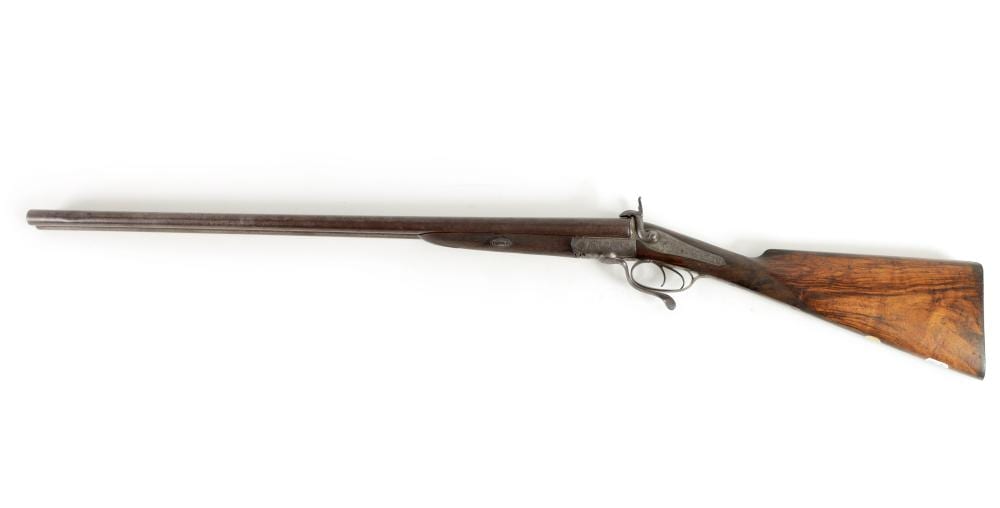
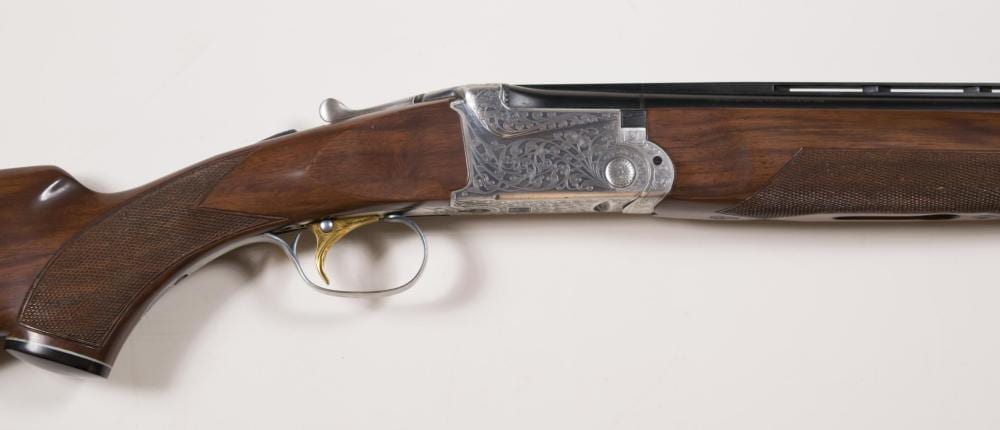
Unlocking the Past a Comprehensive Guide to Antique Shotgun Values: appraisal and value basics
Unlocking the Past a Comprehensive Guide to Antique Shotgun Values research should start with identification, condition, provenance, and item-specific market evidence. Use this guide to compare the signals that matter before paying for a formal appraisal or deciding whether to sell.
Antique shotgun value evidence checklist
Antique shotgun values can vary from a few hundred dollars to six figures, and understanding why is essential for collectors, heirs, and appraisers alike. The right combination of maker, model, condition, originality, and provenance can turn a well-worn field gun into a museum-worthy artifact—or reveal that an ornate piece is actually a modest trade gun. This guide distills the key factors, typical benchmarks, and practical steps you can use to estimate value with confidence, while keeping safety and legality in view.
Antique vs. vintage: what counts and why it matters
- Legal definition (U.S.): “Antique firearm” typically means manufactured in or before 1898. These often transfer with fewer restrictions, but state and local laws vary.
- Market usage: Collectors sometimes use “antique” loosely to include early 20th-century “vintage” doubles. Clarify whether you’re valuing under legal or collector definitions.
- Common types in this category:
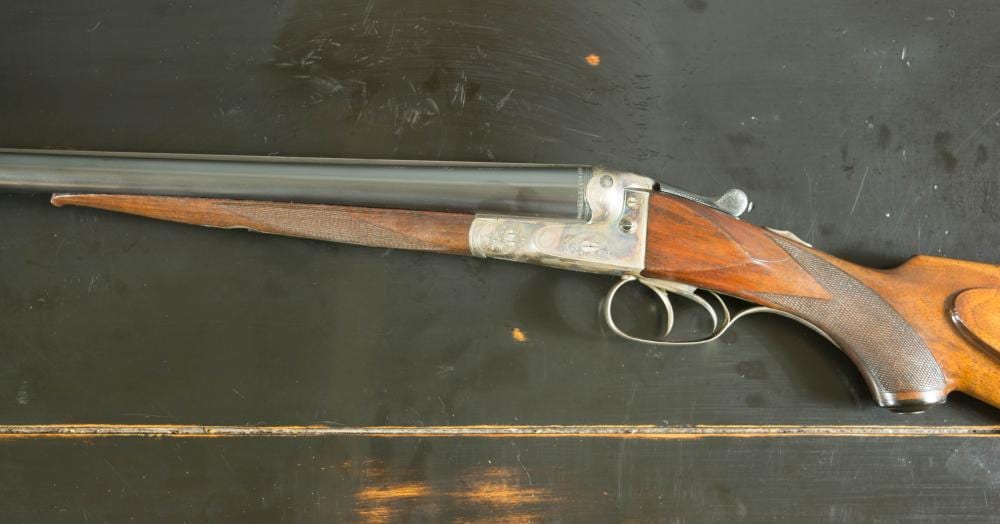
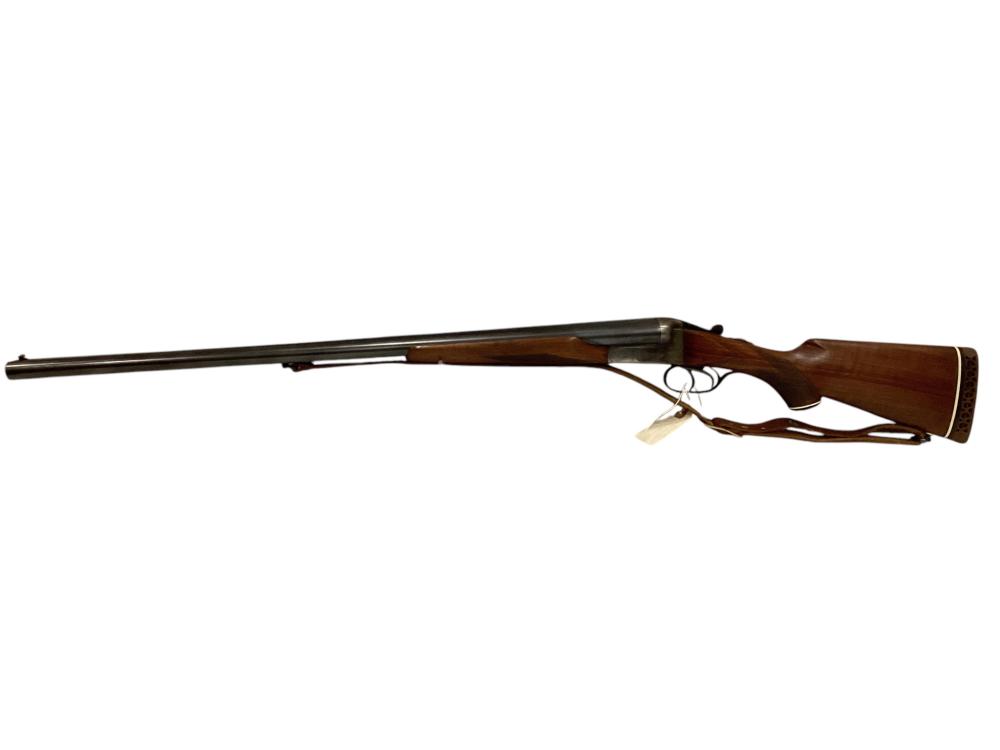
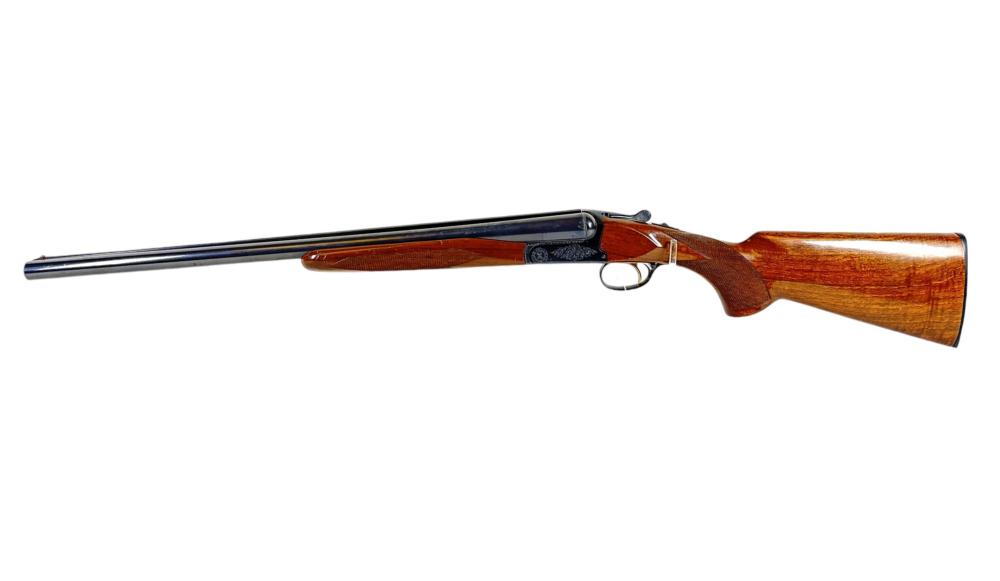
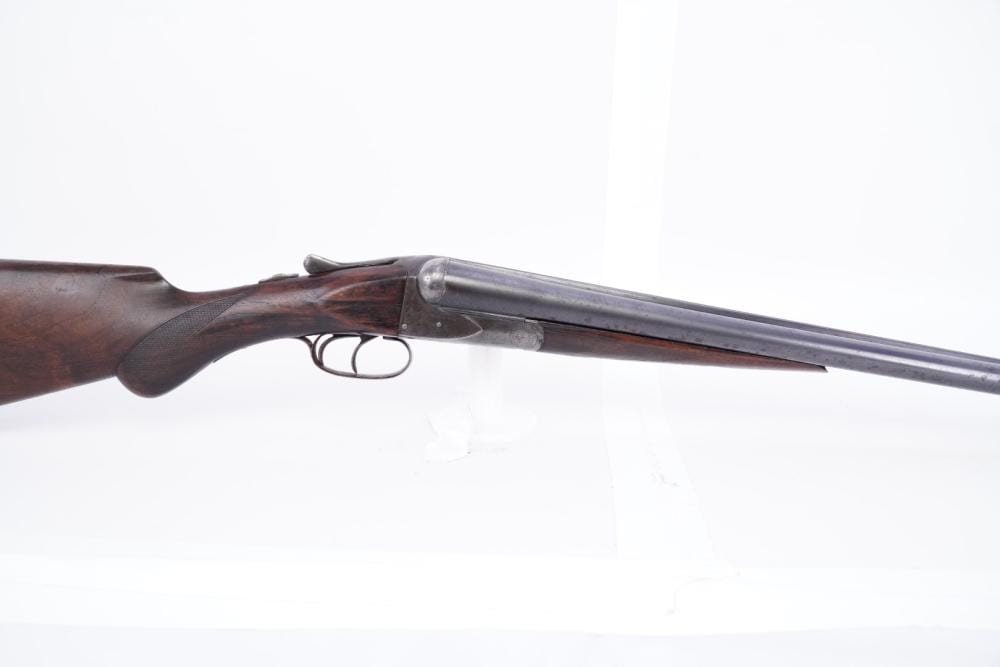
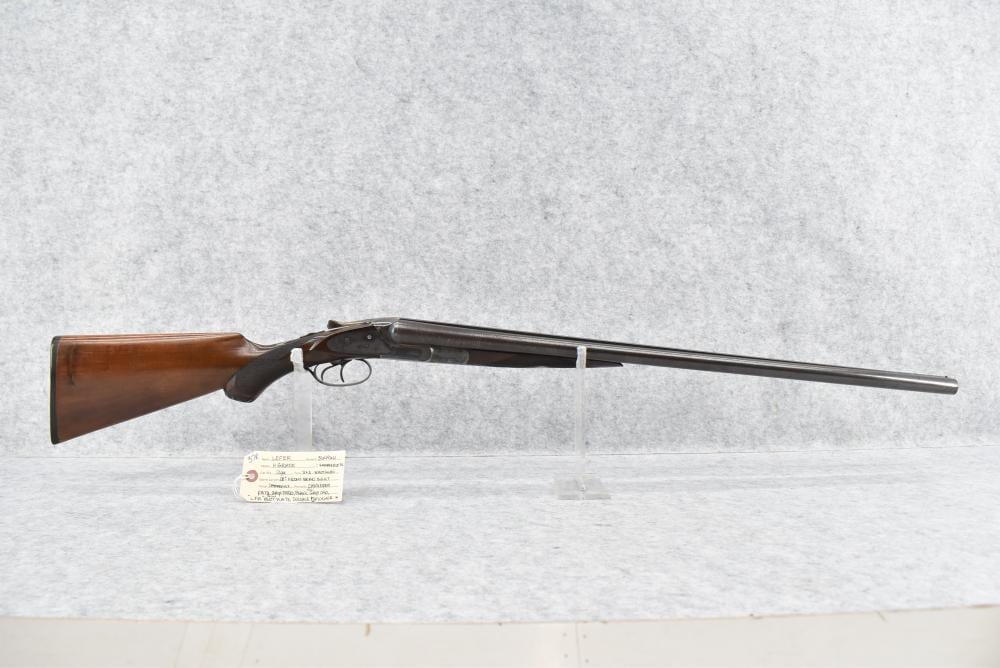
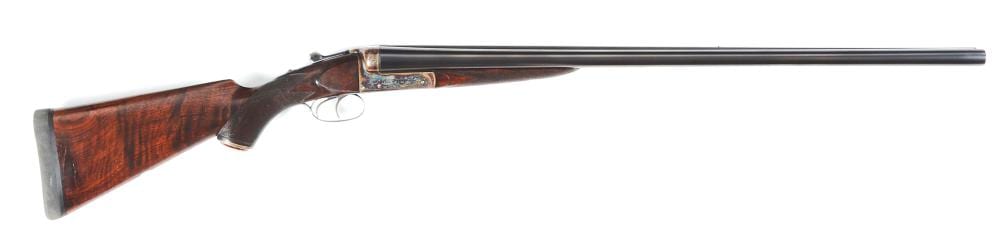
- Sidelock and boxlock side-by-side doubles
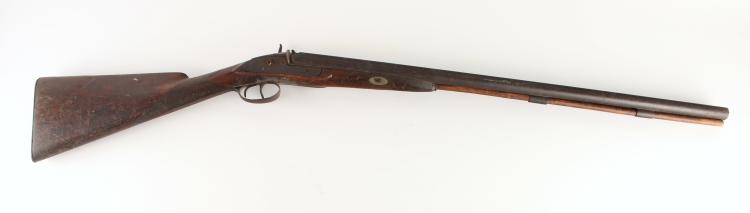
- Hammer guns (external hammers) and hammerless actions
- Damascus (pattern-welded) vs. fluid steel barrels
- Gauges: 12 is most common; 16 and 20 can command premiums in some makers; 10 and 8 gauge are niche; 28 gauge is scarce and often valuable.
Why it matters: Rarity and desirability concentrate around small-bore guns in high grades, high-condition examples, and “best” makers. Large-bore waterfowl guns and heavily used field grades are abundant and usually worth less, unless they carry compelling provenance or exceptional originality.
Identifying your shotgun: actions, gauges, and proof marks
Start with basic architecture; it anchors both value and research.
- Action type:
- Sidelock vs. boxlock: British “best” guns are often true sidelocks; many American and continental doubles are boxlocks. Sidelocks with fine engraving usually bring stronger prices.
- Hammer vs. hammerless: Hammer guns can be highly collectible if by a top maker or of early innovation. Otherwise, they are often less valuable than comparable hammerless models.
- Features that move the needle:
- Ejectors (rare early mechanical complexity) usually add value over extractors.
- Single non-selective trigger is less desirable than double triggers on many classics; original factory single-selective triggers can add value on certain models.
- Rib type (game vs. pigeon), original heel and toe plates or buttplates, horn or ebony tips, and factory recoil pads may matter.
- Gauge and chamber length:
- Many pre-WWI British guns are 2.5" chambers; early American 12-gauge chambers may be 2-5/8". Lengthened chambers, especially if improperly done, can reduce value and safety margins.
- Small-bore guns (20, 28) typically command premiums over 12 gauge in the same grade and condition.
- Proof and maker’s marks:
- British: Look for London or Birmingham proof marks and “Nitro” proofs for smokeless powder. Serial numbers can often be dated via maker records. Original maker’s case labels and numbers help.
- Belgian (Liège): ELG in an oval indicates Liège proof. Many “guild” guns are well made but less valuable unless of notably high quality or with special features.
- German (Suhl, Zella-Mehlis): Pre-war marks often include a crown over letter and “Nitro” post-1912. Makers like J.P. Sauer and pre-war Merkels have steady followings.
- Spanish (Eibar): Early Eibar proofs and star-over-letter inspector marks appear; quality varies widely from trade guns to later high-grade makers.
- Materials:
- Damascus barrels are pattern-welded and visually striking; fluid steel barrels are homogeneous. Both can be collectible—the key is originality, condition, and appropriateness to the maker and period.
- Serial numbers, grades, and stamps:
- American makers (Parker, A.H. Fox, L.C. Smith, Ithaca) stamped grades and sometimes frame sizes. These drive value—document them carefully.
Tip: Photograph water table flats, barrel flats, and the underside of the barrels. These areas carry the most identification clues for appraisers.
Condition and originality: the biggest price drivers
In classic doubles, originality and mechanical integrity are king. Collectors pay premiums for honest, lightly used guns with original finishes and correct dimensions.
- Finish and stock:
- Original case colors, bluing, and oil-finished stocks are highly prized. Over-buffed or glossy modern refinish can slash prices.
- Recut checkering, replaced buttplates, and non-period recoil pads reduce value unless factory-original or maker-quality work with documentation.
- Restocking is a major hit unless done to maker pattern by the original maker or recognized master; even then, expect a deduction.
- Barrels:
- Bright, unpitted bores with consistent wall thickness are ideal. Pitting, dents, bulges, and significant honing reduce value—and too-thin walls are a safety red flag.
- Sleeved barrels (barrels replaced by sleeving into new tubes) preserve utility but typically reduce value by 30–50% on British guns, more on “best” guns.
- Reblued barrels are common but still a deduction if not clearly original finish. Maker-quality rebluing with documentation is less punitive.
- Mechanical fit:
- “On face” means the barrels lock up tightly to the action with no play; “off-face” lowers both value and usability, and the repair may be costly.
- Proper timing of ejectors, crisp trigger pulls, and a safe, positive safety all count. Sloppy or repaired ejectors are a warning sign.
- Modifications:
- Lengthened chambers, opened chokes, added vent ribs, or modern sling swivels usually subtract.
- Non-factory monograms or added engraving rarely help value; factory or period exhibition engraving is a major positive.
- Provenance:
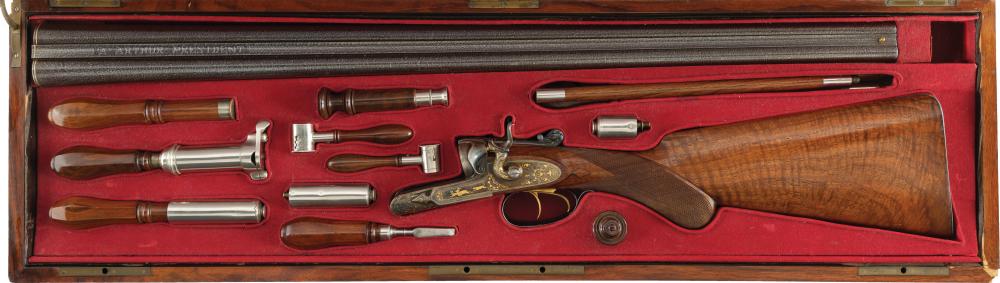
- Maker’s case with original accessories, factory letters tying the gun to a notable owner, or period sales receipts can materially increase value.
A wise sequence: authenticate first, then evaluate condition, then consider modifications, then research market evidence.
Maker benchmarks and typical market ranges
Values vary by region and current demand, so check recent sales of the same maker and grade before pricing; these comparisons offer perspective. Assume sound mechanical condition; adjust for originality, small-bore premiums, ejectors, engraving, and provenance.
- British “best” and top-tier:
- Purdey, Holland & Holland, Boss: the top of the market. Small-bores, exhibition engraving, original cases, and near-original finish inhabit the upper spectrum. Sleeved barrels or restocks push downward significantly.
- Westley Richards (“droplock”), James Woodward, and high-grade W.W. Greener: close behind, with droplocks and rare small-bores on the higher end.
- American classics:
- Parker: value climbs steeply with grade, from field/utility grades (VH) through mid-grades (GH, DH) to high grades (BHE, A1 Special). Original 20- and 28-gauge examples command premiums.
- A.H. Fox: Sterlingworth is the entry point; graded guns (A–F, DE/FE) sell for considerably more, with small-bore and high-condition pieces at the top.
- L.C. Smith: field grades are the most affordable; higher grades sell for considerably more, with exceptional small-bore and specialty models bringing more.
- Ithaca: Flues and NID field grades are the more affordable guns; better grades higher, particularly in small bores.
- Winchester 1887 lever shotgun (pre-1899 examples): strong demand, condition-dependent; special variants bring more.
- Continental and Belgian:
- German Suhl (J.P. Sauer, pre-war Merkel, Simson): high-grade small-bores and fine engraving sell well above standard guns.
- Belgian Liège “guild” doubles: typical quality guns are modestly priced; standout examples with superior execution and engraving sell for much more.
- Spanish (early Eibar trade): usually inexpensive; later high-grade makers (often post-1898) can bring much more, but many fall into “vintage” rather than legal “antique.”
Notes on gauges and features:
- Small-bore premium: 20 and 28 gauge can add 25–100% compared to 12 gauge within the same maker/grade/condition.
- Ejectors: Typically add 10–25% over extractors for many British and American makes.
- Original casing: Trunks and maker-labeled cases with period accessories often add meaningfully to value, more for top-tier British guns.
These are general ranges. Local demand, specific provenance, and fine details can change outcomes by a wide margin. Always corroborate with recent, market evidence.
Research, comps, and how to sell or insure
- Build a dossier:
- Clear, well-lit photos of the entire gun, barrel flats, action flats/water table, proof marks, serial numbers, and close-ups of wood and metal fit.
- Measurements: barrel length, chamber length, choke constrictions, weight, and stock dimensions (length of pull, drop at comb and heel, cast).
- Reference tools:
- Maker serial number books and factory letters (where available) can confirm grade, configuration, and original specs—powerful value boosters.
- Compare to recent auction results and dealer-sold listings. Ask: same maker, grade, gauge, ejectors, originality, and condition?
- Track market cycle: bird season and holiday auctions can lift field-gun interest; macroeconomic softness can depress mid-tier values.
- Choosing a venue:
- Specialty auctions attract the right bidders for high-grade British and American doubles and often yield the highest hammer prices.
- Established dealers offer vetted, curated exposure and can advise on conservative insurance values.
- Private sales can net strong results if both sides are informed, but require careful documentation and compliance with laws.
- Documentation for insurance:
- Provide photos, maker letters, and a written summary of features, condition, and comps. Insure for replacement value, not quick-sale value.
Safety and legal considerations
- Do not fire an antique shotgun until it has been inspected by a competent gunsmith experienced with double guns. Age, pitting, thin walls, “off-face” lockup, or prior modifications can make use unsafe.
- Damascus vs. fluid steel: Damascus is not automatically unsafe, but any use should be with appropriate low-pressure loads and only after professional evaluation verifying adequate wall thickness and mechanical integrity.
- Chamber length: Using modern 2.75" shells in short chambers can cause excessive pressures; confirm chamber length before any use.
- Legal status: “Antique” status and transfer rules vary by jurisdiction. Verify whether your gun qualifies as an antique and follow all applicable laws when selling or shipping.
Practical checklist: 15-minute value triage
- Confirm maker, model/grade, and serial number.
- Photograph action flats, barrel flats, proofs, and the entire gun.
- Identify action type (sidelock/boxlock; hammer/hammerless).
- Note gauge and measure barrel length and chamber length.
- Check for ejectors vs. extractors; single vs. double triggers.
- Inspect bores for pitting; note any dents, bulges, or visible honing.
- Test lock-up: is it tight and “on face” with no play?
- Examine original finishes: case colors, bluing, stock oil finish.
- Look for refinish clues: over-buffed edges, blurred engraving, recut checkering.
- Assess wood: cracks at head, repairs, replaced buttplate or pad.
- Check for sleeved barrels and rib integrity.
- Record stock dimensions (LOP, drop, cast); note non-factory alterations.
- Gather provenance: cases, accessories, receipts, factory letters.
- Compile 3–5 item-specific market evidence with matching features.
- Decide venue (auction, dealer, private) and set expectations.
FAQ
Q: Are Damascus barrels safe to shoot? A: Not by default. Safety depends on wall thickness, bore condition, mechanical integrity, and appropriate low-pressure ammunition. Only a qualified gunsmith’s inspection can clear a specific gun for limited use.
Q: Does refinishing always hurt value? A: It usually reduces value, especially on high-grade British and American doubles, where original finish is prized. Maker-quality restoration with documentation can mitigate the hit, but originality still commands the strongest prices.
Q: Why are small-bore guns often more valuable? A: Scarcity and desirability. Makers produced far more 12-gauge field guns. Original 20- and 28-gauge examples, especially in higher grades with ejectors, attract competition and premiums.
Q: How much do ejectors vs. extractors affect price? A: Ejectors often add 10–25% to comparable guns, reflecting mechanical complexity and desirability, particularly on British “best” and high-grade American doubles.
Q: What does “off-face” mean and why does it matter? A: “Off-face” describes a loose lock-up between barrels and action. It signals wear or distortion; repair can be expensive, and the condition reduces both value and potential for safe use.
By systematically identifying the gun, documenting originality and condition, and aligning your piece with truly market evidence, you can navigate antique shotgun values with clarity. When in doubt, invest in a qualified evaluation—on a market where subtle details decide thousands of dollars, expertise pays for itself.