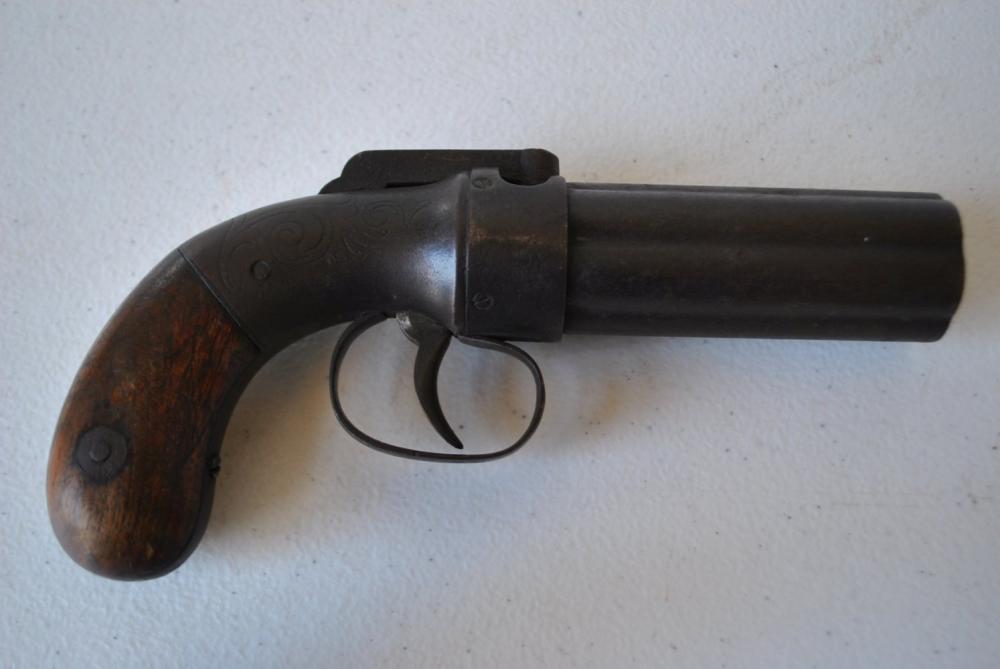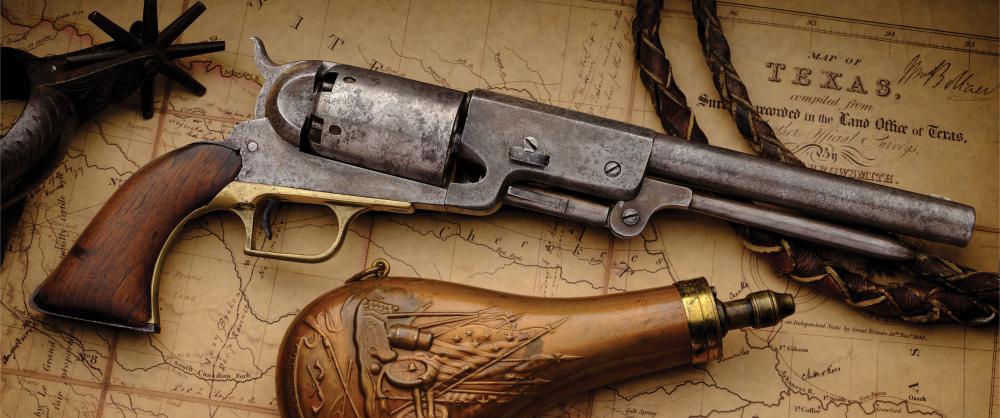
What Qualifies as an Antique Firearm?
In the U.S., an antique firearm is legally defined by the Bureau of Alcohol, Tobacco, Firearms and Explosives (ATF) as any gun manufactured in or before 1898, or a replica thereof that does not use modern fixed ammunition. This distinction is crucial: antiques are generally exempt from federal firearms regulations, making them easier to buy, sell, and ship than modern guns. However, state and local laws may impose additional restrictions, so always verify local requirements before any transaction. To confirm whether a firearm qualifies as antique, record the manufacturer, model, and serial number. Cross-reference these with published serial number ranges or request a factory letter from the maker’s archive (e.g., Winchester or Colt) to establish the production date and original configuration. When in doubt, treat the firearm as modern until verified. [1][2][3]
Factors That Drive Antique Firearm Value
Several key factors determine the value of an antique firearm:
- Condition: The National Rifle Association (NRA) grading system is the industry standard, ranging from 'Poor' to 'Factory New.' Original finish, sharp markings, and mechanical integrity are critical. Even minor restoration or over-cleaning can reduce value dramatically.
- Rarity and Maker: Firearms from renowned makers like Colt, Winchester, and Remington command premiums, especially rare variants or special-order models. For example, a Winchester 1876 '1 of 1000' lever-action rifle sold for a value that must be established from current, topic-matched sales at Morphy Auctions, while more common configurations trade for much less.[4]
- Provenance and Documentation: A well-documented history—especially association with notable figures or events—can multiply value. Factory letters, period photos, and shipment records are essential for top-tier pieces.
- Originality: Matching serial numbers, correct parts, and untouched finishes are highly prized. Any replaced or refinished components should be documented as period or factory work to avoid value loss.
- Market Demand: Collector interest shifts over time. Currently, Civil War-era arms and high-condition American classics are in strong demand, with auction houses reporting robust results across categories.[5][6]
DIY Appraisal and Attribution review: Step-by-Step
Before seeking a professional appraisal, collectors can perform a thorough self-assessment in about 60–90 minutes:
1. Identify and Date: Record the maker, model, caliber, and serial number. Use published serial number lists or order a factory letter (e.g., Cody Firearms Records for Winchesters, Colt Archive Properties for Colts) to confirm production date and as-shipped configuration.[2][3] 2. Photograph Markings: Document all barrel addresses, patent lines, inspector cartouches, and assembly numbers. Use good lighting and macro settings for clarity. 3. Check Originality: Inspect for signs of refinishing (rounded edges, cloudy stampings), mismatched serial numbers, or replaced parts. Consistent wear and sharp, undisturbed markings suggest originality. 4. Assess Mechanical and Bore Condition: With the firearm unloaded, check lock-up, timing, safety operation, and bore quality. Note any mechanical issues without forcing components. 5. Build Market Evidence (Market evidence): Research recent (last 12–24 months) auction results for the same model and configuration. Normalize for condition, originality, and documentation. Avoid using modern reissues or different variants as market evidence, as this can misprice by multiples.[4][6][8]
If the firearm appears to be a rare or high-value example, or if originality is uncertain, proceed to expert verification before any sale or restoration.
Professional Appraisal: When and How to Engage Experts
Professional appraisal is recommended for high-value, rare, or historically significant firearms, or when documentation is incomplete. Choose appraisers who are members of recognized organizations such as the American Society of Appraisers (ASA) or International Society of Appraisers (ISA).[11] Expect to pay a market-dependent fee per item, depending on complexity. Many leading auction houses, including Rock Island Auction Company and Morphy Auctions, offer free preliminary evaluations and can provide market exposure if you choose to sell.[8][9]
Before submitting a firearm for appraisal, provide clear photographs, a list of visible markings, and any provenance documents. Avoid cleaning or restoring the firearm before expert review, as improper work can reduce value.
Common Pitfalls and Value Killers
Several mistakes can dramatically reduce the value of an antique firearm:
- Refinishing or Over-Cleaning: Modern rebluing, sanding, or aggressive polishing destroys original finishes and sharp edges, erasing collector value.
- Paperwork Gaps: Failing to secure factory letters or provenance before purchase or sale can lead to expensive mistakes, especially with engraved or special-order pieces.
- Misclassification: Assuming a gun is antique without verifying its date, ignition system, and ammunition status can cause legal issues and chill market interest.[1]
- Non-Matching Parts: Swapped barrels, cylinders, or stocks that don’t match original serial numbers are red flags for collectors.
- Bad Comparables: Using prices from modern reissues or different variants can mislead value estimates by a wide margin.
Anchor your decisions to verified records and recent, model-correct sales from reputable auction houses.
Market Trends and Pricing Context
The antique firearm market remains robust, with strong demand for well-documented, high-condition American classics. In May 2024, Morphy Auctions reported over a value that must be established from current, topic-matched sales million in sales, including a world-record a value that must be established from current, topic-matched sales for an 1875 Colt Gatling gun.[5] A Winchester '1 of 1000' Model 1876 brought a value that must be established from current, topic-matched sales underscoring the premium for rare, original, and well-documented pieces.[4] At the mid-market, plain-configuration Colt Single Action Army revolvers often trade in the a market-dependent range, while more common antique firearms average a value that must be established from current, topic-matched sales per lot at major auctions.[6][8]
Collector interest is especially strong for Civil War-era arms, special-order Winchesters, and documented pieces with historical provenance. Market values fluctuate with collector trends, historical anniversaries, and the availability of fresh-to-market collections.
Legal and Ethical Considerations
While federal law exempts most antique firearms from modern gun regulations, state and local laws can still apply. Some states require background checks or restrict certain types of antique arms. Internationally, export and import are governed by treaties such as the UNESCO Convention, and proper documentation is essential.[1]
Ethically, ensure that provenance is legitimate and does not involve looted or illicitly acquired artifacts. Always verify the chain of ownership, especially for high-profile or museum-quality pieces.
Actionable Tips for Collectors and Sellers
- Document Everything: Keep detailed photographs, serial numbers, and provenance paperwork organized.
- Insure Properly: Use specialized insurance policies that reflect current market value and cover loss, theft, or damage.
- Sell Strategically: Time sales with peak auction seasons and consider reputable auction houses for maximum exposure.
- Network with Experts: Join collector associations, attend shows, and consult with museum professionals for ongoing education and market awareness.
- Leverage Modern Tools: Use online appraisal platforms and value estimators for preliminary assessments, but always confirm with expert review for rare or high-value items.
How We Research Valuation Data
Our appraisal guides are based on auction results, dealer pricing data, and professional appraiser insights. We may earn a commission when you use our free professional appraisal service. Learn about our editorial standards.
Get a Fast, Expert Antique Firearm Appraisal Today
Upload clear photos and details of your antique firearm to Appraisily’s secure online platform for a fast, authoritative valuation. Our network of certified experts and historians ensures accurate, market-driven appraisals—ideal for collectors, estate inheritors, and sellers seeking confidence and top value. Start your free initial consultation now.
No obligation. Secure upload.
References
- ATF: Firearms Guides – Gun Control Act Definitions
- Buffalo Bill Center of the West: Winchester Firearms Records
- Colt Archive Properties: Archive Letters
- Morphy Auctions: Winchester 1876 Auction Result
- Military Trader: Morphy’s a value that must be established from current, topic-matched sales Million Auction
- Heritage Auctions: Firearms Auction Results
- Rock Island Auction Company
- Morphy Auctions
- American Society of Appraisers
- Appraisily Antique Firearms Auction Snapshot (Nov 2025)