
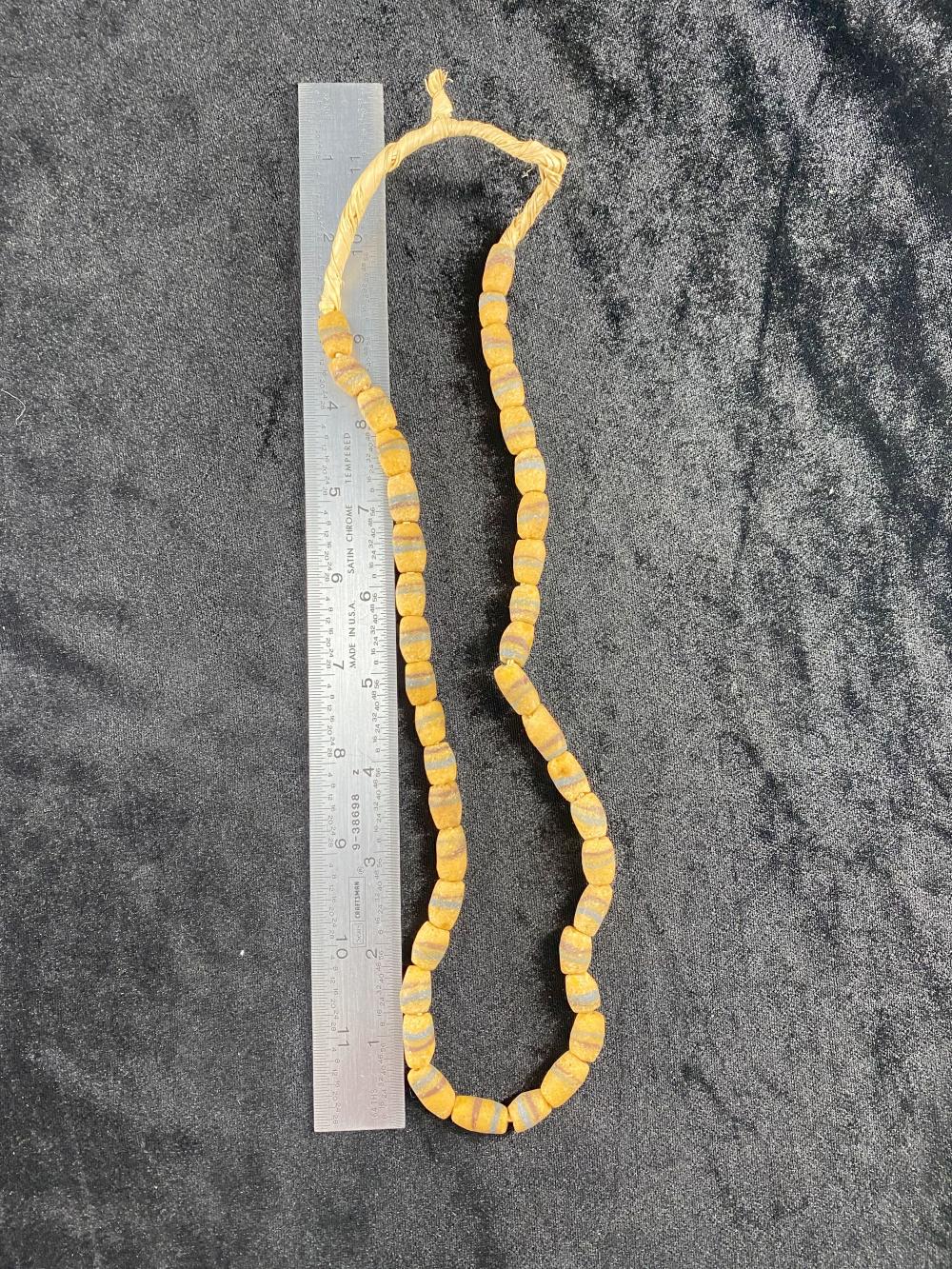
Unlocking the Mystique of Indian Fire Starter Rocks Uncovering Their Hidden Value and Historical Significance: appraisal and value basics
Unlocking the Mystique of Indian Fire Starter Rocks Uncovering Their Hidden Value and Historical Significance research should start with identification, condition, provenance, and item-specific market evidence. Use this guide to compare the signals that matter before paying for a formal appraisal or deciding whether to sell.
Indian fire starter rocks identification checklist
Collectors and appraisers often encounter “Indian fire starter rocks” in estates, field finds, and online listings. The phrase typically points to two different things: stone components used to spark tinder (flint/chert paired with steel, or flint with pyrite/marcasite), and a broader set of objects associated with Indigenous fire‑making. The term itself is imprecise, but beneath it lies a compelling intersection of mineralogy, ethnographic history, and the early technology of everyday life.
This guide clarifies what these objects are (and are not), how to identify authentic strike‑a‑light stones and components, what affects value, and how to care for them responsibly.
What Collectors Mean by “Indian Fire Starter Rocks”
In the antiques trade, “Indian fire starter rock” is a catch‑all label. It can refer to:
- Flint/chert or jasper spalls used with a steel striker to make sparks (post‑contact).
- Flint paired with iron sulfide minerals—pyrite or marcasite—to make sparks (pre‑ and protohistoric in parts of the world, and ethnographically documented in parts of the Arctic/sub‑Arctic).
- Occasionally, any sharp cherty stone assumed to be an “Indian tool,” whether or not it ever lit a fire.
What it does not usually mean:
- Friction‑fire tools like bow‑drills and hand‑drills (those are primarily wood and fiber).
- Heating stones for sweat lodges or cooking pits (igneous cobbles used to hold heat).
- “Ceremonial lightning stones” (fulgurites) or simply burnt rocks from hearths.
Understanding the specific technology is essential. In North America prior to European contact, friction‑fire methods dominated. Flint‑and‑steel becomes widespread only after Indigenous communities gained access to iron and steel through trade. Strike‑a‑light kits—compact pouches with a steel striker, a piece of flint/chert, and tinder—became standard personal gear in the 18th and 19th centuries among both Native and settler populations.
The Historical Record: From Friction Fire to Flint‑and‑Steel
- Pre‑contact era: The bow drill and hand drill (with hearth boards of soft woods like yucca or sotol in the Southwest, or other regional species) were primary. Ethnographic data indicate flint with iron sulfides (pyrite/marcasite) to produce sparks in some northern contexts, particularly among Arctic/Subarctic peoples, though this was not the dominant method across the continent.
- Contact and trade era (17th–19th centuries): Steel strikers and flint spread rapidly via fur trade networks. By the 18th century, small C‑shaped or S‑shaped forged steel strikers, flint spalls, and tinder (fungus, plant fibers, or charcloth) were commonplace in pouches carried by hunters, trappers, and many Indigenous people. This period generates most of the “strike‑a‑light stones” encountered today.
- Late 19th century onward: Matches displaced strike‑a‑light kits. Surviving examples often come from frontier households, military posts, trading stores, and personal effects. Some were kept as heirlooms; others are the product of later romanticization and souvenir trade.
When assessing claims of “pre‑contact Indian fire stone,” be cautious. Without reliable archaeological context or strong ethnographic provenance, a lone stone is almost impossible to date and attribute culturally. Many genuine, historic strike‑a‑light kits, however, have excellent 18th–19th century provenance.
Identifying the Stones: Flint, Chert, Jasper, Pyrite, and Marcasite
Most “fire starter rocks” belong to two mineralogical categories, each with distinct properties and wear signatures.
Flint/Chert/Jasper (microcrystalline quartz)
- Appearance: Fine‑grained, often gray, tan, brown, red; may show conchoidal fractures and sharp edges. “Flint” is a varietal of chert with a waxy luster, commonly nodular; jasper is an opaque, iron‑rich red/brown chert.
- Hardness: ~7 on Mohs; scratches glass easily.
- Spark behavior: When struck by high‑carbon steel, sends hot steel particles into tinder. With iron sulfides, the sparks derive from sulfide oxidation.
- Use‑wear cues: Repeated battering along one edge, small step fractures and micro‑chipping, edge rounding/polish localized to the struck margin, possible sooty or carbonaceous residues if used near charred tinder.
Pyrite/Marcasite (iron sulfide)
- Appearance: Brassy metallic luster (pyrite), paler metallic with a tendency to radial nodules or bladed forms (marcasite). Often nodular; may show cubic (pyrite) or radiating (marcasite) structures. Heavier than chert by feel.
- Hardness: ~6–6.5 Mohs; brittle, with dark greenish‑black streak.
- Spark behavior: Struck with flint/chert, sheds incandescent particles and ignites tinder; historically used in Europe pre‑steel and in some Arctic/Subarctic contexts.
- Use‑wear cues: Localized pitting and spalling on the struck surface, dulled luster at contact zones, sometimes a subtle sulfide odor when freshly struck. Beware: marcasite is especially prone to “pyrite disease” (oxidation and decay) if stored damp.
Simple observations can help with field identification:
- Does it have conchoidal fracture and razor‑like edges? Likely chert/flint.
- Is it metallic, brassy, unusually heavy, and leaves a dark streak? Likely pyrite/marcasite.
- Does a hand lens reveal repeated micro‑chipping along a consistent edge (stone used as the “flint”) or localized pitting (stone used as the iron sulfide)?
Avoid aggressive testing on potential artifacts. Even brief spark tests alter surfaces; limit to a tiny, unremarkable area only if necessary.
Evidence of Use: Wear Patterns, Kits, and Context
Because stones themselves are nearly impossible to date, context is king.
- Complete or partial kits: A leather pouch with an iron/steel striker (often C‑ or S‑shaped), a flint/chert spall, and tinder material (fungus, plant fiber, or charcloth) is strong evidence of historic use. Trade blankets, beads, or documented family histories add weight.
- Use‑wear microscopy: Under 10–30x magnification, look for:
- On flint/chert: fine step fractures, feathered micro‑flaking in a narrow band, localized polish along the struck edge.
- On pyrite/marcasite: pitted impact scars, dulled metallic facets, possible granular crumbling at the struck zone.
- Residues: Sooty films, blackened fibers, or tinder fungus fragments in a pouch or adhering to stone edges are supportive but delicate—do not scrub them away.
- Provenance: Notes of acquisition from a trading post, missionary collection records, or an identified maker/smith for the striker can be decisive.
Common misidentifications to watch for:
- Hammerstones or nutting stones: Show pervasive battering around the circumference, not just a narrow struck edge; often sandstone or quartzite.
- Heat‑spalled “potlids” from hearths: Show shallow “pop‑out” scars from thermal shock, not narrow, directional micro‑chipping.
- Random river cobbles with shiny spots: Natural polish, not use‑wear.
- Knapping debris sold as “fire starters”: Freshly struck chert flakes can look convincing; look for differential edge rounding and confined battering expected from repeated sparking, not just a single percussion bulb and platform.
- Heated lodge stones: Typically igneous (basalt, granite), rounded, with heat discoloration and cracking—not flint/pyrite strike‑a‑light components.
Market Value: What’s Rare, What’s Common, and What’s Misattributed
Values vary widely and are highly sensitive to provenience and completeness.
- Lone “fire stone,” unprovenanced (chert or pyrite): Often minimal monetary value. Many are simply interesting minerals or field finds—a value that must be established from current, topic-matched sales retail. Authenticity as a used fire stone is hard to demonstrate without context.
- Antique steel strikers (18th–19th c.), without pouch: a value that must be established from current, topic-matched sales depending on form, condition, and regional blacksmithing. Decorative forms (heart‑shaped, zoomorphic) can bring higher prices.
- Strike‑a‑light sets (steel + flint + tinder pouch), 18th–19th c.: a value that must be established from current, topic-matched sales for typical frontier/trade examples in good condition. Strong provenance, military or fur trade association, or exceptional originality can increase value.
- Indigenous‑associated kits with documented tribal provenance: Typically higher—a value that must be established from current, topic-matched sales+ depending on documentation, age, and completeness. Ethnographic significance is crucial.
- Pyrite/marcasite strike‑a‑light components with good ethnographic context: Scarcer in the North American market; could range from a few hundred dollars to low thousands when securely documented. Without provenance, they trade more as mineral specimens.
What depresses value:
- Overcleaning that removes residues or accelerates sulfide decay.
- Dubious claims (“pre‑contact Indian fire stone”) without corroborating evidence.
- Post‑factum assemblages (modern pouch filled with unrelated parts).
Appraisal tip: Document everything. A photo of the original owner using the kit, a dealer invoice from a known trading store, or a period diary reference can shift an item from generic to significant.
Care, Conservation, and Ethical Collecting
Conservation best practices:
- Pyrite/marcasite: Vulnerable to “pyrite disease,” producing acidic byproducts that crumble the specimen and harm nearby materials.
- Target environment: cool, dry, stable—ideally below 40% relative humidity, in a well‑ventilated microclimate container with fresh silica gel.
- Avoid: sealing in damp leather pouches, basements/attics, handling with bare hands (skin oils accelerate decay).
- Monitor: Look for whitening, powdery crusts, sulfurous odor, or sweating. Address early with improved drying and isolation.
- Flint/chert: Generally stable; store dry and cushioned. Avoid hard knocks to preserved edges. Do not oil or wax; avoid labels on diagnostic surfaces.
- Organic pouches/tinder: Store separately from pyrite. Keep in archival boxes, away from pests, and at moderate RH (45–55%) to prevent embrittlement while minimizing mold risk. Consider inert interleaving (acid‑free tissues).
Ethics and law:
- Respect tribal sovereignty and cultural patrimony. Avoid items with burial associations or questionable removal. In the U.S., laws restrict collecting artifacts from public lands and protect cultural items.
- Favor documented, legally obtained pieces with transparent provenance. When in doubt, consult with qualified appraisers and, when appropriate, tribal cultural authorities.
A Practical Checklist for Appraisers and Collectors
- Clarify the technology
- Is it a strike‑a‑light component (flint + steel or flint + pyrite), a friction‑fire tool, or something else entirely?
- Identify the material
- Quartz family (flint/chert/jasper) vs iron sulfide (pyrite/marcasite). Note hardness, luster, fracture, and weight.
- Look for use‑wear
- Narrow, localized micro‑chipping and polish (flint) or pitting/dulled facets (sulfide) confined to an edge/zone.
- Seek context
- Is there a striker, pouch, tinder, or documentation? Photograph ensembles as found and record oral histories.
- Evaluate condition
- Watch for pyrite disease, corrosion on steel, degraded leather. Avoid cleaning that removes residues.
- Weigh authenticity and attribution
- Be skeptical of lone stones claimed as “pre‑contact fire starters.” Prioritize provenanced trade‑era kits for reliable valuation.
- Price accordingly
- Typical striker: a value that must be established from current, topic-matched sales; complete historic kits: a value that must be established from current, topic-matched sales; documented Indigenous examples and pyrite sets can reach higher ranges.
- Store responsibly
- Dry, stable conditions; isolate sulfides; use archival enclosures; handle minimally.
FAQ
Q: How can I tell if a flint was actually used to start fires and isn’t just a random stone? A: Look for a narrow band of repetitive micro‑chipping and slight edge rounding on one margin, sometimes with sooty residue. Generalized battering or fresh, sharp flake scars without localized wear suggest either a hammerstone or recent knapping rather than a strike‑a‑light.
Q: Did Native Americans use flint and steel before Europeans arrived? A: No. Steel strikers are a post‑contact technology introduced through trade. Pre‑contact fire was primarily made by friction (hand/bow drills). Use of flint with iron sulfides existed in some regions (notably Arctic/Subarctic), but it was not the dominant method across North America.
Q: Are pyrite “fire stones” safe to keep in a pouch with other artifacts? A: Not advisable. Pyrite and especially marcasite can deteriorate in humid, confined spaces and release acidic byproducts that damage leather, textiles, and metals. Store them separately in a dry microclimate with desiccant.
Q: What’s the most valuable configuration for collectors? A: A documented, complete strike‑a‑light kit—steel striker, flint, tinder pouch, and original tinder—tied to a specific person, tribe, trading post, or event. Strong, verifiable provenance often matters more than the minerals themselves.
Q: Can I clean residues from a fire stone to improve its look? A: Avoid it. Residues can provide evidence of use and contribute to authenticity. Overcleaning devalues artifacts and may accelerate mineral decay (in sulfides). If stabilization is needed, consult a conservator.
By separating mineral facts from myth, focusing on context, and preserving what survives, collectors can appreciate the humble yet profound technology of fire—an object lesson in how the simplest tools can illuminate complex histories.
![PEACE MEDAL COLLECTION OF IMPORTANT CULTURAL SIGNIFICANCE [152641] sold by Holabird Western Americana, lot 4217 — auction record photograph](https://assets.appraisily.com/comps/auction-lots/173162854/thumb/h19286-l299936587.jpg)
![[FLORIDA] A group of seven framed pieces, including a cartoon, historical prints, views and a map, mostly of Florida interest.... sold by DOYLE Auctioneers & Appraisers, lot 251 — auction record photograph](https://assets.appraisily.com/comps/auction-lots/179444875/thumb/h0061-l329206379.jpg)