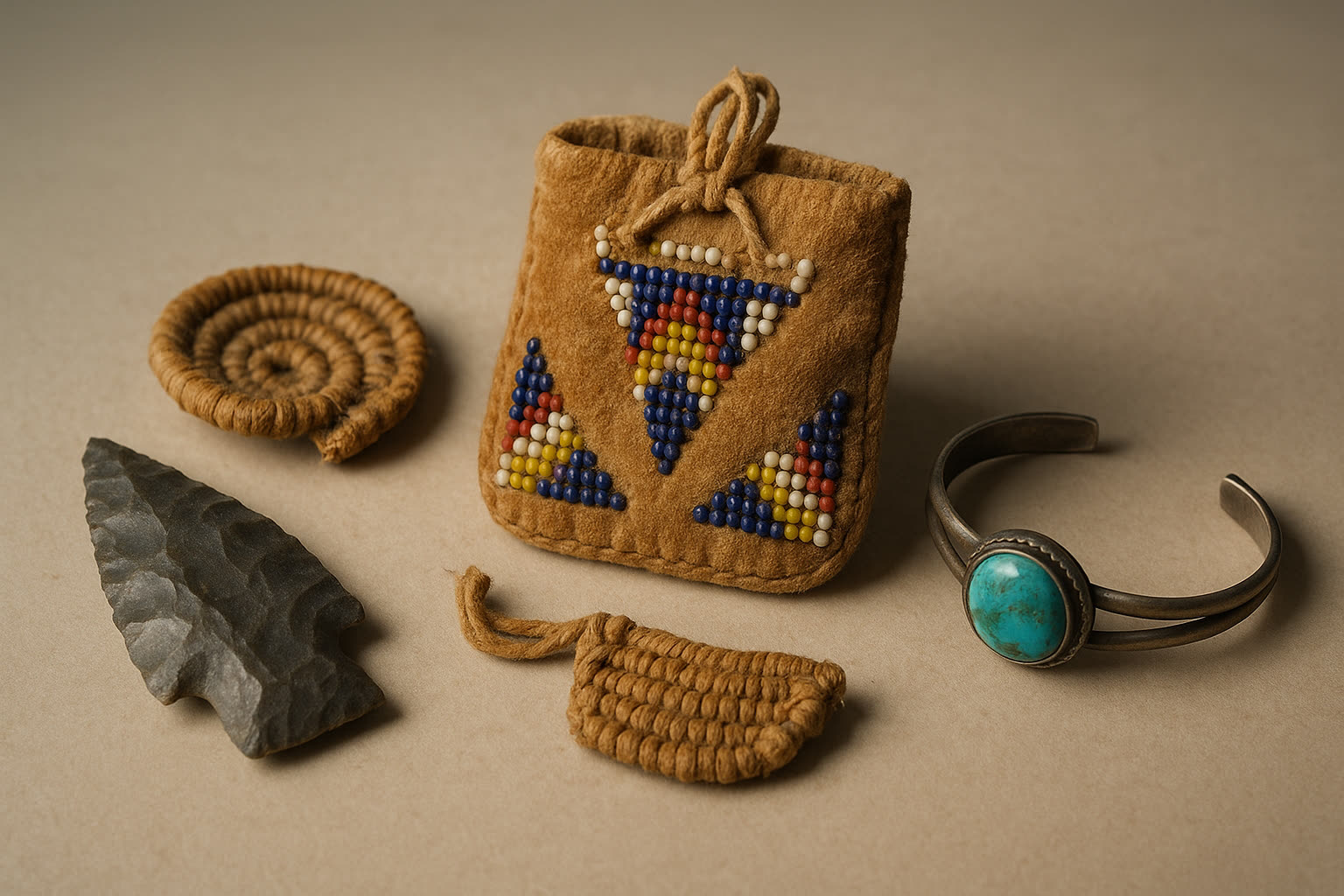
Indian Artifacts Identification: appraisal and value basics
Indian Artifacts Identification research should start with identification, condition, provenance, and recent comparable sales. Use this guide to compare the signals that matter before paying for a formal appraisal or deciding whether to sell.
Searchers type “Indian artifacts identification” for two very different reasons. In North America, “Indian” often means Native American / Indigenous objects (beadwork, stone tools, basketry, jewelry, carvings). Globally, it can also mean artifacts from India. This guide focuses on Indigenous North American material, with a short note on South Asian antiquities near the end.
Identification is building a chain of evidence: material, construction, honest wear, and provenance. Those basics help you avoid reproductions and find meaningful auction comps.
Important: this is general education, not legal advice. If an item might be sacred, funerary, or recently excavated, stop and consult a local authority or tribal historic preservation office.
Free instant estimate
Not sure if your item is worth appraising? Let us take a look.
Upload a photo, tell us what you know, and get a free first read. If a full appraisal makes sense, we will say so.
Free. No card needed. Takes about two minutes.
What people mean by “Indian artifacts” (and why precision matters)
In this category, small wording differences change what’s ethical, legal, and valuable.
- Archaeological artifacts can involve strict legal restrictions.
- Historic-era objects (beadwork, trade silver, baskets, textiles) are common in auctions.
- Contemporary Native-made art is collectible but priced as art, not “excavated artifact.”
Aim for evidence-based language like “glass seed-bead bag” or “sterling turquoise cuff.” That unlocks better research and better comps.
Legal & ethical first steps (before you buy, sell, or ship)
A correct ID that ignores legality is still a bad outcome. These checkpoints protect you and the communities involved:
- Don’t excavate. Removing artifacts from protected land is illegal and destroys context.
- Sacred/funerary items are a hard stop. Many categories are restricted (including under NAGPRA).
- Labeling matters. The Indian Arts and Crafts Act targets “Indian-made” misrepresentation.
- Cross-border sales add risk. Export laws can apply to antiquities.
If provenance is unclear, treat the ID as tentative and avoid aggressive marketing claims.
Fast photo checklist: what to document for identification
Better photos beat better opinions. Capture these shots in good light (no filters):
- Overall views: front/back or 360° set.
- Scale: one ruler photo.
- Material + construction macros: stitches, coiling, flake scars, solder, drill holes.
- Condition: damage and repairs.
- Marks + paperwork: stamps, labels, receipts.
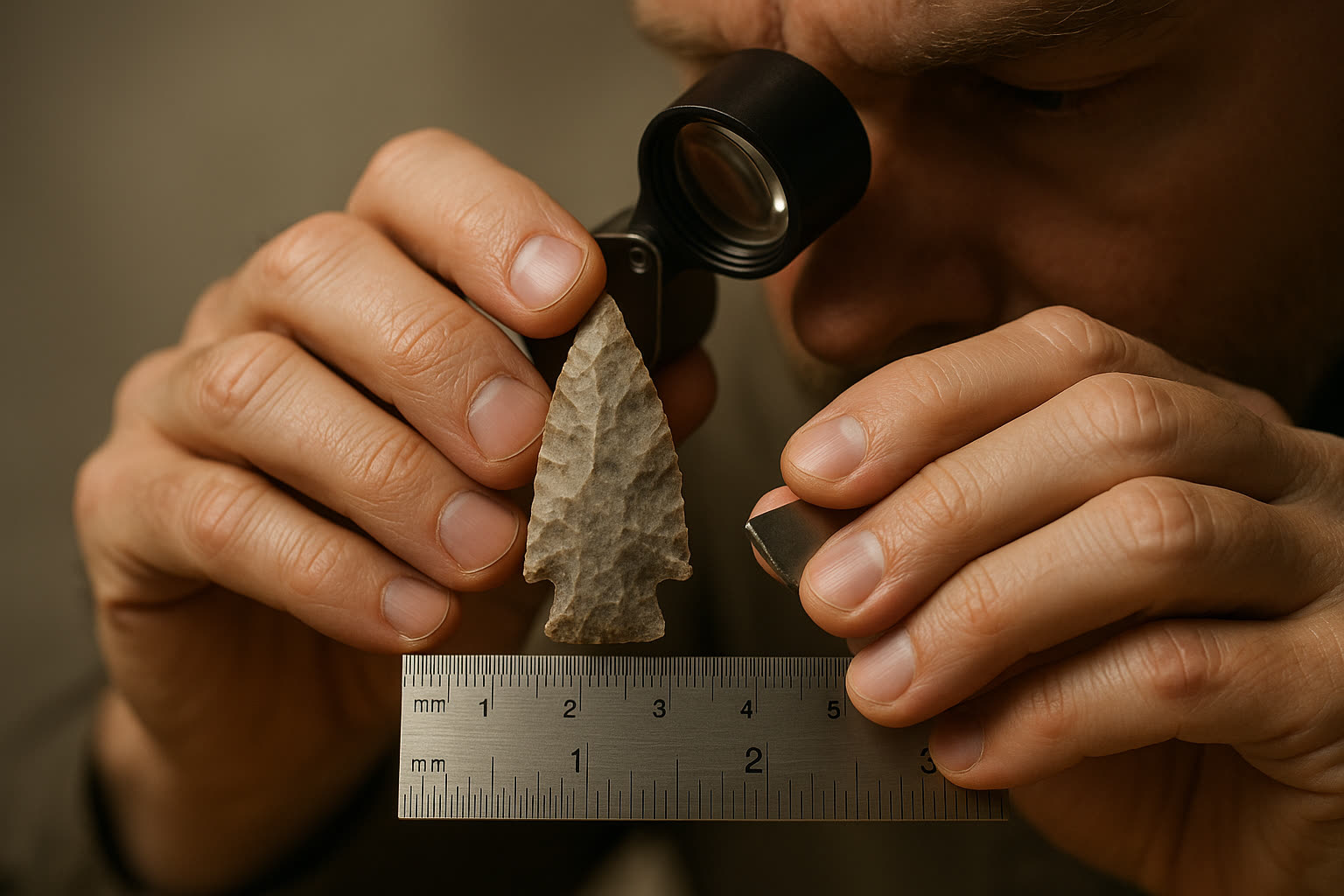
A practical identification workflow (the 20-minute method)
- Write down what you actually know (where/when acquired; family story; any paperwork).
- Measure it (length/width/thickness; weight for jewelry if possible).
- Identify the material (stone/clay/shell/metal; magnet test for “silver”).
- Describe construction + condition (stitches, coiling, repairs, replacements).
- Validate with auction comps (same category, similar quality and condition).
If you can’t find close comps, that’s a signal to use a specialist.
Photo guide: material and tool-mark clues that help identify artifacts
The fastest way to improve identification is to photograph “diagnostic surfaces”—the parts that preserve manufacturing traces.
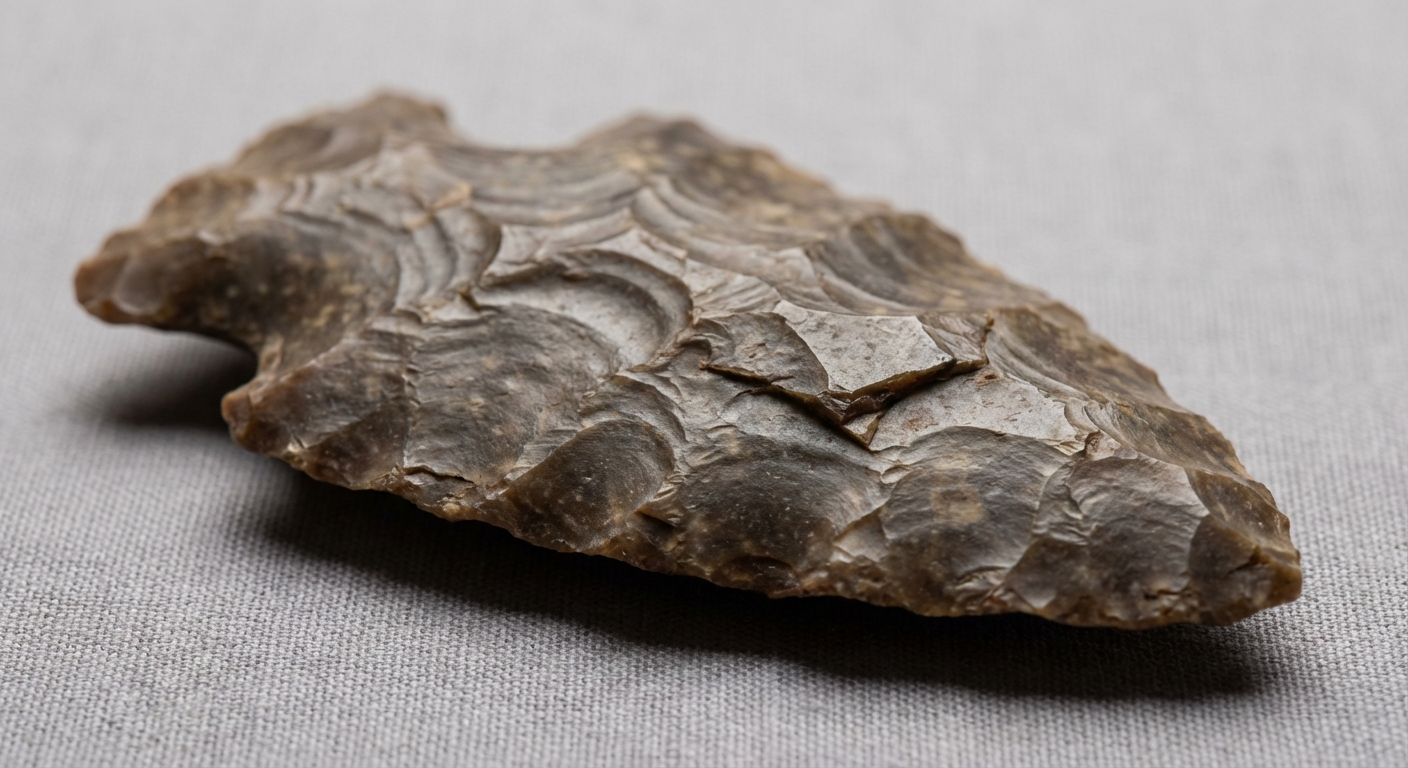
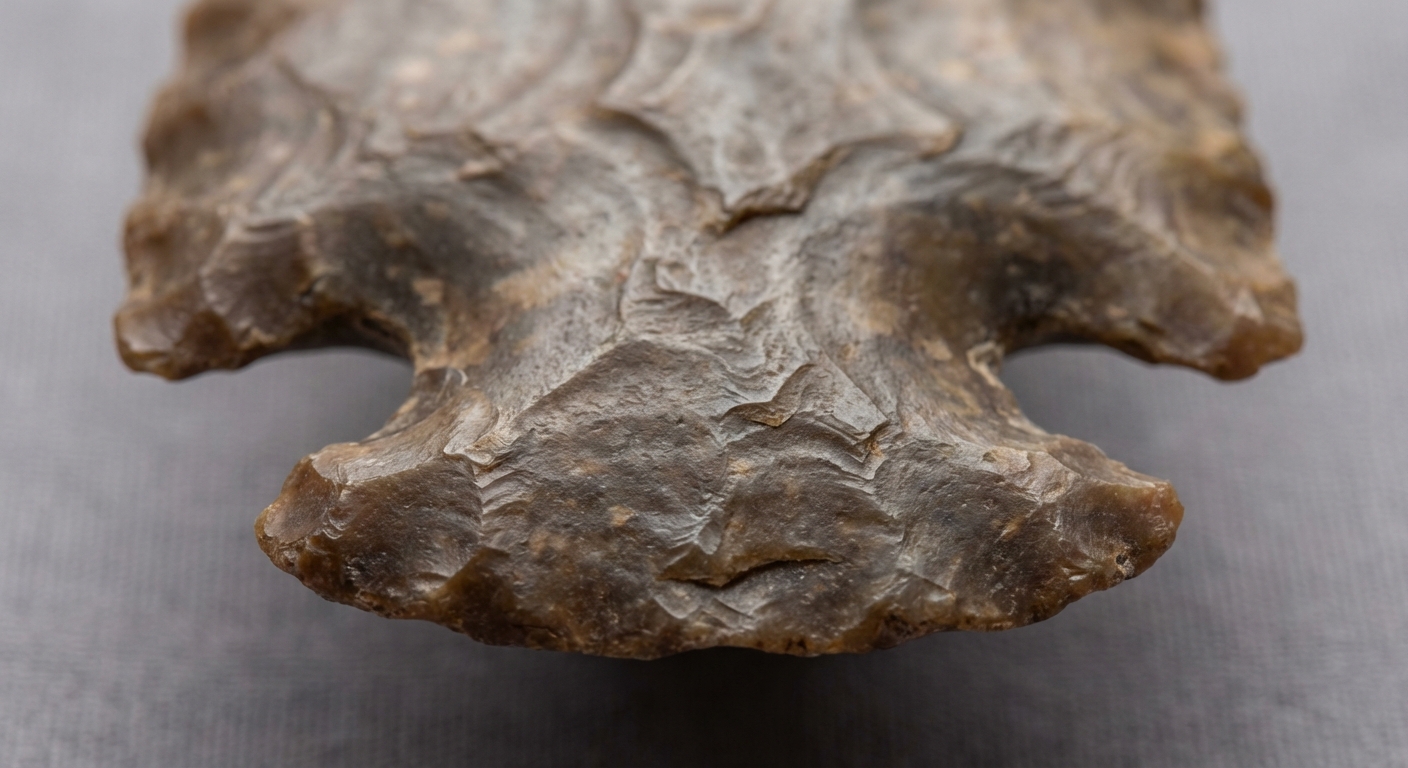
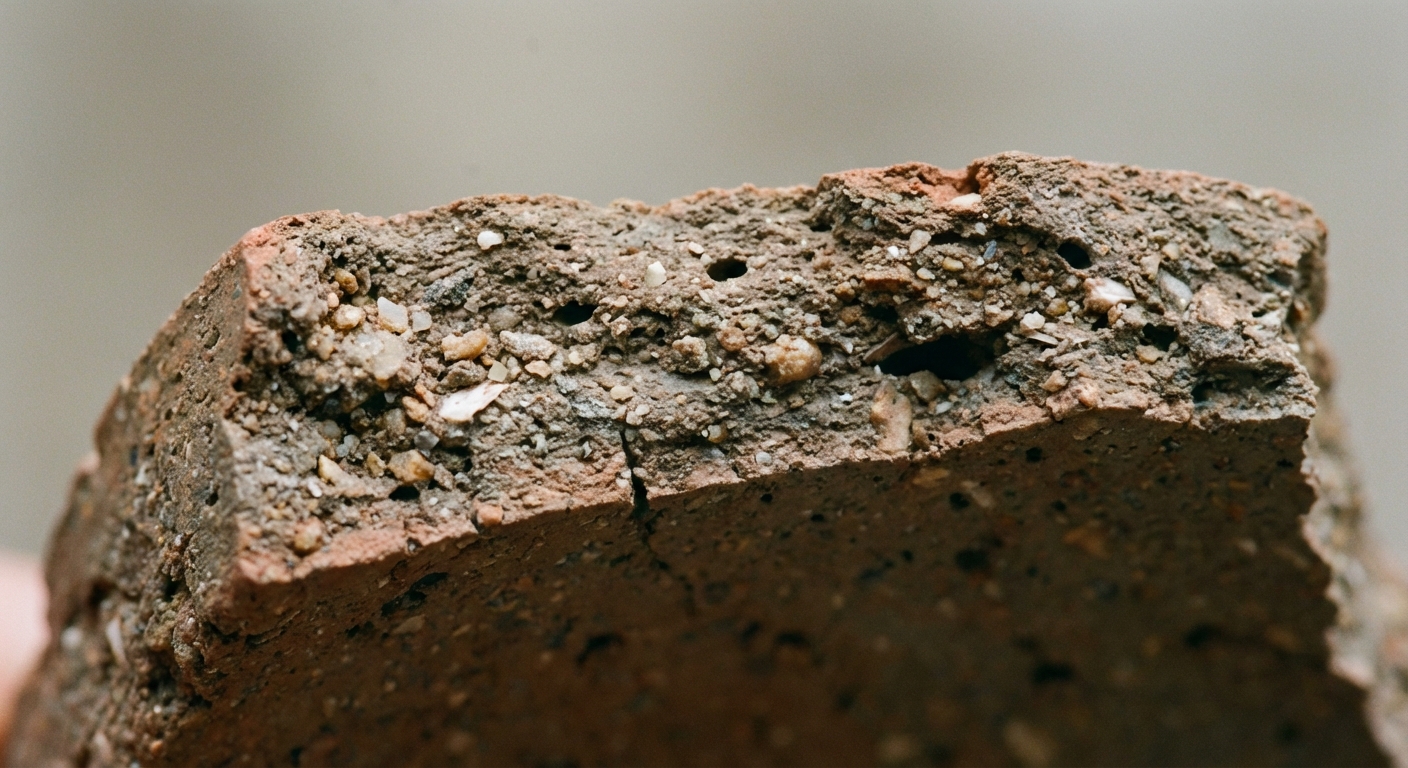
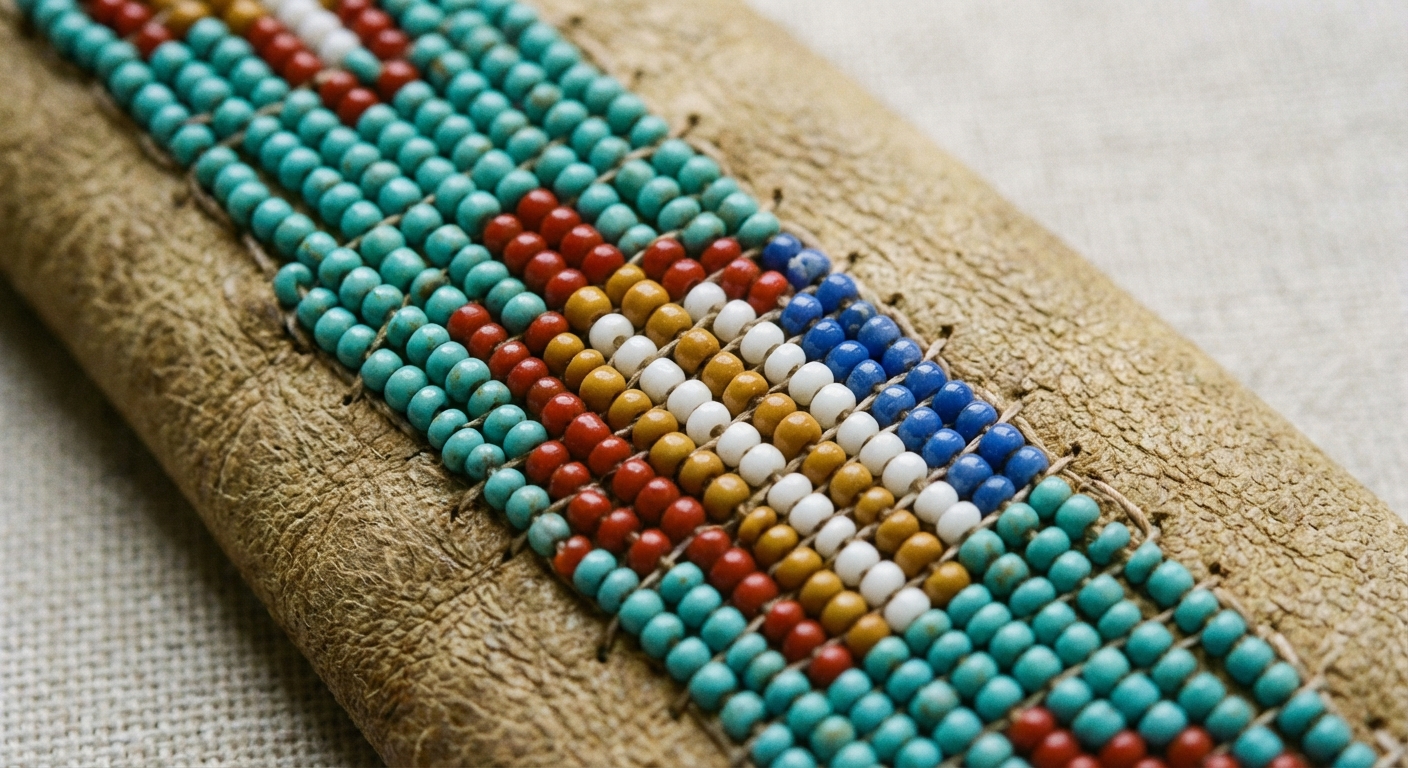
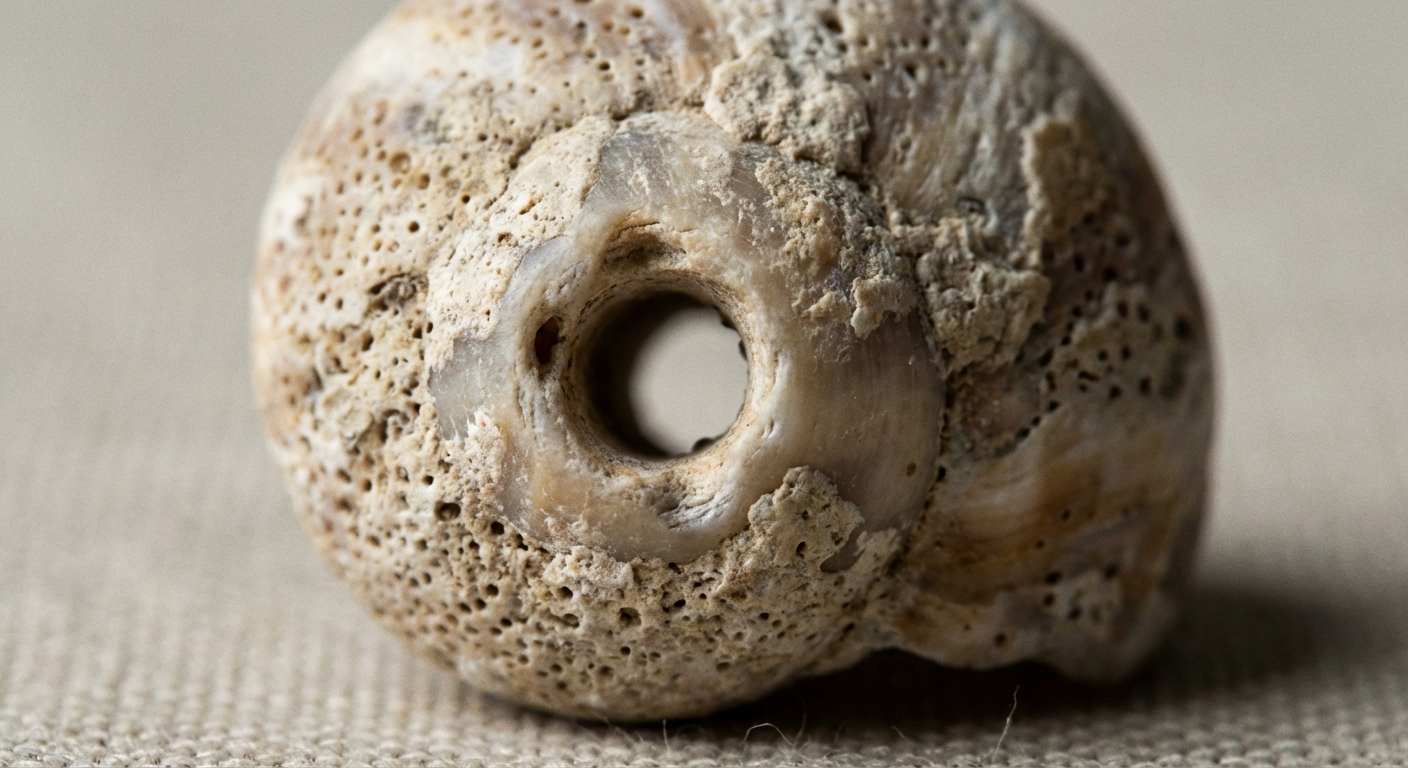
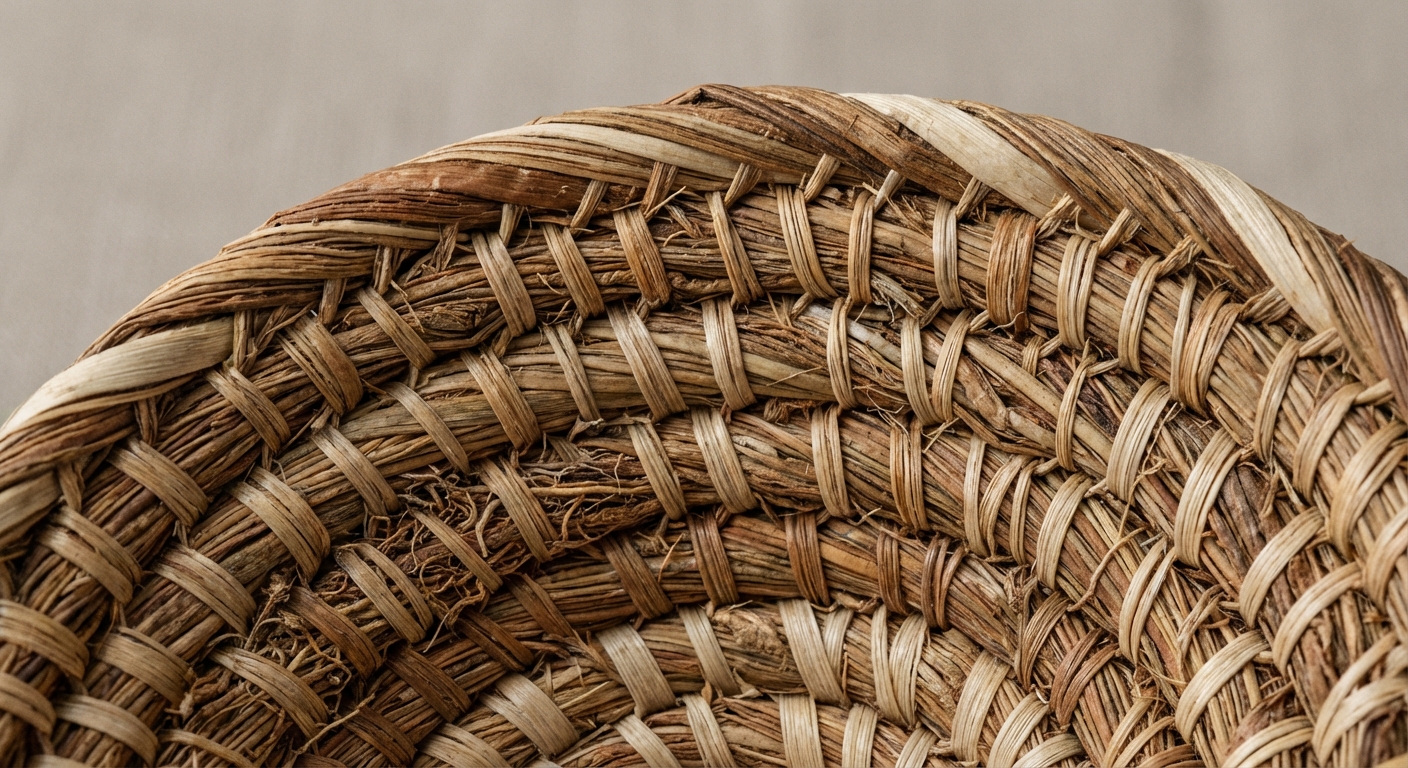
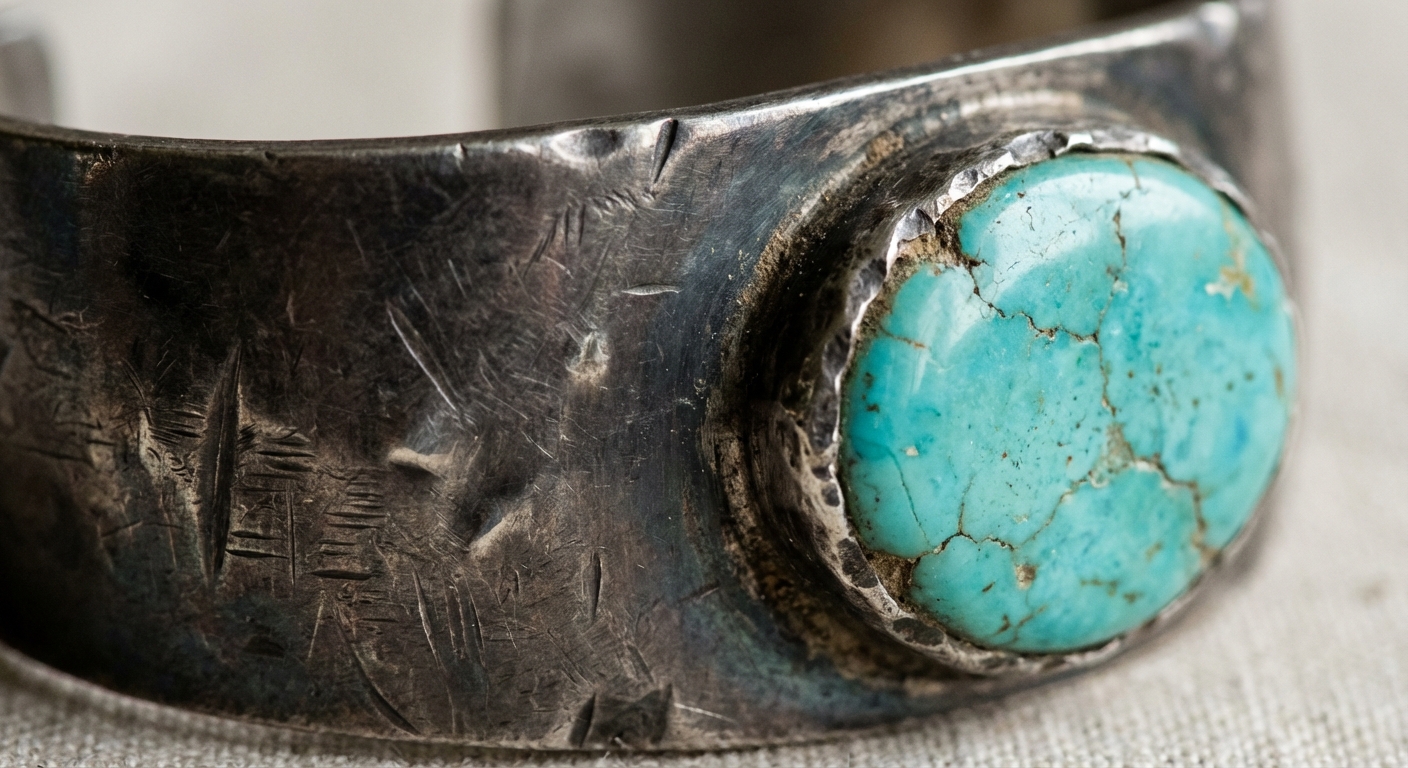
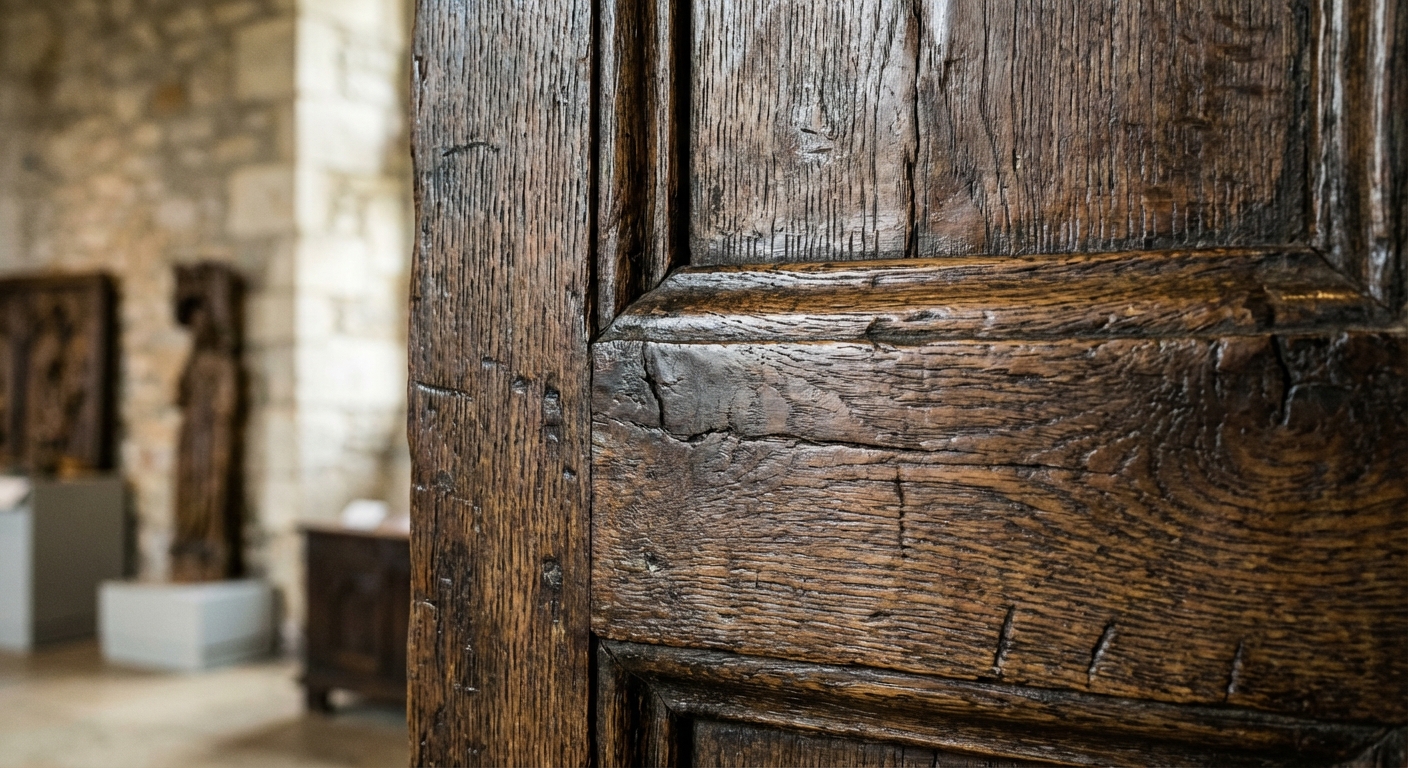
Use close-ups to support probability, not certainty. A useful working label is “Native American-style beaded bag, glass seed beads (possibly early–mid 20th century), needs specialist confirmation.”
Common reproduction red flags (things appraisers notice fast)
- Uniform aging: identical “patina” everywhere, including protected recesses and under repairs.
- Wrong wear logic: heavy wear in places that would not be handled or rubbed in normal use.
- Modern tool signatures: rotary tool marks, perfectly symmetrical grooves, or machine sanding on “old” pieces.
- New materials: plastic beads, modern epoxies, bright synthetic dyes, or stainless hardware where it doesn’t belong.
- Bad claims: “ceremonial” or “burial” used as sales language without documentation.
What drives value (and why the same category can vary 10×)
Two objects can look similar and still trade at wildly different prices. Value usually comes down to:
- Provenance (documented collection history reduces legal and authenticity risk).
- Specific attribution (community/region, maker, or recognized workshop).
- Quality + condition (materials, craftsmanship, completeness, repairs).
- Market lane (fine art vs ethnographic collecting vs décor).
Note: We couldn’t find enough auction records that directly match Indian Artifacts Identification: Materials, Marks, Wear and Provenance Clues to publish a defensible price table. If you are valuing a specific item, include its maker, model, material, photos, and condition so the search can be narrowed.
What similar items actually sold for
The current auction search does not contain at least three clean, directly matched sales for Indian Artifacts Identification: Materials, Marks, Wear and Provenance Clues yet. If you’re valuing a specific item, use the free estimate flow so the search can be narrowed by maker, material, photos, and condition.
Disclosure: prices are shown as reported by auction houses and are provided for appraisal context. Learn more in our editorial policy.
Quick note: if your “Indian artifact” is from India (South Asia)
If your piece is a bronze, manuscript leaf, or carved stone from India, provenance matters heavily and export/ownership rules can be strict. A professional appraisal should include:
- Documented collecting history (receipts, older inventories, prior appraisals).
- Material/technique notes (casting method, pigment/ink, stone type).
- Comparable sales from reputable auction houses.
If provenance is missing, avoid definitive age/origin claims and get specialist guidance before a cross-border sale.
When to get a professional appraisal (and what to include)
If you need a number for insurance, an estate, taxes, or a planned sale, an appraisal is most efficient when you include the information appraisers actually use:
- Photos including macros and a ruler shot.
- Measurements (and weight) when possible.
- Condition + repairs (and replacements).
- Provenance + your goal: sell, insure, donate/taxes, or learn.
The payoff is clarity: what the item most likely is, what uncertainties remain, which comps were used, and the correct value type.
Search variations collectors ask
Readers often Google questions like:
- how to identify Native American beadwork bag age
- how to tell if an arrowhead is real or modern
- what does basal grinding mean on projectile points
- how to identify coiled vs twined Native American baskets
- how to spot fake turquoise and silver Native jewelry
- are Native American artifacts legal to sell online
- how to value a beaded knife sheath or moccasins
- what photos do appraisers need for artifact identification
Each question is answered in the identification guide above.
References & data sources
- National NAGPRA program (overview and resources): https://www.nps.gov/subjects/nagpra/index.htm
- Indian Arts and Crafts Act (U.S. Department of the Interior): https://www.doi.gov/iacb/act
- General appraisal standards (USPAP overview): https://appraisalfoundation.org/uspap
- Auction datasets cited in-text: Bourgeault-Horan Antiquarians (Lot 1472, 2010-11-14), Antony Cribb Ltd (Lot 62, 2019-07-30), Billy The Kid Auction House (Lot 397, 2024-10-27).