Unlocking Past Secrets a Guide to Accurately Value Old Postcards with Stamps: appraisal and value basics
Unlocking Past Secrets a Guide to Accurately Value Old Postcards with Stamps research should start with identification, condition, provenance, and recent comparable sales. Use this guide to compare the signals that matter before paying for a formal appraisal or deciding whether to sell.
Old postcards with stamps value checklist
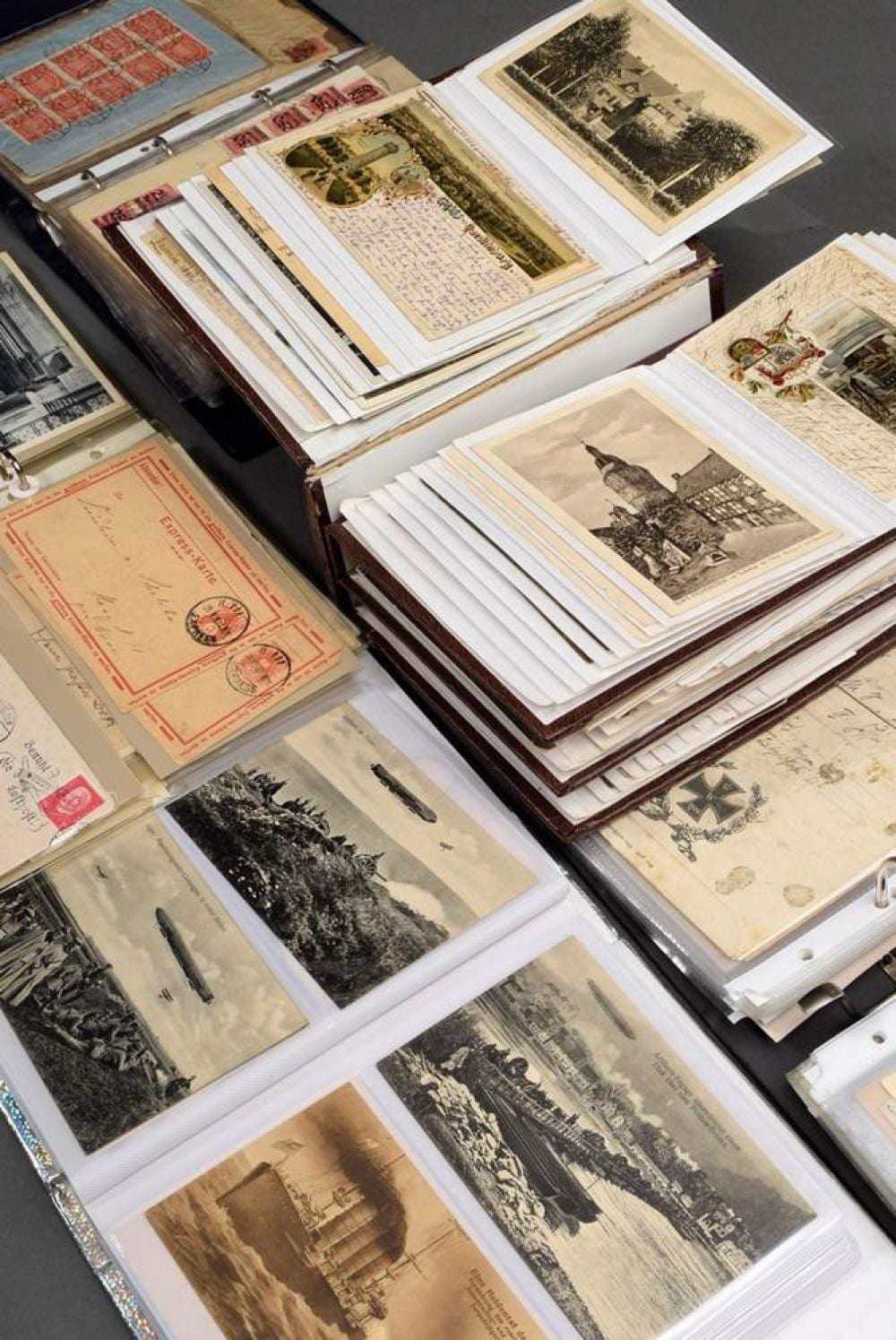
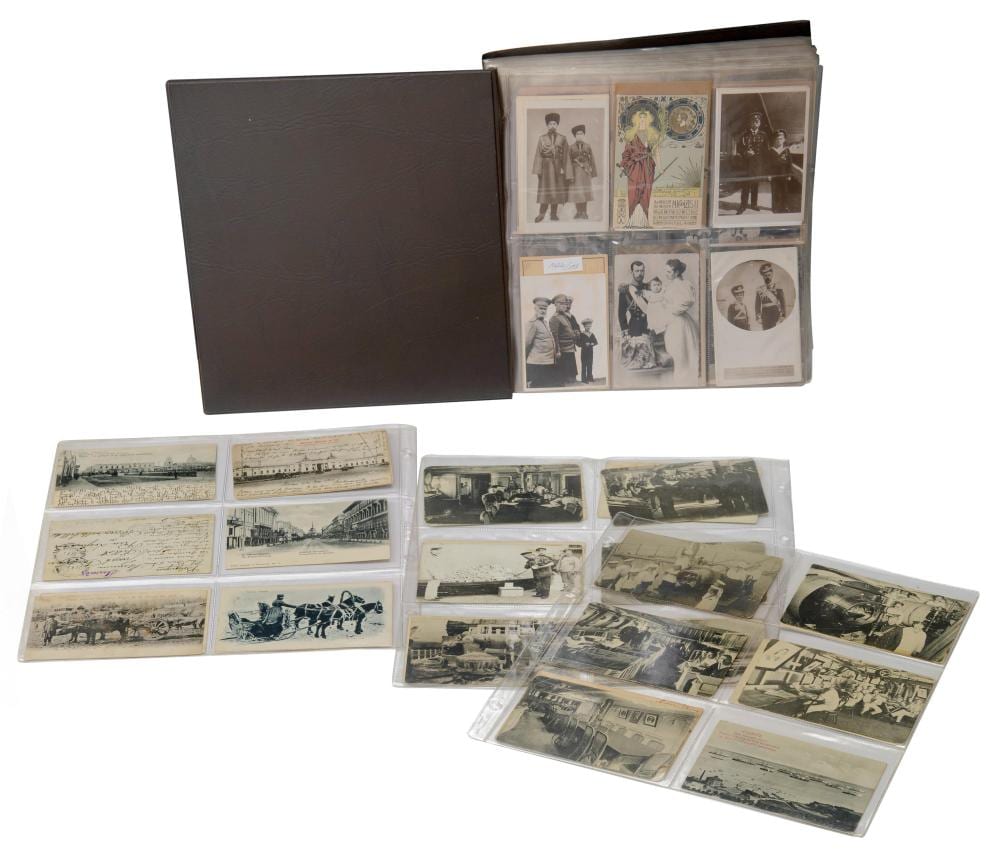
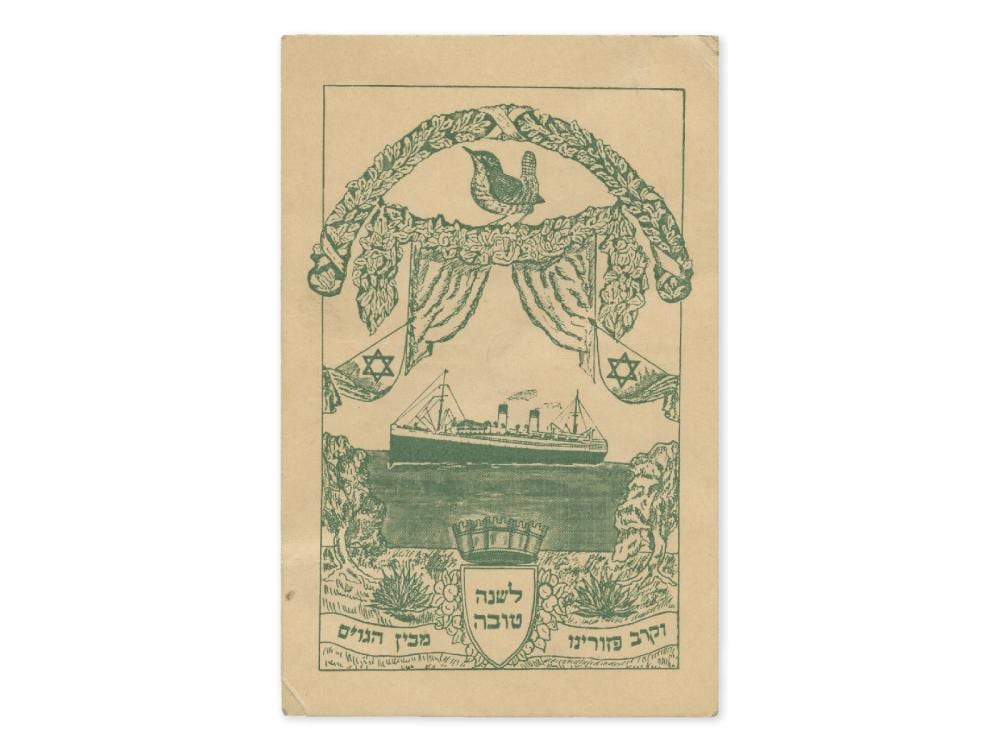
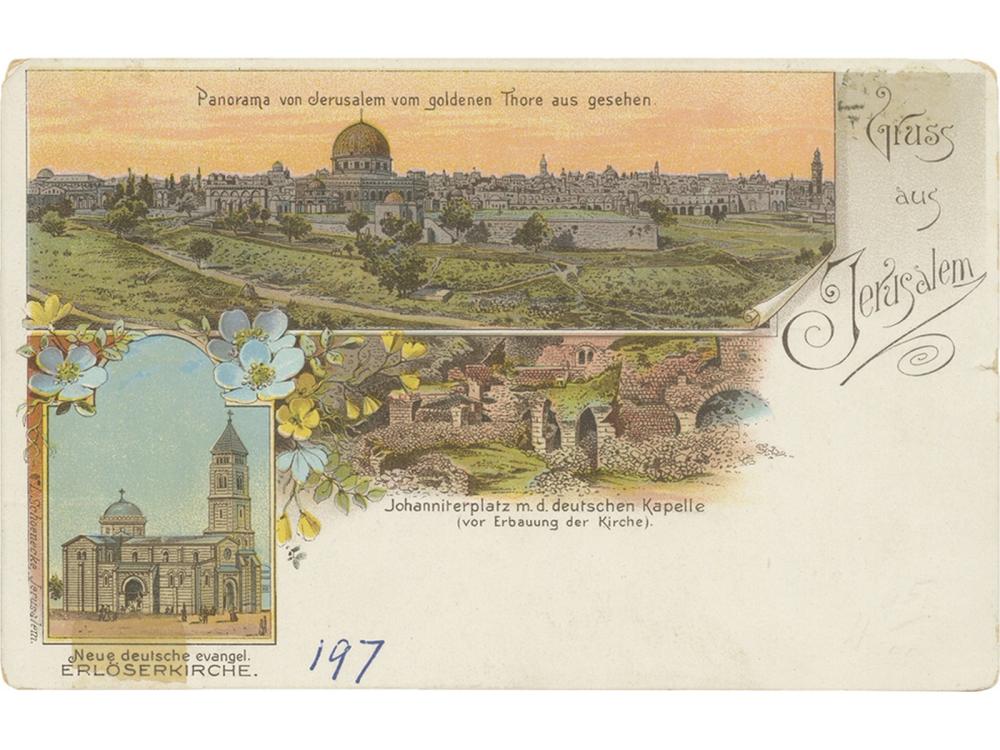
Stamped postcards are miniature time capsules. They combine artwork or photography, the sender’s story, a stamp, and a postmark into a single, dateable artifact. For collectors of antiques, art, and postal history, that combination can be worth far more than the sum of its parts—if you know how to read it. This guide walks you through a methodical, accurate approach to valuing old postcards with stamps, from identifying the card type and era to decoding rates and markings, grading condition, and estimating fair market value with confidence.
Why Stamped Postcards Are Different
A postcard with a stamp isn’t just “a postcard plus a stamp.” It becomes postal history—evidence of a journey through a specific system on a particular date, often with markings that cannot be replicated off-cover. That context unlocks value in three ways:
- Subject and publisher value: The image, artist, or publisher may be desirable in the postcard market.
- On-cover stamp value: A common stamp might be negligible off-paper, but tied to a scarce town cancel, route, or wartime censor marking, it can become valuable.
- Story value: Messages, destinations, and provenance can elevate a card beyond typical price ranges, appealing to cross-collectors (local history, transportation, military, holidays, advertising).
Important distinctions:
- Private postcards vs postal cards: “Postal cards” (with an imprinted indicium from the postal authority) are integral postal stationery; “postcards” bear adhesive stamps. Both can be collectible.
- Don’t soak stamps: Removing the stamp destroys postal history and typically reduces value. Collectors pay premiums for stamps tied to the card by a legible cancel.
Identify the Card: Era, Type, and Subject
Before you look at stamps and markings, identify the postcard itself. Four variables drive the baseline value: era, production method, publisher/artist, and subject.
Era (U.S.-centric benchmarks; other countries have parallel periods):
- Pioneer (pre-1907): Early cards; often “Private Mailing Card” backs; scarce scenic views and expositions.
- Undivided Back (1901–1907): Message prohibited on the address side; image dominates; collectible for early views.
- Divided Back (1907–1915): Message allowed on back; explosion of publishers; many topicals born here.
- White Border (c. 1915–1930): White margins to save ink; many small-town views; supply remains large but local desirability matters.
- Linen (c. 1930–1945): Fabric-like texture; bold color; popular for Americana (routes, motels, diners).
- Photochrome/Chrome (c. 1939–present): Glossy color; some mid-century subjects draw strong interest.
Real Photo Postcards (RPPCs):
- True photographic prints on postcard stock, often short runs; can be premium if subject is compelling.
- Identify with stamp-box and paper marks: AZO, CYKO, VELOX, KRUXO, etc. For AZO, four triangles up (roughly 1904–1918), two up/two down (c. 1917–1930), four squares (c. 1920s–1940s). These ranges are guides, not absolutes.
Production and novelty types:
- Chromolithograph artist cards, hold-to-light, mechanicals, leathers, silks, real-photo panoramas—often higher-tier.
- Well-known publishers/artists: Raphael Tuck & Sons (Oilette series), Coles Phillips, Ellen Clapsaddle, Schmucker, Brundage. Artist-signed holiday cards can be significant.
Subject/topical strength:
- High-demand themes: Halloween (especially cats, witches), Santa and early Christmas, Black Americana (use ethical judgment; historical but sensitive), small-town street scenes, railroads/RPOs, aviation/airships, disasters (floods, fires), expositions, early automobiles and gas stations, occupational views, military camps, sports teams, immigrants/ethnic communities, early women’s professions.
- Local views: A mundane street in a tiny town can out-sell a famous city if the local market is active.
Document these attributes before you assess stamps and markings; they establish the card’s baseline desirability.
Read the Postal Story: Stamps, Rates, and Postmarks
Now decode the “postal layer.” This is where stamp collectors and postal historians focus—and where value can escalate.
Stamps and franking:
- Is the stamp tied? A clear cancel that ties the stamp to the card is critical.
- Correct rate? Properly rated cards can be routine; unusual rates (postage due, overfranking during shortages, bisects used during stamp shortages) can be scarce.
- Special types: Precancels, perfins (company-perforated), official stamps, revenue usages (improper but collectible), war tax issues in some countries.
- Mixed franking: Multiple countries’ stamps on one card (transit/postage added) can be desirable.
Postmarks and auxiliary markings:
- Town and date: A small, short-lived post office or territorial designation (e.g., Alaska Territory, Puerto Rico early U.S. administration) can add interest.
- Railway Post Office (RPO), Traveling Post Office (TPO), Sea Post, Paquebot: Route markings are a specialty area with premium potential.
- Machine cancels: Flag cancels, early slogan cancels, duplex and fancy cancels, Doane cancels (U.S. small-town killers with numbers), “Socked-on-the-nose” strikes for clarity.
- Military/censor: APO/FPO, field post, unit cachets, censor tapes and handstamps elevate value, especially when paired with historically significant messages and dates.
- Registered, special delivery, airmail frames: Less common on postcards, thus attention-worthy when present.
Destinations and routes:
- Unusual destinations or foreign transit paths suggest scarcer handling.
- Redirections, returned-to-sender, and instructional labels (Address Unknown, No Such Office) add postal history interest.
Rate periods (U.S. snapshot for context; verify per country):
- 1¢ domestic postcard rate prevailed for long stretches; wartime increases (e.g., Nov 1917–June 1919 to 2¢) matter. Finding a correctly dated 2¢ domestic postcard during that short window helps confirm date and can attract postal historians.
- International postcard rates vary; an under- or overpaid card with due markings can be more collectible than a routine correctly paid one.
Ask: Would a postal historian care about the route, marking, or rate? If yes, you’re likely above baseline postcard value.
Condition and Authenticity: Grading What Matters
Condition criteria overlap but differ for postcards and stamps. Balance both.
Card condition:
- Corners and edges: Blunting, bends, and chips reduce grade.
- Creases: Heavy creases are value killers; light bends have modest impact, especially on scarce RPPCs.
- Surface: Abrasions, album marks, silvering on RPPCs (fine silver mirroring at dark areas), stains.
- Writing: Used cards are expected; strong messages can add value. Front writing can detract unless artist-signed or historically notable.
- Trimmed edges: Disqualify many buyers; inspect for evenness and loss of border design.
Stamp condition on cover:
- Tears, thins, or missing perfs matter less on-cover than off, but still influence price.
- Centering and cancel: A neatly centered stamp with a socked-on-the-nose cancel can please both postcard and stamp collectors.
- Gum is irrelevant on used stamps; never attempt to remove a stamp to “improve” it.
Authenticity checks:
- Reproduction risk: Modern reprints often show uniform halftone dot patterns, bright optical-whitening-paper, barcodes on the back, or modern zip code text. Compare screen patterns under magnification.
- RPPC verification: Look for photographic grain, not printed dots; confirm period stamp-box marks and paper feel. Light silvering and period wear align with age.
- Fake cancels: Unnaturally crisp, oily, or non-absorbed ink; dates that don’t match rates; town names inconsistent with message or route.
Provenance and content:
- Names, notable signers, or documented link to events can make a common card uncommon.
- Keep the envelope or album context if present; provenance can add confidence and value.
Grade conservatively. Scarcity can forgive light wear, but never authenticity issues.
Build a Realistic Value: Comps, Scarcity, and Cross-Collecting
Valuation blends data and judgment. Use a layered approach:
- Establish the postcard baseline
- Common chromes and linens: Often a value that must be established from current, topic-matched sales retail unless topical demand is strong.
- Desirable undivided/divided back artist cards and holidays: a value that must be established from current, topic-matched sales+ depending on artist and scene, with Halloween and early Santa at the top.
- RPPCs: Common subjects a value that must be established from current, topic-matched sales; small-town main streets, disasters, trains, occupational scenes, early automobiles can hit a value that must be established from current, topic-matched sales+. Scarce regional or socially significant images can exceed that.
- Add postal history premiums
- Routine domestic usage adds little. Scarcer elements (RPO/TPO, territorial postmarks, paquebot, censor markings, unusual rate periods, bisects) can add 20–300% depending on specialty demand.
- Tiny-town cancellations, especially with “Doane” styles, may draw specialty bidders.
- A crisp, tied cancel boosts confidence and appeal.
- Consider cross-collecting multipliers
- A Halloween artist card with a rare small-town cancel combines two strong audiences.
- Advertising postcards (real storefronts, branded trucks) attract brand and local-history collectors.
- Early aviation with a pioneer airmail cachet crosses topicals and postal history.
- Use comps intelligently
- Look for sold (completed) prices, not asking prices.
- Adjust for condition, exact subject (street name, landmark), and markings. “Similar” isn’t “same.”
- Note outliers: bidding wars, single-buyer anomalies, or misidentified listings can skew averages.
- For rare items with thin data, triangulate: dealer price lists, auction archives, and specialist club catalogs, then price cautiously.
- Market channel matters
- Retail antique malls: slower, higher sticker price.
- Online auctions: best for rare or contested items; start low to attract watchers if you’re confident in demand.
- Fixed-price listings: good for standardized material; revisit pricing periodically.
- Lotting strategy: Group common cards by town/topic. Sell exceptional RPPCs and postal-history pieces individually.
Keep in mind that prices fluctuate with collector trends and regional interest. When in doubt, document your reasoning and maintain an internal comp library for future reference.
Practical Checklist For Quick Appraisal
- Confirm card type and era: Pioneer, Undivided, Divided, White Border, Linen, Chrome, or RPPC (check stamp-box/paper).
- Identify subject strength: Local view, holiday, transportation, disaster, advertising, military, etc.
- Inspect postal elements: Is the stamp tied? Correct rate? Any scarce cancels (RPO/TPO, territorial, paquebot), censor marks, postage due?
- Grade condition: Corners, creases, surface, and stamp condition on-cover; watch for trimming and repairs.
- Verify authenticity: Photographic grain vs printed dots; period paper; plausible dates and routes.
- Research comps: Find sold examples matching subject, era, and markings; adjust for condition and channel.
- Decide presentation: Single listing for premium pieces; lot common cards by coherent theme.
- Preserve safely: Archival sleeves, no PVC; never soak off stamps; store flat, away from light and humidity.
Selling and Preservation: Strategies and Care
Description matters:
- Lead with subject and era, then highlight postal elements: “RPPC, Main St., Smalltown KS, 1918 2¢ wartime rate, Doane cancel, clear message referencing flu epidemic.”
- Provide both sides in your images; postal historians need to see cancels, rates, and messages.
Ethical handling:
- Do not separate stamp and card.
- Note sensitive content thoughtfully. Historical depictions can be valuable but require context and care.
Storage and conservation:
- Use archival polypropylene or polyester sleeves; avoid PVC.
- Keep flat; for light warps, consider safe humidity chamber relaxation only if experienced.
- Avoid tape, glue, and aggressive cleaning. Surface grime may be removable with a dry conservation sponge, but test lightly and stop at the first sign of abrasion.
- Maintain stable climate: moderate humidity, minimal UV exposure.
Cataloging:
- Assign identifiers and record: era, publisher, series number, subject, postmark details (town/date/type), route marks, rate, condition, and comps.
- Scan at high resolution (both sides) for records and online sales.
When to seek specialist input:
- Unusual auxiliary markings you can’t identify.
- Suspected bisect or provisional usages.
- High-value artist cards or RPPCs with rare regional subjects.
- Military/POW/Internment postal history, which has nuanced regulations and specialist markets.
Short FAQ
Q: Do used postcards lose value compared to unused ones? A: Not necessarily. For postal historians, used cards with clear, tied postmarks and interesting routes are more desirable. For art/holiday cards, mint condition can be preferred, but a well-traveled example with a crisp cancel can still command strong prices.
Q: How much does a common stamp add to value? A: On its own, usually very little. The value arises when the stamp is tied by a desirable cancel, reflects a scarce rate period, or is part of a noteworthy route (RPO, paquebot, censor). Otherwise, the card’s subject and publisher drive price.
Q: Are modern reprint postcards worth collecting? A: Some reprints have modest decorative value, but they rarely carry significant collector premiums. Originals with period paper, printing, and postal usage are the primary targets for appraisal and investment.
Q: Should I remove a stamp to sell it separately? A: No. Removing a stamp destroys postal history and usually reduces overall value. Collectors pay for intact, tied-on-cover items.
Q: How precise can I be with dating an undated RPPC? A: Combine clues: stamp-box type and paper brand, fashion and vehicles in the image, publisher imprint/series, and the postage rate if it’s used. Together, these usually narrow the date to a 3–10 year window.
By treating each postcard as a layered artifact—the image, the message, the stamp, and the journey—you can build defensible valuations that appeal to both postcard enthusiasts and postal historians. With practice, you’ll spot the sleepers: the small-town RPPC with an uncommon RPO cancel, the holiday artist card with an early territorial postmark, or the innocuous view hiding a rare bisect usage. Those are the past secrets worth unlocking.