Unlocking History a Comprehensive Guide to Identifying Antique Percussion Pistols: appraisal and value basics
Unlocking History a Comprehensive Guide to Identifying Antique Percussion Pistols research should start with identification, condition, provenance, and recent comparable sales. Use this guide to compare the signals that matter before paying for a formal appraisal or deciding whether to sell.
Antique percussion pistol identification checklist
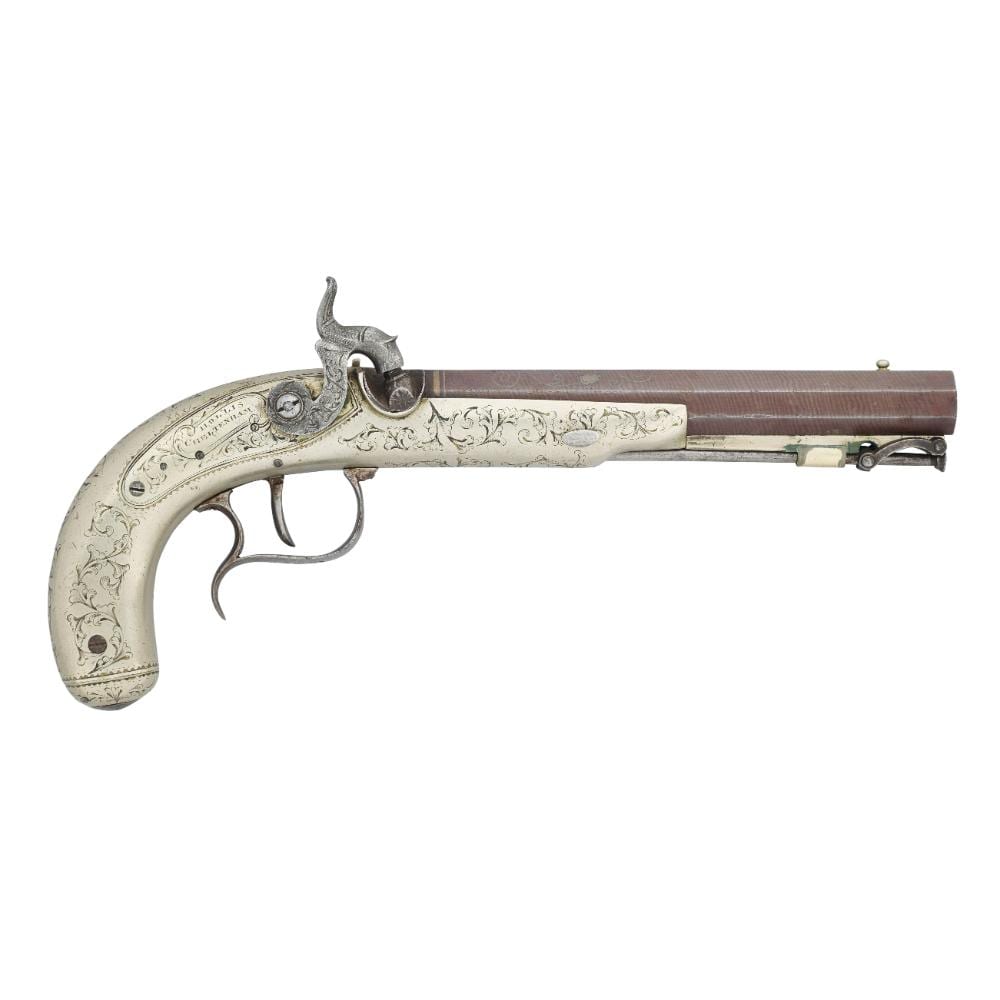
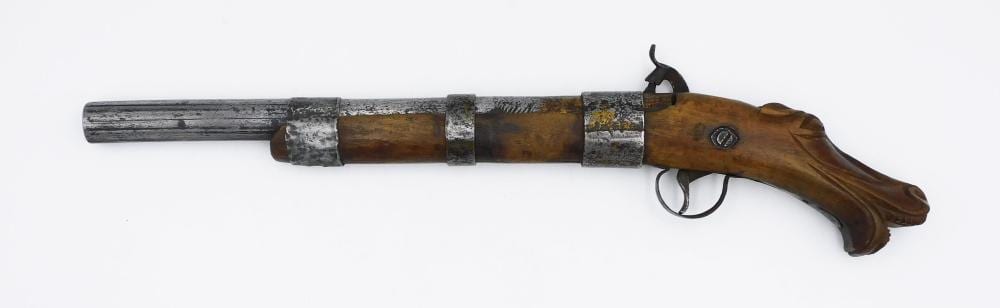
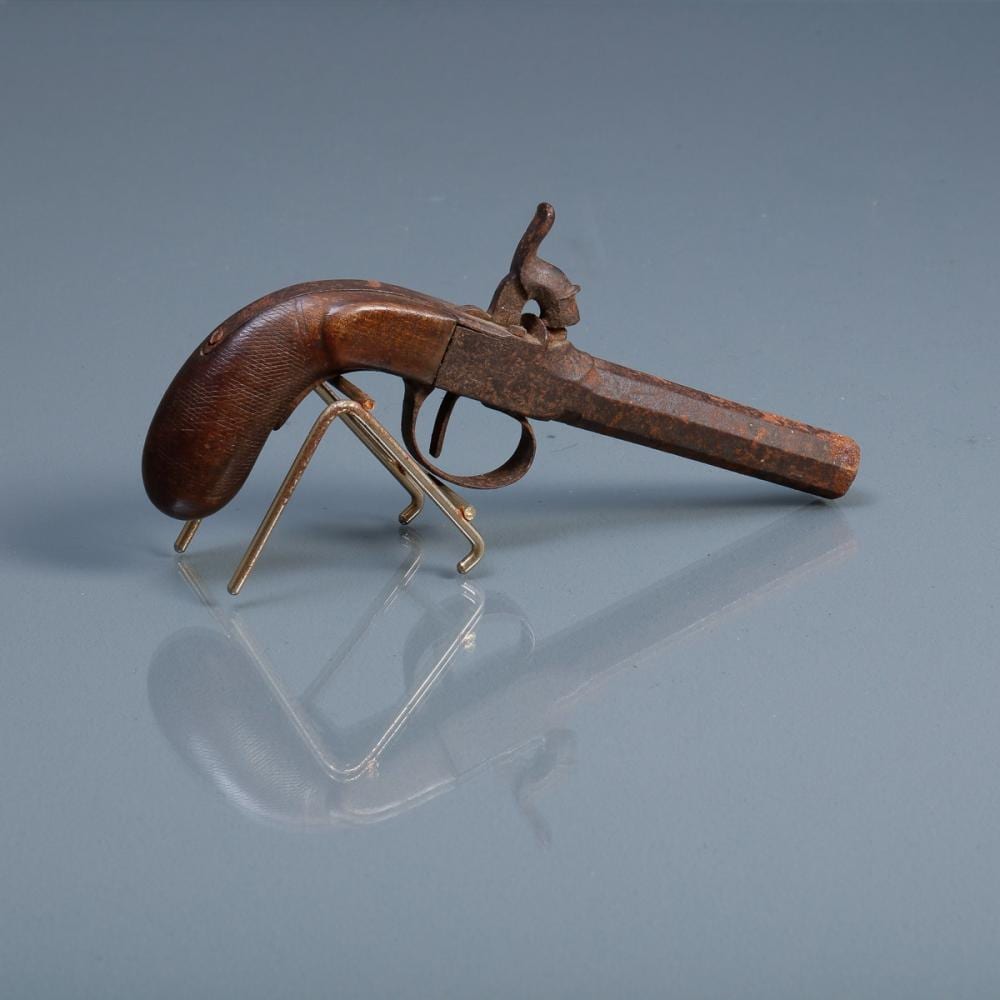
Antique percussion pistols sit at a pivotal moment in firearms history, bridging the gap between flintlock ignition and modern cartridges. For collectors and appraisers, they offer rich opportunities—and pitfalls. This guide distills what to look for, how to read proof and maker’s marks, and how to separate authentic 19th-century pieces from later conversions and reproductions.
Note: This article addresses identification and appraisal. Do not attempt to load or fire an antique percussion pistol. Consult a qualified gunsmith for mechanical evaluation.
Understanding the Percussion Era (and Why It Matters)
The percussion ignition system—using a small copper cap filled with shock-sensitive compound—emerged in the 1820s and dominated through the 1860s before cartridges took over. This era includes:
- Purpose-built single-shot pistols (martial, dueling, target, pocket/muff)
- Pepperbox pistols (multi-barrel clusters)
- Early cap-and-ball revolvers (percussion ignition, though beyond the focus of single-shot identification)
- Flintlock-to-percussion conversions
Knowing this timeline helps frame design clues. Early percussion pistols often show experimentation (drum-and-nipple conversions, front-action locks), while mid-century pieces exhibit more standardized bolsters, back-action locks, refined sights, and improved rifling and ergonomics.
Anatomy of a Percussion Pistol: Parts That Tell Stories
Start by naming parts and noting how they’re executed. Each component can indicate period, origin, and quality.
- Lock and hammer: The hammer (also called the “cock”) strikes a percussion cap seated on a nipple (cone). Back-action locks place the mainspring behind the hammer and are common from the 1840s onward; front-action locks are earlier.
- Nipple, drum, and bolster: A true percussion design typically has an integral bolster forged or brazed onto the barrel/breech, often with a clean-out screw. Conversions add a cylindrical “drum” screwed into a repurposed touchhole with a threaded nipple—an identification red flag for conversion status.
- Lockplate: Look for maker names, serial/batch numbers, engraving style, and screw placement. Ghost marks from flintlock components (frizzen spring screw holes, pan scars) indicate conversion.
- Barrel: Shape (round, octagonal, swamped), length, rifling (count, twist), and the top-flat signature or address are crucial. High-quality British and French dueling pistols often carry signed top flats.
- Furniture: Trigger guard shape (with or without spur), buttcap style (plain, engraved, or with lanyard ring), ramrod thimbles, wedges or pins, escutcheons, and barrel keys signal national styles and quality tiers.
- Sights: Early pistols may have simple fixed sights; later target pistols incorporate fine, adjustable rear sights.
- Stock: Wood species (walnut common), checkering sharpness and pattern, grip profile (e.g., “saw-handle” target pistols mid-century), inlay quality, and any repairs or shrinkage cracks.
Documenting these components with measurements and clear photos is the foundation of accurate identification.
Types and Regional Signatures
Knowing the family of pistol you’re handling narrows the maker, purpose, and value.
- Dueling pistols: Typically high-quality pairs with long octagonal barrels, fine locks, and restrained engraving. Early examples often smoothbore; later target-oriented dueling pistols may be rifled.
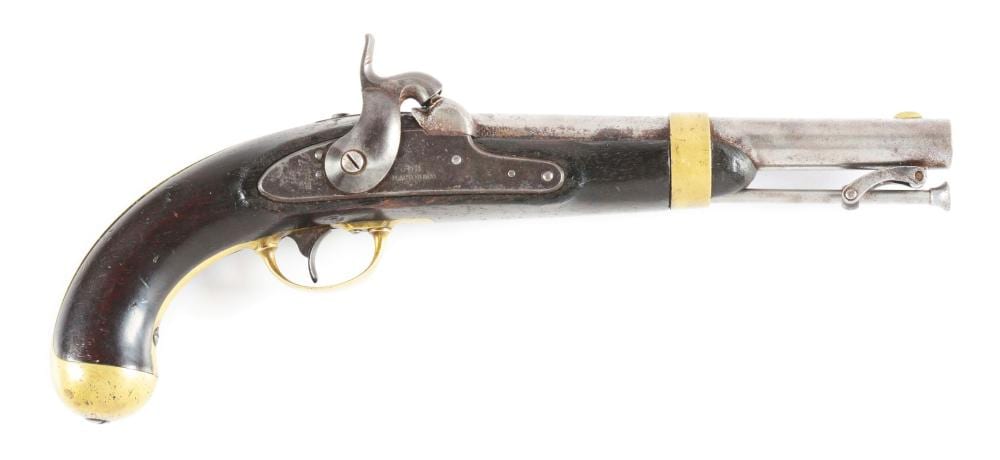
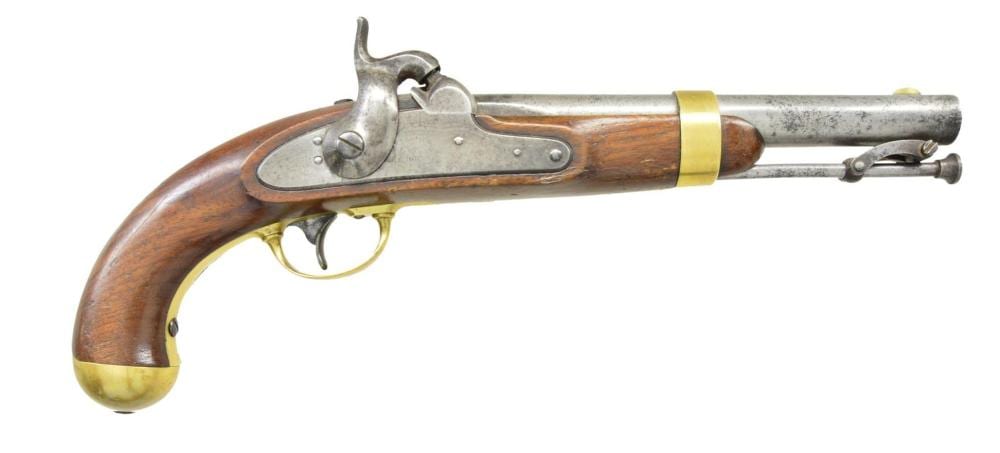
- Martial pistols: Government-issue single-shots in robust configurations. U.S. M1842 style pistols by Aston/Johnson exemplify military patterns with inspector cartouches and “U.S.” markings.
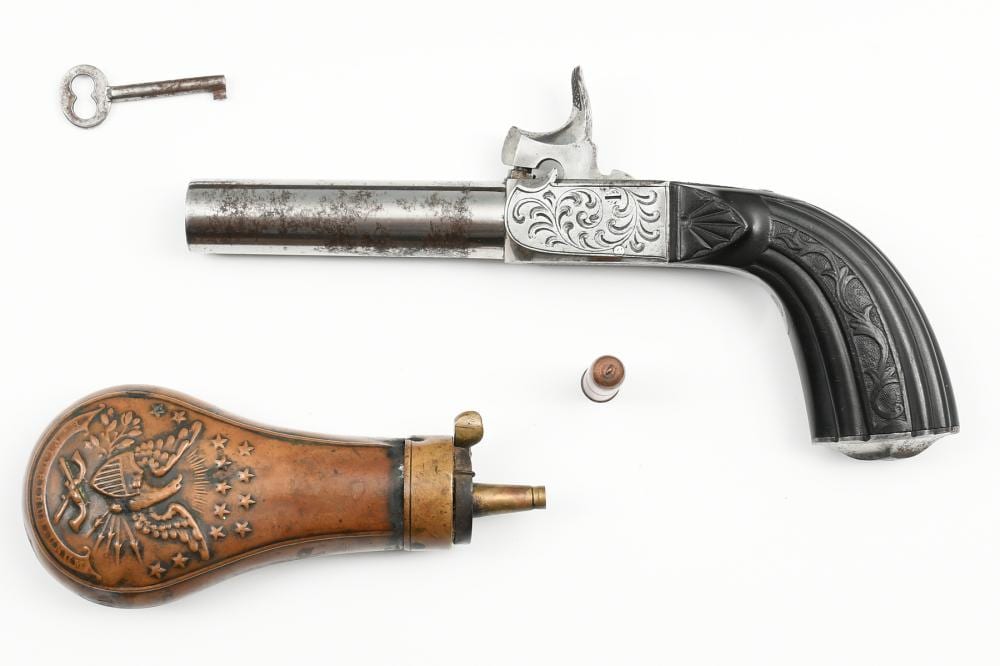
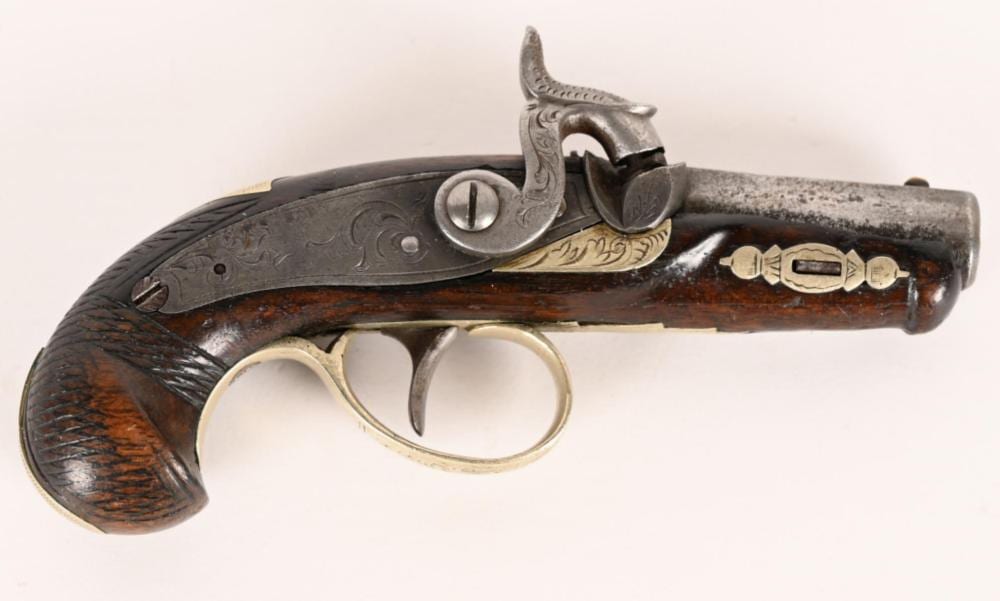
- Pocket/muff pistols: Compact, often with boxlock mechanisms and screw-off barrels on some examples for easy loading. British and Belgian makers produced large numbers; engraving and case quality vary widely.
- Target pistols: Heavier barrels, set triggers, adjustable sights, and pronounced ergonomic grips (“saw-handle” styles) appear from the 1840s–1860s.
- Pepperbox pistols: Multi-barrel clusters rotating around a central spindle, often bar-hammer types. American makers like Allen & Thurber mark city names (e.g., “Worcester”) on the bar or frame.
Regional cues:
- British: London or Birmingham addresses, neatly struck proof marks, fine damascus barrels, classic restrained engraving, and high fit/finish on pairs.
- Belgian (Liège): Wide export trade; varied quality. Look for Liège proof marks and commercial patterns often sold into Britain and the U.S.
- French: St. Étienne marks, elegant lines, and high-grade target and dueling pistols with sophisticated sights and triggers.
- Germanic/Austrian: Suhl and other centers producing technical, solid pistols; deep rifling on target types; distinctive carving/engraving on certain regional pieces.
- American: Marked martial pistols, Philadelphia pocket pistols (Deringer), pepperboxes (Allen & Thurber/Allen & Wheelock), and early revolvers.
Maker’s Marks, Proofs, and Other Stamps
Marks are primary evidence—but read them in context.
- British proofs: London and Birmingham proof houses applied crowned letters and crossed scepters motifs alongside “view” and “definitive” proofs. Accompanying barrel/top-flat maker names and city addresses strengthen British attribution.
- Belgian proofs: The “ELG” in an oval (with or without a crown depending on period) is a classic Liège acceptance mark. The “Perron” (small tower-like symbol) appears as an inspection mark.
- French marks: St. Étienne applied various poinçons, often crowned letters and arsenal marks; French maker names and city addresses appear on barrels and locks.
- U.S. martial stamps: “U.S.” on barrels/locks, inspector initials in cartouches on stocks, maker names (e.g., Aston, Johnson) with dates on lockplates.
- Serial and assembly numbers: Found on barrels, breeches, locks, and furniture. On cased pairs, numbers should match across both pistols and accessories.
- Retailer versus maker: British and French luxury arms often show the retailer on the top flat; the actual barrel or lock maker may be indicated by secondary marks.
Be alert to later additions. Added “London” on a Belgian barrel, or spurious famous names in crude stampings, are common forgeries.
Modern reproduction cues:
- Clear, deep serials in modern fonts; country-of-origin stamps (e.g., “Made in Italy”); modern proof symbols and alphanumeric date codes; metric caliber markings; unaged cone threads; and contemporary trademarks. Many reproductions are high quality—but not antique.
Original, Converted, or Reconverted? Sorting Authenticity
Conversions are a core identification challenge:
- Flintlock-to-percussion conversion: Look for a cylindrical drum threaded into the original touchhole, extra screw holes where a frizzen spring once sat, pan remnants, or patches where the pan was removed. Conversions can be period-correct and collectible, but they are not purpose-built percussion.
- Purpose-built percussion: Integral bolsters (often with clean-out screws), hammer geometry purpose-made for cap strike, no vestiges of a pan or frizzen.
- Reconverted fakes (percussion back to “flintlock” to boost value): Modernly added pan/frizzen, misaligned screw holes, mismatched patina, and lock internals that remain percussion-era. Watch for too-crisp edges on “antique” parts and tool marks.
Other red flags:
- Mismatched pairs: Pairs should match in dimensions, engraving, numbering, and wood. Microscopic and measurement differences signal made-up pairs.
- Assembled cased sets: Period cases are dovetailed and lined with faded, hand-fitted compartments. Accessories (mold, tool, cap tin, flask) should be appropriate to the maker and era, with consistent wear.
- Overrestoration: Blurred engraving, rounded screw slots, recut markings, new case screws, bright modern blue on nipples, and glossy, open-grain stock finish.
Condition, Rarity, and Value Drivers
Collectors prize originality and quality. Factors that move the needle:
- Original finish and sharp edges: Crisp engraving, squared flats, un-buffed maker’s name, and original browning or damascus patterning.
- Mechanical integrity: Tight lockup, fine mainspring tension, correct timing on pepperboxes, unpeened screws, and unbuggered slots.
- Bore condition: Sharp rifling and minimal pitting suggest careful use. Martial pistols may be more worn; target pistols often show better bores.
- Completeness: Original ramrod or captive rammer, correct nipples, case, and tools. Missing or replaced small parts reduce value.
- Historical importance: Named makers, documented provenance, military contracts, early/innovative features, and documented competition use.
- Pair status: True pairs and cased pairs command substantial premiums over singletons.
Handling, Care, and Documentation for Appraisal
Conservation, not restoration, is the default stance for antiques.
- Handling: Use clean, dry hands or gloves. Keep oil off wood and engraving. Support the fore-end when removing the barrel to avoid cracking the stock.
- Cleaning: Dry dusting with a soft brush; a minimal amount of high-quality, neutral oil to arrest active corrosion on metal; never sand stocks or polish to bright metal. Avoid aggressive chemicals.
- Storage: Stable humidity and temperature; muzzle-down or horizontally to keep any residual oil off wood; cap removed and nipples lightly oiled to prevent seizure.
- Documentation: Photograph all marks at high resolution, inside and outside of lock, under barrel flats, and beneath furniture. Record weights, dimensions, bore diameter (measured with calipers or pin gauges), and rifling details. Keep a chain of custody and prior sale records.
Legal note: Many percussion pistols qualify as antiques under various jurisdictions, but laws vary on storage, sale, and shipping. Confirm local requirements before transport or transfer.
A Practical Identification Checklist
Use this streamlined workflow when a pistol lands on your bench:
- Confirm ignition system: purpose-built percussion bolster or a threaded drum conversion?
- Examine the lock: back-action vs front-action; maker marks; screw hole ghosts from flint parts.
- Inspect the barrel: octagonal/round; damascus pattern; top-flat signatures; rifling count and condition; muzzle wear.
- Find and photograph proofs and stamps: under barrel, breech, lock interior, stock cartouches.
- Assess regional cues: address lines, engraving style, stock profile, furniture shapes.
- Check completeness: original ramrod, nipples, screws, sights, case and tools.
- Evaluate condition honestly: finish, patina, edges, bore, mechanics, and any repairs or splices.
- Verify pairs/sets: matching numbers, dimensions, and engraving; period-appropriate case construction.
- Screen for reproductions: modern proofs/date codes, “Made in …” marks, modern fonts, and fresh machine work.
- Record everything: measurements, marks, and high-quality photos before any cleaning.
Frequently Asked Questions
Q: How can I tell a percussion conversion from a purpose-built percussion pistol? A: Conversions typically show a screw-in drum at the old touchhole, extra or patched screw holes from flint components, and pan scars. Purpose-built percussion barrels have an integral bolster, often with a clean-out screw, and no vestiges of a pan or frizzen.
Q: What are the most dependable proof marks to identify origin? A: London/Birmingham proofs (crowned letters, crossed scepters) and Liège’s ELG-in-oval marks are among the most recognizable. U.S. martial pistols carry “U.S.” and inspector cartouches. Always corroborate proofs with maker addresses, style, and construction.
Q: Do cased pairs always mean higher value? A: Generally yes—if the case, pistols, and accessories are original and matching. Many cases are assembled later. Look for period construction, consistent wear, correct tools for the maker and era, and matching assembly numbers.
Q: Are all pepperboxes considered percussion pistols? A: Yes. Pepperboxes are multi-barrel percussion firearms, often with bar hammers. Identification relies on frame/barrel cluster markings, city names (e.g., “Worcester” on Allen & Thurber), and mechanical condition of the rotating cluster.
Q: Should I refinish metal or re-cut faded engraving? A: Avoid. Refinishing and re-engraving almost always reduce collector value. Stabilize active corrosion with minimal, reversible methods and consult a qualified conservator for significant issues.
By applying a disciplined inspection method—anchored in parts anatomy, marks, build quality, and context—you can identify, authenticate, and appraise antique percussion pistols with confidence. The best outcomes come from careful handling, meticulous documentation, and a healthy skepticism for anything that seems “too perfect.”