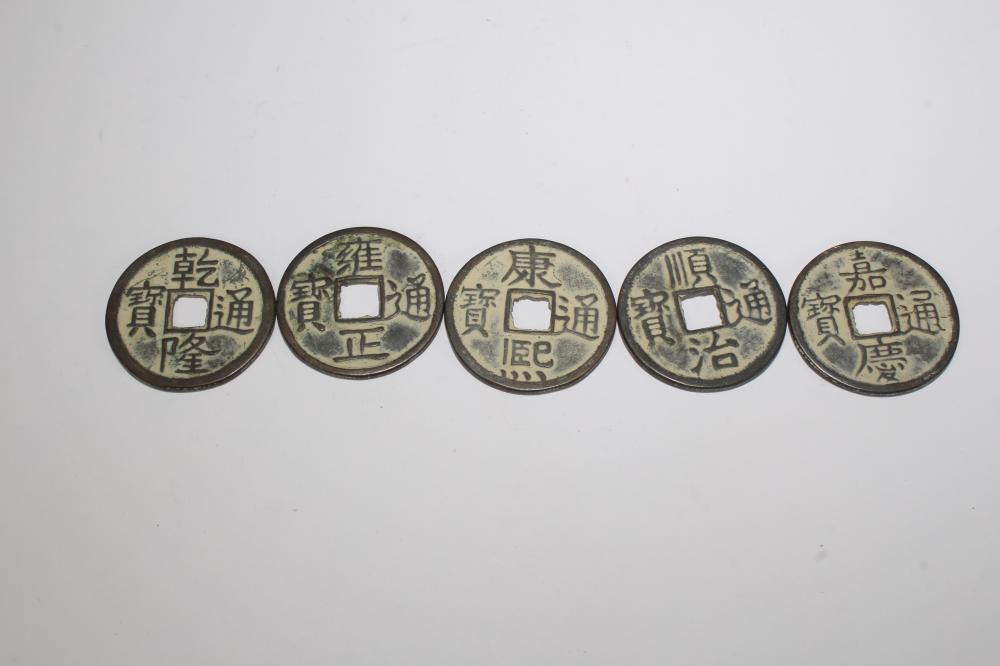
Old Chinese coin identification: attribution workflow
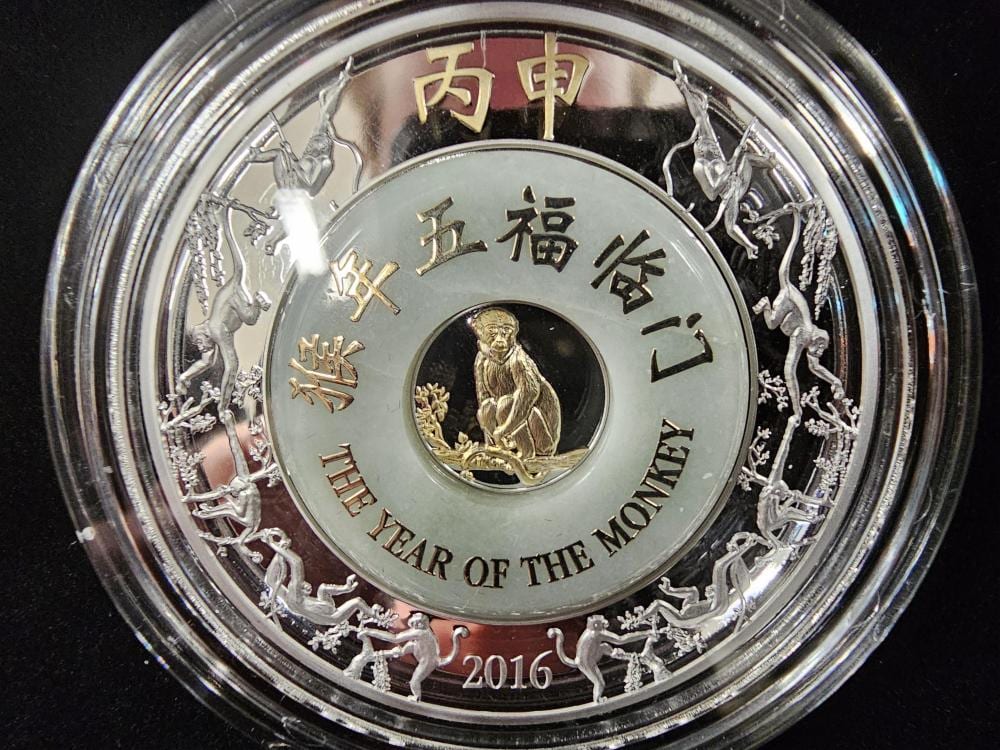
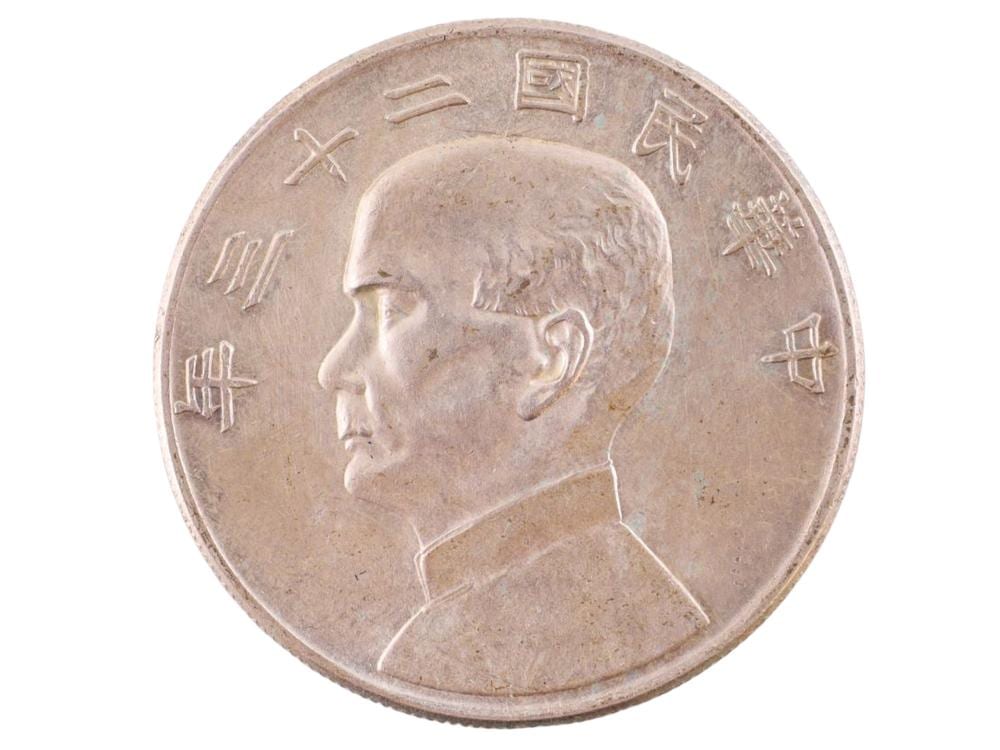
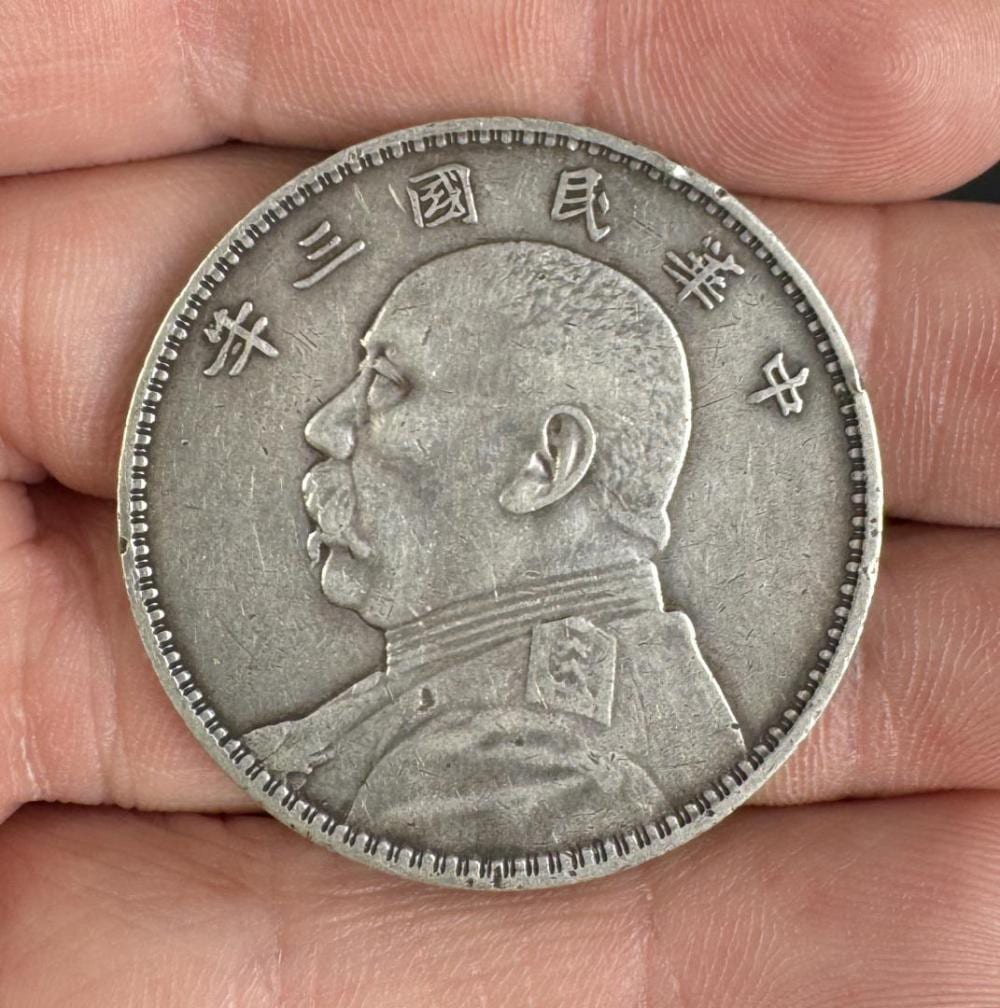
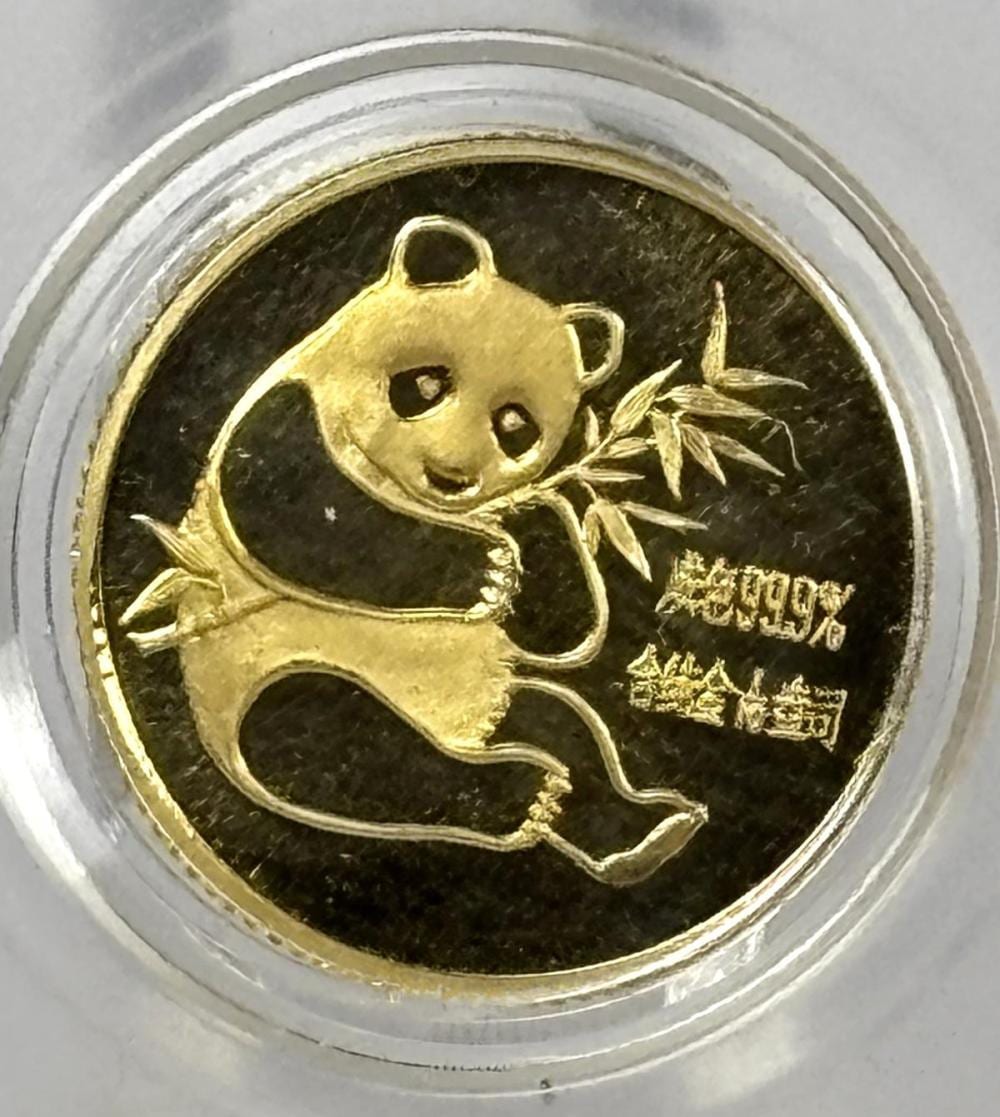
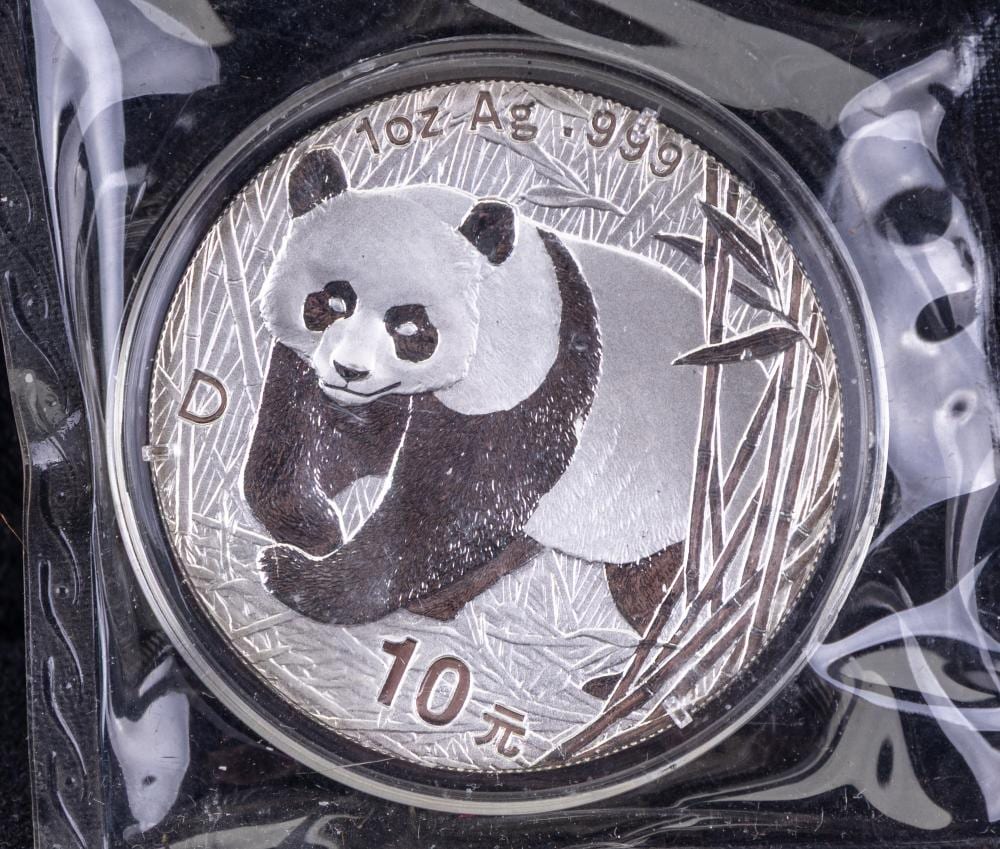
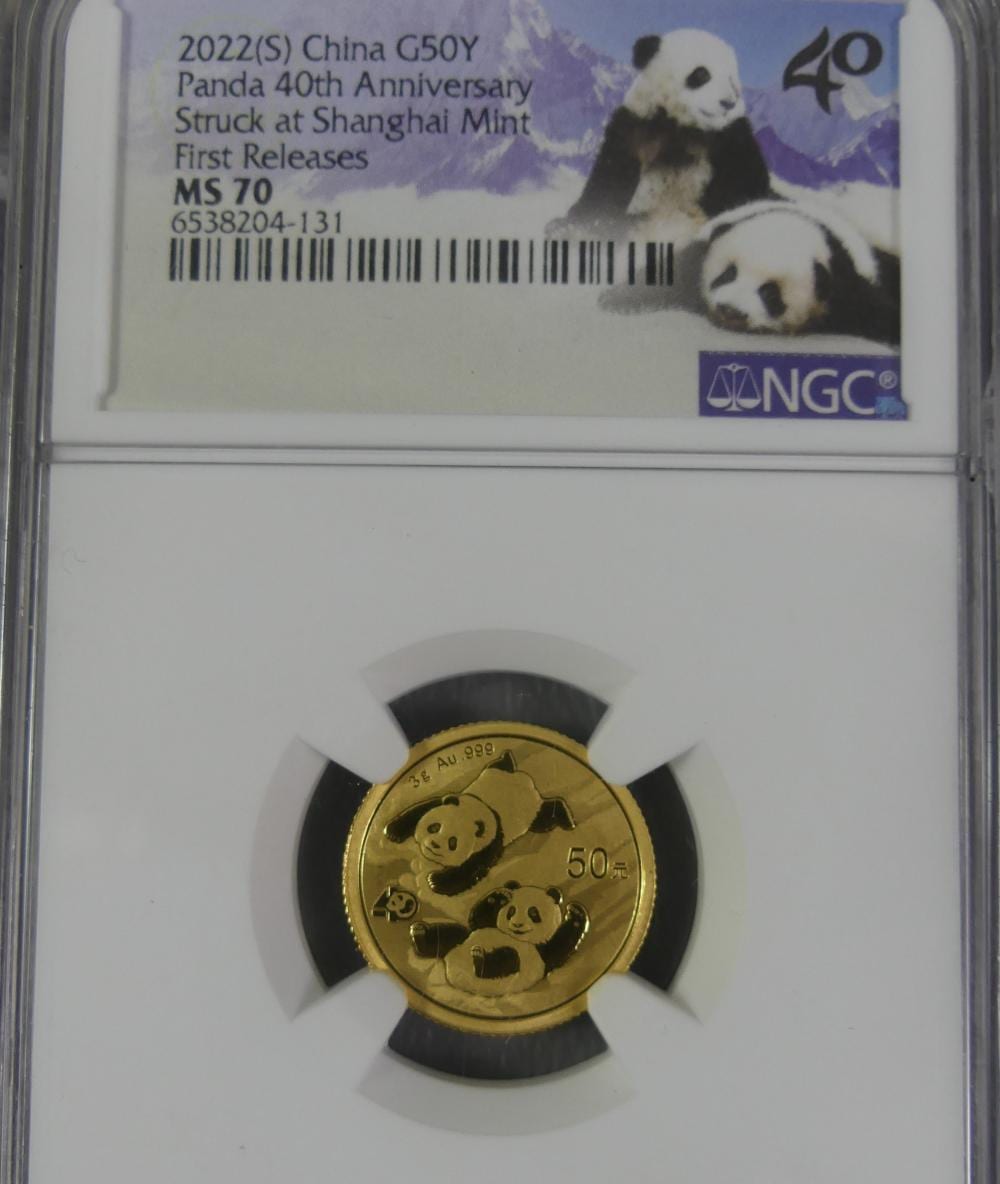
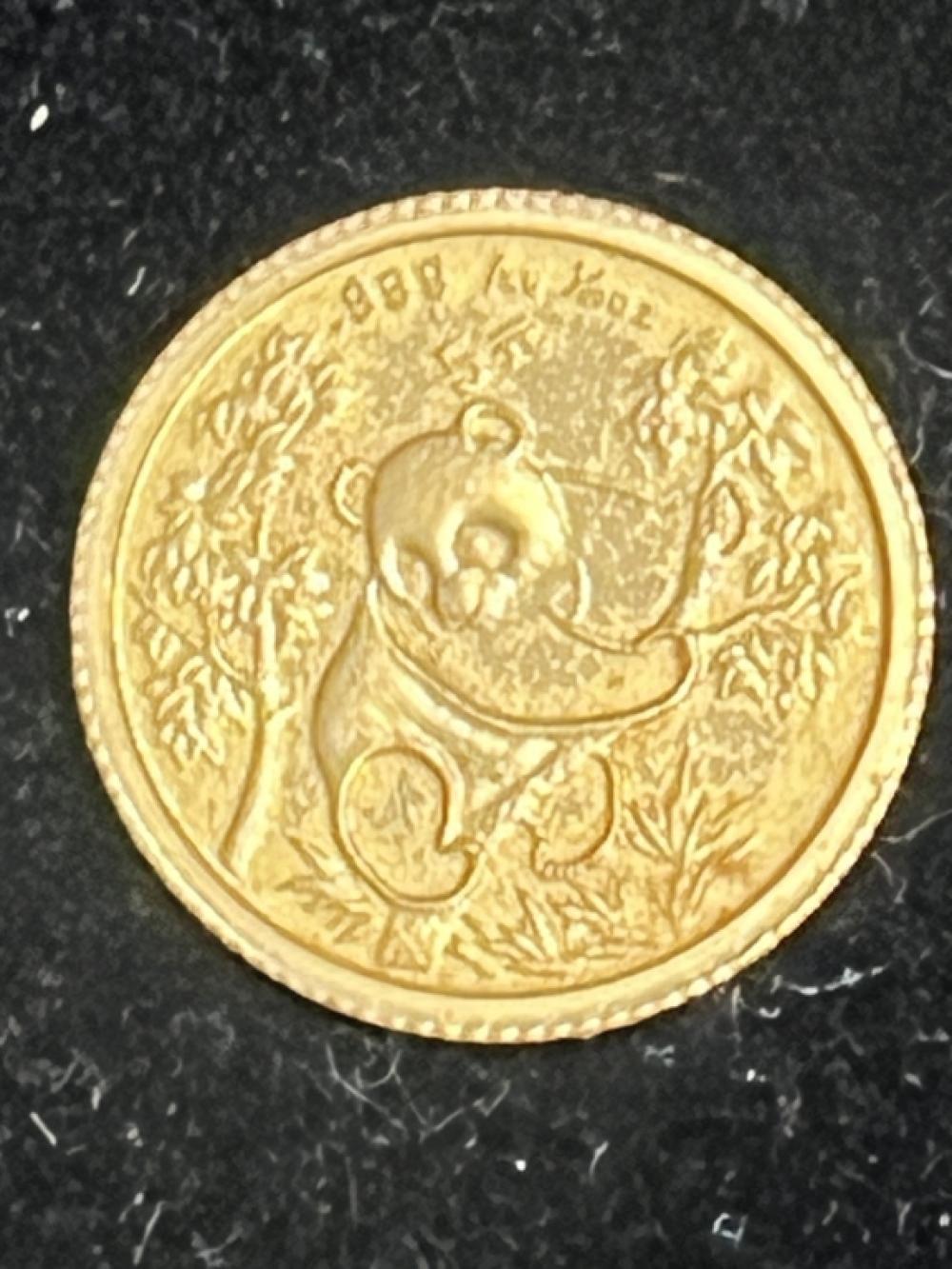
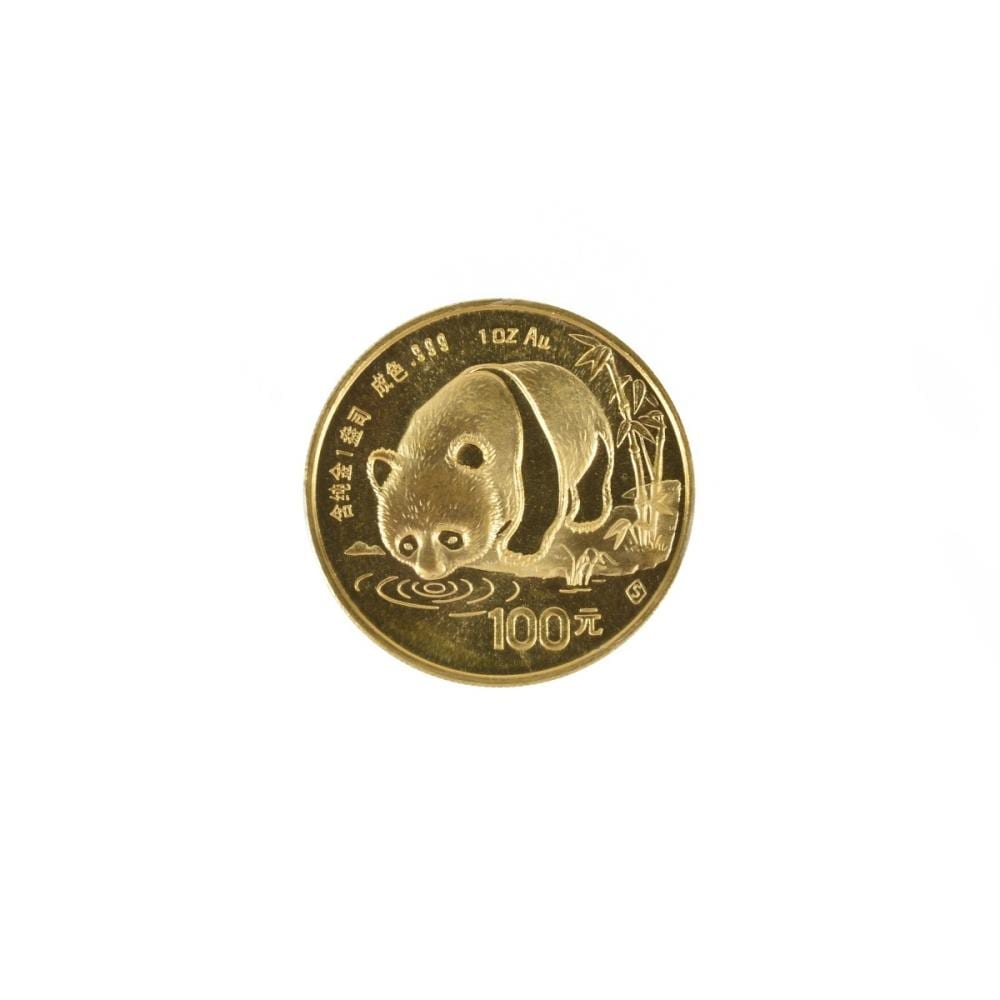
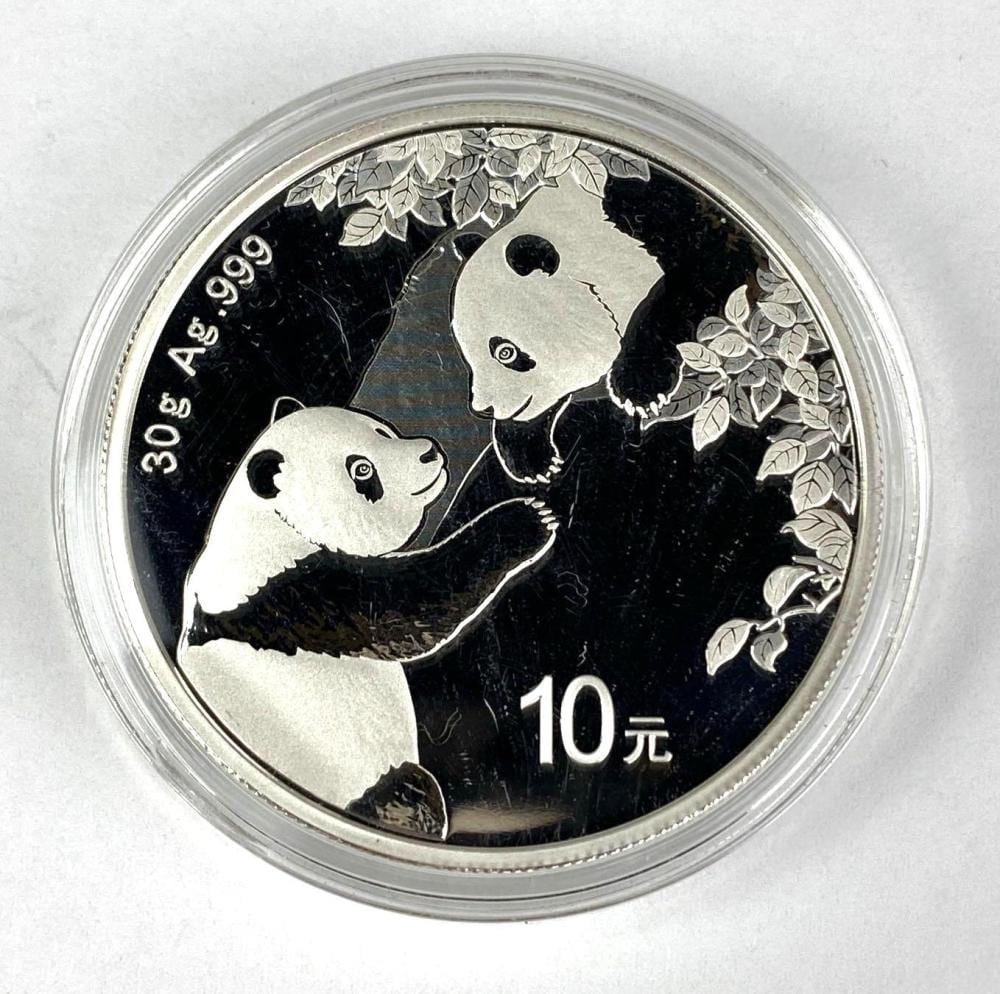
Old Chinese coin identification should start with attribution, not price. First classify the piece as cast cash, spade or knife money, sycee, late Qing machine-struck copper, dragon dollar, Republic silver dollar, or modern commemorative; then record script, reign title, mint mark, metal, diameter, weight, edge, patina, damage, and provenance.
How to document an old Chinese coin for attribution
Use the same photo set for every coin so an appraiser or collector can compare evidence consistently. Photograph both sides straight on, add one angled light photo for surface texture, include the edge when the coin is struck, and place a ruler or caliper reading next to the coin.
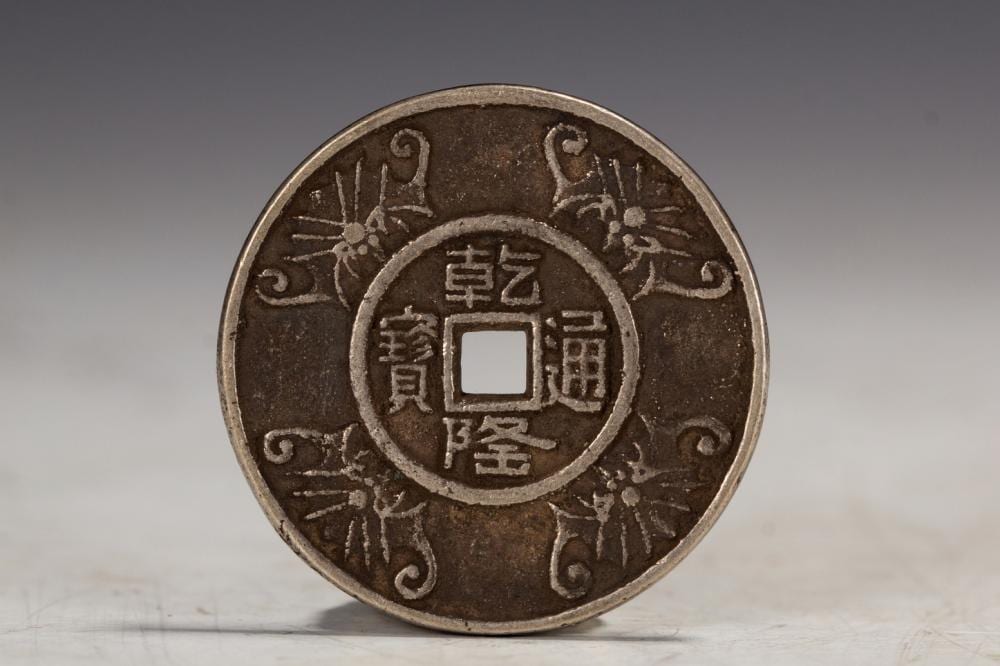
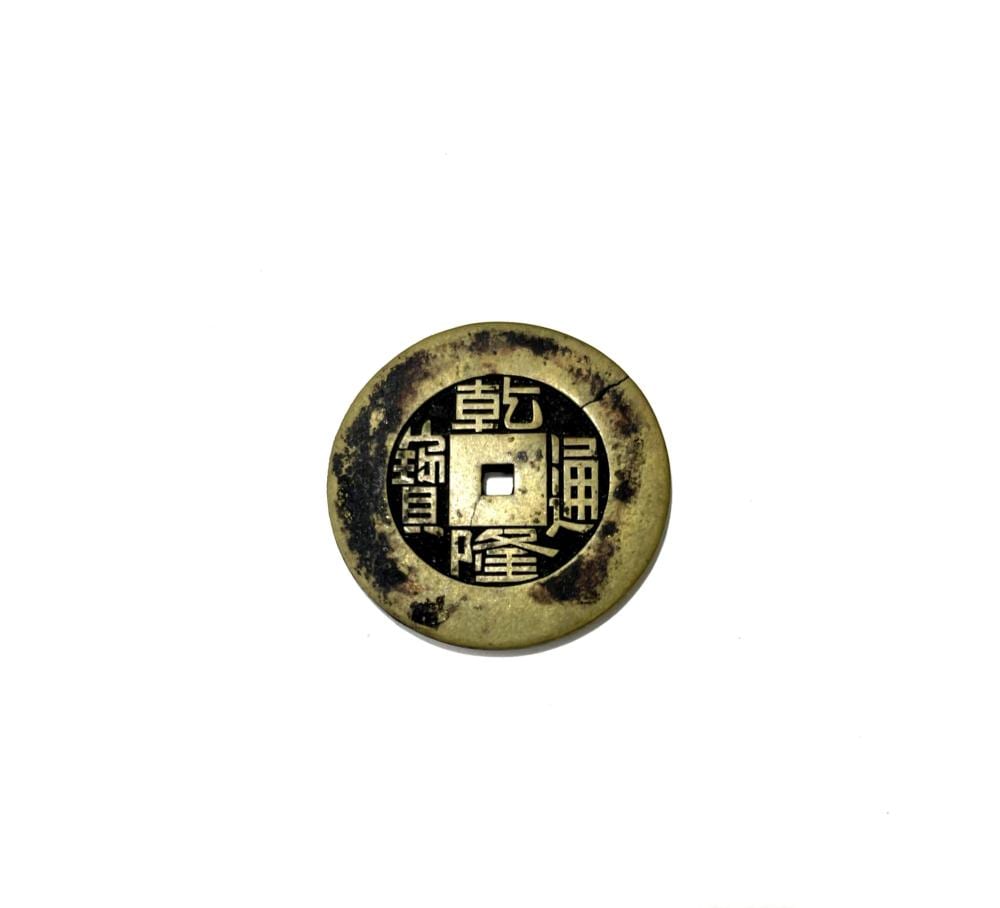
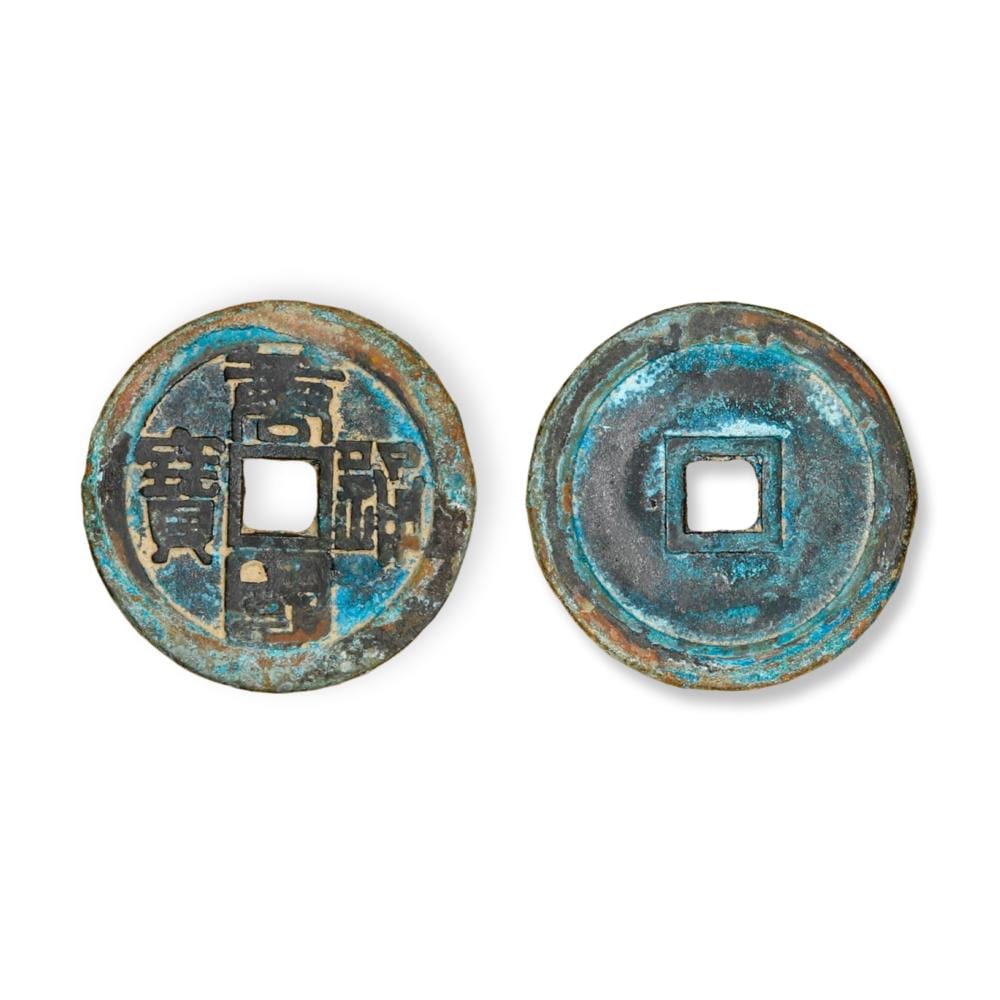
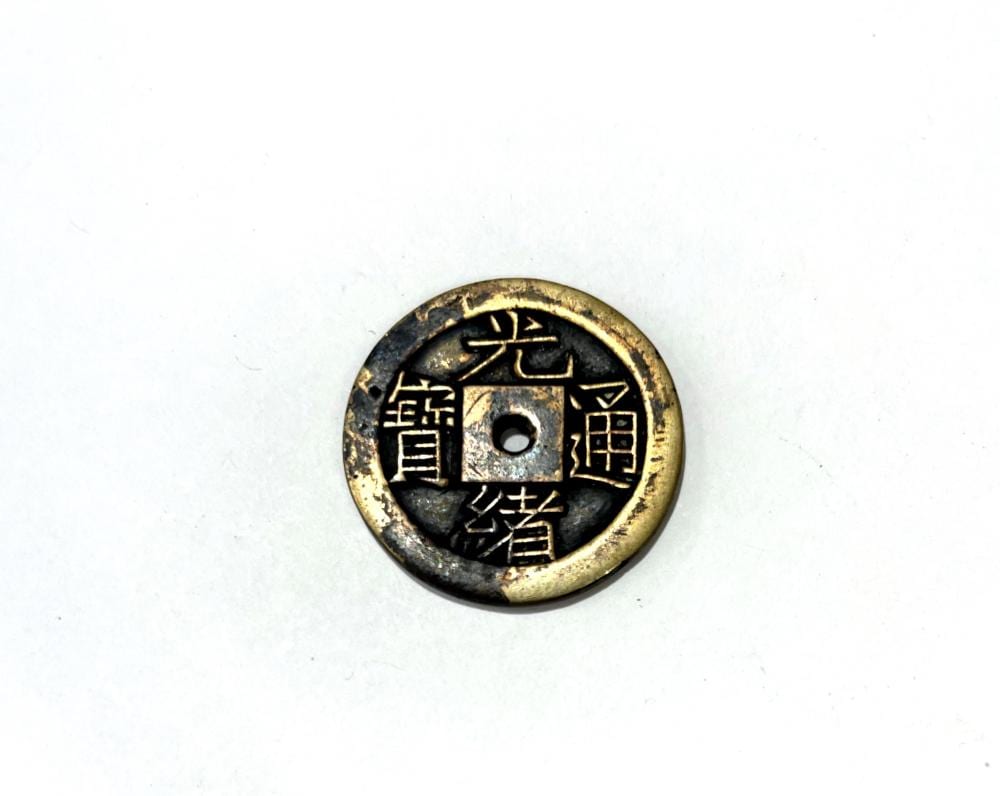
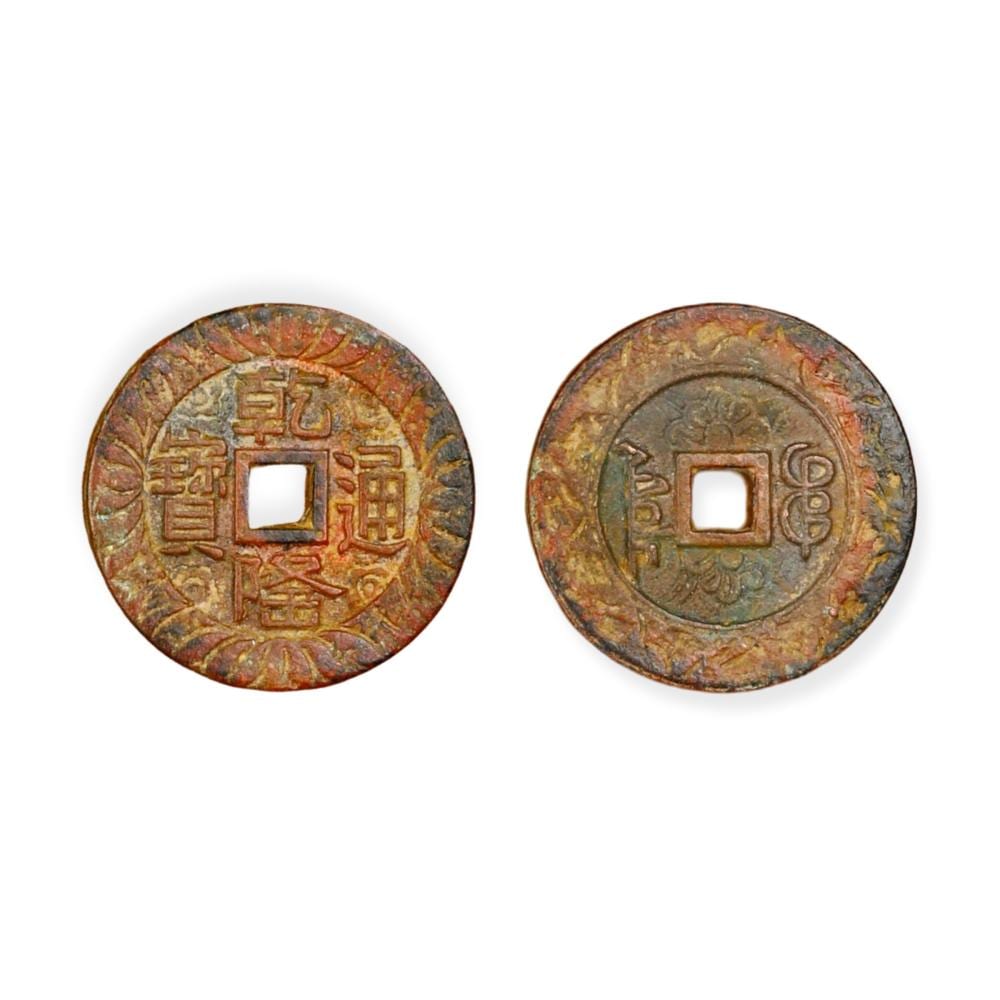
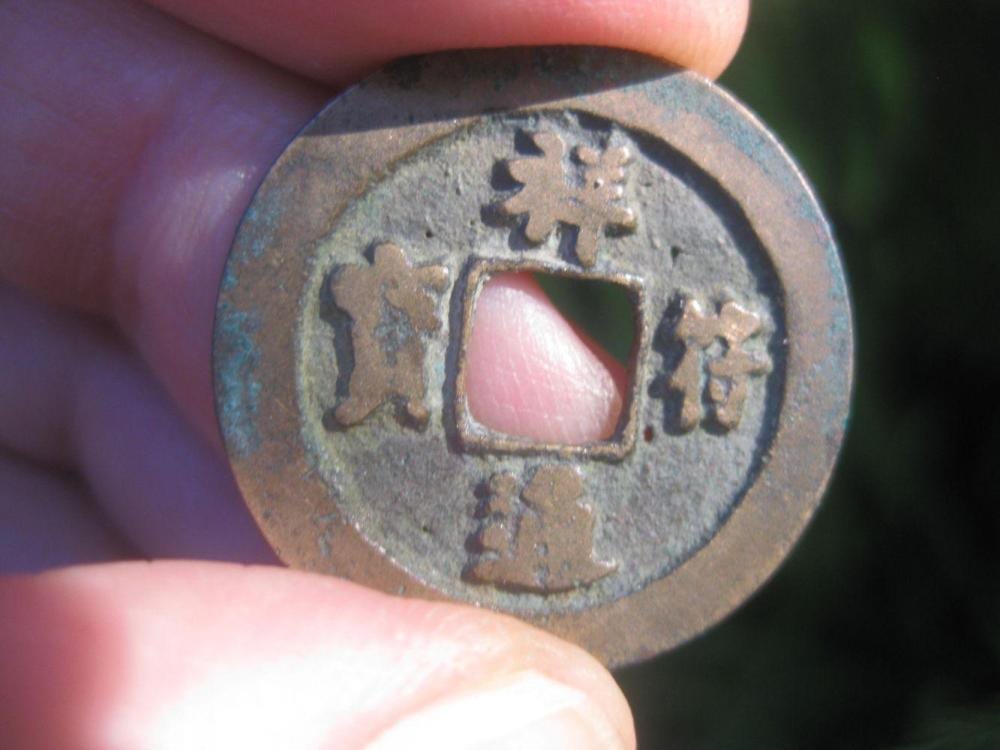
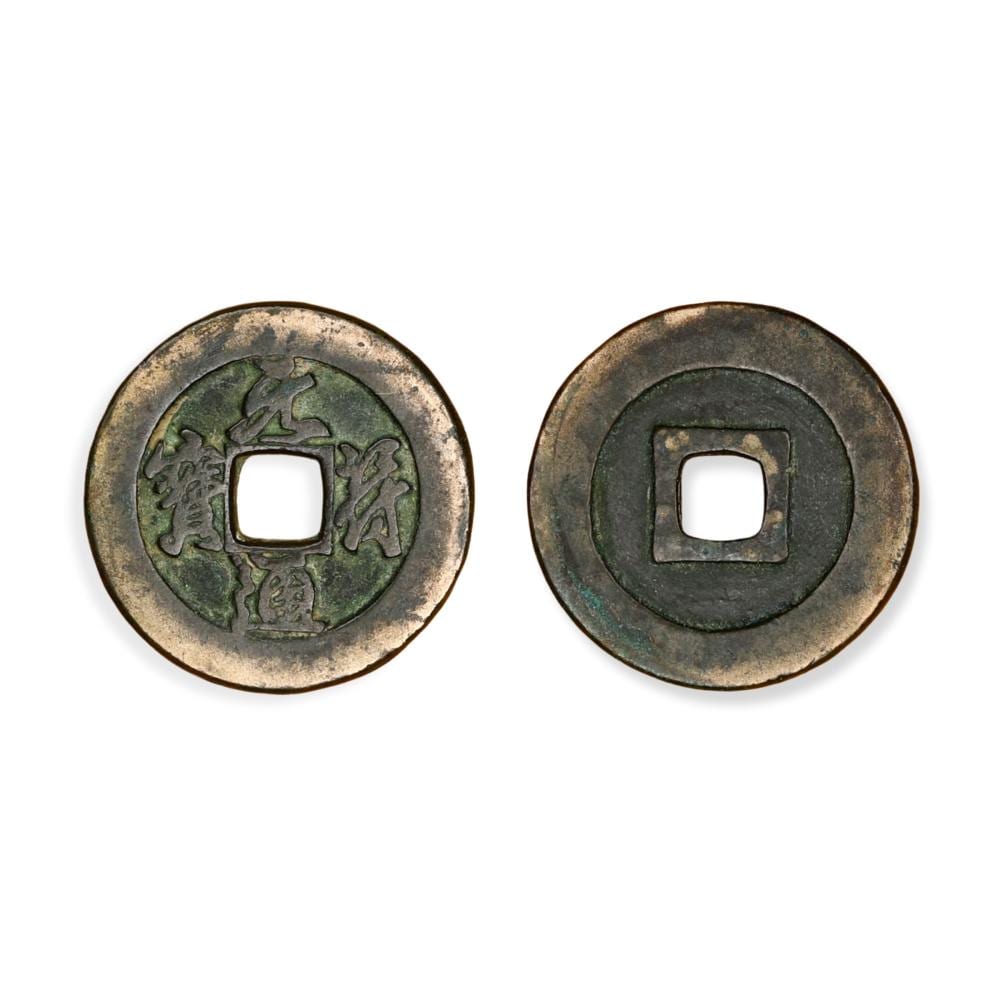
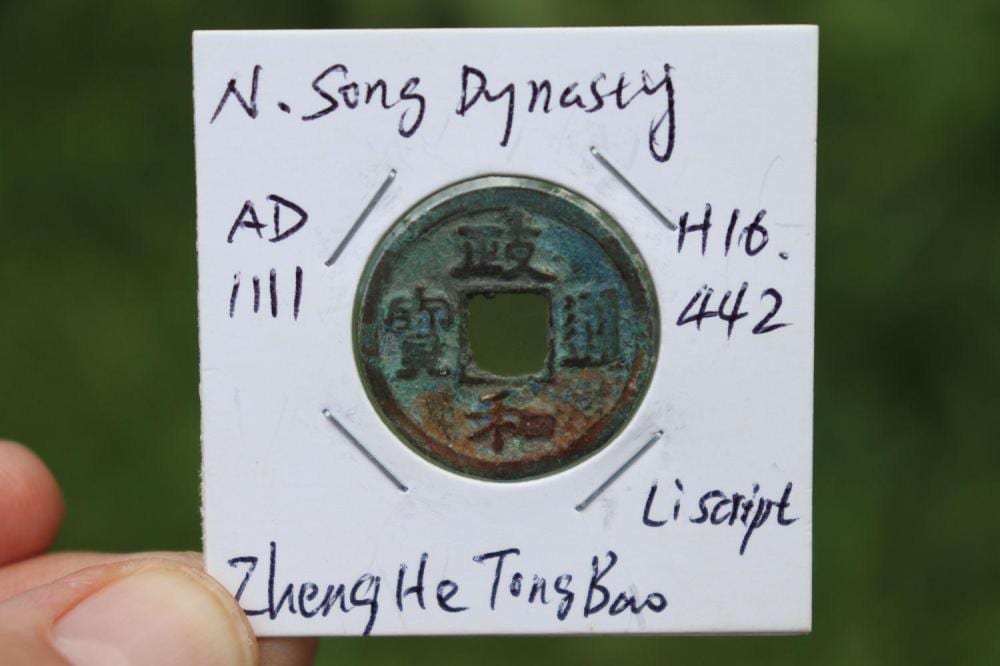
- Cash coins: capture the four-character obverse, square hole, reverse Manchu mint marks, casting seam, file marks, and any value marks such as dang ten or dang fifty.
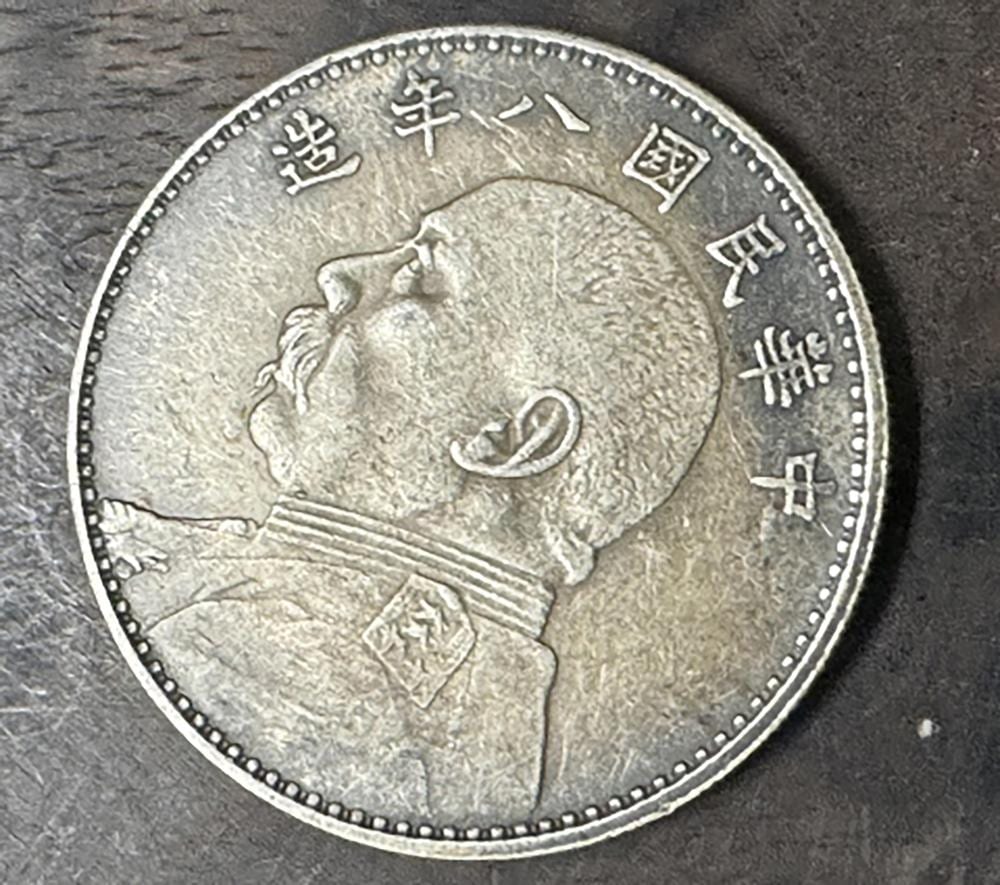
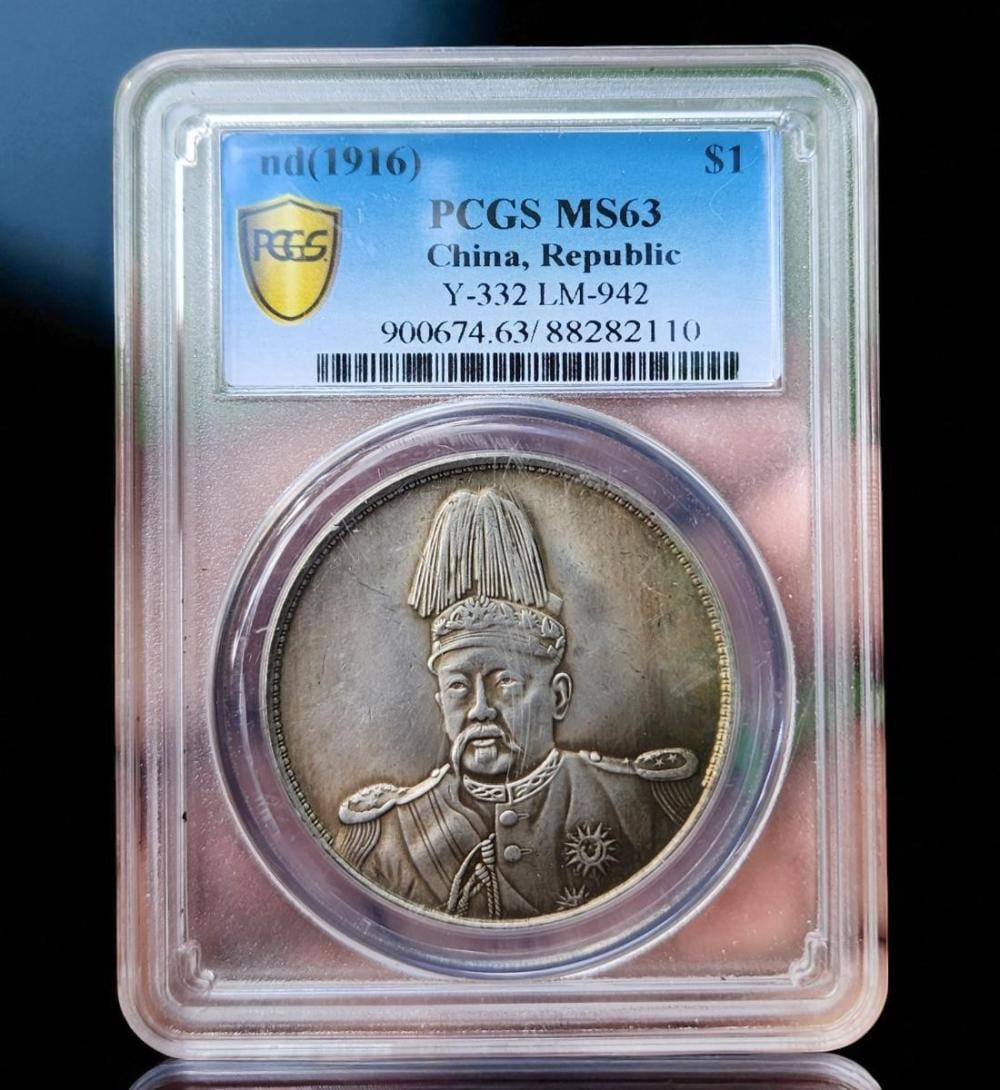
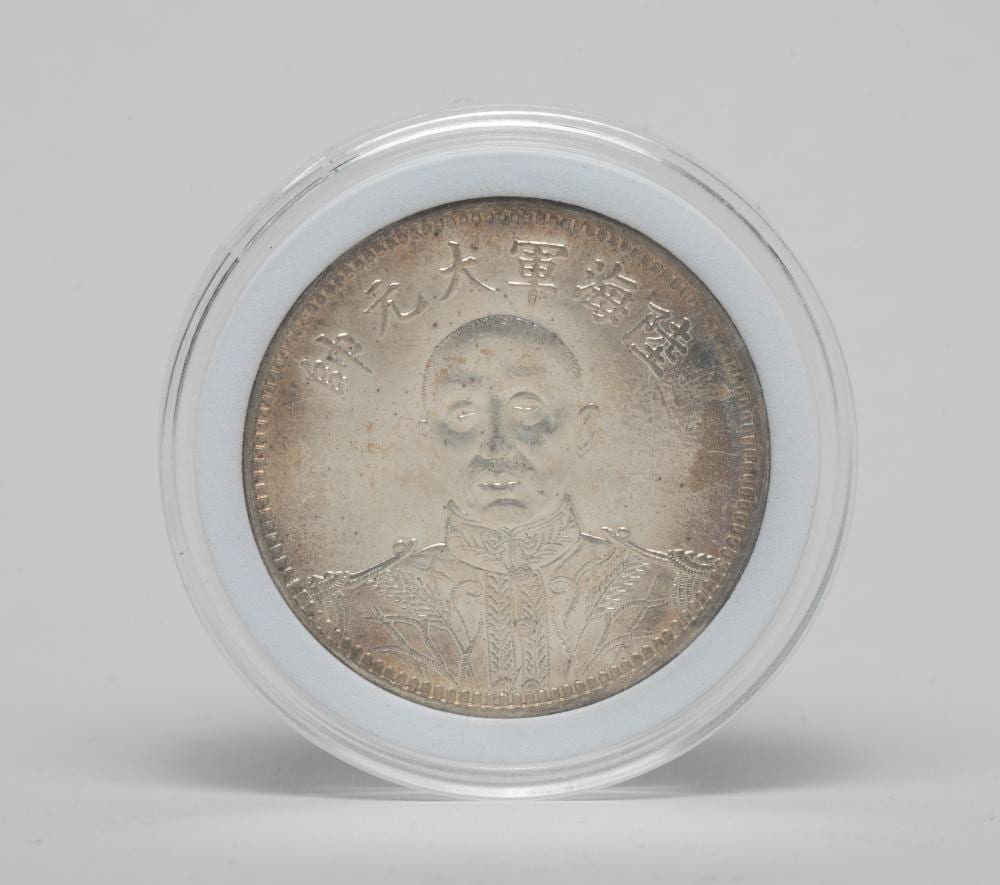
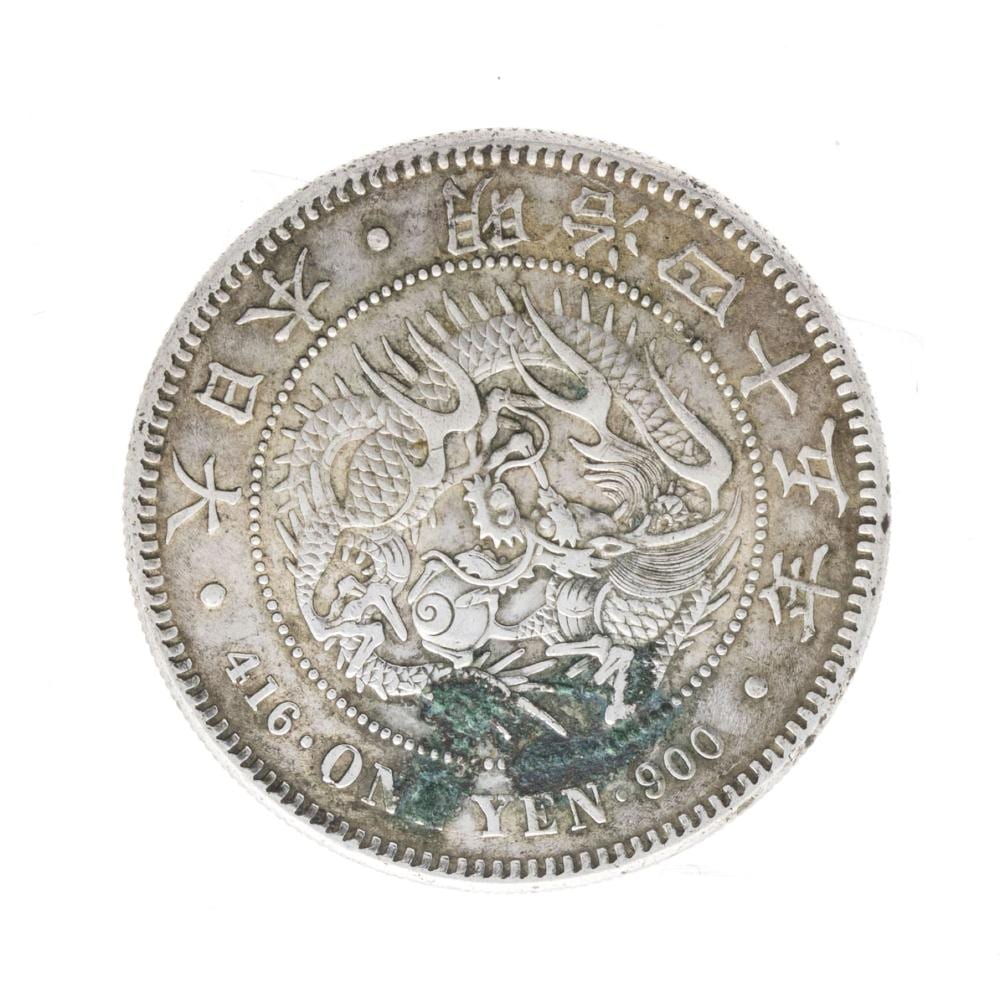
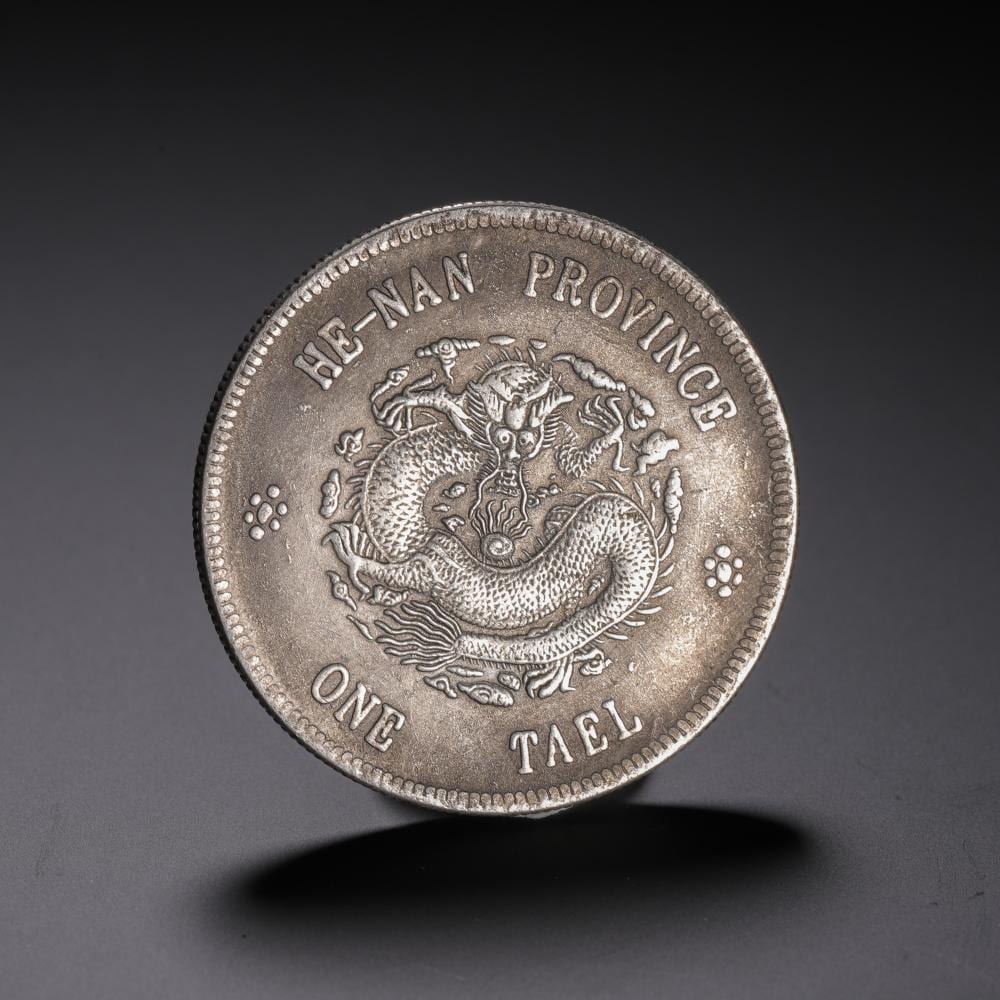
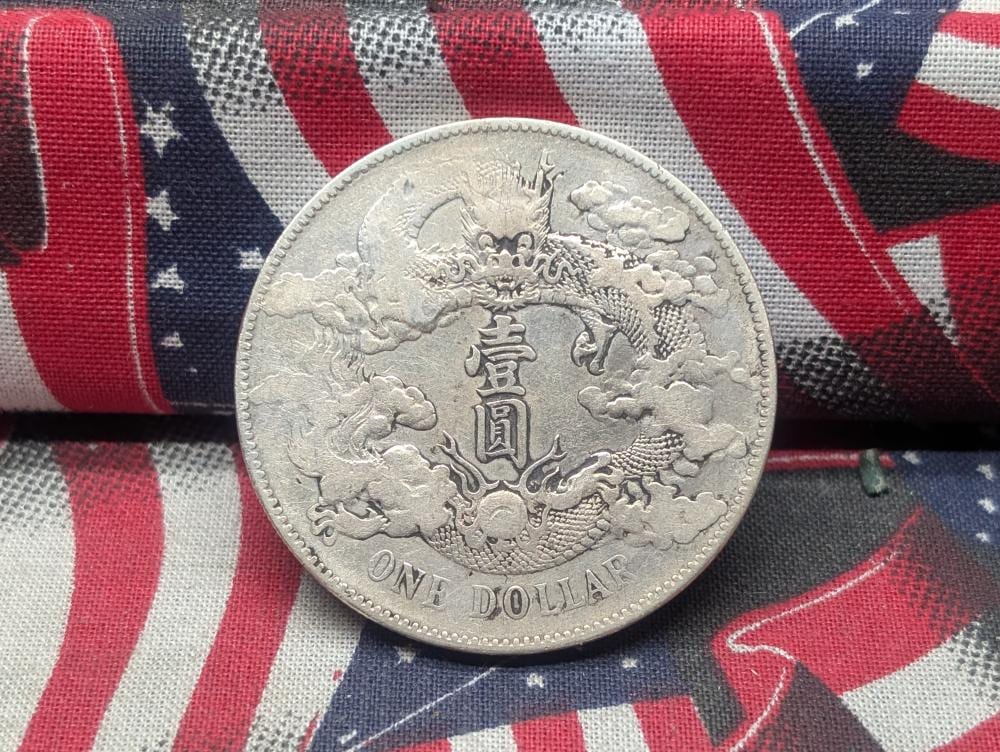
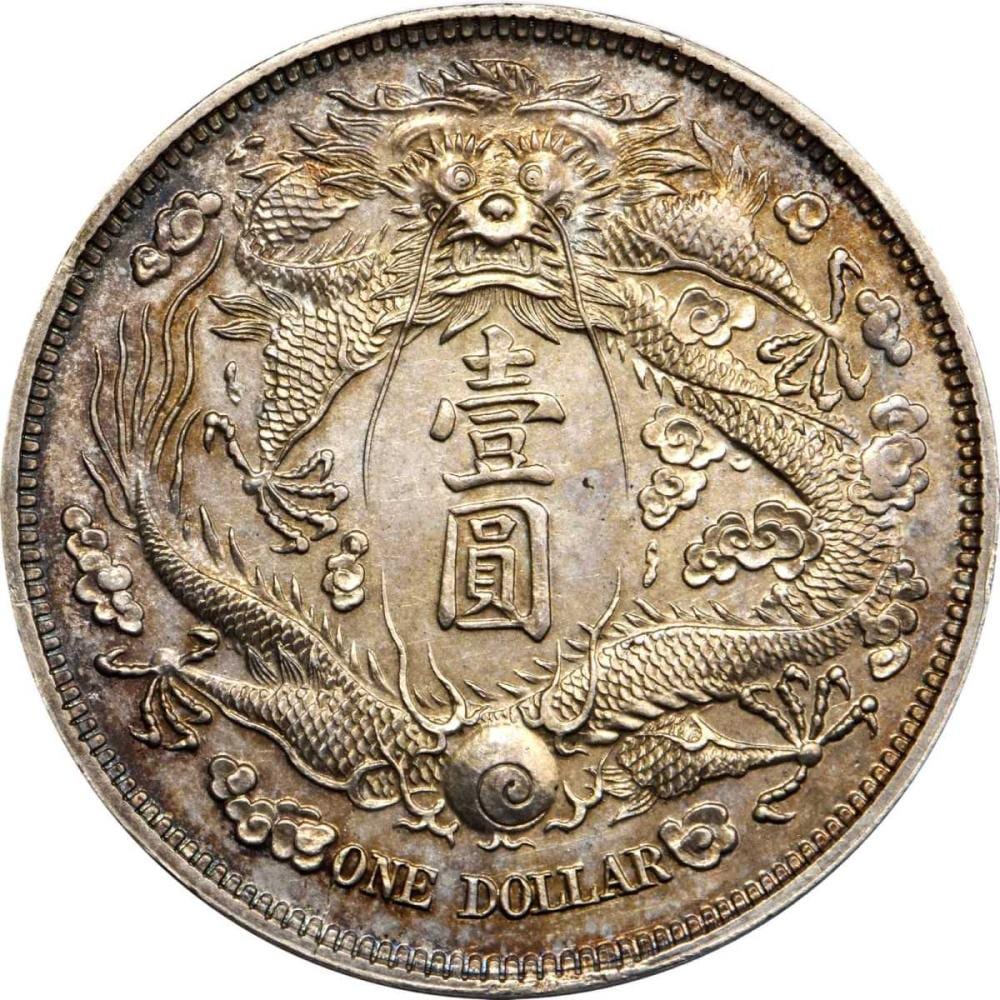
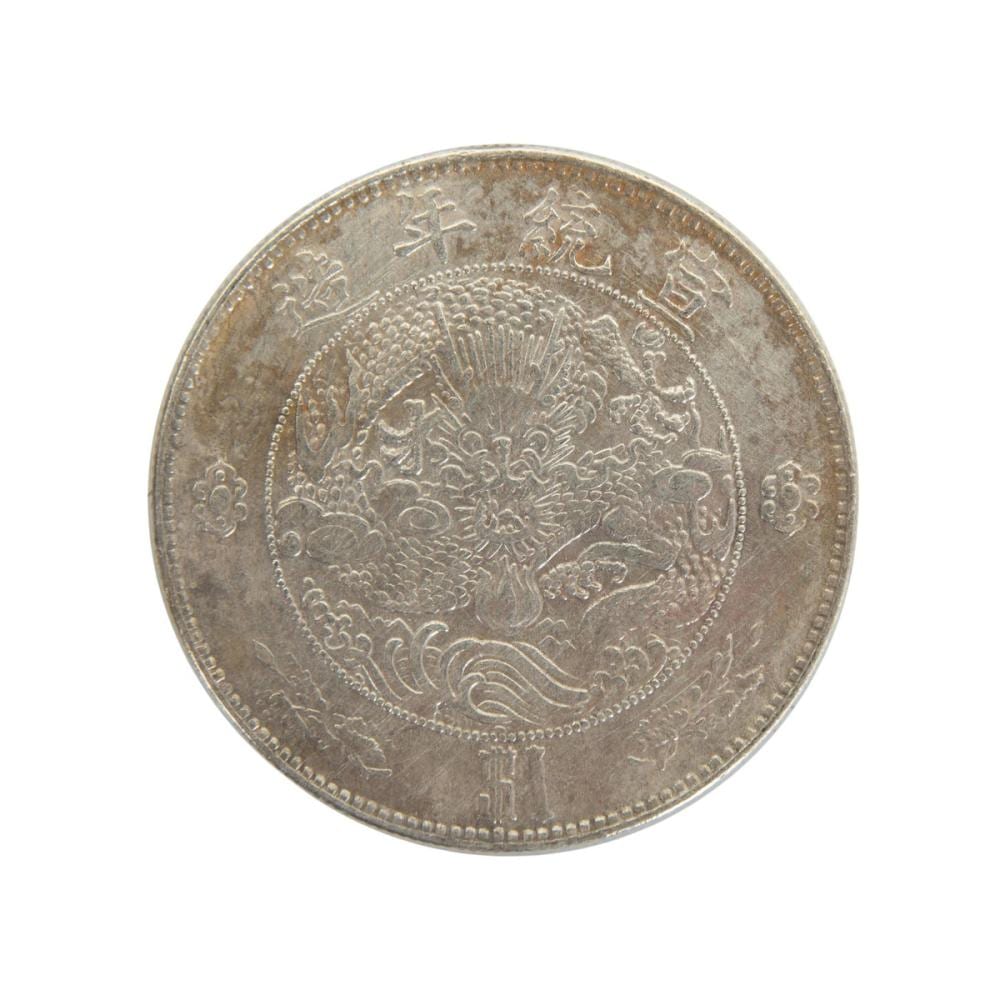
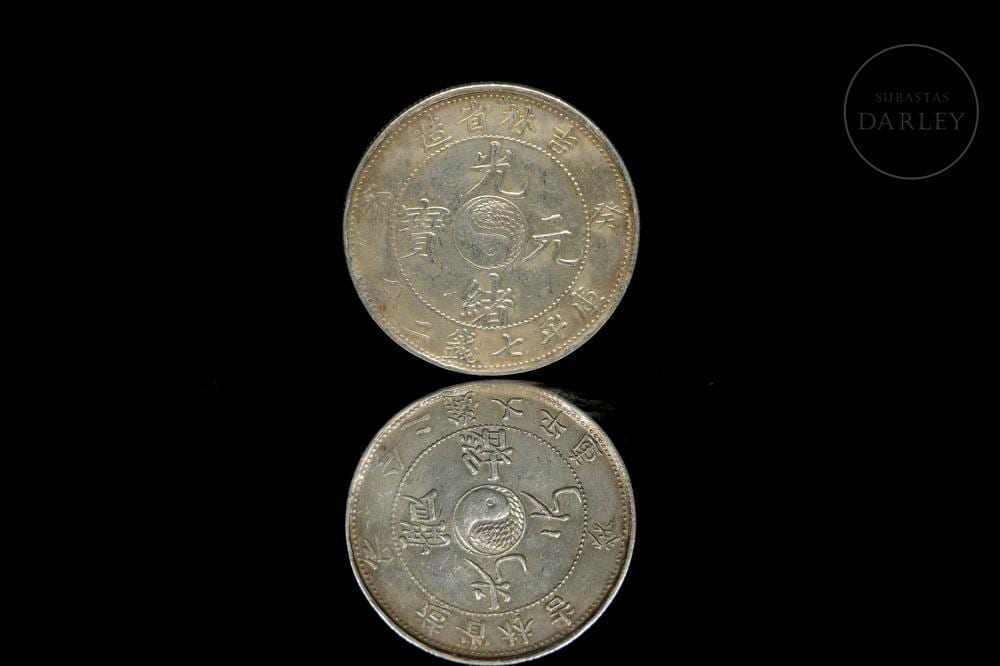
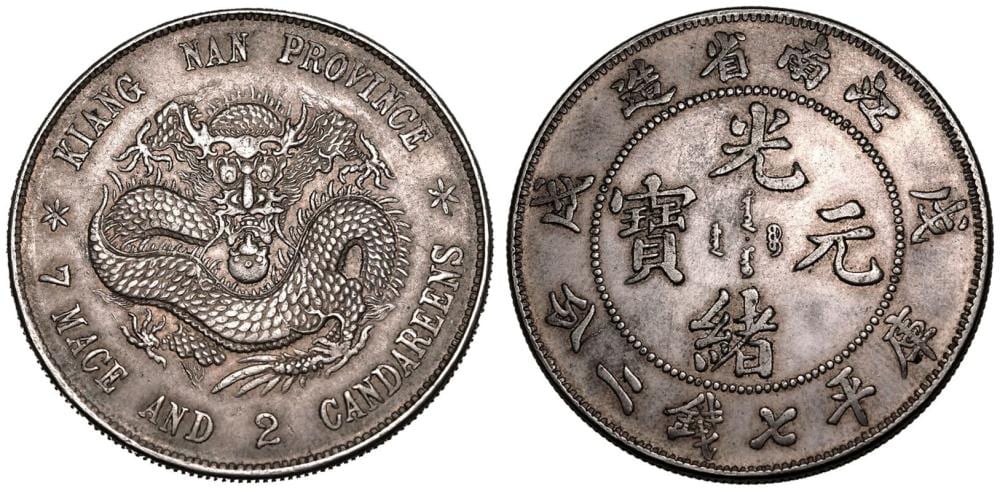
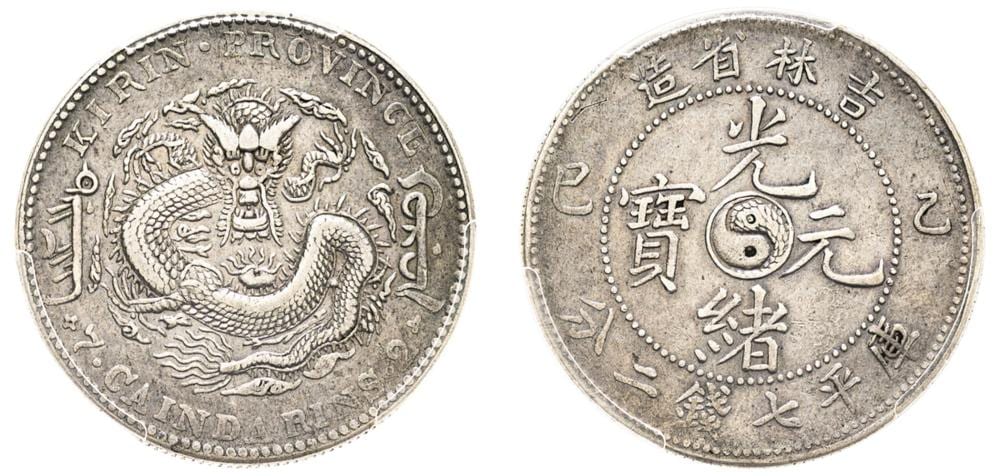
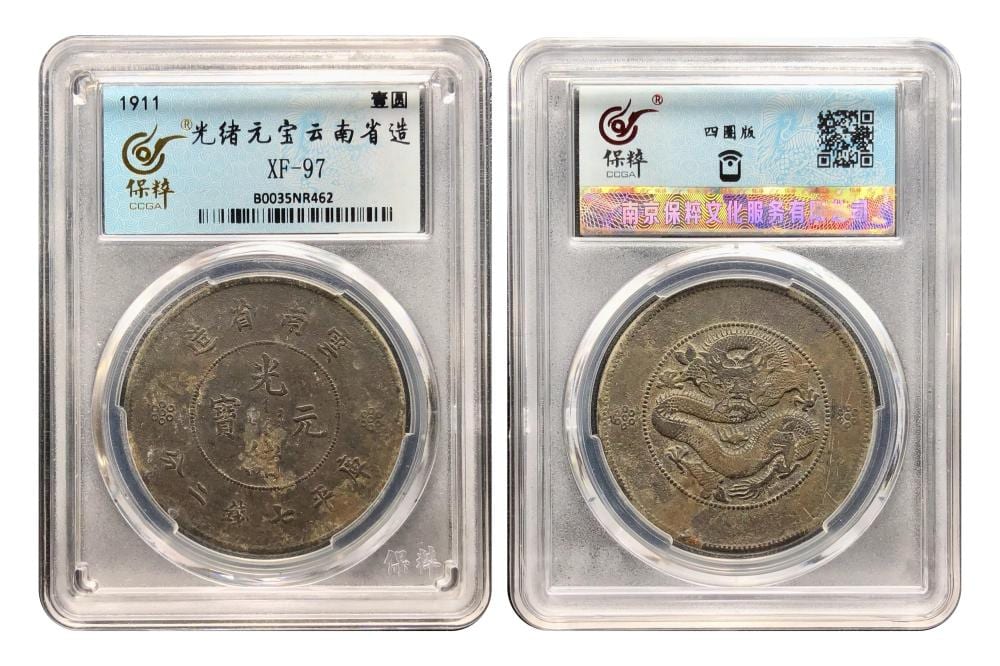
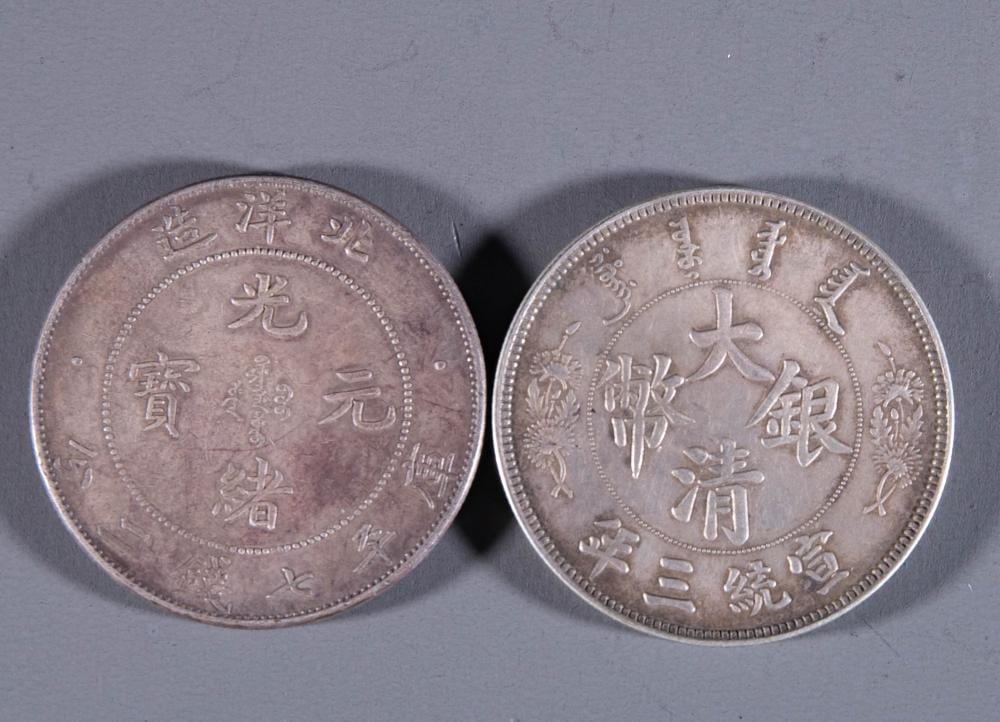
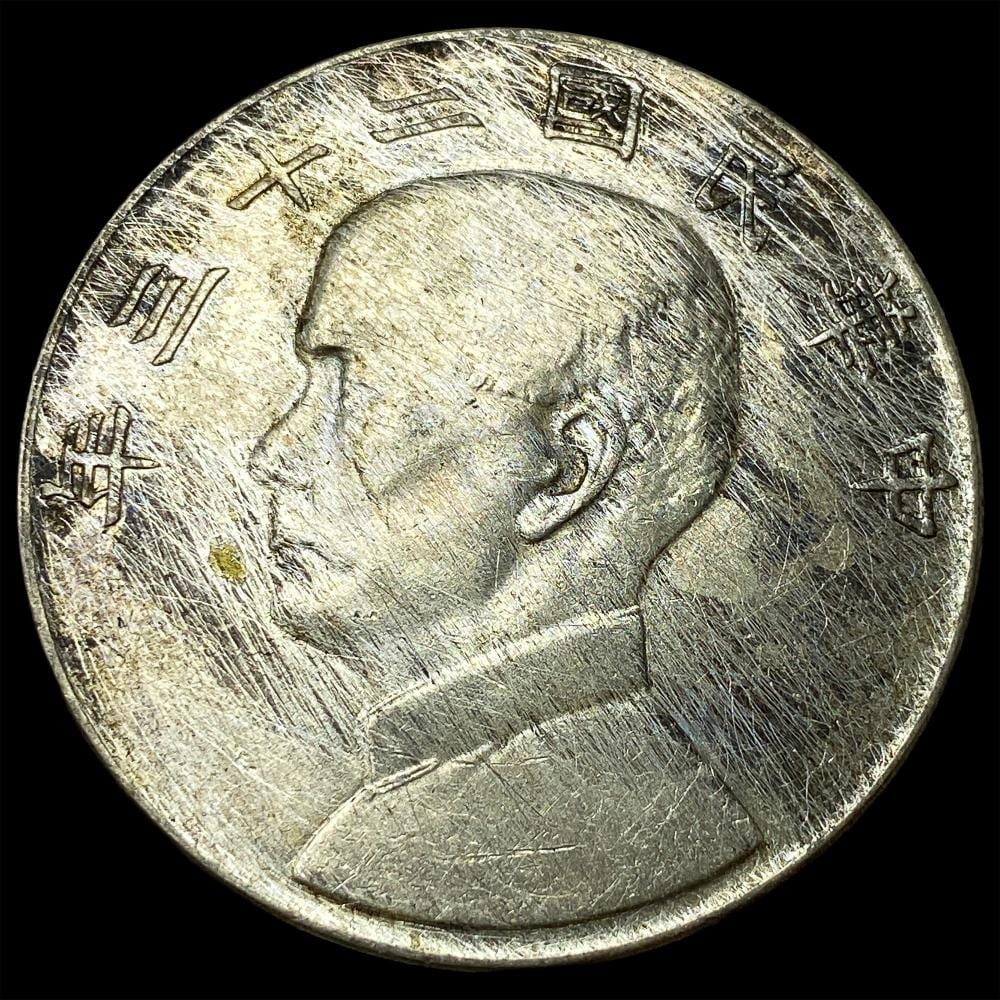
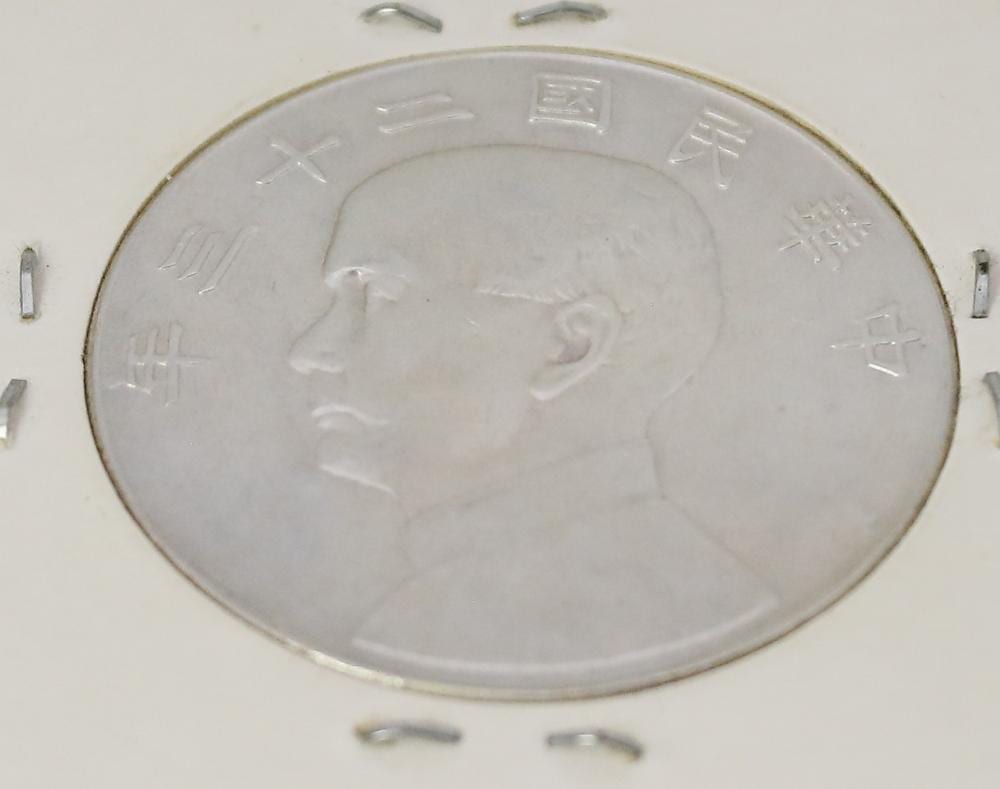
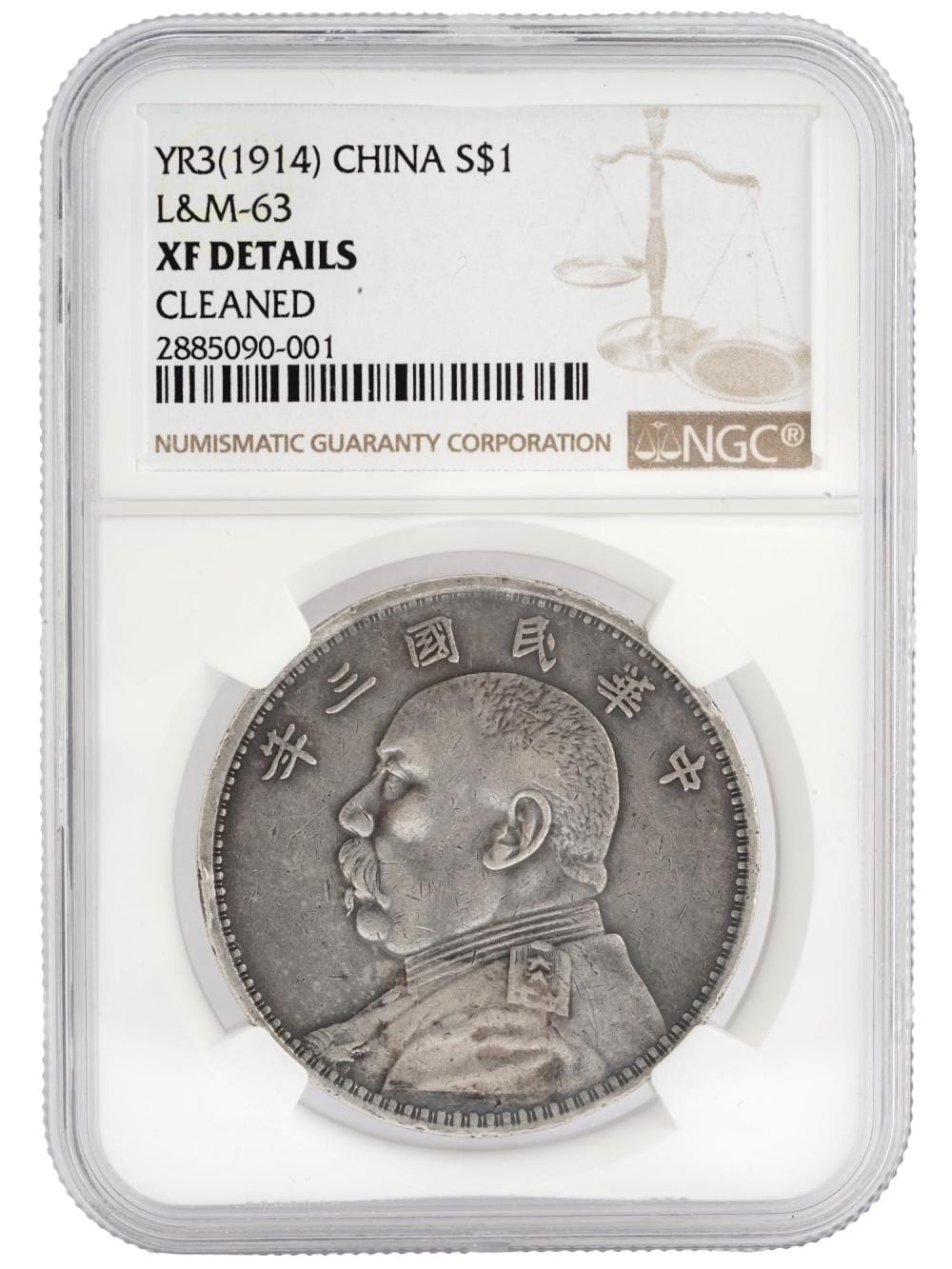
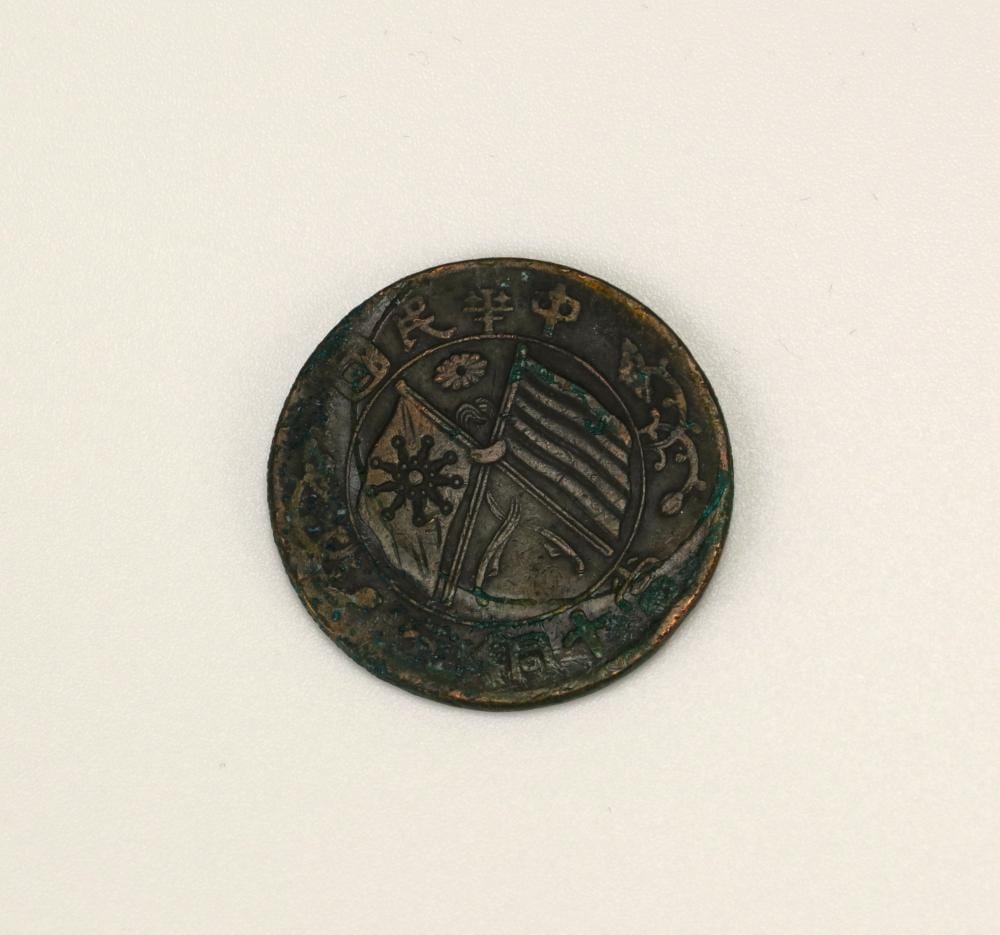
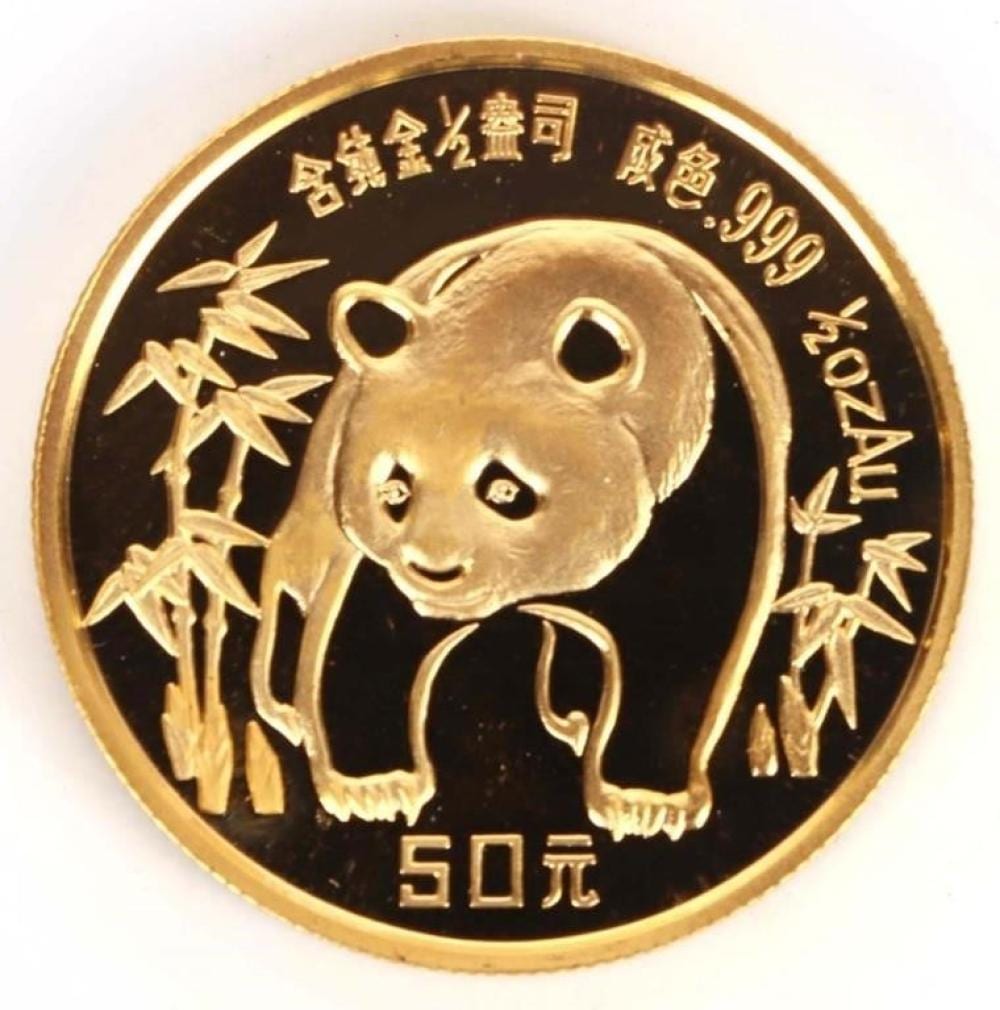
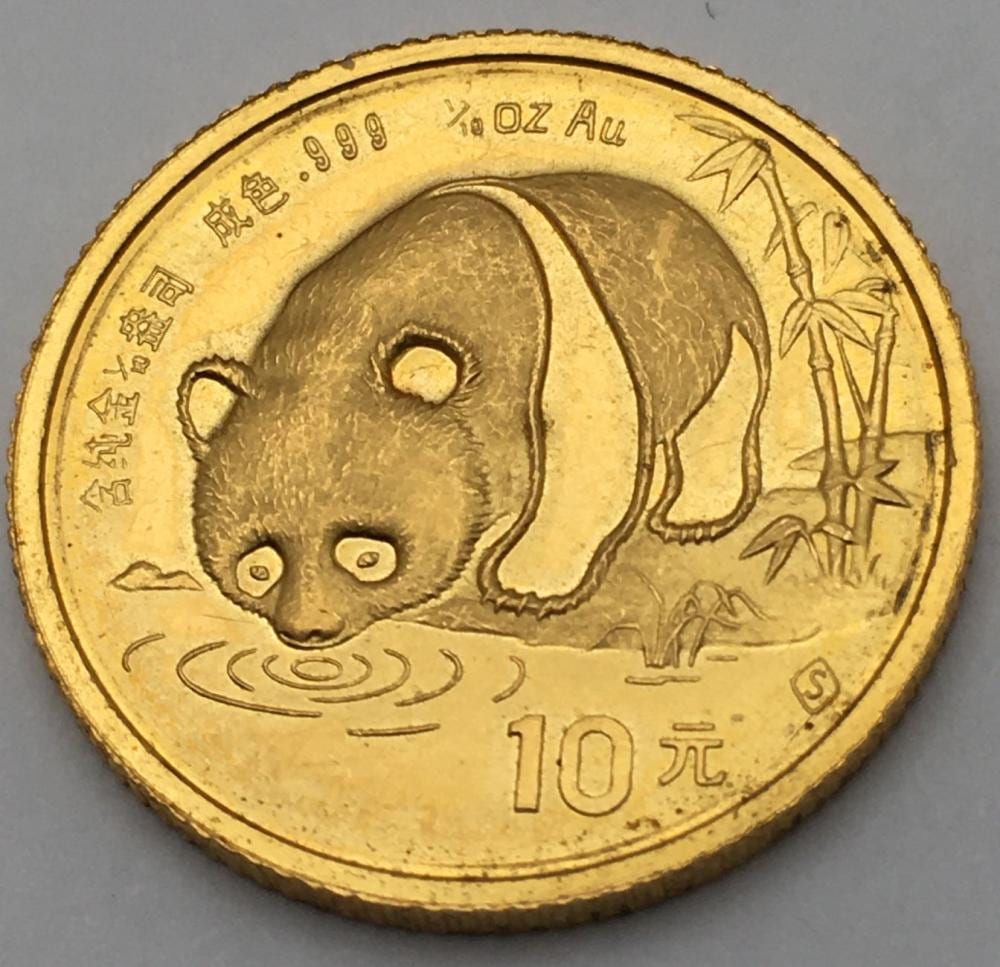
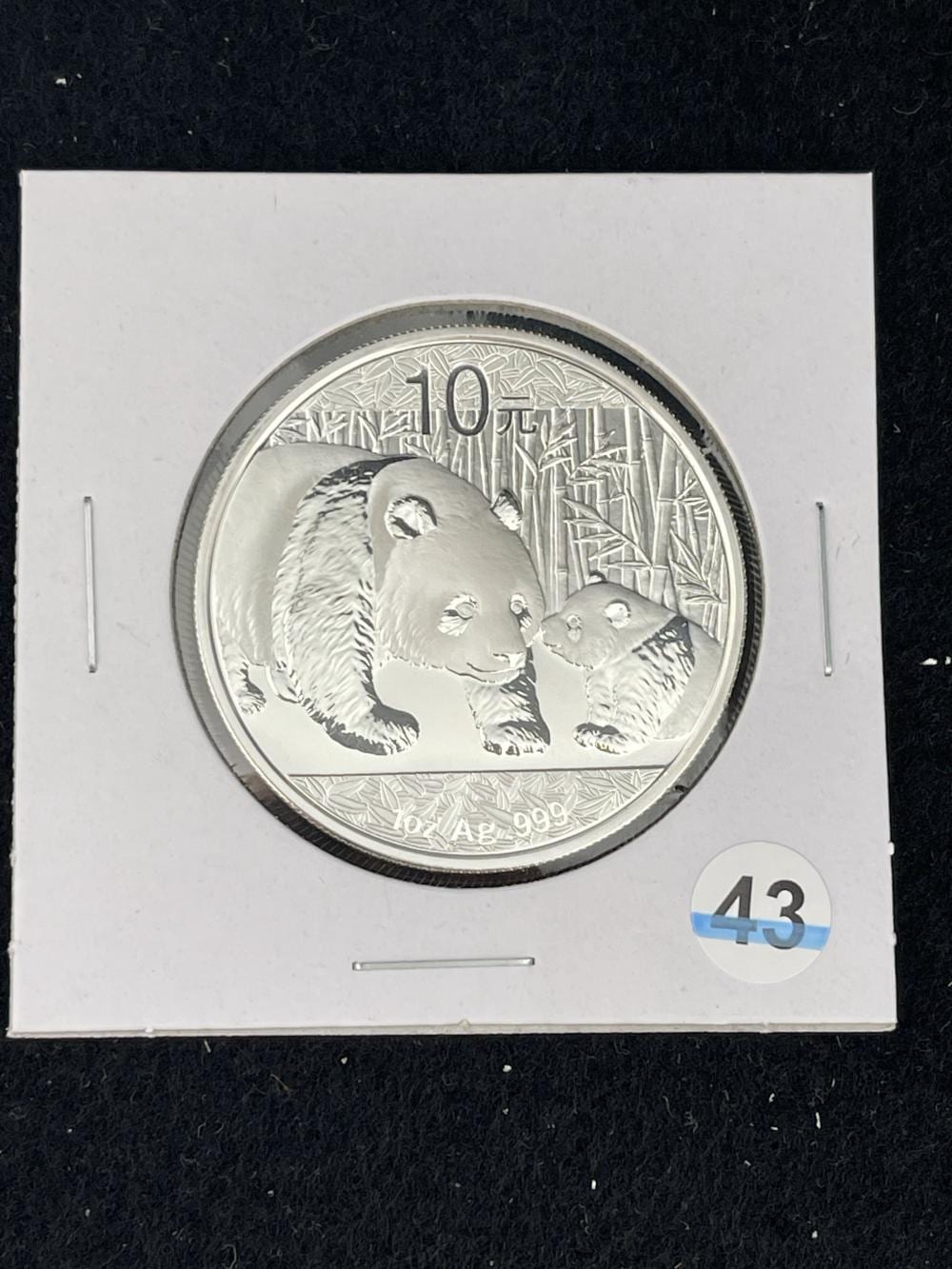
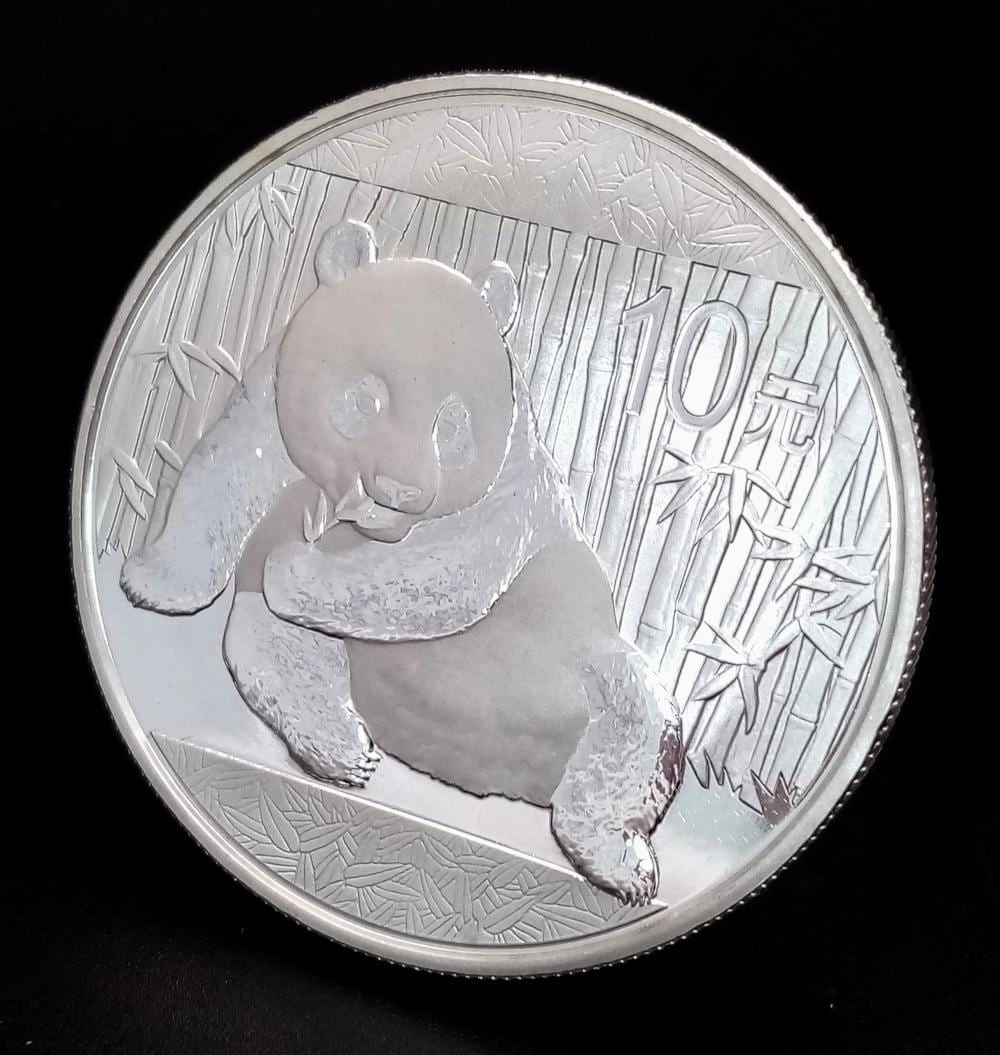
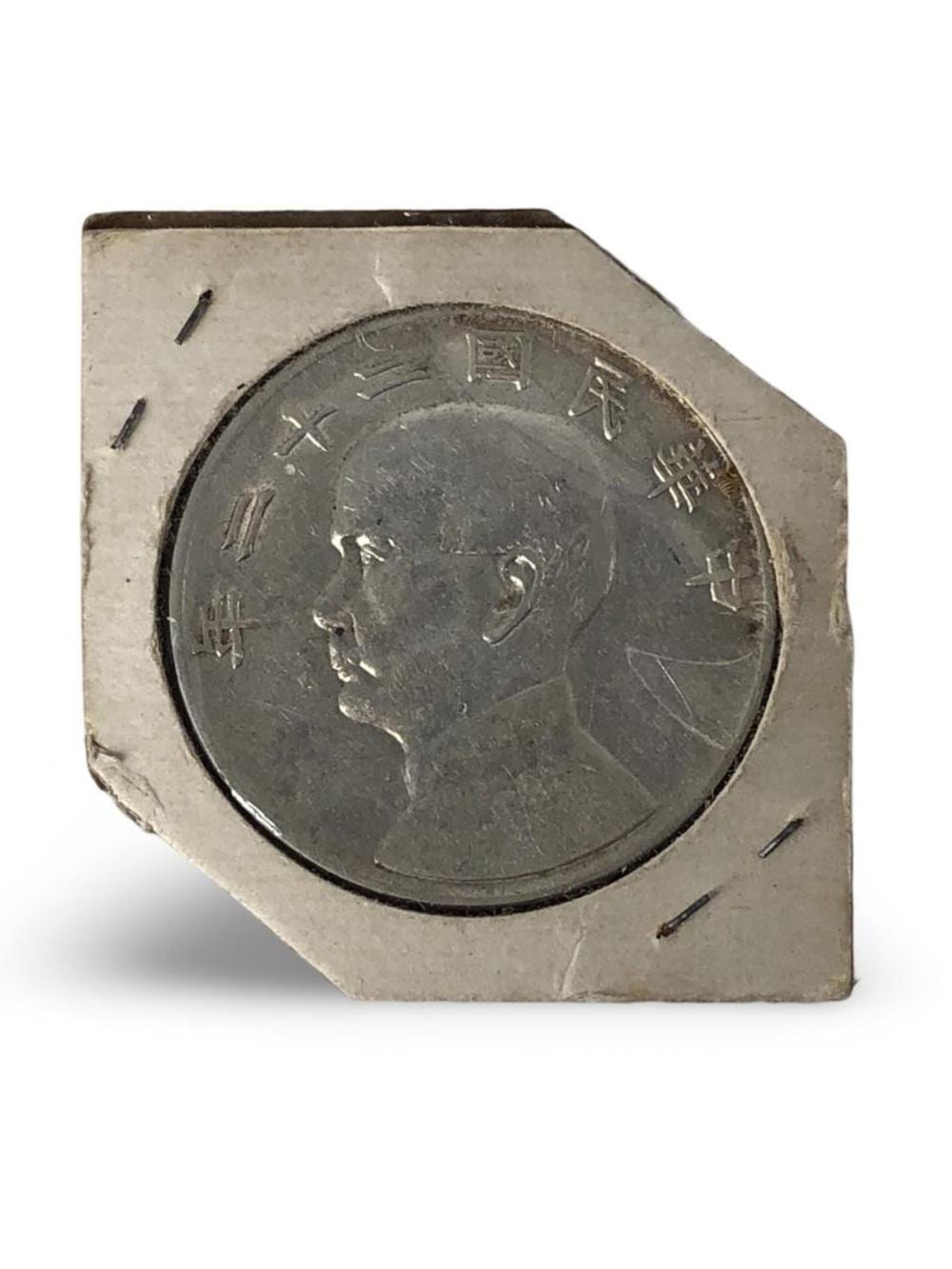
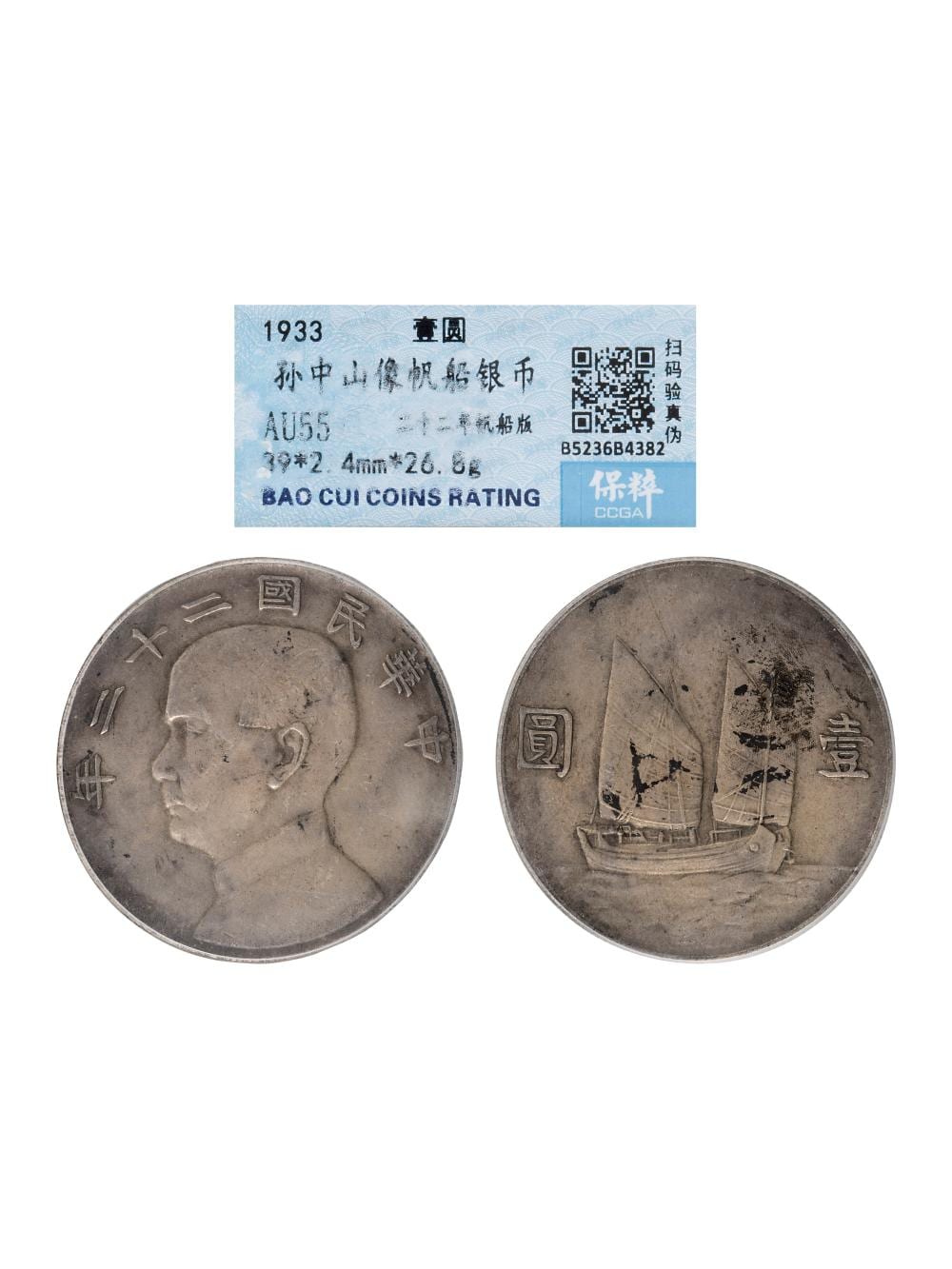
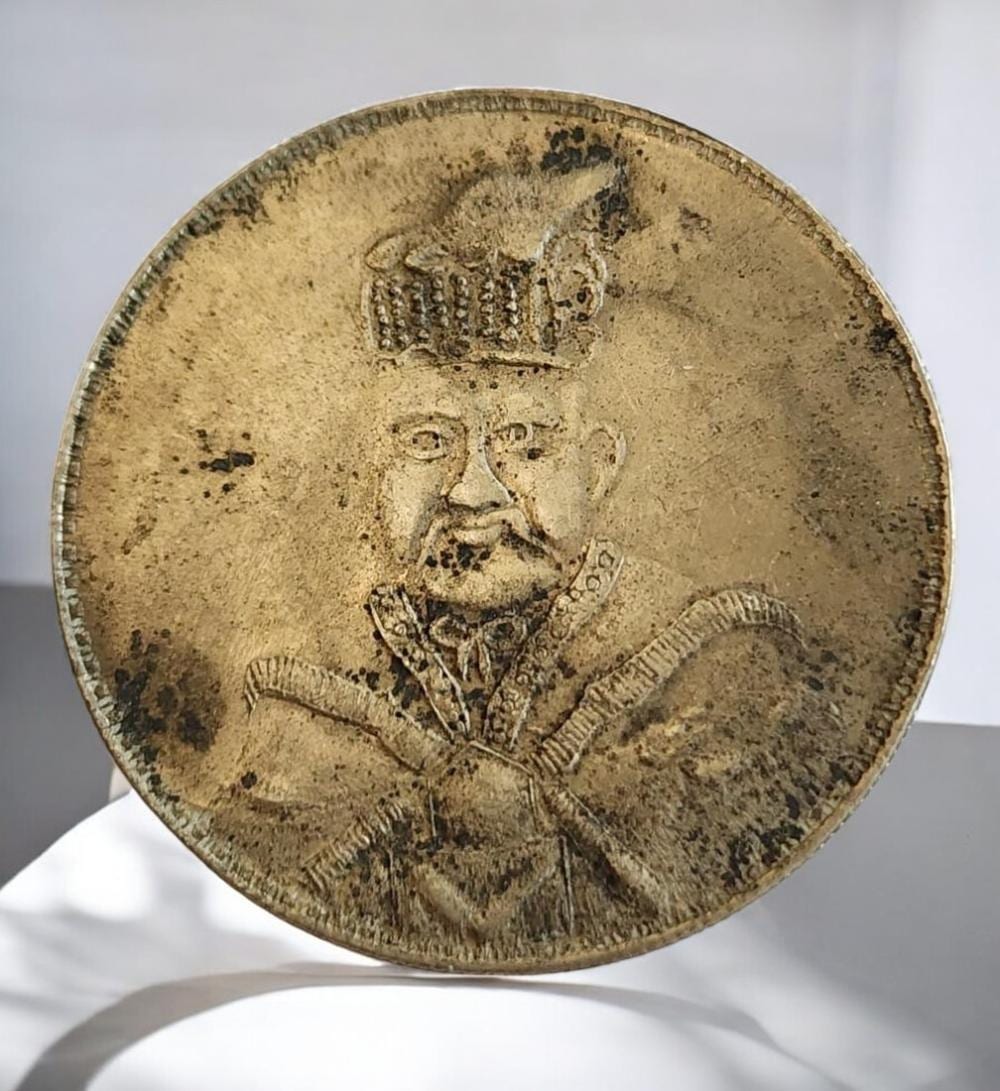
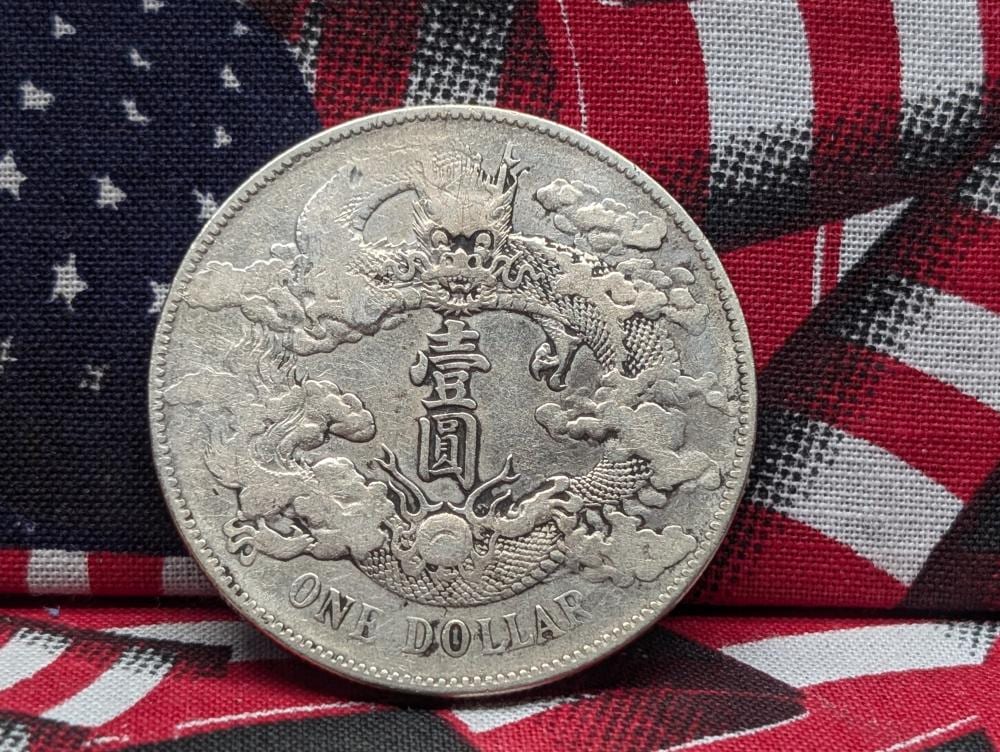
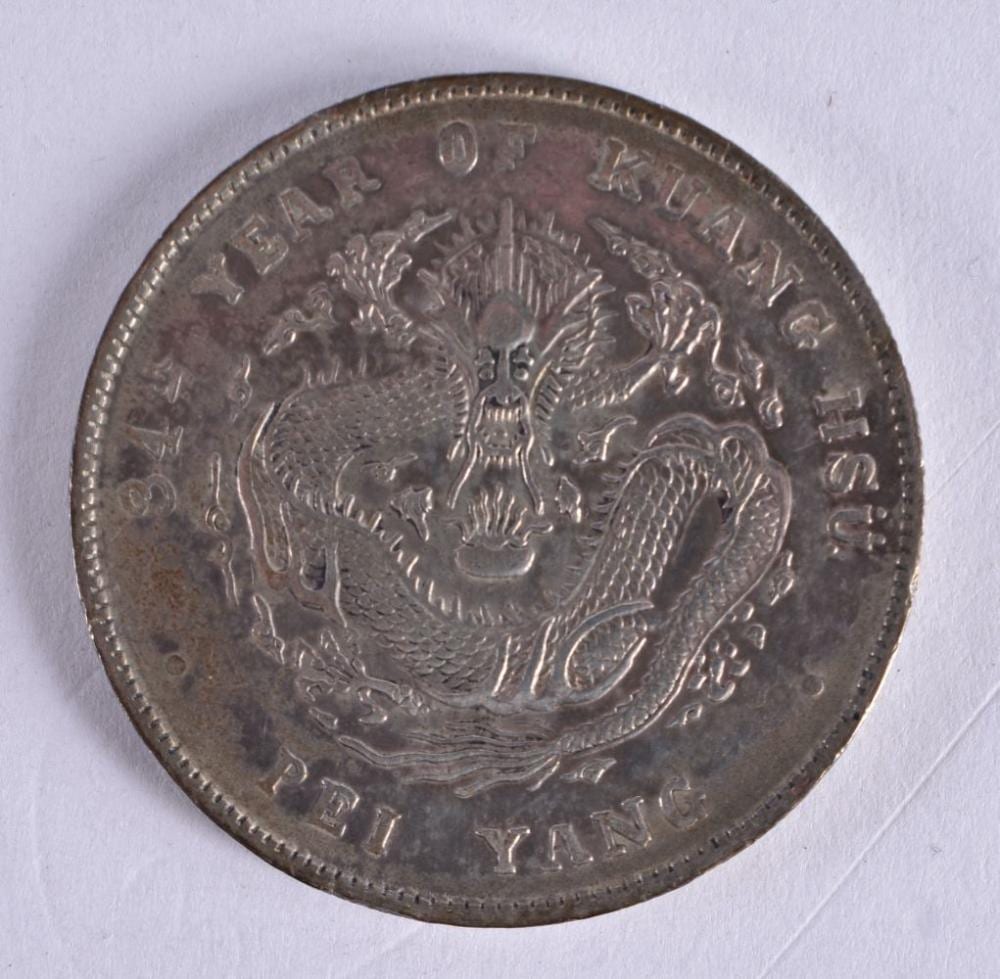
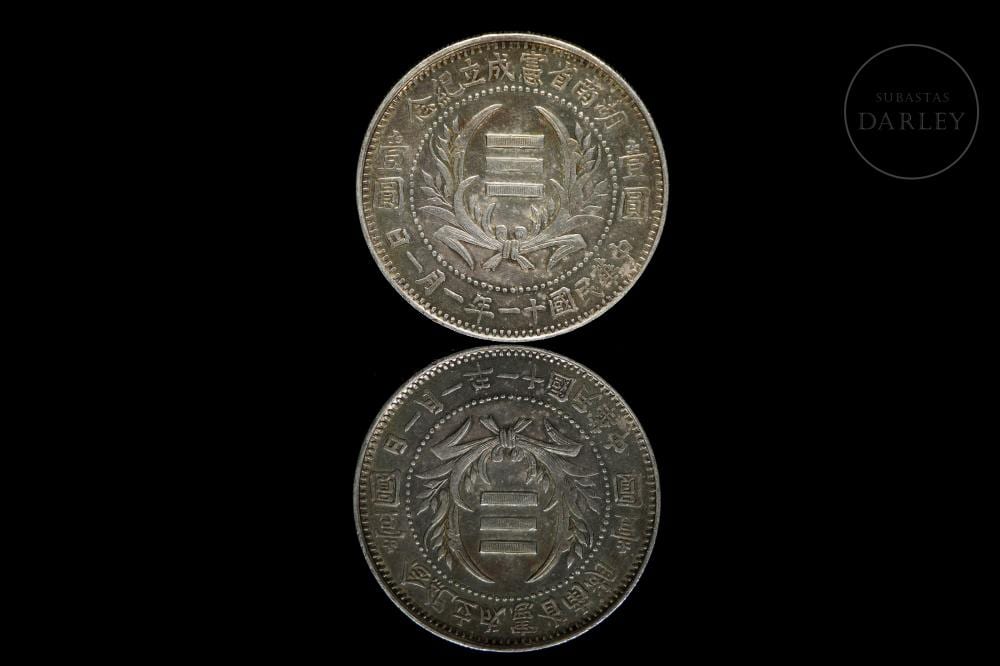
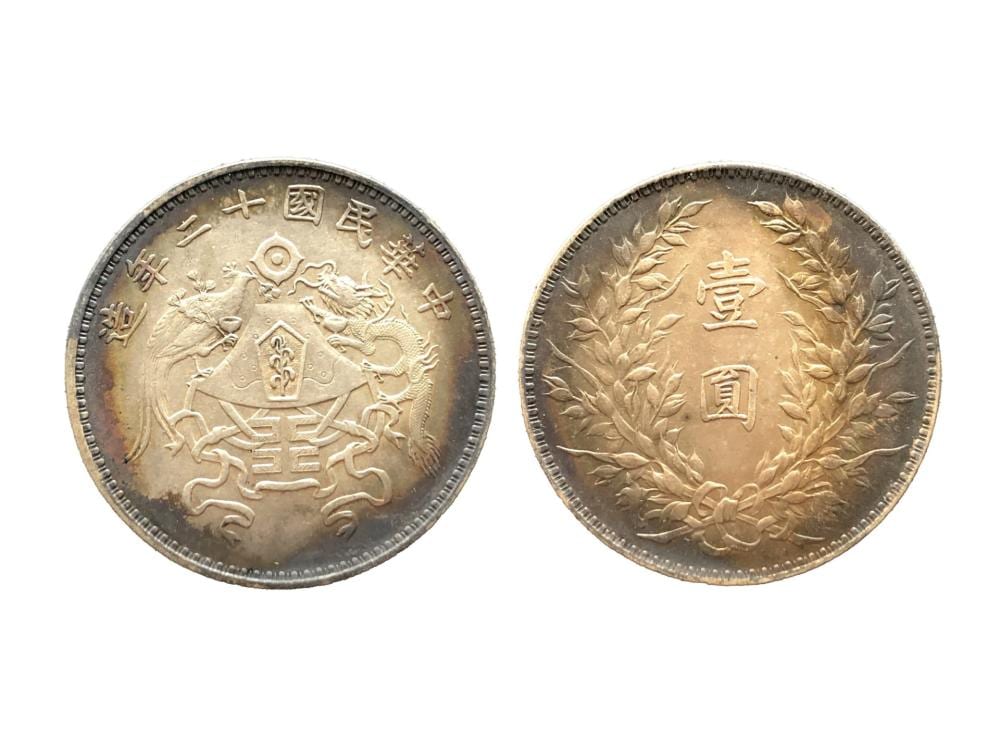
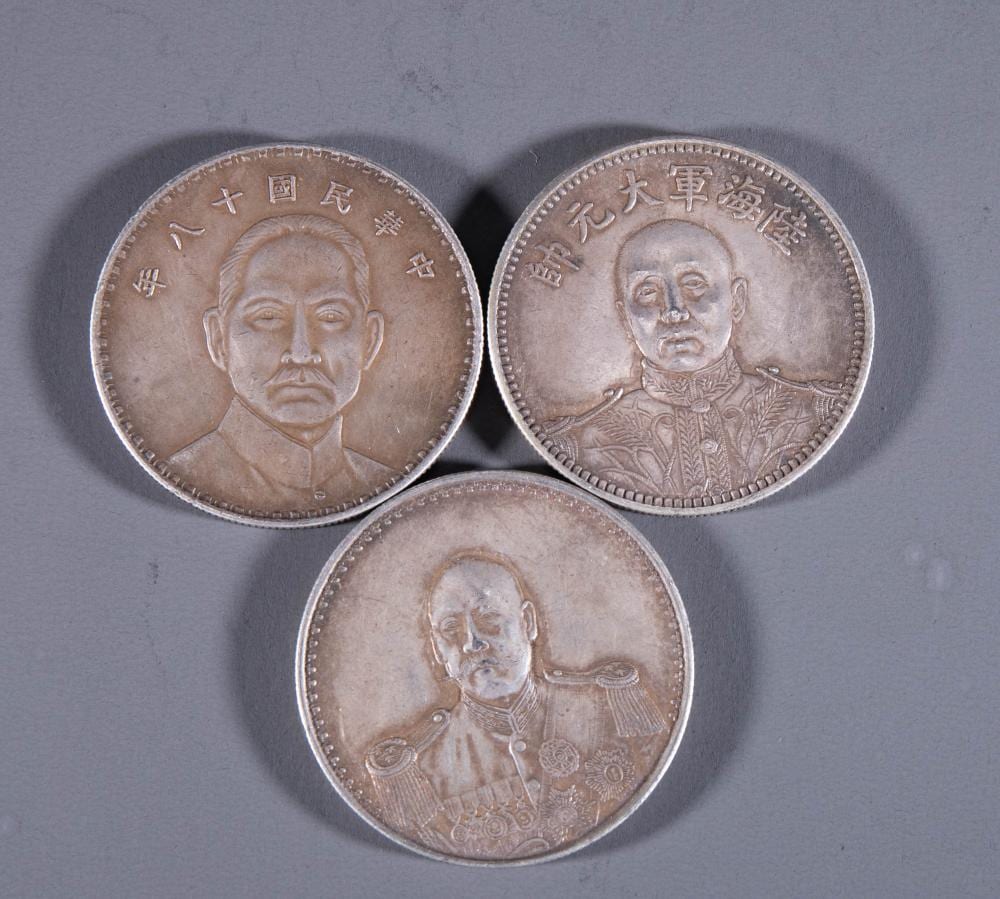
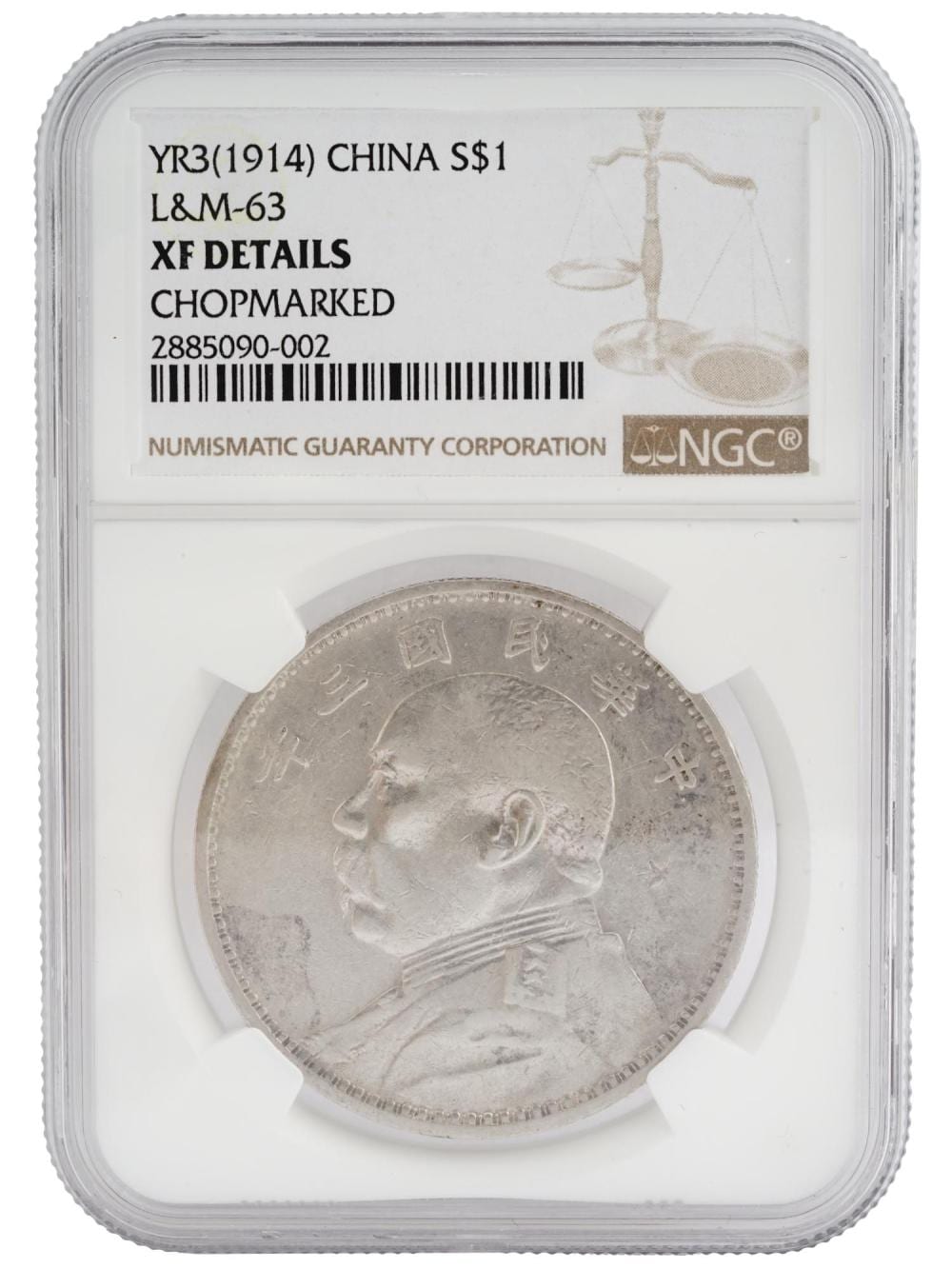
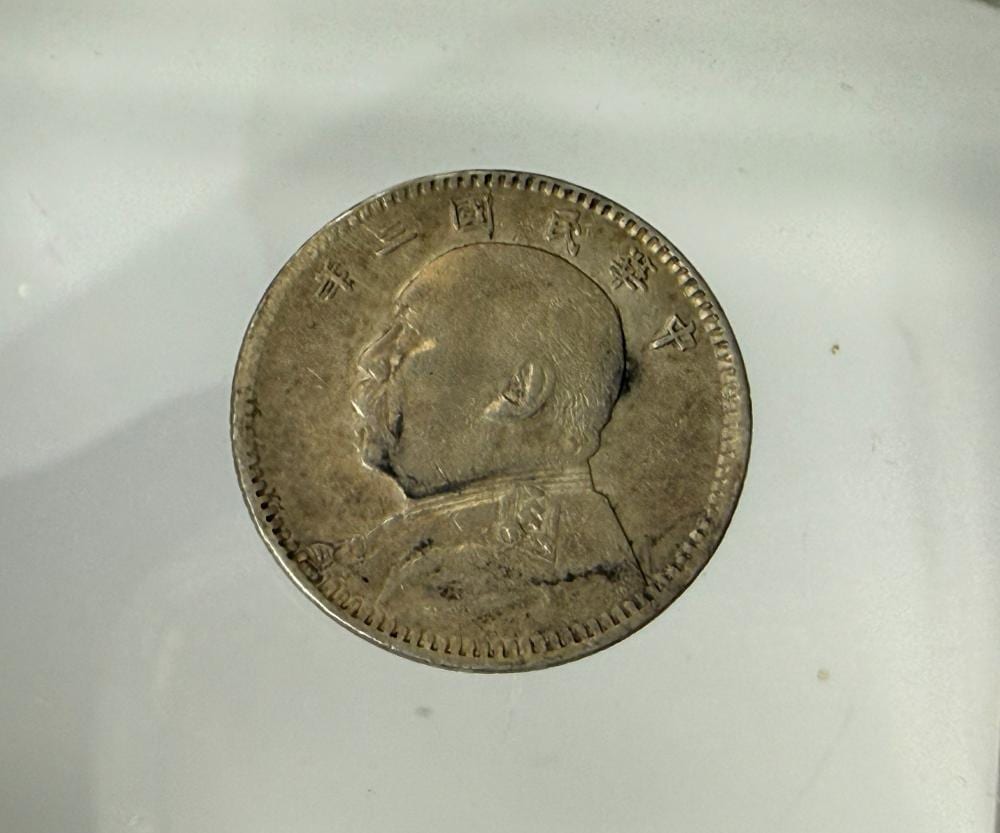
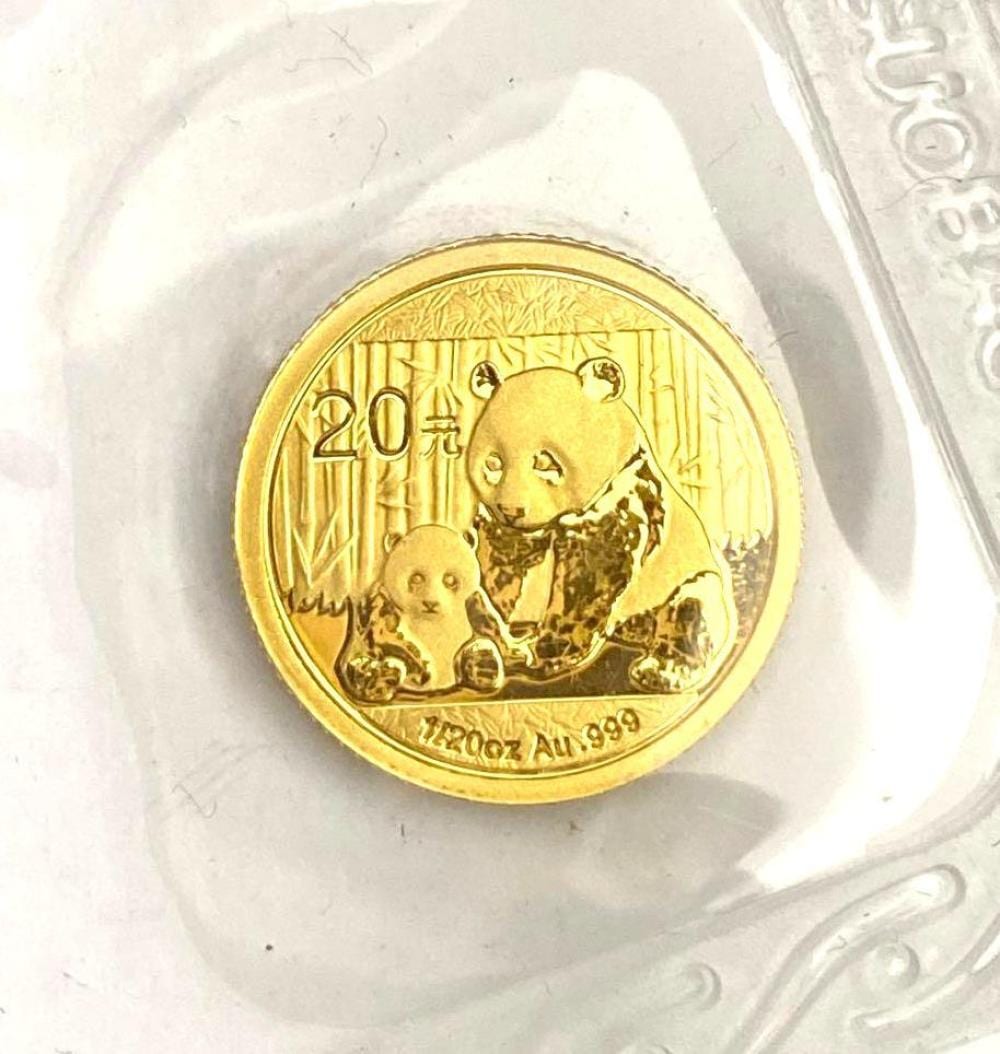
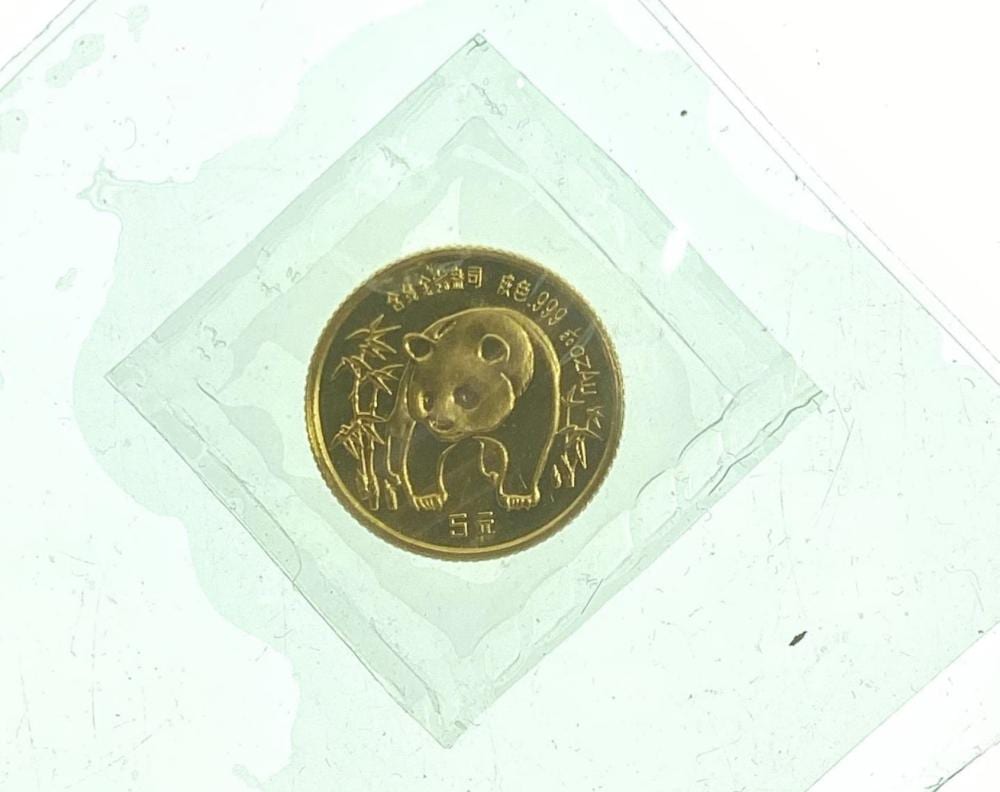
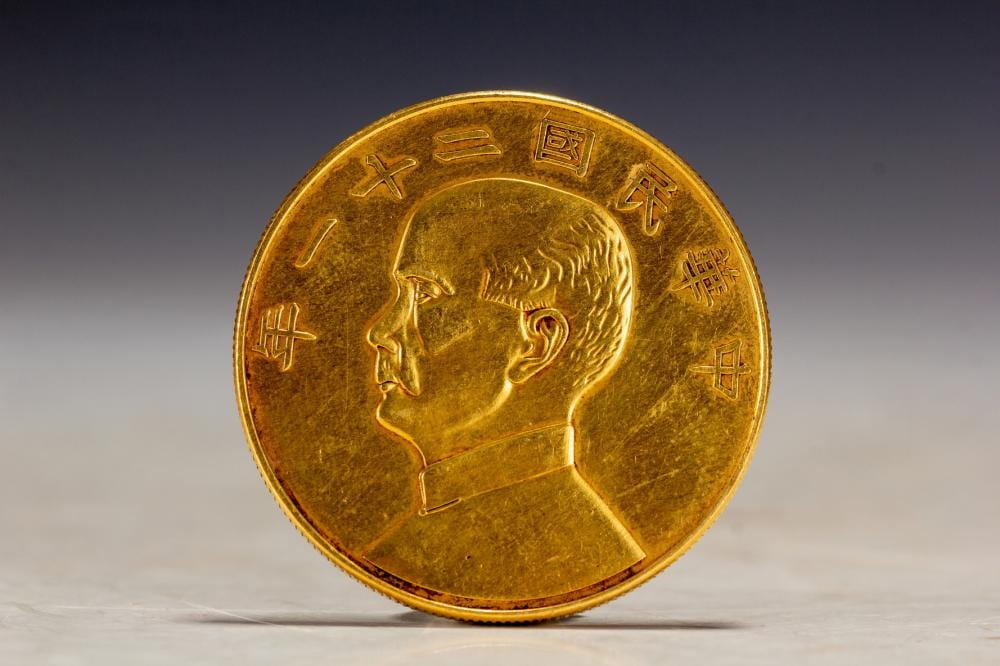
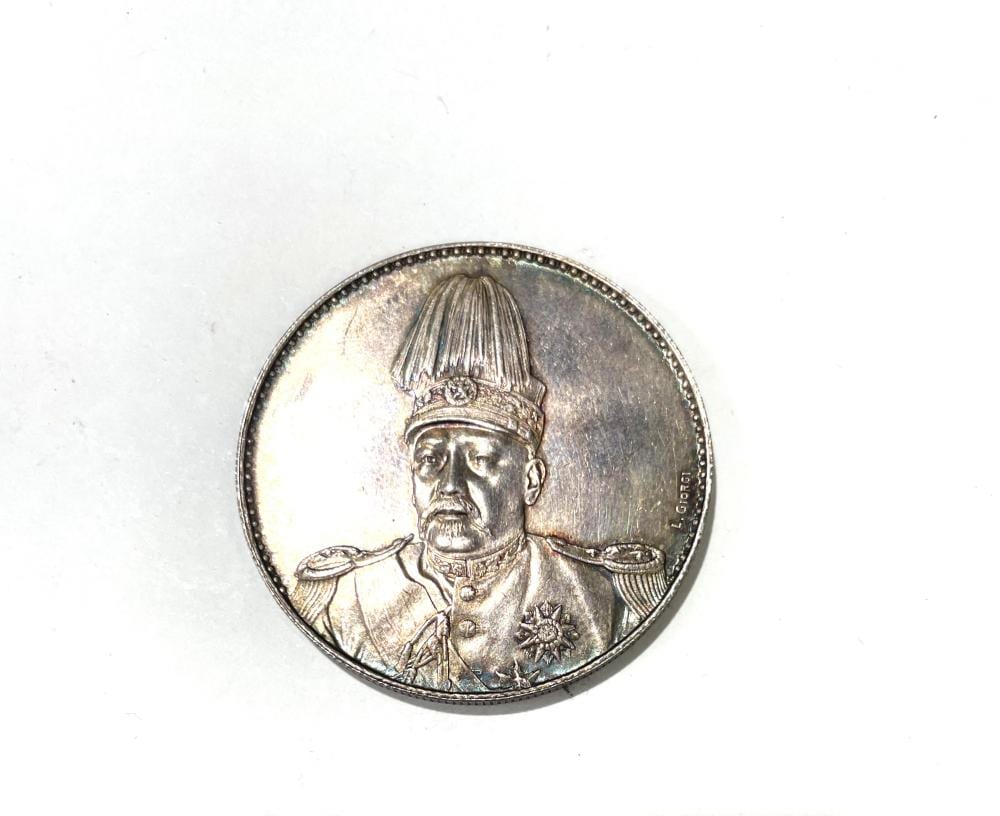
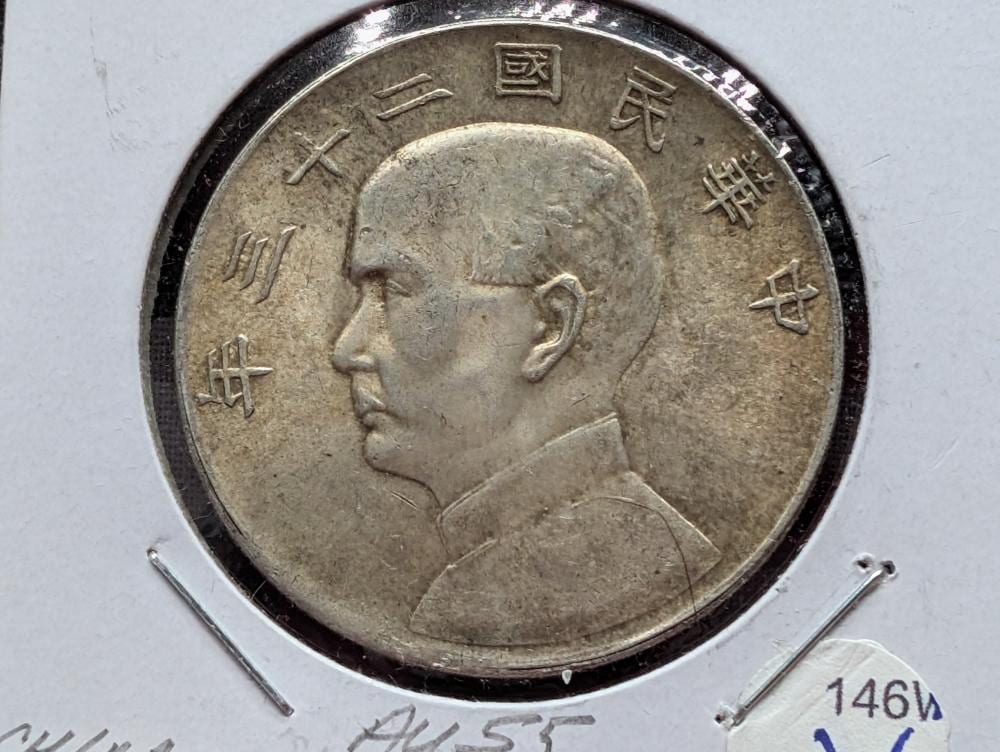
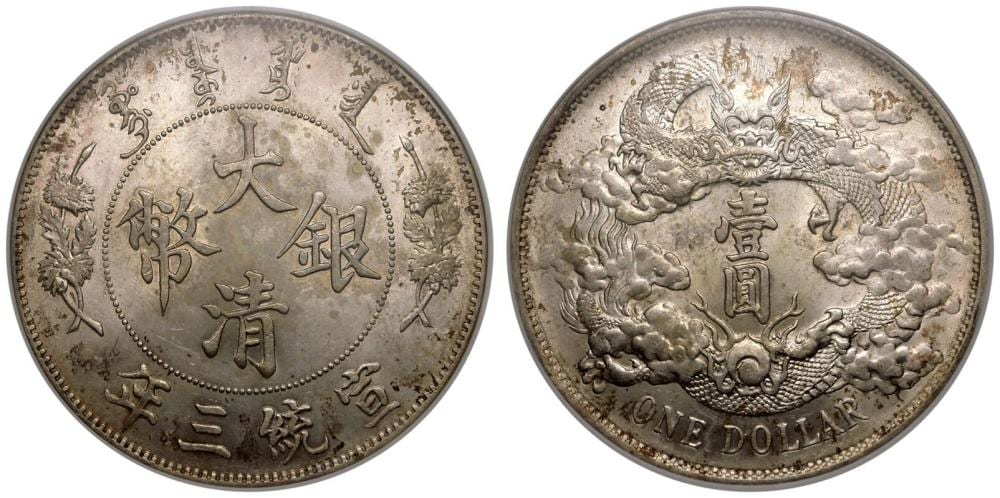
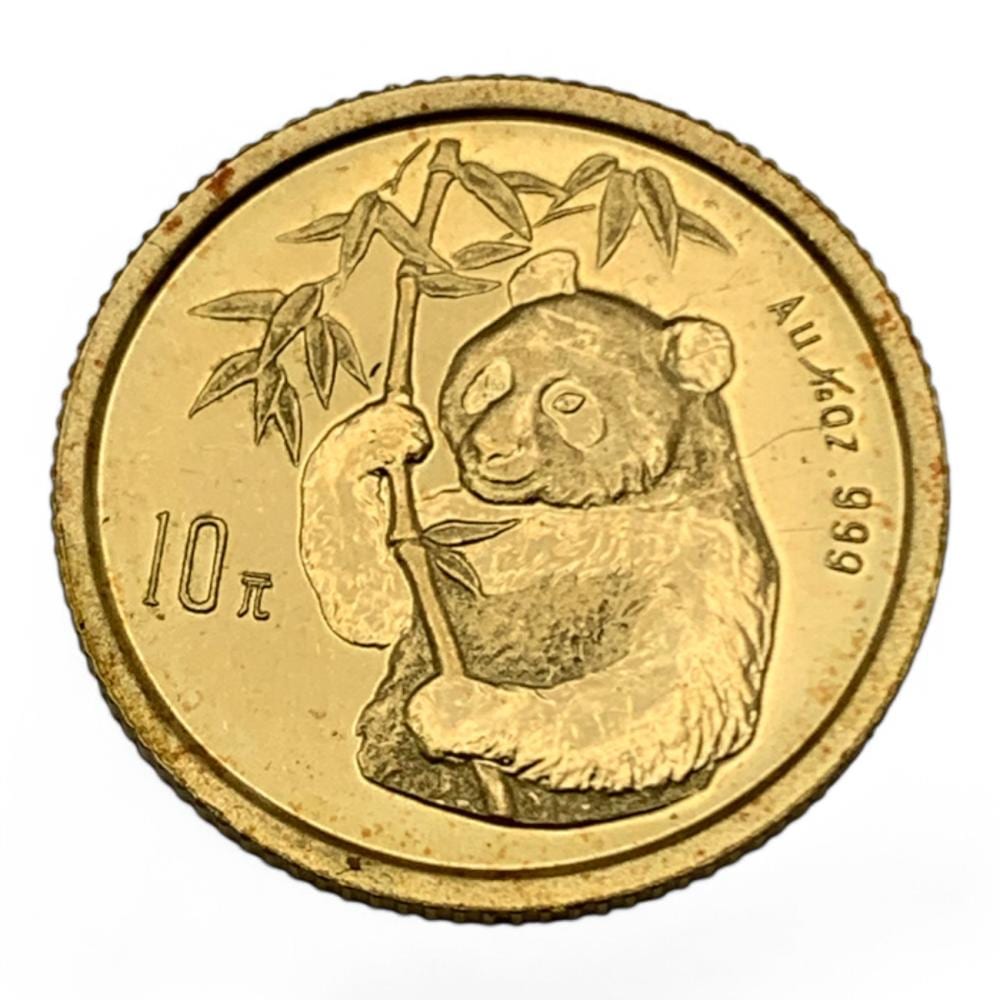
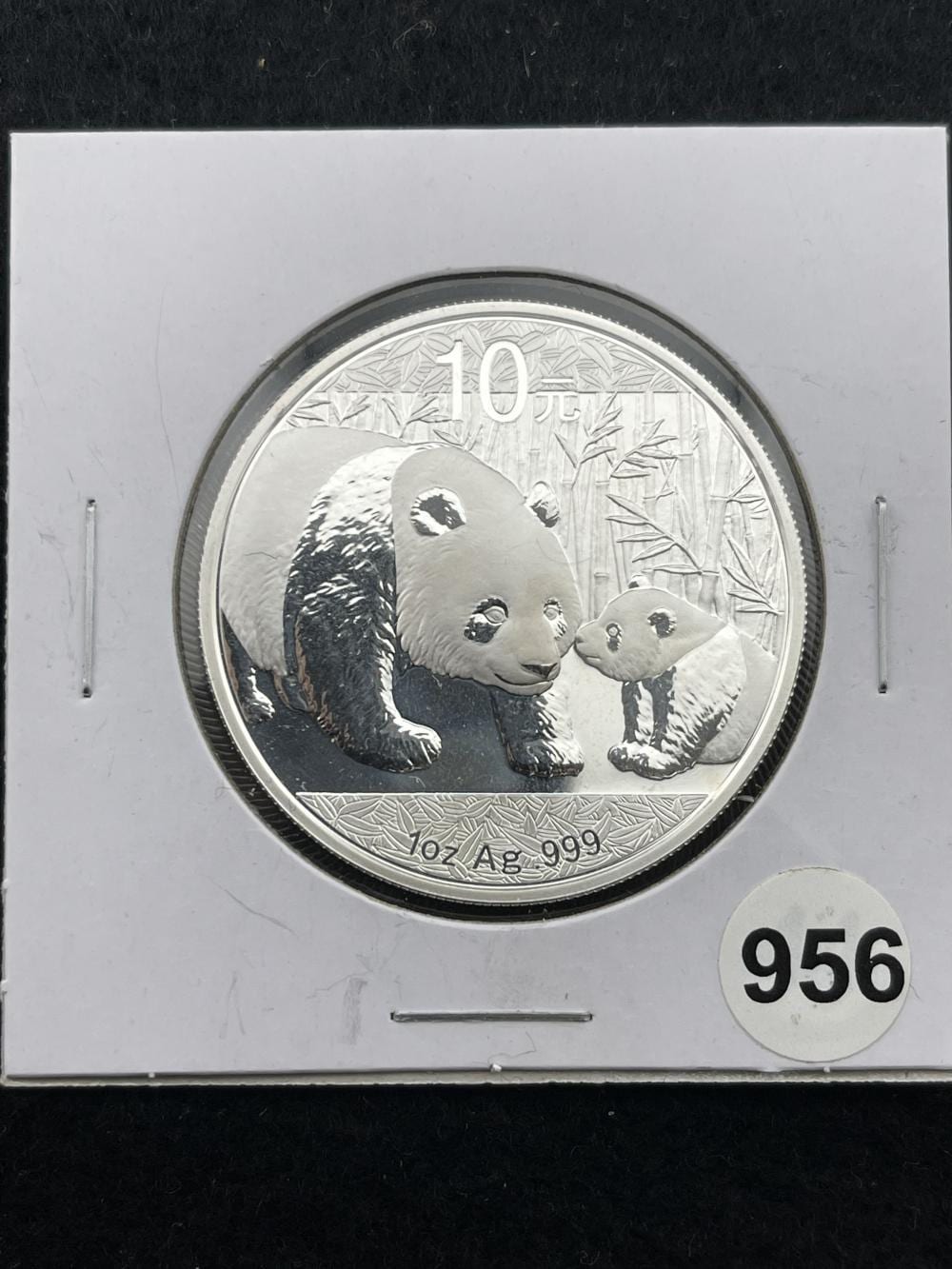
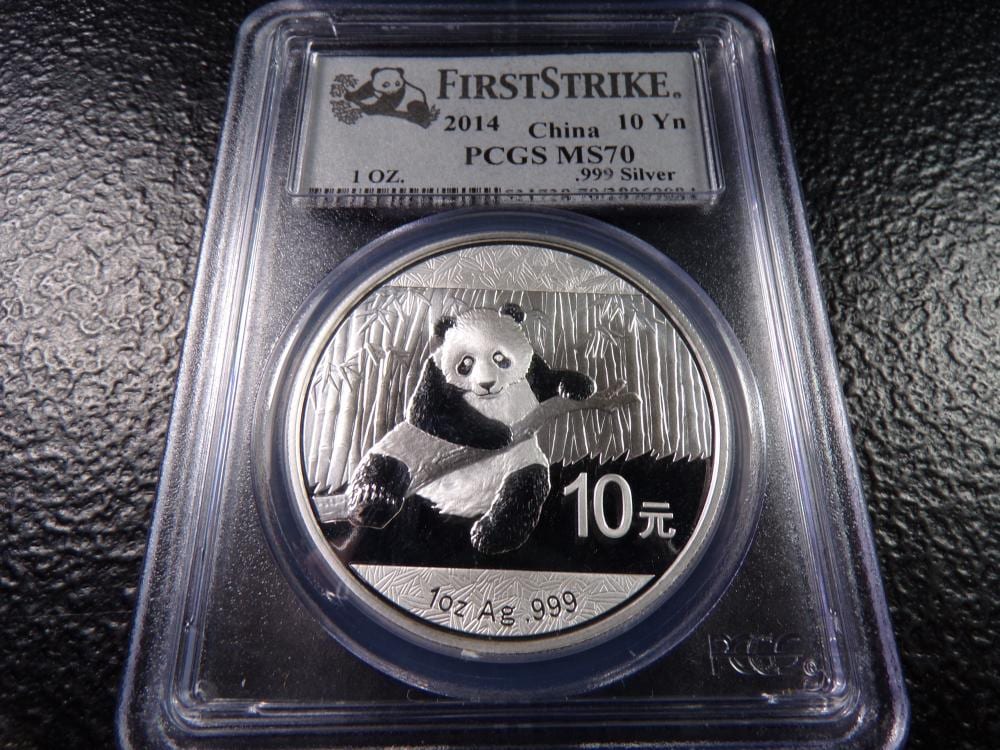
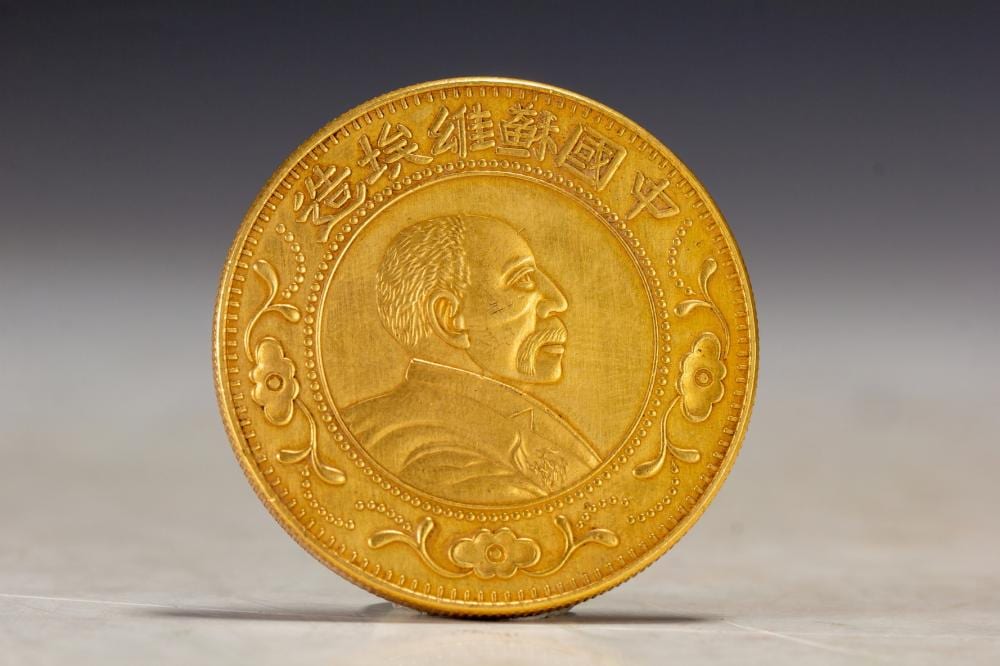
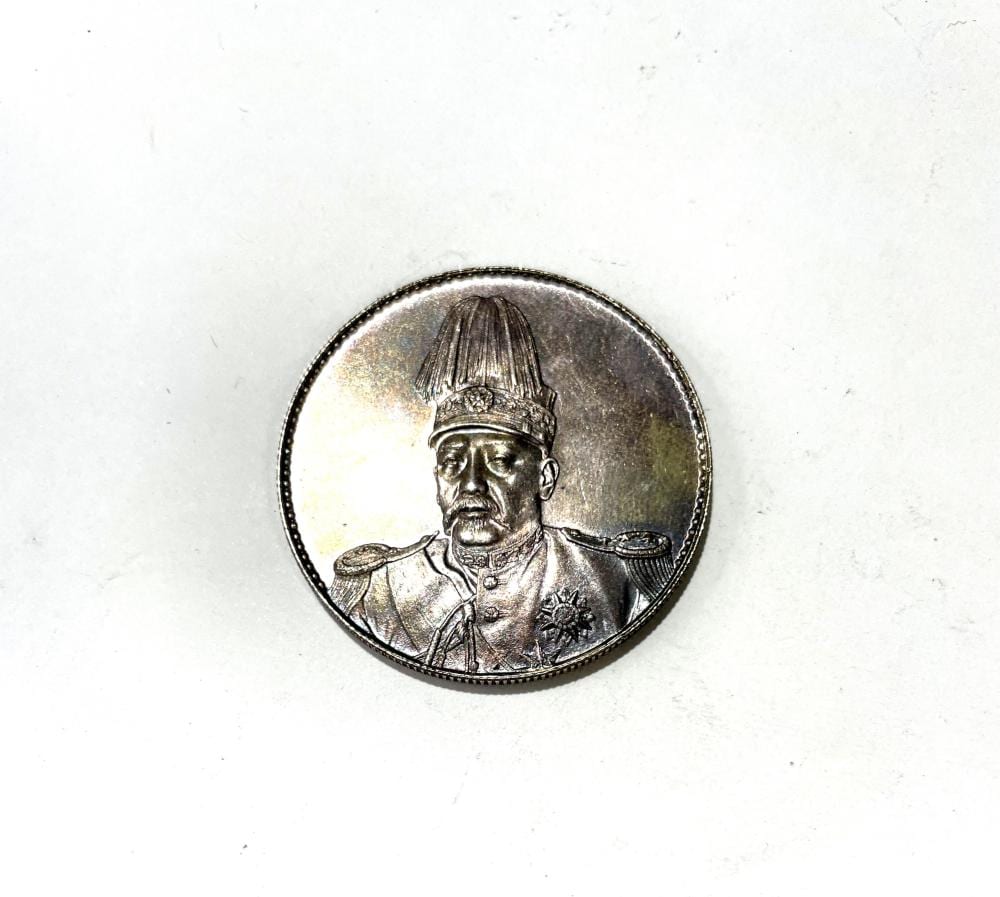
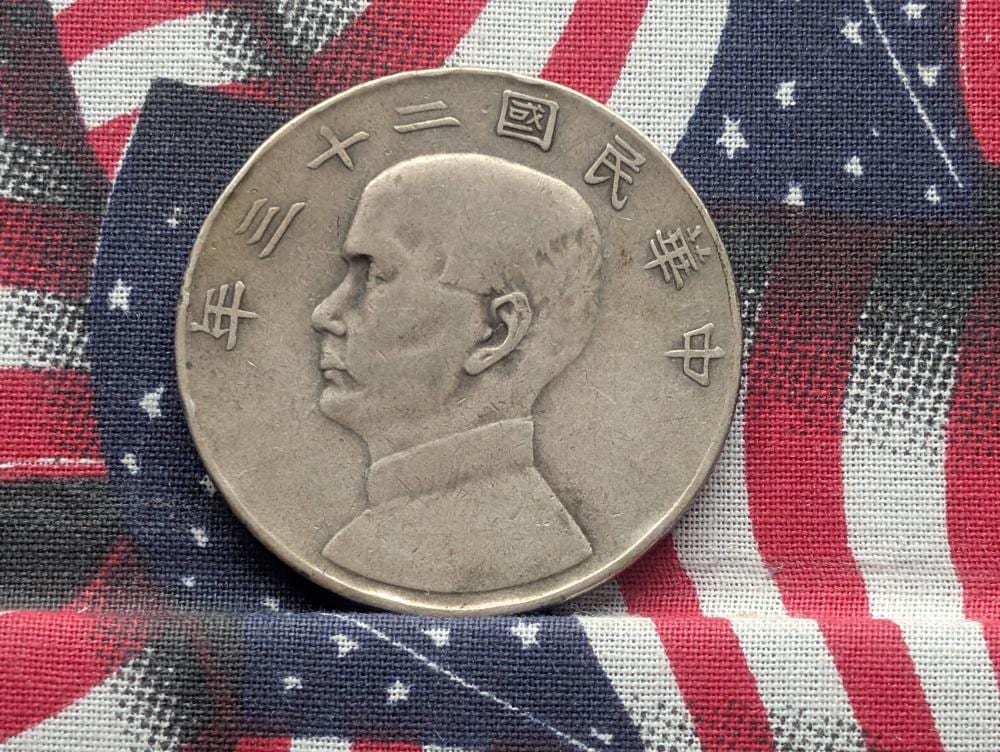
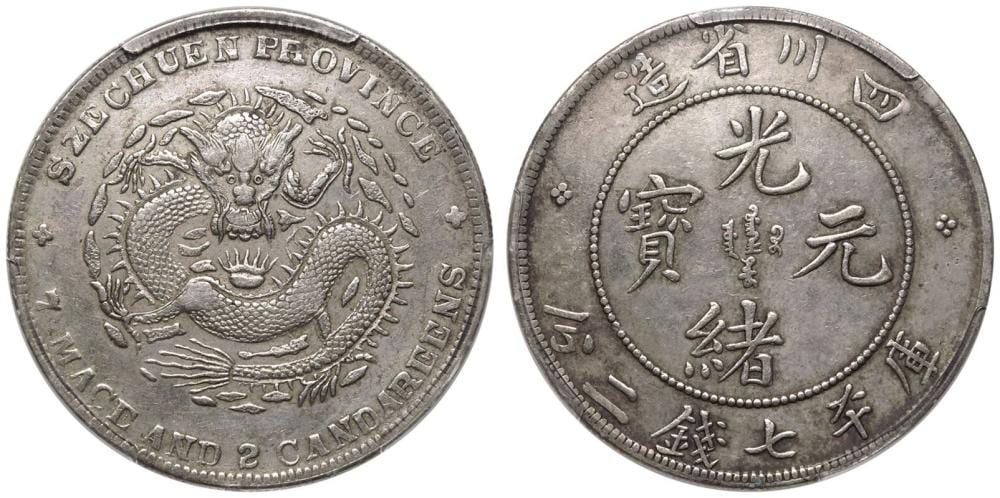
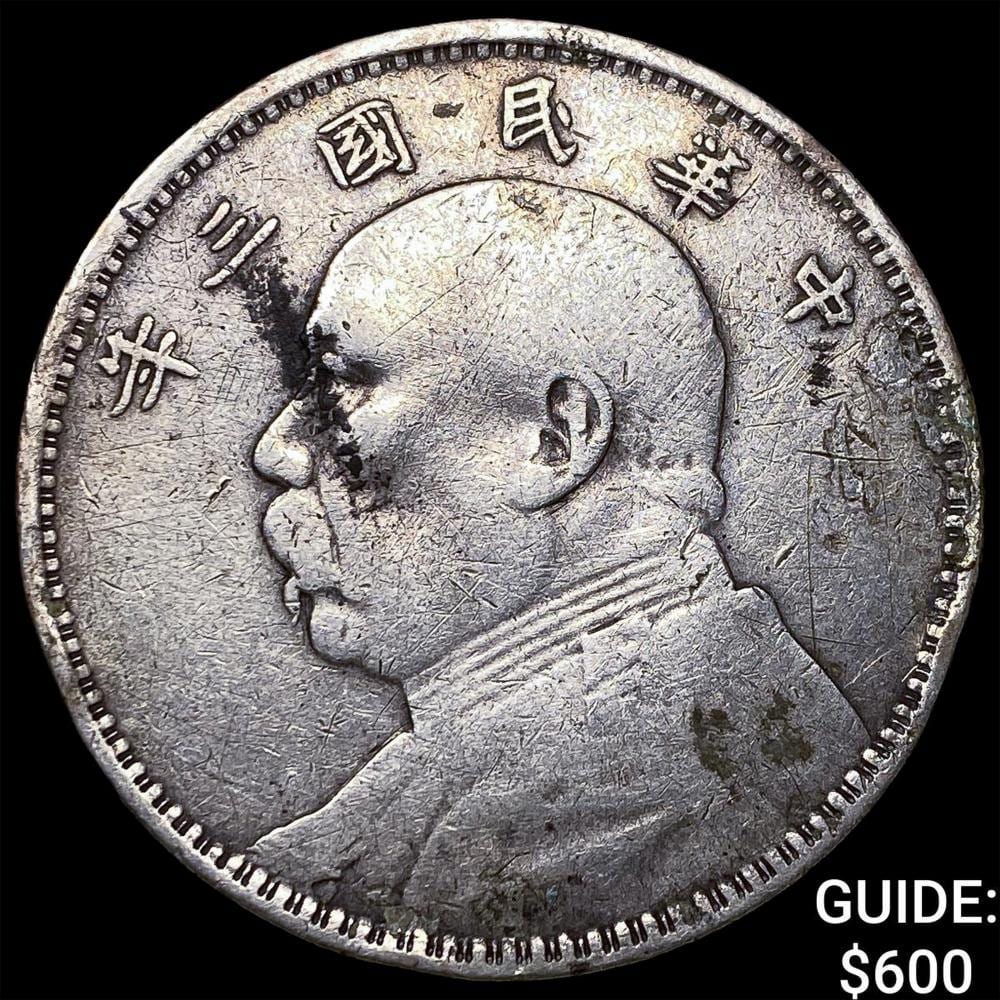
- Silver and copper issues: capture province, dragon or portrait design, denomination, English legends, reeded or plain edge, rim damage, cleaning, and strike sharpness.
- Forgery screen: compare weight, diameter, calligraphy, metal color, bubble texture, artificial patina, repeated mold flaws, and whether the aging sits naturally in the recesses.
- Value handoff: after attribution, compare rarity and condition in the companion old Chinese coins value guide and the rare Chinese silver coin identification guide.
For broader context, see old coin values and how to get coins appraised.
Old Chinese coin identification checklist
For many collectors and appraisers, old Chinese coins are a gateway into two millennia of continuous monetary history. Yet the breadth—spanning spade and knife money, cast “cash” coins, silver sycee, and machine-struck provincial issues—can feel daunting. This guide distills what you need to know to identify, date, and preliminarily evaluate Chinese coins accurately and efficiently.
The major types of old Chinese money you’ll encounter
Understanding the big categories helps you sort a mixed lot quickly and frame your research.
- Pre-imperial bronze money (6th–3rd century BCE)
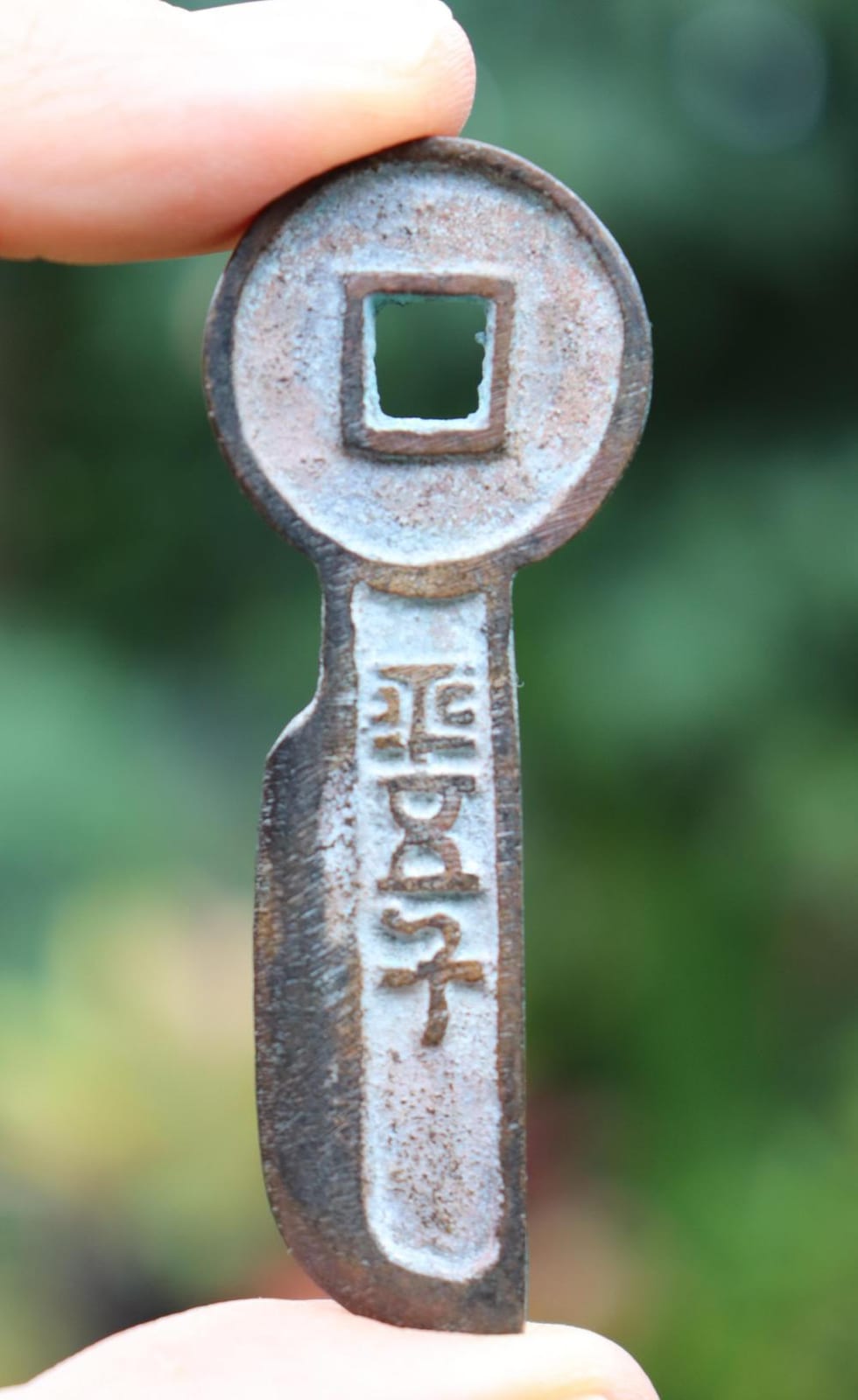
- Spade money (bu): Stylized farming tools with inscriptions; regional forms like pointed or square-foot spades.
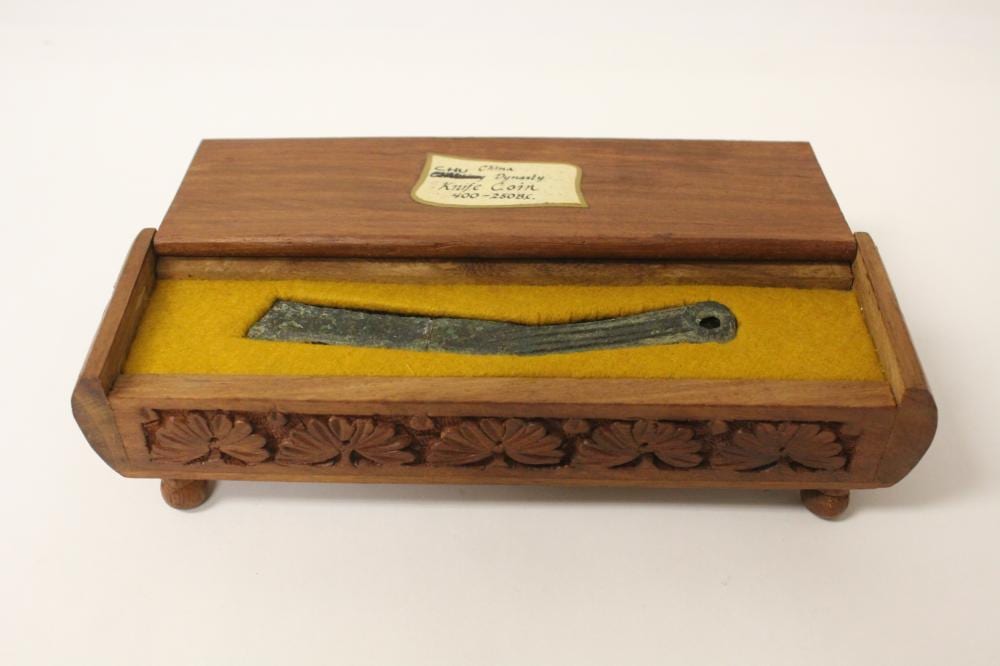
- Knife money (dao): Blade-like pieces from northern states, often with state or mint inscriptions.
- Ant-nose and other proto-coins: Small cast bronzes from southern regions.
- Qin and Han dynasties (221 BCE–220 CE)
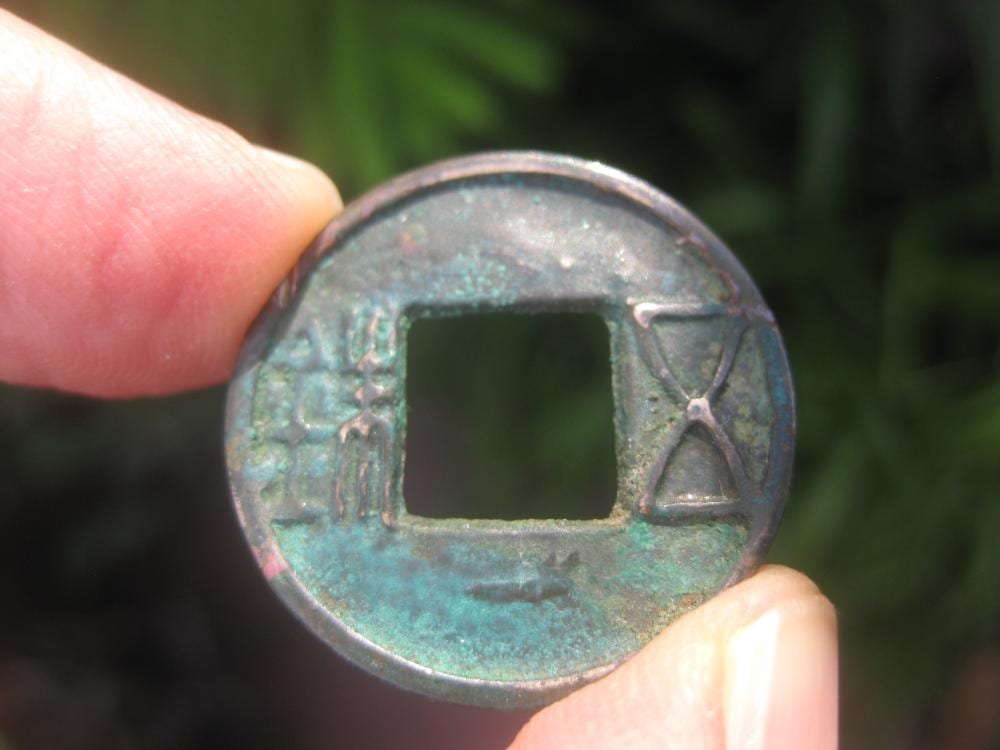
- Ban Liang (半兩): Round coins with square holes; early examples large and heavy, later ones smaller.
- Wu Zhu (五銖): Dominant Han type; very long-lived with many local variants.
- Tang through Song dynasties (618–1279)
- Tang’s Kaiyuan Tongbao (開元通寶) sets a durable format: four-character obverse with round coin and square hole.
- Song dynasty coinage explodes in variety. Legends include Tongbao (通寶), Yuanbao (元寶), and Zhongbao (重寶) across dozens of reign titles, with multiple calligraphy styles and mints.
- Yuan and Ming dynasties (1271–1644)
- Yuan: Issues like Zhiyuan Tongbao (至元通寶).
- Ming: Many reign-title cash, e.g., Hongwu Tongbao (洪武通寶), Yongle Tongbao (永樂通寶). Some provincial and frontier varieties in iron or lead.
- Qing dynasty (1644–1912)
- The classic Qing cash system features reign-title obverses and Manchu mint marks on the reverse.
- Xianfeng (咸豐) monetary crisis brings large multiple-cash denominations with value marks (當十, 當五十, etc.).
- Late Qing transition to machine-struck coins, including copper “10 cash” and silver issues.
- Late Qing and early Republic machine-struck coins (c. 1889–1930s)
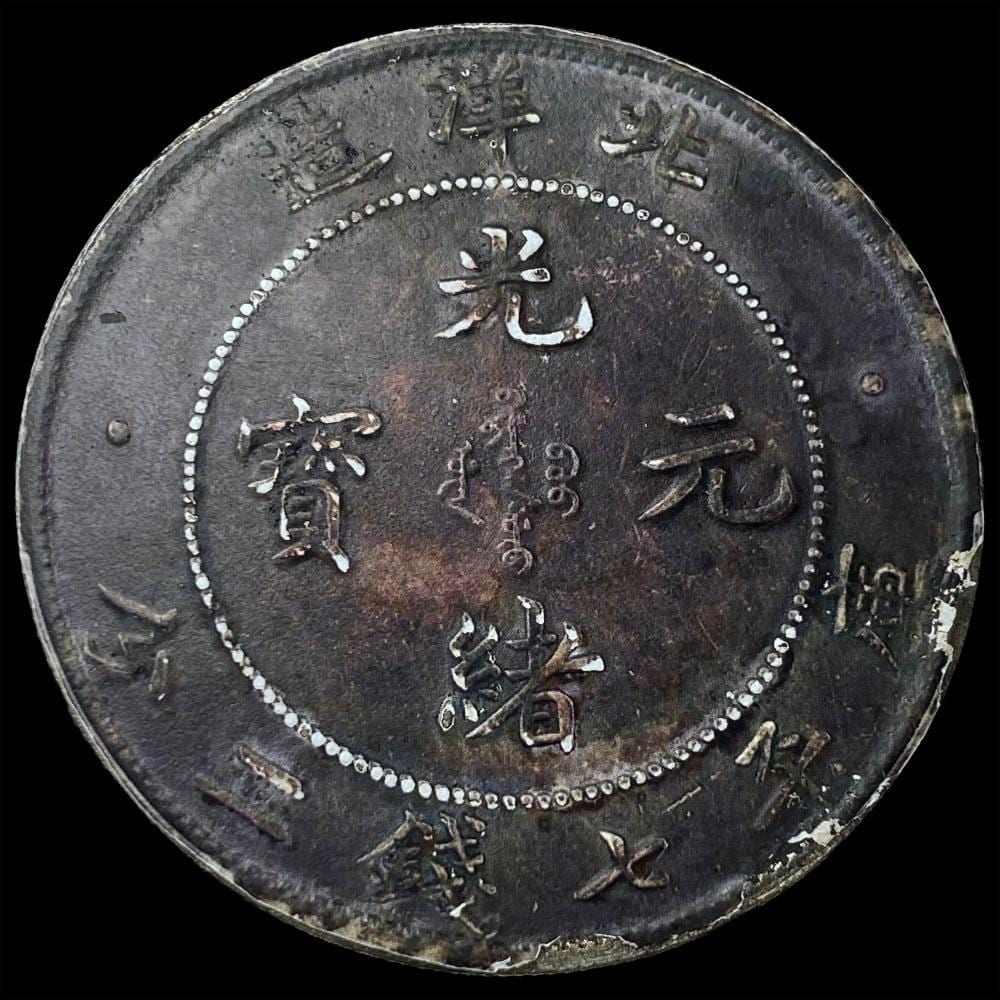
- Copper “dragon” cash coins: Provincial legends such as “Guangxu Yuanbao” (光緒元寶) with dragons on reverse.
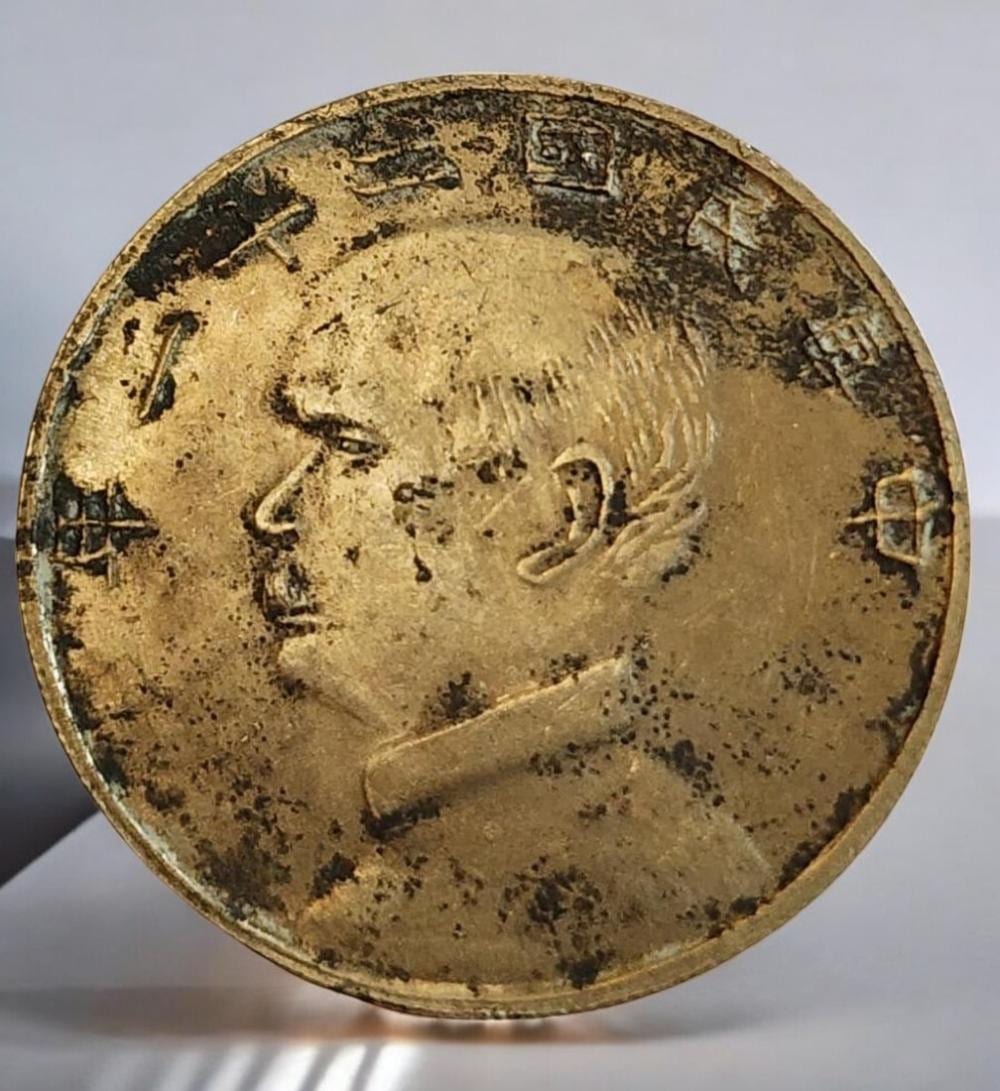
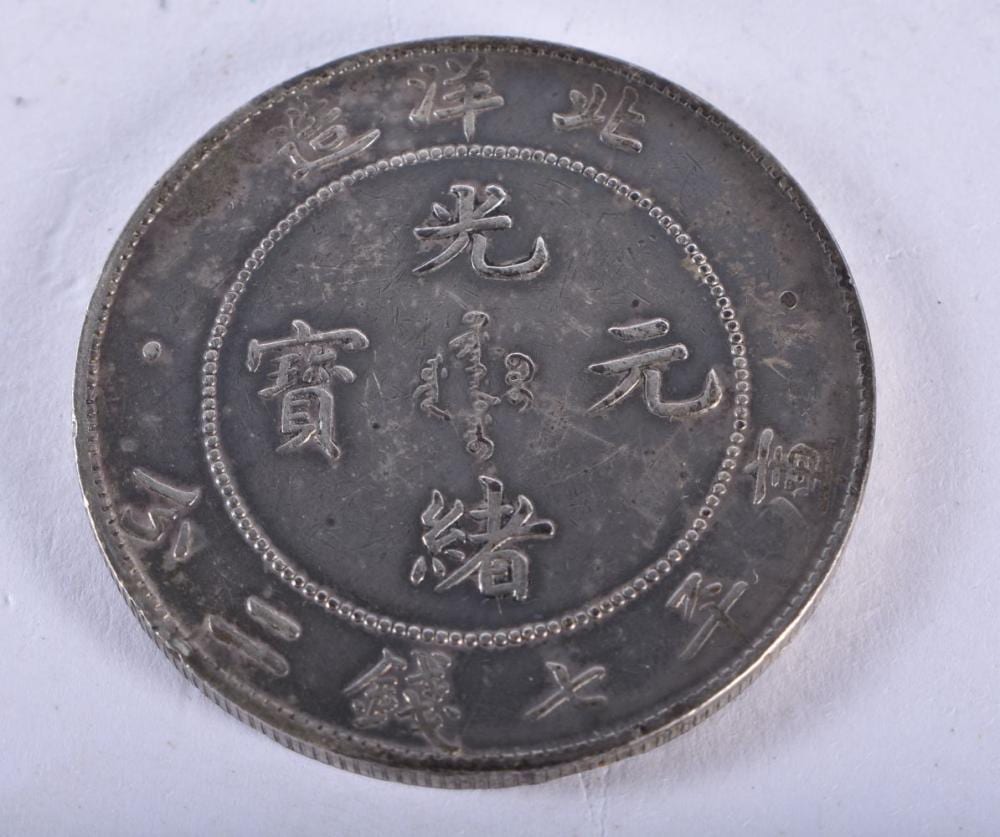
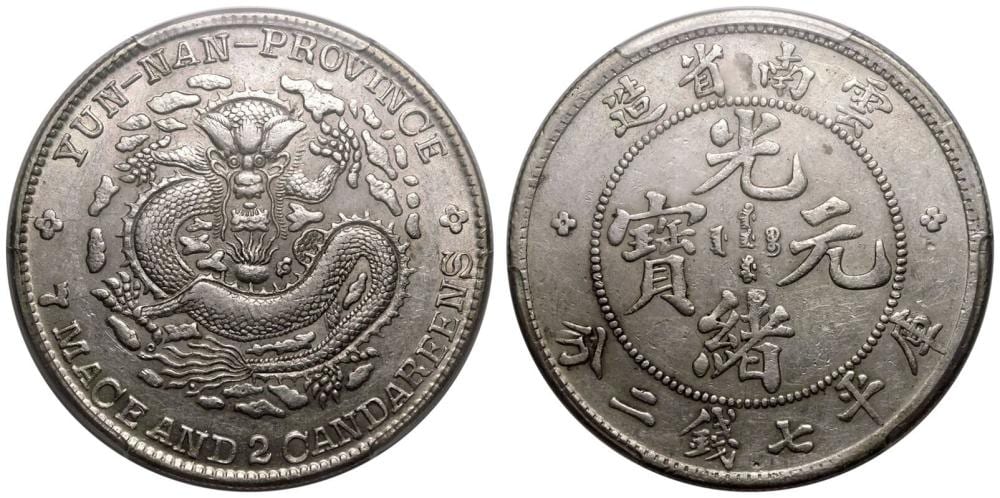
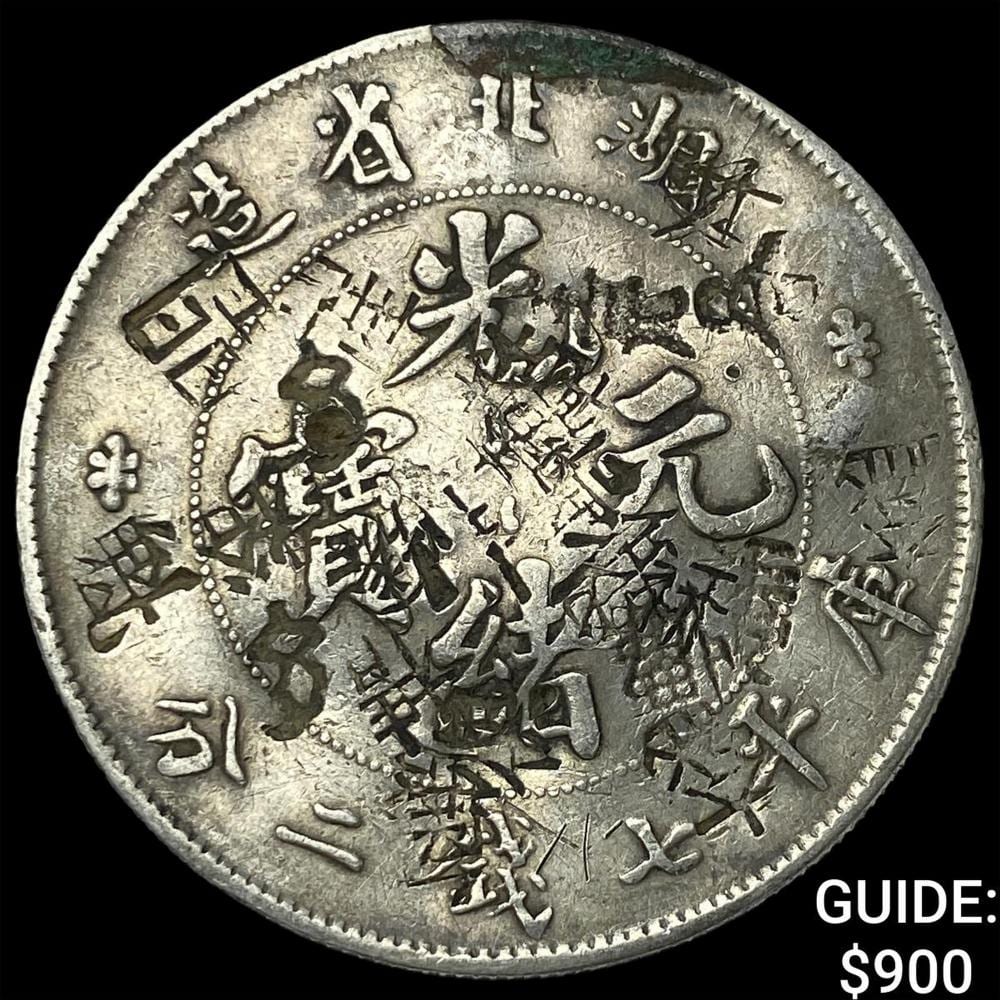
- Silver dollars and fractions: Provincial “dragon dollars” with weight legends like “7 Mace and 2 Candareens” (七錢二分).
- Sycee (silver ingots)
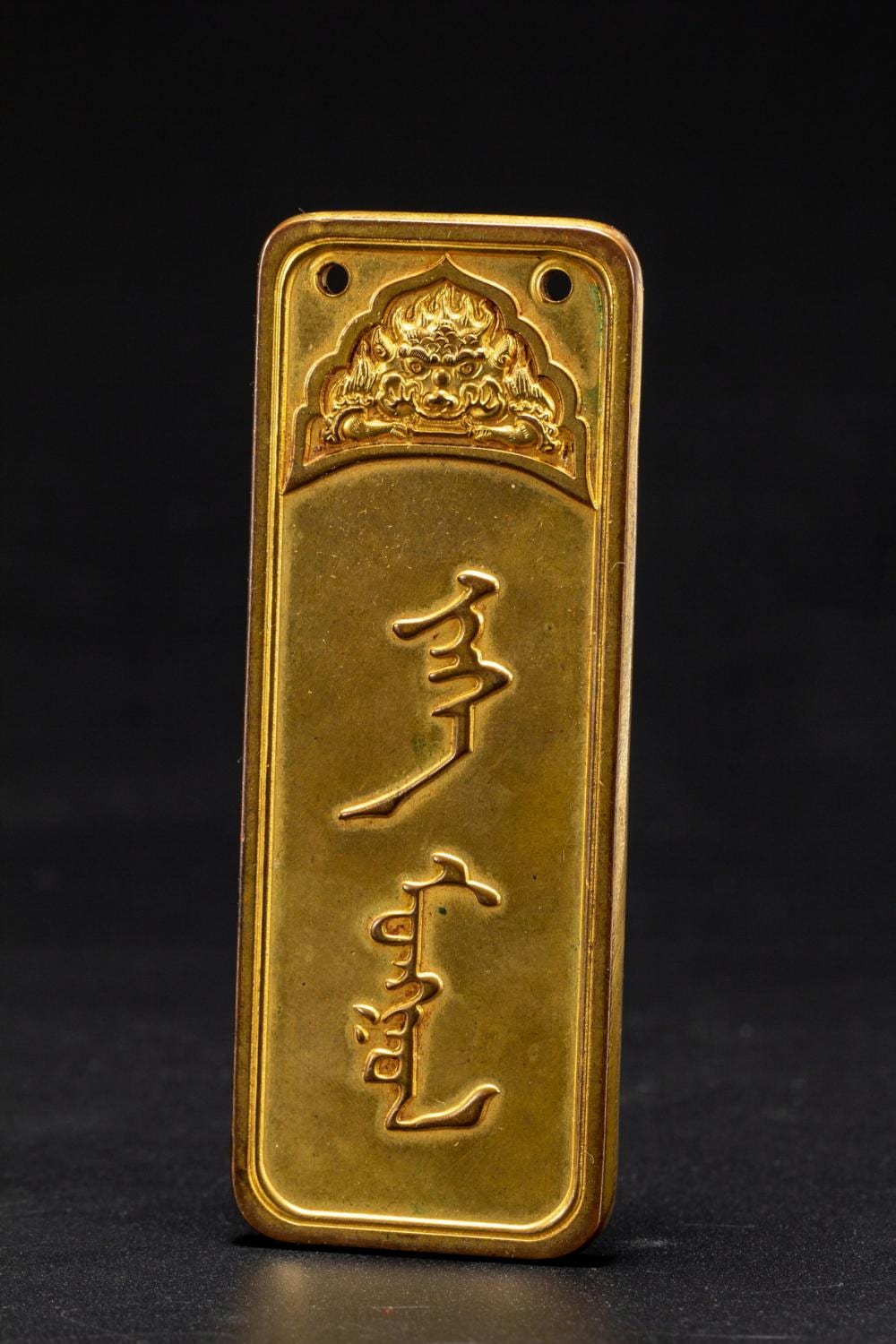
- Not coins per se, but essential monetary instruments throughout late imperial China. Various shapes (boat, shoe, square), marked with assayer and fineness chops.
Knowing the category immediately narrows your identification path—spade/knife pieces need regional typology, while Qing cash coins are best decoded by reign title and mint marks.
How to read legends: reign titles, scripts, and mint marks
Old Chinese cash coins are text-driven. Learning to read their legends is the single most effective skill for attribution.
- Obverse structure
- Four characters around the square hole generally read: top, bottom, right, left.
- Typical formula: [Reign Title] + [Tongbao/ Yuanbao/ Zhongbao]. Example: 康熙通寶 reads Kangxi Tongbao.
- Common terms:
- Tongbao (通寶): “circulating treasure,” very common.
- Yuanbao (元寶): “primary treasure,” often on Song issues.
- Zhongbao (重寶): “heavy treasure,” sometimes indicating higher denomination or prestige.
- Reign titles (nianhao)
- Tang: Kaiyuan (開元).
- Song (selected): Xining (熙寧), Yuanfeng (元豐), Chongning (崇寧), Xuanhe (宣和), Shaoding (紹定).
- Ming: Hongwu (洪武), Yongle (永樂), Xuande (宣德), Hongzhi (弘治), Jiajing (嘉靖), Wanli (萬曆), Chongzhen (崇禎).
- Qing: Shunzhi (順治), Kangxi (康熙), Yongzheng (雍正), Qianlong (乾隆), Jiaqing (嘉慶), Daoguang (道光), Xianfeng (咸豐), Tongzhi (同治), Guangxu (光緒), Xuantong (宣統).
- Scripts and calligraphy
- Regular script (楷書): Standard block forms, clear strokes.
- Clerical script (隸書): Broader, flaring strokes, horizontal emphasis.
- Seal script (篆書): Curved or archaic forms; common on some Song issues and specialized series.
- Running script (行書): Freer, cursive-like; certain Song varieties.
- Calligraphy differences often define rarities within the same reign title.
- Reverse marks and mint attributions
- Qing cash: Typically show Manchu script. The left character is the Manchu for “mint” (often transcribed as boo), and the right denotes the mint name. The two central mints in Beijing correspond to the Board of Revenue (戶部 Hùbù) and Board of Works (工部 Gōngbù), distinguishable by their Manchu mint names.
- Provincial mints: Manchu marks identify mints across China; later issues sometimes add Chinese characters for provinces.
- Xianfeng multiples: Reverse often shows the denomination with 當 (dang, “valued at”), e.g., 當十 (value ten).
- Song and Ming reverses: May be blank, include dots or symbols, or show mint names or denominations. Many Song series use mint marks that can be decoded with specialized references.
- Directional reading quirks
- While top-bottom-right-left is common, some series read clockwise from the top or have variant calligraphy that alters flow. Confirm character identities rather than relying solely on order.
If you can identify the reign title, you can usually place a coin within a narrow dynastic window. Reverse marks, calligraphy style, and fabric then refine mint and variety.
Materials and manufacture: diagnostics for authenticity
Chinese coins were traditionally cast, not struck, until the late 19th century. Understanding how they were made reveals crucial attribution and authentication clues.
- Cast cash coins (bronze/brass/iron/lead)
- Fabric: Typically 22–26 mm for standard cash, with a square central hole; thickness and weight vary by era, mint, and denomination.
- Edges and sprues: Look for vestiges of sprue removal and file marks on the rims. Seam lines should be modest and consistent with casting trees, not sharp raised flashing from modern molds.
- Surfaces: Slightly granular texture possible; high points smoother from wear. Tool marks in the square hole are common from squaring/finishing.
- Metals:
- Brass (copper-zinc) and bronze (copper-tin) dominate. Colors range from golden to brown.
- Iron issues appear in some periods (e.g., Northern Song Sichuan). A magnet can help; genuine iron pieces are magnetic and often corroded.
- Lead/tin are less common and often localized; soft metal with gray tone and distinct patination.
- Machine-struck coins (late Qing/Republic)
- Fabric: Uniform circular planchets, clear raised rims and beading, sharp lettering, and often reeded or plain edges.
- Designs: Chinese legends indicating reign/province with Western-style numerals or English sometimes present on later Republic issues; dragons common on reverse of provincial copper and silver.
- Patina and corrosion
- Natural copper patinas: Cuprite (red), malachite (green), and brochantite/atacamite (dark green) can appear. Look for depth, layering, and integration with pore structure.
- “Bronze disease”: Powdery, active light-green chlorides that recur—requires stabilization, not polishing.
- Artificial aging: Abrasive wear patterns that ignore recesses, uniform “earth” residues, painted-on verdigris, or chemical etching that smells acrid. Examine under magnification for bubbles or surface paint films.
- Weight and diameter ranges
- Use a scale and calipers. Standard Qing 1-cash often clusters around 24–25 mm with variable weights (~2.8–4.2 g), but Xianfeng multiples can be much larger and heavier. Machine-struck copper “10 cash” typically ~27–29 mm. Treat these as guides, not absolutes—local variation is real.
Material, fabric, and patina together are strong indicators of period and authenticity. Combine them with legend-reading to avoid misattributions.
A practical workflow to identify and date a coin
Use this repeatable process to move from unknown to well-attributed.
- Classify the monetary type
- Is it spade/knife, cast cash, machine-struck copper/silver, or sycee? Shape and manufacturing method decide the path.
- Measure and observe fabric
- Diameter, thickness, weight, and hole shape. Note casting seams, sprue/file marks, rim form, and edge treatment (reeded/plain).
- Read the obverse legend
- Identify the four characters and determine the reign title and suffix (Tongbao/Yuanbao/Zhongbao).
- If characters are unclear, sketch strokes or photograph and compare common reign titles. Focus on distinctive radicals.
- Assess calligraphy style
- Seal vs regular vs clerical script can pinpoint specific series within a reign, especially for Song dynasty.
- Decode the reverse
- For Qing cash: Look for Manchu mint marks. The left Manchu character denotes “mint,” right indicates the mint name; some early pieces include Chinese characters such as 戶 (Revenue) or 工 (Works).
- For Xianfeng: Identify value marks (當十, 當五十, etc.), and provincial or mint names.
- For machine-struck: Read the province (e.g., 江蘇 Jiangsu, 浙江 Zhejiang) and the legend (e.g., 光緒元寶 Guangxu Yuanbao). On silver, note denominations in Mace/Candareens and any mint initials.
- Cross-check with physical diagnostics
- Does metal and patina match the attributed era? A “Qianlong” cash that is machine-struck is a red flag.
- Confirm that weights and diameters fall in plausible ranges for the type and denomination.
- Screen for authenticity
- Cast copies often show frothy surfaces, wrong calligraphy proportions, and modern tool marks. Struck fakes may have mushy details, wrong alloy color, or incorrect edge.
- Magnify the patina: natural corrosion infiltrates recesses and shows varied hues; artificial patina sits atop details.
- For iron coins, ensure consistent magnetism and corrosion patterns.
- Assign a preliminary date and mint
- Reign title gives the time window; reverse marks provide mint; calligraphy refines variety. Record all observations.
- Note condition and rarity indicators
- Full legends, even patina, sharp calligraphy, and rare varieties/mints significantly affect value.
- Document and label
- Photograph both sides with scale, record measurements, attribution, and provenance.
This method keeps you from over-relying on any single clue and creates a replicable appraisal trail.
Value, grading, and ethical care
Market value depends on type, variety, demand, rarity, and condition—more than age alone.
- What drives value
- Historical importance: Key reigns (e.g., early Tang, notable Song calligraphic issues, rare provincial mints).
- Rarity and demand: Scarce mints or varieties, unusual calligraphy, error coins.
- Condition: Cash coins with sharp characters and natural, attractive patinas are preferred. For machine-struck coins, crisp detail, luster, and original surfaces command premiums.
- Grading basics
- Cast cash: Judge legibility, completeness of characters, centered holes, absence of excessive corrosion or cleaning. “Choice VF” cash retain strong strokes and even patina; “EF” shows minimal wear.
- Struck coins: Use standard numismatic grades (Fine to Uncirculated). Look for remaining luster, strike quality, contact marks, and edge condition.
- Conservation and storage
- Do not clean with abrasives, polishes, or acids; this destroys value and history.
- Stabilize bronze disease by isolating the coin and seeking chloride remediation; avoid home remedies that cause further harm.
- Store in inert holders (Mylar flips, acid-free envelopes), with desiccants to control humidity.
- Record provenance and any prior treatments—documentation aids future appraisals.
A cautious, preservation-first approach protects both scholarship and market value.
Quick field checklist
- Identify the type: cast cash, spade/knife, machine-struck copper/silver, or sycee.
- Measure: diameter and weight; note hole shape and edge details.
- Read obverse: determine reign title + Tongbao/Yuanbao/Zhongbao.
- Note script style: regular, clerical, seal, or running.
- Read reverse:
- Qing cash: Manchu mint marks; look for value marks in Xianfeng issues.
- Struck coins: province, denomination, and any Western units.
- Verify metal: brass/bronze vs iron vs silver; use magnet only when appropriate.
- Inspect patina: natural layered corrosion vs painted or chemical fakes.
- Cross-check plausibility: legend style must match manufacturing method and period.
- Record everything: photos with scale, measurements, attribution, and provenance.
- Avoid cleaning; store in inert holders.
FAQ: Old Chinese coin identification
Q: What do Tongbao, Yuanbao, and Zhongbao mean? A: They are suffixes in coin legends. Tongbao (通寶) means “circulating treasure,” Yuanbao (元寶) “primary treasure,” and Zhongbao (重寶) “heavy treasure.” They don’t identify reigns by themselves; the two-character reign title does.
Q: How do I read Qing dynasty mint marks? A: The obverse shows the reign title; the reverse typically has Manchu characters, with the left indicating “mint” and the right naming the mint (e.g., the Beijing Boards of Revenue 戶部 and Works 工部 have distinct Manchu names). Provincial mints also appear in Manchu; some issues add Chinese characters or value marks.
Q: How can I tell a cast cash coin from a modern fake? A: Genuine cast coins have consistent, period-appropriate alloy color, subtle casting seams, and honest wear. Fakes often show sharp raised mold lines, bubbly surfaces, mismatched calligraphy, and uniform artificial patina. Magnification reveals whether corrosion is integrated or painted on.
Q: What do value marks like 當十 or 當五十 mean? A: 當 (dang) indicates the coin’s nominal value. 當十 = “valued at ten” (a 10-cash piece), 當五十 = “valued at fifty,” common during the Xianfeng period when multiple-cash denominations were issued.
Q: Should I clean old Chinese coins? A: No. Cleaning usually reduces value and erases important surface history. Only stabilize active corrosion (bronze disease) and store coins in inert, dry conditions. For significant pieces, consult a professional conservator.
With a solid grasp of types, legends, mint marks, manufacturing diagnostics, and careful handling, you can confidently unlock the history embedded in old Chinese coins—and present accurate, evidence-based attributions in your appraisals.