Stone Egyptian Basalt Stone: appraisal and value basics
Stone Egyptian Basalt Stone research should start with identification, condition, provenance, and recent comparable sales. Use this guide to compare the signals that matter before paying for a formal appraisal or deciding whether to sell.
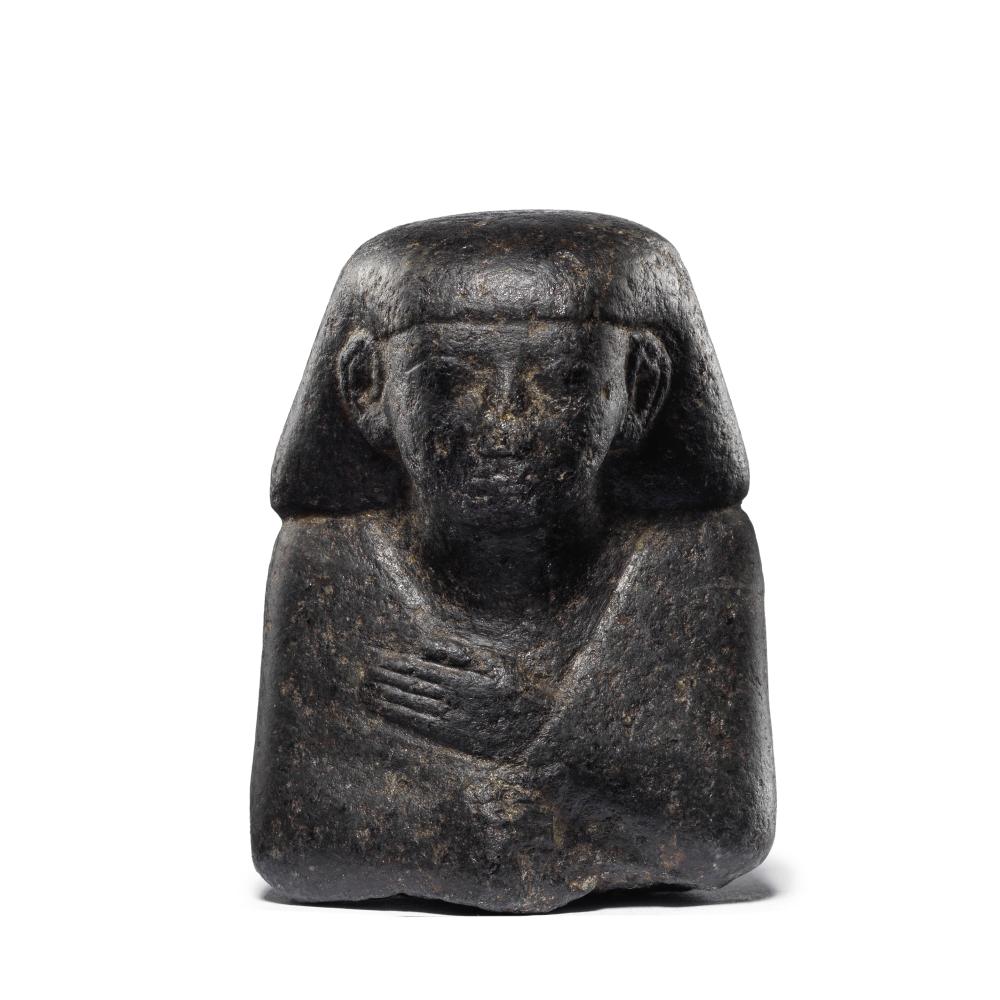
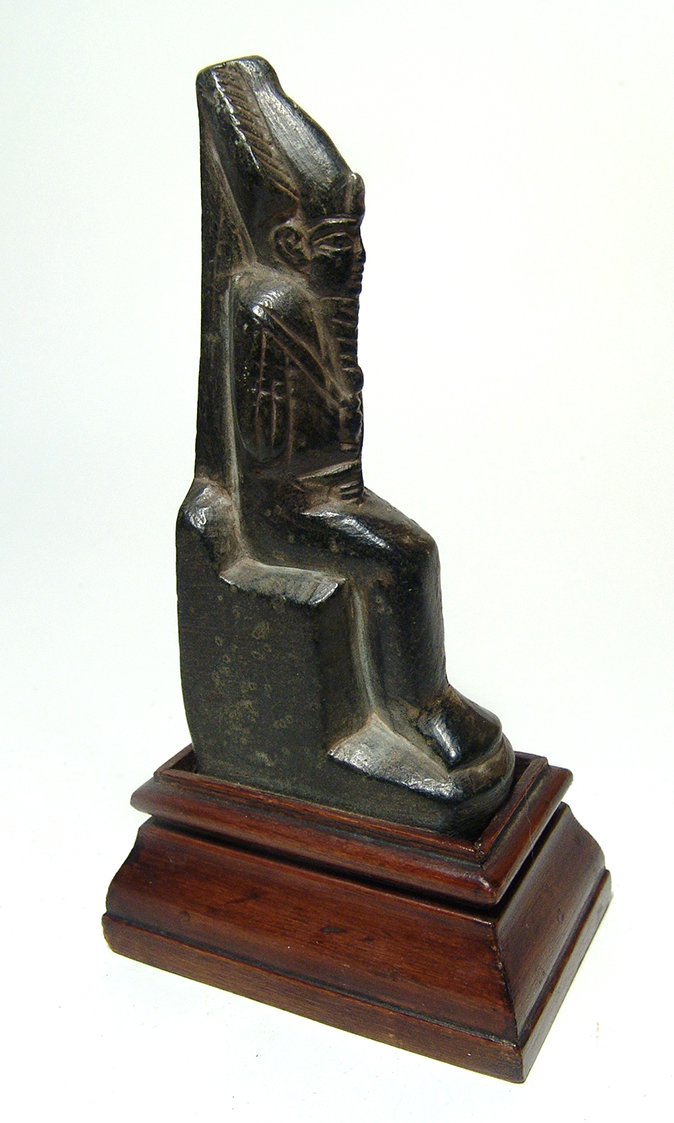
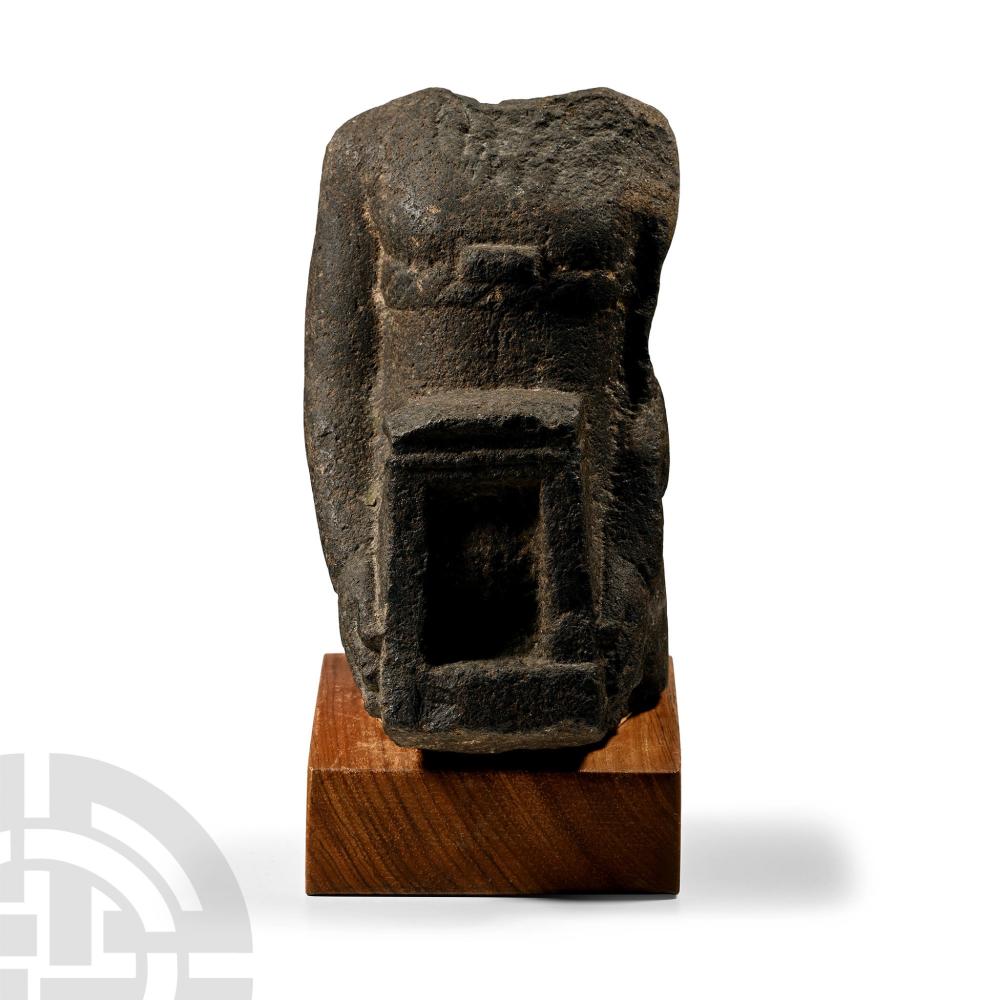
Small Egyptian-style busts carved from dark stone show up everywhere: estate lots, travel souvenirs, and family collections with stories like “it was bought in Egypt in the 1920s.” That kind of provenance is possible—and it often points to what the market calls a tourist-market souvenir carving: a decorative piece made for visitors, usually in the late 19th to early 20th century, sometimes later.
This guide helps you answer the two questions collectors care about most:
- What is it? (Basalt? Another “black stone”?)
- How old is it? (Ancient artifact vs. early-1900s replica vs. modern décor.)
Then we’ll translate the evidence into a realistic value range for resale and for insurance documentation.
What you likely have: a 1900–1930 Egyptian souvenir bust
Without excavation history or export paperwork, most privately held “Egyptian basalt heads” are not Pharaonic-era antiquities. Instead, they’re typically:
- Tourist souvenirs sold near temples, bazaars, and hotels (late 1800s–early 1900s).
- Workshop replicas made for the export trade and western décor (20th century).
- Grand Tour/educational models inspired by museum pieces, meant for study or display.
That doesn’t mean the bust has no value. Quality stone carving, strong modeling, and honest age can still make it desirable—just in a different price band than legally documented antiquities.
Basalt (and other “black stones”): quick checks
“Basalt” is a common catch-all term online, but several stones can look similar in photos. Here are safe, non-destructive checks:
- Weight and density: basalt feels heavy for its size; lighter “black stone” often indicates resin or composite.
- Surface under bright light: basalt is usually very fine-grained and matte-to-satin; polished marble/limestone can show sugary sparkle.
- Edge chips: basalt chips can look sharp and dark throughout; painted plaster often shows a lighter core.
- Cold-to-touch test: stone stays cool longer than resin (not definitive, but useful with other clues).
If a magnet sticks, you’re likely dealing with a metal armature inside a composite or a modern base attachment—not an ancient carving technique.
Dating clues appraisers use for basalt busts
Stone doesn’t “patinate” like bronze, so dating depends on tool marks, surface wear, and how the base was finished.
- Base underside: hand-chiseled or point-tooled bases (with irregular facets) can indicate workshop production; perfectly flat, machine-ground bases often indicate later manufacture.
- Polish consistency: early souvenir carvings may have uneven polishing (glossier on high points); modern replicas can look uniformly polished like a countertop sample.
- Detail style: “museum-like” facial proportions and crisp edges are common in replicas; ancient pieces usually show varied wear, small losses, and less symmetry.
- Wear patterns: natural handling wear tends to hit the nose, brows, and chin first; artificial “aging” often tries to add scratches everywhere equally.
- Residue in recesses: genuine long-term dusting/grime looks embedded and uneven; rubbed-on dirt can wipe away or look staged.
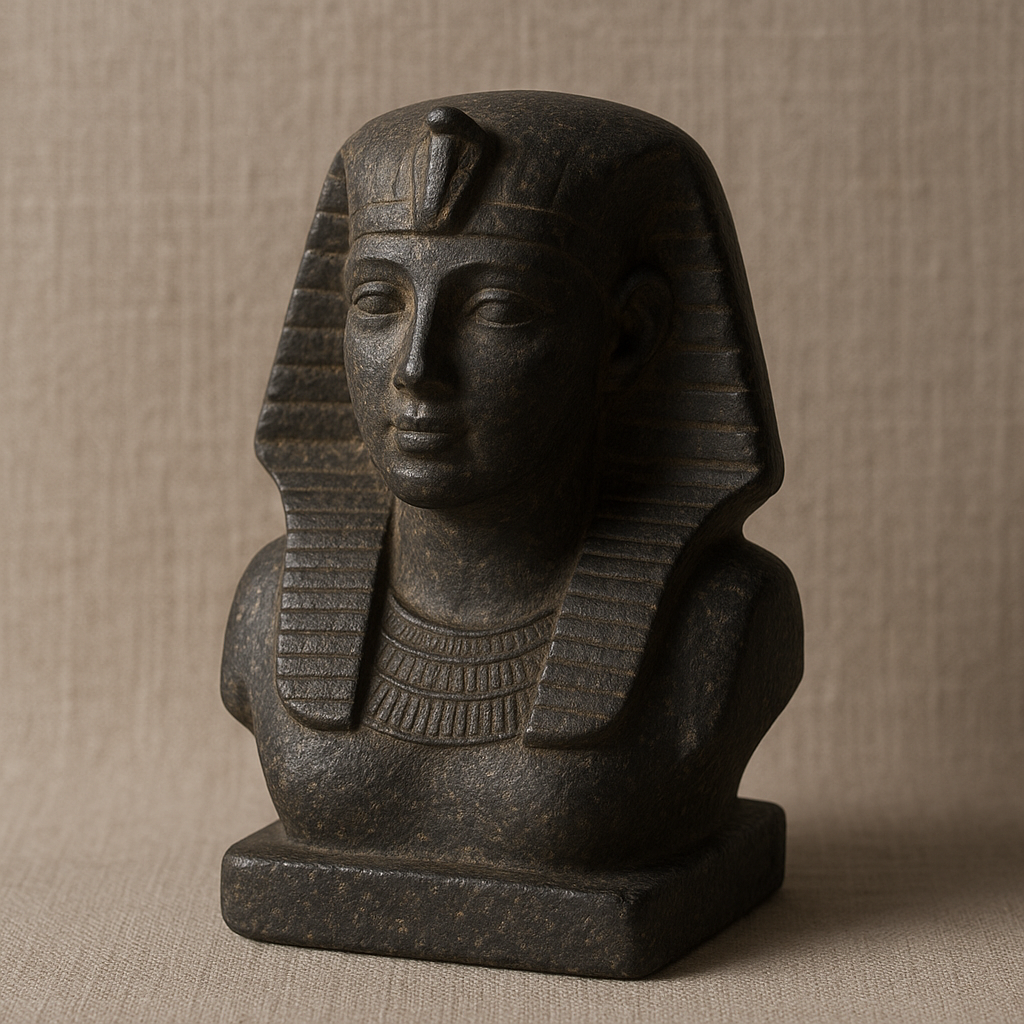
Replica vs. antiquity: the provenance checkpoint
The fastest way to separate “collectible souvenir” from “true antiquity” is paperwork and documentation. For Egyptian material, appraisers look for:
- Old receipts or invoices from a known dealer or gallery.
- Export permits or customs paperwork (especially for higher-value pieces).
- Pre-1970 provenance (1970 is a key benchmark for cultural property conventions and dealer standards).
- Collection labels (old tags, estate inventory numbers, exhibition references).
If all you have is a family story, treat the bust as an early-20th-century decorative object until proven otherwise. That stance is not pessimism—it’s the standard conservative approach used by auction houses to avoid mislabeling and legal exposure.
Value ranges: what early 20th-century basalt busts typically sell for
Values vary sharply with size, carving quality, and aesthetics. As a broad market guide (assuming no museum-grade provenance):
| Category | Typical description | Common retail/resale range |
|---|---|---|
| Modern décor replica | Uniform polish, machine base, little surface character | $40–$150 |
| Early 20th-century souvenir carving | Hand-finished base, decent modeling, honest wear | $150–$600 |
| Higher-quality workshop piece | Stronger sculpting, larger scale, attractive presentation | $600–$1,500+ |
Insurance values can be higher than resale because they reflect replacement cost (finding a similar size/quality stone piece), not auction liquidation. A written appraisal helps justify that number for insurers.
What to photograph for an appraisal
To get a confident authentication opinion, include:
- front, back, and both profiles in even light
- close-up of the eyes, mouth, and hairline/edge details
- close-up of chips, scratches, and any repairs
- the underside of the base (most diagnostic photo)
- a photo next to a ruler/tape measure for scale
- any paperwork, old photos, or travel notes tied to the object
Care and cleaning for basalt stone
Basalt is durable, but value is lost when surfaces are scrubbed or re-polished. Avoid harsh chemicals and abrasives. For routine care, dust with a soft brush and microfiber cloth. If there is oily residue or heavy grime, consult a conservator—especially if you suspect the surface was intentionally stained or aged.
References & data sources
- Basalt overview (reference)
- UNESCO 1970 cultural property convention (context)
- Collecting guidance: standard museum/conservation best practices (avoid abrasive cleaning; preserve original surfaces).
Search variations collectors ask
Readers often Google:
- is my Egyptian basalt bust an artifact or a tourist replica
- Egyptian basalt bust value early 20th century
- how to tell basalt stone from resin souvenir bust
- hand chiseled base vs machine base stone bust dating
- does a 1920s Egypt souvenir count as an antique
- how to appraise an Egyptian stone pharaoh head
- where to sell an Egyptian basalt tourist sculpture
- Egyptian antiquities provenance paperwork checklist
Each question is answered in the valuation guide above.