St Michael the Archangel Cameo Appraisal: appraisal and value basics
St Michael the Archangel Cameo Appraisal research should start with identification, condition, provenance, and recent comparable sales. Use this guide to compare the signals that matter before paying for a formal appraisal or deciding whether to sell.
1) Identify the subject: St. Michael iconography
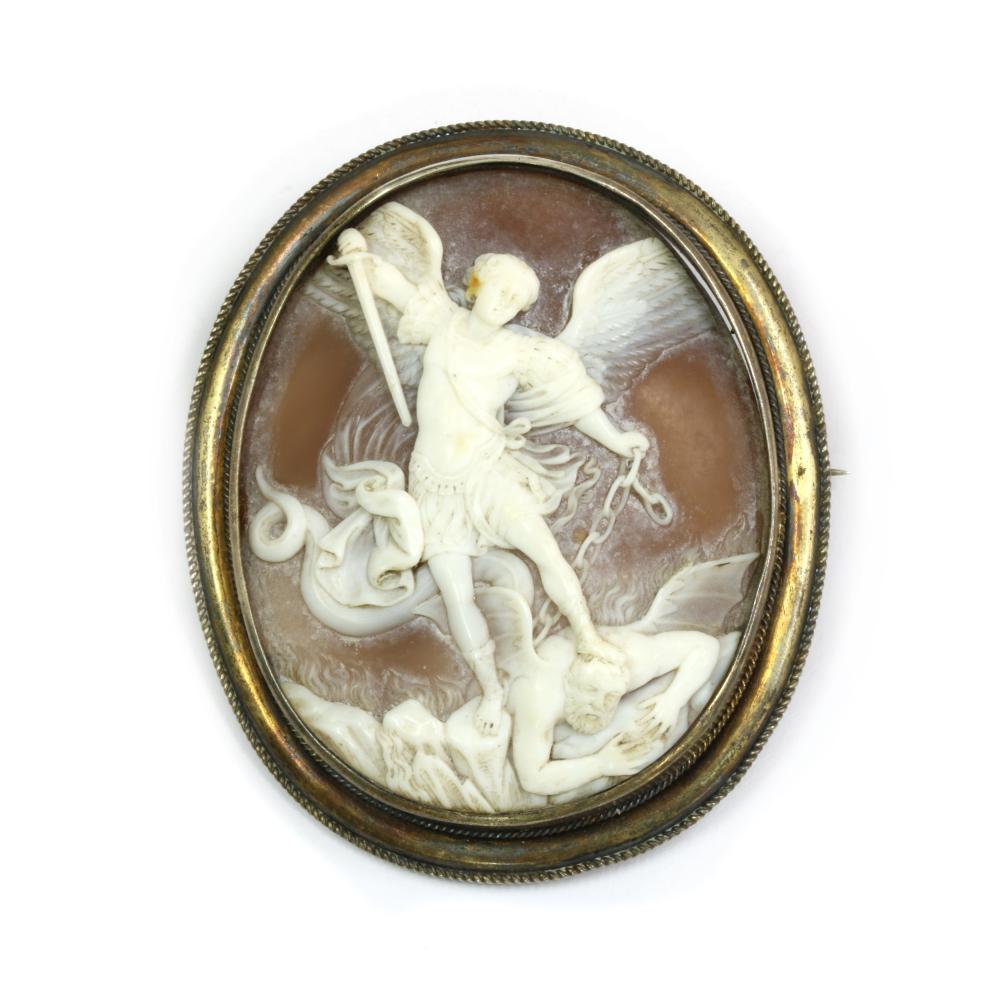
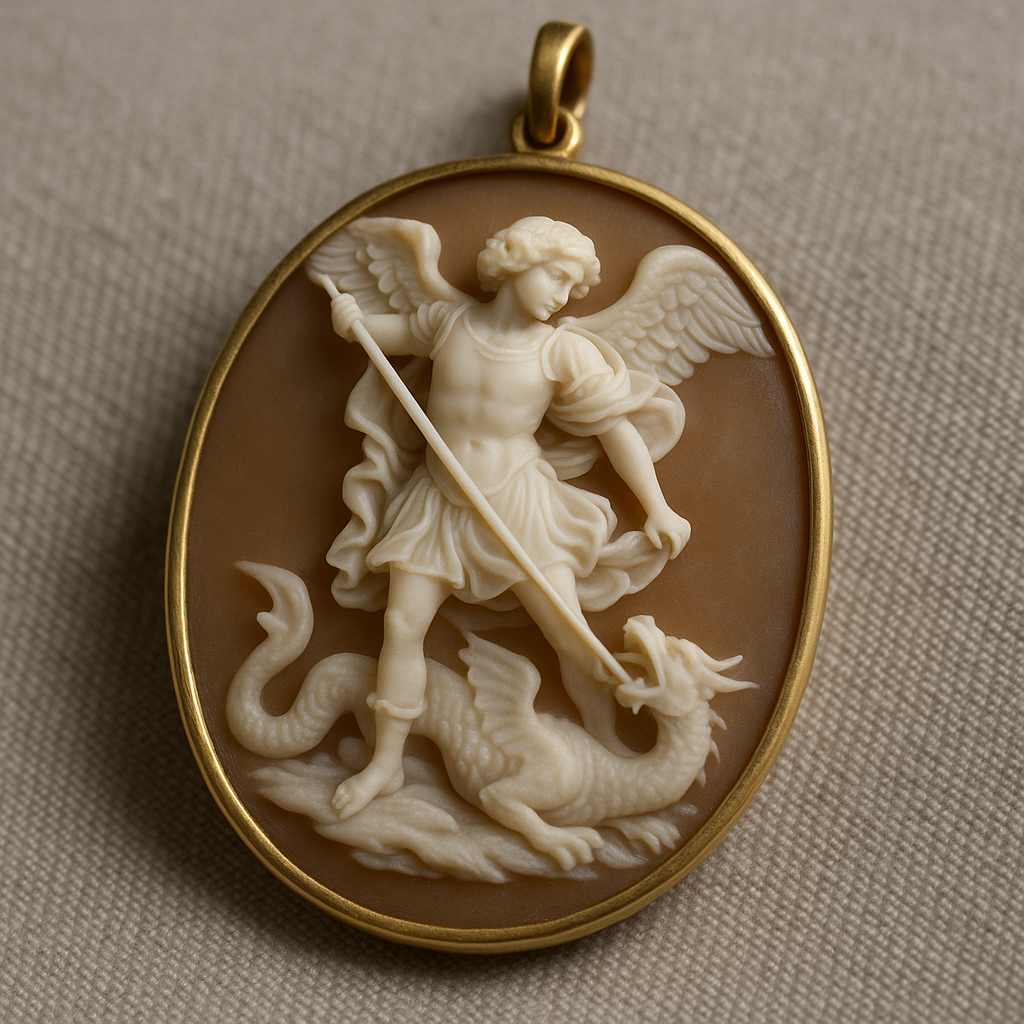
St. Michael cameos usually show a winged archangel in armor, standing on (or striking) a dragon or demon. That subject is desirable because it reads as both religious and classical, and it often appears in Victorian and early 20th-century jewelry where cameos were worn as brooches and pendants.
Some designs are inspired by famous devotional artworks (including the widely copied Baroque composition of St. Michael by the Italian painter Guido Reni). In appraisal terms, the specific inspiration matters less than the quality of the carving, but recognized compositions can make the cameo easier to market to buyers.
2) Determine the material: shell vs sardonyx (hardstone)
Two materials dominate collectible cameos:
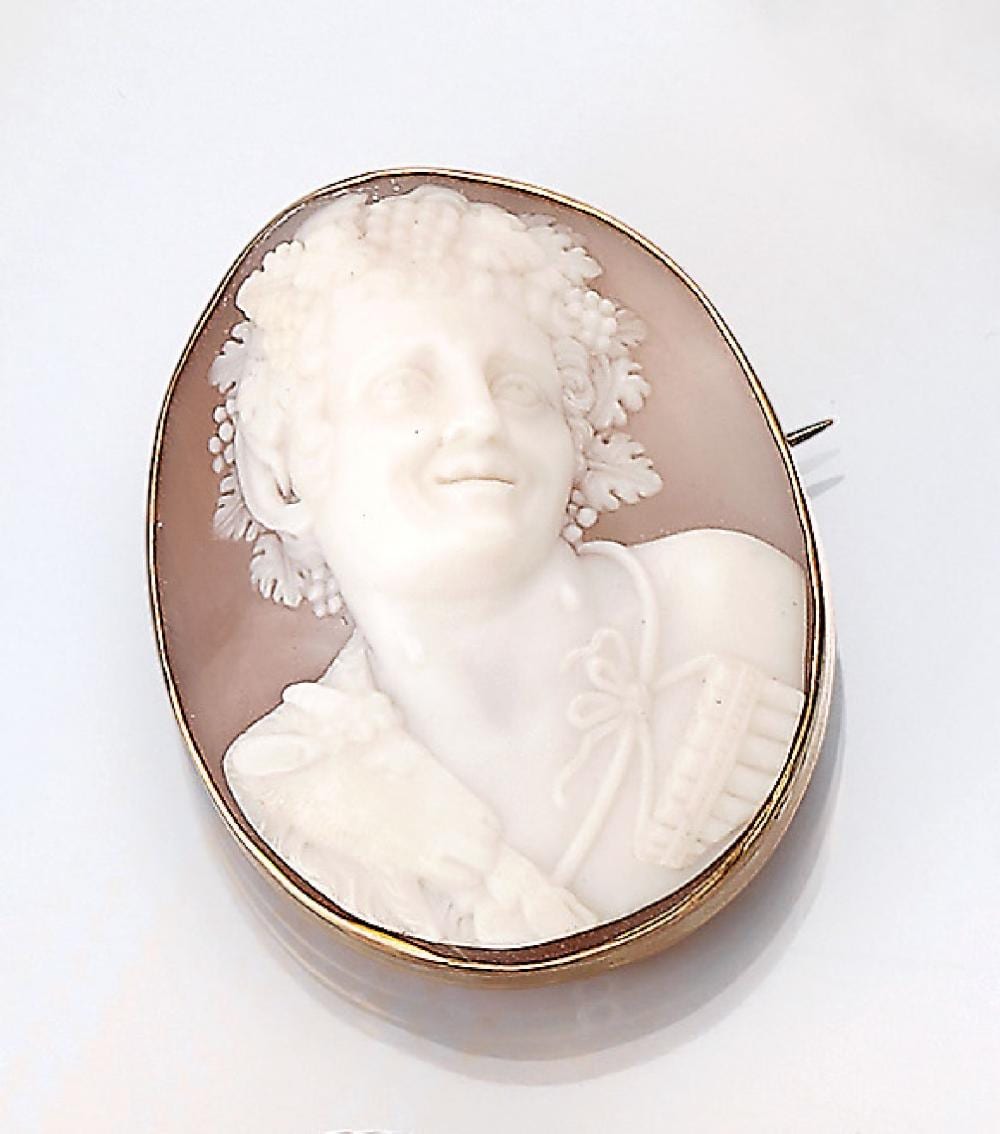
- Shell (often helmet shell or conch): warm to the touch, light in weight, and typically shows a pale carved upper layer over a darker peach/pink/orange base layer.
- Sardonyx / banded agate: colder and heavier than shell, takes a high polish, and shows crisp, glassy layers (often white over brown/black).
Quick at-home checks:
- Back translucency: a thin shell edge may glow slightly when backlit; hardstone usually stays more opaque and glassy.
- Weight: hardstone feels “dense” for its size.
- Surface luster: shell tends to be satiny; agate can be mirror-polished.
If your cameo is described as “sardonyx shell” in listings, that’s usually a mix-up—sardonyx refers to hardstone, not shell. A professional appraisal resolves this quickly with handling and magnified inspection.
3) Check the mount: hinge, clasp, and wear patterns
Mount construction can suggest age and quality. Many older cameo brooches have:
- Hinge + C-clasp (often earlier) rather than a modern rollover safety clasp.
- Pin taper and point that feels hand-finished rather than uniform.
- Bail (pendant loop) integrated into the top so the piece can be worn as a pendant.
Hallmarks matter: look for karat stamps (9ct, 10k, 14k, 18k) and maker marks on the pin, clasp, or rim. A stamped and signed mount can raise value even if the cameo plaque is “standard.”
4) Assess carving quality (this is the biggest value lever)
With cameos, “detail sells.” For a St. Michael subject, appraisers look for:
- Undercutting (depth under wings, limbs, drapery folds) rather than flat, shallow relief.
- Clean edges and deliberate tool work (not chalky, fuzzy, or melted-looking modeling).
- Facial anatomy and proportion—hands and faces often reveal skill.
- Background finish that’s intentional (not overly scratched from later cleaning).
Mass-produced or modern molded cameos tend to look “perfectly smooth” and repetitive; hand-carved pieces often show controlled, varied tool marks under magnification.
5) Condition checklist (what lowers value fastest)
- Hairline cracks in shell (often visible when tilted under light).
- Edge chips at high points (wing tips, sword, border rim).
- Loose bezel or shifting cameo plaque in the setting.
- Re-glued repairs (look for residue or uneven seating).
- Clasp/hinge repairs that change originality (still wearable, but value may drop).
Good news: minor surface wear usually doesn’t kill value if the piece is still crisp and wearable. But cracks and chips tend to narrow the buyer pool.
6) Auction comps: what similar cameo jewelry has sold for
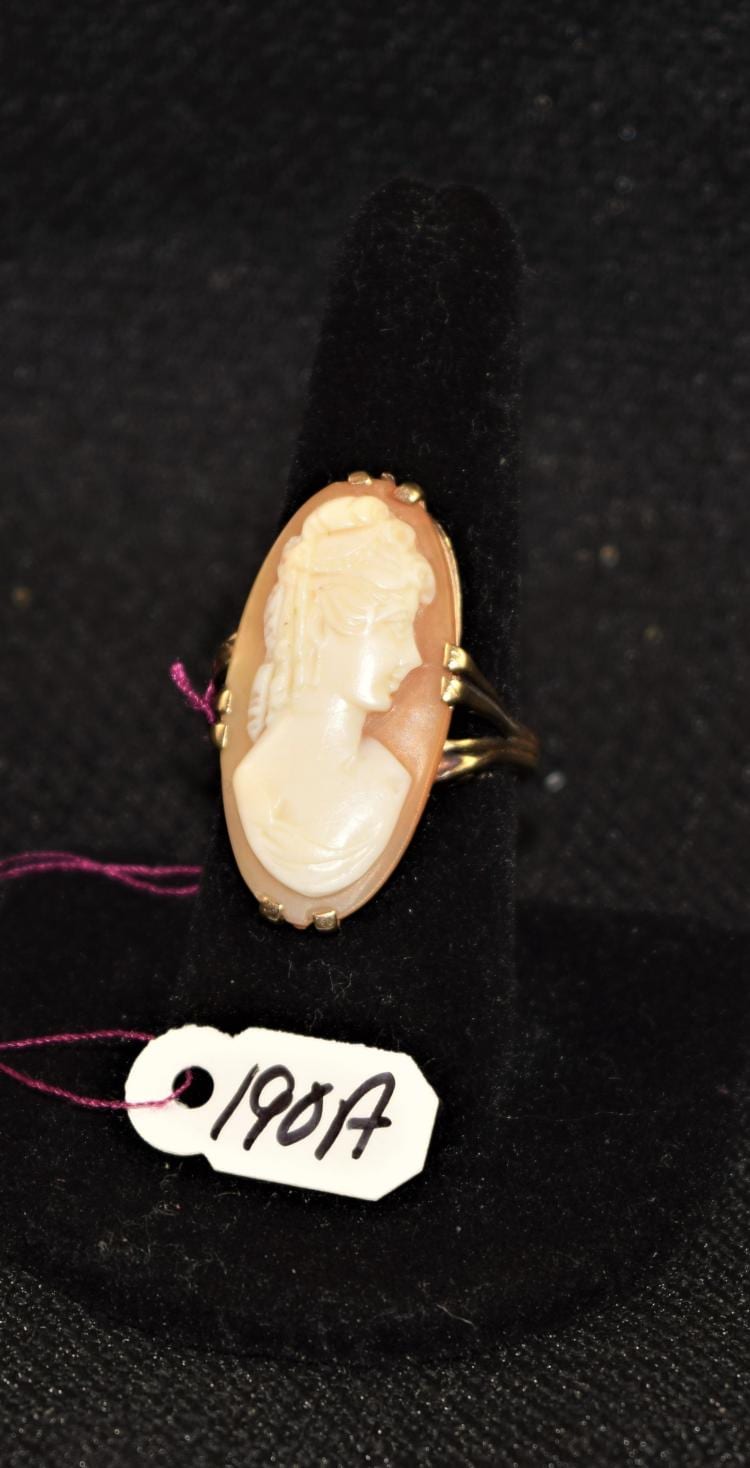
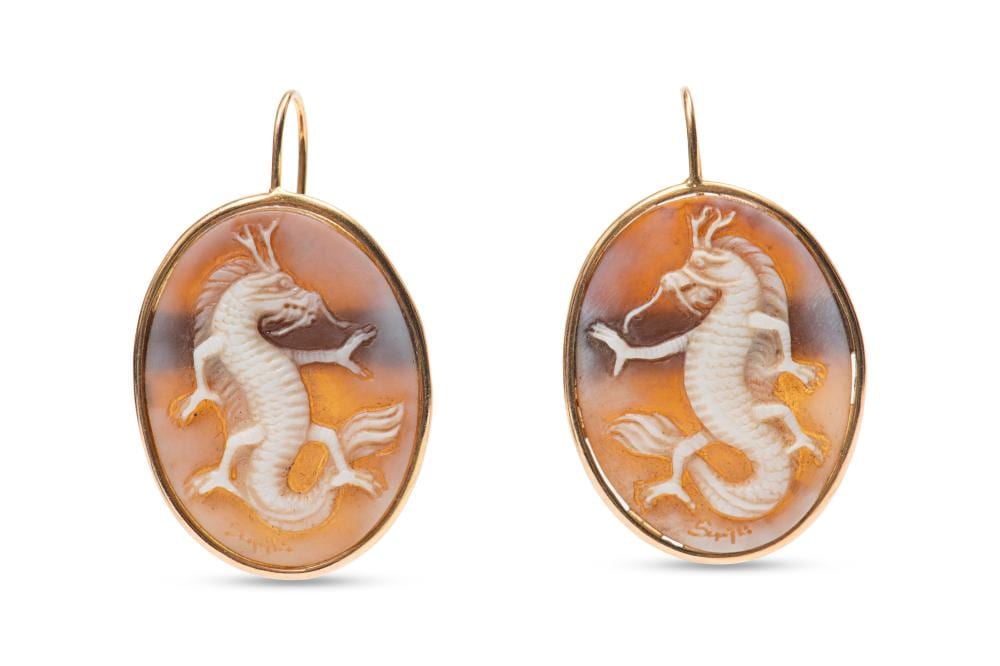
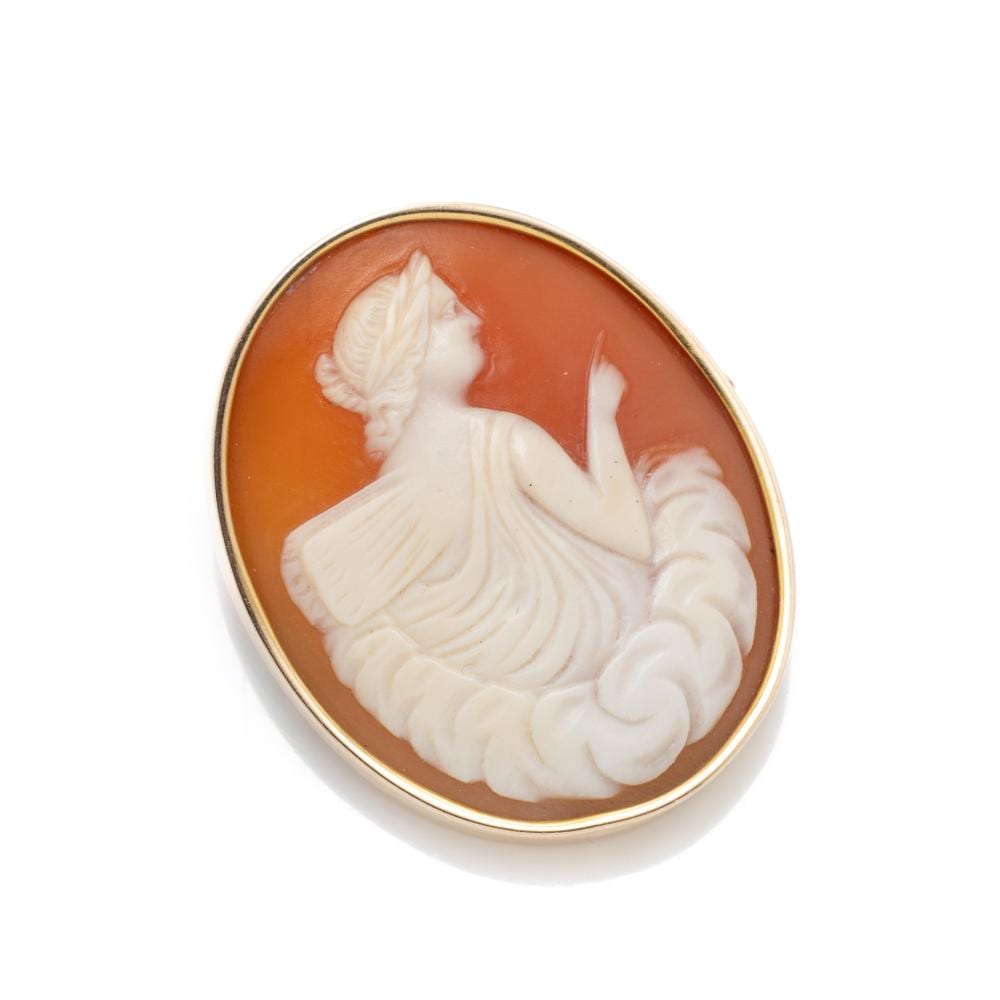
To ground expectations, here are three recent public auction results from Appraisily’s cameos dataset. They’re not “St. Michael” specifically, but they are comparable in material category (shell cameo jewelry) and mounting style, which helps establish a realistic market band.
Comp A: 9ct gold shell cameo brooch/pendant
Leonard Joel, lot 3190, sold November 7, 2024 for $360 (hammer).
Comp B: antique 9ct gold shell cameo brooch
Lawsons, lot 349, sold December 19, 2024 for $325 (hammer).
Comp C: 9ct gold shell cameo pendant and chain
Sworders, lot 1210, sold November 27, 2024 for £350 (hammer).
How to use these comps: if your St. Michael cameo is shell, similarly sized, and mounted in typical 9ct/10k gold with no major damage, it’s reasonable to start in a band around $250–$450, then move up (or down) based on carving depth, hallmark quality, and condition.
7) Selling tips: how to get the best price
- Photograph the edge profile. Buyers want to see depth (undercutting) and whether the piece is carved in real layers.
- Include the clasp/hinge. Wearable, working hardware makes a difference.
- Disclose flaws clearly. Hairlines and tiny chips are common; hiding them leads to returns.
- Choose the right venue. For quicker cash, local jewelry resale or consignment; for maximum reach, online marketplaces with strong photo sets.
If you’re not sure whether the cameo is shell or hardstone, get that clarified first—mislabeling material is one of the most common causes of buyer disputes.
8) Care and handling
- Store in a padded box away from heat and dryness; shell can warp or crack when abused.
- Avoid ultrasonic cleaners and harsh chemicals.
- Clean gently with a soft cloth; if needed, use mild soap and water and dry immediately.
Continue your valuation journey
Need help pricing antique jewelry?
If you want a written value you can share with a buyer or insurer, we can review your photos, confirm shell vs hardstone, and recommend a price strategy for auction vs. direct sale.
Fast online valuation
Start an online appraisal
Upload photos, measurements, and any marks. We reply with a written value and selling suggestions.
How We Research Valuation Data
Our appraisal guides are based on auction results, dealer pricing data, and professional appraiser insights. Our professional appraisal service provides paid signed reports. The Screener offers a free first look. Learn about our editorial standards.
Find local experts
Browse the Art Appraisers Directory
Connect with jewelry appraisers who offer remote consultations worldwide.