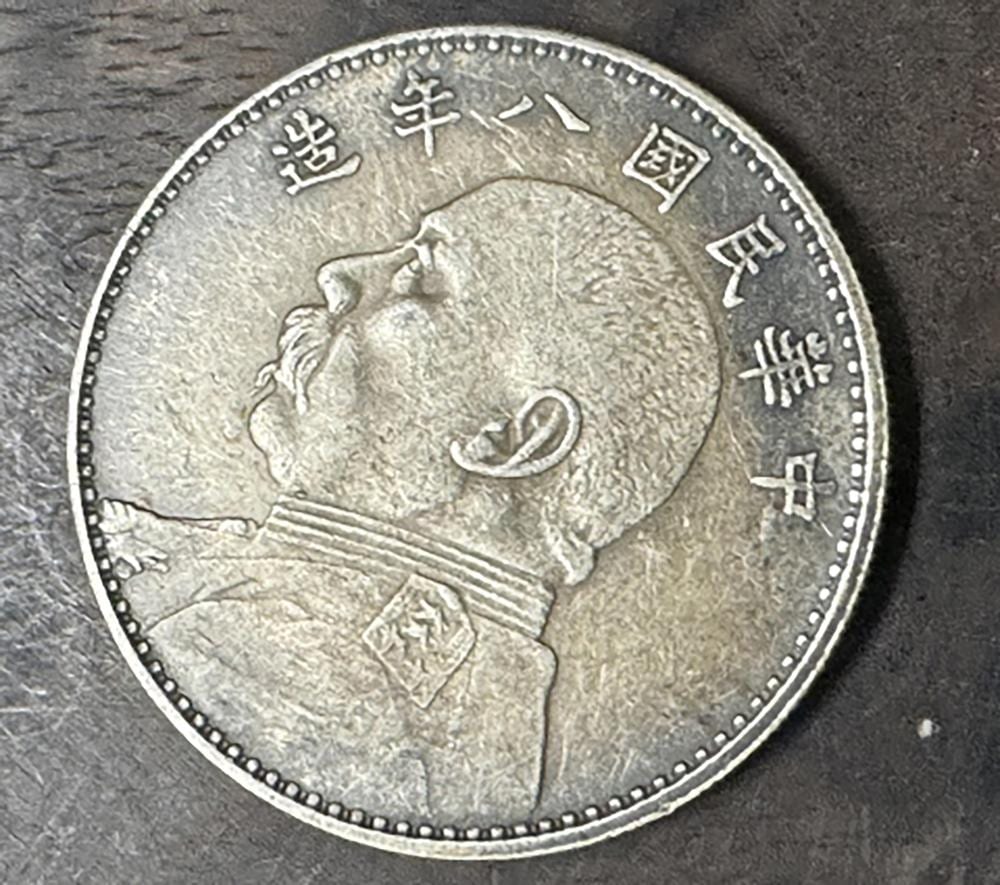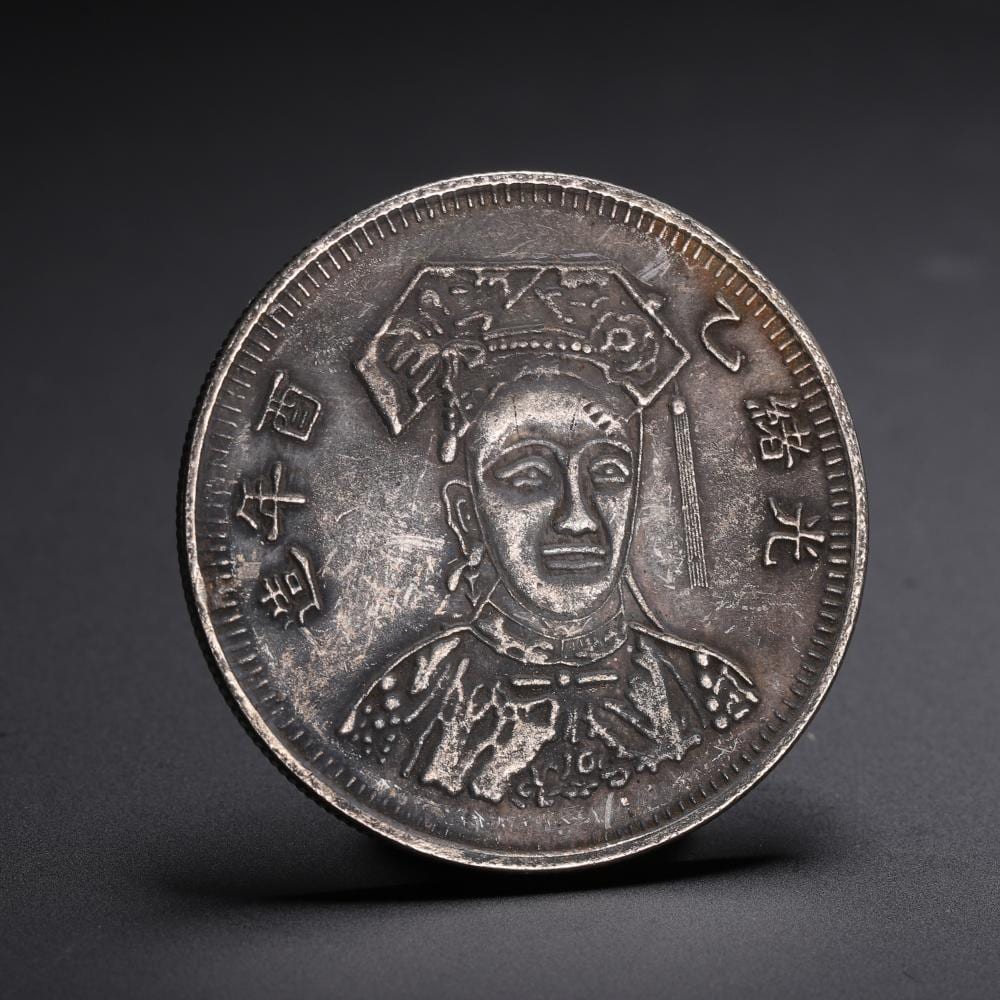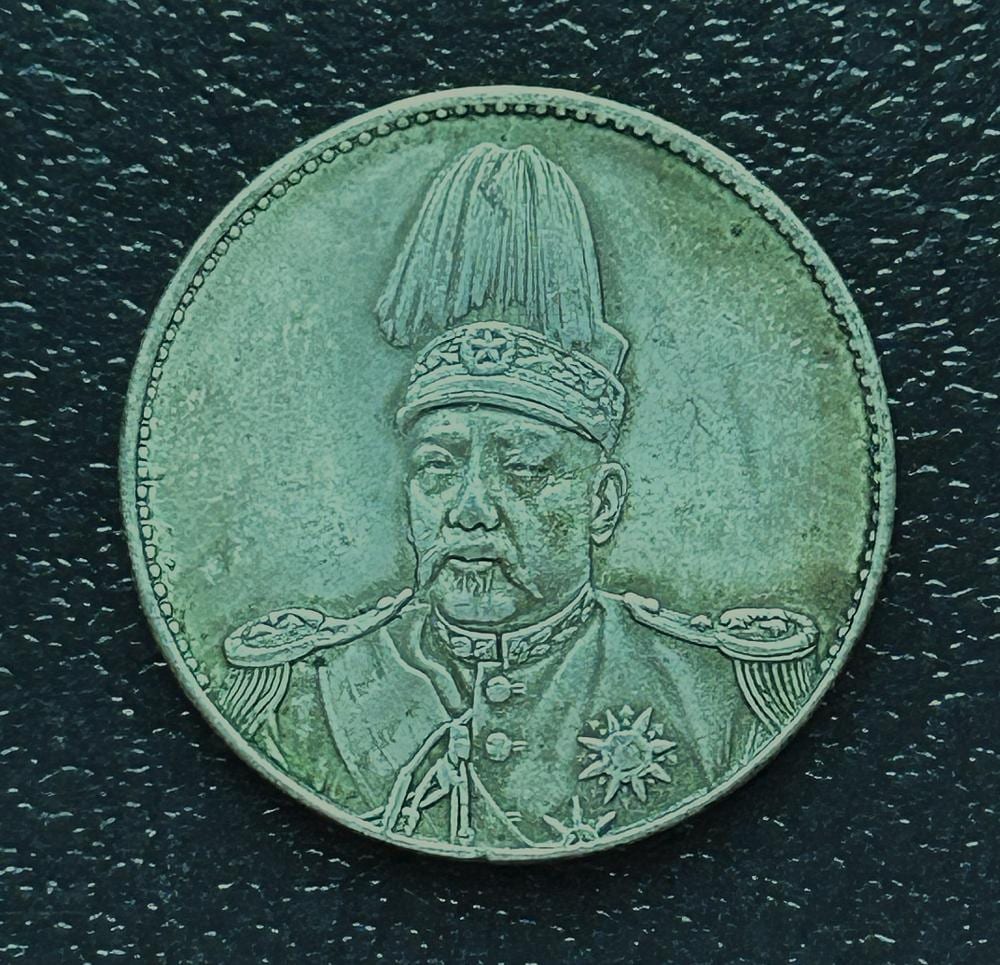
Role of an Appraiser in Old Chinese Coins Value Appraisal: appraisal and value basics
Role of an Appraiser in Old Chinese Coins Value Appraisal research should start with identification, condition, provenance, and recent comparable sales. Use this guide to compare the signals that matter before paying for a formal appraisal or deciding whether to sell.
Old Chinese coin appraisal checklist
Old Chinese coins are deceptively complex. A handful of seemingly similar brass cash coins can span a millennium of dynasties, hundreds of mints, and wildly different values. Provincial machine-struck “dragon dollars” are numismatic stars but also among the most counterfeited coins in the world. Silver sycee ingots, beautiful and enigmatic, require specialized knowledge to authenticate and price. In this maze, the appraiser’s role is to transform uncertainty into defensible conclusions—what it is, whether it’s genuine, what condition it’s in, and what it’s worth for your specific purpose.
This article explains how professional appraisers approach old Chinese coin valuation, what methods they use, pitfalls they avoid, and how you can work with one effectively.
Why Chinese coins demand specialized appraisal
- Vast time span and types: From pre-imperial knife and spade money, to cast cash coins of the Tang–Qing dynasties, to machine-struck provincial issues (late 19th–early 20th century), Republican coins, and sycee silver ingots.
- Scripts and languages: Seal script, clerical script, regular script; Manchu mint marks on Qing cash; complex reign-title systems (nianhao) used on obverse legends.
- Casting vs striking: Traditional cash coins were cast, with different diagnostics than struck coins. Provincial issues and dragon dollars were machine-struck and demand die-study knowledge.
- High counterfeit pressure: From crude tourist fakes to sophisticated replicas with artificially induced patina; from fantasy cash to deceptive sycee and dragon dollars.
- Regional standards: Mint marks, weight standards (tael systems for sycee), and local engraving styles vary by province and era.
- Market segmentation: Condition-sensitive collectors for dollars; calligraphy- and patina-sensitive collectors for cash; specialized demand for charms and amulets; institutional collectors for rare mints and patterns.
A generalist appraisal risks overlooking decisive details or red flags. A specialized appraiser blends numismatic expertise, scientific tools, and market literacy.
What a qualified appraiser actually does
A professional appraisal is a process, not a price guess. Expect the following core tasks:
- Scope definition: Establish the assignment’s purpose (insurance, donation, estate, equitable distribution, resale), the value definition (fair market value, retail replacement, quick-sale/liquidation), and the effective date.
- Identification and attribution: Determine coin type (cash, provincial struck, sycee, token/charm), dynasty/reign title, mint or board of revenue, denomination/weight standard, and date window. For Qing cash, for example, the obverse typically reads the reign title (top-bottom-right-left), and the reverse combines a Chinese mint mark or board mark with Manchu script.
- Authentication: Examine alloy, fabric, manufacturing characteristics, patination, toolmarks, die features, edge types, and weight/diameter/axis. Use loupe and microscope; may employ XRF (alloy), specific gravity, UV, high-resolution macro imaging, and, for high stakes, comparative die study and metallography.
- Condition and grading: Grade within appropriate conventions—Sheldon-scale for machine-struck issues; adjectival grading (Fine/Very Fine/Extremely Fine) for cast cash; contextual condition assessment for sycee.
- Rarity and significance: Place the item within a rarity spectrum using published references, mint records, and census data; identify varieties, patterns, errors, chopmark histories, or notable calligraphy styles that command premiums.
- Market analysis: Select relevant comparables from recent auctions and dealer sales; adjust for grade, variety, eye appeal, provenance, and time lag. Reconcile to the defined value type (e.g., insurance values run higher than fair market).
- Compliance and ethics: Consider cultural property laws, import/export restrictions, and provenance risks. Maintain independence and disclose conflicts (e.g., if the appraiser is also a potential buyer).
- Reporting: Provide a written report with photos, identification, authentication rationale, grade, market comparables, value conclusion, definitions, assumptions, and limiting conditions.
Authentication: cash, sycee, and provincial issues
Authentication is where specialized knowledge protects you most. Techniques vary by category.
Cast cash coins (Han–Qing, with exceptions)
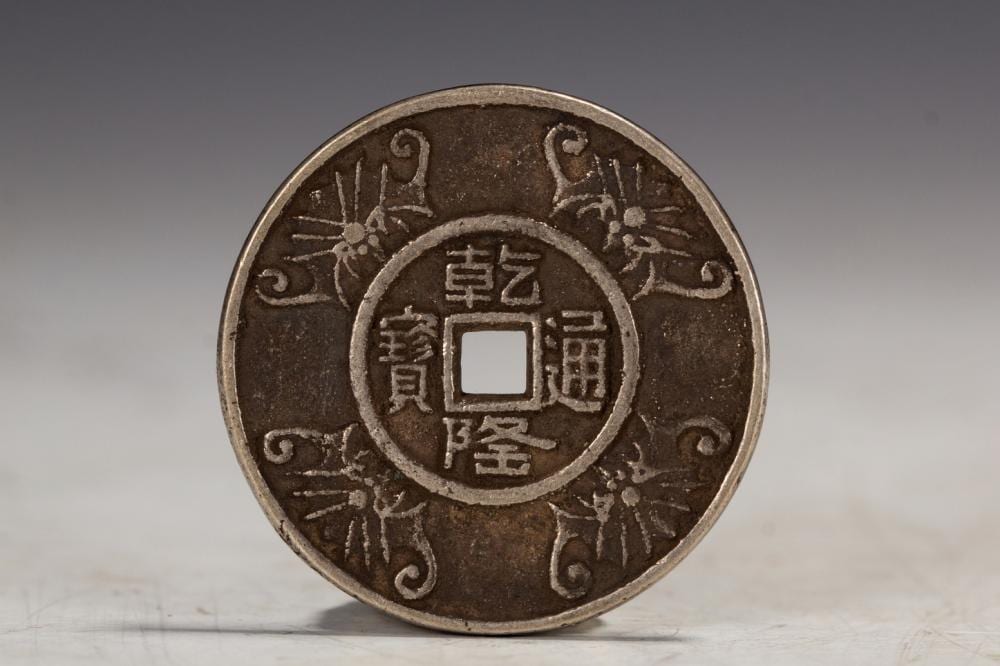
- Fabric: Genuine cash are cast, not struck. Expect filing marks on the inner square hole (chuang), minor casting seams on the rim, and a granular surface under magnification. Excessively smooth, glassy fields or repeating micro-pits across different “coins” can indicate modern molds.
- Legends: The obverse features the reign title in four characters read top-bottom-right-left (e.g., “Qian Long Tong Bao”). Script style (seal vs clerical), calligraphy stroke terminals, and character spacing are diagnostic to reign and mint.
- Reverses and mint marks: Qing issues may show Manchu script indicating Board of Revenue (Boo Ciowan) or Board of Works (Boo Yuwan), or provincial mints with Chinese characters. Style and placement matter.
- Weight and size: Common brass cash range roughly 2.5–5.5 g and 22–26 mm, but standards vary by reign and mint. Outliers can indicate later cast copies.
- Red flags: Uniform fake patina, acidic smell, modern tool chatter in the square hole, perfect centering with razor rims, lack of filing in the inner square, or fantasy reign-title combinations.
Sycee silver ingots
- Types: Boat (yuanbao), shoe, saddle, square/rectangular, and various local forms. Weight standards (taels) varied by region (e.g., Kuping, Canton, Shanghai).
- Surface and manufacture: Genuine sycee often show layered flow, hammering or shaping marks, and natural cooling ripples. Modern fakes may have overly uniform surfaces or artificial file patterns.
- Chopmarks: Merchants’ chops and assay marks are expected and can add value by evidencing circulation and trust. Carved or laser-etched pseudo-chops in repetitive patterns are suspect.
- Alloy: XRF testing helps confirm silver purity consistent with period norms and detects modern base metal cores.
- Red flags: Cast seams with grinding that removes too much mass, repeated identical chops across multiple “ingots,” bright silvery shine from recent polishing, or suspiciously light weight relative to declared tael denomination.
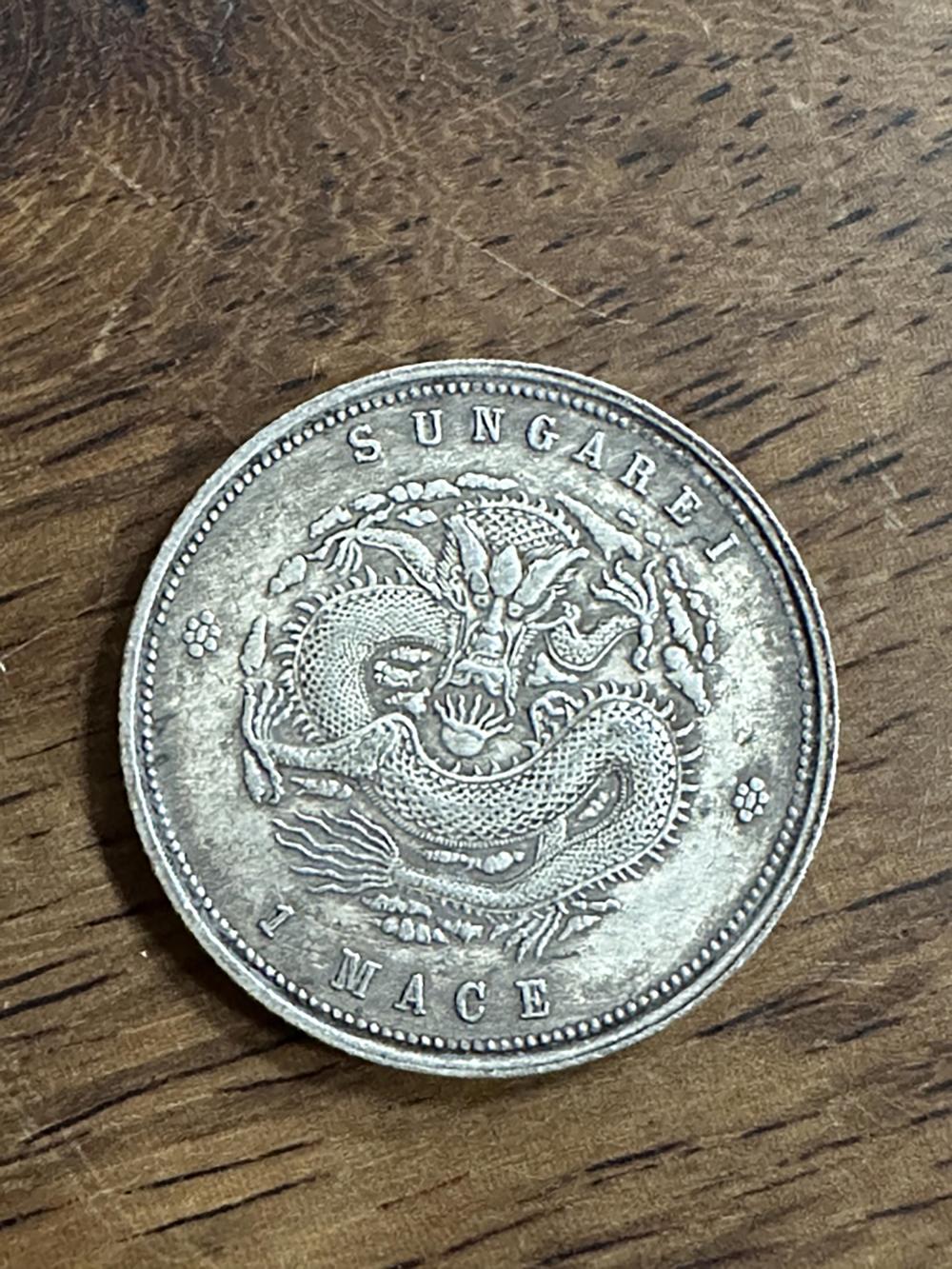
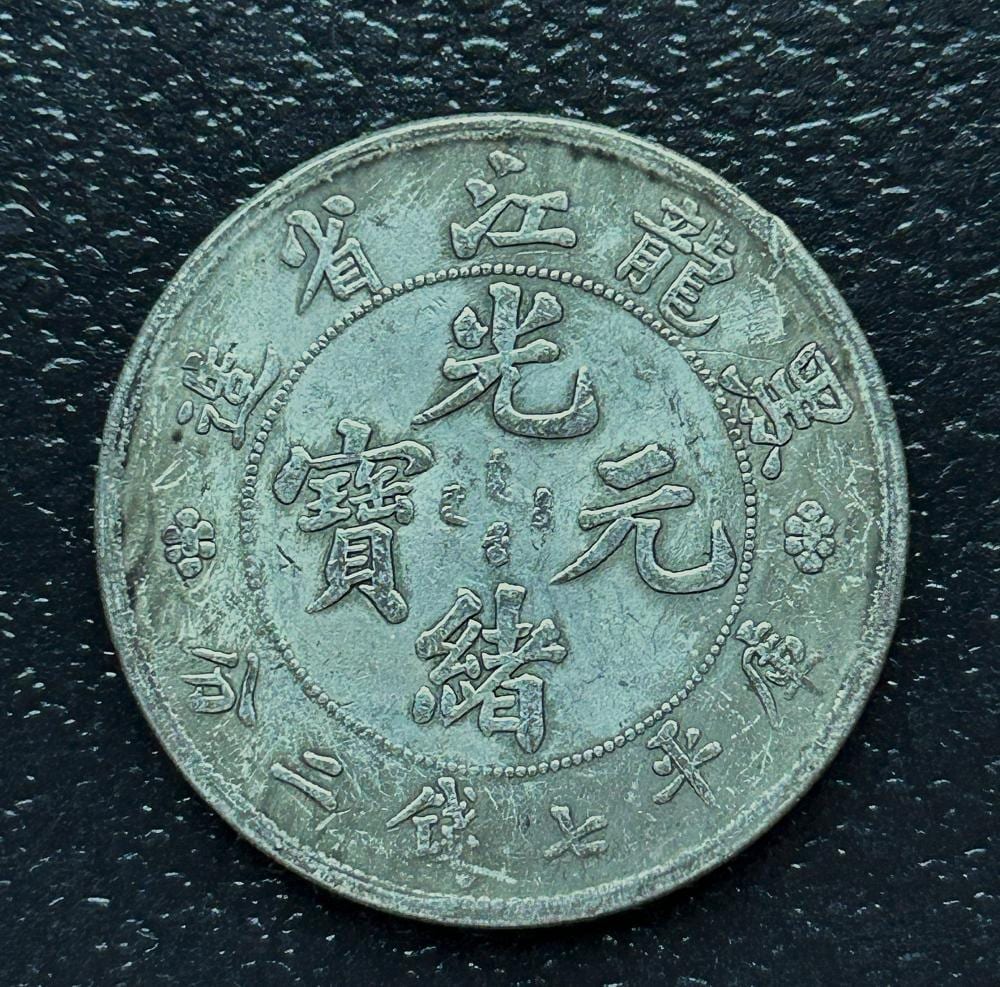
Machine-struck provincial issues and “dragon dollars”
- Fabric and specs: Late Qing provincial dollars typically weigh about 26.7–27.2 g, with specific diameters and reeded edges. The die axis and edge style can be diagnostic.
- Die study: Known die marriages, cracks, and tiny engraving quirks help authenticate; fakes often mix obverse and reverse designs that never coexisted.
- Edge and sound: Edge reeds should be sharp and consistent; ring tests are unreliable alone but can supplement other data.
- Red flags: Wrong weight and specific gravity, magnetic response, mushy details, incorrect fonts, wrong dragon scale patterns, or incorrect legend spacing.
Tokens, charms, and amulets
- Not official currency but collectible. Values depend on subject matter (e.g., zodiac, talismanic texts), execution quality, and age. Many modern reproductions exist; authentication hinges on fabric and toolmark analysis.
Grading and condition factors specific to Chinese coins
Cast cash coins
- Quality of casting and calligraphy sharpness matter more than “luster.” Natural earthen or malachite/cuprous patina is a plus; aggressive cleaning that exposes raw brass sharply reduces value.
- Common impairments: Bends, corrosion, miscasts (off-center, voids), plugged holes (if charms were strung). A well-cast, well-centered coin with crisp characters is disproportionately desirable.
Machine-struck provincial and Republican issues
- Graded on the Sheldon scale (e.g., VF, XF, AU, MS). Luster, strike quality, and surface originality drive price.
- Chopmarks on trade dollars can either hurt or, in specific collecting niches, add interest; context matters.
- Hairlines from cleaning, retoning, rim filing, and edge alterations are value killers.
Sycee silver
- Graded by completeness, originality, clarity and authenticity of chops, absence of excessive filing, and preservation of form. Natural, even toning is favored; bright “dipped” silver is suspect or penalized.
- Weighing and confirming to period tael standards is part of condition assessment.
Patina and conservation
- Natural patinas (brown/olive on brass; grey to deep charcoal on silver, sometimes with peripheral color) indicate age and stability.
- Artificial patination tends to be uniform in crevices, with a chemical odor or smudging when lightly rubbed. Appraisers examine under magnification.
Rarity, references, and market comparables
Rarity assessment
- Uses standard catalogs, specialized monographs, mint records, and die-census work. For cash, certain mints or calligraphy varieties within a reign can be scarce; for provincial issues, specific dates/mints/patterns can be rare.
- Appraisers assign relative rarity (common to very rare) and then test that against market liquidity.
Market comparables
- Comparable sales must match type, variety, grade, and eye appeal; apples-to-apples is crucial. The sales venue matters: a top-tier auction vs a regional sale may yield different results.
- Time adjustment: Markets for Chinese coins can shift quickly with collector trends and currency dynamics; appraisers consider recency.
Value type reconciliation
- Fair market value: the most probable price between willing buyer and seller without compulsion.
- Retail replacement value: higher, used for insurance—what it would cost to replace through a dealer within a reasonable time.
- Liquidation value: lower, reflecting a quick or forced sale.
Premium factors
- Provenance: Named collections and old tickets can add credibility and value.
- Hoard context: Documented hoards can increase marketability for certain types.
- Pedigreed varieties: Noted dies, patterns, or historically important issues command premiums.
Legal, ethical, and cultural considerations
- Cultural property regulations: Export of cultural relics from China is tightly controlled; importing countries may have restrictions on recently removed artifacts. An appraiser should advise on general risk and suggest due diligence.
- Provenance: Establishing a collecting history helps mitigate legal risk and enhances value.
- Conflicts of interest: If the appraiser is also a dealer, they should disclose this. For formal appraisals, independence and transparency are essential.
- Reporting standards: Many professionals follow recognized appraisal standards for methodology, record-keeping, and ethics.
Working with an appraiser: process, fees, and deliverables
- Intake and triage
- Initial photos and dimensions help determine whether an in-person exam is necessary. High-value or suspect items merit hands-on inspection and possibly lab testing.
- Examination
- Visual and tactile assessment under proper lighting, precise weighing and measuring, edge and die-axis checks, microscopic imaging, and, as indicated, XRF and specific gravity testing.
- Fees
- Typically by hourly rate or per-item; research-heavy attributions (e.g., rare varieties) cost more. Avoid percentage-of-value fees for written appraisals to preserve objectivity.
- Turnaround and updates
- Expect staged delivery: preliminary findings, then a final report with images and citations. Complex sets may require more time.
- Deliverables
- A written report with: itemized descriptions, attribution and dating, authenticity opinion and supporting evidence, grade and condition notes, provenance summary, comparables with dates and prices, value conclusion by definition, photos, and assumptions.
- Next steps
- Recommendations for certification (third-party grading) for marketability, conservation advice (often “do nothing”), and sale strategy aligned with your goals.
Practical checklist: preparing for a Chinese coin appraisal
- Do not clean or polish coins or sycee. Leave dirt and patina as-is.
- Gather any provenance: old envelopes, tickets, invoices, letters, or family notes.
- Sort coins loosely by type: cash, machine-struck, silver ingots, tokens/charms.
- Record basic data: counts, weights (if you can), and measurements.
- Take clear, in-focus photos: straight-on obverse, reverse, edge; include a scale.
- Define your purpose: insurance, estate, donation, or sale. The value definition depends on this.
- Ask about expertise: confirm the appraiser’s experience with Chinese numismatics and any relevant credentials.
- Clarify fees and report format in writing before work begins.
- Discuss testing options: XRF or other non-destructive analyses for higher-value items.
- Plan storage: inert holders (no PVC), low humidity, stable temperature, and away from sulfur sources.
FAQ
Q: Do all old Chinese cash coins have significant value? A: No. Many late Qing cash coins are extremely common and trade in bulk. Value rises with rare mints, superior calligraphy, excellent casting, and original patina. A few varieties and early pieces can be highly valuable, but most are modest.
Q: Should I clean my coins or sycee before appraisal? A: Do not clean. Cleaning can remove original surfaces and patina, slashing value and complicating authentication. Let the appraiser advise if any conservation is appropriate.
Q: Can an appraiser authenticate a dragon dollar from photos? A: Photos allow preliminary opinions on design, fonts, and obvious red flags, but definitive authentication—weight, specific gravity, edge, die axis, and microscopic surface analysis—requires in-hand examination.
Q: Are chopmarks good or bad? A: It depends. On trade dollars, chops are part of commercial history and can be neutral or even interesting. Excessive or later counterfeit chops hurt value. On sycee, authentic chops are expected; contrived chop patterns are a red flag.
Q: What’s the best way to store old Chinese coins and sycee? A: Use inert holders or paper envelopes without sulfur, avoid PVC plastics, maintain low humidity, and keep away from reactive materials (e.g., rubber bands). For sycee, wrap in acid-free tissue and store in a padded, stable container.
An experienced appraiser brings structure and certainty to a field where small details have big consequences. With proper identification, authentication, grading, and market analysis—plus attention to legal and ethical issues—you’ll get a valuation you can use confidently, whether you’re insuring, donating, or preparing to sell.