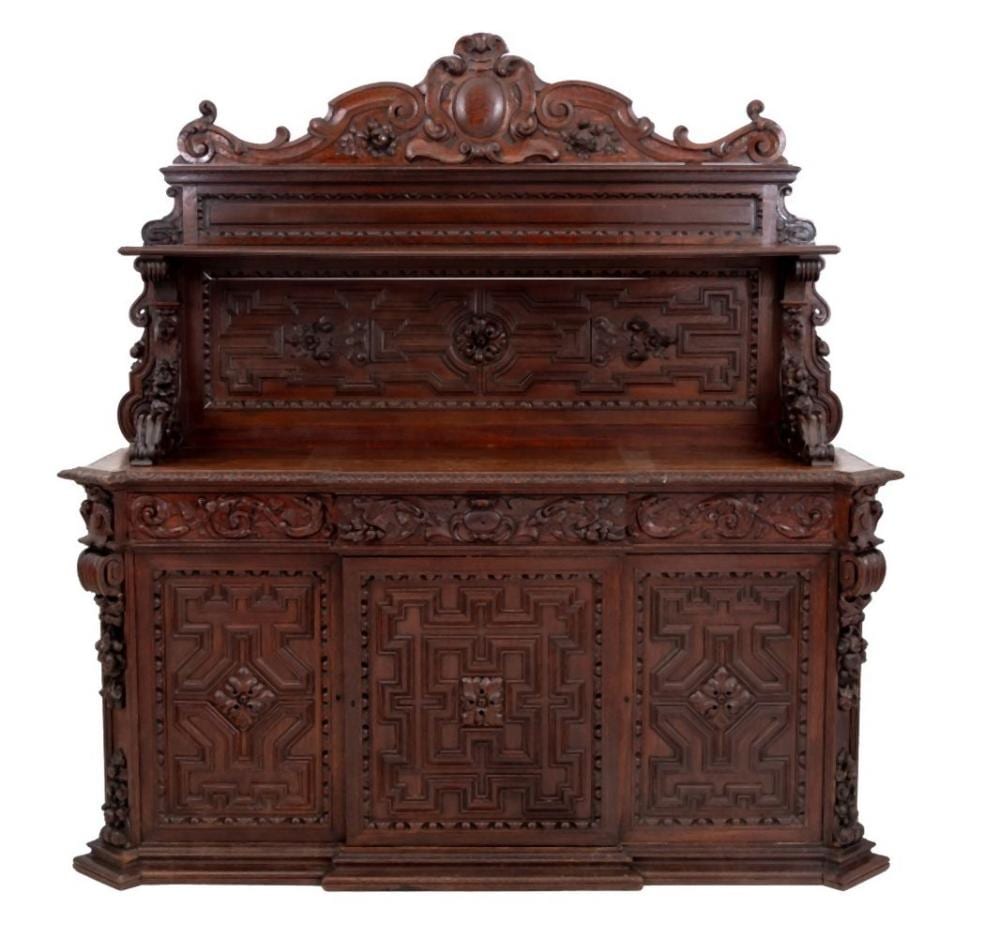
Renaissance Revival Side Board Solid Wood: appraisal and value basics
Renaissance Revival Side Board Solid Wood research should start with identification, condition, provenance, and recent comparable sales. Use this guide to compare the signals that matter before paying for a formal appraisal or deciding whether to sell.
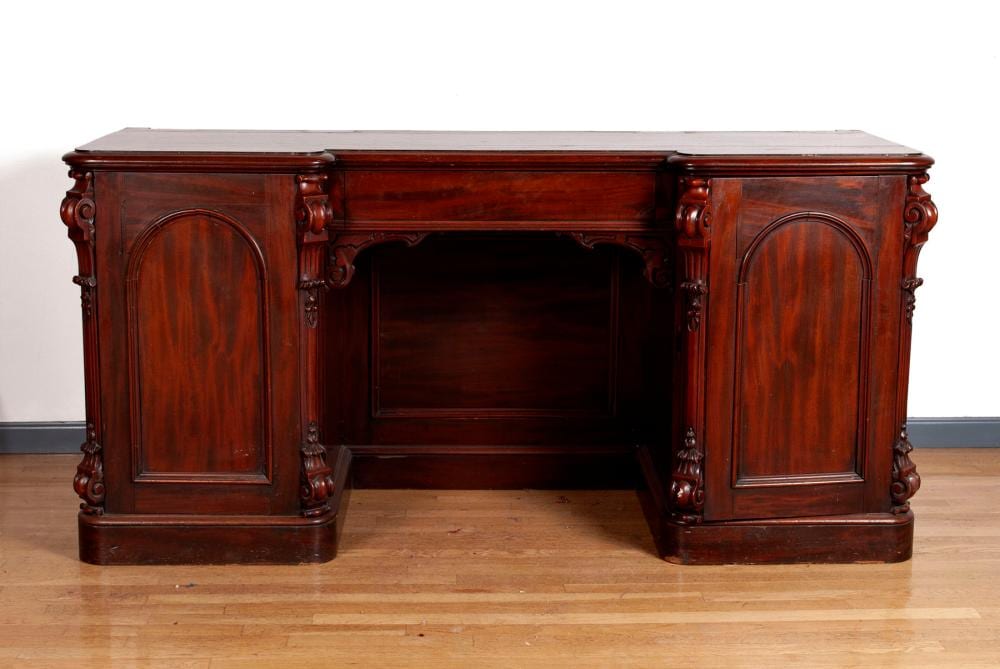
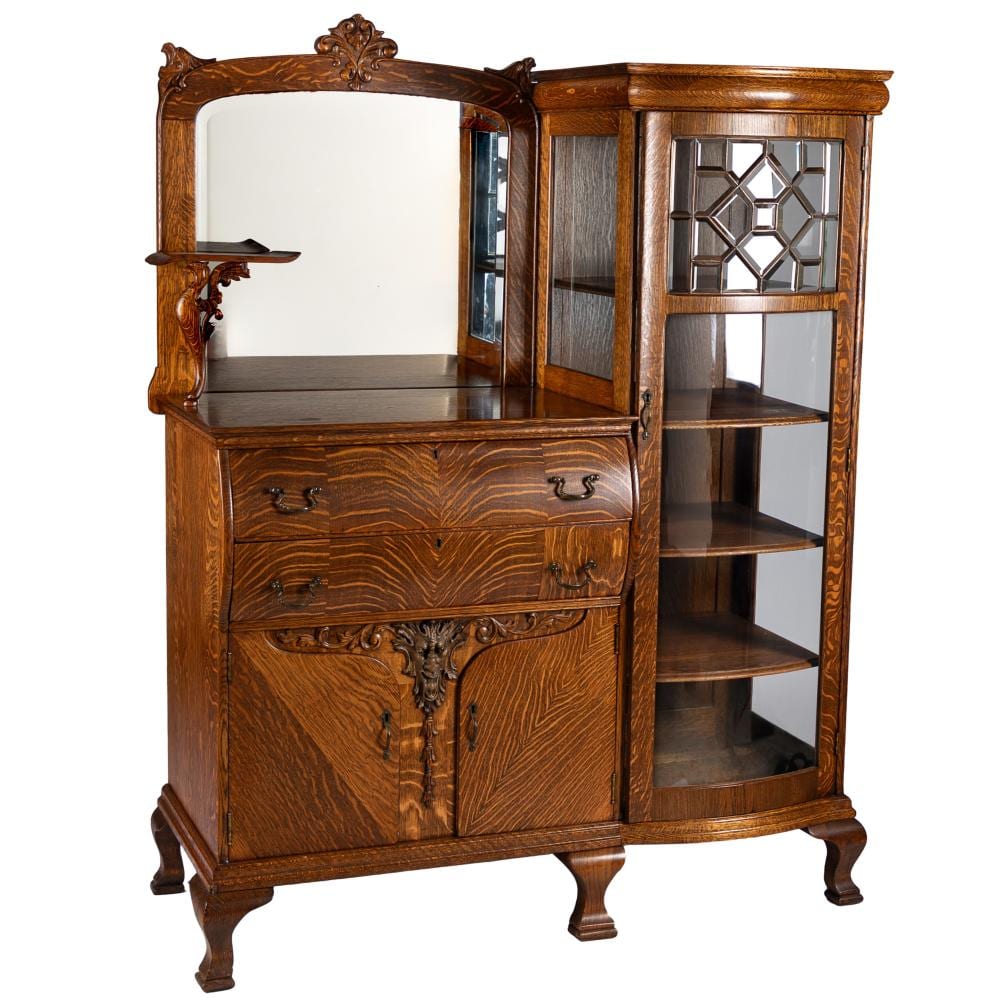
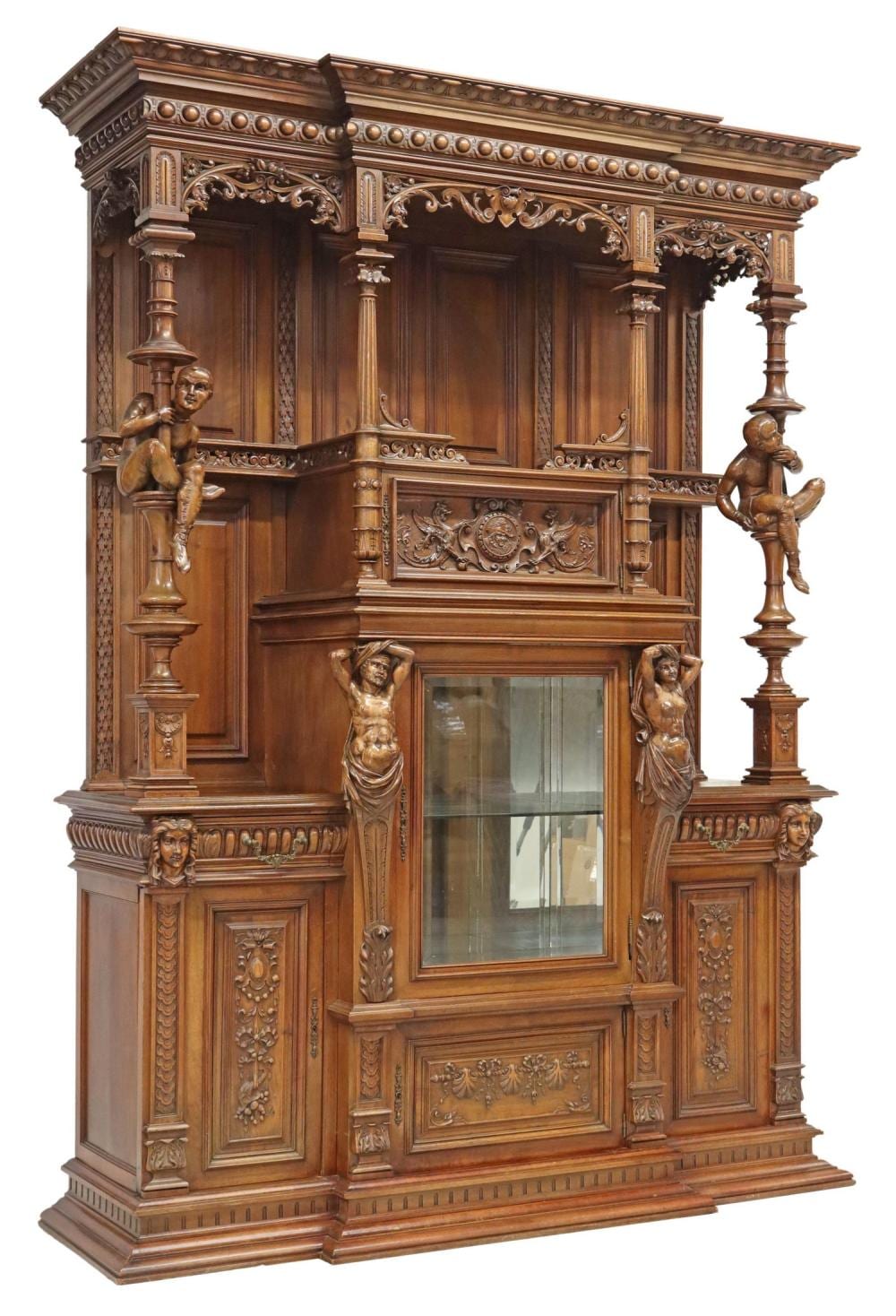
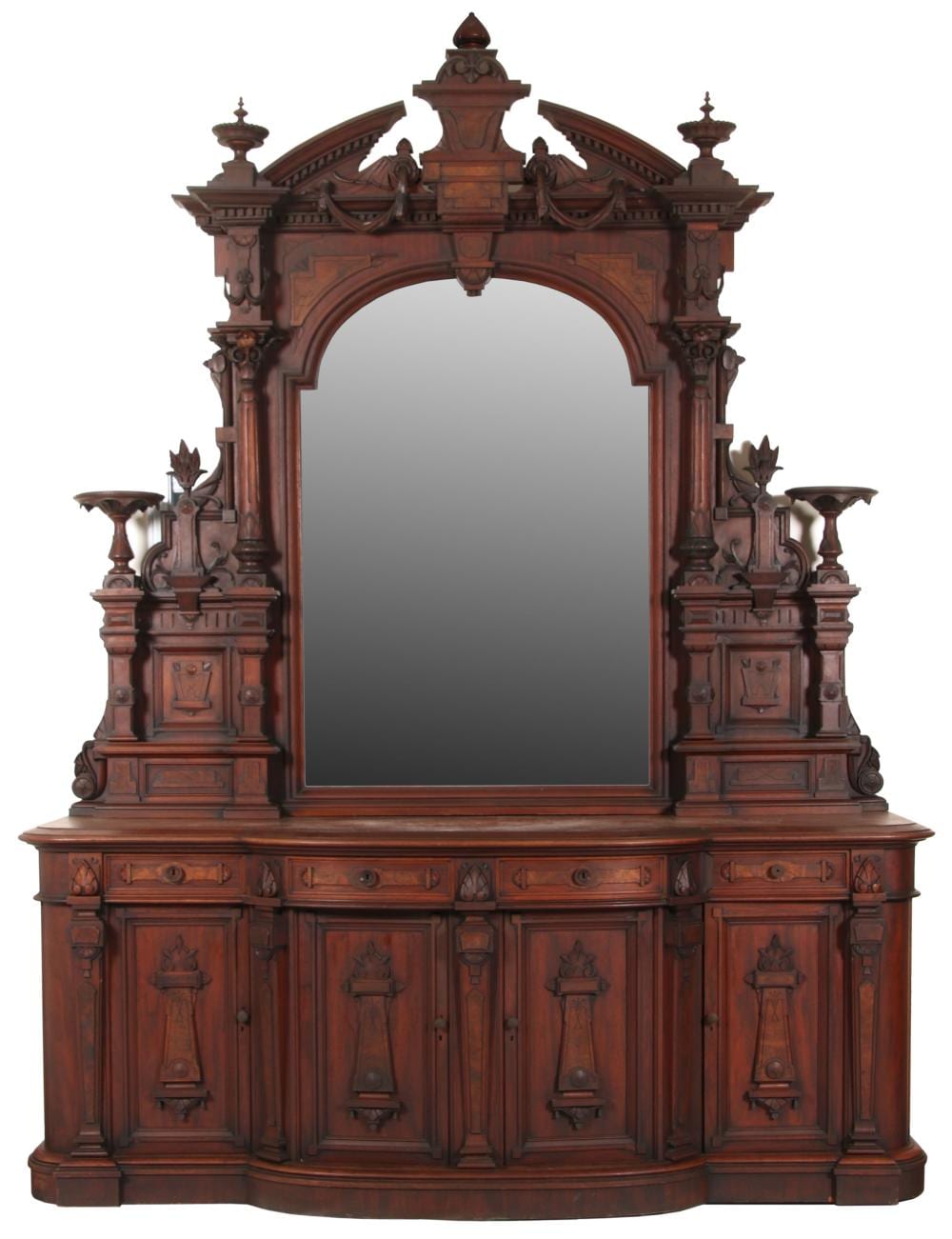
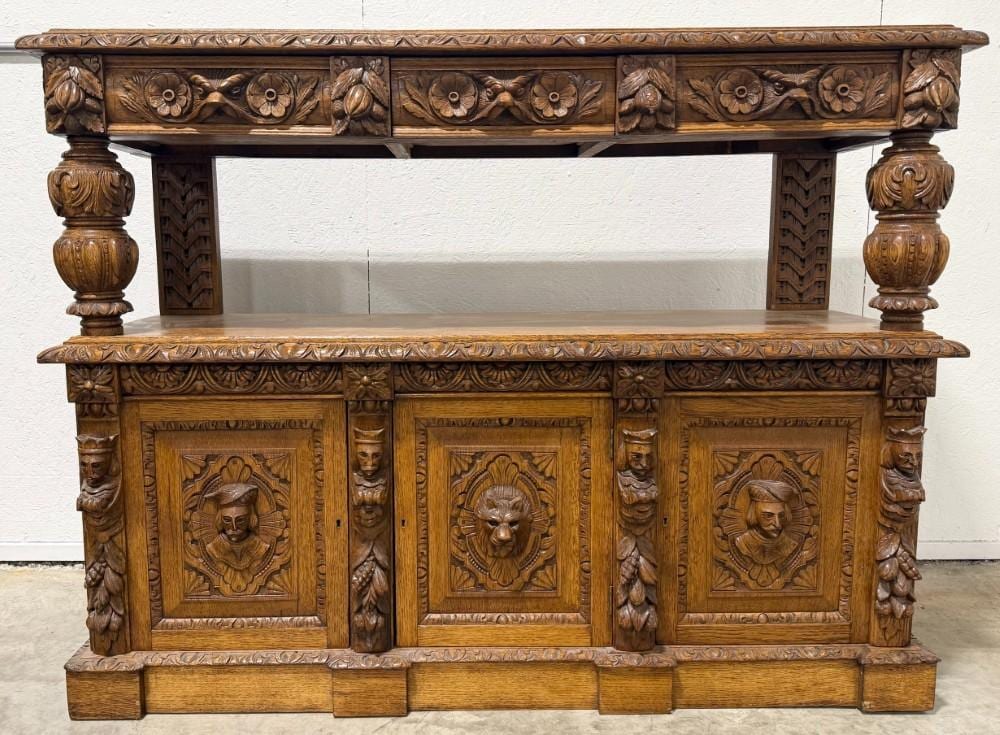
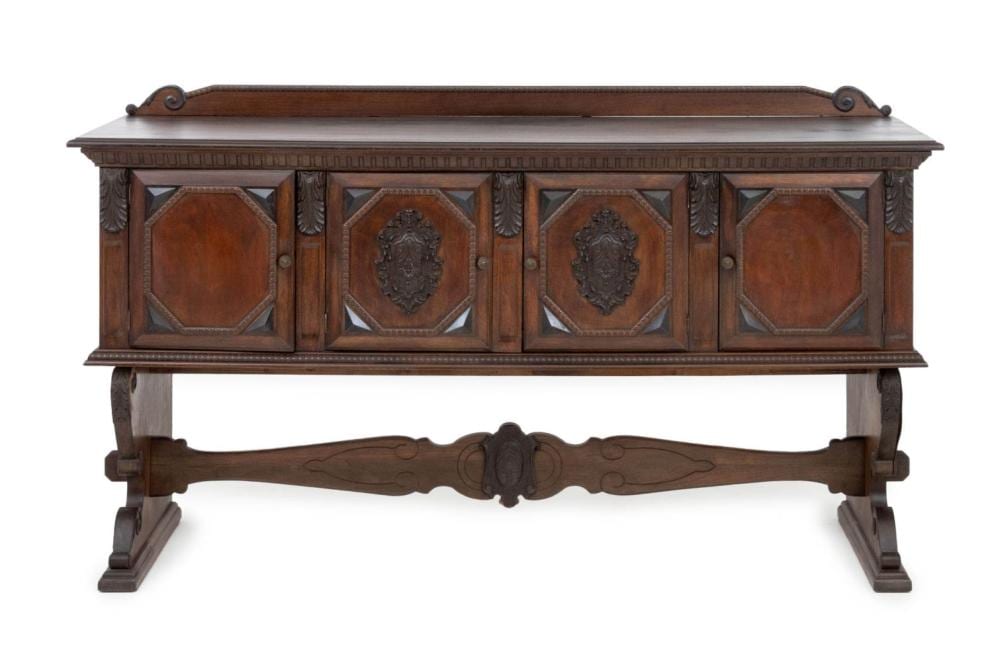
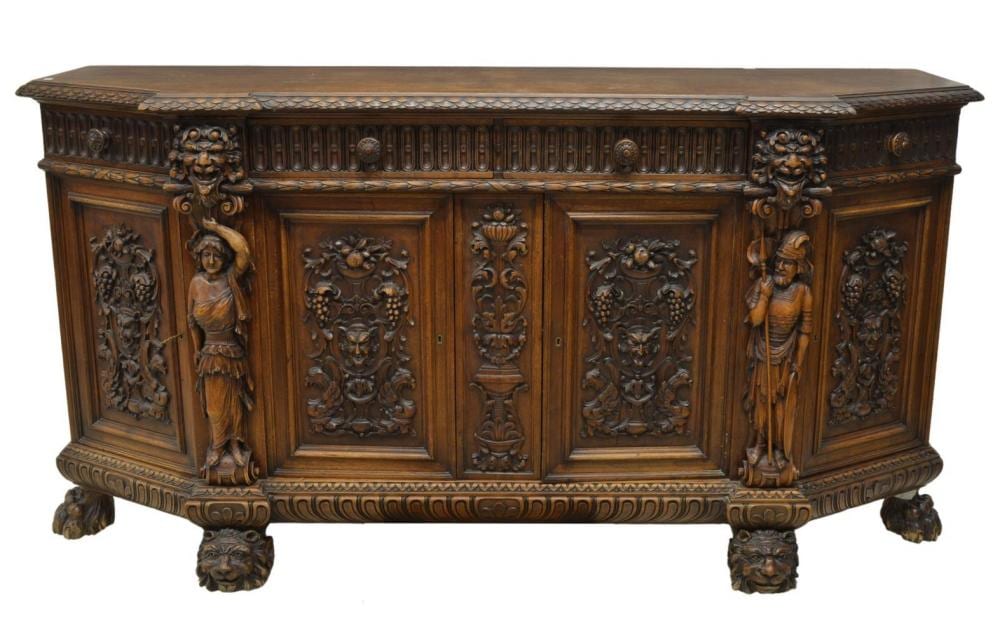
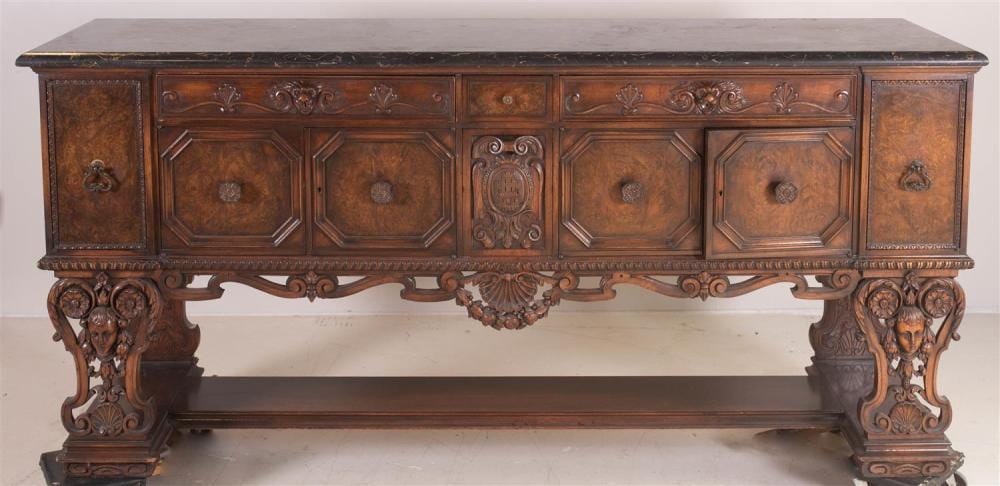
A Renaissance Revival sideboard (often listed as a buffet) is a dining-room storage piece inspired by Renaissance-era forms: heavy proportions, carved panels, columns or pilasters, and an architectural cornice/crest. Most examples you’ll see on the market are revival furniture made in the late 19th century through the early 20th century—built to look older than it actually is.
This page migrates a short legacy WordPress appraisal note into a collector-first guide. The goal is to help you answer three practical questions: what era is it, is it truly solid wood or a mix with veneers, and what condition factors move the price the most.
Free photo check
Not sure if your item is worth appraising? Let us take a look.
Upload a photo, tell us what you know, and get a free photo check. If a full appraisal makes sense, we will say so.
Free. No card needed. Takes about two minutes.
Quick value snapshot (US$)
The legacy appraisal note attached to this keyword called the piece an early 20th-century Renaissance Revival solid wood sideboard and suggested an appraisal band of:
US$600–$800
Use that as a starting point, not a guarantee. “Renaissance Revival” covers a wide range of quality levels, and “solid wood” can still mean solid primary wood with secondary woods and/or veneers. Pricing also depends heavily on size, carving quality, condition, and the logistics of selling a large piece.
As a practical market shorthand, many owners see pricing fall into bands like:
| Market tier | Typical description | Common outcomes |
|---|---|---|
| Decorator / project | Loose joints, missing carving, heavy refinish, hard-to-move size | $150–$400 |
| Good, presentable | Doors/drawers work, stable case, honest finish, complete hardware | $400–$900 |
| High-style / premium | Exceptional carving, strong provenance or known maker, original surfaces | $900–$2,000+ |
If you want an appraisal that is defensible for insurance, estates, or a sale listing, the fastest way to tighten the range is to document construction (how it’s made) and condition (what’s been repaired or replaced).
Renaissance Revival vs “true Renaissance” furniture
Renaissance Revival furniture borrows the look of Renaissance forms—architectural moldings, carved strapwork, columns, and paneling—but is typically made centuries later. In North America and Europe, revival furniture was popular in the late 1800s and into the early 1900s as makers produced “historic” styles for middle- and upper-class homes.
That means style alone is not a date. Appraisers treat ornament as secondary and prioritize construction: screws, hinges, joinery, and back boards are harder to fake than carved motifs.
The fastest way to date a Renaissance Revival sideboard
When sellers list “Renaissance” or “Renaissance-style,” they often mean “Renaissance Revival.” To place it more accurately, focus on parts that usually reveal era:
- Screws and hinges: uniform machine-made screws and standardized butt hinges generally suggest late 1800s+
- Drawer construction: very regular dovetails often indicate machine-cut joinery (common in the late 19th / early 20th century)
- Back boards: look for how boards are fastened (nails vs screws), saw marks, and whether boards are wide and irregular or narrow and consistent
- Sheet goods: plywood and particleboard generally point to later 20th century work (though repairs can introduce newer materials)

- Carving quality: deep, crisp carving and symmetrical layouts often correlate with better workshop output and stronger resale demand.
- Consistency: a mix of hardware types, mismatched knobs, or uneven door gaps can indicate repairs that affect value.
“Solid wood” vs veneer: what it usually means
Listings often say “solid wood” to distinguish a piece from particleboard furniture. For antiques and revival furniture, it’s common to see mixed construction:
- Solid wood for legs, frames, drawer sides, and structural rails
- Veneer for large visible surfaces (doors, side panels, sometimes the top) to show a prettier grain while staying stable
- Secondary woods (often cheaper) inside the case where you won’t see them
How to check quickly:
- Look at edges (door edges, top lip). Veneer often shows a thin layer over a different substrate.
- Inspect the underside of the top or the interior of doors for a more honest wood color.
- Check for grain “wrap”. Veneer can create book-matched patterns; solid boards show continuous grain through thickness.
Wood ID: oak vs mahogany vs walnut (common on Renaissance Revival)
The legacy note suggested the wood could be oak or mahogany. Both are common in revival furniture. If you’re unsure, photograph a clean interior edge (inside a drawer side, behind a door) and a close-up under raking light.
- Oak: prominent open pores and a strong “grainy” texture; quarter-sawn oak can show ray fleck. Often used on heavier, more architectural revival pieces.
- Mahogany: generally finer pore structure and a smoother look; can show ribbon stripe in some cuts. Often associated with darker, more formal furniture.
- Walnut: warm brown with varied figure; sometimes confused with stained oak under dark finishes.
Condition checklist (what impacts value most)
Sideboards are large functional furniture; buyers discount problems that affect appearance, smell, and daily use—especially because moving/restoring a large case piece can cost as much as the purchase price.
- Structural stability: wobble, racking, loose joints, or a separated cornice/crest
- Veneer issues: lifting, bubbling, or losses on doors, side panels, and the top
- Finish condition: deep water rings, cloudy finishes, alligatoring, or an overly glossy refinish
- Carving losses: chipped corners, missing appliqués, or damaged carved panels
- Hardware: mismatched pulls, replaced escutcheons, missing locks, or sagging hinges
- Odors: mildew, smoke, or pet odors (often a bigger issue than cosmetic wear)
When you share photos for an appraisal, include: the front (doors closed), the back, close-ups of hinges/screws, inside a drawer showing dovetails, and any stamps/labels.
Does refinishing reduce value?
For most Renaissance Revival sideboards, value is driven by appearance and usability more than strict originality. That said, aggressive stripping can remove patina and soften carved detail. If the piece has an attractive, even finish, many buyers prefer “honest wear” over a shiny modern coating.
If restoration is needed, keep documentation (before/after photos, invoices). Good restoration that stabilizes veneer and structure can make a piece easier to sell, but it rarely creates a dollar-for-dollar return.
Best ways to sell a large sideboard
- Local sale (fastest): Facebook Marketplace or local vintage dealers; price more competitively because buyers must move it.
- Consignment (often best for quality pieces): a dealer can stage it and handle delivery; fees are higher but the buyer pool is better.
- Online auctions: can work for exceptional carving or known makers, but freight/shipping logistics matter.
Tip: include measurements (width, height, depth) and a photo showing scale. Oversized pieces that don’t fit modern dining rooms often sit longer and sell lower.
FAQ
What’s the difference between a sideboard and a buffet?
In common usage they overlap. “Buffet” is often used for shorter serving cabinets; “sideboard” is a broader term for dining-room storage.
How can I tell if it’s really early 1900s?
Photograph screws, hinges, drawer joinery, and the back boards. These construction details usually narrow the date range faster than carved motifs.
Is an unmarked piece less valuable?
A known maker can increase demand, but many Renaissance Revival sideboards were produced without labels. Condition, design quality, and size matter more in most local markets.
What photos should I take for an online appraisal?
Front, back, both sides, close-ups of carvings, hardware, drawer dovetails, and any stamps/labels—plus measurements.
Search variations collectors ask
Readers often Google:
- renaissance revival sideboard value range
- how to identify renaissance revival furniture sideboards
- is my sideboard solid wood or veneer
- oak vs mahogany sideboard how to tell
- renaissance revival buffet cabinet appraisal
- does refinishing a renaissance revival sideboard reduce value
- best way to sell a heavy carved sideboard locally
- what photos to take for antique sideboard online appraisal
Each question is answered in the identification and valuation sections above.
References
- Metropolitan Museum of Art: Revival furniture overview (style context)
- Victoria & Albert Museum: Renaissance style overview (historical context)