
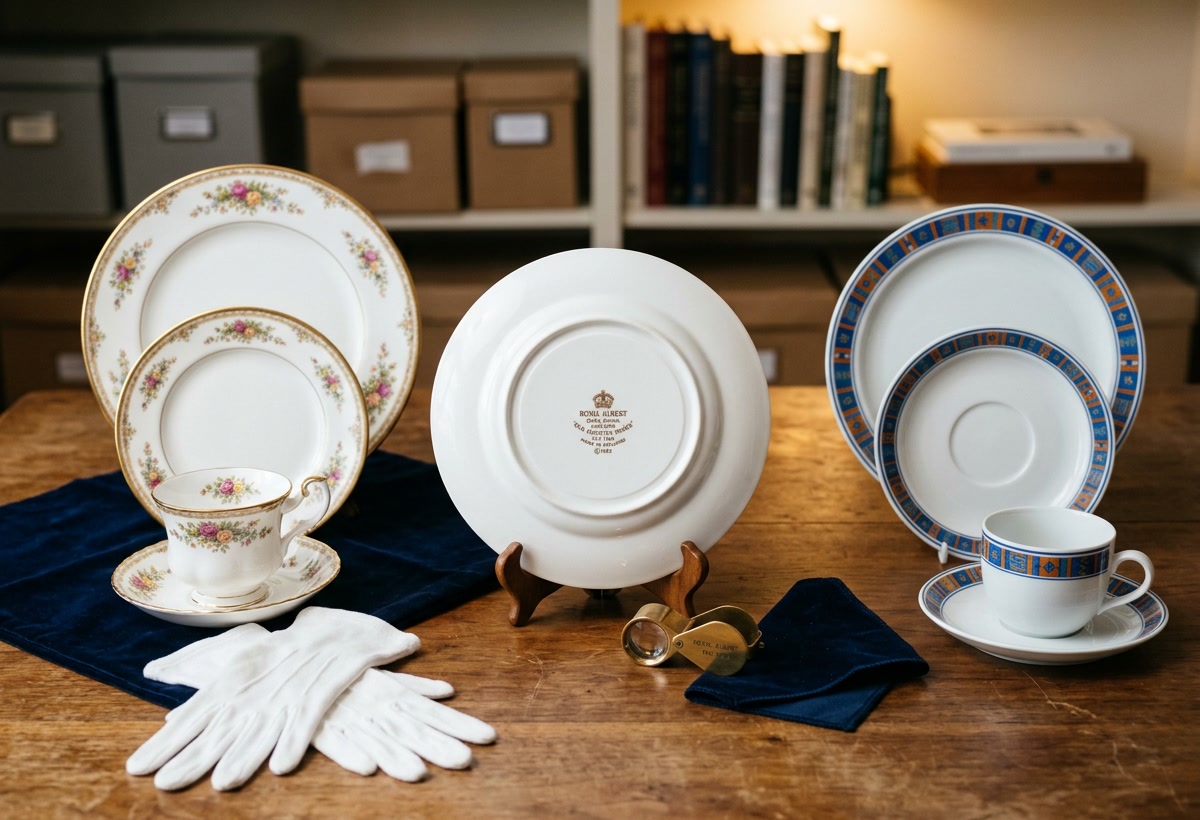
Note: We couldn’t find relevant auction comps in our database for this topic right now. If you’re valuing a specific item, try searching by maker/model/material and we’ll expand coverage over time.
What similar items actually sold for
To help ground this guide in real market activity, here are recent example auction comps from Appraisily’s internal database. These matched sales are market context only, not an object estimate or identification, and they do not guarantee a price for your specific meito china.
Shown USD range: USD 5-USD 600. Median of these 8 USD examples: USD 30.
| Comparable | What sold | Auction house | Date | Lot | Source-reported amount |
|---|---|---|---|---|---|
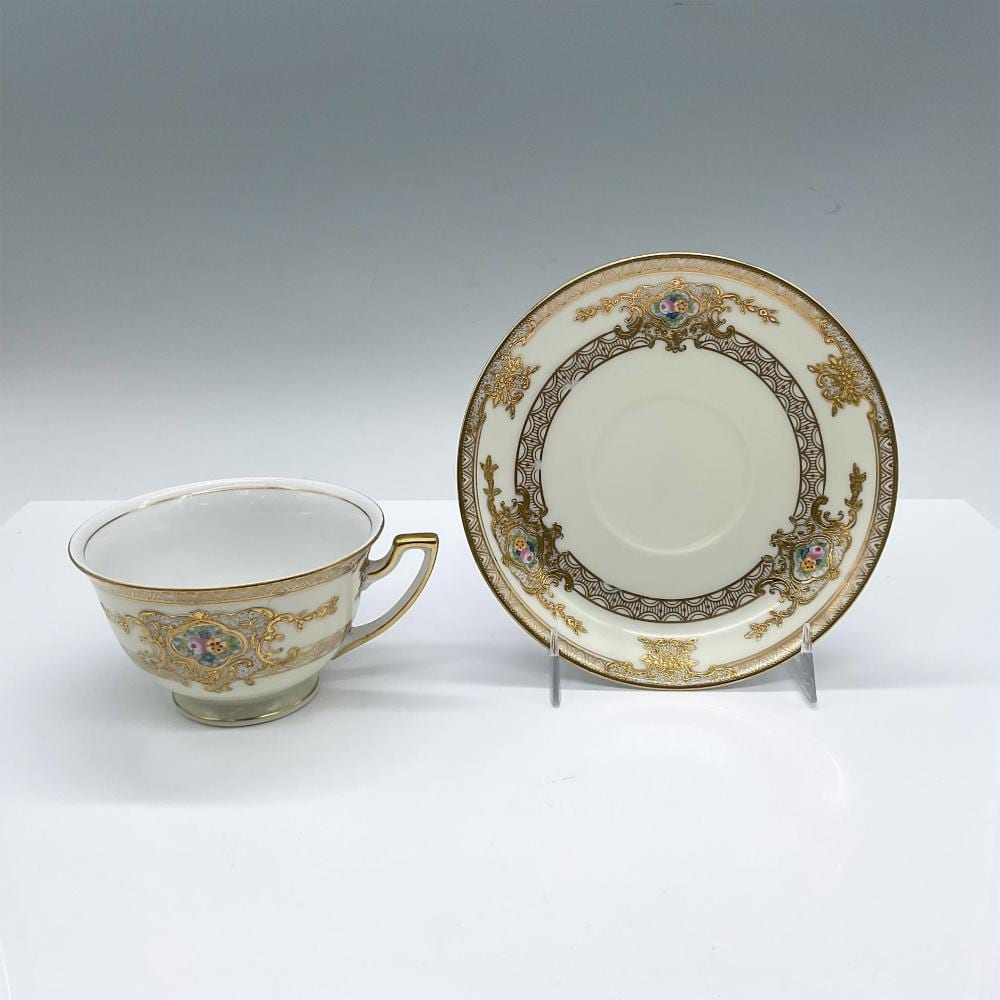 |
2pc Meito China Gilded Porcelain Tea Cup and Saucer | Lion and Unicorn | 2024-09-11 | 57 | USD 10 (buyer’s-premium treatment unknown) |
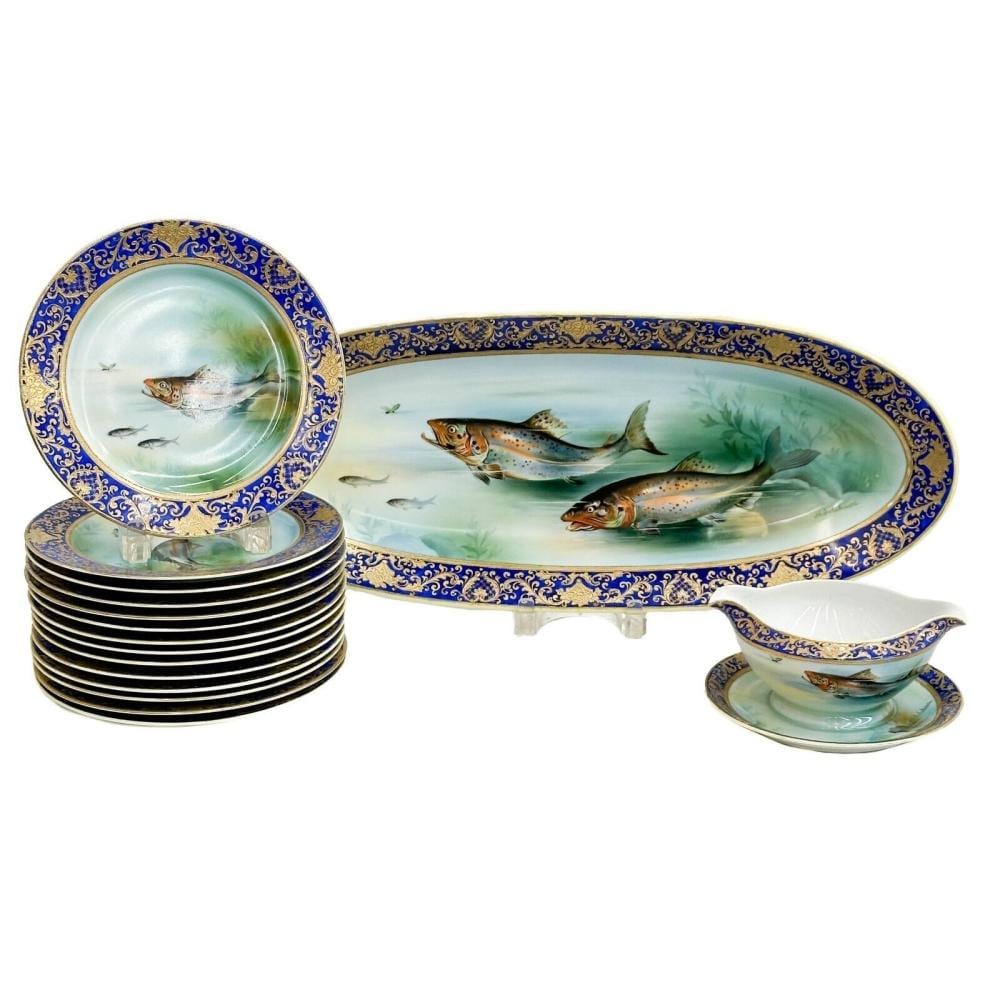 |
Meito China Hand Painted Porcelain Fish Platter Sauce Dish & Plates for 14 | Carnegie's Auction Gallery | 2024-12-14 | 139 | USD 600 (buyer’s-premium treatment unknown) |
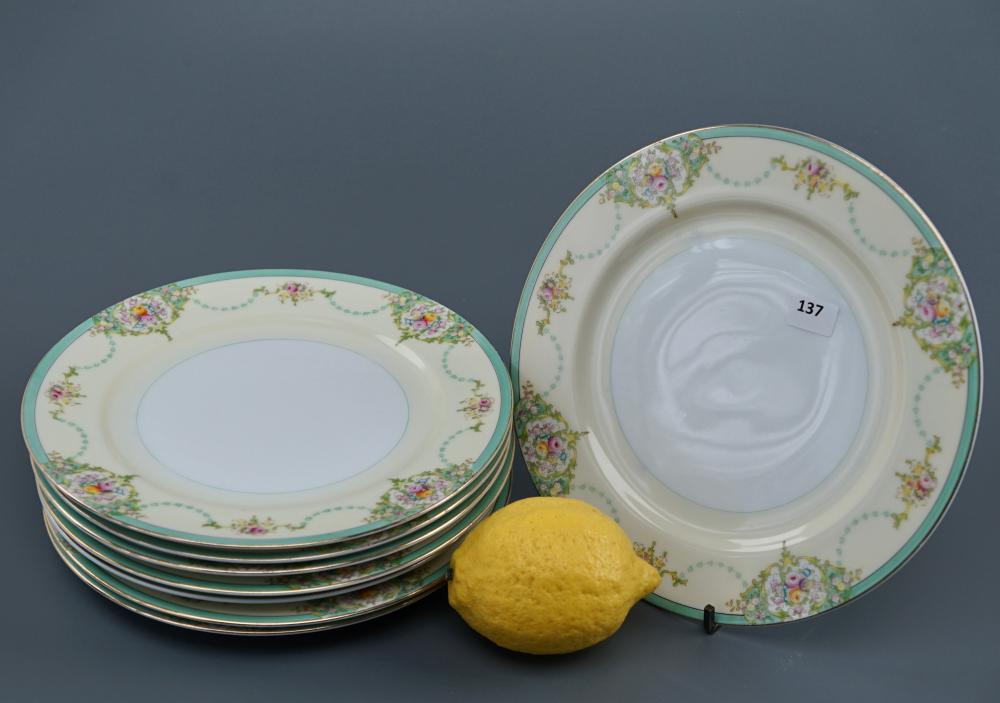 |
Meito China Salad Plate Formal Garden Pattern Lot of 8 | Vidi Vici Gallery | 2024-12-18 | 137 | USD 5 (buyer’s-premium treatment unknown) |
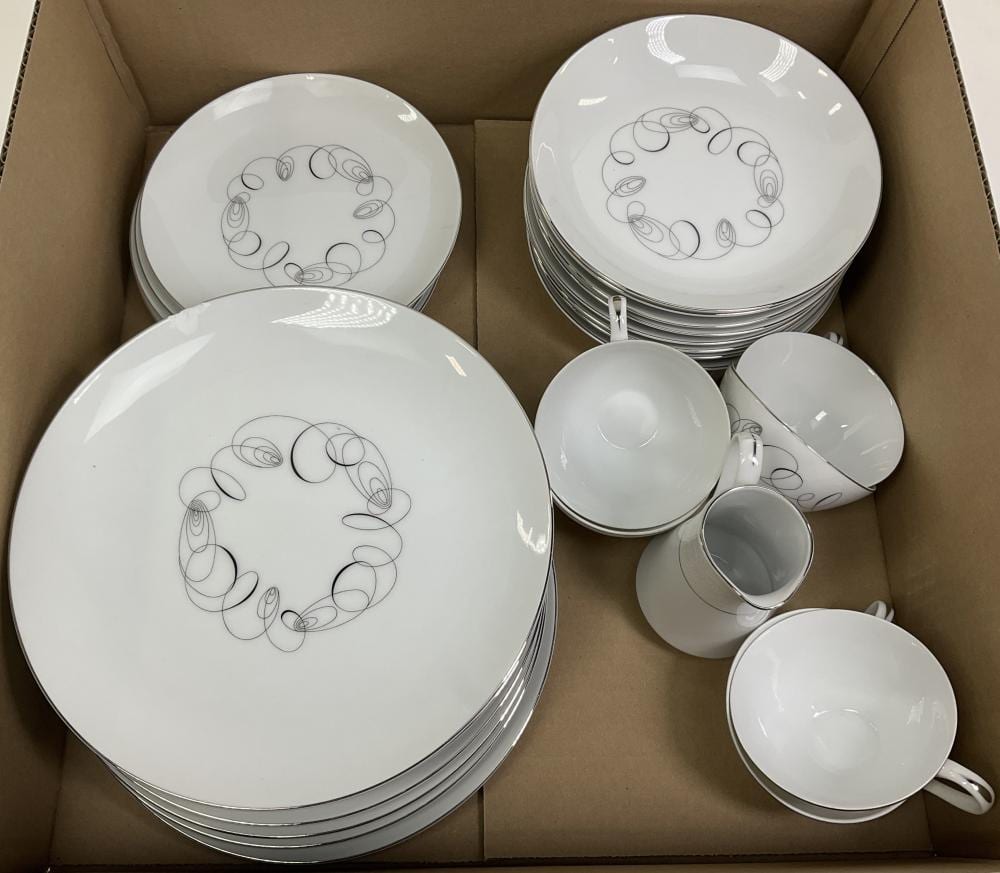 |
(67) Tempo By Meito Japan Porcelain China SetSource blocked; provenance matched | EJ'S Auction & Appraisal | 2026-02-28 | 3262 | USD 15 (buyer’s-premium treatment unknown) |
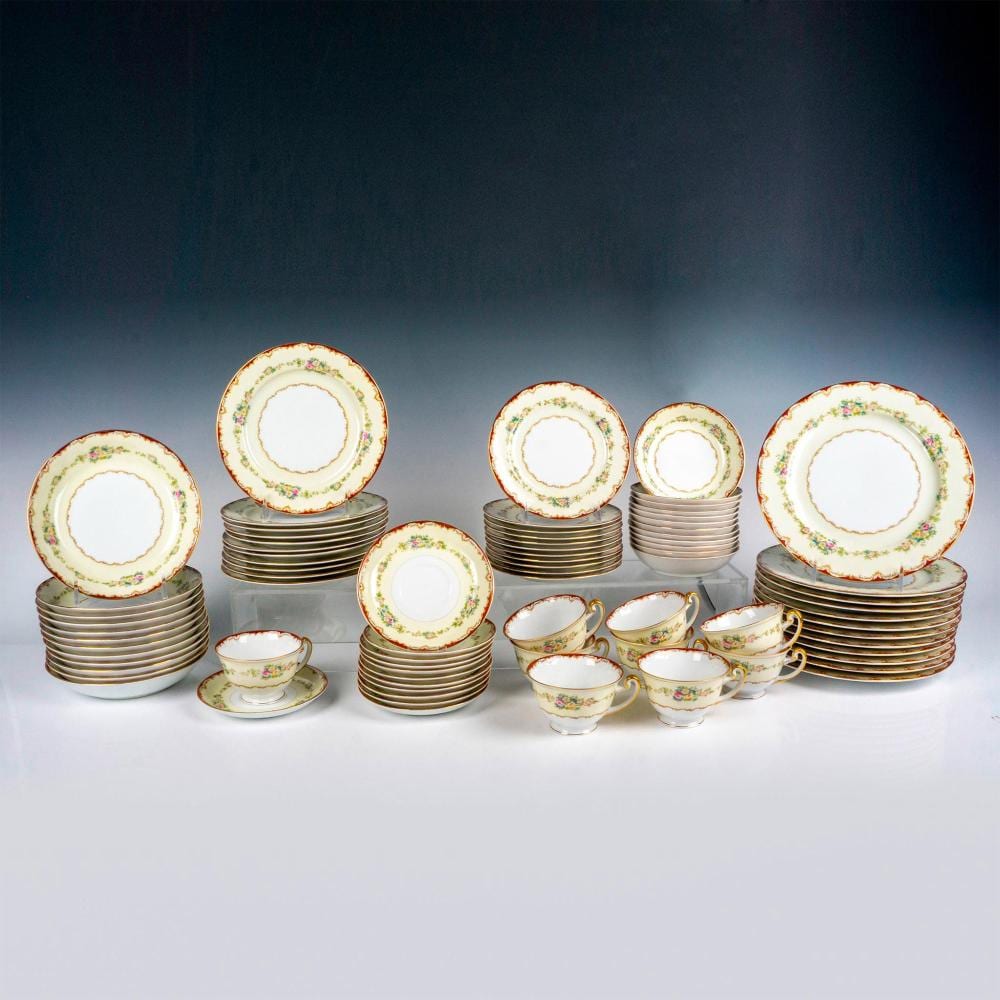 |
79pc Meito China Tableware Set, Dubarry | Lion and Unicorn | 2024-02-13 | 300 | USD 50 (buyer’s-premium treatment unknown) |
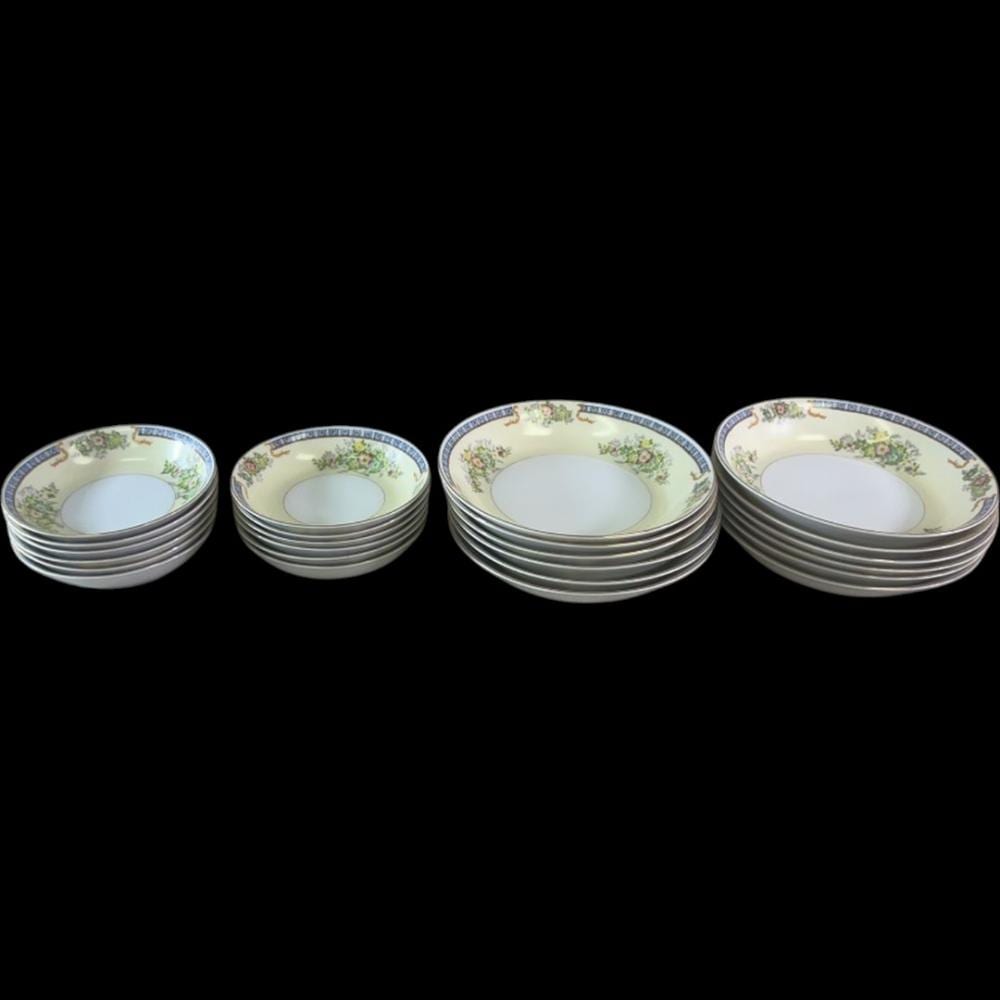 |
(24) vintage Meito china bowls | R & R Auction INC | 2026-03-29 | 3773 | USD 20 (buyer’s-premium treatment unknown) |
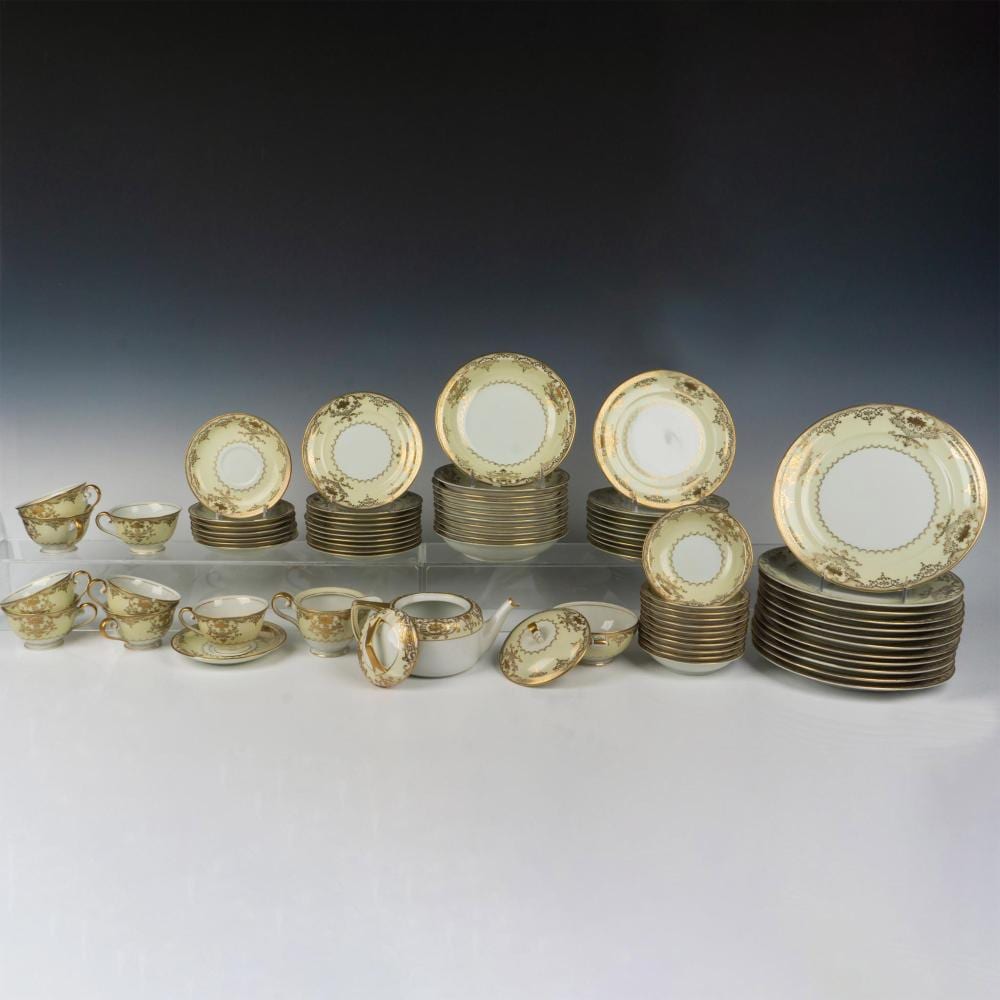 |
72pc Meito China Dinnerware Set, Prince Royal / Marquis | Lion and Unicorn | 2024-04-09 | 60 | USD 100 (buyer’s-premium treatment unknown) |
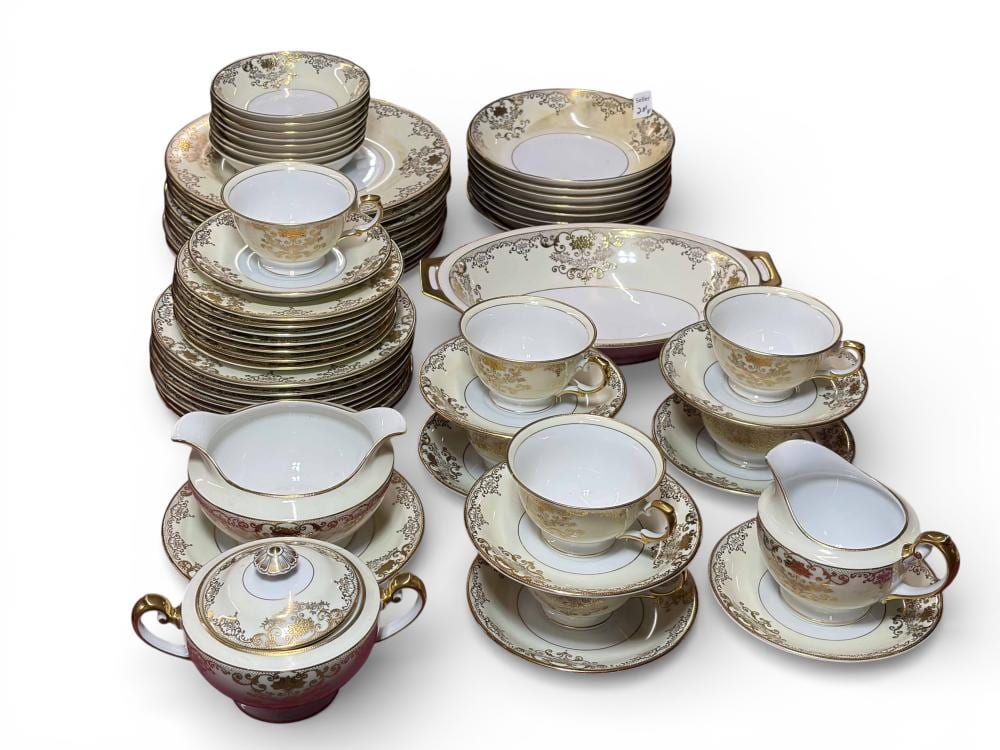 |
Goldwyn Meito Hand Painted China - Service for 8. | Direct Auction Galleries, Inc. | 2026-02-28 | 348 | USD 40 (buyer’s-premium treatment unknown) |
How these auction records were verified
Each row retains its exact source URL, lot identity, retrieval time, access result, and immutable record hash. Live source access was blocked; the exact record matched Appraisily's immutable pipeline provenance. Inspect the public comparable provenance record.
Disclosure: prices are shown as reported by auction houses and are provided for appraisal context. Learn more in our editorial policy.
Free instant estimate
Not sure if your item is worth appraising? Let us take a look.
Upload a photo, tell us what you know, and get a free first read. If a full appraisal makes sense, we will say so.
Free. No card needed. Takes about two minutes.
Meito and Retroneu china appraisal checklist
The phrases “Meito China” and “Retroneu china set” turn up often in estates, downsizing sales, and inherited dinnerware. While both are porcelain/tableware brands, they come from different eras and appeal to different buyers. This guide explains how to identify, date, and appraise Meito and Retroneu pieces, what affects value, and how to avoid common pitfalls.
Background: Two Brands, Two Markets
Meito China
- Origin: A Japanese export brand produced by Nagoya-area factories in the first half of the 20th century, most associated with Nagoya Seito (Nagoya Ceramic Co.). It sits in the same broader industrial region as Noritake/Morimura.
- What you’ll see: Fine porcelain tableware (and some decorative wares) in hand-painted florals, gold-encrusted borders, moriage (raised enameling), luster glazes, and later transfer-printed patterns. Backstamps typically read “MEITO CHINA,” often with “Hand Painted,” “Japan,” or “Made in Occupied Japan.”
- Collecting focus: Early hand-decorated pieces, elegant gold-bordered services, Art Deco-era shapes, and scarce patterns or serving forms.
Retroneu
- Origin: A late-20th-century lifestyle/import brand used for dinnerware and flatware, with production outsourced (commonly China or Indonesia). Pieces largely date from the 1990s–2010s.
- What you’ll see: Contemporary stoneware, porcelain, and some bone china lines; everyday and seasonal patterns; dishwasher/microwave-safe markings are common.
- Collecting focus: Functional sets for daily use or décor; replacement value rather than antique value. Certain holiday or discontinued patterns can have stronger seasonal demand.
Bottom line: Meito China occupies the collectible/early-to-mid-century porcelain market; Retroneu is modern decorative/utility dinnerware. Appraisal approaches overlap but value drivers differ.
Identify and Date Meito China
- Read the backstamp
- “MEITO CHINA” with “Hand Painted” and “Japan” — interwar to postwar export porcelain. The words may appear within a wreath or shield.
- “Made in Occupied Japan” — roughly 1947–1952. Useful dating clue rather than an automatic premium.
- “Japan” vs. “Nippon” — US tariff rules changed in 1921 from “Nippon” to “Japan.” Most Meito-branded tableware you’ll encounter will say “Japan.” If you see “Nippon,” it typically indicates pre-1921 export; those marks are more commonly associated with Morimura/Noritake and other Nippon-era makers, though some Nagoya-area output overlaps. Treat “Nippon” marks cautiously due to reproductions (see pitfalls below).
- Examine technique and trim
- Hand-painted vs. transfer: Early Meito often has hand-painted florals and gold accents; later pieces may use transfers/decals with hand-applied gold. Under magnification, transfers show a dot/grain pattern; hand paint shows brushstrokes and slight variation.
- Moriage/raised enamel: Raised white or colored beading in decorative borders can indicate more labor-intensive work—often more desirable.
- Gold/encrusted bands: Thick, patterned gold bands (Greek key, scrollwork) were popular on formal sets. Heavy edge wear materially affects value.
- Assess form and style cues
- Prewar shapes: Scalloped rims, fluted bowls, footed cups with delicate handles, and elaborate gilding.
- Postwar shapes: Cleaner rims, more standardized forms, and simpler patterns suited to mid-century taste and export markets.
- Material and translucency
- Most Meito you’ll see is fine porcelain. If labeled “bone china,” verify by backlighting a rim (bone china is highly translucent) and performing a gentle ring test (a clear bell-like ring suggests fewer flaws).
- Pattern identification
- Many Meito patterns were named or coded, but not all marks include a name. Pattern matching is typically done by comparing border motifs, floral sprays, and handle shapes against recognized examples or replacement catalogs. Keep a sharp eye on band color (cream vs. white body) and the exact gold motif.
Dating shorthand for Meito:
- “Japan” (no Occupied reference): typically 1921–1945 or 1952 onward.
- “Made in Occupied Japan”: about 1947–1952.
- Construction/style can refine the date range within those periods.
Identify and Date Retroneu China Sets
- Read the backstamp
- “RETRONEU” in uppercase, often with the country of origin (China or Indonesia), and sometimes with a pattern name or code. Many pieces also note “Dishwasher/Microwave Safe.”
- If “Bone China” is indicated, it will usually say so plainly. Otherwise expect porcelain or stoneware.
- Pattern and line
- Retroneu offered everyday lines (stoneware or porcelain) and occasional bone china series, plus holiday/seasonal designs. Patterns are usually descriptive (floral, geometric, banded) and modern. Forms tend to be practical: broad-rim dinner plates, cereal bowls, mugs, and simple serving pieces.
- Dating cues
- Most Retroneu dinnerware on the market dates to the 1990s–2010s. Modern safety/laundering text is a giveaway; packaging (if present) may have barcodes or contemporary branding.
- Unlike Meito, Retroneu has little in the way of early-decorative vs. late-production style divergence; the market reads it as modern.
- Replacement compatibility
- Retroneu pieces can vary by factory run (glaze tone, rim width). Check that pieces in a “set” match precisely—same sheen, backstamp wording, and dimensions—because mixed-lot sets bring less.
FAQ
Q: Does “Made in Occupied Japan” make Meito automatically more valuable? A: Not by itself. It helps date the piece but value still hinges on pattern, condition, and desirability. Some Occupied Japan items sell well; others are common.
Q: How can I tell if Meito decoration is hand-painted? A: Use a 10x loupe. Hand-painted areas show brushstrokes and minor variation; transfers show uniform dot patterns or halftone screens. Also, raised gold or enamel often indicates hand application.
Q: Are Retroneu sets considered collectible? A: They’re more “replacement/functional collectible” than antique. Value resides in completeness, condition, and whether the pattern is discontinued and still sought by owners filling in sets.
Q: My set mixes “Japan” and “Occupied Japan” backstamps. Is it a problem? A: Mixed marks can occur through replacements. Purist collectors prefer uniform marks. For daily-use buyers it may not matter, but it can reduce top-end value.
Q: Should I put gilded Meito china in the dishwasher? A: No. Hand-wash with mild detergent and soft cloth. Dishwashers can etch gilding and accelerate wear, cutting value and appeal.
By methodically confirming marks, dating the ware, assessing technique and condition, and aligning expectations with recent sold prices, you can produce a confident appraisal for both Meito China and Retroneu sets—and decide whether to sell as a complete service or part out for replacement buyers.