Lot description
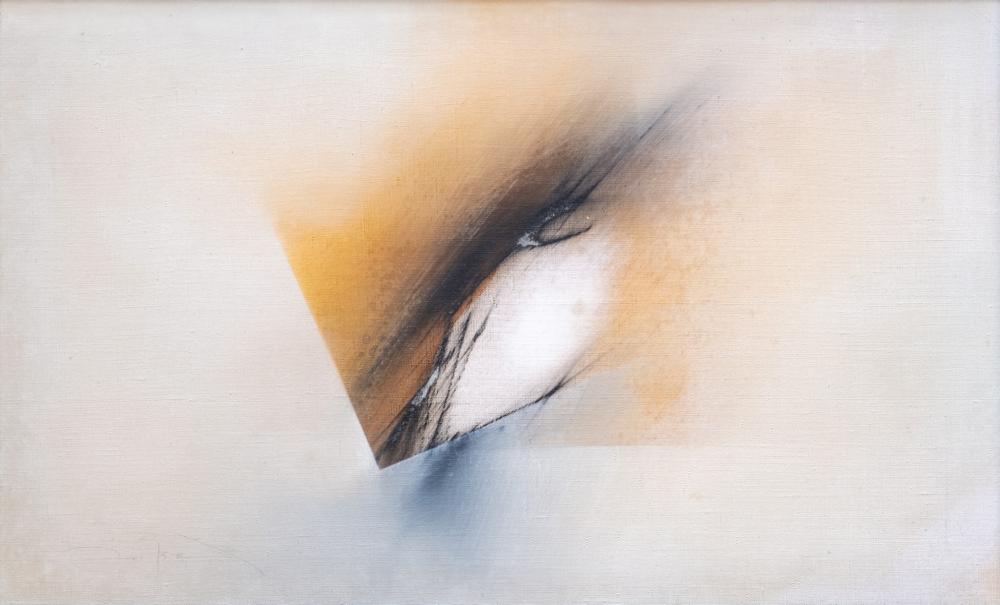
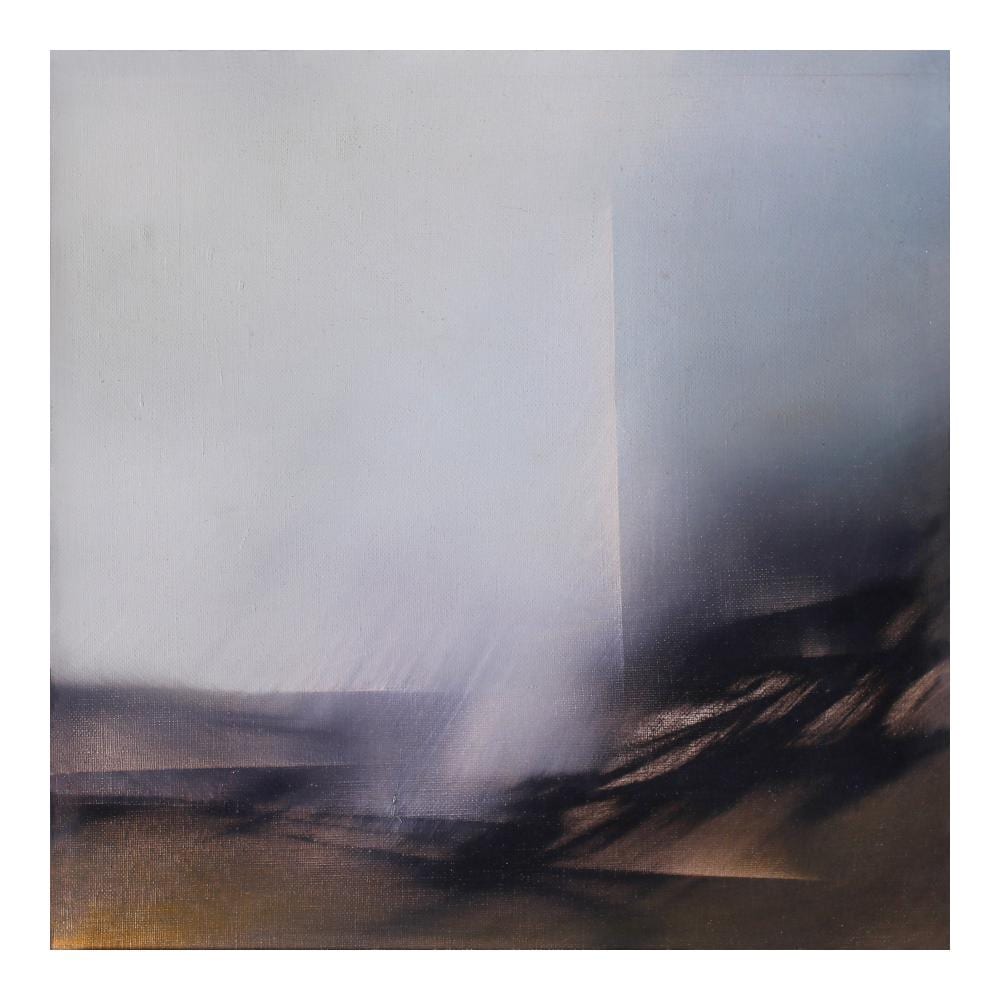
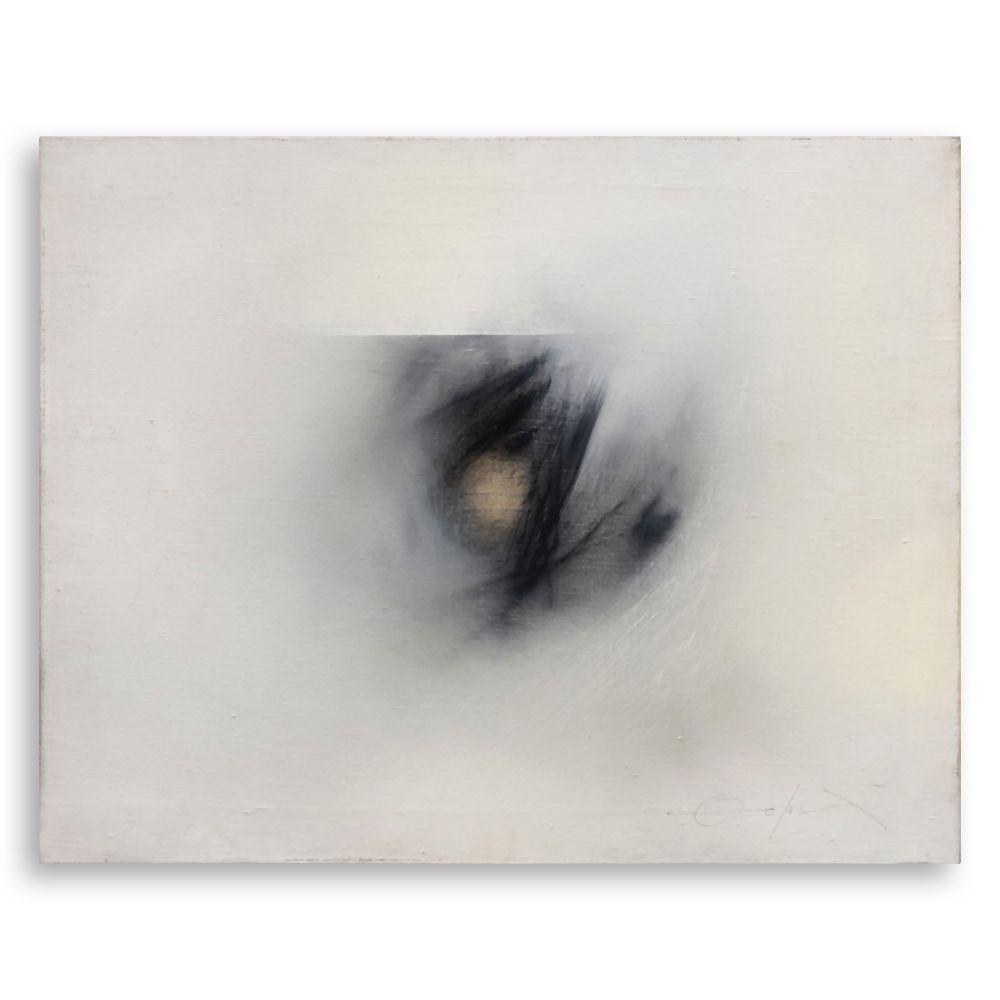
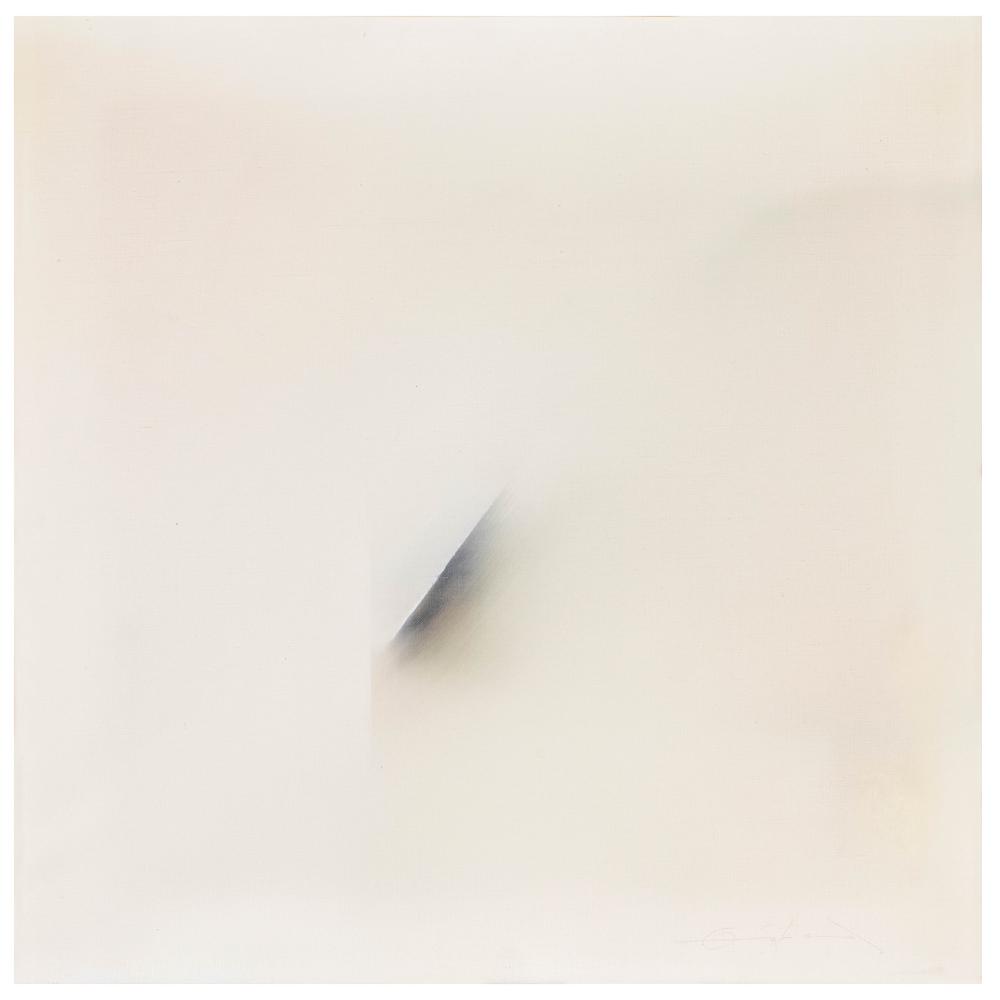
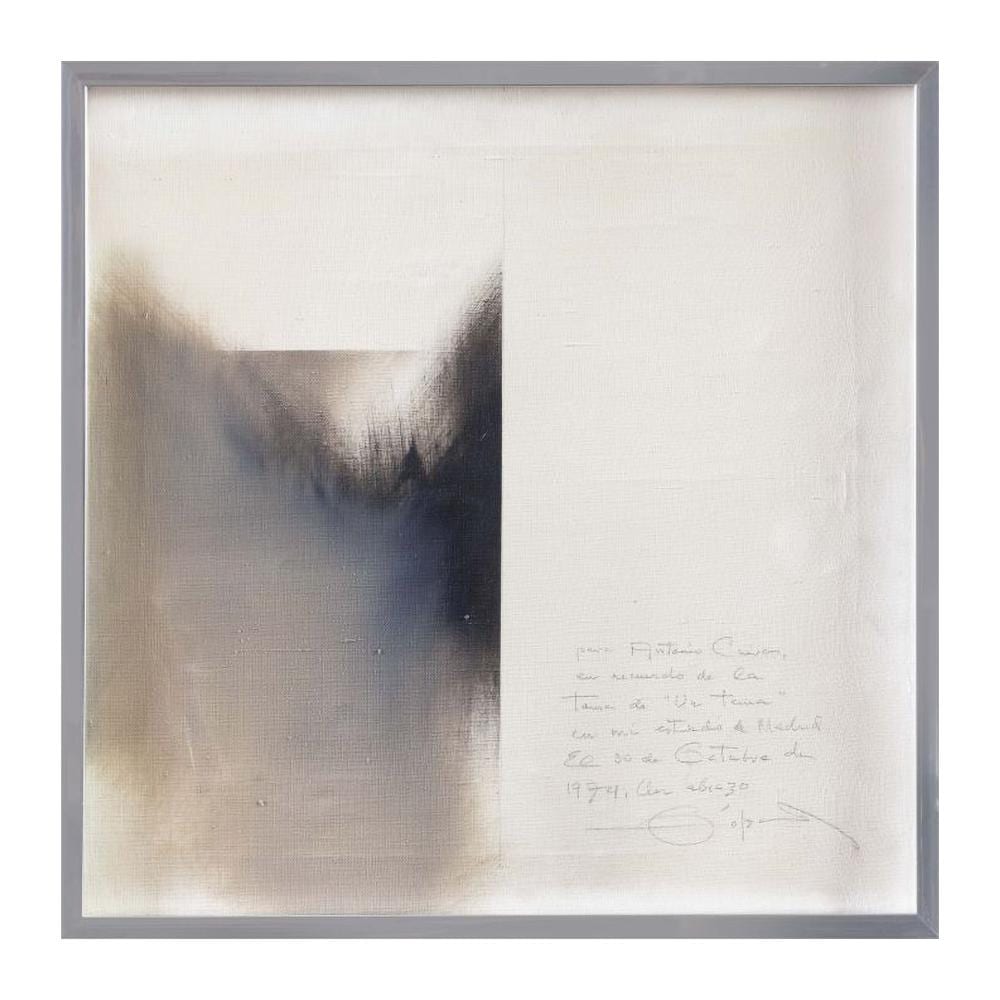
Ensayo para Un Tema signed, dated 1974, and dedicated "Para Antonio Cuevas, en recuerdo de la Toma de un ""Un Tema"" en mi estudio de Madrid. El 30 de Octubre de 1974, un abrazo" oil on canvas 23 1/2" x 23 1/2" (60 cm x 60 cm) PROVENANCE Fernando Durán. Subastas de arte y joyas, Arte contemporáneo, Madrid, 22 December 2025, Lot 60 Dedicated to Antonio Cuevas, in memory of his participation in the filming of "Zobel: Un Tema" in the artist's studio in Madrid on the 30th of October, 1974, Fernando Zobel's Ensayo para Un Tema (translated into English as Essay for "Un Tema") serves as a personal memento of that documentary. Dominated by a significant, pale ground—ranging from offwhite to warm gray—and was contrasted against a darker, blurred vertical form from the left. The shadowed area itself feels more atmospheric than solid. As if the shades itself is a piece of memory, trace, or a fleeting presence—its ambiguity invites its viewers to project meaning rather than decode a fixed subject. On the right, is a handwritten inscription of a personal dedication piece for Antonio Cuevas which are: "Para Antonio Cuevas, en recuerdo de la Toma de un 'Un Tema' en mi estudio de Madrid. El 30 de octubre de 1974, un abrazo" ("For Antonio Cuevas, in memory of the filming of 'Un tema' in my Madrid studio. On the 30th of October, 1974, a hug."). For context, Zóbel: Un Tema (1974) is a documentary about Fernando Zobel that shows the process of creating the painting La Vista pieces, where he distilled the landscape of Cuenca, Spain, with each piece representing Zobel's deep engagement with nature as both subject and inspiration— transformed through a rigorous process of reduction and abstraction. Featuring Zobel's works in his studio, including this one, the script was written by Rafael Pérez Madero and narrated by José Hierro. By the 1970s, the artist had already mastered his gestural abstraction. Un Tema is a mental framework that Zobel had used to think about painting itself. For him, a theme is a starting point. Something that can be revisited, reworked, and questioned, as well as a thought structure for thought rather than an image to present. The 1974 documentary highlights this framework by showing Zobel's works at various stages of completion, including the featured piece, emphasizing not the product but the process by which his masterpiece was made. This dedicated piece for Cuevas provides a physical piece of Zobel's framework. A living memory of ideas in formation. (Mark John Castañeda)