Lot description
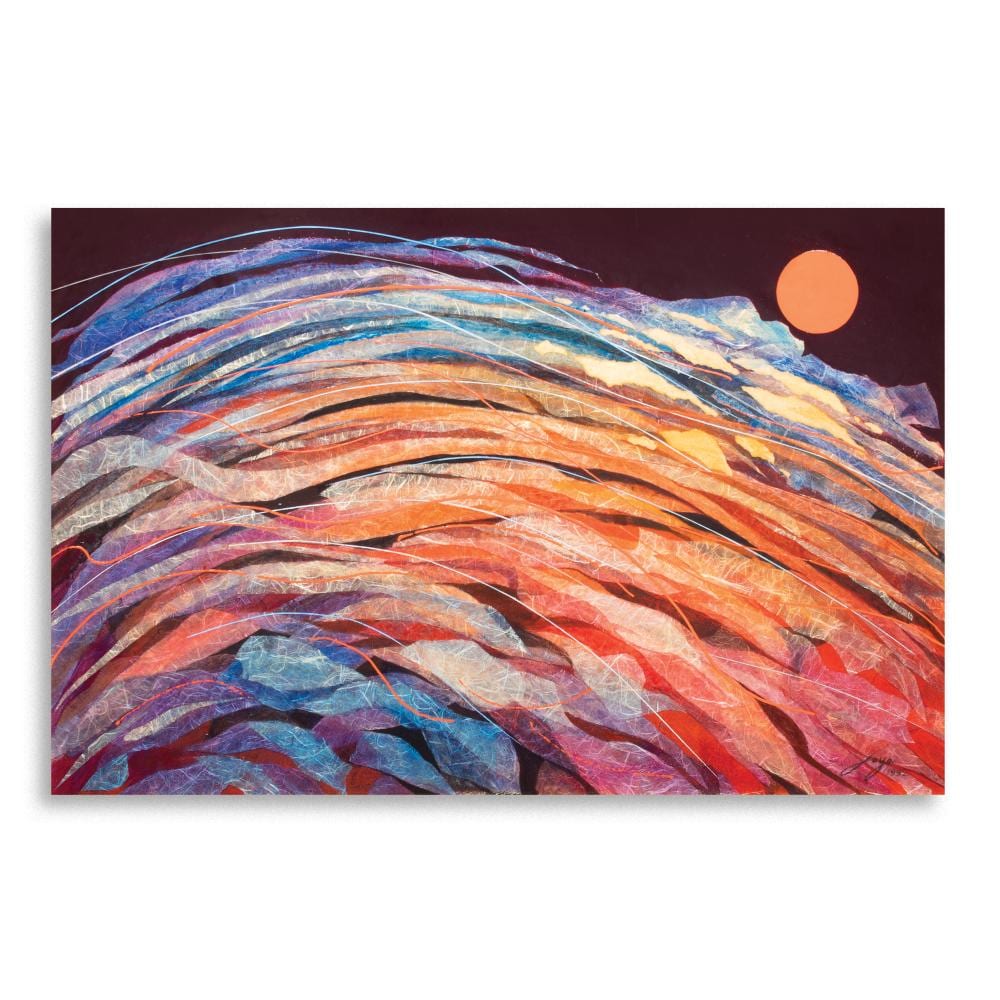
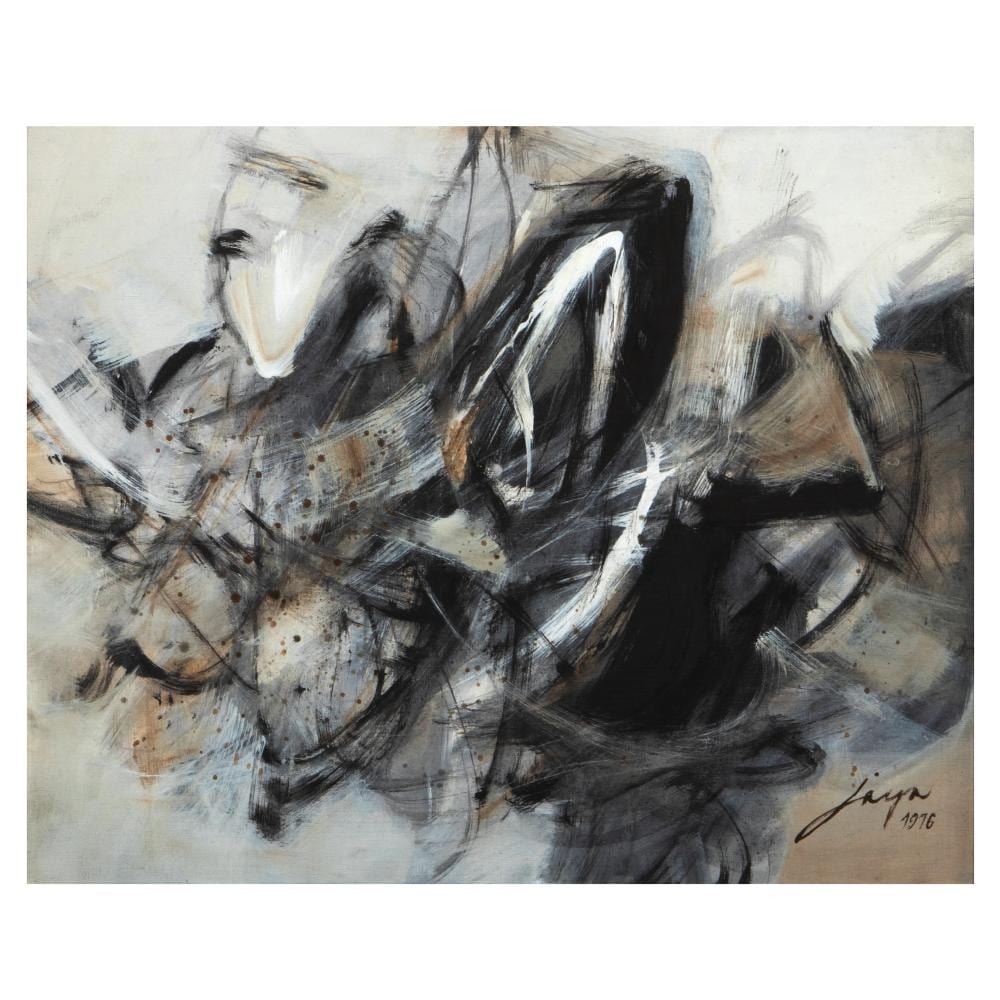
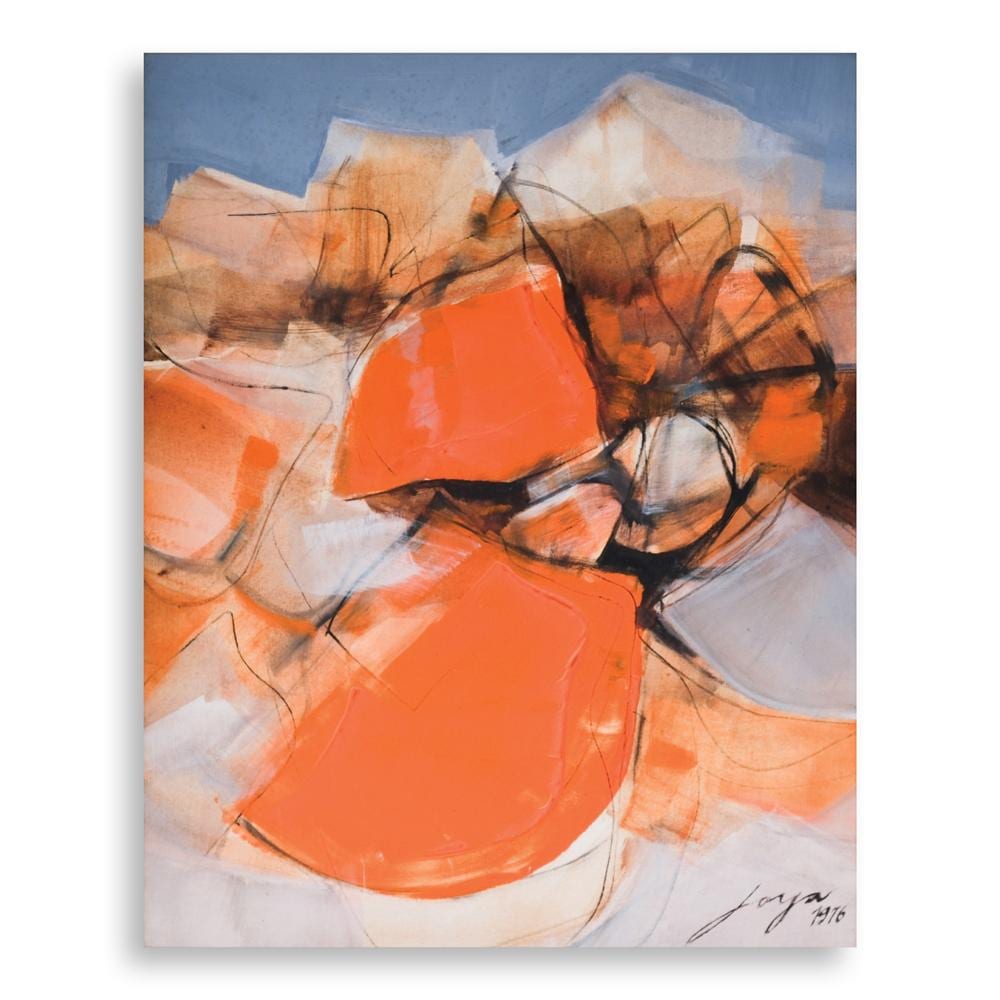
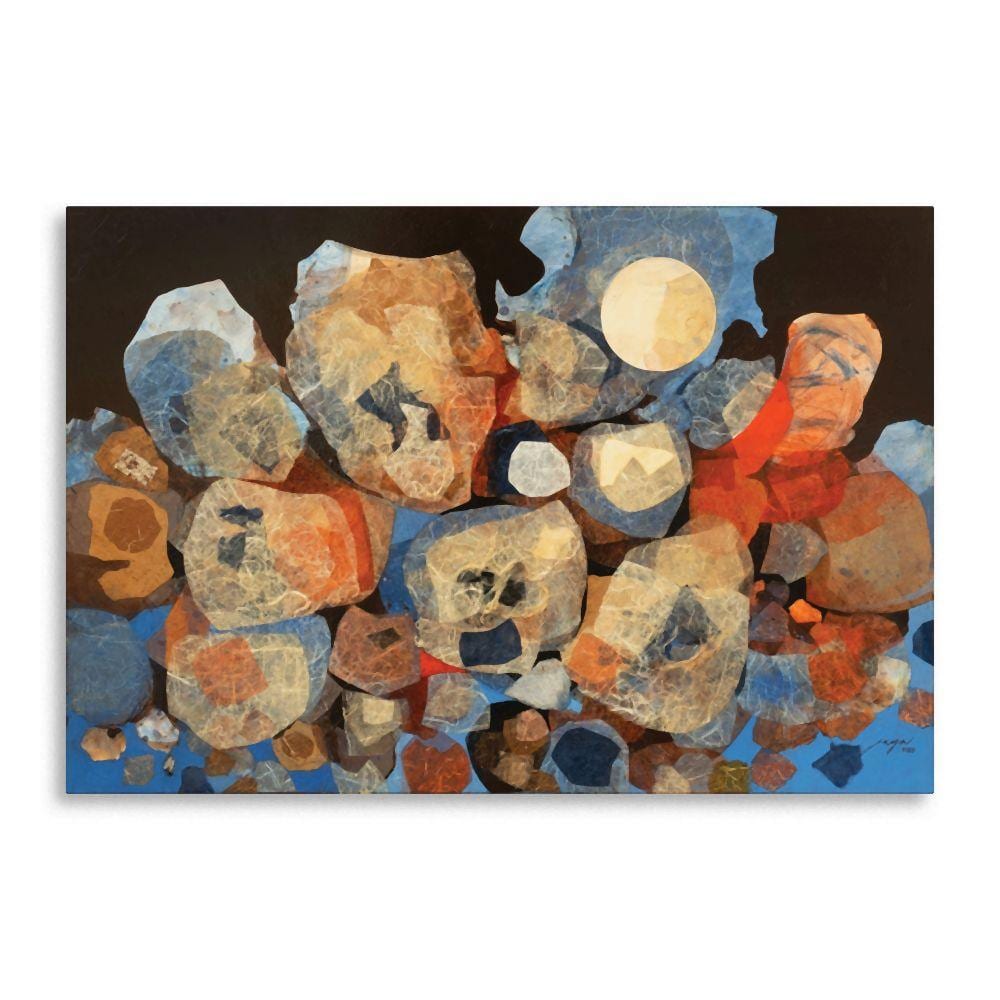
Jose Joya (1931 - 1995) Bulls and Bears signed and dated 1989 (lower right) acrylic collage 29 1/2" x 43 1/2" (75 cm x 110 cm) Accompanied by a certificate issued by Mr. Alexander Richard Joya Baldovino confirming the authenticity of this lot Characterized by art critic Leonidas Benesa as the “exponent of pure painting”, Jose Joya has become an influential name in Philippine abstraction for his mastery of non-figurative expression. Although his first forays into the art scene as a student at the UP College of Fine Arts would gain him recognition for his realist and still life works which granted him awards such as the prestigious Shell Art Competition Prize, Joya’s artistic journey would find his subject matter straying from the outer object and instead gradually drawing inwards within the artist himself, resulting in spontaneous gestures of pure feeling and imagination on canvas. During his studies in New York from 1956 to 1957, Joya’s artistic direction would be steered towards abstraction. At that time, abstract expressionism had reached its peak in Western painting with the likes of Jackson Pollock, Willem de Kooning, and Mark Rothko utilizing unconventional techniques and styles of making non-figurative art that gave emphasis to the expressive qualities of paint. Having taken to heart such artistic philosophy, Joya’s works eventually found less figurative subjects in favor of ‘landscapes of feeling and mind’. However, this did not mean that Joya completely ceased to render figures and still lifes for the rest of his artistic career. Joya’s documentarylike travelogues, after all, often featured figurative subjects drawn with pencil and ink in gestural lines. Philosophically, such a gestural manner would also manifest in his works of abstraction as the growing spontaneity of his technique tended to capture energies in their utmost dynamism rather than merely rendering form. It was in the 1970s that Joya would embark on a series of acrylic collages which took his abstract expressionism towards a more experimental direction. By combining acrylic and rice paper, Joya takes off from Western abstraction and the calligraphic gestural to bring his work back ever closer to the subject matter he had become accustomed to initially: nature and the landscape. Despite the heightened experimental approach, one cannot help but appreciate the overlapping organic intensities that bloom across the composition of Joya’s acrylic collages. His abstractions curiously bear no real definable resemblance to any observable object in nature, but perhaps such is only what makes Joya’s expressionism all the more special. It is an expressionism that abstracts not just from nature, but from a heart that is at one with it. (Pie Tiausas