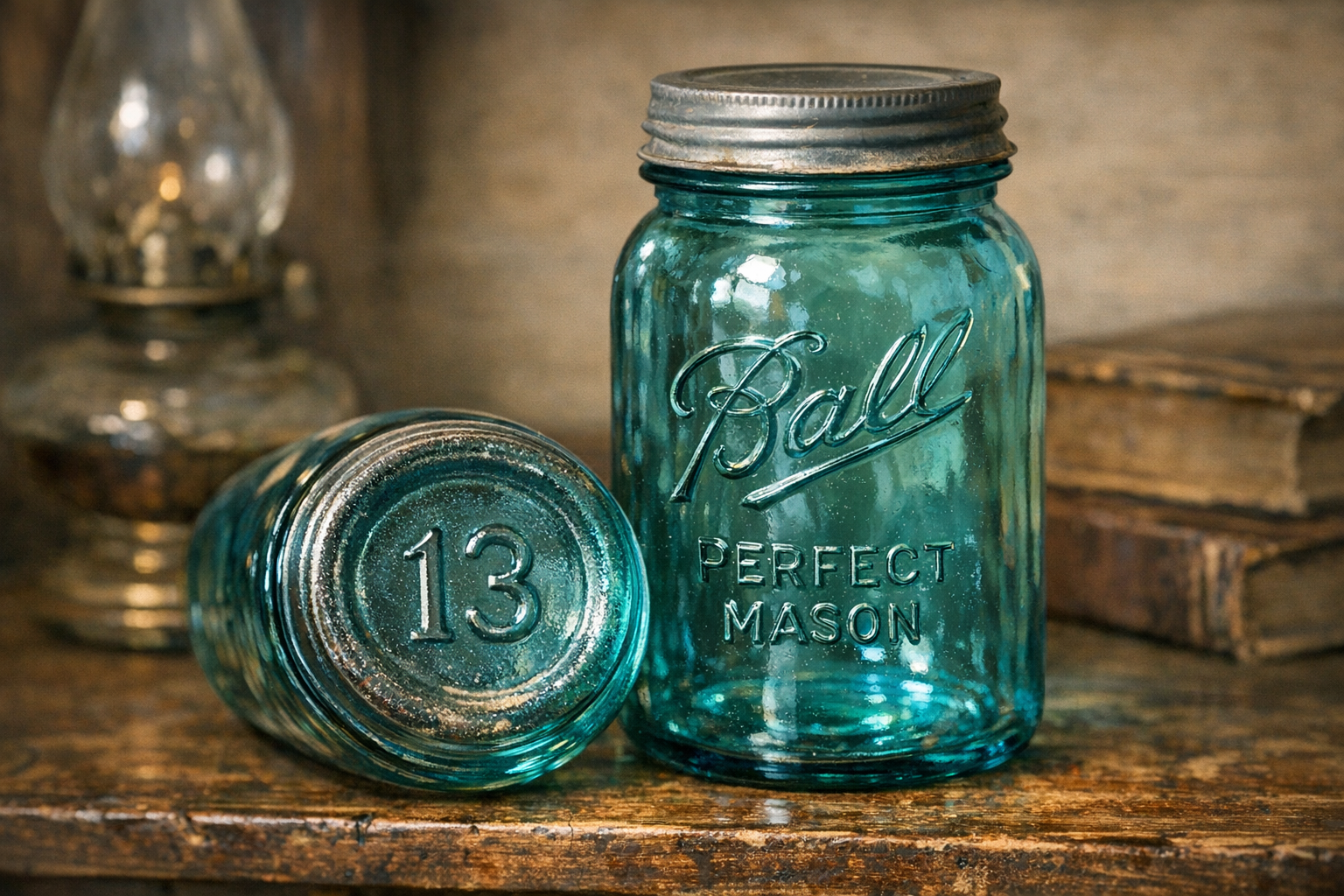
What Ball Mason jars actually sell for
A common Ball jar with a zinc lid is a different sale from a numbered #13 on the base.
Common Ball jars. A Ball Mason jar with lid sold for $3.
An antique Ball Mason jar sold for $5.
An antique 2-quart Ball blue Mason jar with zinc lid sold for $12.
A vintage aqua-blue Ball Mason jar sold for $20.
A Ball Blue Perfect Mason jar set, half gallon, sold for $25.
High-value named number. A #13 Ball Mason jar with zinc lid sold for $60.
Turn the jar over and photograph the base number, color, and lid before treating any one sale as yours. A jar sold as a marble container is not a jar-only price.
What similar items actually sold for
To help ground this guide in real market activity, here are recent example auction comps from Appraisily’s internal database. These matched sales are market context only, not an object estimate or identification, and they do not guarantee a price for your specific how much is a number 13 ball mason.
Shown USD range: USD 1-USD 335. Median of these 15 USD examples: USD 20.
| Comparable | What sold | Auction house | Date | Lot | Source-reported amount |
|---|---|---|---|---|---|
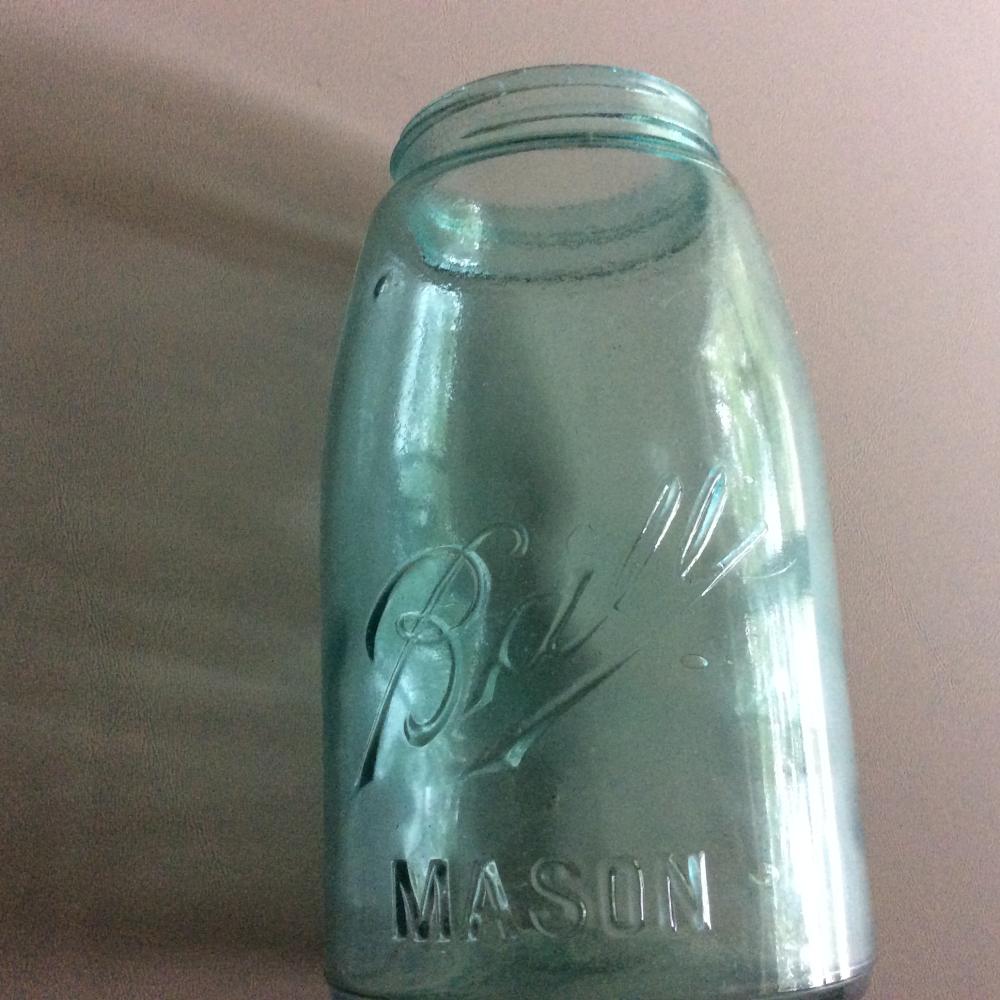 |
Antique Ball Mason JarSource blocked; provenance matched | Hampton's Auction, Collectibles, & Retail, LLC | 2021-07-28 | 29 | USD 5 (buyer’s-premium treatment unknown) |
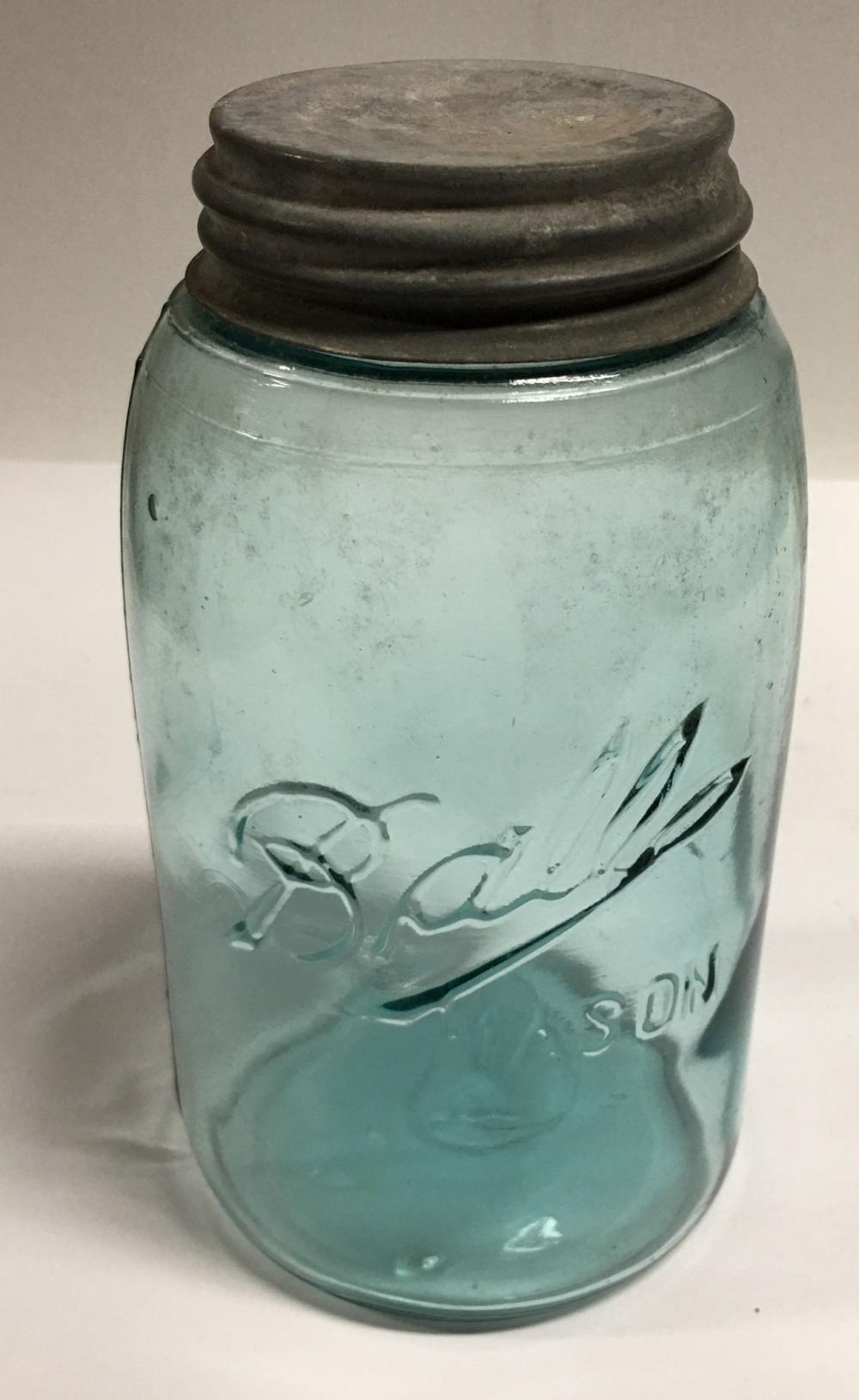 |
Ball Mason Jar With LidSource blocked; provenance matched | Berner's Auction Gallery | 2021-08-26 | 3742 | USD 3 (buyer’s-premium treatment unknown) |
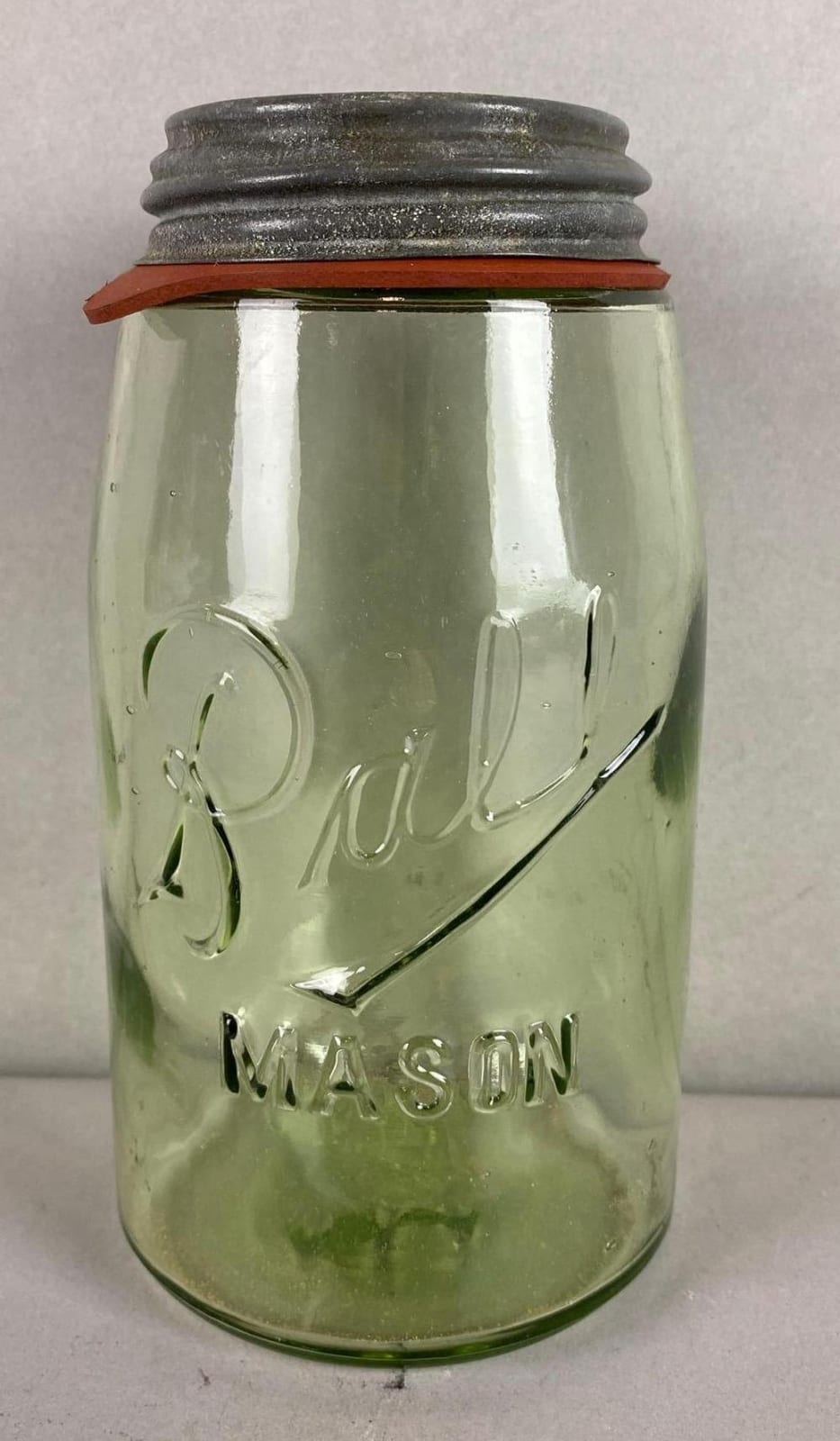 |
Antique Green Ball Mason JarSource blocked; provenance matched | Matthew Bullock Auctioneers | 2025-06-21 | 92 | USD 50 (buyer’s-premium treatment unknown) |
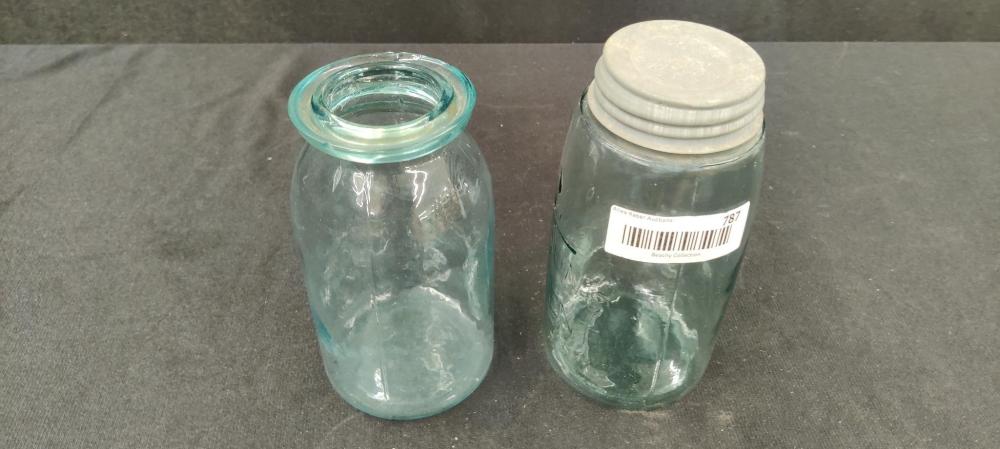 |
Unusual Ball Mason Jar & Hand R JarSource blocked; provenance matched | Atlee Raber Auctioneer | 2022-05-02 | 787 | USD 20 (buyer’s-premium treatment unknown) |
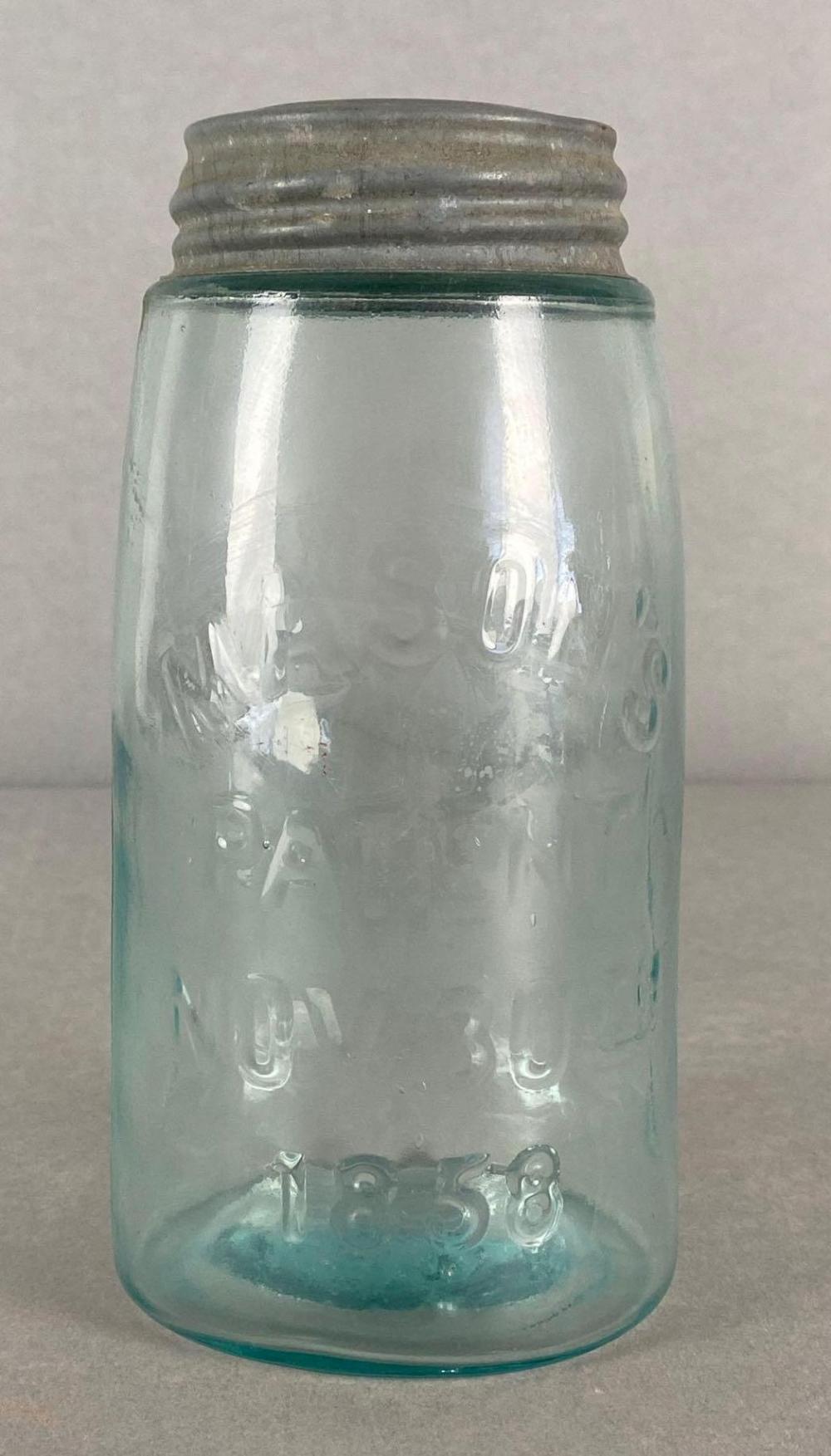 |
Vintage Aqua Blue Ball Mason JarSource blocked; provenance matched | Matthew Bullock Auctioneers | 2024-05-18 | 840 | USD 20 (buyer’s-premium treatment unknown) |
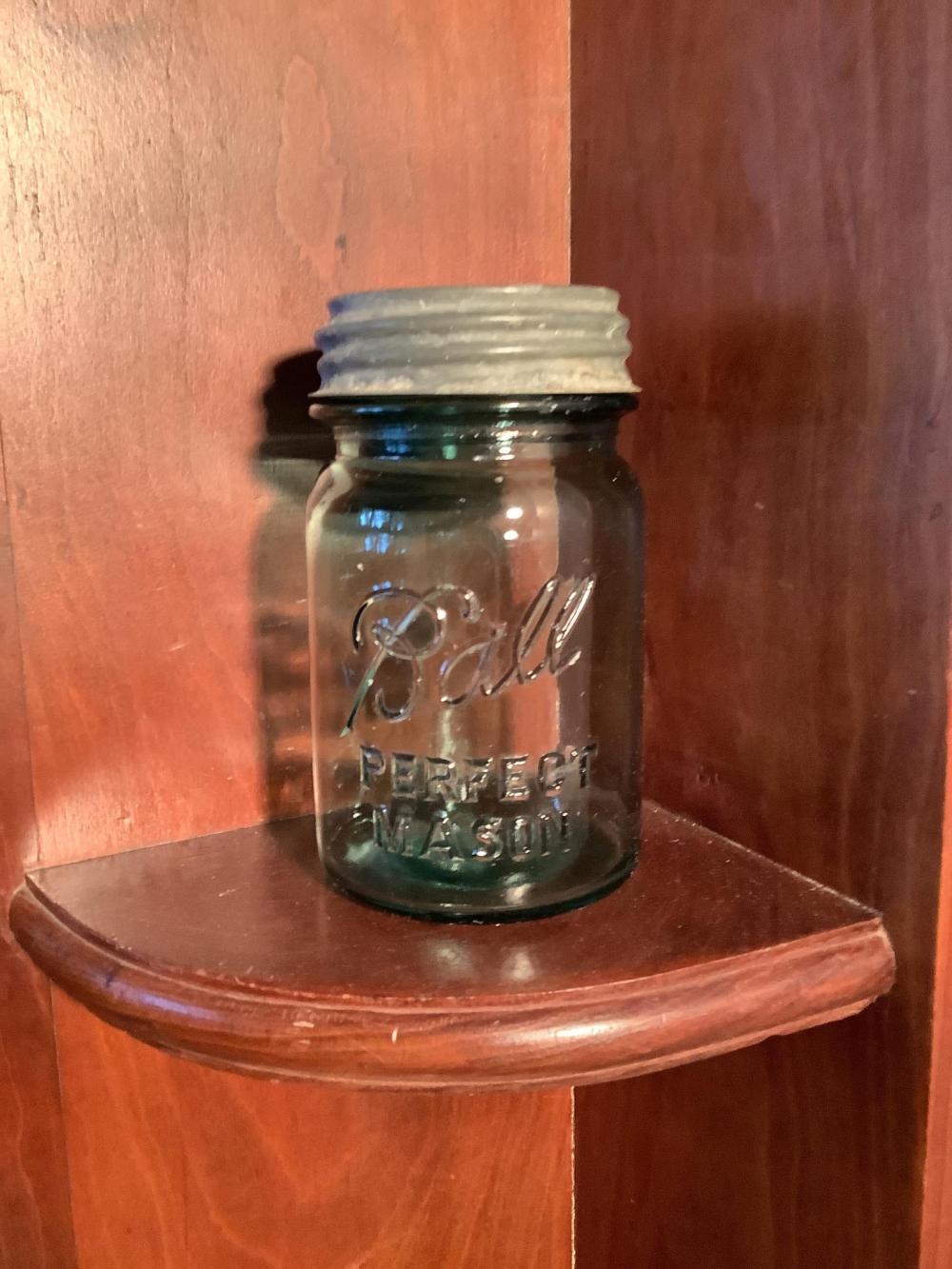 |
#13 Ball Mason Jar with Zinc LidSource blocked; provenance matched | Caswell Prewitt Realty, INC | 2022-09-11 | 46 | USD 60 (buyer’s-premium treatment unknown) |
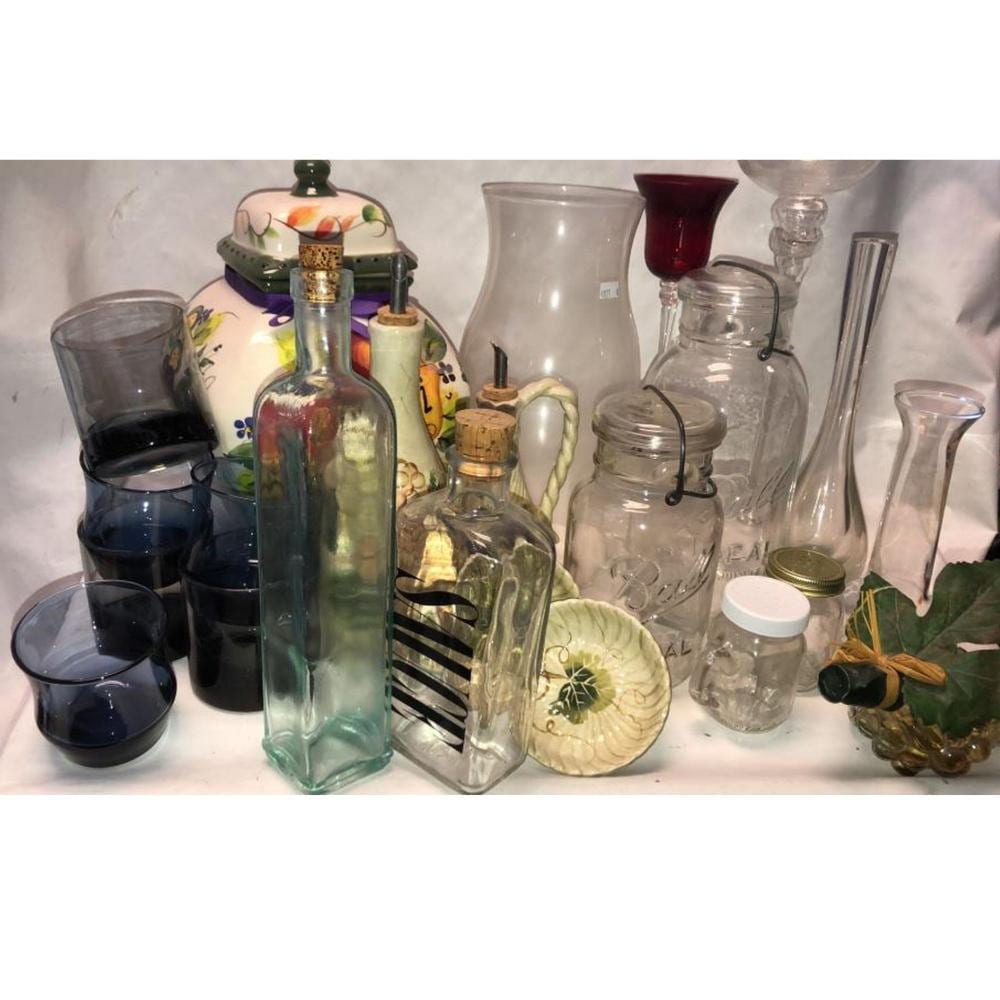 |
Biscotti Jar, Ball Mason Jars w Wire Bales,Source blocked; provenance matched | R & R Auction INC | 2022-03-20 | 1028 | USD 10 (buyer’s-premium treatment unknown) |
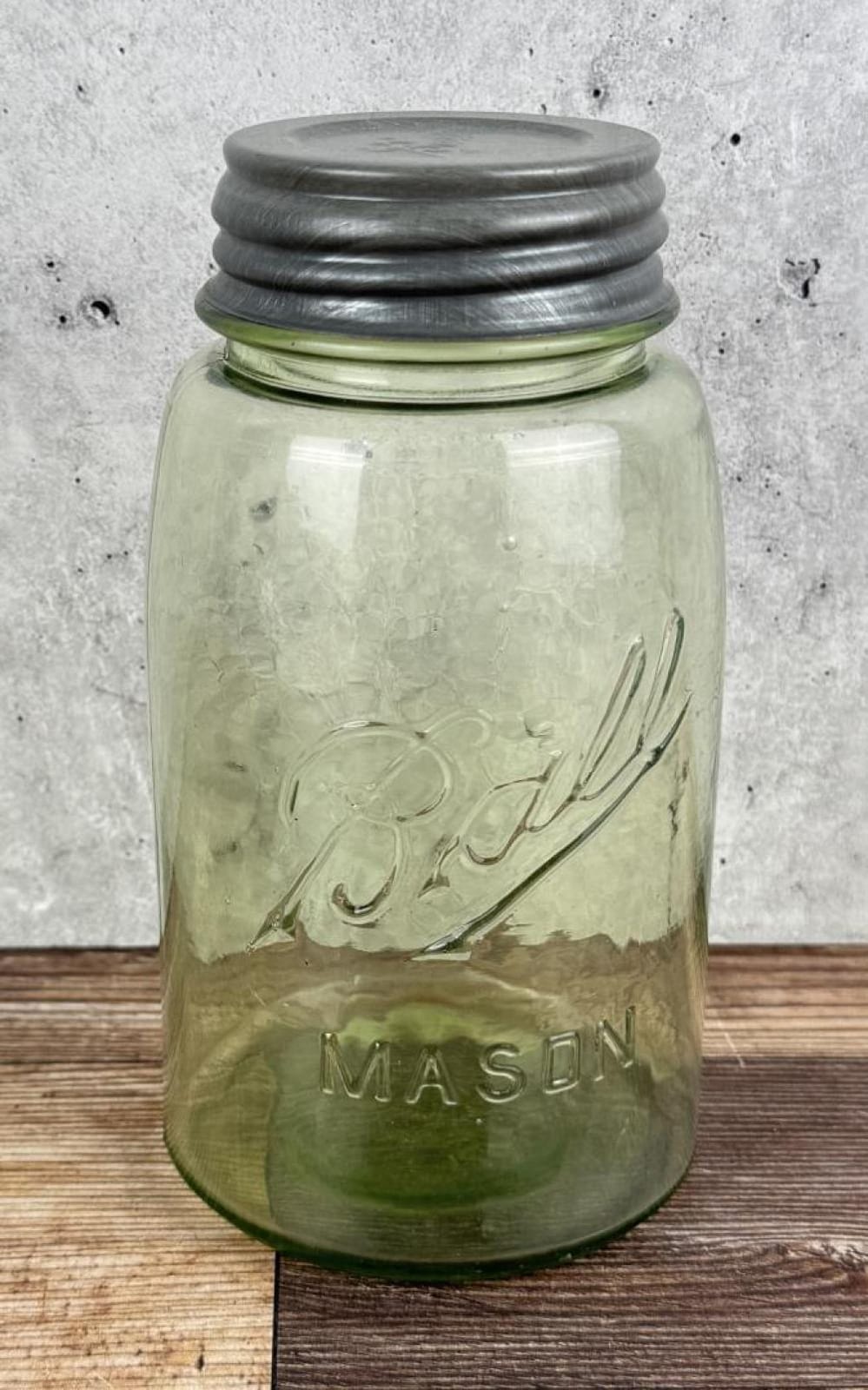 |
Antique Lime Green Ball Mason JarSource blocked; provenance matched | Davis Brothers Auction | 2025-08-09 | 18 | USD 50 (buyer’s-premium treatment unknown) |
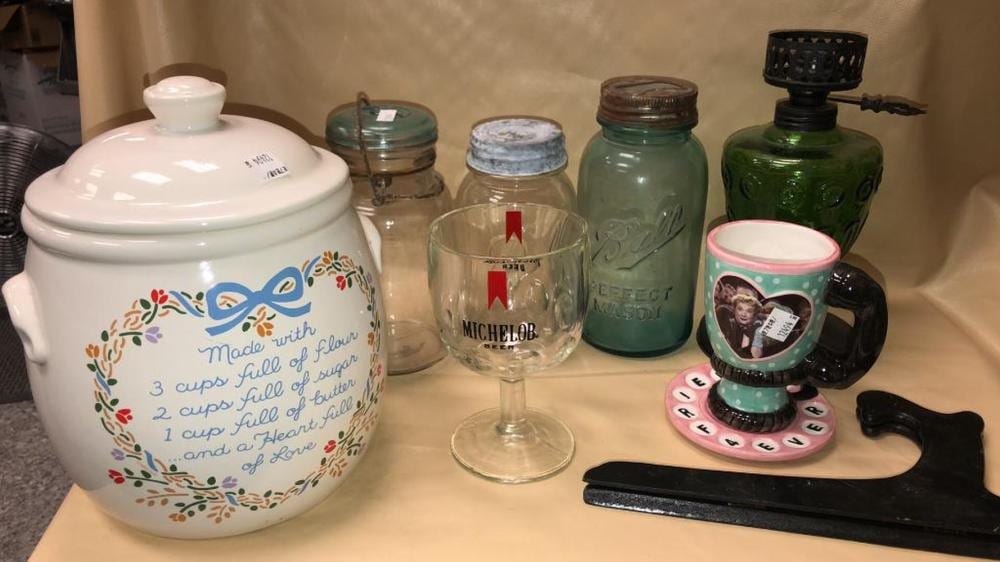 |
Vintage Ball Mason Jars, Cookie JarSource blocked; provenance matched | R & R Auction INC | 2022-06-26 | 2219 | USD 5 (buyer’s-premium treatment unknown) |
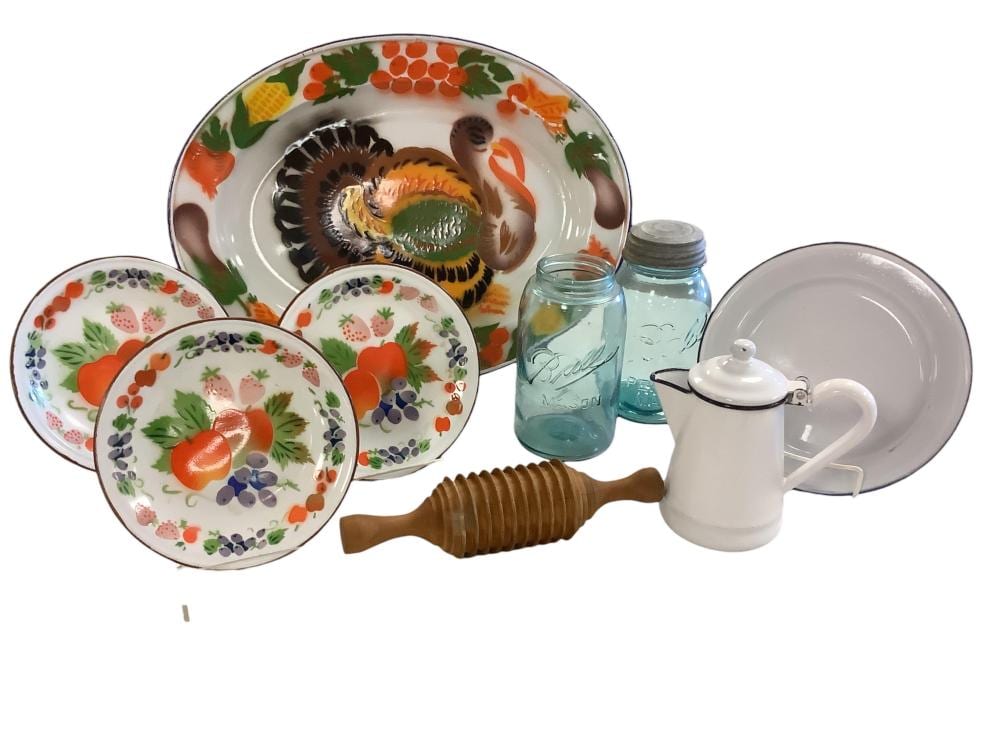 |
Enamel Ware, Wood Fascia Roller, and Ball Mason Jar 18” x 13” PlatterSource blocked; provenance matched | Apple Tree Auction Center | 2025-09-09 | 1228 | USD 24 (buyer’s-premium treatment unknown) |
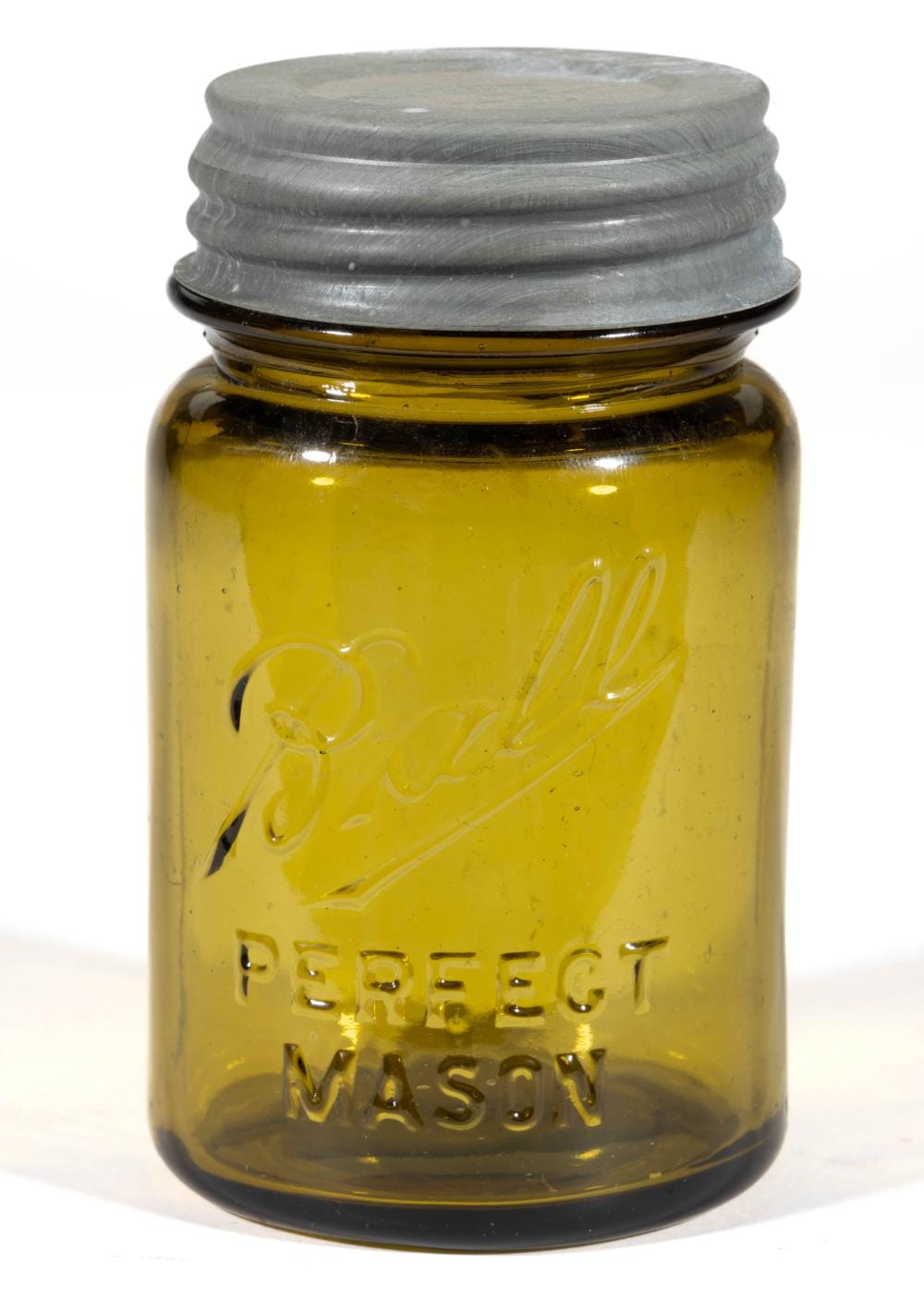 |
BALL PERFECT MASON PINT FRUIT JARSource blocked; provenance matched | Jeffrey S. Evans & Associates | 2025-08-28 | 1595 | USD 335 (buyer’s-premium treatment unknown) |
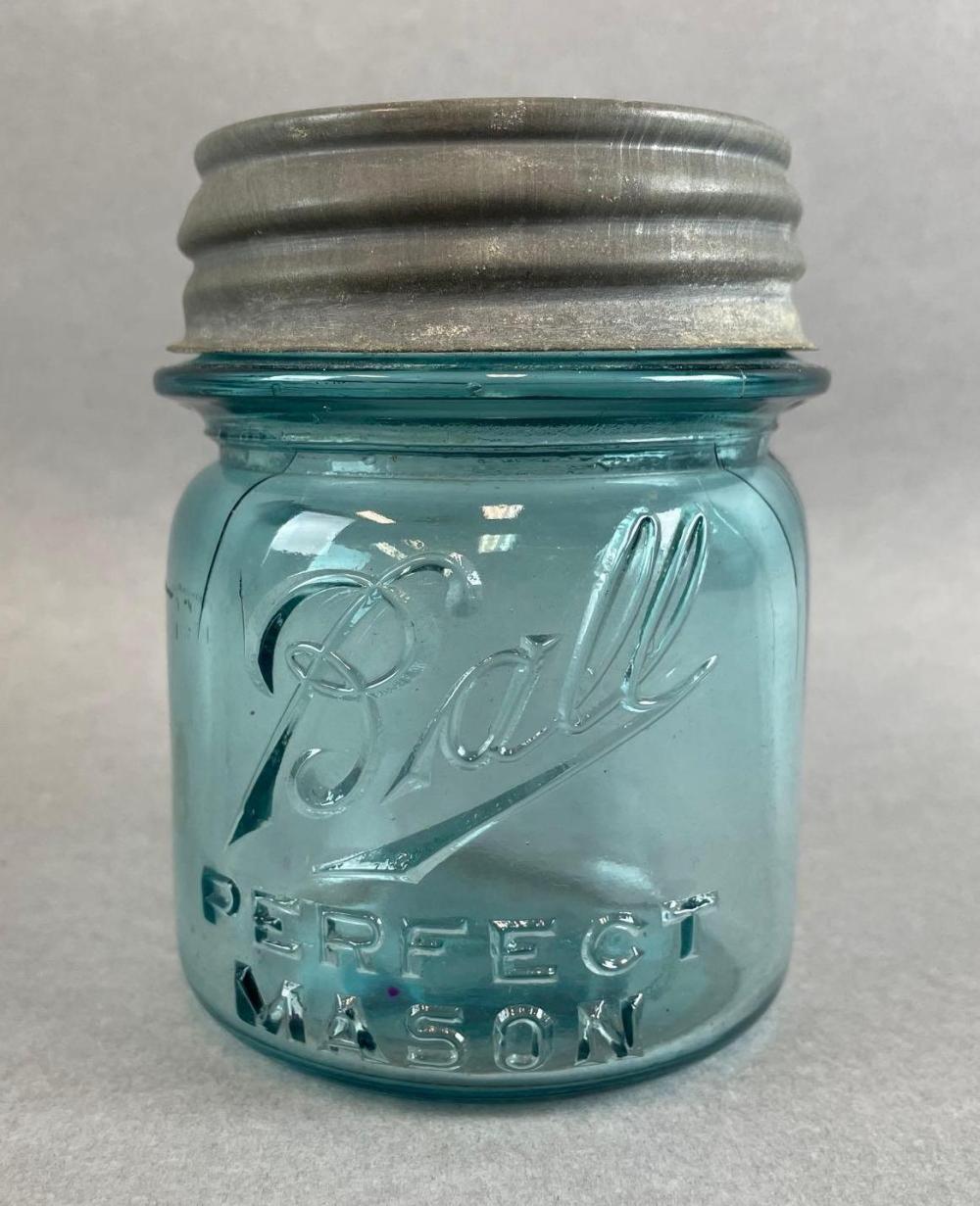 |
1/2 Pint Ball Perfect Mason JarSource blocked; provenance matched | Matthew Bullock Auctioneers | 2024-06-29 | 47 | USD 25 (buyer’s-premium treatment unknown) |
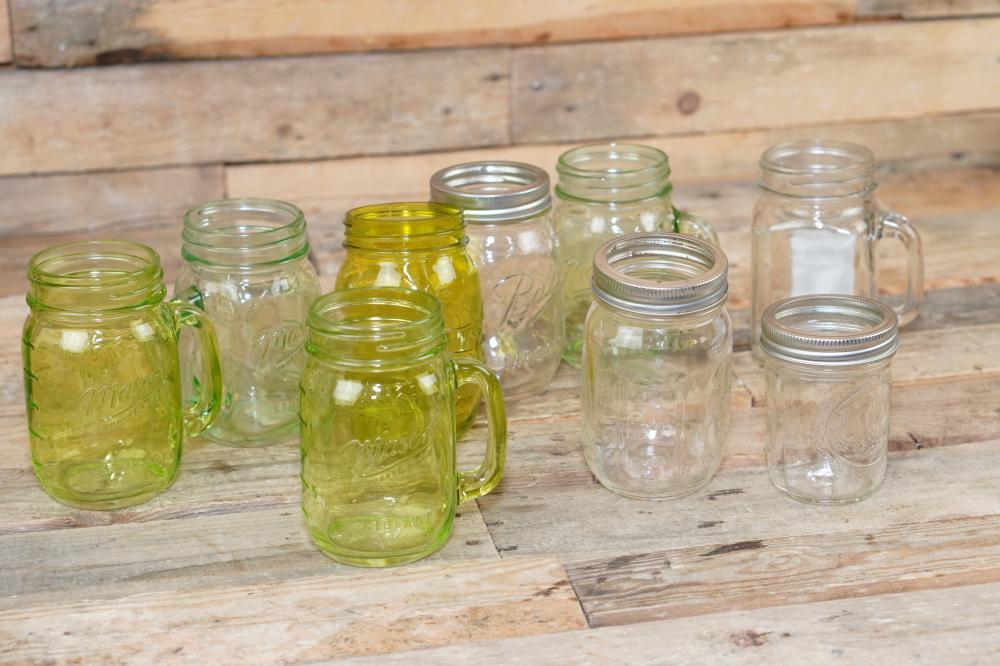 |
LOT OF MASON JAR CUPS, BALL & OTHERSource blocked; provenance matched | Aether Auctions | 2020-11-29 | 59 | USD 1 (buyer’s-premium treatment unknown) |
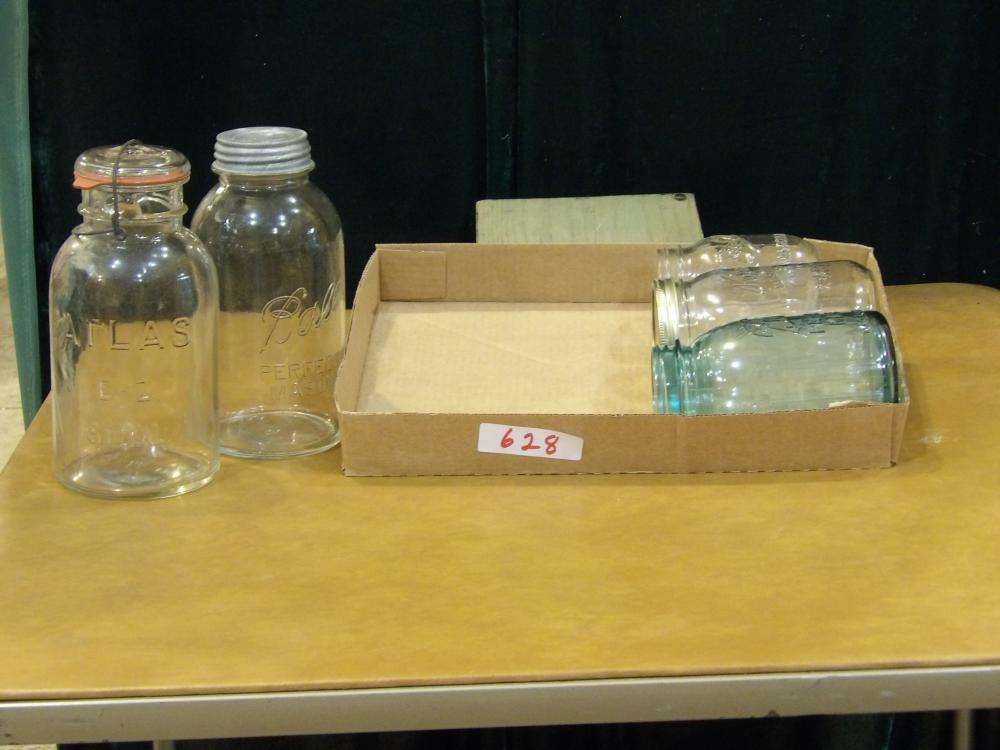 |
ATLAS, BALL, GREEN MASON JAR,M OTHERSSource blocked; provenance matched | McCurley Auction Company | 2024-09-19 | 628 | USD 6 (buyer’s-premium treatment unknown) |
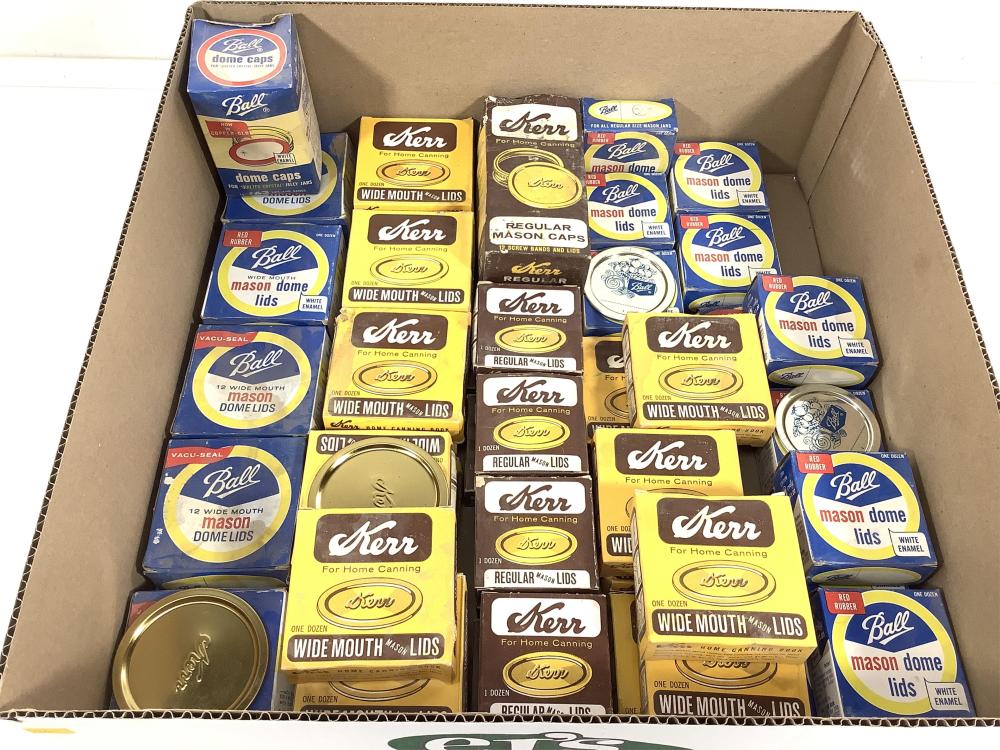 |
(40+) Boxes Canning/ Mason Jar Lids, Ball, KerrSource blocked; provenance matched | EJ'S Auction & Appraisal | 2024-02-17 | 3136 | USD 130 (buyer’s-premium treatment unknown) |
How these auction records were verified
Each row retains its exact source URL, lot identity, retrieval time, access result, and immutable record hash. Live source access was blocked; the exact record matched Appraisily's immutable pipeline provenance. Inspect the public comparable provenance record.
Disclosure: prices are shown as reported by auction houses and are provided for appraisal context. Learn more in our editorial policy.
Introduction to the Number 13 Ball Mason Jar
The Number 13 Ball Mason jar is among the most sought-after pieces in the world of vintage canning jar collecting. These distinctive blue glass jars, marked with the number “13” on the bottom, have developed something of a mystique among collectors, with values often substantially higher than other vintage Ball Mason jars.
For both seasoned collectors and those who’ve just discovered an old jar in their grandmother’s attic, understanding the value of these specific jars can be challenging. Prices vary widely depending on several key factors, including condition, color, and provenance. Let’s dive into everything you need to know about the value and history of the Number 13 Ball Mason jar.
History of the Number 13 Ball Mason Jar
Ball Mason jars with the number 13 were produced primarily between 1923 and 1933 by the Ball Corporation. During this era, the Ball Corporation used mold numbers on the bottom of their jars to track production and identify which mold was used to create each jar.
Popular folklore suggests that due to superstition surrounding the number 13, many of these jars were destroyed or never purchased, making them rarer today. While manufacturers and historians dispute this claim, the legend persists and has contributed to their mystique and elevated value among collectors.
The Evolution of Ball Mason Jars
- 1880s
Early Ball Jars
Ball brothers begin producing glass canning jars; early versions had wire closures
- 1910-1923
Ball Blue Glass Period
Distinctive blue-aqua colored glass becomes signature of Ball jars
- 1923-1933
Number 13 Era
Production of jars with mold number 13 on the bottom; most sought-after by collectors today
- 1930s-1940s
Transition to Clear Glass
Ball gradually shifts from blue glass to clear glass for canning jars
- 1960s-Present
Modern Collecting Era
Vintage Ball jars, especially blue Number 13 models, become highly collectible
The distinctive “Perfect Mason” embossing on these jars refers to the type of closure system used, which created a more reliable seal than previous designs. This innovation helped revolutionize home food preservation in the early 20th century.
Current Market Value of Number 13 Ball Mason Jars
The value of a Number 13 Ball Mason jar depends primarily on condition, color, and whether it has original components. Based on current market trends and recent sales, here are the general value ranges:
Number 13 Ball Mason Jar Value: Base 13, Color, Lid and Condition
Current market values as of 2023
It’s important to note that particularly rare examples or those with provenance connecting them to historical events can command significantly higher prices. Savvy collectors should also be aware that reproductions exist in the market.
Some recent auction results provide additional context for understanding the current market:
How to Identify an Authentic Number 13 Ball Mason Jar
Genuine Number 13 Ball Mason jars have several distinctive features that help authenticate them:
Image reference removed; use object photos and documented condition details for appraisal.
Number 13 Ball Mason Jar Authentication Checklist
Verify these features to confirm if your jar is an authentic Number 13 Ball Mason jar
- 'Ball Perfect Mason' embossing on the front
- Number '13' clearly visible on the jar bottom
- Distinctive aqua blue color (most valuable versions)
- Seam lines consistent with 1920s-1930s production methods
- Appropriate signs of age and wear for a 90+ year old item
- Authentic mold markings consistent with Ball manufacturing
- Proper weight and glass thickness for the era
Be wary of modern reproductions that have been artificially aged or tinted to appear vintage. A true Number 13 Ball jar will typically have some bubbles in the glass and slight imperfections characteristic of manufacturing methods from that era.
Factors That Affect The Value of Number 13 Ball Mason Jars
When assessing the value of a Number 13 Ball Mason jar, consider these crucial factors:
Condition - Mint condition jars free of chips, cracks, and scratches command premium prices. Even minor damage can significantly decrease value.
Color - The blue aqua color is most desirable, with deeper, more vibrant blue hues generally worth more. Clear glass versions, while still collectible, typically fetch lower prices.
Original Components - Jars with original zinc lids and glass liners intact are worth considerably more than those without.
Clarity and Glass Quality - Glass quality, clarity, and the presence of bubbles or manufacturing quirks can either add to or detract from value, depending on collector preferences.
Embossing Quality - Crisp, clear embossing of the “Ball Perfect Mason” mark increases value.
Record the base number, logo form, mold seams, glass color, closure, and defects on the exact jar.
The condition grading scale for Ball Mason jars typically follows these categories:
Condition Grading Scale for Number 13 Ball Mason Jars
How condition affects overall value
Where to Buy and Sell Number 13 Ball Mason Jars
Whether you’re looking to add to your collection or sell a Number 13 Ball Mason jar, these platforms offer good opportunities:
Online Marketplaces
- eBay: The largest marketplace for antique jars with regular Number 13 jar listings
- Etsy: Features many vintage sellers specializing in antique glassware
- Ruby Lane: Higher-end antiques marketplace with vetted sellers
Specialized Venues
- Antique shows and fairs
- Bottle and jar collector conventions
- Estate sales, particularly in regions where home canning was popular
Auction Houses
- Look for auction houses that specialize in Americana or household antiques
- Some regional auction houses may handle larger collections of vintage jars
When selling, proper documentation of a jar’s condition, photographs from multiple angles (especially of the number 13 on the bottom), and any known provenance can help maximize its value.
Where to Learn More About Vintage Mason Jars
Ball Mason Jar on eBay
Browse current listings of Number 13 Ball Mason jars to gauge current market prices and availability.
JustAnswer: Number 13 Ball Mason Jar Valuation
Expert assessment of Number 13 Ball Mason jar values from antique specialists.
Lucky 13 Ball Jars on YouTube
Video guide on how to identify and date Ball jars, with specific information about the Number 13 varieties.
Number 13 Mason Jars on Etsy
Explore a marketplace of Number 13 Mason jars from various sellers, with detailed descriptions and photographs.
TreasureNet Forum: Mason Jar Discussion
Collector discussions about the Number 13 Ball Mason jars and debates about their history and value.
Tips for Collecting Number 13 Ball Mason Jars
If you’re venturing into collecting these vintage treasures, keep these expert tips in mind:
Start with Education: Learn to distinguish genuine Number 13 jars from regular Ball jars and reproductions. Resources like collector guides and YouTube videos can be invaluable.
Inspect Before Buying: Always examine jars carefully for damage, especially hairline cracks that may be difficult to see in photos when buying online.
Check the Embossing: Authentic Number 13 Ball Perfect Mason jars have clear, distinctive embossing. The number 13 on the bottom should be clearly legible.
Consider Complete Sets: Jars with original lids, particularly zinc lids with glass liners, are more valuable as complete items.
Look Beyond eBay: While eBay is a common source, estate sales, antique stores in rural areas, and regional auctions can yield finds at better prices.
Connect with Other Collectors: Join forums and collecting groups where you can share knowledge and potentially arrange private purchases or trades.
Be Patient: Building a quality collection takes time. Don’t rush into purchases, especially for higher-priced examples.
Document Your Collection: Keep records of where and when you acquired each jar, along with any known history, which can add to their value over time.
Frequently Asked Questions About Number 13 Ball Mason Jars
Why are Number 13 Ball Mason jars valuable?
How can I tell if my Ball Mason jar is valuable?
- Look for the number on the bottom - Number 13 jars are particularly valuable
- Check the color - Blue or aqua-colored jars typically command higher prices than clear glass
- Examine the embossing - "Ball Perfect Mason" is a common valuable style
- Assess the closure type - Jars with original zinc lids and glass liners are worth more
- Consider the condition - Mint condition jars without chips or cracks are most valuable
- Look for unusual features - Rare colors, manufacturing errors, or unique mold characteristics can increase value
What is the history behind the Number 13 Ball Mason jar?
Popular folklore suggests that due to superstition surrounding the number 13, many of these jars were destroyed or never purchased, making them rarer today. While glass manufacturing historians dispute this claim as an exaggeration, the legend persists and has contributed to their collectible status.
These jars were part of Ball’s "Perfect Mason" line, which featured improved sealing technology that made home canning more reliable during a time when food preservation was essential for many American households.Which blue Mason jars are the most valuable?
- Number 13 Ball Perfect Mason jars in blue glass (especially deeper blue shades)
- Rare color variations like purple or amber Ball jars
- Early Ball Mason jars from the 1880s-1890s with wire bail closures
- "Upside-down Ball" jars with manufacturing errors
- Ball Mason shoulder seal jars from the early 1900s
Are reproduction Number 13 Ball Mason jars common?
To distinguish reproductions from authentic vintage jars:
- Examine the glass quality - authentic old jars often have bubbles, slight imperfections, and a different weight
- Check the color - reproductions often have a more uniform color that doesn’t match the authentic aqua-blue of original Ball jars
- Look for wear patterns - authentic jars typically show appropriate age-related wear on the base and threads
- Check the embossing - reproductions may have sharper or different embossing patterns than originals
What should I do if I find a Number 13 Ball Mason jar?
- Handle with care - These are fragile collectibles that can lose significant value if damaged
- Document its condition - Take clear photographs of all sides, the bottom (showing the number 13), and any damage
- Research its features - Note the color, embossing style, and whether it has original closures
- Consider authentication - For potentially valuable examples, consider having it evaluated by an antique glass expert
- Decide whether to keep or sell - If selling, research current market values by checking recent sales of similar jars
Conclusion: Is a Number 13 Ball Mason Jar a Worthy Investment?
For collectors, the Number 13 Ball Mason jar remains an accessible entry point into antique glass collecting. Unlike some antiques that command thousands of dollars, most Number 13 jars can be acquired for reasonable sums, making them appealing to both serious collectors and casual enthusiasts.
Whether you’ve discovered one in a family collection or are considering adding one to your display cabinet, the Number 13 Ball Mason jar carries with it a rich history and the mystique of its supposedly “unlucky” number—which, ironically, has made these jars quite lucky indeed for those who possess them.
Remember that condition is paramount in determining value, and authentication is important when making significant purchases. By understanding what makes these jars special and following the guidelines in this article, you’ll be well-equipped to assess the true value of a Number 13 Ball Mason jar in today’s collector market.
The free first read is a separate photo-based Screener, not this educational article. Results usually appear within a few minutes; complex items can take longer. From photographs of your Number 13 Ball Mason Jar, it returns a preliminary category or identity read, visible evidence gaps, rough comparable market signals, and whether a human appraisal looks worthwhile; it is not a signed value conclusion. Material or construction can remain uncertain without direct examination, dimensions, provenance, or complete condition details. A written appraisal is useful when your Number 13 Ball Mason Jar needs documented specialist support for insurance, tax, an estate, authentication, litigation, or a consequential sale, but you may not need one.
Choose your next step
Use the path that matches the decision you need to make about the item.
Want proof before paying?
See how a signed report documents photos, comparable evidence, condition notes, and value conclusions.
View signed report sampleNeed a signed report?
Use this for insurance, estate, donation, resale, or documented value decisions.
Need documentation now? Start signed appraisalNeed local or specialist help?
Compare directory options when the work needs in-person review or a specialist near you.
Find local specialistsSee what the report looks like
Sample reports show how photos, comparable evidence, condition notes, and a value conclusion are documented.
Get a jar appraisal
Upload photos and details for your Number 13 Ball Mason jar so an Appraisily specialist can review the object-aware value signals.
- Object-aware written report
- Fast turnaround
- Fixed, upfront pricing
Secure upload. Written report options available.
Continue your valuation journey
Find the right local specialist
Compare antique and art appraisers by location and specialty in one directory.
Antique & art specialists
Browse the Antique & Art Appraisers Directory
Choose a local specialist when the assignment needs in-person inspection or a specific credential.
Machine-readable summaries
Use these machine-friendly references for AI and crawler discovery of Appraisily content.
Same report as above
Get my jar report — $59
One jar · Signed PDF
Get my jar report — $59 View signed report sample