What claw foot tables actually sell for
A small parlor or card table is a different sale from a named dining table.
Small parlor and card tables. A Victorian oak ball-and-claw parlor table sold for $15.
A vintage ball-and-claw mahogany table sold for $40.
An Empire mahogany claw-foot card table sold for $60.
Common oak dining tables. An antique American claw-foot oak dining table sold for $80.
An American oak glass ball-and-claw parlor table sold for $175.
A claw-foot dining table sold for $325.
Named maker dining table. A Baker inlaid burl-wood claw-foot dining table sold for $300.
High-value outlier. An antique 1903 Paine claw-foot dual-pedestal dining table sold for $500.
Photograph the carved feet, top, leaves, and any maker label before treating any one sale as yours. A table sold with chairs is not the same as the table alone.
What similar items actually sold for
To help ground this guide in real market activity, here are recent example auction comps from Appraisily’s internal database. These matched sales are market context only, not an object estimate or identification, and they do not guarantee a price for your specific claw foot table.
Shown USD range: USD 15-USD 425. Median of these 14 USD examples: USD 75.
| Comparable | What sold | Auction house | Date | Lot | Source-reported amount |
|---|---|---|---|---|---|
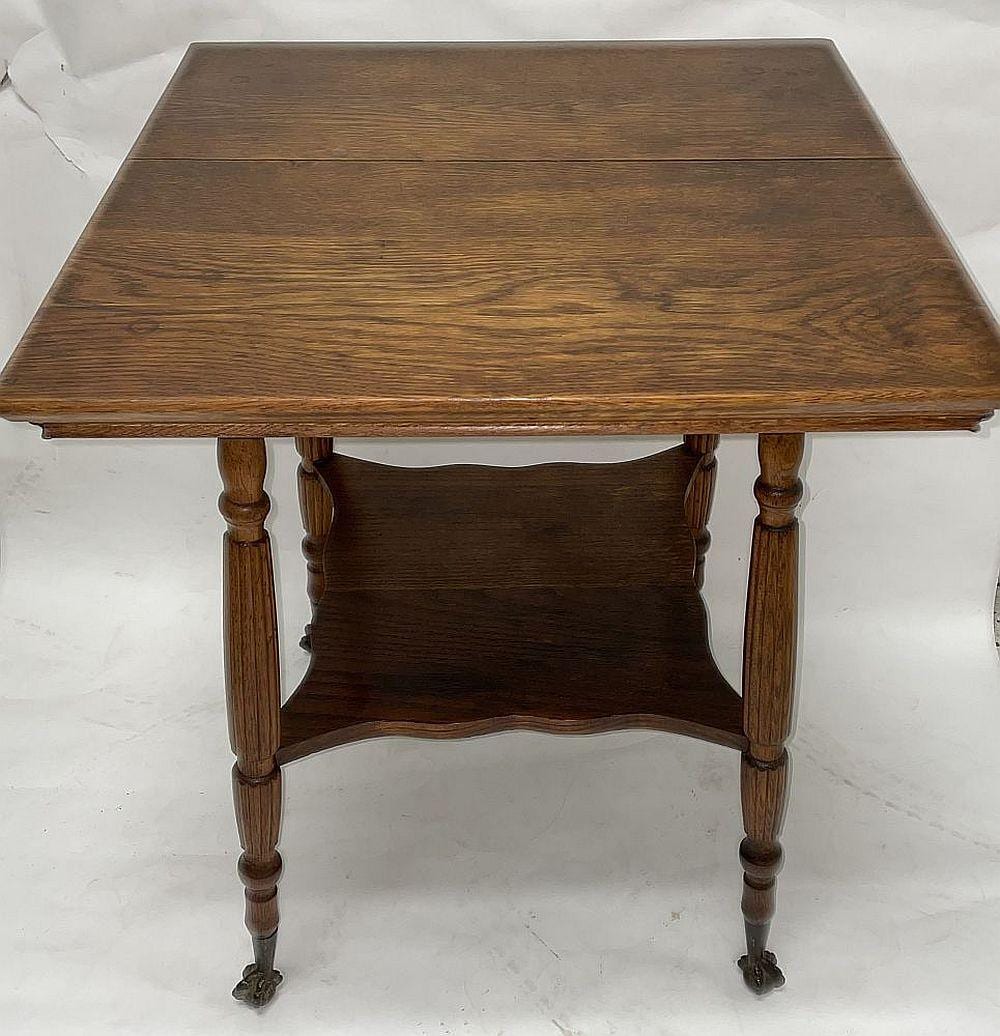 |
Square Oak Ball And Claw Foot Parlor Table | Asselmeier May Auctions | 2022-09-11 | 405 | USD 60 (buyer’s-premium treatment unknown) |
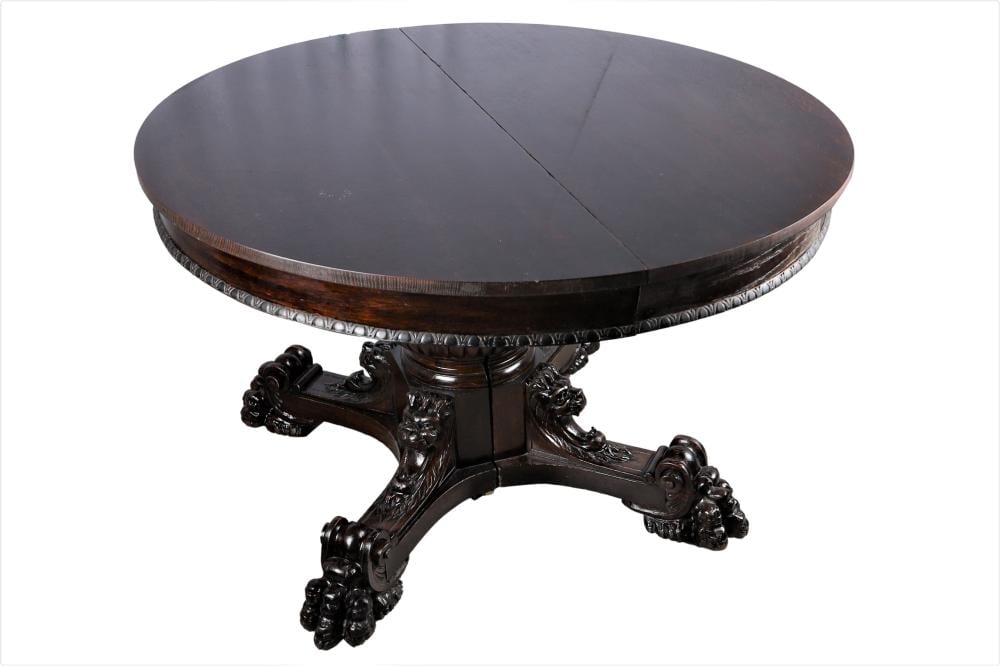 |
Claw Foot Dining Table | Regency Auction House | 2022-10-08 | 32 | USD 325 (buyer’s-premium treatment unknown) |
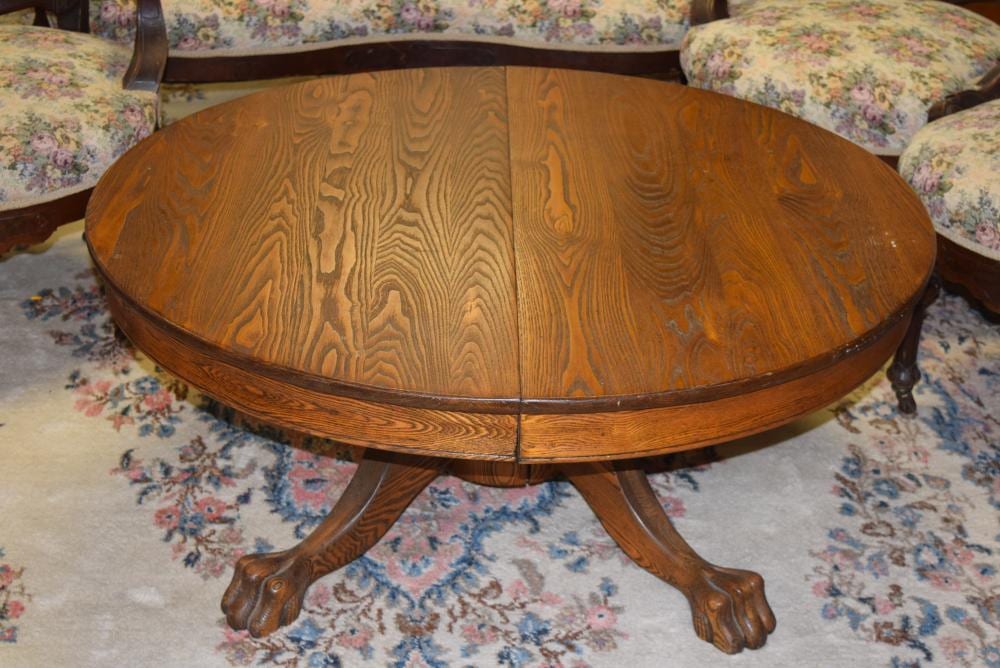 |
Antique Round Oak Claw Foot Coffee Table | Paul Arsenault Auctioneers | 2021-05-23 | 291 | USD 425 (buyer’s-premium treatment unknown) |
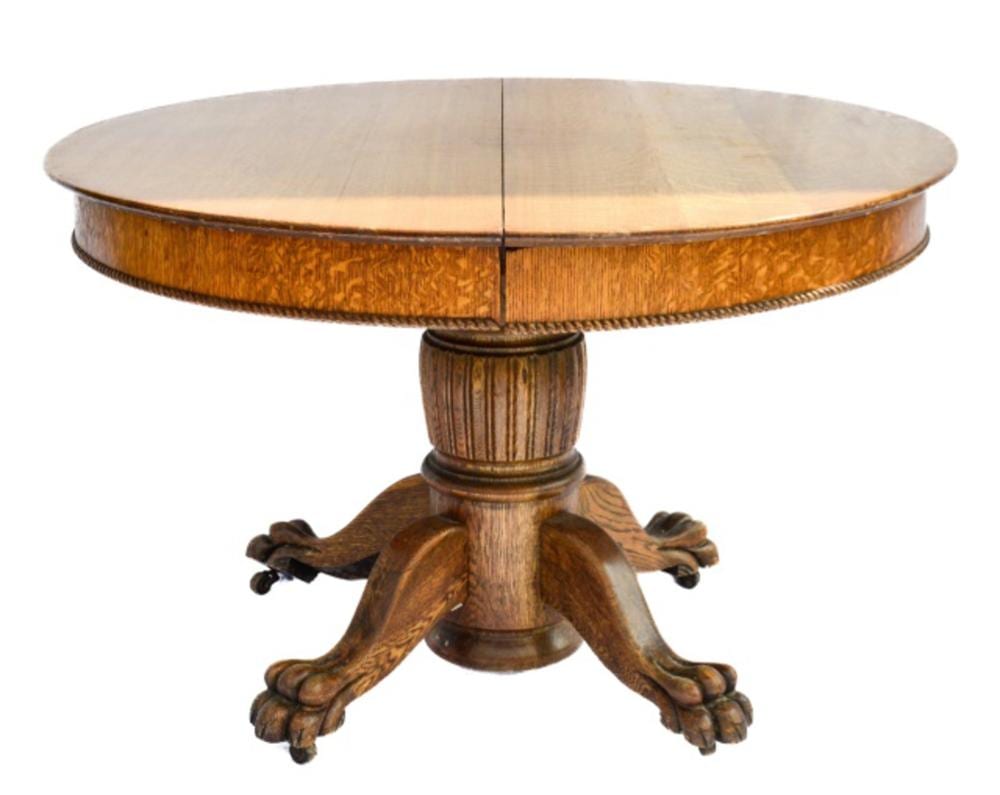 |
Antique Round Carved Claw Foot Dining Table | Greenwich Auction | 2023-11-09 | 336 | USD 225 (buyer’s-premium treatment unknown) |
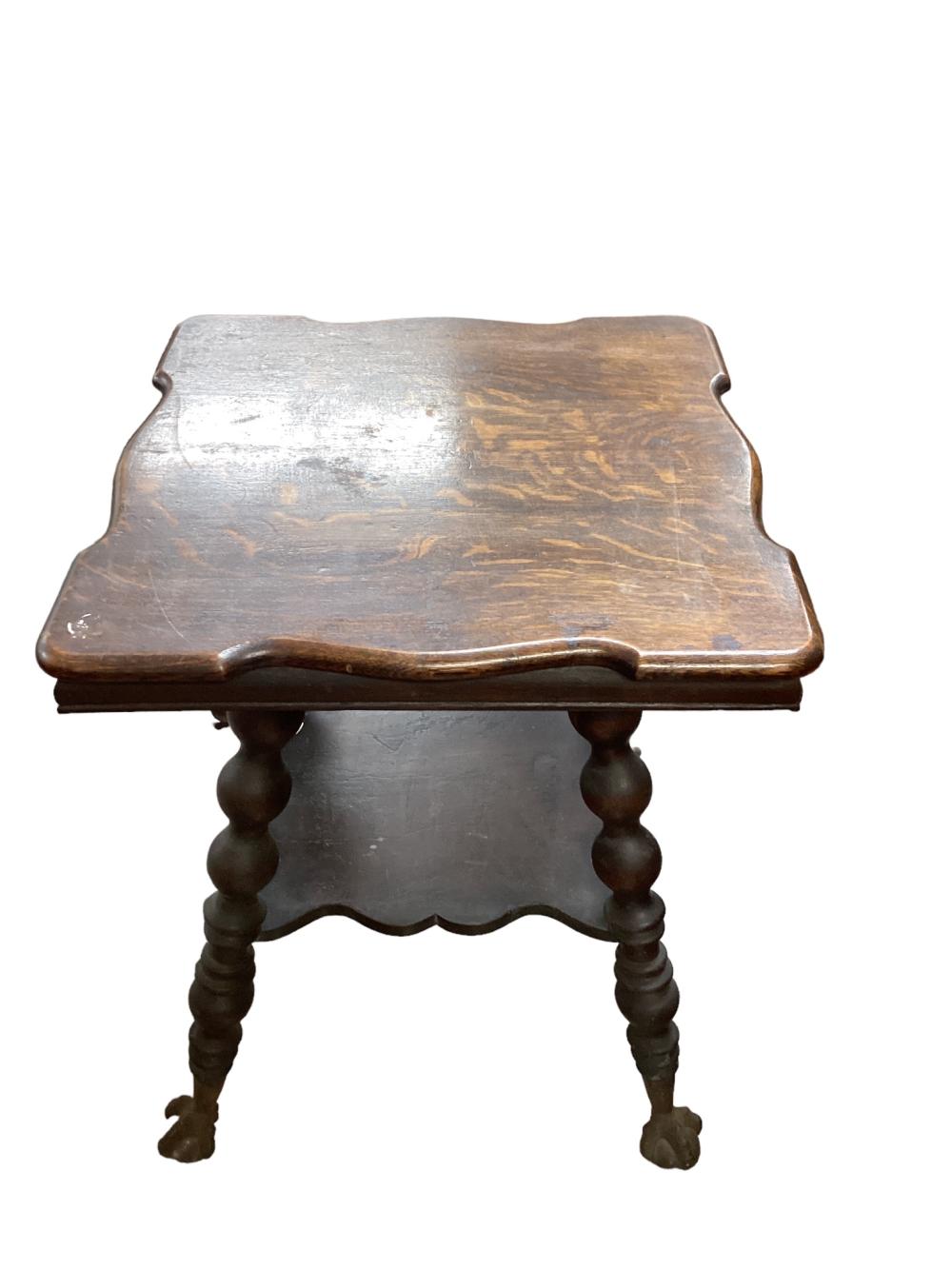 |
Antique oak claw and glass ball foot parlor table. It measures 22” x 22” x 28” high. | Apple Tree Auction Center | 2023-01-13 | 2437 | USD 50 (buyer’s-premium treatment unknown) |
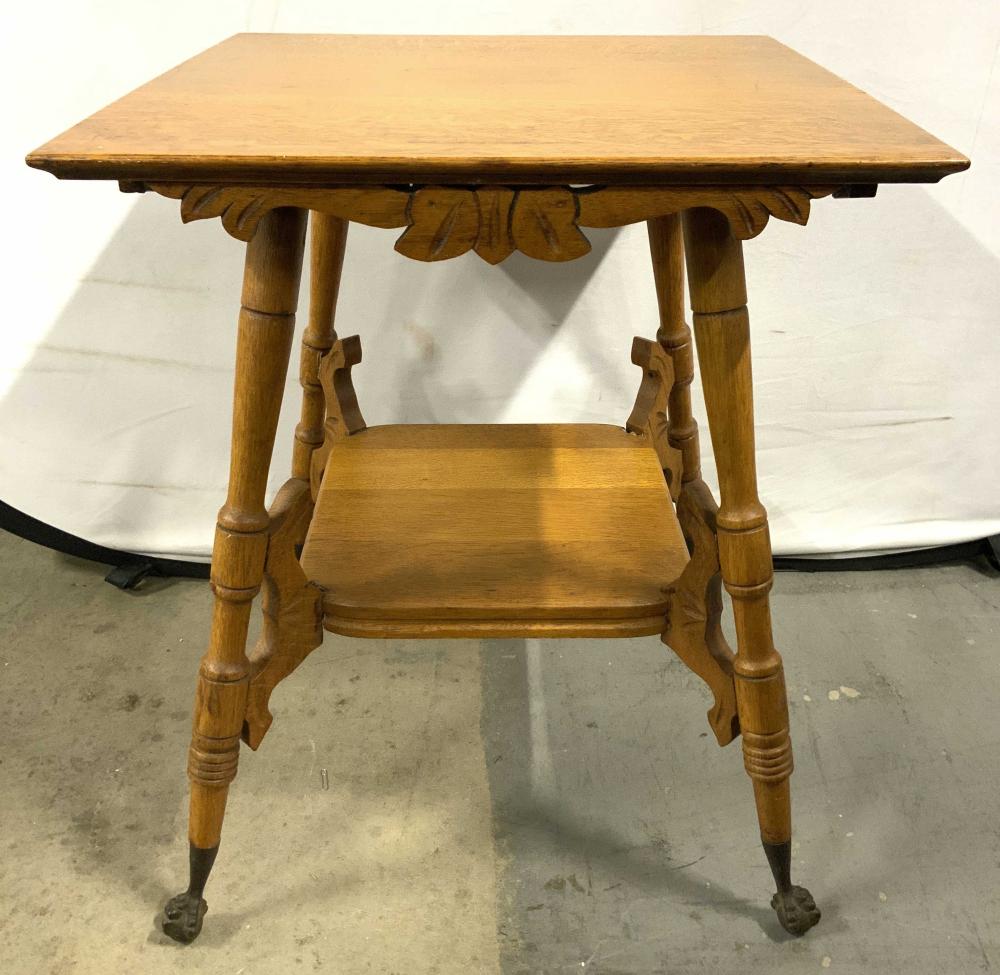 |
Antq Victorian Oak Ball & Claw Foot Parlor Table | The Benefit Shop Foundation Inc. | 2025-10-22 | 268 | USD 15 (buyer’s-premium treatment unknown) |
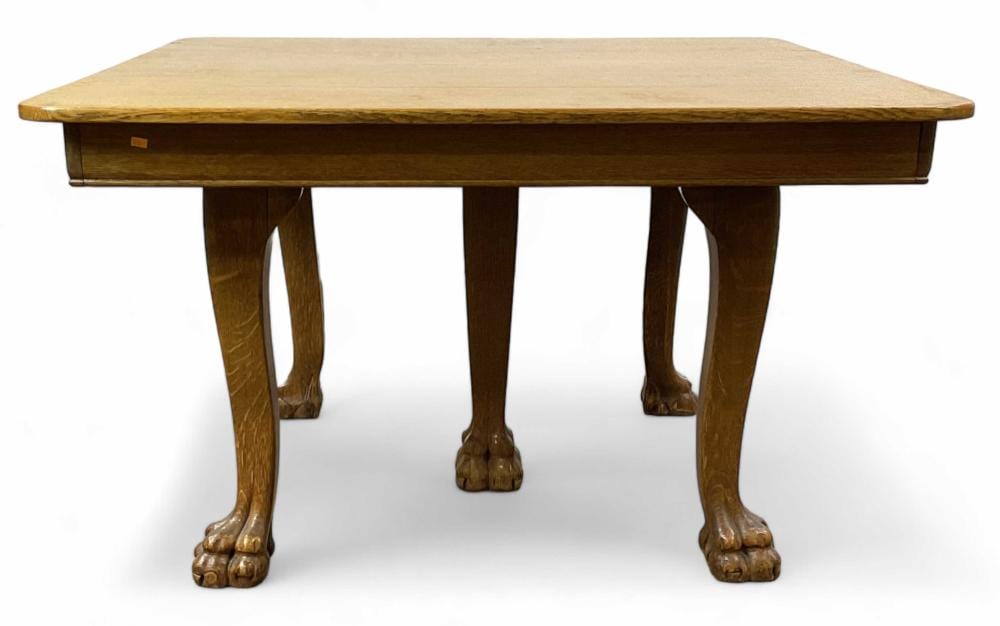 |
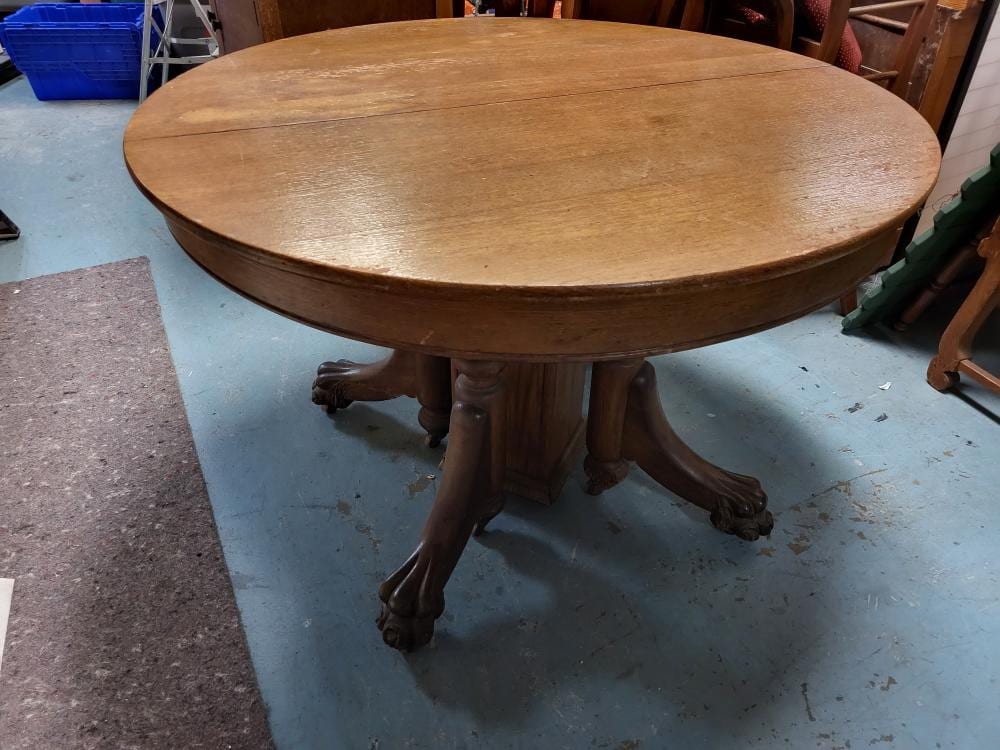
Antique Oak Wood Claw Foot Dining Table | EJ'S Auction & Appraisal | 2024-08-31 | 2208 | USD 20 (buyer’s-premium treatment unknown) |
 |
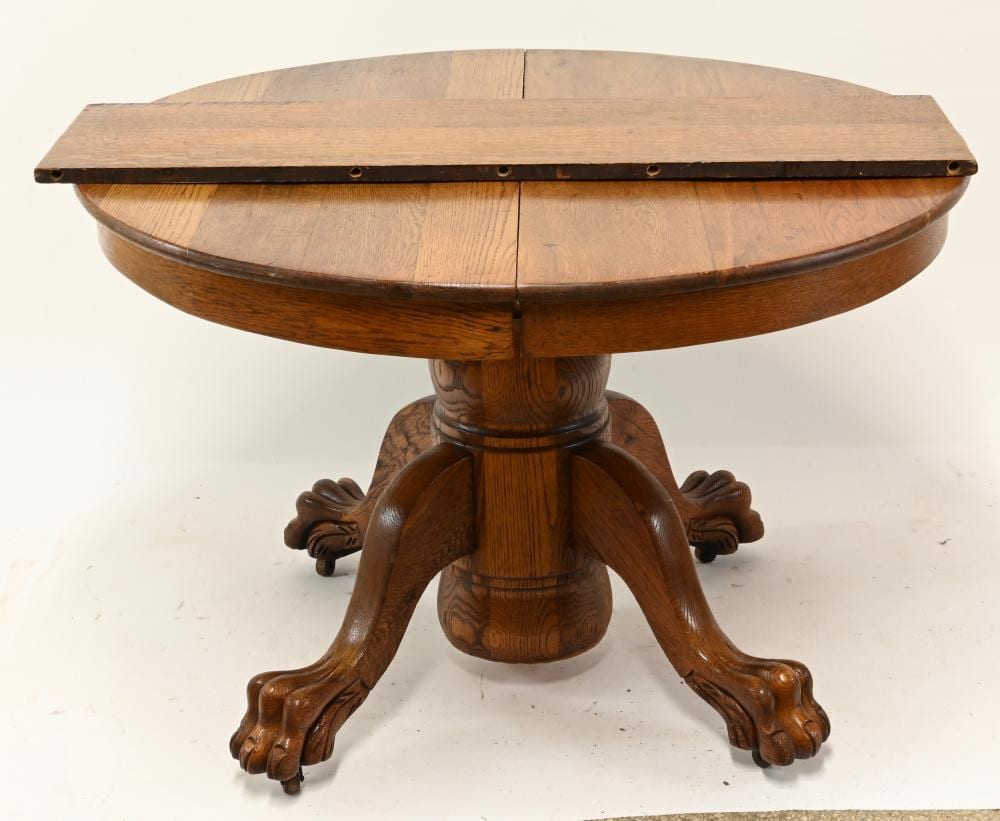
antique oak claw foot dining table w/3 leaves | A KLEINS AUCTION GALLERY LLC | 2023-11-26 | 9325 | USD 15 (buyer’s-premium treatment unknown) |
 |
Antique American Solid Oak Claw Foot Dining Table | Mebane Antique Auction | 2021-10-29 | 308 | USD 110 (buyer’s-premium treatment unknown) |
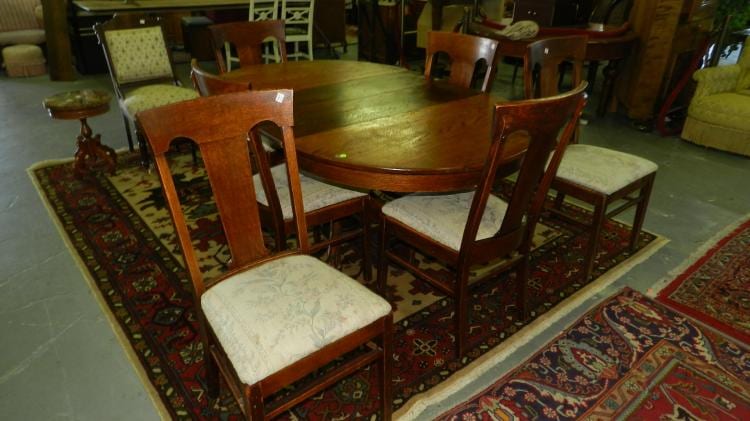 |
nice Antique American oak claw foot dining table and chairs (6) 3 leave, round table, special shipping required | Hamiltons Antique & Estate Auctions Inc. | 2015-05-05 | 292 | USD 50 (buyer’s-premium treatment unknown) |
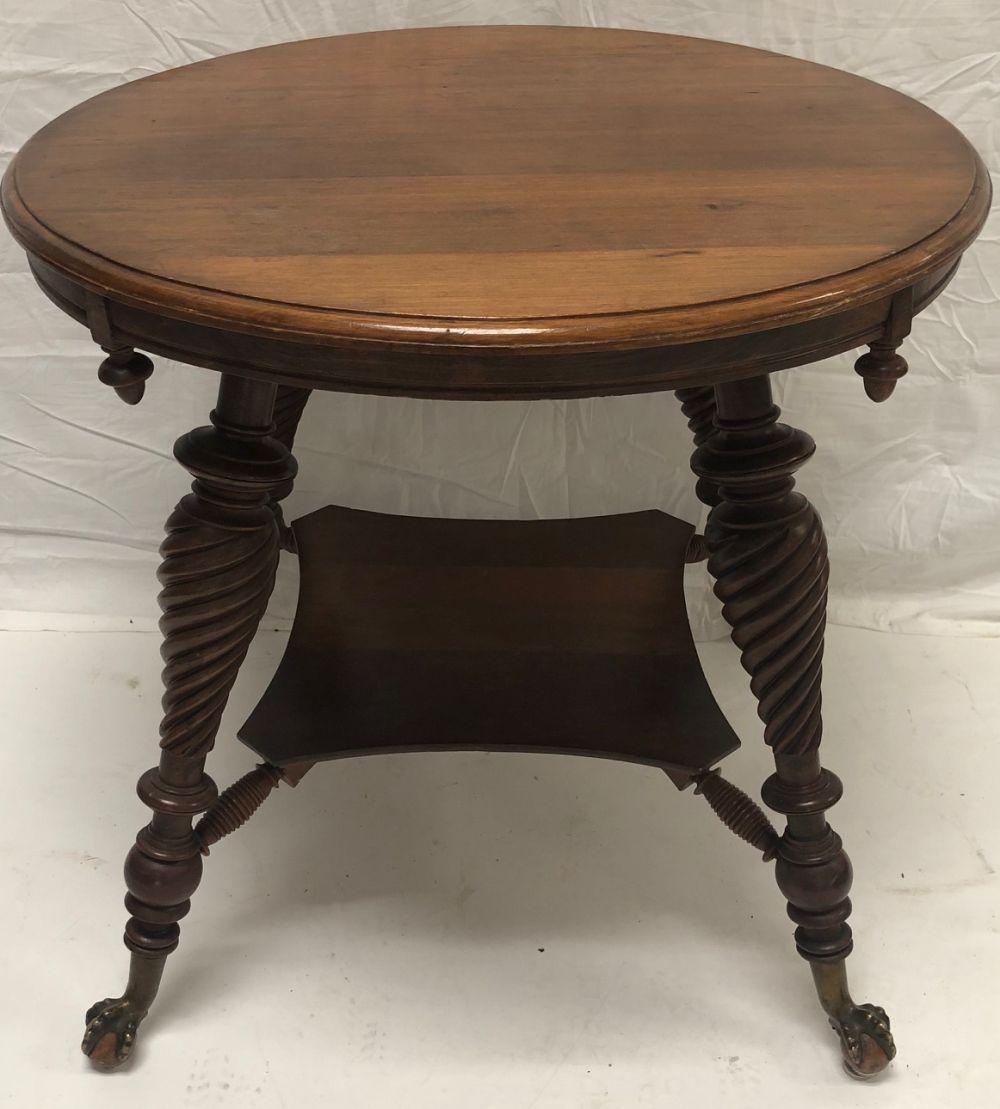 |
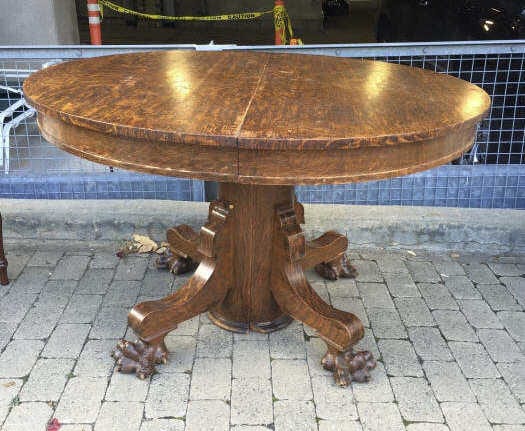
Round Walnut Ball And Claw Foot Parlor Table, Twist Legs | Asselmeier May Auctions | 2021-04-11 | 150 | USD 90 (buyer’s-premium treatment unknown) |
 |
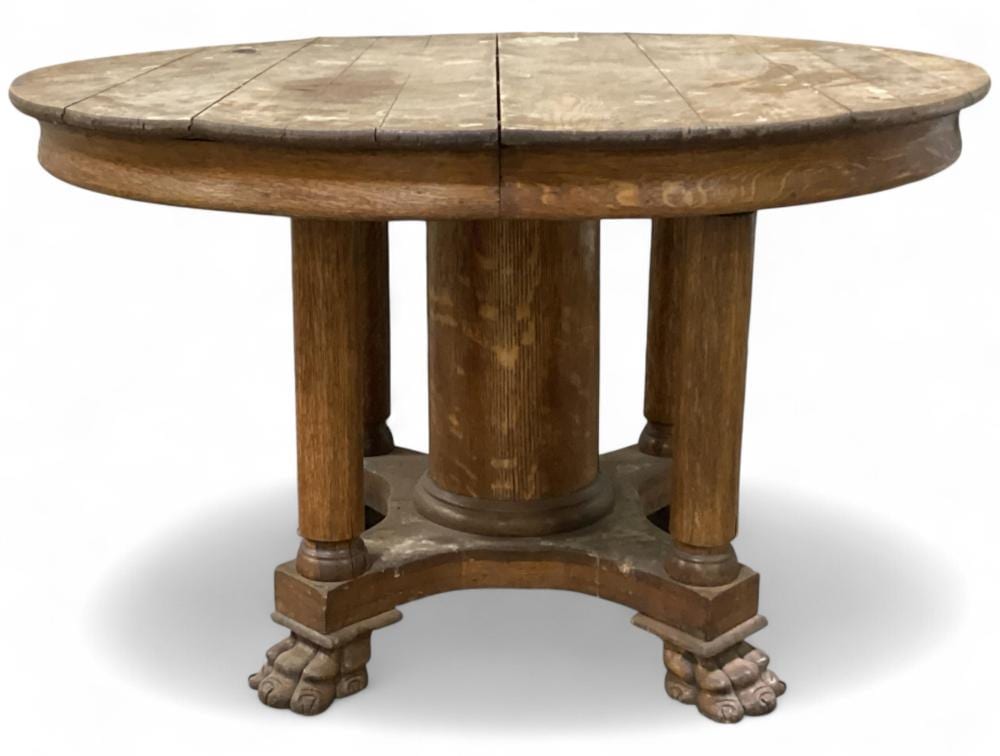
Antique C 1900 American Oak Claw Foot Dining Table | Greenwich Auction | 2016-11-06 | 360 | USD 90 (buyer’s-premium treatment unknown) |
 |
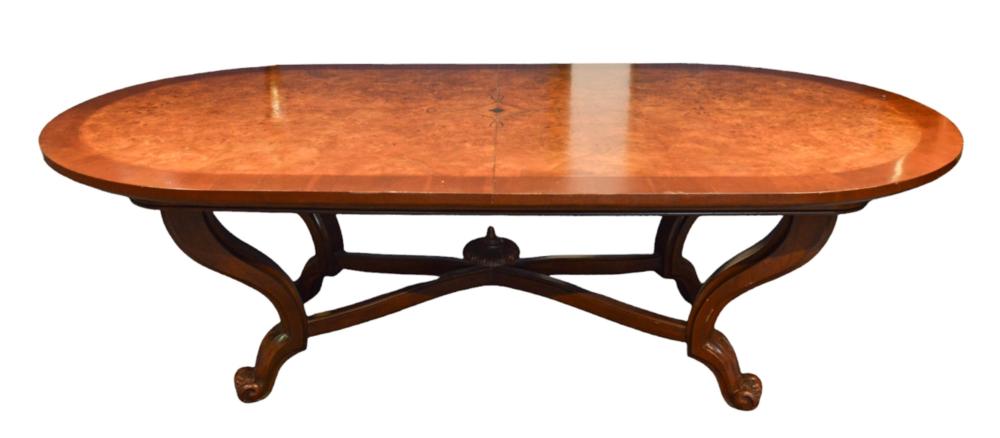
Chippendale Influenced Oak Claw Foot Dining Table | EJ'S Auction & Appraisal | 2025-09-20 | 2052 | USD 25 (buyer’s-premium treatment unknown) |
 |
Baker Inlaid Burl Wood and Claw Foot Dining Table | Greenwich Auction | 2024-05-30 | 527 | USD 300 (buyer’s-premium treatment unknown) |
How these auction records were verified
Each row retains its exact source URL, lot identity, retrieval time, access result, and immutable record hash. Inspect the public comparable provenance record.
Disclosure: prices are shown as reported by auction houses and are provided for appraisal context. Learn more in our editorial policy.
Claw foot tables represent a distinctive piece of furniture history that continues to attract collectors and interior designers alike. Whether you’ve inherited an antique claw foot table or discovered one at an estate sale, determining its value requires understanding several key factors. In this comprehensive guide, we’ll explore what makes these tables valuable and provide current market insights to help you determine what your claw foot table is worth.
What Are Claw Foot Tables?
Claw Foot Table History & Origins
Claw foot tables are characterized by their distinctive feet designed to resemble animal claws (often eagle or lion) grasping a ball. This design element has a fascinating history dating back centuries.
The ball and claw foot design originated in Chinese furniture, where the motif represented a dragon’s claw holding a pearl—a powerful symbol in Chinese mythology. When this design made its way to Europe in the 18th century, it was adapted to reflect Western tastes, with the claw often transformed into that of an eagle or lion.
Evolution of Claw Foot Tables
- 1700s
Chinese Origins
The claw foot motif begins in Chinese furniture design as dragon claws holding pearls, symbolizing power and wisdom. - Mid-1700s
European Adaptation
The design crosses to Europe, becoming popular in Queen Anne and Chippendale furniture styles. - 1800s
Victorian Revival
Victorian furniture makers embrace and elaborate on the claw foot design in their ornate tables. - Early 1900s
Edwardian & Arts and Crafts
The Edwardian period and Arts and Crafts movement continue to use claw feet in furniture design.
According to furniture historians at TIMBER TO TABLE, “The ball and claw foot, was introduced in the 1700s and is a well known furniture foot in its own right. The design of the ball and claw originated in the Orient and later circulated throughout Europe. Claws holding a stone is a symbol taken from Chinese myths.”
Factors Affecting Claw Foot Table Value
What Determines Your Table's Worth?
Multiple factors influence how much your claw foot table is worth in today’s market. Understanding these elements can help you make a more accurate assessment.
Age and Period
The era in which your table was crafted significantly impacts its value. According to experts at 1stDibs, “Ball and claw furniture has been popular through a range of eras. It has been a notable feature of the Queen Anne era and the Rococco period, covering the early to late 1700s. It was also highly popular during the Edwardian period in the early 1900s.”
Tables from these periods typically command higher prices, with authentic 18th-century pieces being the most valuable. Edwardian pieces from the early 1900s, though more common, still hold significant appeal.
Material and Construction
The wood type and construction methods are crucial value indicators:
- Oak: Oak claw foot tables, especially quarter-sawn oak from the Victorian and Edwardian periods, are particularly prized.
- Mahogany: Classical period mahogany tables with claw feet can command premium prices.
- Walnut: Walnut claw foot tables from the Queen Anne period are highly collectible.
- Joinery: Hand-cut dovetails, mortise-and-tenon joints, and other traditional woodworking methods indicate quality craftsmanship and authenticity.
Condition
Claw Foot Table Condition Assessment
Check applicable items to assess your table's condition
- Original finish in good condition
- All claw feet intact with minimal wear
- No major cracks or structural damage
- Original hardware present
- Table surface free of deep scratches or burns
- No significant repairs or replacements
- Proper functioning of any extension mechanisms
- Original leaves (if applicable)
The condition of your claw foot table dramatically affects its value. Tables with original finishes, minimal damage, and all original components will command significantly higher prices than those with extensive restoration or replaced parts.
Design and Craftsmanship
The quality of carving on the claw feet themselves can significantly impact value. Intricately carved claws with fine detail work, especially those depicting realistic animal features, are more desirable than simpler, less detailed versions.
Provenance and History
Tables with documented history, especially those associated with notable individuals or historical events, can command premium prices. Even a table with a well-documented chain of ownership may be more valuable than one with no known history.
Current Market Values for Claw Foot Tables
Market Price Guide
The value of claw foot tables varies widely depending on the factors previously discussed. Here’s a breakdown of current market values based on table type and style:
Claw Foot Table Price Ranges
Average market values as of 2023
It’s important to note that the market for antique furniture, including claw foot tables, has seen fluctuations in recent years. One Reddit thread on r/Antiques notes that “‘Brown furniture,’ as the experts call it, isn’t worth much these days. Art deco and midcentury are in,” suggesting lower values for certain pieces. However, exceptional examples, particularly those from sought-after periods with quality craftsmanship, continue to command premium prices.
Image reference removed; use object photos and documented condition details for appraisal.
Notable Recent Sales
Let’s look at some actual sales that demonstrate the range of values for claw foot tables:
</tbody> </table>
How to Identify Your Claw Foot Table
Identification Guide
To accurately assess what your claw foot table is worth, you need to properly identify its style, age, and key features:
Style Recognition
Different periods have distinctive claw foot styles:
- Queen Anne style (1700-1755): Typically features cabriole legs ending in pad or claw-and-ball feet. The carving is often delicate and restrained.
- Chippendale style (1755-1790): More elaborate carving, with the claw gripping the ball more dramatically.
- Victorian style (1830-1901): Often heavier, with more ornate carving and substantial proportions.
- Edwardian style (1901-1910): A return to more elegant proportions, often with lighter finishes.
Materials Examination
Examine the wood used in your table:
- Oak (particularly quarter-sawn oak) was popular in the late Victorian and Edwardian periods
- Mahogany was favored in the Chippendale and Federal periods
- Walnut was common in Queen Anne furniture
- Secondary woods (used for structural parts not readily visible) can help date a piece
Construction Analysis
Look for these construction features to help date your table:
- Hand-cut dovetails (pre-1890s)
- Circular saw marks (after 1830)
- Band saw marks (after 1870)
- Wooden pegs or square nails (older pieces)
- Machine-made screws (newer pieces)
Use photographs of the joinery, feet, underside, finish, and repairs when narrowing the table category.
Claw Foot Details
The style of the claw feet themselves offers important clues:
- Ball and claw feet: The most common style, showing an animal claw (eagle or lion) grasping a ball
- Glass ball and claw feet: A Victorian innovation featuring glass balls held by the claws
- Lion’s head and paw: More elaborate designs may include carved lion’s heads above the paw
- Eagle’s claw: Particularly popular in American Federal period furniture
Where to Sell Your Claw Foot Table
Best Places to Sell
If you’re looking to sell your claw foot table, consider these options:
Online Marketplaces
- 1stDibs: Premier marketplace for high-end antiques where quality claw foot tables command premium prices
- Chairish: Curated marketplace focused on design-forward vintage and antique furniture
- eBay: Reaches a broad audience, especially effective for mid-range claw foot tables
- Etsy: Good platform for antique and vintage tables with distinctive character
Auction Houses
For higher-value pieces, consider auction houses that specialize in antique furniture:
- Christie’s
- Sotheby’s
- Regional auction houses (often better for mid-range pieces)
Antique Dealers
Local antique dealers may purchase your table outright or sell it on consignment. This option often provides the benefit of expert appraisal and requires less effort on your part.
Tips for Maintaining Value
Preservation Guidelines
To maintain or enhance the value of your claw foot table:
Preserve the original finish whenever possible. An original patina is highly valued in the antiques market.
Use proper cleaning methods specific to your table’s material—harsh chemicals can damage antique finishes.
Maintain stable environmental conditions to prevent wood movement, cracking, and joint weakness:
- Aim for 40-60% relative humidity
- Avoid direct sunlight and heat sources
- Use coasters for hot or wet items
Document your table’s history and provenance if available, which can significantly enhance its value.
Consider professional conservation rather than restoration for valuable pieces—maintaining original materials is usually preferable to replacement.
Use with care to prevent new damage, particularly to the vulnerable feet and leg joints.
Common Questions About Claw Foot Table Values
How old are claw foot tables?
What era is claw foot furniture from?
How much is a round oak claw foot table worth?
Are antique claw foot tables valuable?
Antique claw foot tables can be quite valuable, though the market has fluctuated in recent years. While some collectors note that traditional “brown furniture” has fallen somewhat out of fashion compared to mid-century modern pieces, exceptional claw foot tables still command strong prices. The most valuable examples include:
- Tables with exceptional carving or unusual features
- Pieces with documented provenance or by known makers
- Tables in original, unrestored condition
What are glass ball claw foot tables?
How can I tell if my claw foot table is an antique?
To determine if your claw foot table is truly antique (generally considered 100+ years old):
- Examine the construction techniques - look for hand-cut dovetails, irregular saw marks, and old joinery methods
- Check for signs of appropriate age and wear - patina, wear patterns, and oxidation consistent with age
- Look at the wood - older tables often used solid hardwoods throughout
- Inspect any hardware - hand-forged or early machine-made hardware suggests antiquity
- Evaluate the style against known period examples - compare your table to documented antiques
- Examine the underside and hidden areas - these often reveal the most about construction methods
When in doubt, consult with an antique furniture specialist for a professional assessment.
Getting Your Claw Foot Table Professionally Appraised
For the most accurate valuation, consider professional appraisal options:
Certified Appraisers: Look for appraisers certified by organizations like the International Society of Appraisers (ISA) or the American Society of Appraisers (ASA).
Auction House Evaluations: Many auction houses offer free evaluation days where experts can examine your table.
Online Appraisal Services: Platforms like JustAnswer provide access to expert appraisers who can evaluate photos and descriptions of your table.
Antique Shows: Experts at major antique shows may offer informal appraisals or advice.
Antique Dealer Consultations: Established dealers specializing in antique furniture often have the knowledge to evaluate your table accurately.
Remember that market values fluctuate, and an appraisal reflects the table’s value at a specific point in time.
External Resources for Claw Foot Table Research
1stDibs Claw Foot Tables Collection
Browse a curated selection of high-end claw foot tables with detailed descriptions and pricing information from premier dealers.
JustAnswer Antique Furniture Appraisals
Access professional appraisals and evaluations of antique furniture including detailed assessments of claw foot tables from verified experts.
Chairish Antique Claw Foot Tables
Explore a marketplace of authenticated antique claw foot tables with detailed listings, measurements, and current pricing trends.
Facts About Furniture Feet - TIMBER TO TABLE
Educational resource detailing the history and identification of various furniture foot styles, including ball and claw designs.
Reddit r/Antiques Community
Discussion forum where collectors and experts share knowledge about antique identification, valuation, and market trends for items like claw foot tables.
eBay Ball Claw Foot Tables
Online marketplace showing current listings, sold prices, and market activity for various styles of claw foot tables across different price points.
Conclusion
Understanding the specific attributes of your table is key to determining its worth. By carefully examining its construction, style, and condition, you can better position yourself whether you’re looking to sell, insure, or simply appreciate the historical significance of your claw foot table.
For the most accurate valuation, consider consulting with a professional appraiser who specializes in antique furniture. Their expertise can provide valuable insights into your table’s unique characteristics and its position in today’s market.
Free first look
Not sure whether this claw-foot table needs an appraisal?
Photograph the whole object, joinery, hardware, marks, dimensions, surface, missing parts, repairs, and structural condition. The photo-based Screener can help identify the likely category and visible evidence gaps before you pay for documentation.
Upload photos for a free first lookFree. No card needed. The photo upload usually takes about two minutes.
The free first read is a separate photo-based Screener, not this educational article. Results usually appear within a few minutes; complex items can take longer. From photographs of your claw-foot table, it returns a preliminary category or identity read, visible evidence gaps, rough comparable market signals, and whether a human appraisal looks worthwhile; it is not a signed value conclusion. Material or construction can remain uncertain without direct examination, dimensions, provenance, or complete condition details. A written appraisal is useful when your claw-foot table needs documented specialist support for insurance, tax, an estate, authentication, litigation, or a consequential sale, but you may not need one.
Choose your next step
Use the path that matches the decision you need to make about the item.
Not sure it is worth appraising?
Start with a lower-friction screen to understand the likely category, evidence, and next step.
Upload photos for a free first lookWant proof before paying?
See how a signed report documents photos, comparable evidence, condition notes, and value conclusions.
View signed report sampleNeed a signed report?
Use this for insurance, estate, donation, resale, or documented value decisions.
Need documentation now? Start signed appraisalNeed local or specialist help?
Compare directory options when the work needs in-person review or a specialist near you.
Find local specialistsSee what the report looks like
Sample reports show how photos, comparable evidence, condition notes, and a value conclusion are documented.
Get a furniture appraisal
Upload photos and details for your claw foot table so an Appraisily specialist can review the object-aware value signals.
- Object-aware written report
- Fast turnaround
- Fixed, upfront pricing
Secure upload. Written report options available.
Continue your valuation journey
Find the right local specialist
Compare antique and art appraisers by location and specialty in one directory.
Antique & art specialists
Browse the Antique & Art Appraisers Directory
Choose a local specialist when the assignment needs in-person inspection or a specific credential.
Machine-readable summaries
Use these machine-friendly references for AI and crawler discovery of Appraisily content.
Ready for pricing guidance?
Start a secure online appraisal
Upload images and details. Certified specialists respond within 24 hours.
Upload photos for a free first look View signed report sample