Classic Claw-Foot Tables: Where to Shop, What to Check and How to Vet Value

Shop for classic claw-foot tables by checking style, wood, feet, joinery, repairs, finish, dimensions, seller claims, and value evidence.

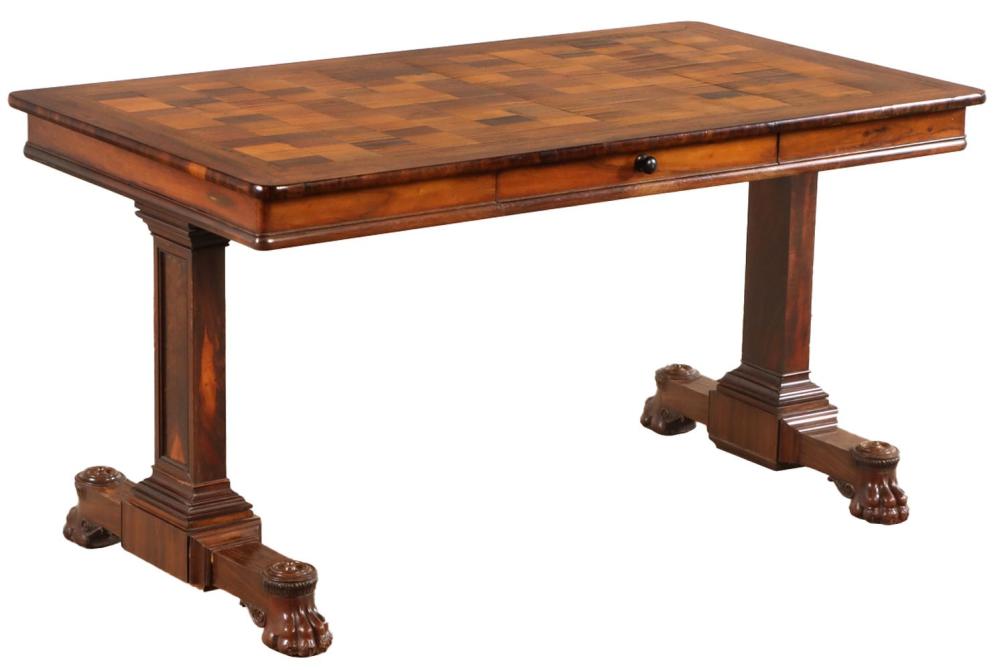
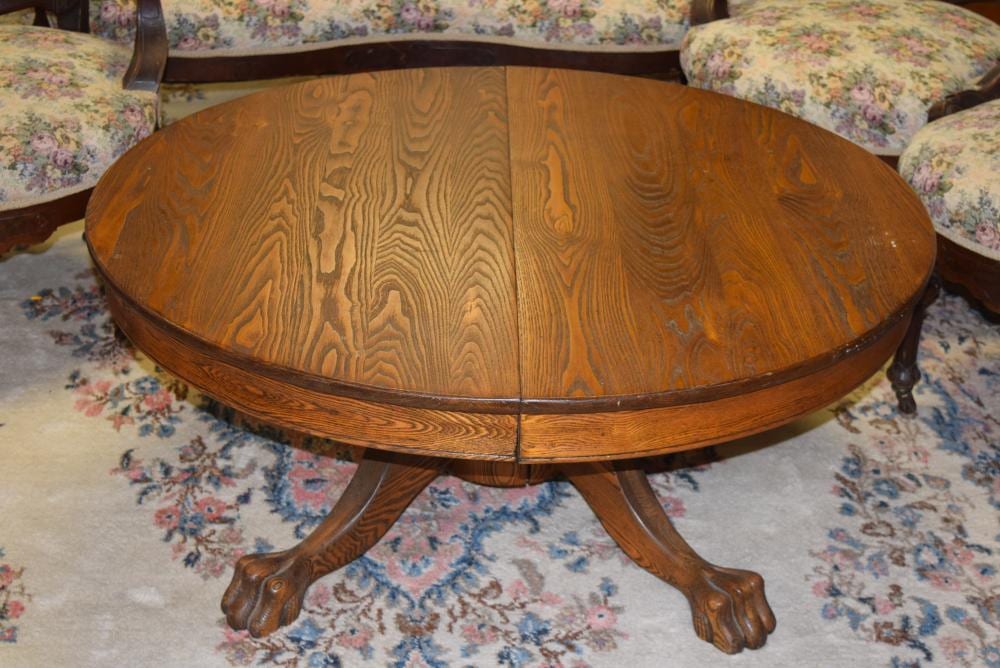
Classic claw-foot table shopping reference with style, wood, feet, joinery, repairs, finish, dimensions, seller claims, and value evidence
Classic claw-foot table shopping reference with style, wood, feet, joinery, repairs, finish, dimensions, seller claims, and value evidence. Reference image; item-specific appraisal depends on submitted photos and documentation.
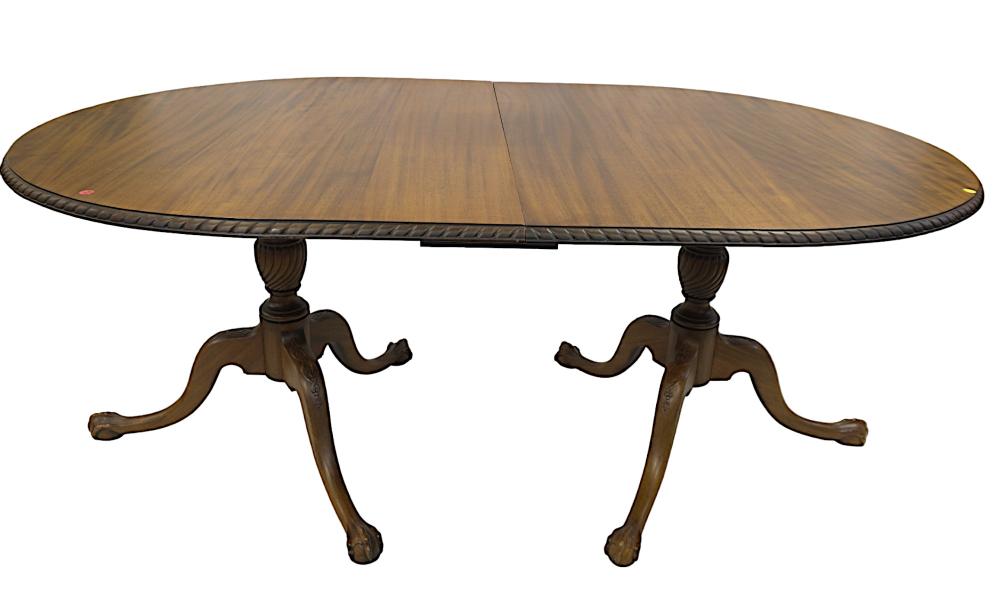
Classic claw-foot table shopping reference with style, wood, feet, joinery, repairs, finish, dimensions, seller claims, and value evidence
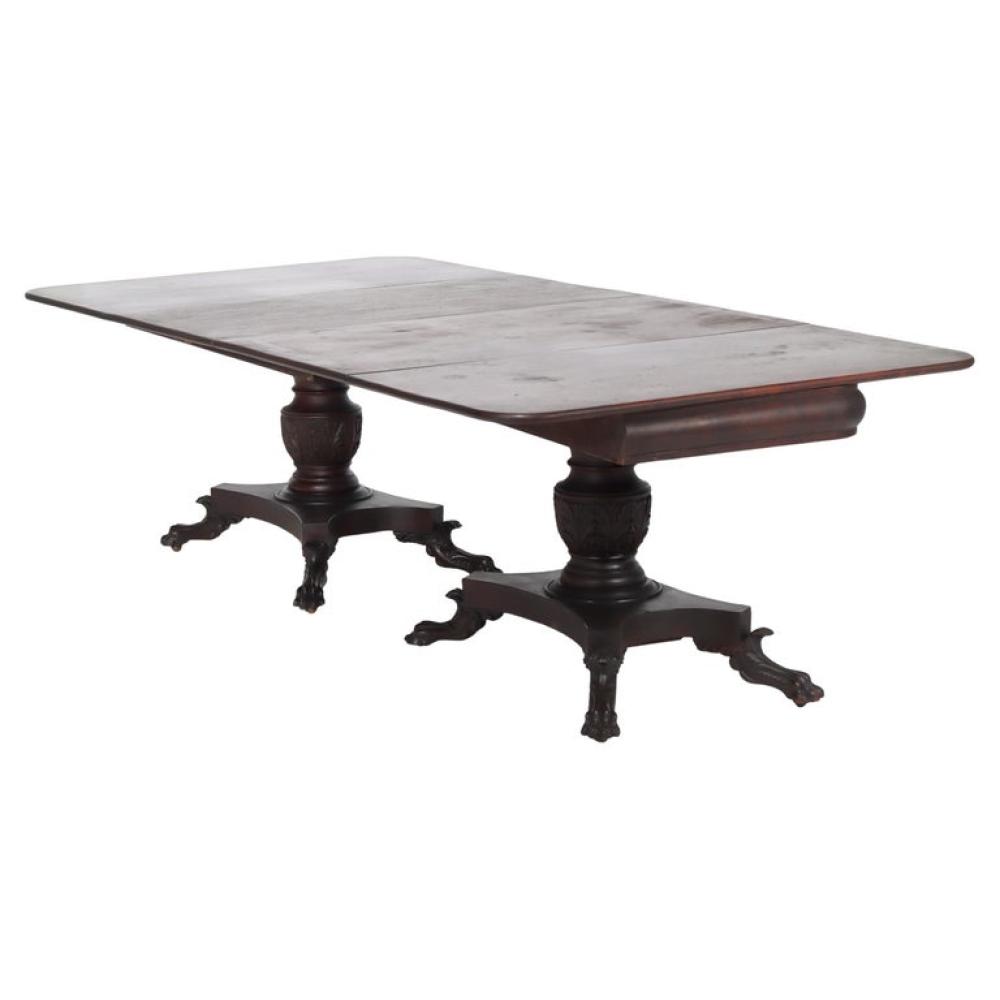
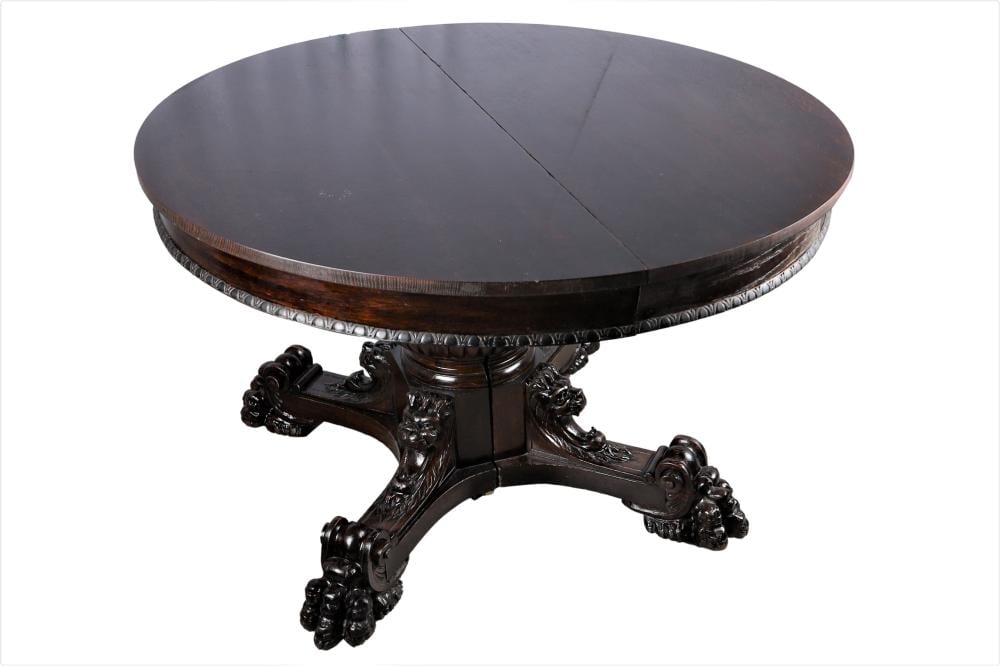
Contextual antique table image from Appraisily furniture research; use leg shape, construction, and finish details as comparison cues.

Claw-foot tables can be found in estate sales, antique shops, online marketplaces, auction houses, and specialist furniture dealers. The challenge is not only finding one, but deciding whether the feet, top, finish, and joinery support the seller's age and value claims.

Start with the right buying venues

Local estate sales and regional auction houses are often the best places to inspect a table in person. Specialist antique furniture dealers can cost more, but they usually provide clearer condition notes, restoration history, and return terms. Online marketplaces are useful for range-finding, but photos need to show the underside, hardware, feet, top surface, and any repairs.

What to inspect before paying

Look for consistent wear around the feet, old screw holes, replaced casters, separated joins, refinished tops, and later marriages between base and top. A table with original surface, stable structure, and documented provenance generally deserves more attention than one described only with broad period labels.

How value is usually decided

Size, wood species, period, carving quality, originality, and condition all matter. A modest claw-foot side table and a large dining table can sit in very different markets, so compare against closely matched examples rather than any antique table with claw feet.

What a defensible value needs

Before buying, ask for underside photos, measurements, restoration notes, and any provenance. If the table is expensive or intended for insurance, get an independent appraisal before committing.

Need a documented value?

Upload photos and details. Appraisily checks identity, condition, and market evidence, then prepares a signed appraisal report you can share.
Start an appraisal

Related reading

Antique Furniture ValuesUnlocking the Value of the Past Expert Tips for Antique Furniture Appraisals6 key Tips to Help you Identify Your Antique Wooden Furniturea French Circa 19th Century Solid Wood oak Draw Leaf Tablea Victorian Circa Late 19th Century Hand Carved Solid Wood Coffee Table Italian Renaissance Stylea Victorian Circa Late 19th Century Solid Wood oak English Table19th Century Burr Walnut Tilt top Table

Choose your next step

Use the path that matches the decision you need to make about the item.

Need a signed report?

Use this for insurance, estate, donation, resale, or documented value decisions.

Start a signed report

Not sure it is worth appraising?

Start with a lower-friction screen to understand the likely category, evidence, and next step.

Use the free screener

Need local or specialist help?

Compare directory options when the work needs in-person review or a specialist near you.

Find local specialists

See what the report looks like

Sample reports show how photos, comparable evidence, condition notes, and a value conclusion are documented.