
19th Century Burr Walnut Tilt Top Table: appraisal and value basics
19th Century Burr Walnut Tilt Top Table research should start with identification, condition, provenance, and recent comparable sales. Use this guide to compare the signals that matter before paying for a formal appraisal or deciding whether to sell.
A burr walnut tilt-top table is a deceptively simple Victorian form: a round or oval top that pivots upward so the table can be stored against a wall, typically on a central pedestal with three or four legs and caster wheels. When the veneer is high-quality burr (burl) walnut and the carving is crisp, the table sits in a sweet spot for collectors: decorative enough for a living room, but still useful as a chess, tea, lamp, or occasional table.
This guide helps you evaluate one the way a furniture appraiser would. You’ll learn how to confirm burr walnut veneer vs. plain walnut, how to inspect the tilt mechanism, what condition issues matter most (veneer lifting, wobble, replaced casters), and how recent auction results bracket value.
Two-step intake
Share your table details with a furniture specialist
Send photos of the top, underside, tilt catch, joints, and casters. We’ll respond with a written quote and recommend the best selling route for your table.
Secure intake. Routed to the right specialist. Checkout only if you decide to proceed.
Quick value snapshot
The legacy WordPress appraisal text for this specific keyword cited an AU$600–AU$800 range (May 2022). In today’s market, a practical way to think about value is to break it into three tiers based on quality and sale venue:
- Everyday Victorian tilt-top tables: often $100–$400 USD when condition is honest and veneer is decent.
- Better burr walnut examples (strong figure, good base carving, original casters): commonly $400–$1,000+ USD.
- Exceptional or earlier/high-style examples (inlay, unusual base, top condition, major house): can climb into the multiple-thousands.
The comps section below shows just how wide the spread can be between everyday parlor tables and high-style tilt-top furniture.
What “burr walnut” means (and why it matters)
Burr (British usage) or burl (American usage) describes a growth on a walnut tree where the grain twists around dormant buds or stress points. When sliced into veneer, that chaotic grain creates swirling “eyes” and feather-like movement that looks dramatically richer than straight walnut.
Most Victorian tilt-top tables are not solid burr walnut. They are built with a stable substrate (often pine, mahogany, or secondary hardwood) and then veneered. That is normal and historically correct. What affects value is:
- Figure quality: tight, even burr pattern across the top reads as premium.
- Bookmatching and banding: well-centered or well-matched veneers with crossbanding show higher workshop skill.
- Veneer thickness and stability: very thin modern veneer replacement can lower value.
How to identify a late-19th-century tilt-top table
There are many earlier tilt-top tables (Georgian and Regency tea tables) and many later revival examples. The late Victorian pieces you most often see—especially in burr walnut—share common construction traits:
- Pedestal base with a tripod or quad base, sometimes with carved cabriole legs and casters for mobility.
- “Birdcage” tilt mechanism under the top: a rotating block with a latch/catch that locks the top flat.
- Machine-cut screws (consistent threads) rather than early hand-filed hardware; by late 19th century this is expected.
- Rounded moulding profiles and applied banding typical of Victorian taste, especially on loo/breakfast tables.

Condition checks that move the value most
For tilt-top tables, cosmetic wear is common. The value swings on structural stability and whether the veneer work is intact. Focus your inspection on these items:
- Veneer lifting and bubbling: run your fingertips across the top under raking light. A “soft” edge suggests delamination.
- Radial veneer cracks: round tops often split along the grain line if stored in dry heat. Hairline cracks are repairable; missing veneer patches are more costly.
- Tilt catch integrity: the top should lock flat without rocking; a worn catch means the table becomes unreliable as a usable surface.
- Wobble at the pedestal joint: grab the rim and gently test. Movement can mean loose bolts or a failed glue block inside the column.
- Casters: original brass/porcelain casters are a plus; modern replacements are common but should be disclosed.
Good news: most issues can be repaired. But expensive restoration on a mid-market Victorian table can exceed the value lift, so it’s worth pricing the table as-is and restored before committing to work.
Note: We couldn’t find enough auction records that directly match A Fine Quality circa late 19th Century Burr Walnut Tilt Top Table to publish a defensible price table. If you are valuing a specific item, include its maker, model, material, photos, and condition so the search can be narrowed.
What similar items actually sold for
To help ground this guide in real market activity, here are recent example auction comps from Appraisily’s internal database. These matched sales are market context only, not an object estimate or identification, and they do not guarantee a price for your specific 19th century burr walnut tilt top table.
Shown USD range: USD 250-USD 1,600. Median of these 5 USD examples: USD 350.
| Comparable | What sold | Auction house | Date | Lot | Source-reported amount |
|---|---|---|---|---|---|
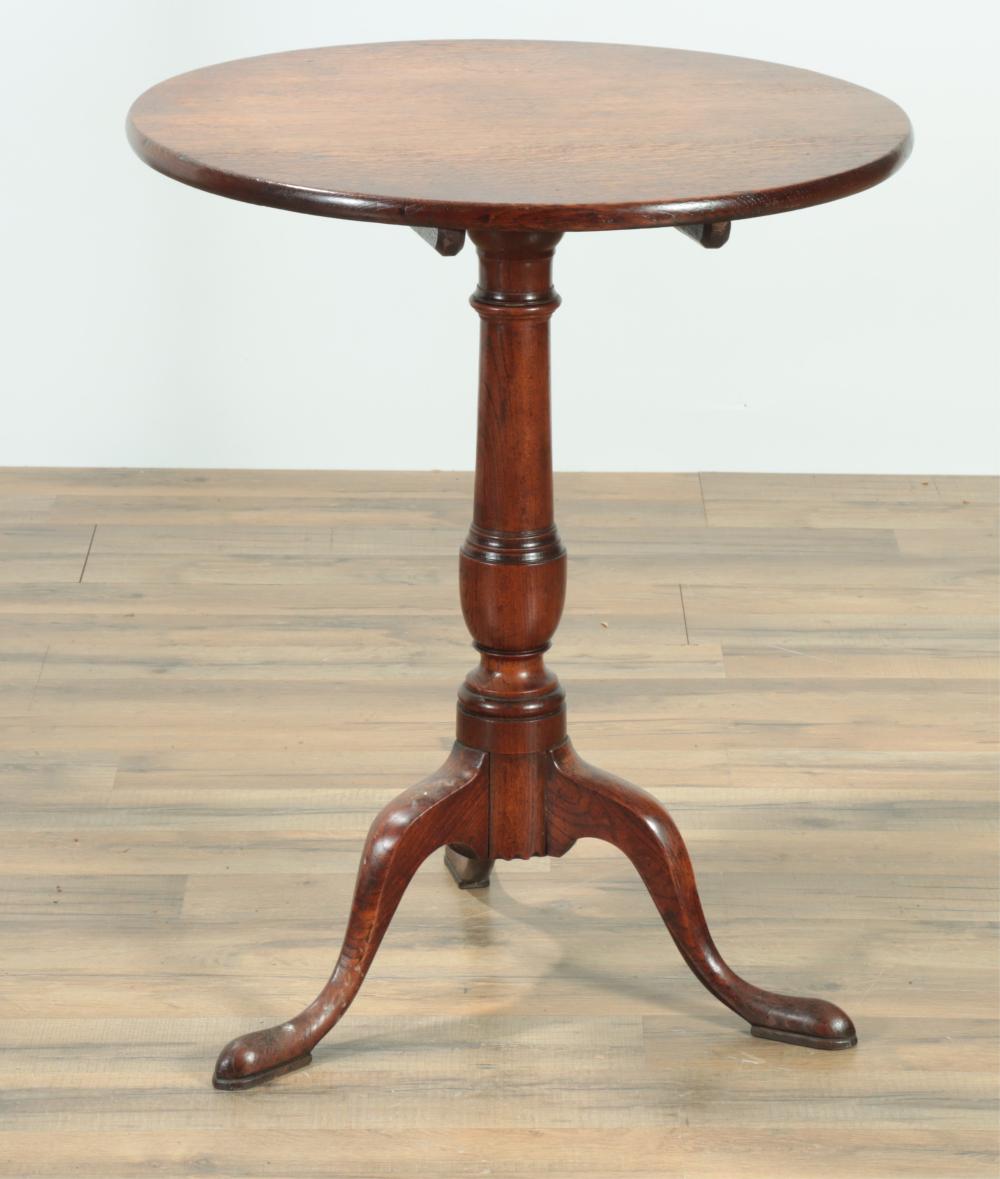 |
GEORGE III STYLE OAK TILT TOP TABLE, 19TH C. | Litchfield Auctions | 2025-02-05 | 356 | USD 250 (buyer’s-premium treatment unknown) |
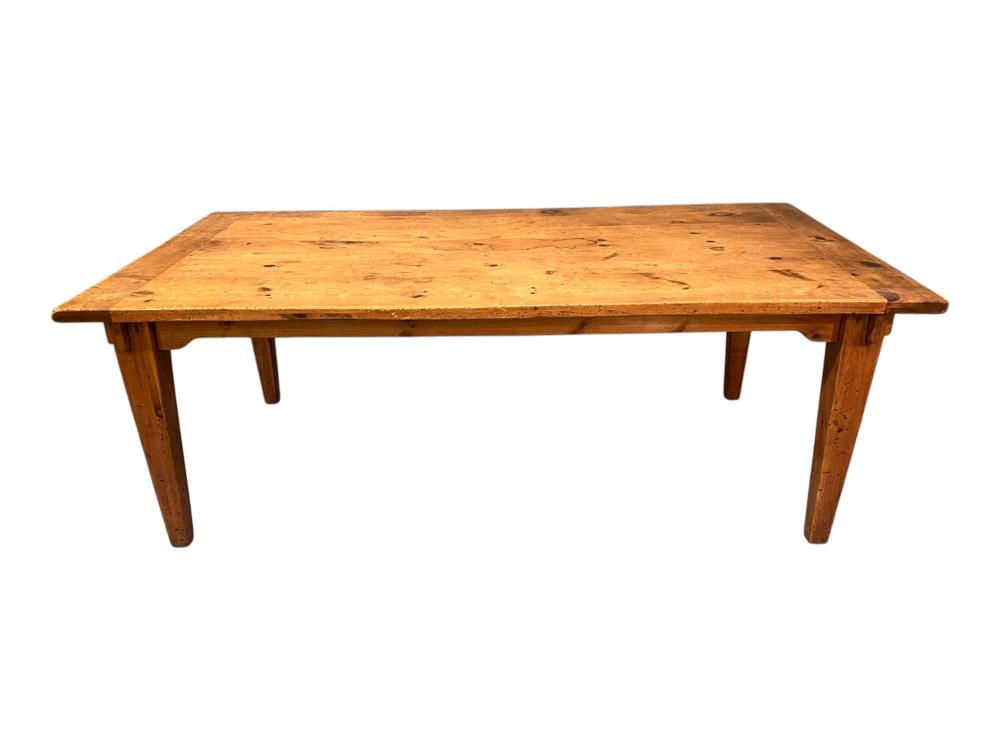 |
Large Antique Pine Farm Table, 19th Century | Stevens Auction Company | 2026-01-03 | 240 | USD 1,600 (buyer’s-premium treatment unknown) |
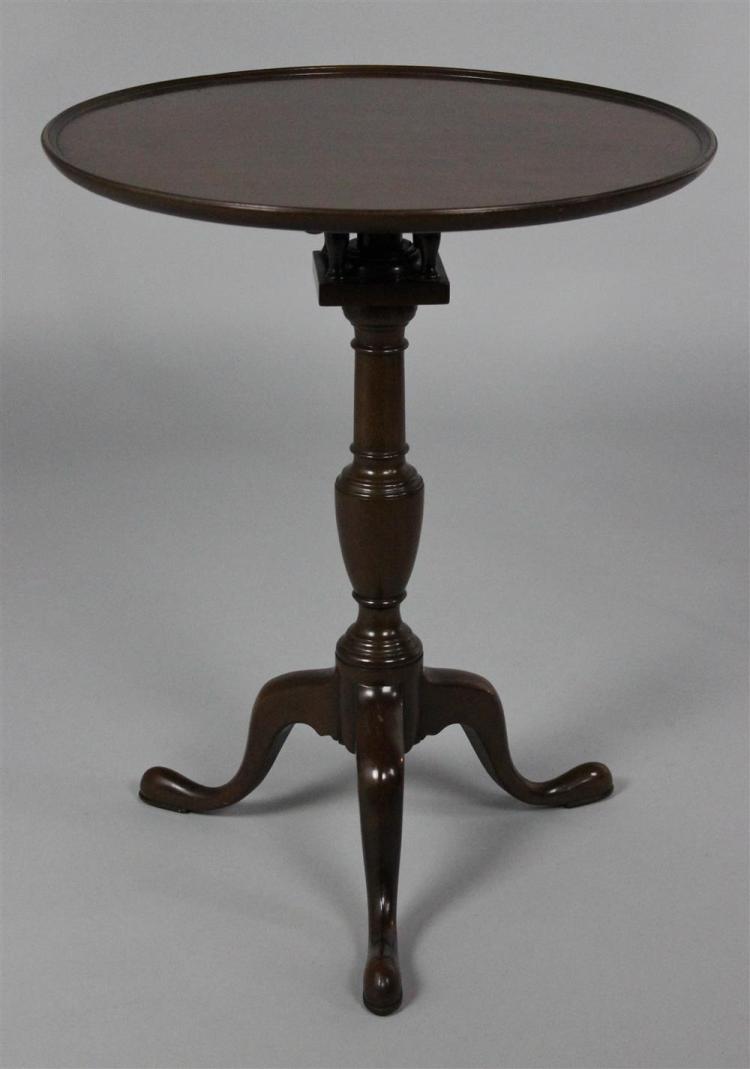 |
KITTINGER COLONIAL WILLIAMSBURG #CW 11 DISHED TOP MAHOGANY TILT TOP TABLE | Potomack Company | 2015-11-19 | 1066 | USD 350 (buyer’s-premium treatment unknown) |
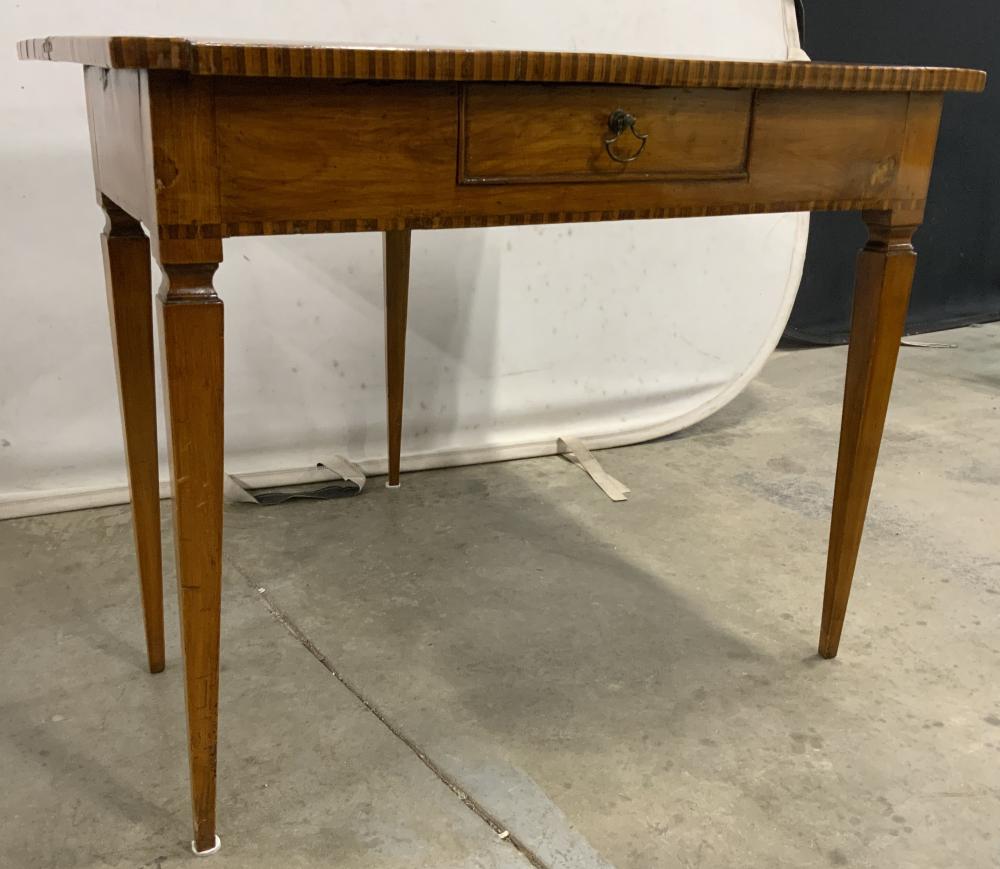 |
Antique Inlaid Wooden Tilt Top Game Table | The Benefit Shop Foundation Inc. | 2021-01-21 | 478 | USD 325 (buyer’s-premium treatment unknown) |
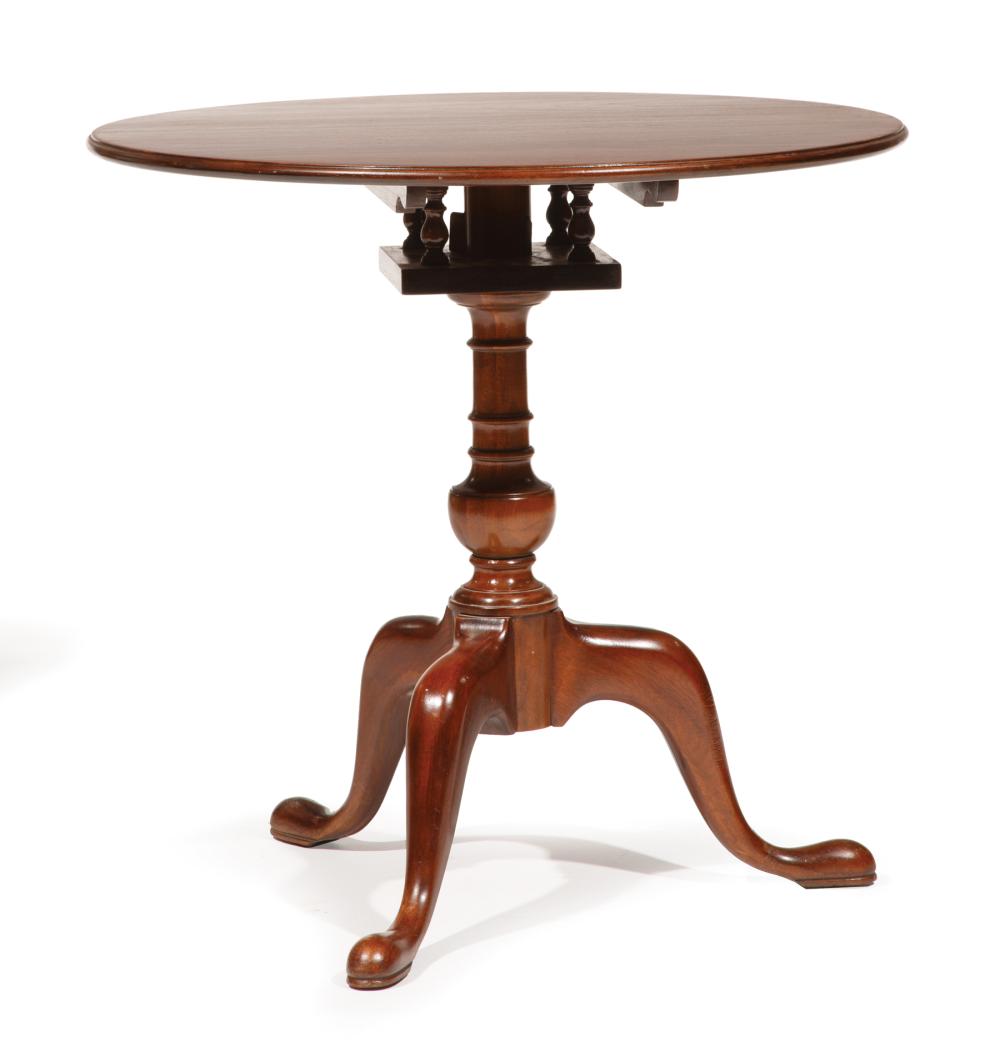 |
Georgian-Style Mahogany Tilt-Top Tea Table | Neal Auction Company | 2021-08-04 | 83 | USD 400 (buyer’s-premium treatment unknown) |
How these auction records were verified
Each row retains its exact source URL, lot identity, retrieval time, access result, and immutable record hash. Inspect the public comparable provenance record.
Disclosure: prices are shown as reported by auction houses and are provided for appraisal context. Learn more in our editorial policy.
Fair market value vs insurance value (and why tables differ)
Furniture values can vary more than small collectibles because shipping costs and buyer access matter. In appraisal work we often separate:
- Fair market value: what a typical buyer would pay in a reasonable timeframe, often linked to auction or local market conditions.
- Replacement value (insurance): the cost to replace with a comparable table from a retail source, which can be higher because it includes dealer margin and sourcing time.
If you need insurance documentation, photograph (1) the full table flat, (2) the top tilted, (3) the underside/birdcage, (4) close-ups of veneer figure, and (5) caster hardware. That set of photos makes it much easier to justify a replacement value.
Best ways to sell a burr walnut tilt-top table
Because furniture is bulky, the best selling channel depends on how quickly you need to sell and whether you can offer delivery. Practical options:
- Local auction house: fastest; prices can be lower but it’s easy and the buyer handles pickup.
- Consignment gallery (decorative arts/furniture): better presentation and higher pricing, but slower and requires a commission.
- Private sale (Facebook Marketplace / local classifieds): good if you can deliver and the table photographs well; buyers will expect negotiation.
- Online platforms: viable if you can pallet-ship; include detailed condition notes and underside photos to build trust.
Tip: “tilt-top table” is the functional term, but many buyers search “loo table,” “breakfast table,” and “Victorian burr walnut table.” Using those terms in your listing title can widen reach without keyword stuffing.
Key takeaways
- Burr walnut is usually veneer; value depends on figure quality and veneer condition.
- Photograph the birdcage and locking catch—tilt hardware condition matters as much as the top.
- Regional auctions can realize very low prices for furniture; selling venue heavily impacts value.
- Use comps as brackets: high-style inlaid tables can reach five figures, but everyday parlor tables can be double digits.
- For insurance documentation, replacement value can exceed local auction value due to sourcing and shipping friction.
Search variations collectors ask
Readers also search for:
- how much is a Victorian burr walnut loo table worth
- how to identify burr walnut veneer on antique furniture
- what is a birdcage mechanism on a tilt-top table
- how to date a tilt-top table by screws and casters
- does veneer lifting reduce antique table value
- best place to sell an antique tilt-top table near me
- insurance value vs auction value for antique furniture
- how to ship a pedestal tilt-top table safely
Each question is addressed in the identification, condition, comps, and selling sections above.
References
- Legacy WordPress appraisal stub for “A Fine Quality circa late 19th Century Burr Walnut Tilt Top Table” (May 2022) citing an AU$600–AU$800 range.
- Appraisily auction dataset entries used for comparables: STAIR lot 559 (Oct 24, 2024), Asselmeier May Auctions lot 50 (Jan 9, 2022), Asselmeier May Auctions lot 395 (Nov 6, 2022).
- General Victorian furniture construction and veneer terminology (standard appraisal practice; included for collector guidance).