What old Coke bottles actually sell for
Age matters, but only the era you can prove from shape, patent line, and city mark. These sold lots are grouped that way.
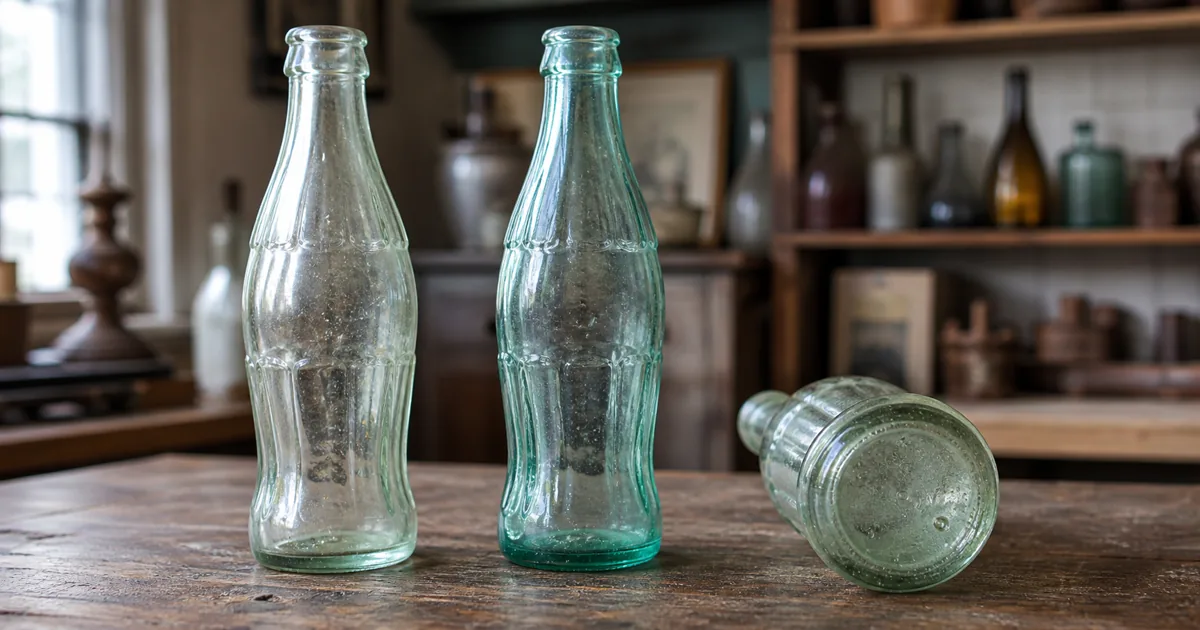
Common contour, including most 1940s–1960s bottles. A green Coca-Cola bottle sold for $10. The sold set has no lot titled as a 1940s bottle; a typical 1940s contour with a common city mark sits in this group.
Straight-sided, pre-1916. An amber Coca-Cola advertising bottle from Akron, Ohio sold for $35.
1890s Hutchinson. A documented Hutchinson stopper bottle sold for $1,000.
Later novelty. A c.1968 Coca-Cola novelty display bottle sold for $80.
High-value outlier. A Root Glass Co. modified prototype sold for $90,000; that is not an attic contour bottle.
Shape, city or plant mark, date code, color, and chips change the number more than the Coca-Cola name alone.
What similar items actually sold for
To help ground this guide in real market activity, here are recent example auction comps from Appraisily’s internal database. These matched sales are market context only, not an object estimate or identification, and they do not guarantee a price for your Coke bottle.
Shown USD range: USD 10-USD 90,000. Median of these 5 USD examples: USD 500.
| Comparable | What sold | Auction house | Date | Lot | Source-reported amount |
|---|---|---|---|---|---|
![AMBER COKE BOTTLES, 9 [155100] sold by Holabird Western Americana, lot 3492 — auction record photograph](https://assets.appraisily.com/comps/auction-lots/173162002/thumb/h19286-l301174448.jpg) |
AMBER COKE BOTTLES, 9 [155100]Source blocked; provenance matched | Holabird Western Americana | 2022-08-27 | 3492 | USD 1,050 (buyer’s-premium treatment unknown) |
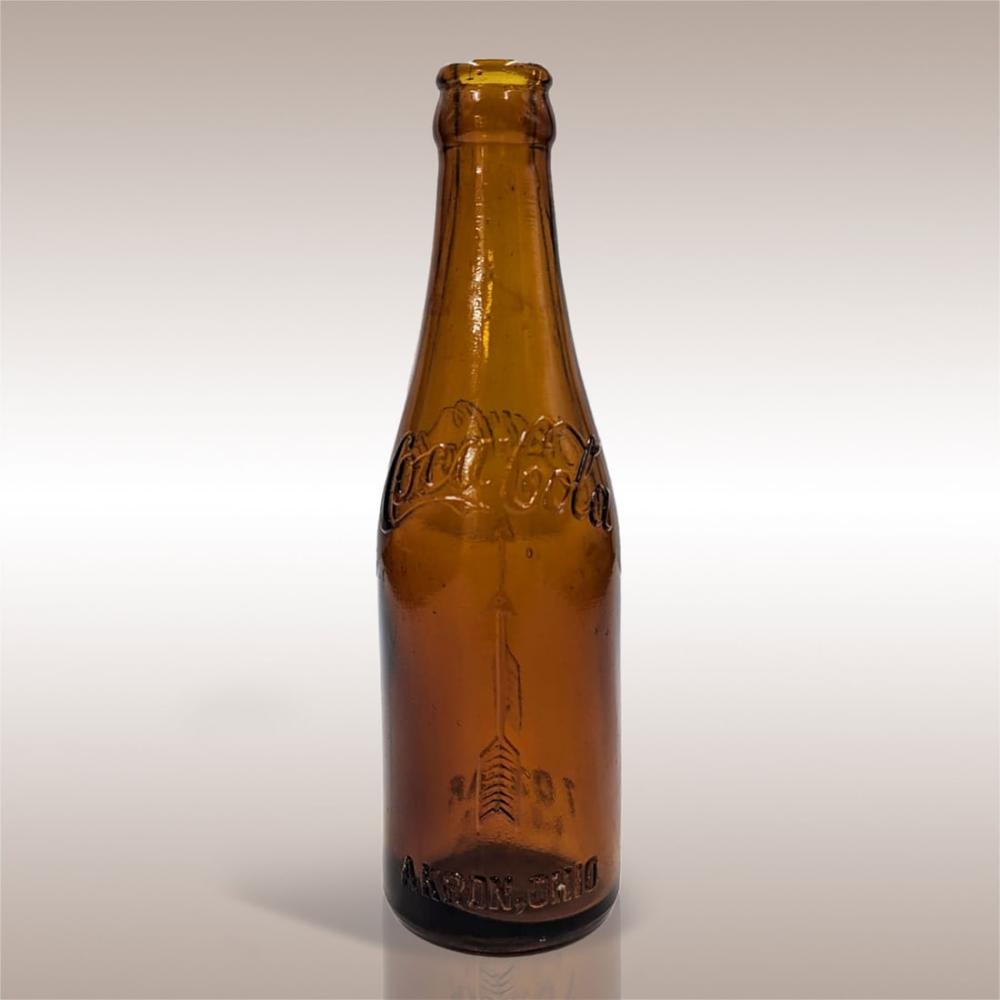 |
Antique Straight Sided Amber Glass Coca-Cola Advertising Bottle From Akron, Ohio, NO RESERVESource blocked; provenance matched | RB Fine Arts | 2024-11-02 | 248 | USD 35 (buyer’s-premium treatment unknown) |
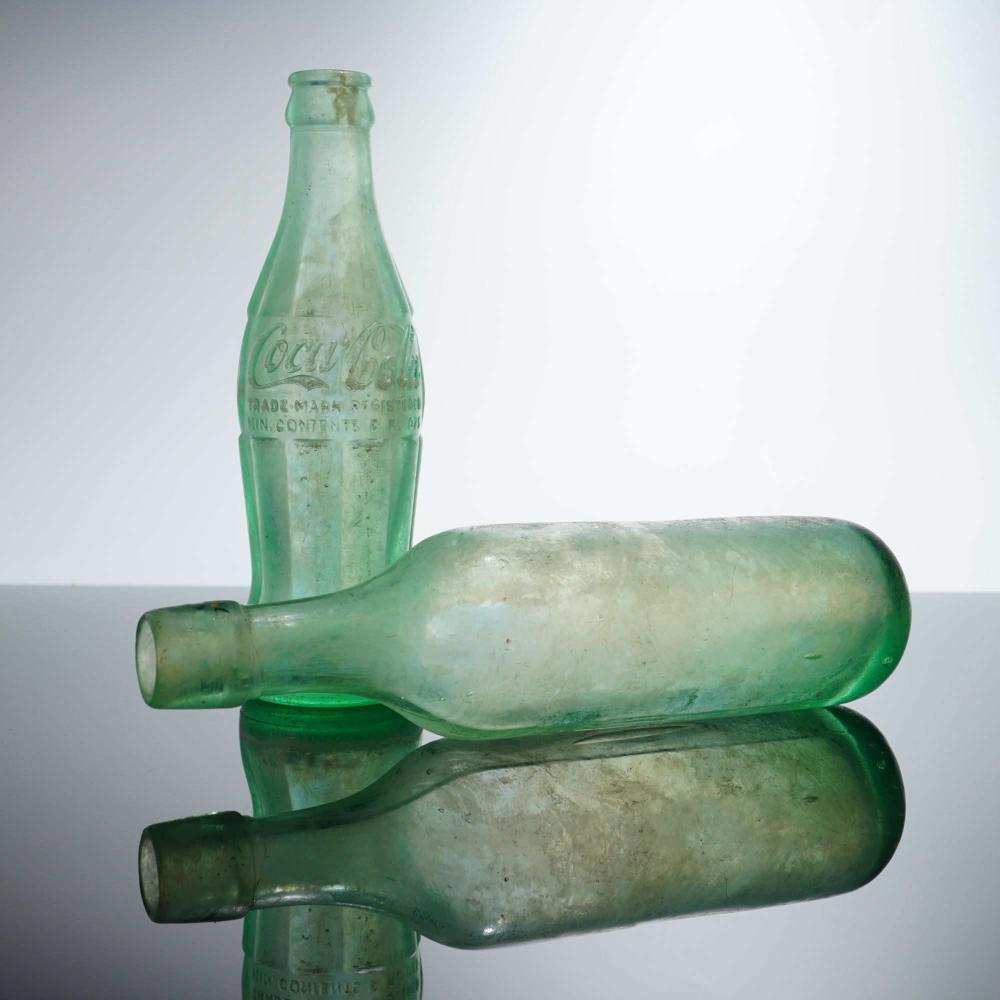 |
2pc Teal Glass Coca-Cola and Torpedo BottlesSource blocked; provenance matched | Lion and Unicorn | 2026-06-16 | 272 | USD 10 (buyer’s-premium treatment unknown) |
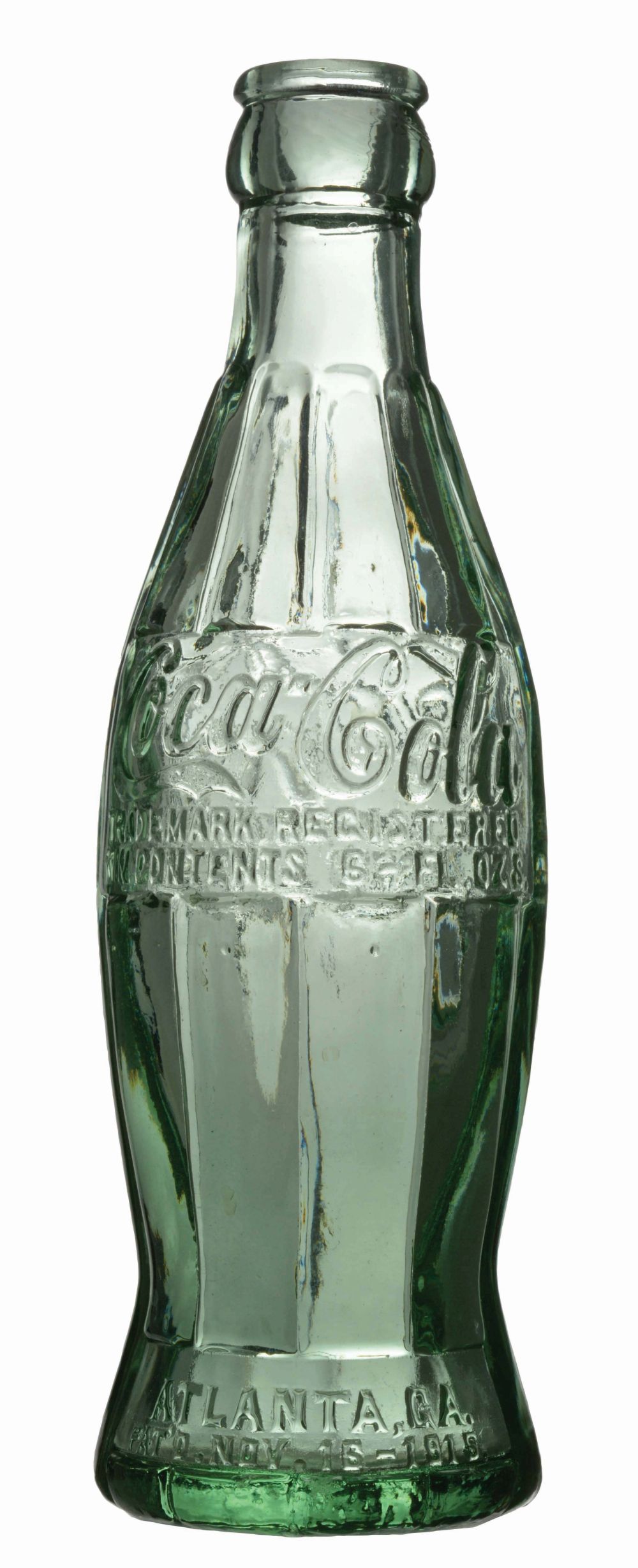 |
COCA-COLA ROOT GLASS CO. MODIFIED PROTOTYPE BOTTLE. | Morphy Auctions | 2019-04-14 | 2285 | USD 90,000 (buyer’s-premium treatment unknown) |
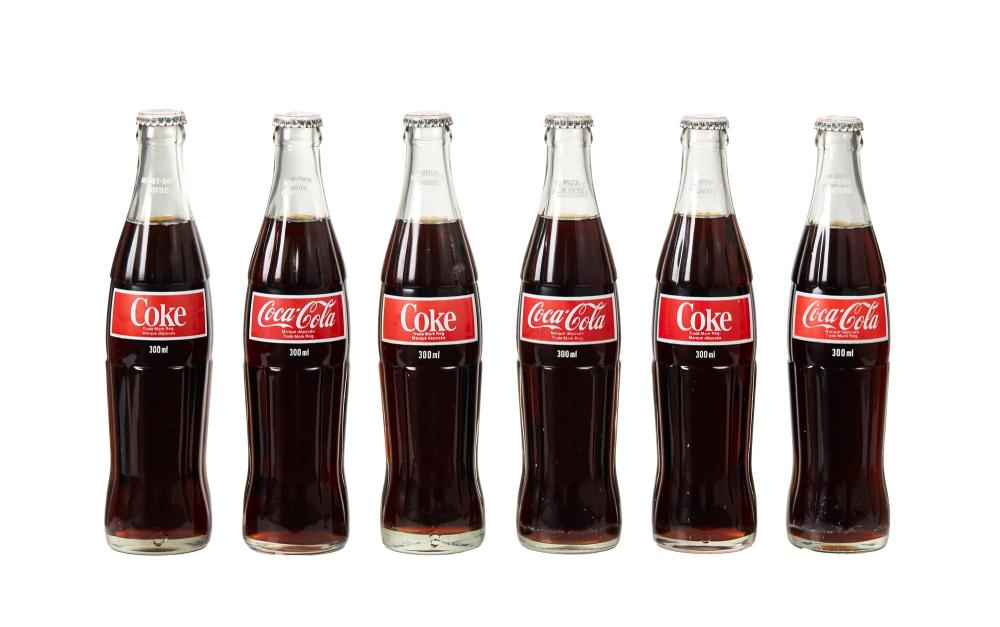 |
Star Wars: A New Hope | Vintage Canadian 6-Pack of Glass Coca-Cola BottlesSource blocked; provenance matched | Julien's Auctions | 2025-07-27 | 29 | USD 500 (buyer’s-premium treatment unknown) |
How these auction records were verified
Each row retains its exact source URL, lot identity, retrieval time, access result, and immutable record hash. Live source access was blocked; the exact record matched Appraisily's immutable pipeline provenance. Inspect the public comparable provenance record.
Disclosure: prices are shown as reported by auction houses and are provided for appraisal context. Learn more in our editorial policy.
Dating check
Tap through the bottle clues you can see
A date code rarely tells the whole story. Check the visible clues, then upload photos if any detail is unclear.
Not sure how the clues fit together? A photo of the bottle, base, and mark is the fastest next step.
This guide explains appraisal factors and documentation steps. It does not authenticate your old Coke bottles, guarantee a sale price, or replace item-specific sold-comparable research.
Introduction to Coca-Cola Bottle Collecting
Old Coke bottles can range dramatically in value—from just a few dollars for common contour bottles from the 1960s and later, to several thousand dollars for rare early examples in mint condition. The value depends on factors like age, rarity, condition, and historical significance. This comprehensive guide will help you understand what makes certain Coca-Cola bottles valuable and how to identify potentially valuable specimens in your collection.
Whether you’ve discovered an old Coke bottle in your grandparent’s basement, are considering starting a collection, or are a seasoned collector looking to refine your knowledge, this article will provide the information you need to assess the value of vintage Coca-Cola bottles in today’s market.
Key Coca-Cola Bottle Value Statistics
Evolution of Coca-Cola Bottles
- 1886
Coca-Cola Invention
Coca-Cola is invented by pharmacist John Pemberton. Initially sold as a fountain drink, with no bottles yet.
- 1894-1910
Hutchinson Bottles Era
The earliest Coca-Cola bottles featuring the Hutchinson stopper design. These are extremely rare and highly valuable today.
- 1900-1916
Straight-Sided Bottles
Various straight-sided bottle designs produced by different bottlers across the country. Available in clear, aqua, blue, and amber colors.
- 1915
Contour Bottle Introduction
The iconic "hobble skirt" or contour bottle design is patented, creating the distinctive Coca-Cola bottle shape recognized worldwide.
- 1923
Six-Ounce Contour Bottles
Standard six-ounce contour bottles become widespread, with city names embossed on the bottom.
- 1950s-1960s
Mass Production Era
Higher volume production with painted labels instead of embossing becoming more common.
- 1970s-Present
Modern Collectibles
Introduction of commemorative bottles, limited editions, and specialty designs for collectors.
Most Valuable Vintage Coca-Cola Bottles
Hutchinson Coca-Cola Bottles (1894-1910)
The earliest and most valuable Coca-Cola bottles are the Hutchinson-style bottles, featuring a distinctive stopper mechanism. These bottles were used from approximately 1894 until 1910, when they were phased out in favor of more modern designs.
Amber Straight-Sided Bottles (1900-1916)
Before the introduction of the contour bottle, Coca-Cola was sold in straight-sided bottles produced by various local bottlers. These bottles came in several colors, with amber being the most valuable.
Prototype and Test Market Contour Bottles (1915-1916)
The earliest examples of the contour or “hobble skirt” bottle design, especially those from test markets or prototype production, can be extremely valuable. These early contour bottles will be hand-blown with mold seams and often have a thicker, heavier feel than later mass-produced versions.
Most Valuable Coca-Cola Bottle Categories
Current market values for the rarest Coca-Cola bottles
Factors That Determine Coca-Cola Bottle Value
Age and Rarity
Generally, older bottles are more valuable than newer ones, particularly those made before 1916 when the contour bottle was introduced. However, age alone doesn’t determine value—rarity is equally important. Some relatively recent commemorative bottles produced in very limited quantities can be quite valuable despite their younger age.
Bottle Design and Type
The evolution of Coca-Cola bottle designs provides key indicators for dating and valuing bottles:
- Hutchinson bottles (1894-1910): The earliest and most valuable
- Straight-sided bottles (1900-1916): Various designs from local bottlers
- Early contour bottles (1915-1923): First versions of the iconic design
- Patent D bottles (1923-1937): Standard contour design with “Patent D” embossed
- Later contour bottles (1938-present): Various evolutions of the classic design
Condition
As with most collectibles, condition significantly impacts value. Bottles with no chips, cracks, or significant wear will command premium prices. Original labels, if present, should be intact and legible. For unopened bottles, having the original contents preserved can add value, though this is less important than the bottle’s physical condition.
Color
Coca-Cola bottles have been produced in various colors throughout history:
- Amber: Most valuable color for straight-sided bottles
- Blue/Green: Medium value for straight-sided bottles
- Aqua: Common color for early contour bottles
- Clear: Most common, generally less valuable unless very old or rare
City/Bottler Markings
Early Coca-Cola bottles typically have the city name and local bottler embossed on the bottom or side. Bottles from smaller towns or unusual bottlers may command higher prices due to their relative scarcity.
Manufacturing Characteristics
Manufacturing techniques can help date a bottle and confirm authenticity:
- Hand-blown bottles: Irregular bubbles in glass, imperfect shape (pre-1910s)
- Mold seams: Position and appearance indicate manufacturing era
- Base markings: Manufacturer codes and date stamps provide valuable dating information
Historical Significance
Bottles associated with significant events in Coca-Cola history, experimental designs, or prototype production runs often have greater value to collectors due to their historical importance.
Coca-Cola Bottle Condition Assessment
Check applicable items to help determine your bottle's condition and potential value
- No chips or cracks in the glass
- Original label present and intact (if applicable)
- Clear, legible embossing
- Original cap or closure present
- No significant wear on base or contact surfaces
- No interior staining or residue
- No repairs or restoration work
- Original contents preserved (for unopened bottles)
- Correct color clarity (not cloudy or discolored)
Image removed: use item-specific photos and completed-sale evidence for valuation context.
How to Identify Valuable Coca-Cola Bottles
Examining Bottle Shape
The shape of a Coca-Cola bottle provides the first clue to its age and potential value:
- Straight-sided bottles (pre-1916): Cylindrical shape without the distinctive contour
- Contour or “hobble skirt” bottles (post-1915): The iconic curved shape
- Holiday/commemorative bottles: Special shapes for particular occasions
Reading Base Markings
The bottom of a Coca-Cola bottle often contains valuable information:
- City name: Indicates where the bottle was filled
- Bottler information: Name or initials of the local bottling company
- Date codes: Numbers or symbols indicating manufacturing date
- Manufacturer marks: Logo or code of the glass company that made the bottle
A bottle from a small town or one with an unusual bottler name may be more valuable than a similar bottle from a major city, as fewer were typically produced.
Examining Embossing and Labeling
Early Coca-Cola bottles featured embossed lettering rather than paper labels:
- Script logo: The distinctive Coca-Cola script should be period-appropriate
- Patent information: Look for phrases like “Patent D-105529” on contour bottles
- Trademark information: “Trademark Registered” or similar text
- Volume indicators: “6 FL OZ” or other capacity markings
When paper labels are present, check their design elements against historical references to help date the bottle.
Looking for Manufacturing Characteristics
Production methods evolved over time, leaving telltale signs:
- Seam lines: How far up the bottle the seam lines extend indicates age
- Glass quality: Hand-blown bottles (pre-1910s) have more bubbles and irregularities
- Weight: Earlier bottles tend to be heavier and thicker
Authenticating Rare Examples
For potentially valuable bottles, authentication is crucial:
- Compare with reference materials: Books, online databases, and museum collections
- Consult experts: Experienced collectors or appraisers can verify authenticity
- Check for reproductions: Some valuable designs have been reproduced for commemorative purposes
Several resources can help with identification, including The Collectors Weekly guide to antique Coke bottles and the official Coca-Cola Company’s collector information.
Verify these bottle clues against photographs of the exact example and contemporaneous sold records.
Common Coca-Cola Bottles and Their Values
Standard Contour Bottles (1923-1950s)
The classic contour Coca-Cola bottle became standardized after 1923. These bottles typically have “Coca-Cola” in embossed script on the side and may feature “Patent D-105529” or a later patent line. A 1940s bottle is usually this shape: check the skirt or base for a two-digit date code and a city name. Unless the color, plant, or mold is scarce, it belongs with the common contour sales at the top of this guide, not with Hutchinson or prototype prices.
ACL (Applied Color Label) Bottles (1950s-1960s)
In the 1950s, Coca-Cola began transitioning from embossed bottles to those with painted labels (Applied Color Label or ACL). These bottles typically have white lettering applied directly to the glass.
Commemorative and Special Edition Bottles
Throughout its history, Coca-Cola has released numerous special edition bottles for holidays, anniversaries, sporting events, and other occasions. These bottles were designed specifically for collectors.
Foreign Coca-Cola Bottles
Bottles produced for international markets often have different designs, shapes, or markings than their American counterparts.
Recent Collectible Series
In recent decades, Coca-Cola has produced many intentionally collectible series, including:
- Holiday bottles
- Olympic Games commemoratives
- Regional series
- Anniversary editions
Where to Buy and Sell Vintage Coca-Cola Bottles
Online Marketplaces
The internet offers numerous platforms for buying and selling vintage Coca-Cola bottles:
- eBay: The largest online marketplace for Coca-Cola collectibles, with thousands of listings ranging from common bottles to rare examples. eBay’s vintage Coke bottles section is particularly active.
- Etsy: Often features curated selections of vintage bottles, sometimes at premium prices.
- Facebook Marketplace: Good for local transactions without shipping concerns.
- Specialized collector forums: Sites dedicated to bottle collecting often have buy/sell/trade sections.
Auction Houses
For particularly valuable or rare bottles, traditional auction houses may provide the best exposure to serious collectors:
- Heritage Auctions: Regularly features high-end Coca-Cola memorabilia.
- Morphy Auctions: Specializes in advertising and soda memorabilia.
- Local auction houses: May occasionally feature Coca-Cola collections.
Antique Stores and Shows
Physical locations remain important in the vintage bottle market:
- Antique malls: Often have vendors specializing in bottle collecting.
- Bottle shows: Specialized events where collectors gather to buy, sell, and trade.
- Antique shows: General antique events that frequently include bottle dealers.
Collector Organizations
Joining collector organizations can provide access to private sales and knowledgeable buyers:
- Coca-Cola Collectors Club: The official organization for Coca-Cola memorabilia collectors.
- Federation of Historical Bottle Collectors: Organization dedicated to bottle collecting.
- Local collector groups: Many cities have collector organizations that hold regular meetings and swap meets.
Tips for Buyers and Sellers
Whether buying or selling, consider these best practices:
For Buyers:
- Research thoroughly before purchasing expensive bottles
- Ask for detailed photos, especially of markings and potential damage
- Verify the seller’s reputation and return policy
- Compare prices across multiple platforms
For Sellers:
- Take clear, well-lit photos showing all key features
- Provide detailed descriptions including age, condition, and unique characteristics
- Be honest about any damage or repairs
- Consider professional appraisal for potentially valuable bottles
For the most valuable bottles, consider using specialized auction houses rather than general marketplaces, as they can often connect you with serious collectors willing to pay premium prices.
Tips for Starting a Coca-Cola Bottle Collection
Define Your Collection Focus
Rather than collecting randomly, consider specializing in one of these areas:
- Geographic focus: Bottles from specific cities or regions
- Era focus: Concentrate on a particular time period
- Design focus: Collect various iterations of the contour bottle
- Commemorative focus: Holiday bottles or special events
- International focus: Bottles from various countries
A focused collection is often more satisfying and potentially more valuable than a scattered assortment.
Research Before Purchasing
Knowledge is your best tool as a collector:
- Read reference books: “The Coca-Cola Bottle” by Cecil Munsey is considered essential
- Join online communities: Forums and social media groups for bottle collectors
- Visit museums: The World of Coca-Cola in Atlanta offers excellent historical context
- Study authentication guides: Learn to spot reproductions and fakes
Start with Accessible Bottles
Begin your collection with more affordable, common bottles while learning:
- Mid-century contour bottles: Still readily available and affordable
- Local bottler examples: Often found at reasonable prices
- Modern commemoratives: Widely available and usually inexpensive
- “Transition” bottles: Examples showing design evolution
Build Relationships with Sellers and Other Collectors
Networking can lead to better acquisitions:
- Attend bottle shows: Meet experienced collectors and reputable dealers
- Join collector clubs: The Coca-Cola Collectors Club hosts conventions and local chapter meetings
- Establish relationships with antique dealers: They may contact you when finding relevant items
Care and Display Considerations
Proper storage and display preserves both condition and value:
- Avoid direct sunlight: UV rays can fade labels and discolor glass
- Clean carefully: Use only appropriate methods for antique glass
- Display securely: Prevent accidents with proper shelving
- Document your collection: Keep records of each bottle’s origin, age, and purchase information
Set a Budget and Collection Strategy
Decide on your collecting approach:
- Quantity vs. quality: Many affordable bottles or fewer high-value examples
- Investment potential: Consider which bottles may appreciate more significantly
- Personal enjoyment: Ultimately, collect what brings you satisfaction
Starting with more common bottles from the 1950s-1970s allows new collectors to learn the market while making affordable purchases. As your knowledge grows, you can make more informed decisions about adding higher-value pieces to your collection.
Common Questions About Old Coca-Cola Bottle Values
How can I tell how old my Coca-Cola bottle is?
- Bottle shape: Straight-sided (pre-1916) or contour "hobble skirt" design (post-1915)
- Base markings: Look for city names, bottler information, and date codes
- Manufacturing features: Check seam lines, glass quality, and embossing style
- Patent information: Many bottles include patent dates or numbers
- Label design: If present, labels changed in recognizable ways over time
Are Coca-Cola bottles from the 1970s and 1980s worth anything?
- Foreign or unusual variants might command slightly higher prices
What makes a Coca-Cola bottle rare or valuable?
- Age: Generally, older bottles (pre-1920s) are more valuable
- Production numbers: Limited production runs increase value
- Condition: Mint condition bottles command premium prices
- Historical significance: Prototype or test market bottles
- Unusual characteristics: Rare colors, manufacturing errors, or experimental designs
- Regional scarcity: Bottles from small town bottlers
- Documentation: Original packaging or provenance
Is an unopened Coca-Cola bottle worth more than an empty one?
- For modern commemorative bottles (1970s-present), being unopened can add 20-50% to the value
- For very old bottles (pre-1940s), the bottle itself typically constitutes most of the value
- For some collectors, unopened bottles present concerns about potential leakage or content deterioration
- In cases of very rare bottles, condition of the bottle itself usually outweighs whether it’s full or empty
Where can I get my old Coca-Cola bottles appraised?
- Auction houses: Major auction houses like Heritage Auctions or Morphy Auctions
- Antique appraisers: Look for those specializing in advertising or bottle collecting
- Bottle collecting clubs: May have members with expertise in Coca-Cola bottles
- Antique shows: Many shows have appraisal booths or experts in attendance
- Online appraisal services: Sites like JustAnswer offer expert opinions
- The Coca-Cola Collectors Club: Members often have extensive knowledge
How should I clean or restore old Coca-Cola bottles?
For glass bottles:
- Use lukewarm (not hot) water with mild dish soap
- Avoid abrasive cleaners or scrubbers
- Use bottle brushes for interior cleaning
- Rinse thoroughly and air dry
- For mineral deposits, try a diluted vinegar solution
For bottles with labels:
- Never submerge paper labels in water
- Gently dust with a soft brush
- Do not attempt to "brighten" faded labels
Important cautions:
- Never use harsh chemicals or bleach
- Avoid putting bottles in dishwashers
- Do not attempt to repair chips or cracks yourself
- For valuable bottles, consider professional conservation rather than DIY cleaning
External Resources for Coca-Cola Bottle Collectors
The Coca-Cola Company History: Collecting Coca-Cola Bottles
Official guide from the Coca-Cola Company about collecting vintage bottles, including information about different eras and typical values.
Collectors Weekly: Antique and Vintage Coke Bottles
Comprehensive collector's guide with historical information, photos, and marketplace for antique Coca-Cola bottles.
eBay: Vintage Coke Bottles Marketplace
Active marketplace for buying and selling vintage Coca-Cola bottles, with current prices and a wide selection of examples.
The Coca-Cola Collectors Club
Official organization for Coca-Cola memorabilia collectors, offering resources, conventions, and connections to fellow enthusiasts.
Bottle Collectors Guide on Reddit
Active community of bottle collectors sharing information, identification help, and valuation assistance for all types of vintage bottles including Coca-Cola.
JustAnswer Appraisal Services
Online appraisal service where experts can help identify and value your vintage Coca-Cola bottles based on photos and descriptions.
Conclusion: The Enduring Appeal of Coca-Cola Bottle Collecting
The value of old Coca-Cola bottles varies tremendously—from just a few dollars for common examples to tens of thousands for the rarest specimens. As this guide has shown, factors such as age, rarity, condition, and historical significance all play crucial roles in determining a bottle’s worth.
For the serious collector, focusing on pre-1916 bottles (straight-sided and Hutchinson styles) offers the greatest investment potential, though these bottles are increasingly difficult to find and command premium prices. Mid-century contour bottles provide an accessible entry point for new collectors, while commemorative and special edition bottles offer interesting variations at affordable prices.
Whatever your collecting approach, remember that knowledge is your most valuable asset. Take time to research, connect with fellow collectors, and learn the subtle details that distinguish ordinary bottles from truly special examples. With patience and education, you can build a collection that brings both personal enjoyment and potential financial appreciation.
As Coca-Cola continues to evolve its packaging, today’s bottles may become tomorrow’s collectibles. The story of Coca-Cola, told through its iconic bottles, remains an enduring part of American consumer culture—a tangible connection to our shared past that continues to captivate collectors worldwide.
The free first read is a separate photo-based Screener, not this educational article. Results usually appear within a few minutes; complex items can take longer. From photographs of your Coca-Cola bottle, it returns a preliminary category or identity read, visible evidence gaps, rough comparable market signals, and whether a human appraisal looks worthwhile; it is not a signed value conclusion. Material or construction can remain uncertain without direct examination, dimensions, provenance, or complete condition details. A written appraisal is useful when your Coca-Cola bottle needs documented specialist support for insurance, tax, an estate, authentication, litigation, or a consequential sale, but you may not need one.
Choose your next step
Use the path that matches the decision you need to make about the item.
Want proof before paying?
See how a signed report documents photos, comparable evidence, condition notes, and value conclusions.
View signed report sampleNeed a signed report?
Use this for insurance, estate, donation, resale, or documented value decisions.
Need documentation now? Start signed appraisalNeed local or specialist help?
Compare directory options when the work needs in-person review or a specialist near you.
Find local specialistsSee what the report looks like
Sample reports show how photos, comparable evidence, condition notes, and a value conclusion are documented.
Appraise your old Coke bottles
Upload photos and details so an Appraisily specialist can review condition, identification clues, and market context.
- Expert report with photos and comps
- Fast turnaround
- Fixed, upfront pricing
No obligation. Secure upload.
Continue your valuation journey
Find the right local specialist
Compare antique and art appraisers by location and specialty in one directory.
Antique & art specialists
Browse the Antique & Art Appraisers Directory
Choose a local specialist when the assignment needs in-person inspection or a specific credential.
Machine-readable summaries
Use these machine-friendly references for AI and crawler discovery of Appraisily content.
Same report as above
Get my bottle report — $59
One bottle · Signed PDF · Photo-based review
Get my bottle report — $59 View signed report sample