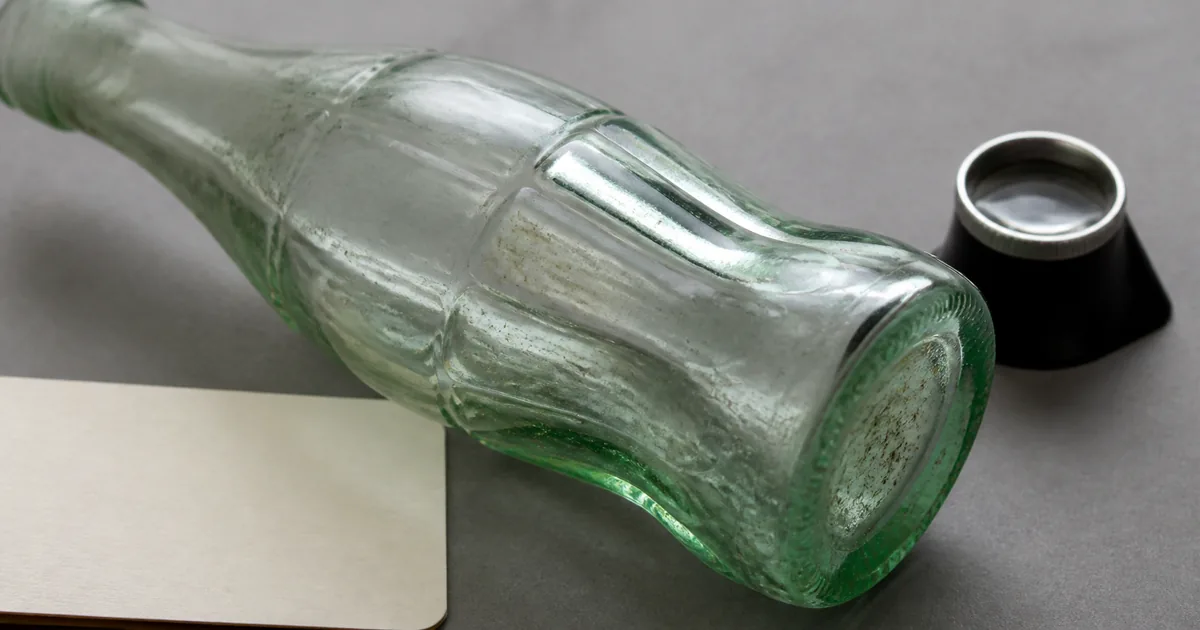
What old glass Coke bottles sell for
Group the bottle by era first, then look at color and city mark. A 1940s contour usually tracks the common green-glass sales, not the prototype prices.
Common green contour. An ordinary glass Coca-Cola bottle sold for $10.
c.1920 foil-label syrup. A Coca-Cola glass syrup bottle sold for $225.
City-marked amber glass. A Fayetteville, N.C. Coca-Cola bottle sold for $40.
Scarce amber prototype. An Anchor Hocking amber Coca-Cola prototype sold for $210.
High-value outlier. A Root Glass Co. modified prototype sold for $90,000.
Read the city name, patent or date code, and glass color before treating any one sale as your bottle.
What similar items actually sold for
To help ground this guide in real market activity, here are recent example auction comps from Appraisily’s internal database. These matched sales are market context only, not an object estimate or identification, and they do not guarantee a price for your specific old glass coke bottle.
Shown USD range: USD 1-USD 17,500. Median of these 11 USD examples: USD 60.
| Comparable | What sold | Auction house | Date | Lot | Source-reported amount |
|---|---|---|---|---|---|
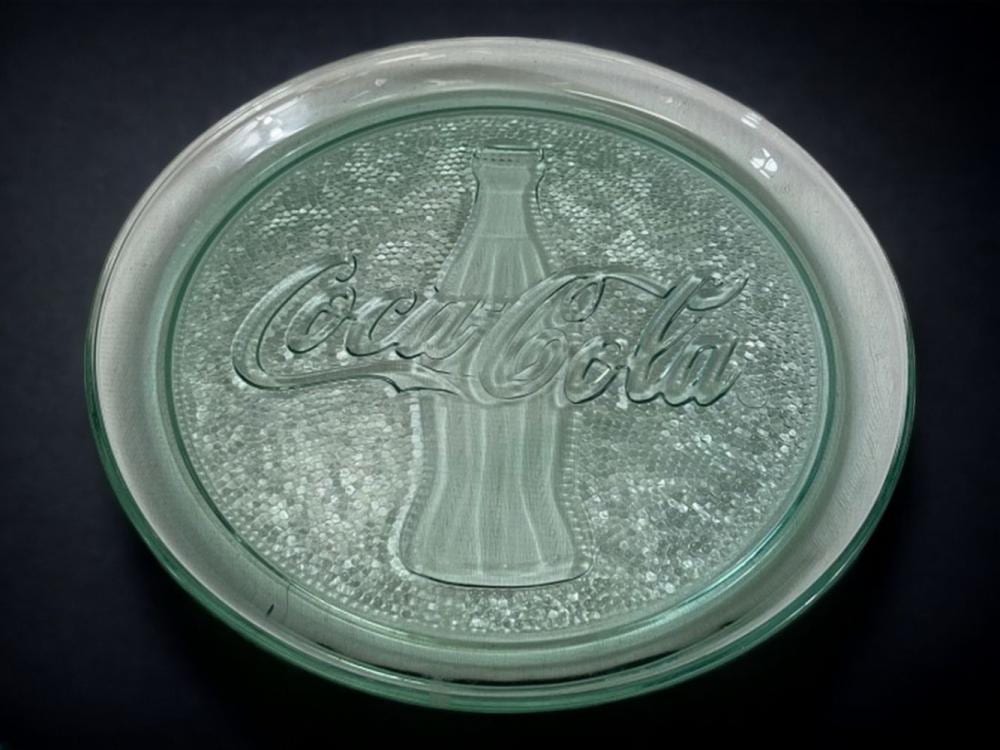 |
Coca Cola Coke Bottle Round Clear Green Glass 1Source blocked; provenance matched | R & R Auction INC | 2023-12-10 | 4552 | USD 10 (buyer’s-premium treatment unknown) |
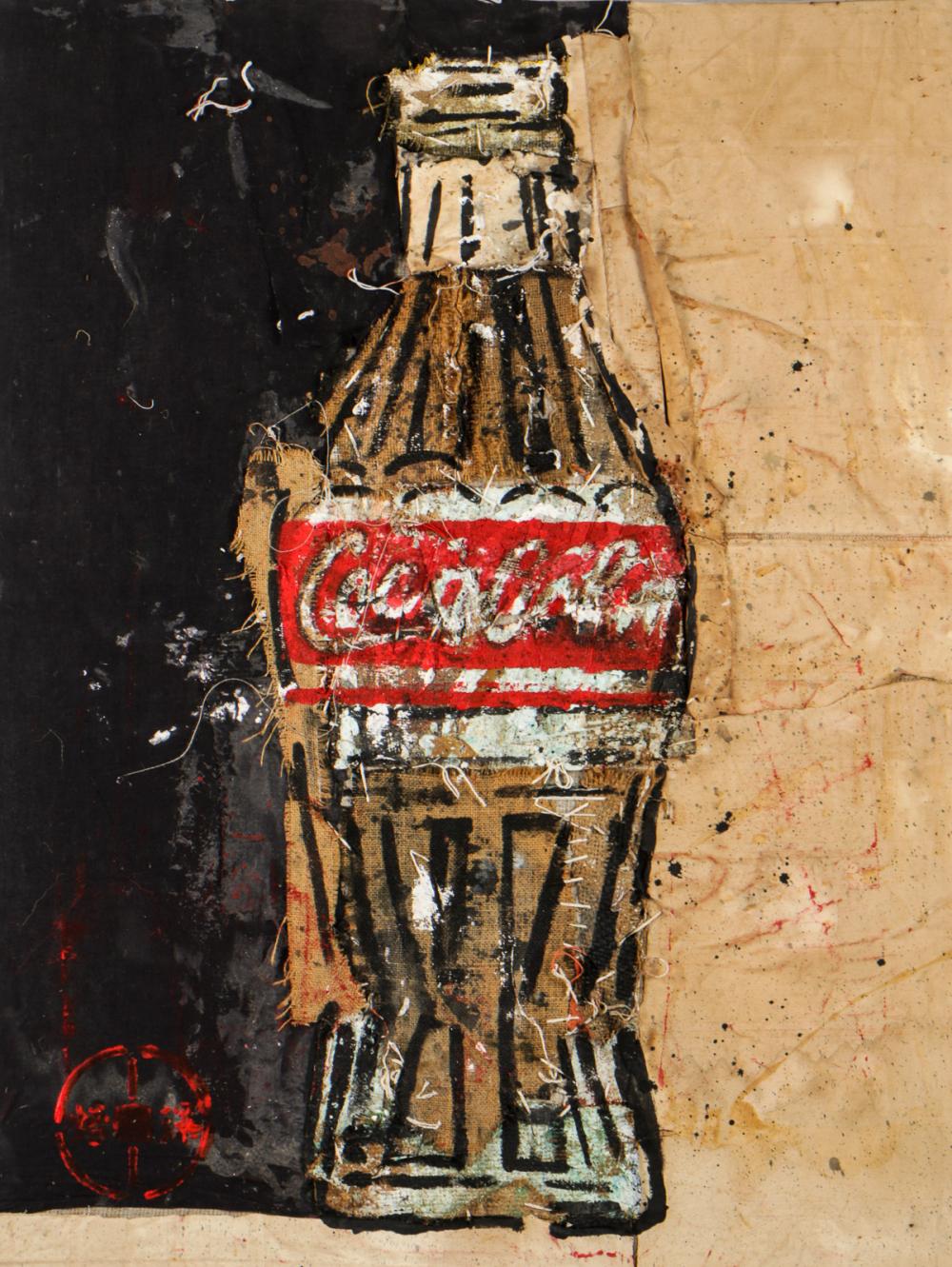 |
Pei Shen Qian (Chinese, 20th c.) Coke BottleSource blocked; provenance matched | Material Culture | 2018-12-16 | 209 | USD 200 (buyer’s-premium treatment unknown) |
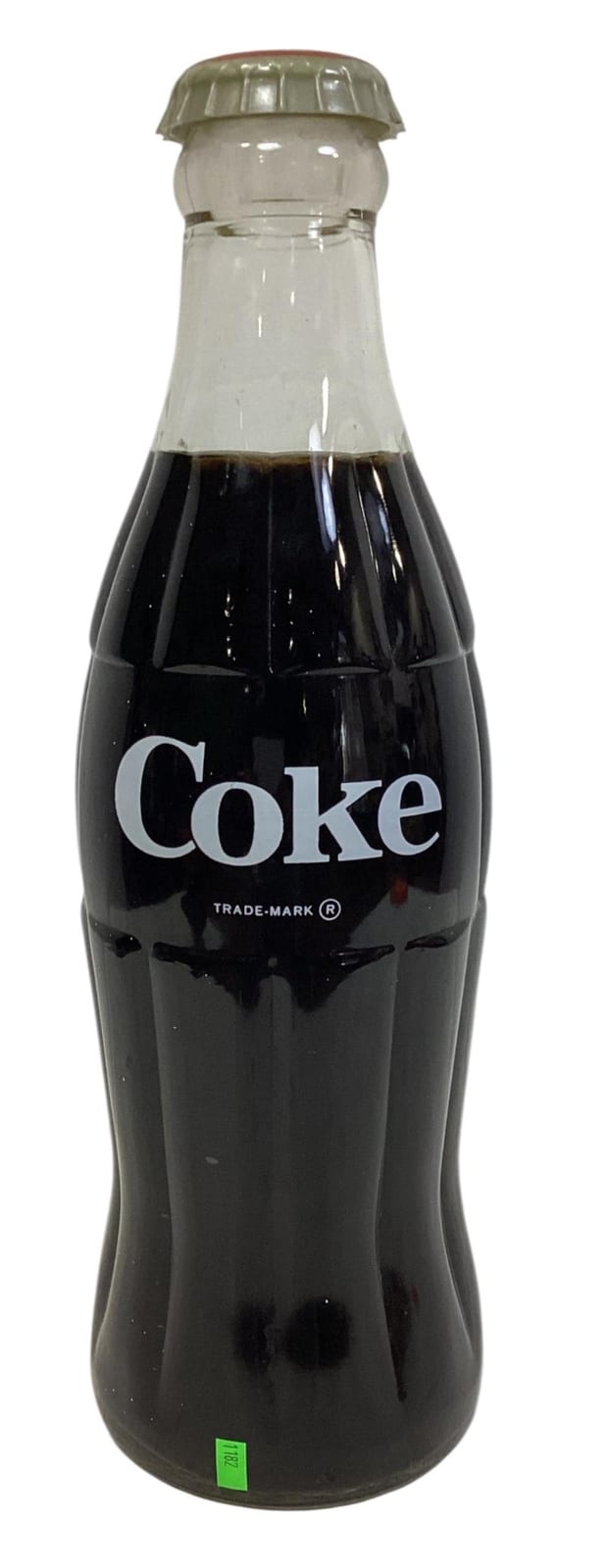 |
c.1968 Coca-Cola Novelty Glass Display Coke BottleSource blocked; provenance matched | EJ'S Auction & Appraisal | 2025-11-08 | 1325 | USD 80 (buyer’s-premium treatment unknown) |
 |
Robert Vickrey American, 1926-2011 Coke BottleSource blocked; provenance matched | DOYLE Auctioneers & Appraisers | 2013-11-05 | 326 | USD 17,500 (buyer’s-premium treatment unknown) |
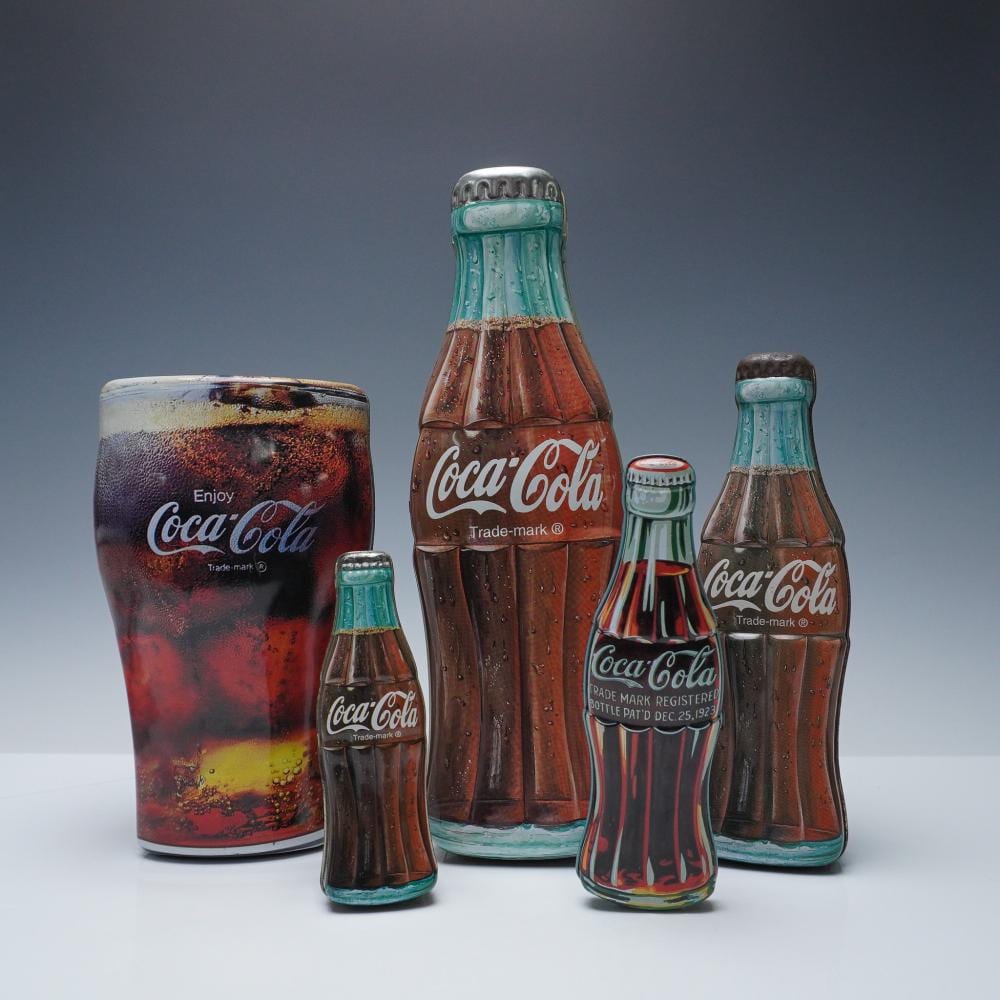 |
5pc Coca-Cola Bottle and Glass Shaped Tin ContainersSource blocked; provenance matched | Lion and Unicorn | 2025-08-29 | 539 | USD 1 (buyer’s-premium treatment unknown) |
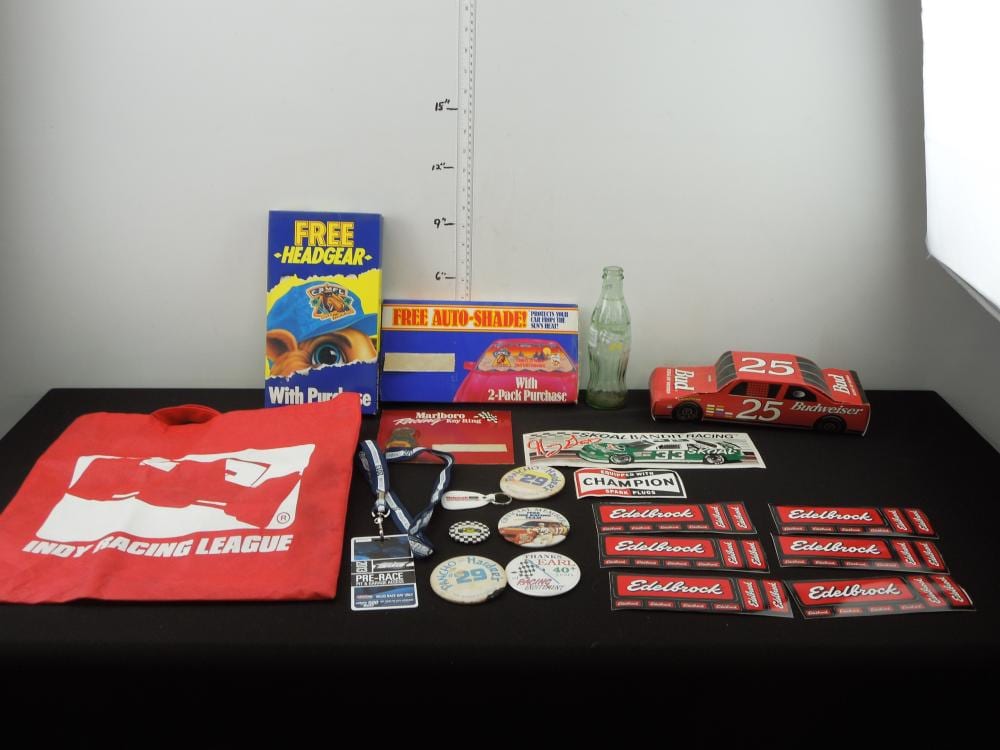 |
Lot of Miscellaneous Racing Souvenirs; Jeff Gordon Coke Bottle, Buttons, Stickers, and MoreSource blocked; provenance matched | Richard L. Edwards Auctioneer | 2023-03-30 | 44A | USD 4 (buyer’s-premium treatment unknown) |
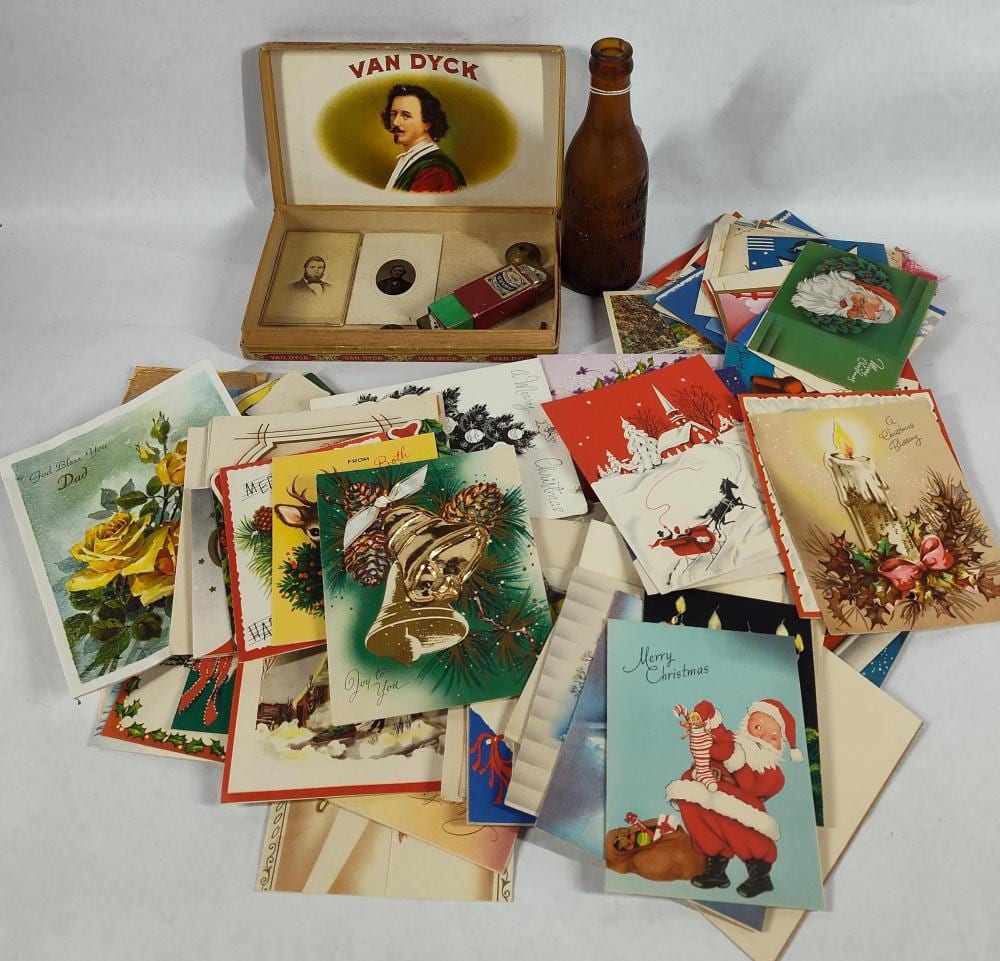 |
Holiday Postcards, Coke Bottle, Early Buttons & MoreSource blocked; provenance matched | Atlee Raber Auctioneer | 2025-07-07 | 362 | USD 40 (buyer’s-premium treatment unknown) |
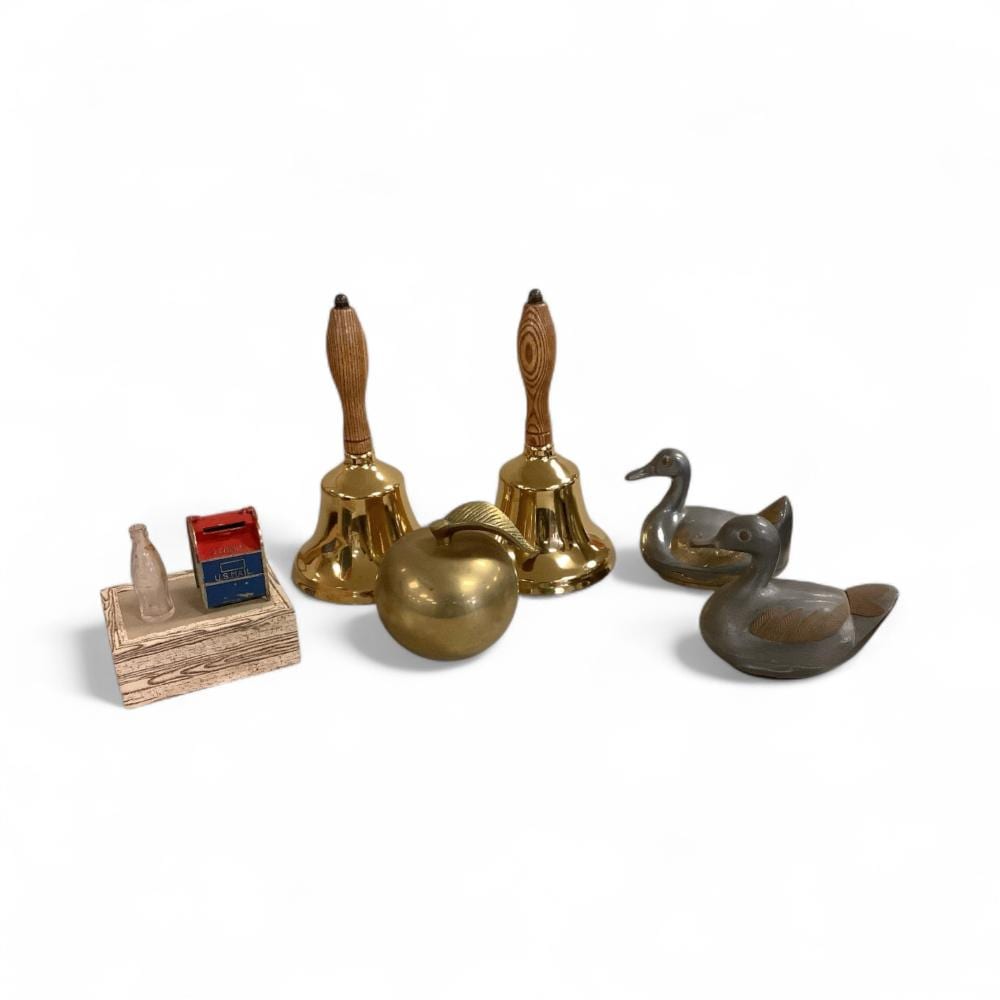 |
Brass Apple, Pair of Vintage Pewter and Brass Duck-Shaped Trinket Boxes, Pair of Brass Hand Bells with Wooden Handles, Miniature Mail Box, and Coke BottleSource blocked; provenance matched | Apple Tree Auction Center | 2025-10-09 | 559B | USD 14 (buyer’s-premium treatment unknown) |
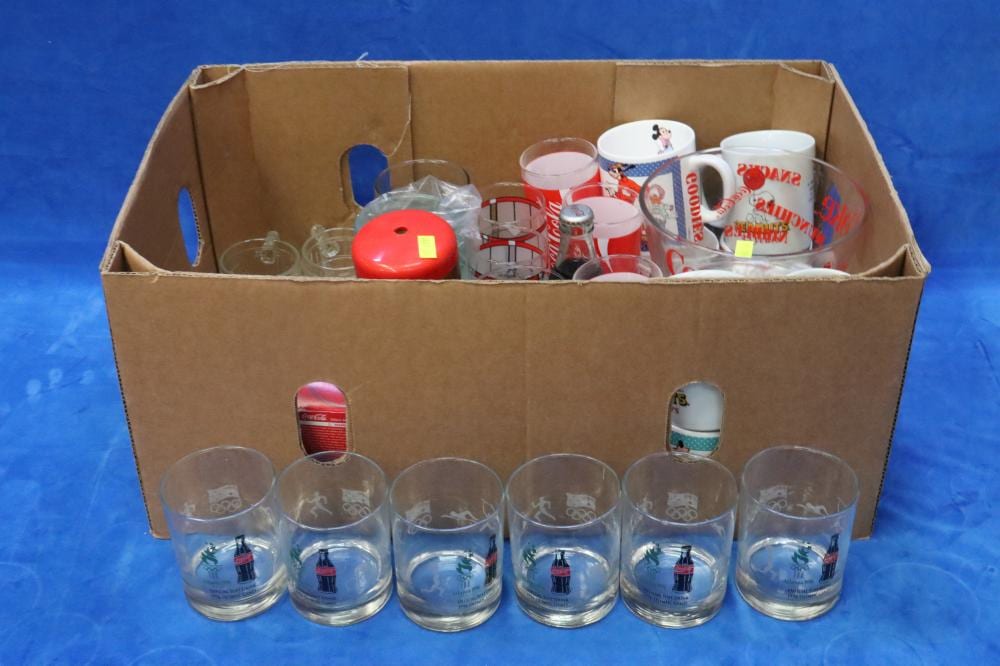 |
COLLECTION OF COKE MEMORABILIA INC. GLASSES, BOWLS & SEALED COKE BOTTLE + COLLECTION OF DISNEY MUGS/GLASSES INC. MICKEY MOUSE & THE HUNCHBACK OF NOTRE DAME + 6X 1996 OLYMPIC GLASSESSource blocked; provenance matched | Albion Antique Auction Centre | 2023-11-16 | 483 | AUD 20 (buyer’s-premium treatment unknown) |
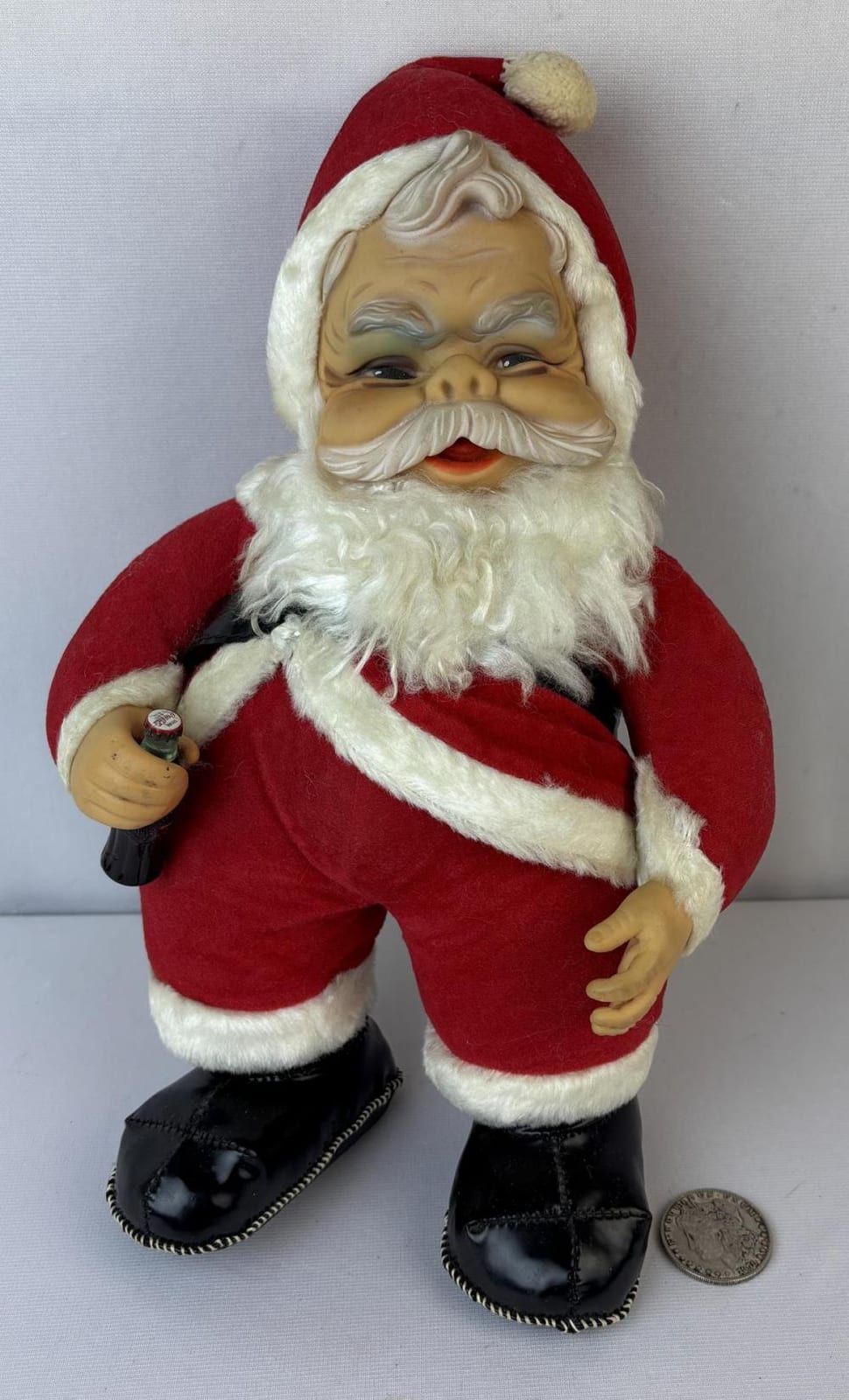 |
Vintage 1950's Rushton Rubber Face Santa w/ Coke Bottle & Black BootsSource blocked; provenance matched | One Source Auctions | 2025-10-27 | 61 | USD 70 (buyer’s-premium treatment unknown) |
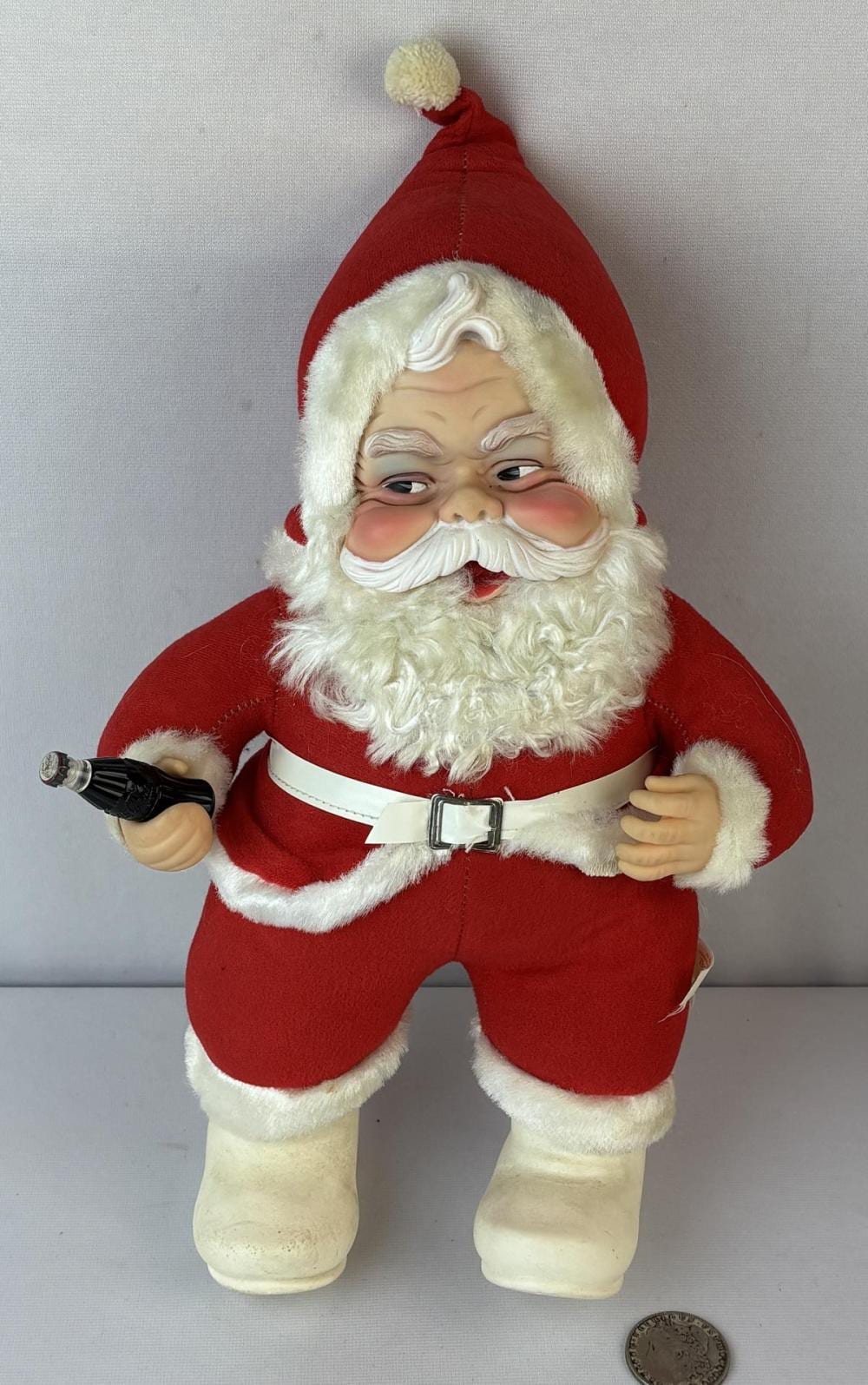 |
Vintage 1950's Rushton Rubber Face Santa w/ Coke Bottle, White Belt & BootsSource blocked; provenance matched | One Source Auctions | 2025-10-27 | 14 | USD 60 (buyer’s-premium treatment unknown) |
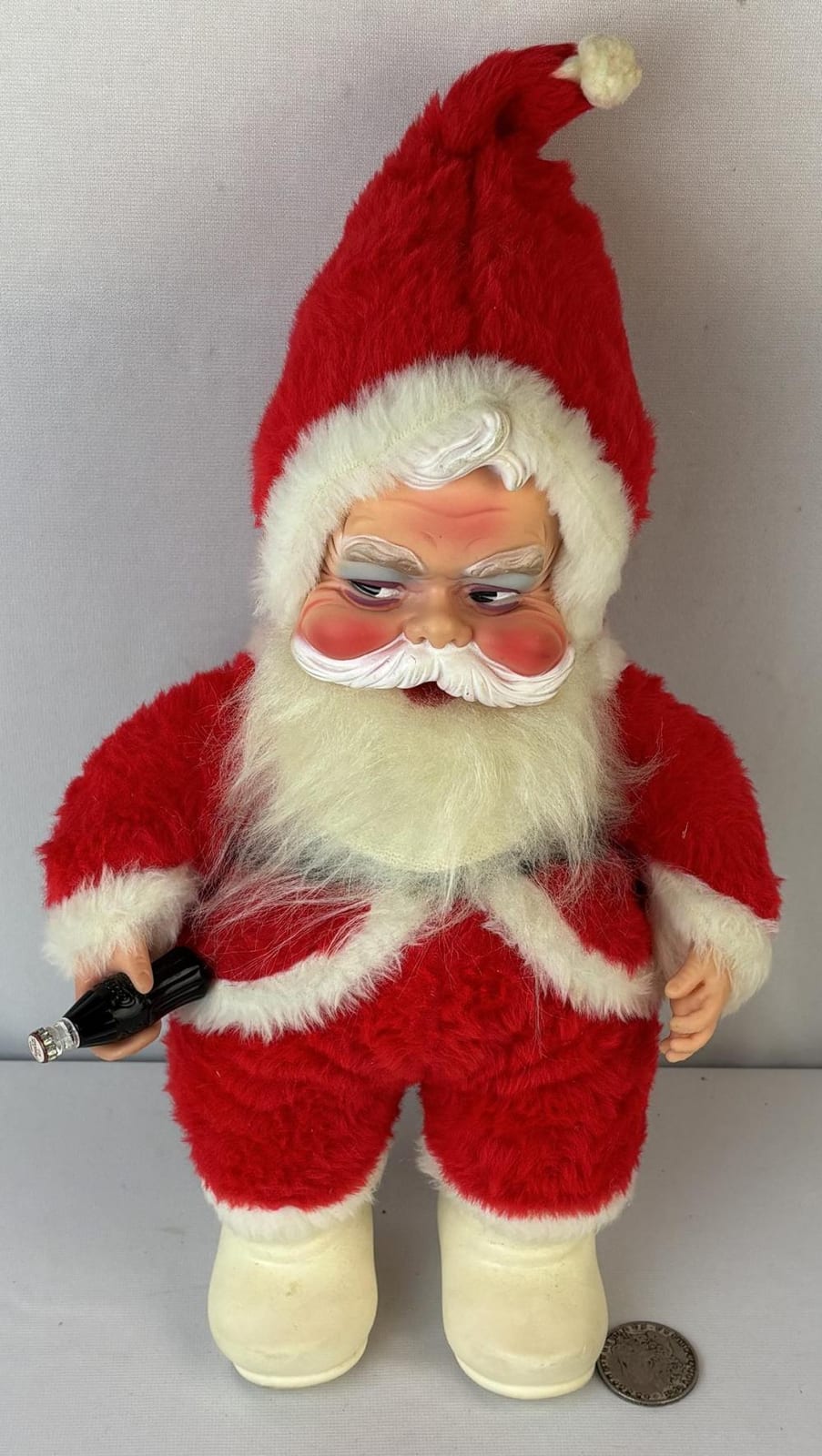 |
Vintage 1950's Rushton Rubber Face Santa w/ Coke Bottle, Black Belt & White BootsSource blocked; provenance matched | One Source Auctions | 2025-10-27 | 187 | USD 100 (buyer’s-premium treatment unknown) |
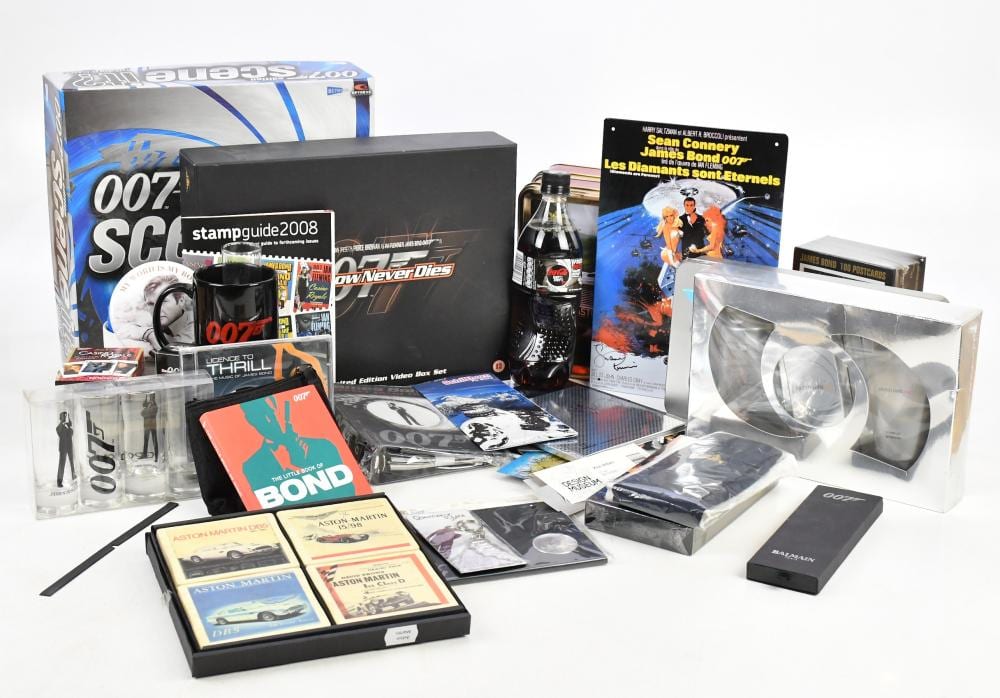 |
JAMES BOND; a group of modern collectables including playing cards, booklets, DVDs boxes, a bottle of Coke Zero, a large selection of Moonraker Eon Production Trade Cards, other stickers, tins, games, etc (qty).Source blocked; provenance matched | Adam Partridge Auctioneers | 2025-04-10 | 1751 | GBP 20 (buyer’s-premium treatment unknown) |
How these auction records were verified
Each row retains its exact source URL, lot identity, retrieval time, access result, and immutable record hash. Live source access was blocked; the exact record matched Appraisily's immutable pipeline provenance. Inspect the public comparable provenance record.
Disclosure: prices are shown as reported by auction houses and are provided for appraisal context. Learn more in our editorial policy.
Introduction to Vintage Coca-Cola Bottle Collecting
Few consumer items capture American history and culture as perfectly as the iconic Coca-Cola bottle. What began as a simple glass container has evolved into one of the most recognized packaging designs in history—and a passionate collecting pursuit for thousands of enthusiasts worldwide.
Today, vintage Coca-Cola bottles can range from common finds worth just a few dollars to extraordinary rarities commanding tens of thousands at auction. Understanding what makes certain bottles valuable requires knowledge of Coca-Cola’s manufacturing history, design evolution, and the specific features that collectors prize.
In this comprehensive guide, we’ll explore the fascinating world of vintage Coca-Cola bottle collecting. Whether you’ve discovered an old Coke bottle in your grandparent’s basement, inherited a collection, or are just starting your collecting journey, we’ll help you understand what factors determine value and how to identify potentially valuable specimens.
The Evolution of Coca-Cola Bottles
Coca-Cola Bottle Evolution Timeline
Most Valuable Vintage Coca-Cola Bottles
Why headline Coca-Cola bottle prices need verification
Notable high-value examples sought by serious collectors
How to Date Your Vintage Coke Bottle
Identifying Bottle Features by Era
When examining your bottle, look for these key features to help determine its age:
- Shape and Design: Is it straight-sided (pre-1915), contour/“hobbleskirt” (post-1915), or a specialty design?
- Bottom Markings: City names, patent information, and date codes are crucial identifiers
- Embossing: The style and placement of the Coca-Cola logo changed over time
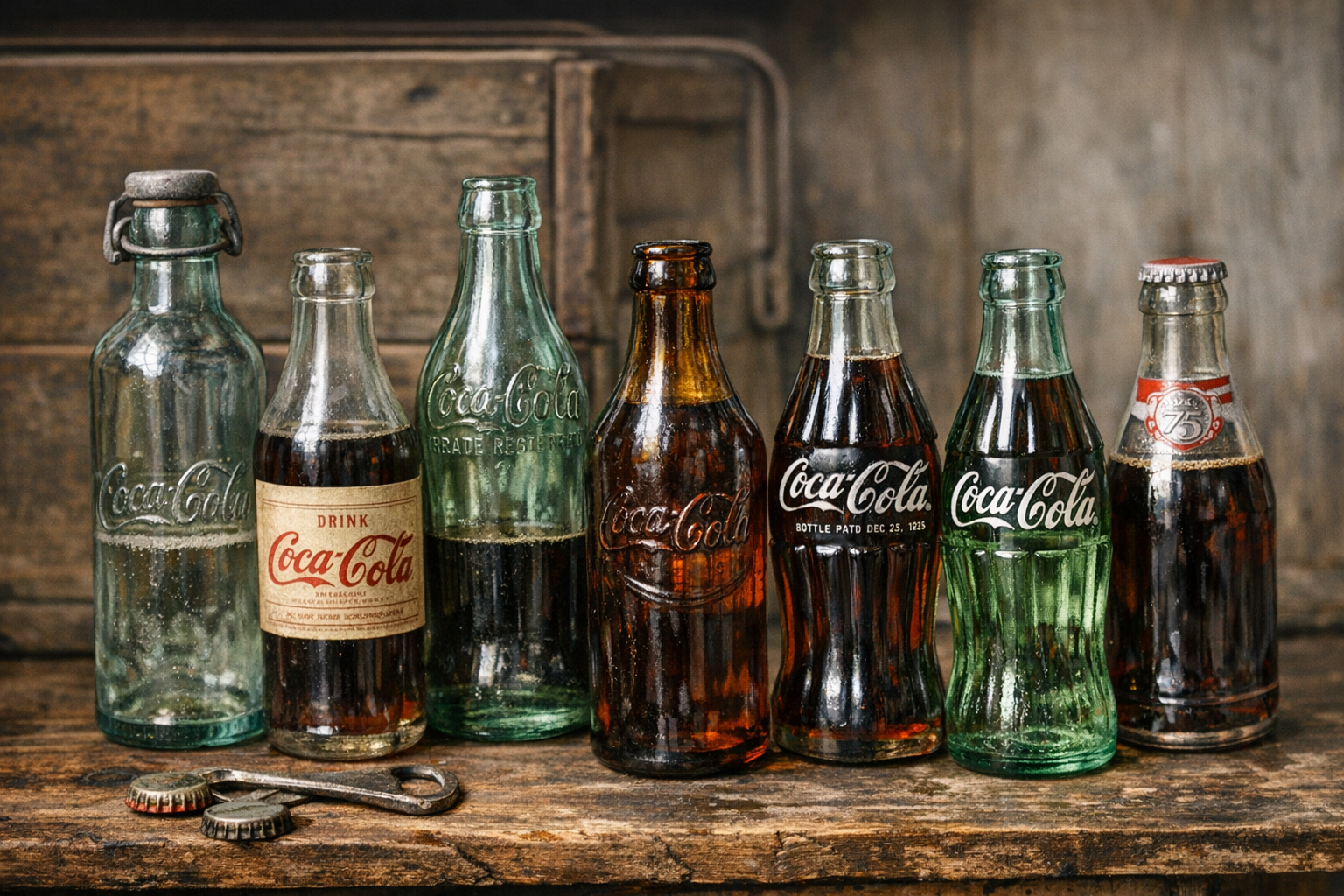
- Glass Color: Early bottles might be clear, light blue, or amber, while most contour bottles are green
- Manufacturing Marks: Seam lines and base details provide clues about production methods
Dating Hobbleskirt Contour Bottles
According to the Society for Historical Archaeology, you can date the familiar contour bottles using these methods:
- Patent Embossing: Look for “Pat. D-105529” (1915-1923), “Patent Office” (1923-1937), or “U.S. Patent Office” (1937-1951) embossed on the bottle
- Date Codes: Post-1916 contour bottles often have two-digit year codes on the skirt (halfway between the heel and main labeling area)
- Manufacturer Mark: A symbol or initials of the glass manufacturer (often on the bottom)
- City and State Marks: The location of the bottling plant appears on the bottom of earlier bottles
Dating Your Coca-Cola Bottle Checklist
Check these areas when examining your bottle for date clues
- Check the bottom for city name and manufacturer mark
- Look for patent information on the lower part of the bottle
- Examine the glass for two-digit date codes
- Identify if the Coca-Cola script is embossed or applied
- Note the bottle shape and color
- Check for special event markings or commemorative text
Factors That Determine Value
Rarity and Historical Significance
The scarcest bottles command the highest prices. Early Hutchinson bottles are extremely rare because few survived, while commemorative bottles produced in limited quantities also maintain higher values. Bottles associated with significant events in Coca-Cola’s history can carry premium values.
Age and Design Era
Generally, older bottles are more valuable, with pre-1915 straight-sided bottles worth significantly more than later contour bottles. However, age alone doesn’t guarantee value—a common 1950s bottle might be worth less than a rare 1970s commemorative edition.
Condition
Condition dramatically impacts value. Collectors prize bottles with:
- No chips, cracks, or damage
- Clear, unblemished glass
- Sharp, legible embossing
- Original labels intact (if applicable)
- No excessive wear or scratches
Regional Variations
Bottles from smaller towns or short-lived bottling operations can be more valuable due to their limited production. Foreign market bottles, especially from countries where Coca-Cola had limited distribution, often command premium prices.
Color Variations
While most Coca-Cola bottles featured green or clear glass, unusual colors like amber, blue, or purple are rare and highly sought after. These color variations often result from manufacturing errors or limited production runs.
Common Vintage Coca-Cola Bottle Values
Current market value ranges for typical specimens in good condition
Identifying Valuable Specimens
The Hutchinson Bottle (Most Valuable)
The earliest Coca-Cola bottles used the Hutchinson stopper system—a spring-loaded cork stopper held in place by a wire. These bottles:
- Date from 1886 to 1899
- Are extremely rare with few surviving examples
- Feature a distinctly different shape from later bottles
- Are embossed with early Coca-Cola script
Straight-Sided Bottles (High Value)
Before the contour bottle was introduced in 1915, Coca-Cola used straight-sided bottles with crown caps. Look for:
- City names embossed on the bottom
- “Coca-Cola” embossed in script on the body
- Bottom manufacturer marks
- Amber glass versions (particularly valuable)
Early Contour “Hobbleskirt” Bottles (Medium Value)
The iconic contour bottle was introduced in 1915. Early versions (1915-1923) are more valuable:
- Look for “Pat. D-105529” embossed on the bottle
- City names on the bottom (not just the manufacturer marks)
- Sharp, clear embossing of the Coca-Cola script
Foreign and Specialty Bottles (Variable Value)
Coca-Cola bottles produced for foreign markets or special occasions can be surprisingly valuable:
- Foreign writing or non-English Coca-Cola logos
- Unusual shapes or designs specific to certain countries
- Commemorative bottles for Olympics, World Fairs, or anniversaries
Where to Sell Vintage Coca-Cola Bottles
Online Marketplaces
- eBay: The largest audience of Coca-Cola collectors, with completed auctions providing good price comparisons
- Etsy: Good for vintage items, though typically attracts more decor-focused buyers than serious collectors
- Ruby Lane: Specializes in antiques and may attract more knowledgeable collectors willing to pay premium prices
Physical Venues
- Antique Shows and Fairs: Direct access to serious collectors and dealers
- Collector Conventions: Events specifically for soda bottle or Coca-Cola memorabilia collectors
- Auction Houses: For extremely rare or valuable specimens, established auction houses like Heritage Auctions or Christie’s might be appropriate
Specialty Dealers
- Coca-Cola Collector Clubs: Members often buy, sell, and trade among themselves
- Antique Bottle Dealers: Specialists who understand the market and can offer fair prices
For bottles identified as potentially very valuable (especially Hutchinson bottles or rare straight-sided examples), consider having them authenticated and appraised by an expert before selling.
Tips for Coca-Cola Bottle Collectors
Research Before Purchasing
- Invest in reference guides like Petretti’s Coca-Cola Collectibles Price Guide
- Study completed auction listings to understand current market values
- Learn to identify reproduction bottles, which have flooded the market
Focus Your Collection
- Consider specializing in bottles from a particular era or region
- Look for bottles from your hometown or state
- Collect bottles that commemorate events meaningful to you
Proper Storage and Display
- Store bottles upright to prevent damage to the base
- Keep bottles out of direct sunlight to prevent glass discoloration
- Clean bottles gently using only water and mild soap, never harsh chemicals
- Consider display cases with UV protection for valuable specimens
Networking with Other Collectors
- Join The Coca-Cola Collectors Club (founded in 1974)
- Participate in online forums and social media groups
- Attend collector conventions and bottle shows
Documentation and Authentication
- Keep records of when and where you acquired each bottle
- Document any provenance information or history
- For very valuable bottles, consider professional authentication
Common Questions About Vintage Coca-Cola Bottle Values
Do old Coke bottles have any value?
How can I tell how old my glass Coke bottle is?
- Bottle Shape: Straight-sided bottles (1900-1915) preceded the contour "hobbleskirt" design (post-1915)
- Bottom Markings: Look for city names and manufacturer marks
- Patent Information: Different patent markings indicate specific date ranges
- Date Codes: Many bottles after 1916 have two-digit date codes on the skirt (halfway down the bottle)
How do I know if my old glass bottle is worth anything?
- Identify the Type: Is it a Hutchinson, straight-sided, or contour Coca-Cola bottle?
- Check for Rare Features: Unusual colors, manufacturing errors, or limited production runs
- Examine Condition: Bottles without chips, cracks, or excessive wear are worth more
- Research Similar Examples: Look for comparable bottles that have recently sold
- Consider Professional Appraisal: For potentially valuable specimens, seek expert opinion
How much is a 1970s Coke bottle worth?
However, there are exceptions that can be worth significantly more:
- Commemorative editions for special events
- Foreign market bottles (especially from countries with limited Coca-Cola distribution)
- Bottles with manufacturing errors
- Unopened bottles in original packaging or cases
How much is a 1923 Coca-Cola bottle worth?
Factors that could make a 1923 bottle more valuable include:
- Excellent condition with no chips or cracks
- Clear, sharp embossing
- Bottles from smaller towns or limited production runs
- Christmas special editions
- Unusual color variations
Are bottles with Coke still in them worth more?
- The liquid often discolors or damages the glass over time
- Leaking is a concern for display and storage
- Most serious collectors prefer empty bottles that can be properly cleaned and examined
There are some exceptions where full bottles in original packaging might command higher prices from certain buyers, particularly for limited commemorative editions. However, for standard vintage bottles, collectors generally prefer empty, clean specimens where the embossing and glass characteristics can be clearly seen.
As noted in a recent Reddit discussion on r/whatsthisworth, bottles from the 1960s forward with original contents typically sell for just $1-2.Where is the date on old Coke bottles?
-
Bottom of the Bottle: Many early bottles (especially pre-1950s) have date marks on the base along with city names and manufacturer marks
-
Lower Skirt Area: After 1916, many contour bottles have a two-digit year code embossed about halfway between the heel and the main labeling area
-
Near Manufacturer Marks: Often a two-digit year appears near the glass maker’s mark
For contour "hobbleskirt" bottles produced after 1916, look for a two-digit number that represents the year of manufacture. For example, "55" would indicate 1955. Sometimes these are combined with other codes identifying the specific mold used.
According to resources from the Society for Historical Archaeology, dating methods for Coca-Cola bottles depend on their era, with different marking systems used during different periods of production.What is the rarest Coca-Cola bottle?
External Resources for Coca-Cola Bottle Collectors
Coca-Cola Company - Bottle Collecting Guide
Official resource from the Coca-Cola Company covering bottle history and collecting basics, with information directly from the source.
Society for Historical Archaeology - Dating Hobble-Skirt Coca-Cola Bottles
Academic research on dating and identifying vintage Coke bottles with detailed analysis of manufacturing marks.
Collectors Weekly - Antique and Vintage Coke Bottles
Marketplace and collecting resource with current listings and price trends for vintage Coca-Cola bottles.
eBay - Old Glass Coke Bottles Collectibles
Active marketplace showing current asking prices and recently sold bottles to gauge market values.
LoveToKnow - 7 Old Coke Bottles Worth a Ton of Money Today
Guide to the most valuable Coca-Cola bottles with price estimates and identifying features.
The Coca-Cola Collectors Club
Official club for Coca-Cola memorabilia collectors with events, resources, and networking opportunities.
Conclusion: Assessing Your Vintage Coca-Cola Bottle Collection
The world of vintage Coca-Cola bottle collecting offers something for everyone—from affordable hobby collecting to serious investment for the rarest specimens. Understanding the historical context, production methods, and specific features that drive value will help you make informed decisions about your collection.
Remember that while extremely valuable bottles like Hutchinson examples are exceedingly rare, more modest treasures can still be discovered at estate sales, flea markets, and even in family collections. The joy of Coca-Cola bottle collecting comes not just from monetary value but from preserving and appreciating a unique slice of American commercial history.
Whether you’re looking to sell a recently discovered old bottle or beginning a new collecting journey, take time to research thoroughly, connect with experienced collectors, and approach the hobby with patience. The iconic contour bottle has endured for over a century as one of the world’s most recognizable containers—a testament to the enduring appeal of this quintessentially American collectible.
The free first read is a separate photo-based Screener, not this educational article. Results usually appear within a few minutes; complex items can take longer. From photographs of your Coca-Cola bottle, it returns a preliminary category or identity read, visible evidence gaps, rough comparable market signals, and whether a human appraisal looks worthwhile; it is not a signed value conclusion. Material or construction can remain uncertain without direct examination, dimensions, provenance, or complete condition details. A written appraisal is useful when your Coca-Cola bottle needs documented specialist support for insurance, tax, an estate, authentication, litigation, or a consequential sale, but you may not need one.
Choose your next step
Use the path that matches the decision you need to make about the item.
Want proof before paying?
See how a signed report documents photos, comparable evidence, condition notes, and value conclusions.
View signed report sampleNeed a signed report?
Free Instant Screener first. If you need a signed record, Standard is $59. Not an insurance report unless the carrier asked.
Get a $59 signed recordNeed local or specialist help?
Compare directory options when the work needs in-person review or a specialist near you.
Find local specialistsSee what the report looks like
Sample reports show how photos, comparable evidence, condition notes, and a value conclusion are documented.
Get this glass Coke bottle appraised
Upload photos of the full bottle, base, city name, date code, patent marks, embossing, glass color, labels, chips, staining, and collection history.
- Expert report with photos and comps
- Fast turnaround
- Fixed, upfront pricing
No obligation. Secure upload.
Continue your valuation journey
Find the right local specialist
Compare antique and art appraisers by location and specialty in one directory.
Antique & art specialists
Browse the Antique & Art Appraisers Directory
Choose a local specialist when the assignment needs in-person inspection or a specific credential.
Machine-readable summaries
Use these machine-friendly references for AI and crawler discovery of Appraisily content.
Same report as above
Get my bottle report — $59
One bottle · Signed PDF
Get my bottle report — $59 View signed report sample