What antique dressers actually sell for
Most Victorian, Eastlake and Empire dressers sell for a few hundred dollars or less. Signed pieces by known makers and fine Federal chests are a different market.
Typical sales. A late 19th-century Eastlake dresser in walnut and burled walnut, with a tall beveled mirror back with candle shelves and a bi-level marble top, in good condition, sold for $150.
An 1880s four-drawer Eastlake oak dresser with all its original brass pulls and its original finish sold for $70.
Condition. A 19th-century American Renaissance Revival walnut dresser with later electric sconces, a repaired crack in its marble top, one drawer pull replaced and some loss to the veneer sold for $110.
A late 19th-century Victorian chestnut inlaid dresser with mirror, with three handles missing on the glove boxes, scuffs, wear and minor chipping, sold for $330.
Early American chests. An American Chippendale tiger maple chest of drawers, circa 1800, with four graduated drawers and antique brass bat wing hardware on dovetailed bracket feet, sold for $750.
Named makers. A Gustav Stickley #905 oak dresser with mirror, with a branded signature, sold for $8,125.
A signed Limbert Ebon-Oak dresser, model #1, made for The Mission Inn in Riverside, California, c1912, with an excellent original finish, sold for $9,000.
High-value outlier. A Portsmouth, New Hampshire, Federal inlaid mahogany bow-front chest of drawers from the first quarter of the 19th century, with inlaid satinwood panels on the drawers and old replacement brasses, sold for $9,183.
Photograph maker marks, model, condition, and completeness before treating any one sale as yours.
What similar items actually sold for
Real auction sales of items like your antique dresser. Open a sale to see the original listing.
Shown USD range: USD 10-USD 9,183. Median of these 81 USD examples: USD 180.


How these auction records were verified
These sales are market context, not an object estimate.
Each row retains its exact source URL, lot identity, retrieval time, access result, and immutable record hash. Live source access was blocked; the exact record matched Appraisily's immutable pipeline provenance. Inspect the public comparable provenance record.
Do you have an antique dresser gathering dust in your attic or inherited a beautiful piece of furniture from a relative? Understanding what these vintage furnishings are worth can be challenging in today’s ever-changing market. Antique dressers—from ornate Victorian masterpieces to streamlined Mid-Century designs—can range dramatically in value, from modest sums for plain pieces to several thousand dollars.
This comprehensive guide will help you determine how much your antique dresser is worth based on style, age, condition, and current market trends. Whether you’re looking to sell a family heirloom, make an informed purchase, or simply satisfy your curiosity about a cherished piece, we’ll provide the knowledge you need to understand antique dresser values.
How to Work Out What Your Antique Dresser Is Worth, Step by Step
The sections below explain what affects value. This is the order to check those things in when the dresser is in front of you.
- Name the form. A low dresser with an attached mirror, a tall chest of drawers, a narrow chiffonier, a washstand or commode, and a vanity each sell to different buyers. Compare like with like.
- Measure it. Record height, width and depth, plus the mirror height if there is one. Size matters more for furniture than for most objects, because large pieces are harder to move and fit fewer rooms.
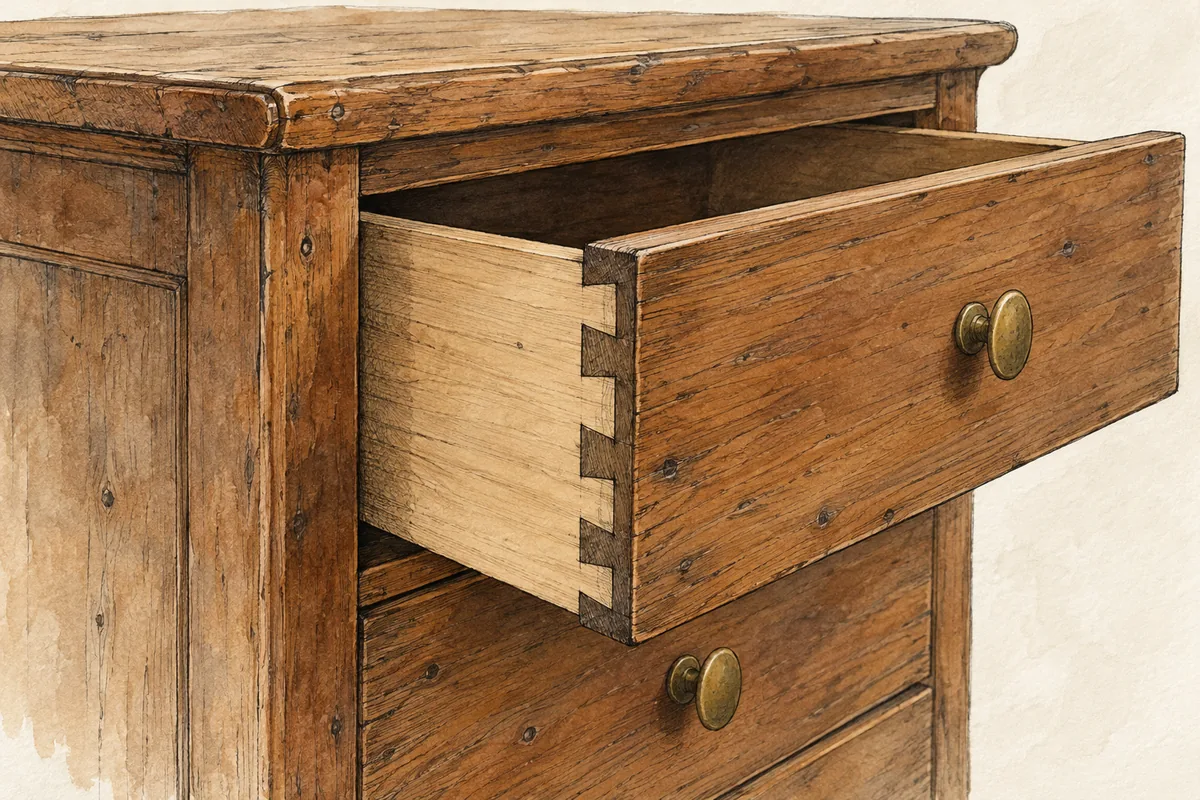
- Pull the top drawer all the way out. Photograph the dovetails, the drawer bottom, the secondary wood and any label, stamp or pencil marks. Factory makers, including Grand Rapids firms such as Berkey & Gay, often marked pieces with paper labels, stamps or decals inside drawers or on the back.
- Check that it all belongs together. Look for a mirror frame in a different wood or finish from the case, mirror supports attached with newer hardware, extra holes or outlines on drawer fronts where earlier pulls were, and a top that does not match the base. Replaced pulls and a married mirror are common and lower value.
- Note condition plainly. Veneer loss, split or warped tops, water rings, broken marble, missing pulls, and paint or stripping over the original finish.
- Find matching sold results. Compare the same form, style, wood, size and condition, ideally from sales in your region, since most dressers sell locally for pickup. Use the sold results on this page and completed sales, not asking prices.
For more on how wood, joinery and hardware change the picture, see this guide to antique dresser value by wood, joinery and hardware.
Table of Contents
- What Makes a Dresser “Antique”?
- Factors That Determine Antique Dresser Value
- Popular Antique Dresser Styles and Their Values
- How to Identify Valuable Antique Dressers
- Current Market Prices for Antique Dressers
- Where to Sell Your Antique Dresser
- Professional Appraisal vs. DIY Valuation
- Common Questions About Antique Dresser Values
- External Resources
What Makes a Dresser 'Antique'?
The term “antique” isn’t merely subjective—it has specific meanings in the world of collectibles and customs regulations. Generally speaking, for a piece of furniture to be considered a true antique, it must be at least 100 years old. This isn’t just collectors’ preference; it’s actually codified in U.S. customs regulations.
Items that are older than 20 years but not yet 100 years old typically fall into the “vintage” category. This distinction is important because true antiques often command higher prices than vintage pieces, all else being equal.
Evolution of Dresser Styles
- 1700s
Early Chests of Drawers
Simple wooden storage chests that evolved into more sophisticated pieces with drawers of varying sizes. Often handcrafted with dovetail joints.
- 1800-1880
Victorian Era
Ornate dressers with intricate carvings, marble tops, and matching mirrors. Substantial in size with dark finishes, typically made of mahogany, walnut, or rosewood.
- 1880-1900
Eastlake Period
Geometric designs with straight lines, shallow carvings, and often featuring original porcelain hardware. Named after Charles Eastlake, who advocated for simpler designs.
- 1900-1920
Art Nouveau
Flowing, organic lines inspired by nature. Often featured carved floral motifs and curved fronts. Lighter woods became more common.
- 1920-1940
Art Deco
Bold, geometric patterns with streamlined forms. Often featured exotic woods, mirrored surfaces, and modern hardware. Emphasized function with style.
Factors That Determine Antique Dresser Value
Age and Originality
The age of a dresser significantly impacts its value, with pieces from certain periods being more desirable than others. However, age alone doesn’t confirm high value—originality matters too. Reproductions, even high-quality ones, typically sell for a fraction of what an documented period would fetch.
Condition
The condition of an antique dresser is perhaps the single most important factor affecting its value. Collectors and buyers look for:
Antique Dresser Condition Assessment
Evaluate your dresser's condition by checking these factors
- Original finish in good condition
- All original hardware present
- Drawers that open and close smoothly
- No significant scratches, dents, or water damage
- Stable structure with no wobbling
- Original mirror intact (if applicable)
- No missing veneer or severe wood damage
- No inappropriate repairs or refinishing
Craftmanship and Materials
Antique dressers crafted by renowned furniture makers or distinctive design houses command premium prices. Look for maker’s marks, stamps, or labels inside drawers or on the back of the piece. Similarly, dressers made from high-quality or rare woods (like mahogany, walnut, or rosewood) are generally worth more than those constructed from common woods like pine.
Provenance and History
A documented history or provenance can significantly increase an antique dresser’s value. Pieces with a clear lineage of ownership, especially those linked to historical figures or events, can sell for substantially more than similar pieces without such documentation.
Rarity and Uniqueness
Uncommon designs, limited productions, or dressers with unique features can fetch higher prices. Pieces that represent the pinnacle of a particular style or those that showcase exceptional artistry are particularly valuable to collectors.
Market Demand
Even the finest antique dresser will only be worth what someone is willing to pay for it. Current design trends significantly influence values, with certain styles moving in and out of fashion. For example, in recent years, Mid-Century Modern pieces have seen substantial increases in value due to growing popularity.
Popular Antique Dresser Styles and Their Values
Victorian Era Dressers (1837-1901)
Victorian dressers are typically large, ornate pieces with intricate carvings, marble tops, and attached mirrors. Often made from dark woods like mahogany or walnut, these substantial pieces can be quite valuable if in good condition.
Victorian Dresser Price Ranges
Current market values based on condition and features
Art Nouveau Dressers (1890-1910)
Art Nouveau furniture features flowing, organic lines inspired by natural forms. These pieces often showcase carved floral motifs, curved fronts, and lighter wood tones than their Victorian predecessors.
Arts & Crafts/Mission Style (1880-1920)
Characterized by straight lines, simple forms, and visible construction details, Arts & Crafts dressers prioritized craftsmanship over ornate decoration. Often made from quarter-sawn oak with a focus on showcasing the natural beauty of the wood.
Art Deco Dressers (1920-1940)
Art Deco pieces feature bold geometric patterns, streamlined forms, and modern materials. They frequently incorporated exotic woods, mirrored surfaces, and decorative hardware. These pieces have seen increasing demand in recent years.
Mid-Century Modern Dressers (1940s-1970s)
While not quite antiques yet (except the earliest examples), Mid-Century Modern dressers have become highly collectible. Known for clean lines, tapered legs, and minimalist designs, quality pieces from renowned designers like Herman Miller, Knoll, or Danish manufacturers can command premium prices.
| Category (highest to lowest value) | Typical condition |
|---|---|
| High-quality with original mirror | Excellent condition with original hardware |
| Standard Victorian dresser | Good condition with minor repairs |
| Damaged or heavily modified | Requiring significant restoration |
How to Identify Valuable Antique Dressers
Examine Construction Methods
One of the most reliable ways to date and document an antique dresser is by examining its construction techniques:
- Dovetail Joints: Hand-cut dovetails (often uneven and irregular) suggest pre-1890s construction, while machine-cut dovetails (perfectly uniform) indicate manufacturing after this period.
- Screws and Nails: Look at the hardware used. Hand-forged nails and screws with irregular slots suggest an earlier piece. Phillips-head screws weren’t common until after 1930.
- Wood Type and Cut: Examine the secondary woods (drawer bottoms, backs) as well as the primary wood. Circular saw marks became common after 1830, while band saw marks suggest post-1880 manufacturing.
Check for Maker’s Marks
Many quality furniture manufacturers marked their pieces. Look for stamps, paper labels, or metal plates in inconspicuous areas like:
- Inside drawers (particularly the top drawer)
- On the back panel
- Underneath the piece
- Inside cabinet doors
Assess Original Components
Original components significantly increase a dresser’s value:
- Hardware: Original pulls, knobs, and drawer glides are highly desirable. Replacements, especially non-period-appropriate ones, can reduce value.
- Mirrors: If your dresser has an attached mirror, determine if it’s original to the piece. Look for matching wood, consistent wear patterns, and compatible construction techniques.
- Finish: Original finishes, even with some wear, are typically more valuable than refinished surfaces. Antique furniture specialists often value “original condition with patina” over a pristine refinished appearance.
Current Market Prices for Antique Dressers
Sales data from major platforms like eBay, 1stDibs, and Etsy, as well as auction results, are the best guide. Examples of the kinds of dressers that have sold recently:
Antique Dresser Market Values (2023)
Current price ranges based on recent sales data
| Item | Date | Auction House |
|---|---|---|
| 19th Century Rosewood Victorian Dresser | March 2023 | Sotheby's |
| Eastlake Walnut Dresser with Original Mirror | January 2023 | Christie's |
| Art Deco Waterfall Dresser | November 2022 | eBay |
| Early American Pine Chest of Drawers | October 2022 | Heritage Auctions |
Compare sold prices for dressers of the same style, wood and condition before pricing yours. Exceptional pieces with outstanding provenance, original condition, or by renowned makers can fetch significantly higher prices at specialized auctions or through high-end dealers.
According to recent Reddit discussions, more modest or damaged antique dressers might only fetch modest sums, while refinished pieces typically sell for less than those with original finishes in good condition.
Where to Sell Your Antique Dresser
Online Marketplaces
- eBay: Reaches a vast audience but requires shipping arrangements for large furniture, which can be costly and complicated. Better for smaller or exceptionally valuable pieces that justify shipping costs.
- Etsy: Focuses on vintage and antique items with a buyer base willing to pay for quality pieces. Higher seller fees but potentially higher selling prices.
- Facebook Marketplace: Great for local sales with no fees, but may attract bargain hunters rather than serious collectors.
- Specialized Platforms: Sites like 1stDibs, Chairish, and PAMONO cater to higher-end antiques and can command premium prices, though they typically charge significant seller fees.
Local Options
- Consignment Shops: Antique consignment stores will sell your piece for a share of the sale price (rates vary by shop). They handle the display, sales process, and customer interaction.
- Antique Dealers: May purchase directly from you, though typically at wholesale prices (well below retail value).
- Auction Houses: Local auction houses can be excellent options for higher-value pieces, especially those with provenance or by known makers.
- Estate Sales: If you have multiple items to sell, an estate sale company can handle pricing and selling your furniture along with other household items.
Maximizing Sale Value
To get the best possible price when selling an antique dresser:
- Clean thoroughly but gently: Remove dust and dirt without damaging the finish.
- Document history: Gather any information about the piece’s age, maker, or provenance.
- Take quality photographs: Capture the overall piece, details, maker’s marks, and any damage.
- Set a realistic price: Research comparable items that have actually sold, not just asking prices.
- Be patient: The right buyer who appreciates your piece’s value may take time to find.
Professional Appraisal vs. DIY Valuation
When to Seek Professional Appraisal
Consider professional appraisal services in these situations:
- Insurance purposes: You need documentation of value for homeowner’s or collector’s insurance.
- Estate division: Fair distribution of assets requires accurate valuations.
- High-value pieces: Items potentially worth thousands benefit from expert assessment.
- Uncertain provenance: You suspect your piece may be by a renowned maker or has historical significance.
- Tax implications: For donations, estate taxes, or other tax-related matters.
Finding a Qualified Appraiser
For reliable appraisals:
- Seek appraisers certified by the International Society of Appraisers (ISA) or American Society of Appraisers (ASA)
- Check with local auction houses for recommended furniture specialists
- Contact antique dealer associations for referrals
- Be prepared to pay a fee for a thorough written appraisal; fees vary by appraiser and report type, so ask for the fee schedule up front
DIY Valuation Resources
If professional appraisal isn’t necessary, these resources can help you research values:
- Completed auction listings on sites like LiveAuctioneers or Invaluable
- Price guides specific to antique furniture (available at libraries)
- Online marketplaces showing completed/sold listings, not just asking prices
- Antique forums where collectors and dealers discuss values
- Local antique shops may offer informal assessments
Common Questions About Antique Dresser Values
Frequently Asked Questions About Antique Dresser Values
How can I tell if my dresser is truly antique?
- Construction techniques (hand-cut dovetails, irregular saw marks)
- Types of hardware (hand-forged nails, slotted screws)
- Wood aging and patina
- Stylistic elements typical of specific periods
Will refinishing my antique dresser decrease its value?
How much should I expect to get for an old dresser in fair condition?
- Lowest for basic pieces without significant distinguishing features
- Somewhat higher for Victorian, Eastlake, or early 20th century pieces with some charm but needing work
- Highest for better examples with original features intact
How can I find out how much my antique dresser is worth?
- Research similar pieces that have actually sold (not just asking prices)
- Document distinctive features, maker’s marks, and provenance
- Consider local market conditions and current design trends
- For potentially valuable pieces, consult with a professional appraiser who specializes in antique furniture
Are antique dressers with mirrors worth more?
The value premium depends on:
- Whether the mirror is original to the piece
- Condition of the mirror (original silvering vs. replacement glass)
- Quality and design of the mirror frame
- How the mirror complements the overall piece
What is the difference between a dresser and a chest of drawers?
Does a Grand Rapids label mean my dresser is antique?
External Resources
Helpful Resources for Antique Dresser Valuation
Collectors Weekly: Antique and Vintage Dressers
Educational resource with articles, stories, and information about different dresser styles throughout history.
1stDibs Antique Dressers Collections
High-end marketplace featuring curated collections of antique dressers, providing examples of current asking prices for quality pieces.
EBTH (Everything But The House) Auction Results
Online estate sale platform showing completed auction results for antique furniture, including dressers from various periods.
LiveAuctioneers Past Auction Results
Database of past auction results allowing you to research actual selling prices of antique dressers at auction houses worldwide.
Pamono Antique Dresser Collection
Curated marketplace for distinctive vintage and antique furniture with detailed information about each piece's history and design.
Conclusion
Determining the value of an antique dresser involves careful consideration of multiple factors: age, style, condition, craftsmanship, provenance, and current market trends. While some mass-produced pieces may fetch only modest sums, exceptional examples with original features, documented histories, or by renowned makers can command thousands of dollars.
Remember that the antique furniture market continually evolves, with styles moving in and out of fashion. What might have been highly valuable a decade ago may have decreased in desirability, while previously overlooked pieces may now be attracting premium prices.
Whether you’re looking to sell an inherited piece, make an informed purchase, or simply understand what your cherished antique is worth, taking the time to research its specific attributes will lead to the most accurate valuation. And for pieces of potential significant value, a professional appraisal remains the gold standard for determining true market worth.
By understanding the factors that influence antique dresser values and utilizing the resources provided in this guide, you’ll be well-equipped to navigate the fascinating world of antique furniture with confidence and knowledge.
Free first look
Not sure whether this antique dresser needs an appraisal?
Photograph the whole object, joinery, hardware, marks, dimensions, surface, missing parts, repairs, and structural condition. The photo-based Screener can help identify the likely category and visible evidence gaps before you pay for documentation.
Upload photos for a free first lookFree. No card needed. The photo upload usually takes about two minutes.
Get a furniture appraisal
Upload full dresser photos, dovetails, drawer bottoms, back boards, hardware, mirror, feet, finish, labels, repairs, dimensions, and provenance.
- Signed report with photos and market context
- Delivered within 24 hours of receiving your photos
- Fixed, upfront pricing
No obligation. Secure upload.
Find a local antique or art appraiser
Antique dresser value checklist before pricing
Before pricing an antique dresser, photograph the drawer dovetails, back boards, underside, secondary wood, hardware, mirror frame, maker labels, locks, finish wear, repairs, and dimensions. Compare close dresser guides for dressers with mirrors, old dresser values, and broader antique furniture appraisal before relying on asking prices.
Ready for pricing guidance?
Start a secure online appraisal
Upload images and details. Delivered within 24 hours of receiving your photos.
Upload photos for a free first look View signed report sample