Introduction to Marble Values
Those colorful glass spheres from your childhood might be worth more than just memories. Vintage and antique marbles have become highly sought-after collectibles, with some rare specimens fetching thousands of dollars at specialized auctions. Whether you’ve inherited a jar of old marbles or are considering starting a collection, understanding what makes certain marbles valuable is essential.
Free. No card needed. Photo upload takes about two minutes.
In this comprehensive guide, we’ll explore the fascinating world of marble collecting and valuation, providing you with the knowledge to identify potentially valuable marbles in your collection. From handmade treasures to machine-made classics, we’ll cover the factors that determine a marble’s worth in today’s market.
What Determines a Marble's Value?
The value of a marble is determined by a combination of factors, including:
Age and Rarity
Older marbles, particularly those made before the 1950s, typically command higher prices. Handmade marbles from the late 1800s and early 1900s are especially valuable due to their craftsmanship and scarcity. Limited production runs or discontinued patterns can significantly increase a marble’s worth.
Condition
As with most collectibles, condition profoundly impacts value. Marbles in mint or near-mint condition with minimal chips, scratches, or wear will always be worth more than damaged specimens. Some collectors even use specialized grading scales similar to those used for coins.
Type and Manufacturer
Handmade marbles are generally more valuable than machine-made varieties. Certain manufacturers, such as Christensen Agate Company, M.F. Christensen, and Akro Agate, produced marbles that are highly prized by collectors today. Particular styles, like Lutz marbles with gold flecks, can be worth hundreds or even thousands of dollars.
Size, Colors, and Pattern
Larger marbles (over 3/4 inch) tend to be worth more than smaller ones. Unusual or vibrant color combinations increase value, as do complex, well-executed patterns. Swirls, ribbons, and other intricate designs are particularly desirable.
Value Ranges for Antique and Vintage Marbles
Current market values based on marble type and condition
How to Identify Valuable Handmade Marbles
Look for the Pontil Mark
The most reliable indicator of a handmade marble is the pontil mark—a small rough spot or scar where the marble was separated from the glass rod during manufacturing. This mark is concrete evidence of hand production and can significantly increase a marble’s value.
German Handmade Marbles
German glassmakers were renowned for their craftsmanship, producing some of the most valuable marbles:
- Handmade Swirls: Features ribbon-like colored strands within clear glass
- Onionskins: Core of color surrounded by layers of clear glass with specks
- Lutz Marbles: Contain copper aventurine (gold-colored flecks), extremely valuable
- End of Day/Transitional Marbles: Made from leftover glass at day’s end, featuring unique color combinations
American Handmade Marbles
American handmade marbles from the late 19th and early 20th centuries are also highly collectible:
- Sulphides: Clear glass marbles containing small figures made of clay or metal
- Clambroths: Clear base with fine colored lines in various patterns
- Bricks: Unique pattern resembling stacked bricks in cross-section
Handmade Marble Identification Checklist
Use this checklist to help identify potentially valuable handmade marbles
- Visible pontil mark (rough spot where marble was cut from rod)
- Slightly irregular in shape (not perfectly round)
- Contains gold aventurine flecks (Lutz marbles)
- Shows internal pattern of swirled ribbons
- Has complex, layered construction visible from different angles
- Size larger than standard (over 3/4 inch)
- Contains embedded figurine (sulphide marble)
Machine-Made Marble Values
Machine-made marbles became dominant in the industry from the early 1900s onward. While generally more affordable than handmade specimens, certain types can be quite valuable:
Valuable Machine-Made Varieties
- Akro Agate: Known for their spirals and corkscrews, especially in rare colors
- Christensen Agate: Highly prized for their vibrant colors, particularly slags and guineas
- Peltier Glass: Famous for their “rainbows” and “National Line” series
- Marble King: Their “Rainbows” and “Flames” are popular with collectors
- Vitro Agate: Known for their distinctive “Moonie” and “Guinea” styles
Cat’s Eye Marbles
Cat’s Eye marbles, featuring a central colored vane surrounded by different colored glass, are among the most recognizable machine-made marbles. While common varieties are affordable, rare color combinations or vintage examples can be worth a value that must be established from current, topic-matched sales each.
Identifying Machine-Made Marbles
Machine-made marbles lack pontil marks and are almost perfectly spherical. Look for seams, which indicate the manufacturing process. Value is determined primarily by:
- Rarity of color combination
- Size (larger examples are rarer)
- Condition (minimal chips or scratches)
- Age (pre-1950s typically more valuable)
- Manufacturer (some companies’ products are more collectible)
| Category | Price | Notes |
|---|---|---|
| Common Machine-Made Marbles | a value that must be established from current, topic-matched sales | Mass-produced glass marbles in typical patterns |
| Premium Machine-Made Marbles | a value that must be established from current, topic-matched sales | Rare colors, patterns, or from sought-after manufacturers |
| Basic Handmade Marbles | a value that must be established from current, topic-matched sales | Simple handmade designs with minor wear |
| Premium Handmade Marbles | a value that must be established from current, topic-matched sales | Complex patterns, excellent condition, desirable makers |
| Rare Collector Marbles | a value that must be established from current, topic-matched sales+ | Museum-quality pieces, extremely rare examples |
</tbody> </table>
Most Valuable Marble Types
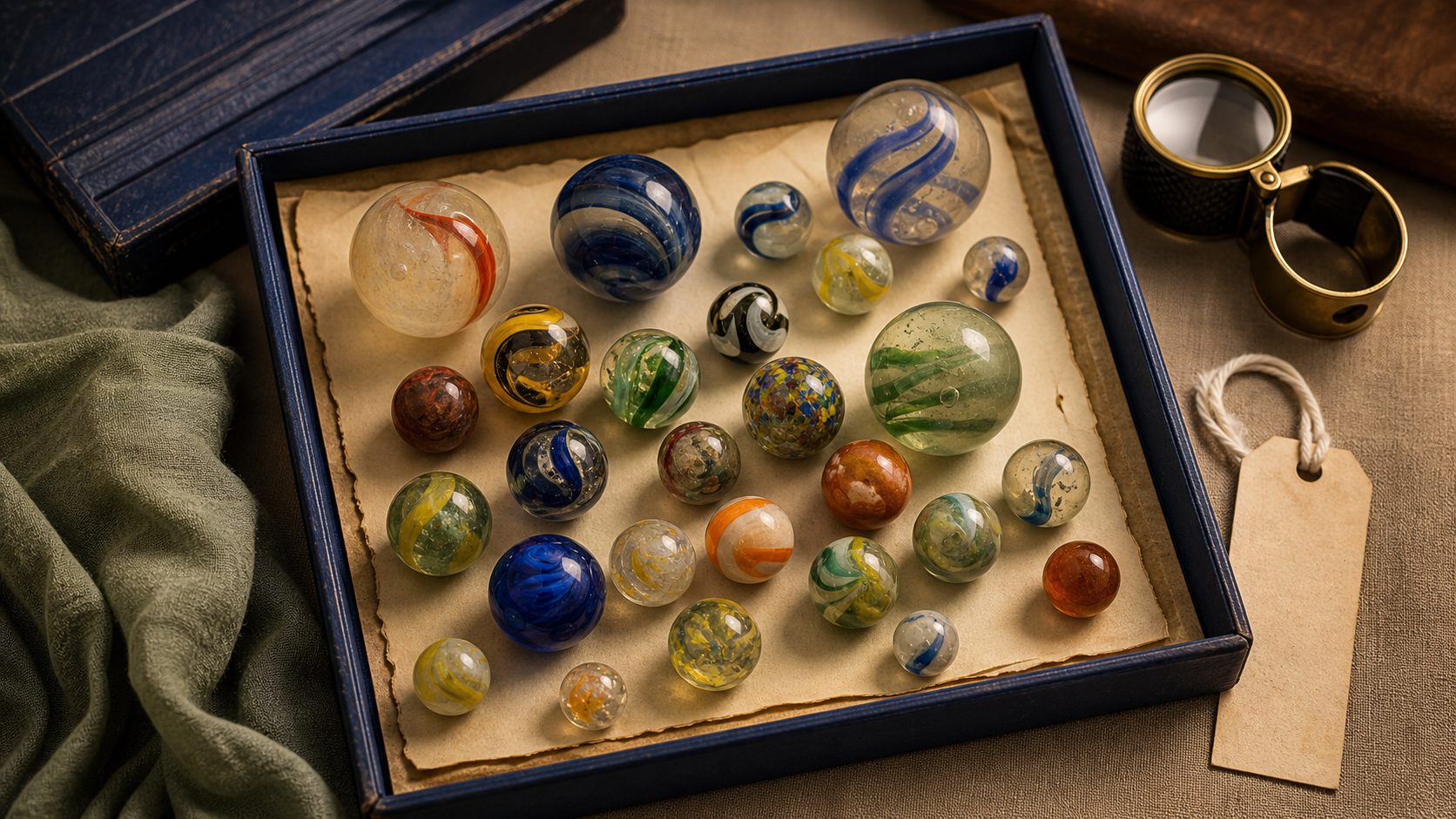
1. Lutz Marbles
Often considered the “holy grail” of marble collecting, Lutz marbles contain copper aventurine (gold flecks) and were primarily made in Germany between 1860 and 1914. These extraordinary marbles can fetch prices ranging from hundreds to thousands of dollars, with the rarest examples selling for over a value that must be established from current, topic-matched sales.
Valuable Lutz Varieties:
- Banded Lutz: Bands of color containing gold aventurine
- Onionskin Lutz: Layers of glass with gold flecks
- Ribbon Lutz: Ribbon-like bands with aventurine
- Indian Lutz: Colorful ribbon designs with gold flecks
2. Sulphide Marbles
These clear glass marbles contain small white figures made of clay or metal. Animals, people, and objects are common subjects. Large, well-preserved sulphides with unusual or detailed figures can sell for a value that must be established from current, topic-matched sales depending on condition, size, and the rarity of the figure.
3. Onionskin Marbles
Named for their layered appearance similar to an onion, these marbles feature a solid core surrounded by layers of different colored glass. Fine examples with vibrant colors and minimal damage can range from a value that must be established from current, topic-matched sales to several thousand dollars.
4. Swirl Marbles
These handmade marbles feature ribbon-like strands of color within clear glass. Complex patterns, rare color combinations, and larger sizes (over 1 inch) can make these worth a value that must be established from current, topic-matched sales to several hundred dollars.
5. Christensen Agate Company Marbles
Machine-made marbles from this American company (1925-1933) are highly collectible due to their short production period and distinctive vibrant colors. Rare varieties like “Guinea” slags with multiple colors can sell for a value that must be established from current, topic-matched sales to over a value that must be established from current, topic-matched sales.
Historical Timeline of Marble Manufacturing
- 1840s-1910s
German Handmade Marble Golden Age
German glassmakers dominated the marble industry, creating handmade masterpieces including Lutz, onionskin, and swirl varieties that now command the highest prices.
- 1890s
American Handmade Marble Production
American glassmakers began producing handmade marbles, with significant production in Ohio and West Virginia.
- 1901
First Machine-Made Marbles
Martin Frederick Christensen patented the first machine for making perfectly round glass marbles, revolutionizing the industry.
- 1920s-1930s
Peak of American Marble Manufacturing
Companies like Akro Agate, Christensen Agate, and Peltier Glass produce millions of machine-made marbles in countless varieties.
- 1950s-Present
Decline and Collector Market Emerges
Plastic and steel marbles gain popularity, glass marble production declines. Collector market begins to develop, with vintage marbles becoming valuable collectibles.
How to Assess Your Marble Collection
Step 1: Sort Your Collection
Begin by sorting your marbles by size, type, and visual characteristics. Separate handmade marbles (look for pontil marks) from machine-made varieties. Group similar patterns and colors together.
Step 2: Research Identification Resources
Several excellent resources can help identify specific marble types:
- Reference books like “Collecting Antique Marbles” by Paul Baumann
- Online marble collector forums such as Marble Connection
- The “All About Marbles” website and forum
- “Marbles: Identification and Price Guide” by Robert Block
Step 3: Examine Condition
Assess each marble’s condition carefully. Look for:
- Chips or nicks
- Surface scratches
- Wear to the pattern
- Damage to the structure
Remember that condition significantly impacts value, with mint examples often worth several times more than damaged ones of the same type.
Step 4: Measure and Photograph
Precise measurement is important, as larger marbles are typically more valuable. Photograph your marbles from multiple angles in good lighting to capture their patterns and any identifying features.
Step 5: Seek Expert Opinion
For potentially valuable specimens, consider:
- Attending marble collecting shows or conventions
- Contacting auction houses that specialize in antique toys and marbles
- Joining online marble collecting communities for guidance
- Submitting photos to expert appraisers like Bob Block of Block’s Marble Auctions
Marble Valuation Resources
Explore these trusted sources for identifying and valuing your marble collection
Block's Marble Auctions
Leading marble auction house offering appraisal services and regular specialized marble auctions. Run by Bob Block, a renowned marble expert.
Marble Connection Forum
Active online community of marble collectors discussing identification, values, and trading rare marbles.
All About Marbles
Comprehensive resource site with detailed information on identifying various marble types and their approximate values.
LoveToKnow: Collector Marbles
Detailed guide to the most valuable vintage and antique marbles with identification tips and price information.
LiveAbout Marble Pictures and Prices
Visual gallery of various marble types with approximate price ranges for collectors.
Morphy Auctions
Major auction house that regularly features high-value antique marble collections and individual specimens.
JD's Realty & Auction Guide
Comprehensive guide to identifying valuable marbles and what collectors should look for when appraising a collection.
Selling Your Valuable Marbles
Specialized Marble Auctions
For rare and valuable specimens, specialized marble auctions offer the best opportunity to reach serious collectors:
- Block’s Marble Auctions - The premier auction house for collectible marbles
- Morphy Auctions - Regularly features high-value marbles
- American Bottle Auctions - Occasionally includes valuable marble collections
Online Marketplaces
For mid-range and common collectible marbles:
- eBay - The most popular platform for marble sales
- Etsy - Good for vintage marbles with more modest values
- Ruby Lane - Specializes in antiques and collectibles
Marble Shows and Conventions
Direct sales to collectors at events such as:
- Annual Marble Shows in various locations
- Antique toy conventions and shows
- Collectors club meetings
Tips for Sellers
- Document Provenance: Any historical information about your marbles can increase their value
- Proper Photography: High-quality, well-lit photos showing the marble from multiple angles
- Accurate Description: Be honest about condition issues and include precise measurements
- Research Before Pricing: Study recent auction results for similar specimens
- Target the Right Audience: Serious collectors are willing to pay premium prices for exceptional examples
Common Questions About Marble Values
What color marble is most valuable?
How do you appraise marbles?
- Type and age (handmade vs. machine-made, era of production)
- Manufacturer or origin (German, American, specific companies)
- Size (larger specimens are typically rarer and more valuable)
- Pattern and color (rarity and aesthetic appeal)
- Condition (chips, scratches, wear)
How can I tell if my marbles are valuable?
- Look for pontil marks (small rough spots) indicating handmade production
- Check for complex patterns, unusual colors, or gold flecks (aventurine)
- Research manufacturer marks or distinctive patterns
- Measure size (larger marbles are typically more valuable)
- Examine condition (mint condition significantly increases value)
Are cat's eye marbles worth anything?
What are the most valuable types of marbles?
- Lutz marbles (containing gold aventurine): a value that must be established from current, topic-matched sales+
- Rare sulphide marbles (with embedded figures): a value that must be established from current, topic-matched sales
- Large onionskin marbles in excellent condition: a value that must be established from current, topic-matched sales
- Rare Christensen Agate "Guinea" slags: a value that must be established from current, topic-matched sales
- German handmade swirls with complex patterns: a value that must be established from current, topic-matched sales
How much are machine-made marbles worth?
- Rare Christensen Agate marbles: a value that must be established from current, topic-matched sales+
- Early M.F. Christensen marbles: a value that must be established from current, topic-matched sales
- Akro Agate rarities: a value that must be established from current, topic-matched sales
- Peltier "National Line" specimens: a value that must be established from current, topic-matched sales
Where can I sell valuable marbles?
- Specialized marble auctions (Block’s Marble Auctions, Morphy Auctions)
- Online marketplaces like eBay for mid-range collectibles
- Marble collector shows and conventions
- Antique toy dealers and specialty shops
- Collector forums and communities with buy/sell/trade sections
What's the difference between handmade and machine-made marbles?
Machine-made marbles:
- Perfectly round with no pontil mark
- May have a very faint seam from the manufacturing process
- More consistent in size and pattern
- Generally made after 1901
- Usually less valuable (with notable exceptions for rare examples)
Conclusion: Are Your Marbles Worth a Fortune?
While finding extremely valuable marbles in a random collection is relatively rare, it’s certainly not impossible. Many families have discovered that the jar of “old marbles” in the attic contained specimens worth hundreds or even thousands of dollars. The key is learning to identify the characteristics that make certain marbles valuable and seeking expert opinions when you believe you might have something special.
Whether your collection turns out to be worth a fortune or just a few dollars, the process of researching and learning about these miniature glass treasures can be rewarding in itself. Marble collecting continues to be a vibrant hobby with an active community of enthusiasts sharing knowledge and appreciation for these small but fascinating artifacts of glass-making history.
If you have a collection you’d like to learn more about, consider reaching out to specialists or joining online collector communities. Who knows? That dusty jar of childhood toys might just contain a small glass treasure worth far more than memories.
Note: We couldn’t find relevant auction comps in our database for this topic right now. If you’re valuing a specific item, try searching by maker/model/material and we’ll expand coverage over time.
What similar items actually sold for
To help ground this guide in real market activity, here are recent example auction comps from Appraisily’s internal database. These matched sales are market context only, not an object estimate or identification, and they do not guarantee a price for your specific how much are marbles.
Shown USD range: USD 275-USD 55,200. Median of these 4 USD examples: USD 2,725.
| Comparable | What sold | Auction house | Date | Lot | Source-reported amount |
|---|---|---|---|---|---|
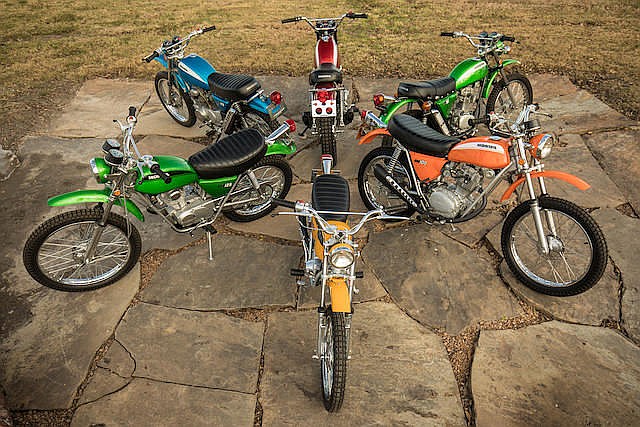 |
Marbles Motors Collection of Honda SL's, The complete range of 1971 Motosport models, | Bonhams | 2019-01-24 | 64 | USD 55,200 (buyer’s-premium treatment unknown) |
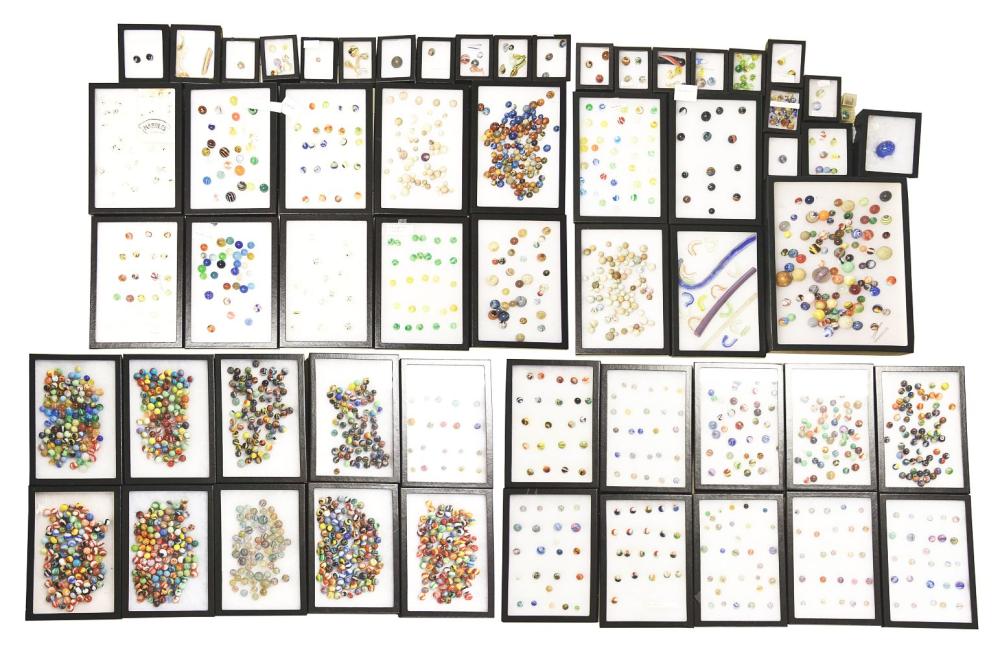 |
LARGE GROUPING OF MARBLES SOLD AS A COLLECTION | Morphy Auctions | 2024-02-15 | 2027 | USD 4,600 (buyer’s-premium treatment unknown) |
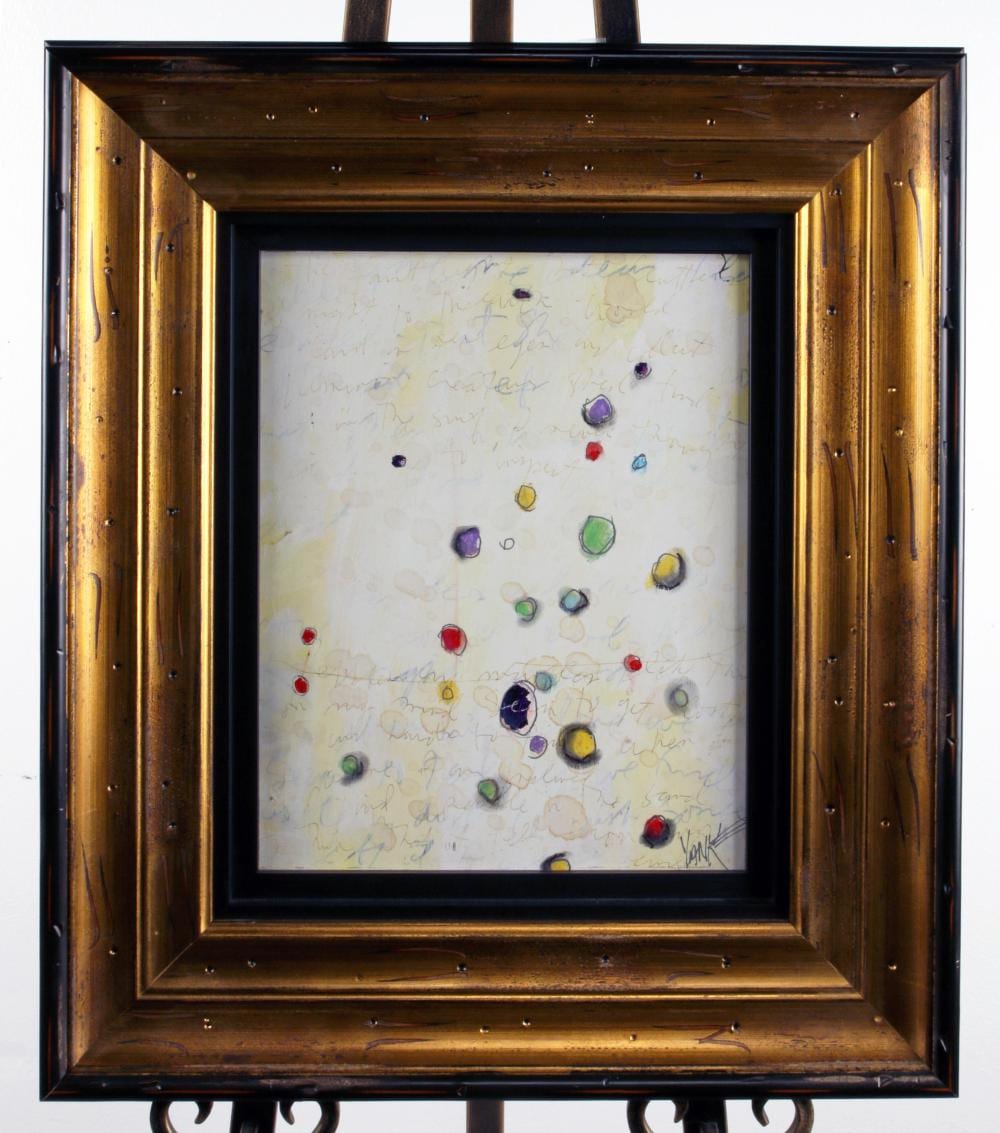 |
TIM YANKE ABSTRACT PEBBLES AND MARBLES PAINTING | Converse Auctions | 2022-09-30 | 364 | USD 275 (buyer’s-premium treatment unknown) |
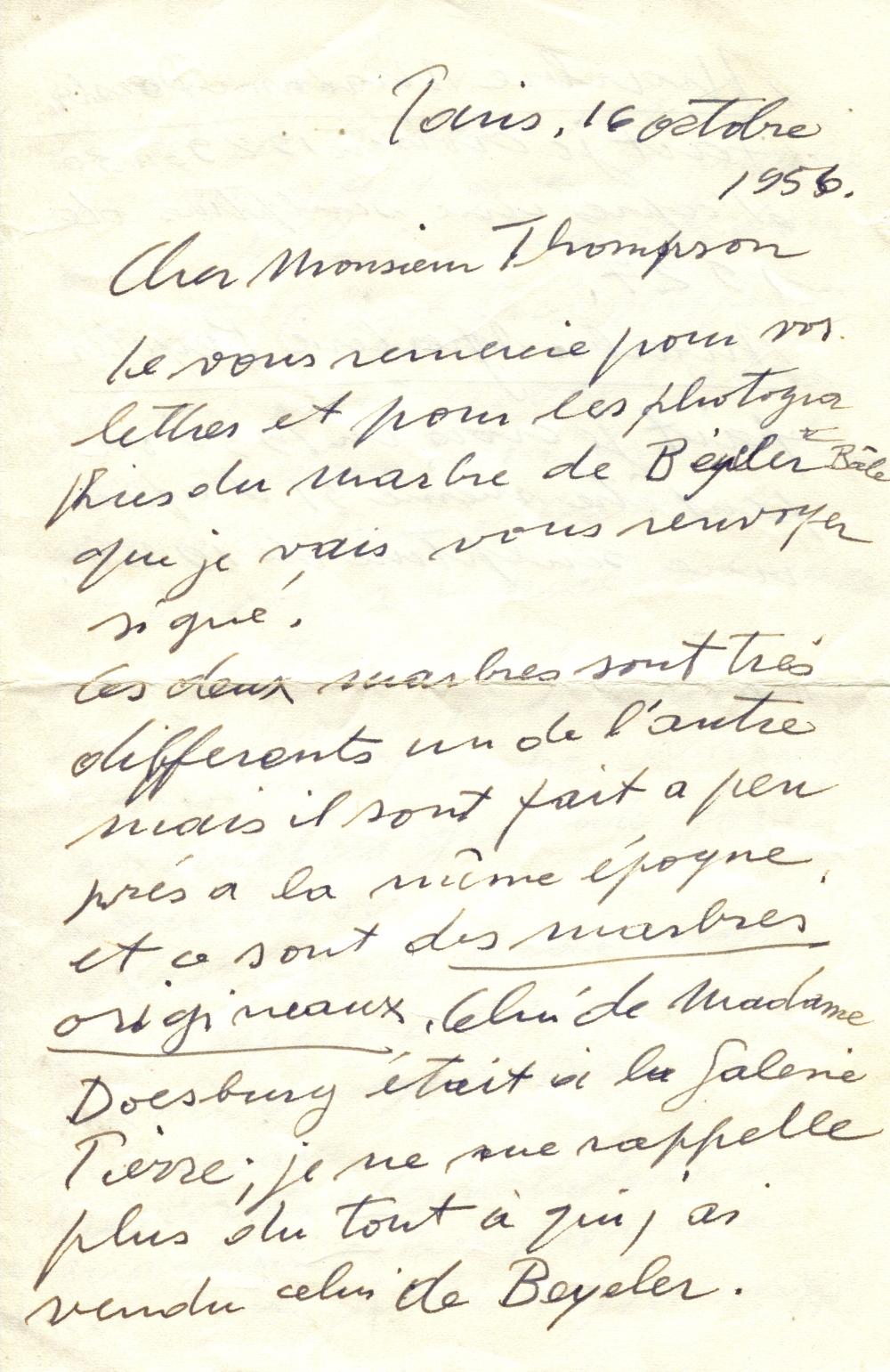 |
GIACOMETTI ALBERTO: (1901-1966) ´ It gives me great pleasure that these two marbles should enter your collection´ | International Autograph Auctions Europe, S.L. | 2024-09-25 | 883 | EUR 4,000 (buyer’s-premium treatment unknown) |
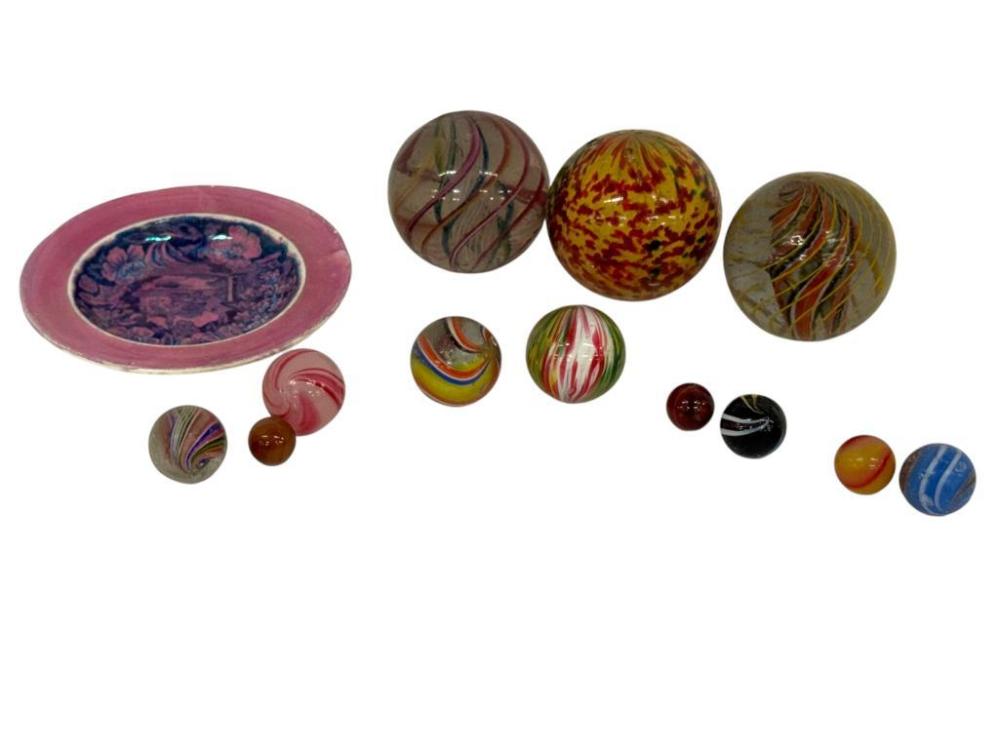 |
Group of Vintage Marbles | Schultz Auctioneers | 2025-11-29 | 1030 | USD 850 (buyer’s-premium treatment unknown) |
How these auction records were verified
Each row retains its exact source URL, lot identity, retrieval time, access result, and immutable record hash. Inspect the public comparable provenance record.
Disclosure: prices are shown as reported by auction houses and are provided for appraisal context. Learn more in our editorial policy.
Free instant estimate
Not sure if your item is worth appraising? Let us take a look.
Upload a photo, tell us what you know, and get a free first read. If a full appraisal makes sense, we will say so.
Free. No card needed. Takes about two minutes.
Choose your next step
Use the path that matches the decision you need to make about the item.
Not sure it is worth appraising?
Start with a lower-friction screen to understand the likely category, evidence, and next step.
Upload photos for a free first lookWant proof before paying?
See how a signed report documents photos, comparable evidence, condition notes, and value conclusions.
View signed report sampleNeed a signed report?
Use this for insurance, estate, donation, resale, or documented value decisions.
Need documentation now? Start signed appraisalNeed local or specialist help?
Compare directory options when the work needs in-person review or a specialist near you.
Find local specialistsSee what the report looks like
Sample reports show how photos, comparable evidence, condition notes, and a value conclusion are documented.
Get a collectible appraisal
Upload group photos, individual close-ups, size measurements, pontils, seams, color, surface wear, chips, original bags, boxes, and provenance.
- Expert report with photos and market context
- Fast turnaround
- Fixed, upfront pricing
No obligation. Secure upload.
Continue your valuation journey
Find the right local specialist
Compare antique and art appraisers by location and specialty in one directory.
Antique & art specialists
Browse the Antique & Art Appraisers Directory
Choose a local specialist when the assignment needs in-person inspection or a specific credential.
Machine-readable summaries
Use these machine-friendly references for AI and crawler discovery of Appraisily content.
Ready for pricing guidance?
Start a secure online appraisal
Upload images and details. Certified specialists respond within 24 hours.
Upload photos for a free first look View signed report sample