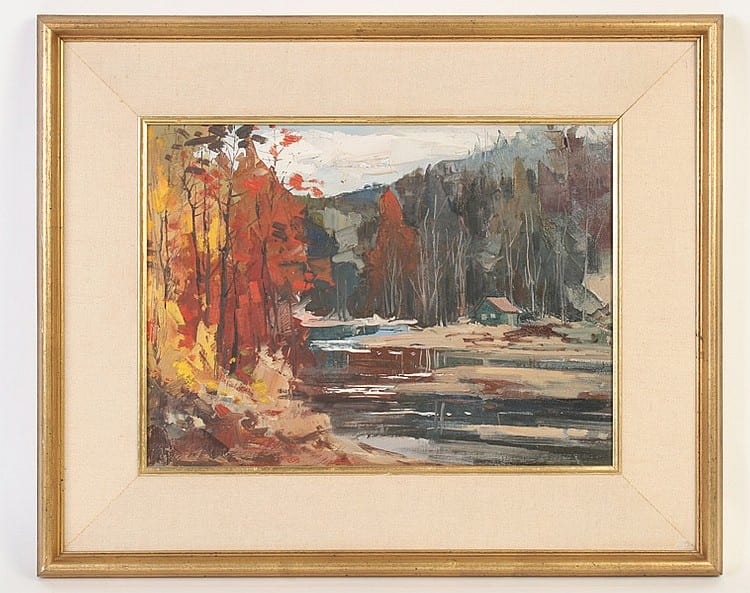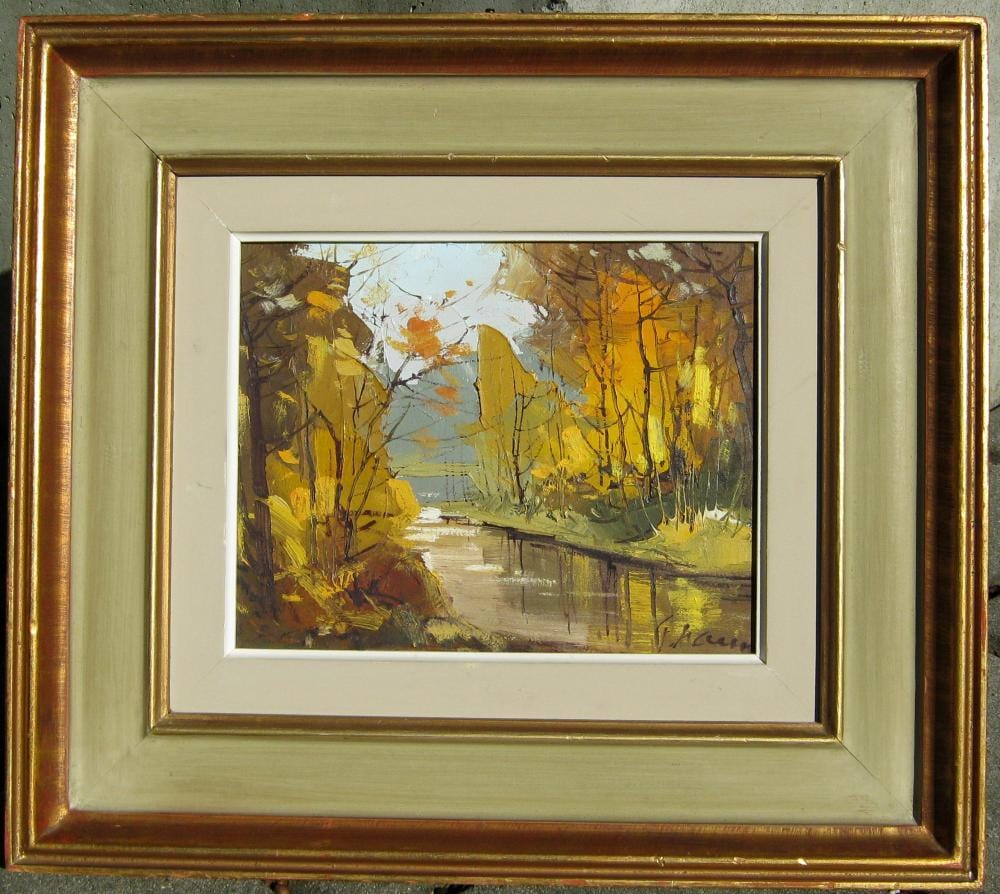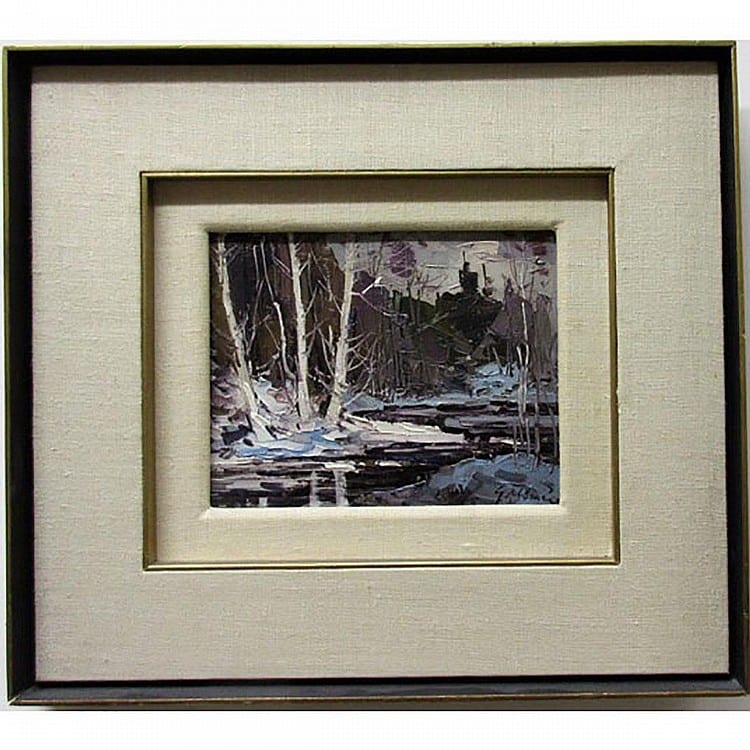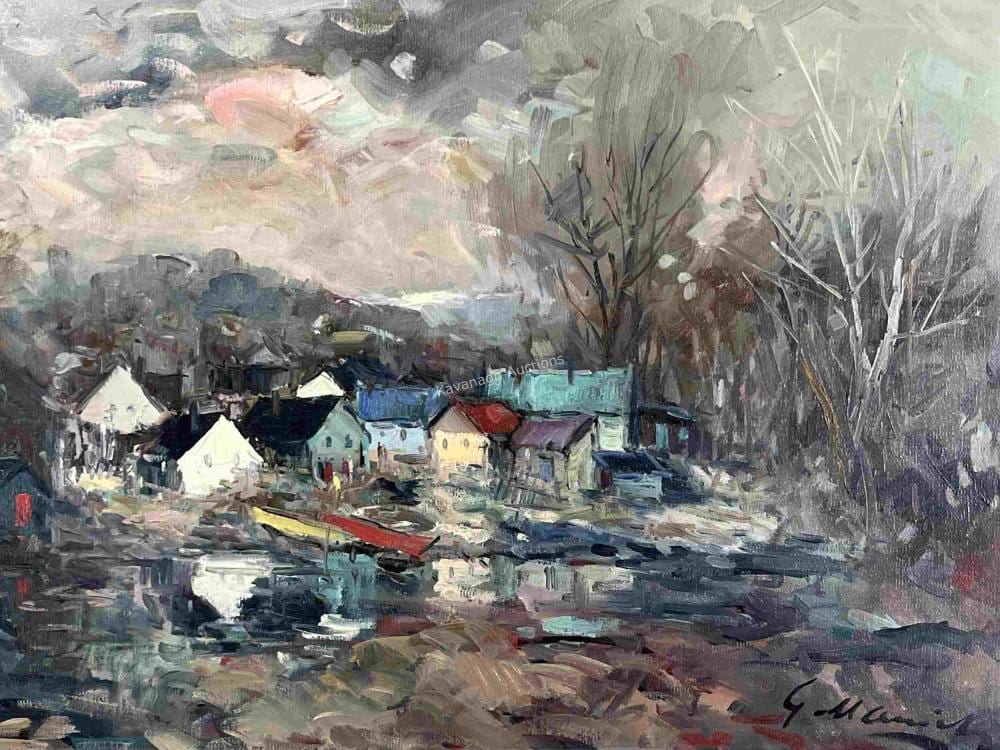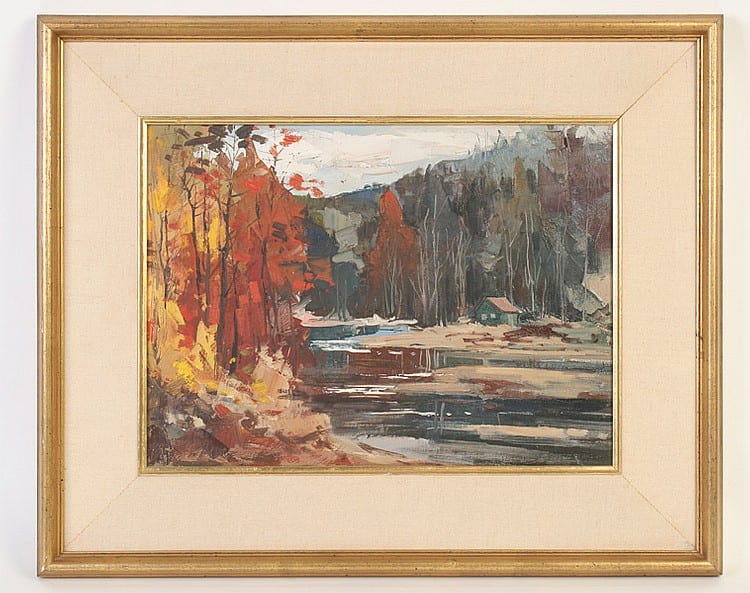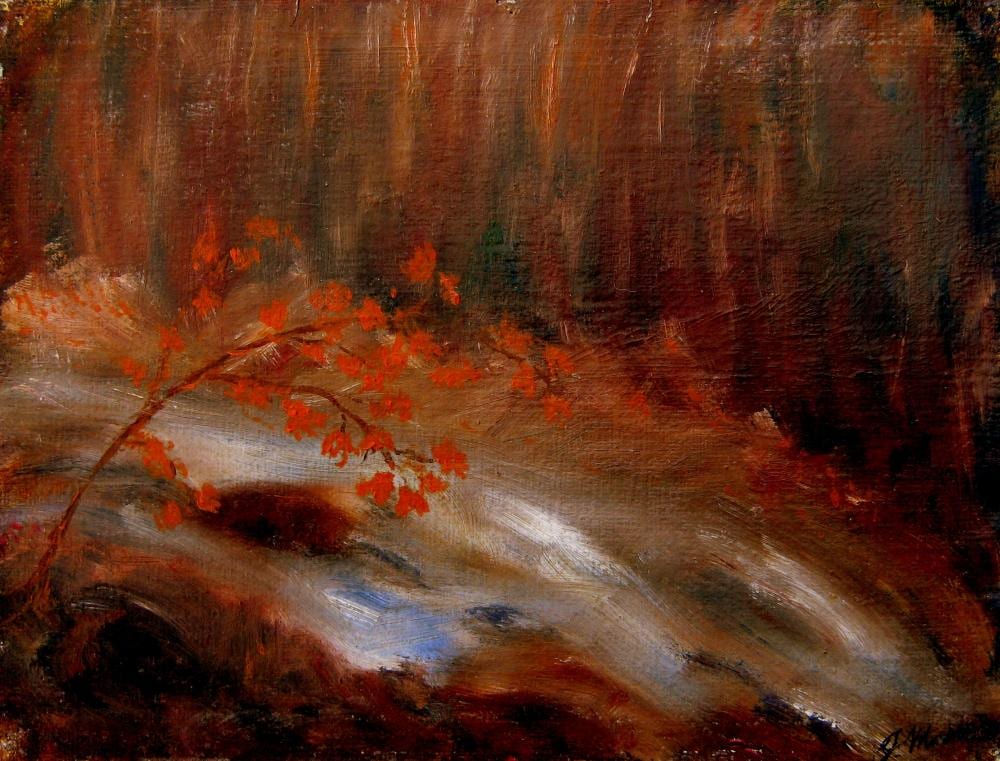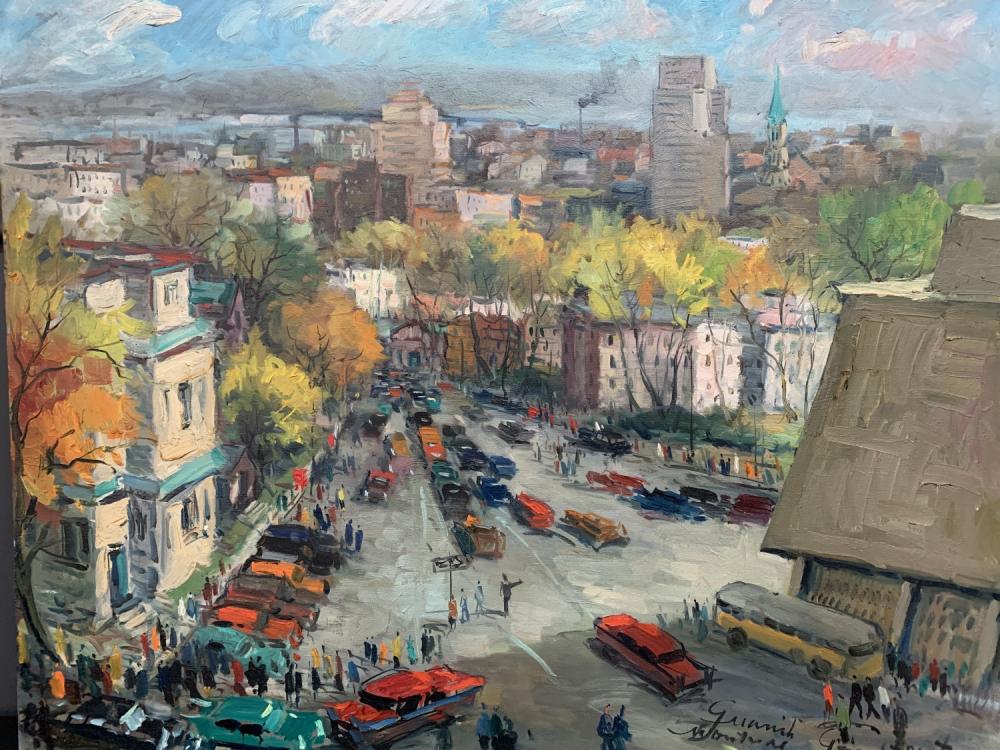
Geza Gordon Marich Original Painting: appraisal and value basics
Geza Gordon Marich Original Painting research should start with identification, condition, provenance, and recent comparable sales. Use this guide to compare the signals that matter before paying for a formal appraisal or deciding whether to sell.
Geza Gordon Marich Original Painting
For collectors and appraisers, an artwork attributed to Geza Gordon Marich presents both promise and puzzles. Documentation on the artist can be limited in public sources, which makes disciplined appraisal and authentication especially important. This guide walks you through verifying authorship, understanding materials, evaluating condition, and situating a painting’s value within the market for comparable artists.
Clarifying the Artist: Attribution and Identity
Before weighing value, confirm whom the work is actually by. With names that combine a Central European given name (Géza), an English given name (Gordon), and a Hungarian surname (Marich), you may encounter inconsistent attributions in dealer listings and family lore. Sound attribution matters because even strong paintings may lose most of their market if the artist is misidentified.
Key steps to clarify identity:
- Record exactly what you see. Photograph the front and back, including all inscriptions, labels, and frame notations. Do not “correct” spelling in your notes.
- Capture signature variants. You may encounter “G. Marich,” “Géza Marich,” “G. G. Marich,” or “Gordon Marich.” Note placement, style, paint color, and whether the inscription is in paint, pencil, or pen.
- Assess whether “Gordon” is a middle name, an adopted name, or another artist entirely. If multiple names appear across works, explore whether you’re looking at a family of artists, a studio, or a dealer-added surname.
- Look for contextual clues. Titles, language of inscriptions, and subject matter (e.g., Central European townscapes, émigré-era urban scenes, or local landscapes) can narrow origin and date.
Hint: When biographical data is scarce, a work’s own physical evidence—supports, labels, and inscriptions—becomes your primary “archive.” Build your case from the object outward, not the internet inward.
Authentication Workflow: Signatures, Materials, and Forensics
Authentication should rely on converging indicators: signature analysis, material consistency with period practice, stylistic coherence, and a provenance trail that makes sense.
Signature and inscription analysis:
- Compare handwriting features across multiple works attributed to the artist: letter shapes, slant, spacing, and how the signature sits in the composition.
- Check the aging of the signature. Under magnification and UV light, a signature applied decades later will often fluoresce differently than the original surface and may sit unnaturally atop aged varnish.
- Distinguish between autograph signatures (by the artist) and studio, dealer, or estate inscriptions.
Materials and supports:
- Canvas/stretcher: European canvases from mid-century often show specific weave densities; machine-stamped stretcher bars, corner keys, and saw marks offer dating clues. Note any supplier stamps or pencil marks.
- Panels and boards: Masonite and plywood have era-specific back stamps and edge profiles; watercolor papers carry watermarks that can be dated.
- Ground and paint: Oil priming vs. acrylic gesso, pigment choices, and brushwork can signal period. Atypical modern pigments in a purported early work are red flags.
Lighting and imaging:
- Raking light: Reveals craquelure patterns, pentimenti, and surface disruptions that may betray overpaint or added signatures.
- UV light: Helps distinguish retouching from original passages; reveals varnish layers and later inscriptions.
- Magnification: Identifies pigment particles, craquelure islands, and the “lay” of the brush in a way photos cannot.
Stylistic coherence:
- Build a small corpus of confirmed or highly probable works by the same hand. Analyze recurrent compositional habits, palette choices, and idiosyncratic marks (e.g., the way foliage, water, or architectural details are rendered).
- Beware of generic “regional style” similarities. Two different artists working in the same milieu can appear deceptively similar.
Expertise and opinions:
- Prioritize opinions from conservators, appraisers, or dealers who have handled multiple works by the artist or close peers. A generic “COA” unanchored to expertise or object-specific analysis carries little weight.
Practical Checklist: First-Pass Appraisal of a Suspected Geza Gordon Marich
- Photograph: Full front, signature close-ups, edges, and entire back, including frame and labels.
- Measure: Image size (sight) and overall framed size; note units clearly.
- Note media: Oil/acrylic/watercolor/gouache; support type (canvas/panel/paper) and ground.
- Inspect under raking and UV: Record craquelure, retouching, varnish fluorescence, added inscriptions.
- Transcribe all text: Titles, numbers, stamps, watermarks, and frame shop labels verbatim.
- Condition log: List losses, tears, cupping, overpaint, warping, stains, and odors (mold/smoke).
- Provenance timeline: Owner names, dates, purchase venues, exhibition mentions, restoration history.
- Comparables file: 5–10 sales of similar works (size/subject/medium/period) by the same artist or close peers.
- Preliminary opinion: Summarize likelihood of authorship and any value-impacting factors (provenance, condition, subject).
Provenance and Documentation that Move the Needle
A well-documented chain of ownership can transform a “maybe” into a market-ready artwork.
What to seek:
- Primary paperwork: Original gallery invoices, exhibition checklists, catalog excerpts, or correspondence mentioning the work’s title and dimensions.
- Labels and stamps: Gallery or framer labels on the verso, customs stamps, and shipper labels. Photograph and transcribe them faithfully.
- Estate or studio records: If the artist’s estate exists, look for inventory numbers or estate stamps. If none is known, note that absence transparently rather than inventing it.
- Publication history: Mentions in local newspapers, exhibition brochures, or artist directories can corroborate dates and venues.
How to evaluate provenance quality:
- Continuity: Does the timeline have gaps? If so, are the gaps plausible (e.g., decades in a private collection)?
- Specificity: Are dates, addresses, and titles precise, or are they vague “circa” notes added much later?
- Independence: Multiple independent sources pointing to the same facts are stronger than one unverified family story.
Provenance risks:
- Back-filled labels and decorative frames used to imply age.
- “Estate” notations added by resellers without verifiable connection to the artist’s heirs.
- Titles invented by sellers; original titles typically appear in the artist’s language or consistent wording across documents.
Market Value Drivers and Comparable Sales Strategy
If you cannot confirm the artist with confidence, value should pivot toward intrinsic quality, period, and market for similar works rather than a name premium. When attribution strengthens, the name-based premium can be layered on.
Primary value drivers:
- Authorship confidence: “By,” “Attributed to,” “Studio of,” “Circle of,” and “In the manner of” carry different market expectations and prices.
- Medium and size: Oil on canvas commands more than works on paper, all else equal. Larger, exhibition-format canvases generally outperform sketches.
- Subject matter: Market preference tends to favor signature themes of the artist. More broadly, collectors reward distinctive urban scenes, identifiable landmarks, and well-executed figurative works.
- Date and period: Works from the artist’s recognized prime often sell better than early student pieces or late repetitions.
- Condition: Untouched, well-preserved surfaces are prized. Heavy overpaint, staining, or structural issues depress value.
- Provenance and exhibition history: Named galleries and publications justify higher estimates.
Building comparables:
- Gather recent sales of the same artist where the attribution level, medium, size, and subject are close. If the artist’s public auction record is thin, compile comparables from closely related peers (training, geography, period, and style).
- Normalize sizes: Convert to a price-per-square-inch (or cm) to compare across formats, then adjust for subject and condition.
- Adjust for venue: Top-tier auction houses command premiums; regional houses and private sales may be lower. Compare like with like.
Estimate strategy:
- Establish a conservative range based on the middle tranche of comparables, not the outliers.
- Apply discounts for attribution uncertainty and condition risks.
- Clearly state assumptions in your report so future reviewers can understand your logic.
Condition, Conservation, and Costs
Condition is both a risk and an opportunity. A superior painting hidden beneath discolored varnish can benefit from conservation; conversely, heavy restoration or structural compromise can permanently limit value.
Common issues and implications:
- Craquelure: Age-appropriate, stable craquelure is normal. Active lifting or cupping requires consolidation by a conservator.
- Overpaint and inpainting: Localized retouching is typical; broad overpaint to “fix” composition raises red flags and reduces value.
- Varnish: Yellowed natural resin varnish can often be safely reduced; however, stripping can endanger original glazes if done improperly.
- Structural problems: Tears, punctures, re-lining, panel warping, and mold require professional treatment and can materially affect marketability.
- Works on paper: Look for foxing, light burn, acidity, and non-archival mats. Conservation framing with UV glazing and acid-free materials is advisable.
Budgeting for treatment:
- Obtain written treatment proposals from a qualified conservator, including risks. Some interventions have diminishing returns relative to expected sale price.
- For mid-market works, prioritize stabilization and presentation over perfection. Clean, stable, and honestly presented often sells better than aggressively “improved.”
Insurance and care:
- Document condition with dated images and a brief report; this aids claims and future sales.
- Store in climate-stable environments, away from direct sunlight, high humidity, and rapid temperature changes.
- For transport, use corner protectors, glassine for paintings on panel, and avoid bubble wrap directly against painted surfaces.
FAQ
Q: How do I know if my painting is truly by Geza Gordon Marich? A: Build a case using the object itself—signature analysis under magnification/UV, materials consistent with the purported period, stylistic coherence with a small corpus of related works, and a provenance trail. Seek a written opinion from a specialist who has handled closely related material. Avoid relying solely on online hearsay or generic certificates.
Q: There’s no catalogue raisonné. Does that kill the value? A: Not necessarily. Many regional or émigré artists lack formal catalogues raisonnés. Market acceptance depends on object-based evidence and credible provenance. A well-documented, high-quality work can attract buyers even without a formal catalogue.
Q: Should I clean the painting before getting it appraised? A: No. Do not attempt cleaning yourself. Surface dirt and yellowed varnish are part of the condition assessment. An appraiser or conservator can advise whether conservation would add value and how to proceed safely.
Q: Can a new frame increase the price? A: A sympathetic, period-appropriate frame improves presentation and buyer confidence, but it rarely transforms value on its own. Avoid over-restoration of original frames that have historical interest; stabilize and tone instead.
Q: How do I price the work if attribution remains uncertain? A: Use a conservative range based on comparables for similar quality and period by related artists, then apply a discount for attribution risk. Be transparent in your description (e.g., “Attributed to” or “Circle of”) to align expectations and reduce the chance of disputes.
An original painting attributed to Geza Gordon Marich rewards thorough, methodical appraisal. When identity records are sparse, the disciplined convergence of signature, material, stylistic, and provenance evidence will determine both scholarly confidence and market value. Engage qualified professionals where appropriate, document every finding, and let the object’s evidence lead the way.