Appraisily

How to Choose an Antique Evaluator: Specialty, Report Purpose, Fees and Evidence

Choose an antique evaluator by matching specialty, appraisal purpose, report standards, fee model, sample reports, conflict policy, and evidence requirements.

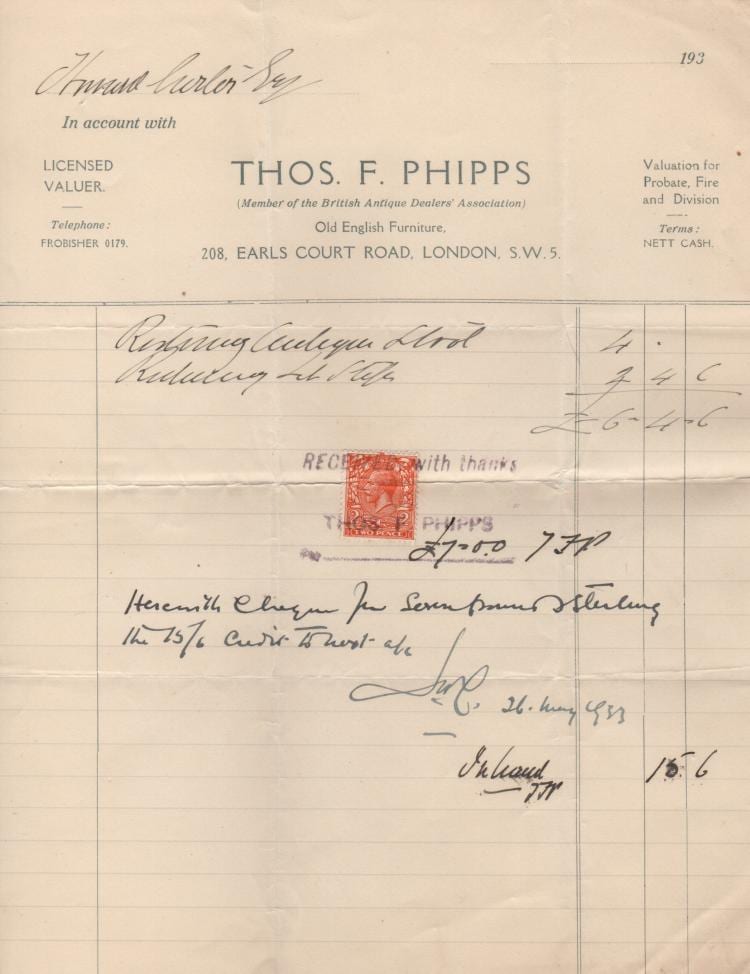
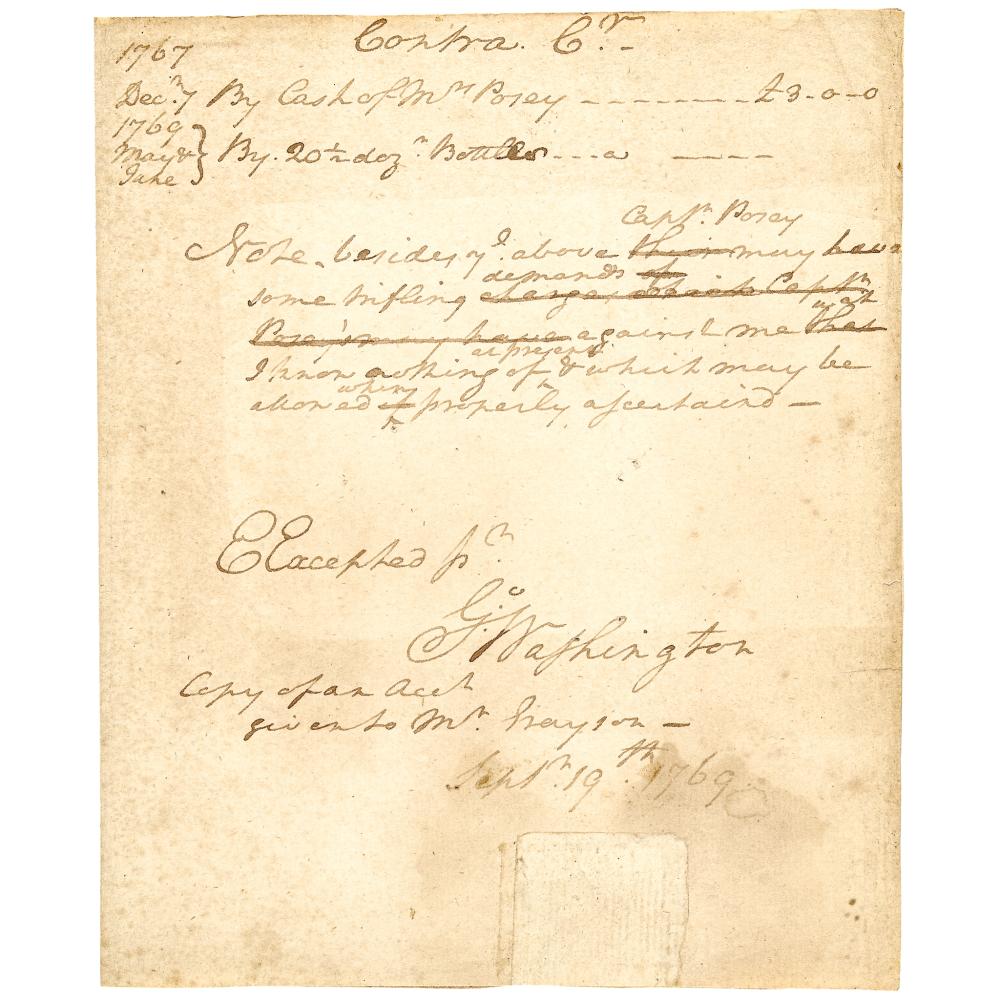
Antique evaluator reference with provenance documents, photos, measurements, condition notes, report purpose, fee model, and conflict policy
Antique evaluator reference with provenance documents, photos, measurements, condition notes, report purpose, fee model, and conflict policy. Reference image; item-specific appraisal depends on submitted photos and documentation.
Antique evaluator reference with provenance documents, photos, measurements, condition notes, report purpose, fee model, and conflict policy
A strong antique evaluator asks for photos, measurements, condition notes, provenance, report purpose, and category-specific evidence before assigning value.

Match expertise to the object

Furniture, silver, jewelry, coins, rugs, books, fine art, clocks, firearms, and Asian antiques each require different market knowledge. Ask directly how often the evaluator handles your category.

For complex estates, a generalist may coordinate specialists rather than valuing every object alone.

Understand the deliverable

An informal evaluation can guide next steps, but insurance, estate, donation, and legal matters often need a written appraisal with definitions, assumptions, methodology, and comparable evidence.

Ask for a redacted sample report so you can see whether the analysis is clear and defensible.

Watch for conflicts and weak evidence

Fee transparency matters. Formal appraisals should not be priced as a share of appraised value. If the evaluator also buys, ask how conflicts are disclosed and separated.

Be cautious of instant values without photos of marks, materials, condition, dimensions, and provenance.

Need a credible value opinion?

Upload clear photos, marks, dimensions, and condition notes. Appraisily can review the item remotely and explain which details affect value.

Start antique appraisal

What similar items actually sold for

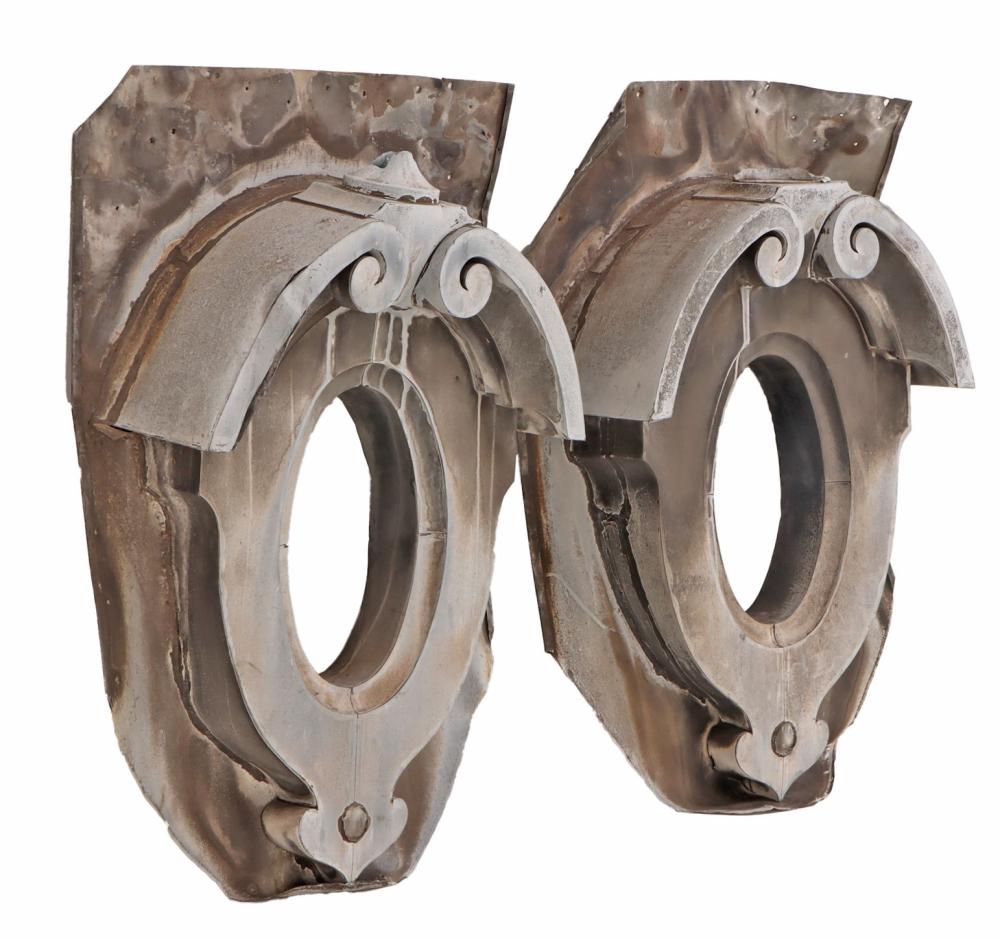
To help ground this guide in real market activity, here are recent example auction comps from Appraisily’s internal database. These matched sales are market context only, not an object estimate or identification, and they do not guarantee a price for your specific item.

Shown USD range: USD 550-USD 14,500. Median of these 4 USD examples: USD 7,500.

How these auction records were verified

Each row retains its exact source URL, lot identity, retrieval time, access result, and immutable record hash. Inspect the public comparable provenance record.

Free photo check

Not sure if your item is worth appraising? Let us take a look.

Upload a photo, tell us what you know, and get a free photo check. If a full appraisal makes sense, we will say so.

Step 1 of 2

Free. No card needed. Takes about two minutes.