Start with the decision, not the signature
Your artist print needs a signed written appraisal when another party needs a documented value for a specific purpose and date. The signature on the print is evidence about the object. The appraiser’s signature is accountability for the report. They are not interchangeable.

- Insurance: ask the insurer whether it needs a scheduled-item appraisal and whether the policy uses replacement cost.
- Estate or probate: ask the executor or attorney for the effective date and required value basis, often fair market value as of the date of death.
- Charitable donation: confirm whether IRS qualified-appraisal and Form 8283 rules apply before commissioning the report.
- Curiosity or possible sale: start with a free photo screen or auction-house opinion; a formal report may add cost without changing the decision.
Separate a signed report from a qualified appraisal
A signed appraisal is a written opinion that identifies the appraiser and accepts responsibility for the analysis. A qualified appraisal is a narrower tax term. It must be prepared for the contribution, contain prescribed information, use the correct effective date, and be completed by a qualified appraiser who meets education, experience, independence, and declaration requirements.
That distinction matters because a polished certificate, gallery letter, purchase receipt, or auction estimate may be useful evidence without being an appraisal. A signature on the print does not fill the gap. It helps establish what the appraiser must research: artist attribution, whether the signature is printed or hand-applied, edition status, medium, and the market for the specific image.
| Decision | Useful starting point | When a signed report becomes important |
|---|---|---|
| Possible sale | Free screen or auction estimate | When ownership, division, financing, or another formal use requires documentation |
| Insurance | Insurer’s scheduling requirements | When the carrier requests item identity, replacement value, photographs, and an appraiser’s signed conclusion |
| Estate or probate | Executor or attorney instructions | When the estate needs a defensible value at a specified effective date |
| Charitable donation | Tax adviser plus current Form 8283 rules | When the claimed deduction and property category trigger a qualified appraisal |
Match the value definition and date to the assignment
The same print can have different legitimate values because the question changes. Insurance commonly focuses on the cost to replace comparable property in the relevant market. Estate and charitable-donation work generally focuses on fair market value. A resale estimate may reflect likely proceeds and selling costs. Substituting one for another can make an otherwise careful report unfit for its intended use.
- Name the intended user. Record the insurer, executor, attorney, accountant, charity, or taxpayer who will rely on the report.
- Confirm the value basis. Ask for the exact term, not simply “current value.”
- Confirm the effective date. Insurance may use a current date; an estate may need the date of death; a donation needs the contribution date or expected contribution date under applicable rules.
- Confirm format and credentials. Ask whether remote examination is acceptable, whether a specific professional standard is expected, and who must sign accompanying forms.
Do this before paying for the assignment. Changing the effective date or intended use later can require new research and a revised report.
Build a print file that lets the appraiser be specific
Print value is not driven by the artist’s name alone. The useful evidence stack is signature, edition, medium, dimensions, condition, provenance, and comparable auction evidence. Gather each part separately so one uncertain detail does not contaminate the rest.
- Identity: artist name as represented, title, date if known, and any catalogue-raisonné or publisher reference already in your records.
- Edition: the exact fraction, artist’s-proof notation, printer or publisher information, and whether the edition includes variants.
- Medium: lithograph, screenprint, etching, woodcut, digital print, offset reproduction, or another process. Do not guess if the process is uncertain.
- Measurements: sheet size, image size, and framed dimensions, with units stated.
- Condition: fading, foxing, tears, handling creases, trimming, staining, adhesive, mat burn, or evidence of conservation.
- Provenance: invoice, gallery label, correspondence, prior appraisal, certificate, exhibition record, or estate inventory.
- Photographs: full front, full reverse, signature and edition areas, frame and glazing, and close views of any condition issue.
A frame can hide sheet edges, margins, publisher information, and condition. If the artwork should not be removed, say so. The appraiser can identify the resulting limitation instead of pretending the unseen area was examined.
Signed appraisal guidance
Find the right next step for your artwork
Share what you know and what the report is for. Start with a free first read; if the decision needs a signed appraisal, we will say so plainly.
Free. No card needed. Takes about two minutes.
Require the report to answer the assignment
A useful report is not a one-line number on letterhead. It identifies the artwork and intended use, states the type of value, gives the effective date, explains the scope of examination, records limiting conditions, and shows how the appraiser reached the conclusion.
For an artist print, the analysis should address the represented artist, title or subject, printing process, edition information, dimensions, signature, condition, provenance supplied, and the relevance of selected market evidence. The report should distinguish facts seen in the supplied material from assumptions or unresolved attribution questions.
Ask these questions before hiring
- Have you appraised prints by this artist or comparable print markets?
- Which value definition and effective date will the report use?
- Is the assignment for insurance, estate, probate, donation, or another stated use?
- Will you disclose your credentials, scope, assumptions, and comparable-sale reasoning?
- If tax use is involved, do you meet the current qualified-appraiser rules for this property type?
- Will you sign the report and any applicable declaration or appraisal-summary section?
For charitable contributions, independence also matters. IRS Publication 561 excludes several interested parties from serving as the qualified appraiser for the donated property. A dealer’s familiarity with the artist can be useful, but a conflict may prevent that dealer from filling the tax role.
Use comparable sales without turning them into a guess
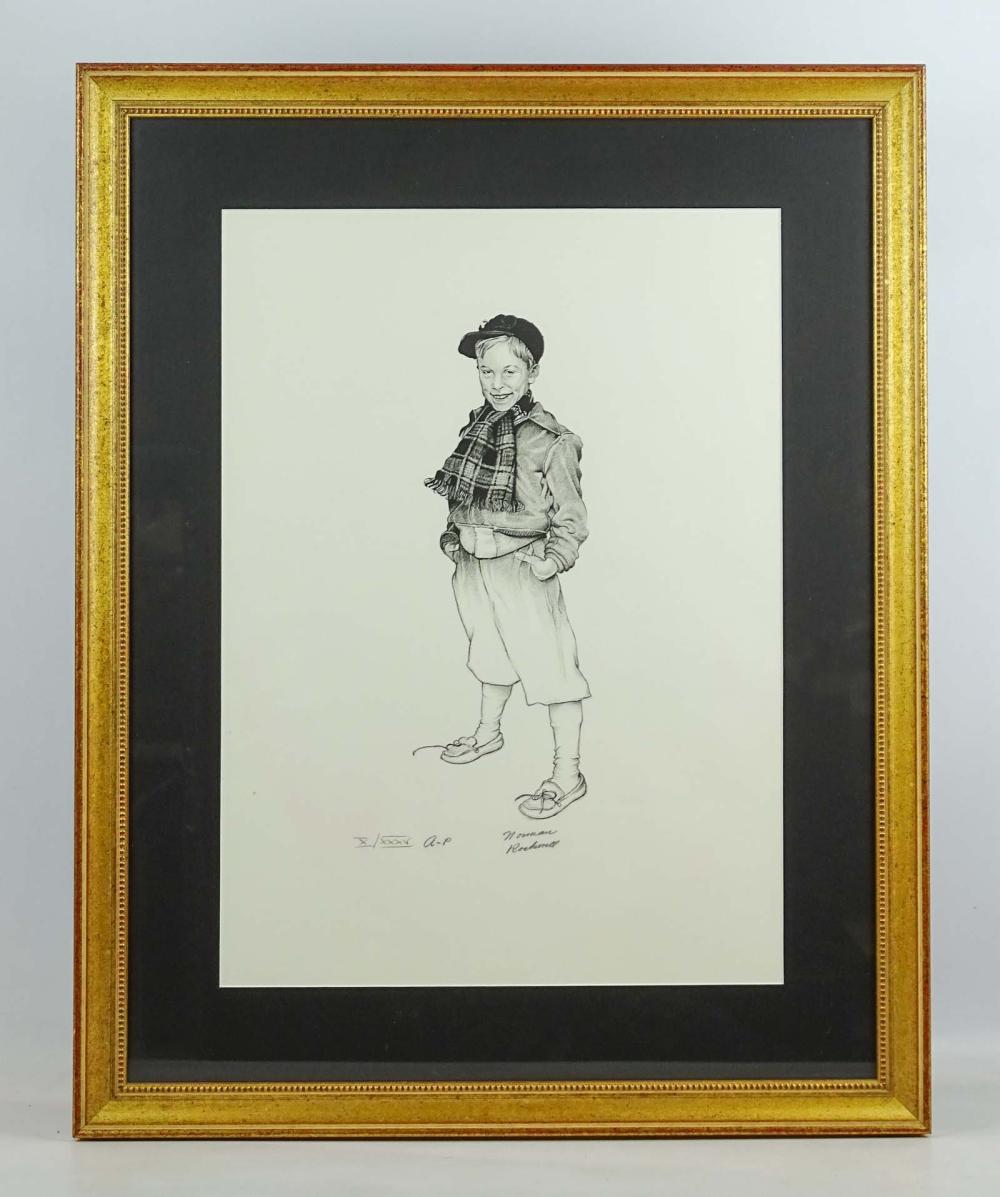
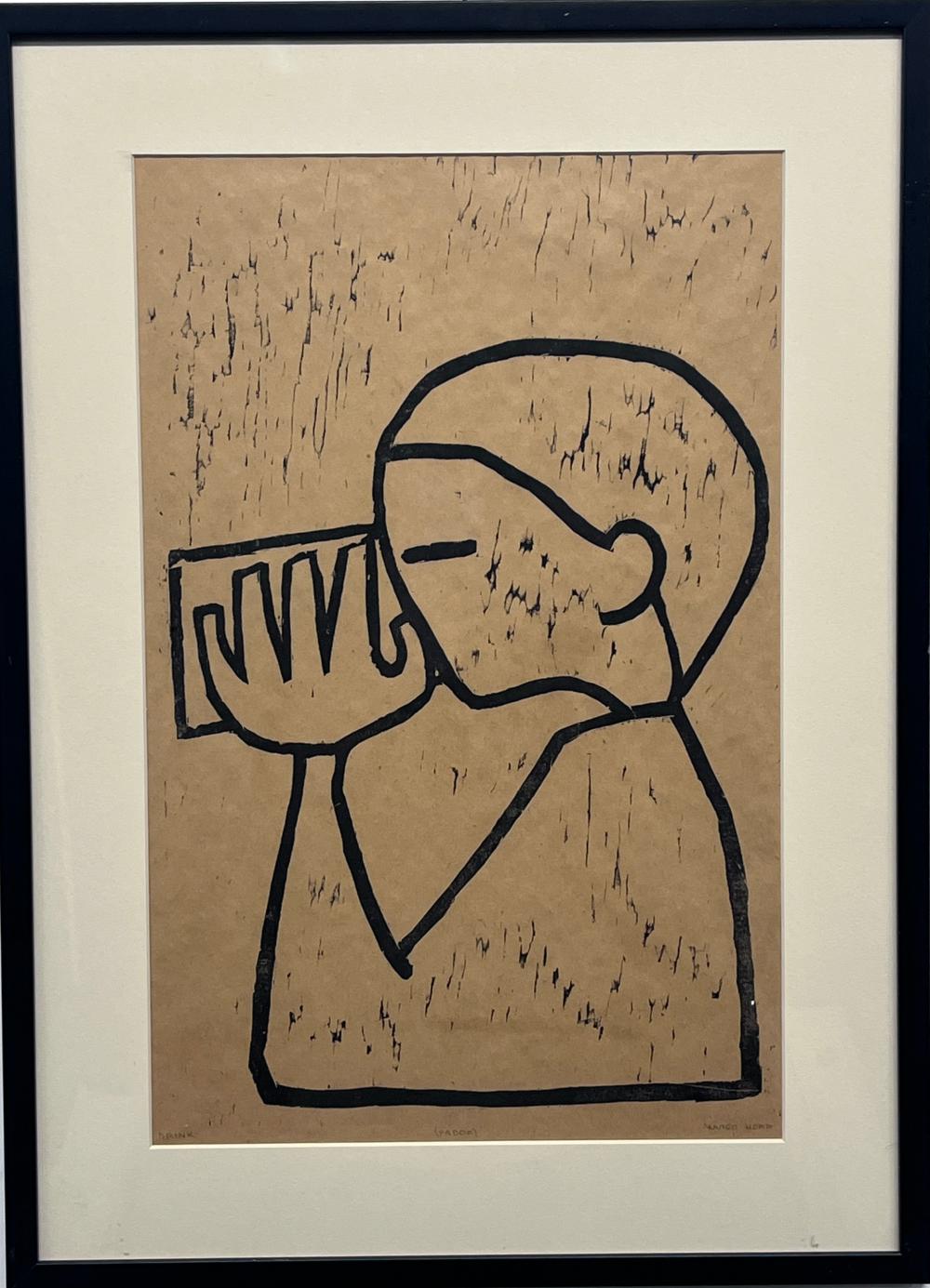
Signed and artist-proof prints do sell at materially different levels. The table below is useful because it keeps artist, medium, edition language, auction house, sale date, lot, and reported price together. It is not a price list for an unknown print.
The closest comparable is not necessarily the work with the most similar title. It is the result with the most relevant artist market, image, printing process, edition status, dimensions, condition, provenance, and sale context. Currency and sale date matter too. A report should explain why each selected result is comparable and what adjustment, if any, follows from the differences.
For insurance, confirm what the carrier will schedule
Start with the insurer. Ask whether the print must be scheduled separately, what value basis the policy uses, how recent the appraisal must be, and whether a remote appraisal is acceptable. Some carriers may accept a recent invoice for a new purchase; others want a signed report once value or complexity reaches their internal threshold.
Keep the appraisal, invoice, provenance, and photographs somewhere accessible away from the artwork. If the artist’s market changes, the policy renews on different terms, or the print undergoes conservation, ask whether the value should be updated. The correct interval is a policy question, not a universal calendar rule.
For an estate, lock the effective date before research starts
An executor may need values for inventory, equitable distribution, probate, basis reporting, estate tax, or a planned sale. Those are related but not identical jobs. The attorney or accountant should identify the intended use and effective date before the appraiser selects market evidence.
Current Form 706 instructions state that if an item or a collection of similar items is valued above $3,000, an expert appraisal under oath and a statement of the appraiser’s qualifications must be attached. Not every estate files Form 706, and state probate rules can differ. Treat that federal threshold as a filing rule to discuss with the estate’s advisers, not as a universal trigger for every inherited print.
For a donation, settle tax eligibility before value
For federal charitable deductions, current Form 8283 instructions generally require the form when a noncash deduction exceeds $500. A deduction above $5,000 generally moves to Section B and requires a qualified appraisal, subject to the instructions, exceptions, and rules for groups of similar items.
The timing, appraiser qualifications, report contents, and signatures matter. For art, additional attachment and review rules can apply at higher claimed values. Confirm the current requirements with a tax professional before the contribution. The appraiser determines value; the taxpayer and tax adviser remain responsible for deduction eligibility and filing.
Questions owners ask before ordering a report
Does a signed print always need an appraisal?
No. If the goal is curiosity or a possible sale, a free first read or auction estimate may be enough. A written appraisal becomes useful when a formal decision needs a stated value, effective date, evidence, and accountable author.
Is a signed appraisal the same as a qualified appraisal?
No. “Signed” describes execution of the report. “Qualified appraisal” is a defined federal tax standard with rules for the report and appraiser. Ask for the correct scope in writing before the assignment begins.
Does the artist’s signature determine the print’s value?
No. Signature, edition, medium, condition, provenance, and comparable auction evidence work together. A credible appraisal explains the complete stack and identifies uncertainty.
Can an online estimate be used for insurance or an estate?
It can help decide whether formal work is warranted. Acceptance depends on the intended user. Ask the insurer, executor, attorney, or accountant what document and credentials it requires.
Related questions about signed artist-print appraisals
- Do I need an appraisal to insure a signed limited-edition print?
- What should an artist-print insurance appraisal include?
- How is a print valued for an estate inventory?
- Does probate require a signed art appraisal?
- When does donated art need a qualified appraisal?
- Can a gallery letter replace a qualified appraisal?
- What is the difference between replacement cost and fair market value?
- Who can sign Form 8283 for a donated artist print?