Antique Butter Churn Value: appraisal and value basics
Antique Butter Churn Value research should start with identification, condition, provenance, and item-specific market evidence. Use this guide to compare the signals that matter before paying for a formal appraisal or deciding whether to sell.
Before refrigeration and mass production changed dairy processing forever, butter churns were essential household tools for converting cream into butter. Today, these functional artifacts have transformed into sought-after collectibles that connect us to America’s agricultural heritage. Whether displayed in country kitchens or housed in impressive collections, antique butter churns capture both historical significance and decorative appeal.
But what determines the value of these nostalgic implements? In this comprehensive guide, we’ll explore the fascinating world of antique butter churns, from identifying different types to understanding the factors that influence their market value. Whether you’re a seasoned collector, antique dealer, or curious homeowner who discovered an old churn in the attic, this article will help you navigate the current market for these timeless pieces of Americana.
Types of Antique Butter Churns
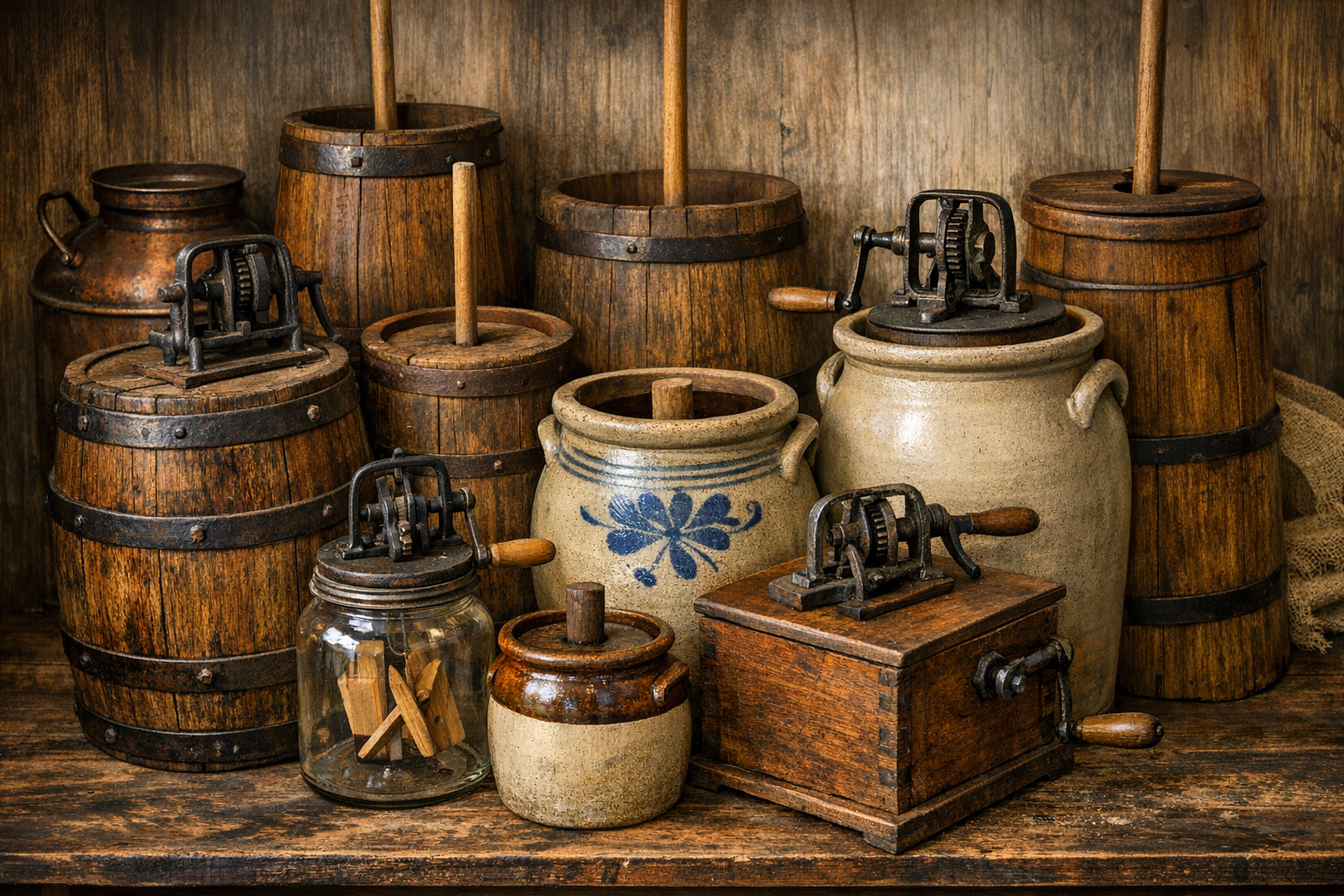
Stoneware & Ceramic Crocks
Stoneware butter churns, with their distinctive ceramic bodies and wooden dasher mechanisms, are among the most recognizable and collectible types. These churns typically feature a cylinder-shaped stoneware vessel with a wooden lid containing a hole for the dasher (the stick used to agitate the cream).
Notable features include:
- Salt-glazed exteriors, often with cobalt blue decorations
- Capacity markings (typically numbered 1-8, indicating gallon size)
- Maker’s marks from pottery companies like Red Wing, Western, and Buckeye
Stoneware churns were predominantly manufactured from the 1800s through the early 1900s, with especially fine examples commanding prices from a value that must be established from current, topic-matched sales to over a value that must be established from current, topic-matched sales depending on condition, decoration, and rarity.
Wooden Barrel and Dash Churns
Among the oldest designs, wooden dash churns consisted of wooden barrels or tubs with vertical dashers that moved up and down to agitate the cream.
Key characteristics include:
- Oak, pine, or cedar construction
- Metal or wooden bands securing staves
- Simple, functional design with minimal decoration
These rustic churns evoke pioneer life and often sell in the a market-dependent range, with pre-Civil War examples or those with original paint or decorations commanding higher prices.
Glass Jar Churns
In the late 19th and early 20th centuries, glass jar churns became popular for smaller households. The most notable manufacturer was Dazey, whose churns are now highly collectible.
Distinctive features include:
- Clear glass jars (often marked with quart sizes)
- Metal lids with hand-crank mechanisms
- Branded markings (Dazey being the most recognized)
Factors Affecting Butter Churn Values
Age and Rarity
Generally, older churns command higher prices, particularly those from the 18th and early 19th centuries. Pre-1850 examples are especially valuable due to their scarcity and historical significance. Limited production models or those from smaller manufacturers can also command premium prices due to their rarity in today’s market.
Condition
The condition of a butter churn dramatically impacts its value. Collectors assess:
- Original components (dashers, lids, handles)
- Integrity of the vessel (cracks, repairs, missing pieces)
- Original paint or patina
- Working mechanical parts (for crank models)
A pristine example with all original parts can be worth several times more than the same model with significant damage or replacement parts.
Provenance and History
Documented history adds significant value to antique butter churns:
- Known origin or usage history
- Association with historical events or notable households
- Original sales receipts or documentation
- Verified age through maker’s marks or dated inscriptions
Decorative Elements
Many stoneware churns feature decorative elements that can dramatically increase their value:
- Hand-painted designs
- Cobalt blue decorations (birds, flowers, alphabets)
- Folk art motifs
- Unique glazes or finishes
Antique Butter Churn Price Guide
Current market values based on recent sales and auction results
Notable Butter Churn Manufacturers
Dazey Butter Churns
Dazey Manufacturing Company of St. Louis produced their iconic glass churns from 1917 until the 1950s. These are among the most recognized and collected churns today.
Key identification points:
- Numbers (1-8) indicating quart size
- Patent dates on metal parts
- “Dazey Churn” embossing on glass or metal components
According to collectors, genuine Dazey churns can be identified by examining factory markings, patent dates, and the shape of tops or sides. Reproductions exist, so careful attribution review is important when assessing value.
As noted by Texas Vintage Shopper, “They have a number one, two, three, four, six or eight written on the side. The numbers indicate the jar’s quart size. Dazey’s manufacturing plant was located in the north in St. Louis, Missouri. The Dazey plant began making jars in 1917.”
Stoneware Manufacturers
Several pottery companies produced high-quality stoneware churns that are now highly collectible:
- Red Wing: Minnesota-based company known for quality stoneware from the late 1800s through the 1940s
- Western Stoneware: Formed from a merger of several Midwest potteries in 1906
- Buckeye Pottery: Ohio-based manufacturer known for distinctive salt glazes
- Norton Stoneware: Vermont pottery producing high-quality salt-glazed items
Wooden Churn Makers
While many wooden churns were locally produced by coopers and woodworkers, several companies manufactured them commercially:
- Blanchard: Produced the popular “Blanchard Churn” patent model
- Davis Swing Churn: Innovative design allowing for a swinging motion
- Brown Manufacturing: Made the distinctive “Bentwood” churn design from 1877-1905
One identified Bentwood churn by Brown of Wapakonet, Ohio was valued by an appraiser at “a market-dependent range resale” according to JustAnswer’s antiques expert.
How to Identify Valuable Butter Churns
Examining Maker’s Marks and Patents
Many valuable butter churns feature identifiable maker’s marks, patent dates, or company logos:
- Stoneware Marks: Look for impressed or stamped maker’s marks, typically near the base
- Patent Dates: Metal components often include patent dates that help establish manufacturing period
- Capacity Markings: Numbers indicating size (gallons or quarts) help identify specific models
Assessing Age and Originality
Key indicators of age include:
- Construction Methods: Hand-thrown pottery, hand-cut wood joinery, and hand-forged metal suggest earlier manufacture
- Materials: Old growth woods, early glass manufacturing techniques, and certain glazes indicate older pieces
- Wear Patterns: Documented period wear differs from artificial aging in reproductions
Spotting Reproductions
The butter churn market includes many modern reproductions that have significantly lower value:
- Modern Materials: Contemporary woods, machine-made components, or modern glaze chemicals
- Manufacturing Techniques: Perfect symmetry, machine-cut parts, or modern fasteners
- Artificial Aging: Intentionally distressed finishes that don’t show documented wear patterns
Butter Churn Condition Assessment
Check applicable items to understand a churn's condition and value potential
- Complete with original dasher/paddle
- Original lid/top mechanism intact
- No cracks or repairs to main vessel
- Original surface patina or paint
- Maker's mark or patent date visible
- Working mechanical components (if applicable)
- No significant chips or damage
- Original bands or hardware (on wooden models)
- Documentation of provenance or history
Historical Context and Evolution
Butter Churn Historical Development
- Ancient Times
Earliest Churns
The oldest form of butter churn was the rocker churn - simple goat skin bags, gourds, or pottery vessels that were shaken or rocked to agitate cream.
- 1700s
Wooden Dash Churns
Wooden barrel or tub churns with vertical dashers became the standard in Colonial America and Europe. These required significant manual labor.
- Early 1800s
Pottery and Stoneware
Stoneware manufacturers began producing ceramic churn bodies with wooden lids and dash mechanisms, offering improved sanitation.
- Mid-1800s
Mechanical Innovations
Patents for mechanical butter churns emerged, introducing hand-cranked mechanisms and barrel churns that rotated horizontally.
- Late 1800s
Factory Production
Industrial manufacturing led to standardized designs and widespread distribution of commercially-produced churns.
- Early 1900s
Glass Models
Companies like Dazey introduced glass jar churns with metal mechanisms, marketing them to smaller households and urban dwellers.
- 1940s-1950s
Decline in Use
As home butter production waned, commercial churns began to disappear from regular use, eventually becoming collectible antiques.
As the Rosenberg Library Museum notes, “The oldest form of butter churn is the rocker churn. Made of goat skin bags, gourds, or even glass jars, these simple vessels have been used to agitate cream for thousands of years and were operated via shaking or rocking – hence the name.”
Where to Buy and Sell Antique Butter Churns
Online Marketplaces
Several online platforms specialize in antique sales:
- eBay: Search “antique butter churn” or “vintage butter churn” for a wide selection ranging from a market-dependent range
- Etsy: Features numerous vintage and antique butter churns, with prices typically ranging from a value that must be established from current, topic-matched sales
- 1stDibs: Offers higher-end antique churns, often with detailed provenance information
- LiveAuctioneers: Online auction platform featuring regularly rotating inventory of churns
According to current listings, a pair of antique stoneware butter churns with dark brown glaze recently sold for approximately a value that must be established from current, topic-matched sales on LiveAuctioneers.
Antique Shops and Shows
Physical locations offer the advantage of in-person inspection:
- Antique Malls: Often house multiple dealers with varying inventory
- Specialized Antique Shows: Farm implement and country antique shows often feature butter churns
- Rural Antique Shops: Particularly in areas with agricultural heritage
- Estate Sales: Can yield unexpected finds, often at lower prices
Auction Houses
Traditional auctions remain excellent sources for quality antiques:
- Regional Auction Houses: Often feature local collections and estates
- Specialized Auctions: Focus on early Americana or agricultural antiques
- Online Auction Platforms: Many traditional auction houses now offer online bidding
A notable 1863 New York stoneware butter churn was featured on Antiques Roadshow, demonstrating the continued interest from major auction venues in exceptional examples.
| Category | Price | Notes |
|---|---|---|
| Stoneware Crock (1-2 gallon) | a value that must be established from current, topic-matched sales | Good condition, minimal decoration |
| Stoneware Crock (3-5 gallon) | a value that must be established from current, topic-matched sales | Good condition with maker's mark |
| Decorated Stoneware | a value that must be established from current, topic-matched sales+ | With cobalt blue decoration or folk art |
| Wooden Barrel Churn | a value that must be established from current, topic-matched sales | Based on age and condition |
| Dazey Glass Churn (#1-#4) | a value that must be established from current, topic-matched sales | Complete with original mechanism |
| Dazey Glass Churn (#6-#8) | a value that must be established from current, topic-matched sales | Larger sizes command premium prices |
| Primitive/Pre-1850 Churns | a value that must be established from current, topic-matched sales+ | Exceptional examples with documented history |
</tbody> </table>
Attribution review and Appraisal
Finding Expert Appraisers
Several resources exist for professional attribution review and valuation:
- American Society of Appraisers: Offers directory of certified appraisers specializing in various antiques
- International Society of Appraisers: Another professional organization with qualified members
- Antiques Roadshow Experts: Some featured appraisers offer private consultation services
- Auction House Specialists: Major auction houses provide appraisal services (often for a fee)
Documentation and Records
Creating proper documentation increases both confidence in originality and potential resale value:
- Provenance Records: Document the chain of ownership if known
- Conservation Reports: Professional assessment of condition and any restoration
- Attribution review Certificates: From recognized experts in agricultural antiques
- Comparative Sales Data: Records of similar items sold at auction
Online Appraisal Services
Several online options exist for preliminary assessments:
- JustAnswer: Provides expert responses to appraisal questions with photo submission
- Value My Stuff: Online appraisal service with quick turnaround
- WorthPoint: Database of past auction prices for similar items
- Collector Forums: Free feedback from knowledgeable collectors (though not formal appraisals)
Collecting and Display Tips
Care and Preservation
Proper maintenance preserves both value and appearance:
Cleaning: Use appropriate methods based on materials
- Stoneware: Mild soap and water, avoid harsh chemicals
- Wood: Gentle dusting, occasional linseed oil treatment
- Metal: Careful removal of active rust, protective wax
Storage: Maintain stable environment
- Control humidity (especially for wooden churns)
- Avoid direct sunlight
- Provide adequate support for heavy stoneware pieces
Handling: Minimize physical stress
- Support from the bottom when moving
- Avoid hanging wooden churns by handles
- Use white gloves when handling valuable examples
Display Ideas
Creative display enhances enjoyment and preservation:
- Kitchen Décor: Incorporate into country kitchen design
- Dedicated Display Cases: Custom-lit cabinets with UV protection
- Themed Groupings: Display alongside other dairy antiques
- Working Demonstrations: For select events (with proper care)
Building a Collection
Strategic collecting maximizes enjoyment and market context:
Specialization Options:
- Focus on specific manufacturer (e.g., Dazey, Red Wing)
- Collect by type (stoneware, glass, wooden)
- Regional focus (New England, Midwest, etc.)
Documentation Practices:
- Maintain detailed inventory records
- Photograph all angles and details
- Record purchase information and provenance
Common Questions About Antique Butter Churns
What is the oldest type of butter churn?
What do the numbers mean on butter churns?
How do you identify a Dazey butter churn?
- Look for the Dazey name embossed on the glass jar or metal mechanism
- Check for capacity numbers (1-8) indicating quart size
- Examine patent dates on the metal parts (documented Dazey churns will have specific patent information)
- Note the arrangement of factory markings, which experts use to identify different Dazey models
- Observe the shape of tops or sides, as certain styles like Slope Shouldered and Bevel Edged are associated with specific Dazey manufacturing periods
How does an antique butter churn work?
-
Plunger/Dash Churns: A wooden barrel contains cream, and a stick with a perforated disc (the dasher) is moved up and down, forcing the cream through the holes and causing agitation. This typically took 60-90 minutes of continuous operation.
-
Paddle Churns: Similar to dash churns but with a paddle design that rotates horizontally via a hand crank.
-
Barrel Churns: The entire barrel rotates on an axis, tumbling the cream inside.
-
Glass Jar Churns: Like the popular Dazey models, these use a glass jar with a metal lid containing gears that turn paddles inside the jar when a handle is cranked.
What is a fair price for an antique butter churn?
- Common stoneware churns in good condition: a value that must be established from current, topic-matched sales
- Wooden barrel churns: a value that must be established from current, topic-matched sales depending on age and condition
- Dazey glass churns: a value that must be established from current, topic-matched sales depending on size and completeness
- Rare or exceptional examples: a value that must be established from current, topic-matched sales+
Where is the best place to sell an antique butter churn?
- For maximum exposure: eBay or Etsy reach wide audiences of collectors
- For highest potential prices: Specialized antique auctions or high-end platforms like 1stDibs
- For convenience: Local antique dealers who will purchase outright
- For rare/valuable specimens: Consider consignment with regional auction houses
Additional Resources for Butter Churn Collectors
LoveToKnow: Antique Butter Churn Value
Comprehensive guide to determining the value of various antique butter churn types, with detailed photographs and price information.
Antiques Roadshow: 1863 New York Stoneware Butter Churn
Expert appraisal of a museum-quality stoneware butter churn, providing insights into high-end valuation factors.
Rosenberg Library Museum: Nineteenth Century Barrel Butter Churn
Historical context and detailed information about barrel-style butter churns, with museum quality research and documentation.
Real Or Repro: Dazey Churns Reproduced
Essential resource for identifying documented Dazey butter churns versus modern reproductions, with detailed photographs and key attribution review points.
eBay: Collectible Butter Churns
Active marketplace with current listings of antique butter churns for sale, helpful for understanding current market values and available inventory.
Antique Butter Churn Value And Price Guide
Comprehensive video guide exploring various butter churn types, their history, and current market values for collectors.
JustAnswer: Antique Butter Churn Values
Professional appraisal service with examples of previous butter churn valuations and the opportunity to submit photos for expert assessment.
1stDibs: Antique Butter Churns Collection
Curated selection of high-quality antique butter churns from reputable dealers, with detailed descriptions and provenance information.
Conclusion: The Enduring Appeal of Antique Butter Churns
Antique butter churns represent more than just obsolete kitchen tools—they embody the self-sufficient agrarian lifestyle that shaped American history. Their transformation from practical implements to sought-after collectibles mirrors our ongoing fascination with the past and appreciation for handcrafted functionality.
Whether you’re drawn to the rustic charm of wooden barrel churns, the decorative appeal of stoneware crocks, or the nostalgic glass models of the early 20th century, these artifacts continue to find new homes and appreciative audiences. Their values range from affordable entry-level pieces at under a value that must be established from current, topic-matched sales to museum-quality treasures worth tens of thousands—ensuring collecting opportunities for enthusiasts at every level.
As with any antique category, knowledge is the collector’s greatest asset. By understanding the various types, manufacturers, and value factors detailed in this guide, you’ll be better equipped to assess the butter churns you encounter and make informed decisions about purchases or sales. Whether displayed prominently in a country kitchen or carefully preserved in a dedicated collection, these charming pieces of American heritage continue to captivate new generations with their timeless appeal.
Note: We couldn’t find enough auction records that directly match Antique Butter Churn Value: Type, Maker Marks, Completeness and Condition to publish a defensible price table. If you are valuing a specific item, include its maker, model, material, photos, and condition so the search can be narrowed.
What similar items actually sold for
To help ground this guide in real market activity, here are recent example auction comps from Appraisily’s internal database. These matched sales are market context only, not an object estimate or identification, and they do not guarantee a price for your specific value of old butter churns.
Shown USD range: USD 550-USD 3,000. Median of these 5 USD examples: USD 850.
| Comparable | What sold | Auction house | Date | Lot | Source-reported amount |
|---|---|---|---|---|---|
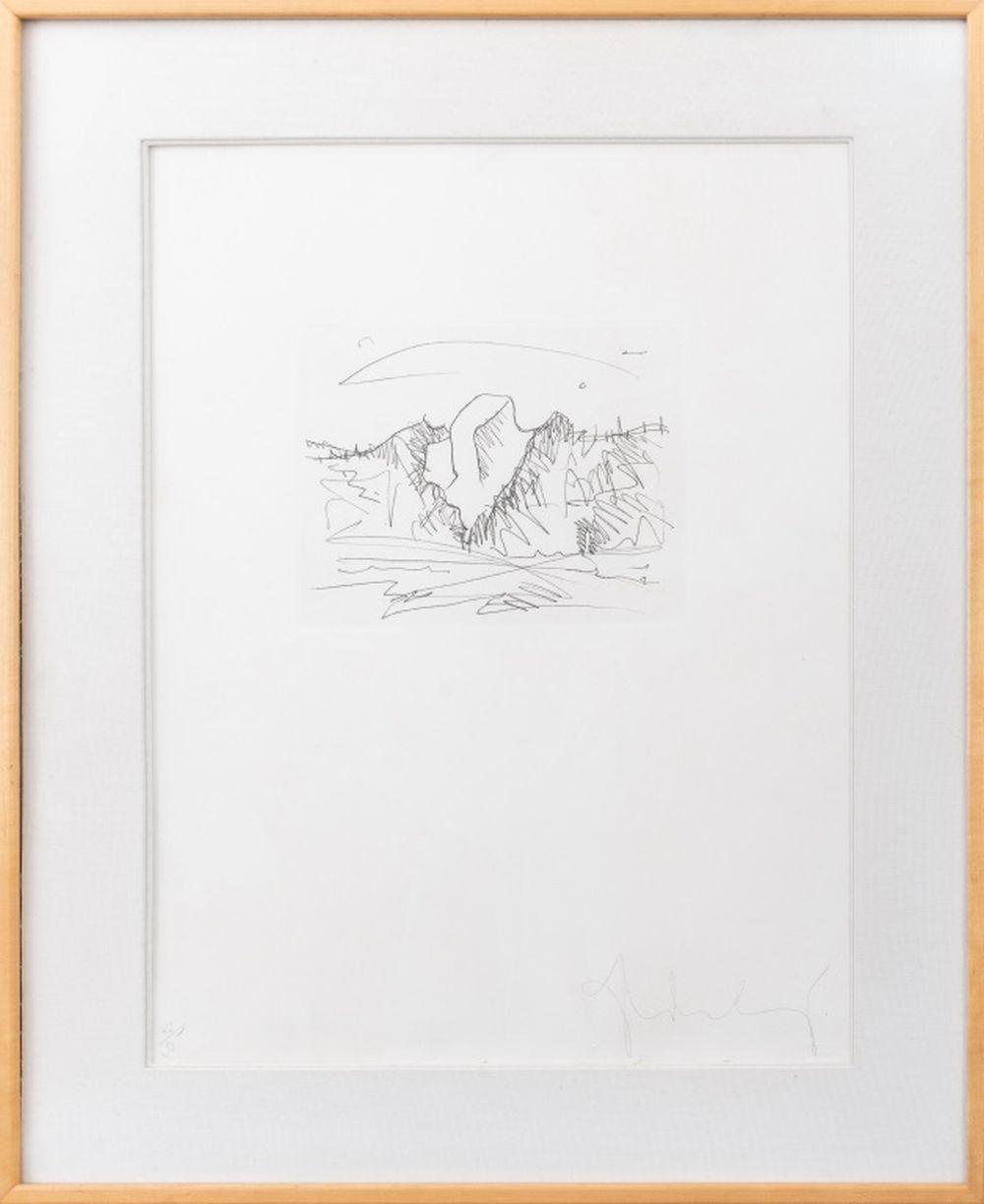 |
Claes Oldenburg "Butter Pat ..." Etching, 1976 | Auctions at Showplace | 2024-08-25 | 194 | USD 850 (buyer’s-premium treatment unknown) |
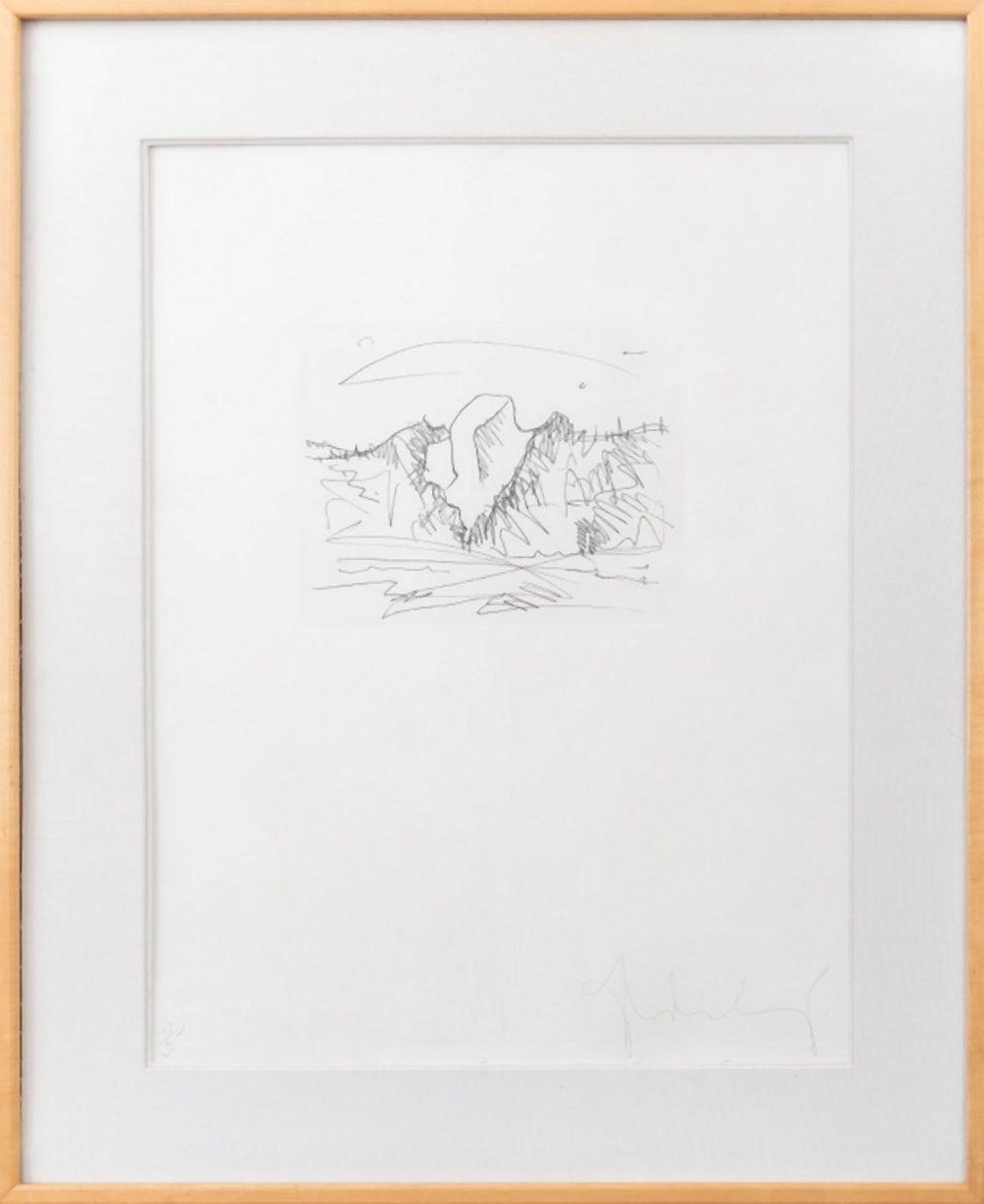 |
Claes Oldenburg "Butter Pat ..." Etching, 1976 | Auctions at Showplace | 2024-06-09 | 2 | USD 550 (buyer’s-premium treatment unknown) |
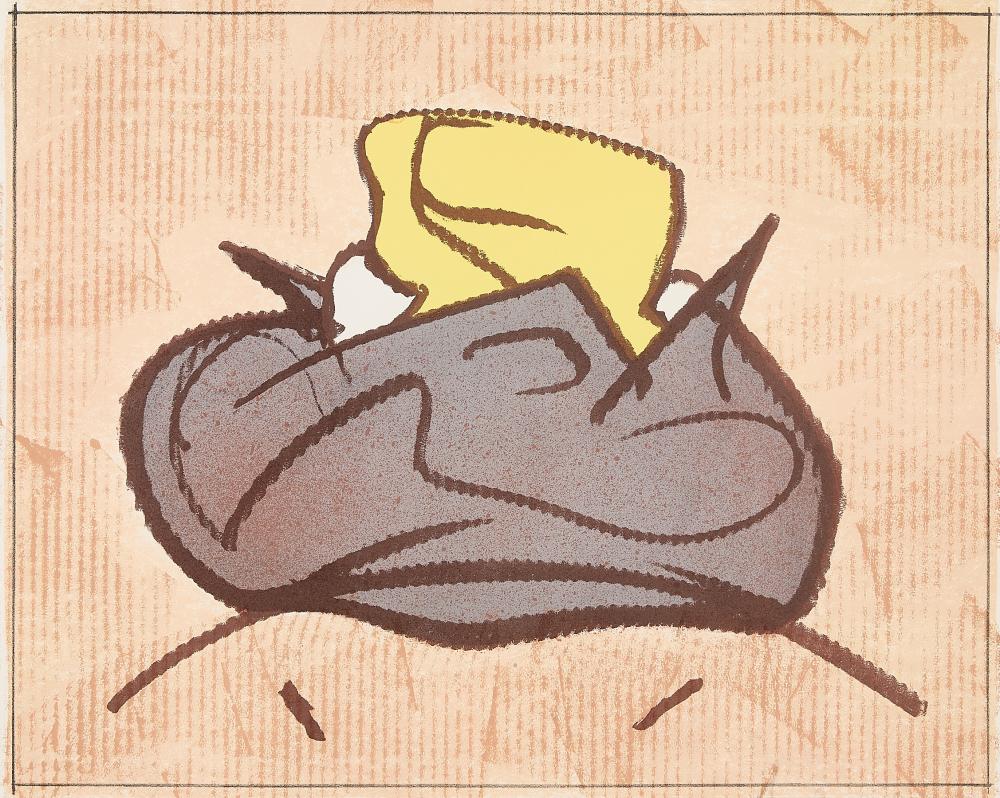 |
Claes Oldenburg "Baked Potato w/ Butter" Print | Revere Auctions | 2025-09-17 | 414 | USD 750 (buyer’s-premium treatment unknown) |
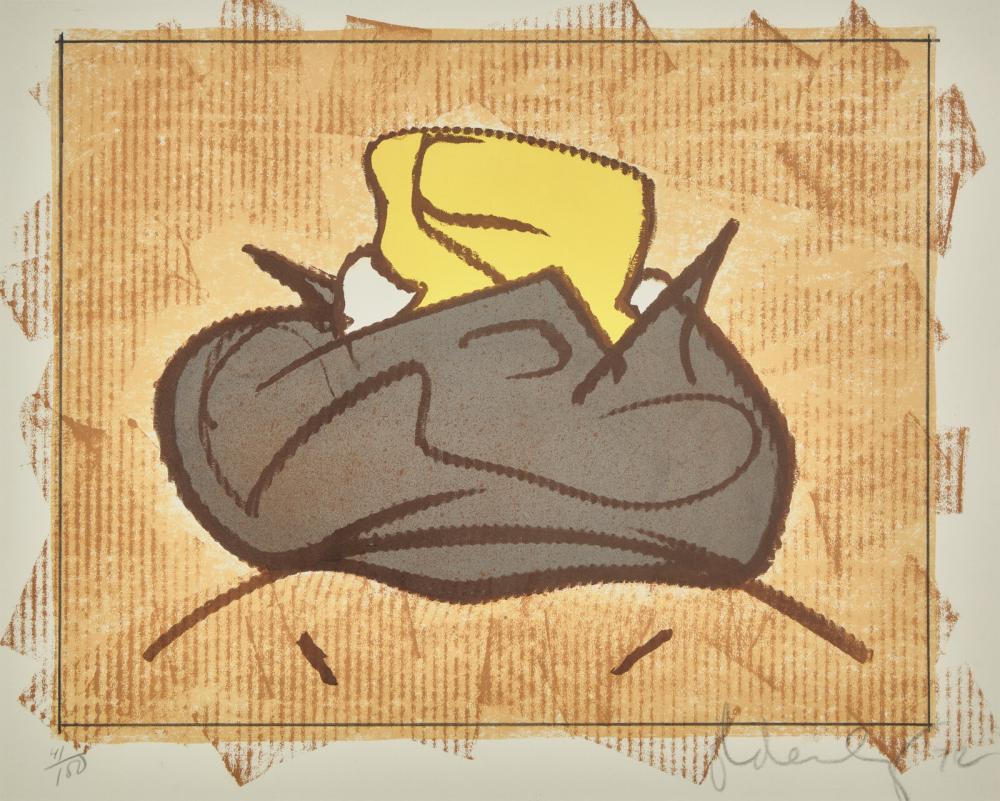 |
Claes Oldenburg (Swedish/American, 1929-2022) Baked Potato with Butter, 1972 | Freeman’s | Hindman | 2024-08-22 | 49 | USD 850 (buyer’s-premium treatment unknown) |
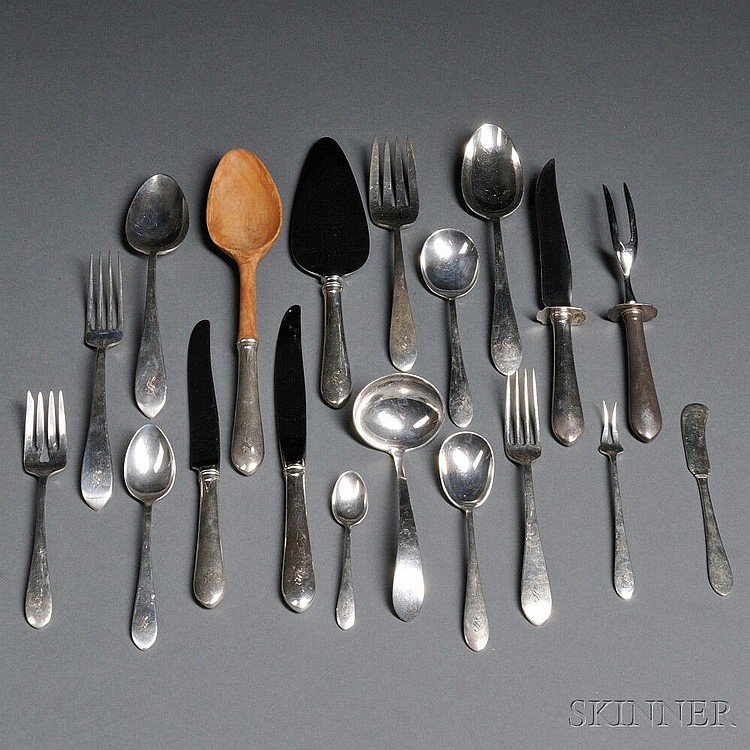 |
Gorham Old Colony, New Pattern Sterling Silver Flatware Service, Providence, Rhode Island, 20th century, monogrammed, seventeen butter | Skinner | 2013-04-06 | 337 | USD 3,000 (buyer’s-premium treatment unknown) |
How these auction records were verified
Each row retains its exact source URL, lot identity, retrieval time, access result, and immutable record hash. Inspect the public comparable provenance record.
Disclosure: prices are shown as reported by auction houses and are provided for appraisal context. Learn more in our editorial policy.
Free instant estimate
Not sure if your item is worth appraising? Let us take a look.
Upload a photo, tell us what you know, and get a free first read. If a full appraisal makes sense, we will say so.
Free. No card needed. Takes about two minutes.
Choose your next step
Use the path that matches the decision you need to make about the item.
Not sure it is worth appraising?
Start with a lower-friction screen to understand the likely category, evidence, and next step.
Upload photos for a free first lookWant proof before paying?
See how a signed report documents photos, comparable evidence, condition notes, and value conclusions.
View signed report sampleNeed a signed report?
Use this for insurance, estate, donation, resale, or documented value decisions.
Need documentation now? Start signed appraisalNeed local or specialist help?
Compare directory options when the work needs in-person review or a specialist near you.
Find local specialistsSee what the report looks like
Sample reports show how photos, comparable evidence, condition notes, and a value conclusion are documented.
Get a butter churn appraised
Upload photos of the churn, maker marks, lid, dasher, crock, hardware, glaze, size, repairs, and condition notes.
- Expert report with photos and market context
- Fast turnaround
- Fixed, upfront pricing
No obligation. Secure upload.
Continue your valuation journey
Find the right local specialist
Compare antique and art appraisers by location and specialty in one directory.
Antique & art specialists
Browse the Antique & Art Appraisers Directory
Choose a local specialist when the assignment needs in-person inspection or a specific credential.
Machine-readable summaries
Use these machine-friendly references for AI and crawler discovery of Appraisily content.
Ready for pricing guidance?
Start a secure online appraisal
Upload images and details. Certified specialists respond within 24 hours.
Upload photos for a free first look View signed report sample