Introduction to Antique Butter Churns
Understanding Butter Churn History & Value
Antique butter churns come in various styles, each reflecting the technological evolution of butter-making through the centuries. From primitive rocker churns to more advanced mechanical designs, these artifacts provide fascinating glimpses into domestic life before industrial food production. Today, they’re prized not only for their historical significance but also as decorative pieces that bring documented rustic charm to modern interiors.
The value of an antique butter churn depends on several key factors: age, condition, rarity, manufacturer, materials, and functionality. Understanding these elements is essential for collectors, sellers, and buyers looking to determine accurate market values in this specialized collecting category.
Antique Butter Churn Market Highlights
Types of Antique Butter Churns
Major Butter Churn Categories
Wooden Barrel Churns
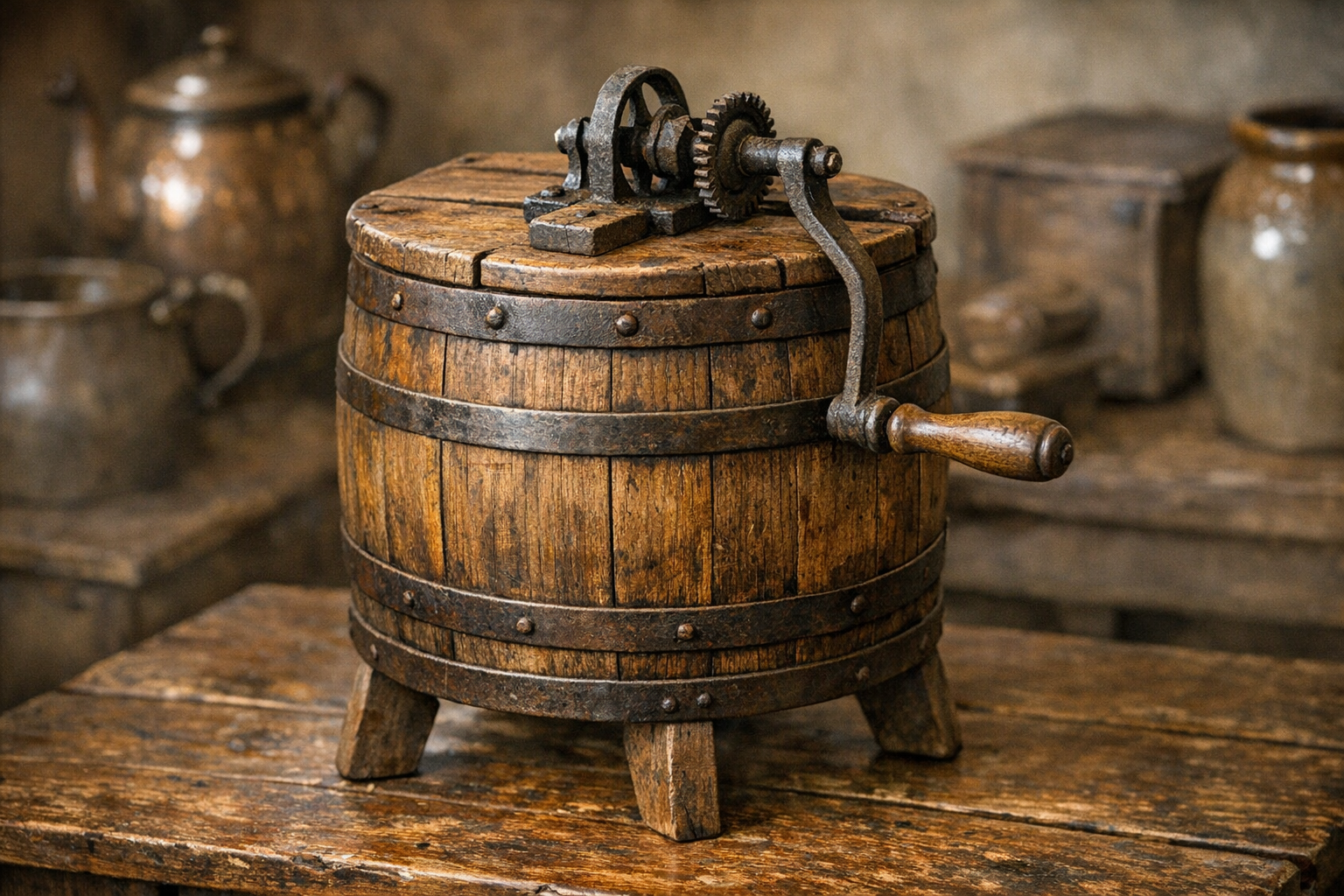
Wooden barrel or dash churns represent one of the most iconic American butter churn styles. Typically featuring oak or pine construction with metal bands, these churns operate by plunging a wooden dasher (stick) up and down through cream. Nineteenth-century examples from manufacturers like Brown of Wapakonet command premium prices, with well-preserved specimens valued between a value that must be established from current, topic-matched sales.
Glass Jar Churns
Glass jar churns became popular in the late 19th to early 20th centuries, with the Dazey brand emerging as a market leader. These typically feature a glass jar with a metal lid containing gears and paddles. Original Dazey churns are identifiable by their markings and patent dates, with values ranging from:
Dazey Butter Churn Prices
Current market values by size and condition
Stoneware and Ceramic Churns
Stoneware churns, often featuring distinctive cobalt blue decorations, represent another valuable category. These earthenware vessels typically include a ceramic or wooden dasher and wooden lid.
Some notable examples include:
- Red Wing stoneware churns: a value that must be established from current, topic-matched sales depending on condition
- Salt-glazed stoneware with cobalt decorations: a value that must be established from current, topic-matched sales
- Plain brown glazed stoneware: a value that must be established from current, topic-matched sales
Paddle and Crank Churns
Evolution of Butter Churn Designs
- Pre-1800s
Primitive Rocker Churns
The oldest form of butter churns, made from goat skin bags, gourds, or glass jars, operated by shaking or rocking.
- 1800-1850
Dash Churns Dominate
Simple wooden barrel or ceramic vessels with vertical plunging dashers became the standard in American homes.
- 1850-1900
Mechanical Innovation
Introduction of paddle wheels and crank mechanisms to reduce physical labor, with patents for improved designs.
- 1900-1940
Glass Jar Revolution
Dazey and other manufacturers popularize glass churns with metal gearing mechanisms for home use.
- Post-1940
Decline & Collectibility
Commercial dairy production makes home churning obsolete; butter churns transition from tools to collectibles.
Mechanical churns with crank handles that rotate internal paddles represent the technological pinnacle of home butter production. These range from table-mounted models to larger floor-standing versions, often featuring cast iron gearing and wooden barrels.
Factors Affecting Antique Butter Churn Value
What Determines a Butter Churn's Worth
Age and Originality
Older churns generally command higher prices, with pre-1900 examples being particularly desirable. However, age must be documented through:
- Construction methods (hand vs. machine-made components)
- Wood aging and patina development
- Glass manufacturing techniques
- Pottery marks and glazing methods
Condition Assessment
Butter Churn Condition Checklist
Assess your butter churn's condition using these criteria
- Original dasher or paddles present and intact
- No cracks in glass, ceramic, or wooden components
- Original metal fittings without significant rust
- Working mechanical parts (for crank models)
- Original paint or finish visible
- Manufacturer's markings legible
- No significant repairs or replacements
- Documented patina consistent with age
Condition significantly impacts value, with complete, working examples commanding premiums of a condition-specific range over damaged or incomplete specimens. Original components (especially dashers, lids, and mechanical parts) are essential for maximum value.
Manufacturer and Markings
Churns from known manufacturers with clear markings typically bring higher prices:
- Dazey: The most collected glass churn brand, with values varying by model number
- Brown Manufacturing: Known for quality wooden churns
- Red Wing: Highly collectible stoneware producer
- Union Manufacturing: Well-regarded for barrel churns
- Standard Churn Company: Recognized for mechanical innovations
Rarity and Unique Features
Uncommon sizes, rare manufacturers, unusual mechanisms, or distinctive decorations can dramatically increase value. For example:
- Dazey churns with slope-shouldered designs: a condition-specific range premium
- Stoneware churns with elaborate cobalt designs: a condition-specific range premium
- Churns with provenance from historical homesteads: a condition-specific range premium
- Exceptionally large (over 8 quarts) or tiny examples: a condition-specific range premium
How to Identify Documented Antique Butter Churns
Attribution review & Identification Guide
Recognizing Dazey Butter Churns
Dazey glass churns are among the most frequently reproduced antique churns. Documented examples can be identified by:
- Manufacturing marks: Original Dazey churns feature specific patent dates and manufacturer stamps
- Glass characteristics: Documented glass typically shows small bubbles, slight irregularities, and signs of age
- Number markings: The numbers indicate jar capacity in quarts (1, 2, 3, 4, 6, or 8)
- Gear mechanisms: Genuine Dazey churns have precisely machined gear teeth and quality metal components
Authenticating Wooden Churns
For wooden barrel and dash churns:
- Examine joinery techniques – hand-cut dovetails or wooden pegs suggest documented age
- Check metal bands for hand-forging signs rather than modern welding
- Look for a natural patina that develops over decades, not artificial aging
- Assess wood types – oak, pine, and cedar were commonly used in antique churns
Stoneware Attribution review Tips
For stoneware and ceramic churns:
- Check for appropriate bottom wear consistent with actual use
- Examine the clay body at worn spots for appropriate aging
- Research pottery marks using reference guides like The Potter’s Mark
- Assess glaze characteristics – period-appropriate color, texture, and application methods
| Category | Price | Notes |
|---|---|---|
| Dazey #1 (1 quart) | a value that must be established from current, topic-matched sales | Original condition with working mechanism |
| Dazey #2-3 (2-3 quarts) | a value that must be established from current, topic-matched sales | Complete with original paddle and lid |
| Dazey #4-8 (4-8 quarts) | a value that must be established from current, topic-matched sales | Larger sizes command premium prices |
| Rare Dazey Variants | a value that must be established from current, topic-matched sales | Unusual models or mint condition specimens |
</tbody> </table>
Where to Buy and Sell Antique Butter Churns
Market Guide for Collectors & Sellers
Popular Marketplaces
For buyers seeking antique butter churns, several platforms offer extensive selections:
- Etsy’s Antique Butter Churn Market: Features a wide range of styles with prices typically ranging from a value that must be established from current, topic-matched sales for quality examples
- eBay Collectible Butter Churns: Offers auction and buy-it-now options with competitive pricing
- 1stDibs Antique Butter Churns: Specializes in higher-end examples, with prices starting around a value that must be established from current, topic-matched sales for exceptional pieces
- Chairish Vintage Butter Churns: Curated selection with flexible price ranges
Valuation Services
Before selling an antique butter churn, consider professional valuation through:
- JustAnswer Antiques: Provides expert assessments like the a value that must be established from current, topic-matched sales valuation for an 1877-1905 Bentwood churn
- Local antique appraisers: Offer hands-on examination for accurate valuation
- Auction house specialists: Provide free approximate valuations for potential consignments
Tips for Sellers
When selling your antique butter churn:
- Clean carefully without removing documented patina
- Document any provenance or history
- Photograph all sides, including manufacturer’s marks
- Highlight original components and functionality
- Research recent sold prices before listing
- Consider multiple sales platforms for maximum exposure
Essential Resources for Butter Churn Collectors
Antique Butter Churns on Etsy
Browse hundreds of antique and vintage butter churns with detailed descriptions, condition notes, and competitive pricing. Great source for both common and rare examples.
Determining Antique Butter Churn Value
Comprehensive guide to factors affecting butter churn values, with price ranges and identification tips from antiques experts.
Antique Dazey Butter Churns Guide
Detailed information about identifying documented Dazey butter churns, understanding number markings, and distinguishing different models.
Butter Churn Values on WorthPoint
Access to WorthPoint's price database and identification dictionary for butter churns, helping establish accurate market values.
Rosenberg Library Museum - Butter Churn History
Historical information about 19th-century barrel butter churns with details about manufacturing techniques and cultural significance.
LiveAuctioneers Butter Churn Sales
Database of past auction results for antique stoneware butter churns, providing valuable price comparison data for collectors.
Caring for Antique Butter Churns
Preservation & Maintenance Guide
Cleaning Recommendations
Different materials require specific cleaning approaches:
Wooden Components:
- Use minimal moisture with a barely damp cloth
- Apply small amounts of food-grade mineral oil to prevent drying
- Never submerge wooden parts in water
- Avoid modern furniture polishes and oils
Glass Churns:
- Clean with diluted white vinegar solution
- Use soft brushes for hard-to-reach areas
- Avoid abrasive cleaners that could scratch glass
- Dry thoroughly to prevent water spots
Metal Parts:
- Remove light rust with fine steel wool (#0000 grade)
- Apply museum-quality metal preservative
- Avoid harsh chemical rust removers
- Consider professional conservation for significant corrosion
Display and Storage
To maintain value while enjoying your butter churn collection:
- Keep wooden and stoneware churns away from direct sunlight
- Maintain stable humidity (a condition-specific range) to prevent wood cracking
- Display glass churns where they won’t be accidentally knocked over
- Consider using museum-quality display cases for rare examples
- Rotate mechanical parts occasionally to prevent seizure
Restoration Considerations
Before restoring an antique butter churn:
- Research whether restoration will enhance or diminish value
- Document the churn’s condition with photographs before starting
- Consider consulting a professional conservator for rare specimens
- Use period-appropriate materials and techniques
- Maintain reversibility in any restoration processes
Common Questions About Antique Butter Churns
Frequently Asked Questions
What is the oldest type of butter churn?
What do the numbers mean on Dazey butter churns?
How do you identify an documented Dazey butter churn?
- The arrangement of factory markings (such as the Round Label-style or Patent Date-style)
- The appearance of specific patent dates (documented ones typically show dates from the early 1900s)
- The shape of tops or sides (look for Slope Shouldered and Bevel Edged variants)
- Quality of metal gear mechanisms that show machined precision rather than cast reproductions
- Glass characteristics including subtle imperfections and appropriate aging
What is the average value of an antique butter churn?
- Common glass Dazey churns: a value that must be established from current, topic-matched sales depending on size and condition
- Wooden barrel or dash churns: a value that must be established from current, topic-matched sales for good examples
- Stoneware churns: a value that must be established from current, topic-matched sales depending on decoration and maker
- Rare mechanical churns with original parts: a value that must be established from current, topic-matched sales+
Are reproduction butter churns worth anything?
Where can I sell my antique butter churn?
- Online marketplaces like Etsy, eBay, or 1stDibs (best for reaching collectors)
- Local antique shops or malls (may offer immediate payment but at wholesale prices)
- Consignment with specialized auction houses (good for rare, high-value examples)
- Direct to collectors through antique shows or collector forums
- Facebook Marketplace or local classified ads for quicker regional sales
Conclusion: Investing in Antique Butter Churns
Market Outlook & Collection Strategy
The market for antique butter churns has remained relatively stable over the past decade, with particularly strong interest in:
- Complete, functioning examples with original components
- Churns with documented provenance or historical significance
- Rare manufacturer models and unusual designs
- Examples with exceptional decoration or artistic elements
For collectors and investors, focusing on quality over quantity typically yields better long-term returns. A single exceptional butter churn in original condition will generally appreciate more than several common examples with condition issues.
The rustic farmhouse and country decor trends continue to support demand for antique butter churns, particularly among homeowners seeking documented vintage pieces rather than mass-produced replicas. This decorative market complements the traditional collector market, providing multiple potential buyers for quality examples.
When building a collection, consider these strategies:
- Specialize in a particular type (such as Dazey glass churns or stoneware examples)
- Document the historical context and technological significance of each piece
- Research manufacturer histories to better understand rarity and significance
- Network with other collectors to learn about market trends and upcoming sales
With proper identification, attribution review, care, and strategic acquisition, antique butter churns can provide both aesthetic enjoyment and potential value appreciation for years to come—tangible reminders of America’s agricultural heritage preserved for future generations.
Note: We couldn’t find enough auction records that directly match Antique Butter Churn Value: Maker Marks, Style, Materials and Condition to publish a defensible price table. If you are valuing a specific item, include its maker, model, material, photos, and condition so the search can be narrowed.
What similar items actually sold for
To help ground this guide in real market activity, here are recent example auction comps from Appraisily’s internal database. These matched sales are market context only, not an object estimate or identification, and they do not guarantee a price for your specific value of antique butter churn.
Shown USD range: USD 250-USD 1,000. Median of these 5 USD examples: USD 400.
| Comparable | What sold | Auction house | Date | Lot | Source-reported amount |
|---|---|---|---|---|---|
![DAZEY BUTTER CHURN JARS, 4 [158157] sold by Holabird Western Americana, lot 2422 — auction record photograph](https://assets.appraisily.com/comps/auction-lots/176782299/thumb/h19286-l315116123.jpg) |
DAZEY BUTTER CHURN JARS, 4 [158157] | Holabird Western Americana | 2023-01-20 | 2422 | USD 250 (buyer’s-premium treatment unknown) |
 |
New England Stoneware Butter Churn & Pitcher w/ Cobalt | Case Antiques, Inc. Auctions & Appraisals | 2021-01-31 | 1075 | USD 400 (buyer’s-premium treatment unknown) |
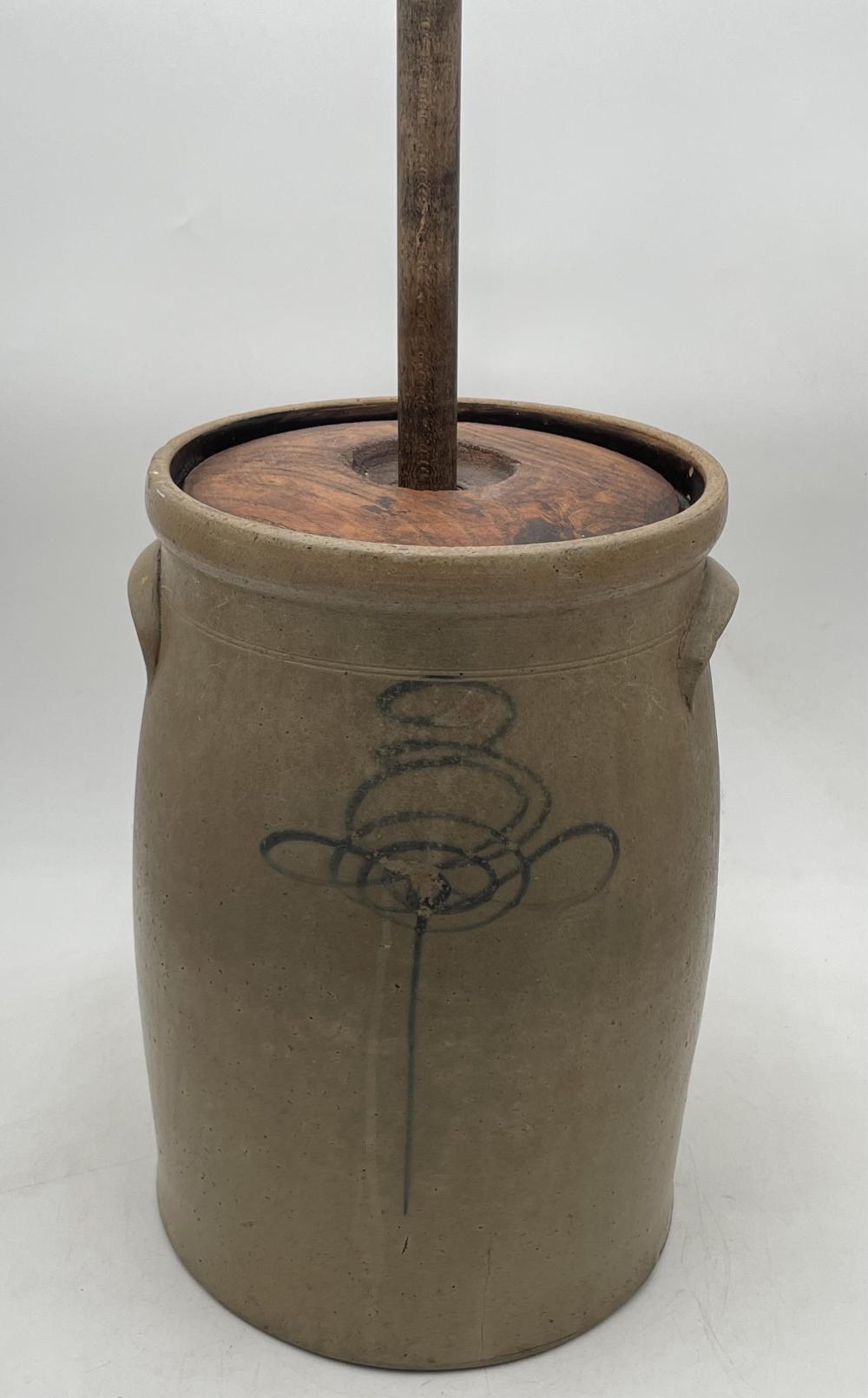 |
Blue Decorated 3 Gallon "Bee Sting" Salt Glazed Stoneware Butter Churn with Dasher, Late 19th to Early 20th Century, 1895-1906 9 1/2" x 14" Tall | Asselmeier May Auctions | 2026-07-12 | 105 | USD 250 (buyer’s-premium treatment unknown) |
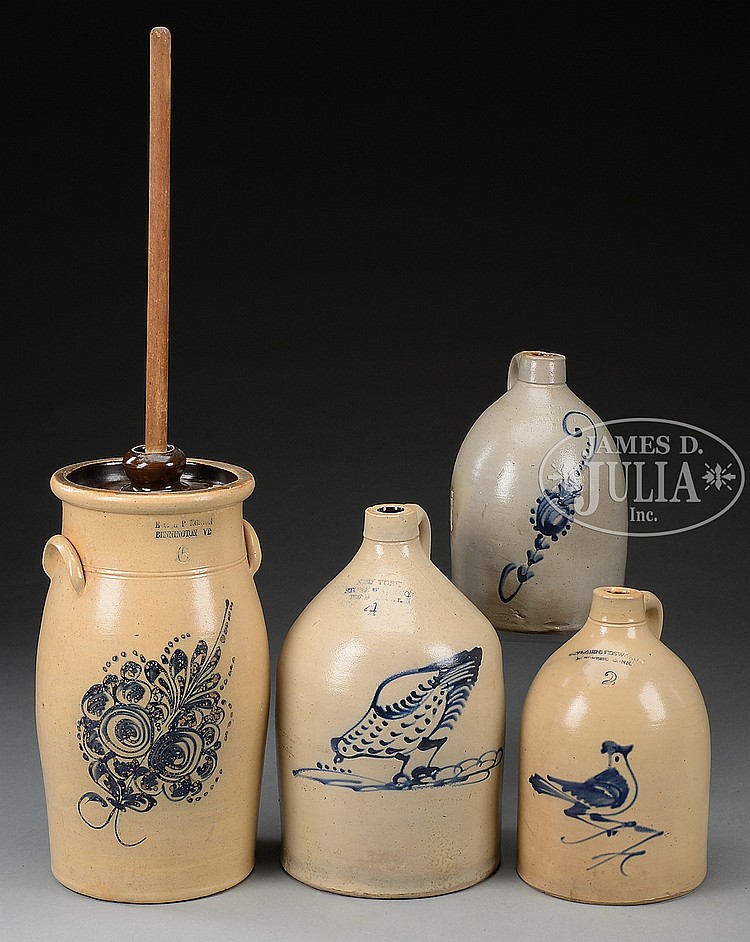 |
THREE DECORATED STONEWARE JUGS AND BUTTER CHURN. | James D. Julia | 2016-02-04 | 2251 | USD 770 (buyer’s-premium treatment unknown) |
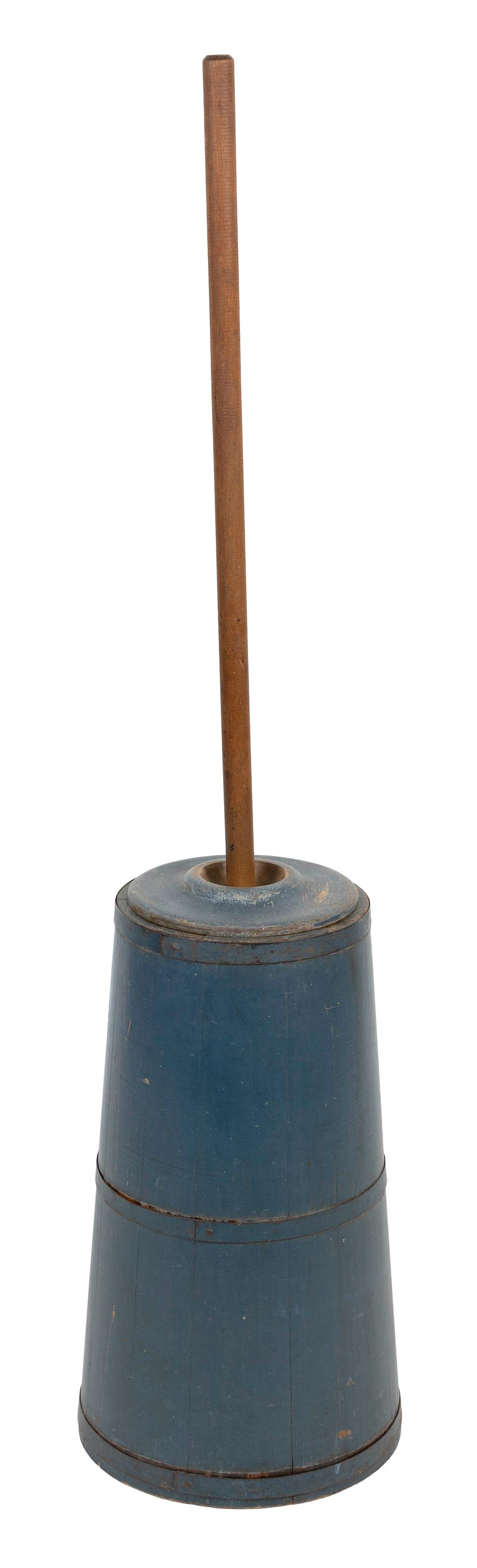 |
C. WILDER & SON BUTTER CHURN WITH DASHER Hingham, Massachusetts, 19th Century Churn height 20". Total height with dasher 47". | Eldred's | 2025-07-23 | 7353 | USD 1,000 (buyer’s-premium treatment unknown) |
How these auction records were verified
Each row retains its exact source URL, lot identity, retrieval time, access result, and immutable record hash. Inspect the public comparable provenance record.
Disclosure: prices are shown as reported by auction houses and are provided for appraisal context. Learn more in our editorial policy.
Free instant estimate
Not sure if your item is worth appraising? Let us take a look.
Upload a photo, tell us what you know, and get a free first read. If a full appraisal makes sense, we will say so.
Free. No card needed. Takes about two minutes.
Choose your next step
Use the path that matches the decision you need to make about the item.
Not sure it is worth appraising?
Start with a lower-friction screen to understand the likely category, evidence, and next step.
Upload photos for a free first lookWant proof before paying?
See how a signed report documents photos, comparable evidence, condition notes, and value conclusions.
View signed report sampleNeed a signed report?
Use this for insurance, estate, donation, resale, or documented value decisions.
Need documentation now? Start signed appraisalNeed local or specialist help?
Compare directory options when the work needs in-person review or a specialist near you.
Find local specialistsSee what the report looks like
Sample reports show how photos, comparable evidence, condition notes, and a value conclusion are documented.
Get a butter churn appraised
Upload photos of the churn, maker marks, lid, paddle, hardware, body material, size, condition, and repair notes.
- Expert report with photos and market context
- Fast turnaround
- Fixed, upfront pricing
No obligation. Secure upload.
Continue your valuation journey
Find the right local specialist
Compare antique and art appraisers by location and specialty in one directory.
Antique & art specialists
Browse the Antique & Art Appraisers Directory
Choose a local specialist when the assignment needs in-person inspection or a specific credential.
Machine-readable summaries
Use these machine-friendly references for AI and crawler discovery of Appraisily content.
Ready for pricing guidance?
Start a secure online appraisal
Upload images and details. Certified specialists respond within 24 hours.
Upload photos for a free first look View signed report sample