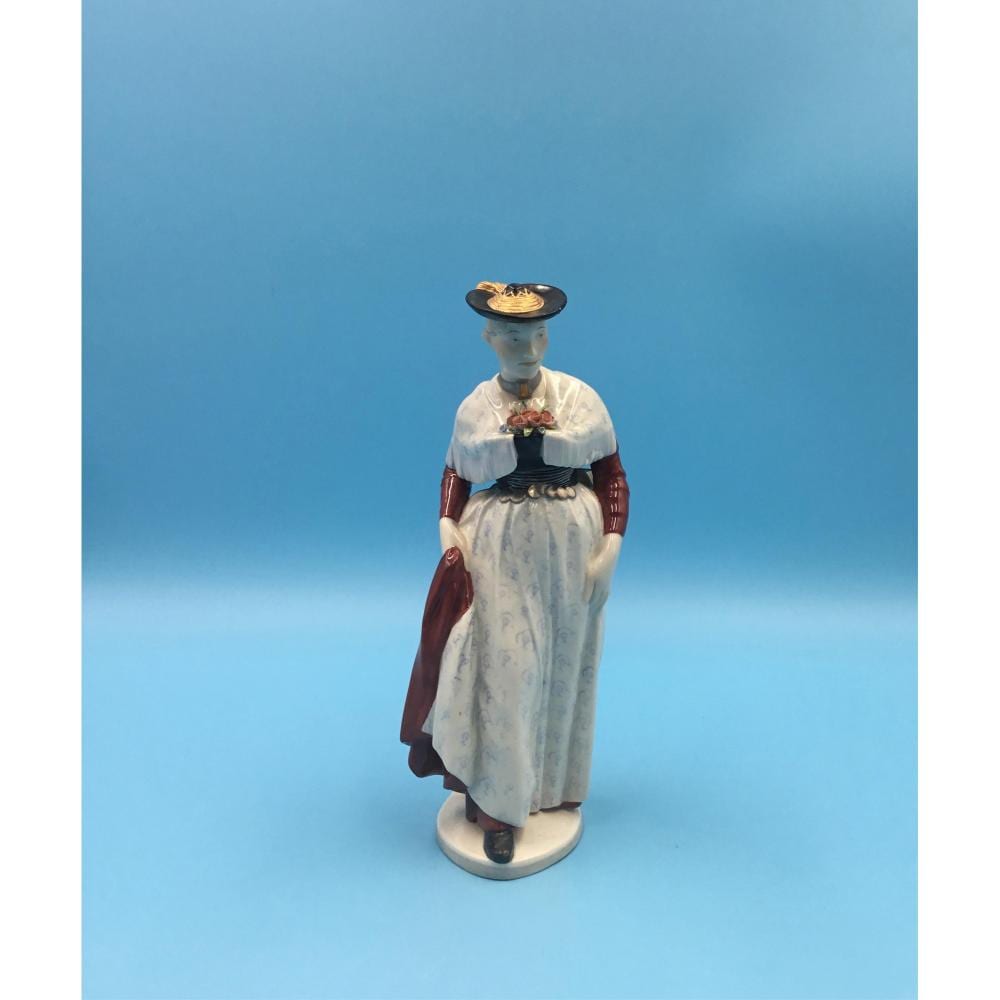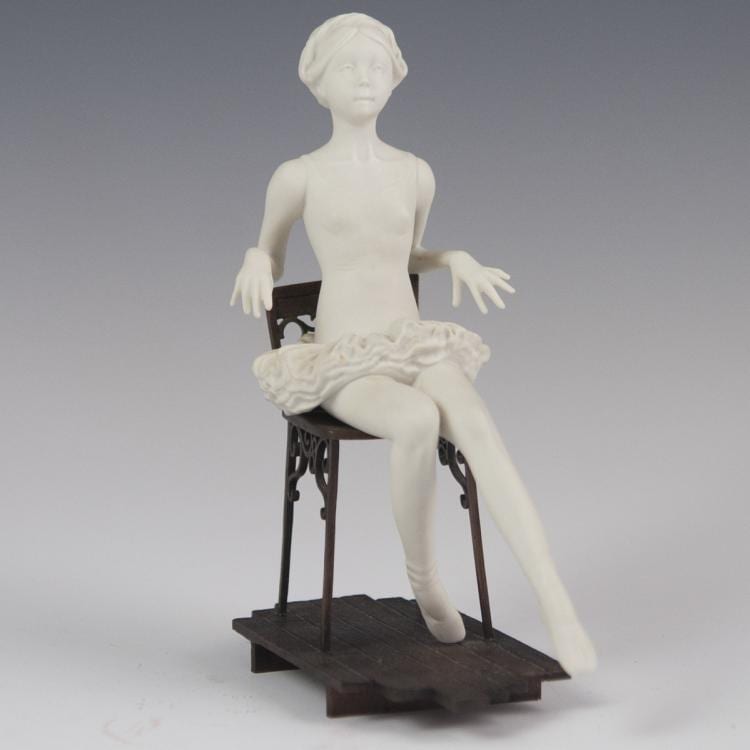
Unveiling the Past the Ultimate Guide to Identifying Antique Porcelain Figurines: appraisal and value basics
Unveiling the Past the Ultimate Guide to Identifying Antique Porcelain Figurines research should start with identification, condition, provenance, and item-specific market evidence. Use this guide to compare the signals that matter before paying for a formal appraisal or deciding whether to sell.
Antique porcelain figurine identification checklist
Antique porcelain figurines are small objects with big stories. Whether you’re cataloging a collection, researching an heirloom, or buying for resale, confident identification depends on reading three things in concert: the body (materials and technique), the marks (factory, decorator, and numbers), and the context (origin, date, condition, and market). This guide walks you through each step with practical cues used by appraisers and seasoned collectors.
What Qualifies as an “Antique” Porcelain Figurine?
- Age threshold: In most markets, “antique” means 100 years or older. Pieces circa 1920s and earlier qualify today.
- Porcelain vs other bodies: Porcelain is vitrified, hard, and can be translucent in thin sections. English bone china is a porcelain type (contains bone ash). Earthenware (e.g., most Staffordshire figures, Satsuma) is not porcelain—verify the body first.
- Common antique categories:
- Hard-paste porcelain: Meissen, KPM Berlin, Nymphenburg, Royal Copenhagen, Vienna (Wiener Porzellan).
- Soft-paste porcelain: Early Sèvres, Chelsea, and some early French/English factories before hard-paste adoption.
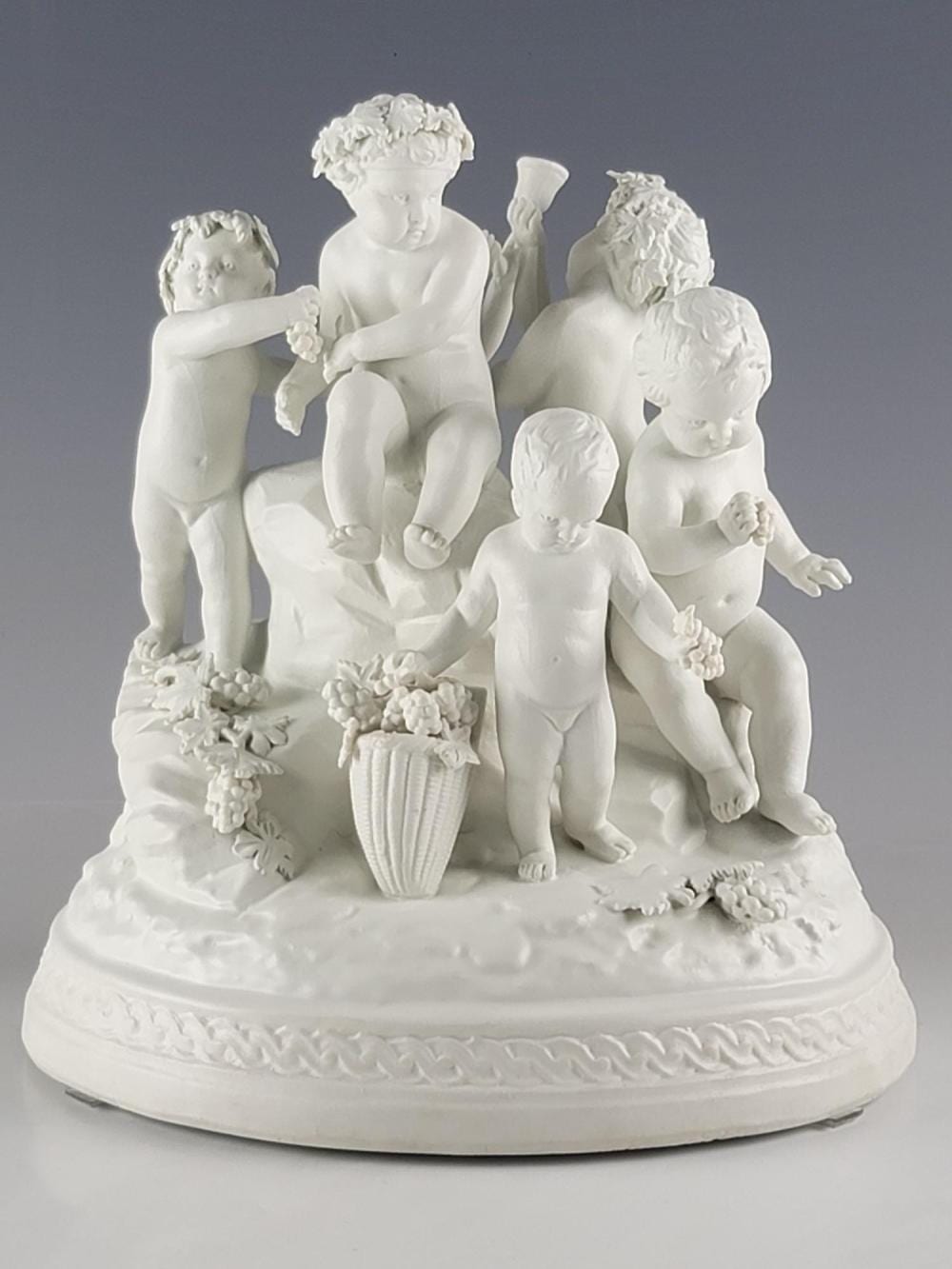
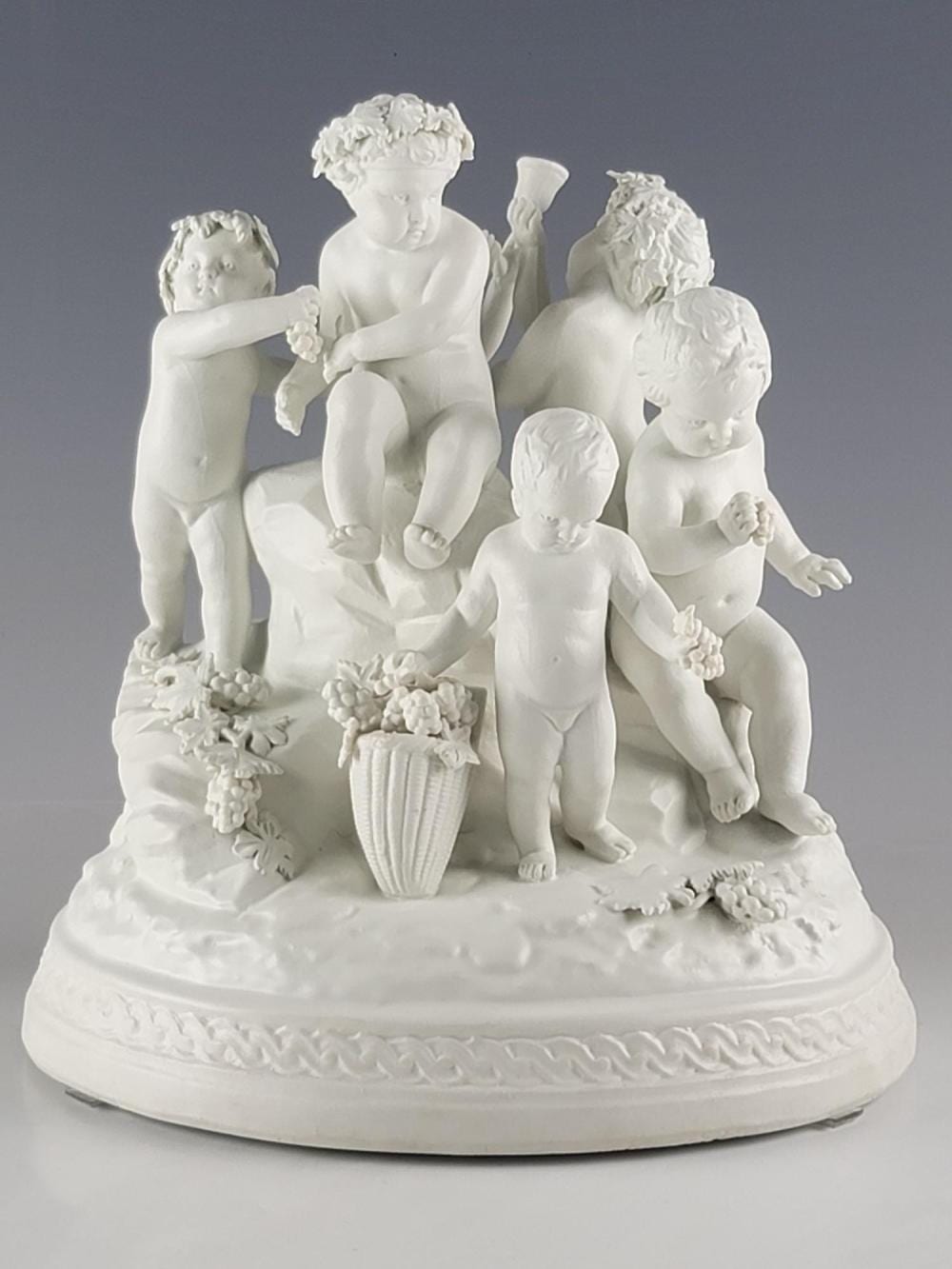
- Bisque/Parian: Unglazed, matte surfaces (often French/German dolls and Copeland/Minton Parian figures).
Tip: “Made in [country]” markings generally appear after the 1891 McKinley Tariff; “Nippon” (1891–1921), “England” alone (late 19th–early 20th c.), “Germany” (late 19th–early 20th c.) can help bracket dates. Many of these are now antique, but context matters.
Read the Body: Paste, Glaze, and Craftsmanship
Before you chase marks, examine how the figurine was made. High-quality modeling and finishing separate top-tier factories from later imitations.
- Body and translucency:
- Hold a light to a thin area (hand, drapery): porcelain often shows translucency; bone china can appear warm/creamy; hard-paste reads cooler/white.
- Earthenware is opaque and typically heavier for its size.
- Modeling and seams:
- Hand-modeled additions (fingers, flowers, bows) have crisp, asymmetrical detail.
- Slip-cast reproductions show softened edges and may reveal continuous seam lines along the sides or under arms.
- Sprigging (applied flowers, lace) should integrate smoothly; crude attachments signal later, cheaper work.
- Surface and glaze:
- Hard-paste glaze is glassy and tends to pool slightly in recesses; look for small “spur marks” (tiny unglazed dots) where kiln supports touched the base—common on Meissen.
- Soft-paste can show a sugary, slightly orange-peeled surface and more prone to glaze flaws.
- Bisque (Parian) is matte; assess for later waxing or overcoating used to hide repairs.
- Decoration:
- Underglaze blue (e.g., early German/Danish works) sits beneath the glaze; overglaze enamels (typical Sèvres-style palettes, pinks, gilding) sit on top.
- Good gilding: burnished high spots and sharp edges; mass-market gold is flat, brassy, and often poorly applied.
- Telltale subjects and techniques:
- Lace figures: Dresden/Volkstedt and others dipped textile lace in porcelain slip, burning away fabric in firing—extremely fragile, with survival condition critical.
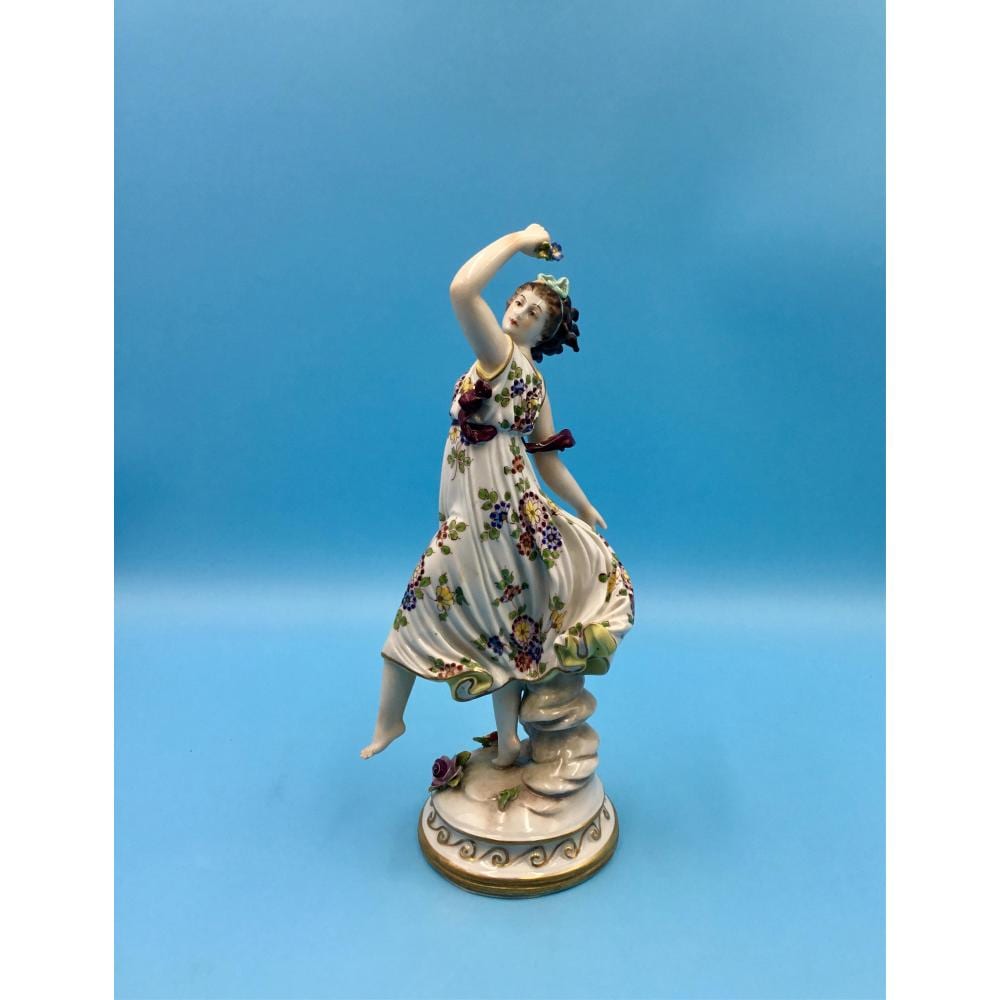
- Commedia dell’arte, shepherdess groups, allegories, and putti are classic 18th–19th century European subjects; 20th-century figures often feature crinolines, ballerinas, or sentimental genre scenes.
Marks That Matter: Factories, Painters, and Numbers
Marks help, but they are not proof alone. Many marks have been faked or copied for centuries. Always compare the quality of the body and painting to the promise of the mark.
- Factory marks (typical forms and cautions):
- Meissen (Germany): Crossed swords in underglaze blue. Variations exist; modern fakes are common. Overglaze or printed swords are red flags; expect crisp hand-painted underglaze.
- Sèvres (France): Interlaced Ls, often with a date letter and painter/gilder marks. Early soft-paste vs later hard-paste matters; expect refined gilding and balanced modeling.
- KPM Berlin: Underglaze blue scepter; often additional “KPM” and orb marks in red/iron-red. Crisp modeling and cool white body typical.
- Vienna (Austria): Underglaze blue shield (“beehive”) mark; widely imitated. Look for high-quality neoclassical modeling and fine enamels on genuine 18th–early 19th c. pieces.
- Nymphenburg (Germany): Impressed or painted shield; superb modeling, often after Bustelli designs.
- Royal Copenhagen: Three wavy blue lines (Øresund straits) underglaze; painter’s initials or numbers; excellent underglaze painting and glazes.
- Capodimonte (Naples): Crowned N used historically and heavily copied later. Quality of modeling and enamel palette separates early from later “Capodimonte-style.”
- English factories (Worcester, Derby, Chelsea, Coalport, Minton, Spode): A variety of crown, anchor, crescent, and cipher marks; many include pattern/model numbers and, later, date codes.
- Decorator and retailer marks:
- Dresden: Not a single factory; a network of Saxon decorators (e.g., Carl Thieme, Richard Klemm). Marks typically include a crown and “Dresden,” often in blue—quality varies widely.
- Retailers and export marks may appear alongside factory marks; they can aid dating but do not determine origin alone.
- Numbers and letters:
- Model numbers: Usually impressed or incised; link to specific sculptor or catalog model.
- Painter/gilder numbers: Often in iron-red, blue, or purple; small and discreet.
- Date letters: Sèvres and some English factories used systematic date codes; learn the ranges for verification.
- Country-of-origin marks:
- “Nippon” (1891–1921), “Japan”/“Made in Japan” (post-1921), “Made in Occupied Japan” (c. 1947–1952).
- “Germany,” “Bavaria,” “Austria,” “England” commonly appear late 19th–early 20th c.
- “Foreign” marks were used on imports to certain markets around 1893–1914.
Attribution review tip: Fakers often get the mark approximately correct, but the body and painting betray them—look for lifeless modeling, heavy casting seams, muddy enamels, and bright, brassy gilding. Real factory marks are typically underglaze and beautifully executed.
Regional Signatures: European vs Asian Traditions
- German and Austrian centers:
- Meissen and Thuringian factories (Volkstedt, Sitzendorf, etc.) excel in Rococo subjects, lace figures, and crisp modeling. Expect underglaze blue factory marks, spur marks, and high-relief flowers.
- Vienna and Nymphenburg favor refined neoclassical and courtly themes with superb hands and faces.
- French schools:
- Sèvres sets the benchmark for gilding and painterly overglaze enamels; early soft-paste has a distinctive silky look.
- Paris porcelain (late 18th–early 19th c.) includes numerous independent decorators—often unmarked or with painted gilder’s ciphers; quality varies from exceptional to modest.
- British porcelain:
- Chelsea (soft-paste) and Derby/Worcester evolve toward highly finished bone china by the 19th century. Figures often feature theatrical or sentimental subjects with careful gilding and enamel work.
- Scandinavian:
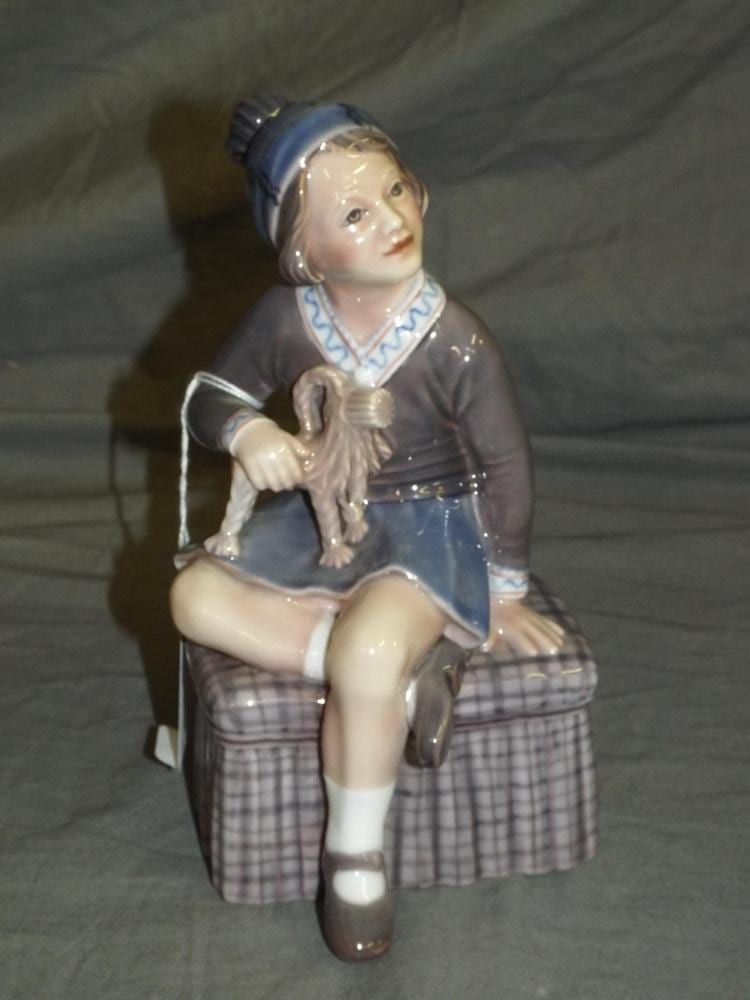
- Royal Copenhagen and Bing & Grøndahl excel in underglaze painted figures with naturalistic glazes and cool, gray-white bodies; later 20th century figures are collectible but not always antique.
- Italian:
- Naples/Capodimonte early works are scarce and refined; 19th–20th century “Capodimonte-style” proliferates, often with florid applied flowers and dramatic subjects—quality is the separator.
- Chinese and Japanese:
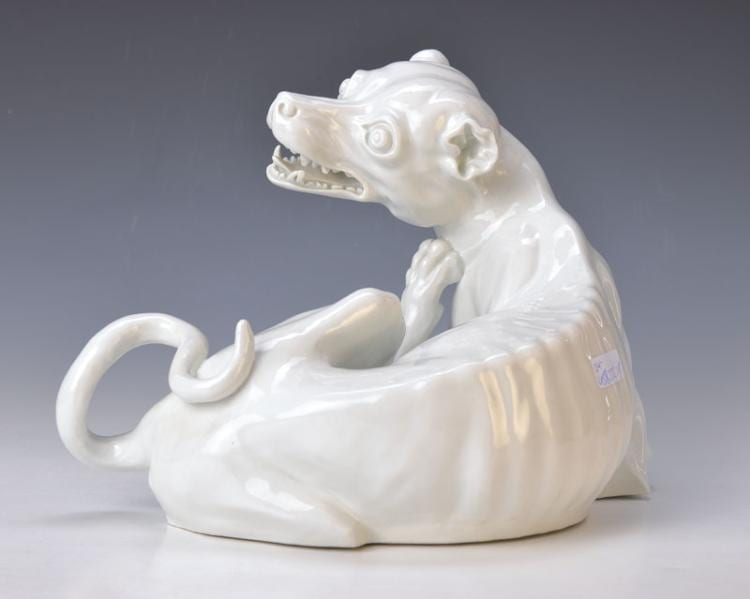
- Chinese Dehua (blanc de chine) figures are white, serene, and often unmarked or with impressed/seal marks; surfaces are glassy with even, white translucency.
- Japanese Kutani and Arita/Imari porcelain figures exist but are less common than tablewares; expect iron-red/gold palettes (Kutani) or underglaze blue with overglaze enamels (Imari). “Satsuma” is earthenware, not porcelain.
Context cues: Export marks, footrim finishing, and enamel palettes help distinguish regional origins. For example, Chinese Dehua typically has a neatly finished, often unglazed footrim with smooth biscuit; European bases often show small firing spur marks or glazed foot with ground ring.
Condition, Restoration, and Value Drivers
Condition is the top price driver. A rare model with invisible but extensive restoration will trail a scarcer untouched example.
- Common damages:
- Fingers, lace, floral sprigs, and accessories are the first to break. Look closely at high points and edges.
- Hairline cracks often run from attachments (arms to torso) or through the base.
- Detecting restoration:
- UV light: Many modern resins fluoresce; older glazes may also glow, so use as an indicator, not proof.
- Texture and color: Overpainted restoration looks smoother and flatter; a different sheen under raking light is telling.
- Solvent swab: A light acetone swab on a cotton bud can lift modern overpaint (test cautiously in an inconspicuous spot).
- Sound test: A gentle “ping” may be dull on cracked pieces, but avoid if fragile or with applied work.
- Value factors:
- Maker and model: Meissen, early Sèvres, KPM, Vienna, and Nymphenburg command premiums; sought-after sculptors (e.g., Bustelli at Nymphenburg) are blue-chip.
- Subject and scale: Complex groups, dancers, allegories, and tall figures with dynamic poses are stronger than generic genre pieces.
- Decoration quality: Finely executed faces, hands, and gilding drive value; “factory quality” beats later decorator work.
- Date and rarity: First-period works and documented limited models bring more than later reissues.
- Condition and provenance: Original condition, old labels, collection history, and literature references can add significant value.
- Storage and care:
- Support from beneath when handling; avoid lifting by appendages.
- Keep out of direct sunlight; stabilize humidity and temperature.
- Dust with a soft brush; avoid water near lace/applied flowers and never use household cleaners.
Quick Identification Checklist (Practical)
- Verify the body: Is it porcelain (translucent, vitrified) or earthenware?
- Scan for seams: Continuous mold seams and soft detail indicate later, mass casting.
- Check the base: Look for spur marks, footrim finish, glaze pooling, and wear appropriate to age.
- Examine decoration: Are enamels and gilding crisp, layered, and subtly shaded?
- Read the mark: Is it underglaze and hand-painted? Are there incised model/painter numbers?
- Date cues: Country-of-origin wording, date codes, and style help bracket the period.
- Condition sweep: Loupe check edges, fingers, flowers, and lace; use UV to spot restorations.
- Quality vs mark: Does craftsmanship live up to the claimed factory?
- Compare scale and subject: Complex, well-modeled groups tend to be superior.
- Document: Photograph mark and details; note measurements and any labels or provenance.
FAQ: Quick Answers for Fast ID
Q: Are all Dresden-marked figurines Meissen-quality? A: No. “Dresden” generally denotes decorator studios in Saxony, not a singular factory. Quality ranges widely; some is excellent, some tourist-grade. Judge the modeling and painting, not the word “Dresden.”
Q: How can I spot a fake Meissen crossed swords mark? A: Warning signs include printed or stamped marks rather than hand-painted underglaze, overglaze placement, clumsy sword proportions, and poor modeling/painting. Genuine pieces typically have crisp swords under the glaze and high-caliber workmanship throughout.
Q: Does “Nippon” confirm an antique? A: “Nippon” was used c. 1891–1921, so many pieces are 100+ years old now. However, not all are figurines, and quality varies. Confirm the body is porcelain and assess craftsmanship and condition before valuing.
Q: Are bisque figures porcelain? A: Yes. Bisque/Parian figures are unglazed porcelain with a matte finish. Check for later wax coatings or painted restorations that can alter the surface sheen.
Q: Should I clean an antique figurine before appraisal? A: Keep it dry and simple. Use a soft brush to remove dust. Avoid water near lace or applied flowers and never use detergents. Cleaning can hide or cause damage—appraisers prefer to see the piece as-found.
With practice, you’ll read antique porcelain figurines holistically: the body tells you how it was made, the marks suggest where and when, and the condition and subject refine value. Approach each figure with a loupe, good light, and a healthy skepticism for marks that don’t match the craftsmanship. That’s the fastest path to accurate identification and confident appraisal.