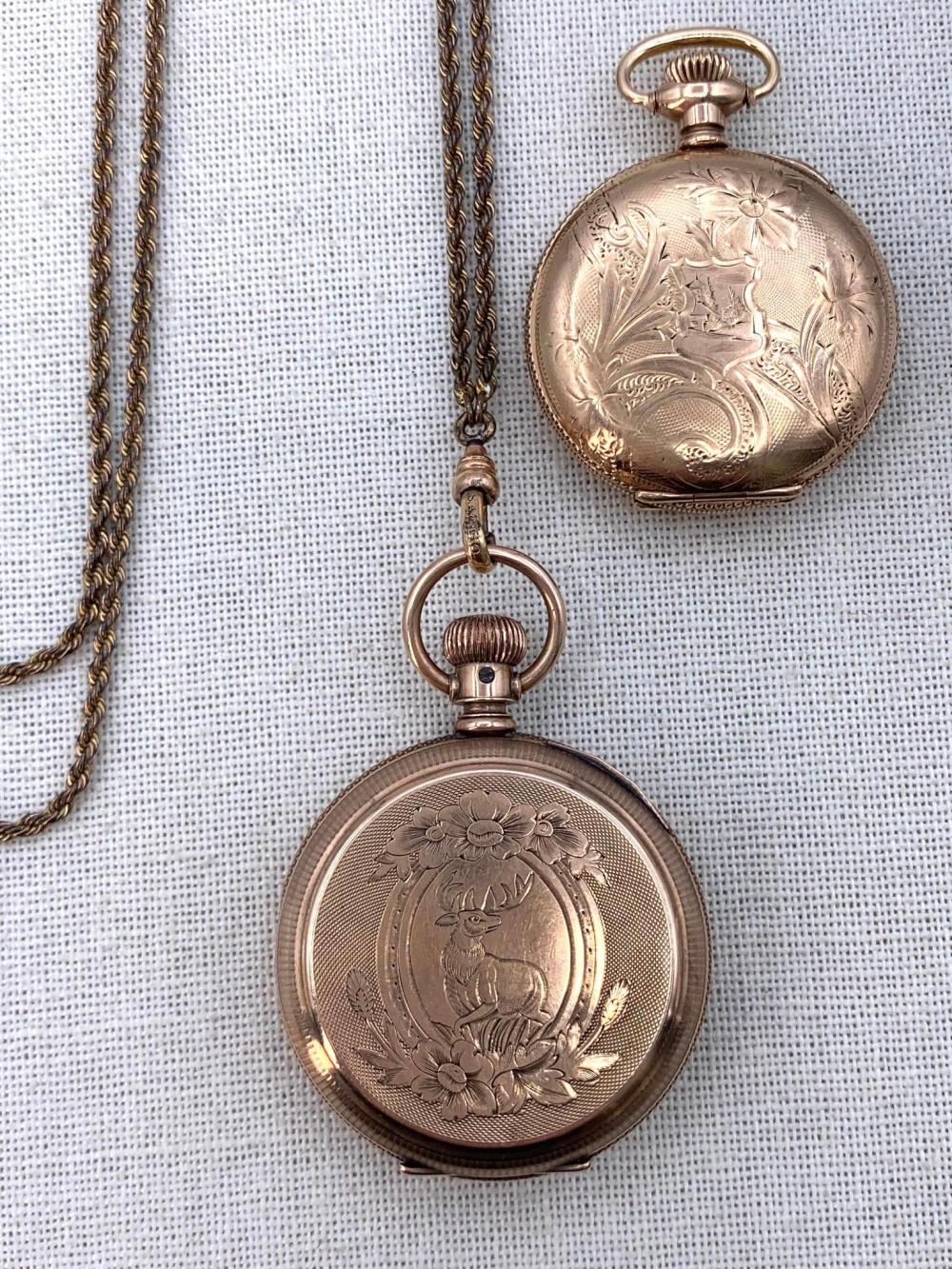
Unveiling the Past a Beginners Guide to Antique Pocket Watch Identification: appraisal and value basics
Unveiling the Past a Beginners Guide to Antique Pocket Watch Identification research should start with identification, condition, provenance, and item-specific market evidence. Use this guide to compare the signals that matter before paying for a formal appraisal or deciding whether to sell.
Antique pocket watch identification checklist
Antique pocket watches are compact archives of technology, fashion, and trade. Identifying what you have—its maker, age, grade, materials, and originality—unlocks both historical insight and appraisal accuracy. This guide walks you through safe handling, the key features to examine, and the logic appraisers use to place a pocket watch in time and context.
Why Identification Matters
- History and provenance: Maker, city, and period link a watch to industrial revolutions, railroads, and retail networks.
- Appraisal clarity: Material, grade, jewel count, setting mechanism, and condition meaningfully influence value.
- Conservation: Knowing how to open and handle a watch prevents expensive damage and preserves dial, movement, and case.
- Avoiding costly assumptions: Cases and movements were often made by different firms and frequently replaced; serials rarely match.
Before You Open The Case: Handling And Tools
- Prepare a clean, well-lit surface with a soft mat or folded microfiber cloth.
- Use finger cots or nitrile gloves to avoid leaving salts on enamel and plates.
- Basic tools: 10x loupe, non-marring case knife, soft brush, digital calipers, notebook/phone for macro photos.
- Do not wind an unknown watch. Dried oils can seize and snap a mainspring or twist a staff.
- Opening basics:
- Screw-back-and-bezel: Bezel and back unscrew; look for fine knurling. Work slowly to avoid cross-threading.
- Hinge-back (hunter or open-face): A small lip allows a case knife to pop the cover. Support the hinge and use minimal leverage.
- Swing-out movements: The front bezel unscrews; pull the crown to swing the entire movement out on a hinge. Never force; check for a captive screw at the pendant.
If you’re unsure, stop. A slipped blade can gouge enamel or bend a balance cock.
A Step-by-Step Identification Workflow
Exterior survey
- Open-face vs hunting-case:
- Open-face: No metal lid over the dial; the pendant (crown) is at 12 o’clock.
- Hunting-case: Spring-hinged lid protects the dial; pendant at 3 o’clock on many American watches.
- Case materials: Note color, wear-through, and any hallmark or karat stamps.
- Dial and hands: Record numerals (Roman/Arabic), seconds sub-dial, sunk areas, signatures, and hand styles.
- Open-face vs hunting-case:
Determine setting and winding
- Key-wind/key-set: Keyholes on the back and/or through the dial indicate pre-1870s technology (though persisted in Europe later).
- Stem-wind:
- Pendant-set: Pull the crown to set.
- Lever-set: Remove the front bezel; pull a small lever at the dial edge to set—common on railroad-grade watches.
Open the back carefully
- Photograph the movement in situ before touching anything.
- Note movement maker’s name, serial number, jewel count, and inscriptions like “Adjusted,” “Safety Pinion,” grades, or private-label retailer names.
Record movement architecture
- Full-plate (common on earlier American 18-size): Large upper plate covering most of the works with separate balance cock.
- 3/4 plate: Large plate with cutouts for balance and escape; a later American standard.
- Bridge movement (more European, later American): Multiple bridges over the train; often finer finishing.
Identify escapement and quality cues
- Lever escapement: By far the most common on late 19th- and 20th-century watches; look for a visible regulator and pallet fork action.
- Cylinder or verge: Signals earlier European manufacture; verge is much older and thicker, with a crown wheel.
- Jewel count: 7, 11, 15, 17, 19, 21, 23 are common; higher jewel counts generally mean better train jeweling and potentially higher grade.
- Adjustments: “Adjusted,” “Adj. Temp & Positions,” or “Adjusted 5 Positions” indicates finer regulation—important for railroad standards.
Movement serial number and maker
- American watchmaking (e.g., Waltham, Elgin, Hamilton, Illinois, Hampden, Howard, Rockford) typically placed a serial on the movement (not the case). Factory tables correlate serials to approximate production years, models, and grades.
- Swiss and other European movements sometimes hide maker codes under the dial; retailer signatures or ebauche makers may be listed, and “Brevet” (patent) numbers can help narrow dates.
- Private-label movements: Retailer’s town and name appear on dial or movement. Note spelling and geography—clues for attribution.
Case maker, material, and hallmarks
- American cases often independent: Companies like Keystone, Crescent, Dueber, Fahys, Star. Movement and case serials nearly never match; mismatches are not a problem by themselves.
- Gold marks: “14K,” “18K,” or “585,” “750.” “Warranted 20 Years” or “documented 25 Years” indicates gold-filled, not solid gold.
- Silver marks: “Sterling,” “.925,” or “Coin” (approximately .900). “Silveroid,” “Nickel,” or “Base Metal” indicate non-precious cases.
- British hallmarks:
- Silver: Lion passant for sterling; town marks include London (leopard’s head), Birmingham (anchor), Chester (wheatsheaves and sword, pre-1962), etc. A date letter in a specific shield shape dates the case.
- Gold: Karat and a crown mark appear on older pieces; later stamps use millesimal fineness numbers (e.g., 375, 585, 750). Maker’s mark is typically initials in a cartouche.
- Continental marks vary; look for numeric fineness (800, 900, 925) and town/assay symbols.
Size measurement
- American sizes use the Lancashire gauge: 18-size and 16-size dominate railroad-era watches; smaller 12-size and 0-size were popular for dress and ladies’ pieces.
- Measure the movement diameter across the pillar plate (not including the winding stem). Use a size chart to convert diameter to “size” if needed.
Note originality and alterations
- Recased movements: Common. Check if the pendant alignment suits the movement (e.g., an open-face movement in a hunting case often places seconds at 9 o’clock).
- Replacement dials/hands: Look for mismatched styles or extra dial feet marks under the dial (if you have the expertise to safely check).
- Crystals: Original glass vs later acrylic; chips, yellowing, or too-tall profiles can indicate replacements.
Synthesize into an ID profile
- Example: “American 16-size Hamilton, lever-set, 21 jewels, adjusted to 5 positions, open-face, nickel damaskeened 3/4 plate, private-label retailer dial, Keystone 14K case.”
- From this, estimate date range, usage (railroad grade or not), and relative desirability.
Key Features Explained
Lever-set vs pendant-set
- Lever-set watches require removing the bezel and pulling a small steel lever (often at 1, 2, 4, or 11 o’clock) to set the time. This prevents accidental time changes—a railroad requirement in many regions after the 1890s.
- Pendant-set watches set by pulling the crown; common for dress watches and earlier stem-wind models.
Jewel count and placement
- 7 jewels: Minimal—usually balance staff and escapement pivots.
- 15 jewels: Train pivots jeweled; a solid mid-grade.
- 17 jewels and up: Full train and often cap jewels; 19, 21, and 23-jewel watches are higher grades, frequently adjusted.
- Beware exaggerated dial markings; trust the movement’s engraved jewel count if present.
Adjustments
- Temperature, isochronism, and positions (often 3, 5, or 6). Higher-position adjustments indicate precision intent and skilled regulation.
Movement finishing
- Damaskeening (engine-turned patterns) on nickel plates is common on American watches of the late 19th–early 20th century. Gold jewel settings, polished screws, and fine regulators (e.g., micrometric) are quality signs.
Dial construction
- Enamel dials: Often “single-sunk” or “double-sunk”—separate sunk seconds and/or center section soldered to an outer ring. Hairlines and chips at the seconds bit are common.
- Metal dials: Later examples may be painted or silvered. Look for uniform aging vs recent refinish.
Case styles
- Hunting-case: Spring-lid with a push to open; ornate engraving is common.
- Open-face: Simpler, often used for railroad watches.
- Crystal types: Beveled glass on older pieces; acrylic replacements are lighter and scratch differently.
Escapement types and age cues
- Verge and cylinder escapements suggest earlier European manufacture and different maintenance needs.
- Swiss “faux-American” watches (late 19th century) sometimes mimic American plate layouts and add grandiose markings like “Railway Timekeeper” without the underlying quality—evaluate jewel counts, adjustments, and finishing critically.
Dating And Attribution
- American factories published serial ranges by year. Once you have the movement maker and serial, you can place the watch within a reasonable production window and identify its model and grade.
- European attribution can be trickier:
- Retailer names often overshadow the ebauche maker.
- Patent numbers (“Brevet”) and hallmark styles can narrow the date.
- Town and assay marks on British and continental cases provide reliable date brackets via their letter cycles and punch shapes.
- Remember: The case date and movement date can differ. A later recase or an older movement housed in a newer case is routine.
Value Drivers And Common Pitfalls
Condition is king
- Movement: Rust, missing screws, chewed slots, or bent balance parts reduce value. A clean, unmolested movement is desirable.
- Dial: Enamel hairlines, chips at the keyhole (key-set watches), or repaired cracks detract.
- Case: “Brassing” on gold-filled cases (yellow base showing through), loose hinges, collapsed bows, or stretched spring lids lower value.
Originality and completeness
- Matched style between movement, dial, hands, and case supports originality.
- Correct lever-set in a proper open-face case for railroad grades adds desirability.
- Boxes, papers, and retailer receipts are scarce and helpful.
Maker and grade
- Not all watches from a renowned firm are valuable; within each brand, specific grades are sought after (e.g., high-jewel, highly adjusted railroad grades or fine bridge movements with superior finishing).
- Complications (chronograph, repeater, calendar) can be significantly more valuable but require expert verification.
Pitfalls
- Forcing a stuck cover or over-winding can cause damage.
- Assuming karat from color—use hallmarks and, where appropriate, non-invasive testing.
- Taking case and movement serials as matching—appraise them independently.
- Confusing private-label signatures for the actual manufacturer.
Practical Checklist For Quick Identification
- Photograph all views before handling.
- Note: open-face or hunting-case; pendant at 12 or 3 o’clock.
- Determine setting: pendant-set or lever-set; key-wind/key-set if present.
- Open the back safely; record movement maker, serial, jewel count, and “Adjusted” markings.
- Identify movement architecture: full plate, 3/4 plate, or bridge.
- Inspect dial: enamel vs metal; sunk areas; signatures; hairlines.
- Examine case hallmarks and stamps: material, maker, town/assay marks, and any “warranted” year counts (gold-filled).
- Measure movement diameter to estimate size (18s, 16s, 12s, etc.).
- Assess originality: Does the case style suit the movement? Are the hands appropriate to the dial?
- Note condition issues: rust, brassing, loose hinges, chipped enamel.
- Synthesize: maker + model/grade (if known) + jewel count + adjustments + case material + date range.
Short FAQ
Q: The serial number on my case doesn’t match the movement. Is it a problem? A: No. In American practice especially, cases and movements were sold separately. Matching numbers are rare; assess each component on its own merits.
Q: How can I tell if my watch is railroad grade? A: Typical hallmarks include lever-setting, open-face case, bold Arabic numerals, at least 17 jewels, and adjustments to multiple positions and temperature. Confirm details by maker and model; standards evolved by region and era.
Q: What does “Adjusted 5 Positions” mean? A: The movement was regulated to keep time consistently in five orientations (e.g., dial up, dial down, pendant up, left, right). More positional adjustments generally indicate a higher-grade watch.
Q: Is “Warranted 20 Years” solid gold? A: No. That phrase indicates a gold-filled case with a confirm period for the gold layer’s wear. Solid gold cases are stamped with karat or millesimal fineness (e.g., 14K, 18K, 585, 750) and lack “warranted” year language.
Q: Should I wind or clean the watch before appraisal? A: Avoid both until it’s inspected. Running a long-stored movement can cause damage. Cleaning should be done by a trained watchmaker using proper disassembly and lubrication.
By following a careful workflow—observe, document, verify—you’ll develop a reliable eye for movements, cases, and period features. Antique pocket watches reward methodical identification with rich stories and defensible appraisals.


