Unlocking the Worth of Timeless Illumination a Comprehensive Guide to Antique Oil Lamp Values: appraisal and value basics
Unlocking the Worth of Timeless Illumination a Comprehensive Guide to Antique Oil Lamp Values research should start with identification, condition, provenance, and item-specific market evidence. Use this guide to compare the signals that matter before paying for a formal appraisal or deciding whether to sell.
Antique oil lamp appraisal checklist
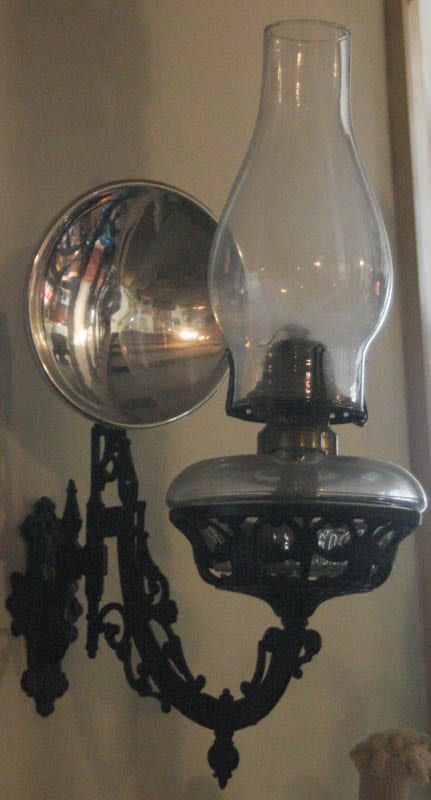
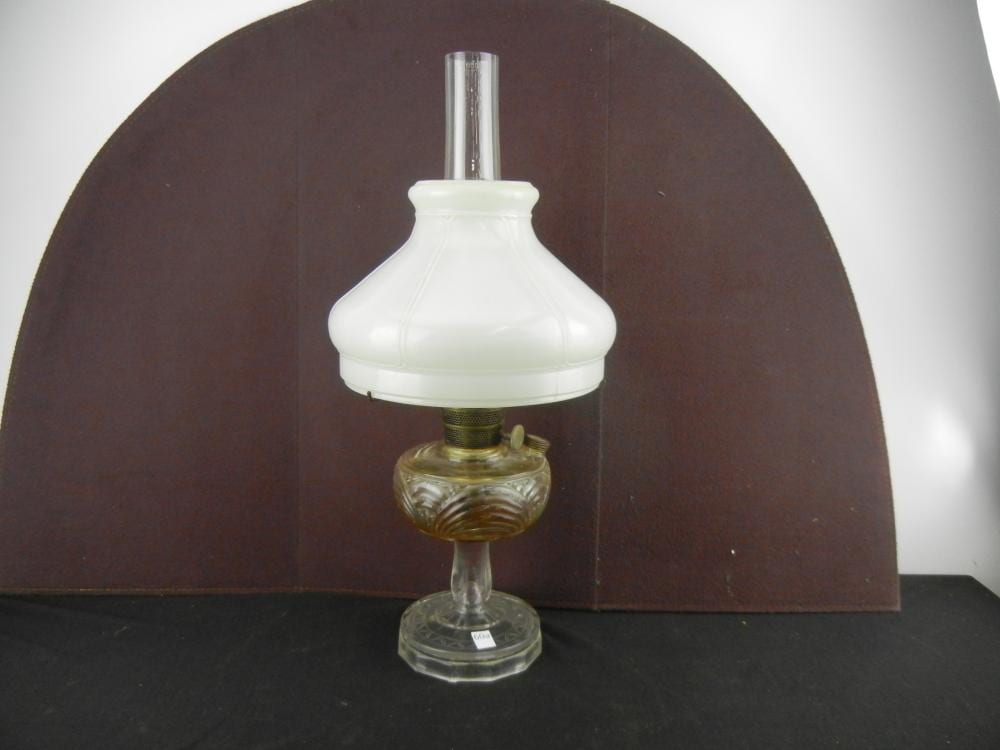
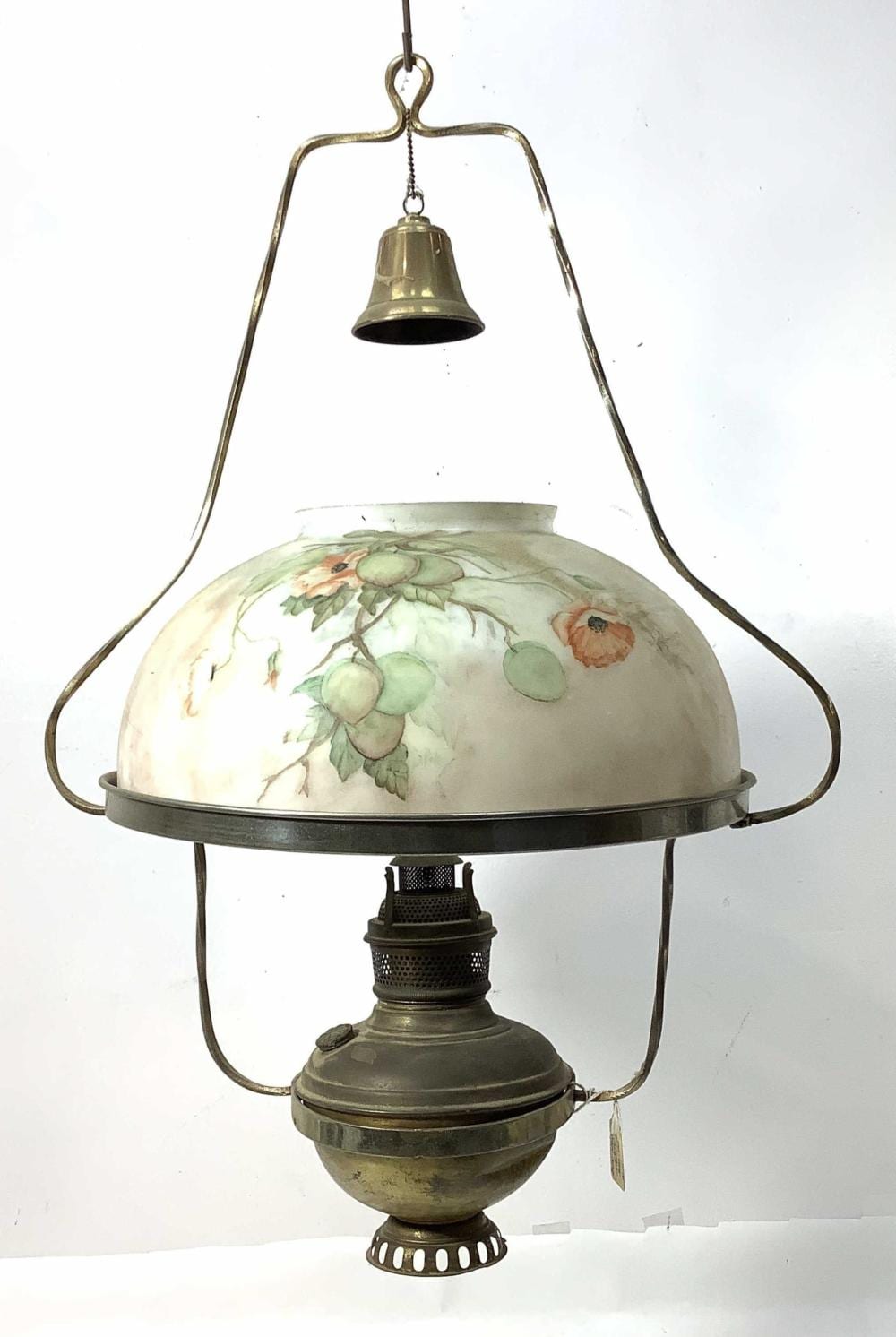
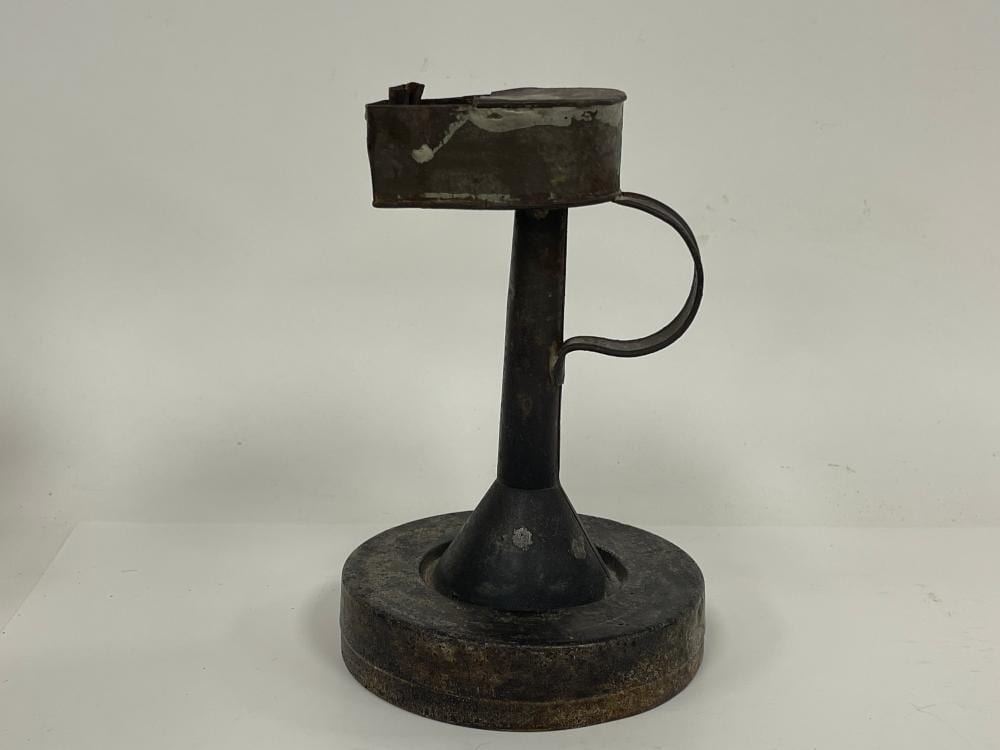
Antique oil lamps are small sculptures of utility—objects that illuminate design history while still capable of lighting a room. For collectors and appraisers, understanding what drives value is a blend of material knowledge, mechanical know-how, and connoisseurship of glass and metalwork. This guide explains how to identify, date, and appraise antique oil lamps with practical criteria, realistic price ranges, and the pitfalls that can turn a glowing bargain into a costly lesson.
The market for antique oil lamps today: where value comes from
Oil lamp values depend on a balance of age, artistry, rarity, completeness, condition, and maker significance. The market is active but selective—mediocre examples have softened, while top-tier lamps, unusual forms, or pristine pairs still command strong prices.
Key drivers of value:
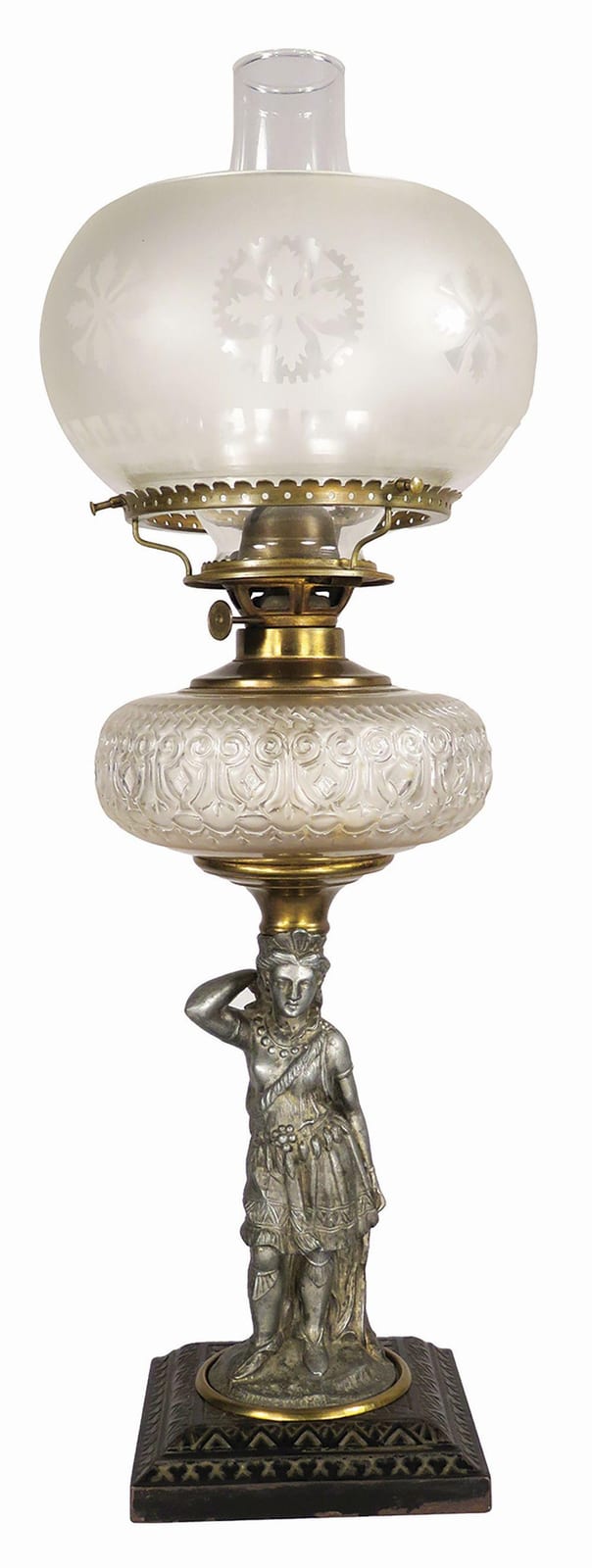
- Visual impact and design quality: Figural bases, fine casting, choice marble, or art glass fonts and shades increase desirability.
- Rarity and form complexity: Argand and sinumbra lamps, large banquet or parlor lamps with hand-painted globes, and distinctive early fuels (whale oil, camphene) often bring premiums.
- Maker and attribution: Bradley & Hubbard (B&H), Edward Miller & Co., Rochester Lamp Co., Rayo, Aladdin (Mantle Lamp Co.), Hinks (Duplex), and R. Ditmar are respected. Documented makers or model numbers raise confidence.
- Completeness and originality: Matching original burner, font, shade, and chimney are ideal. “Married” parts reduce value.
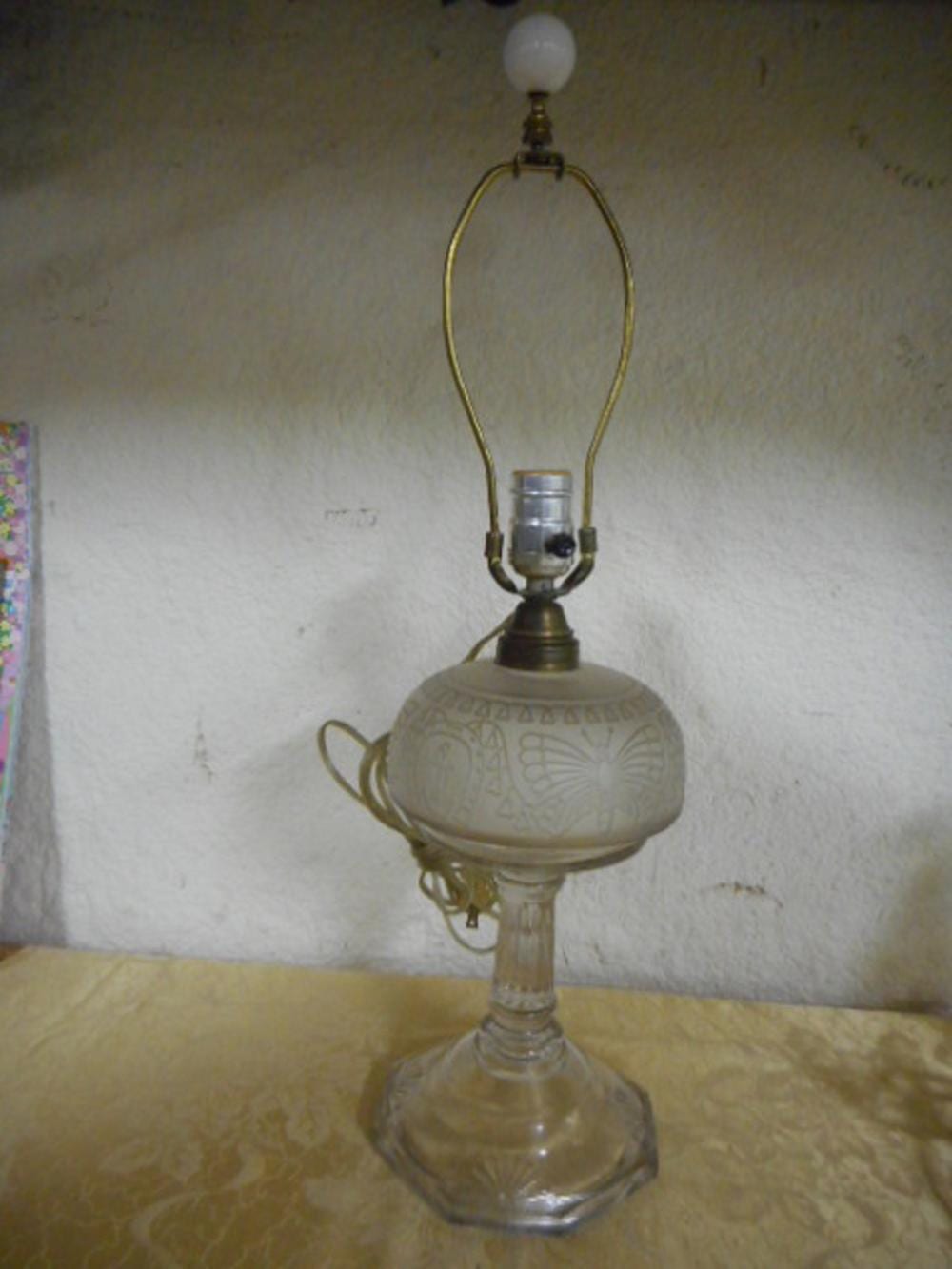
- Condition: Cracks, chips, rim flakes, dents, solder repairs, and losses matter. Electrification, especially drilled fonts, can sharply reduce value.
- Scale and pairs: Tall or monumental lamps and true pairs (especially banquet or student lamps) often bring 1.5–2× the price of singles.
- Regional tastes: British Duplex lamps and French/continental Kosmos-burner lamps can be stronger in their home markets; in North America, Victorian parlor and student lamps are core categories.
How to identify and date: anatomy, fuels, burners, and makers
Knowing the components and evolution of fuel systems is critical to estimating age and value.
Anatomy and common terms:
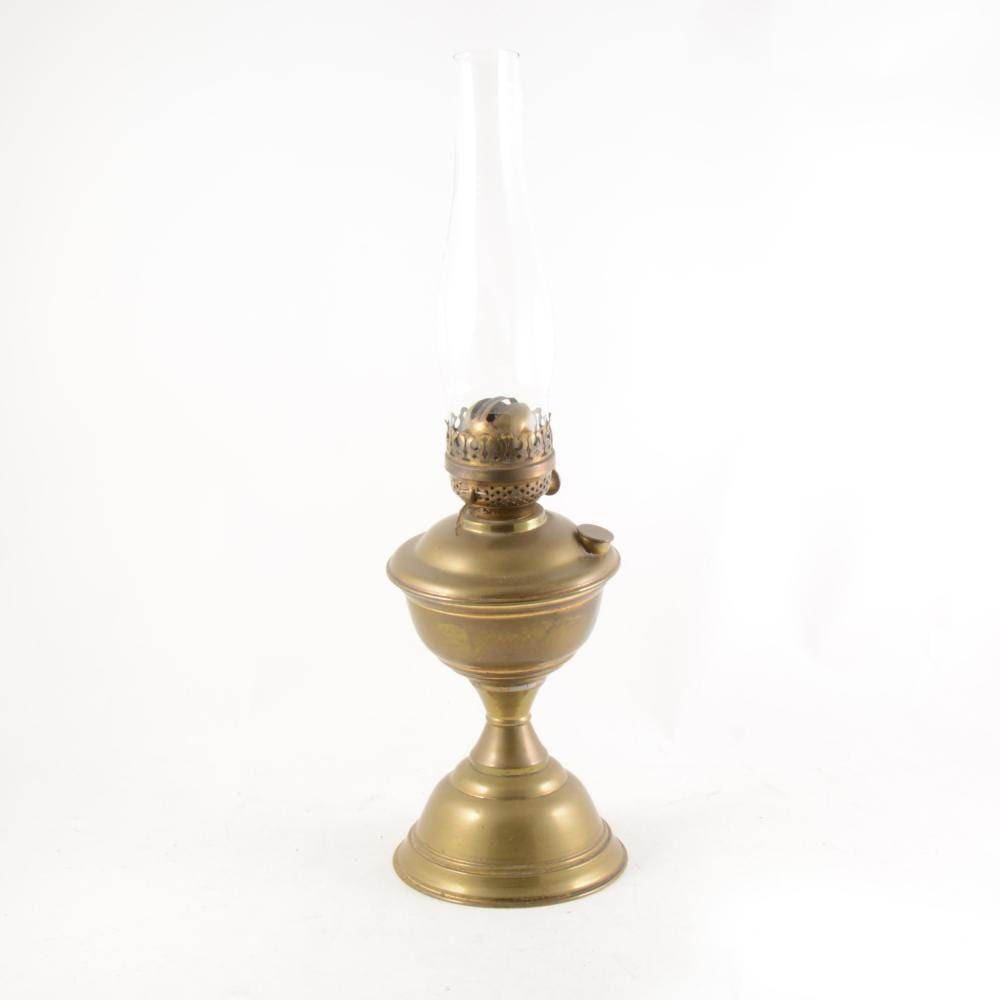
- Base/stand: Metal (brass, bronze, iron), marble, or glass structure supporting the lamp.
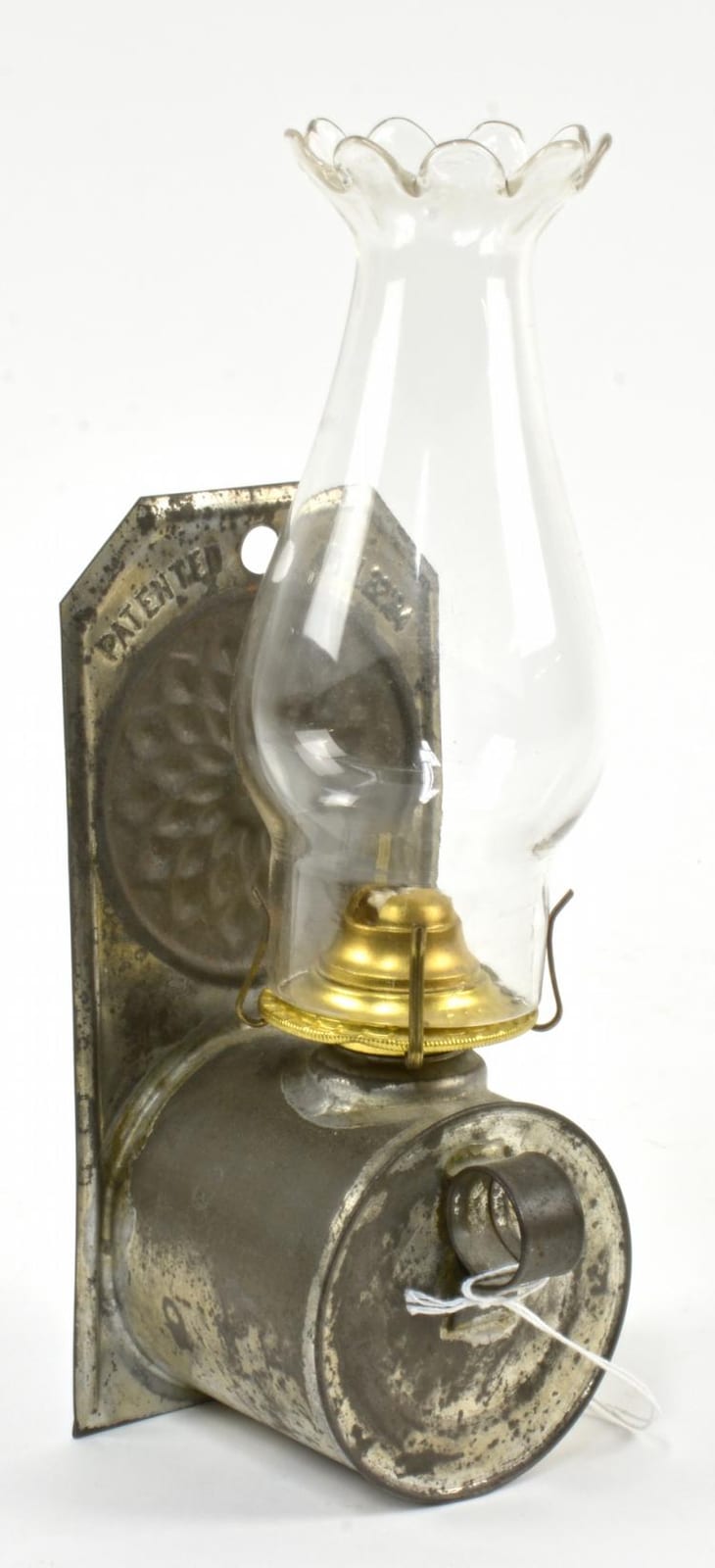
- Font/reservoir: Contains the fuel; materials include mold-blown or pressed glass, brass, pewter, tin, iron, porcelain, or stoneware.
- Collar and burner: Threaded collar accepts a removable burner.
- Wick and gallery: Flat, tubular, or mantle assemblies that control flame; the gallery holds the shade.
- Shade: Glass shades vary by lamp type—student, ball, globe, or chimney-only.
- Chimney: Clear glass tube creating proper draft; sized to burner type.
- Central draft tubes: On later kerosene lamps for efficient combustion.
Fuels and date clues:
- Whale oil and early fat/grease lamps (18th–early 19th c.): Simple iron “betty” lamps and refined pewter/brass whale oil lamps. Small wick tubes, no large fonts.
- Camphene (c. 1840s–mid-1850s): Volatile pine distillate used before kerosene; requires specific camphene burners (twin tubes, tapered reservoirs). Camphene lamps are scarcer and command a premium.
- Kerosene (from 1859 onward, peak 1860s–1910s): Dominant fuel. Wide array of flat-wick, central-draft, Duplex, Kosmos, Matador, and later mantle systems (e.g., Aladdin, 1908+).
Burner types and approximate chronology:
- Flat-wick burners: Common from mid-19th century onward. Sizes marked in lines (e.g., 1⅜"). Associated with many household lamps and some banquet forms.
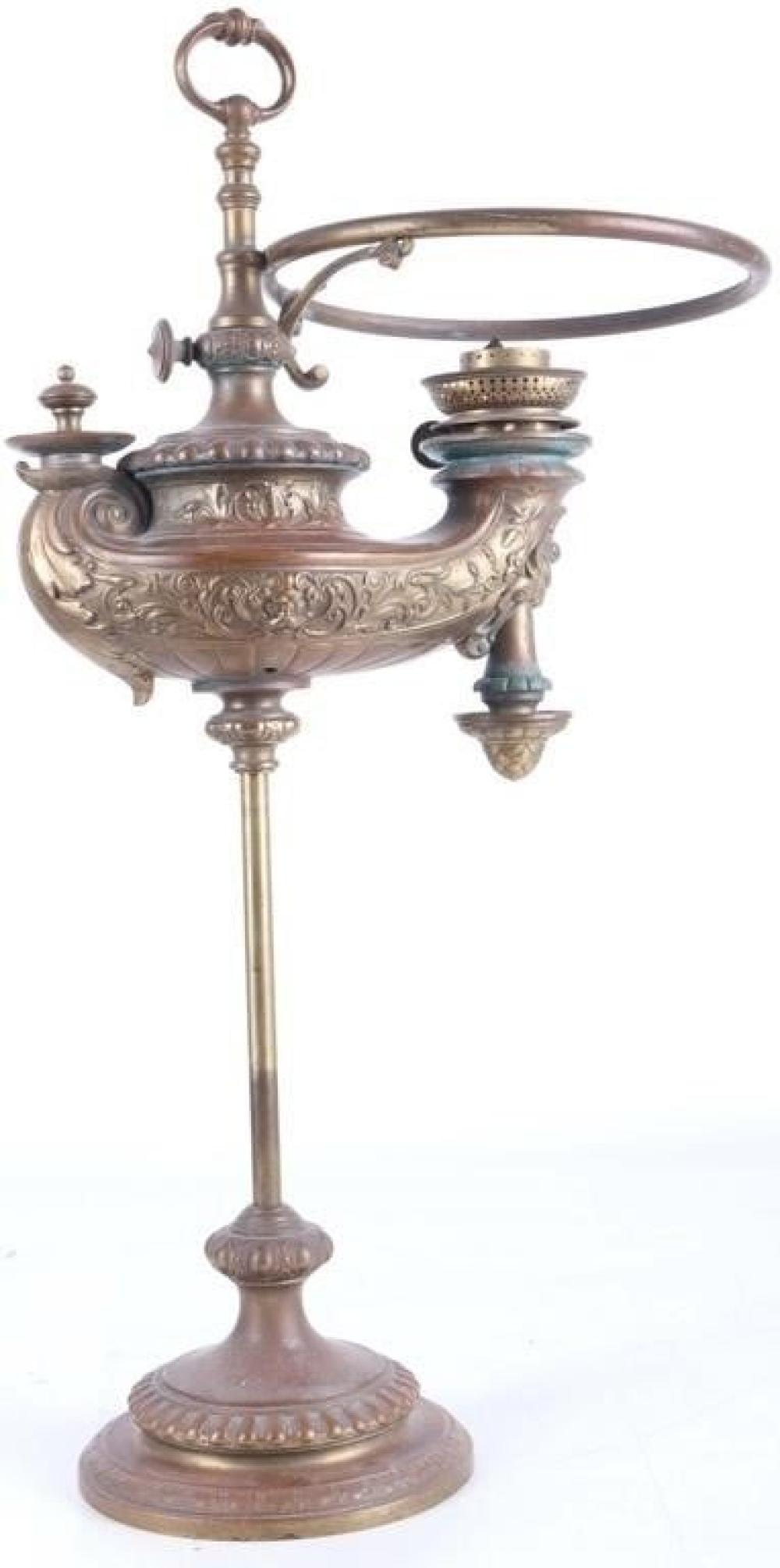
- Argand/Quinquet (round wick with cylindrical glass chimney): Late 18th century onward; high light output; sinumbra variants with distinctive wide shades. Premium category when complete.
- Camphene burners: Distinct twin-tube, often with cone-shaped caps. Pre-kerosene era; tricky to use today.
- Central-draft burners: Efficient kerosene burners with inner/outer air passage and a tall chimney; look for brands like Rochester and Rayo (c. 1880s–1910s).
- Duplex (British) double-flat wick: Hinks & Son “Duplex” with snuffer lever; valued in UK-centric collections.
- Kosmos/Matador (continental): Round-wick German/Austrian systems marked 8’’’, 12’’’, 14’’’ etc.; quality European lamps often use these.
- Mantle lamps (Aladdin): Incandescent mantle on kerosene; bright white light; widely collected, especially early models and rare shades.
Shades and glass that matter:
- Early mold-blown and Sandwich glass fonts (mid-19th c.) and cut overlay or cased glass can be strong.
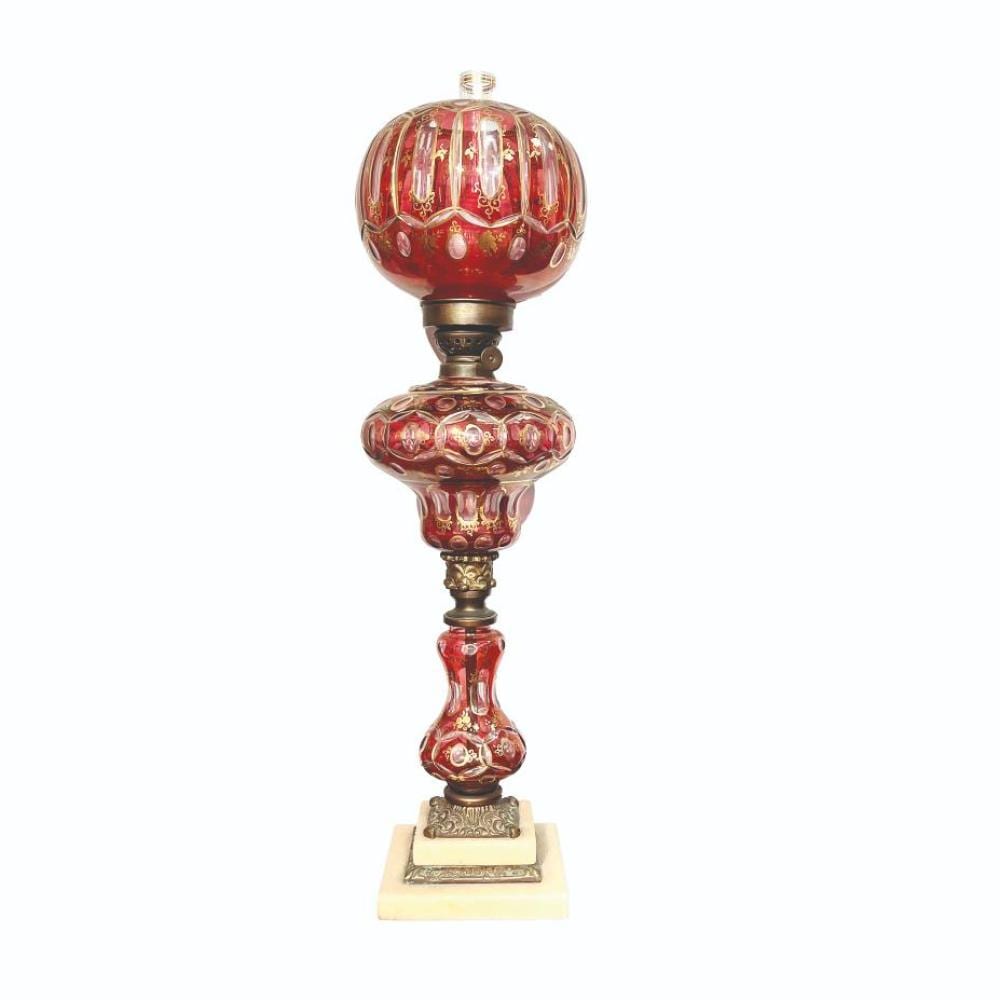
- Cranberry (gold ruby), opalescent, vaseline/uranium (UV reactive), Bristol enamel-painted, and high-relief patterns increase appeal.
- Student lamp shades: Rolled-edge green or opal shades; original fit and correct size are important.
- Parlor/banquet “Gone-With-The-Wind” (GWTW) globes: Hand-painted floral, scenic, or portrait motifs; matching top and bottom globes are essential.
Where to find maker marks:
- Burner thumbwheels, gallery rings, wick knobs (e.g., “B&H,” “E. Miller,” “Rochester,” “Rayo,” “Hinks’s Duplex,” “R. Ditmar,” “Aladdin”).
- Undersides of bases and font collars; some have patent dates.
- Shade rings occasionally embossed; chimneys rarely marked beyond size/fit.
- Beware: many parts are unmarked; attribution relies on construction details and catalog comparisons.
What collectors pay: realistic price ranges by lamp type
Prices vary by region and venue, so compare recent retail and auction results for the same type before pricing. For complete, honest examples, this is what moves each group up; exceptional condition, rarity, or pairs sell higher still.
- Early iron “betty”/grease lamps (18th–early 19th c.): unusual forms with hangers or multiple spouts sell above plain ones.
- Pewter or brass whale oil lamps: fine Classical or double-reservoir forms sell above simple ones.
- Camphene lamps with correct burners (c. 1840s–1850s): rarities and decorated glass fonts bring more.
- Argand and sinumbra lamps: a sinumbra with its original shade sells well above a standard Argand. Complete original assemblies bring the highest prices.
- Mid-19th c. pressed/mold-blown glass kerosene lamps: common forms are the least expensive; colored or opalescent fonts sell for more, and early Sandwich glass for more again.
- Student lamps (single or double arm, central draft): signed B&H/Miller hardware and an original green/opal shade add value; double-arm and ornate examples higher.
- Banquet/parlor “GWTW” lamps (hand-painted ball globes): figural bases, scenic painting, or matching shade pairs sell for more.
- European Duplex/Kosmos/Matador table lamps: quality brass/marble examples sell steadily; cased or opaline glass adds value.
- Aladdin mantle lamps (1908+): common models are plentiful and inexpensive; rare colors/shades or early model numbers and Corinthian/short Lincoln drape varieties sell for much more.
- Figural bronze or mixed-material showpieces: among the most valuable lamps, depending on casting quality, scale, and glass.
Shade-only and part values:
- Period student shades (10"–14"): priced on color and fit.
- Painted GWTW top or base globe (single): sells on its own, but matched pairs bring significantly more.
- Unusual chimneys (bulged, beaded, tall central-draft marked sizes): collectible, with rare originals higher.
- Quality burners (Rochester, Rayo, Hinks Duplex, Matador): sell individually to restorers; scarce sizes or early variants bring premiums.
Note: Electrified or drilled fonts often sell for noticeably less than equivalent untouched examples. A pair of lamps can bring more than double the price of a single.
Condition, originality, and common pitfalls
Condition grading and originality heavily influence value. Inspect carefully and assume that small defects add up.
What to check:
- Glass: Look for cracks (especially around collars and at globe shoulders), chips and flakes at fitter rims, wear on base rings, and stain or hazing inside fonts from old fuel. UV reaction (vaseline) and subtle seed bubbles can indicate period glass but are not proof.
- Metal: Dents, splits on brass fonts, stress cracks at threaded collars, bent galleries, and pitting on iron. Original lacquered brass has a warm tone; over-polished or freshly lacquered surfaces may diminish appeal to purists.
- Burner function: Does the wick rise and fall smoothly? Are thumbscrews and snuffers intact? Are draft tubes straight? Threads should engage without cross-binding.
- Completeness: Original shade/chimney fit and correct proportions are crucial. A mismatched or modern shade can visually “read wrong” and devalue the lamp.
- Marriages and reproductions:
- Married lamps combine unrelated antique parts; they can be attractive but worth less than all-original examples.
- Reproduction banquet lamps and embossed glass fonts (often new brass over wood cores or modern glass with heavy seams) circulate widely. Check screw threads (metric vs. old U.S./British), tool marks, and unnatural patina.
- Modern Indian or Chinese brass lamps may be artificially aged; file marks and uniform casting suggest new manufacture.
- Some “Sandwich style” pressed glass is modern; look for sharpness of pattern edges and base wear consistent with age.
- Electrification:
- Non-invasive conversions that replace the burner without drilling can sometimes be reversed and are more acceptable.
- Drilled fonts or added sockets through the base permanently reduce value. Expect a substantial discount unless the lamp is extraordinary.
Provenance and documentation:
- Period catalogs, receipts, or family history can support higher values, especially for rare makers or unique forms. Photograph the lamp disassembled to document original parts.
Caring for and safely using antique oil lamps
Conservation-minded care preserves both utility and value.
Cleaning:
- Glass: Warm water with mild detergent; avoid ammonia on painted or enameled surfaces. Support globes evenly; don’t twist against tight fitters—use penetrating oil and patience.
- Metal: Dust first. For brass/bronze with original lacquer or patina, avoid aggressive polishing. If you choose to polish, leave protected crevices untouched to retain age. Never use steel wool on decorative castings.
- Wicks: Replace worn or charred wicks with correct sizes. Trim flat wicks straight; tune round wicks evenly to avoid flare.
Fuel and operation:
- Use only the correct fuel. For kerosene-era lamps, water-clear, low-odor lamp oil or high-quality kerosene is appropriate. Do not use gasoline, paint thinner, or alcohol in kerosene burners.
- Camphene lamps should not be fueled for use; camphene is volatile and hazardous. Treat as display pieces.
- Test-burn safely: Check for leaks around solder seams. Start with a short wick, let the flame stabilize, and watch for smoking. Proper chimneys and draft are essential.
Storage and display:
- Keep out of direct sun to avoid glass solarization or fading of painted decoration.
- Do not store filled with fuel for long periods. Empty, wipe, and allow to air out before storage.
- For shipping, double-box glass parts individually with soft cushioning; remove shade, chimney, and burner from the font.
Quick field checklist
- Identify the fuel system: flat-wick, Argand, central draft, Duplex, Kosmos, or mantle.
- Check for maker marks on burner knobs, galleries, collars, and base.
- Confirm completeness: correct shade, chimney, burner, and proper fit.
- Inspect glass rims and shoulders for chips, cracks, or repairs.
- Examine metal for dents, splits, or soldered repairs; test thread engagement.
- Look for signs of drilling or irreversible electrification.
- Assess patina and wear consistency across parts (avoid obvious marriages).
- Judge scale and presence as displayed; pairs earn a premium.
- Photograph assembled and disassembled; record measurements and burner size.
- Research market evidence by specific type, maker, and glass color.
FAQ
Q: Does electrification always ruin value? A: Not always, but drilling the font or base for wiring usually cuts value dramatically. Reversible conversions that swap the burner without drilling are more acceptable, especially if original parts are included. Exceptional lamps may still sell well but at a discount.
Q: How can I tell if my shade is original to the lamp? A: Check fitter size and proportion first. The shade should seat securely in the gallery without wobble, and the overall silhouette should look balanced for the period. Period glass often shows subtle wear on fitter rims and base rings. Mismatched colors, too-bright modern glass, or a shade that crowds the burner are red flags.
Q: What fuels are safe to use today? A: For kerosene-era lamps, use clear, refined lamp oil or quality kerosene. Avoid gasoline, alcohol, or camp fuels. Do not attempt to use camphene lamps with modern substitutes; treat them as display items due to safety risks.
Q: Where are the most reliable places to find maker marks? A: Start with the wick knob and burner gallery, then check the collar threads and base underside. Many European burners are marked with line sizes (e.g., 12’’’). If unmarked, look to construction details—air tube shapes, wick raiser design, and casting quality often indicate maker and region.
Q: Are uranium (vaseline) glass fonts and shades safe? A: Yes, vaseline glass contains a small amount of uranium that causes it to glow under UV light. It emits negligible radiation and is generally considered safe for display and normal handling. Avoid using abrasive cleaners that might scratch the glass.
With these identification tools, condition criteria, and price benchmarks, you can approach antique oil lamp values with the confidence of a specialist—discerning the difference between a pleasant night light and a museum-worthy beacon.