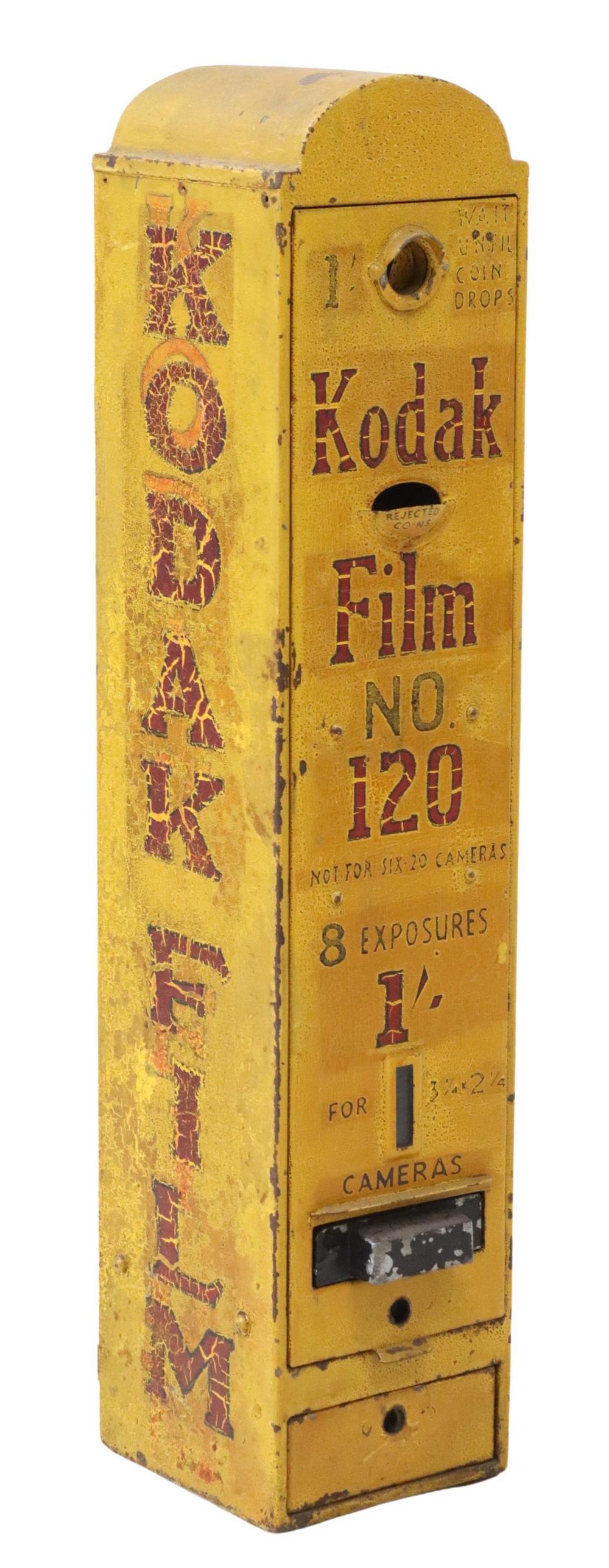
Unlocking the Worth of Time a Comprehensive Guide to Antique Camera Values: appraisal and value basics
Unlocking the Worth of Time a Comprehensive Guide to Antique Camera Values research should start with identification, condition, provenance, and item-specific market evidence. Use this guide to compare the signals that matter before paying for a formal appraisal or deciding whether to sell.
Antique camera appraisal checklist
Antique and vintage cameras sit at the crossroads of design, engineering, and cultural history. Their values range from the price of a nice dinner to the down payment on a home, depending on maker, model, condition, originality, and provenance. This guide outlines how to identify what you have, how to judge its condition, which factors move prices up or down, and where current market bands generally sit for popular categories.
Terminology note:
- Antique is often defined as 100+ years old (think wood-and-brass field cameras, early plate cameras).
- Vintage commonly refers to mid-20th-century film gear through the 1980s.
- “Collector grade” can apply to any age if rarity, originality, and condition align.
The Factors That Drive Antique Camera Value
Understanding what collectors and users want is half the appraisal. The most influential drivers are:
- Maker and model lineage: Blue-chip names like Leica, Hasselblad, Rolleiflex, Nikon, Canon, Zeiss Ikon, and Graflex can command strong prices, especially for landmark models (Leica M3, Nikon F plain prism, Rolleiflex 2.8F, Hasselblad 500C/M).
- Rarity and variant: Short production runs, pre-production samples, uncommon finishes (factory black paint on Leicas), military or press issue variants, and early serial ranges boost value, provided they are documented and unmodified.
- Format and use case: Large format and early plate cameras appeal to historical collectors; 35mm and 120 format appeal to both users and collectors; panoramic and subminiature (e.g., Minox) sit in niche but passionate segments.
- Condition: Cosmetics and mechanics together drive price. Mint, working examples with clean optics and accurate shutters bring premiums; fungal growth, haze, dents, separation, and slow shutters push prices down.
- Originality: Factory-correct finish, engravings, coverings, and hardware matter. Repaints, polished brass, replaced vulcanite/leatherette, or incorrect knobs and screens reduce collector value, though they can still be fine for users.
- Completeness: Matching caps, lens hoods, viewfinders, original packaging, manuals, dealer tags, and matching-number backs (Hasselblad) or inserts add value. A kit in the factory case can bring a meaningful premium.
- Provenance: Documented use by notable photographers, press agencies, or in historic events can transform value. The documentation is crucial; anecdotes without evidence rarely change prices.
- Working appeal: The film renaissance supports user demand. Cameras that can easily be serviced and used (Leica M, Nikon F, Hasselblad V, Rolleiflex) often outpace purely display pieces in sustained demand.
- Market momentum: Prices fluctuate with trends in film culture and media coverage. Supply is finite; rare variants can spike when a few collectors compete.
How to Identify and Date Your Camera
Accurate identification precedes valuation. Use this checklist of visual and mechanical cues:
- Branding and model marks: Start with top plate, front standard, or nameplate. Many cameras include both maker and model; some only include maker (early Leitz/Leica).
- Serial numbers: Bodies and lenses usually carry serials. Location varies—under the shoe, on the top plate, lens rim, or rear standard. Serial ranges can date production to a specific year or even quarter.
- External features: On rangefinders, note window configuration; on Nikon F bodies, prism type (plain vs. metered), self-timer shape, or shutter speed top speed. For Rolleiflex, check focusing knob style and bayonet size. On Hasselblad, backs have matching insert codes; mismatches don’t kill value but reduce it.
- Shutter and lens type: Leaf vs. focal-plane shutters, uncoated vs. coated lenses, and brand of shutter (Compur, Prontor) help place the camera in time. Coating marks (e.g., “T” for Zeiss T coating) are telling.
- Format and loading system: 35mm cassettes, 120 roll film with red window vs. automatic frame spacing, sheet film holders, or plate holders identify the era and intended use.
- Construction details: Wood species and brass fittings on field cameras, leatherette patterns and screws on folding cameras, and viewfinder screens (ground glass types) provide clues to variant.
- Markings and codes: Wartime or government property marks, import stamps, or retailer engravings can matter—positively or negatively. Originality is key; poorly executed engravings are red flags.
If you lack serial number references, triangulate using catalogs, maker timelines, and feature changes across production runs. Compare small details carefully; small revisions can imply large value differences.
Assessing Condition, Originality, and Completeness
Collectible value hinges on “correct and clean.” Here’s how to grade with discipline.
Grading framework:
- Mint/Like New: Appears unused, often with box/papers; full function.
- Excellent: Light wear, no dents, optics clean, functions correct or close.
- Good/User: Noticeable cosmetic wear, minor optical flaws, usable operation; may need service soon.
- Fair/Parts: Dents, heavy brassing, separation, fungus, broken or missing parts; display or donor.
Optics:
- Inspect with a penlight. Look for haze (diffuse veil), fungus (branch-like filaments), balsam separation (rainbow edge at cemented elements), cleaning marks (fine front-surface lines), and coating loss. Clean glass with no structural issues is a major value booster. Separation and deep fungus are value killers, especially in collectible lenses.
- Check aperture: Blades should be dry and snappy. Oil on blades in many leaf shutters impairs function.
Shutters and timing:
- Test all speeds. Leaf shutters should be even; focal-plane shutters shouldn’t cap at high speeds. A second hand and ear can detect egregious slow speeds, but a professional test meter is definitive for high-value items.
Rangefinders and viewfinders:
- Rangefinder patch should be contrasty; alignment should be accurate at infinity and closer distances. For TLRs, ensure the viewing screen is bright and the focusing helical smooth. Prism desilvering and mirror deterioration reduce value.
Bellows and light seals:
- In folding and large-format cameras, backlight the bellows in a dark room; pinholes are common and reduce usability. Light seals (foam) in later cameras commonly rot; this is minor to replace but affects user value.
Originality:
- Look for non-factory repainting, re-engraving, replaced coverings, swapped knobs, aftermarket logos, and “restoration” that erases patina. Many collectors prefer honest wear to over-restoration.
- Matching numbers: On Hasselblad, a-matching backs and inserts can add value. For Leica screwmount kits, matching period lens elevates interest.
Completeness:
- Boxes with matching serial sticker, warranty cards, dealer receipt, period straps, hoods, filters, and caps all help. Original cases can add a modest premium, more if the case is model-specific.
Service history:
- A recent CLA (clean, lubricate, adjust) from a respected technician adds confidence and often brings a higher realized price than an unserviced example, especially for mechanical icons.
Cautions:
- Battery compartments: Corrosion is common; severe leakage can be terminal. Some meters use obsolete mercury cells; adapters exist, but non-working meters reduce value mainly on metered prisms and electronic bodies.
- Safety: A few lenses contain thorium glass that yellows and is mildly radioactive. This is typically low-risk in normal use; store sensibly and avoid sanding or grinding optics.
Market Benchmarks: What Sells and Typical Price Bands
Values fluctuate with condition, completeness, and timing, but these broad bands provide orientation. Unless noted, assume a clean, working user-grade set with standard lens if applicable.
- Box and simple folding cameras (e.g., Kodak Brownie): a value that must be established from current, topic-matched sales. Exceptions include very early or uncommon models in pristine condition.
- Wood-and-brass field/plate cameras: a value that must be established from current, topic-matched sales for common makers; exceptional or large, well-documented examples can reach several thousand.
- TLRs: Yashica-Mat and Minolta Autocord a value that must be established from current, topic-matched sales; Rolleicord a value that must be established from current, topic-matched sales; Rolleiflex Automat and 3.5 models a value that must be established from current, topic-matched sales; Rolleiflex 2.8F (Planar/Xenotar) a value that must be established from current, topic-matched sales+, with rare variants higher.
- 35mm rangefinders: Leica screw-mount bodies a value that must be established from current, topic-matched sales; Leica M3/M2 user kits a value that must be established from current, topic-matched sales; rare factory black paint or special engravings can be five figures. Canon P/7 bodies a value that must be established from current, topic-matched sales; Canon 7 with 50mm f/0.95 often a value that must be established from current, topic-matched sales depending on lens condition.
- 35mm SLRs: Nikon F with plain prism a value that must be established from current, topic-matched sales; black bodies and early prisms trend higher; Nikon F2 variants a value that must be established from current, topic-matched sales; specialty editions (e.g., F2 Titan) a value that must be established from current, topic-matched sales. Canon F-1/F-1n kits a value that must be established from current, topic-matched sales.
- Press cameras: Graflex Speed/Crown Graphic a value that must be established from current, topic-matched sales; with desirable lenses like the 178mm Aero-Ektar, combined sets commonly a value that must be established from current, topic-matched sales.
- Medium format system cameras: Hasselblad 500C/M kits a value that must be established from current, topic-matched sales; earlier 1600F/1000F are more collectible than practical—values vary widely with condition. Mamiya RB67/RZ67 a value that must be established from current, topic-matched sales depending on kit.
- Panoramic and swing-lens: Widelux F7/F8 a value that must be established from current, topic-matched sales; Noblex 135 series a value that must be established from current, topic-matched sales when fully working.
- Instant: Polaroid SX‑70 a value that must be established from current, topic-matched sales; SLR 680/690 a value that must be established from current, topic-matched sales; rarer models and special editions can do more.
- Subminiature: Minox B/C a value that must be established from current, topic-matched sales; prewar Riga Minox can be several thousand if correct and clean.
- Earliest photographic apparatus (daguerreotype-era cameras): Rare in the wild; documented, documented examples can be five figures or more.
Outliers exist: prototype or presentation models, cameras used by notable photographers, and museum-grade sets can sell far above typical bands. At the other end, parts-grade gear trades at a fraction of user prices.
Buying, Selling, and Preservation Strategy
For sellers:
- Decide your value type: Fair market value (typical private sale), retail replacement (for insurance), or auction estimate. Each uses different comparables.
- Service or sell as-found? Service increases buyer confidence, but not every camera warrants a CLA. If the banded value post-service won’t cover the service cost plus a premium, disclose faults and sell as-found.
- Documentation wins: Photograph all angles, serials, shutter curtains, optics, bellows, accessories, and flaws. Honest, detailed condition reports yield fewer returns and stronger bids.
- Choose the right venue: Specialist auctions and dealers reach collectors for rare variants; general online marketplaces can maximize user-grade items; camera shows enable in-person inspection for higher prices.
- Don’t over-clean: Dusting and gentle leatherette cleaning is fine. Avoid polishing brass, re-blacking interior surfaces, or repainting—these can destroy collector value.
For buyers:
- Target originality and sound mechanics. Small cosmetic flaws are acceptable; deep optical or mechanical issues are costly to correct.
- Verify serials and features against known variants to avoid repaints or swapped parts.
- Budget for a CLA on mechanical cameras unless documented recently.
- Factor in accessories: The correct hood or finder can be hard to find later—kits often represent better value.
Storage and preservation:
- Keep cameras dry (relative humidity at a material-appropriate relative humidity), cool, and ventilated. Use silica gel judiciously and refresh it regularly.
- Avoid long-term leather cases; they can trap moisture and leach acids.
- Exercise shutters and focus helicals a few times per year to distribute lubricants.
- Store lenses and cameras with caps off occasionally to discourage fungus; avoid dark, damp basements.
- For wood-and-brass cameras, leave honest patina; stabilize loose joints rather than refinishing.
Quick Valuation Checklist
- Identify maker, model, and variant; record serial numbers on body, lens, and backs.
- Confirm format (35mm, 120/220, sheet/plate) and shutter type (leaf/focal-plane).
- Inspect optics with a light: haze, fungus, separation, cleaning marks, coating condition.
- Test shutter speeds across the range; check aperture and focus operation.
- Check rangefinder alignment or TLR focusing and screen brightness.
- Inspect bellows and light seals; note pinholes or deteriorated foam.
- Evaluate originality: finish, coverings, engravings, knobs, and matching numbers.
- Inventory completeness: caps, hoods, finders, manuals, boxes, cases, matching serial paperwork.
- Note service history and receipts; consider the cost/benefit of a CLA before sale.
- Photograph everything, including flaws and serials, for documentation and insurance.
FAQ
Q: Are “mint” cameras worth dramatically more than “excellent” ones? A: Often yes—especially for collectible brands. The premium from excellent to truly mint-in-box can be a condition-specific range in some categories. For user cameras, function may matter more than cosmetics.
Q: Should I restore or repaint a worn camera? A: Generally, no. Over-restoration diminishes collector value. Mechanical servicing is good; cosmetic repainting, polishing, and re-engraving usually reduce desirability unless performed by the original manufacturer and documented.
Q: Does a non-working light meter ruin value? A: Not necessarily. Many collectors and users accept non-working selenium or early CdS meters. Value impact ranges from modest (metered prisms, integrated meters) to minimal (separate hand-held metering is common).
Q: How important is matching lens to body? A: It depends. On system cameras (Leica M, Nikon F), lens and body are traded separately and each has its own value. For fixed-lens cameras (TLRs, many rangefinders), the lens is integral. Matching-number backs/inserts (Hasselblad) and period-correct lenses can add premiums.
Q: What’s the best way to insure my collection? A: Obtain a written appraisal that specifies retail replacement value for significant pieces, with photos and serials. Update records periodically and store documents separately from the gear.
By approaching antique camera appraisal methodically—identify the exact variant, grade condition honestly, weigh originality and completeness, and align with current market bands—you’ll minimize surprises and maximize outcomes, whether you’re building a collection or preparing a sale.


